

germany<br /&
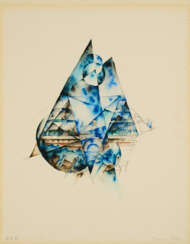



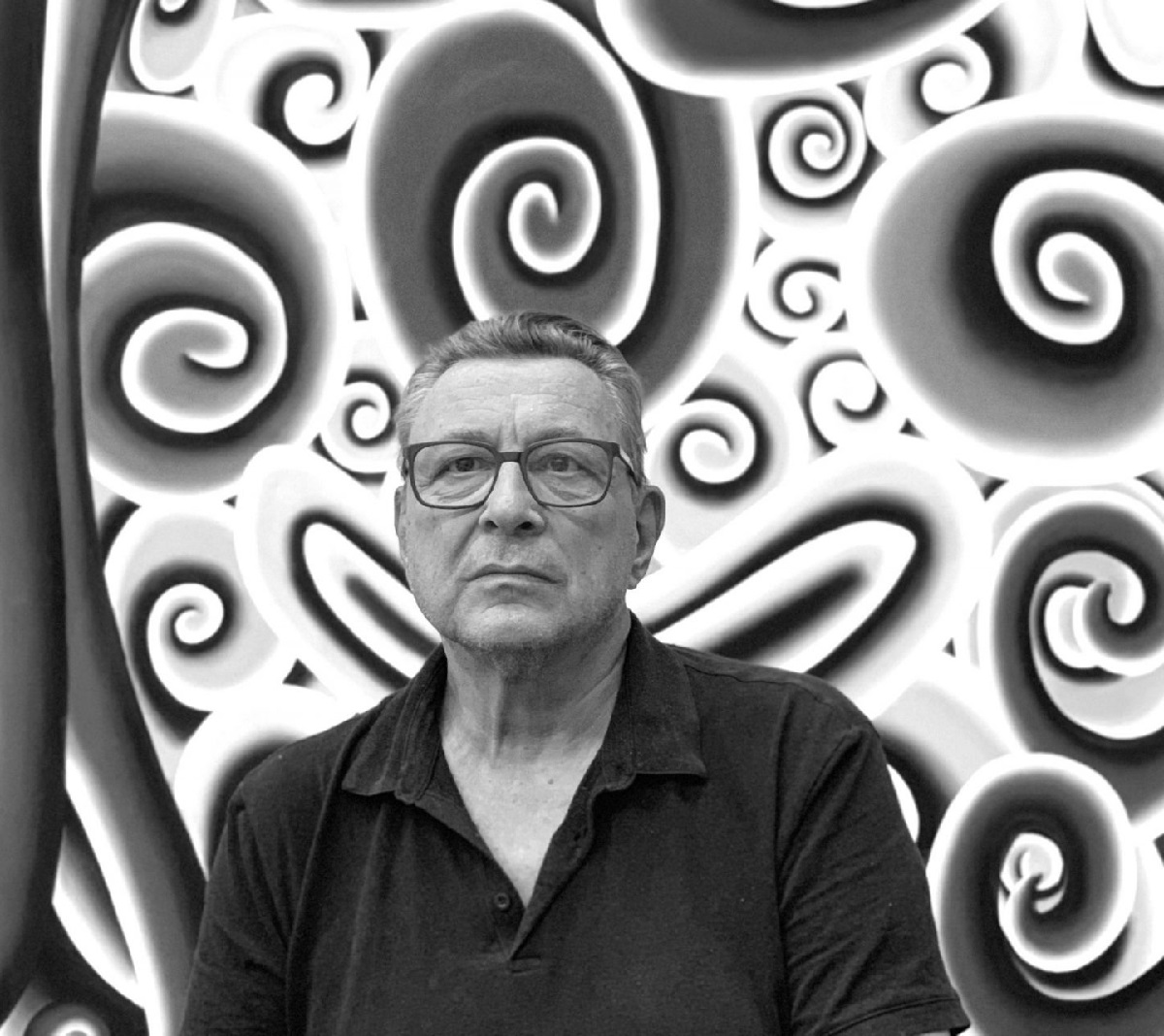
Andreas Schulze is a German painter.
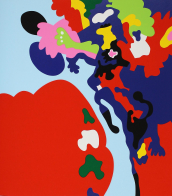
Andreas Schulze first began showing alongside neo-expressionist artists in the 1980s, although his work was considerably less gestural than that of his contemporaries. The artist instead opted for more rounded forms, which he used to create a playful, humorous style of figuration. Typical subjects included the contents interior spaces — such as pillows, lamps, and furniture — which he merged with more ominous abstraction.

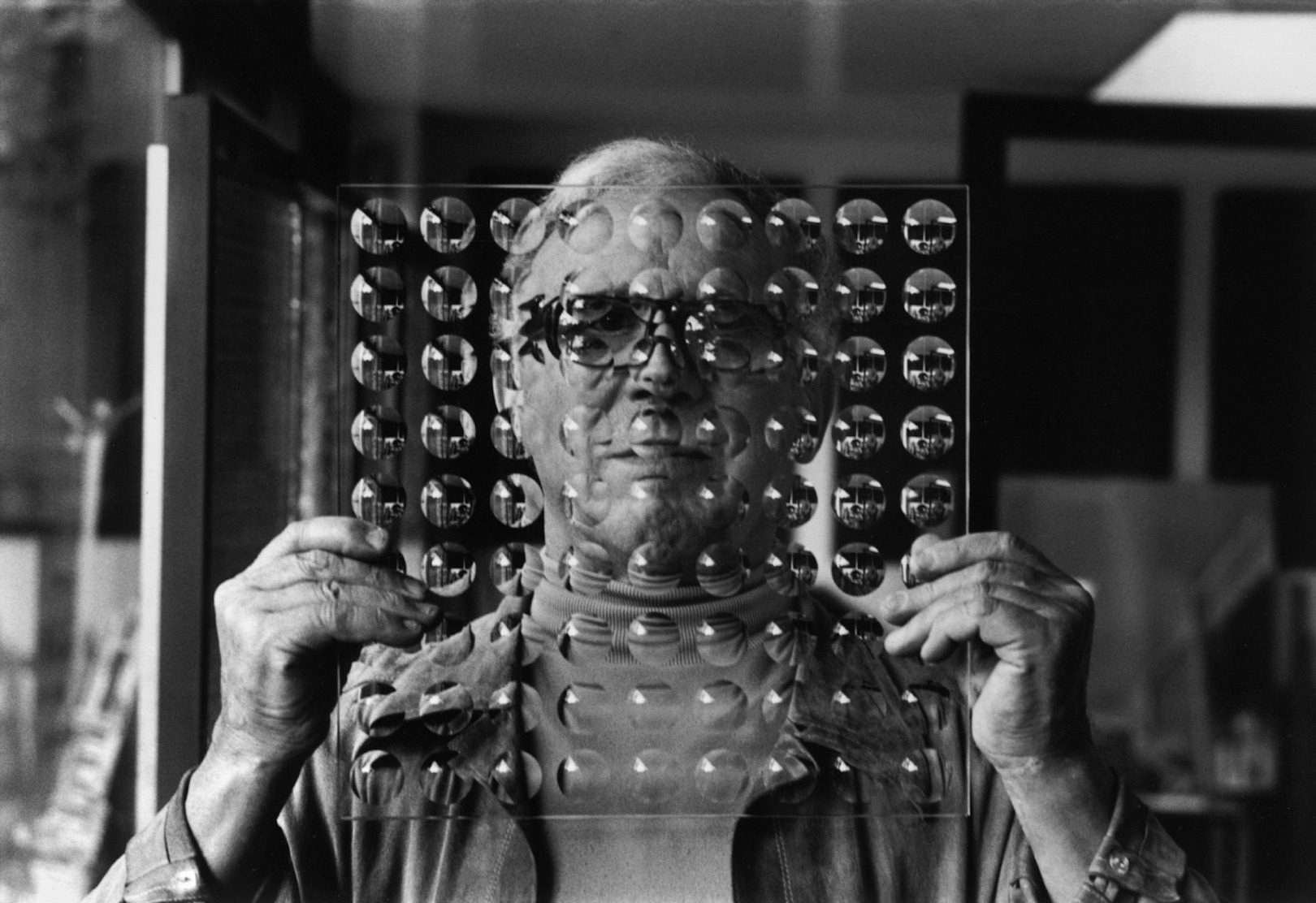


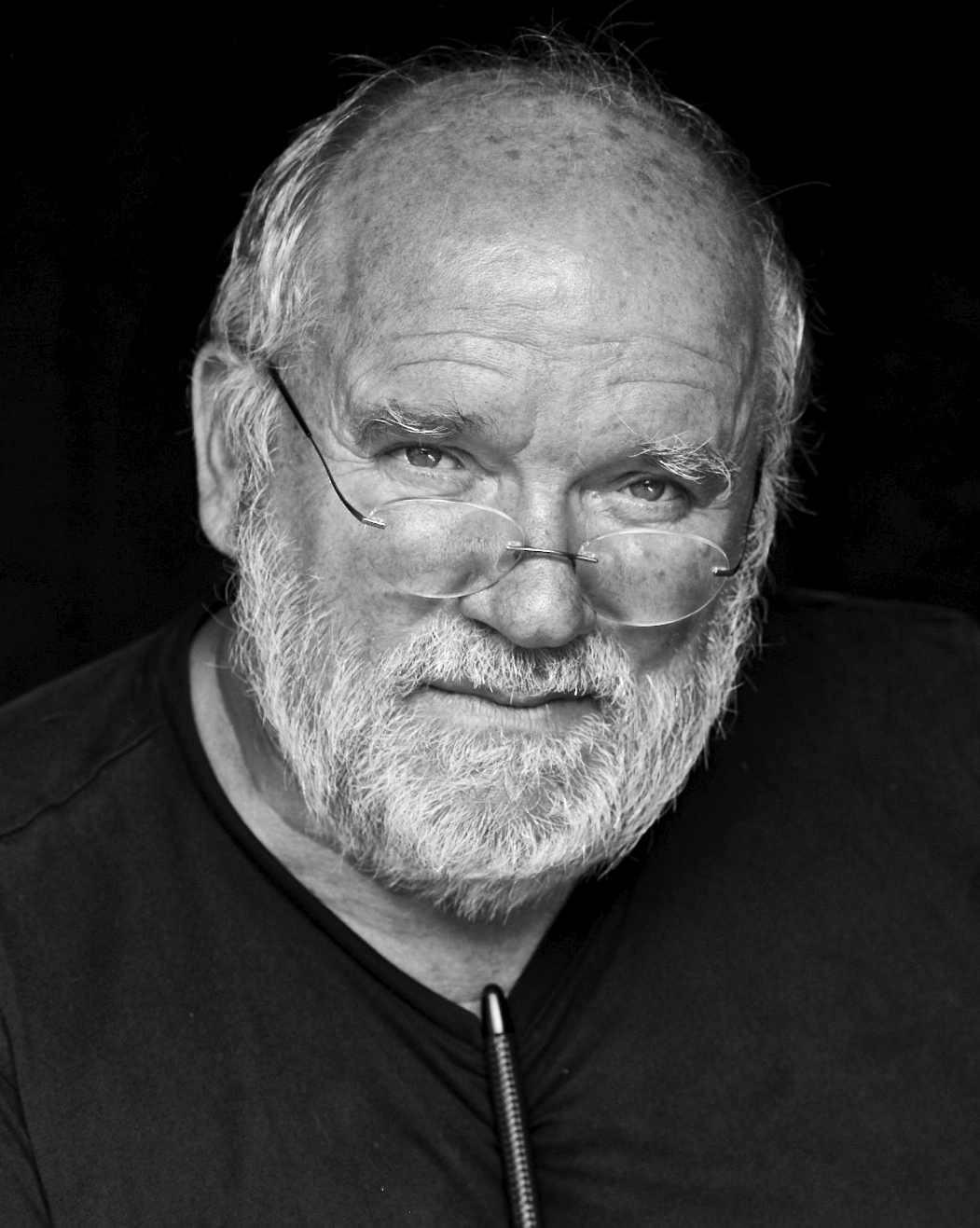
Peter Lindbergh (born Peter Brodbeck) was a German fashion photographer and film director.
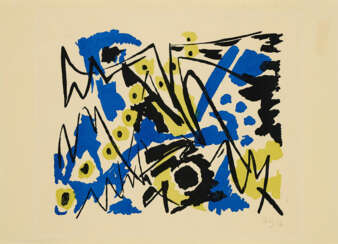

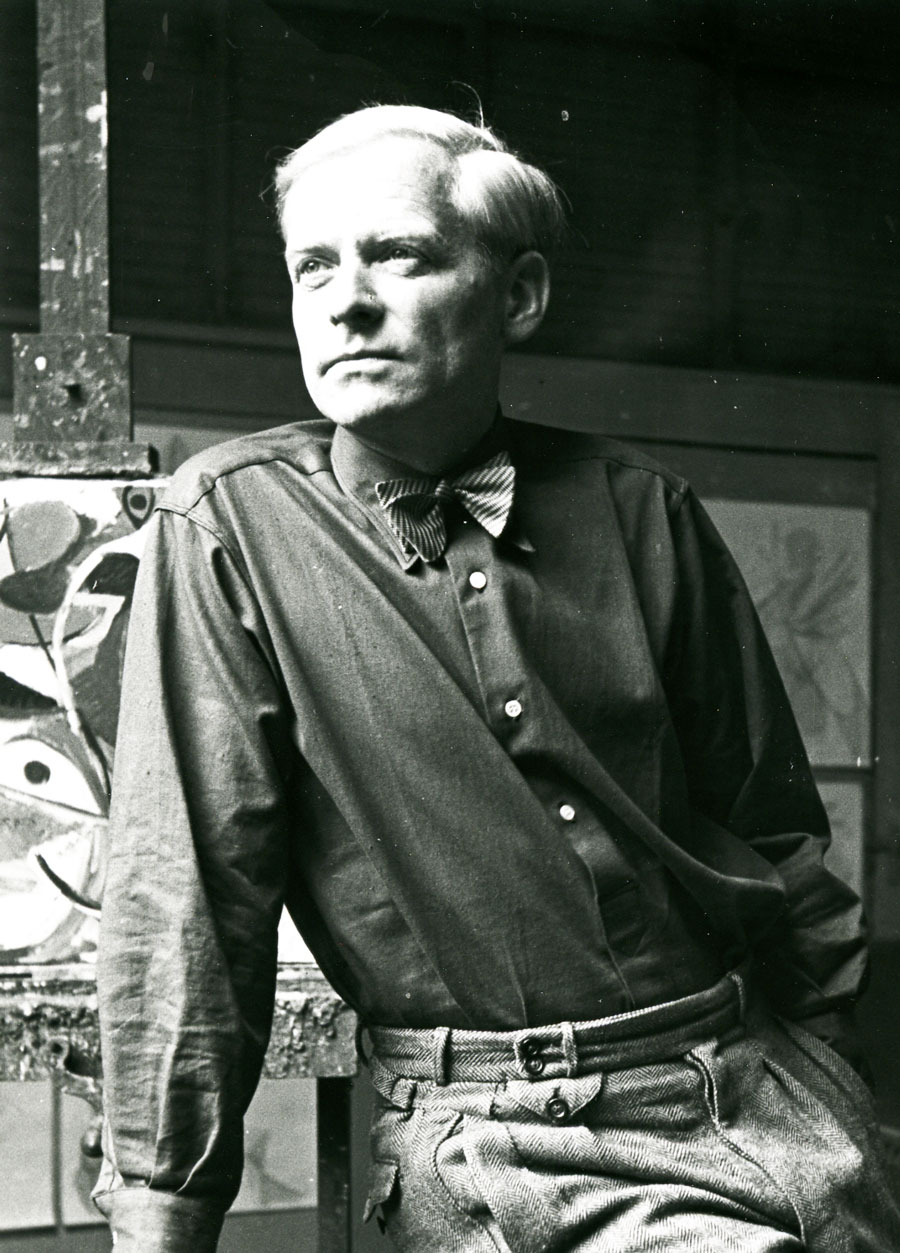
Ernst Wilhelm Nay was a German painter and graphic designer of classical modernism. He is considered one of the most important painters of German post-war art.







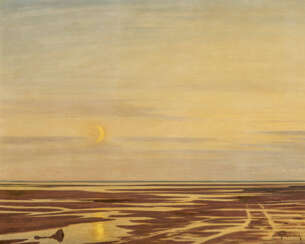

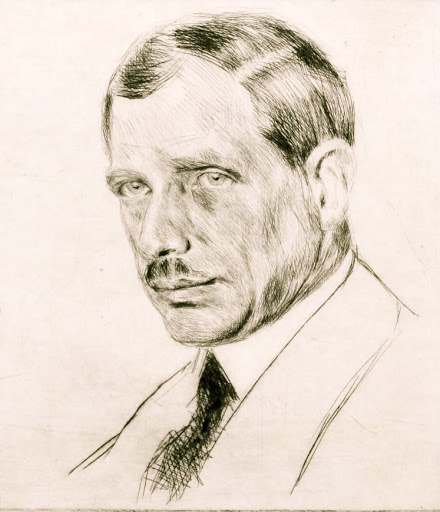
Max Clarenbach was a German painter of the first half of the twentieth century. He is known as a painter, landscape painter, genre painter and teacher and is considered one of the most important representatives of Rhenish painting of his time.
Max Clarenbach made study trips to Italy and Holland early in his career, where he formed his genre preferences and became a landscape painter. His work reflected the influence of the Hague School and the French Barbizonians. The artist skillfully depicted winter scenes and the nature of western Germany. He also painted sports and street scenes.
Clarenbach was one of the organizers of the Düsseldorf Sonderbund and taught at the Düsseldorf Academy of Art.
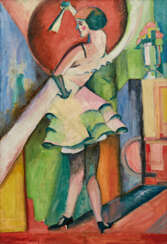

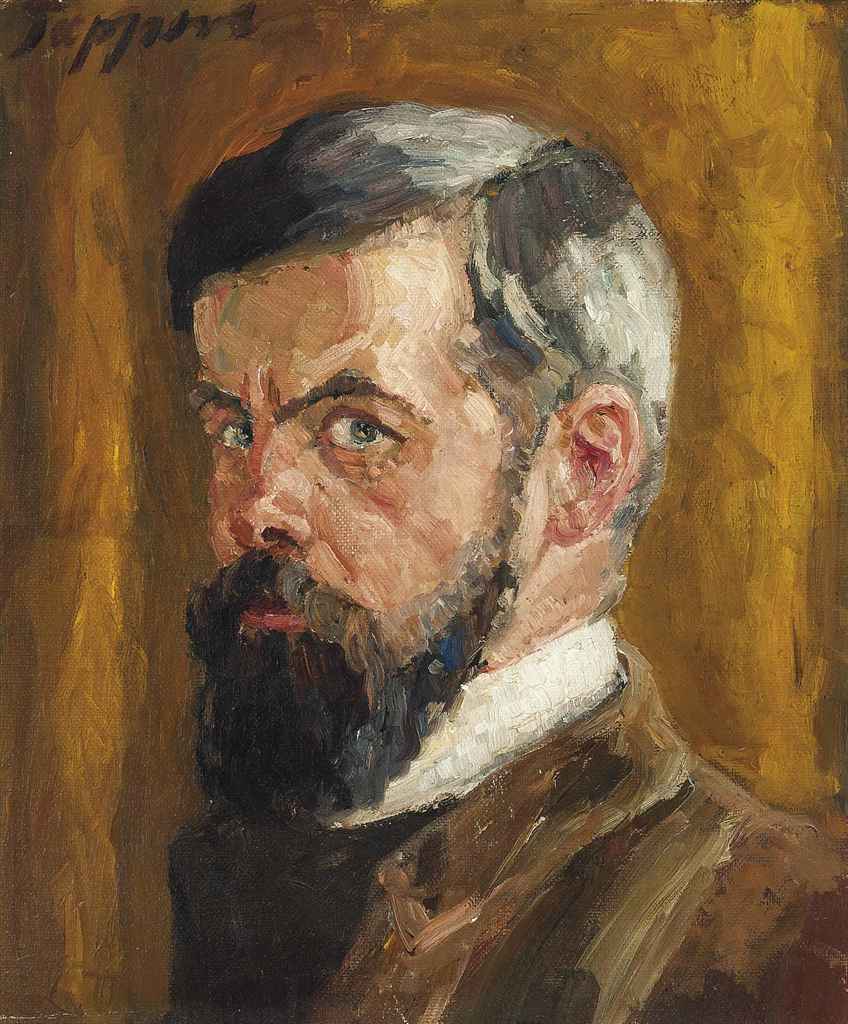
Georg Tappert was a German expressionist painter.
Tappert studied at the Academy of Fine Arts in Berlin and later joined the Berlin Secession, a group of artists who sought to break away from traditional academic art. His early work was influenced by the Art Nouveau movement, but he later became associated with German Expressionism.
Tappert's paintings are characterized by their vivid colors and expressive brushstrokes, which conveyed a sense of emotional intensity. He often depicted scenes of modern urban life, such as cafés, streets, and theaters, as well as portraits and still-life compositions. He also produced a significant body of graphic work, including woodcuts and lithographs.
Tappert's work was exhibited extensively during his lifetime, including at the Berlin Secession and the Städtische Galerie in Munich. He was also awarded numerous honors and awards for his work, including the Villa Massimo Prize in Rome in 1911 and the Grand Cross of the Order of Merit of the Federal Republic of Germany in 1955.


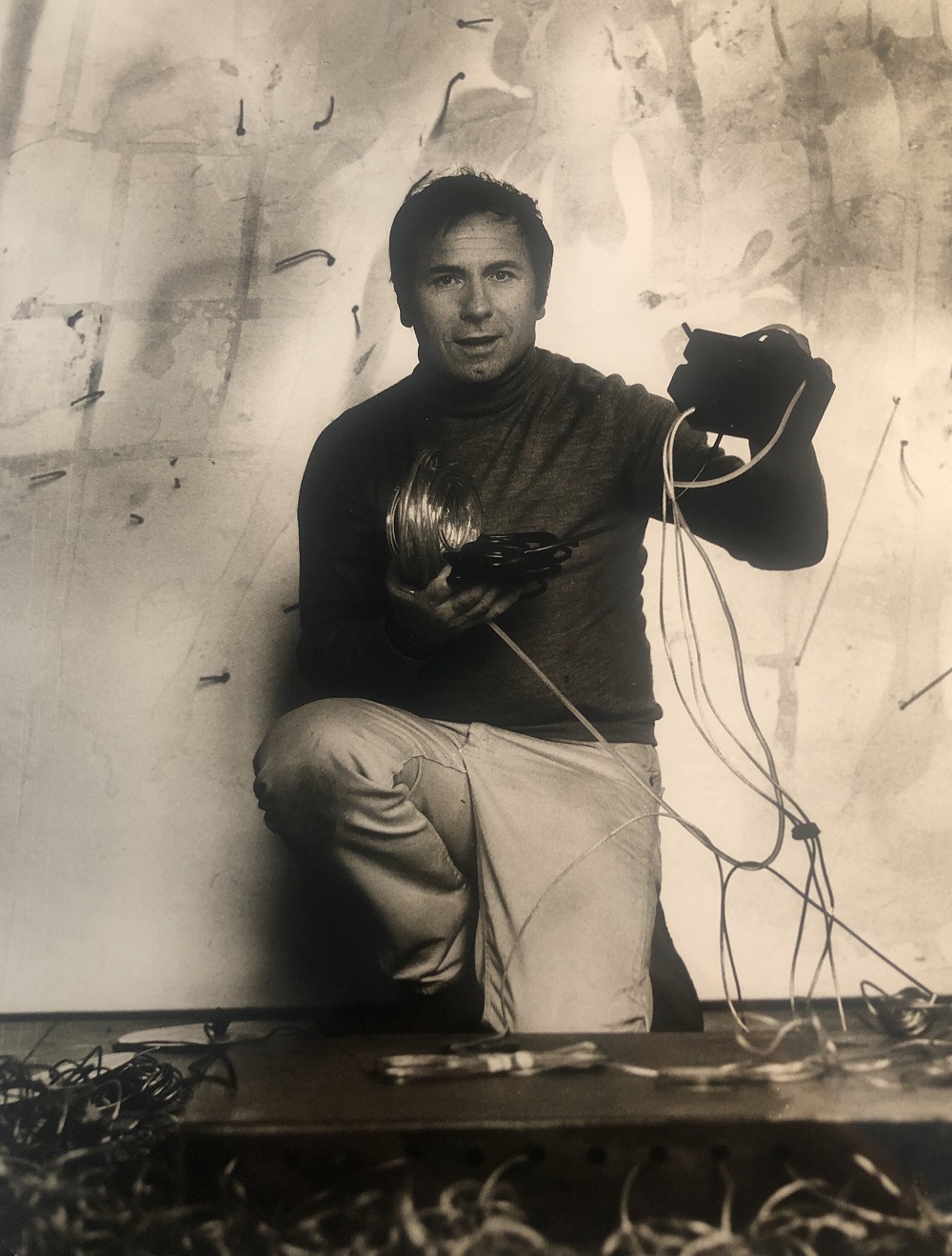
Gerhard Hoehme was a German expressionist painter.
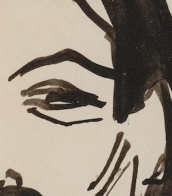
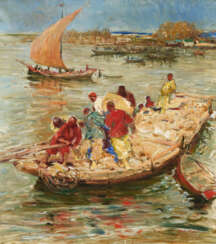



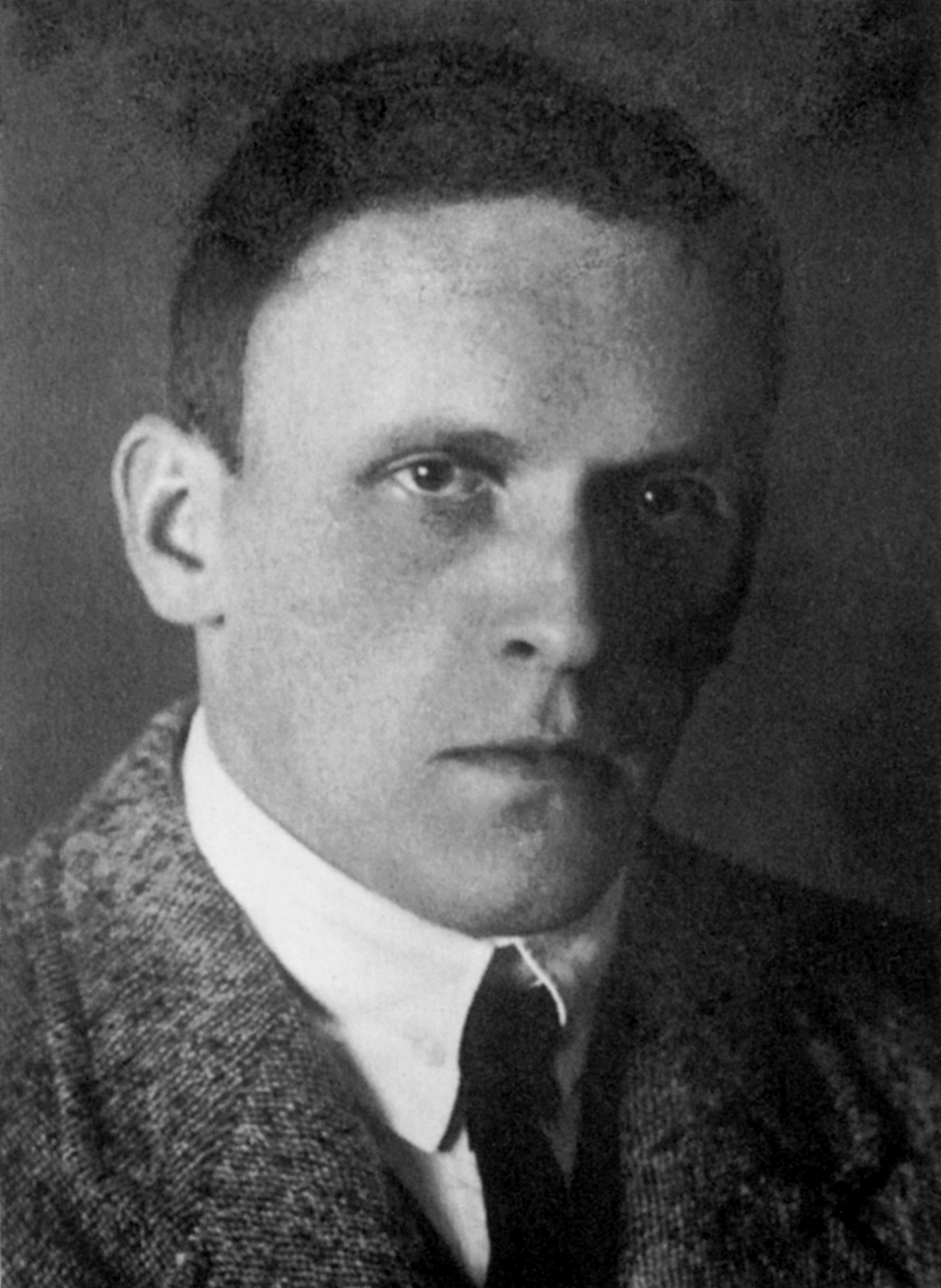
Walter Dexel was a German painter, commercial graphic designer, and transportation planner. He also functioned as an art historian and directed a museum in Braunschweig during the Second World War.


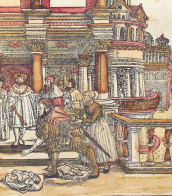







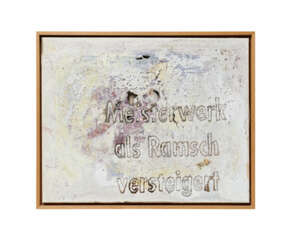

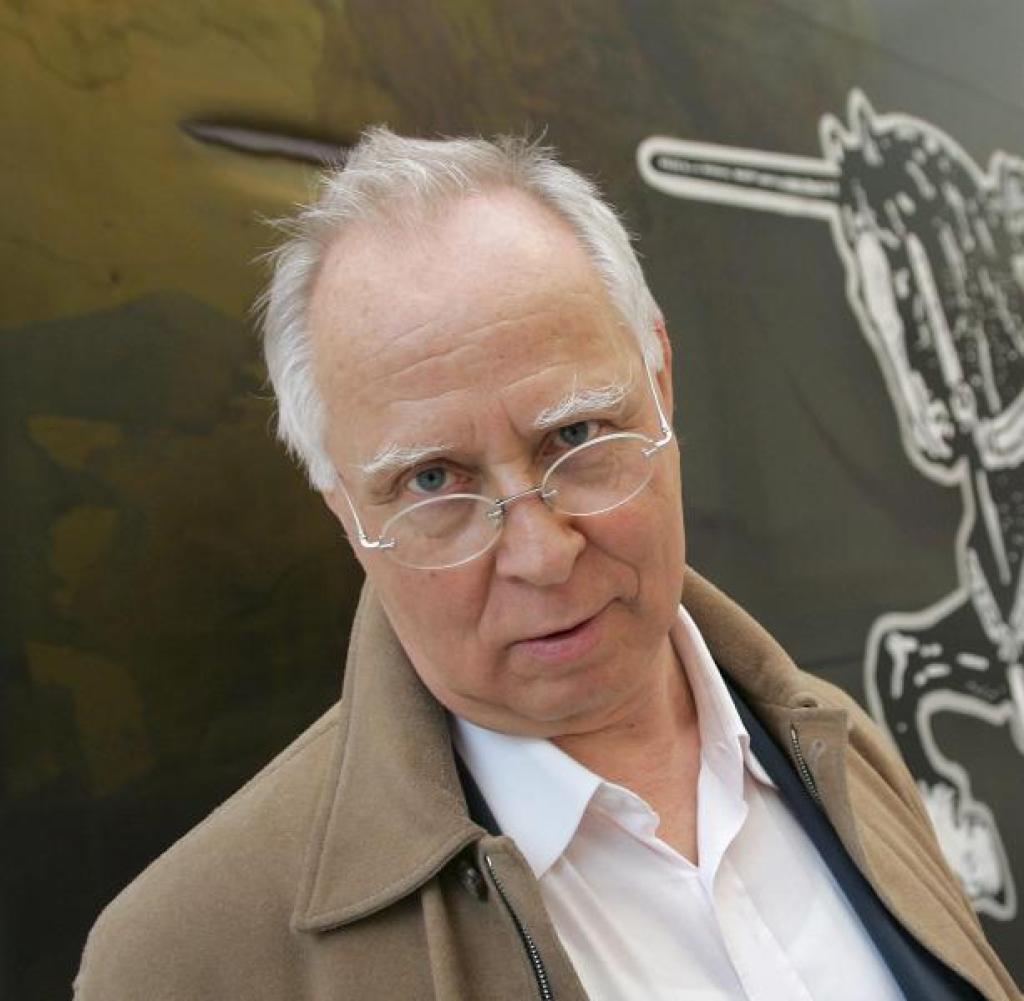
Sigmar Polke was a German painter and photographer.
Polke experimented with a wide range of styles, subject matters and materials. In the 1970s, he concentrated on photography, returning to paint in the 1980s, when he produced abstract works created by chance through chemical reactions between paint and other products. In the last 20 years of his life, he produced paintings focused on historical events and perceptions of them.

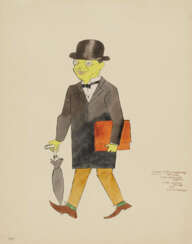

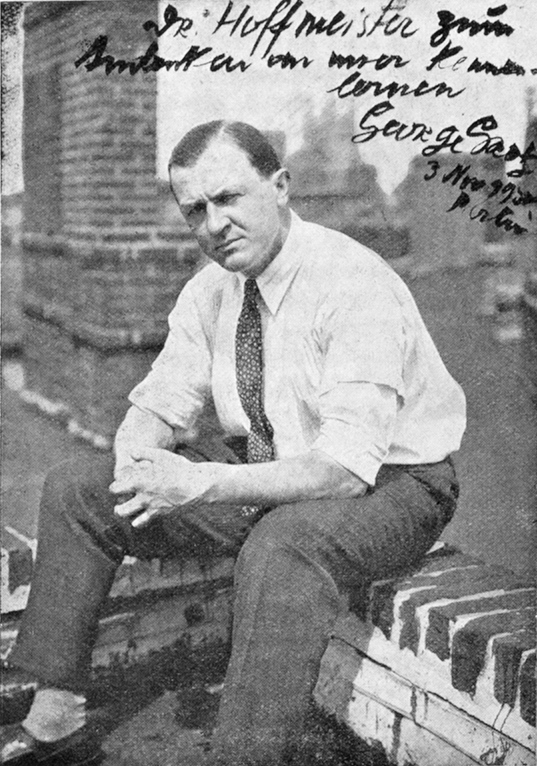
George Grosz was a twentieth-century German painter, graphic artist, and cartoonist. In his work one can find features of various styles of avant-garde art, including Dadaism, Expressionism, and Futurism.
George Grosz drew in every style in a sharp-grotesque and satirical spirit, ridiculing the vices of society. The erotic theme, which occupied a prominent place in Gross's work, was executed in the same spirit.
Grosz devoted more than 20 years to teaching at the Art Students League of New York, and was elected an honorary member of the American and Berlin Academies for his outstanding services to the arts.


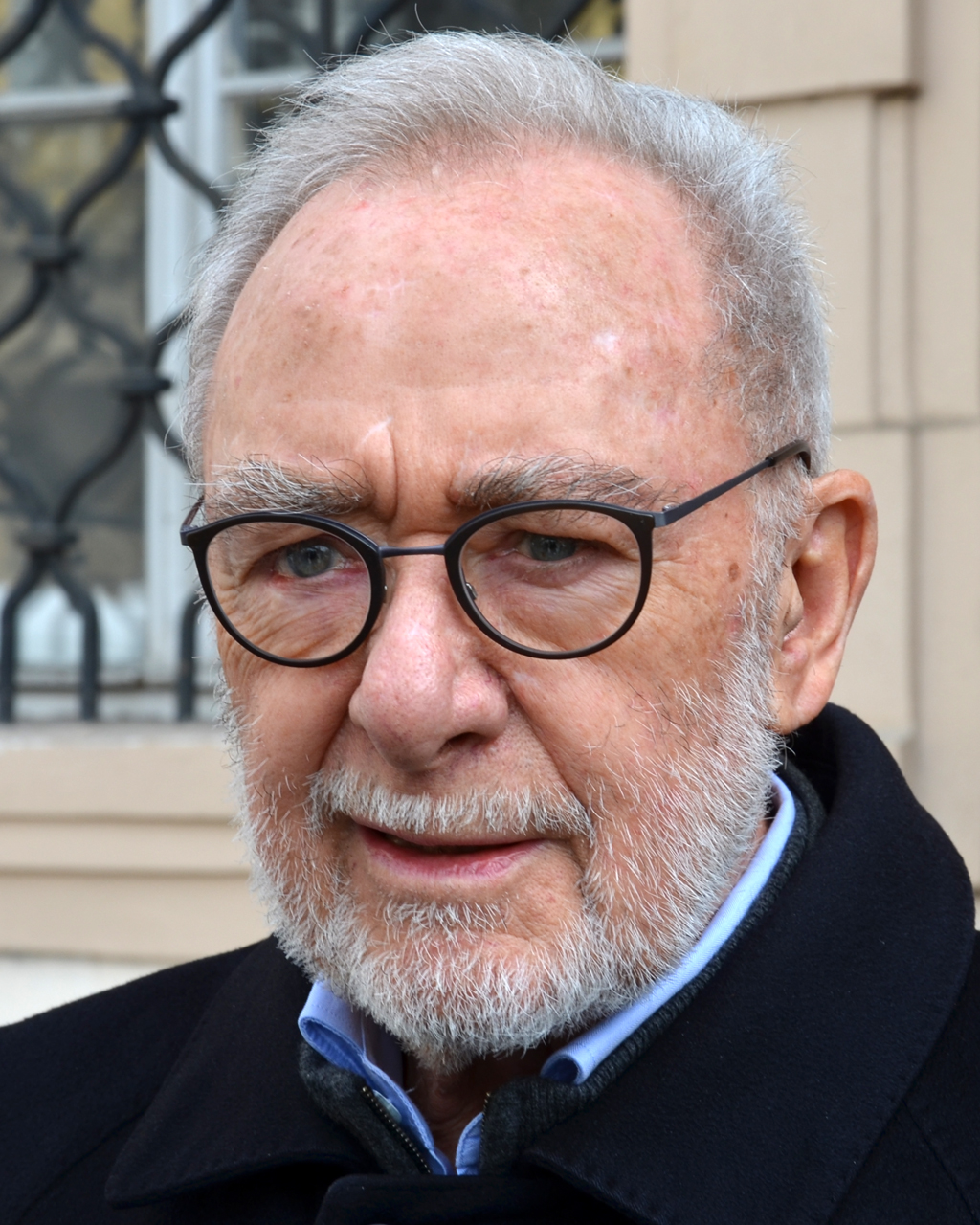
Gerhard Richter is a German visual artist. Richter has produced abstract as well as photorealistic paintings, and also photographs and glass pieces. He is widely regarded as one of the most important contemporary German artists and several of his works have set record prices at auction.


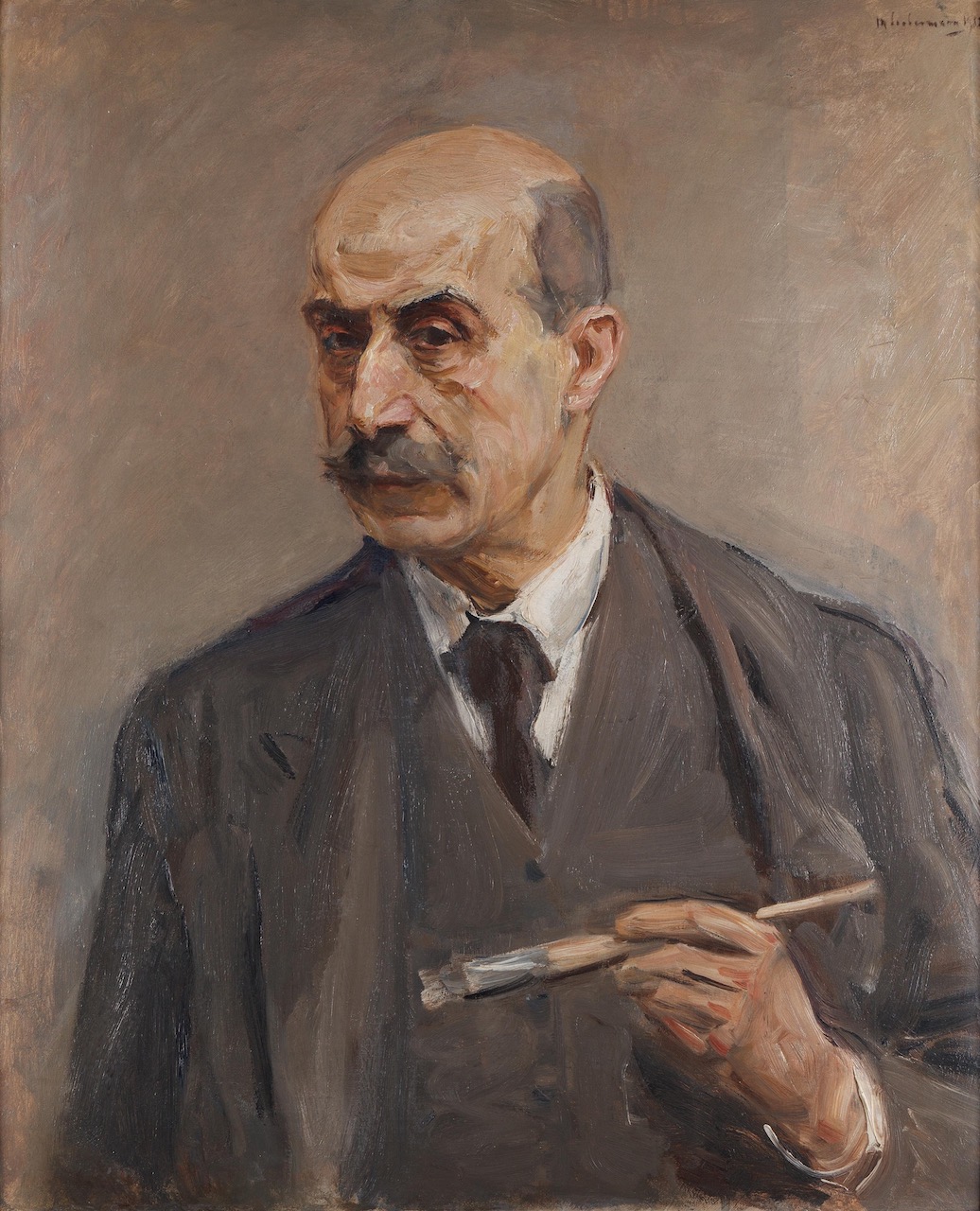
Max Liebermann was a German painter and printmaker, and one of the leading proponents of Impressionism in Germany and continental Europe. In addition to his activity as an artist, he also assembled an important collection of French Impressionist works.


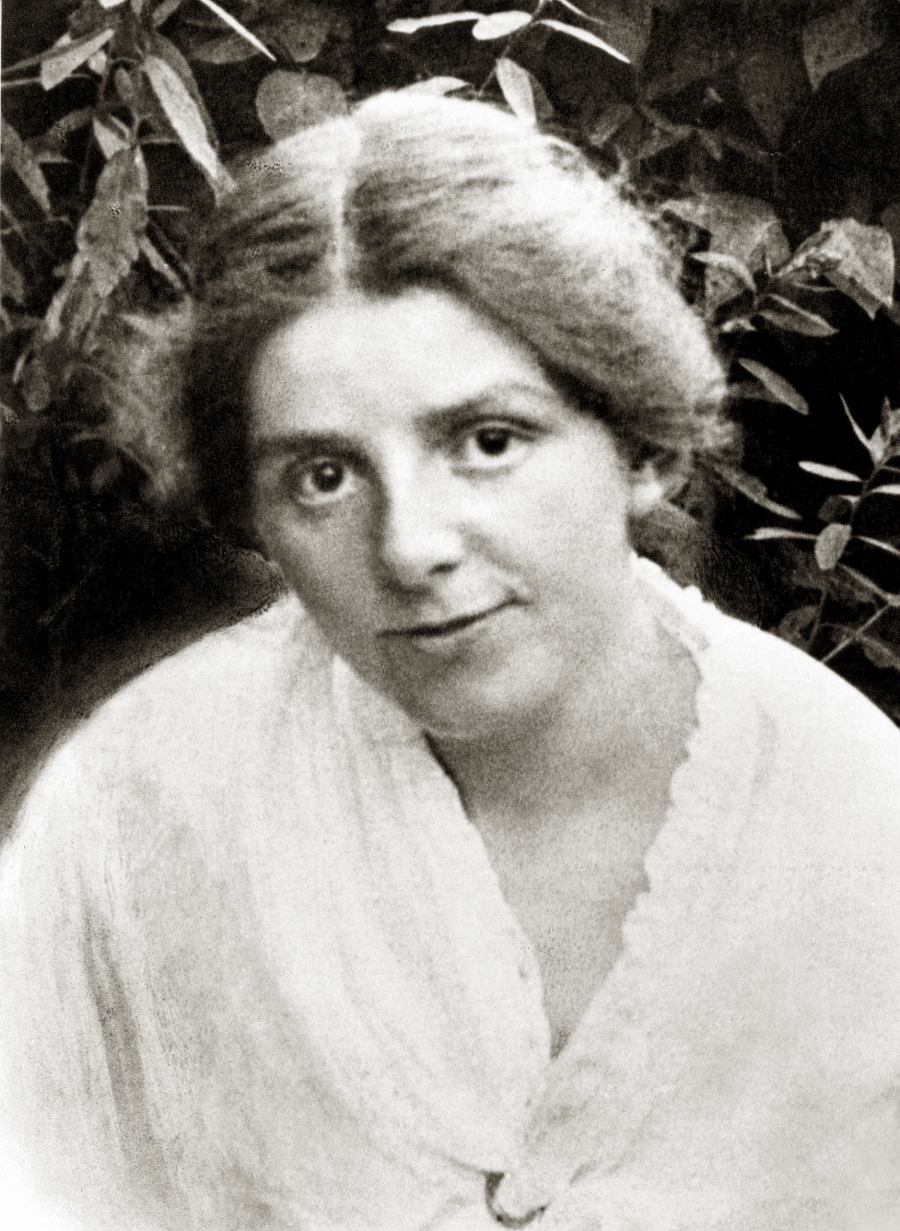
Paula Moderzohn-Becker was a German early expressionist painter.
In her youth she attended the traditional School for Women Artists in Berlin. Like many local German artists, she painted sentimental landscapes and scenes from peasant life.
And in 1900 Paula traveled with her husband to Paris, where she was influenced by post-Impressionist paintings and became an ardent enthusiast of painting by Paul Gauguin and Paul Cézanne. Today she is considered a forerunner of Expressionism because of the power of her compositions, although during her lifetime she was completely ignored. During her short career Moderzohn-Becker painted 750 canvases, about 1,000 drawings and 13 etchings, all of which incorporated the major art movements of the early 20th century.


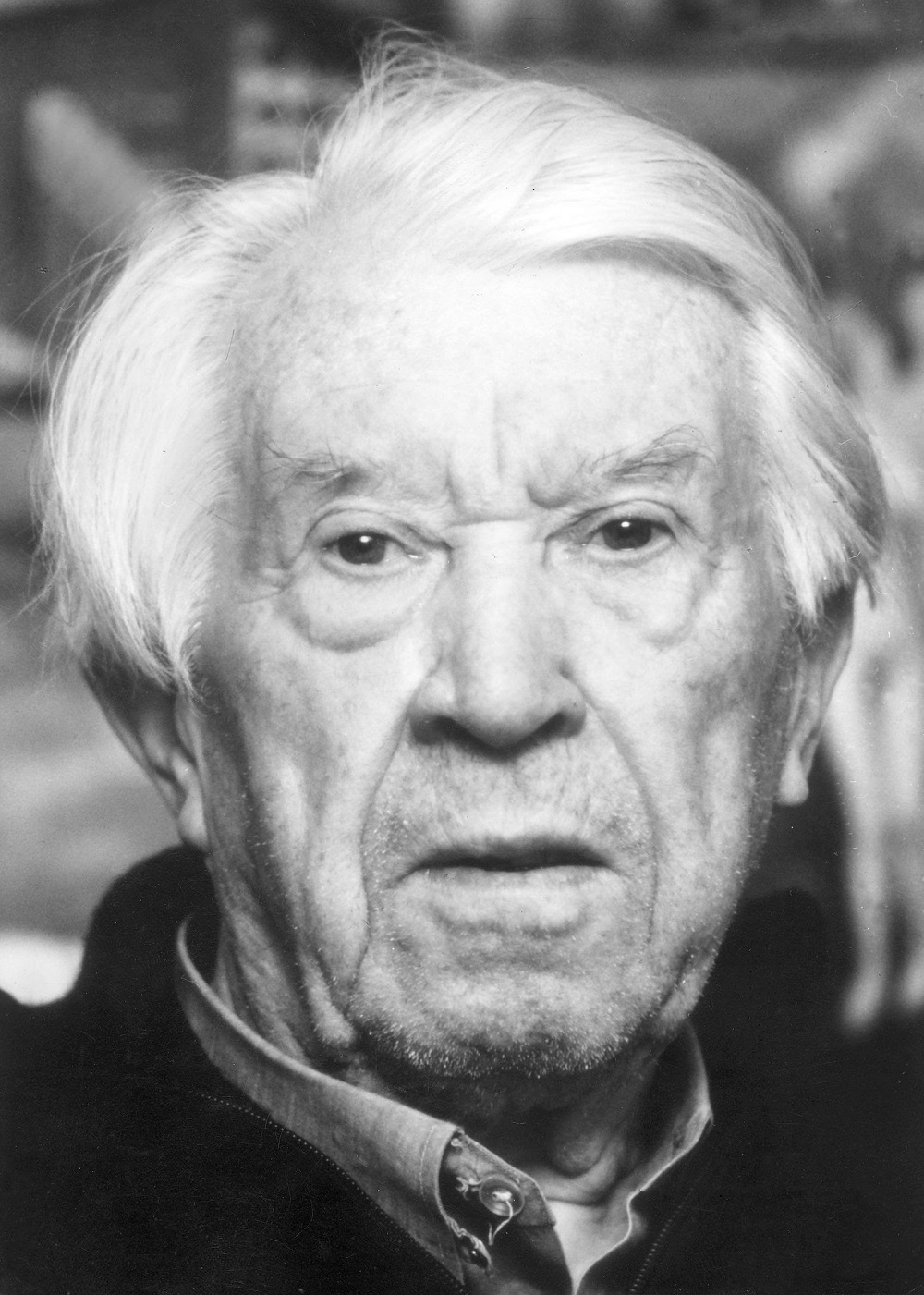
Franz Radziwill was a German artist of the twentieth century. He is known as a landscape painter, graphic artist and printmaker associated with the artistic movement of "new materiality".
Franz Radziwill created paintings that are characterized by careful elaboration and the use of glaze techniques borrowed from the Old Masters. He used elements of industrial buildings and modern technology, including ships and airplanes, in his landscapes. The results of his work can be categorized as magical realism.
In 1933 Radziwill became professor of painting at the Düsseldorf Academy of Art, but in 1935 the Nazis stripped him of this position, declaring his work degenerate art.