

gießerei ber

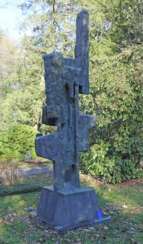

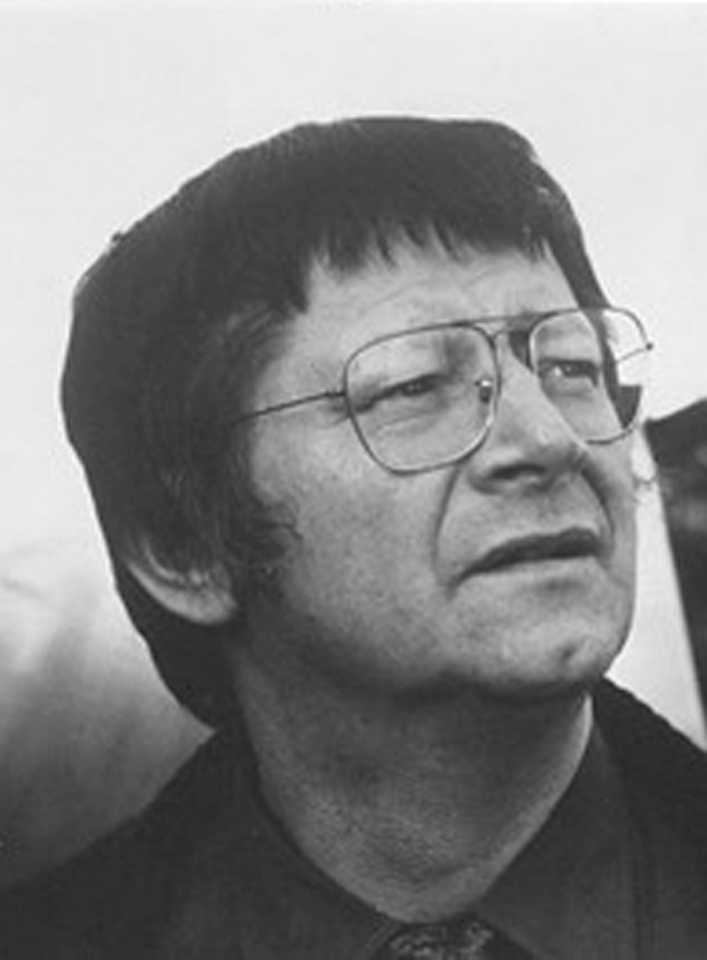
Otto Herbert Hajek was a German abstractionist painter, graphic artist and sculptor.
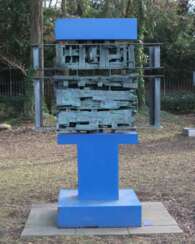

Otto Herbert Hajek was a German abstractionist painter, graphic artist and sculptor.
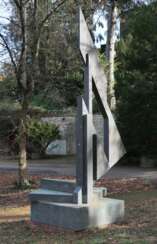

Otto Herbert Hajek was a German abstractionist painter, graphic artist and sculptor.
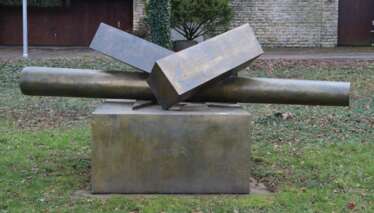

Otto Herbert Hajek was a German abstractionist painter, graphic artist and sculptor.
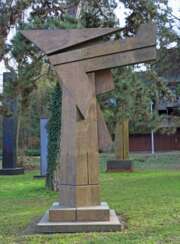

Otto Herbert Hajek was a German abstractionist painter, graphic artist and sculptor.
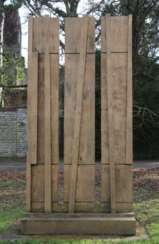

Otto Herbert Hajek was a German abstractionist painter, graphic artist and sculptor.
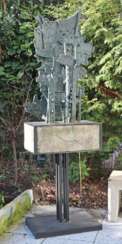

Otto Herbert Hajek was a German abstractionist painter, graphic artist and sculptor.


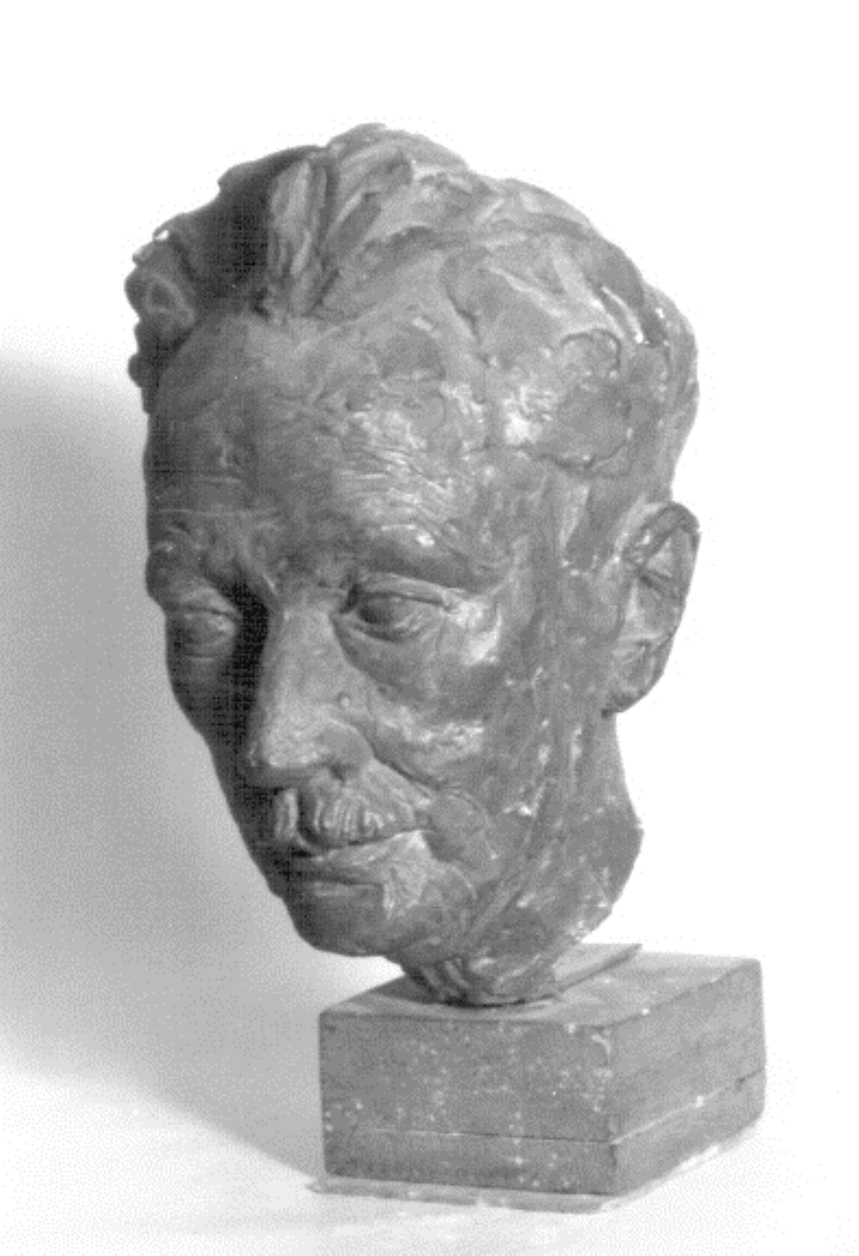







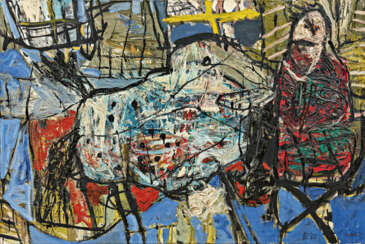

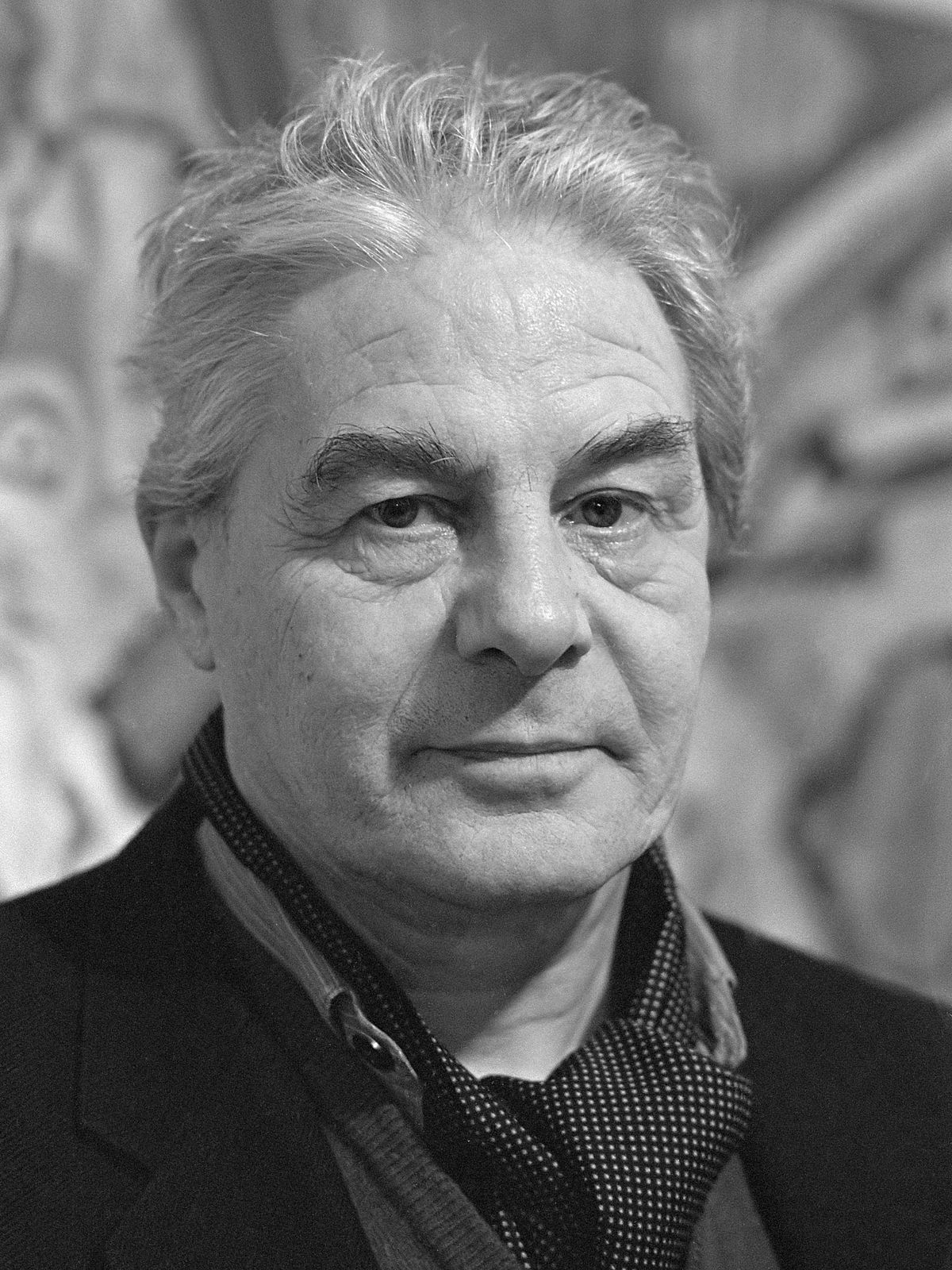
Lucebert, born Lubertus Jacobus Swaanswijk, is a Dutch poet and artist, a member of the experimental Dutch and Belgian writers' group De Vijftigers (The Fifties Residents) and of the European avant-garde movement COBRA.


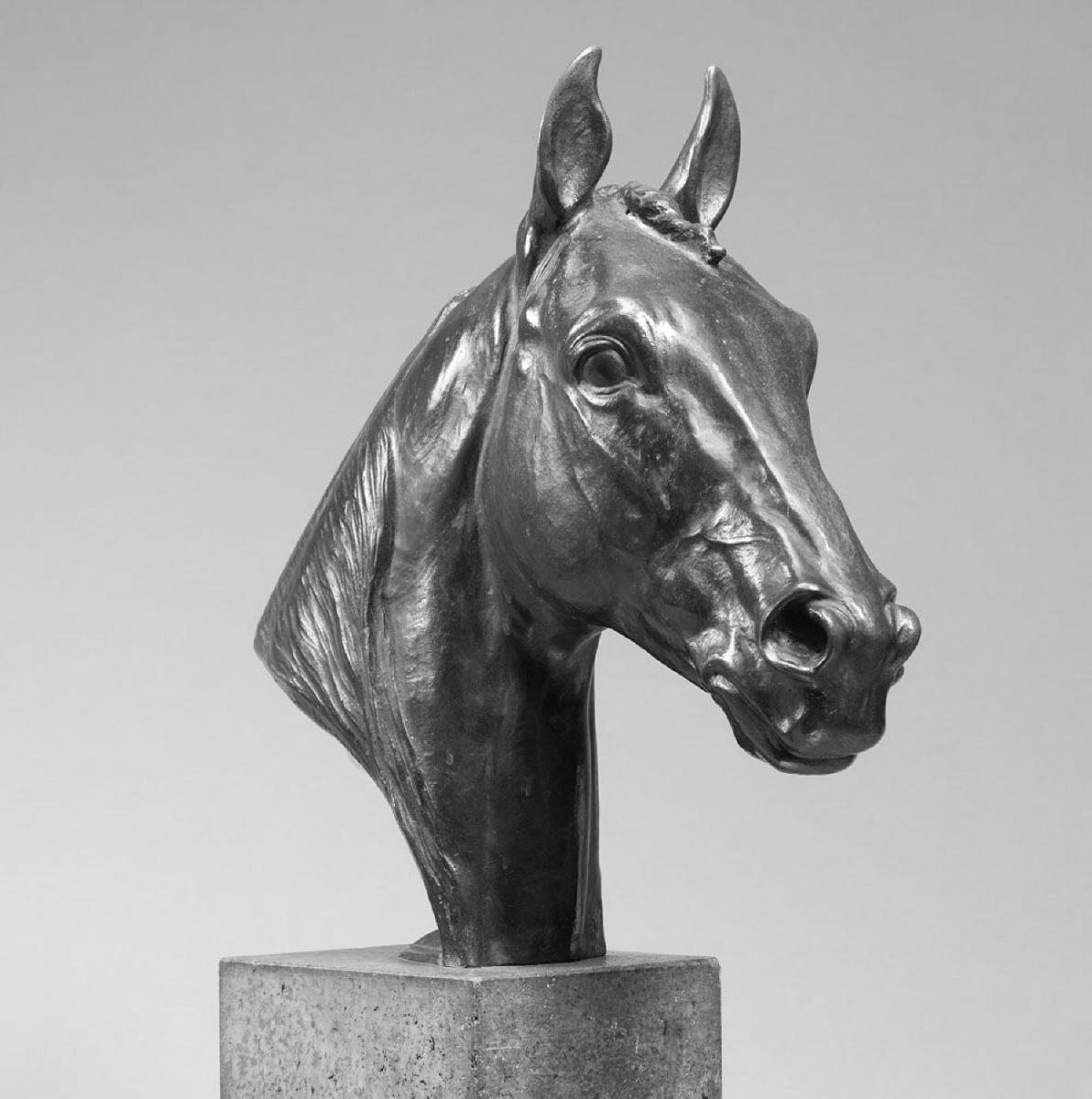
Albert Hinrich Hussmann was a distinguished German artist and sculptor renowned for his specialization in horse and rider statues. Educated at the Academy of Fine Arts in Berlin, Hussmann's artistic contributions were prominently featured in the Great Berlin Art Exhibition, showcasing his profound skill and dedication to his craft.
Throughout his career, Hussmann was celebrated for his dynamic portrayal of equestrian subjects, capturing the grace and power of horses with remarkable precision and emotion. His work with the Bavarian porcelain company Rosenthal from 1909 to 1943, further solidifies his legacy, highlighting his versatility and influence in both sculpture and fine arts. His artistic journey concluded with his passing on November 15, 1946, in Lüdingworth, Germany, leaving behind a legacy celebrated in various collections and exhibitions.
For collectors and experts in art and antiques, Hussmann's sculptures embody the pinnacle of equestrian art, offering a glimpse into the artist's profound admiration and understanding of his subjects. His pieces remain a testament to his skill, capturing the essence of movement and the nobility of the horse with each sculpture.
To stay informed about exhibitions, sales, and auction events related to Albert Hinrich Hussmann's work, signing up for dedicated updates is advisable. This ensures access to the latest information and opportunities to appreciate the enduring artistry of one of Germany's celebrated sculptors.


.jpg)
Bernardo Daddi, an Italian painter born in the late 13th century, emerged as a pivotal figure in the early Renaissance, particularly within the Florentine school of painting. Operating in Florence between 1280 and 1348, Daddi's oeuvre is renowned for its devout spiritual essence and the delicate finesse of its execution, marking a significant departure from the Byzantine traditions that dominated the era.
Daddi's art is distinguished by its intimate scale, refined attention to detail, and vibrant narrative compositions, which were primarily religious in nature. His works are celebrated for their clarity, color, and emotional depth, contributing to the evolution of painting during a period rich in cultural and artistic exploration. Among his notable contributions, the "Madonna and Child" triptychs and frescoes in Florence stand as testaments to his skill and spiritual devotion.
Bernardo Daddi's influence extended beyond his lifetime, setting the stage for the blossoming of Renaissance art. His paintings, housed in prestigious museums and churches, offer a window into the soul of 14th-century Italy, reflecting the period's complex interplay between faith, art, and society.
For collectors and art history aficionados, Daddi's works represent not just aesthetic achievements but also historical artifacts that capture the essence of an era on the cusp of the Renaissance. His legacy, embedded in the fabric of Italian art history, continues to inspire and captivate those who seek to unravel the origins of Renaissance painting.
Intrigued by Bernardo Daddi's mastery and his contribution to the dawn of the Renaissance? Sign up for updates to stay informed about the latest sales, exhibitions, and auction events featuring his work. This subscription is your gateway to the world of art collecting, offering exclusive insights into opportunities to own a piece of history.
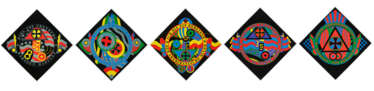

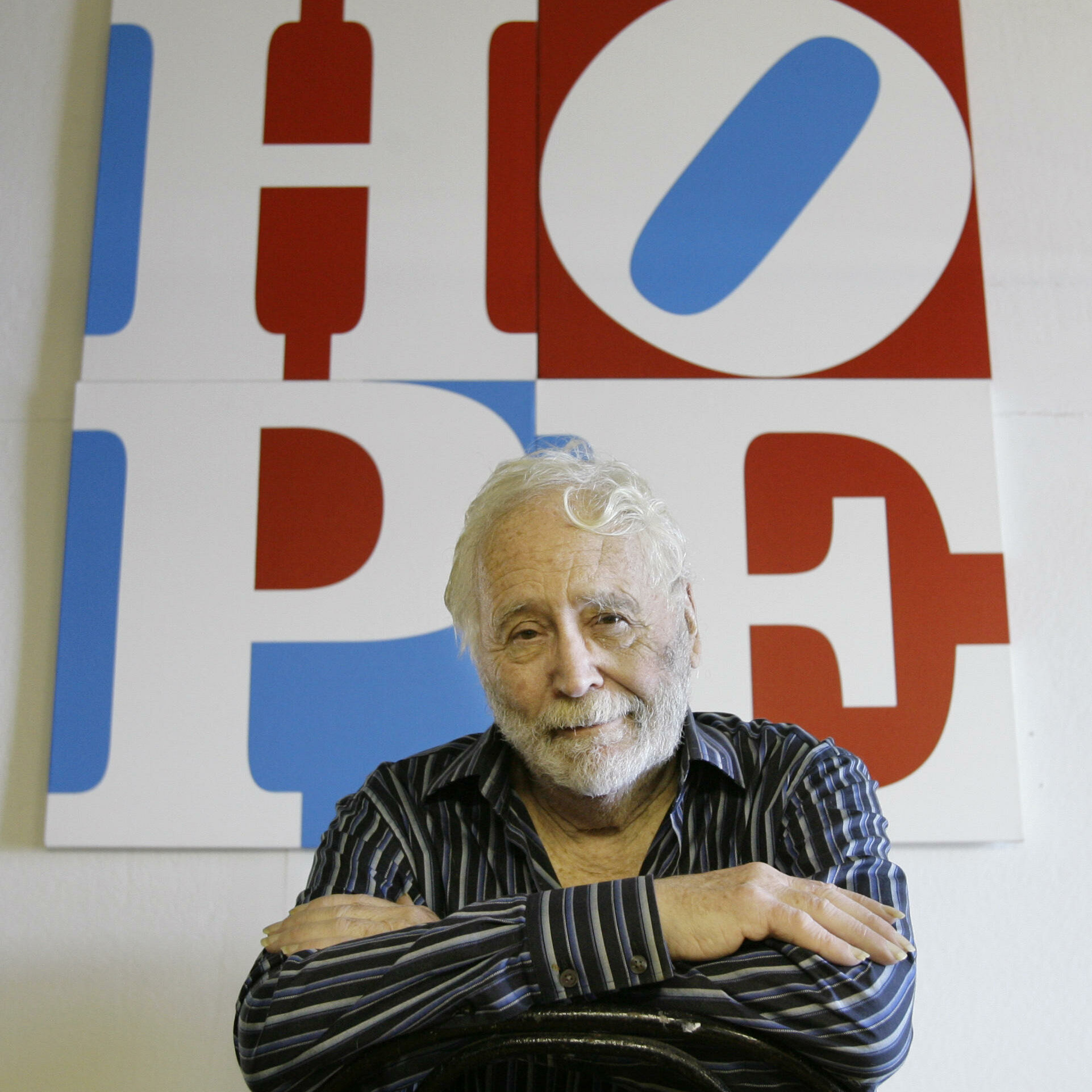
Robert Indiana (born Robert Clark) was an American artist associated with the pop art movement.
His iconic image LOVE was first created in 1964 in the form of a card which he sent to several friends and acquaintances in the art world. In 1965, Robert Indiana was invited to propose an artwork to be featured on the Museum of Modern Art's annual Christmas card. Indiana submitted several 12” square oil on canvas variations based on his LOVE image. The museum selected the most intense color combination in red, blue, and green. It became one of the most popular cards the museum has ever offered. Indiana continued to develop his LOVE series, and in 1966, worked with Marian Goodman of Multiples, Inc. to make his first LOVE sculpture in aluminum. In 1970, Indiana completed his first monumental LOVE sculpture in Cor-Ten steel which is in the collection of the Indianapolis Museum of Art.
In addition to being a painter and sculptor, Indiana made posters and prints and also designed stage sets and costumes for the Virgil Thompson and Gertrude Stein opera The Mother of Us All. Indiana's artwork has been featured in numerous exhibitions around the world and is included in the permanent collections of many major museums including the Museum of Modern Art, New York; Tate Modern, London; and the San Francisco Museum of Modern Art.

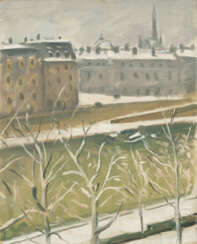

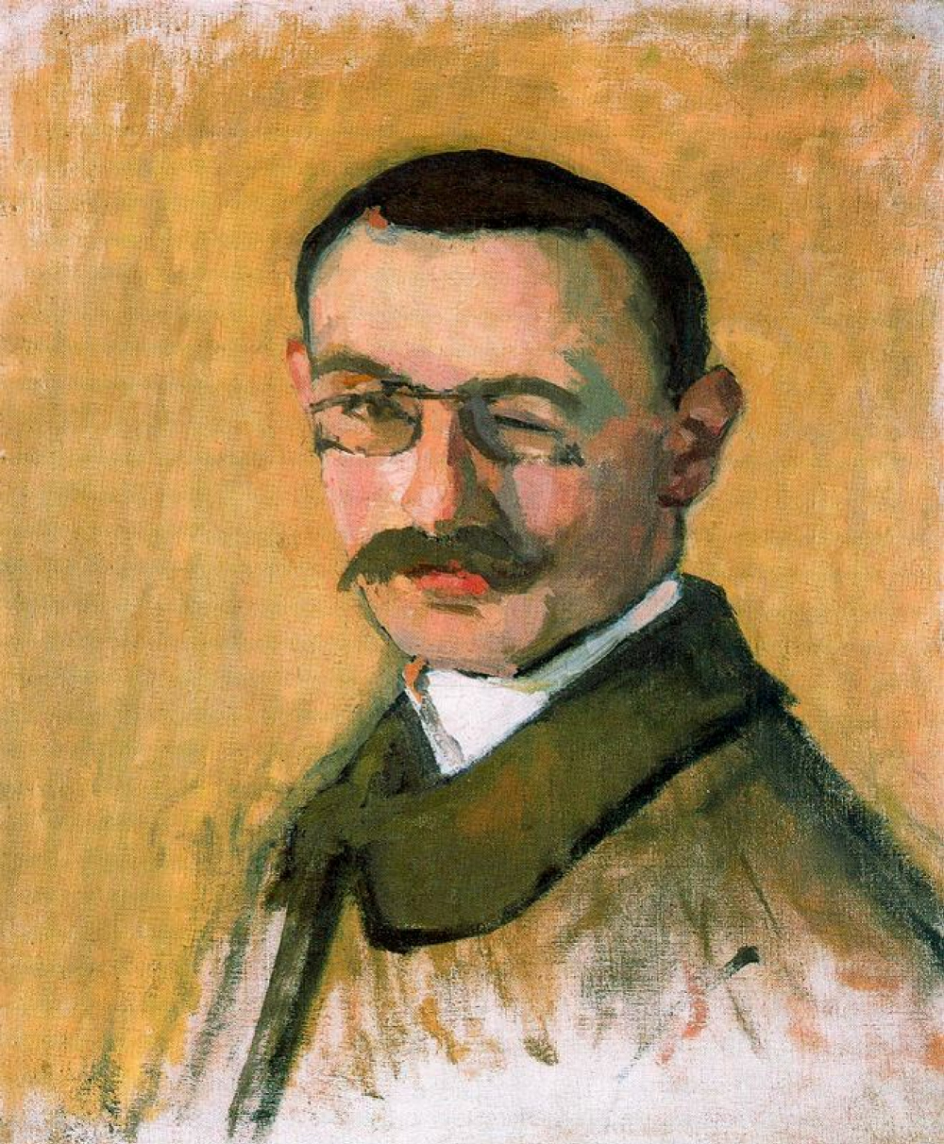
Albert Marquet was a French painter, renowned for his affiliation with the Fauvist movement, a group characterized by their use of wild, vivid colors to depict emotional expression. Unlike his contemporaries who embraced bright and violent colors, Marquet distinguished himself with a more subdued palette, employing less intense tones by mixing complementary colors to achieve a naturalistic style, primarily in landscapes. His work is celebrated for its simplicity in form and color, often focusing on serene water scenes, bustling city views, and the animated life of waterfront cities, particularly in North Africa and across various European locales like Naples and Venice.
Marquet's technique involved painting water as a broad area of simple tone, which cleverly held the plane of the water's surface without resorting to illusionistic perspective, allowing ships to emerge into a different plane with ease. This method, alongside his unique approach to color and composition, drew parallels with Japanese Shijo style work, emphasizing simplicity, movement, and the effective use of color to capture scenes' essence.
Throughout his career, Marquet frequently returned to favored subjects, capturing subtle variations in light and atmosphere. His landscapes, cityscapes, and maritime scenes are noted for their tranquility and the artist's keen observation of light and color. His works are housed in prestigious museums worldwide, including the Musée National d'Art Moderne, the Metropolitan Museum of Art, and the Pushkin Museum, showcasing his versatile talent in capturing the natural and urban environment.
Marquet's legacy is significant, admired for his astute sense of color and the ability to convey atmospheric mood with minimal elements. His influence extends beyond the canvas, impacting subsequent generations of artists and collectors who appreciate the subtlety and depth of his work. For collectors and experts in art and antiques, Albert Marquet represents a pivotal figure in modern art, whose works continue to inspire and captivate audiences with their serene beauty and emotional depth.
To stay informed about new sales and auction events related to Albert Marquet's works, signing up for updates can offer exclusive insights and opportunities to acquire pieces by this influential artist. This subscription is an invaluable resource for those keen to enhance their collection with works by one of the masters of Fauvism and modern landscape painting.


Robert Indiana (born Robert Clark) was an American artist associated with the pop art movement.
His iconic image LOVE was first created in 1964 in the form of a card which he sent to several friends and acquaintances in the art world. In 1965, Robert Indiana was invited to propose an artwork to be featured on the Museum of Modern Art's annual Christmas card. Indiana submitted several 12” square oil on canvas variations based on his LOVE image. The museum selected the most intense color combination in red, blue, and green. It became one of the most popular cards the museum has ever offered. Indiana continued to develop his LOVE series, and in 1966, worked with Marian Goodman of Multiples, Inc. to make his first LOVE sculpture in aluminum. In 1970, Indiana completed his first monumental LOVE sculpture in Cor-Ten steel which is in the collection of the Indianapolis Museum of Art.
In addition to being a painter and sculptor, Indiana made posters and prints and also designed stage sets and costumes for the Virgil Thompson and Gertrude Stein opera The Mother of Us All. Indiana's artwork has been featured in numerous exhibitions around the world and is included in the permanent collections of many major museums including the Museum of Modern Art, New York; Tate Modern, London; and the San Francisco Museum of Modern Art.
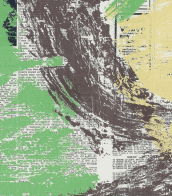


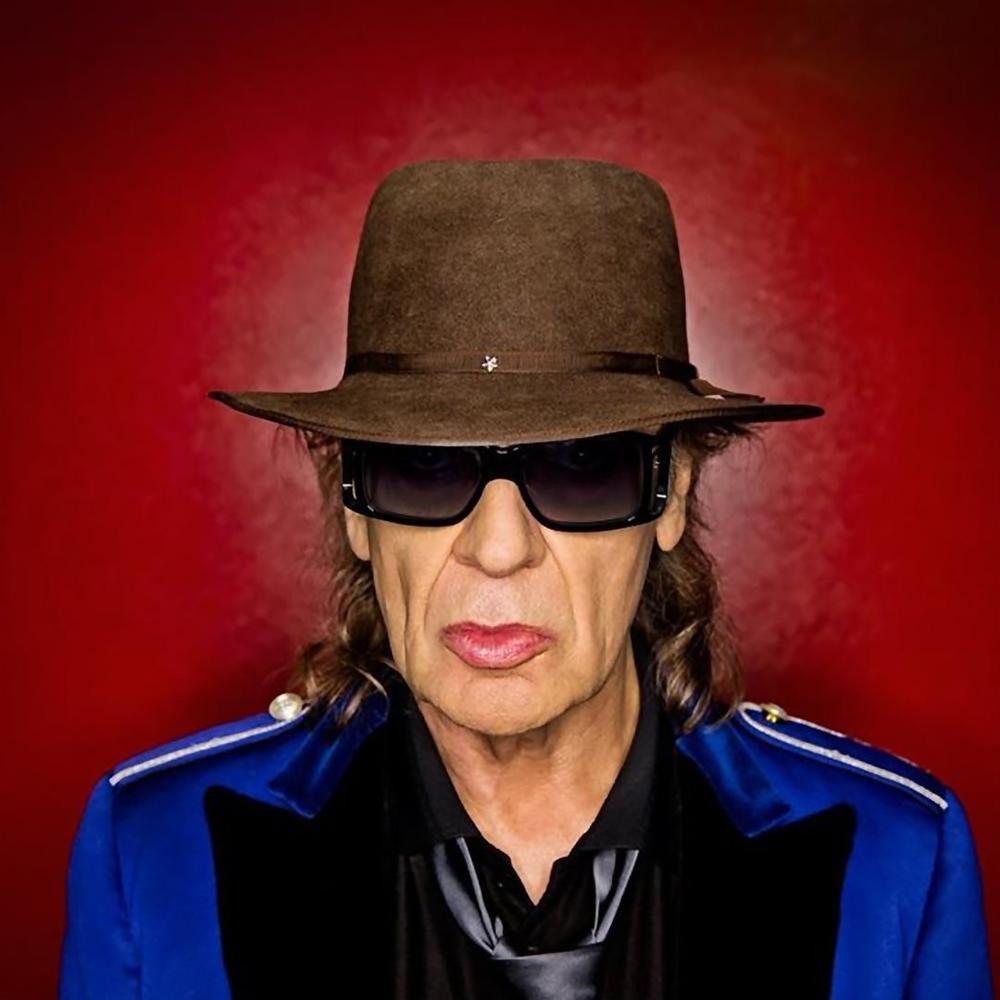
Udo Gerhard Lindenberg is a German rock singer, writer and artist.
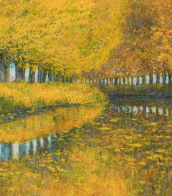
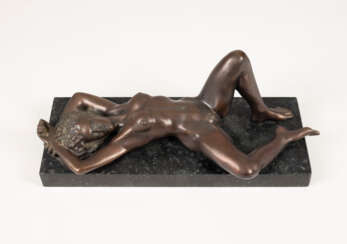

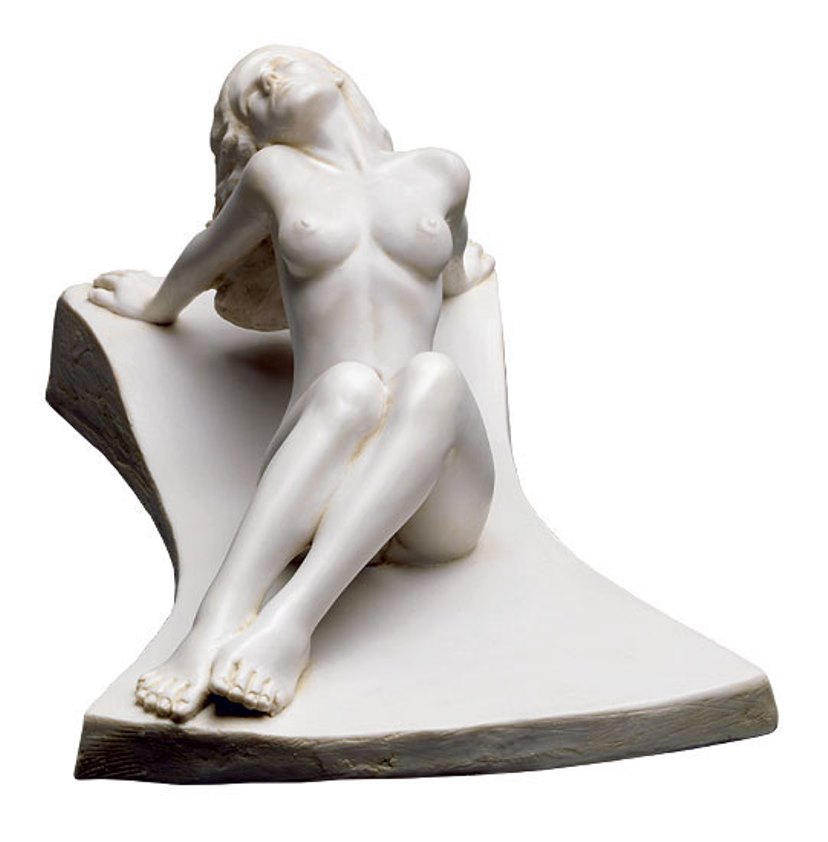
Peter Hohberger is a German actor, painter, and modernist sculptor.
He is considered one of the sculptors of the "New School" artistic movement that developed in France after 1945. Hohberger's exquisite sculptures of female nudes are a success and are found in many collections around the world.
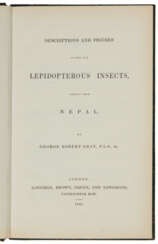

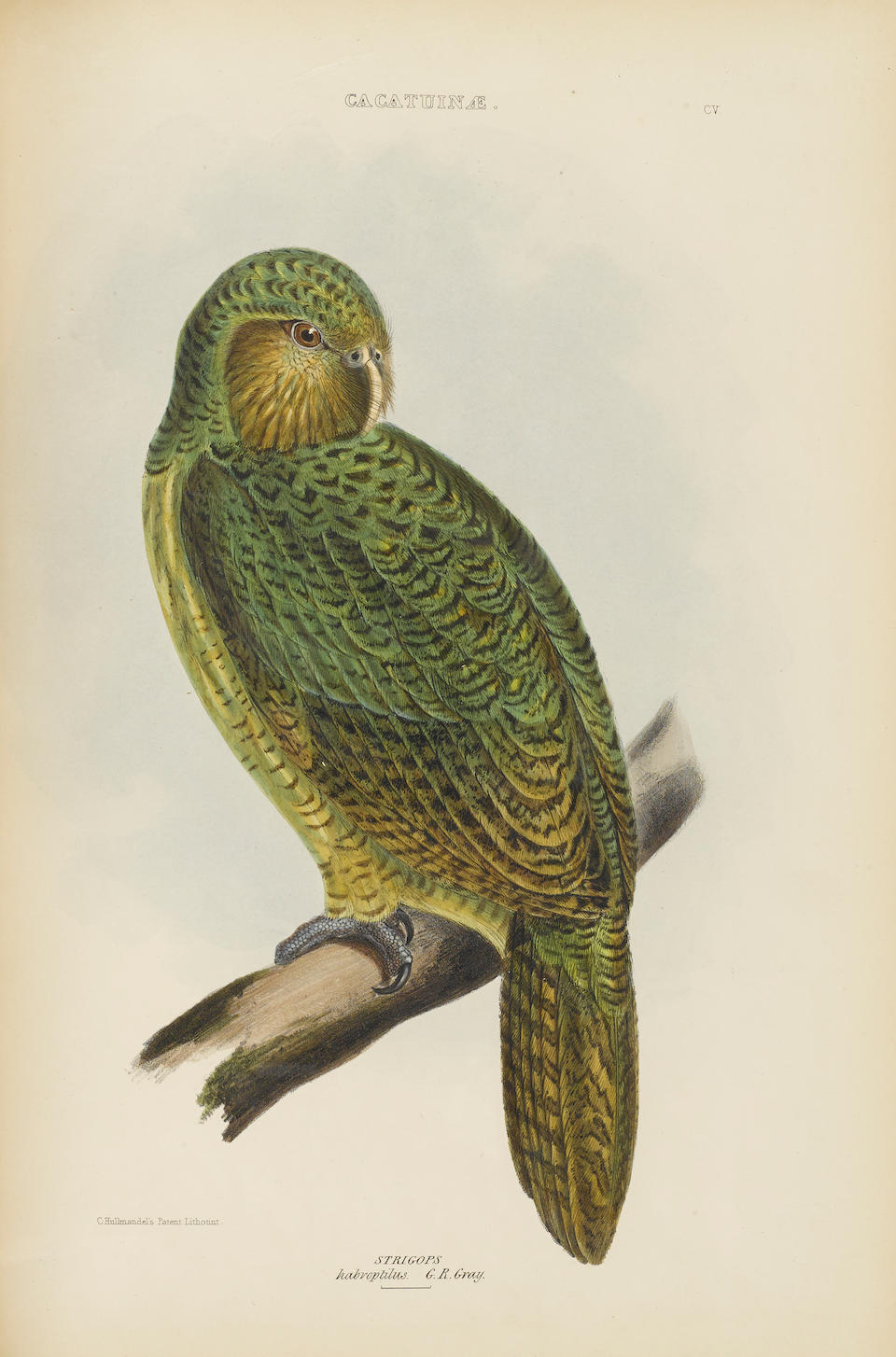
George Robert Gray was a British zoologist.
Gray practiced ornithology and scales, and for forty years headed the ornithology department of the British Museum, now the Natural History Museum, in London. Gray's major work on ornithology is entitled Genera of Birds (1844-1849), and is decorated with illustrations by David William Mitchell and Joseph Wolf. Gray also described many species of scales, and in 1833 became a founding member of the Royal Entomological Society of London.
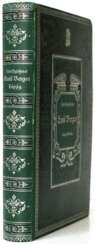


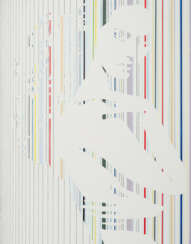

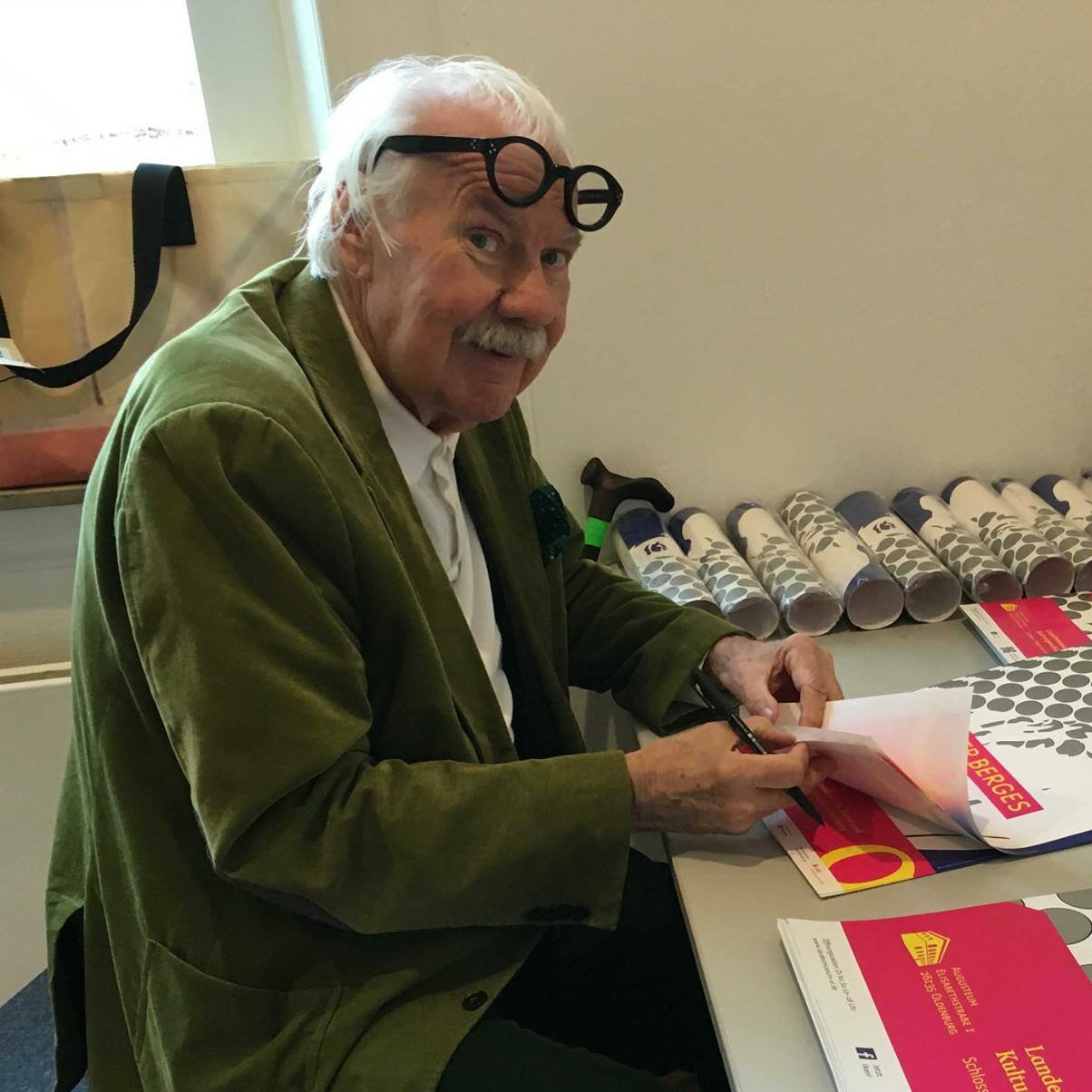
Werner Berges is a contemporary German artist and graphic artist, a representative of Pop Art.
Typical of him are bright colours and sharp outlines, the use of spot painting and the strips that give his works the character of reproductions. The heroes of his paintings are pop and film stars, advertising types of women and photo-models, whose erotic poses and captivating glances Werner Berges emphasizes with a powerful combination of colours, points, stripes and collage. At the core of his drawing is a "graphic framework" that exists independently of the overlay of colours on the canvas. The artist tries to show himself to be completely independent and impartial about what he has created and only signs his work on the back of the canvas.


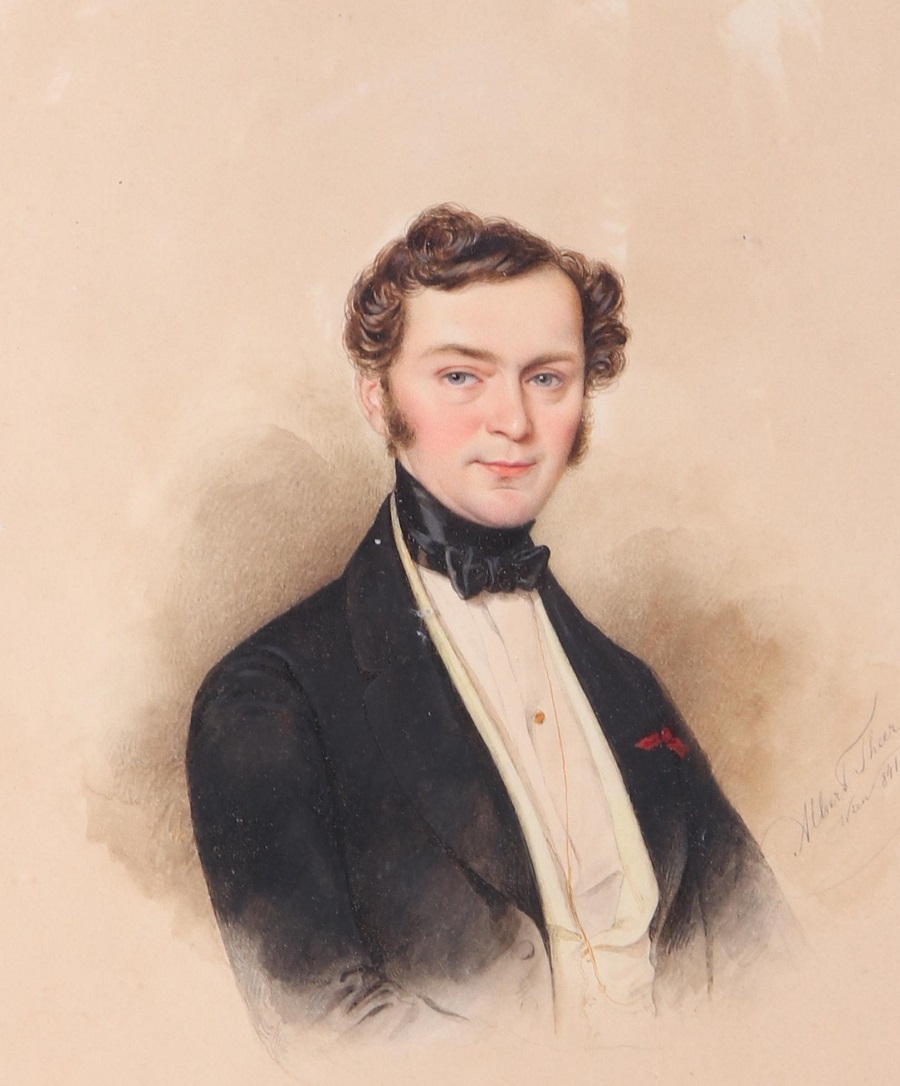
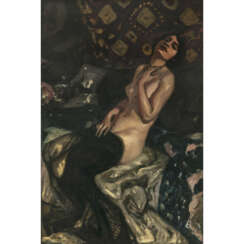

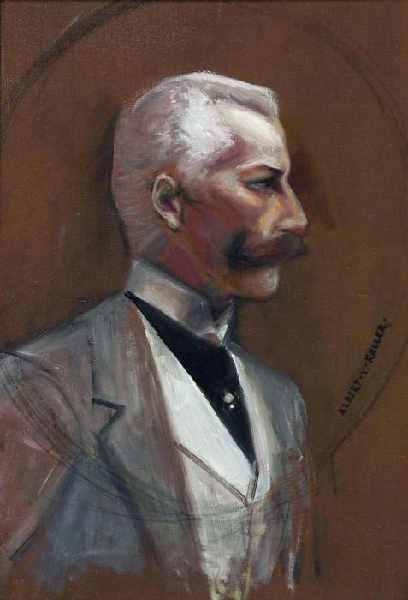
Albert von Keller was a German painter of Swiss ancestry, best known for his indoor scenes and portraits featuring female figures. Born on April 27, 1844, in Gais, Switzerland, he began his career by studying law at Ludwig Maximilian University, but his passion for art led him to the Academy of Fine Arts in Munich. His art journey took him through France and Italy, honing his style through various studio experiences.
Von Keller is recognized for his portraits depicting women in indoor environments, often shown in striking poses or engaging in activities. His later works took on supernatural, mystical, or religious themes. One of his notable achievements was co-founding the Munich Secession in 1892, where he served as vice president from 1904 to 1920.
Several of his works are housed in museums and galleries, such as "Irene von Keller with her son Balthasar" (1888), "The Pianist," and "Chopin" (1873). He also received the Knight's Cross of the Order of the Merit of the Bavarian Crown in 1878.
For collectors and art enthusiasts interested in learning more about Albert von Keller and his work, consider subscribing to updates to stay informed about new product sales and auction events related to this artist. These updates will help you track his artworks and any upcoming exhibitions.

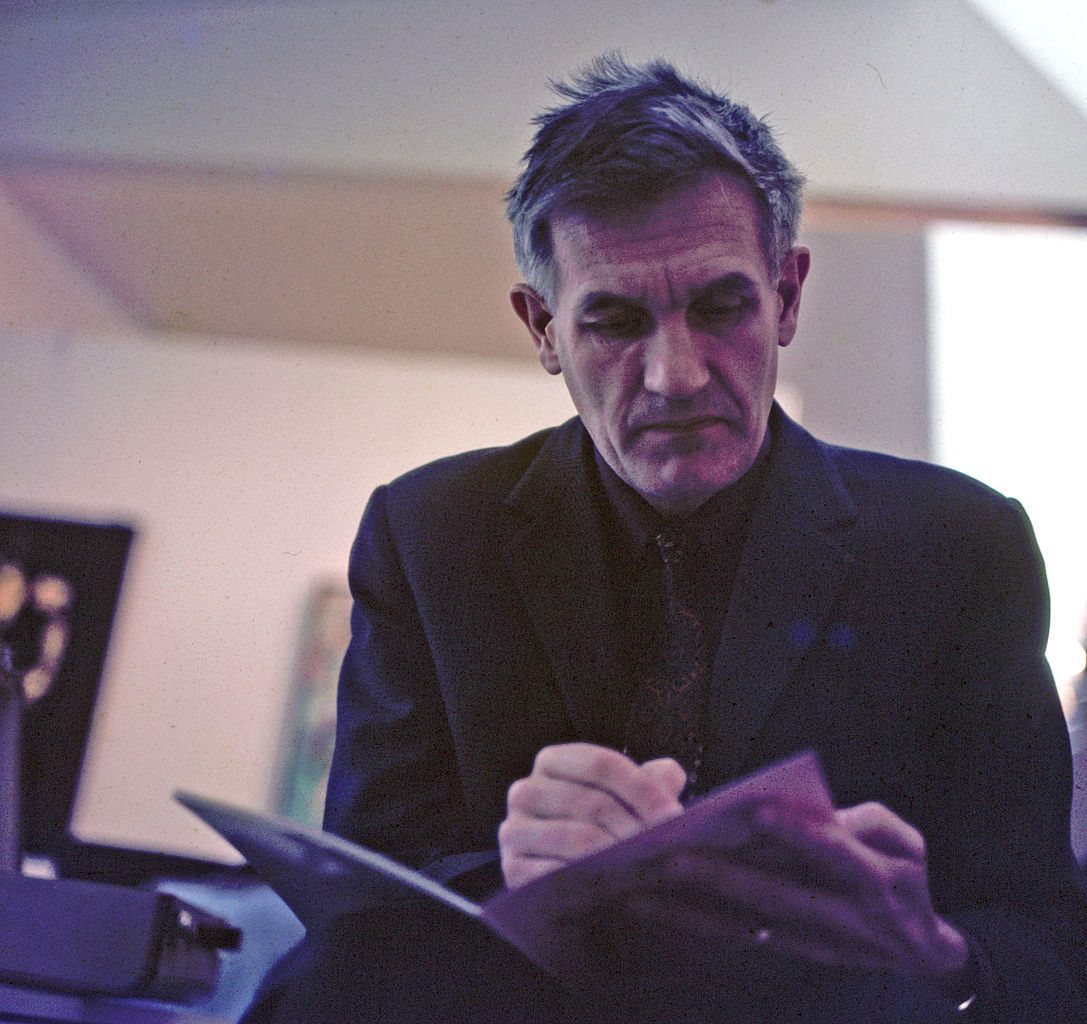
Bernard Schultze was a German painter who co-founded the Quadriga group of artists along with Karl Otto Götz and two other artists.