grants pass or
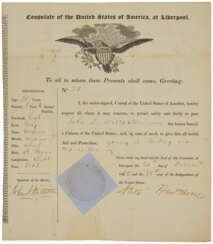

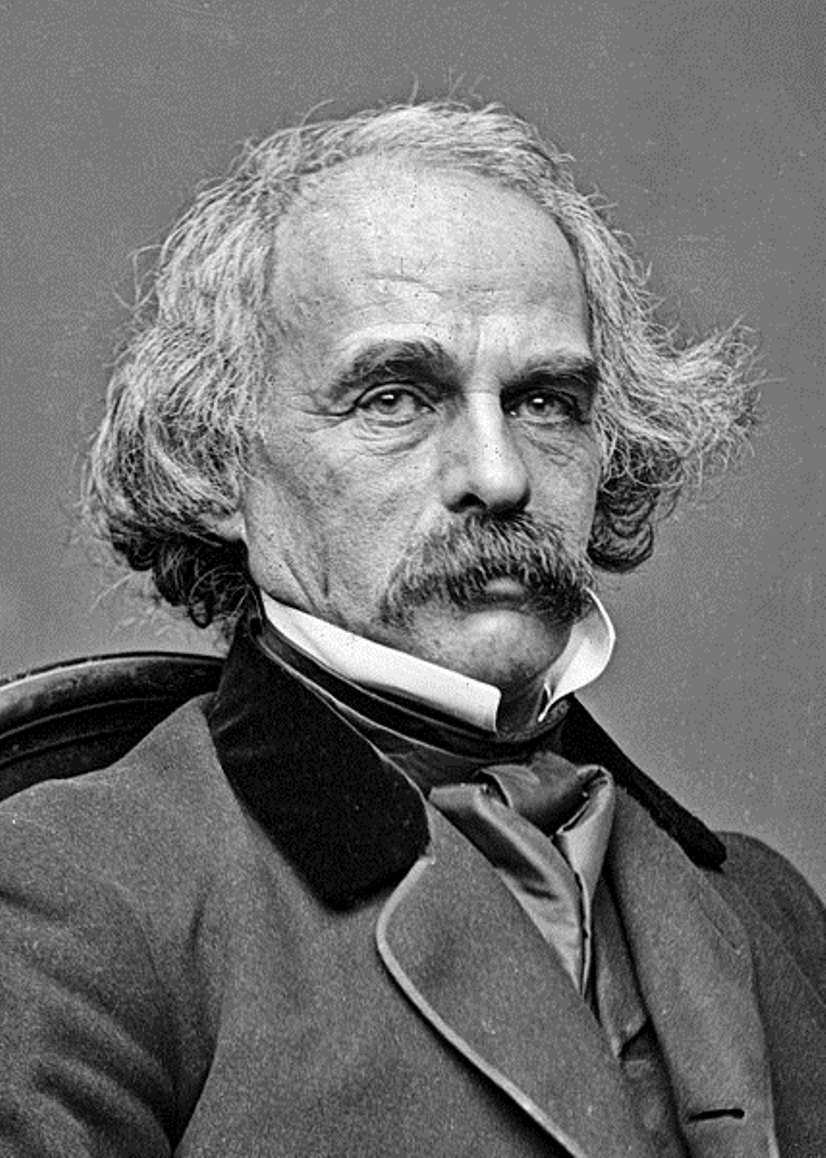
Nathaniel Hawthorne is an American writer and author.
Hawthorne is a recognized short story writer and a master of allegorical and symbolic narrative. One of the first fiction writers in American literature, he is best known for his works The Scarlet Letter (1850) and The House of Seven Gables (1851). Hawthorne's artistic works are considered part of the American Romantic movement and, in particular, of so-called dark Romanticism, a popular mid-19th-century fascination with the irrational, the demonic, and the grotesque.
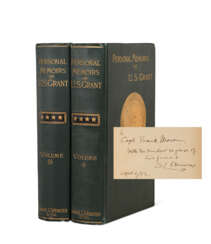

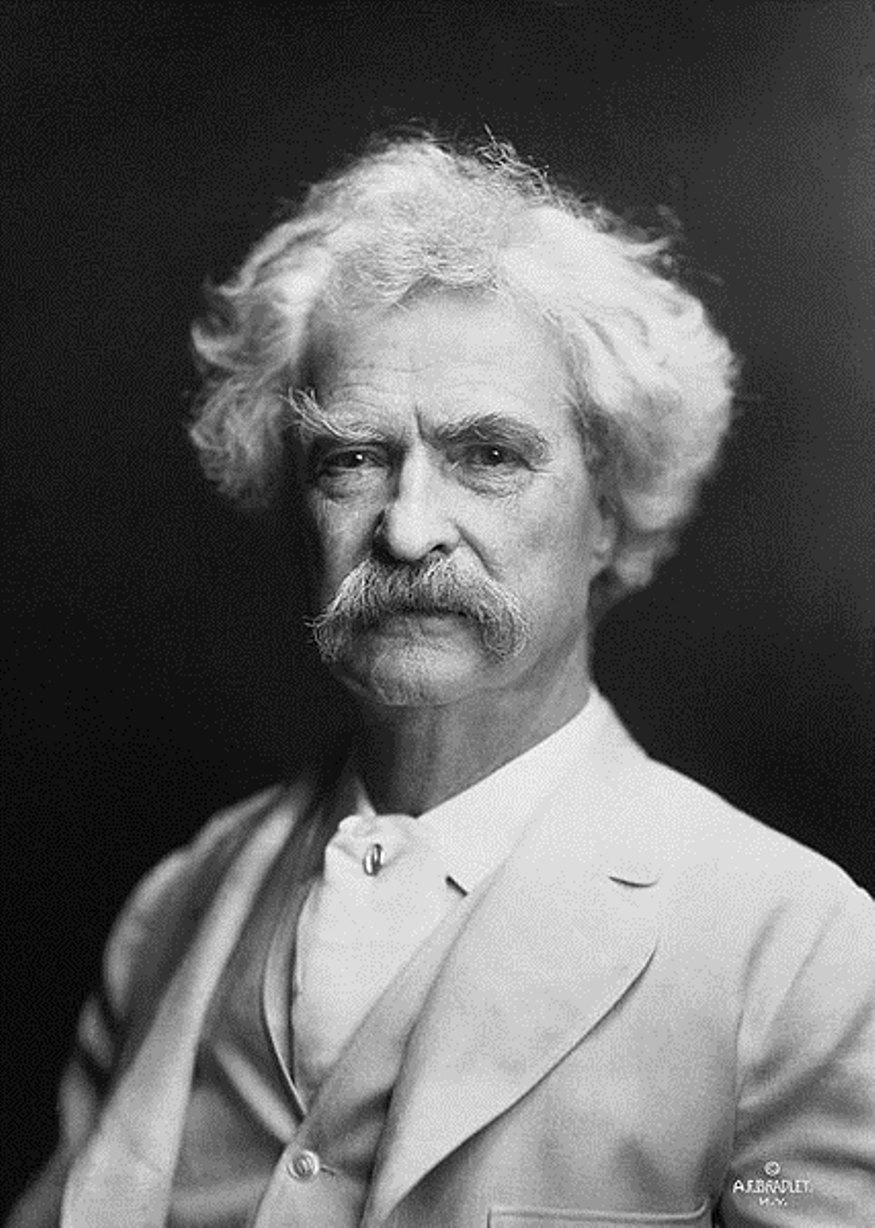
Mark Twain, real name Samuel Langhorne Clemens, was an American humanist writer, journalist, and social activist.
As a young man, Samuel worked in the printing press and in the gold mines, then went on a steamboat trip to Europe and the "Holy Land". His travel letters, full of vivid descriptions and ironic observations, were very well received by the public and were later revised into his first book, Innocents Abroad, published in 1869.
The pseudonym "Mark Twain" first appeared in 1863 under one of Samuel Clemens' short stories, and since then all his significant works have been signed by that name.
A talented storyteller, a peculiar humorist and moralist, Twain knew and loved his many diverse characters. His scandalizers and dreamers, caring aunts and ambitious politicians, grumpy widows and lying aristocrats, cunning but generous slaves, sentimental moralists, brave and naive children - all these types of American people Twain gave voice to thanks to his masterful command of colloquial language, slang and jargon. Twain wrote a lot and in a variety of genres: humor and satire, philosophical fiction and journalism and others, but he always stood on the position of humanist and democrat.
Mark Twain became world famous for his travel stories and adventure novels about his childhood, these are "The Adventures of Tom Sawyer" (1876) and "The Adventures of Huckleberry Finn" (1885). Twain is still one of America's, and indeed the world's, best and most beloved writers. His works have been and are still being published in many languages around the world.
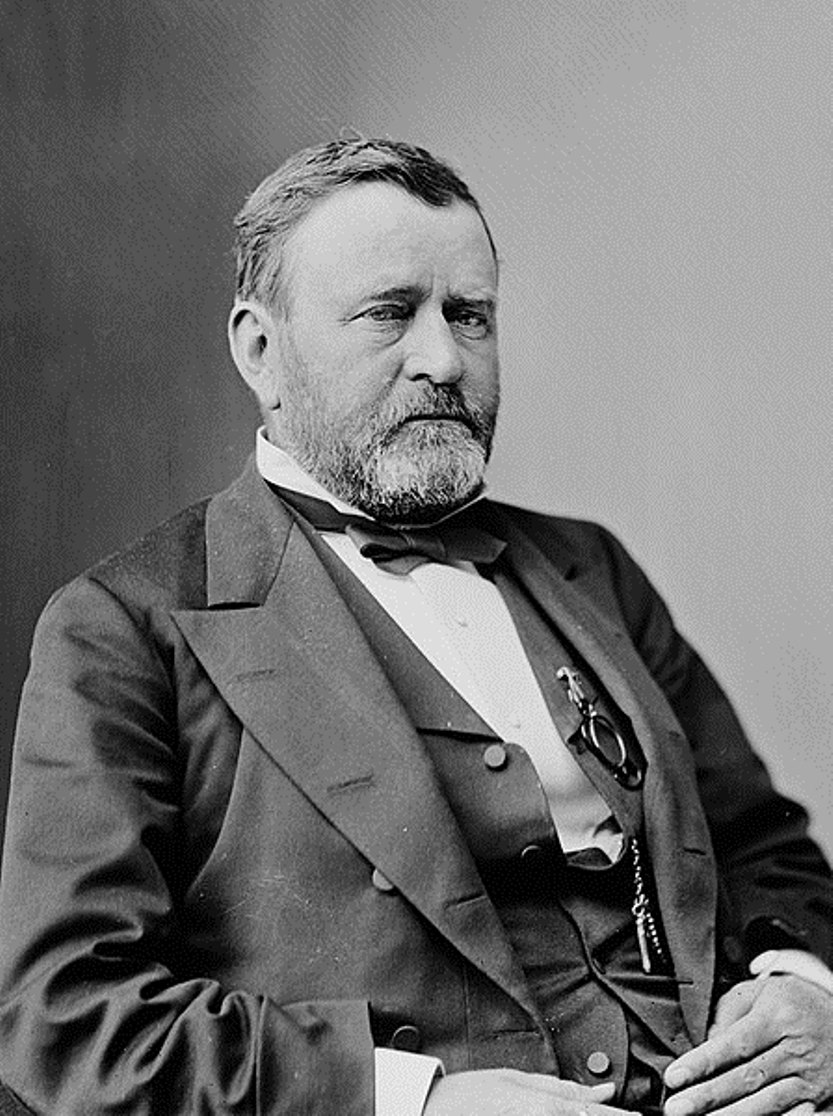
Ulysses S. Grant, born Hiram Ulysses Grant, was an American politician and military leader who was the 18th President of the United States (March 4, 1869 - March 4, 1877).
Grant's father was a tanner and enrolled his son in the United States Military Academy at West Point, New York. Ulysses Grant distinguished himself in the Mexican-American War, then fought in the Civil War, was a brigadier general, and was given command of the District of Southeast Missouri. In March, 1864, Grant became lieutenant general and was given command of all the armies of the United States. In 1866, he was promoted to the newly established rank of general in the U.S. Army.
Grant continued as commander-in-chief after Lincoln's assassination and during the administration of U.S. President Andrew Johnson. However, the situation was such that Ulysses Grant won the next presidential election and became the 18th President of the United States on March 4, 1869. He was politically inexperienced and personally clean, but his time as president was marked by corruption and scandals. During his two presidential terms, Grant worked hard to re-unite the North and South, opposing the nascent Ku Klux Klan.
In 1877, after leaving the presidency, Grant traveled around the world with his wife, and everywhere he was received with glee. Then his attempts at business led to complete bankruptcy. Ulysses Grant spent the last years of his life writing his memoirs while battling poverty and throat cancer. With the help of writer Mark Twain, his two-volume work was published in 1885, two months before the author's death.



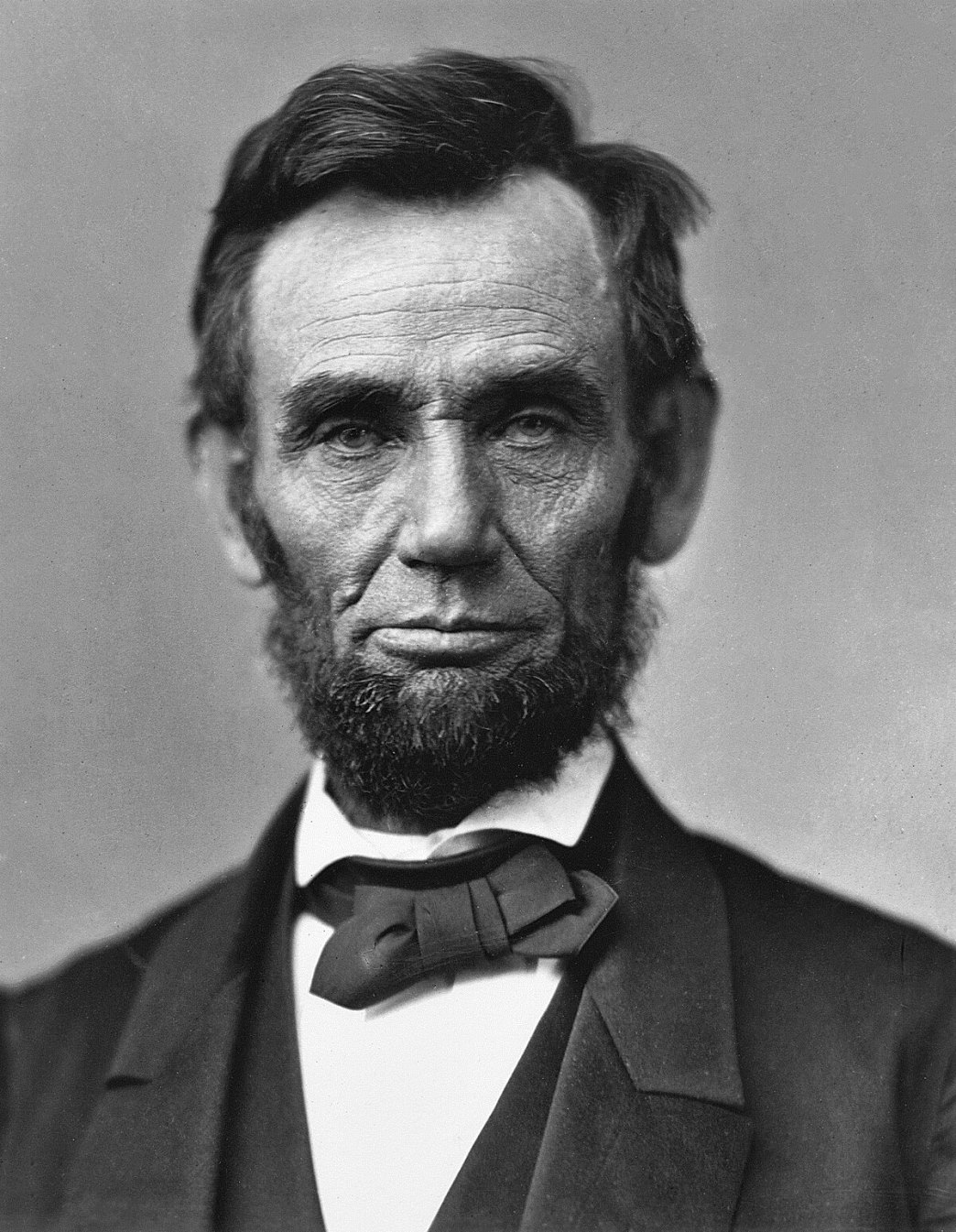
Abraham Lincoln was an American statesman and politician, the 16th President of the United States (March 4, 1861 - April 15, 1865).
The son of a frontiersman and a Kentucky farmer, Lincoln worked hard from an early age and struggled to learn. He was a militiaman in the Indian War, practiced law, and sat in the Illinois legislature for eight years. He was an opponent of slavery and gradually gained a national reputation that earned him victory in the 1860 presidential election.
After becoming the 16th president of the United States, Abraham Lincoln turned the Republican Party into a strong national organization. In addition, he drew most Northern Democrats to the Union side. On January 1, 1863, he issued the Emancipation Proclamation, which declared permanently free those slaves who were in Confederate territory. Lincoln considered secession illegal and was prepared to use force to defend federal law and the Union. Four more slave states joined the Confederacy, but four remained in the Union, and the Civil War of 1861-1865 began.
Lincoln personally directed the military action that led to victory over the Confederacy. Abraham Lincoln was reelected in 1864, and on April 14, 1865, he was fatally shot at Ford's Theatre in Washington, D.C. by actor John Wilkes Booth.
Abraham Lincoln is a national hero of the American people, he is considered one of the best and most famous presidents of the United States until today.






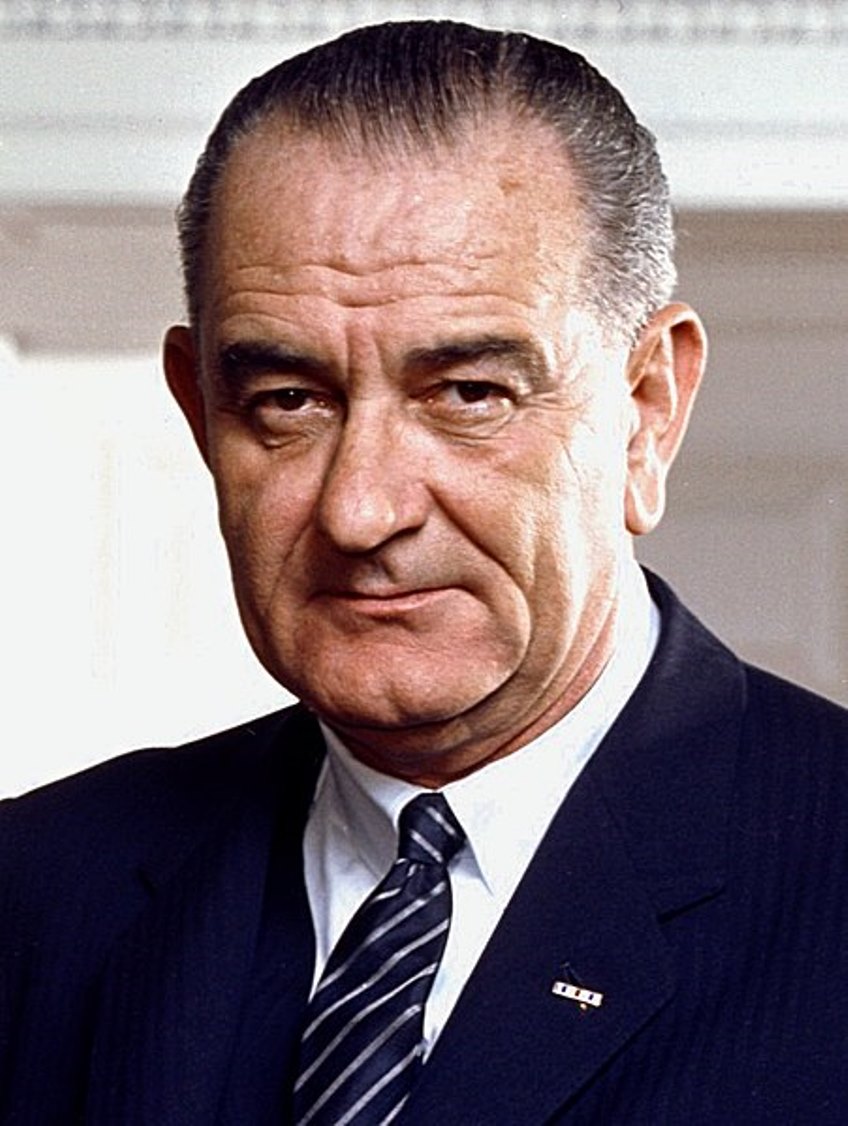
Lyndon Baines Johnson was an American politician and statesman, the 36th President of the United States (1963-1969).
Johnson was from a Texas farming family and graduated from Southwestern State Teachers College (now Texas State University) in San Marcos, Texas. In 1931, he began serving as Secretary of Congress for newly elected U.S. Representative Richard Kleberg. In 1935 Johnson was appointed Texas director of the National Youth Administration, President Franklin D. Roosevelt's New Deal program. Roosevelt, which helped young people find jobs during the Great Depression. In 1937, Lyndon Johnson was elected to the U.S. House of Representatives as a Democrat.
He served briefly in the U.S. Navy during World War II with the rank of lieutenant commander, and was elected to the U.S. Senate in 1948. In 1960, Democratic presidential candidate John F. Kennedy invited Johnson to be his running mate for vice president. He was elected vice president, and after the assassination of President John F. Kennedy, he was sworn in and assumed the presidency on the same day, November 22, 1963.
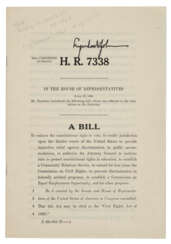
President Lyndon Johnson soon declared a war on poverty. In the 1964 presidential election, he defeated his Republican rival and introduced a list of new reforms that he was convinced would build a "great society" for all Americans. Johnson also made great strides against racial discrimination, signing the historic Civil Rights Act of 1964 and the Voting Rights Act of 1965.
In foreign policy, however, Johnson could not boast of successes. Increased U.S. military involvement in the Vietnam War and heavy casualties led to a sharp rise in anti-war sentiment in the country. Lyndon Johnson's ratings steadily declined, eventually he refused to run for a second term and in January 1969 returned to his ranch in Texas. He spent the last years of his life as a librarian, writing his memoirs and died at the age of 64. Lyndon Johnson has a reputation as one of the least popular presidents in American history.

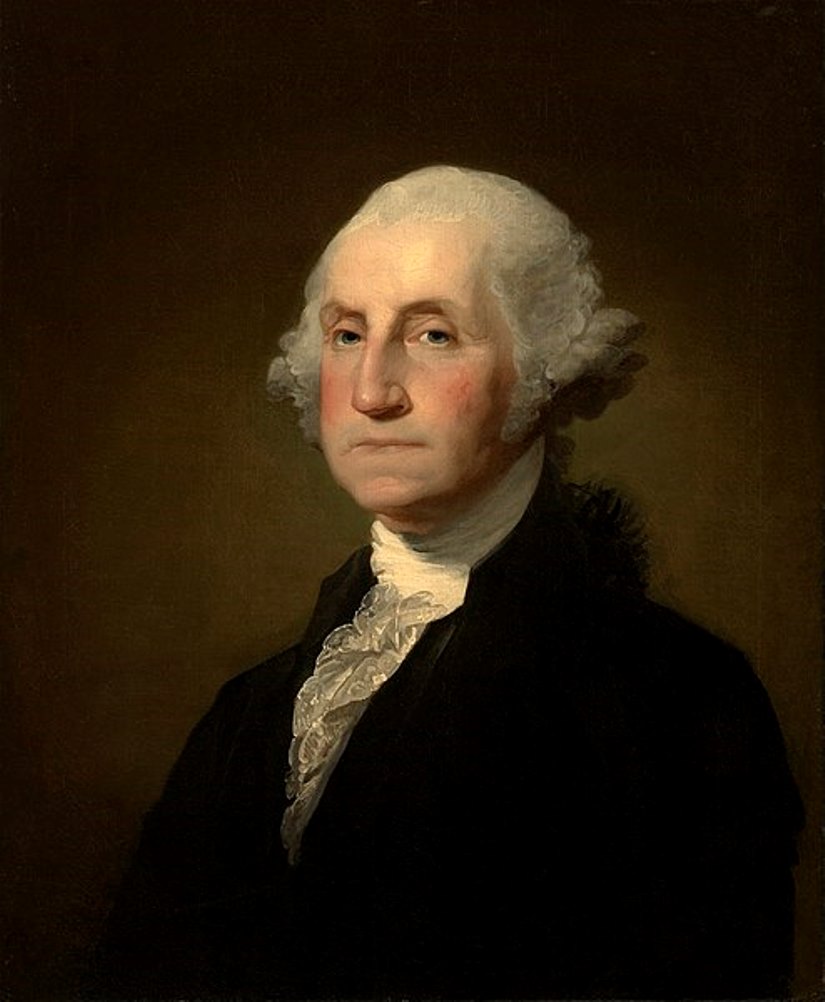
George Washington is the first popularly elected president of the United States of America and one of the founding fathers of the United States.
Born into a noble family in colonial Virginia in February 1732, George Washington served as a Virginian officer with British troops during the French-Indian War (1754-1763) from 1754-1758. This was a territorial war fought largely between the colonies of Britain and France that escalated into a worldwide conflict between the two countries. J. Washington was at the center of the conflicts in the disputed Ohio River Valley area.
In June 1775, he was elected commander-in-chief of the Continental forces in the war already for independence from Great Britain. He commanded American troops throughout the war, becoming famous for his perseverance and bravery.
In 1787, J. Washington represented the state of Virginia as a delegate to the Constitutional Convention. This convention created the Constitution of the United States. In 1789, the Electoral College unanimously elected George Washington president, and in 1792 he was re-elected for a second term. Thus George Washington was in office as President of the United States from April 30, 1789 to March 4, 1797.
As head of state, he helped to strengthen the Union, implement the principles of the Constitution and build the capital of the United States. He was engaged in the formation of the central authorities and system of government, created precedents for the institution of presidents, encouraged the development of the economy, maintained friendly relations with Congress. In foreign policy Washington avoided interference in the affairs of European states.
After leaving the post of president, George Washington lived in Mount Vernon Manor.
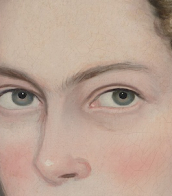


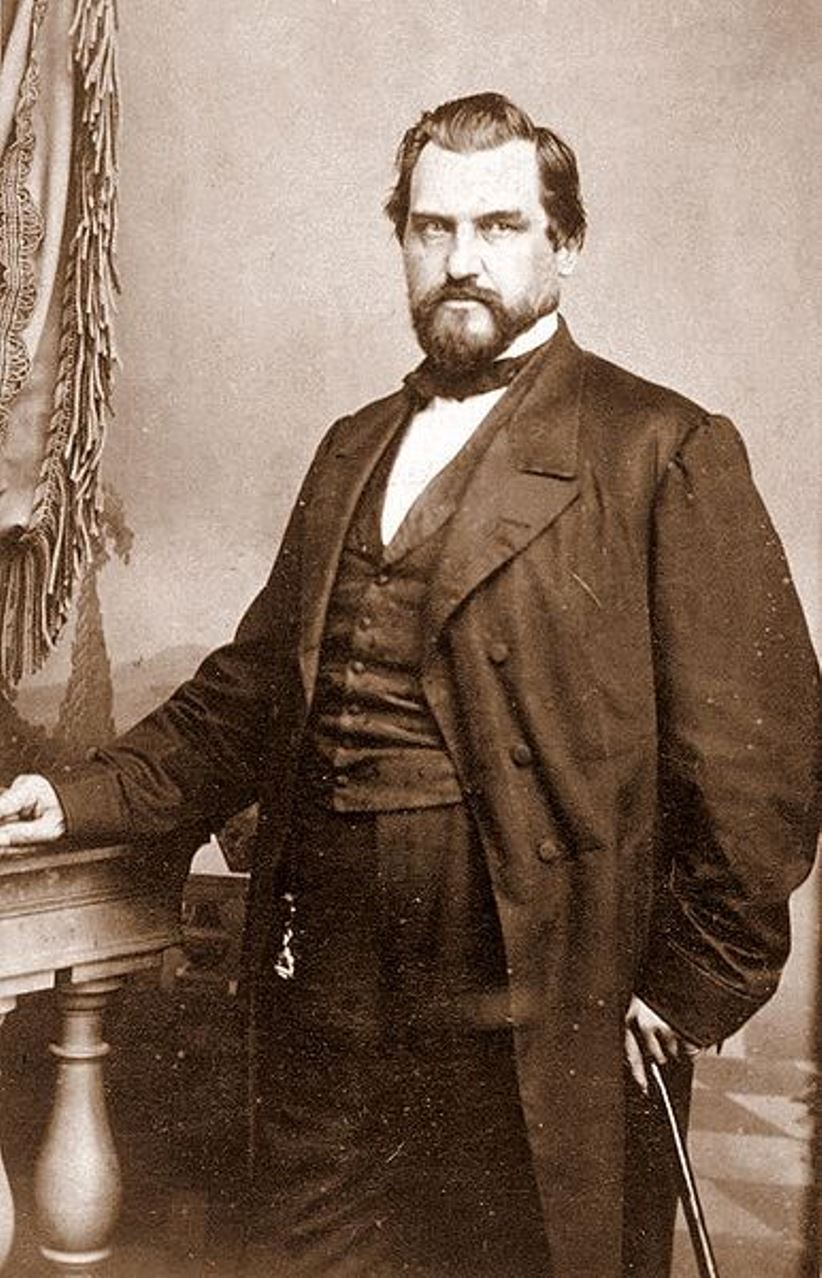
Amasa Leland Stanford was an American politician, industrialist and entrepreneur, and founder of Stanford University.
Born into a wealthy family, Stanford earned a law degree and practiced law in Wisconsin, and soon built a lucrative business selling mining equipment in northern California. And of course he became involved in politics, first as a justice of the peace and in 1861 was elected governor of California, but he didn't move away from business either.
As a member of the "Big Four" of the Central Pacific Railroad (CPRR), he was involved in planning the eastern section of the transcontinental railroad and helped secure major public investments and land grants for the railroad project. In 1863, Stanford became president of the Central Pacific Railroad and held that position for the rest of his life. He was also president of the Southern Pacific Railroad (which was acquired by the CPRR) and owned many of the construction companies that built the railroad. At the same time, he served in the U.S. Senate from 1885.
In 1891, he and his wife Jane Stanford founded Leland Stanford Junior University in memory of their only child, Leland Stanford, Jr. who died in his teens of typhoid fever during a trip to Italy.
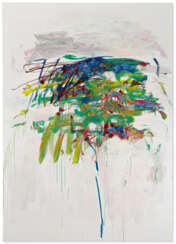

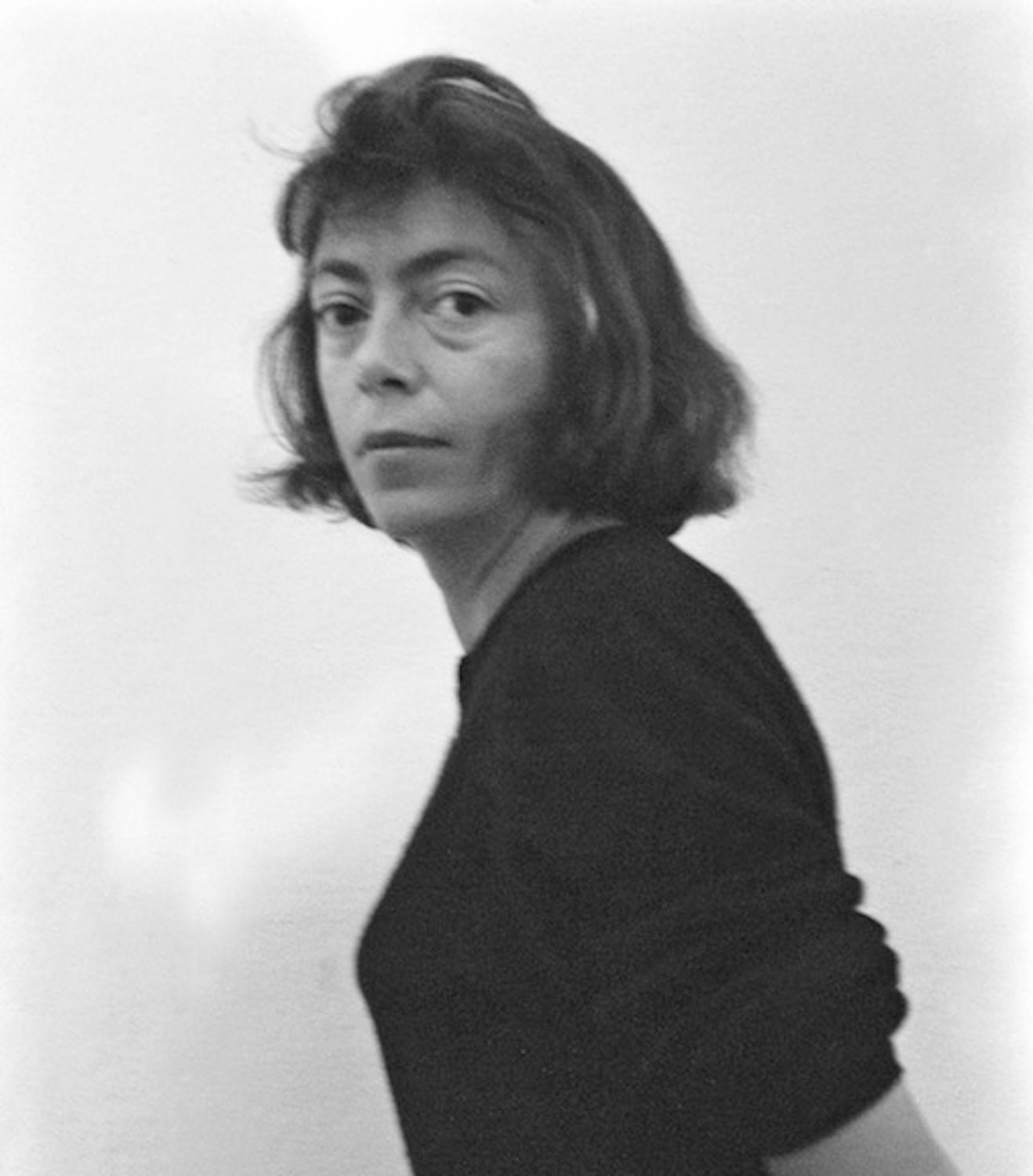
Joan Mitchell was an American painter, celebrated for her pivotal role in the Abstract Expressionist movement. Born in Chicago in 1925, Mitchell's work transcends the traditional boundaries of art, blending intense emotion with a deeply personal use of color and gesture. Her canvases are vast arenas where light, color, and texture merge to evoke landscapes, memories, and emotions. Unlike many of her contemporaries, Mitchell's art was not just about the act of painting but about capturing the essence of her experiences and emotions, making her a unique voice in 20th-century art.
Mitchell's paintings, characterized by their vibrant colors and dynamic brushstrokes, have been exhibited in some of the world's most prestigious museums and galleries. Notable works like "Hudson River Day Line" and "Bracket" found homes in institutions such as the Denver Art Museum and the San Francisco Museum of Modern Art (SFMOMA), respectively. These pieces exemplify Mitchell's ability to convey the complexity of nature and emotion, bridging the gap between abstract expressionism and the lyrical landscapes that inspired her.
Despite her critical acclaim, Mitchell's work was initially overshadowed by her male peers, selling for a fraction of their value. However, the 21st century has seen a significant reassessment of her contributions, with her paintings now commanding millions at auction. This shift is part of a broader reevaluation of women and minority artists in the art historical canon, reflecting changing perspectives on gender and creativity. Collectors and experts in art and antiques now recognize Joan Mitchell as a titan of post-war American painting, whose works continue to inspire and captivate audiences worldwide.
For those intrigued by the legacy of Joan Mitchell and the dynamic world of abstract expressionism, we invite you to sign up for updates. Our subscription service will keep you informed about new product sales and auction events related to Joan Mitchell's art, offering exclusive insights into one of the most influential artists of the 20th century.





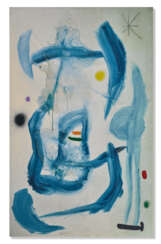

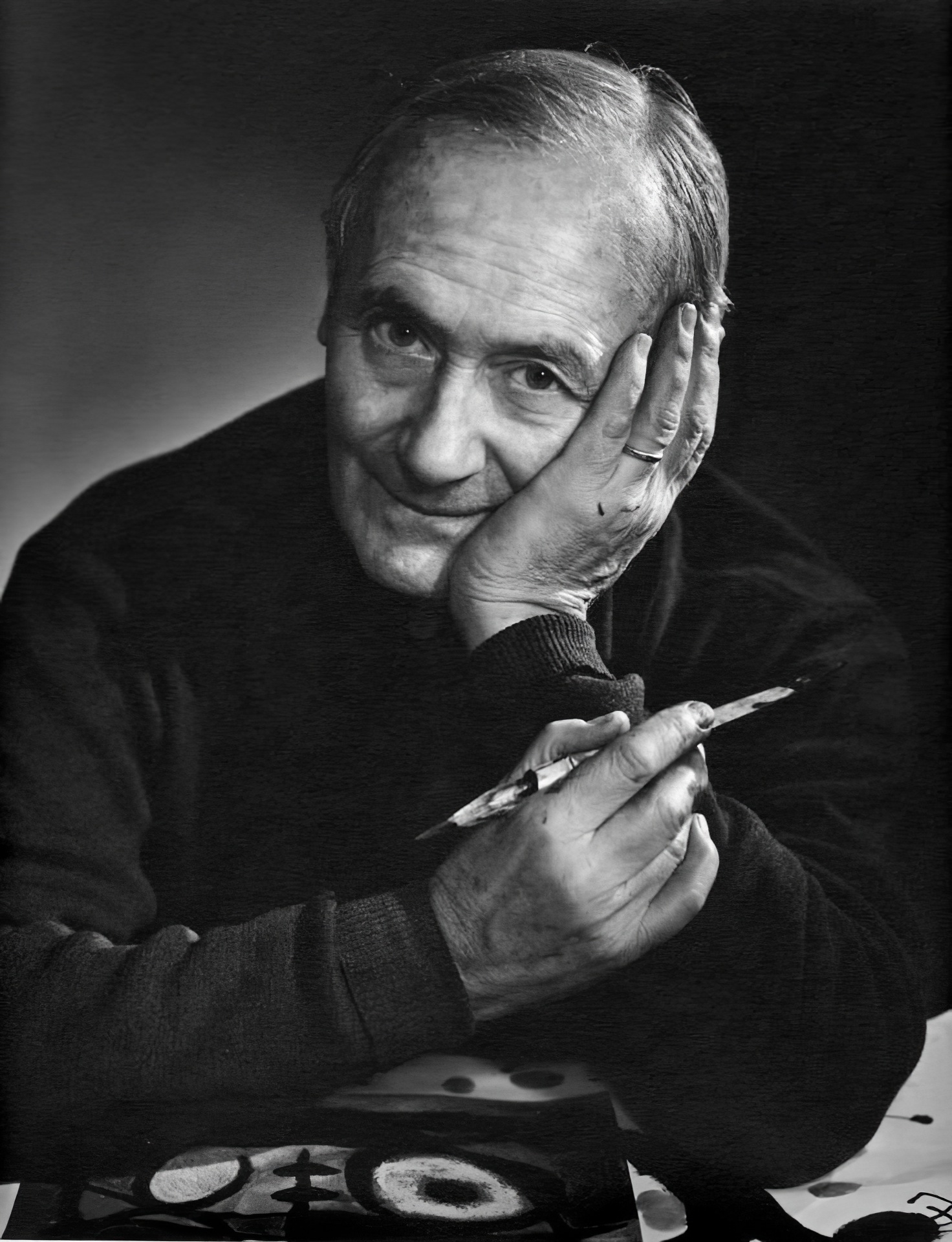
Joan Miró, a celebrated Spanish artist, was a master in painting, sculpture, and ceramics, renowned for his unique style that blurred the lines between Surrealism, Fauvism, and Expressionism. Born in Barcelona to a family of a goldsmith and a watchmaker, Miró grew up immersed in the rich cultural heritage of the Barri Gòtic neighborhood. His artistic journey began with drawing classes at the age of seven and continued at the prestigious La Llotja art academy. Despite an initial venture into the business world, Miró's passion for art prevailed, leading him to abandon his clerical career after a nervous breakdown.
Miró's work is noted for its exploration of the subconscious, often depicting a childlike perspective. This approach was both a critique of traditional painting methods and a means of expressing Catalan pride. His art, challenging to categorize, often featured symbolic elements and nationalistic qualities. One of his notable early works, "The Farm," reflects a transition to a more individual style, blending elements of his Catalan roots with broader artistic influences. This piece, later purchased by Ernest Hemingway, encapsulated the essence of Spain in its imagery.
In Paris, Miró joined the Surrealist movement in 1924, where his work began to reflect the influence of automatism, emphasizing spontaneous, automatic, or subconscious creation. He experimented with various mediums, including painting-poetry and collage, and even ventured into set and costume design for Sergei Diaghilev's Ballets Russes.
During World War II, Miró remained in Spain, and his work from this period, including the 22 Constellations series, reflected an interest in the night, music, and stars. His forms became increasingly abstracted, and he experimented with various techniques, often incorporating primary colors and evocative titles.
Miró's career spanned several decades, during which he continually evolved his style and explored new mediums. His contributions to art were recognized with numerous awards and retrospectives, including a major career retrospective at MoMA in 1941 and the Spanish Gold Medal for Fine Arts in 1980. Among his last major works was a tapestry for the World Trade Center in New York City, created in 1974.
For art collectors and enthusiasts, Joan Miró remains a figure of immense interest, not only for his distinct style and contributions to Surrealism but also for his ability to blend poetic imagery with political commentary. To stay updated on new product sales and auction events related to Joan Miró, sign up for our updates and immerse yourself in the world of this extraordinary artist.
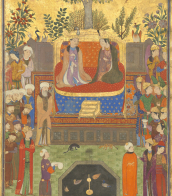
![Xiangyangfu Tu [Map of Xiangyang Prefecture]](/assets/image/picture_1696431/3fea0/60ef62d03130123a63c44dd3735a5c031633096800jpg__fix_374_244.jpeg)
![Xiangyangfu Tu [Map of Xiangyang Prefecture]](https://veryimportantlot.com/assets/image/picture_1696431/3fea0/60ef62d03130123a63c44dd3735a5c031633096800jpg__fix_374_244.jpeg)
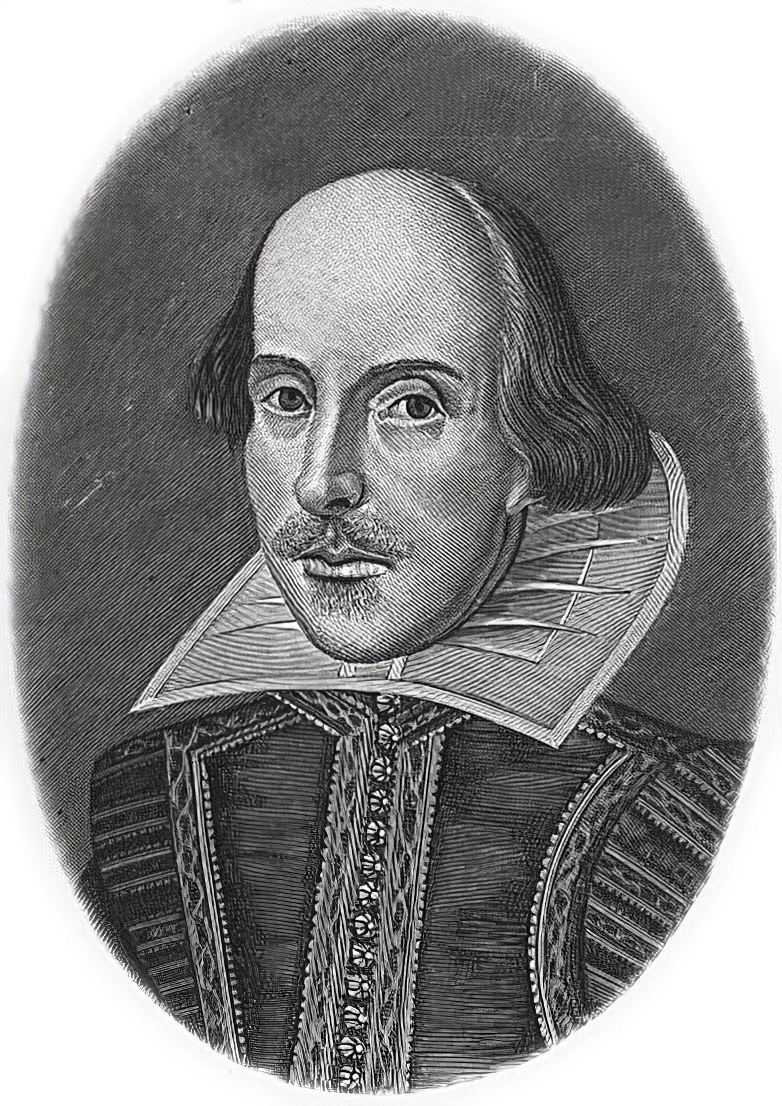
William Shakespeare was a British poet and playwright and writer.
William's father, John Shakespeare, was a merchant and official in Stratford. There are reports that he was a sailor for a time before joining a theater company in London. Beginning in the 1590s, Shakespeare began writing plays, and in 1593 he published a poem, Venus and Adonis, which became popular. He dedicated it to the Duke of Southampton, who was a philanthropist and patron of talent, and soon his business was booming.
From 1592 to 1600 Shakespeare wrote his dramas and romantic comedies "Richard III", "The Taming of the Shrew", "Romeo and Juliet", "A Midsummer Night's Dream" and "The Merchant of Venice", as well as the comedies "Much Ado About Nothing", "Twelfth Night" and the tragedy "Julius Caesar". The playwright's business was so successful that he even bought a large house in Stratford. In 1599, Shakespeare became one of the owners, playwright and actor of the new theater "Globe". In 1603 King James took Shakespeare's troupe under his direct patronage. In the mature period, the great playwright turned to tragedies, there were "Hamlet", "Othello", "King Lear", "Macbeth" and others.
Although in the 19th century researchers had some doubts about the authorship of many of these works, William Shakespeare is considered the greatest English playwright, one of the best playwrights in the world. His plays have been translated into all major languages and to this day form the basis of the world theatrical repertoire, most of them have been screened many times. According to the Guinness Book of Records, Shakespeare remains the world's best-selling playwright, and his plays and poems have sold more than 4 billion copies in the nearly 400 years since his death.




















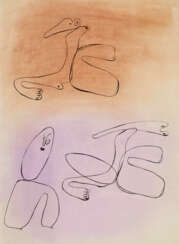

Joan Miró, a celebrated Spanish artist, was a master in painting, sculpture, and ceramics, renowned for his unique style that blurred the lines between Surrealism, Fauvism, and Expressionism. Born in Barcelona to a family of a goldsmith and a watchmaker, Miró grew up immersed in the rich cultural heritage of the Barri Gòtic neighborhood. His artistic journey began with drawing classes at the age of seven and continued at the prestigious La Llotja art academy. Despite an initial venture into the business world, Miró's passion for art prevailed, leading him to abandon his clerical career after a nervous breakdown.
Miró's work is noted for its exploration of the subconscious, often depicting a childlike perspective. This approach was both a critique of traditional painting methods and a means of expressing Catalan pride. His art, challenging to categorize, often featured symbolic elements and nationalistic qualities. One of his notable early works, "The Farm," reflects a transition to a more individual style, blending elements of his Catalan roots with broader artistic influences. This piece, later purchased by Ernest Hemingway, encapsulated the essence of Spain in its imagery.
In Paris, Miró joined the Surrealist movement in 1924, where his work began to reflect the influence of automatism, emphasizing spontaneous, automatic, or subconscious creation. He experimented with various mediums, including painting-poetry and collage, and even ventured into set and costume design for Sergei Diaghilev's Ballets Russes.
During World War II, Miró remained in Spain, and his work from this period, including the 22 Constellations series, reflected an interest in the night, music, and stars. His forms became increasingly abstracted, and he experimented with various techniques, often incorporating primary colors and evocative titles.
Miró's career spanned several decades, during which he continually evolved his style and explored new mediums. His contributions to art were recognized with numerous awards and retrospectives, including a major career retrospective at MoMA in 1941 and the Spanish Gold Medal for Fine Arts in 1980. Among his last major works was a tapestry for the World Trade Center in New York City, created in 1974.
For art collectors and enthusiasts, Joan Miró remains a figure of immense interest, not only for his distinct style and contributions to Surrealism but also for his ability to blend poetic imagery with political commentary. To stay updated on new product sales and auction events related to Joan Miró, sign up for our updates and immerse yourself in the world of this extraordinary artist.