

hans böt


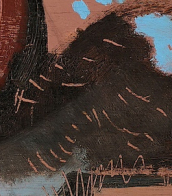
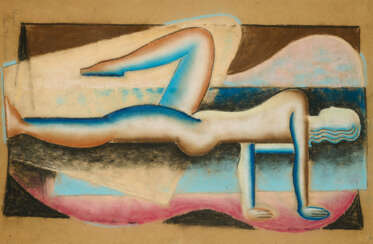

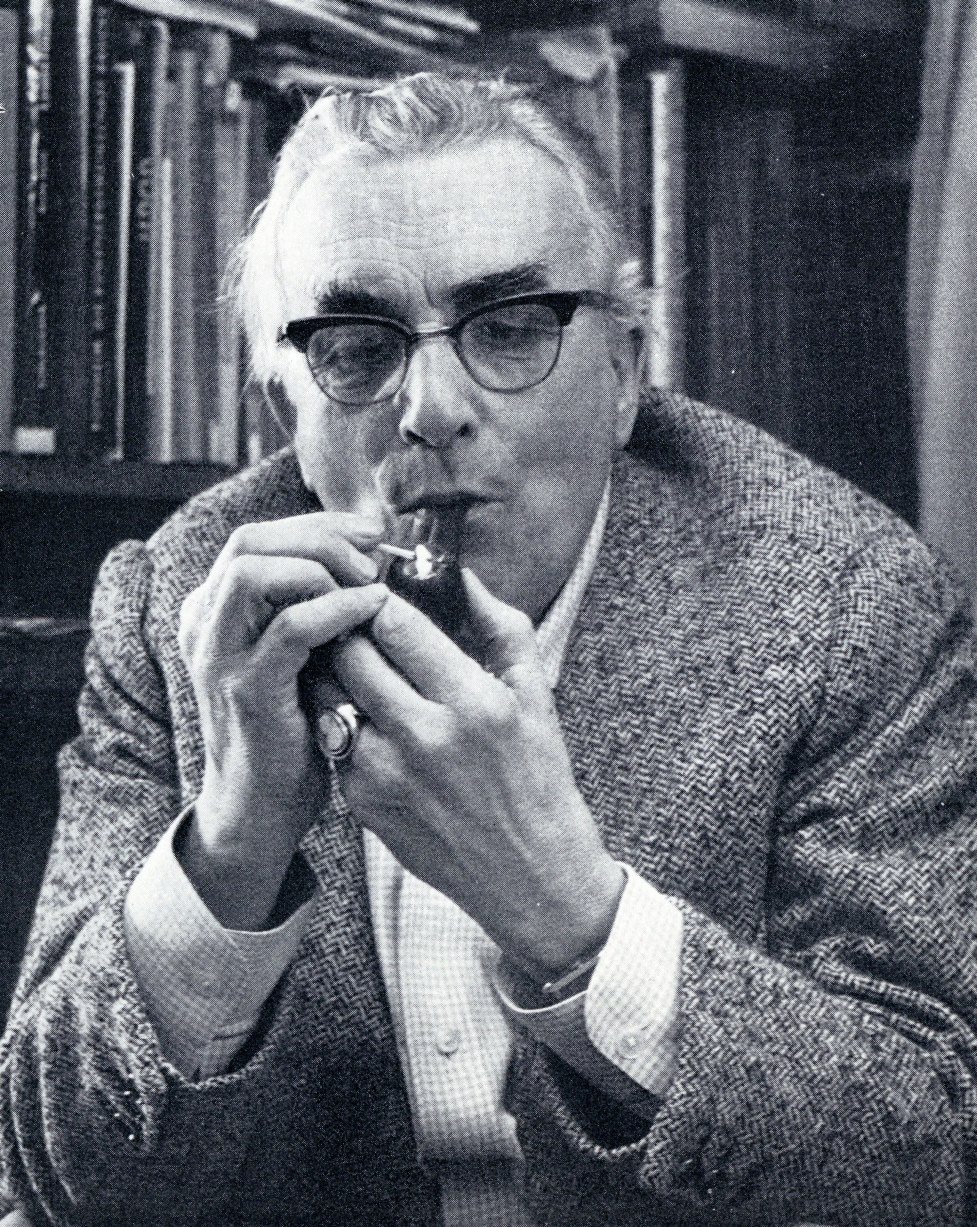




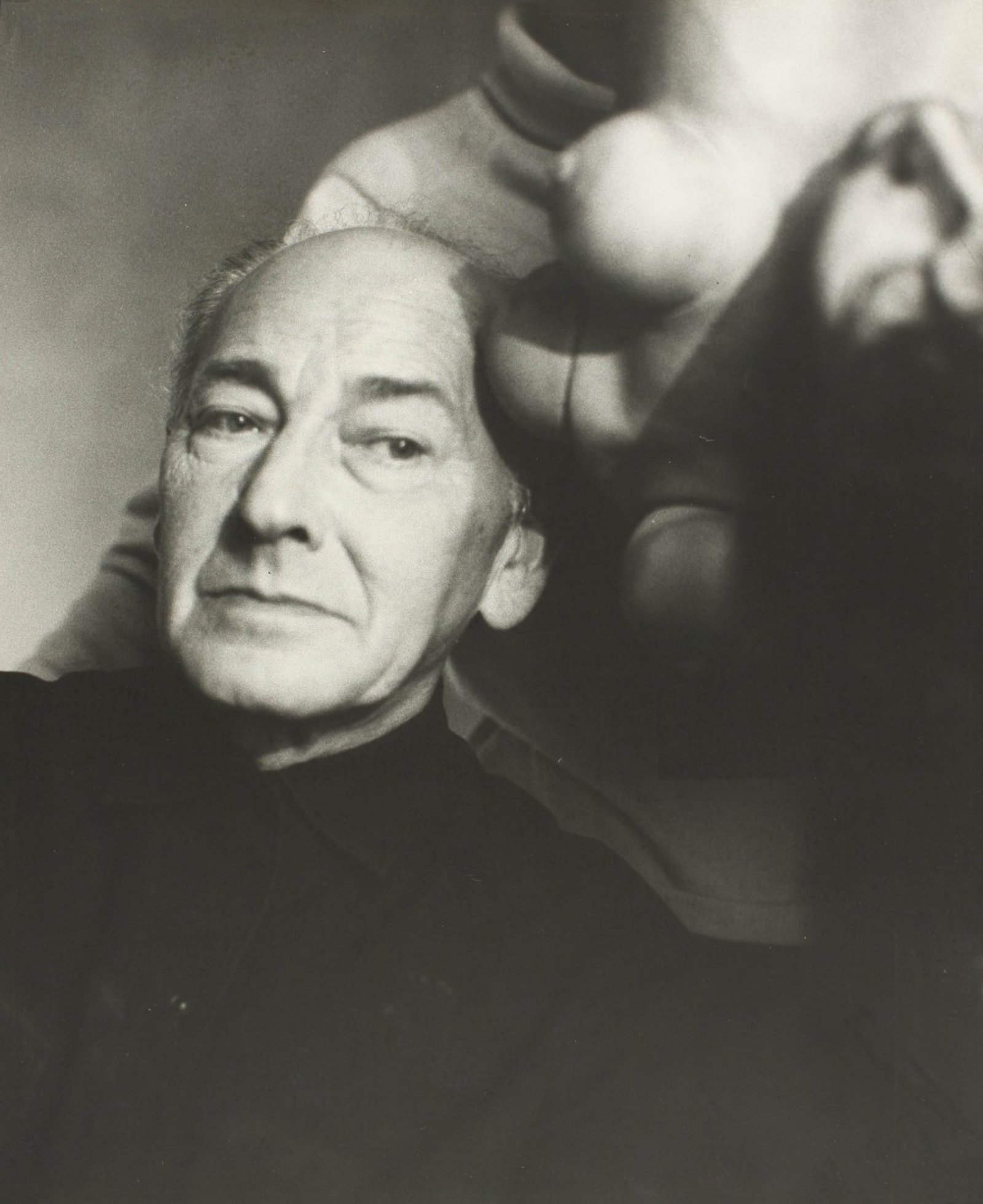
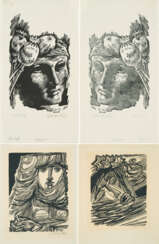
Hans Bellmer was a German graphic artist, sculptor, photographic artist, illustrator, and writer who spent most of his life in France.
In the 1930s Bellmer began working on the eroticized image of the deformed doll, contrasting it with the aesthetics of the "classical" body in Hitler's Germany. His graphic and literary explorations focus on the dismemberment and liberation of bodies. Bellmer's surrealist works are violent and provocative: they include puppet sculptures composed of the bodies of nude models, photographs, and prints.
In 1934, 18 photographs of dolls were published in the Parisian surrealist magazine Minotaur, and the Nazi regime declared Bellmer's art degenerate. In 1938, Bellmer emigrated to France.
After the end of the war, the artist continued his work, adding poetry to painting. He also authored illustrations for many works, particularly on erotic themes.

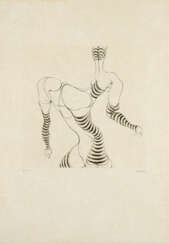

Hans Bellmer was a German graphic artist, sculptor, photographic artist, illustrator, and writer who spent most of his life in France.
In the 1930s Bellmer began working on the eroticized image of the deformed doll, contrasting it with the aesthetics of the "classical" body in Hitler's Germany. His graphic and literary explorations focus on the dismemberment and liberation of bodies. Bellmer's surrealist works are violent and provocative: they include puppet sculptures composed of the bodies of nude models, photographs, and prints.
In 1934, 18 photographs of dolls were published in the Parisian surrealist magazine Minotaur, and the Nazi regime declared Bellmer's art degenerate. In 1938, Bellmer emigrated to France.
After the end of the war, the artist continued his work, adding poetry to painting. He also authored illustrations for many works, particularly on erotic themes.

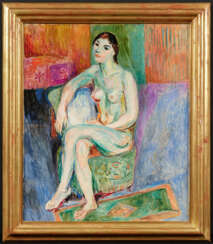

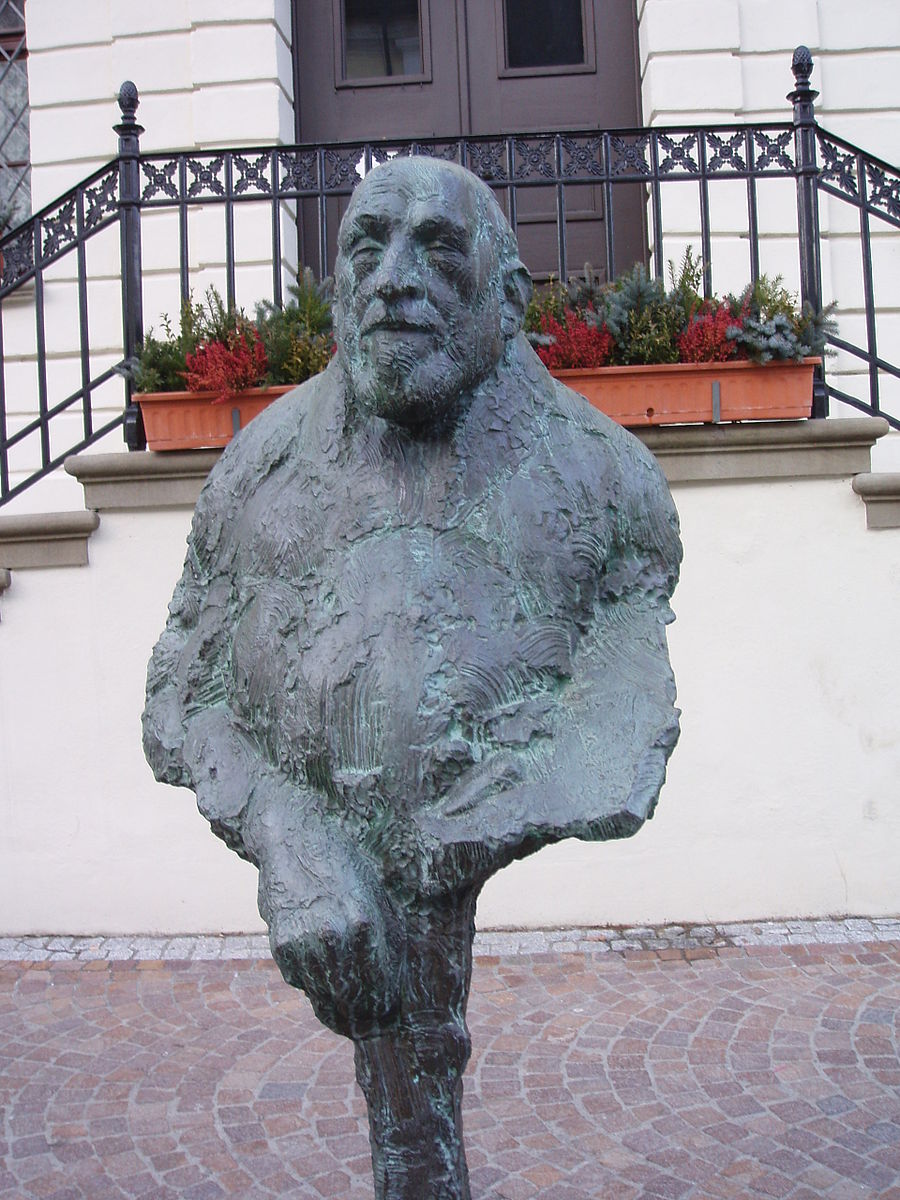
Hans Marsilius Purrmann was a German artist.
He completed an apprenticeship as a scene painter and interior decorator, and subsequently studied in Karlsruhe and Munich before going to Paris in 1906. It was here he became a student and later a friend of Henri Matisse whom he set up a painting school with.

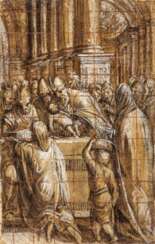

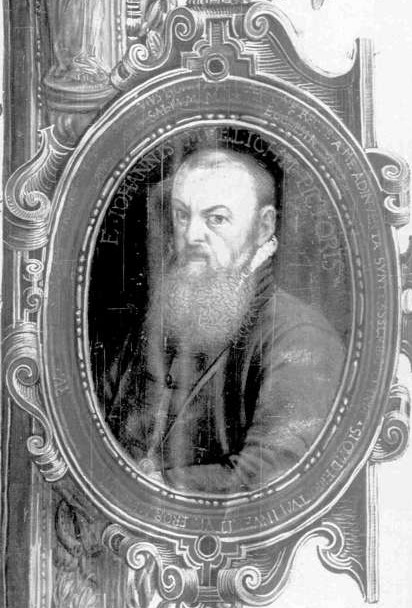
Hans Mielich was a German painter of the late Renaissance, mid-16th century. He is known as a painter, graphic artist, and court painter to Duke Albrecht V of Bavaria.
Mielich painted many religious paintings, portraits, and historical canvases (usually on boards), and he also decorated altars in churches. After a trip to Rome, his style became close to Italian Mannerism. His most famous work is the altarpiece of the Cathedral of Our Lady of Ingolstadt. He was also famous as the author of miniatures for manuscripts, including the Duchess Anna of Bavaria's Treasure Book, made for Duke Albrecht V and his wife Anna of Bavaria in 1555. In the same year, Milich became head of the Munich Artists' Guild.







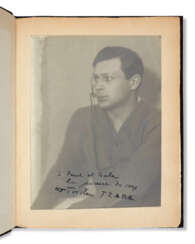

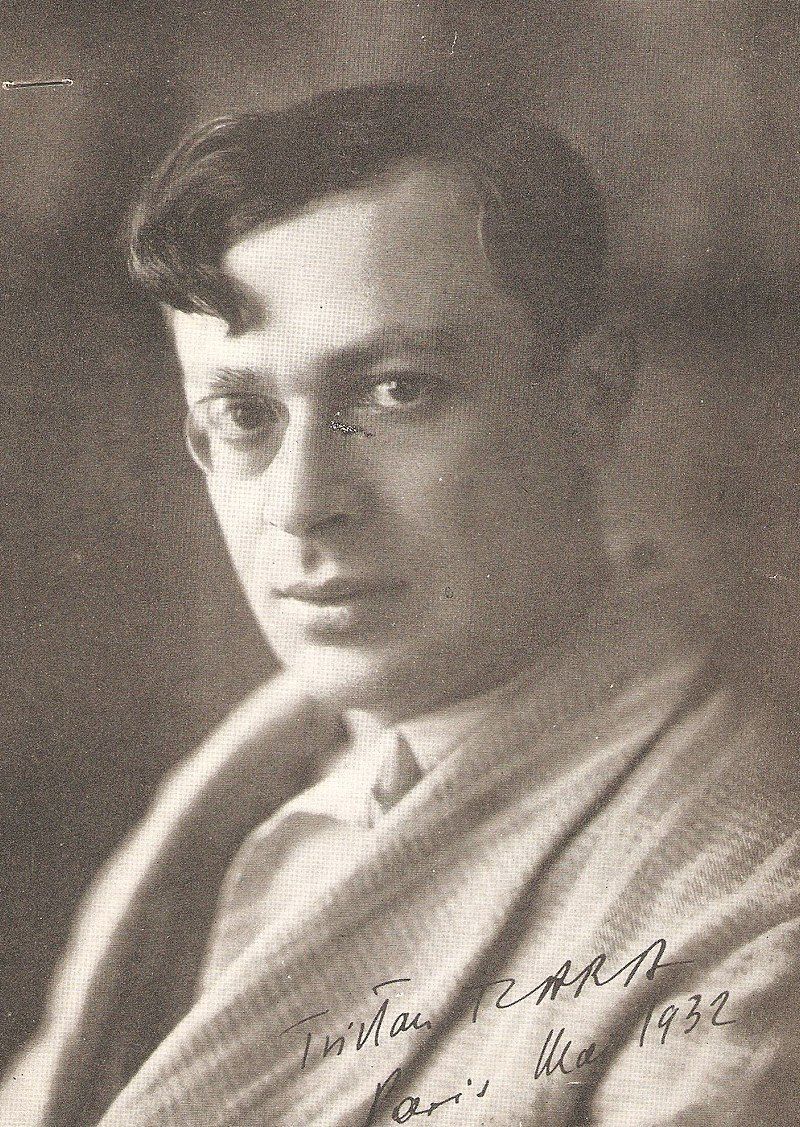
Tristan Tzara, originally named Sami (Samuel) Rosenstock, was a Romanian and French artist and writer best known as a founding figure of the Dada movement. Born in 1896 in Moinești, Romania, Tzara's influence extends across poetry, performance, and manifesto writing, marking him as a pivotal personality in 20th-century art and culture. His work challenged conventional norms and sought to disrupt the traditional boundaries of art, making him a central figure in the avant-garde community.
Dada, the movement with which Tzara is most closely associated, emerged as a reaction against the horrors of World War I, advocating for irrationality and anti-bourgeois protest. Tzara's contributions, including his manifestos, poetry, and performances, were instrumental in shaping Dada's legacy. His art and writings emphasized the importance of spontaneity and chaos, challenging the status quo and the very definition of art itself. Tzara's approach was not confined to a single medium; he explored poetry, playwriting, and critical theory, leaving a diverse and impactful body of work.
Though Tzara is not widely known for sculpture or painting in the traditional sense, his influence on these and other art forms is undeniable. His work and ideas laid the groundwork for later avant-garde movements, including Surrealism. While specific works of Tzara in museums or galleries were not detailed in the research, his legacy is preserved through the collections of major institutions worldwide, reflecting his enduring impact on the arts.
For collectors and experts in art and antiques, understanding Tzara's contributions provides insight into the radical shifts in culture and art in the early 20th century. His work remains a testament to the power of art to challenge, provoke, and transform. To stay informed about new product sales and auction events related to Tristan Tzara, sign up for our updates. This subscription ensures you're alerted to unique opportunities to engage with the history and legacy of a key figure in modern art.
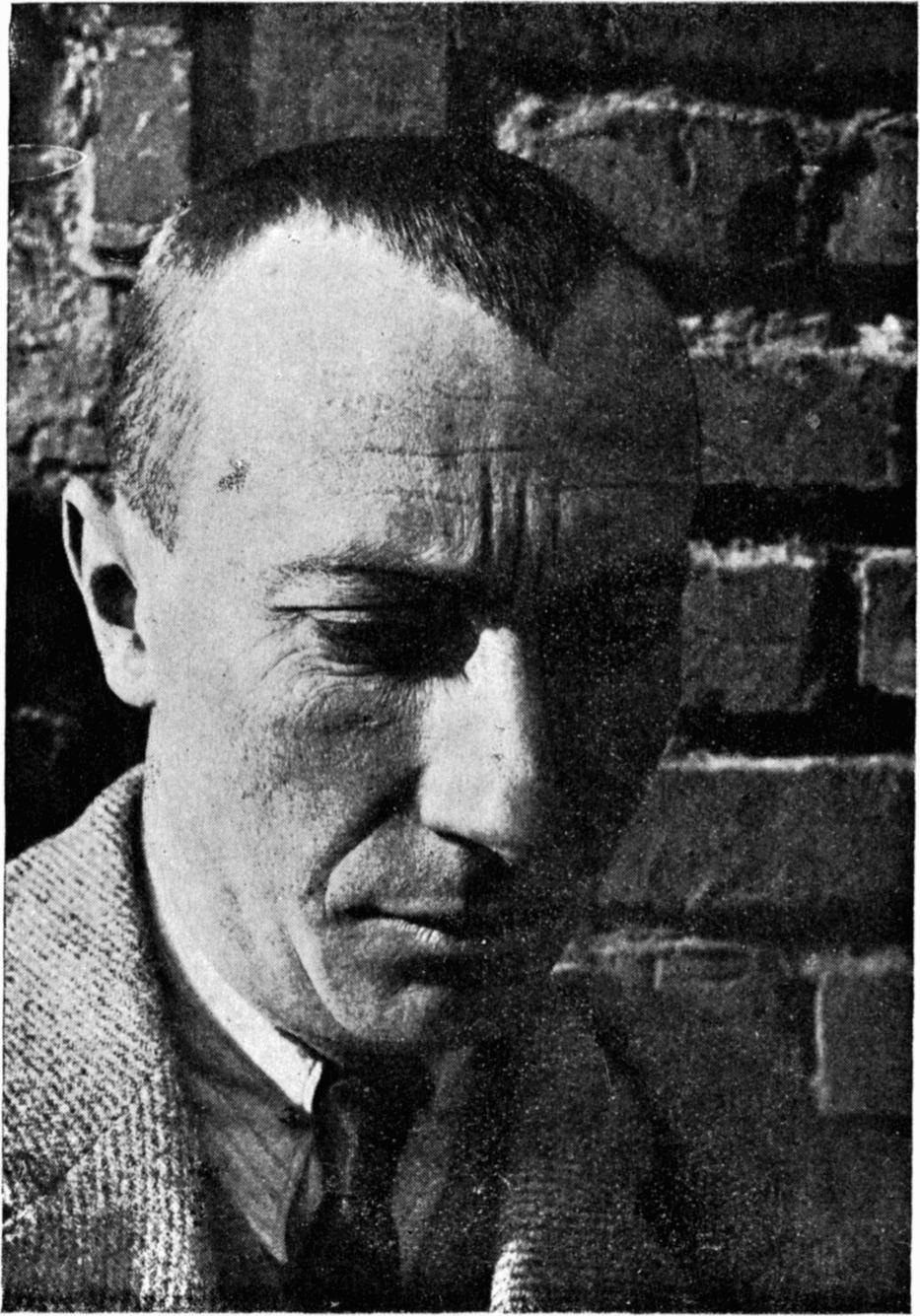
Jean Arp, born Hans Peter Wilhelm Arp, was a German and French poet, painter, graphic artist and sculptor. one of the founders of the Dada movement in Zurich.
Arp used abstract forms in his work and experimented with different materials such as wood, metal and stone. He was also known for his poetic works, in which he applied a method of randomly selecting words, called the "clutter method". Arp believed that this method helped him express his thoughts more precisely and originally. Arp's influence on the arts is still significant today.
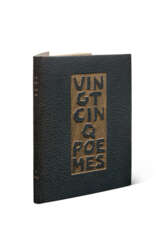

Tristan Tzara, originally named Sami (Samuel) Rosenstock, was a Romanian and French artist and writer best known as a founding figure of the Dada movement. Born in 1896 in Moinești, Romania, Tzara's influence extends across poetry, performance, and manifesto writing, marking him as a pivotal personality in 20th-century art and culture. His work challenged conventional norms and sought to disrupt the traditional boundaries of art, making him a central figure in the avant-garde community.
Dada, the movement with which Tzara is most closely associated, emerged as a reaction against the horrors of World War I, advocating for irrationality and anti-bourgeois protest. Tzara's contributions, including his manifestos, poetry, and performances, were instrumental in shaping Dada's legacy. His art and writings emphasized the importance of spontaneity and chaos, challenging the status quo and the very definition of art itself. Tzara's approach was not confined to a single medium; he explored poetry, playwriting, and critical theory, leaving a diverse and impactful body of work.
Though Tzara is not widely known for sculpture or painting in the traditional sense, his influence on these and other art forms is undeniable. His work and ideas laid the groundwork for later avant-garde movements, including Surrealism. While specific works of Tzara in museums or galleries were not detailed in the research, his legacy is preserved through the collections of major institutions worldwide, reflecting his enduring impact on the arts.
For collectors and experts in art and antiques, understanding Tzara's contributions provides insight into the radical shifts in culture and art in the early 20th century. His work remains a testament to the power of art to challenge, provoke, and transform. To stay informed about new product sales and auction events related to Tristan Tzara, sign up for our updates. This subscription ensures you're alerted to unique opportunities to engage with the history and legacy of a key figure in modern art.
Jean Arp, born Hans Peter Wilhelm Arp, was a German and French poet, painter, graphic artist and sculptor. one of the founders of the Dada movement in Zurich.
Arp used abstract forms in his work and experimented with different materials such as wood, metal and stone. He was also known for his poetic works, in which he applied a method of randomly selecting words, called the "clutter method". Arp believed that this method helped him express his thoughts more precisely and originally. Arp's influence on the arts is still significant today.


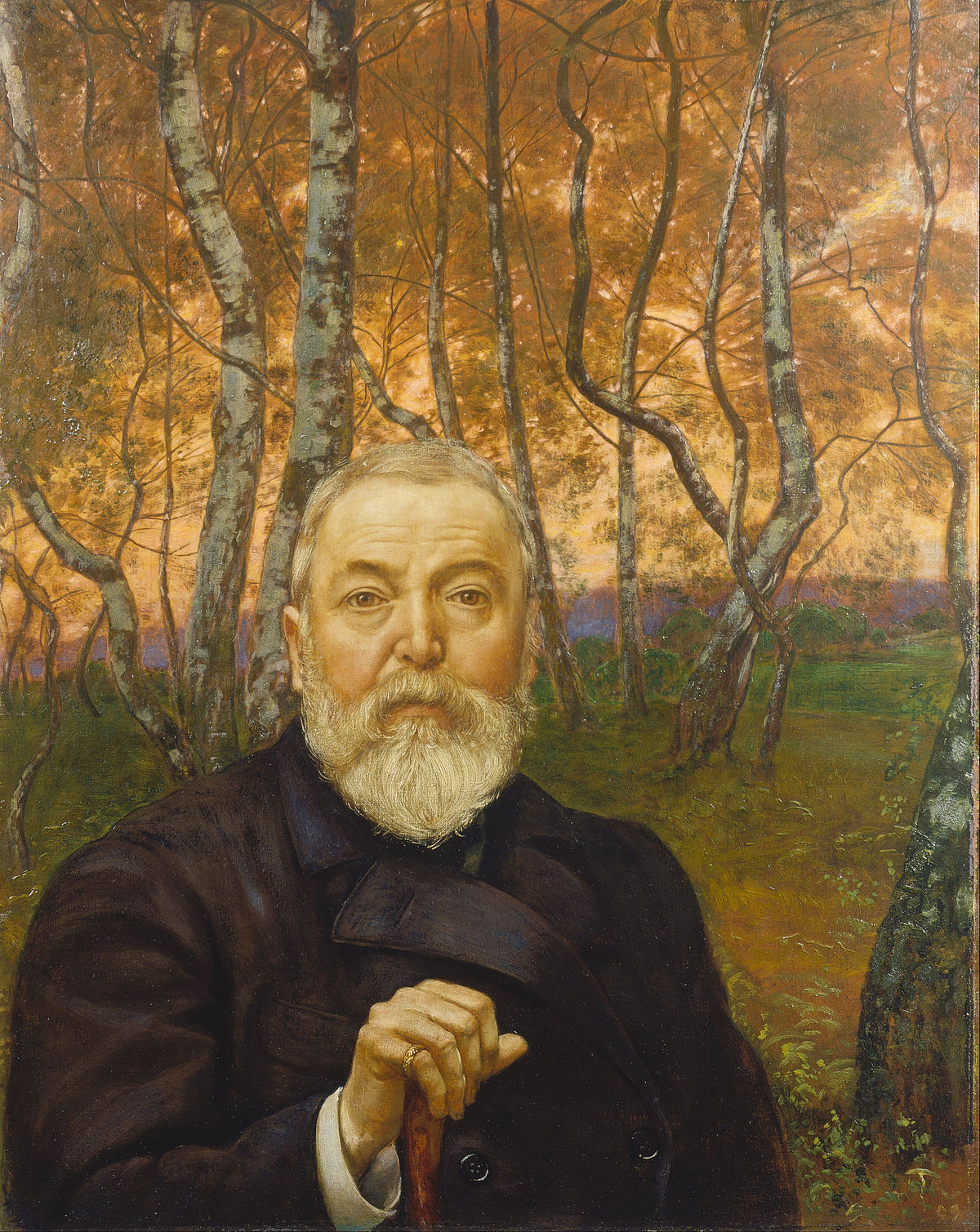
Hans Thoma was a German painter.
In spite of his studies under various masters, his art has little in common with modern ideas, and is formed partly by his early impressions of the simple idyllic life of his native district, partly by his sympathy with the early German masters, particularly with Albrecht Altdorfer and Lucas Cranach the Elder. In his love of the details of nature, in his precise drawing of outline, and in his predilection for local coloring, he has distinct affinities with the Pre-Raphaelites.
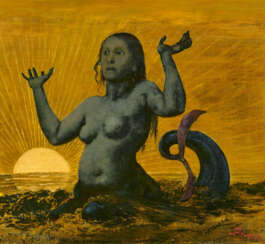

Hans Thoma was a German painter.
In spite of his studies under various masters, his art has little in common with modern ideas, and is formed partly by his early impressions of the simple idyllic life of his native district, partly by his sympathy with the early German masters, particularly with Albrecht Altdorfer and Lucas Cranach the Elder. In his love of the details of nature, in his precise drawing of outline, and in his predilection for local coloring, he has distinct affinities with the Pre-Raphaelites.
![[HOLBEIN, Hans dit le Jeune (1497-1543)] ; [LÜTZELBURGER, Hans ( ? - 1526)] ; [CORROZET, Gilles (1510-1568)] ; [VAUZELLES, Jean de ( ? - v. 1563)]](/assets/image/picture_3807156/59396/408c4823fd9b5ec1f48bdc4eef452c581710234000jpg__fix_374_244.jpeg)
![[HOLBEIN, Hans dit le Jeune (1497-1543)] ; [LÜTZELBURGER, Hans ( ? - 1526)] ; [CORROZET, Gilles (1510-1568)] ; [VAUZELLES, Jean de ( ? - v. 1563)]](https://veryimportantlot.com/assets/image/picture_3807156/59396/408c4823fd9b5ec1f48bdc4eef452c581710234000jpg__fix_374_244.jpeg)
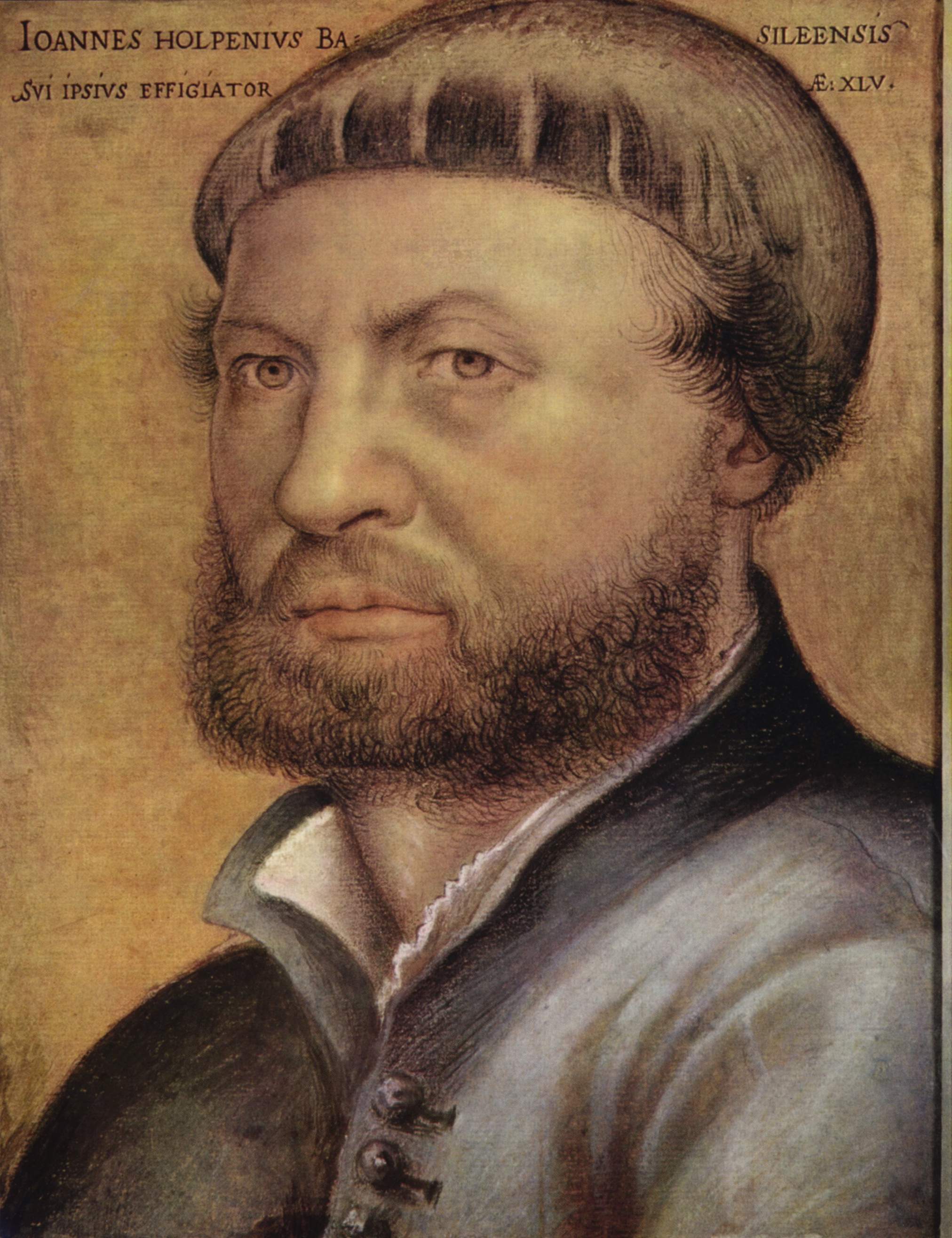
Hans Holbein the Younger was a German-Swiss painter and printmaker who worked in a Northern Renaissance style, and is considered one of the greatest portraitists of the 16th century. He also produced religious art, satire, and Reformation propaganda, and he made a significant contribution to the history of book design. He is called "the Younger" to distinguish him from his father Hans Holbein the Elder, an accomplished painter of the Late Gothic school.
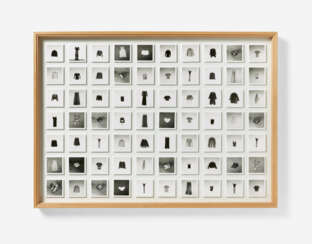


Hans-Peter Feldmann is a German visual artist. Feldmann's approach to art-making is one of collecting, ordering and re-presenting.
Hans-Peter Feldmann is a figure in the conceptual art movement and practitioner in the artist book and multiple formats.

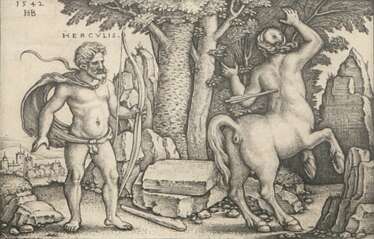

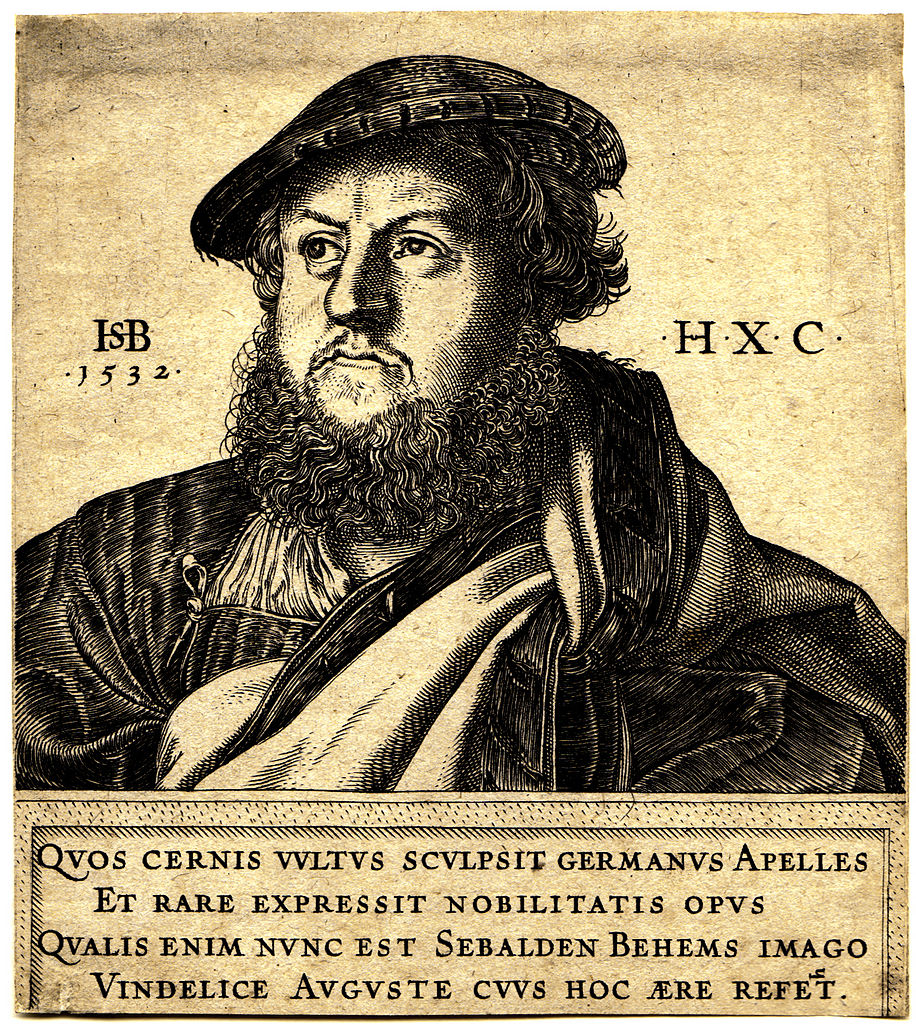
Hans Sebald Beham was a German painter and printmaker, mainly known for his very small engravings.


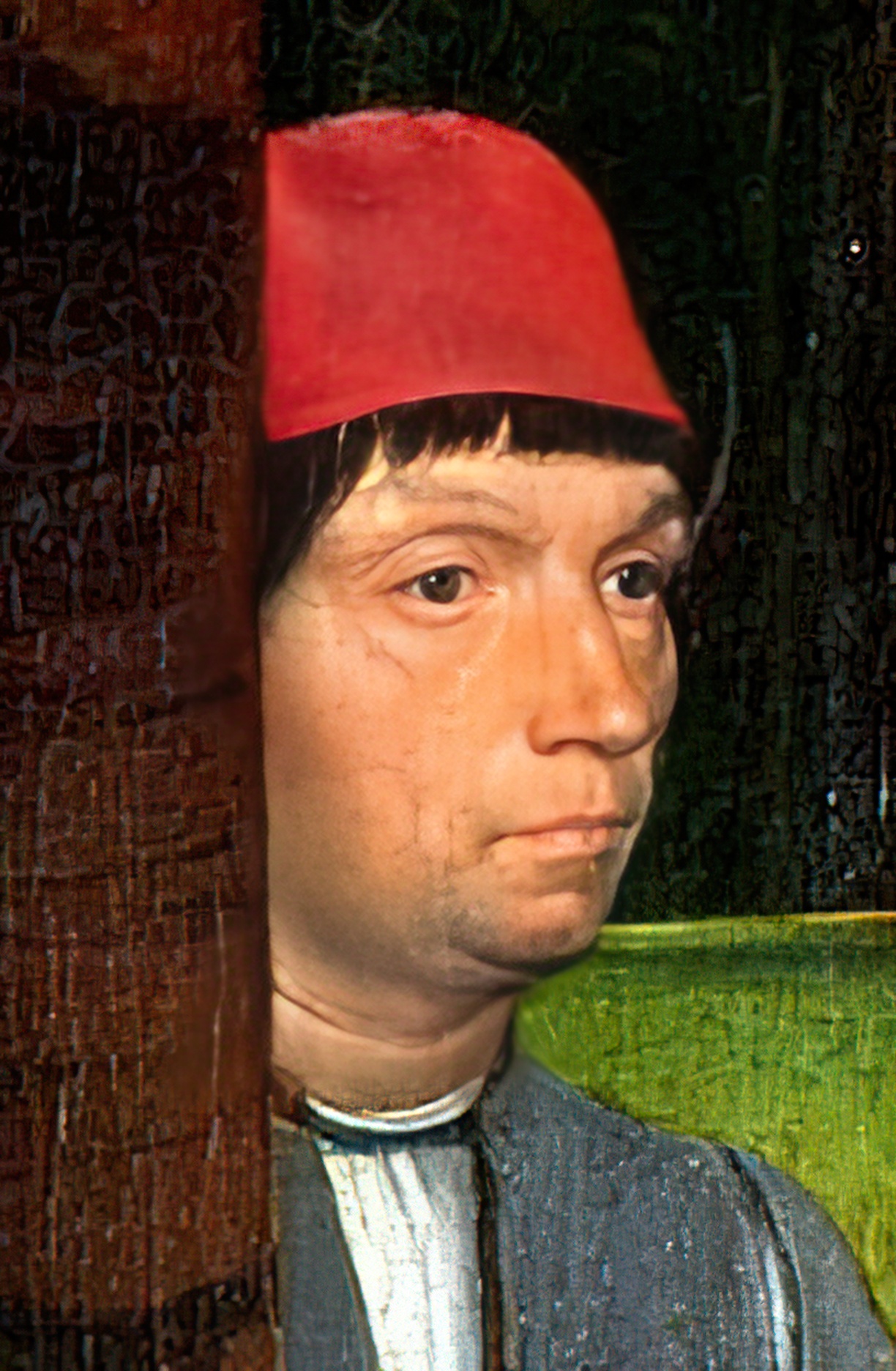
Hans Memling (German Hans Memling, Dutch Jan van Mimmelynghe, Latin Johannes Memmelinc or Memlinc) is a Flemish painter of German origin, one of the most important artists of Flanders of the Northern Renaissance. Continuing the late Gothic painting tradition, Memling primarily painted spiritual themes. Born in Hesse, he worked mainly in Bruges, where today there is a museum named after him.
![[LUTHER, Martin (1483-1546) et Hans HOLBEIN LE JEUNE (1497-1543)]](/assets/image/picture_4259584/4c4eb/3kd5xdxacqau4prgw6y1t5z6soba3uzal9wflgdoxiuf7gnfilk7wkak9f9moah1729408928jpg__fix_374_244.jpeg)
![[LUTHER, Martin (1483-1546) et Hans HOLBEIN LE JEUNE (1497-1543)]](https://veryimportantlot.com/assets/image/picture_4259584/4c4eb/3kd5xdxacqau4prgw6y1t5z6soba3uzal9wflgdoxiuf7gnfilk7wkak9f9moah1729408928jpg__fix_374_244.jpeg)
Hans Holbein the Younger was a German-Swiss painter and printmaker who worked in a Northern Renaissance style, and is considered one of the greatest portraitists of the 16th century. He also produced religious art, satire, and Reformation propaganda, and he made a significant contribution to the history of book design. He is called "the Younger" to distinguish him from his father Hans Holbein the Elder, an accomplished painter of the Late Gothic school.
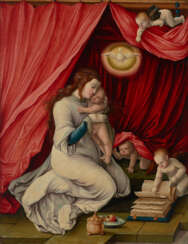

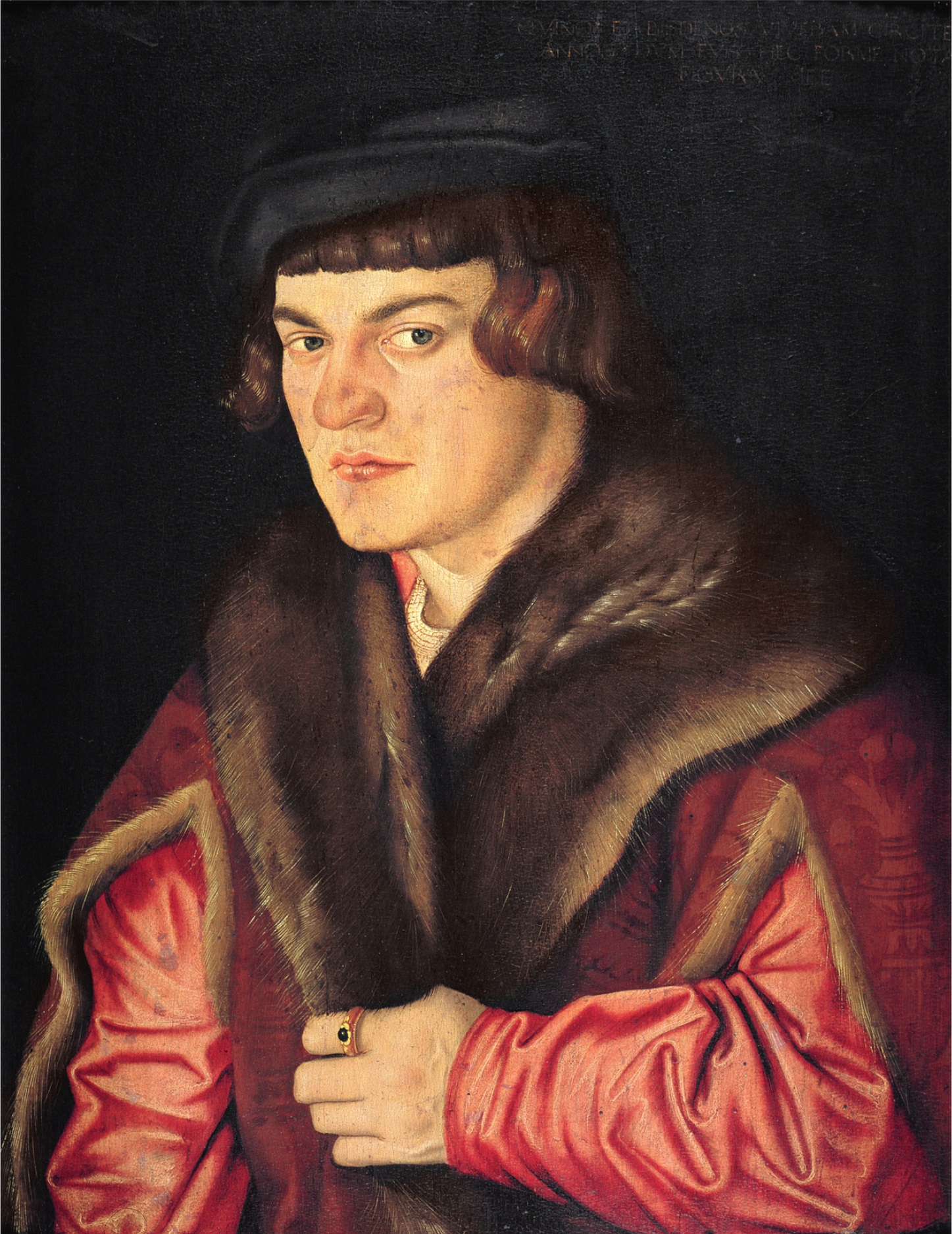
Hans Baldung, also known as Hans Baldung Grien, was a prominent figure in the German Renaissance, celebrated for his innovative approach to painting, printmaking, and drawing. Born around 1484 in Schwäbisch Gmünd, Germany, and passing away in 1545 in Strasbourg, France, Baldung's career was marked by a distinctive style that art historians have associated with the mannerist tendencies of the time. His work is notable for its exploration of themes such as the imminence of death, the complexities of human sexuality, and scenes of witchcraft, distinguishing him from his contemporaries with a bold and unique artistic voice.
Educated in the workshop of Albrecht Dürer, Baldung quickly developed his own artistic language, absorbing and then transcending Dürer's influence. He is particularly renowned for his altarpieces, portraits, and a series of works that delve into eroticism and the supernatural. Among his most significant contributions is the high altar of the Freiburg Münster, an eleven-panel masterpiece depicting scenes from the life of the Virgin Mary, which remains a testament to his mastery over religious subjects even as he ventured into more secular and profane themes.
Baldung's fascination with witchcraft and his portrayal of witches in art were groundbreaking for the time. His works in this area, such as "The Witches' Sabbath" and "Weather Witches," reveal a complex interplay of humanist thought, classical literature, and contemporary beliefs about witchcraft. They offer a nuanced perspective that blends satire with a deeper commentary on human nature and societal fears, marking Baldung as a pioneer in the visual exploration of these themes.
Despite his engagement with the themes of death and witchcraft, Baldung's oeuvre is also rich in portraits characterized by sharp individualization and psychological depth, as well as altarpieces that convey a profound spiritual and theological insight. His ability to navigate between the realms of the divine and the earthly, the solemn and the profane, solidifies his position as a versatile and innovative artist of the Renaissance.
For collectors and experts in art and antiques, Hans Baldung's work offers a unique window into the confluence of Renaissance artistry, humanist thought, and the socio-religious dynamics of early 16th-century Europe. His paintings and prints not only adorn museums and galleries worldwide but also continue to inspire and provoke deep reflection on the human condition.
To stay informed about new discoveries, exhibitions, and auction events related to Hans Baldung's art, signing up for updates can provide enthusiasts and collectors with valuable insights into the enduring legacy of this remarkable artist. This subscription service is designed to alert subscribers to new product sales and auction events specifically related to Hans Baldung, ensuring that they remain at the forefront of developments in the field of Renaissance art and antiques.


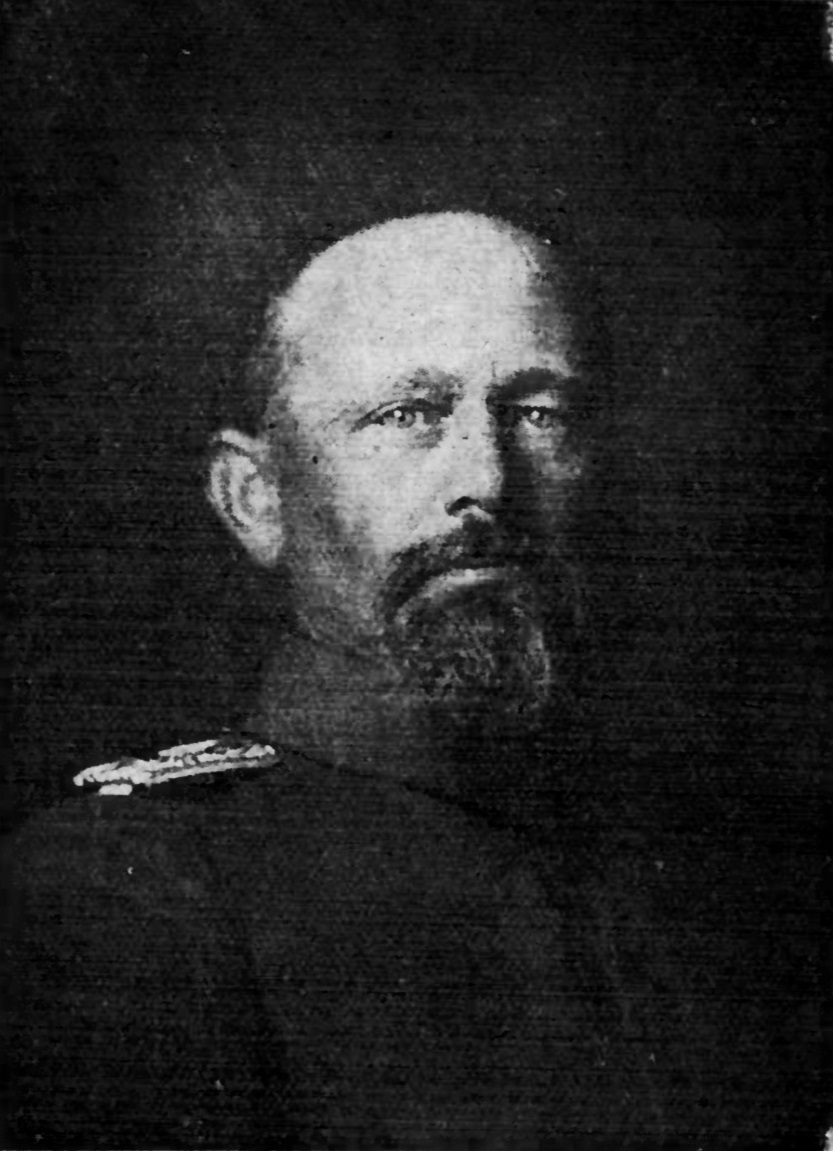
Hans am Ende was a German Impressionist painter.
In 1889 he co-founded the artists' colony in Worpswede with Fritz Overbeck, Otto Modersohn, and Heinrich Vogeler. In 1895 this group exhibited in the Kunsthalle Bremen and at the Glaspalast in Munich, which brought them national recognition. In 1900 the poet Rainer Maria Rilke travelled to Worpswede and befriended the artist's colony, eventually writing essays about each of its members.

![[BELLMER, Hans]](/assets/image/picture_2426809/0cb6e/ac47ac84a03ad016cffae8bbe892b9a2jpg__fix_374_244.jpeg)
![[BELLMER, Hans]](https://veryimportantlot.com/assets/image/picture_2426809/0cb6e/ac47ac84a03ad016cffae8bbe892b9a2jpg__fix_374_244.jpeg)
Hans Bellmer was a German graphic artist, sculptor, photographic artist, illustrator, and writer who spent most of his life in France.
In the 1930s Bellmer began working on the eroticized image of the deformed doll, contrasting it with the aesthetics of the "classical" body in Hitler's Germany. His graphic and literary explorations focus on the dismemberment and liberation of bodies. Bellmer's surrealist works are violent and provocative: they include puppet sculptures composed of the bodies of nude models, photographs, and prints.
In 1934, 18 photographs of dolls were published in the Parisian surrealist magazine Minotaur, and the Nazi regime declared Bellmer's art degenerate. In 1938, Bellmer emigrated to France.
After the end of the war, the artist continued his work, adding poetry to painting. He also authored illustrations for many works, particularly on erotic themes.
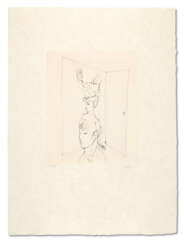

Hans Bellmer was a German graphic artist, sculptor, photographic artist, illustrator, and writer who spent most of his life in France.
In the 1930s Bellmer began working on the eroticized image of the deformed doll, contrasting it with the aesthetics of the "classical" body in Hitler's Germany. His graphic and literary explorations focus on the dismemberment and liberation of bodies. Bellmer's surrealist works are violent and provocative: they include puppet sculptures composed of the bodies of nude models, photographs, and prints.
In 1934, 18 photographs of dolls were published in the Parisian surrealist magazine Minotaur, and the Nazi regime declared Bellmer's art degenerate. In 1938, Bellmer emigrated to France.
After the end of the war, the artist continued his work, adding poetry to painting. He also authored illustrations for many works, particularly on erotic themes.
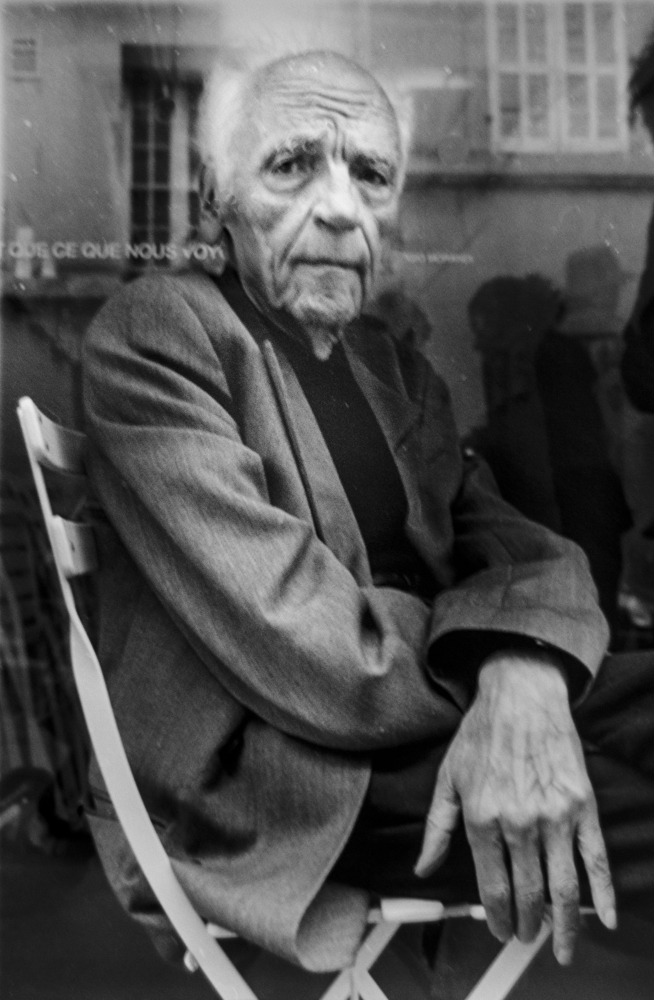
Alain Jouffroy is a French poet, writer and art critic.


Hans Bellmer was a German graphic artist, sculptor, photographic artist, illustrator, and writer who spent most of his life in France.
In the 1930s Bellmer began working on the eroticized image of the deformed doll, contrasting it with the aesthetics of the "classical" body in Hitler's Germany. His graphic and literary explorations focus on the dismemberment and liberation of bodies. Bellmer's surrealist works are violent and provocative: they include puppet sculptures composed of the bodies of nude models, photographs, and prints.
In 1934, 18 photographs of dolls were published in the Parisian surrealist magazine Minotaur, and the Nazi regime declared Bellmer's art degenerate. In 1938, Bellmer emigrated to France.
After the end of the war, the artist continued his work, adding poetry to painting. He also authored illustrations for many works, particularly on erotic themes.

Hans Christian Koglin was a German painter, draughtsman and graphic artist.






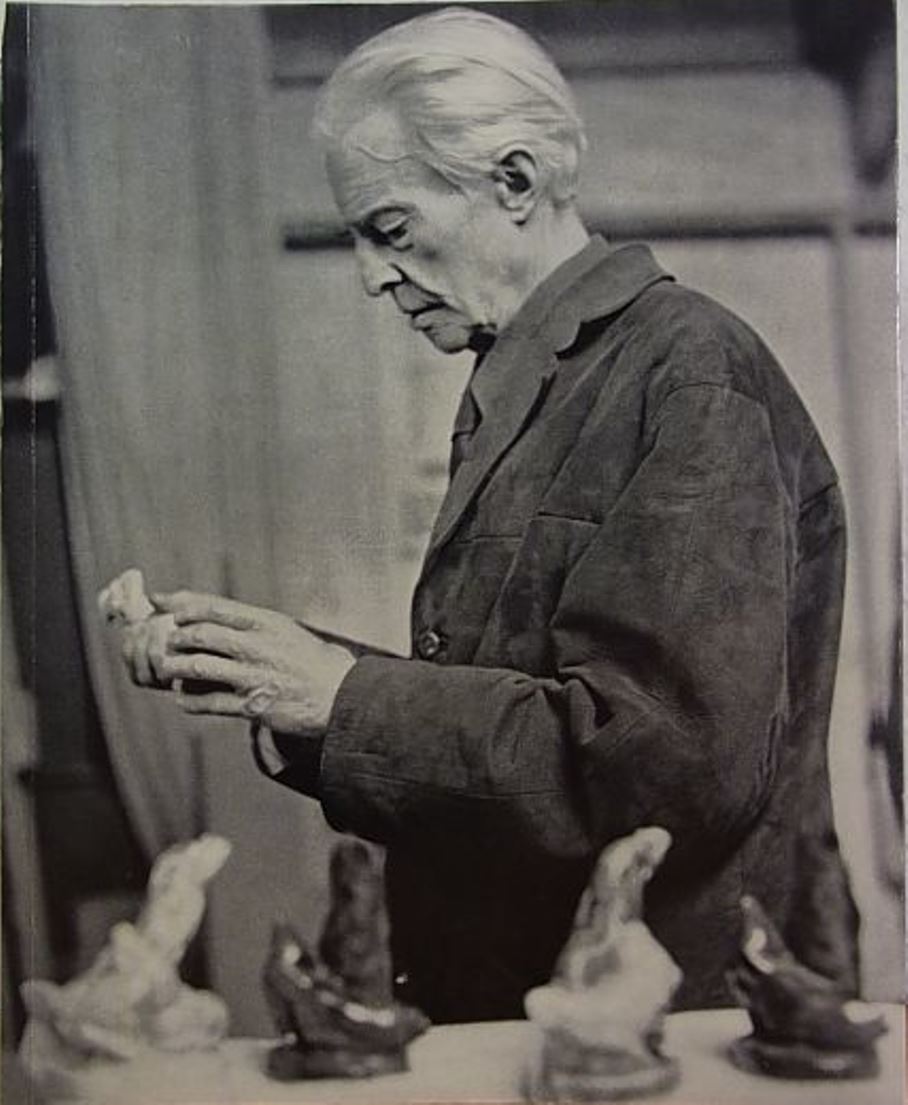

Hans Bellmer was a German graphic artist, sculptor, photographic artist, illustrator, and writer who spent most of his life in France.
In the 1930s Bellmer began working on the eroticized image of the deformed doll, contrasting it with the aesthetics of the "classical" body in Hitler's Germany. His graphic and literary explorations focus on the dismemberment and liberation of bodies. Bellmer's surrealist works are violent and provocative: they include puppet sculptures composed of the bodies of nude models, photographs, and prints.
In 1934, 18 photographs of dolls were published in the Parisian surrealist magazine Minotaur, and the Nazi regime declared Bellmer's art degenerate. In 1938, Bellmer emigrated to France.
After the end of the war, the artist continued his work, adding poetry to painting. He also authored illustrations for many works, particularly on erotic themes.