kar 35









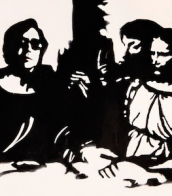
Kara Elizabeth Walker is an American contemporary painter, silhouettist, print-maker, installation artist, filmmaker, and professor who explores race, gender, sexuality, violence, and identity in her work. She is best known for her room-size tableaux of black cut-paper silhouettes. Walker was awarded a MacArthur fellowship in 1997, at the age of 28, becoming one of the youngest ever recipients of the award. She has been the Tepper Chair in Visual Arts at the Mason Gross School of the Arts, Rutgers University since 2015.
Walker is regarded as among the most prominent and acclaimed Black American artists working today.
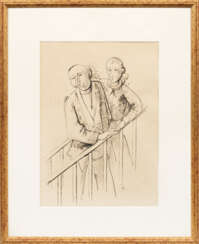

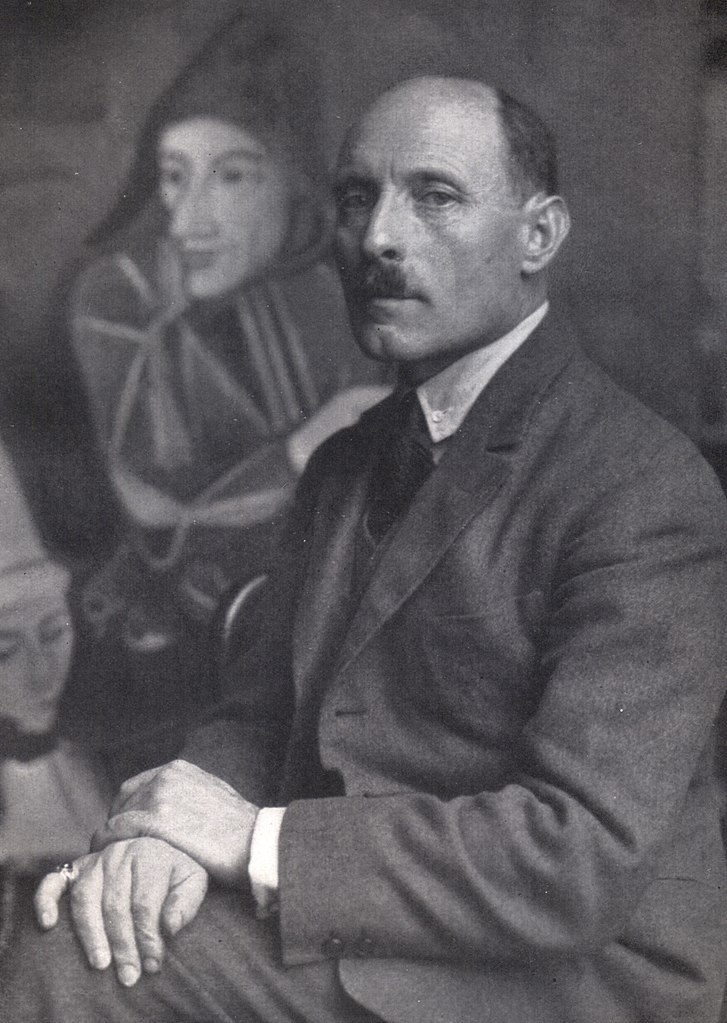
Karl Hofer was a German expressionist painter. He was director of the Berlin Academy of Fine Arts.
One of the most prominent painters of expressionism, he never was a member of one of the expressionist painting groups, like "Die Brücke", but was influenced by their painters. His work was among those considered degenerate art by the Nazis, but after World War II he regained recognition as one of the leading German painters.

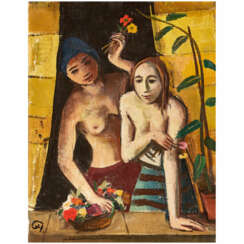

Karl Hofer was a German expressionist painter. He was director of the Berlin Academy of Fine Arts.
One of the most prominent painters of expressionism, he never was a member of one of the expressionist painting groups, like "Die Brücke", but was influenced by their painters. His work was among those considered degenerate art by the Nazis, but after World War II he regained recognition as one of the leading German painters.


Karl Hofer was a German expressionist painter. He was director of the Berlin Academy of Fine Arts.
One of the most prominent painters of expressionism, he never was a member of one of the expressionist painting groups, like "Die Brücke", but was influenced by their painters. His work was among those considered degenerate art by the Nazis, but after World War II he regained recognition as one of the leading German painters.


.jpg)
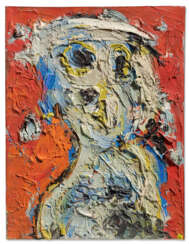
Christiaan Karel Appel was a Dutch painter, sculptor, and poet. He started painting at the age of fourteen and studied at the Rijksakademie in Amsterdam in the 1940s. He was one of the founders of the avant-garde movement CoBrA in 1948. He was also an avid sculptor and has had works featured in MoMA and other museums worldwide.
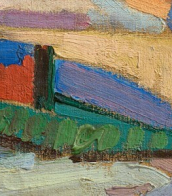
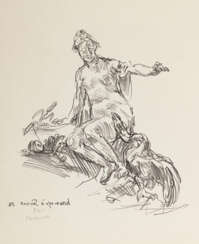

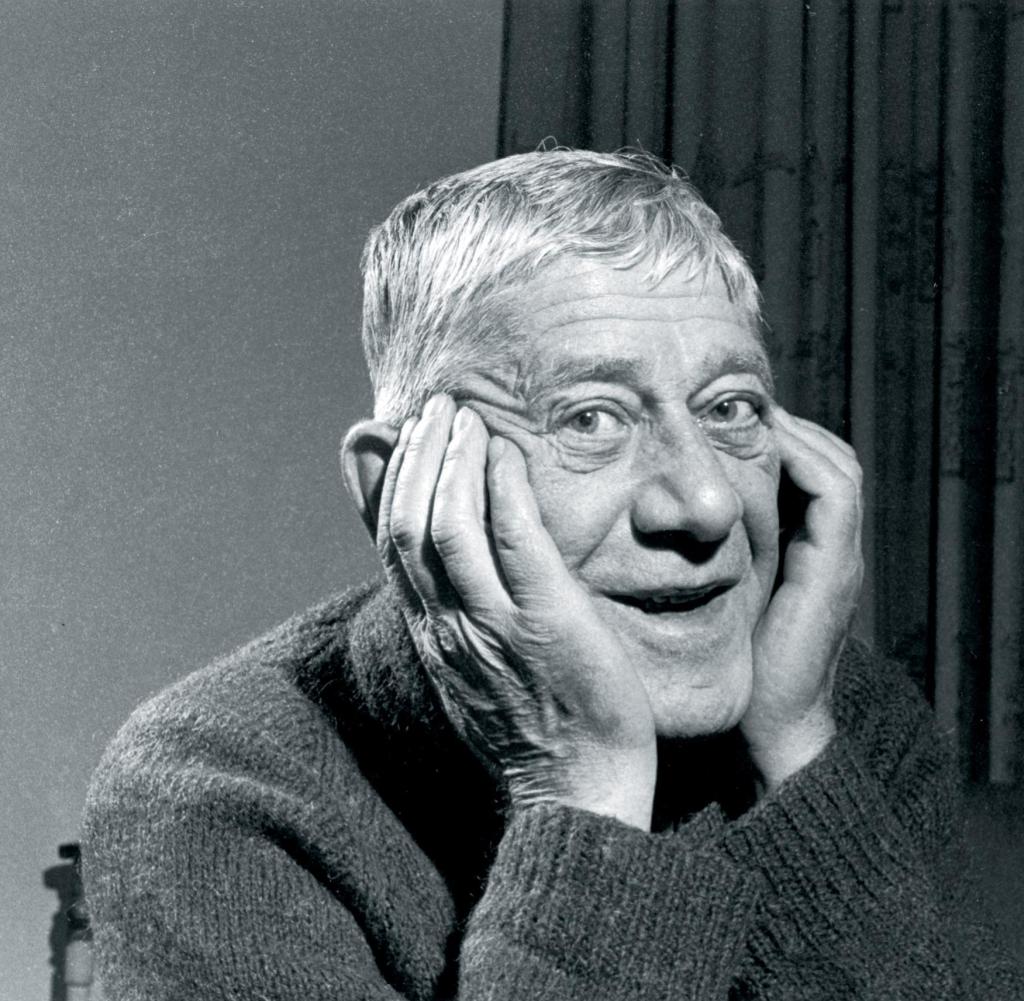
Oskar Kokoschka was an Austrian artist, poet, playwright, and teacher, renowned for his significant contributions to the Expressionist movement. Born on March 1, 1886, in Pöchlarn, Austria, Kokoschka's journey into the arts began against the backdrop of early 20th-century Vienna, a city vibrant with cultural ferment and avant-garde experimentation. Without formal training in painting, Kokoschka brought a unique perspective to his work, approaching the medium with a fresh, unencumbered eye that eschewed traditional methods in favor of intuitive, expressive techniques.
Kokoschka's early career was marked by an innovative approach to portraiture and landscape, characterized by intense expressionism and a deep psychological penetration of his subjects. His artistic philosophy was heavily influenced by 17th-century Czech humanist Jan Amos Comenius, from whom Kokoschka adopted the idea that learning and creativity flourish through sensory engagement and reasoning. This philosophy underpinned both his artistic output and his teaching methodology, which favored storytelling and the evocation of dramatic emotion over conventional art instruction.
Among Kokoschka's notable early works were his contributions to the Vienna Kunstschau and his involvement with the Wiener Werkstätte, which provided him opportunities to explore his artistic voice through various commissions, including postcards and illustrations for children's books. His autobiographical poem "Die träumenden Knaben" (The Dreaming Youths) and the related illustrations showcase his journey from Jugendstil to Expressionism, marking a pivotal moment in his career and in the development of modern art.
Kokoschka's tumultuous affair with Alma Mahler is well-documented, influencing some of his most acclaimed works, such as "The Bride of the Wind" (The Tempest), which vividly encapsulates their passionate, stormy relationship. This work, alongside others like "Portrait of a Young Girl" and "Knight Errant (Self-Portrait)", exemplifies Kokoschka's masterful use of color, form, and emotional intensity to convey complex psychological states and narratives.
Oskar Kokoschka's legacy as a pioneering figure in Expressionism is undisputed. His works continue to resonate with collectors and experts in art and antiques, not only for their aesthetic and emotional depth but also for their groundbreaking approach to visual storytelling and the exploration of the human condition. For those interested in the vibrant world of Expressionist art and the profound humanism of Kokoschka's oeuvre, signing up for updates on new product sales and auction events related to Oskar Kokoschka offers a unique opportunity to engage with the enduring impact of his work.

Oskar Kokoschka was an Austrian artist, poet, playwright, and teacher, renowned for his significant contributions to the Expressionist movement. Born on March 1, 1886, in Pöchlarn, Austria, Kokoschka's journey into the arts began against the backdrop of early 20th-century Vienna, a city vibrant with cultural ferment and avant-garde experimentation. Without formal training in painting, Kokoschka brought a unique perspective to his work, approaching the medium with a fresh, unencumbered eye that eschewed traditional methods in favor of intuitive, expressive techniques.
Kokoschka's early career was marked by an innovative approach to portraiture and landscape, characterized by intense expressionism and a deep psychological penetration of his subjects. His artistic philosophy was heavily influenced by 17th-century Czech humanist Jan Amos Comenius, from whom Kokoschka adopted the idea that learning and creativity flourish through sensory engagement and reasoning. This philosophy underpinned both his artistic output and his teaching methodology, which favored storytelling and the evocation of dramatic emotion over conventional art instruction.
Among Kokoschka's notable early works were his contributions to the Vienna Kunstschau and his involvement with the Wiener Werkstätte, which provided him opportunities to explore his artistic voice through various commissions, including postcards and illustrations for children's books. His autobiographical poem "Die träumenden Knaben" (The Dreaming Youths) and the related illustrations showcase his journey from Jugendstil to Expressionism, marking a pivotal moment in his career and in the development of modern art.
Kokoschka's tumultuous affair with Alma Mahler is well-documented, influencing some of his most acclaimed works, such as "The Bride of the Wind" (The Tempest), which vividly encapsulates their passionate, stormy relationship. This work, alongside others like "Portrait of a Young Girl" and "Knight Errant (Self-Portrait)", exemplifies Kokoschka's masterful use of color, form, and emotional intensity to convey complex psychological states and narratives.
Oskar Kokoschka's legacy as a pioneering figure in Expressionism is undisputed. His works continue to resonate with collectors and experts in art and antiques, not only for their aesthetic and emotional depth but also for their groundbreaking approach to visual storytelling and the exploration of the human condition. For those interested in the vibrant world of Expressionist art and the profound humanism of Kokoschka's oeuvre, signing up for updates on new product sales and auction events related to Oskar Kokoschka offers a unique opportunity to engage with the enduring impact of his work.
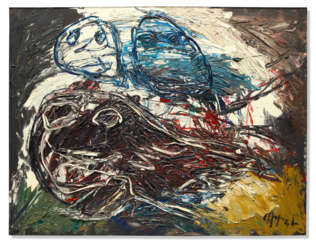

Christiaan Karel Appel was a Dutch painter, sculptor, and poet. He started painting at the age of fourteen and studied at the Rijksakademie in Amsterdam in the 1940s. He was one of the founders of the avant-garde movement CoBrA in 1948. He was also an avid sculptor and has had works featured in MoMA and other museums worldwide.
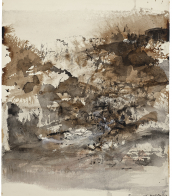


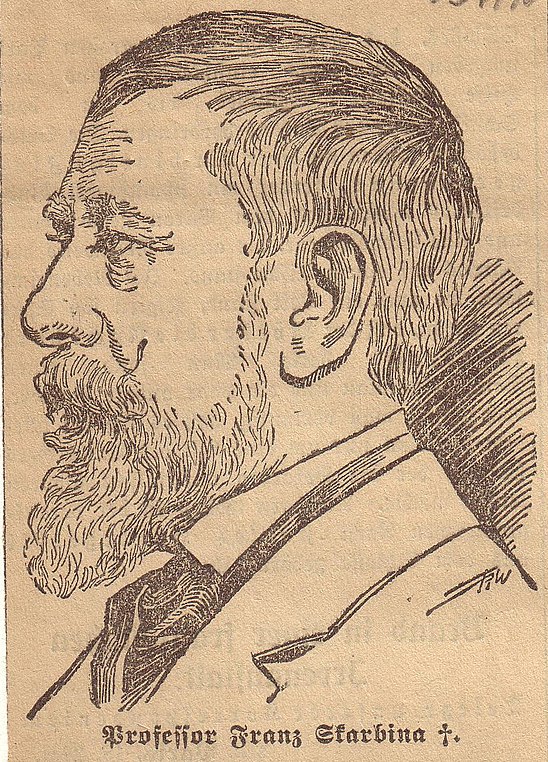
Franz Skarbina was a German painter of the last quarter of the nineteenth and early twentieth centuries. He is known as an Impressionist painter, draughtsman, graphic artist and etching artist.
Franz Scarbina came under the influence of the Impressionists early in his career, in this style he depicted city life, salons, and beach scenes. The artist worked as a teacher at the Berlin Academy of Arts, headed the anatomical drawing department at the school of the Museum of Applied Arts in Berlin. The most fruitful for the master were 1882-1886 years - he, living in Paris, created many works, visited Africa, Belgium and Holland.
Skarbina was one of the founders of the art group and a participant of the Berlin Secession. A street in Berlin is named after him.
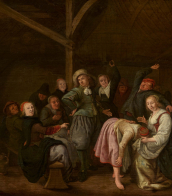
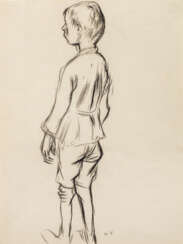

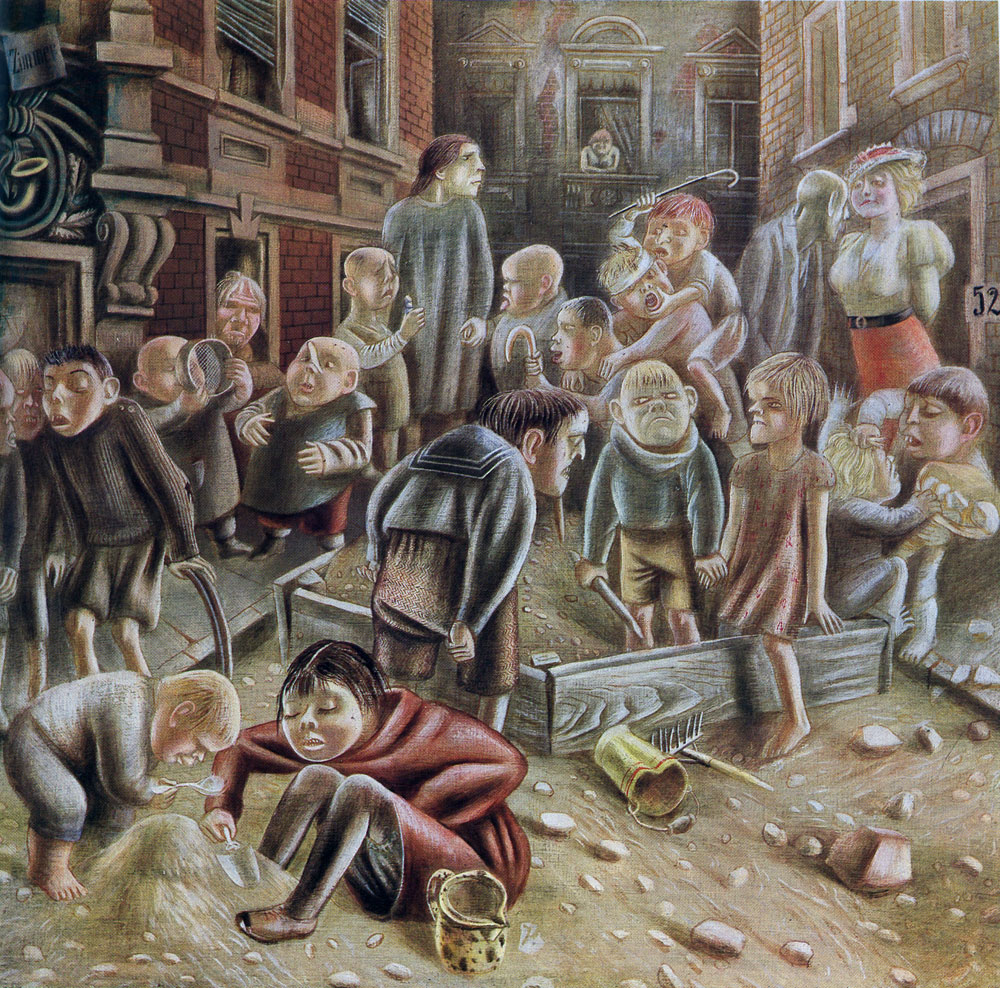
Karl Hubbuch was a German painter, printmaker, and draftsman associated with the New Objectivity.
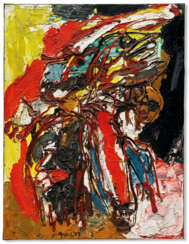

Christiaan Karel Appel was a Dutch painter, sculptor, and poet. He started painting at the age of fourteen and studied at the Rijksakademie in Amsterdam in the 1940s. He was one of the founders of the avant-garde movement CoBrA in 1948. He was also an avid sculptor and has had works featured in MoMA and other museums worldwide.
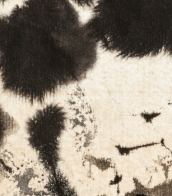


Oskar Kokoschka was an Austrian artist, poet, playwright, and teacher, renowned for his significant contributions to the Expressionist movement. Born on March 1, 1886, in Pöchlarn, Austria, Kokoschka's journey into the arts began against the backdrop of early 20th-century Vienna, a city vibrant with cultural ferment and avant-garde experimentation. Without formal training in painting, Kokoschka brought a unique perspective to his work, approaching the medium with a fresh, unencumbered eye that eschewed traditional methods in favor of intuitive, expressive techniques.
Kokoschka's early career was marked by an innovative approach to portraiture and landscape, characterized by intense expressionism and a deep psychological penetration of his subjects. His artistic philosophy was heavily influenced by 17th-century Czech humanist Jan Amos Comenius, from whom Kokoschka adopted the idea that learning and creativity flourish through sensory engagement and reasoning. This philosophy underpinned both his artistic output and his teaching methodology, which favored storytelling and the evocation of dramatic emotion over conventional art instruction.
Among Kokoschka's notable early works were his contributions to the Vienna Kunstschau and his involvement with the Wiener Werkstätte, which provided him opportunities to explore his artistic voice through various commissions, including postcards and illustrations for children's books. His autobiographical poem "Die träumenden Knaben" (The Dreaming Youths) and the related illustrations showcase his journey from Jugendstil to Expressionism, marking a pivotal moment in his career and in the development of modern art.
Kokoschka's tumultuous affair with Alma Mahler is well-documented, influencing some of his most acclaimed works, such as "The Bride of the Wind" (The Tempest), which vividly encapsulates their passionate, stormy relationship. This work, alongside others like "Portrait of a Young Girl" and "Knight Errant (Self-Portrait)", exemplifies Kokoschka's masterful use of color, form, and emotional intensity to convey complex psychological states and narratives.
Oskar Kokoschka's legacy as a pioneering figure in Expressionism is undisputed. His works continue to resonate with collectors and experts in art and antiques, not only for their aesthetic and emotional depth but also for their groundbreaking approach to visual storytelling and the exploration of the human condition. For those interested in the vibrant world of Expressionist art and the profound humanism of Kokoschka's oeuvre, signing up for updates on new product sales and auction events related to Oskar Kokoschka offers a unique opportunity to engage with the enduring impact of his work.
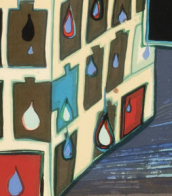


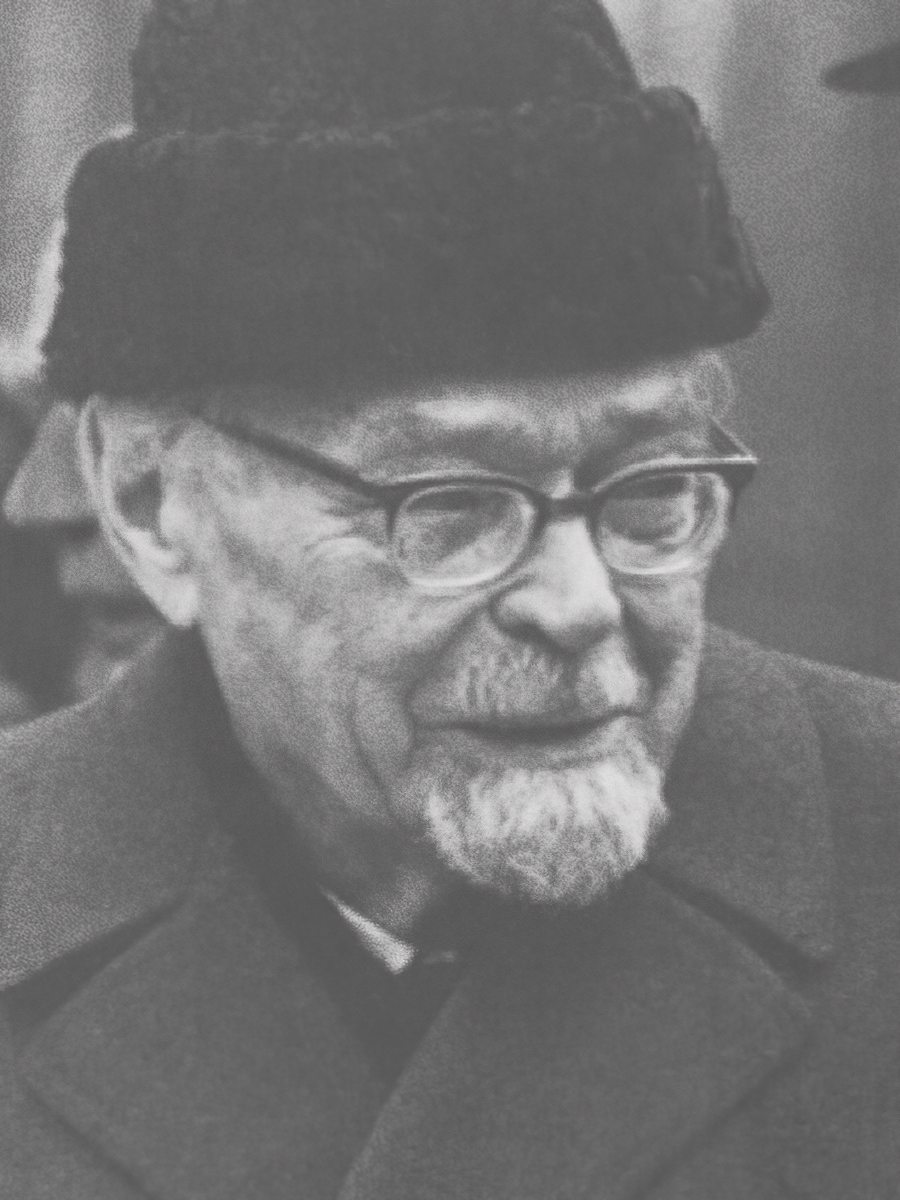
Karl Schmidt-Rottluff, a prominent figure in the German Expressionist movement, was not just an artist but a pioneer who significantly influenced the early 20th-century art scene. Born in Rottluff, Germany, in 1884, he later added his hometown's name to his surname, showcasing a deep connection to his roots. Schmidt-Rottluff was a founding member of the artist group Die Brücke, which played a critical role in the development of Expressionism in Germany. His works, characterized by bold colors and stark contrasts, were a departure from traditional artistic expressions and embraced a more emotional and subjective interpretation of reality.
Schmidt-Rottluff's contributions to art were not limited to painting; he was also a master printmaker, with a significant body of work comprising woodcuts, lithographs, and etchings. His artistic endeavors were marked by a fascination with the natural world, social issues, and an exploration of human emotion, themes that remained consistent throughout his career. Despite facing persecution during the Nazi regime, with many of his works labeled as "degenerate," Schmidt-Rottluff's resolve did not waver. In 1937, 608 of his paintings were seized, and by 1941, he was forbidden to paint. Yet, his legacy continued to grow post-World War II, and he was later honored with professorship at the University of Arts in Berlin-Charlottenburg in 1947, where he influenced a new generation of artists.
The value and impact of Schmidt-Rottluff's work are reflected in the presence of his pieces in prestigious collections worldwide, including the Museum of Modern Art, Neue Galerie, Los Angeles County Museum of Art, and many others. His works are celebrated for their emotional depth, innovative use of color, and ability to convey complex themes through simplified forms. Notably, some of his significant pieces have been subjects of restitution efforts, highlighting the historical importance and continued relevance of his work in the context of art history and cultural heritage.
For collectors and experts in art and antiques, Schmidt-Rottluff's oeuvre offers a profound insight into the evolution of Expressionism and the broader cultural and political narratives of the early 20th century. His works not only serve as a testament to his individual genius but also as a reflection of the tumultuous era that shaped them.
To stay informed about new discoveries, sales, and auction events related to Karl Schmidt-Rottluff's work, signing up for updates is highly recommended. This ensures that enthusiasts and collectors alike are always in the loop regarding opportunities to engage with and acquire pieces by this influential artist, ensuring his legacy continues to inspire and resonate with future generations.
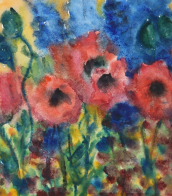
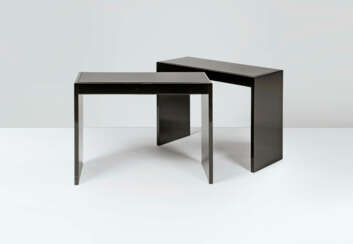

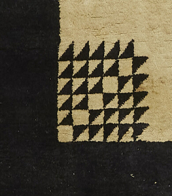


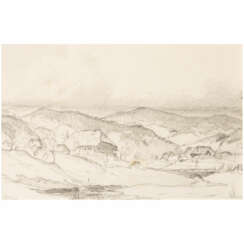

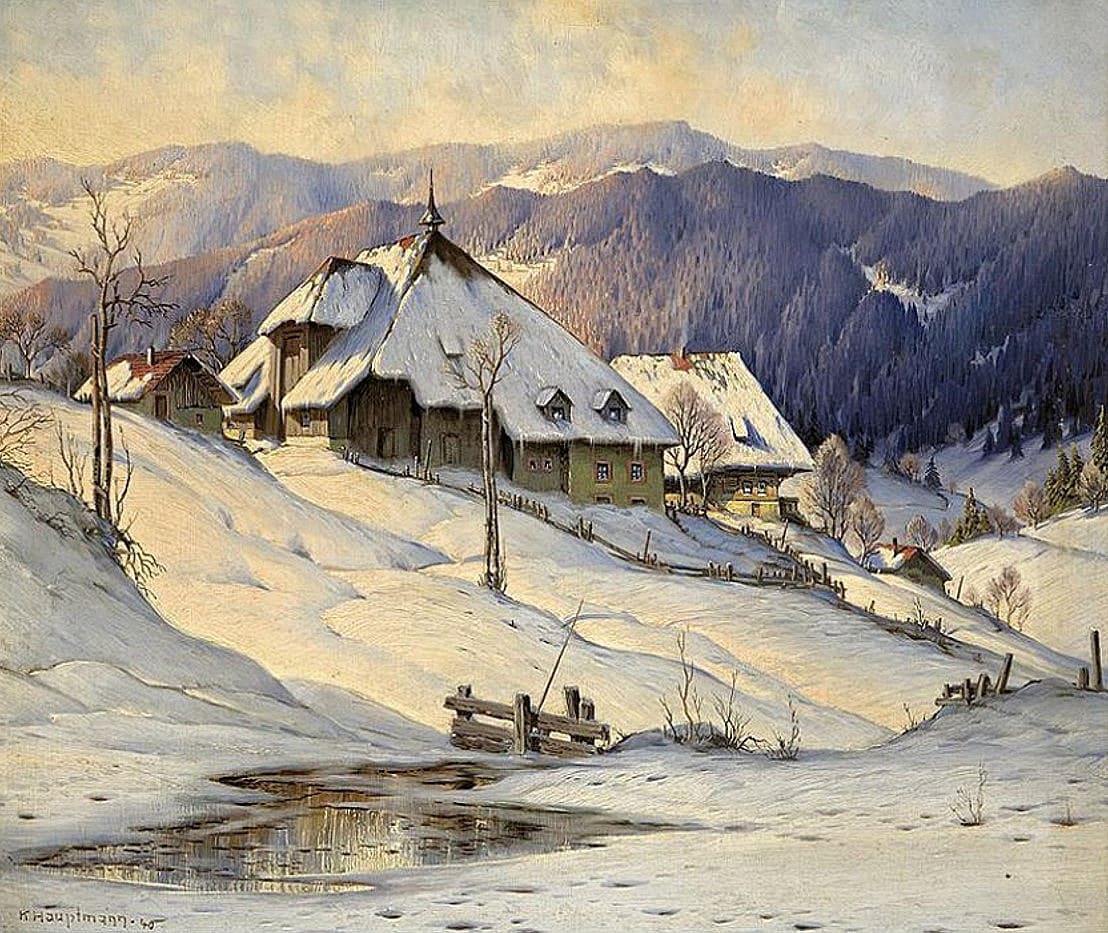
Karl Hauptmann was a German landscape painter who specialised in mountain views.
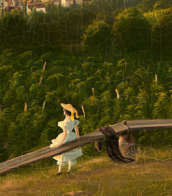
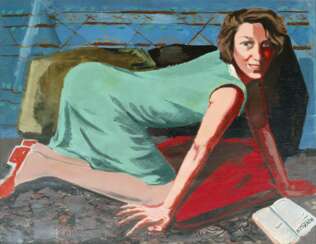

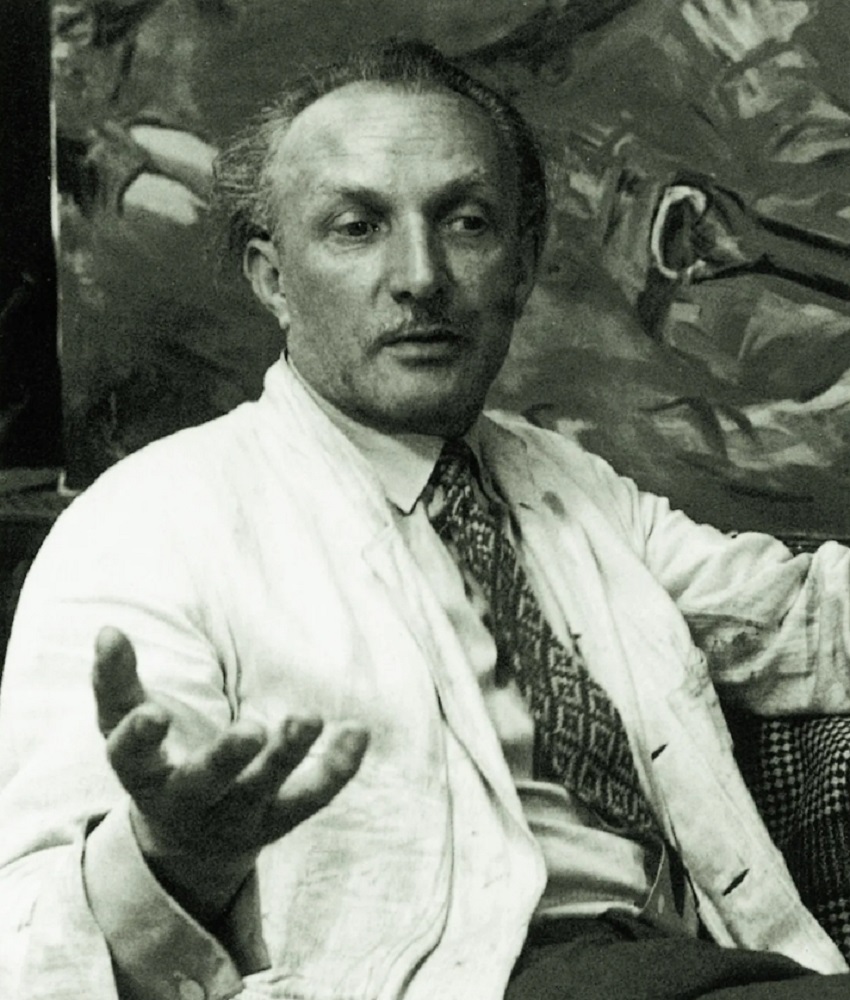
Karl Kluth was a German painter. He was a member of the Hamburg Künstlerverein, the Hamburg Artists' Association and the Hamburg Secession.
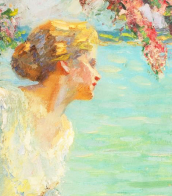
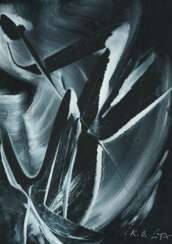

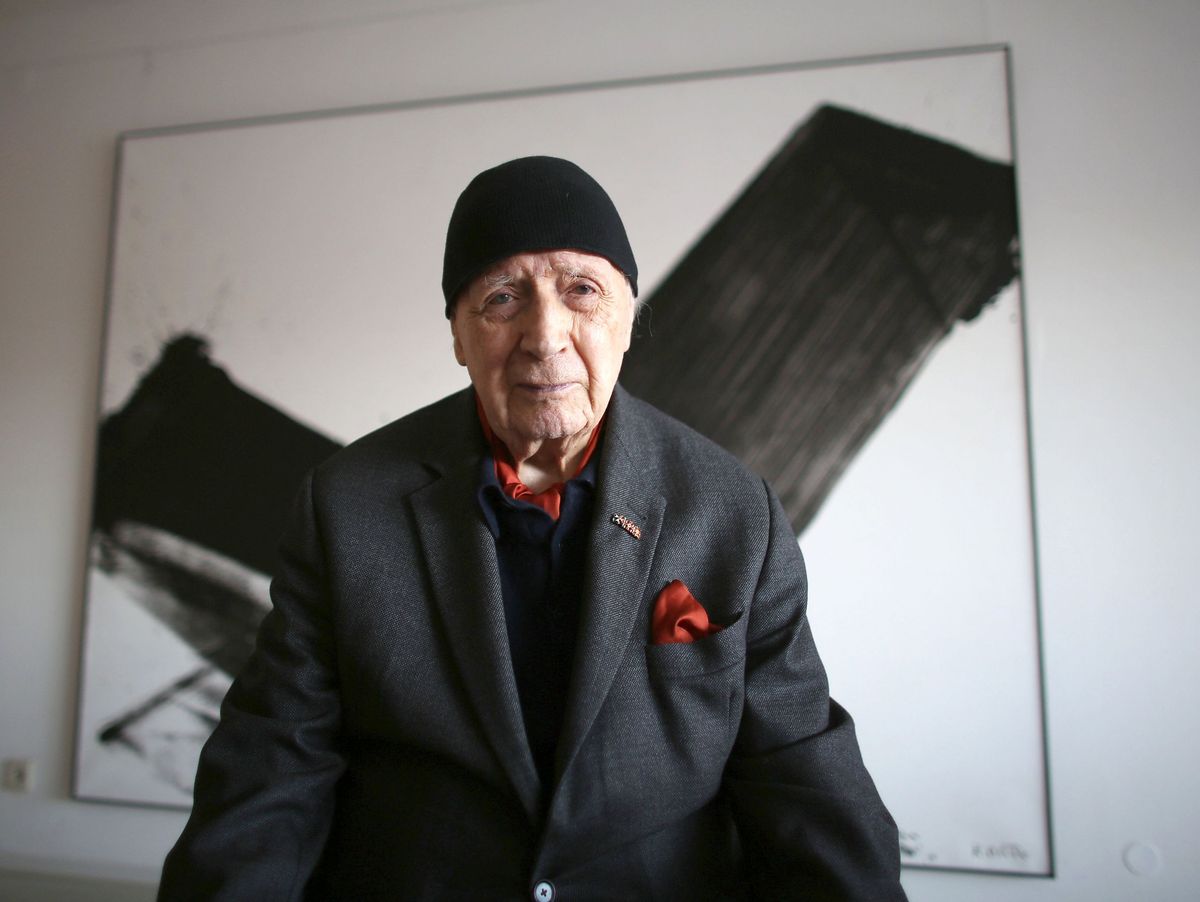
Karl Otto Götz was a German artist, filmmaker, draughtsman, printmaker, writer and professor of art at the Kunstakademie Düsseldorf. He was one of the oldest living and active artists older than 100 years of age and is best remembered for his explosive and complex abstract forms. His powerful, surrealist-inspired works earned him international recognition in exhibitions like documenta II in 1959. Götz never confined himself to one specific style or artistic field. He also explored generated abstract forms through television art. Götz is one of the most important members of the German Art Informel movement.

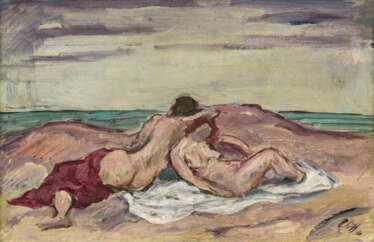

Karl Hofer was a German expressionist painter. He was director of the Berlin Academy of Fine Arts.
One of the most prominent painters of expressionism, he never was a member of one of the expressionist painting groups, like "Die Brücke", but was influenced by their painters. His work was among those considered degenerate art by the Nazis, but after World War II he regained recognition as one of the leading German painters.
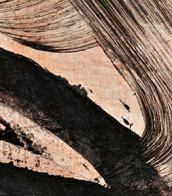


Karl Kluth was a German painter. He was a member of the Hamburg Künstlerverein, the Hamburg Artists' Association and the Hamburg Secession.
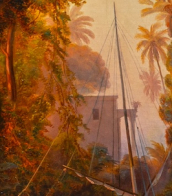


Karl Otto Götz was a German artist, filmmaker, draughtsman, printmaker, writer and professor of art at the Kunstakademie Düsseldorf. He was one of the oldest living and active artists older than 100 years of age and is best remembered for his explosive and complex abstract forms. His powerful, surrealist-inspired works earned him international recognition in exhibitions like documenta II in 1959. Götz never confined himself to one specific style or artistic field. He also explored generated abstract forms through television art. Götz is one of the most important members of the German Art Informel movement.

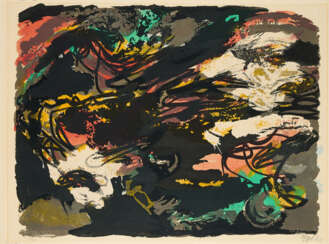

Christiaan Karel Appel was a Dutch painter, sculptor, and poet. He started painting at the age of fourteen and studied at the Rijksakademie in Amsterdam in the 1940s. He was one of the founders of the avant-garde movement CoBrA in 1948. He was also an avid sculptor and has had works featured in MoMA and other museums worldwide.


Karl Kluth was a German painter. He was a member of the Hamburg Künstlerverein, the Hamburg Artists' Association and the Hamburg Secession.
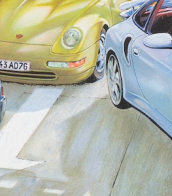


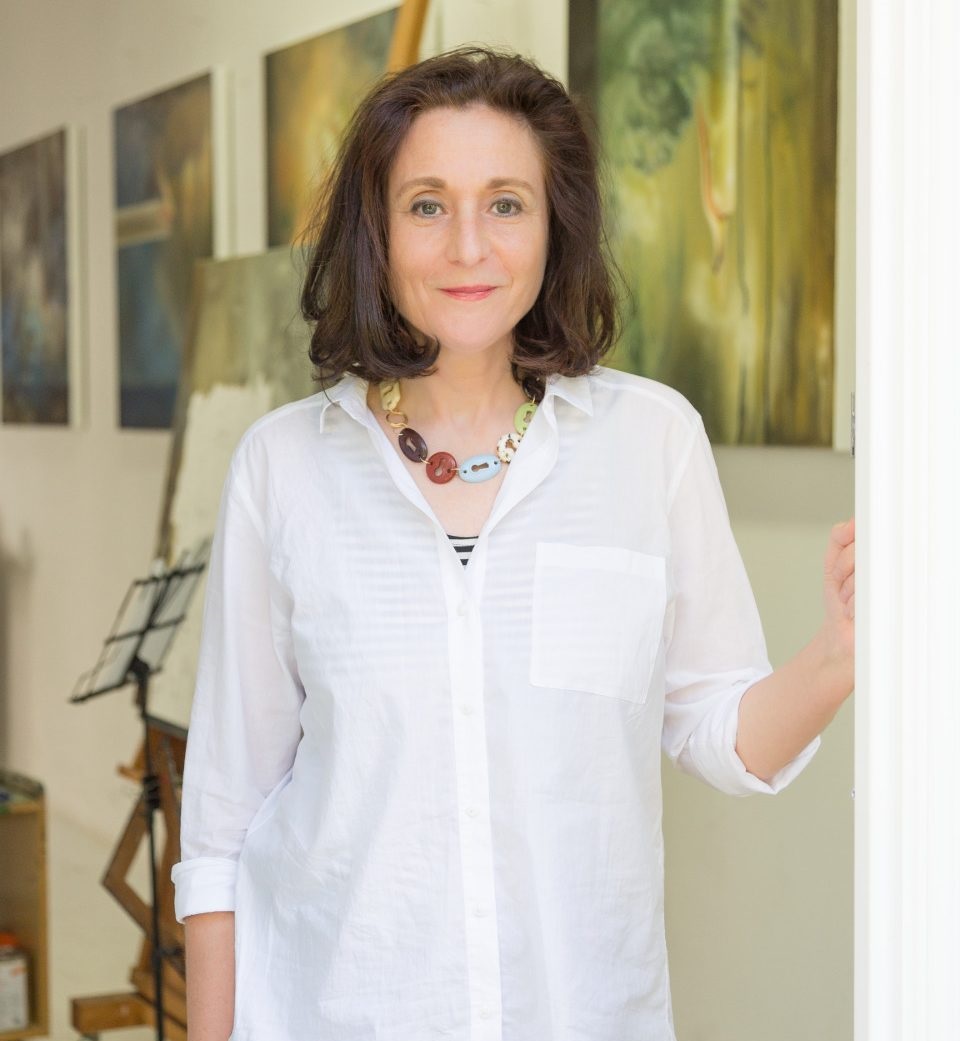
Karin Kneffel is one of Europe's most outstanding contemporary artists.


Christiaan Karel Appel was a Dutch painter, sculptor, and poet. He started painting at the age of fourteen and studied at the Rijksakademie in Amsterdam in the 1940s. He was one of the founders of the avant-garde movement CoBrA in 1948. He was also an avid sculptor and has had works featured in MoMA and other museums worldwide.


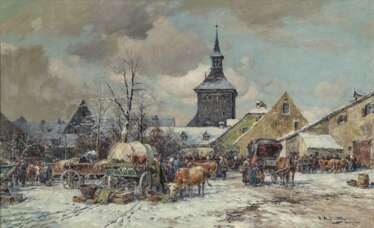

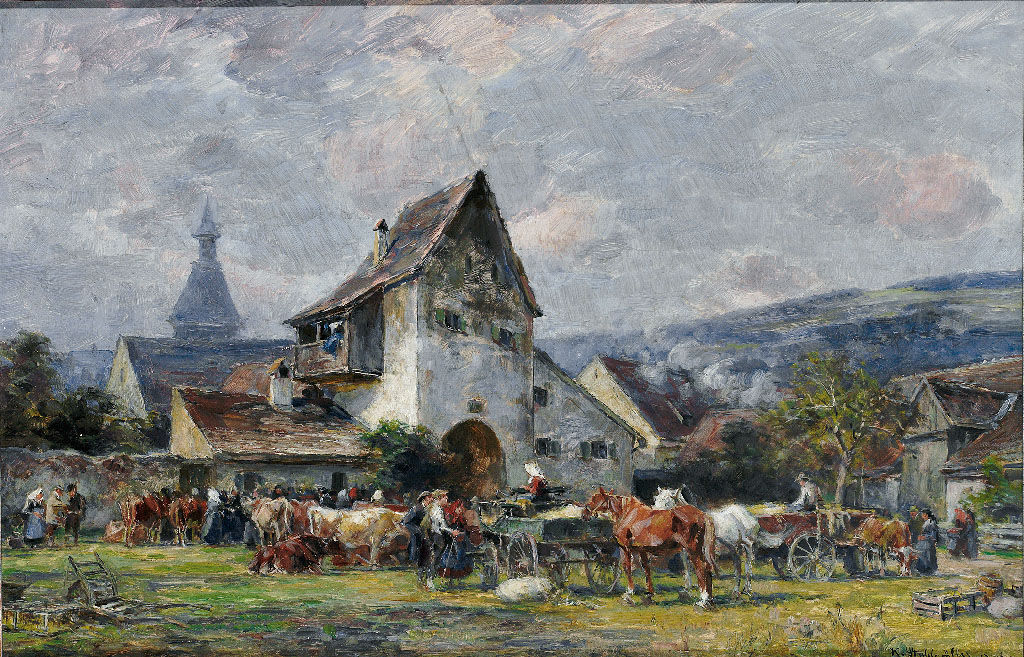
Karl Stuhlmüller is a German landscape and animal painter.