master meaning






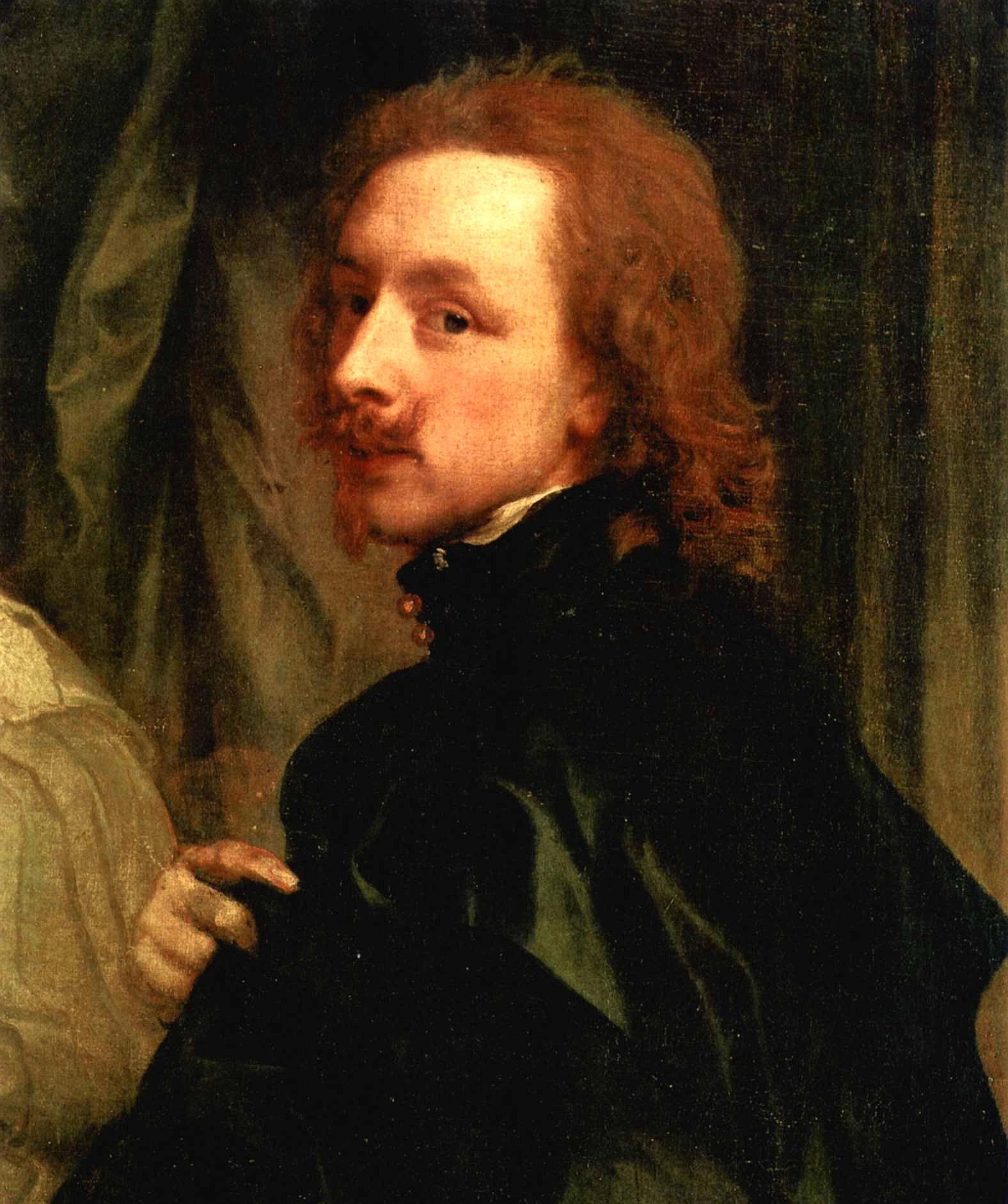
Anthony van Dyck, a Flemish painter born in 1599 in Antwerp and passed away in 1641 in London, is celebrated as one of the foremost Baroque painters of the 17th century. His notable contributions to the art world include his exceptional portraits of European aristocracy, as well as his religious and mythological paintings. Van Dyck's early exposure to art was influenced significantly by his apprenticeship with Hendrik van Balen and later, by the profound impact of working alongside Peter Paul Rubens. His mastery was recognized early on, leading him to set up his own workshop by the age of 15.
Van Dyck's journey to Italy in 1621 marked a pivotal phase in his career, allowing him to immerse himself in studying the Italian masters and commencing his successful stint as a portraitist. His style evolved under the influence of Titian, evident from his vibrant use of color and refined modeling of form. Van Dyck's Italian period not only honed his artistic skills but also established his reputation as a painter of consequence.
Upon returning to Antwerp, van Dyck's portraits became highly sought after, leading to commissions from notable figures such as Archduchess Isabella and Queen Mother Maria de' Medici. His role as a court painter further solidified in England under the patronage of King Charles I, where he was knighted and appointed as the principal painter, profoundly shaping the aristocratic character of Charles I's reign through his portraits.
Van Dyck's legacy extends beyond his death, having influenced English portrait painting for over a century. His innovative techniques in watercolour and etching, along with his sophisticated portrayal of subjects, continue to be admired. His art not only showcases his technical prowess but also reflects the cultural and social nuances of his era, making his work a significant study for collectors and art historians alike.
For enthusiasts eager to explore the intersections of art, history, and culture through the lens of Anthony van Dyck's work, staying informed about new discoveries and auction events is essential. Signing up for updates can provide exclusive insights into the world of one of the most influential figures in Flemish art. This subscription ensures that collectors and experts are well-informed of any developments related to van Dyck's oeuvre, enhancing their understanding and appreciation of his contributions to the art world.


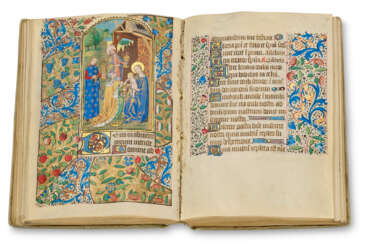
![DAVID JORIS (BRUGES [?] CIRCA 1501-1556 BÂLE)](/assets/image/picture_2158607/3cf04/7fdc5862f9b974b2d1cebb4828d043ed1652824800jpg__fix_374_244.jpeg)
![DAVID JORIS (BRUGES [?] CIRCA 1501-1556 BÂLE)](https://veryimportantlot.com/assets/image/picture_2158607/3cf04/7fdc5862f9b974b2d1cebb4828d043ed1652824800jpg__fix_374_244.jpeg)
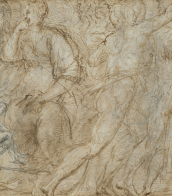
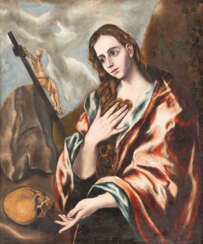



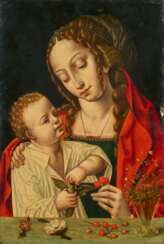

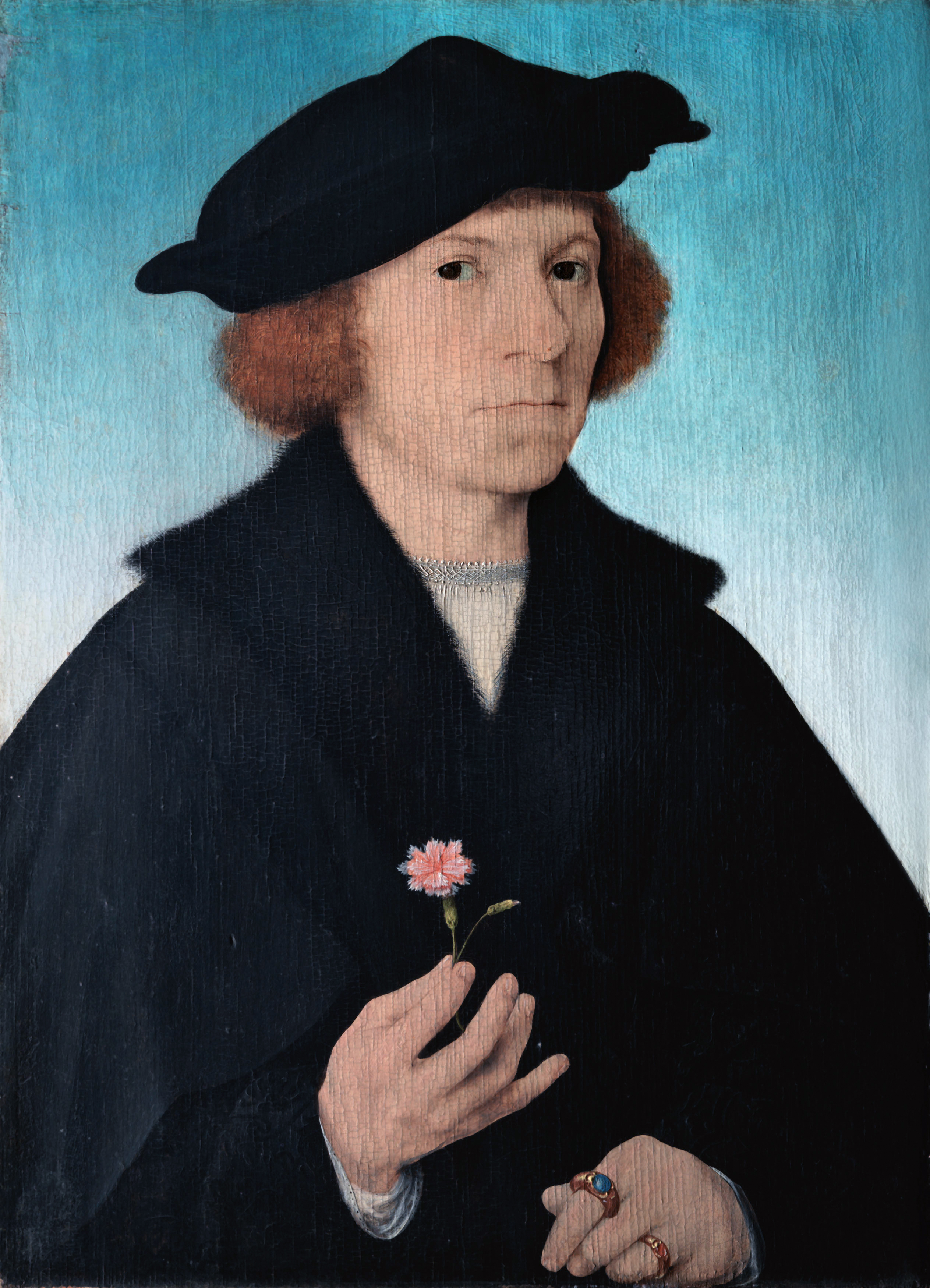
Joos van Cleve, also known by his real name Joos van der Beke, was a prominent Netherlandish painter, active mainly in Antwerp from about 1511 until his death in 1540 or 1541. His work predominantly centered around religious subjects and portraits, including notable commissions for the French King Francis I during his time at the French court. His artistic oeuvre reflects a blend of traditional Netherlandish painting techniques with contemporary Renaissance styles, showcasing his direct knowledge of local art combined with an awareness of Italian developments.
Van Cleve's work was characterized by its elaborate detail, particularly in his altarpieces which often incorporated portraits and landscapes, demonstrating his refined painting style. His success in Antwerp was significant, and he was also recognized at the French court, indicating his high regard as a portrait artist. Notably, Van Cleve had the opportunity to paint members of the royal court, including King Francis I and Queen Eleanor of Austria, underscoring his skills in portraiture.
His paintings are recognized for their sensitivity to color and a unique solidity of figures, with some works showcasing the popular style of Antwerp Mannerism. Van Cleve was an innovator in introducing broad world landscapes in the backgrounds of his paintings, a technique that became popular in sixteenth-century northern Renaissance paintings. Despite his contributions to the Renaissance art movement, Van Cleve also produced works that were highly eclectic, drawing on the styles of earlier Netherlandish masters as well as Italian influences, particularly in his use of sfumato, evident in his Virgin and Child compositions.
For art collectors and experts, Joos van Cleve's legacy offers a rich exploration into the transition from medieval to Renaissance art in Northern Europe. His body of work, found in prestigious collections such as the National Gallery in Prague, the Louvre, and the Royal Museums of Fine Arts of Belgium, remains a testament to his versatility and skill as a painter of both religious narratives and royal portraits.
To delve deeper into the fascinating world of Joos van Cleve and to stay informed about exhibitions or sales featuring his work, consider signing up for updates from art institutions and auction houses. This subscription will ensure you remain at the forefront of developments and opportunities related to this influential artist's oeuvre, enhancing your collection and understanding of Renaissance art.
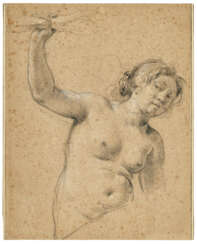

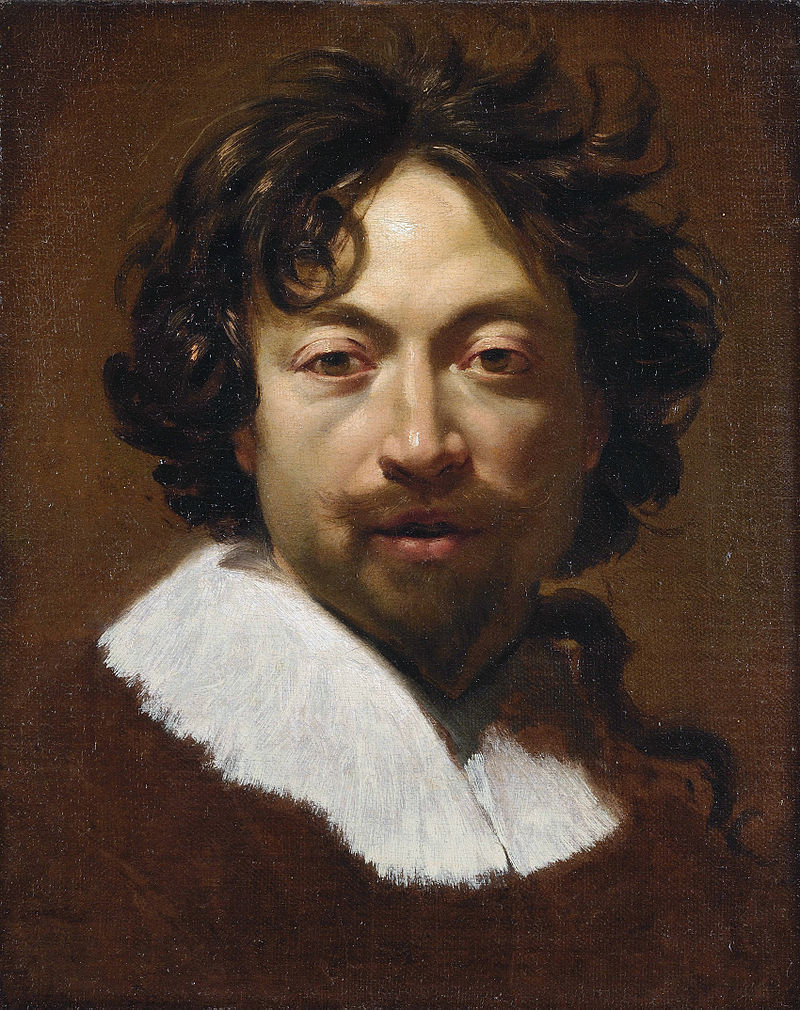
Simon Vouet was a French painter who studied and rose to prominence in Italy before being summoned by Louis XIII to serve as Premier peintre du Roi in France. He and his studio of artists created religious and mythological paintings, portraits, frescoes, tapestries, and massive decorative schemes for the king and for wealthy patrons, including Richelieu. During this time, "Vouet was indisputably the leading artist in Paris," and was immensely influential in introducing the Italian Baroque style of painting to France. He was also "without doubt one of the outstanding seventeenth-century draughtsmen, equal to Annibale Carracci and Lanfranco."


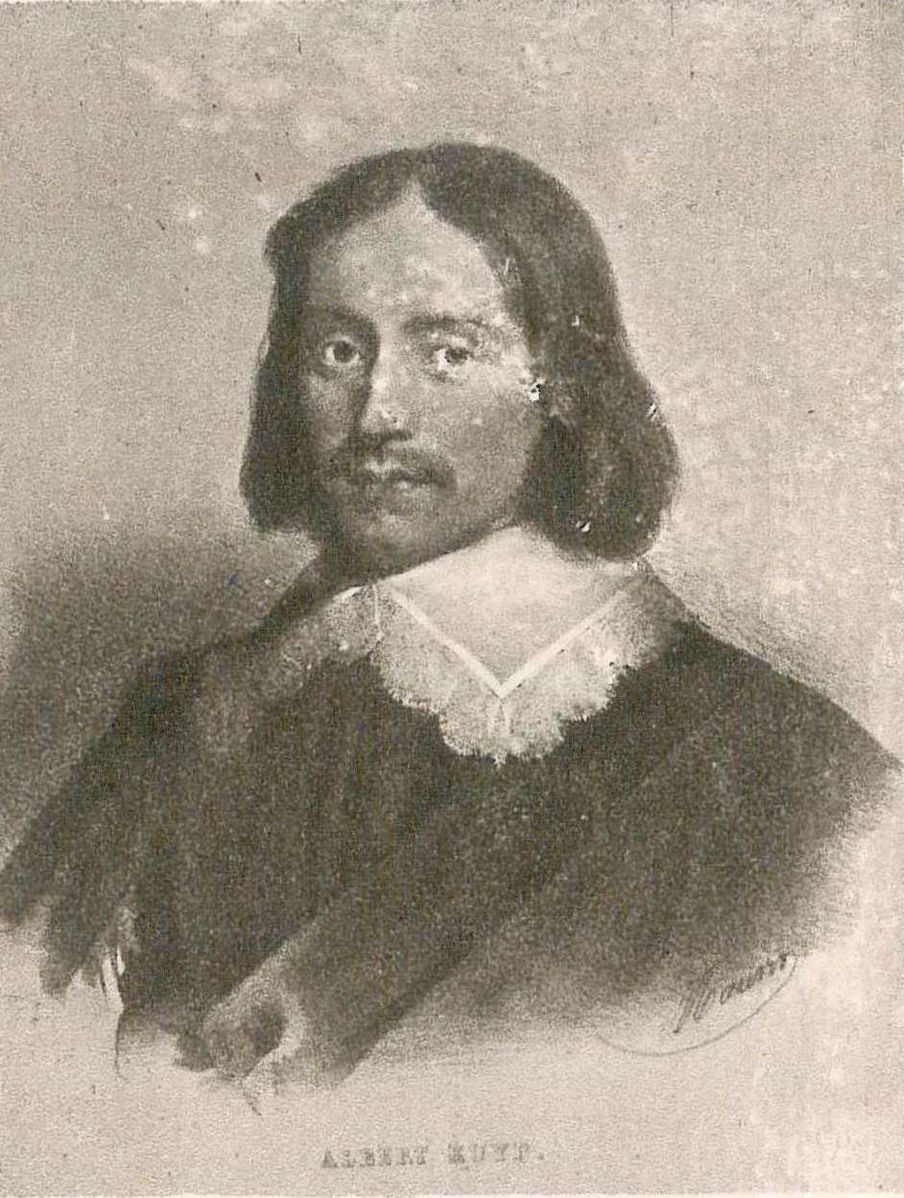
Aelbert Jacobsz. Cuyp was a Dutch Baroque painter, graphic artist and printmaker.
Aelbert is the successor of a dynasty of painters from Dordrecht. He was one of the leading Dutch landscape painters of the Dutch Golden Age. A pupil of his father, the painter Jacob Gerritsz. Cuyp (1594-1651), he is known primarily for his landscapes of the Dutch countryside in the light of early morning or late evening. But Aelbert Cuyp also painted canvases on biblical, mythological, and historical themes, still lifes, and portraits. The Italian style is evident in his works.


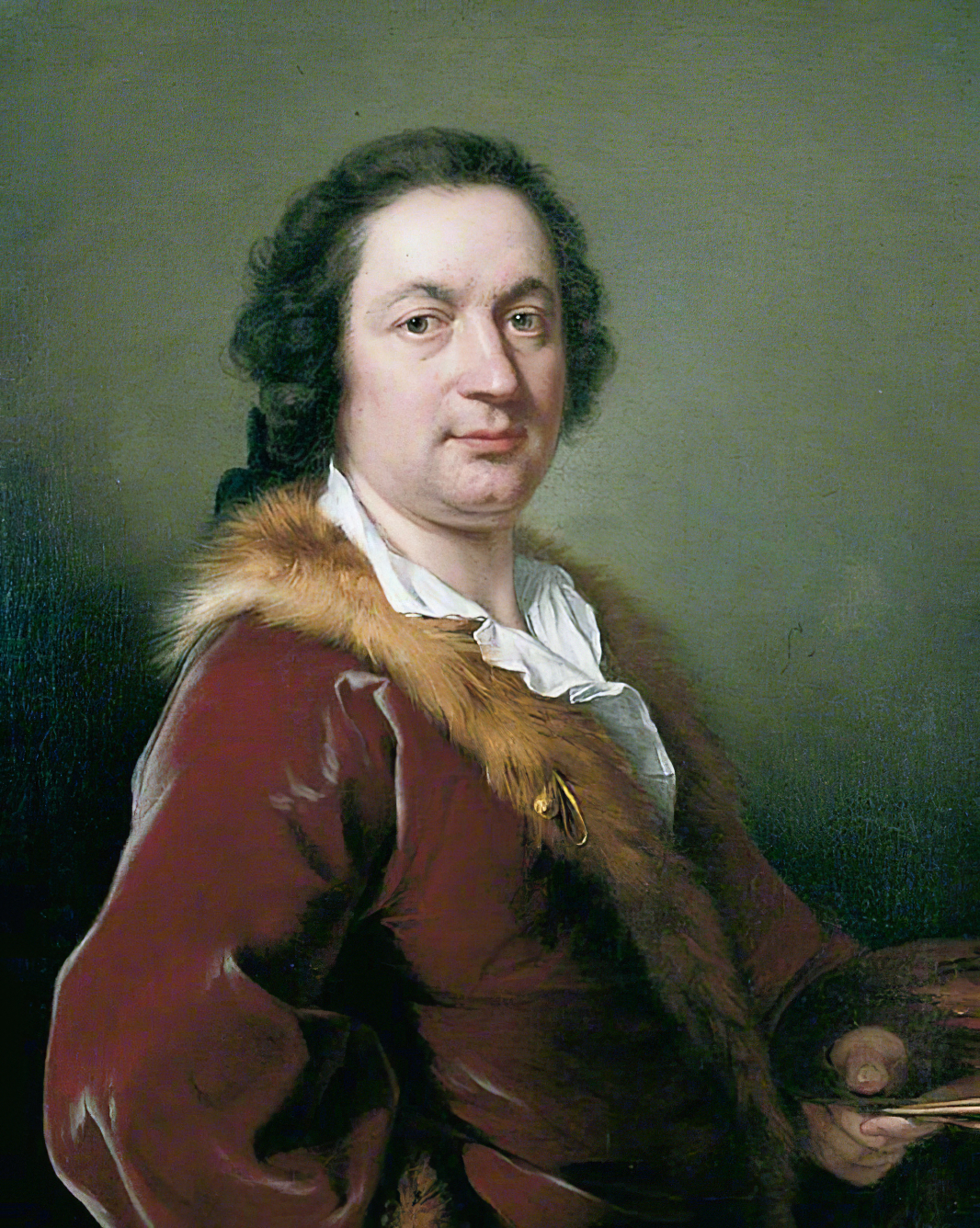
Andrea Soldi was an Italian portraitist active in Britain.

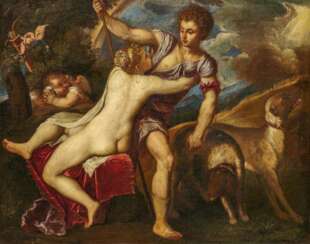

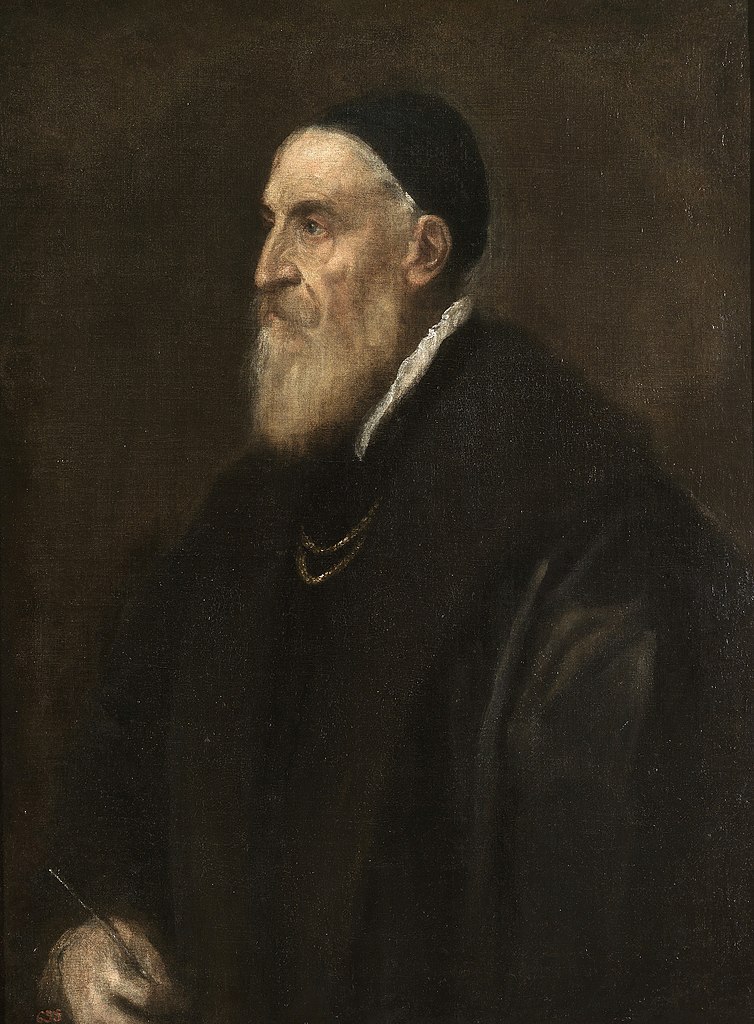
Tiziano Vecellio, an Italian Renaissance painter from Venice, stands out as a pivotal figure in the art world, renowned for his versatility across various genres like portraits, landscapes, and religious subjects. His influence on the development of Western art, particularly through his revolutionary use of color, is profound and long-lasting.
Born around 1488/90 in Pieve di Cadore, part of the then Republic of Venice, Titian's talent was evident early on. He began his artistic journey in the studio of the Bellini brothers in Venice, later joining forces with Giorgione, another influential painter of the time. This collaboration marked the beginning of a distinguished career that would see Titian become the most sought-after painter in Europe, working for nobility, the Habsburgs, and the papacy.
Titian's style evolved significantly throughout his career. He initially gained recognition for his vibrant, luminous colors and later became famous for his loose brushwork and subtle tonality. This shift was not just a matter of aesthetics but also represented a deeper understanding of color and light. Titian's approach to painting, particularly his use of colore, where he juxtaposed colors to define compositions, contrasted sharply with the line-focused disegno technique of the time. This method contributed significantly to the distinctiveness of Venetian art.
Among his many patrons, Emperor Charles V and his son, Philip II of Spain, were perhaps the most notable. As their official painter, Titian created numerous portraits and mythological works that were celebrated for their psychological depth and expressive use of color. His 'poesie' series for Philip II, including famous works like "Diana and Actaeon," showcased his skill in portraying mythological narratives with a sense of drama and sensuality.
Titian's later works, created in the 1560s and 1570s, are particularly revered for their experimental nature, pushing his art towards what has been termed 'magic impressionism'. These works, like "The Death of Actaeon" and the unfinished "Pietà", demonstrate a radical departure from his earlier style and reflect a continued evolution even in his later years.
For art collectors and experts, Titian's oeuvre represents a crucial link in the history of European art, illustrating the transition from the Renaissance to a more modern, expressive form of painting. His mastery of color and light, combined with his ability to convey deep emotional resonance, continues to influence artists and captivate viewers centuries later.
To stay updated on artworks and auction events related to Tiziano Vecelli, consider signing up for updates. This subscription will ensure you are informed about new product sales and auction events related to this remarkable artist.


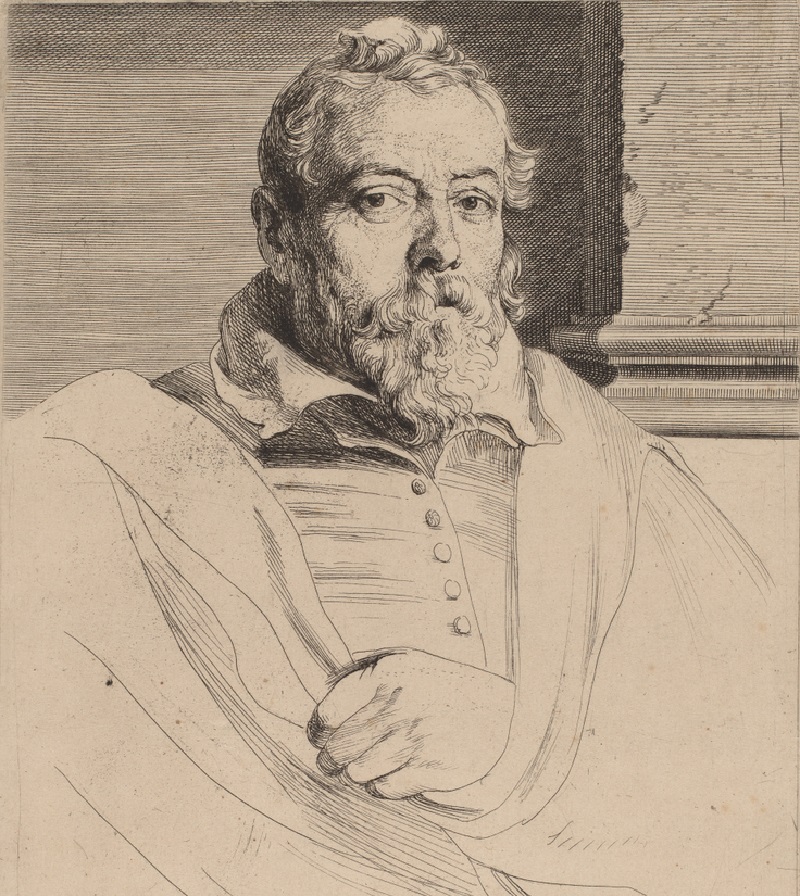
Frans Francken the Younger was a distinguished Flemish painter of the Baroque period, celebrated for his versatility and innovation in the art scene of the early 17th century. Born in 1581 in Antwerp, where he also died in 1642, Francken hailed from the prolific Francken family of artists, establishing himself as the most prominent among them. His contribution to Flemish art includes a wide array of subjects, spanning large altarpieces for churches to intricate cabinet pictures featuring historical, mythological, or allegorical themes.
Francken's work is particularly noted for his creation of collectors' cabinet paintings, a genre that depicted the interiors of collectors filled with art, curiosities, and natural specimens, embodying the era's intellectual pursuits and the burgeoning culture of connoisseurship. Moreover, Francken was instrumental in the development of singeries, humorous paintings featuring monkeys engaging in human activities, critiquing the follies of mankind through satire. His collaborative efforts with other artists enriched his work, allowing him to incorporate figures and narrative depth into various compositions, seamlessly blending his expertise with the landscapes, architectural settings, and still lifes created by his contemporaries.
Francken's artistic legacy is marked by his successful workshop, his role as a master in the Antwerp Saint Luke's Guild, and his significant influence on the development of new subject matter and genres within Flemish painting. His works, such as "Mankind's Eternal Dilemma: The Choice Between Virtue and Vice," remain celebrated for their detailed craftsmanship and symbolic richness, housed in prestigious museums including the Museum of Fine Arts, Boston.
For collectors and art history aficionados, Francken's oeuvre offers a rich tapestry of Baroque artistry, reflecting the dynamism of 17th-century Flemish culture and the depth of humanistic and religious themes explored during the period.
To delve deeper into the world of Frans Francken the Younger and to stay updated on new discoveries, sales, and auction events related to his works, consider signing up for specialized updates. This subscription is tailored for enthusiasts eager to explore the intersections of art, history, and culture, promising insightful content on one of Flemish art's most influential figures.
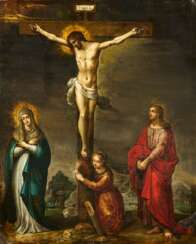

Frans Francken the Younger was a distinguished Flemish painter of the Baroque period, celebrated for his versatility and innovation in the art scene of the early 17th century. Born in 1581 in Antwerp, where he also died in 1642, Francken hailed from the prolific Francken family of artists, establishing himself as the most prominent among them. His contribution to Flemish art includes a wide array of subjects, spanning large altarpieces for churches to intricate cabinet pictures featuring historical, mythological, or allegorical themes.
Francken's work is particularly noted for his creation of collectors' cabinet paintings, a genre that depicted the interiors of collectors filled with art, curiosities, and natural specimens, embodying the era's intellectual pursuits and the burgeoning culture of connoisseurship. Moreover, Francken was instrumental in the development of singeries, humorous paintings featuring monkeys engaging in human activities, critiquing the follies of mankind through satire. His collaborative efforts with other artists enriched his work, allowing him to incorporate figures and narrative depth into various compositions, seamlessly blending his expertise with the landscapes, architectural settings, and still lifes created by his contemporaries.
Francken's artistic legacy is marked by his successful workshop, his role as a master in the Antwerp Saint Luke's Guild, and his significant influence on the development of new subject matter and genres within Flemish painting. His works, such as "Mankind's Eternal Dilemma: The Choice Between Virtue and Vice," remain celebrated for their detailed craftsmanship and symbolic richness, housed in prestigious museums including the Museum of Fine Arts, Boston.
For collectors and art history aficionados, Francken's oeuvre offers a rich tapestry of Baroque artistry, reflecting the dynamism of 17th-century Flemish culture and the depth of humanistic and religious themes explored during the period.
To delve deeper into the world of Frans Francken the Younger and to stay updated on new discoveries, sales, and auction events related to his works, consider signing up for specialized updates. This subscription is tailored for enthusiasts eager to explore the intersections of art, history, and culture, promising insightful content on one of Flemish art's most influential figures.


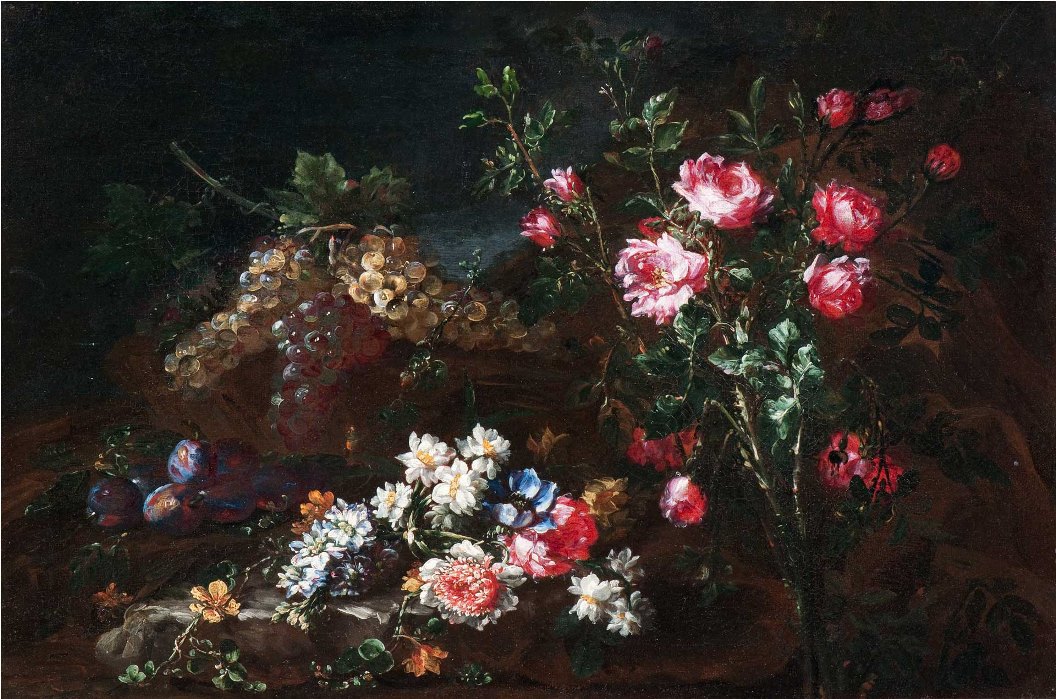
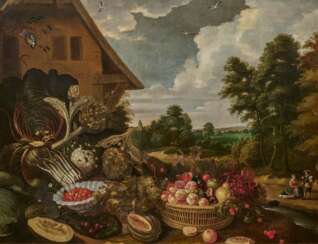

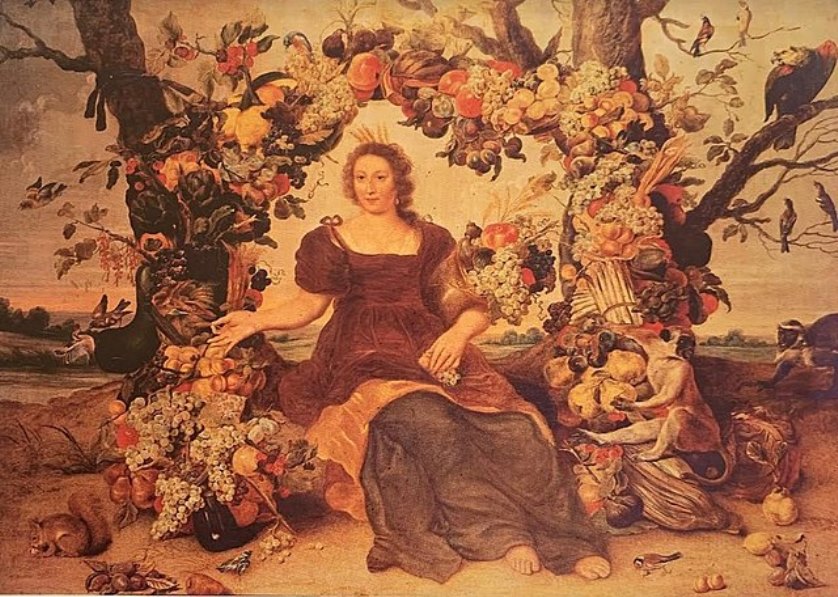


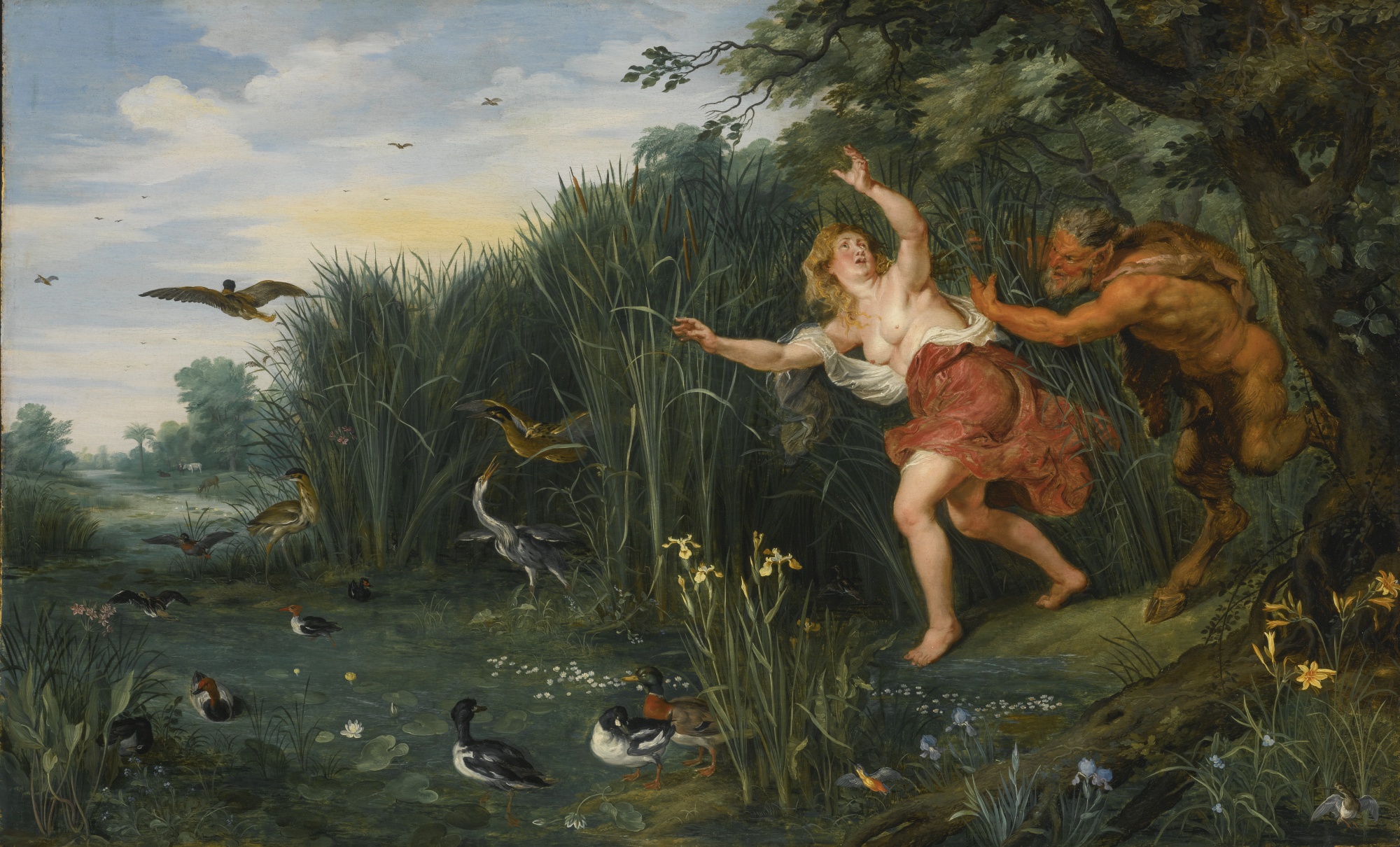
Jan Bruegel the Younger was a Flemish Baroque painter. He was the son of Jan Brueghel the Elder, and grandson of Pieter Bruegel the Elder, both prominent painters who contributed respectively to the development of Renaissance and Baroque painting in the Habsburg Netherlands. Taking over his father's workshop at an early age, he painted the same subjects as his father in a style which was similar to that of his father. He regularly collaborated with leading Flemish painters of his time.




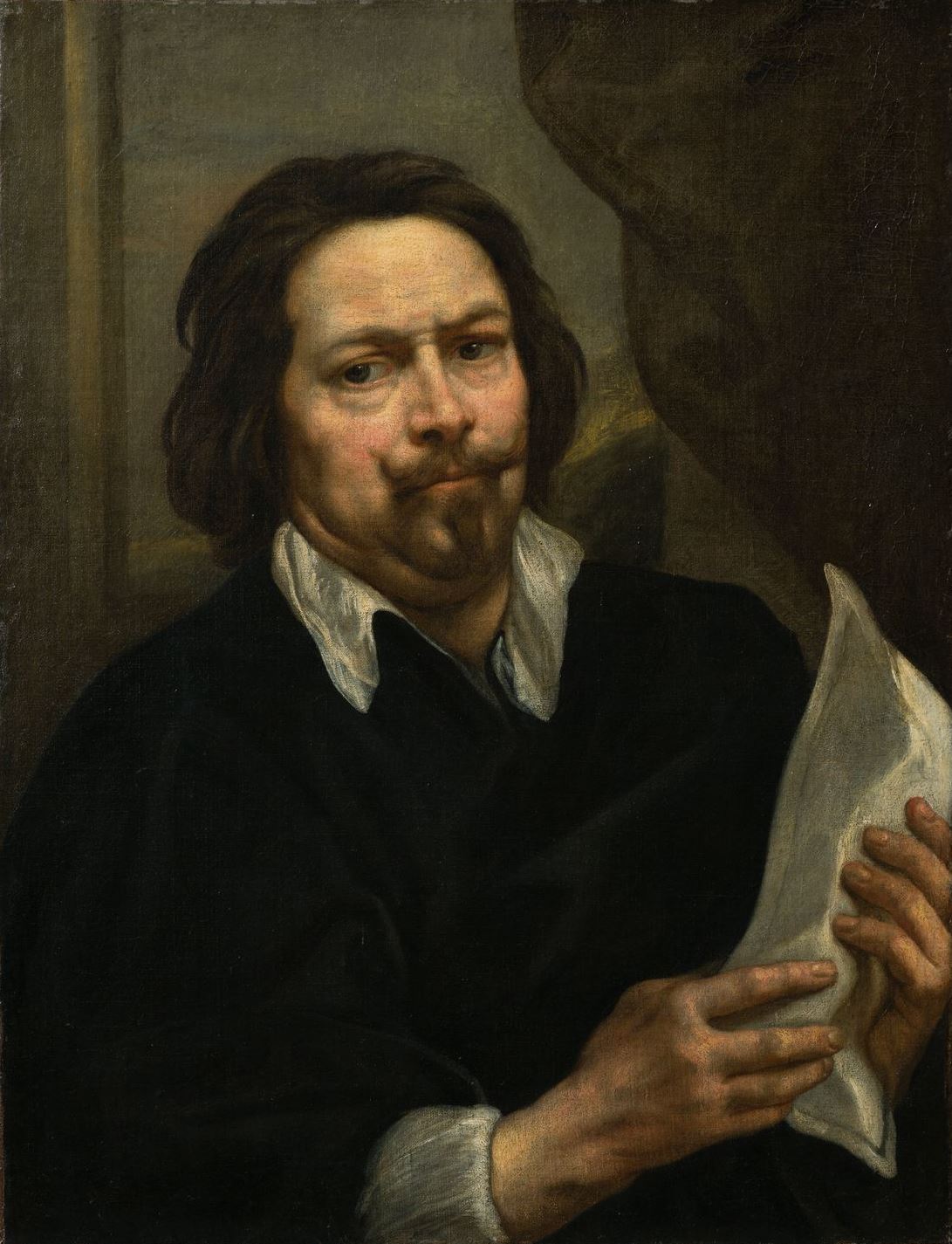
Jacob Jordaens was a Flemish painter, draughtsman and tapestry designer known for his history paintings, genre scenes and portraits. After Peter Paul Rubens and Anthony van Dyck, he was the leading Flemish Baroque painter of his day. Unlike those contemporaries he never travelled abroad to study Italian painting, and his career is marked by an indifference to their intellectual and courtly aspirations. In fact, except for a few short trips to locations elsewhere in the Low Countries, he remained in Antwerp his entire life. As well as being a successful painter, he was a prominent designer of tapestries.
Like Rubens, Jordaens painted altarpieces, mythological, and allegorical scenes, and after 1640 — the year Rubens died — he was the most important painter in Antwerp for large-scale commissions and the status of his patrons increased in general. However, he is best known today for his numerous large genre scenes based on proverbs in the manner of his contemporary Jan Brueghel the Elder, depicting The King Drinks and As the Old Sing, So Pipe the Young. Jordaens' main artistic influences, besides Rubens and the Brueghel family, were northern Italian painters such as Jacopo Bassano, Paolo Veronese, and Caravaggio.



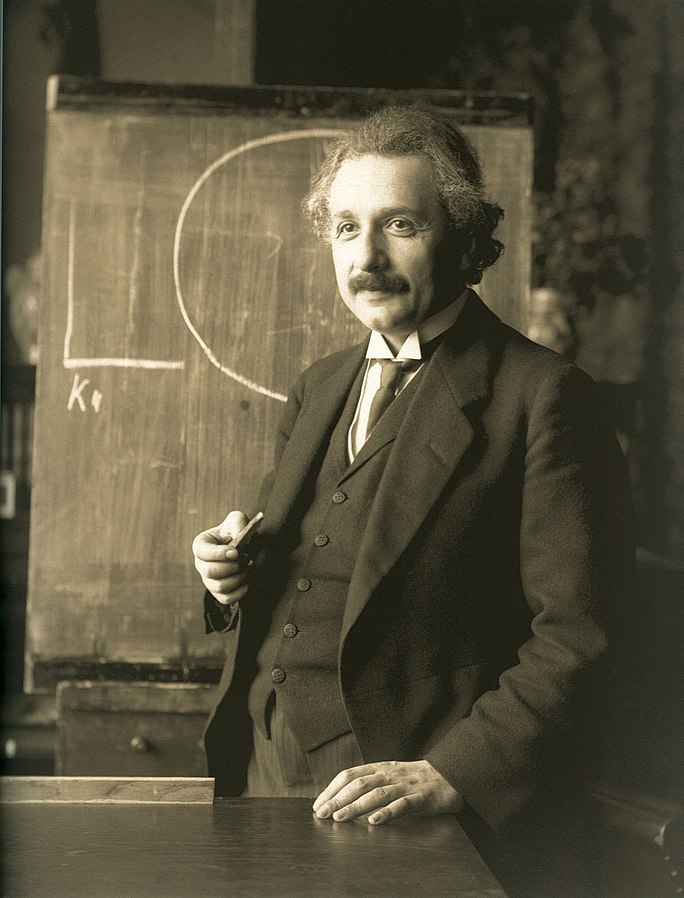
Albert Einstein was a German-born theoretical physicist, widely acknowledged to be one of the greatest and most influential physicists of all time. Einstein is best known for developing the theory of relativity, but he also made important contributions to the development of the theory of quantum mechanics. Relativity and quantum mechanics are together the two pillars of modern physics. His mass–energy equivalence formula E = mc2, which arises from relativity theory, has been dubbed "the world's most famous equation". His work is also known for its influence on the philosophy of science. He received the 1921 Nobel Prize in Physics "for his services to theoretical physics, and especially for his discovery of the law of the photoelectric effect", a pivotal step in the development of quantum theory. His intellectual achievements and originality resulted in "Einstein" becoming synonymous with "genius".





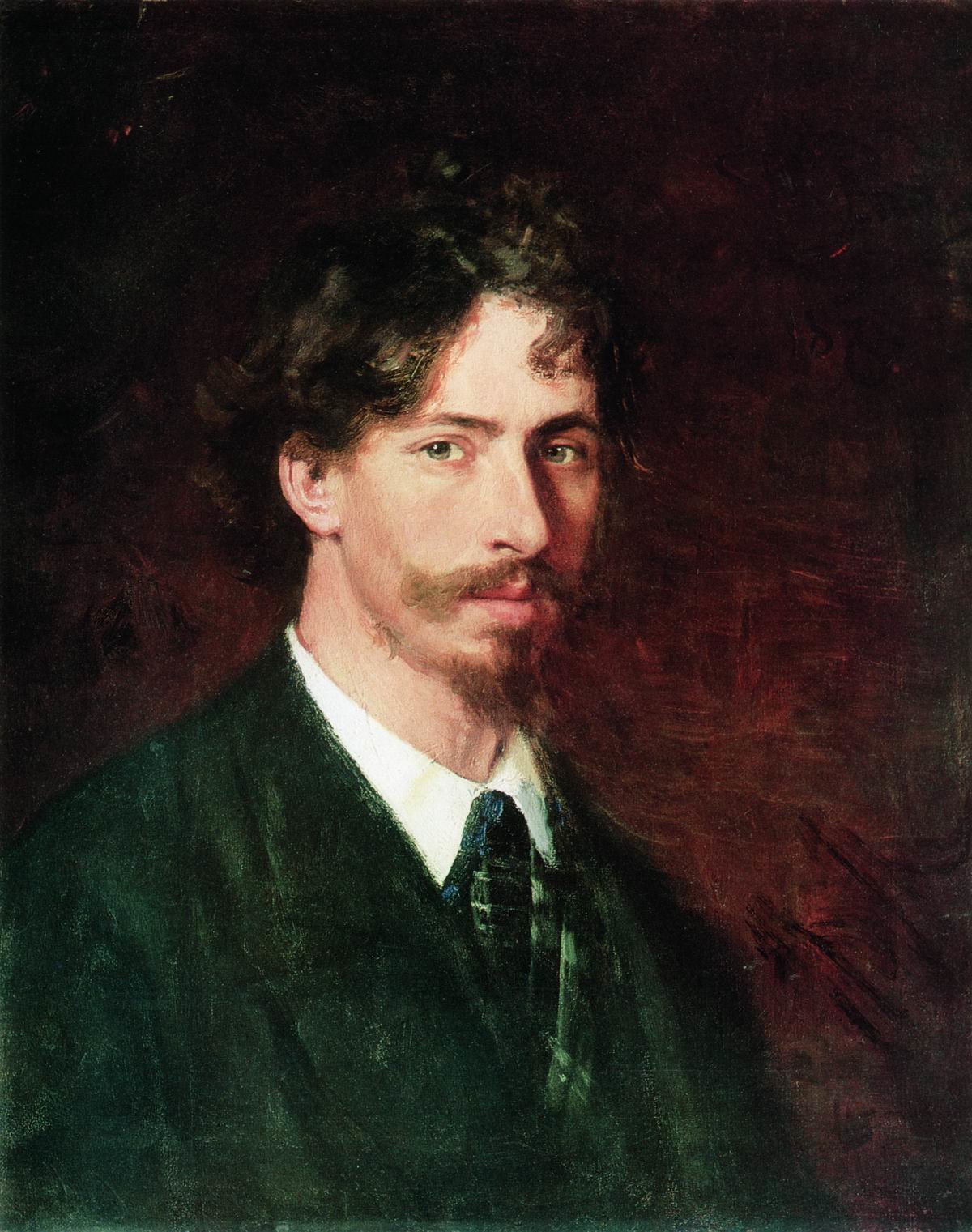
Ilya Yefimovich Repin (Russian: Илья Ефимович Репин) was a preeminent Russian artist, celebrated for his profound influence on the world of art, particularly painting. Born in 1844 in the Russian Empire, Repin distinguished himself as a pivotal figure in bringing Russian art to the forefront of the European scene. His works, characterized by their vivid realism and profound emotional depth, offer a window into the cultural, social, and historical landscapes of 19th-century Russia.
Repin's oeuvre is a testament to his exceptional skill in capturing the essence of his subjects, ranging from the peasantry to the elite, and his commitment to portraying the Russian spirit. His paintings, such as "Barge Haulers on the Volga" and "Ivan the Terrible and His Son Ivan," are lauded for their meticulous detail, dynamic compositions, and the way they convey powerful narratives and emotions. These masterpieces are housed in prestigious museums and galleries worldwide, including the State Russian Museum and the Tretyakov Gallery, affirming Repin's enduring legacy in the annals of art history.
For collectors and experts in art and antiques, Repin's works represent not only significant cultural and historical value but also a deep emotional resonance that transcends time. His ability to intertwine the beauty and tragedy of human experience with the rich tapestry of Russian culture makes his art a compelling exploration for enthusiasts and scholars alike. To stay informed about new product sales and auction events related to Ilya Yefimovich Repin, we invite you to sign up for updates. This subscription is a gateway to exclusive insights and opportunities in the realm of art and antiques, focusing solely on Repin's illustrious work.


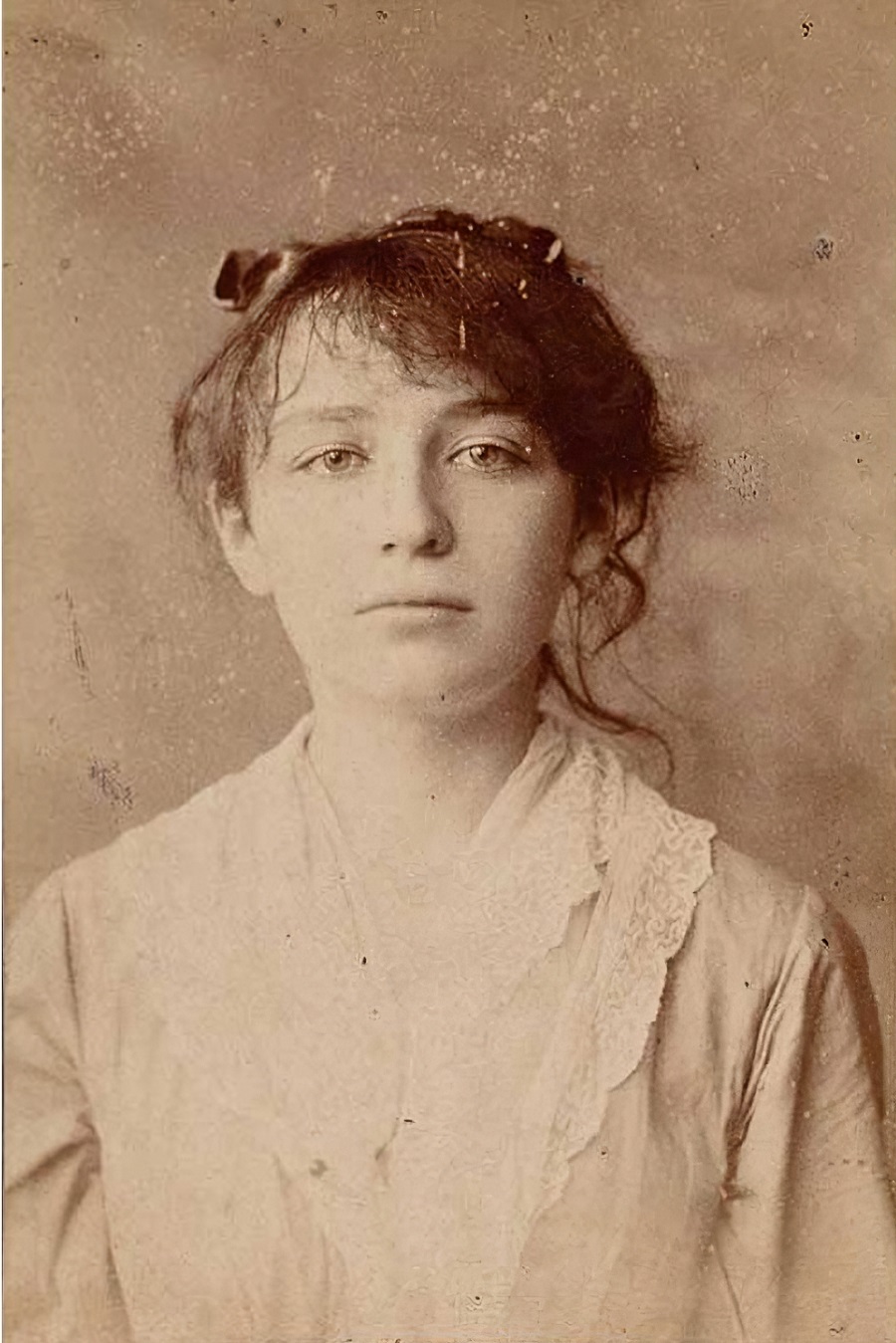
Camille Claudel was a French sculptor. She is known for her powerful and emotionally charged sculptures, which often portrayed human figures in moments of intense emotion or turmoil.
Claudel studied art in Paris under the tutelage of Auguste Rodin, and the two became lovers and collaborators for several years. Her work was heavily influenced by Rodin's style, and she often portrayed human bodies with a sense of fluidity and movement that was characteristic of his work.
Claudel's sculptures were praised for their technical skill and emotional intensity, but she struggled to gain recognition as an artist in her own right. She was frequently dismissed as simply a student of Rodin, and her personal life was marked by a series of setbacks and tragedies.
In 1913, Claudel suffered a nervous breakdown and was committed to a mental institution by her family, where she remained for the rest of her life. Her work was largely forgotten until the late 20th century, when a renewed interest in her life and career led to a reassessment of her place in the history of modern art. Today, her sculptures are celebrated for their technical virtuosity and emotional power, and her story has become an inspiration to many artists and scholars.