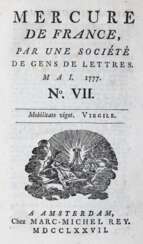
mercure de france


![[LIVRE DE FÊTES]](/assets/image/picture_3566967/3f1ad/e9d0794c6ec1ba831b8b757e89c237401700607600jpg__fix_374_244.jpeg)
![[LIVRE DE FÊTES]](https://veryimportantlot.com/assets/image/picture_3566967/3f1ad/e9d0794c6ec1ba831b8b757e89c237401700607600jpg__fix_374_244.jpeg)




![[RELIURES AUX ARMES]](/assets/image/picture_3567188/c1775/816cbeef2708acb5ff0890ccef450ffa1700607600jpg__fix_374_244.jpeg)
![[RELIURES AUX ARMES]](https://veryimportantlot.com/assets/image/picture_3567188/c1775/816cbeef2708acb5ff0890ccef450ffa1700607600jpg__fix_374_244.jpeg)
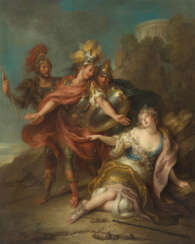

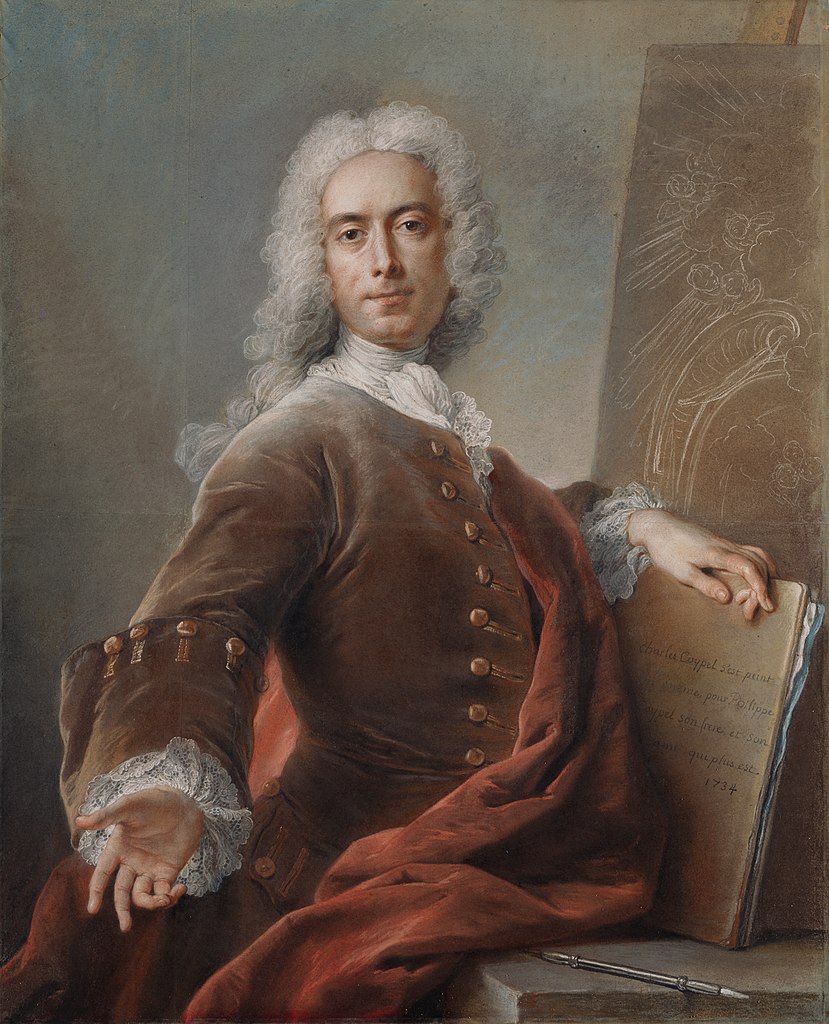
Charles-Antoine Coypel was a multifaceted French Rococo artist, known for his contributions as a painter, designer, playwright, and art critic. Born into a family with a significant artistic legacy, Coypel rose to prominence in the French court, eventually serving as the court painter and the director of the Académie Royale. His work, which often blended dramatic narrative with intricate detail, played a pivotal role in the development of Rococo art in France, reflecting the opulent and expressive tendencies of the period.
Coypel's artistic output includes a range of subjects, from religious themes, as seen in his etching "The Virgin and Child," to theatrical history paintings that convey operatic passions and high drama. His ability to infuse his compositions with emotional depth and narrative complexity, alongside his mastery of the Rococo style's playful and ornamental characteristics, distinguishes his work within the era. Notably, Coypel was also involved in the design of tapestries for the Gobelins Manufactory, illustrating scenes from Miguel de Cervantes's "Don Quixote," which remained influential through the end of the 18th century.
His artworks, such as "The Virgin and Child," showcase not only his technical skill but also his sensitivity to composition and form, contributing to his reputation as one of the leading painters in the French court during the 18th century. Coypel's legacy is preserved in his paintings, etchings, and tapestry designs, which continue to be celebrated for their artistic and historical significance.
For collectors and experts in art and antiques, Charles-Antoine Coypel's work represents an essential connection to the Rococo period's rich cultural and aesthetic traditions. His contributions to French art history, particularly through his role at the Académie Royale and his influence on the development of Rococo style, make his work a valuable study for those interested in the dynamics of French art and culture during the 18th century.
To stay informed about updates related to Charles-Antoine Coypel, including new discoveries, sales, and auction events of his works, consider signing up for updates. This service will provide tailored notifications to enthusiasts and collectors eager to explore and acquire pieces by Coypel, ensuring they remain at the forefront of developments in the field of Rococo art.
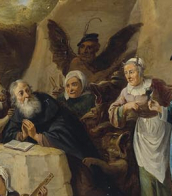


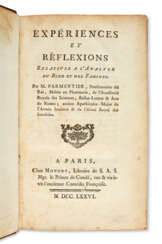

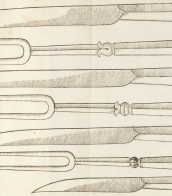
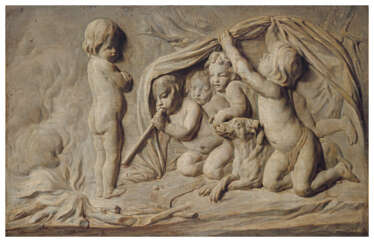

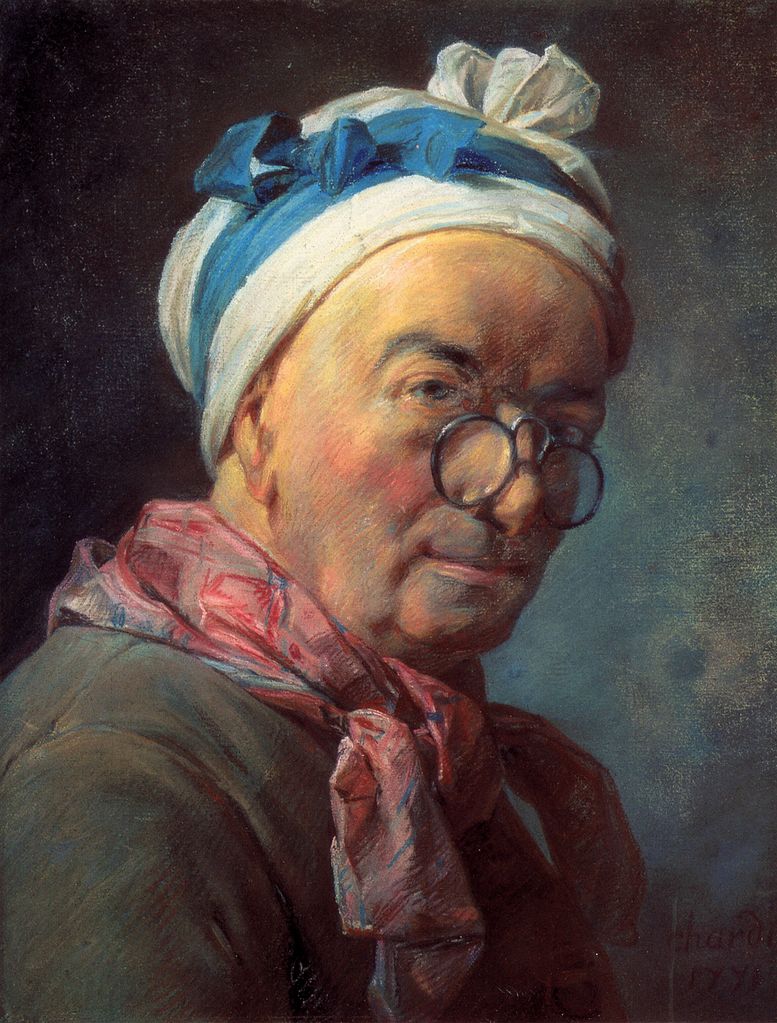
Jean Siméon Chardin was an 18th-century French painter. He is considered a master of still life, and is also noted for his genre paintings which depict kitchen maids, children, and domestic activities. Carefully balanced composition, soft diffusion of light, and granular impasto characterize his work.


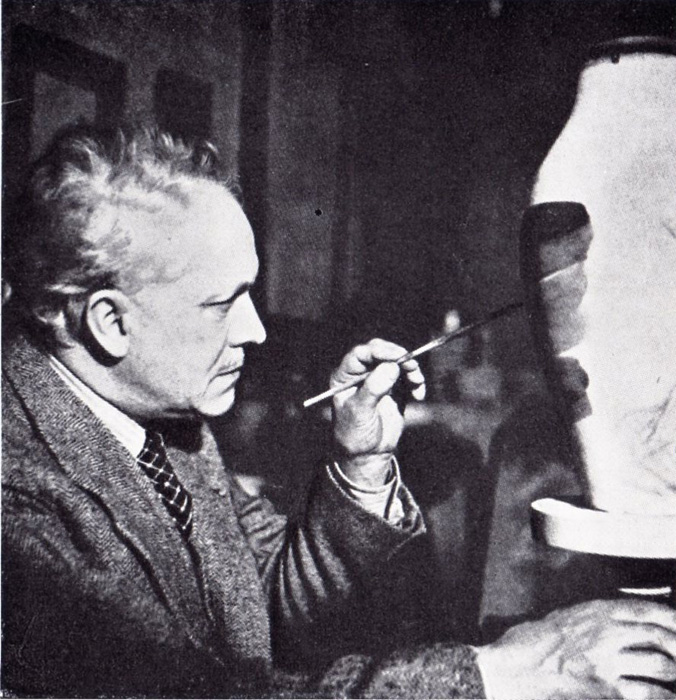
Raoul Dufy, a renowned French artist, is celebrated for his vibrant and decorative style, which left a significant mark in the realms of Fauvism and Post-Impressionism. Born in 1877 in Le Havre, France, Dufy's artistic journey was profoundly influenced by Henri Matisse's Fauvist work "Luxe, Calme et Volupté," which he encountered at the Salon des Indépendants in 1905. This experience steered him towards Fauvism, a style that emphasized bold contours and bright colors.
Dufy's artistic evolution saw him briefly embrace Cubism around 1920, after which he developed a unique approach. This approach, often referred to as stenographic, was characterized by skeletal structures, foreshortened perspectives, and the use of thin, quickly applied washes of color. His works, known for their cheerful and fashionably decorative nature, often depicted scenes of leisure like yachting, the French Riviera, and chic parties, capturing the essence of the period's optimism.
In addition to his painting, Dufy was also a commercial artist, illustrator, and designer, contributing significantly to textile design and public murals. His large-scale public art commissions combined modern and allegorical subjects with exuberant outlines and intense colors, showcasing a modernist take on traditional mural work. Notable works by Dufy include "The Regatta," "The Harvester," and the monumental "The Electricity Fairy," a large mural commissioned for the 1937 World's Fair in Paris.
His works are housed in prestigious public collections worldwide, including the Art Institute of Chicago, the Musée d'Art Moderne de Paris, and the National Gallery of Art in Washington, D.C. Despite his artistic achievements, Dufy's focus on decorative art and the lack of engagement with wider social concerns has led to a varied critical reception of his work. Nonetheless, his contribution to 20th-century art, particularly in popularizing a vibrant and illustrative style, remains undisputed.
If Raoul Dufy's artistry captivates you and you wish to stay informed about the latest artworks, exhibitions, and auction events related to this remarkable artist, we invite you to sign up for our updates. By subscribing, you'll receive timely notifications about new pieces for sale and upcoming auctions. This is a wonderful opportunity for collectors and art enthusiasts to enhance their appreciation and possibly their collections of Dufy's work. Stay connected with the world of art and don't miss any chance to acquire unique pieces by this celebrated artist.




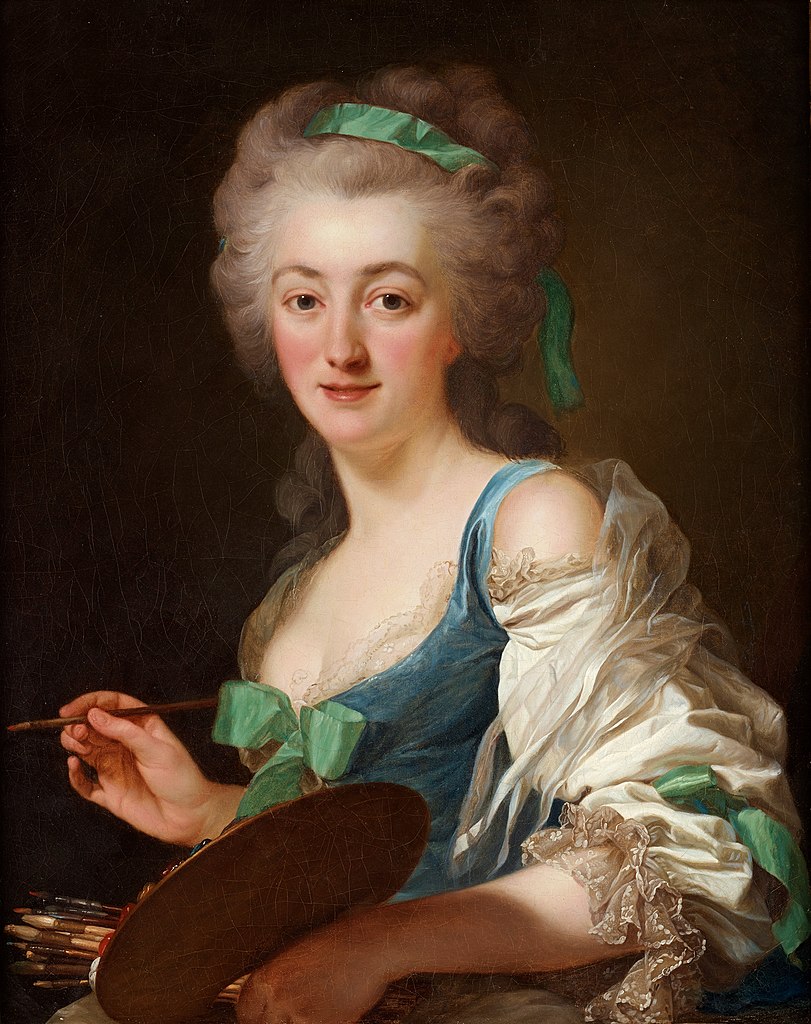
Anne Vallayer-Coster was a renowned French artist, celebrated for her exceptional still-life paintings that captivated 18th-century art enthusiasts, including the French Queen Marie Antoinette. Born into an artistic family in 1744, Vallayer-Coster's talent was evident early on, leading to her unanimous election into the prestigious Académie Royale at just 26 years old. Her works, characterized by their vibrant color, meticulous detail, and textural precision, often depicted bowls of fruit, game, shells, and flowers, showcasing the opulence of French aristocracy before the Revolution.
Vallayer-Coster's career was notable not only for her artistic achievements but also for her ability to navigate the male-dominated art world of her time. Despite the societal constraints on women artists, she gained the patronage of influential figures like Marie Antoinette and was one of the few women admitted to the Royal Academy of Painting and Sculpture. Her work received critical acclaim at the Salon, where she exhibited regularly from 1771 until 1817, and her still-lifes were praised for their sensuality, illusionistic perfection, and the rich, indulgent luxury they portrayed.
One of Vallayer-Coster's most ambitious works, Still Life with Flowers in an Alabaster Vase and Fruit (1783), exemplifies her unparalleled skill in capturing the soft textures of flowers and their harmonious arrangement. This masterpiece was hailed as such at the Salon of 1783 and is considered by Vallayer-Coster herself as her finest painting. Lost for nearly two centuries, it was recently rediscovered in an almost pristine state and is now part of the National Gallery of Art's collection, highlighting Vallayer-Coster's significant contributions to European art history.
Throughout her career, Vallayer-Coster produced more than 120 still lifes, always with a distinctive brilliance in color, earning her a place among the elite artists of her time. Despite facing challenges during the French Revolution due to her close association with the monarchy, she continued to exhibit her work and contribute to the art world until her death in 1818.
For collectors and experts in art and antiques, Anne Vallayer-Coster's legacy is a testament to her skill, resilience, and the impact of her work on the history of art. To stay updated on new product sales and auction events related to Anne Vallayer-Coster, sign up for updates that focus solely on this exceptional artist's contributions to the art world.

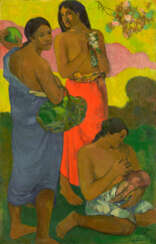


Paul Gauguin, a French artist born in Paris in 1848, is renowned for his significant contributions to Post-Impressionism, Primitivism, and Synthetism. Gauguin's art is distinguished by his experimental use of color and style, which set him apart from the traditional Impressionist movement.
Gauguin's early life was marked by a period in Peru, which influenced his artistic perspective. Initially, he pursued a career in stockbroking but soon turned to art, driven by financial necessity and a growing passion. His artistic journey began under the mentorship of Impressionist artist Camille Pissarro and through exposure to the works of other avant-garde artists.
The hallmark of Gauguin's work is his exploration of non-Western cultures, particularly during his time in Tahiti and the Marquesas Islands. This period saw the creation of some of his most famous works, including "Where Do We Come From? What Are We? Where Are We Going?" His paintings from this era, characterized by vivid colors and Symbolist themes, reflect a fusion of cultural influences and his quest for a "primitive" expression of spiritual and emotional states.
Despite his innovative style, Gauguin struggled with financial difficulties and health issues throughout his life. His work received little recognition during his lifetime, but posthumously, he gained acclaim for influencing modern artists like Pablo Picasso and Henri Matisse.
Today, Gauguin's works are celebrated in galleries and museums worldwide for their unique blend of cultural influences and artistic innovation. His enduring legacy is a testament to his unique vision and the profound impact he had on the art world.
Collectors and experts in art and antiques, stay updated on new product sales and auction events related to Paul Gauguin. Sign up now for exclusive updates and immerse yourself in the world of this visionary artist.


Paul Signac, a French Neo-Impressionist painter, played a pivotal role in the development of the Pointillist style alongside Georges Seurat. Born on November 11, 1863, in Paris, Signac's artistic journey was marked by significant collaborations and encounters, including meeting Vincent van Gogh and Toulouse Lautrec in Paris. His relationship with van Gogh was notably influential, as they painted together at Asnières-sur-Seine, focusing on river landscapes and cafés.
Signac was deeply invested in anarchist ideas, which he explored through his readings of Élisée Reclus, Kropotkin, and Jean Grave. His political leanings were also evident in his art, as seen in his 1893 painting, "In the Time of Harmony," which was initially titled "In the Time of Anarchy." This change was necessitated by the political repression of anarchists in France at the time.
A lover of sailing, Signac began traveling in 1892, which greatly influenced his art. He would sail to various ports, bringing back vibrant watercolors sketched from nature. These sketches later served as the basis for his larger studio canvases, which were composed of small, mosaic-like squares of color, differing from Seurat's tiny, variegated dots.
Signac's contribution to art extended beyond his own works. As president of the Société des Artistes Indépendants from 1908 until his death, he encouraged younger artists and exhibited controversial works of the Fauves and Cubists. He was notably the first patron to buy a painting by Henri Matisse, demonstrating his support for emerging artists.
In his personal life, Signac married Berthe Roblès on November 7, 1892, and his interactions with other artists, including Henri Matisse and André Derain, were instrumental in the evolution of Fauvism. Despite initially not admiring the Fauve style, Signac played a decisive role in its development.
Signac's impact on culture, art, and painting is undeniable. His works, found in various museums and galleries, continue to inspire art collectors and experts. For those interested in exploring Signac's contributions further, signing up for updates on new product sales and auction events related to Paul Signac is highly recommended. This subscription is an excellent way for collectors and art experts to stay informed about the latest developments and opportunities related to Signac's enduring legacy.
![[GIDE, André (1869-1951)]](/assets/image/picture_2932406/d2d06/ca67f0b0a719c7f232cd37f02a6aa93c1687420800jpg__fix_374_244.jpeg)
![[GIDE, André (1869-1951)]](https://veryimportantlot.com/assets/image/picture_2932406/d2d06/ca67f0b0a719c7f232cd37f02a6aa93c1687420800jpg__fix_374_244.jpeg)
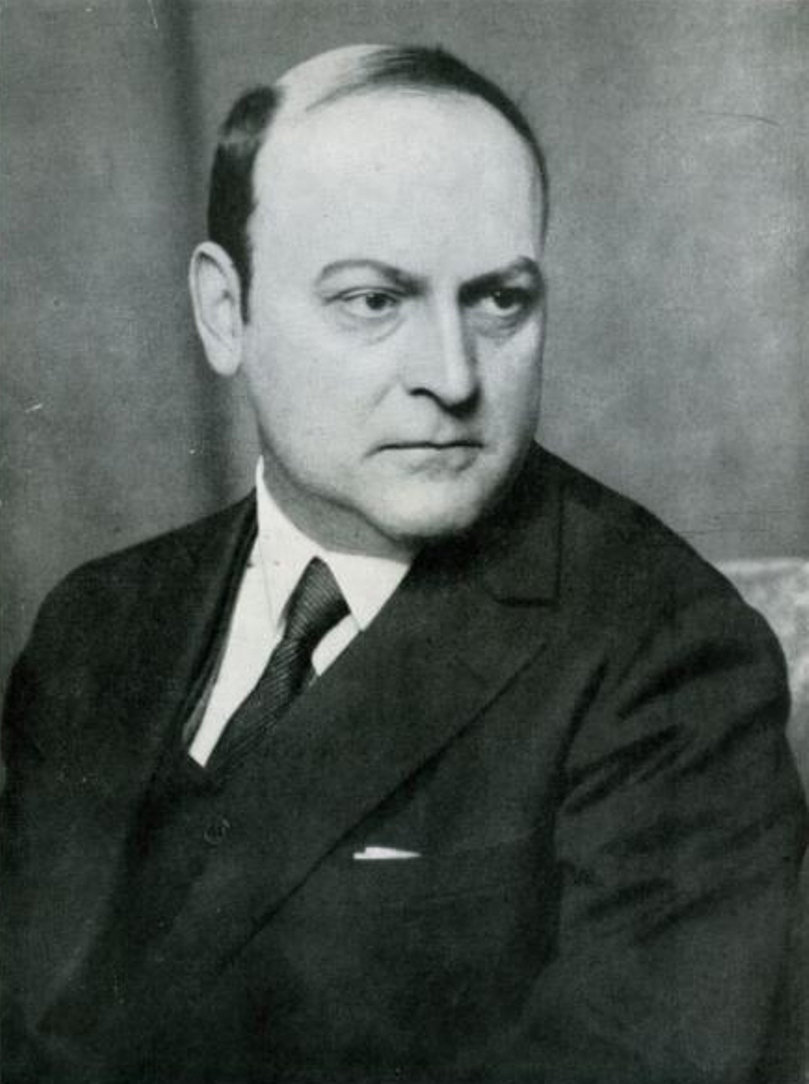
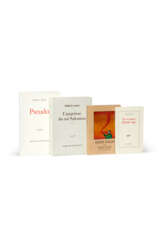
Léon-Paul Fargue was a French poet and novelist, journalist and publicist.
Léon-Paul studied at the Lycée Henry IV in Paris and as a young man became a member of the Symbolist circle associated with Le Mercure de France. His first collection of poems was published in 1912 and reprinted in 1918. After 1930, Fargue practiced journalism almost exclusively, writing newspaper columns and lyrical essays on Parisian life.
Léon Fargue's work encompasses various literary movements, being a kind of bridge from Symbolism to Surrealism. His work has also been associated with the Dadaists and the Cubists, but he followed his own path throughout his life. Fargue was among the founders of the Nouvelle Revue Française in 1912 and participated in the first issue of the surrealist journal Literature in 1919, and was one of the leaders of the experimental journal Commerce in the 1920s. Farg was friends with many writers, artists and composers, including Pablo Picasso and Igor Stravinsky.
In 1937, Léon-Paul Fargue was elected a member of the Académie Mallarmé, and in 1946 he won the Grand Poet Laureate of Paris.
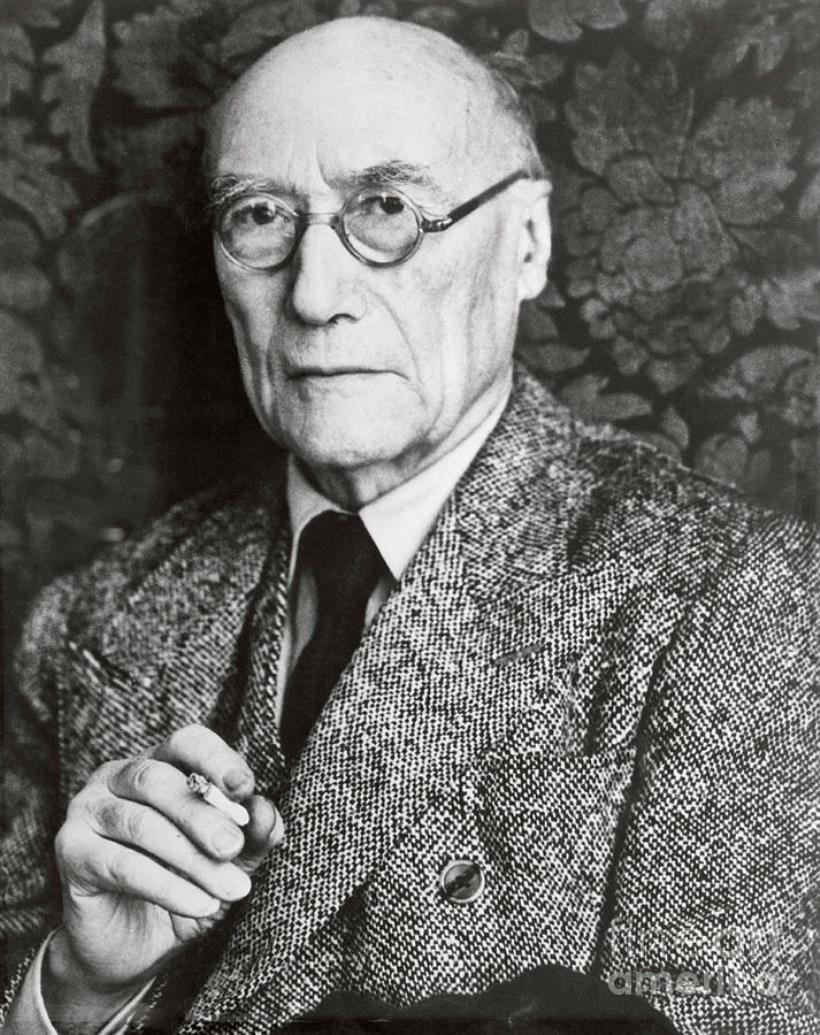
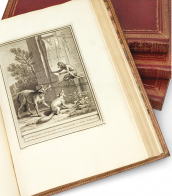
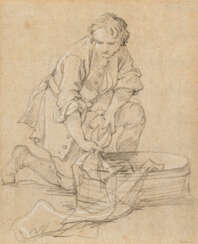

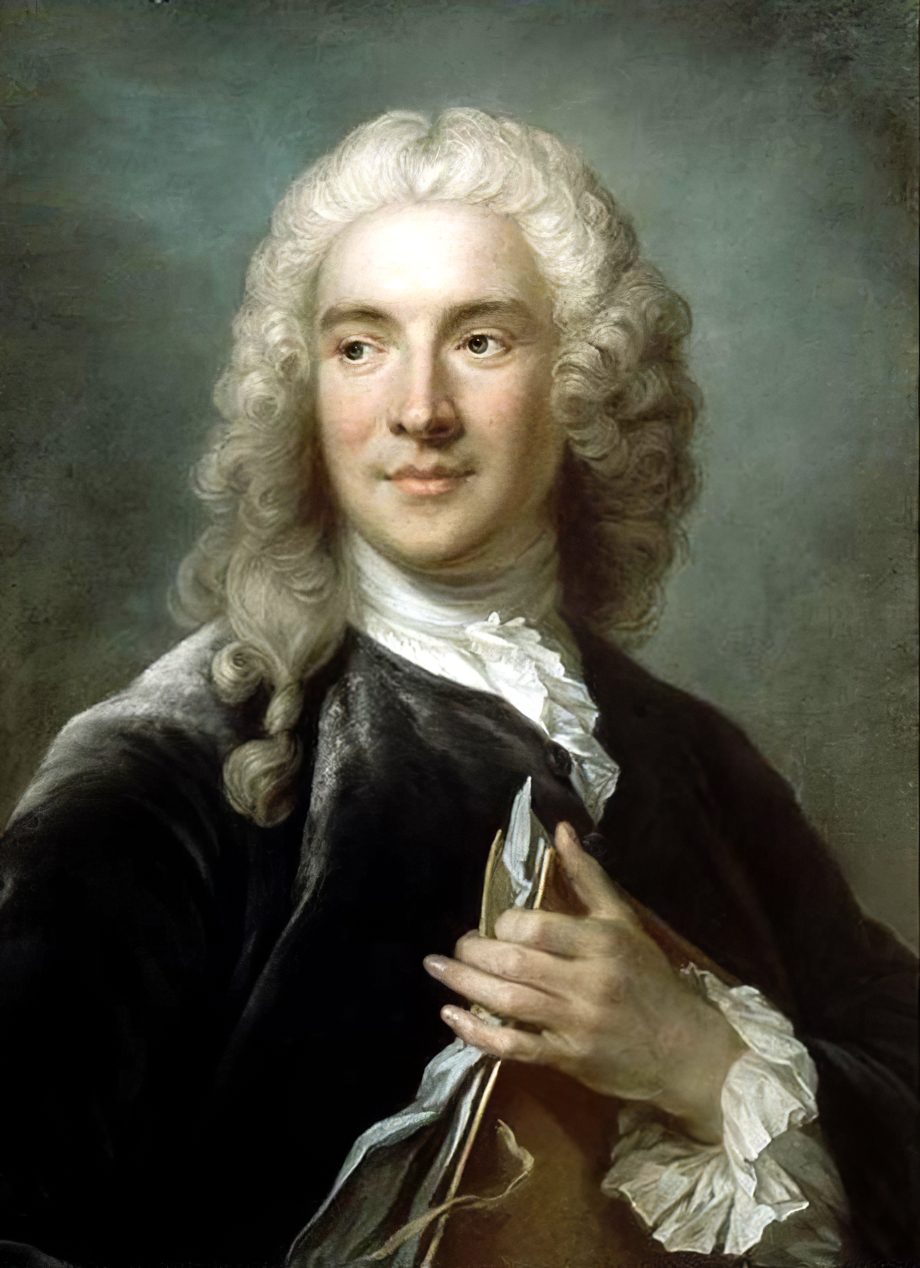
Charles-Joseph Natoire was a prominent Rococo painter, known for his significant contributions to French art during his lifetime. Trained under François Lemoyne, Natoire excelled in various artistic endeavors, earning royal commissions and contributing to significant artistic projects in Versailles and Fontainebleau. His works included tapestry cartoons for the Manufacture de Beauvais and Gobelins, and he was known for his series on the History of Psyche and Don Quixote.
In 1751, Charles-Joseph Natoire became the director of the French Academy in Rome, a role he held until 1775. During this period, he mentored notable students like Hubert Robert and Jean-Honoré Fragonard. Although his active painting career dwindled during his directorship, his influence on the students and the artistic community was significant.
Charles-Joseph Natoire's works can be found in various prestigious institutions, including The Metropolitan Museum of Art and The Louvre. His painting "The Rebuke of Adam and Eve" is one such piece that showcases his mastery and attention to detail.
For collectors and experts in art and antiques, Charles-Joseph Natoire's works offer a glimpse into the Rococo style's elegance and the rich artistic heritage of 18th-century France. His contributions to tapestry and painting continue to be celebrated and studied for their historical and artistic value.
To stay updated on news and events related to Charles-Joseph Natoire and his works, consider subscribing for updates. This subscription will keep you informed about new product sales and auction events featuring Natoire's art, ensuring you don't miss out on opportunities to engage with the legacy of this influential painter.
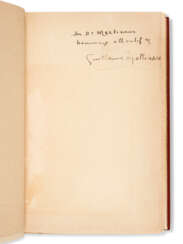

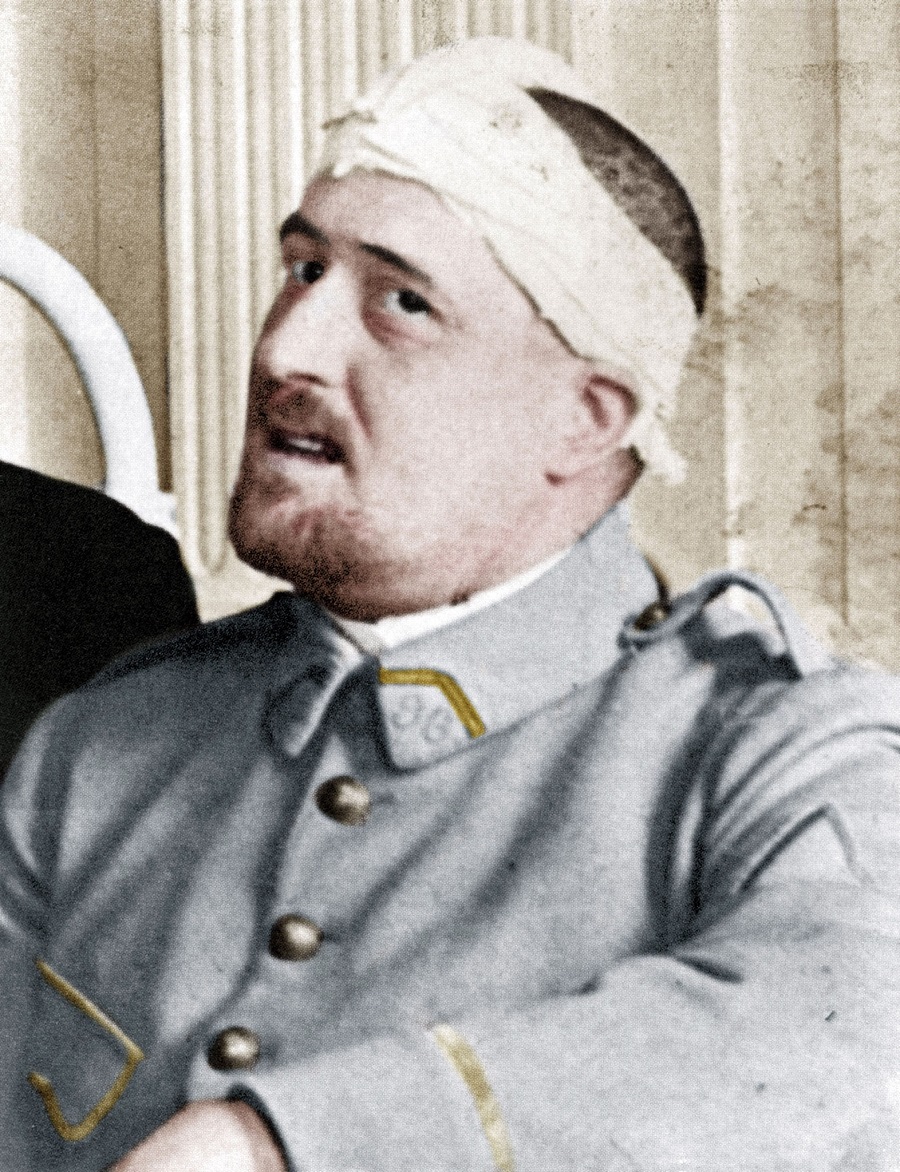
Guillaume Apollinaire, real name Wilhelm Albert Vladimir Apollinaris de Wąż-Kostrowicki, a French poet of Polish descent, was a towering figure in the early 20th century's literary and art scenes. Known for his experimental verse and support of avant-garde art movements like Cubism and Surrealism, Apollinaire's work pushed the boundaries of traditional aesthetics and inspired a generation of artists and writers.
Guillaume Apollinaire's literary contributions were vast and varied. He was an early advocate for Cubism, a relationship most prominently seen in his collaborations with artists like Pablo Picasso. He not only wrote about art but also collected it, surrounding himself with works by modernist masters such as Henri Rousseau and Georges Braque. His Paris apartment was a small museum of modern art, filled with pieces he often sold to support his literary endeavors. This vibrant artistic environment fueled his creativity, leading to major works such as Alcools and Calligrammes, which explored the possibilities of poetic form and typography to represent visual and verbal content in a unified way.
Despite his innovative work in poetry and art criticism, Guillaume Apollinaire's life was marked by personal challenges, including a grievous injury during World War I. Yet, even these difficulties did not hinder his prolific output. Among his notable works during this period was the play Les Mamelles de Tirésias, which was performed in 1917 and is considered a precursor to theatrical Surrealism.
Apollinaire's influence extended beyond his lifetime, particularly through his mentoring of future Surrealist leaders like André Breton. His forward-thinking approach to art and literature made him a central figure in the transition from traditional to modernist forms in both fields.
For collectors and experts in art and antiques, Guillaume Apollinaire's work represents a nexus of literary brilliance and pivotal artistic movements. His life and work provide fascinating insights into the dynamic and transformative world of early 20th-century art and literature.
Sign up for updates on auctions and sales events featuring items related to Guillaume Apollinaire. Stay informed about opportunities to acquire unique artifacts that celebrate his legacy in the realms of poetry and art.

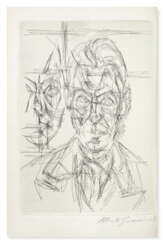

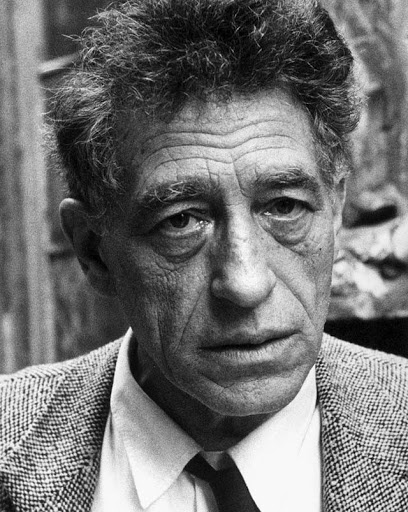
Alberto Giacometti was a Swiss sculptor, painter, draftsman, and printmaker, renowned for his distinctive elongated sculptures of solitary figures. Born in Borgonovo, Switzerland, in 1901, into a family of artists, Giacometti's talent was evident from an early age, encouraged by his father, Giovanni, a post-Impressionist painter, and his godfather, Cuno Amiet, a Fauvist painter. Moving to Paris in 1922 to study under the sculptor Antoine Bourdelle, Giacometti became a pivotal figure in Surrealism before focusing intensely on the human form, leading to his signature style of thin, elongated figures that evoke feelings of solitude and existential dread.
Giacometti's work spans several decades and various phases, including his early involvement with Surrealism and his later, more recognized existential and figurative sculptures. Notably, his sculptures, such as "Walking Man I" and "The Palace at 4 a.m.," reflect his unique view of reality and his relentless pursuit to capture the human essence. His approach was influenced by his associations with prominent figures of the art world, including Miró and Picasso, and intellectuals like Jean-Paul Sartre.
Despite facing challenges, including periods of self-doubt and the physical toll on his health, Giacometti's legacy as a master sculptor and artist remains influential. His works are celebrated worldwide and featured in major museums, such as the Museum of Modern Art in New York and the Tate Gallery in London, testament to his enduring impact on the art world.
Collectors and experts in art and antiques continue to revere Giacometti's work for its emotional depth and unique aesthetic. For those interested in the pioneering spirit of modern sculpture, Alberto Giacometti's oeuvre offers a profound exploration of the human condition and the artist's relentless pursuit of reality through art.
To stay updated on sales and auction events related to Alberto Giacometti's work, sign up for updates. This subscription is an excellent opportunity for collectors and enthusiasts to remain informed about new discoveries and opportunities related to Giacometti's enduring legacy.


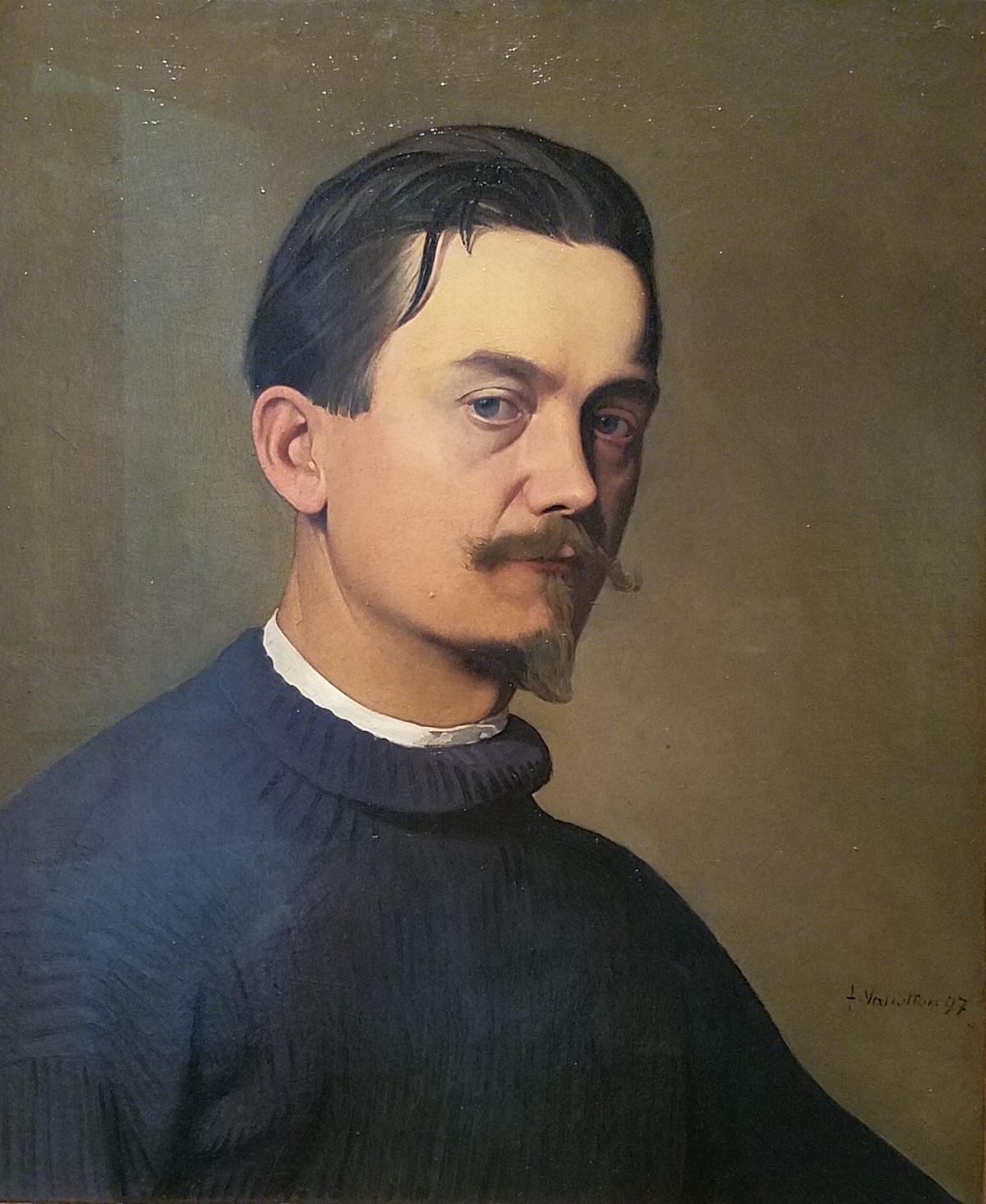
Félix Vallotton, a Swiss-born French graphic artist and painter, is recognized for his distinctive woodcuts and paintings of nudes and interiors. Vallotton's journey into art began in Paris, where he attended the Académie Julian, fostering a unique style that broke from traditional norms. His early works, characterized by extreme realism, were showcased at the Salon des Artistes Français and the Paris Universal Exposition of 1889. This period also marked Vallotton's encounter with Japanese prints, notably those by Hokusai, profoundly influencing his artistic direction.
In 1892, Vallotton joined Les Nabis, a group of avant-garde artists including Pierre Bonnard, Maurice Denis, and Édouard Vuillard, which led to a significant evolution in his style. His paintings from this era, such as "Bathers on a Summer Evening" and "Moonlight," exhibited at the Kunsthaus Zürich and the Musée d'Orsay respectively, reveal a departure from realism towards a more symbolic and abstract representation. The works from this period are characterized by flat areas of color, hard edges, and simplified details, mirroring the style he developed in his woodcuts.
Vallotton's woodcuts, like "Intimités" (Intimacies), a series published in 1898, showcased his mastery in capturing the nuances of human relationships, particularly the tensions between men and women. His graphic art, which included depictions of domestic scenes, bathing women, and street crowds, was not just celebrated in Europe but also influenced artists like Edvard Munch, Aubrey Beardsley, and Ernst Ludwig Kirchner.
Towards the end of his career, Vallotton continued to innovate, combining elements of realism and abstraction, evident in paintings like "La Malade" (The Sick Girl) and "Clair de lune" (Moonlight). His works remain a testament to his ability to merge technical precision with a poignant exploration of human emotions and societal themes.
For art collectors and experts, Vallotton's body of work offers a rich and diverse exploration of early 20th-century art movements, especially his role in the development of modern woodcut techniques and his contribution to the Nabis movement. His works are a study in the fusion of realism and symbolism, marked by a distinctive style that makes his art enduringly relevant and compelling.
For those interested in discovering more about Félix Vallotton and staying updated on related product sales and auction events, signing up for updates is a great opportunity. This subscription will exclusively alert you to new sales and events pertaining to Vallotton's works, ensuring you remain informed in the dynamic world of art and antiques.
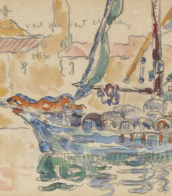


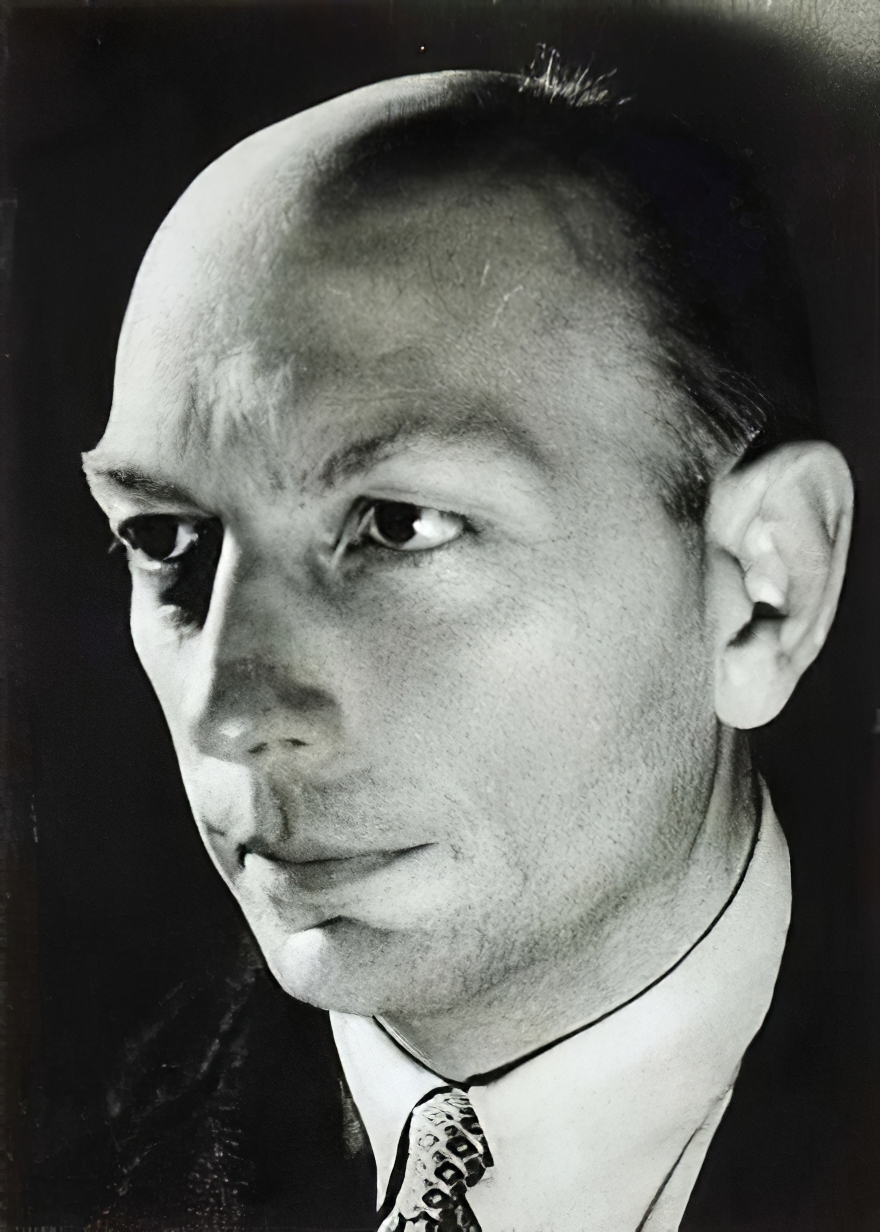
Henri Michaux is a French poet and artist associated with Surrealism and the post-war avant-garde movement.
Michaux's early artistic endeavours revolved around writing and poetry. In his poetry he explored themes of existentialism, spirituality and the human condition, often experimenting with language and form. His writing style was characterised by introspection, the exploration of consciousness and the search for meaning.
In 1925, after a Surrealist exhibition he saw in Paris, Henri Michaux began to paint and draw. His visual arts encompassed a wide range of styles and techniques. Michaux experimented with ink, watercolour and oil paintings, creating evocative and energetic compositions. His works often conveyed a sense of movement, rhythm and spontaneity and were influenced by the aesthetics of calligraphy and gesticulation.
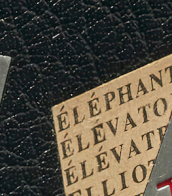


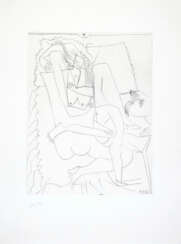

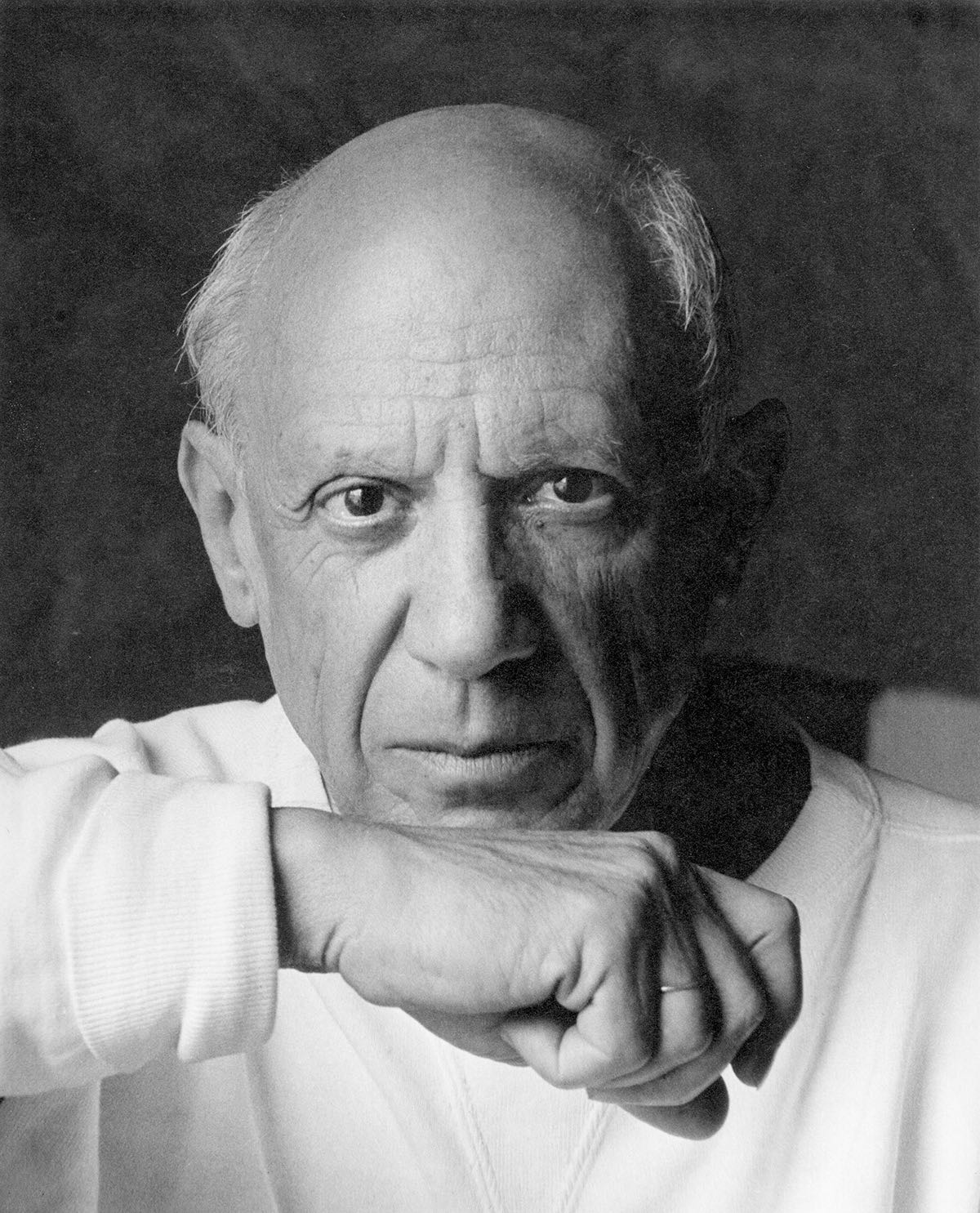
Pablo Ruiz Picasso, a Spanish artist renowned for his revolutionary contributions to the 20th-century art scene, is a figure that resonates profoundly with collectors and art experts. His unique blend of talents in painting, sculpture, printmaking, and ceramic art, infused with his time in France, positioned him as a pivotal character in modern art history.
Picasso's artistic journey was marked by distinct periods, each showcasing his evolving style and genius. His early years were characterized by the Blue Period (1901-1904), followed by the Rose Period (1904-1906), and then the African-influenced Period (1907-1909). Picasso's name is synonymous with Cubism, a movement he co-founded, which significantly altered artistic perspectives and methods. Works like "Les Demoiselles d'Avignon" (1907) and "Guernica" (1937) are emblematic of his cubist legacy, the latter being a poignant anti-war statement that remains influential.
His later years saw a return to more traditional styles, with neoclassical and surrealist influences becoming evident. Works from these phases reflect a deep engagement with mythological themes, as seen in "Faun with Stars" (1955), symbolizing his late-life romance with Jacqueline Roque, his second wife.
Picasso's prolific output and innovative spirit made him a legend in his own time, a status that only grew after his death. His works, housed in major museums and private collections worldwide, continue to captivate and inspire.
As a collector or expert in art and antiques, staying informed about Picasso's works, their auction events, and sales is essential. To stay updated on the latest developments and opportunities related to Pablo Picasso, sign up for our specialized updates. Rest assured, this subscription will focus solely on new product sales and auction events pertaining to Picasso's art, ensuring that you receive only the most relevant and valuable information.


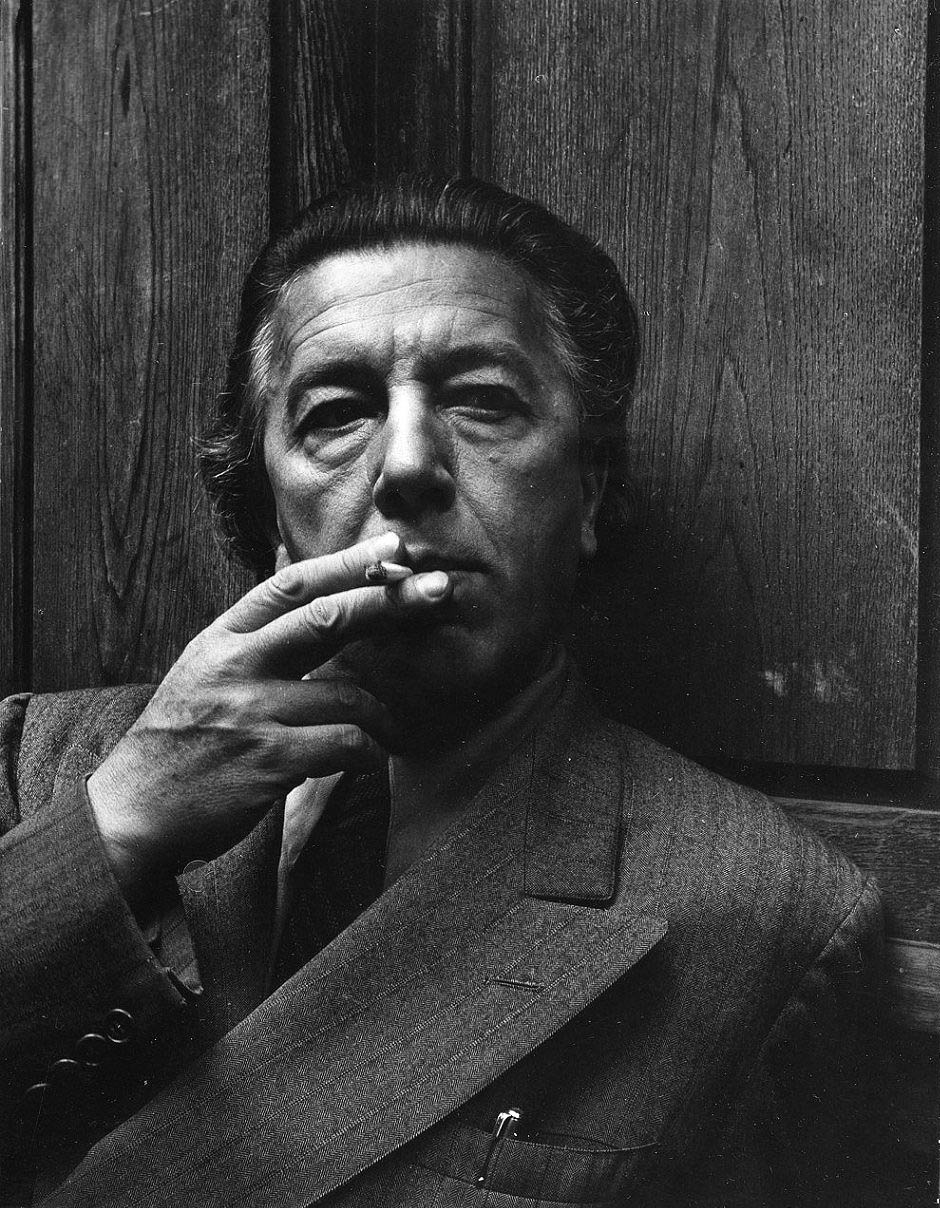
André Breton was a French writer, poet, and anti-fascist, renowned as the principal founder and leading theorist of Surrealism, an influential movement that sought to release the creative potential of the unconscious mind. Born in Tinchebray, France, in 1896, Breton's work was deeply influenced by the theories of Sigmund Freud and was characterized by a fascination with dreams, the irrational, and the workings of the mind. As a cultural icon, his contributions extended beyond literature into the realms of art, sculpture, and painting, making him a pivotal figure in 20th-century artistic movements.
Breton's seminal work, the "Manifesto of Surrealism" (1924), outlined the principles of the movement, advocating for the expression of the subconscious and the importance of dreams as a source of artistic inspiration. His leadership and writings not only shaped Surrealism but also had a lasting impact on the broader culture of art, influencing countless artists, painters, and sculptors. Breton's ability to merge poetry with visual arts led to collaborations with prominent artists like Salvador Dalí, Max Ernst, and Joan Miró, further cementing his legacy as a central figure in modern art.
Notably, André Breton's works and personal collection, which included art pieces and surreal objects, have been displayed in museums and galleries worldwide, showcasing his eclectic taste and profound influence on the art world. His Paris apartment was a gathering place for artists and intellectuals, becoming a hub of Surrealist activity and thought. For collectors and experts in art and antiques, Breton's contributions represent a fascinating intersection of literary prowess and visual creativity, highlighting the enduring relevance of Surrealism.
For those interested in exploring the depths of Surrealism and André Breton's groundbreaking contributions, signing up for updates can provide exclusive access to new product sales and auction events related to this pivotal artist and thinker. This subscription is an invaluable resource for collectors and enthusiasts keen to deepen their understanding of Breton's influence and the broader cultural movements he shaped.

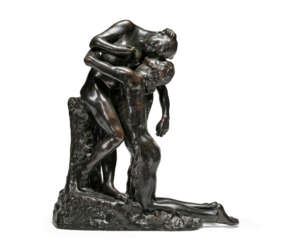

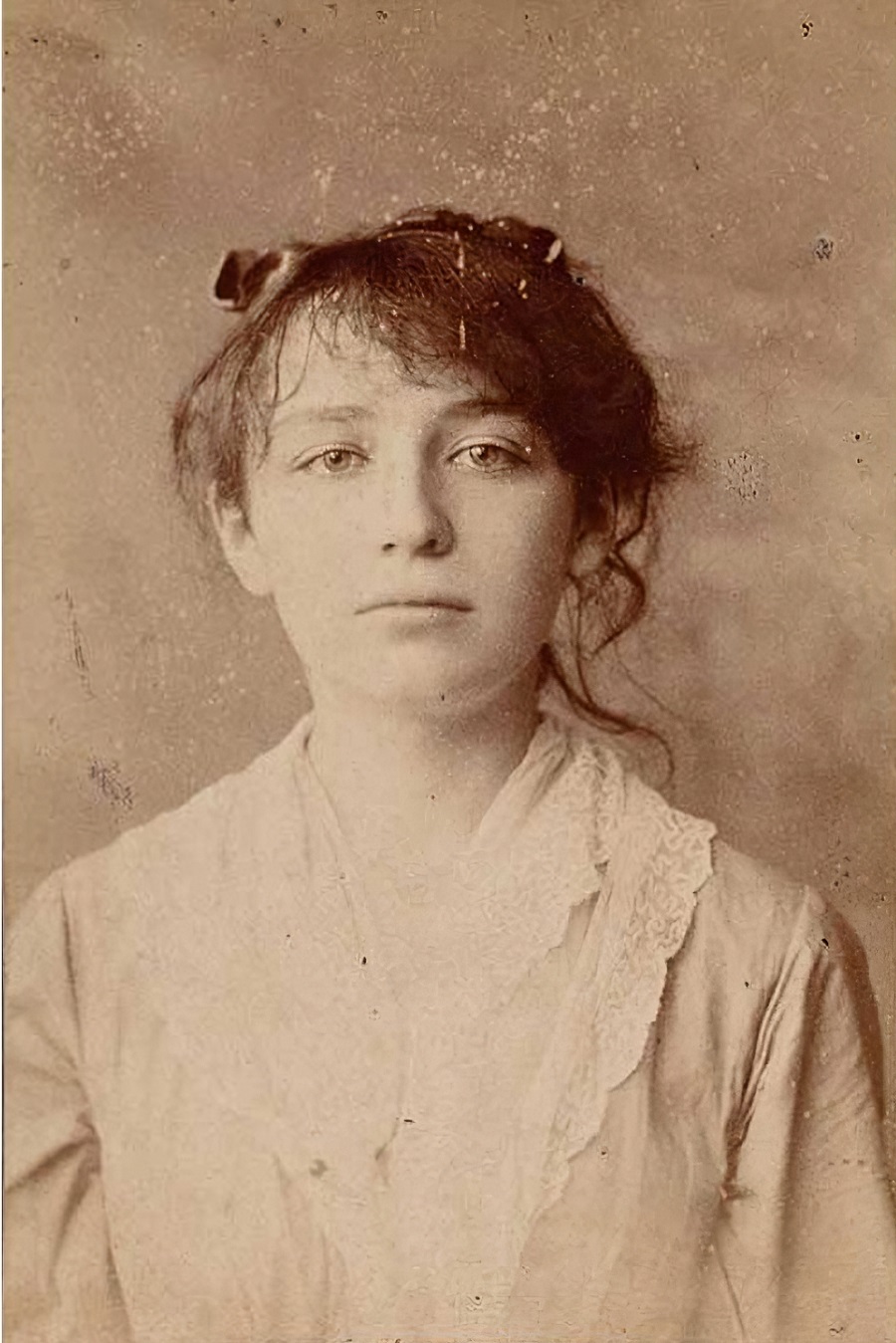
Camille Claudel was a French sculptor. She is known for her powerful and emotionally charged sculptures, which often portrayed human figures in moments of intense emotion or turmoil.
Claudel studied art in Paris under the tutelage of Auguste Rodin, and the two became lovers and collaborators for several years. Her work was heavily influenced by Rodin's style, and she often portrayed human bodies with a sense of fluidity and movement that was characteristic of his work.
Claudel's sculptures were praised for their technical skill and emotional intensity, but she struggled to gain recognition as an artist in her own right. She was frequently dismissed as simply a student of Rodin, and her personal life was marked by a series of setbacks and tragedies.
In 1913, Claudel suffered a nervous breakdown and was committed to a mental institution by her family, where she remained for the rest of her life. Her work was largely forgotten until the late 20th century, when a renewed interest in her life and career led to a reassessment of her place in the history of modern art. Today, her sculptures are celebrated for their technical virtuosity and emotional power, and her story has become an inspiration to many artists and scholars.