michel lee


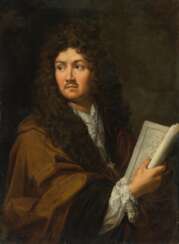

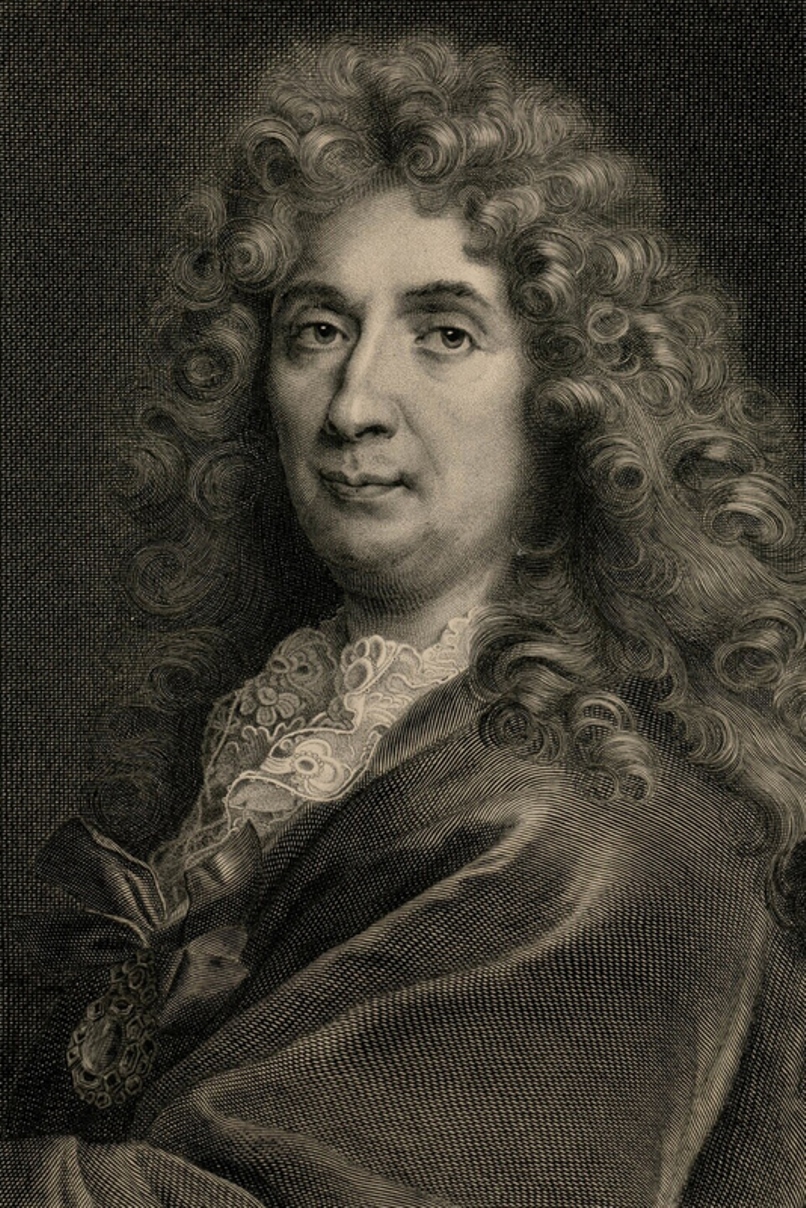
Charles Le Brun was a French painter, draftsman and chief decorator of the Palace of Versailles.
Charles came from an educated and respected family, trained in painting in Italy and very soon his talents were appreciated in the highest circles of France. In 1660 Le Brun painted "The Family of Darius before Alexander", which brought him the reputation of a brilliant French painter, and in 1664 he received the position of the first painter of the king. Thereafter he received more and more commissions and more honors.
From 1662 Le Brun controlled all the artistic projects of the royal court. In the Palace of Versailles, Lebrun created beautiful decorations: the Ambassadors' Staircase, the Hall of Mirrors, the Peace Room and the War Room. In each of his designs, he emphasized the king's achievements. He was also responsible for the decoration of the State Apartments, which was entrusted to the greatest artists of the time, who worked from his drawings. Le Brun also designed most of the statues in the park at Versailles. This enormous work cemented his reputation as a true seventeenth-century genius, as well as one of the founders, ideologues, and chief representatives of the classicist "grand style" of King Louis XIV's era.
In 1648 Le Brun became a founding member of the Royal Academy of Painting and Sculpture, and in 1663 - the manager of the Manufacture of tapestries.
Charles Le Brun was not only the creator of the "grand style", but also contributed to the rebirth of classicism into academism.

![FROISSART, Jean (circa 1337- circa 1410) Le premier [-quart]...](/assets/image/picture_1077665/60031/e47f3e138e52111ca8feb81215eda7bf1604358000jpg__fix_374_244.jpeg)
![FROISSART, Jean (circa 1337- circa 1410) Le premier [-quart]...](https://veryimportantlot.com/assets/image/picture_1077665/60031/e47f3e138e52111ca8feb81215eda7bf1604358000jpg__fix_374_244.jpeg)




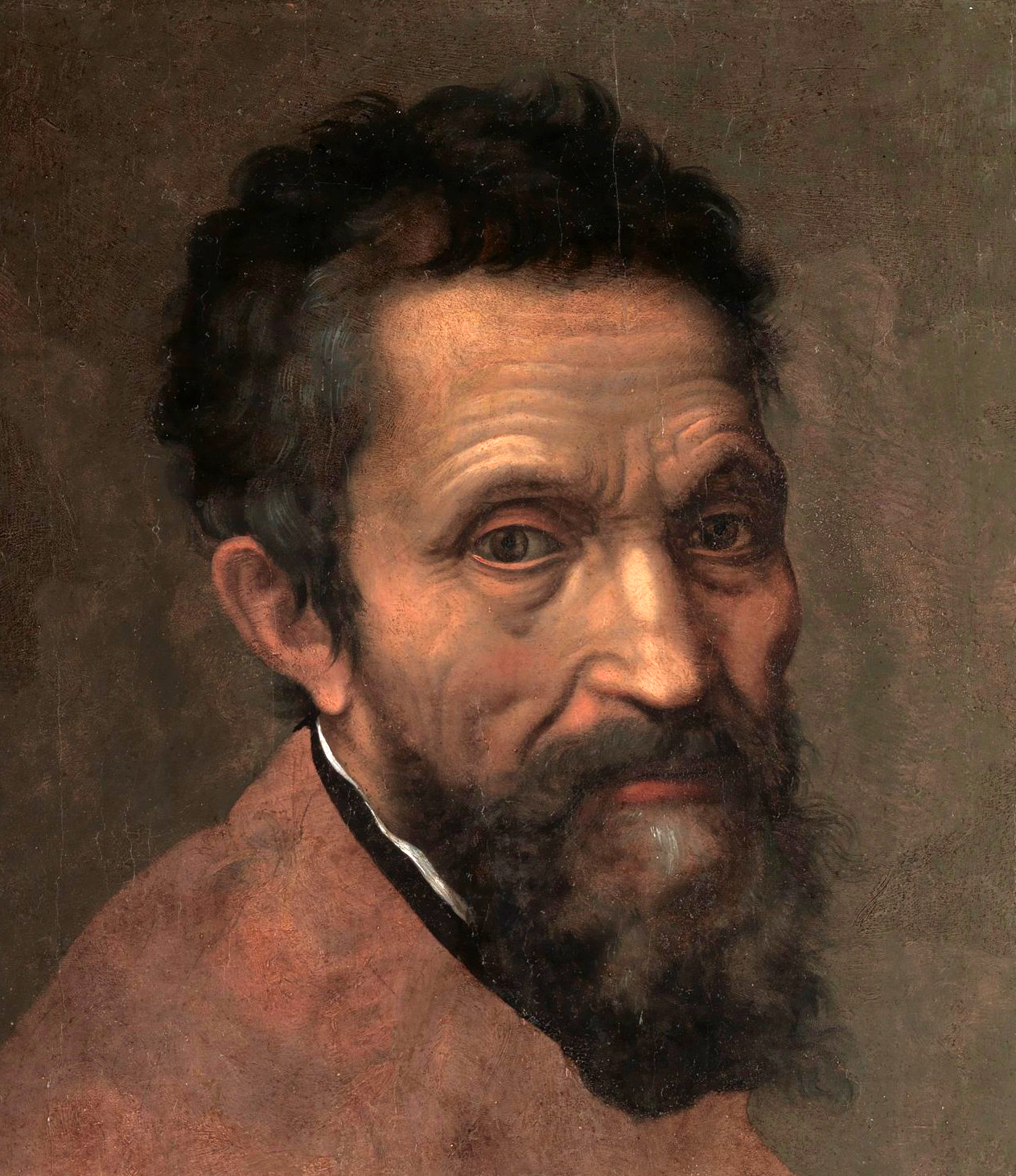
Michelangelo di Lodovico Buonarroti Simoni, known simply as Michelangelo, was an Italian sculptor, painter, architect, and poet who played a significant role in the High Renaissance period. Born on March 6, 1475, in Caprese, Italy, Michelangelo's works are a testament to his mastery in various artistic realms, defining him as a quintessential Renaissance man.
Michelangelo's fame began early in his career, most notably with his sculptures "Pietà" (1499) and "David" (1501), both completed before he turned thirty. Despite his self-perception primarily as a sculptor, Michelangelo made an indelible mark in painting, particularly with the frescoes in the Sistine Chapel. These works include the scenes from Genesis on the chapel's ceiling and "The Last Judgment" on its altar wall, showcasing his innovative use of physical realism and psychological tension.
Among his most famous works, the "David" statue, now housed in the Accademia Gallery in Florence, and the "Pietà," located in St. Peter's Basilica, stand out for their intricate detail and emotional depth. Michelangelo's ability to imbue life into marble and his thoughtful consideration of light and shadow in painting were revolutionary. His techniques in fresco painting, such as the buon fresco method used in the Sistine Chapel, where he painted on wet plaster, were groundbreaking for their time.
Despite his temperamental nature, Michelangelo was deeply religious and dedicated to his art, often eschewing the use of assistants. His works were not only recognized and admired in Italy but also attracted attention from abroad, including the Ottoman Empire. Michelangelo's influence extended beyond his lifetime, significantly impacting the development of Mannerism and the Baroque style.
For art collectors and experts, Michelangelo's works remain a pinnacle of artistic achievement. His ability to blend realism with expressive physicality in both sculpture and painting set new standards in art. His works in major museums and galleries worldwide continue to inspire and awe viewers, reflecting the enduring legacy of his genius.
For those interested in the world of art and antiques, staying informed about Michelangelo's works and their influence on modern art is essential. To receive updates on new product sales and auction events related to Michelangelo, sign up for our newsletter. This subscription is an excellent opportunity for enthusiasts and experts alike to stay connected with the ongoing legacy of one of history's greatest artists.



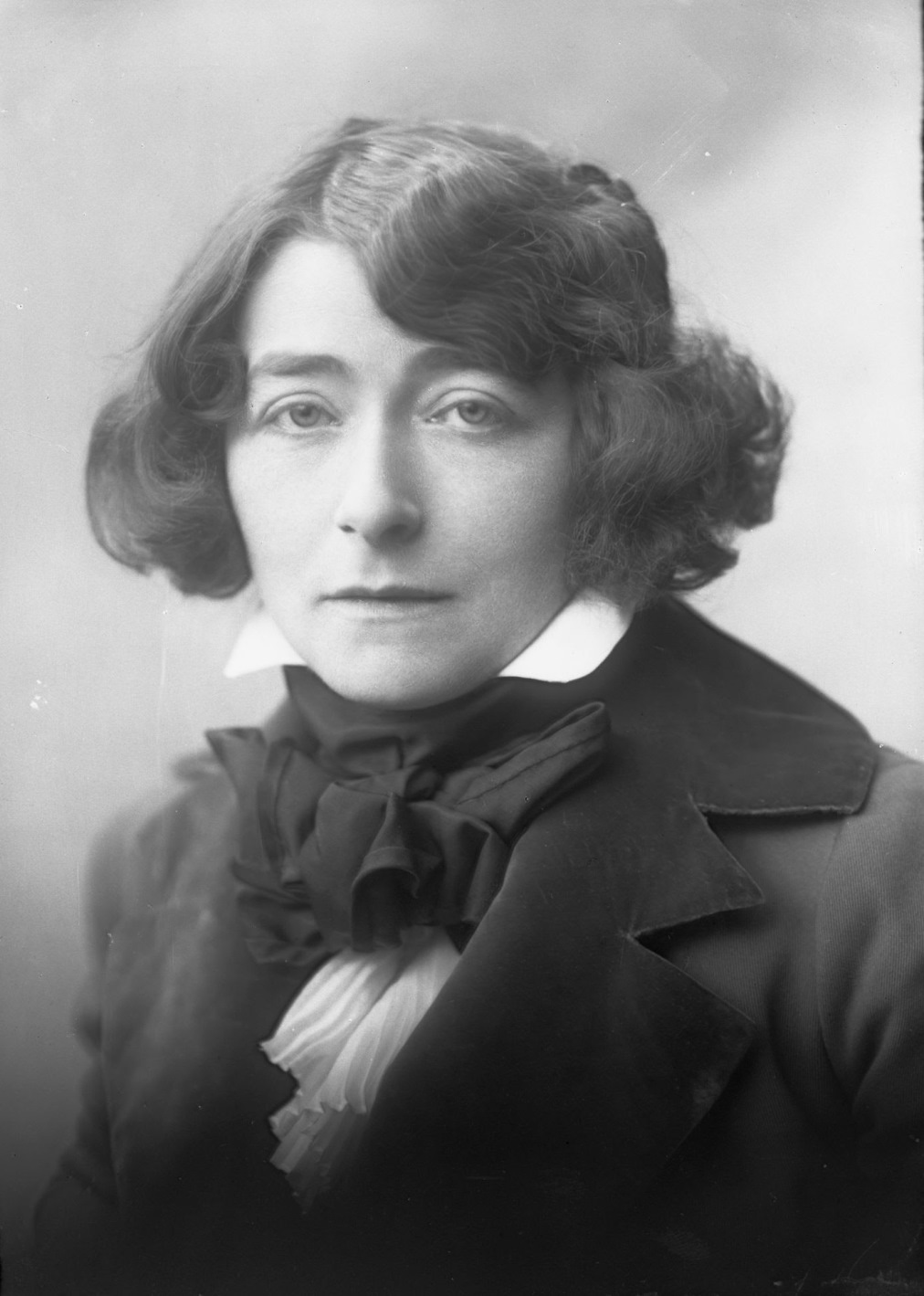


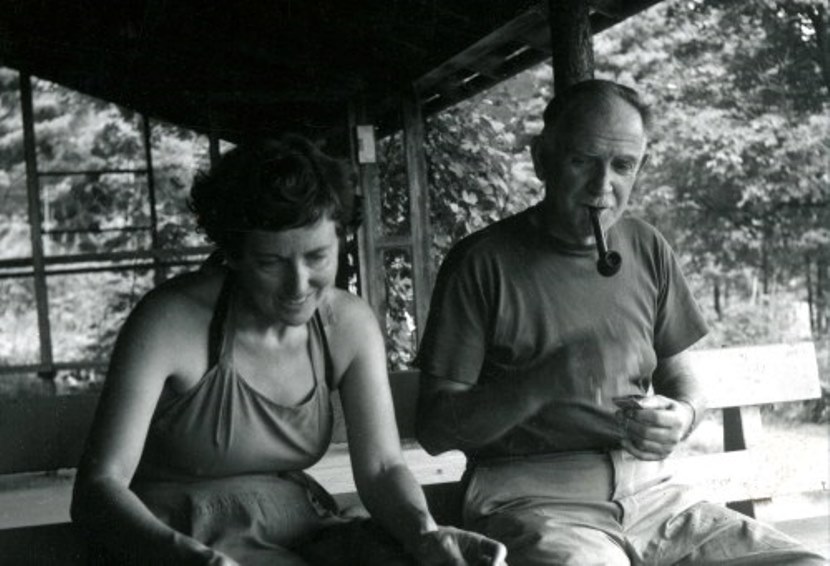
Sally Michel Avery is an American artist known for her paintings in the style of abstract expressionism. Her paintings are often associated with musical rhythm and melody. She began her career as a landscape painter, and in the 1940s she moved to more abstract forms and color schemes.
Avery was one of the few women recognized as influential in American abstract painting in the mid-20th century. Her work can be seen in museums and private collections around the world.


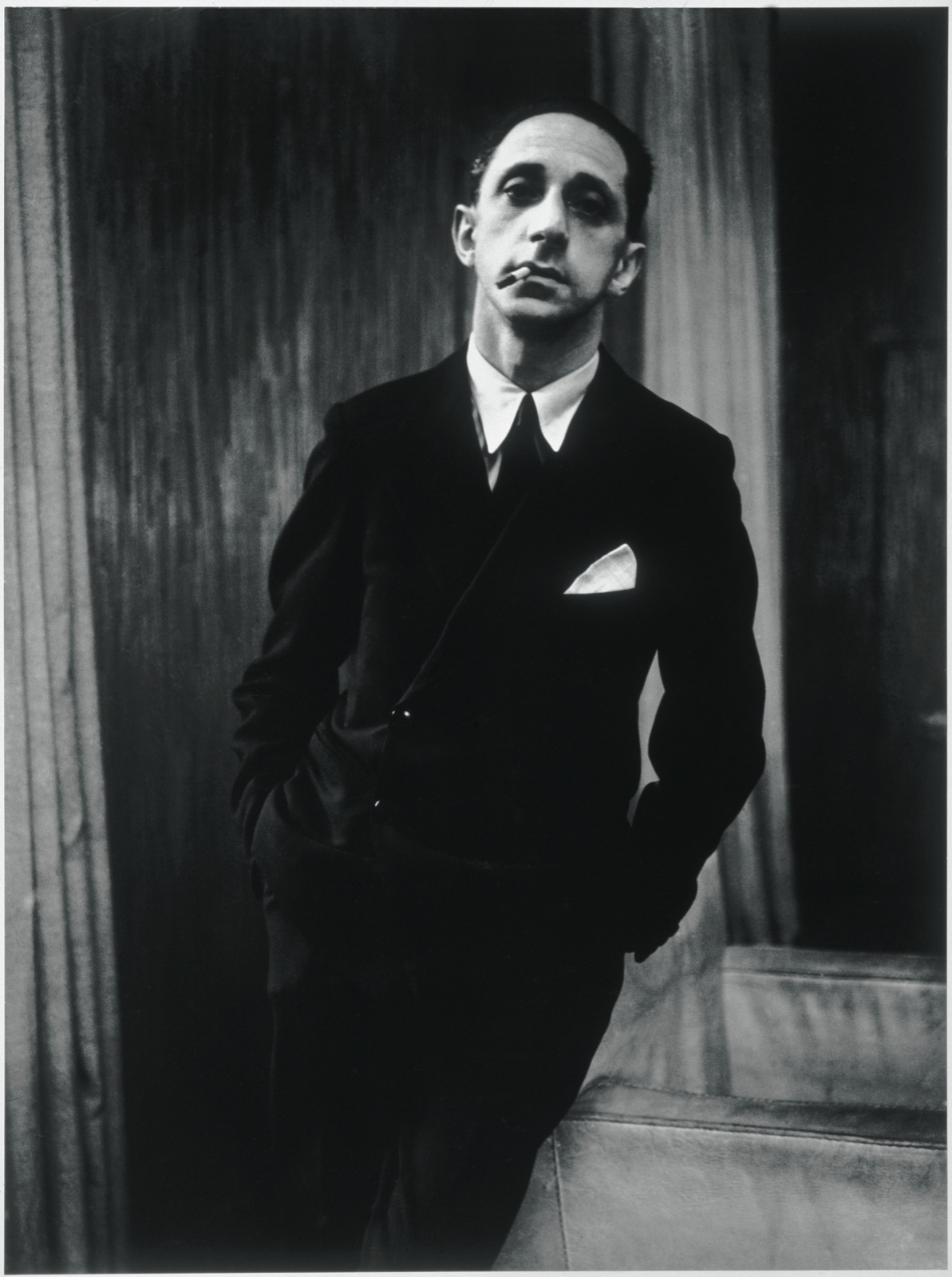
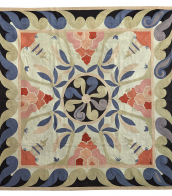
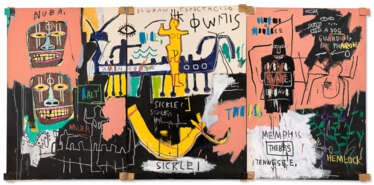

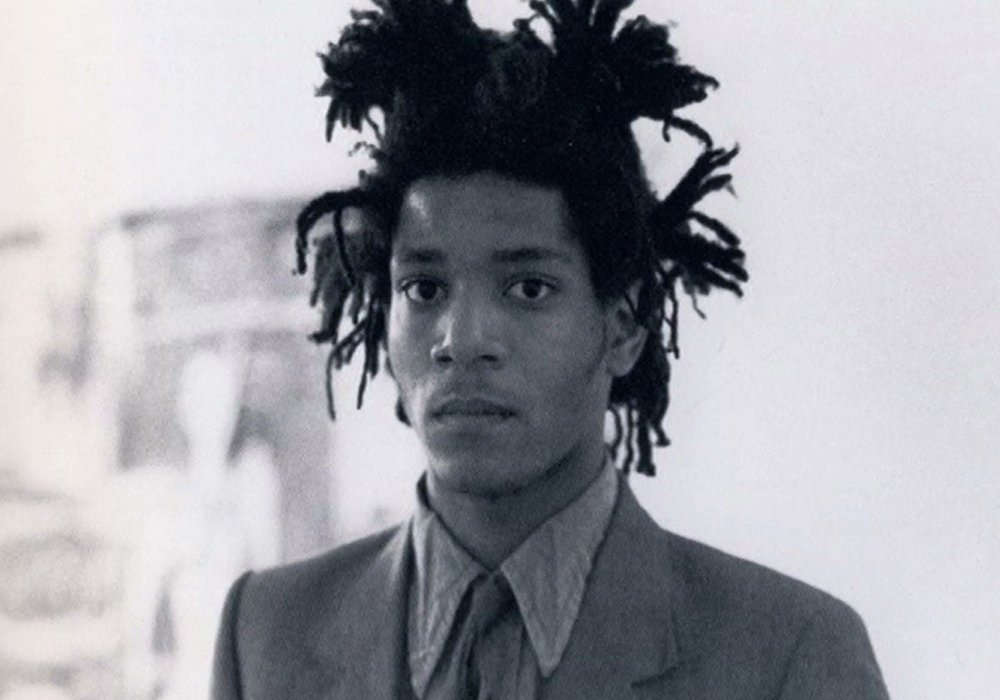
Jean-Michel Basquiat was an American artist who rose to success during the 1980s as part of the Neo-expressionism movement.
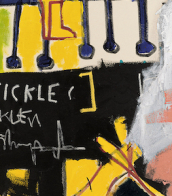


Jean-Michel Basquiat was an American artist who rose to success during the 1980s as part of the Neo-expressionism movement.
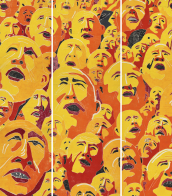
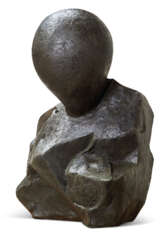

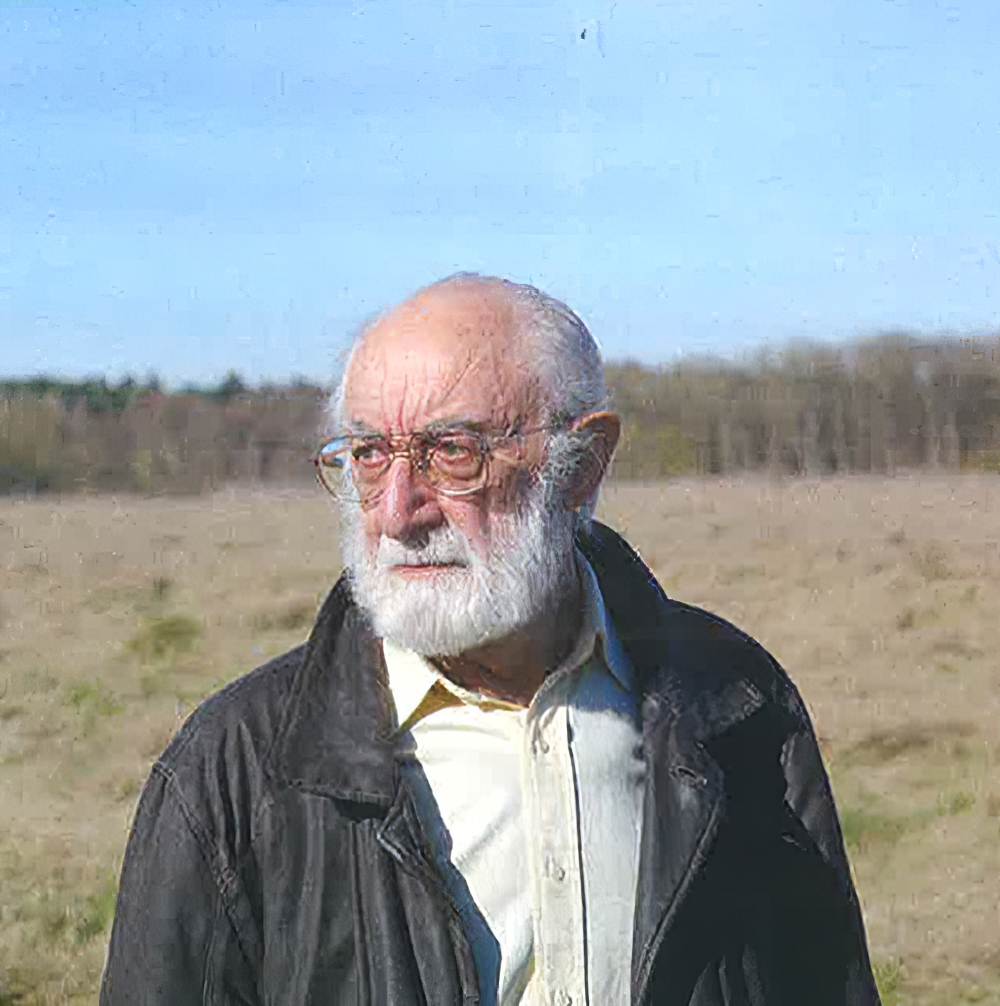
Jean-Michel Sanejouand was a French artist. His work ranged from environments to monumental sculptures, from readymade-like objects, to paintings of oneiric landscapes in which (usually) one of his sculptures stands.
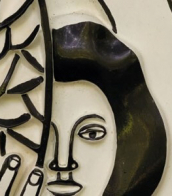




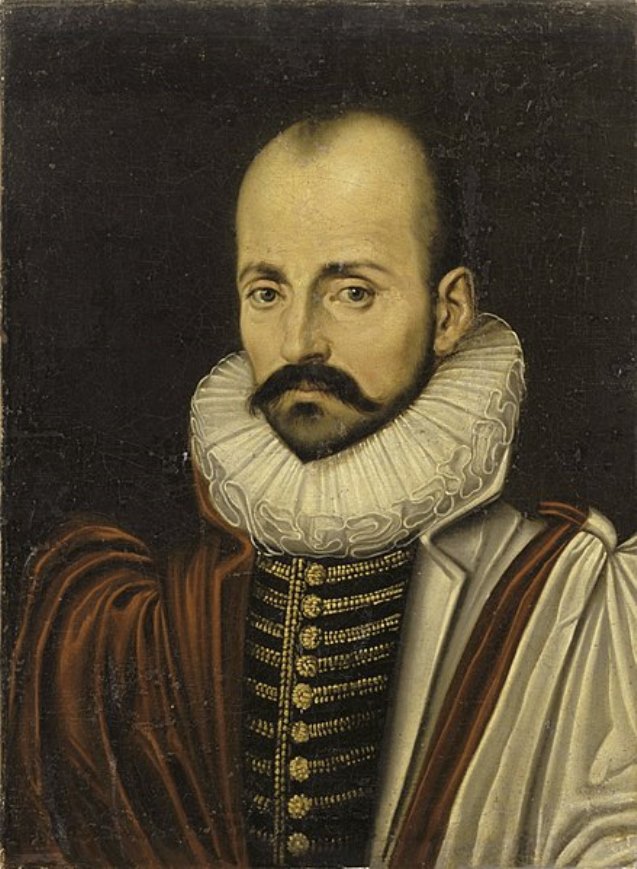


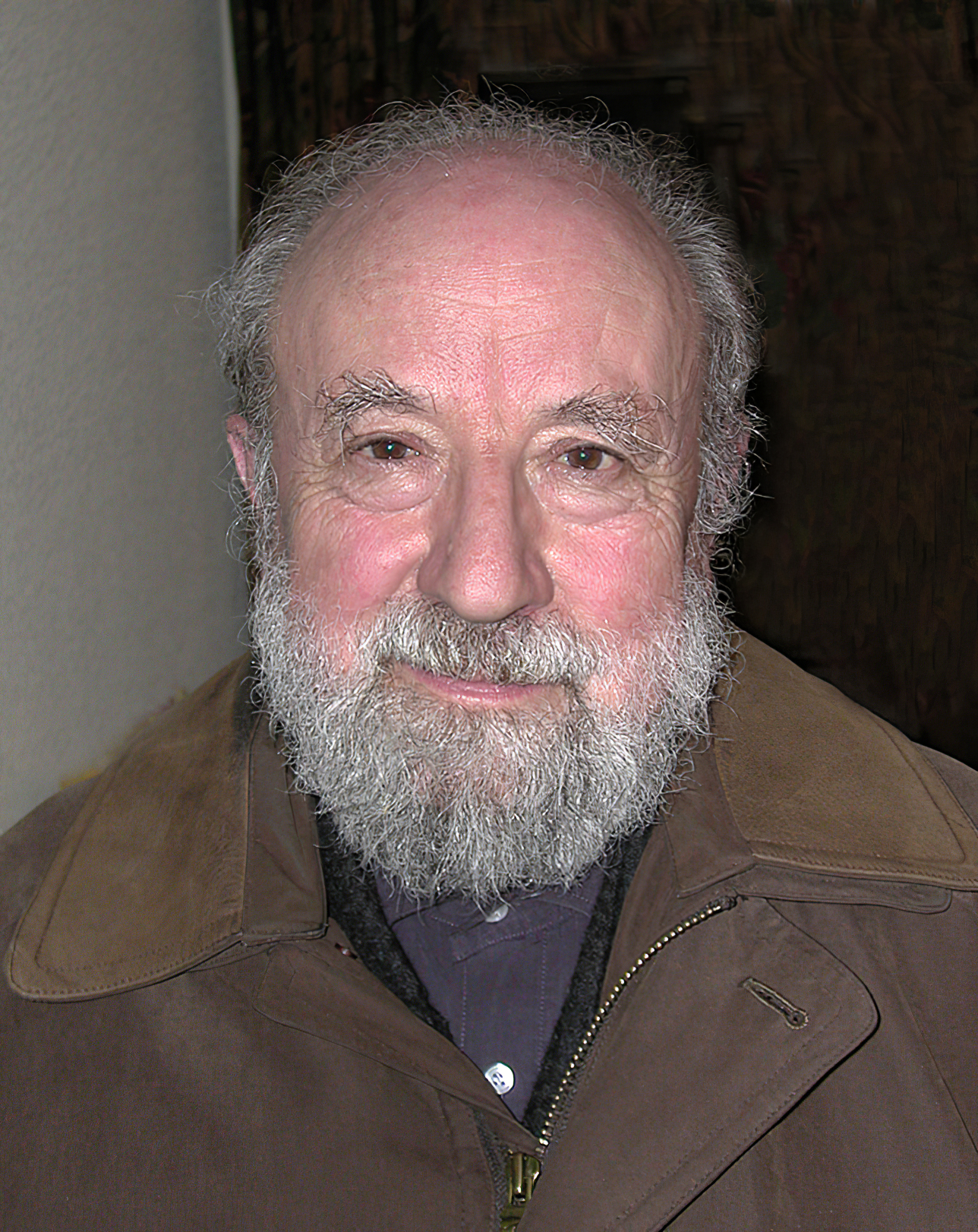
Michel Butor was a French writer and poet, associated with the Nouveau Roman literary movement of the 1950s and 1960s. He was known for his experimental writing style, which often challenged traditional narrative structures and explored the relationship between language, identity, and memory.
Butor studied philosophy and literature at the Sorbonne in Paris. In 1954, he published his first novel, "Passage de Milan," which established his reputation as a leading figure of the Nouveau Roman movement.
Throughout his career, Butor wrote more than twenty novels, as well as essays, poetry, and other works. His writing often incorporated elements of travelogue and autobiography, and he frequently collaborated with visual artists on projects that combined text and image.
In addition to his literary work, Butor was a respected teacher and critic, and he lectured at universities around the world. He was awarded numerous honors and awards for his contributions to French literature, including the Prix Renaudot in 1957.
His legacy as an innovative and influential writer continues to be celebrated by literary scholars and readers around the world.

Michel Butor was a French writer and poet, associated with the Nouveau Roman literary movement of the 1950s and 1960s. He was known for his experimental writing style, which often challenged traditional narrative structures and explored the relationship between language, identity, and memory.
Butor studied philosophy and literature at the Sorbonne in Paris. In 1954, he published his first novel, "Passage de Milan," which established his reputation as a leading figure of the Nouveau Roman movement.
Throughout his career, Butor wrote more than twenty novels, as well as essays, poetry, and other works. His writing often incorporated elements of travelogue and autobiography, and he frequently collaborated with visual artists on projects that combined text and image.
In addition to his literary work, Butor was a respected teacher and critic, and he lectured at universities around the world. He was awarded numerous honors and awards for his contributions to French literature, including the Prix Renaudot in 1957.
His legacy as an innovative and influential writer continues to be celebrated by literary scholars and readers around the world.
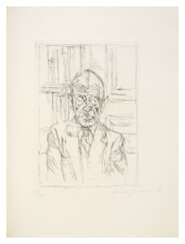

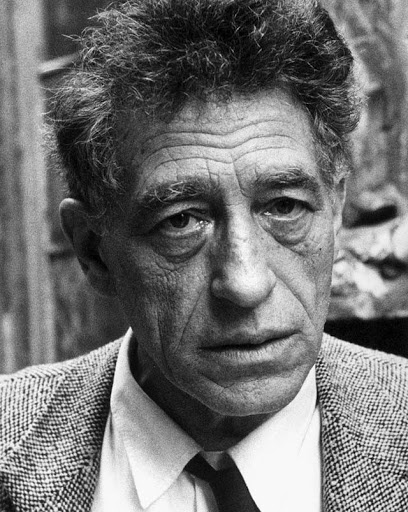
Alberto Giacometti was a Swiss sculptor, painter, draftsman, and printmaker, renowned for his distinctive elongated sculptures of solitary figures. Born in Borgonovo, Switzerland, in 1901, into a family of artists, Giacometti's talent was evident from an early age, encouraged by his father, Giovanni, a post-Impressionist painter, and his godfather, Cuno Amiet, a Fauvist painter. Moving to Paris in 1922 to study under the sculptor Antoine Bourdelle, Giacometti became a pivotal figure in Surrealism before focusing intensely on the human form, leading to his signature style of thin, elongated figures that evoke feelings of solitude and existential dread.
Giacometti's work spans several decades and various phases, including his early involvement with Surrealism and his later, more recognized existential and figurative sculptures. Notably, his sculptures, such as "Walking Man I" and "The Palace at 4 a.m.," reflect his unique view of reality and his relentless pursuit to capture the human essence. His approach was influenced by his associations with prominent figures of the art world, including Miró and Picasso, and intellectuals like Jean-Paul Sartre.
Despite facing challenges, including periods of self-doubt and the physical toll on his health, Giacometti's legacy as a master sculptor and artist remains influential. His works are celebrated worldwide and featured in major museums, such as the Museum of Modern Art in New York and the Tate Gallery in London, testament to his enduring impact on the art world.
Collectors and experts in art and antiques continue to revere Giacometti's work for its emotional depth and unique aesthetic. For those interested in the pioneering spirit of modern sculpture, Alberto Giacometti's oeuvre offers a profound exploration of the human condition and the artist's relentless pursuit of reality through art.
To stay updated on sales and auction events related to Alberto Giacometti's work, sign up for updates. This subscription is an excellent opportunity for collectors and enthusiasts to remain informed about new discoveries and opportunities related to Giacometti's enduring legacy.
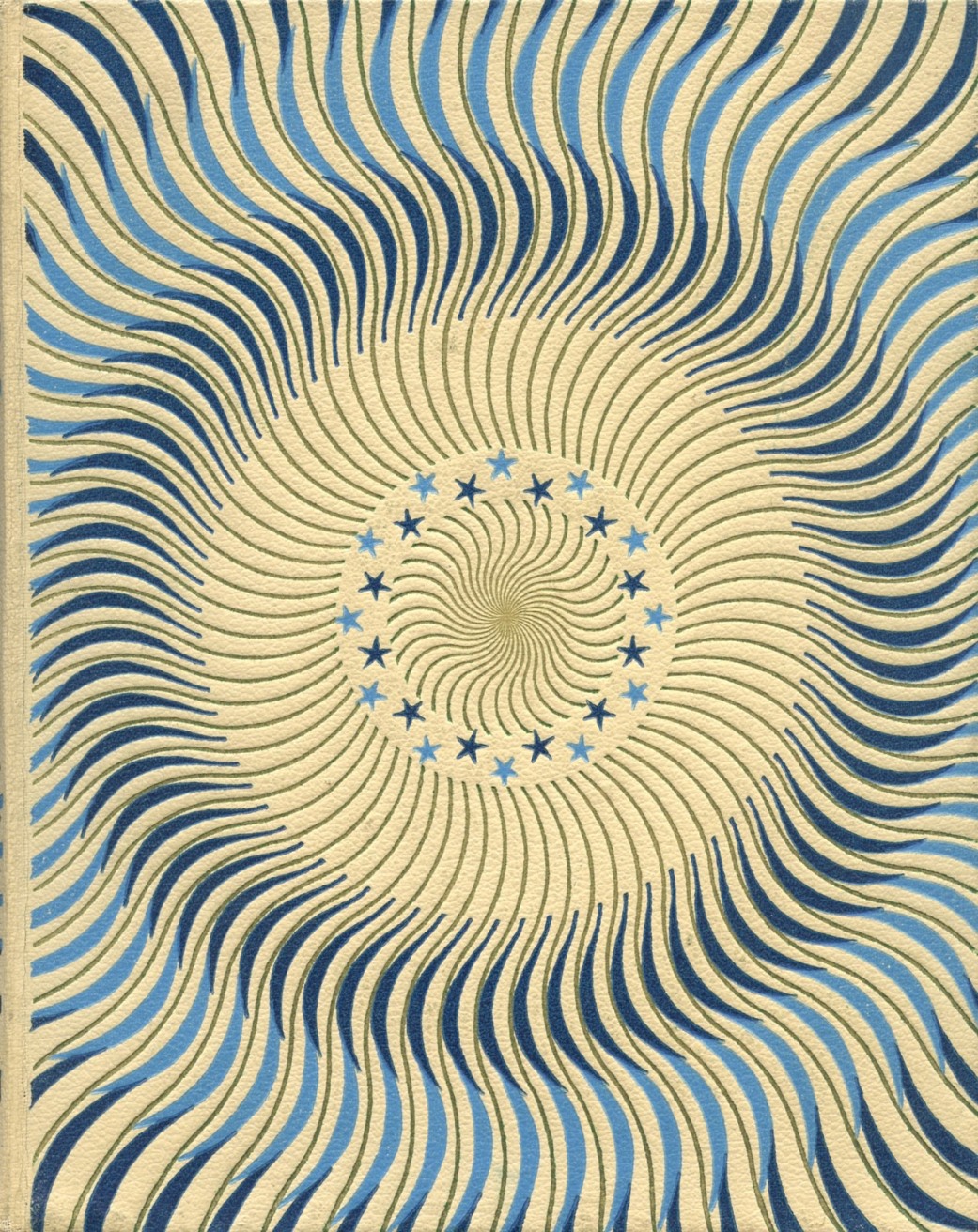
Paul Bonet, birth name Paul Joseph Ghislain Bonet, is a French bookbinder and bookbinding designer, Knight of the Legion of Honor.
Trained to make fashionable wooden mannequins, Paul Bonet worked in the fashion industry for several years and did not turn to bookbinding until 1920. His bright, colorful designs and prolific work made him famous. His first bindings were exhibited in 1925 at the Gallière Museum, then at the French Book Arts Exhibition, the Salon d'Automne and the Salon des Artistes Décoratifs, and his talent was recognized.
His decoration was particularly innovative. One of the great masters of French bookbinding, Paul Bonet became famous in the 1930s and 1940s for one of his signature patterns, "sunbeams." These patterns consist of many small lines with gold trim, carefully planned and giving the optical illusion of spatial depth.
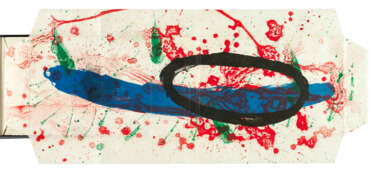

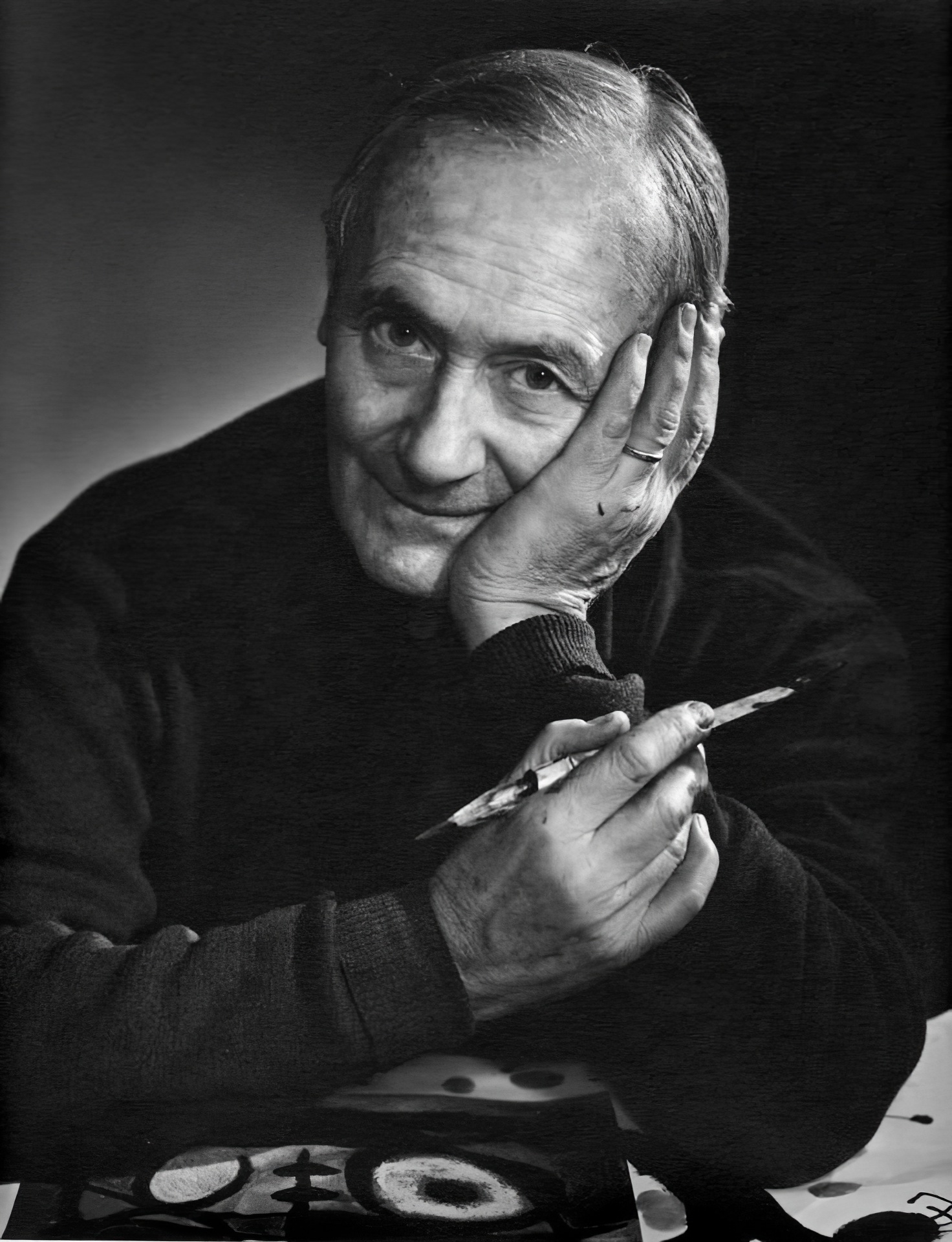
Joan Miró, a celebrated Spanish artist, was a master in painting, sculpture, and ceramics, renowned for his unique style that blurred the lines between Surrealism, Fauvism, and Expressionism. Born in Barcelona to a family of a goldsmith and a watchmaker, Miró grew up immersed in the rich cultural heritage of the Barri Gòtic neighborhood. His artistic journey began with drawing classes at the age of seven and continued at the prestigious La Llotja art academy. Despite an initial venture into the business world, Miró's passion for art prevailed, leading him to abandon his clerical career after a nervous breakdown.
Miró's work is noted for its exploration of the subconscious, often depicting a childlike perspective. This approach was both a critique of traditional painting methods and a means of expressing Catalan pride. His art, challenging to categorize, often featured symbolic elements and nationalistic qualities. One of his notable early works, "The Farm," reflects a transition to a more individual style, blending elements of his Catalan roots with broader artistic influences. This piece, later purchased by Ernest Hemingway, encapsulated the essence of Spain in its imagery.
In Paris, Miró joined the Surrealist movement in 1924, where his work began to reflect the influence of automatism, emphasizing spontaneous, automatic, or subconscious creation. He experimented with various mediums, including painting-poetry and collage, and even ventured into set and costume design for Sergei Diaghilev's Ballets Russes.
During World War II, Miró remained in Spain, and his work from this period, including the 22 Constellations series, reflected an interest in the night, music, and stars. His forms became increasingly abstracted, and he experimented with various techniques, often incorporating primary colors and evocative titles.
Miró's career spanned several decades, during which he continually evolved his style and explored new mediums. His contributions to art were recognized with numerous awards and retrospectives, including a major career retrospective at MoMA in 1941 and the Spanish Gold Medal for Fine Arts in 1980. Among his last major works was a tapestry for the World Trade Center in New York City, created in 1974.
For art collectors and enthusiasts, Joan Miró remains a figure of immense interest, not only for his distinct style and contributions to Surrealism but also for his ability to blend poetic imagery with political commentary. To stay updated on new product sales and auction events related to Joan Miró, sign up for our updates and immerse yourself in the world of this extraordinary artist.

Michel Butor was a French writer and poet, associated with the Nouveau Roman literary movement of the 1950s and 1960s. He was known for his experimental writing style, which often challenged traditional narrative structures and explored the relationship between language, identity, and memory.
Butor studied philosophy and literature at the Sorbonne in Paris. In 1954, he published his first novel, "Passage de Milan," which established his reputation as a leading figure of the Nouveau Roman movement.
Throughout his career, Butor wrote more than twenty novels, as well as essays, poetry, and other works. His writing often incorporated elements of travelogue and autobiography, and he frequently collaborated with visual artists on projects that combined text and image.
In addition to his literary work, Butor was a respected teacher and critic, and he lectured at universities around the world. He was awarded numerous honors and awards for his contributions to French literature, including the Prix Renaudot in 1957.
His legacy as an innovative and influential writer continues to be celebrated by literary scholars and readers around the world.
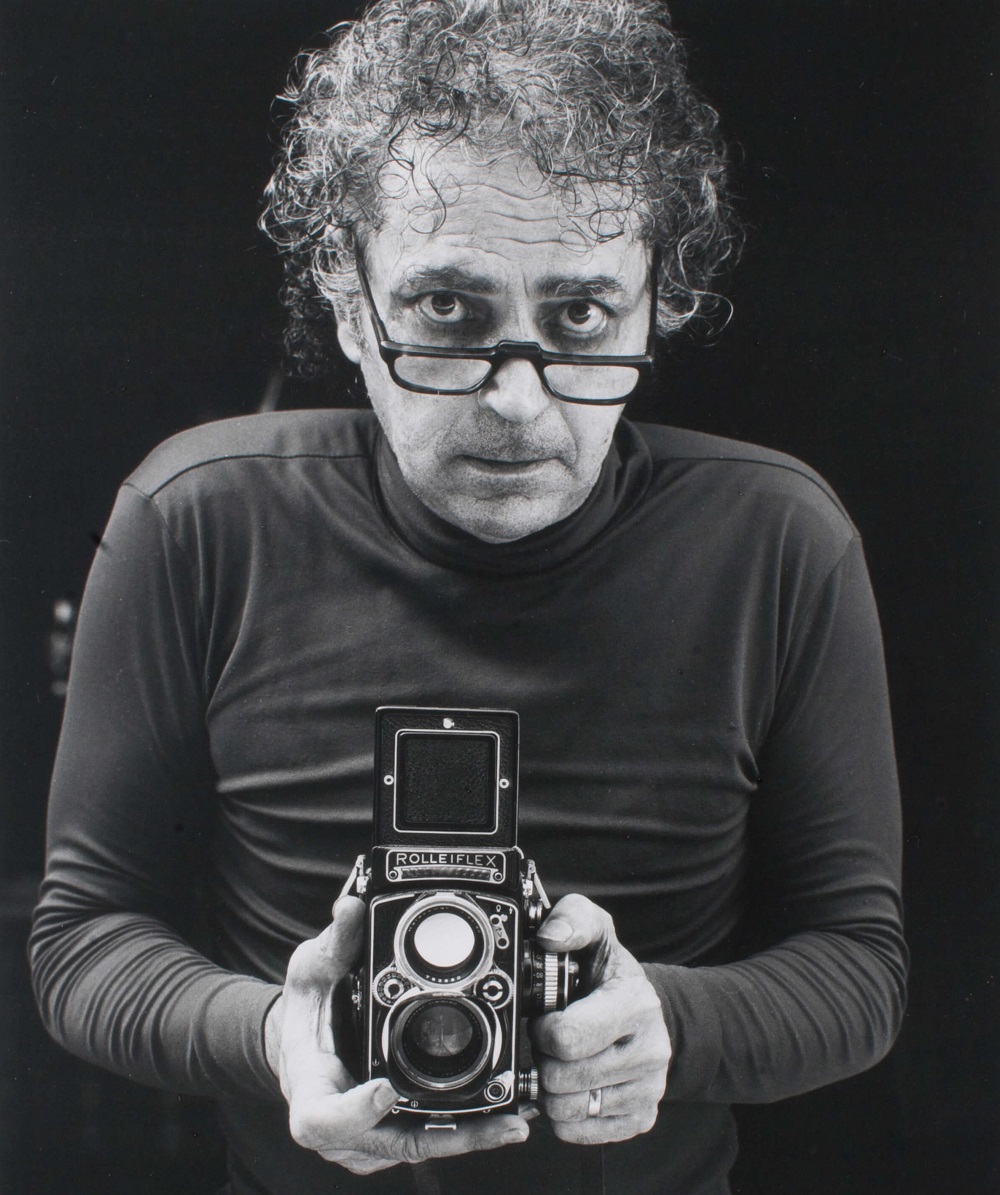
André Villers was a French photographer and artist best known for his pictures of Pablo Picasso in the south of France in the 1950s.

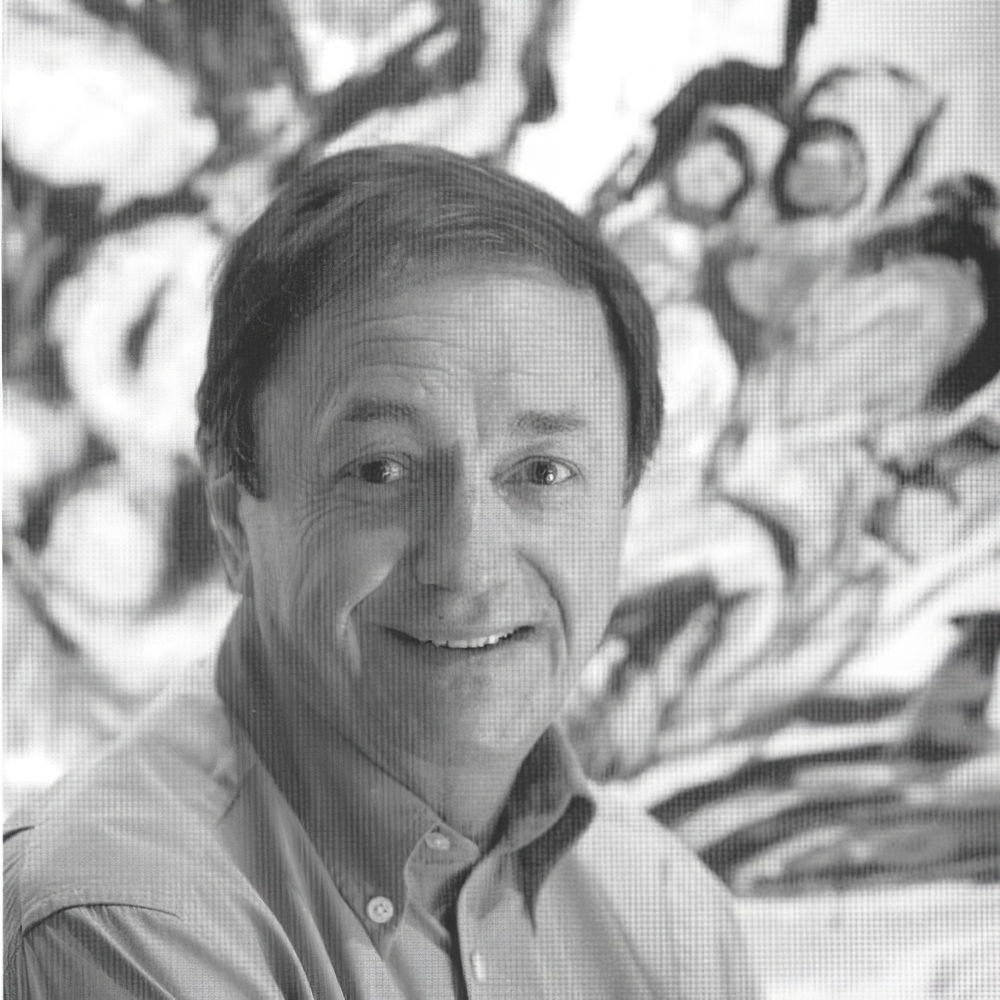
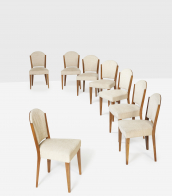
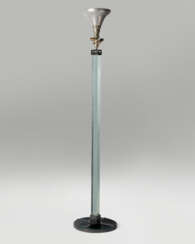
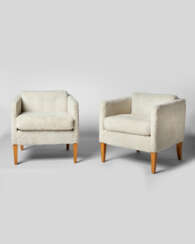
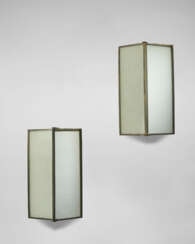
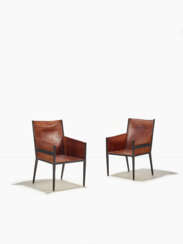
Michel Boyer was one of the last great interior designers who remained true to the principles of modernity.
Boyer collaborated with Dior, Lanvin, Balmain and designed interiors for hotels, embassies and numerous corporate headquarters. His private clients have included Elie de Rothschild, Liliane Betancourt and Karim Aga Khan.