

minnesota













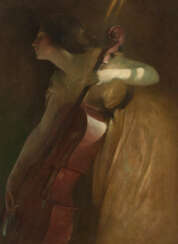

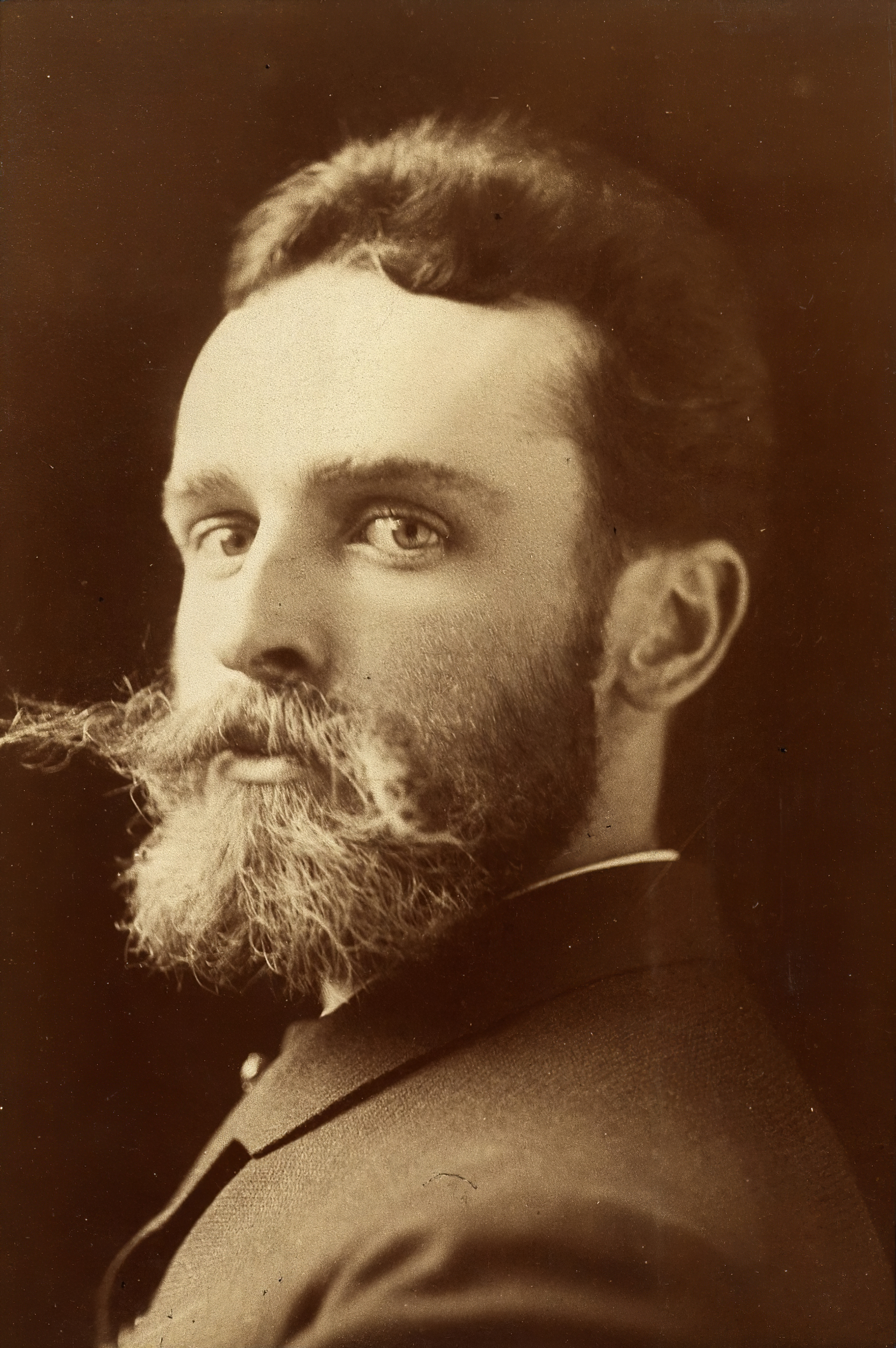
John White Alexander was an American portrait, figure, and decorative painter and illustrator.
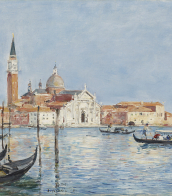
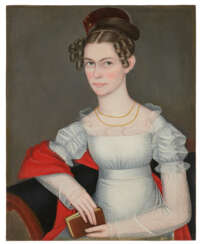

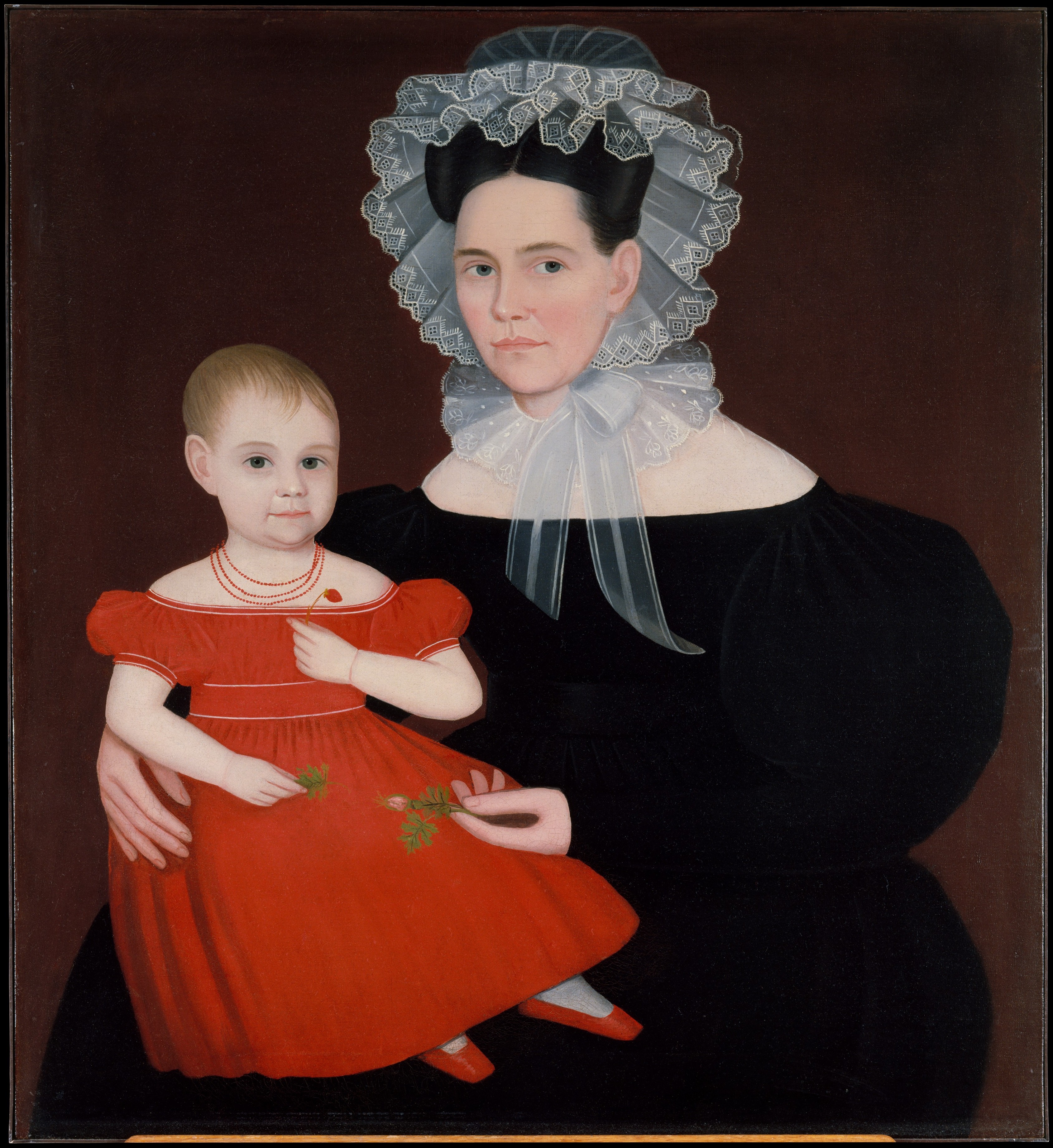
Ammi Phillips was a prolific American itinerant portrait painter active from the mid 1810s to the early 1860s in Connecticut, Massachusetts, and New York. His artwork is identified as folk art, primitive art, provincial art, and itinerant art without consensus among scholars, pointing to the enigmatic nature of his work and life. He is attributed to over eight hundred paintings, although only eleven are signed. While his paintings are formulaic in nature, Phillips paintings were under constant construction, evolving as he added or discarded what he found successful, while taking care to add personal details that spoke to the identity of those who hired him. He is most famous for his portraits of children in red, although children only account for ten percent of his entire body of work. The most well known of this series, Girl in Red Dress with Cat and Dog, would be sold for one million dollars, a first for folk art. His paintings hung mostly unidentified, spare for some recognition in the collections like those of Edward Duff Balken, for decades until his oeuvre was reconstructed by Barbara Holdridge and Larry Holdridge, collectors and students of American folk art, with the support of the art historian Mary Black. Ammi Phillip's body of work was expanded upon their discovery that the mysterious paintings of a "Kent Limner" and "Border Limner" were indeed his.
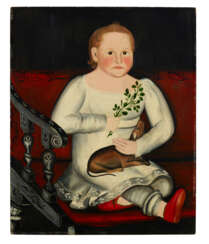

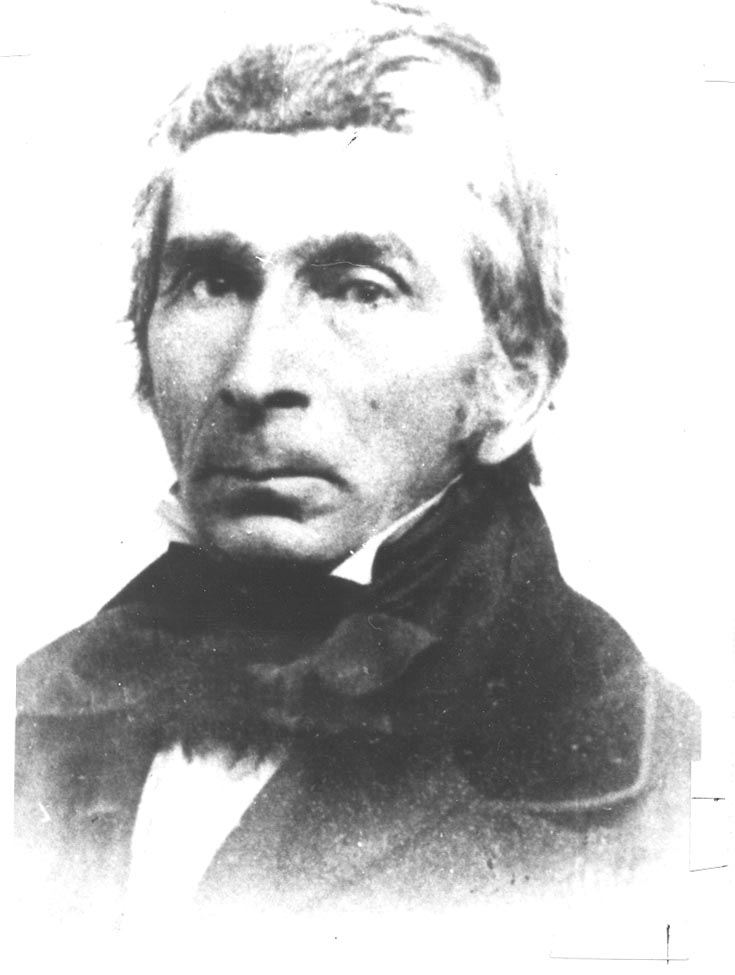
Sheldon Peck was an American folk artist, conductor on the Underground Railroad, and social activist. Peck's portraiture – with its distinctive style — is a prime example of 19th century American folk art. He also become known for advocating abolitionism , racial equality, temperance, public education, women's rights, and pacifism.
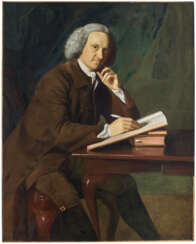

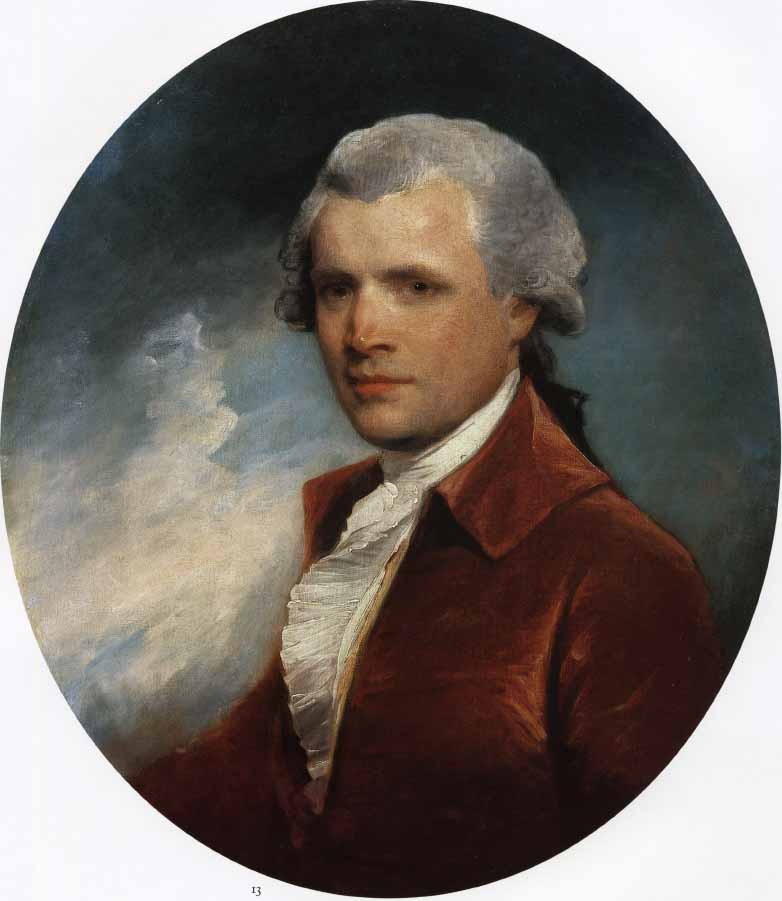
John Singleton Copley was an Anglo-American painter, active in both colonial America and England. He was probably born in Boston, Massachusetts, to Richard and Mary Singleton Copley, both Anglo-Irish. After becoming well-established as a portrait painter of the wealthy in colonial New England, he moved to London in 1774, never returning to America. In London, he met considerable success as a portraitist for the next two decades, and also painted a number of large history paintings, which were innovative in their readiness to depict modern subjects and modern dress. His later years were less successful, and he died heavily in debt.
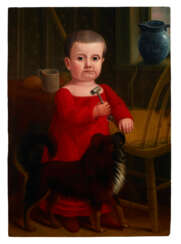

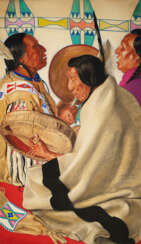

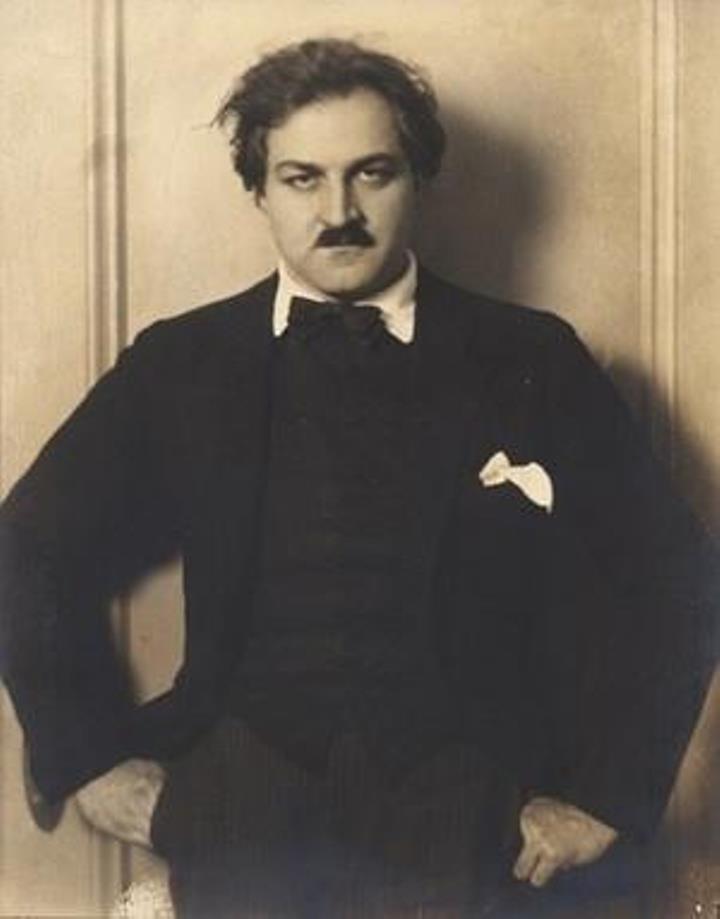
Fritz Winold Reiss is an American portrait painter and graphic designer who emigrated from Germany. His father Fritz Reiss and brother Hans Reiss were also artists. Winold Reiss is known for his many portraits of Native American figures of the Harlem Renaissance and common people. He also created murals that are placed in public places in Cincinnati, as well as interior design.
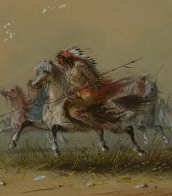


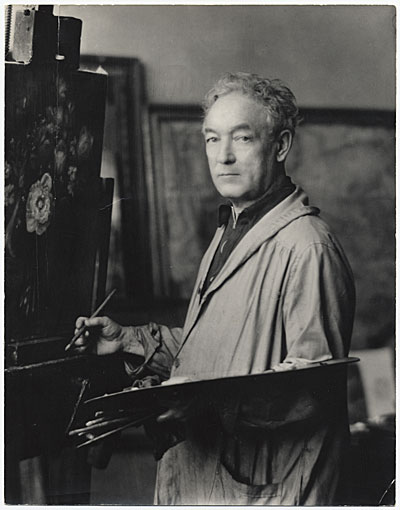
William Glackens was an American painter, illustrator, and journalist, one of the leading artists of American impressionism. In his youth he worked for a newspaper where he was an illustrator. Glackens later moved to New York City, where he worked as an artist and illustrator for the New York Herald and Philadelphia Press magazines and newspapers.
In the early twentieth century Glackens became known for his vivid and energetic paintings reflecting life in the city, theater productions, cafes, and parks. He was one of the founders of the Association of American Artists and was involved in the organization of the famous Armory Show in New York in 1913, which was an important event in American art history. In 1912 Gluckens met the French impressionist Pierre Auguste Renoir, who greatly influenced his style.
Gluckens was also inspired by the work of European artists Edouard Manet, Jean-Louis Forain and Gustave Caybotte. Gluckens left behind a rich legacy of vibrant, emotional works that to this day remain among the most significant in American art history.
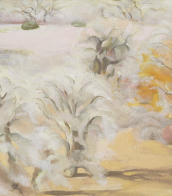


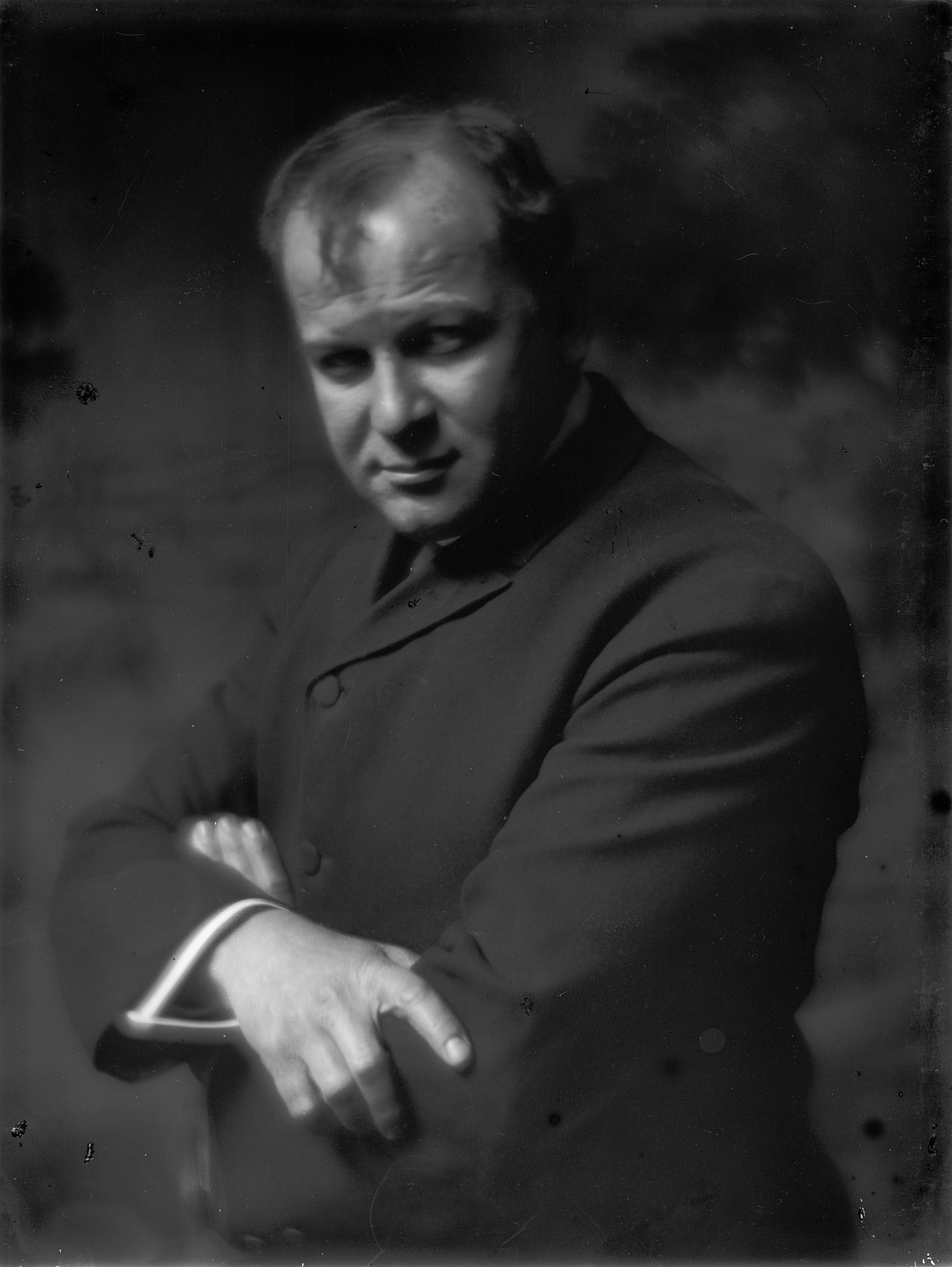
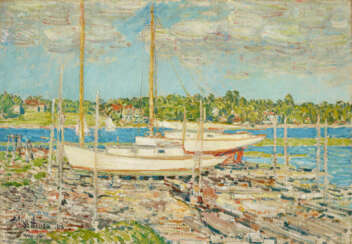

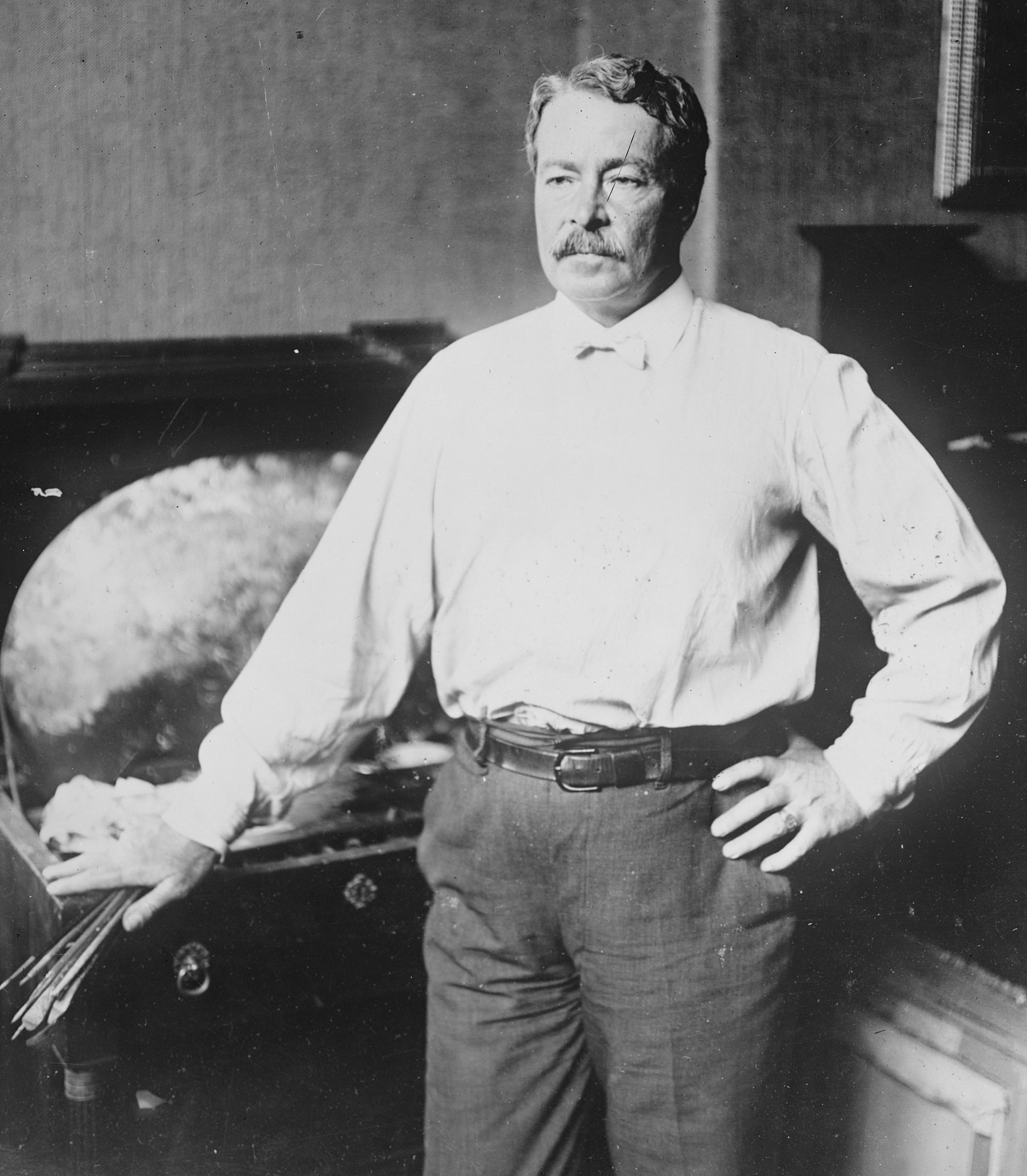
Frederick Childe Hassam was an American Impressionist painter, celebrated for his urban and coastal scenes. Born on October 17, 1859, in Dorchester, Massachusetts, Hassam was a pivotal figure in introducing French Impressionism to the American art scene. His prolific output includes over 3,000 works ranging from oils and watercolors to etchings and lithographs.
Hassam's technique was characterized by the use of light and vibrant colors, often focusing on bustling cityscapes and tranquil New England coastlines. He spent significant periods in Europe, particularly Paris, where he absorbed elements of the avant-garde styles of the time. Despite this, he often emphasized a connection to English landscape traditions over French ones.
Some of his most acclaimed works capture the essence of places like the Isles of Shoals in Maine and East Hampton in Long Island, where he later made his summer home. These settings often featured in his paintings, reflecting the picturesque and serene landscapes that contrasted with his urban subjects.
Hassam's legacy includes his influence on American collectors and institutions, helping to cultivate a taste for Impressionism in the United States. His works are held in major museums, including the Metropolitan Museum of Art and the Museum of Modern Art, ensuring his continued recognition as a key figure in American art history.
For those interested in exploring more about Hassam's life and works, signing up for updates on exhibitions and sales can provide valuable insights into his contributions to Impressionism. Subscribe for updates on new collections and auction events related to Frederick Childe Hassam's artworks.
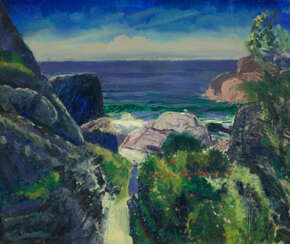

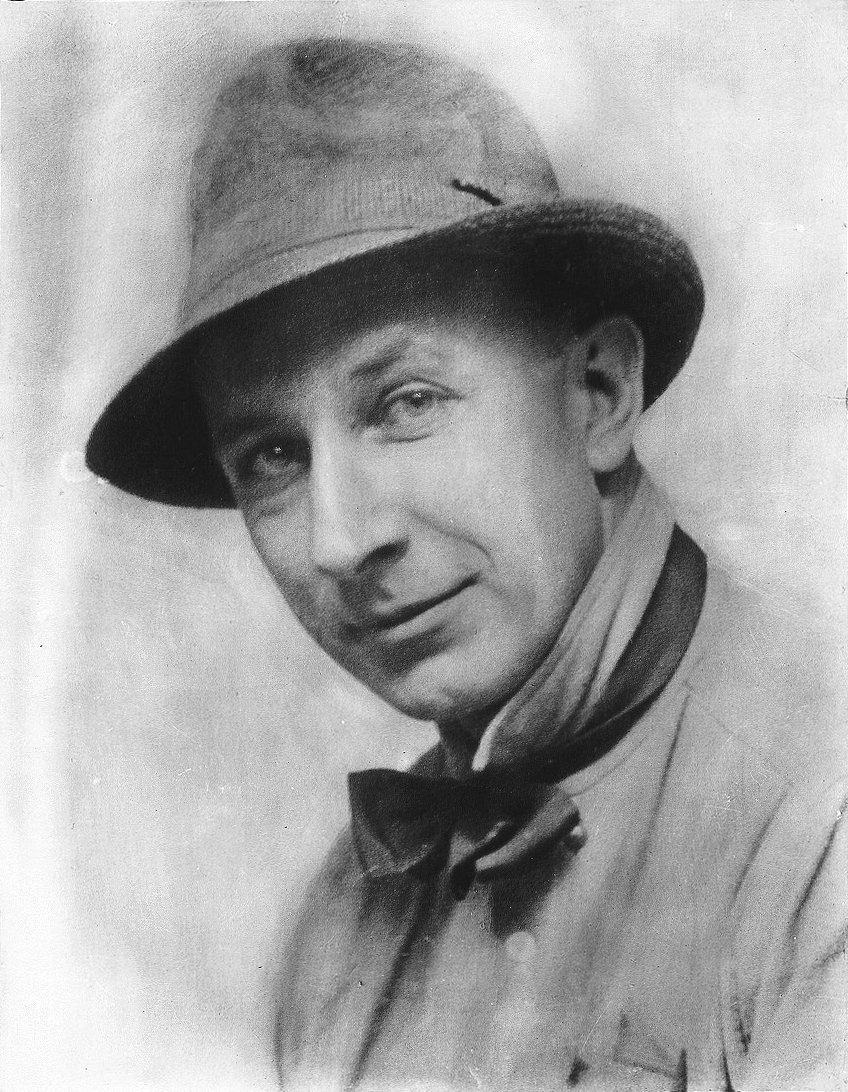
George Wesley Bellows was an American realist painter, renowned for his vivid portrayals of urban life in New York City. Born on August 12, 1882, in Columbus, Ohio, Bellows moved to New York in 1904, where he became a central figure in the Ashcan School of painting. This group was known for its realistic and often gritty depictions of everyday city life. Bellows captured dynamic scenes ranging from boxing matches to bustling street views, applying vigorous brushwork that conveyed movement and emotion.
One of Bellows' most celebrated series was his boxing paintings like "Stag at Sharkey’s," which encapsulate the raw, dynamic energy of illegal prizefights in early 20th-century New York. Beyond the ring, his works such as "New York" and "Pennsylvania Excavation" reflected the rapid transformations of urban landscapes. His adaptation of lithography also marked a significant contribution to American art, offering a new medium for expressive possibilities.
Bellows' art is preserved in major institutions such as the Metropolitan Museum of Art and the Museum of Modern Art in New York. His ability to depict the vibrancy and complexity of urban life makes his work a valuable part of American art history.
For updates on exhibitions and available works of George Wesley Bellows, consider subscribing to our newsletter. This subscription will keep you informed about new sales and auction events specifically related to Bellows' art.


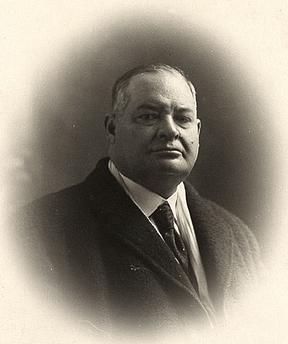


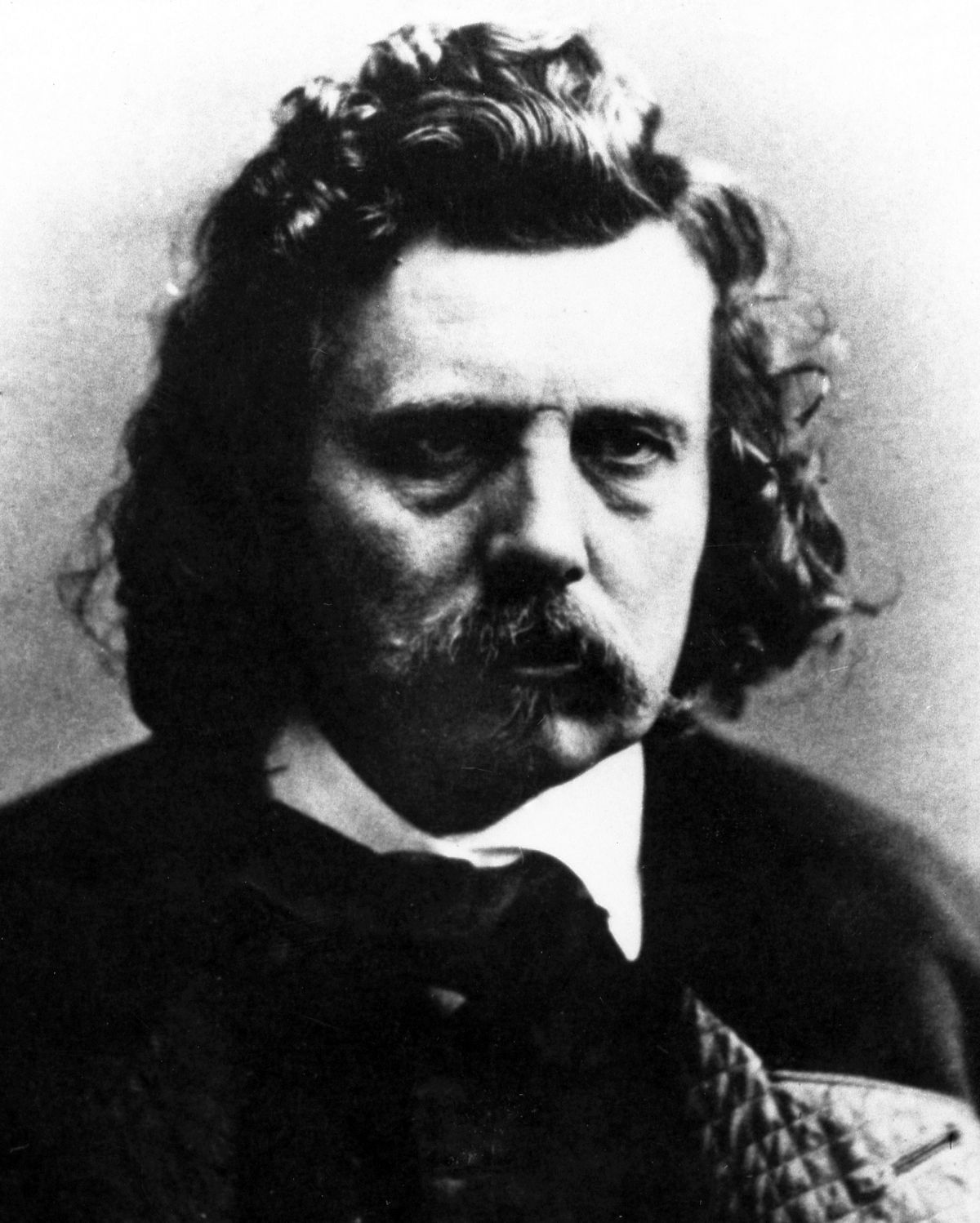
Emanuel Leutze was an American and German painter of the mid-nineteenth century. He is known as a painter who worked in the historical genre and is considered a representative of the Düsseldorf School of painting.
Emanuel Leutze was born in Germany and moved to America at the age of nine. He received his art education in Philadelphia, then, returning to Germany, at the Düsseldorf Academy of Fine Arts. His most famous painting, "Washington Crossing the Delaware," was painted in his native country, with views of the Delaware River taken from Rhenish landscapes. Returning to the United States in 1859, the artist decorated the Washington Capitol with his historical paintings. His work is highly regarded in America for its patriotic orientation.
In Germany, Leutze was one of the founders of the Association of Artists "Malkasten", the Association of German Artists, headed the Union of Mutual Aid of Düsseldorf artists.


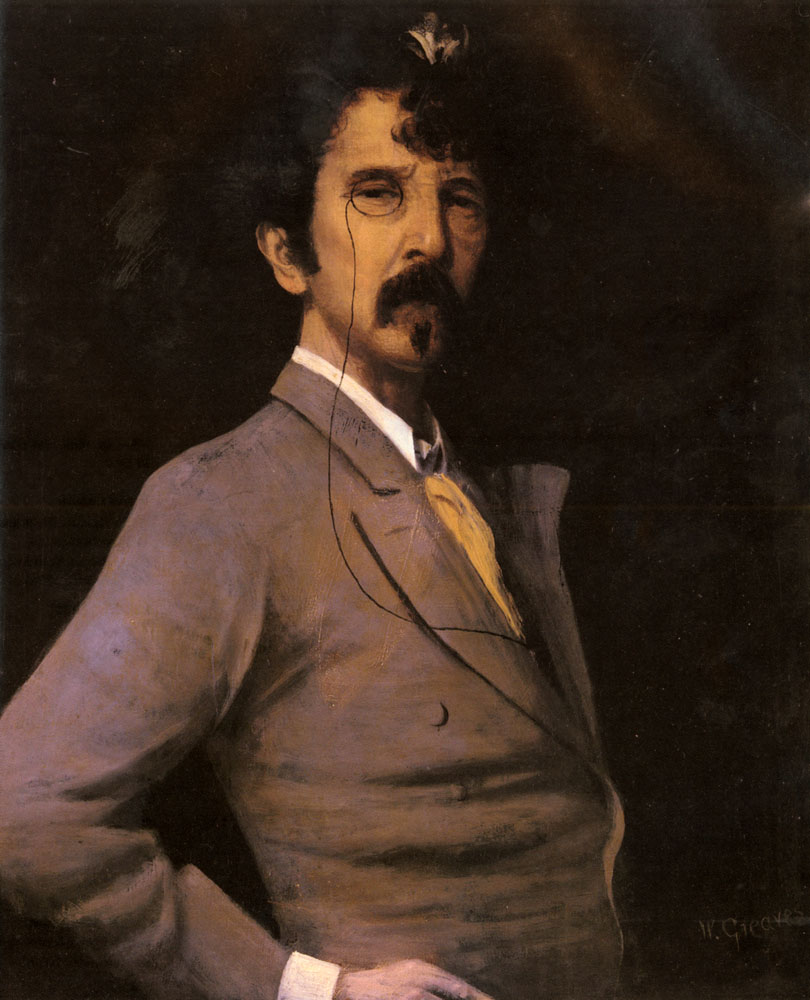
James Abbott McNeill Whistler was an American painter and printmaker, renowned for his role in the Aesthetic Movement and his advocacy of "art for art's sake." Born on July 11, 1834, in Lowell, Massachusetts, Whistler spent significant parts of his career in London and Paris, integrating modern French painting styles into his work.
Whistler's works often depicted nocturnal scenes of London and stylistically advanced portraits. His famous painting, Arrangement in Grey and Black No. 1, commonly known as Whistler's Mother, is a prime example of his skilled use of color and form to evoke emotion and atmosphere. This painting became iconic, influencing both peers and the wider culture, akin to works like Munch's The Scream.
Another notable work, Nocturne in Black and Gold: The Falling Rocket, stirred controversy and legal disputes due to its abstract quality, challenging conventional notions of art at the time. Whistler's influence extended beyond paintings, impacting interior design, furniture, and the overall aesthetic of visual arts through his detailed attention to harmony and composition.
For more detailed insights into James McNeill Whistler's life and work, you can visit comprehensive resources such as the Encyclopaedia Britannica or the Metropolitan Museum of Art's Heilbrunn Timeline of Art History.
If you're intrigued by the innovative techniques and enduring influence of James Abbott McNeill Whistler, consider subscribing to our updates. Stay informed about new sales, exhibitions, and auction events related to Whistler's works. Dive deeper into the world of art and discover pieces that celebrate the spirit of Aestheticism and artistic independence. Sign up today to enhance your collection and knowledge of one of the most visionary artists of the 19th century.


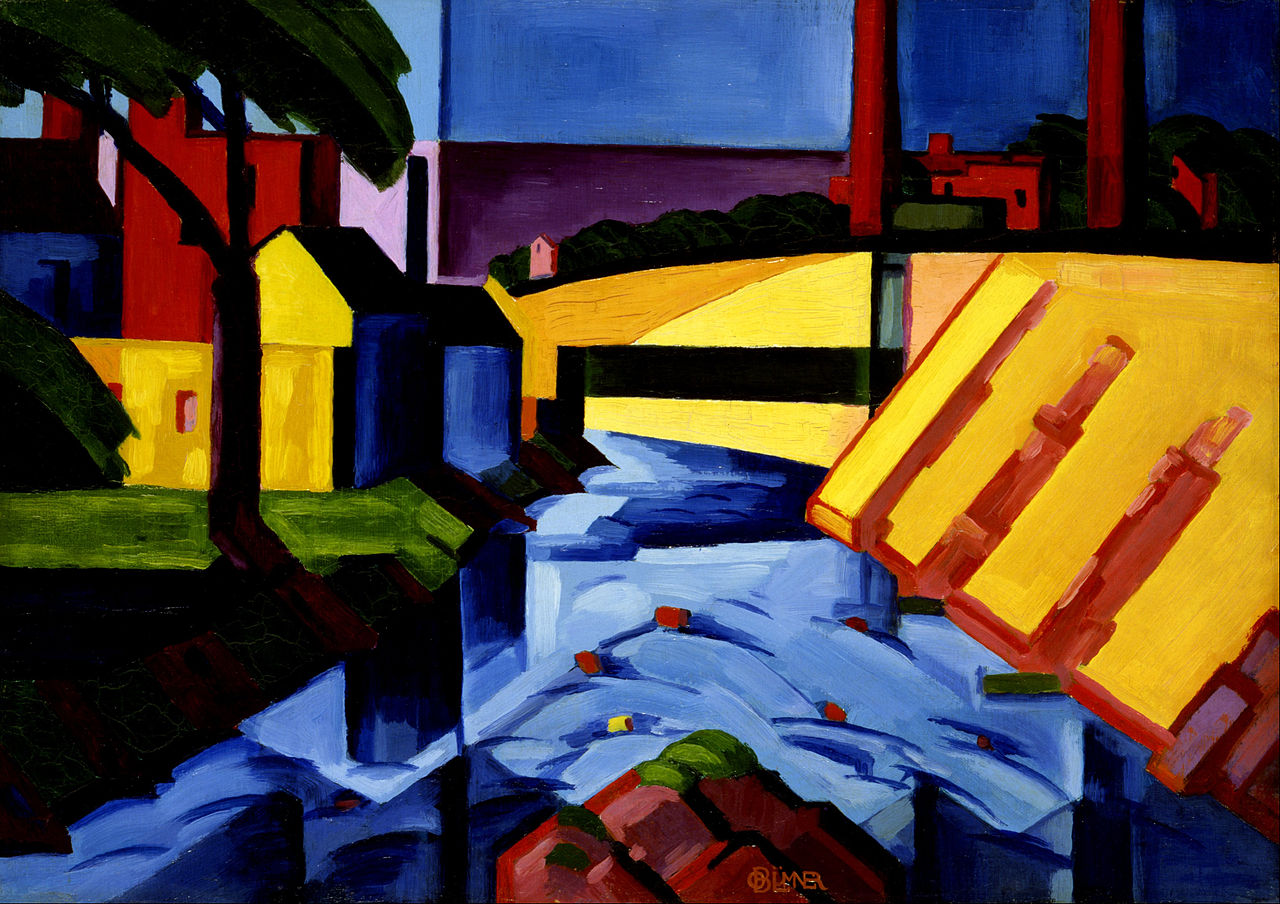
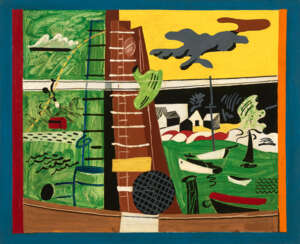

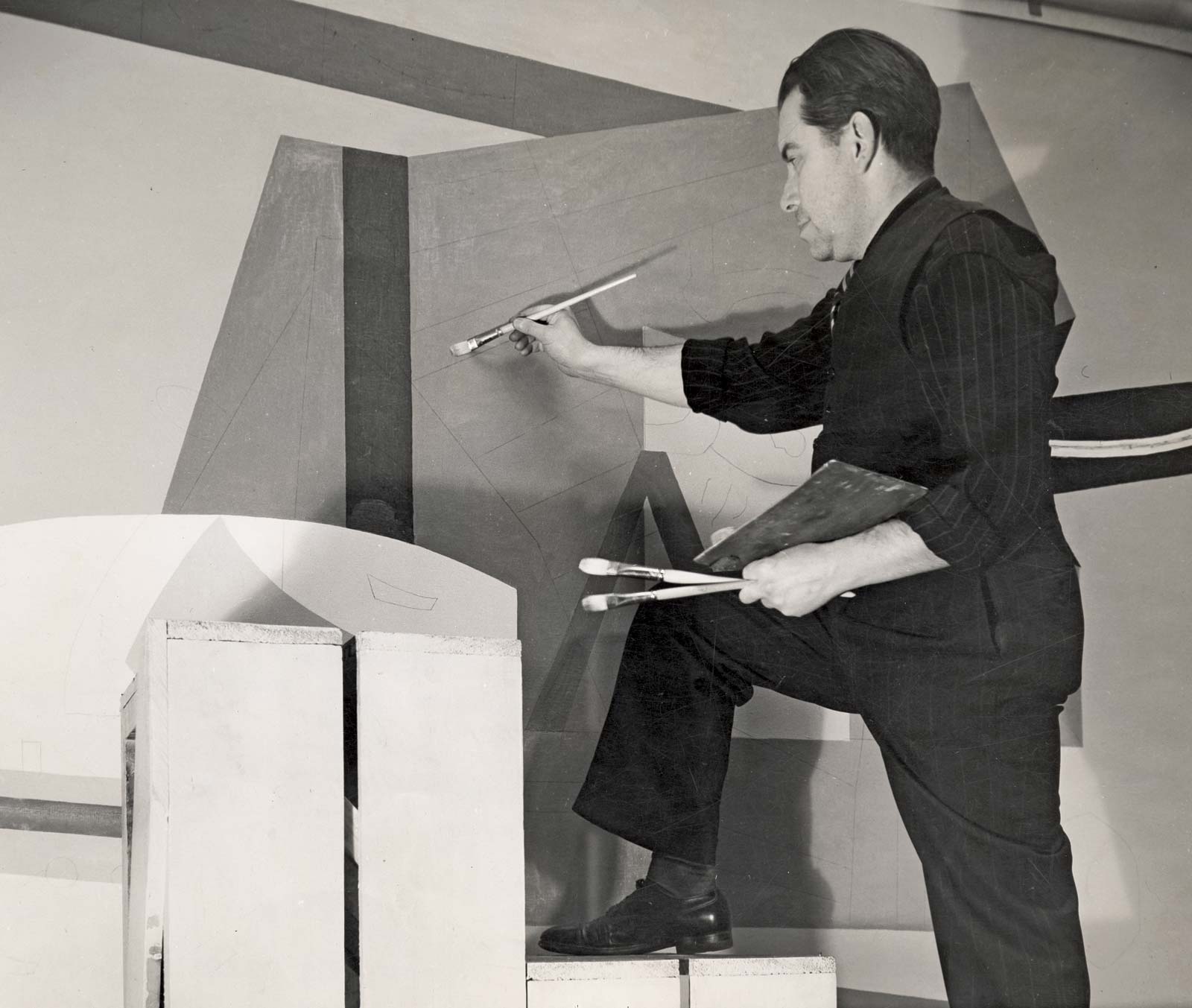
Edward Stuart Davis was an American artist, a representative of Cubism and Pop Art in painting. He was also active in politics; one of Davis's goals was to "reconcile abstract art with Marxism and modern industrial society. Along with his paintings, Davis was also an engraver and member of the Society of American Graphic Artists.


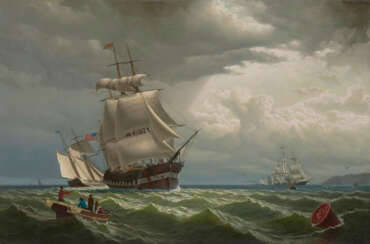

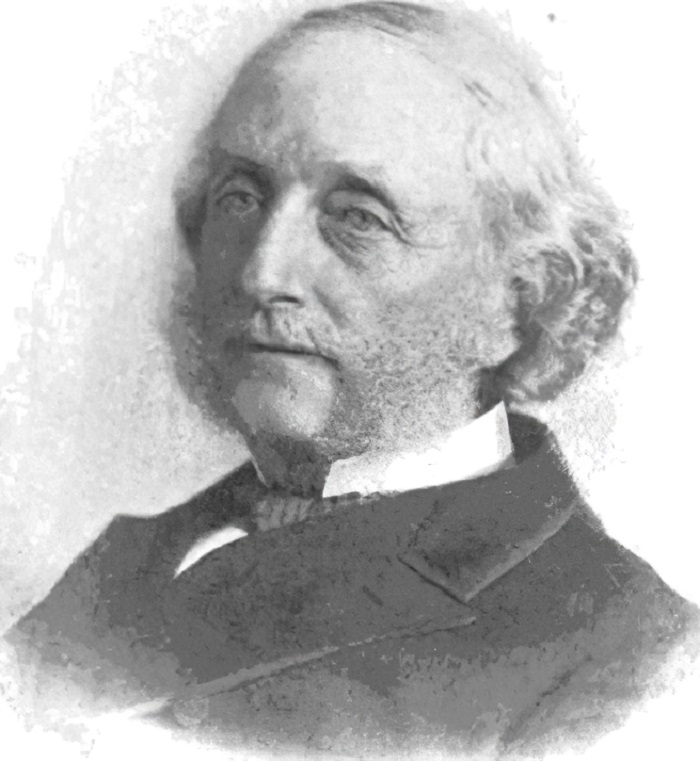
William Bradford was an American romanticist painter, photographer and explorer, originally from Fairhaven, Massachusetts, near New Bedford. His early work focused on portraits of the many ships in New Bedford Harbor. In 1858, his painting New Bedford Harbor at Sunset was included in Albert Bierstadt's landmark New Bedford Art Exhibition.
He is known for his paintings of ships and Arctic seascapes. He was one of the first American painters to portray the frozen regions of the north.
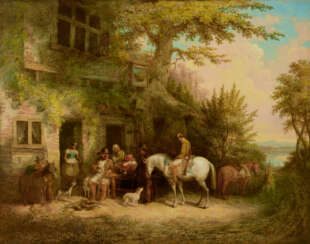

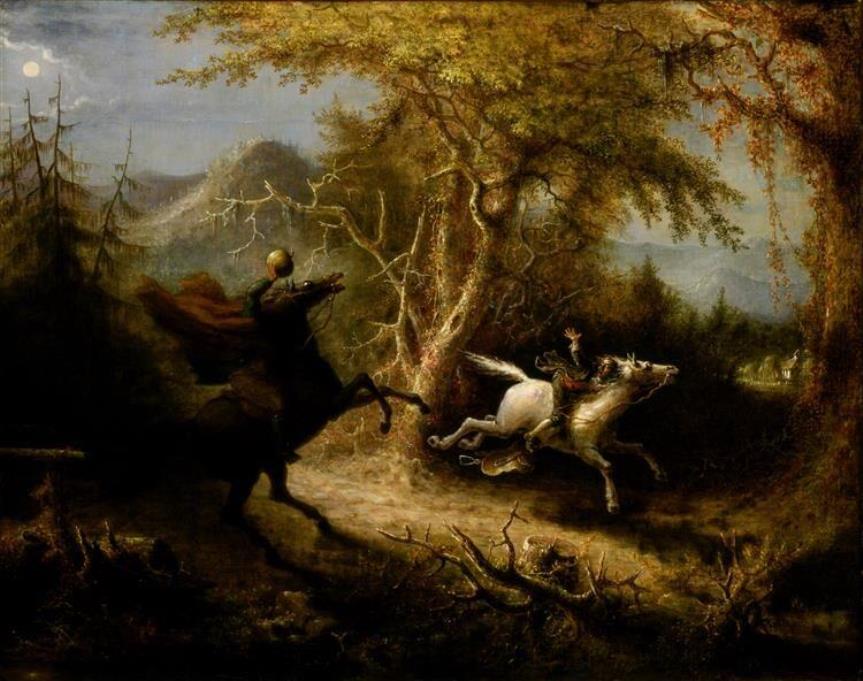
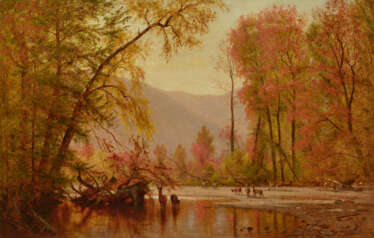

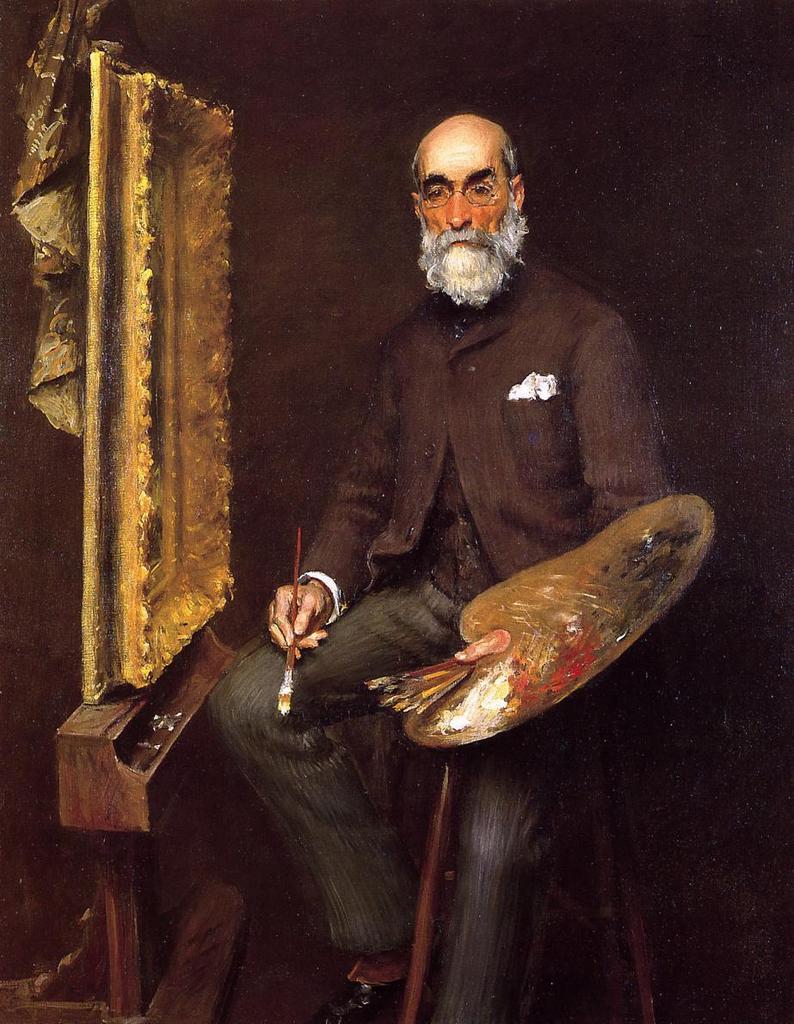
Thomas Worthington Whittredge was an American artist, a prominent figure of the Hudson River School, and is celebrated for his poetic forest scenes and serene landscapes. Born near Springfield, Ohio, Whittredge embarked on a journey that would see him become a household name in American art. His works are known for their depiction of the vastness and silence of the Plains, which he described as having a profound impact on him. He is particularly remembered for his trips to the West, which greatly influenced his art, leading to masterpieces that are treasured for their linear horizons and stark beauty.
Whittredge's legacy is preserved in the collections of esteemed institutions such as the Metropolitan Museum of Art in New York and the Louvre in Paris. His works, like 'The Trout Pool' (1870) and 'The Old Hunting Grounds' (1864), continue to enchant viewers with their tranquility and aesthetic appeal. His life, detailed in his autobiography, reflects a passionate dedication to capturing the essence of the American landscape.
For collectors, auctioneers, and experts in art and antiques, the works of Thomas Worthington Whittredge offer a timeless investment. His paintings are a testament to the Hudson River School's vision and skill, reflecting a deep connection to the American spirit. To stay informed about new product sales and auction events related to Whittredge, sign up for updates and ensure you don't miss the opportunity to own a piece of American art history.