muse atl
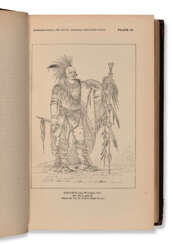

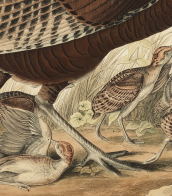


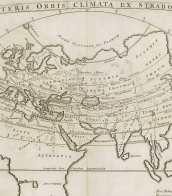
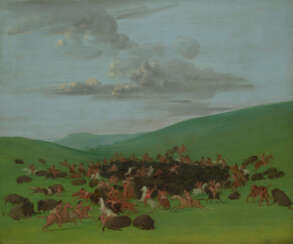

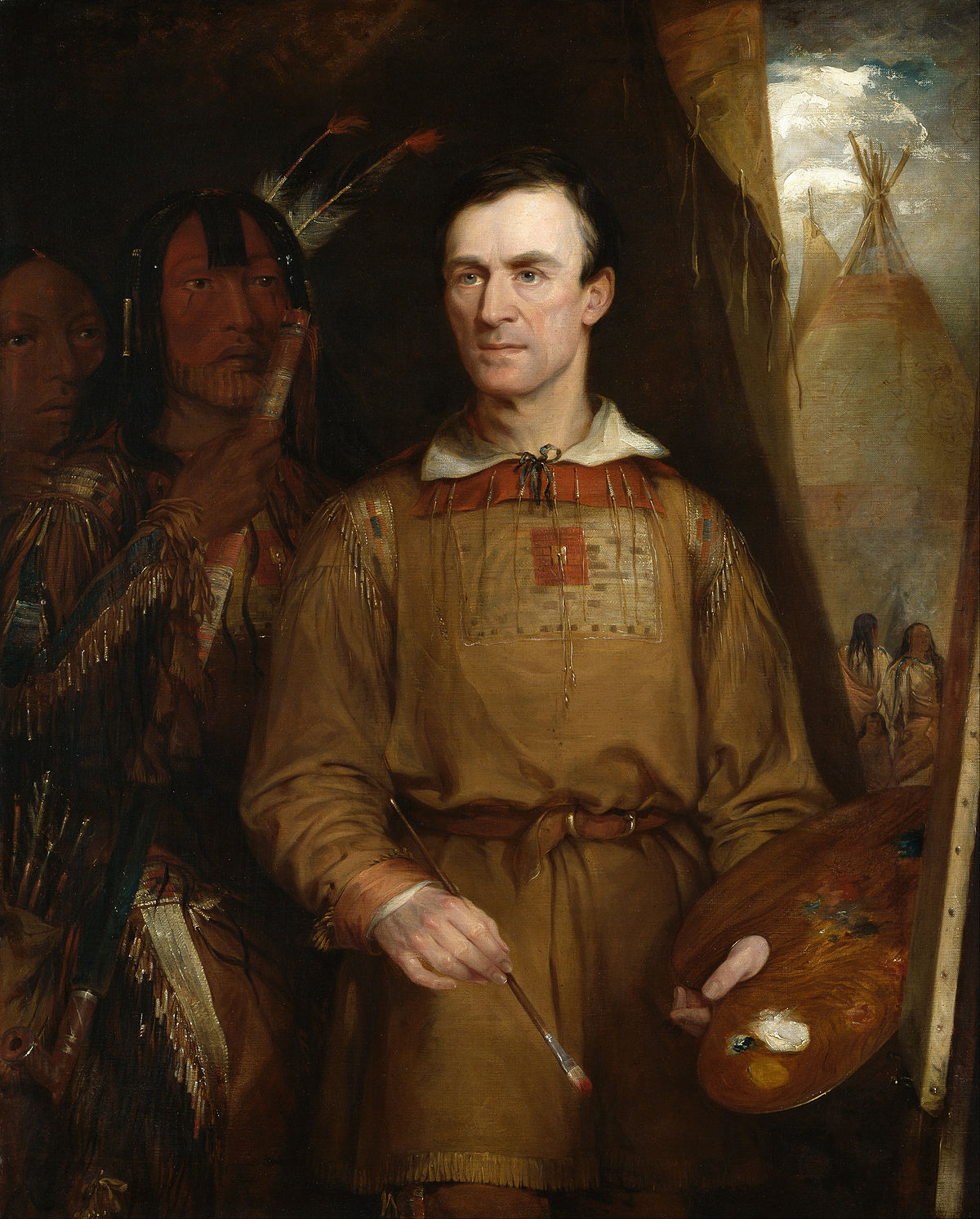
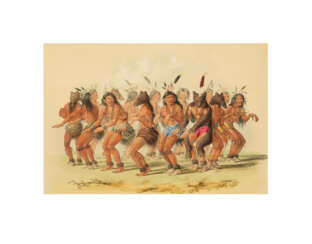
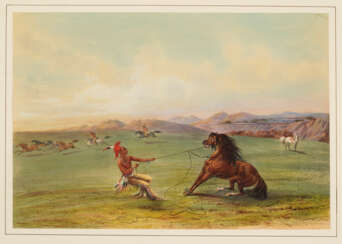
George Catlin was an American painter and writer, renowned for his vivid portrayal of Native American peoples and their cultures. Born in Wilkes-Barre, Pennsylvania, Catlin's early fascination with Native Americans grew into a lifelong dedication. His journey to the American West in the 1830s marked the beginning of an ambitious project to capture the disappearing tribes and their ways of life through his art.
Catlin's unique contribution to art and anthropology lies in his extensive collection of paintings, which document the appearance and customs of Native American tribes before the significant impacts of Western expansion. His most notable works, such as the "Buffalo Bull's Back Fat" and "Bird's Eye View of Mandan Village," are celebrated for their detailed representation and vibrant storytelling. These works provide a window into a world that was, at the time, largely misunderstood and misrepresented by mainstream American society.
His dedication led to the creation of the "Indian Gallery," an extensive traveling exhibition of his paintings and artifacts collected during his travels. This collection toured throughout the U.S. and Europe, raising awareness and sparking curiosity about Native American life and culture. For art collectors and experts in antiques, Catlin's works not only offer artistic beauty but also serve as historical documents of immense value.
If you are intrigued by the profound historical and cultural narratives captured in Catlin's paintings, consider signing up for updates on new product sales and auction events related to George Catlin. Stay informed and enrich your collection with pieces of a pivotal era in American history.
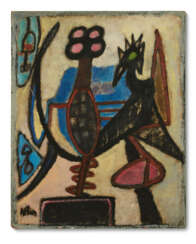

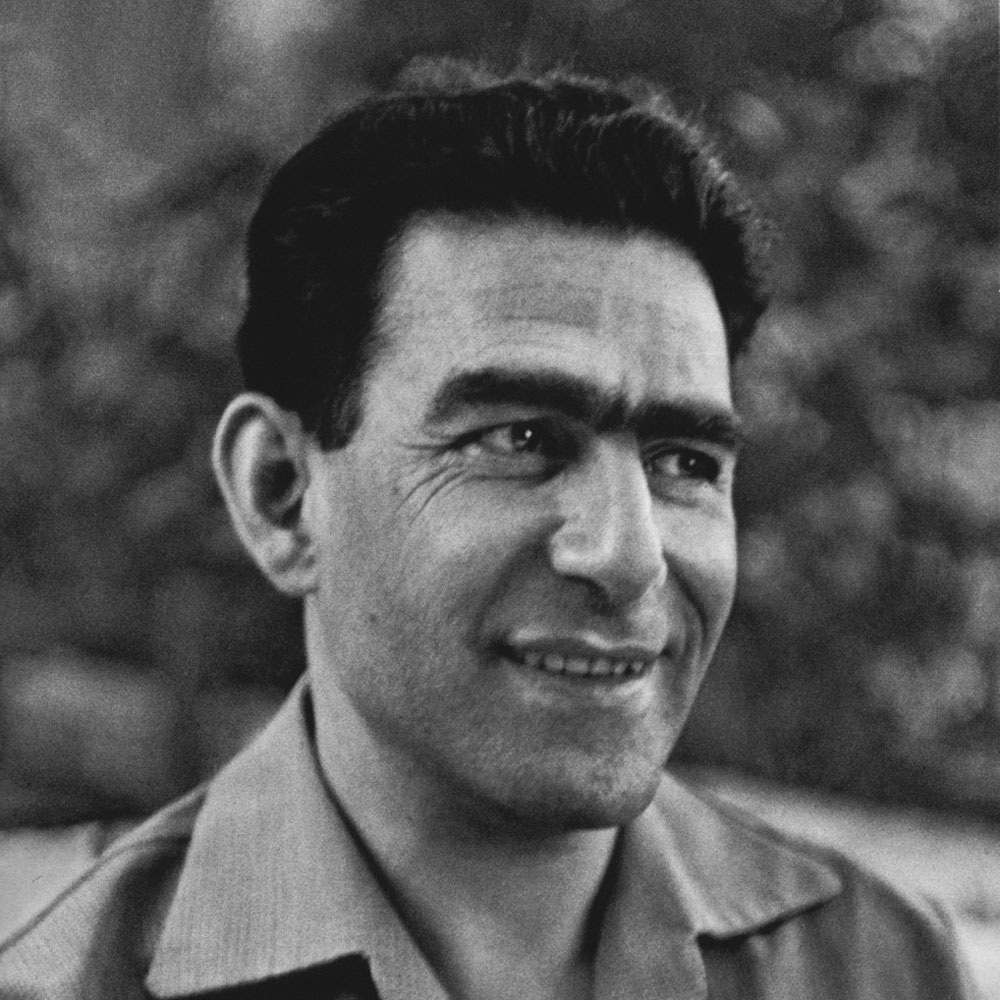
Jean-Michel Atlan was a French artist.
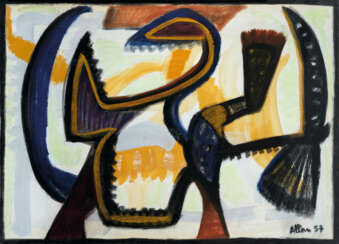

Jean-Michel Atlan was a French artist.
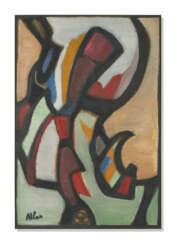

Jean-Michel Atlan was a French artist.
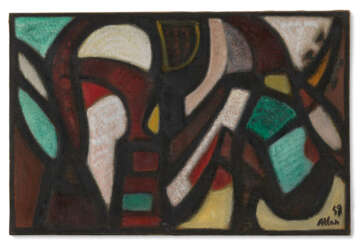

Jean-Michel Atlan was a French artist.



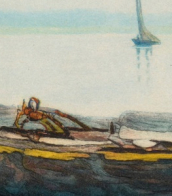


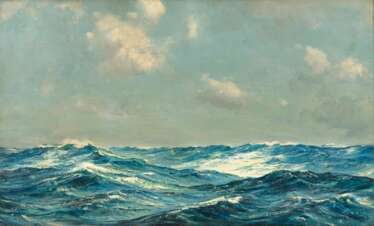

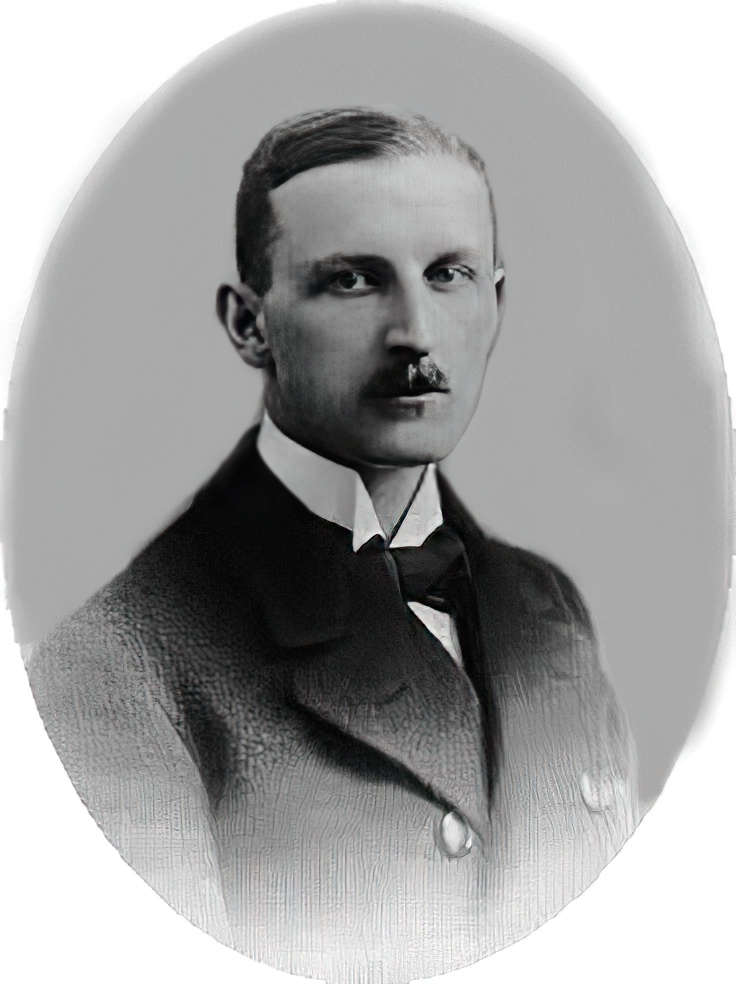
Claus Friedrich Bergen was a German painter of the first half of the twentieth century. He is known as a marine painter and illustrator.
Claus Bergen illustrated Karl May's adventure tales early in his career, creating more than 450 works. He specialized in nautical subjects, depictions of fishing and coastal landscapes, and traveled to Norway, England, the Mediterranean and America. During World War I, Bergen created paintings depicting sea battles; he was the only artist of his time to participate in a submarine raid. In World War II, he was included by the Nazis in the "God-given list" and his work was exhibited in Nazi exhibitions in Munich from 1937 to 1944.
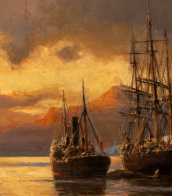




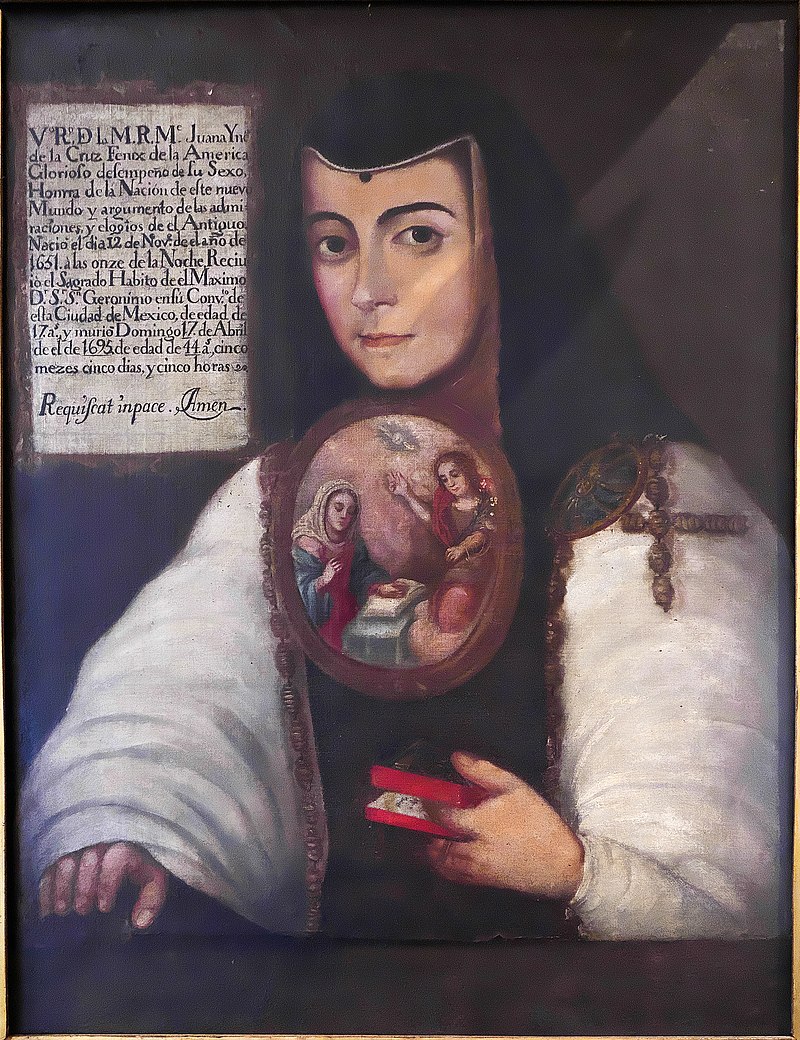
Juana Inés de la Cruz or Juana of Asbaje, real name Juana Inés de Asbaje Ramírez de Santillananota, was a Mexican poet, scholar, and writer of the Latin American colonial period and the Spanish Baroque, and a Jerónimo nun.
Juana Ramírez was born into a poor family (Spanish father and Creole mother) and from an early age showed a burning thirst for knowledge and giftedness, but as a woman she was almost entirely self-taught. By her teens, she had already learned Greek logic and taught Latin to young children. She also learned Nahuatl, an Aztec language spoken in Central Mexico, and wrote several short poems in the language. At the age of 16, the girl was introduced to the court, and her intelligence impressed even Viceroy Antonio Sebastian de Toledo, Marquis de Mancera, and in 1664 he invited her to serve as maid of honor.
In 1669, at the age of 21, she took her tonsure at the Convent of Santa Paula of the Hieronymite Order in Mexico City, where she remained a recluse for the rest of her life. In the convent, Sister Juana enjoyed exceptional freedom: she continued to socialize with scholars and senior members of the court, amassed one of the largest private libraries in the New World, as well as a collection of musical and scientific instruments. Her plays in verse, poetry, and compositions for state and religious festivals were frequently and successfully performed at the palace.
Sister Juana was an outstanding representative of Spain's Golden Age: she was the last significant writer of the Latin American Baroque and the first great exponent of colonial Mexican culture. Sister Juana wrote sonnets, romances, and ballads, drawing on a vast store of classical, biblical, philosophical, and mythological sources. She also composed moral, satirical, and religious texts, as well as many poems praising courtiers, but she also defended women's right to education.
At the end of her life, due to pressure from religious dogmatists, Sister Juana had to sell her extensive library of some 4,000 volumes and return to strict reclusiveness. In 1695, the plague struck the convent and, while caring for her sisters, Juana died of the disease at about the age of forty-four.
Today, Juana Inés de la Cruz is a national icon of Mexico and Mexican identity as a prominent writer of the Spanish-American colonial period. The former convent where she lived is a center of higher education, and her image adorns Mexican currency.






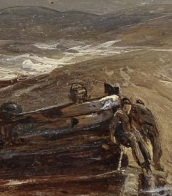




Claus Friedrich Bergen was a German painter of the first half of the twentieth century. He is known as a marine painter and illustrator.
Claus Bergen illustrated Karl May's adventure tales early in his career, creating more than 450 works. He specialized in nautical subjects, depictions of fishing and coastal landscapes, and traveled to Norway, England, the Mediterranean and America. During World War I, Bergen created paintings depicting sea battles; he was the only artist of his time to participate in a submarine raid. In World War II, he was included by the Nazis in the "God-given list" and his work was exhibited in Nazi exhibitions in Munich from 1937 to 1944.
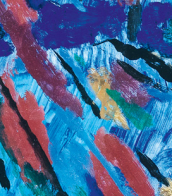


Claus Friedrich Bergen was a German painter of the first half of the twentieth century. He is known as a marine painter and illustrator.
Claus Bergen illustrated Karl May's adventure tales early in his career, creating more than 450 works. He specialized in nautical subjects, depictions of fishing and coastal landscapes, and traveled to Norway, England, the Mediterranean and America. During World War I, Bergen created paintings depicting sea battles; he was the only artist of his time to participate in a submarine raid. In World War II, he was included by the Nazis in the "God-given list" and his work was exhibited in Nazi exhibitions in Munich from 1937 to 1944.