name in the hat





![Jean-Baptiste Audebert | Histoire naturelle des singes. Paris, 1797-[1800], in the original parts, fine illustrations of primates](/assets/image/picture_3530743/97533/zll8szmoumzsdx86feof1b4xnhwzoiihymos91lyuesaxchvije5vgcl7ima5r1698925527jpg__fix_374_244.jpeg)
![Jean-Baptiste Audebert | Histoire naturelle des singes. Paris, 1797-[1800], in the original parts, fine illustrations of primates](https://veryimportantlot.com/assets/image/picture_3530743/97533/zll8szmoumzsdx86feof1b4xnhwzoiihymos91lyuesaxchvije5vgcl7ima5r1698925527jpg__fix_374_244.jpeg)
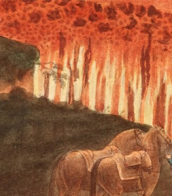





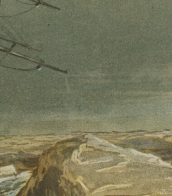

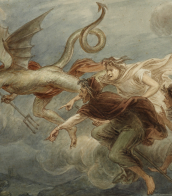






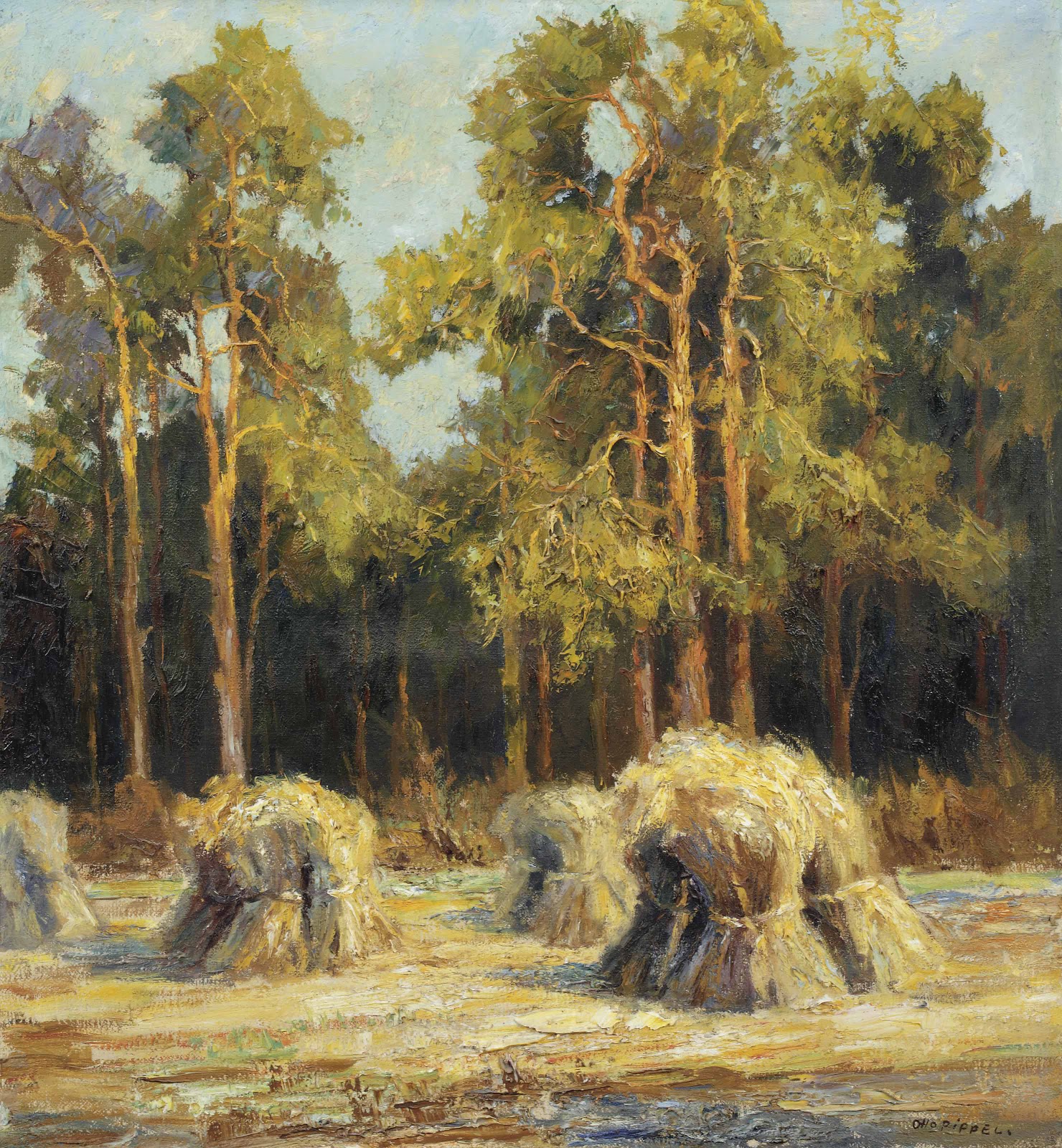
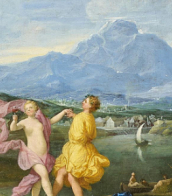


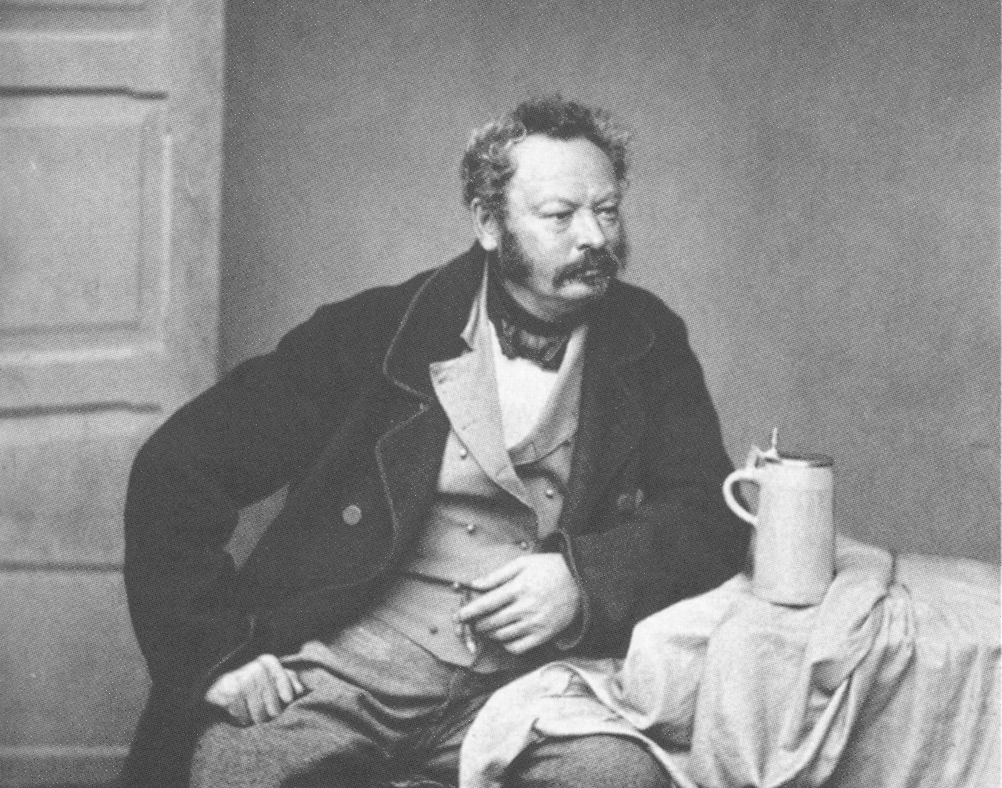
Heinrich Bürkel was a German artist of the mid-nineteenth century. He is known as a painter and graphic artist, representative of the Biedermeier style.
Heinrich Bürkel specialized in genre and landscape paintings, especially winter landscapes. He often used Staffage and depicted animals. His work showed the influence of the old Dutch and Italian masters. Bürkel enjoyed great popularity, his paintings were actively acquired for private collections, including in America. The master painted about 1000 paintings and created about 6000 drawings.









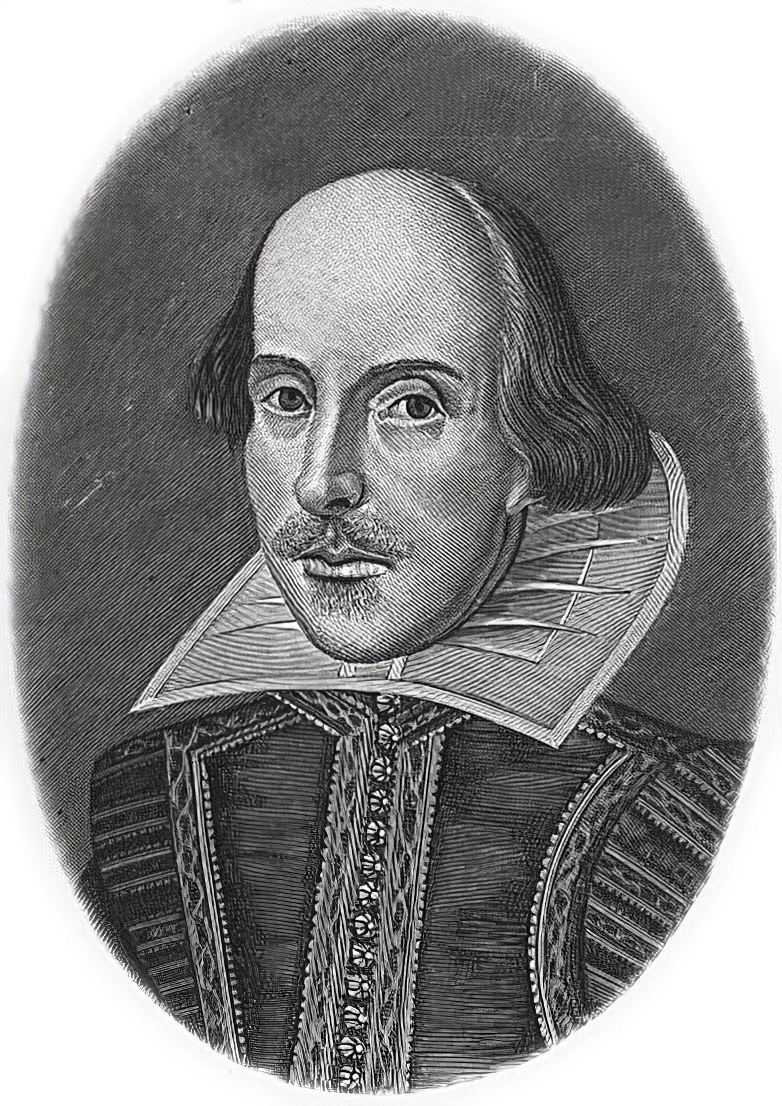
William Shakespeare was a British poet and playwright and writer.
William's father, John Shakespeare, was a merchant and official in Stratford. There are reports that he was a sailor for a time before joining a theater company in London. Beginning in the 1590s, Shakespeare began writing plays, and in 1593 he published a poem, Venus and Adonis, which became popular. He dedicated it to the Duke of Southampton, who was a philanthropist and patron of talent, and soon his business was booming.
From 1592 to 1600 Shakespeare wrote his dramas and romantic comedies "Richard III", "The Taming of the Shrew", "Romeo and Juliet", "A Midsummer Night's Dream" and "The Merchant of Venice", as well as the comedies "Much Ado About Nothing", "Twelfth Night" and the tragedy "Julius Caesar". The playwright's business was so successful that he even bought a large house in Stratford. In 1599, Shakespeare became one of the owners, playwright and actor of the new theater "Globe". In 1603 King James took Shakespeare's troupe under his direct patronage. In the mature period, the great playwright turned to tragedies, there were "Hamlet", "Othello", "King Lear", "Macbeth" and others.
Although in the 19th century researchers had some doubts about the authorship of many of these works, William Shakespeare is considered the greatest English playwright, one of the best playwrights in the world. His plays have been translated into all major languages and to this day form the basis of the world theatrical repertoire, most of them have been screened many times. According to the Guinness Book of Records, Shakespeare remains the world's best-selling playwright, and his plays and poems have sold more than 4 billion copies in the nearly 400 years since his death.
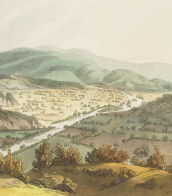


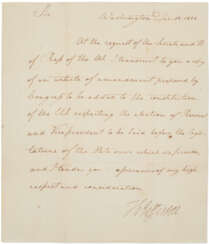

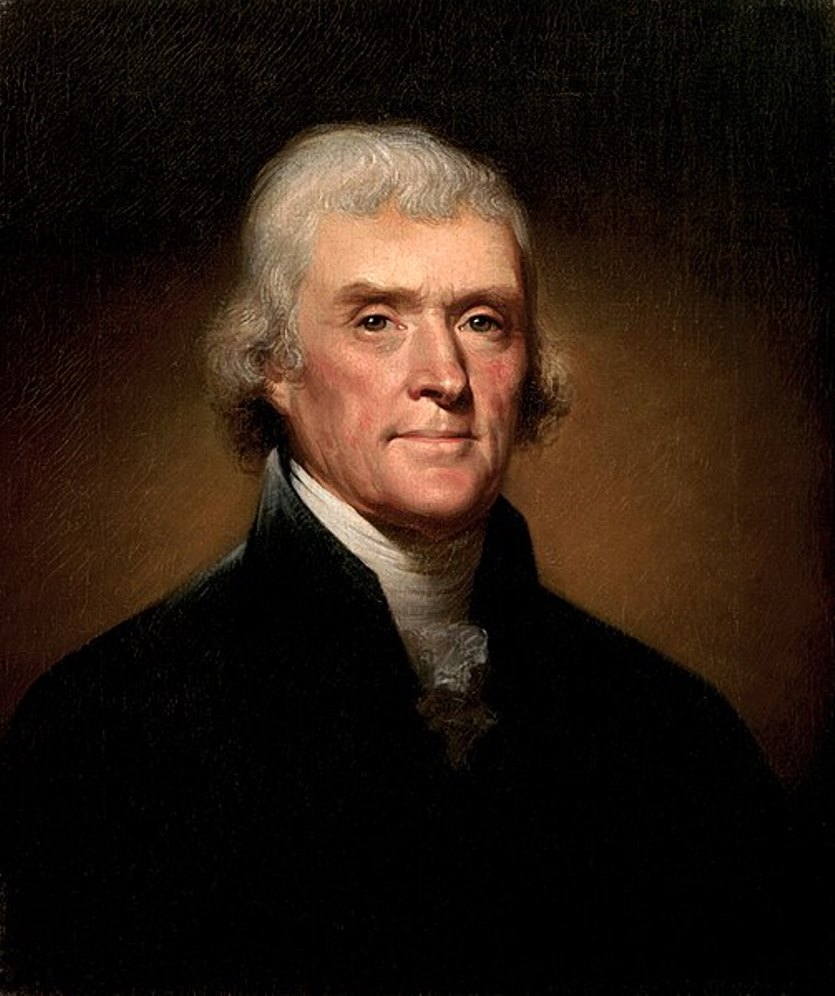
Thomas Jefferson was an American politician and statesman, the third President of the United States (March 4, 1801 - March 4, 1809).
Jefferson was the son of a planter and received a law degree. In 1774, he wrote A Summary of the Rights of British America, which attracted public attention, and he soon gained a reputation as one of the first advocates of American independence from the authority of the British Parliament. In the spring of 1775, the Virginia legislature appointed him a delegate to the Second Conference of the Continental Congress. A year later he was appointed to a committee of five, which also included Adams and Benjamin Franklin, to draft a formal statement of reasons to justify a break with Great Britain. Jefferson thus became one of the authors of the Declaration of Independence. Jefferson succeeded Benjamin Franklin as minister to France in 1785, was secretary of state (1790-1793) under Washington, and vice president (1797-1801) under John Adams.
A Democratic-Republican, Jefferson, who believed that the national government should play a limited role in the lives of citizens, was elected president in 1800. One of the most significant accomplishments of Jefferson's first administration was the purchase of the Louisiana Territory from France for $15 million dollars in 1803 (from the Gulf of Mexico to present-day Canada), effectively doubling the size of the United States. During his second term, Jefferson was focused on trying to keep America out of the Napoleonic Wars in Europe. After his second term as president, he was succeeded by James Madison in 1808.
Upon leaving office, Jefferson retired to his plantation in Virginia, pursued his favorite pastimes, and helped found the University of Virginia. In addition to politics, he is known as a writer, farmer, horticulturist, inventor, book collector, art historian, architect, and scientist. He died at the age of 83 on July 4, 1826, the 50th anniversary of the Declaration of Independence.


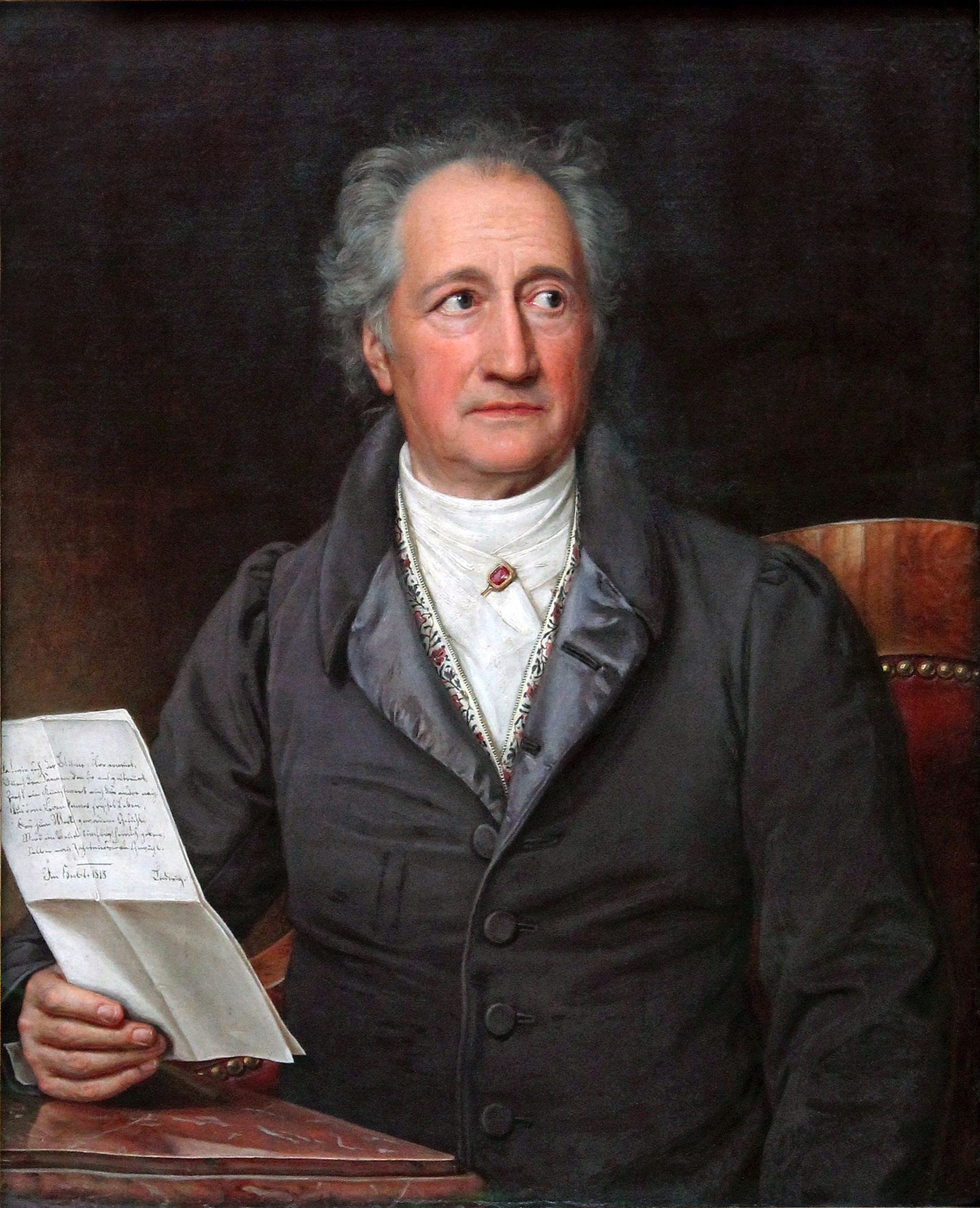
Johann Wolfgang von Goethe, a German polymath and writer, is celebrated as one of the most influential figures in the German language and Western culture. His vast array of works spans poetry, novels, plays, and scientific writings, reflecting his diverse interests and profound impact on various fields.
Goethe's early life in Frankfurt laid the foundation for his diverse interests. After studying law, he gained fame with "The Sorrows of Young Werther," which led to an invitation to the Weimar court. His contributions there were significant, including roles in the ducal council, mining supervision, and cultural endeavors like theater management and the botanical park's planning.
His literary achievements are vast, with notable works like "Faust" and "Wilhelm Meister's Apprenticeship," which delve into human nature and societal reflections. Goethe's "Sturm und Drang" period was marked by intense emotion and a break from traditional forms, influencing subsequent cultural movements.
Johann Wolfgang von Goethe's interest in science is equally noteworthy. He made contributions to biology, zoology, and color theory, advocating for a holistic view of nature and expressing skepticism toward restrictive scientific methodologies. His works in these areas reflect a deep desire to understand and articulate the natural world's interconnectedness.
For art collectors and experts, Goethe's influence extends beyond his literary and scientific contributions. His role in Weimar Classicism and his artistic endeavors offer rich insights into the period's cultural landscape, providing a multifaceted perspective on his legacy.
To stay informed about developments and events related to Johann Wolfgang von Goethe, consider signing up for updates. This subscription will keep you informed about new product sales and auction events related to Goethe's works and influence, offering exclusive insights for enthusiasts and collectors.


William Shakespeare was a British poet and playwright and writer.
William's father, John Shakespeare, was a merchant and official in Stratford. There are reports that he was a sailor for a time before joining a theater company in London. Beginning in the 1590s, Shakespeare began writing plays, and in 1593 he published a poem, Venus and Adonis, which became popular. He dedicated it to the Duke of Southampton, who was a philanthropist and patron of talent, and soon his business was booming.
From 1592 to 1600 Shakespeare wrote his dramas and romantic comedies "Richard III", "The Taming of the Shrew", "Romeo and Juliet", "A Midsummer Night's Dream" and "The Merchant of Venice", as well as the comedies "Much Ado About Nothing", "Twelfth Night" and the tragedy "Julius Caesar". The playwright's business was so successful that he even bought a large house in Stratford. In 1599, Shakespeare became one of the owners, playwright and actor of the new theater "Globe". In 1603 King James took Shakespeare's troupe under his direct patronage. In the mature period, the great playwright turned to tragedies, there were "Hamlet", "Othello", "King Lear", "Macbeth" and others.
Although in the 19th century researchers had some doubts about the authorship of many of these works, William Shakespeare is considered the greatest English playwright, one of the best playwrights in the world. His plays have been translated into all major languages and to this day form the basis of the world theatrical repertoire, most of them have been screened many times. According to the Guinness Book of Records, Shakespeare remains the world's best-selling playwright, and his plays and poems have sold more than 4 billion copies in the nearly 400 years since his death.