

one all of axe

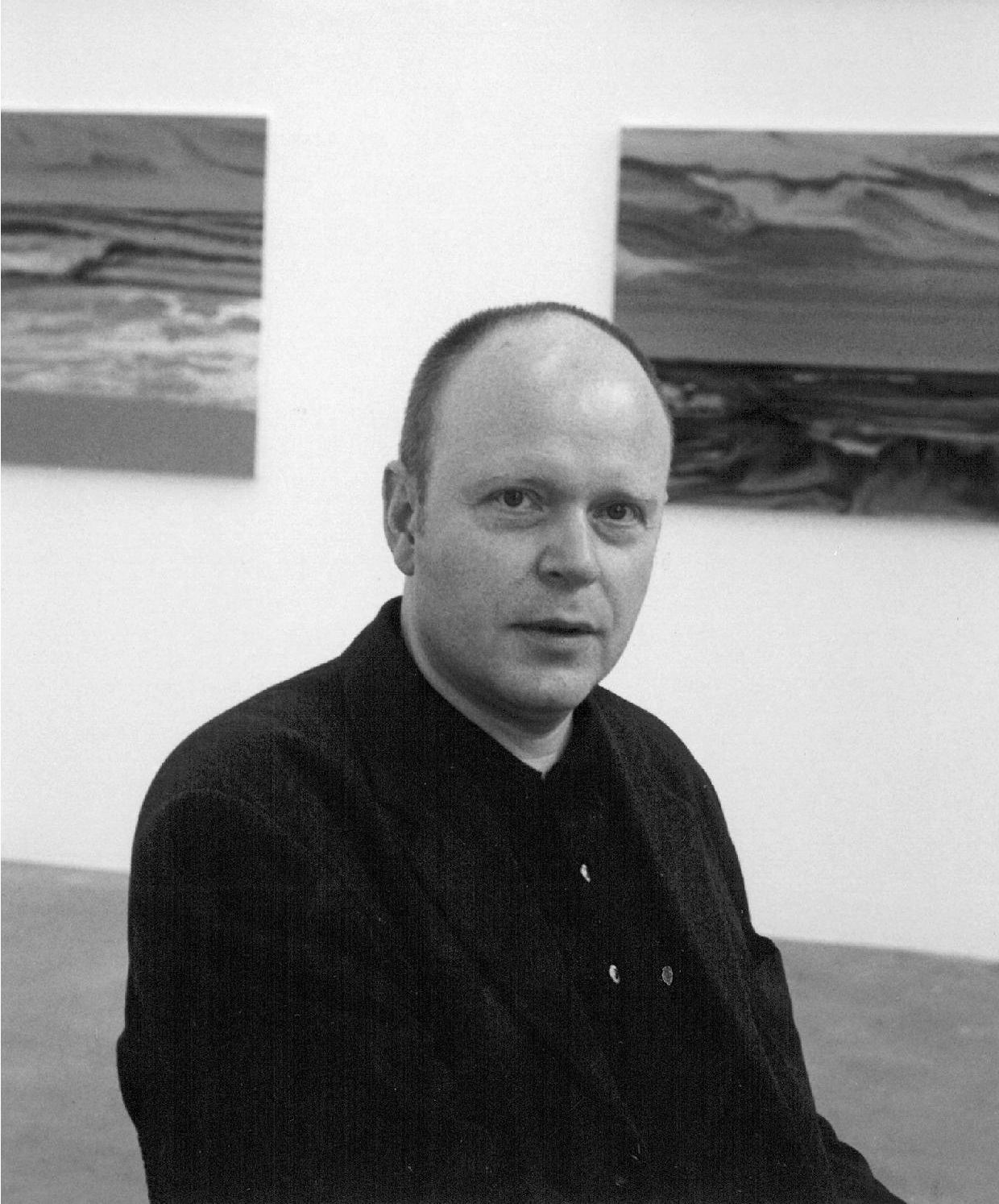
Axel Kassebömer was a German artist known for his innovative and multidisciplinary approach to art.
Axel Kassebömer's artistic practice was characterised by a combination of conceptual and visual elements. He often explored the intersection of art, science and technology, incorporating scientific principles and mathematical concepts into his work. His art sought to provoke thoughtful contemplation and challenge traditional notions of perception and reality.
In his paintings, Kassebömer used geometric shapes, intricate patterns and vivid colours. He played with spatial relationships and optical illusions, creating dynamic compositions that invited viewers to engage intellectually and sensorially with works of art.
Axel Kassebömer's interest in photography led him to experiment with capturing movement, time and light. He used long exposures and multiple exposures to create abstract and ethereal images that conveyed a sense of fluidity and transformation.



Axel Kassebömer was a German artist known for his innovative and multidisciplinary approach to art.
Axel Kassebömer's artistic practice was characterised by a combination of conceptual and visual elements. He often explored the intersection of art, science and technology, incorporating scientific principles and mathematical concepts into his work. His art sought to provoke thoughtful contemplation and challenge traditional notions of perception and reality.
In his paintings, Kassebömer used geometric shapes, intricate patterns and vivid colours. He played with spatial relationships and optical illusions, creating dynamic compositions that invited viewers to engage intellectually and sensorially with works of art.
Axel Kassebömer's interest in photography led him to experiment with capturing movement, time and light. He used long exposures and multiple exposures to create abstract and ethereal images that conveyed a sense of fluidity and transformation.


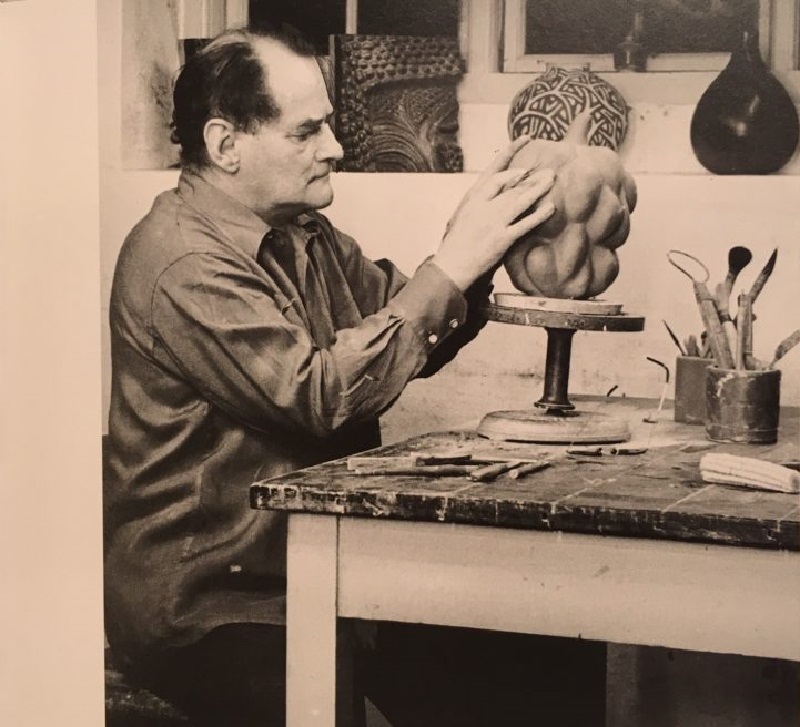
Axel Johannes Salto was an internationally renowned Danish ceramic artist. He studied at the Royal Danish Academy of Fine Arts from 1909 to 1914.
Axel Salto visited Paris in 1916, where he met Pablo Picasso and Henri Matisse. This meeting was a landmark for Salto's creative ambitions and his influence on the innovative ideas of the time.
Throughout the 1920s his artistic focus shifted from painting to ceramics, and between 1923 and 1950 he created around 3,000 different ceramic pieces.
From the mid-1930s he worked mainly at the Royal Porcelain Factory in Copenhagen. Here Salto developed his ceramics, experimenting with unusually rich glazes and organic shapes.
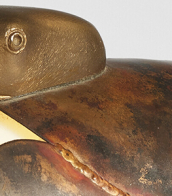


Axel Kassebömer was a German artist known for his innovative and multidisciplinary approach to art.
Axel Kassebömer's artistic practice was characterised by a combination of conceptual and visual elements. He often explored the intersection of art, science and technology, incorporating scientific principles and mathematical concepts into his work. His art sought to provoke thoughtful contemplation and challenge traditional notions of perception and reality.
In his paintings, Kassebömer used geometric shapes, intricate patterns and vivid colours. He played with spatial relationships and optical illusions, creating dynamic compositions that invited viewers to engage intellectually and sensorially with works of art.
Axel Kassebömer's interest in photography led him to experiment with capturing movement, time and light. He used long exposures and multiple exposures to create abstract and ethereal images that conveyed a sense of fluidity and transformation.
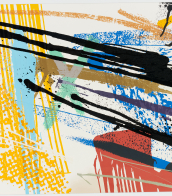
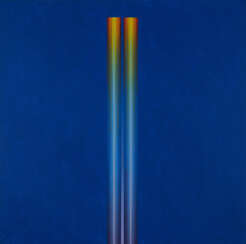

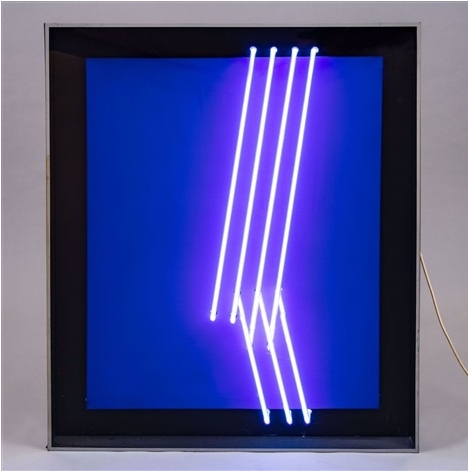
Axel Dick was one of the most important German representatives of geometric abstraction and op art.
During a trip to New York in 1965, Axel Dick discovered the path to Conceptualism. It was a style he followed for the rest of his life.

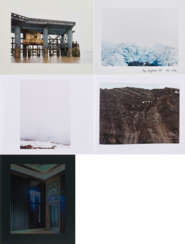

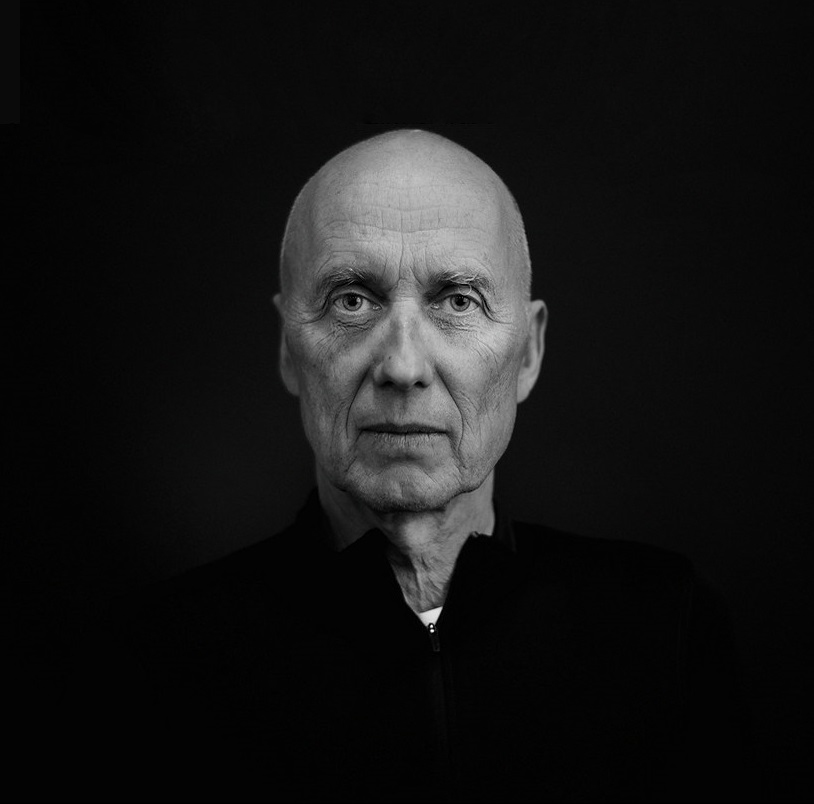
Axel Hütte is a German photographer. He is considered one of main representatives of the Düsseldorf School of Photography.
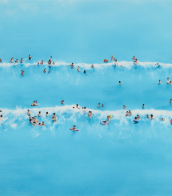
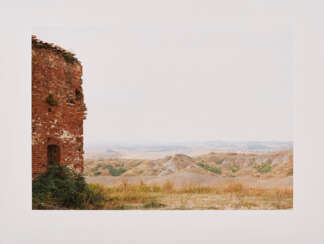

Axel Hütte is a German photographer. He is considered one of main representatives of the Düsseldorf School of Photography.
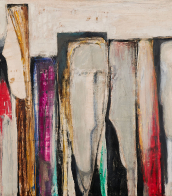
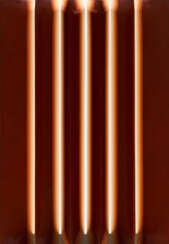

Axel Dick was one of the most important German representatives of geometric abstraction and op art.
During a trip to New York in 1965, Axel Dick discovered the path to Conceptualism. It was a style he followed for the rest of his life.
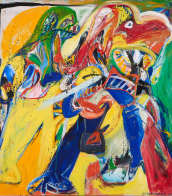
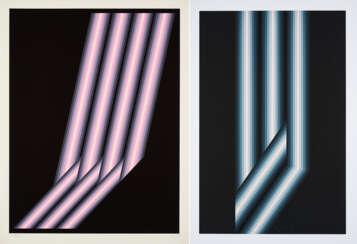

Axel Dick was one of the most important German representatives of geometric abstraction and op art.
During a trip to New York in 1965, Axel Dick discovered the path to Conceptualism. It was a style he followed for the rest of his life.
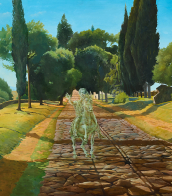

Axel Kassebömer was a German artist known for his innovative and multidisciplinary approach to art.
Axel Kassebömer's artistic practice was characterised by a combination of conceptual and visual elements. He often explored the intersection of art, science and technology, incorporating scientific principles and mathematical concepts into his work. His art sought to provoke thoughtful contemplation and challenge traditional notions of perception and reality.
In his paintings, Kassebömer used geometric shapes, intricate patterns and vivid colours. He played with spatial relationships and optical illusions, creating dynamic compositions that invited viewers to engage intellectually and sensorially with works of art.
Axel Kassebömer's interest in photography led him to experiment with capturing movement, time and light. He used long exposures and multiple exposures to create abstract and ethereal images that conveyed a sense of fluidity and transformation.

Axel Kassebömer was a German artist known for his innovative and multidisciplinary approach to art.
Axel Kassebömer's artistic practice was characterised by a combination of conceptual and visual elements. He often explored the intersection of art, science and technology, incorporating scientific principles and mathematical concepts into his work. His art sought to provoke thoughtful contemplation and challenge traditional notions of perception and reality.
In his paintings, Kassebömer used geometric shapes, intricate patterns and vivid colours. He played with spatial relationships and optical illusions, creating dynamic compositions that invited viewers to engage intellectually and sensorially with works of art.
Axel Kassebömer's interest in photography led him to experiment with capturing movement, time and light. He used long exposures and multiple exposures to create abstract and ethereal images that conveyed a sense of fluidity and transformation.


Axel Dick was one of the most important German representatives of geometric abstraction and op art.
During a trip to New York in 1965, Axel Dick discovered the path to Conceptualism. It was a style he followed for the rest of his life.







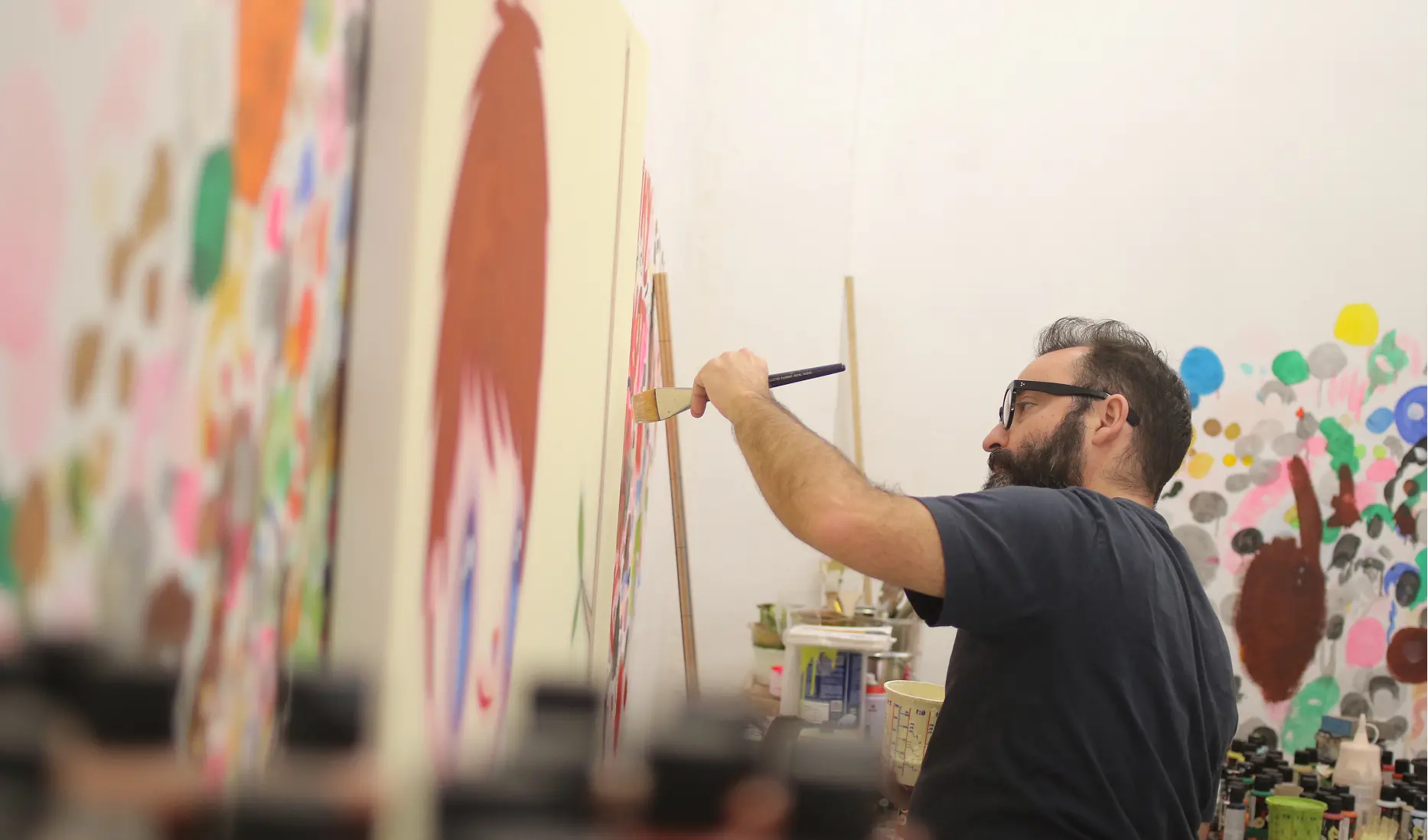
Javier Calleja is a contemporary Spanish artist who specializes in creating sculptures and drawings of a bug-eyed cheerful boy.


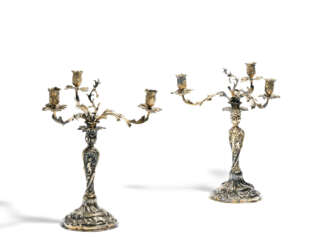

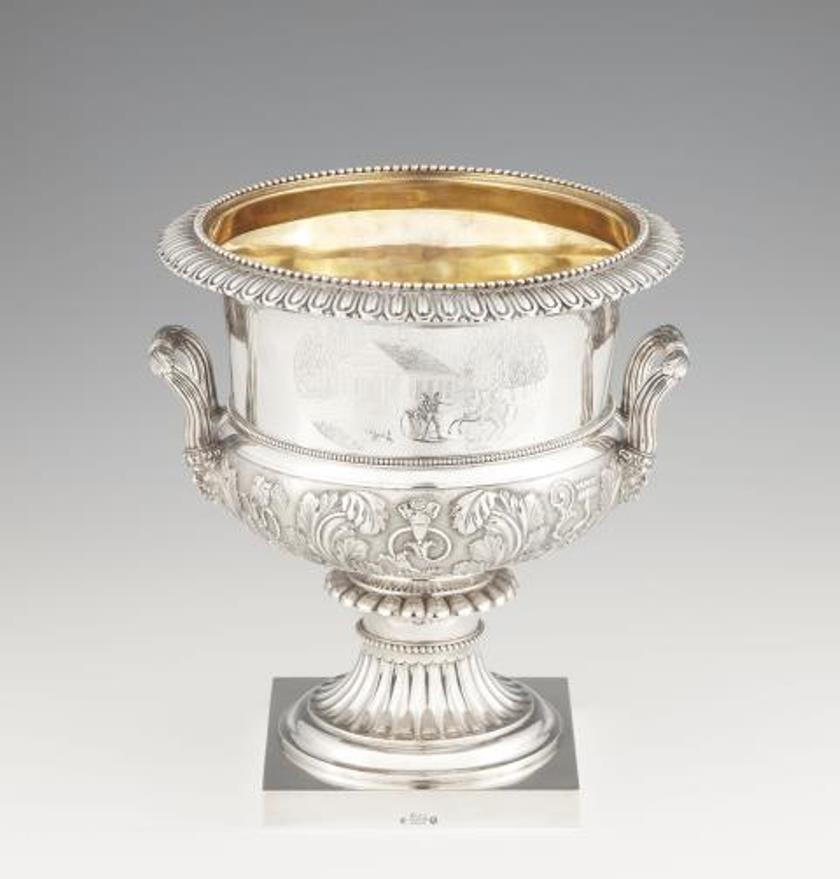
Johann George Hossauer was a German jewelry artist, entrepreneur and inventor.
Hossauer began working at the bronze factory of Werner & Mietke in Berlin and trained under the jeweler Henri de Ruolz. In 1819, King Friedrich Wilhelm III of Prussia financially supported the factory, which was managed by Hossauer. This factory produced articles of platinum, gold, silver, bronze, gilded and silvered copper and employed up to 100 people. At one of the first trade exhibitions in Berlin, the master received a gold medal for his work, and in 1826 the king granted him the title of jeweler of His Majesty the King.
As a prominent Berlin jeweler, Hossauer executed several orders of the Prussian court, including the Pour Le Merite and the Order of St. John, and also participated in the creation of the Russian Order of St. Vladimir and the Hanoverian House Order of St. George. He created silver table sets for Prussian princes and fulfilled other prestigious orders, produced jewelry, medals, and numerous pieces of gold and silverware.
In 1845, Hossauer sold his patent for the electroplating process to Werner von Siemens, and ten years later he was appointed a judge at the World's Fair in Paris.


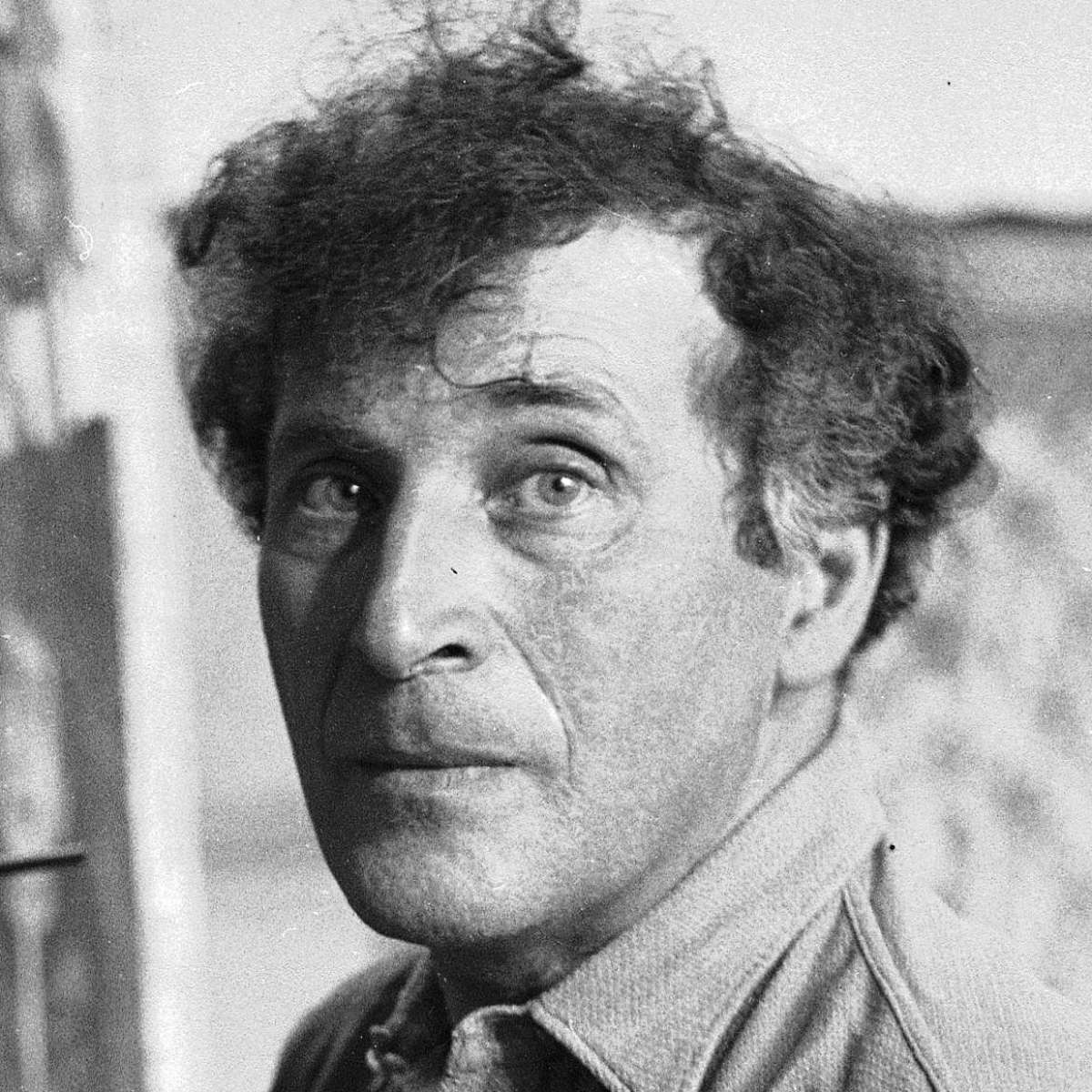
Marc Chagall (Russian: Марк Заха́рович Шага́л), born Moishe Shagal in 1887 near Vitebsk, Belarus (then part of the Russian Empire), was a Belarusian and French artist celebrated for his pivotal role in the avant-garde movement and his unique integration of Eastern European Jewish culture into modern art. His contributions spanned several artistic formats including painting, stained glass, stage sets, ceramics, tapestries, and fine art prints. Chagall's early modernist tendencies were enriched by his experiences across Saint Petersburg, Paris, and Berlin before World War I, leading to a distinctive style that melded Cubism, Symbolism, and Fauvism with his Jewish heritage.
Chagall's work is recognized for its emotional depth, often exploring themes of love, memory, and Jewish folklore through vibrant colors and dreamlike imagery. Notably, art critic Robert Hughes described him as "the quintessential Jewish artist of the twentieth century," a sentiment echoed by art historian Michael J. Lewis who regarded Chagall as a significant figure within European modernism and as the world's preeminent Jewish artist of his time.
Among Chagall's famed contributions are his stained-glass windows for the cathedrals of Reims and Metz, the UN, and the Jerusalem Windows in Israel. His monumental paintings include parts of the ceiling of the Paris Opéra and works that explore biblical themes, a hallmark of his oeuvre that underscores his enduring engagement with spiritual and religious motifs.
For art collectors and antiques experts, Chagall's works are notable not only for their artistic innovation but also for their rich cultural and historical significance. His art is housed in many prestigious museums worldwide, including the Marc Chagall National Museum in Nice, France, which focuses on his works inspired by religion and houses the series of paintings illustrating the biblical message.
For those interested in exploring Chagall's legacy and the vibrant intersection of culture, art, and history his work represents, signing up for updates on new product sales and auction events related to Marc Chagall can provide invaluable insights and opportunities. This is an invitation to engage more deeply with the world of art and culture that Chagall so uniquely encapsulated in his work.








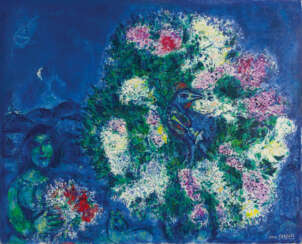

Marc Chagall (Russian: Марк Заха́рович Шага́л), born Moishe Shagal in 1887 near Vitebsk, Belarus (then part of the Russian Empire), was a Belarusian and French artist celebrated for his pivotal role in the avant-garde movement and his unique integration of Eastern European Jewish culture into modern art. His contributions spanned several artistic formats including painting, stained glass, stage sets, ceramics, tapestries, and fine art prints. Chagall's early modernist tendencies were enriched by his experiences across Saint Petersburg, Paris, and Berlin before World War I, leading to a distinctive style that melded Cubism, Symbolism, and Fauvism with his Jewish heritage.
Chagall's work is recognized for its emotional depth, often exploring themes of love, memory, and Jewish folklore through vibrant colors and dreamlike imagery. Notably, art critic Robert Hughes described him as "the quintessential Jewish artist of the twentieth century," a sentiment echoed by art historian Michael J. Lewis who regarded Chagall as a significant figure within European modernism and as the world's preeminent Jewish artist of his time.
Among Chagall's famed contributions are his stained-glass windows for the cathedrals of Reims and Metz, the UN, and the Jerusalem Windows in Israel. His monumental paintings include parts of the ceiling of the Paris Opéra and works that explore biblical themes, a hallmark of his oeuvre that underscores his enduring engagement with spiritual and religious motifs.
For art collectors and antiques experts, Chagall's works are notable not only for their artistic innovation but also for their rich cultural and historical significance. His art is housed in many prestigious museums worldwide, including the Marc Chagall National Museum in Nice, France, which focuses on his works inspired by religion and houses the series of paintings illustrating the biblical message.
For those interested in exploring Chagall's legacy and the vibrant intersection of culture, art, and history his work represents, signing up for updates on new product sales and auction events related to Marc Chagall can provide invaluable insights and opportunities. This is an invitation to engage more deeply with the world of art and culture that Chagall so uniquely encapsulated in his work.


Johann George Hossauer was a German jewelry artist, entrepreneur and inventor.
Hossauer began working at the bronze factory of Werner & Mietke in Berlin and trained under the jeweler Henri de Ruolz. In 1819, King Friedrich Wilhelm III of Prussia financially supported the factory, which was managed by Hossauer. This factory produced articles of platinum, gold, silver, bronze, gilded and silvered copper and employed up to 100 people. At one of the first trade exhibitions in Berlin, the master received a gold medal for his work, and in 1826 the king granted him the title of jeweler of His Majesty the King.
As a prominent Berlin jeweler, Hossauer executed several orders of the Prussian court, including the Pour Le Merite and the Order of St. John, and also participated in the creation of the Russian Order of St. Vladimir and the Hanoverian House Order of St. George. He created silver table sets for Prussian princes and fulfilled other prestigious orders, produced jewelry, medals, and numerous pieces of gold and silverware.
In 1845, Hossauer sold his patent for the electroplating process to Werner von Siemens, and ten years later he was appointed a judge at the World's Fair in Paris.
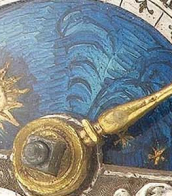


Axel Johannes Salto was an internationally renowned Danish ceramic artist. He studied at the Royal Danish Academy of Fine Arts from 1909 to 1914.
Axel Salto visited Paris in 1916, where he met Pablo Picasso and Henri Matisse. This meeting was a landmark for Salto's creative ambitions and his influence on the innovative ideas of the time.
Throughout the 1920s his artistic focus shifted from painting to ceramics, and between 1923 and 1950 he created around 3,000 different ceramic pieces.
From the mid-1930s he worked mainly at the Royal Porcelain Factory in Copenhagen. Here Salto developed his ceramics, experimenting with unusually rich glazes and organic shapes.