optics


















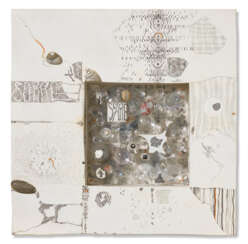



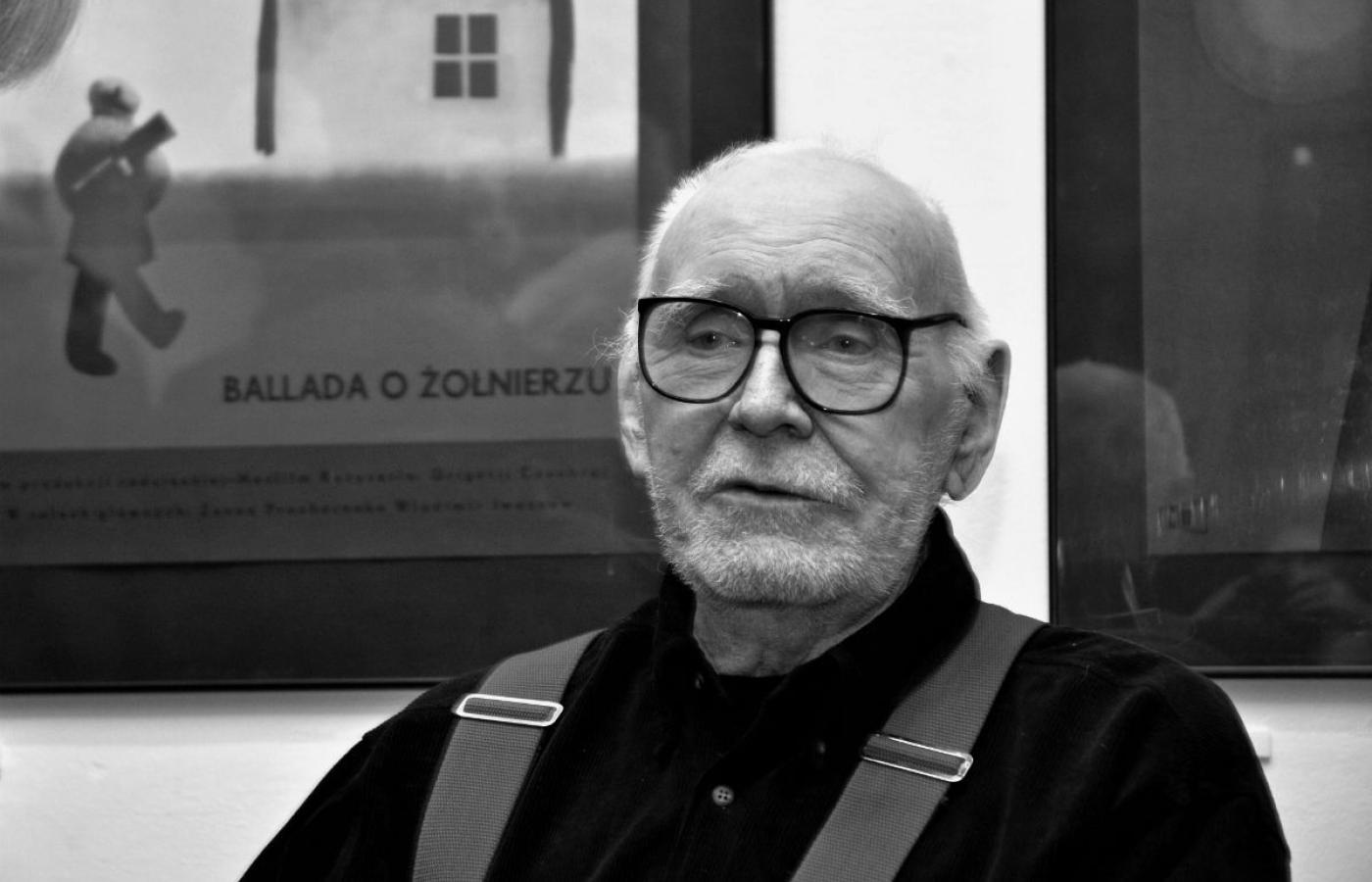
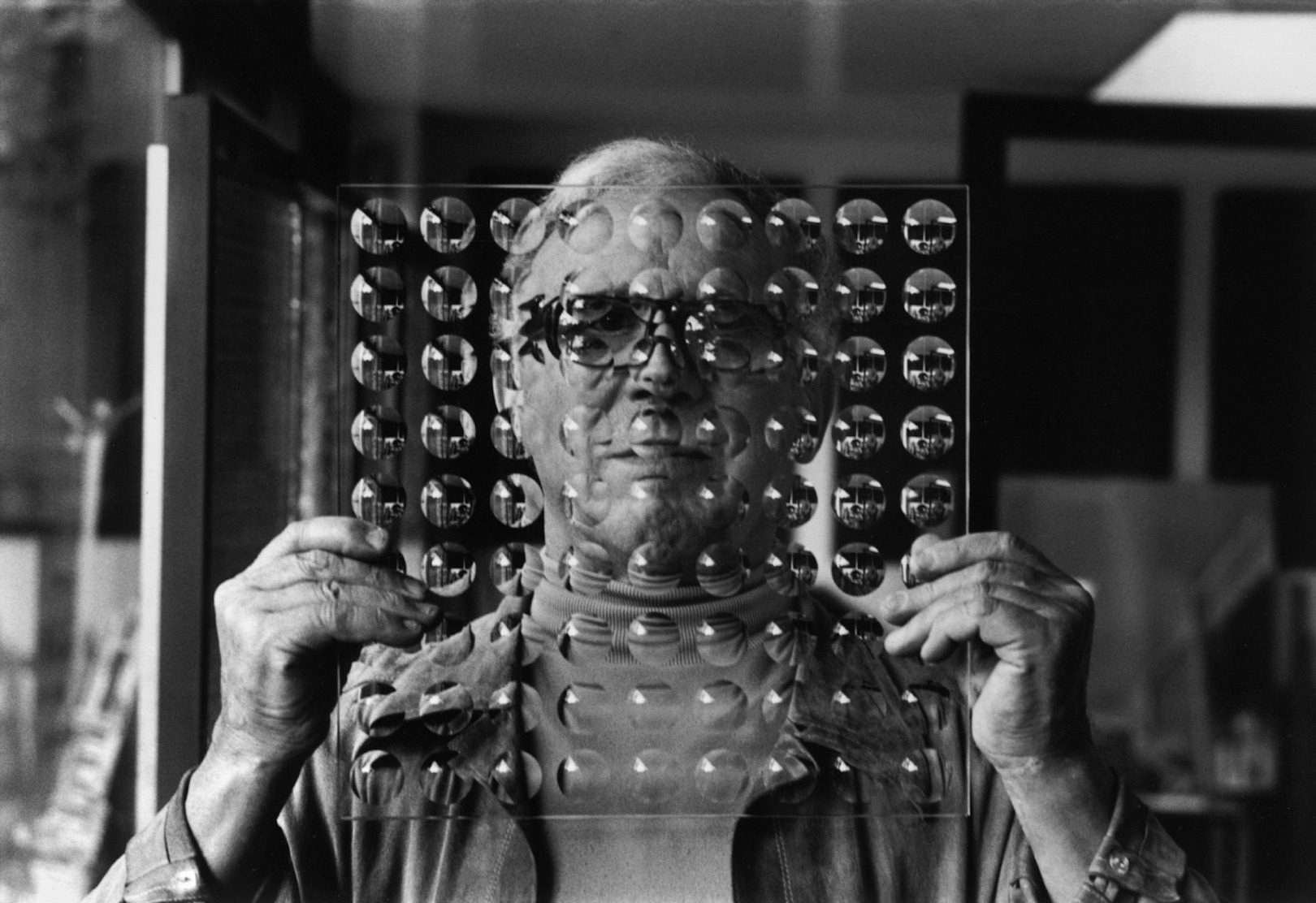
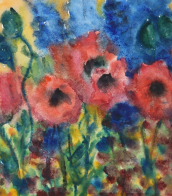
Wojciech Fangor was a Polish painter, graphic artist, sculptor and a co-creator of the Polish School of Posters.







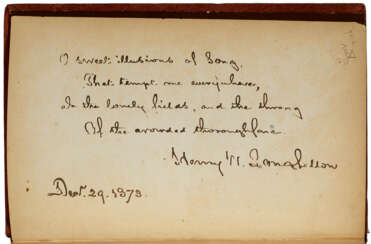

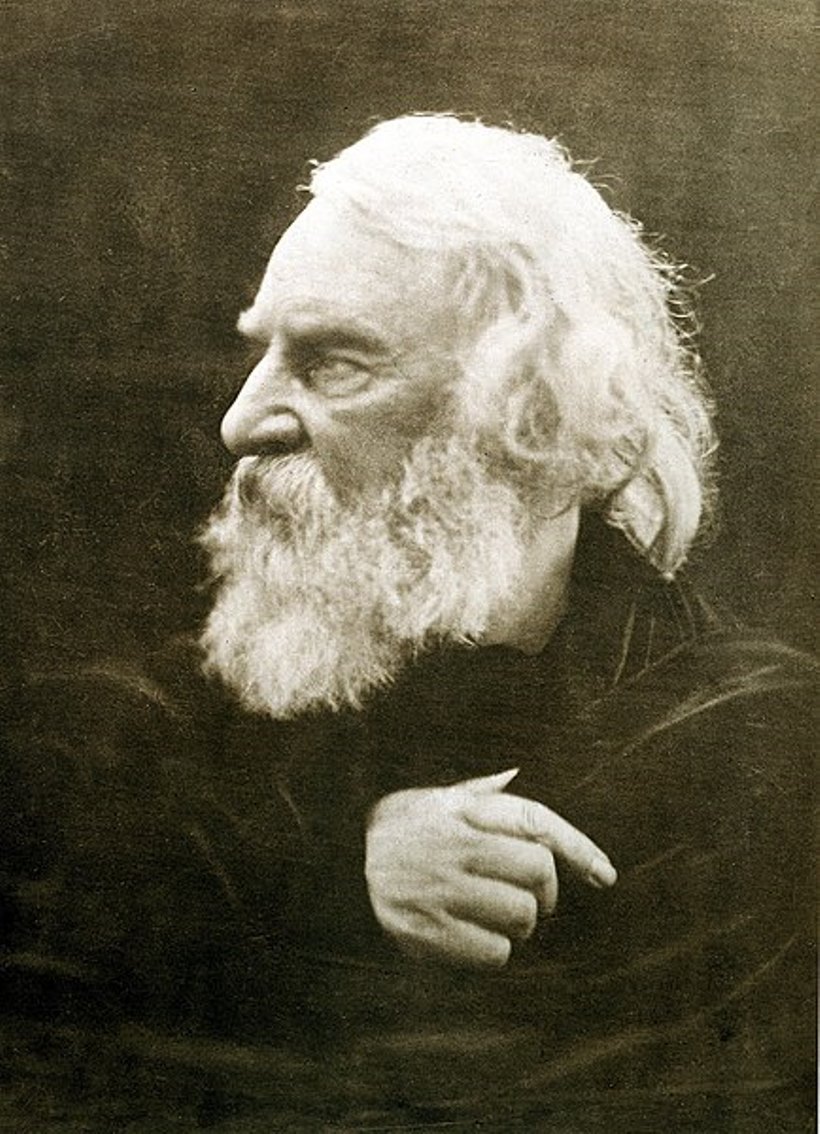
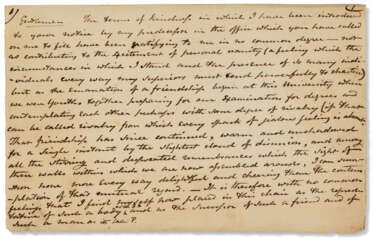
Henry Wadsworth Longfellow was the most popular American poet of the nineteenth century.
Longfellow is one of the most revered poets in the United States. His poems "Paul Revere's Ride", "Evangeline", "The Tale of Acadia" (1847) and "Psalm of Life" were included in elementary and high school curricula and have long been remembered by generations of readers who studied them as children. Longfellow revitalized American literary life by linking American poetry to European traditions outside of England.




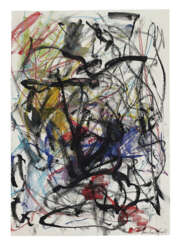

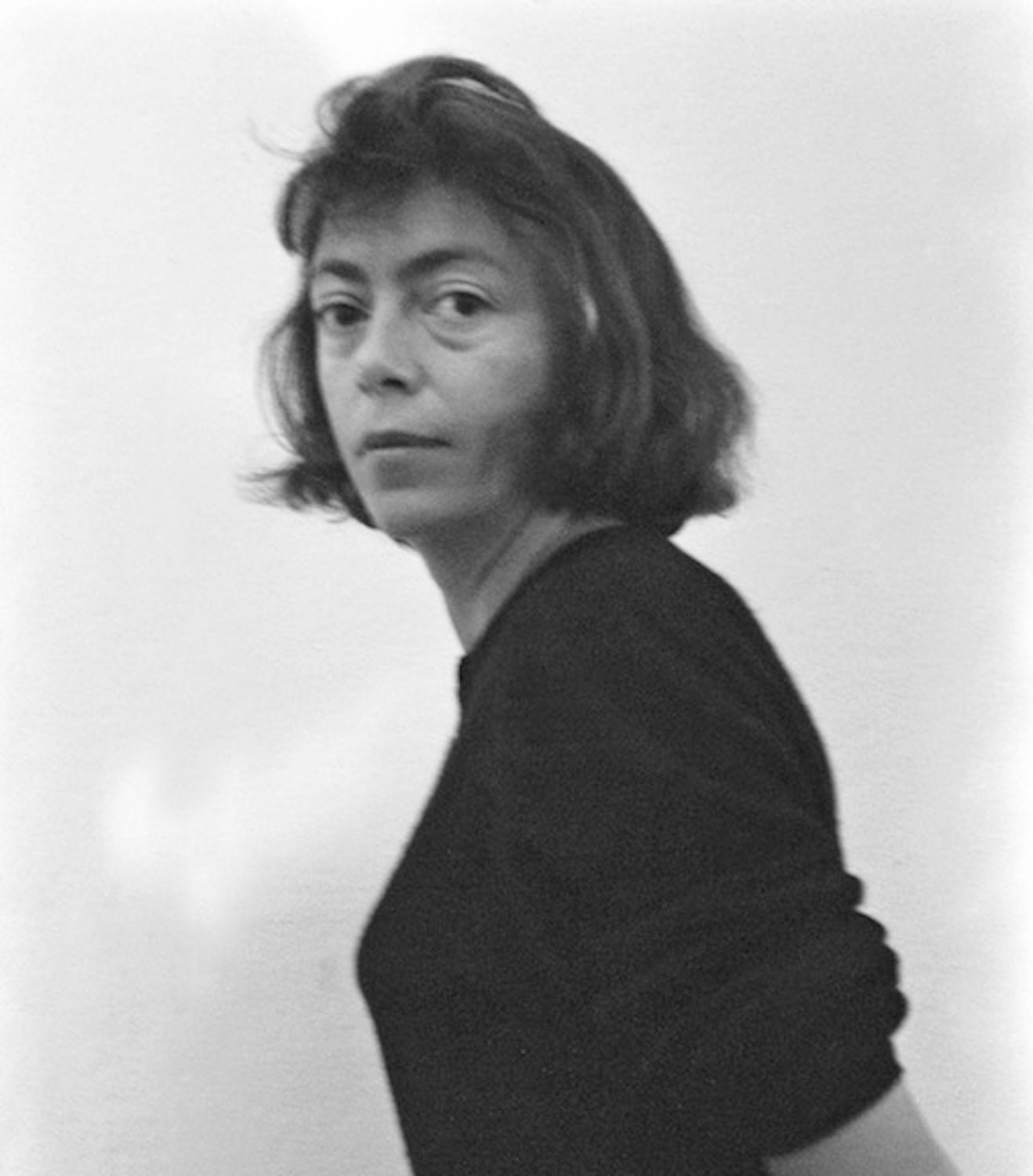
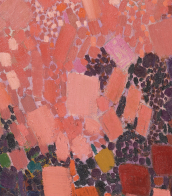
Joan Mitchell was an American painter, celebrated for her pivotal role in the Abstract Expressionist movement. Born in Chicago in 1925, Mitchell's work transcends the traditional boundaries of art, blending intense emotion with a deeply personal use of color and gesture. Her canvases are vast arenas where light, color, and texture merge to evoke landscapes, memories, and emotions. Unlike many of her contemporaries, Mitchell's art was not just about the act of painting but about capturing the essence of her experiences and emotions, making her a unique voice in 20th-century art.
Mitchell's paintings, characterized by their vibrant colors and dynamic brushstrokes, have been exhibited in some of the world's most prestigious museums and galleries. Notable works like "Hudson River Day Line" and "Bracket" found homes in institutions such as the Denver Art Museum and the San Francisco Museum of Modern Art (SFMOMA), respectively. These pieces exemplify Mitchell's ability to convey the complexity of nature and emotion, bridging the gap between abstract expressionism and the lyrical landscapes that inspired her.
Despite her critical acclaim, Mitchell's work was initially overshadowed by her male peers, selling for a fraction of their value. However, the 21st century has seen a significant reassessment of her contributions, with her paintings now commanding millions at auction. This shift is part of a broader reevaluation of women and minority artists in the art historical canon, reflecting changing perspectives on gender and creativity. Collectors and experts in art and antiques now recognize Joan Mitchell as a titan of post-war American painting, whose works continue to inspire and captivate audiences worldwide.
For those intrigued by the legacy of Joan Mitchell and the dynamic world of abstract expressionism, we invite you to sign up for updates. Our subscription service will keep you informed about new product sales and auction events related to Joan Mitchell's art, offering exclusive insights into one of the most influential artists of the 20th century.


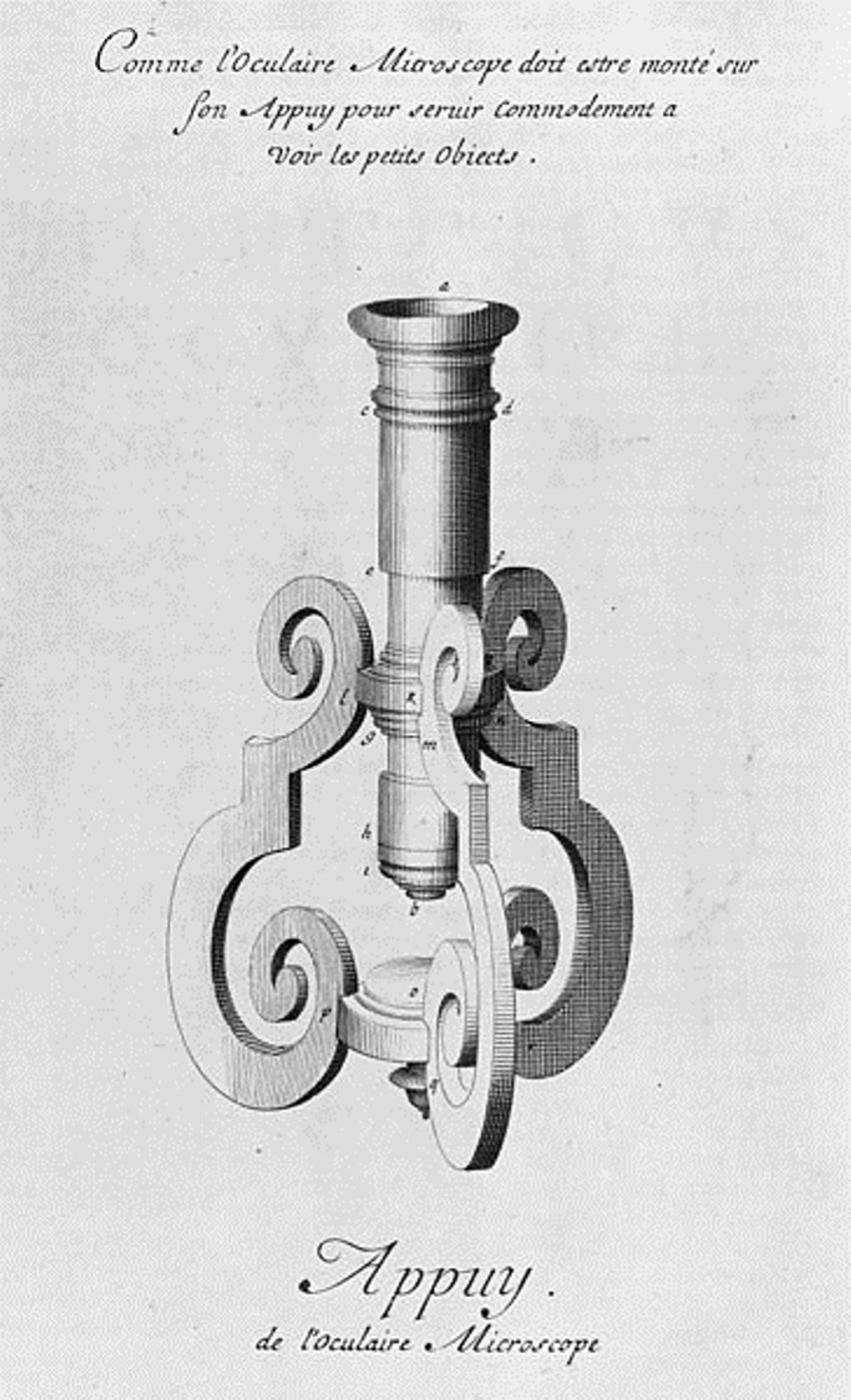
Chérubin of Orleans (French: Chérubin d'Orleans), born François or Michel Lasseré, was a French monk of the Order of the Friars Minor Capuchin, physicist, and optical instrument maker.
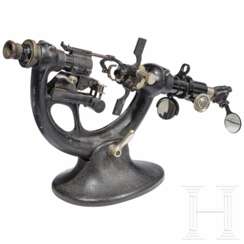
Cherubin was engaged in the study of optics and problems related to vision. He designed the first binocular telescope, as well as a special type of spectacle in which the lens was replaced by a short perforated tube. Many of his binoculars, binocular microscopes and telescopes survive today. Cheruben is also credited with modeling the eyeball to study the functioning of the ocular lens.
About his research and work, Cherubin of Orléans published in Paris the works La dioptrique oculaire (Dioptrique oculaire, 1671) and La vision parfaite (Perfect Vision, 1677).

.jpeg)
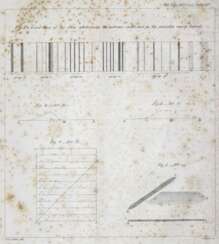
Sir John Frederick William Herschel, 1st Baronet was a British astronomer and son of the Uranus discoverer Wilhelm Herschel. He is credited with the first double star and nebula catalogues of the southern starry sky, which he observed during a five-year stay near Cape Town.
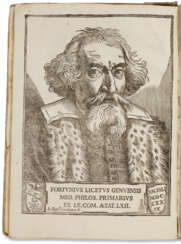

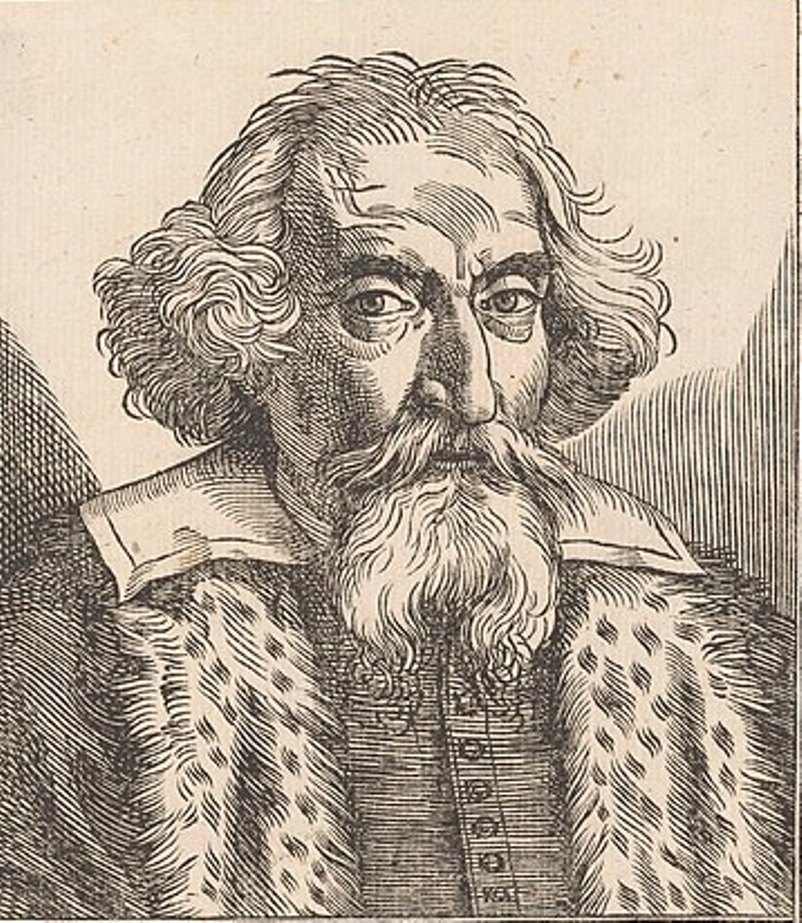
Fortunio Liceti (Latin: Fortunius Licetus) was an Italian physician, natural philosopher, writer and educator.
Liceti studied philosophy and medicine at the University of Bologna and earned doctorates in these disciplines. He taught logic and philosophy at the University of Pisa, and became professor of philosophy at the University of Padua and the University of Bologna. At the University of Padua, Liceti became friends with Galileo Galilei.
Liceti's inquisitive mind was interested in a wide range of subjects: from genetics and reproduction to gems and animals. In general, Fortunio Liceti was a very industrious and prolific scientist: he published a book each year, writing more than seventy works on a wide range of subjects, including the human soul, reproduction, and birth defects.
In 1616, Liceti wrote and published the first edition of De monstruorum causis, natura et differentiis (On the Causes, Nature, and Differences of Monsters), a chronologically ordered catalog of monsters from antiquity to the seventeenth century. Among these monsters were infants with congenital malformations. Liceti was one of the first scholars to attempt to systematically categorize birth defects according to their causes, including numerous causes not related to the supernatural. This topic interested the scientist greatly and he returned to it several times during his life, supplementing it with illustrations, among other things. From 1640 to 1650. Liceti also wrote and published seven different volumes in which he answered questions from famous people on a wide variety of medical topics.

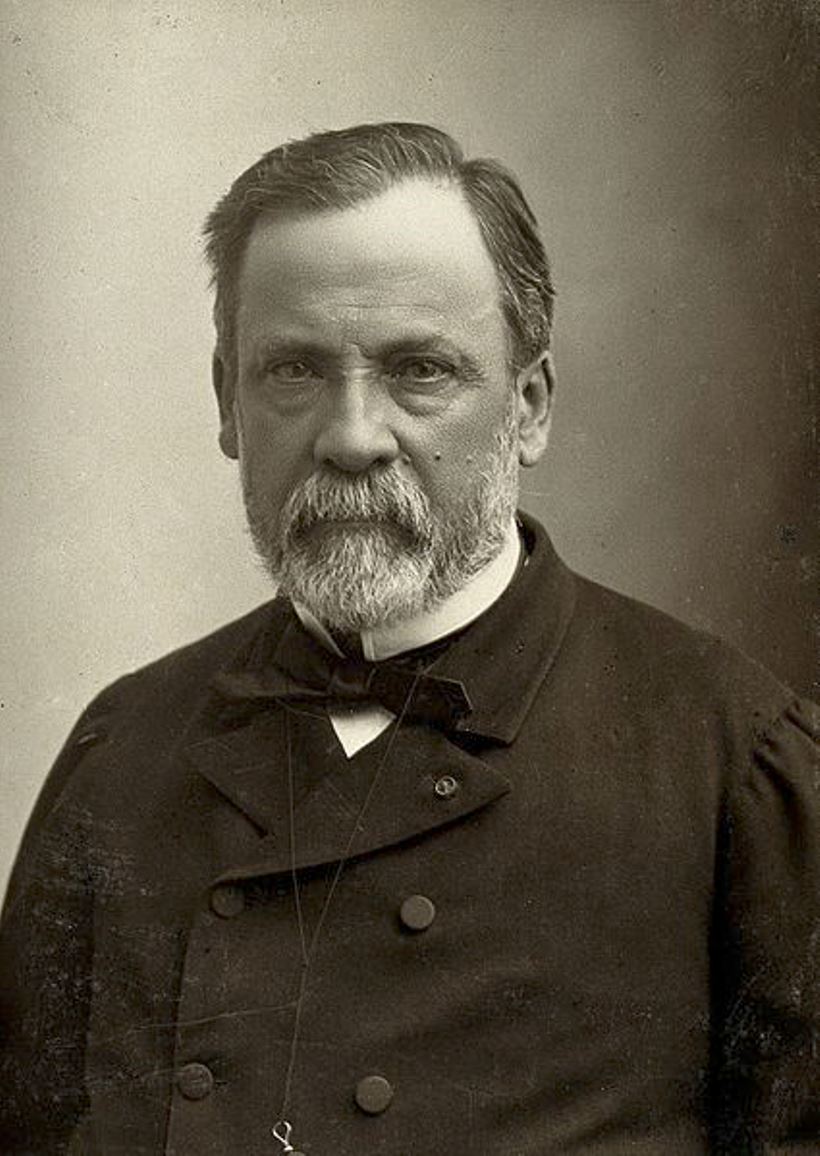
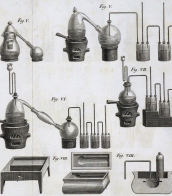
Louis Pasteur was a French chemist and the founder of microbiology and vaccination.
Pasteur received a bachelor of arts and sciences from the Royal College of Besançon and a doctorate from the École Normale in Paris, then spent several years as a researcher and teacher at the Lycée de Dijon. In 1848 he became professor of chemistry at the University of Strasbourg, and in the following year began to study the nature of wine fermentation, which began his revolutionary journey of most important scientific discoveries.
He invented a way to kill bacteria by boiling and then cooling the liquid, a process known today as pasteurization. Pasteur discovered the first vaccine in 1879 when he was exposed to a disease called chicken cholera. By accidentally exposing chickens to a weakened form of the culture, he demonstrated that they became resistant to the actual virus. Pasteur subsequently expanded his theory of germs and developed causes and vaccines against anthrax, cholera, tuberculosis, and smallpox, and the success of Pasteur's rabies vaccine in 1885 brought him worldwide fame.
Louis Pasteur's contribution to science, technology and medicine cannot be overemphasized. He pioneered the study of molecular asymmetry; discovered that microorganisms cause fermentation and disease; invented the process of pasteurization; saved the brewing, wine and silk industries in France; developed vaccines against the dreaded diseases anthrax and rabies, which saved millions of lives.
In 1873, Pasteur was elected an associate member of the Academy of Medicine, in 1882 - a member of the French Academy, and in 1888 in Paris was opened the Pasteur Institute. He was also awarded France's highest honor, the Legion of Honor.


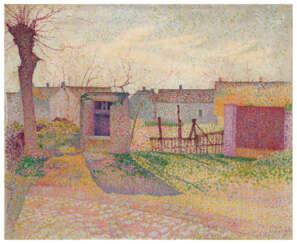

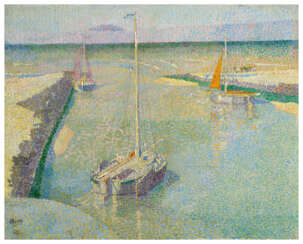

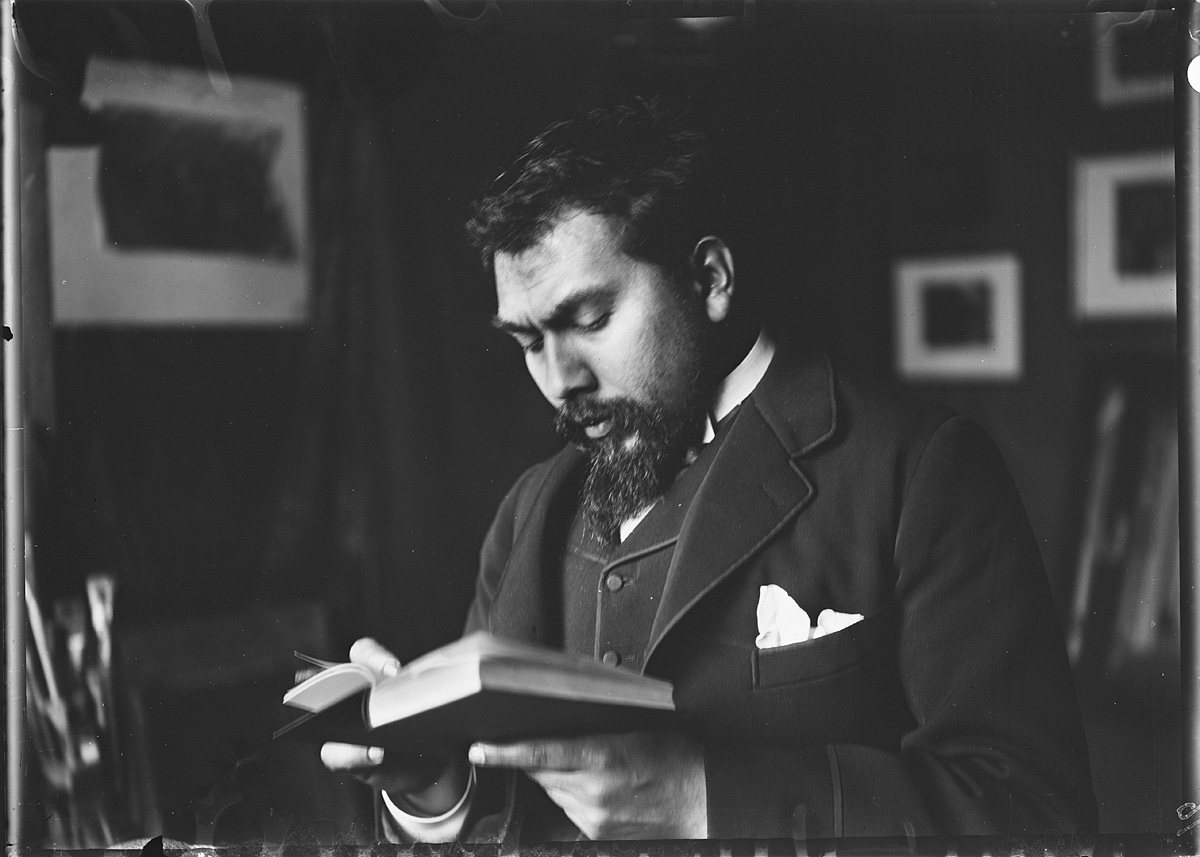
Johannes Theodorus Toorop was the foremost representative of symbolism in Dutch painting. He studied painting at the National Academy of Fine Arts in Amsterdam and at the Academy of Fine Arts in Brussels.
Jan Theodor Torop studied the works of the Pre-Raphaelites, which left a deep impression on him. In the late 1880s, Thorop painted in the style of pointillism and became the first Dutch painter to use this technique.
In Belgium the artist was heavily influenced by the work of James Ensor and Torop gradually moved towards Symbolism and Art Nouveau. Graphics and illustrations also featured prominently in his work.