ore meaning
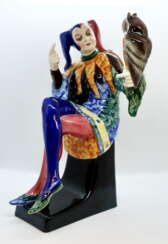

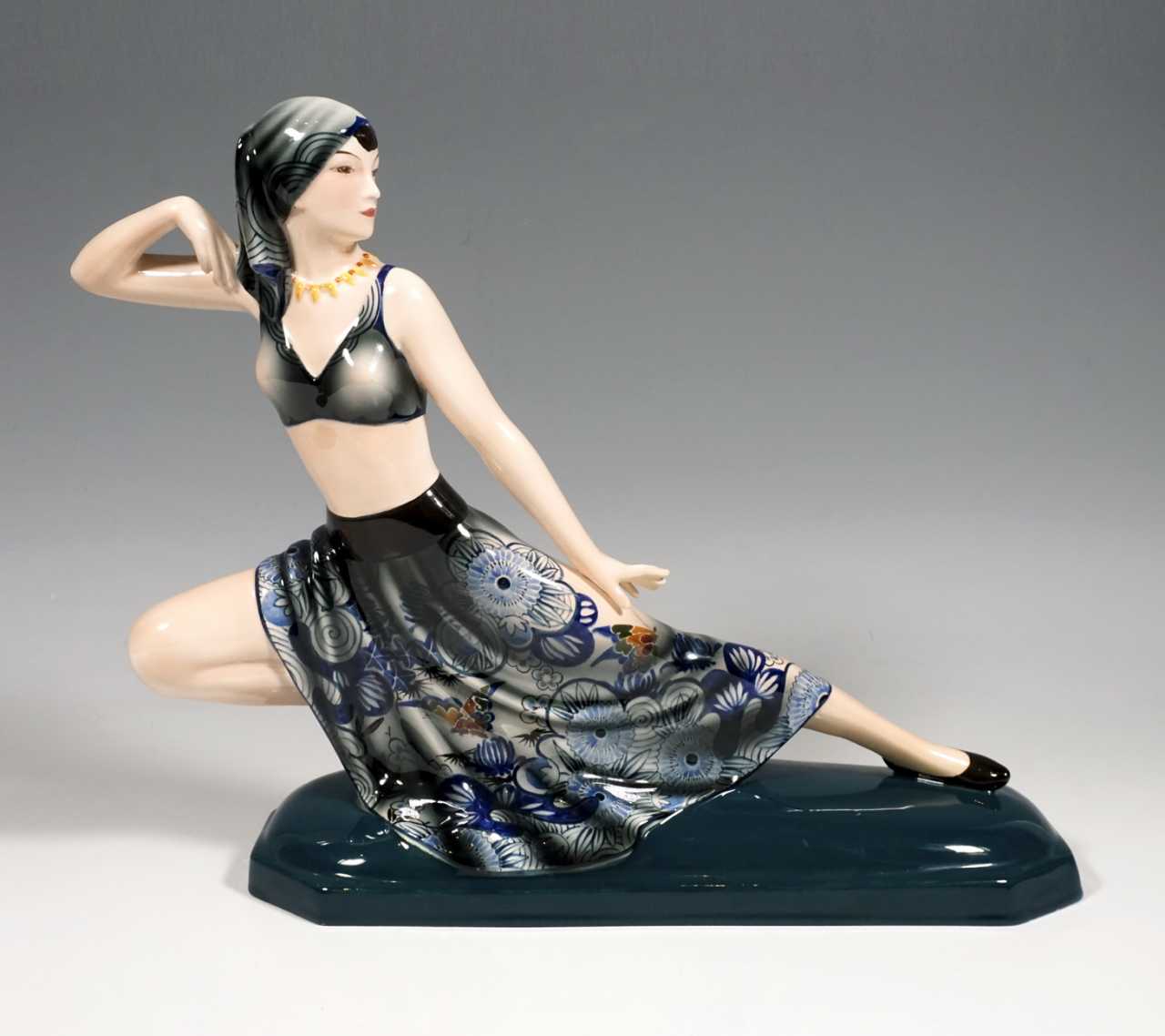
Josef Lorenzl was an Austrian sculptor and ceramicist of the Art Deco period, the same era as Ferdinand Preiss (1882–1943) and Demetre Chiparus (1886–1947).


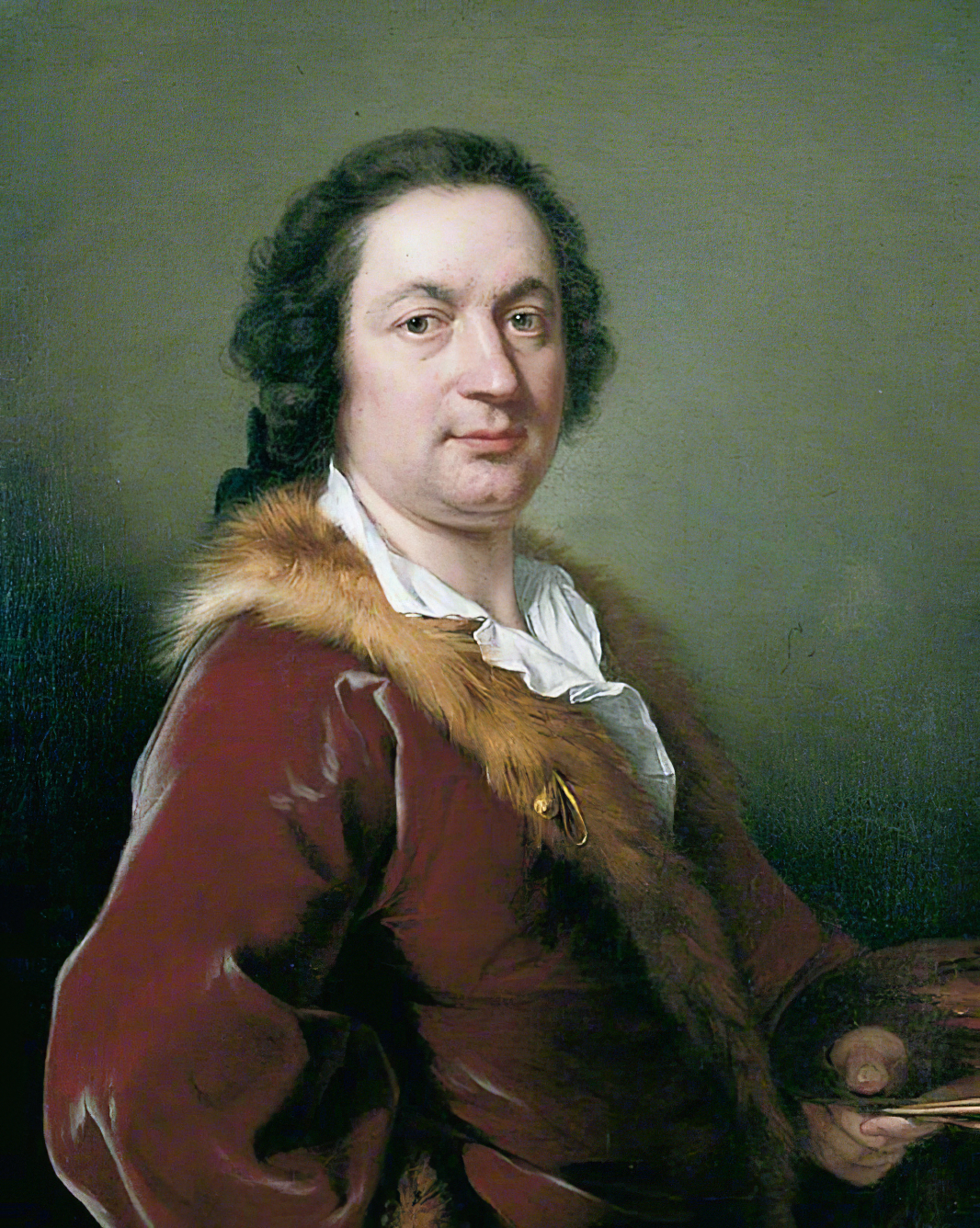
Andrea Soldi was an Italian portraitist active in Britain.

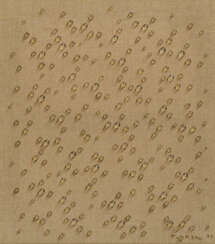

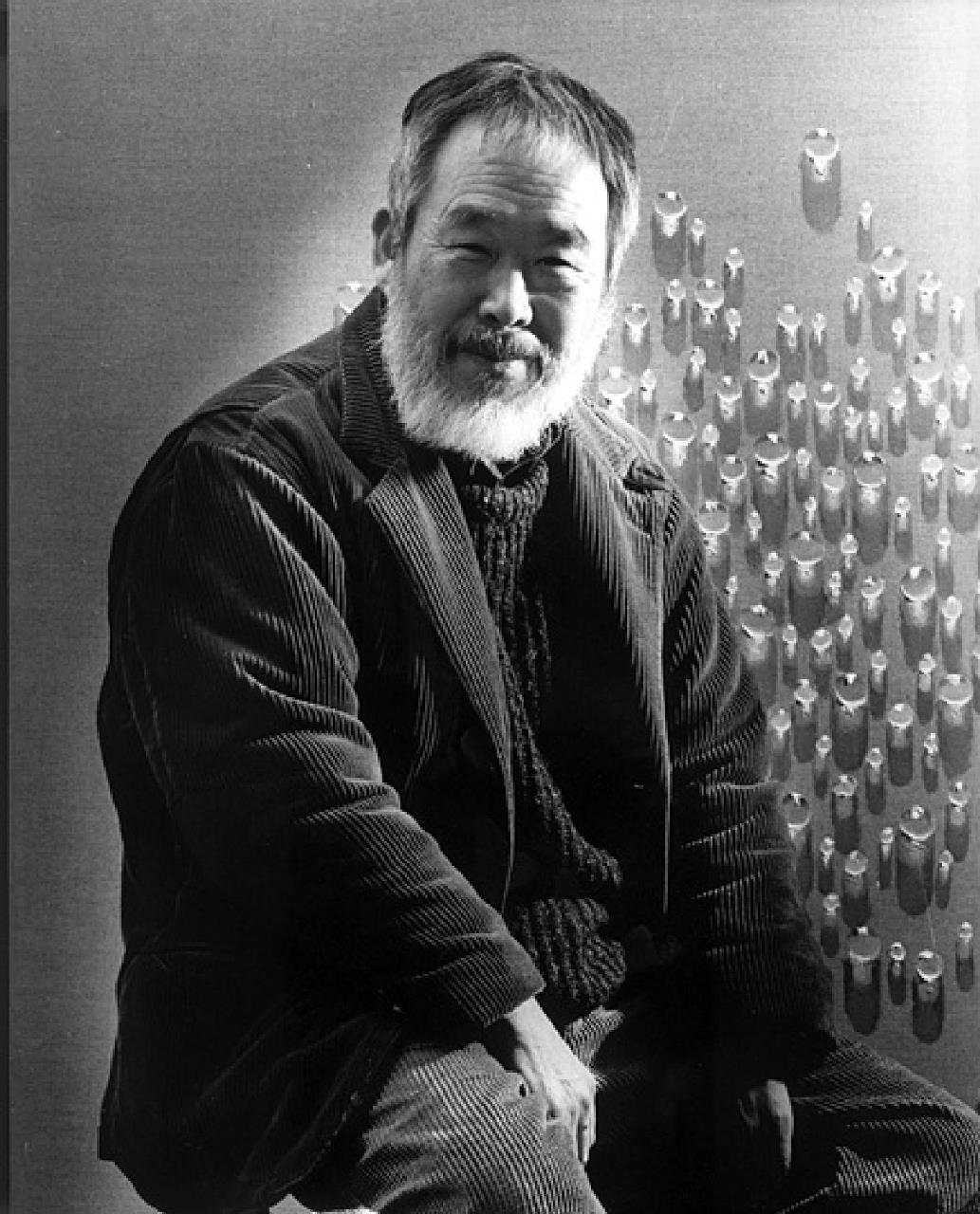
Tschang-Yeul Kim is a South Korean abstraction artist, one of the most famous figures in the history of modern Korean art.
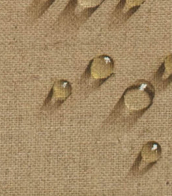
He lived most of his life in Paris, France, where he developed his own unique style of painting. Tschang-Yeul Kim painted paintings with a variety of water droplets that appear to protrude from the canvases as if the canvas were "crying," but are in fact optical illusions.


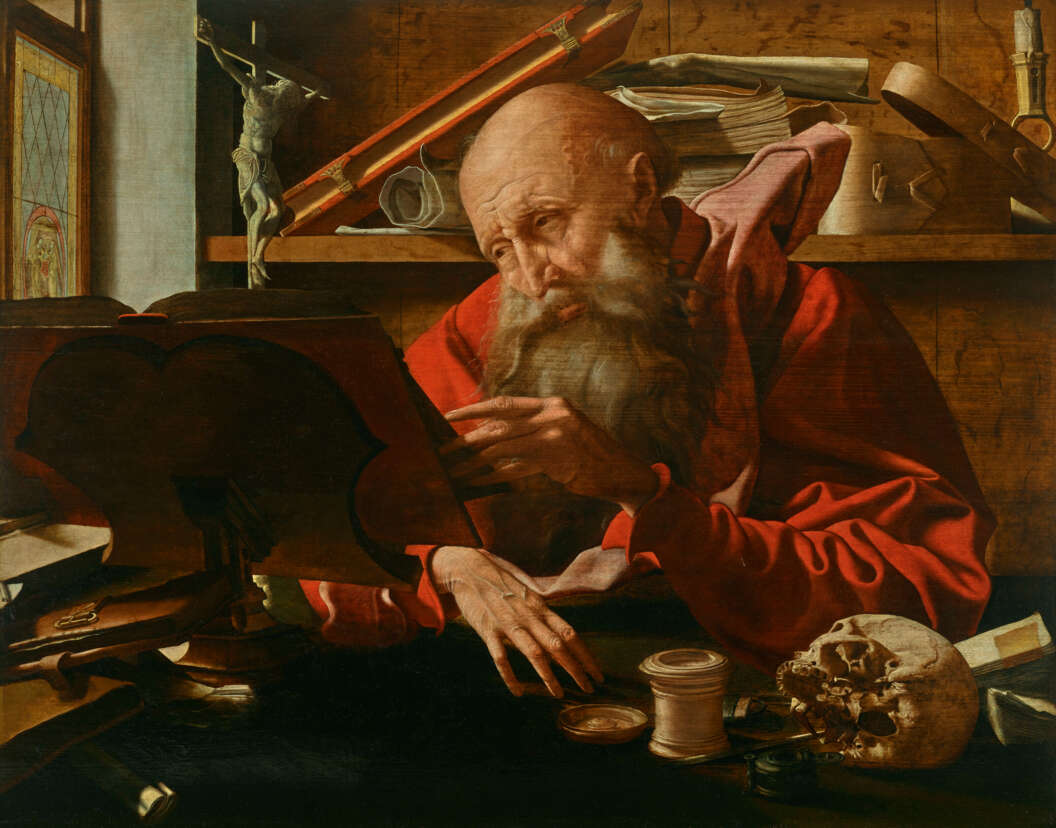
Marinus van Reymerswaele was a Dutch Renaissance painter mainly known for his genre scenes and religious compositions. After studying in Leuven and training and working as an artist in Antwerp, he returned later to work in his native Northern Netherlands. He operated a large workshop which produced many versions of mainly four themes: the tax collectors, the money changer and his wife, the calling of Saint Matthew and St. Jerome in his study.

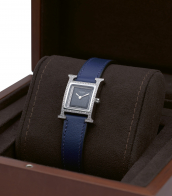
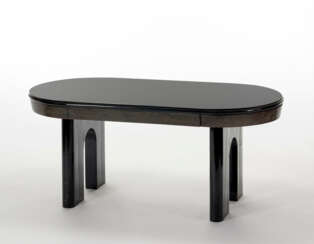

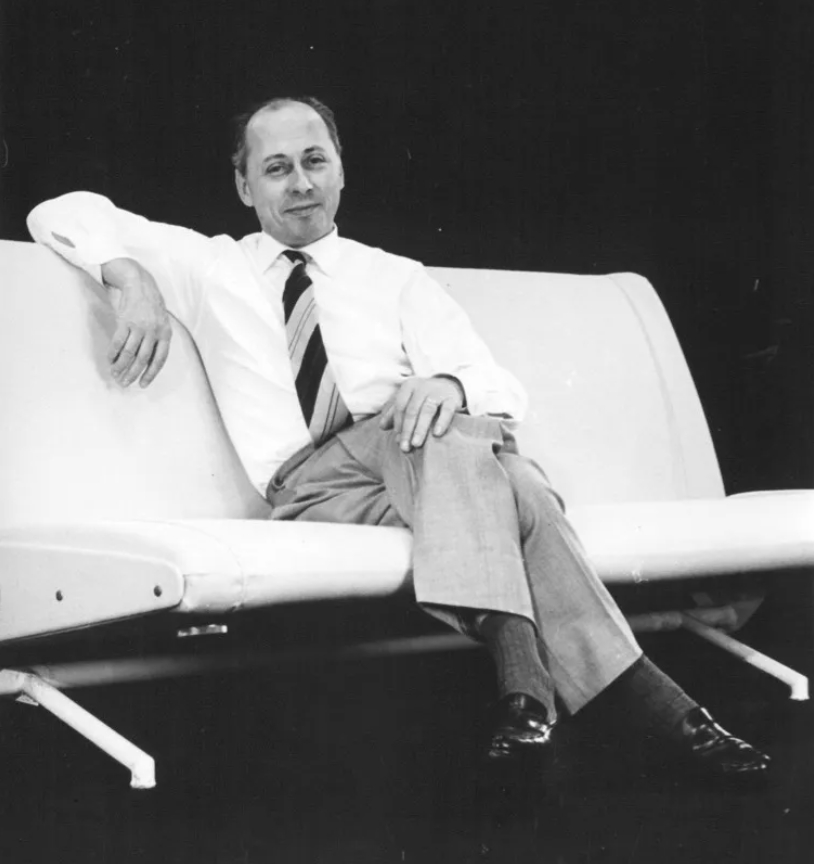
Osvaldo Borsani was an Italian architect and furniture designer.



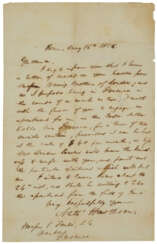

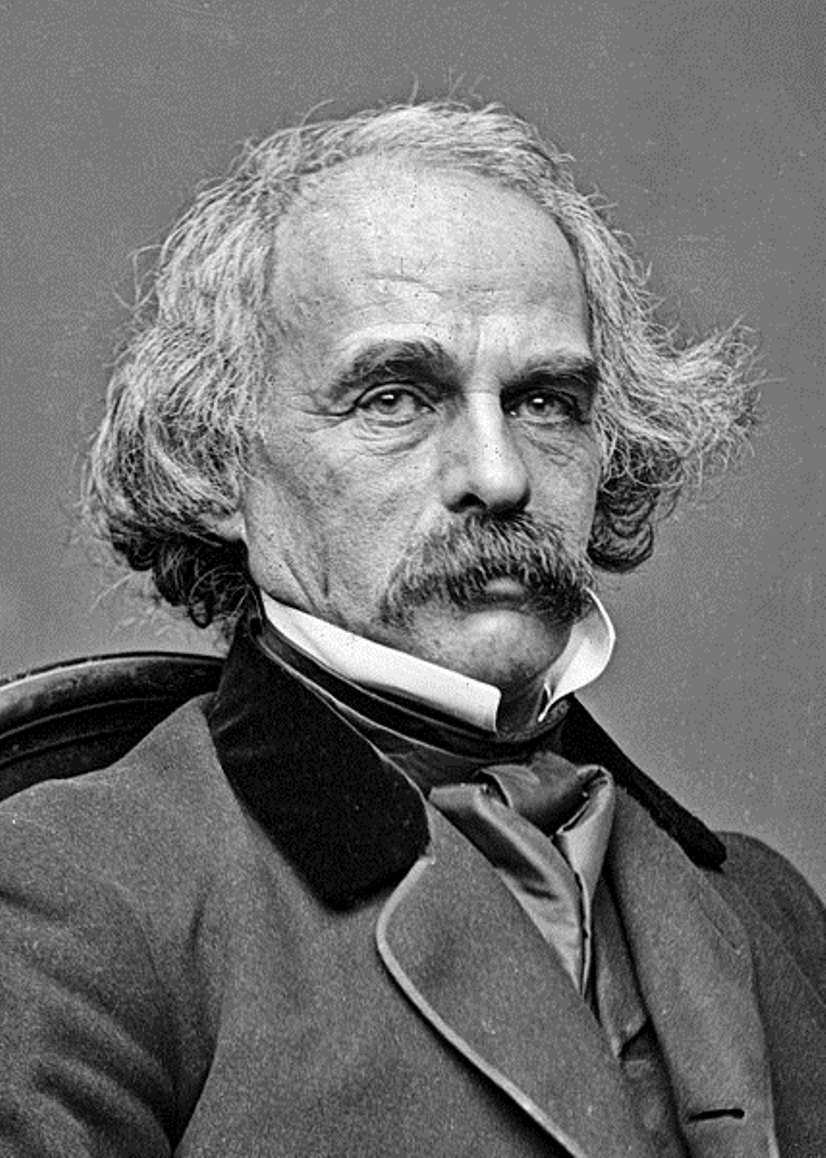
Nathaniel Hawthorne is an American writer and author.
Hawthorne is a recognized short story writer and a master of allegorical and symbolic narrative. One of the first fiction writers in American literature, he is best known for his works The Scarlet Letter (1850) and The House of Seven Gables (1851). Hawthorne's artistic works are considered part of the American Romantic movement and, in particular, of so-called dark Romanticism, a popular mid-19th-century fascination with the irrational, the demonic, and the grotesque.














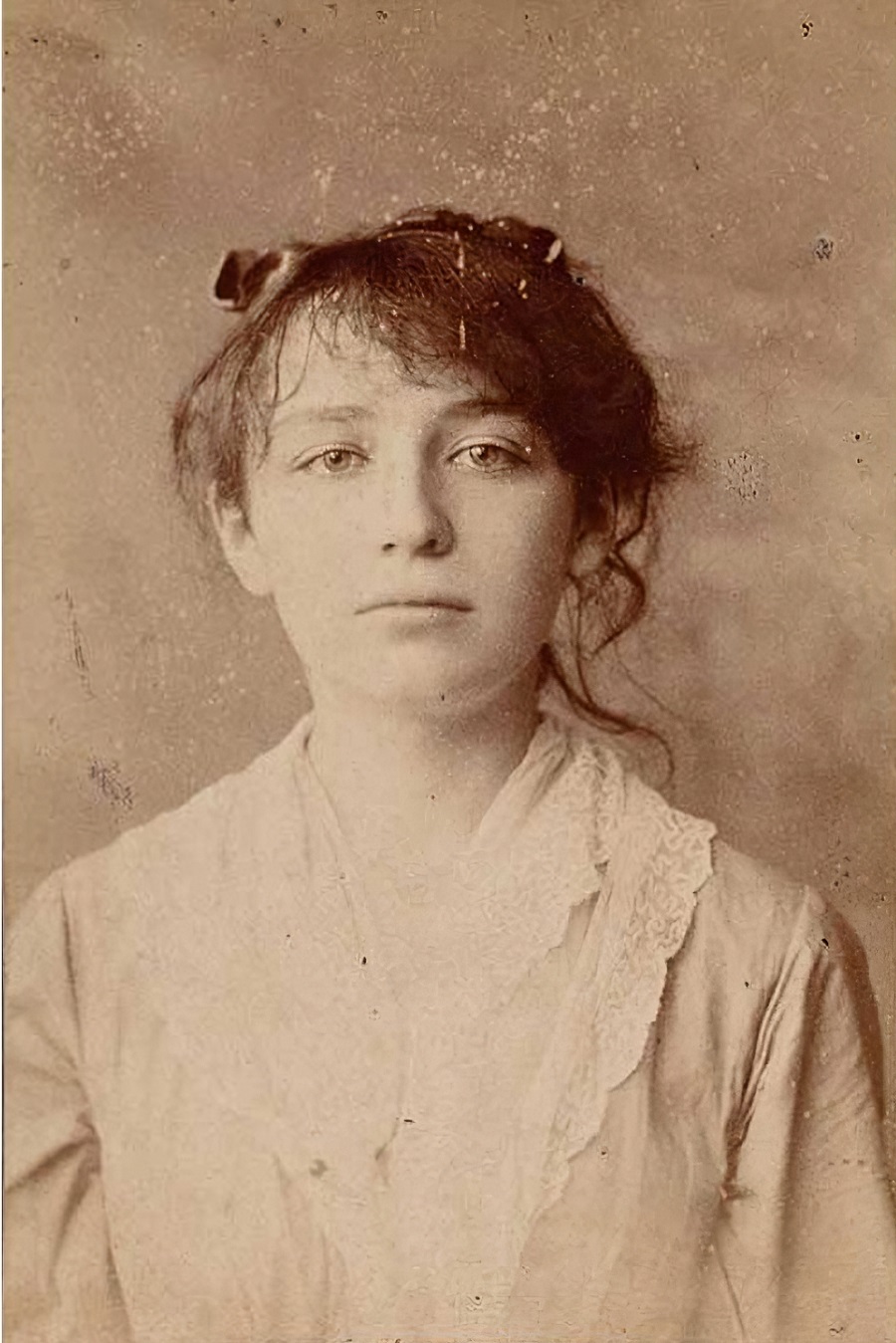
Camille Claudel was a French sculptor. She is known for her powerful and emotionally charged sculptures, which often portrayed human figures in moments of intense emotion or turmoil.
Claudel studied art in Paris under the tutelage of Auguste Rodin, and the two became lovers and collaborators for several years. Her work was heavily influenced by Rodin's style, and she often portrayed human bodies with a sense of fluidity and movement that was characteristic of his work.
Claudel's sculptures were praised for their technical skill and emotional intensity, but she struggled to gain recognition as an artist in her own right. She was frequently dismissed as simply a student of Rodin, and her personal life was marked by a series of setbacks and tragedies.
In 1913, Claudel suffered a nervous breakdown and was committed to a mental institution by her family, where she remained for the rest of her life. Her work was largely forgotten until the late 20th century, when a renewed interest in her life and career led to a reassessment of her place in the history of modern art. Today, her sculptures are celebrated for their technical virtuosity and emotional power, and her story has become an inspiration to many artists and scholars.



.jpg)
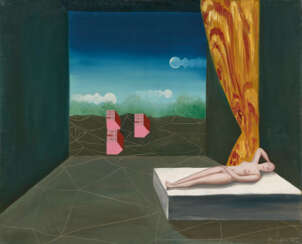
René Magritte, a Belgian artist, was renowned for his significant contributions to the Surrealist movement. His art, known for merging ordinary objects with bizarre, dream-like contexts, captivated the art world. Born on November 21, 1898, in Lessines, Belgium, Magritte's early artistic pursuits were impressionistic, transitioning through Cubism and Futurism influenced by artists like Jean Metzinger. However, his encounter with Giorgio de Chirico's work in 1922 steered him towards Surrealism.
Magritte's career was marked by various phases, each showcasing his evolving style and thematic focus. His initial foray into Surrealism began in 1926 with "The Lost Jockey" and was further solidified during his time in Paris, where he mingled with other prominent Surrealists like André Breton. Despite facing initial criticism and financial challenges, Magritte's unique blend of familiar imagery in unfamiliar contexts, like in "The Empire of Light" and "Time Transfixed," earned him acclaim.
Magritte's distinct visual language, characterized by recurring motifs like bowler hats and apples, and his exploration of reality and illusion, remain influential. His works are displayed in major galleries worldwide, continuing to inspire and intrigue art collectors and enthusiasts.
For collectors and experts in art and antiques, staying informed about Magritte's works and related auction events is crucial. Signing up for updates ensures you're alerted to new sales and events focusing on René Magritte's art, offering unique opportunities to acquire or learn more about his remarkable creations. This subscription will exclusively cover new product sales and auction events related to Magritte, keeping you updated on the most relevant information in the art world.


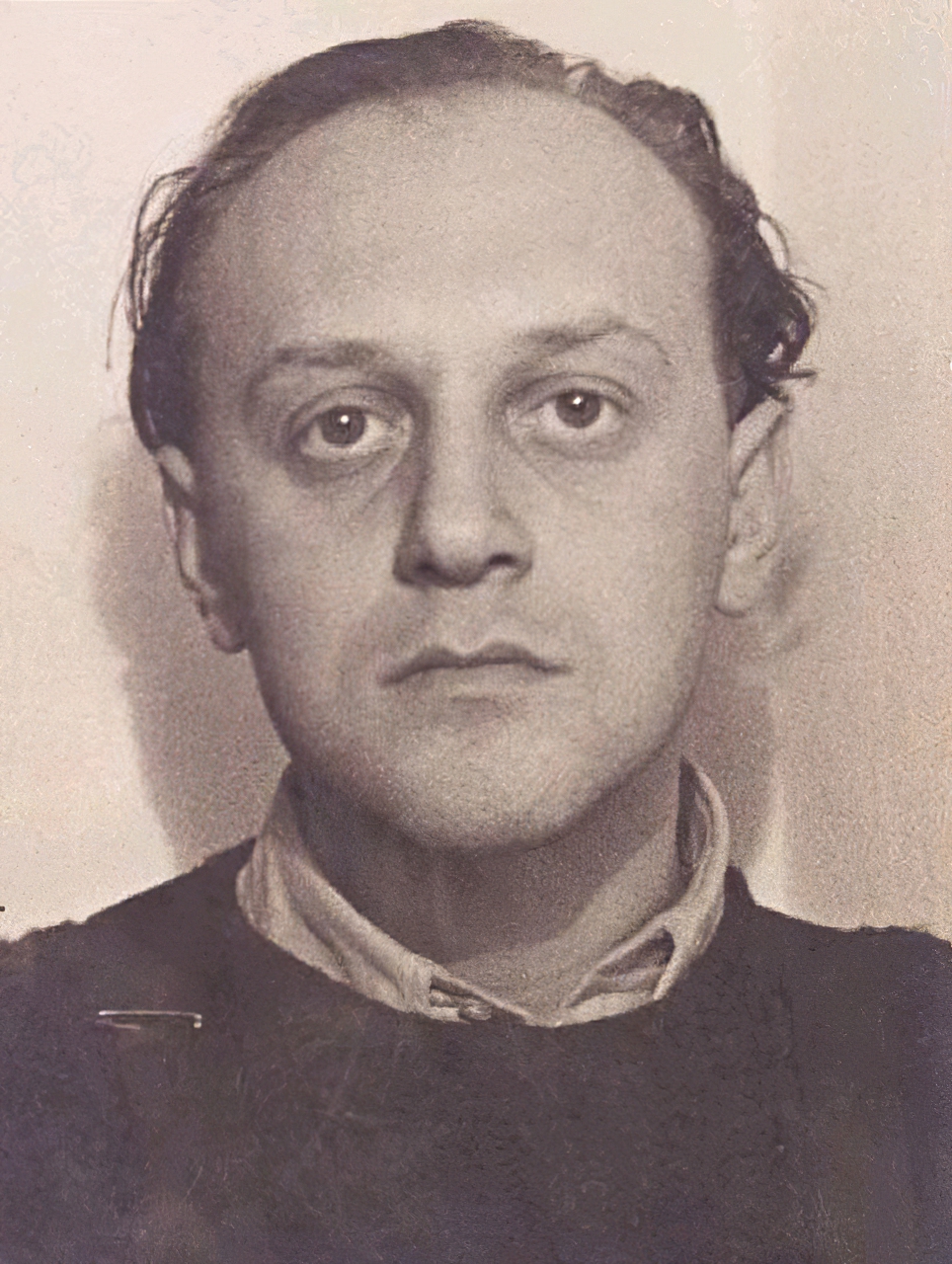
Victor Brauner was a Romanian Surrealist painter and sculptor. He was born in Piatra Neamț, Romania, and studied at the School of Fine Arts in Bucharest before moving to Paris in 1930.
Brauner's art was heavily influenced by his interest in the occult, and his work often featured mystical and dreamlike imagery. He was particularly interested in alchemy and mythology, and his paintings often included references to ancient symbols and esoteric traditions.
During World War II, Brauner was forced to flee Paris and spent time in Marseille and Casablanca before returning to the city in 1945. After the war, he became involved in the French Surrealist movement, and his work was featured in several exhibitions, including the Exposition Internationale du Surréalisme in 1947.
In addition to painting, Brauner also worked as a sculptor, and his sculptures often incorporated found objects and unconventional materials.
Today, Brauner is considered one of the most important figures of the Surrealist movement, and his work continues to be exhibited and studied around the world. His legacy has had a significant impact on the development of modern and contemporary art.
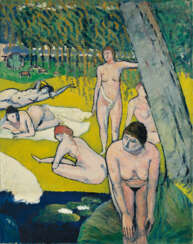

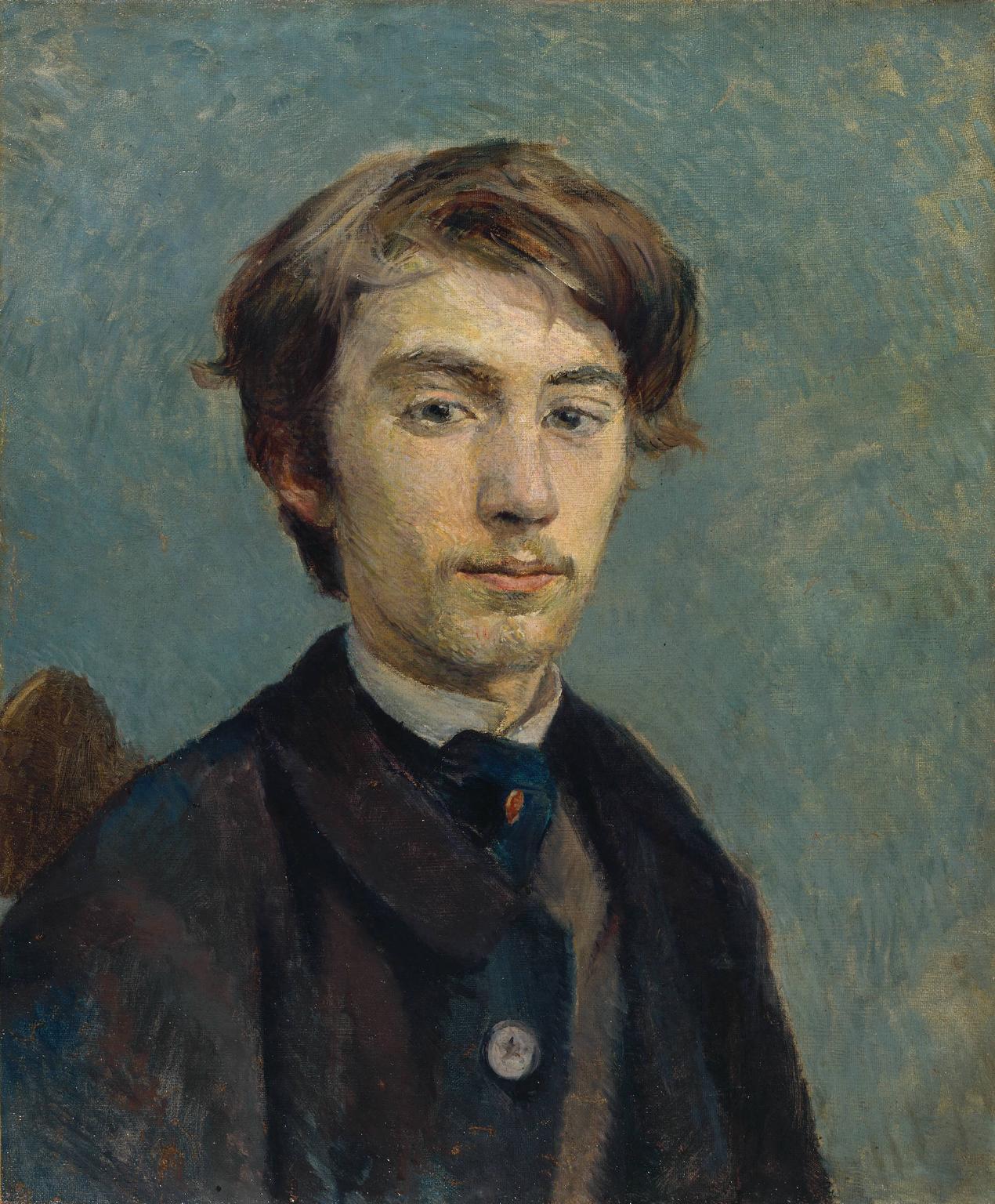
Émile Bernard, a French painter, was a significant figure in the Post-Impressionist movement. He is most famously associated with the development of Cloisonnism, a painting style characterized by bold outlines and flat, vivid color planes, and he played a role in Synthetism, a synthesis of forms and colors in art.
Bernard's artistic journey was influenced by his interactions with notable artists such as Paul Gauguin, Vincent van Gogh, and Louis Anquetin. His works, which often explored themes of symbolism and religious imagery, ranged from traditional paintings to engravings and illustrations. One of his notable works, "Madeleine au Bois d'Amour," is displayed at the Musée d'Orsay in Paris.
Despite his early success and influence, Bernard's artistic trajectory took a turn towards classicism later in life, distancing himself from the avant-garde styles he once embraced. His extensive travel experiences, particularly his time in Egypt, significantly impacted his art, leading to a broader range of stylistic elements in his later works.
To stay updated on the latest events and auctions related to Émile Bernard and his work, sign up for our newsletter. You'll receive timely alerts about new product sales and upcoming auction events related to Émile Bernard's art.
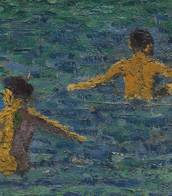
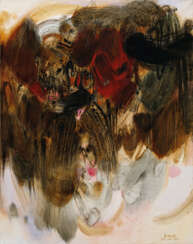

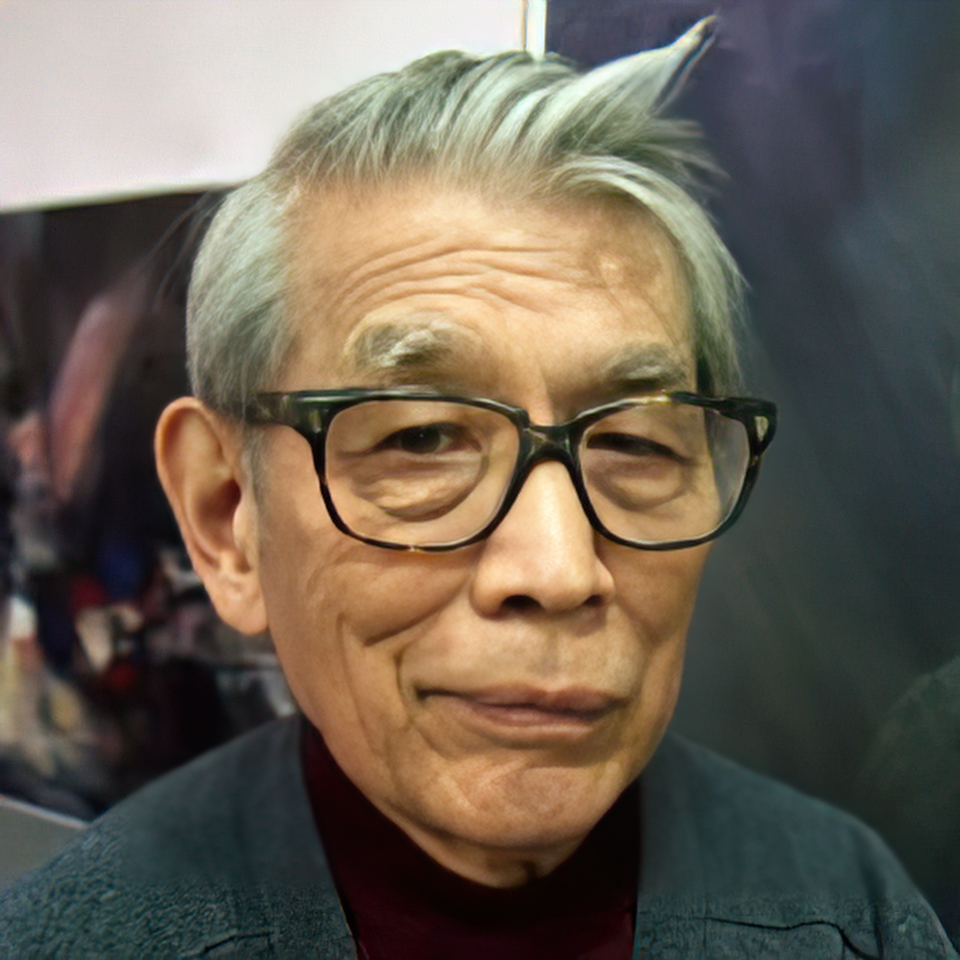
Chu Teh-Chun or Zhu Dequn was a Chinese-French abstract painter acclaimed for his pioneering style integrating traditional Chinese painting techniques with Western abstract art. Chu Teh-Chun enrolled in the National School of Fine Arts (now China Academy of Art), where he studied under Fang Ganmin and Wu Dayu. He was the first ethnic Chinese member of the Académie des Beaux-Arts of France, and together with Wu Guanzhong and Zao Wou-Ki were dubbed the "Three Musketeers" of modernist Chinese artists trained in China and France.
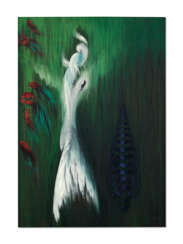

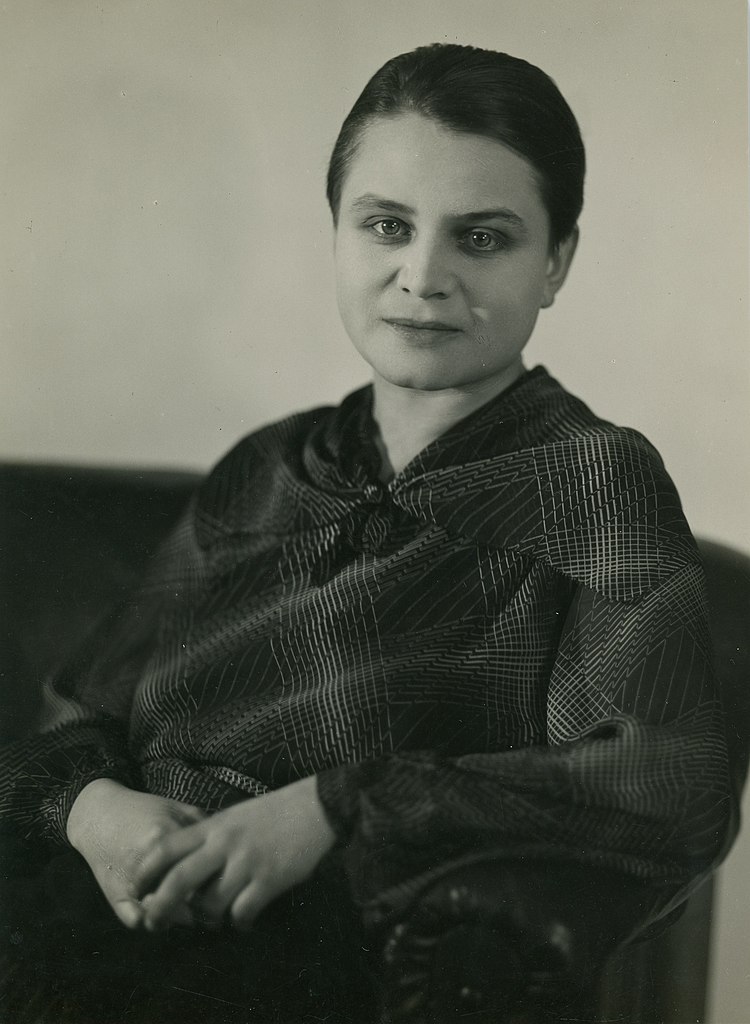
Toyen, born Marie Čermínová, was a prominent Czech artist known for her significant contribution to the Surrealist movement. Her work challenged conventions and explored the depths of the subconscious.
Toyen was known for her unique and evocative style, combining elements of fantasy, eroticism and dreams. Her work often features enigmatic figures, distorted landscapes, and symbolic motifs, executed with meticulous detail and a sense of mystery. She utilised a variety of techniques including painting, drawing and printmaking, thus demonstrating her versatility and artistic skill.
Throughout her career, Toyin collaborated with other Surrealist artists, including André Breton and Salvador Dalí. She actively participated in Surrealist exhibitions and contributed to various publications, demonstrating her artistic vision and ideological stance.
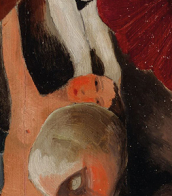
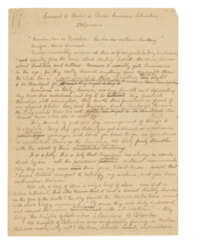

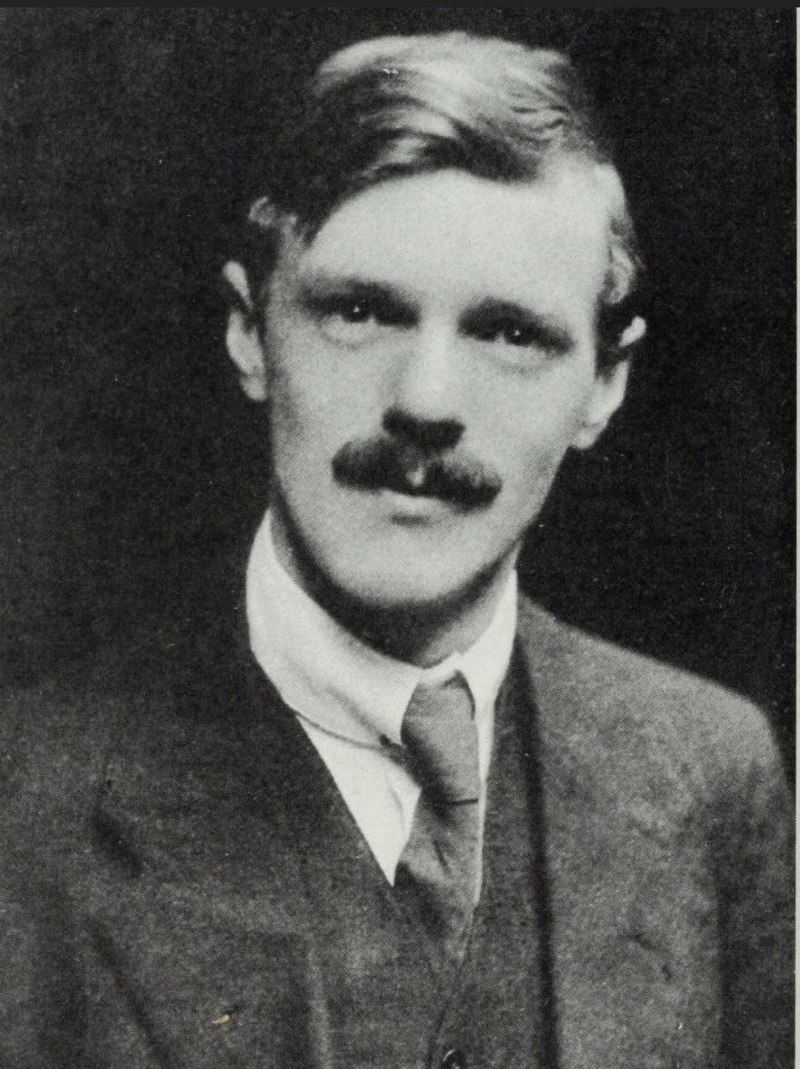


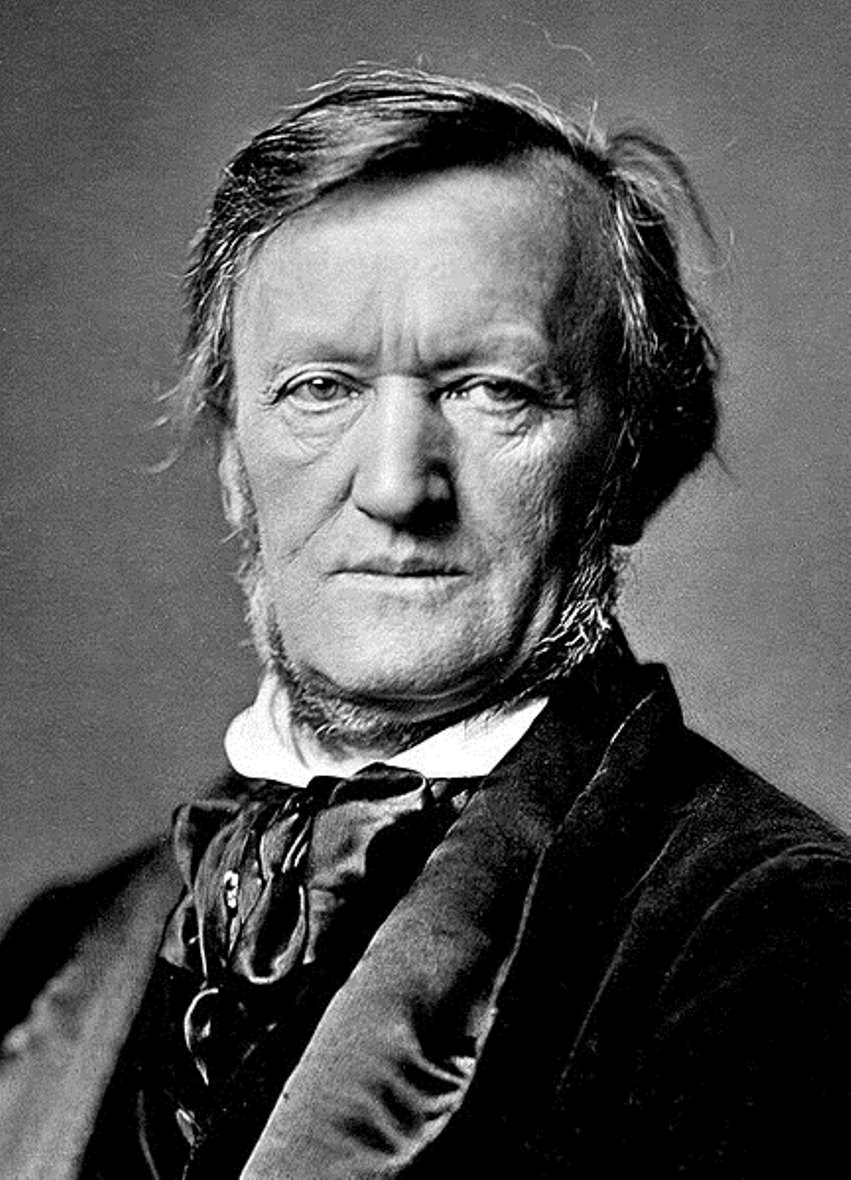
Wilhelm Richard Wagner was a German pioneering composer, conductor and opera reformer.
His first proper Symphony in C major was performed at the Leipzig Gewandhaus concerts in 1833. Wagner lived in a colony of poor German artists and made his living in music journalism. Nevertheless, in 1841 he wrote his first representative opera, The Flying Dutchman, based on the legend of a ship captain doomed to sail forever. In 1842 his Rienzi was triumphantly performed in Dresden, after which Wagner was appointed conductor of the court opera and held this position until 1849.
In 1848-49 Wagner became involved in the German Revolution, wrote a number of articles in support of it, and took an active part in the Dresden Uprising of 1849. When the uprising failed, he was forced to flee Germany. His subsequent years were occupied mainly with writing theoretical treatises on philosophy and music. Wagner held anti-Semitic and Nazi views. And reflecting on the future of music, he predicted the disappearance of opera as an artificial entertainment for the elite and the emergence of a new kind of musical stage work for the people, expressing the self-realization of free humanity. This new work was later called "musical drama."
By 1857 his style had been enriched with new interpretations, and Wagner had composed "Rheingold," "Die Walküre," and two acts of "Siegfried." By 1864, however, unwise financial habits had driven him into debt and ruin, and he was forced to flee from prison to Stuttgart. He was rescued by King Louis II, an ardent admirer of Wagner's work. Under his patronage for six years in Munich, the composer's operas were successfully staged. The King also practically ensured him a trouble-free life, thanks to his support Wagner built his own opera house (Bayreuther Festspielhaus), in which many new constructive ideas were realized. The premiere of "The Ring" and "Parsifal" took place here.
As a result of all Wagner's creative innovations and methods, a new kind of art emerged, the distinctive feature of which was a deep and complex symbolism, operating in three inseparable planes - dramatic, verbal and musical. He had a significant influence on European musical culture, especially on the development of opera and symphonic genres.
Richard Wagner's major works include The Flying Dutchman (1843), Tannhäuser (1845), Lohengrin (1850), Tristan und Isolde (1865), Parsifal (1882), and his great tetralogy, The Ring of the Nibelung (1869-76).






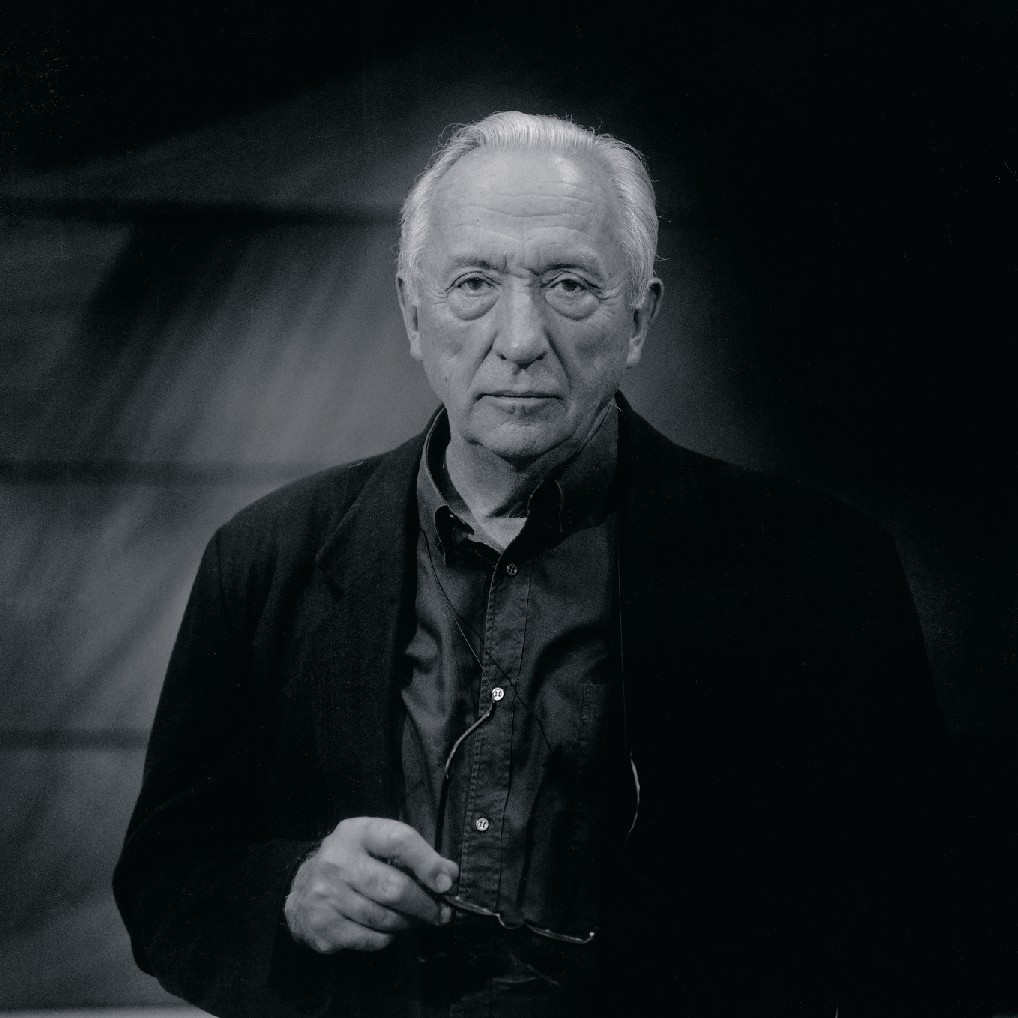
Pierre Soulages was a French painter, printmaker, and sculptor. In 2014, François Hollande described him as "the world's greatest living artist."
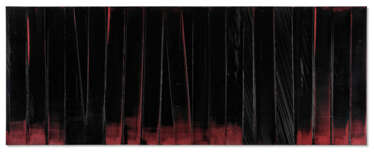
Soulages is known as "the painter of black," owing to his interest in the colour "both as a colour and a non-colour. When light is reflected on black, it transforms and transmutes it. It opens a mental field all its own." He saw light as a work material; striations of the black surface of his paintings enable him to reflect light, allowing the black to come out of darkness and into brightness, thus becoming a luminous colour.