port louis maurice
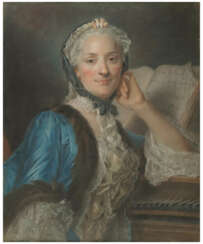

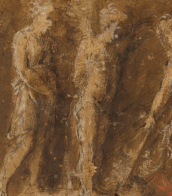


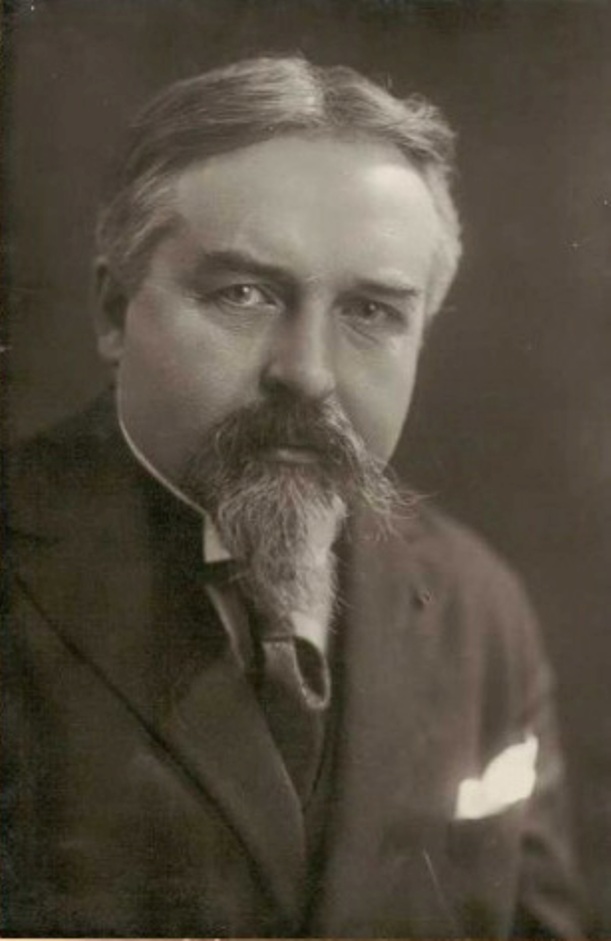
Maurice Denis, a French painter and writer, was an influential figure in the transition from impressionism to modern art. Born on November 25, 1870, in Granville, France, Denis's artistic journey began at the Académie Julian in Paris. Here, he met future collaborators like Paul Sérusier and Pierre Bonnard, with whom he later formed the Nabis group, a collective deriving its name from the Hebrew word "Nabi," meaning "Prophet".
Denis's style evolved from neoimpressionism, influenced by artists like Seurat, to a more decorative and colorful approach under the influence of Gauguin. This shift is evident in works like "Taches du soleil sur la terrace" (1890). He famously stated, "Art is no longer a visual sensation... it is a creation of our spirit," highlighting his belief in art as an idealistic expression, transcending mere imitation of nature.
Denis was also impacted by Japanese art, which influenced his compositions and styles, contributing to his unique and recognizable approach. His philosophy on art, encapsulated in his 1890 essay published in "Art et Critique," emphasized the importance of color and form in creating emotional depth, a notion that laid the groundwork for modernism. He argued that a painting's essence lies in its colors and composition, rather than its subject matter.
Throughout his career, Denis's work evolved towards a more classical approach. His involvement with the Ateliers d'Art Sacré, founded in 1919, demonstrated his interest in religious art and decoration. His notable works include "The Legend of Saint Hubert" (1897) and "The History of Music" for the Théâtre des Champs Elysées (1912-1913).
Tragically, Maurice Denis's life ended on November 13, 1943, when he was struck by a truck during the German occupation of Paris. However, his legacy endures through his contributions to modern art and symbolism, his influence on fellow artists, and his works displayed in various museums and galleries.
For collectors and art experts, Denis's work offers a unique glimpse into the evolution of modern art. His blend of symbolism, color, and form marks a significant shift in art history. To stay updated on new sales and auction events related to Maurice Denis's work, sign up for our newsletter. This subscription will keep you informed about the latest developments in the world of this remarkable artist.
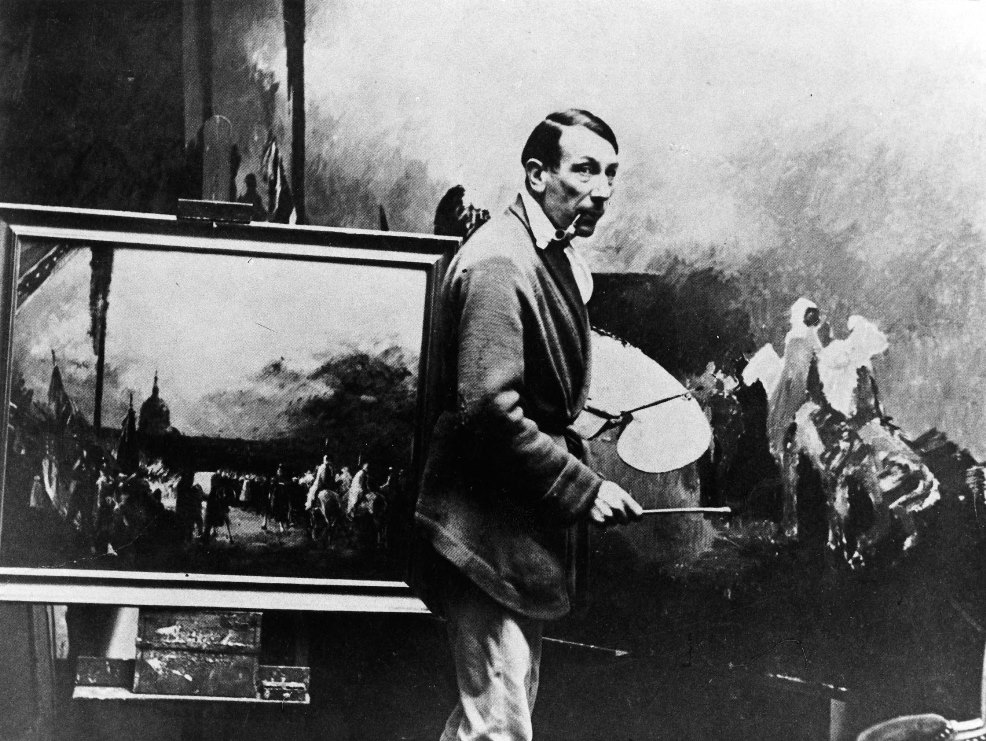
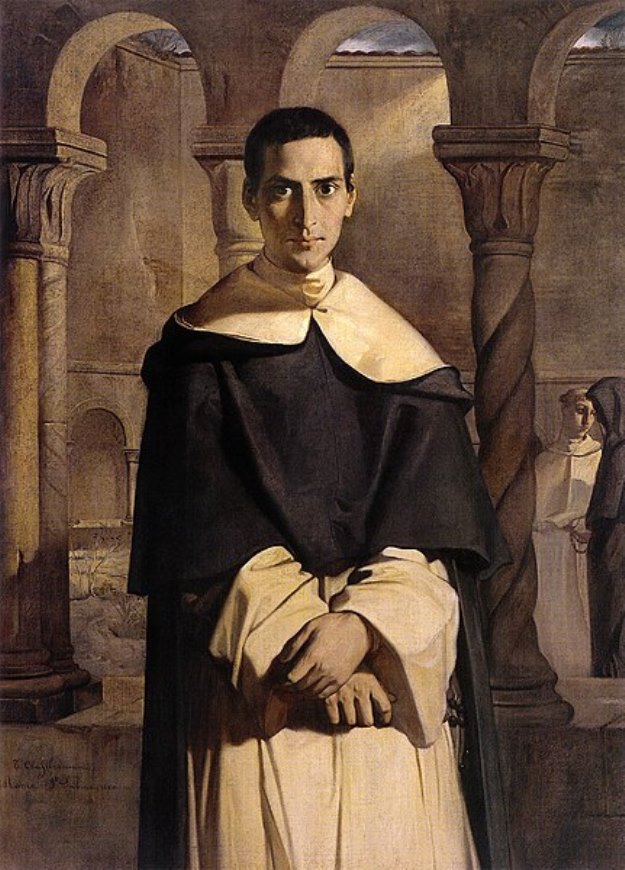


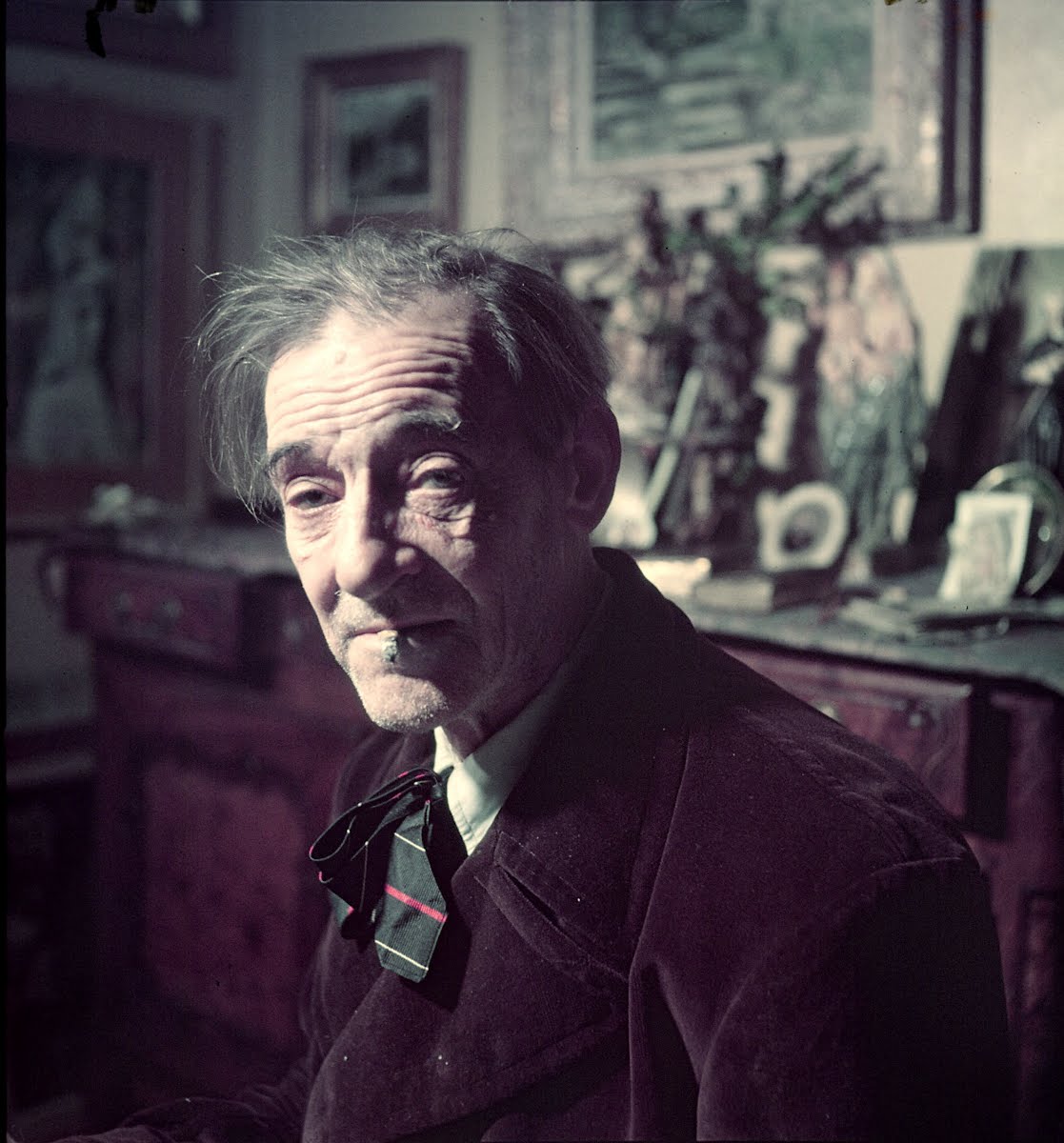
Maurice Utrillo was a French painter, celebrated for his depictions of cityscapes, particularly of the Montmartre district in Paris. His unique approach to painting, characterized by a vivid portrayal of urban landscapes, has captivated art collectors and experts alike. Utrillo's work is notable for its distinct use of color and perspective, offering viewers a glimpse into the picturesque and often serene streets of Montmartre. Despite challenges in his personal life, including struggles with alcoholism, Utrillo's artistry remained undiminished, showcasing his profound connection to the city he often portrayed from memory or postcards, especially in his later years when his health declined.
Utrillo's paintings are a testament to his skill in capturing the essence of Parisian life, with works such as "La Rue Norvins à Montmartre" and "Place du Tertre" highlighting his ability to blend color, light, and architecture into harmonious compositions. His "White Period" is particularly renowned, during which he used white zinc and sometimes plaster to achieve a unique texture and depth in his paintings. This period signifies a pivotal moment in Utrillo's career, marking a departure from Impressionism towards a style that emphasized the structural and geometric aspects of his subjects.
Utrillo's contributions to art extend beyond his innovative techniques and stylistic evolution. His life story, marked by periods of intense struggle and creativity, adds a layer of depth to his works, inviting viewers to explore not only the streets of Montmartre but also the complex landscape of the artist's inner world. His paintings, many of which are now housed in prestigious museums and galleries, continue to attract admiration from around the globe.
For collectors and experts in art and antiques, Maurice Utrillo's works offer a unique investment in the beauty and history of Parisian culture. His ability to capture the spirit of Montmartre, combined with his innovative use of materials and color, makes his paintings a valuable addition to any collection.
If you're passionate about art and wish to stay informed about new product sales and auction events related to Maurice Utrillo, consider signing up for updates. This subscription service is tailored specifically for enthusiasts eager to enhance their collections with works by this remarkable artist, ensuring you're always in the know about opportunities to acquire pieces by Utrillo and related cultural events.

.jpeg)
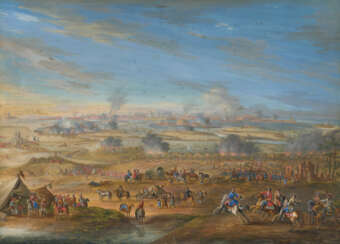
Louis Nicolas van Blarenberghe was a distinguished French painter, born into a dynasty of artists from French Flanders. With a career that spanned the 18th century, he was celebrated for his specialization in detailed miniatures and panoramic battle scenes. His artistic journey began in the Flemish Baroque tradition, evolving into a notable figure within the Rococo movement. Louis Nicolas, alongside his son Henri-Joseph, made significant contributions to the art world, working as miniaturists for the elite at the Palace of Versailles and serving as the official campaign painter for the French court.
His works, particularly those on snuff boxes and his panoramic gouache paintings of military and revolutionary subjects, garnered acclaim. These pieces often featured intricate detail and vivid storytelling, making them highly prized among collectors. The Blarenberghe family's art was so revered that it attracted the attention of the Rothschild family in the 19th century, leading to a substantial collection of their works being displayed publicly at Waddesdon Manor. A significant collection was also part of the Mentmore Towers sale in 1977, underlining the enduring legacy and collector interest in their works.
For art enthusiasts and collectors keen on exploring the rich tapestry of 18th-century French painting, Louis Nicolas van Blarenberghe's oeuvre offers a captivating glimpse into the period's military history and societal elite. His works can be viewed in prestigious institutions and collections, echoing the lasting impact of his and his family's artistic contributions. For updates on sales and auction events featuring Louis Nicolas van Blarenberghe's works, signing up for newsletters from art auction houses and galleries is highly recommended. This ensures enthusiasts stay informed about opportunities to own a piece of this remarkable artist's legacy.

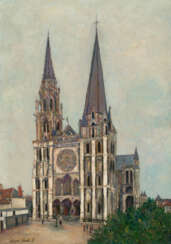

Maurice Utrillo was a French painter, celebrated for his depictions of cityscapes, particularly of the Montmartre district in Paris. His unique approach to painting, characterized by a vivid portrayal of urban landscapes, has captivated art collectors and experts alike. Utrillo's work is notable for its distinct use of color and perspective, offering viewers a glimpse into the picturesque and often serene streets of Montmartre. Despite challenges in his personal life, including struggles with alcoholism, Utrillo's artistry remained undiminished, showcasing his profound connection to the city he often portrayed from memory or postcards, especially in his later years when his health declined.
Utrillo's paintings are a testament to his skill in capturing the essence of Parisian life, with works such as "La Rue Norvins à Montmartre" and "Place du Tertre" highlighting his ability to blend color, light, and architecture into harmonious compositions. His "White Period" is particularly renowned, during which he used white zinc and sometimes plaster to achieve a unique texture and depth in his paintings. This period signifies a pivotal moment in Utrillo's career, marking a departure from Impressionism towards a style that emphasized the structural and geometric aspects of his subjects.
Utrillo's contributions to art extend beyond his innovative techniques and stylistic evolution. His life story, marked by periods of intense struggle and creativity, adds a layer of depth to his works, inviting viewers to explore not only the streets of Montmartre but also the complex landscape of the artist's inner world. His paintings, many of which are now housed in prestigious museums and galleries, continue to attract admiration from around the globe.
For collectors and experts in art and antiques, Maurice Utrillo's works offer a unique investment in the beauty and history of Parisian culture. His ability to capture the spirit of Montmartre, combined with his innovative use of materials and color, makes his paintings a valuable addition to any collection.
If you're passionate about art and wish to stay informed about new product sales and auction events related to Maurice Utrillo, consider signing up for updates. This subscription service is tailored specifically for enthusiasts eager to enhance their collections with works by this remarkable artist, ensuring you're always in the know about opportunities to acquire pieces by Utrillo and related cultural events.

















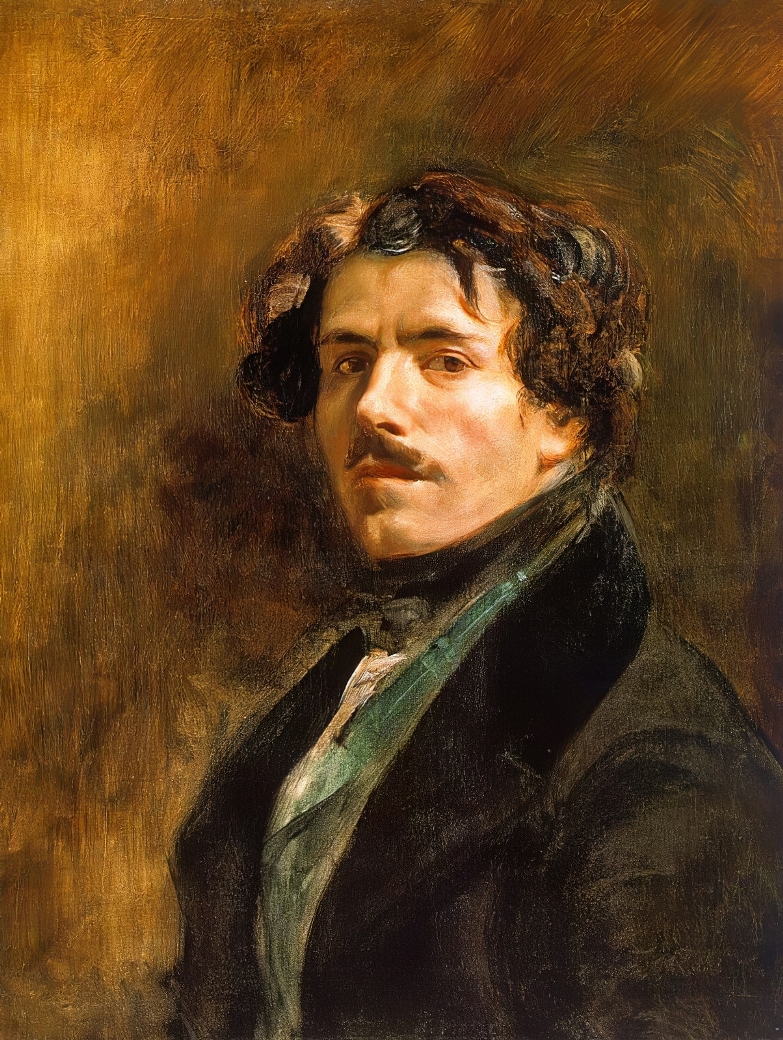
Ferdinand Victor Eugène Delacroix was a French Romantic artist, celebrated for revolutionizing the art world with his expressive brushstrokes and masterful use of color. Delacroix's art is characterized by its emotional intensity, vibrant colors, and dramatic themes, often drawing inspiration from historical, literary, and exotic sources. His innovative techniques and passion for expressive content made him a pivotal figure in the transition from the Neoclassical to the Romantic movement, influencing both the Impressionist and Symbolist movements that followed.
Delacroix's fascination with the exotic and the sublime led him to North Africa in 1832, where he captured the spirit and colors of Moroccan life, influencing his later works with themes of orientalism. This trip inspired masterpieces such as "Women of Algiers in their Apartment" (1847-1849), showcasing his ability to blend vivid color with intricate detail to evoke a sense of place and culture. His masterpiece, "Liberty Leading the People" (1830), is emblematic of his political engagement and artistic audacity, capturing the spirit of the 1830 revolution with a realism and fervor that resonated with the public and critics alike.
Delacroix's legacy extends beyond his paintings. As a muralist and lithographer, he left a significant mark on public and private art collections, with works displayed in prestigious institutions like the Louvre. His impact on the art world is seen in his influence on subsequent generations of artists, from the Impressionists' exploration of color and light to the Symbolists' fascination with dreamlike and exotic themes.
For collectors and experts in art and antiques, Delacroix represents not only a high point in Romantic art but also a bridge to modern artistic expressions. His works, housed in museums around the world, continue to inspire and captivate audiences with their intensity and beauty.
If you're passionate about Delacroix's contribution to art and culture, consider subscribing for updates on new product sales and auction events related to this iconic artist. Stay informed on opportunities to add a piece of art history to your collection.

![[NAPOLEONICA] – Louis-Alexandre BERTHIER (1753-1815)](/assets/image/picture_2932267/1652a/d55b7859dd6900fe098a64a78ff73eed1687420800jpg__fix_374_244.jpeg)
![[NAPOLEONICA] – Louis-Alexandre BERTHIER (1753-1815)](https://veryimportantlot.com/assets/image/picture_2932267/1652a/d55b7859dd6900fe098a64a78ff73eed1687420800jpg__fix_374_244.jpeg)
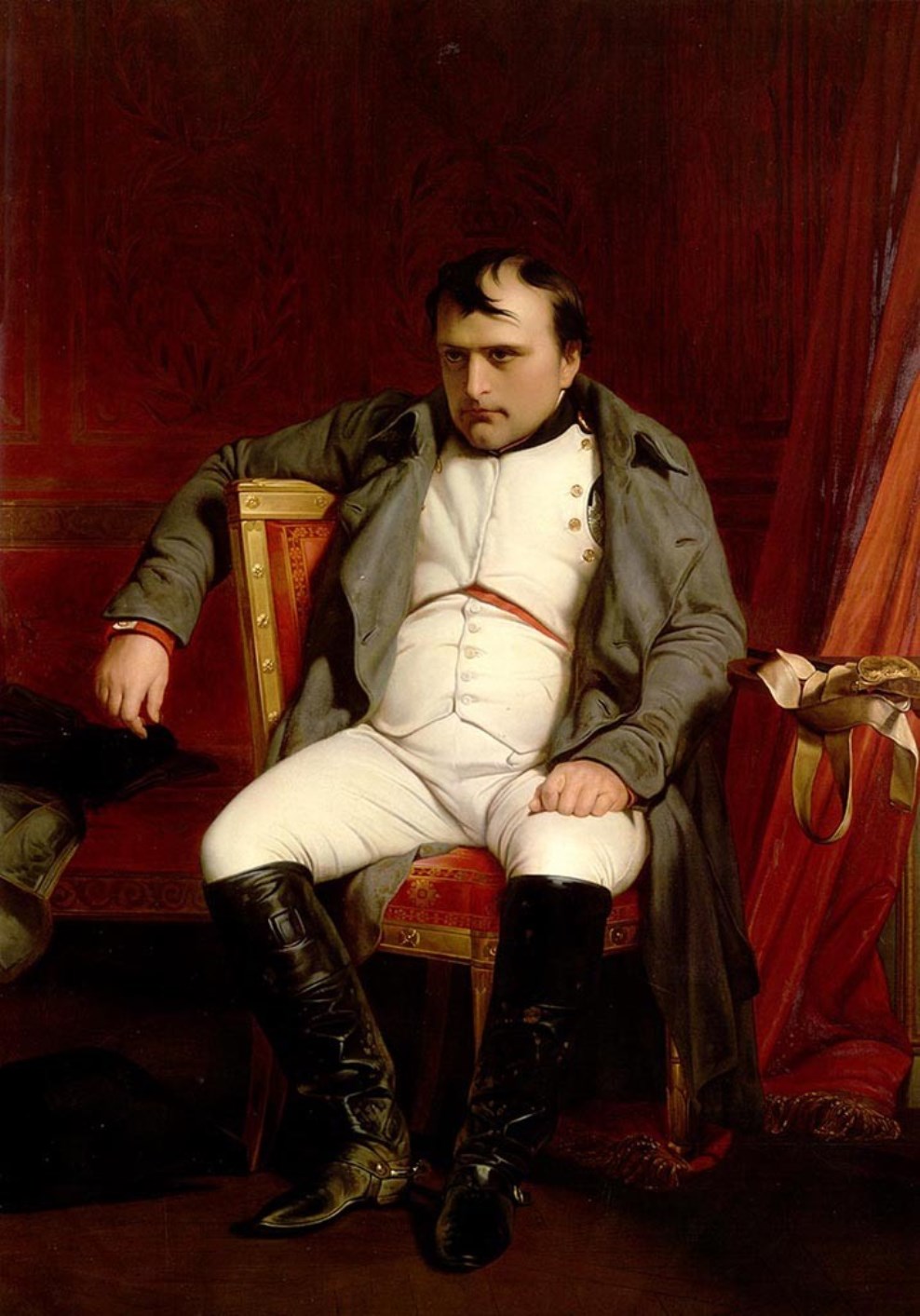
Napoleon I Bonaparte was a French statesman and military leader, Emperor of France (1804-1815).
Napoleon was born in the family of an ignorant Corsican nobleman, graduated from the Brienne military school, then the Paris military school. In 1785 he began military service in the rank of junior lieutenant of artillery in the Royal Army. From the first days of the Great French Revolution of 1789-1799 Bonaparte joined the political struggle on the island of Corsica, in 1792 in Valence joined the Jacobin Club and actively participated in all the turbulent political and military events.
In November 1799 Napoleon was at the head of a coup d'état: the government of the Directory was deposed, and the French Republic was headed by three consuls, the first of whom was Napoleon. In June 1804 Bonaparte was proclaimed Emperor Napoleon I of France, and in December a lavish coronation ceremony took place. After Italy recognized him as its king, in March 1805 he was also crowned in Milan.
With his rise to power, France entered a period of almost continuous warfare. Napoleon greatly expanded the territory of the empire, made most of the states of Western and Central Europe dependent on France. His brothers became kings: Joseph in Naples, Louis in Holland, and Jerome in Westphalia. In 1812, Napoleon made a campaign against Russia and even reached Moscow, but the Russian troops under the leadership of commander M.I. Kutuzov with the active support of all the people completely defeated the "invincible army". This military campaign was the beginning of the collapse of Napoleon's empire. The entry of the anti-French coalition troops into Paris in March 1814 forced Napoleon I to abdicate (April 6, 1814).
Napoleon retained the title of Emperor and was given possession of the island of Elba in the Mediterranean Sea. However, in March 1815, the deposed emperor at the head of a small detachment suddenly landed in the south of France and three weeks later, without a single shot entered Paris. But the emperor failed to live up to the hopes of the people of France, plus his defeat at the Battle of Waterloo all led to his second abdication. As a result, Napoleon Bonaparte was exiled to the island of St. Helena in the Atlantic Ocean, where he died on May 5, 1821.




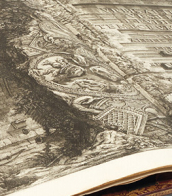


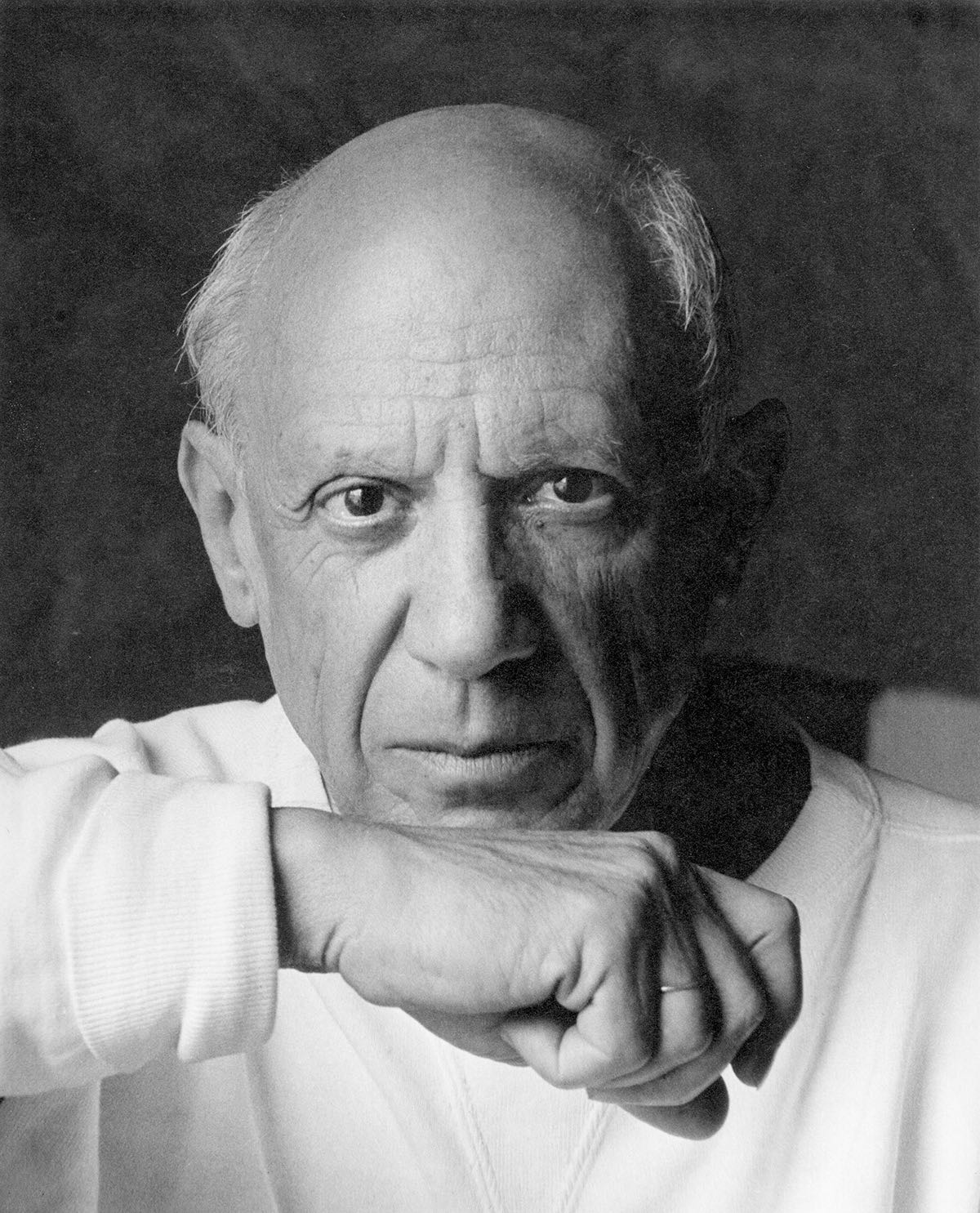
Pablo Ruiz Picasso, a Spanish artist renowned for his revolutionary contributions to the 20th-century art scene, is a figure that resonates profoundly with collectors and art experts. His unique blend of talents in painting, sculpture, printmaking, and ceramic art, infused with his time in France, positioned him as a pivotal character in modern art history.
Picasso's artistic journey was marked by distinct periods, each showcasing his evolving style and genius. His early years were characterized by the Blue Period (1901-1904), followed by the Rose Period (1904-1906), and then the African-influenced Period (1907-1909). Picasso's name is synonymous with Cubism, a movement he co-founded, which significantly altered artistic perspectives and methods. Works like "Les Demoiselles d'Avignon" (1907) and "Guernica" (1937) are emblematic of his cubist legacy, the latter being a poignant anti-war statement that remains influential.
His later years saw a return to more traditional styles, with neoclassical and surrealist influences becoming evident. Works from these phases reflect a deep engagement with mythological themes, as seen in "Faun with Stars" (1955), symbolizing his late-life romance with Jacqueline Roque, his second wife.
Picasso's prolific output and innovative spirit made him a legend in his own time, a status that only grew after his death. His works, housed in major museums and private collections worldwide, continue to captivate and inspire.
As a collector or expert in art and antiques, staying informed about Picasso's works, their auction events, and sales is essential. To stay updated on the latest developments and opportunities related to Pablo Picasso, sign up for our specialized updates. Rest assured, this subscription will focus solely on new product sales and auction events pertaining to Picasso's art, ensuring that you receive only the most relevant and valuable information.
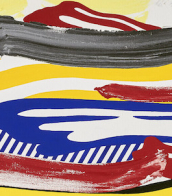
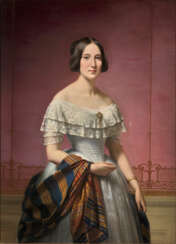






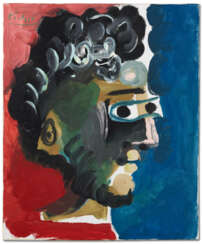

Pablo Ruiz Picasso, a Spanish artist renowned for his revolutionary contributions to the 20th-century art scene, is a figure that resonates profoundly with collectors and art experts. His unique blend of talents in painting, sculpture, printmaking, and ceramic art, infused with his time in France, positioned him as a pivotal character in modern art history.
Picasso's artistic journey was marked by distinct periods, each showcasing his evolving style and genius. His early years were characterized by the Blue Period (1901-1904), followed by the Rose Period (1904-1906), and then the African-influenced Period (1907-1909). Picasso's name is synonymous with Cubism, a movement he co-founded, which significantly altered artistic perspectives and methods. Works like "Les Demoiselles d'Avignon" (1907) and "Guernica" (1937) are emblematic of his cubist legacy, the latter being a poignant anti-war statement that remains influential.
His later years saw a return to more traditional styles, with neoclassical and surrealist influences becoming evident. Works from these phases reflect a deep engagement with mythological themes, as seen in "Faun with Stars" (1955), symbolizing his late-life romance with Jacqueline Roque, his second wife.
Picasso's prolific output and innovative spirit made him a legend in his own time, a status that only grew after his death. His works, housed in major museums and private collections worldwide, continue to captivate and inspire.
As a collector or expert in art and antiques, staying informed about Picasso's works, their auction events, and sales is essential. To stay updated on the latest developments and opportunities related to Pablo Picasso, sign up for our specialized updates. Rest assured, this subscription will focus solely on new product sales and auction events pertaining to Picasso's art, ensuring that you receive only the most relevant and valuable information.