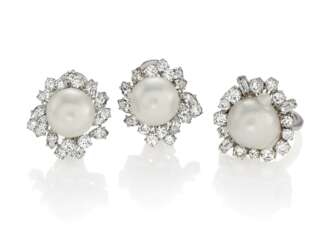
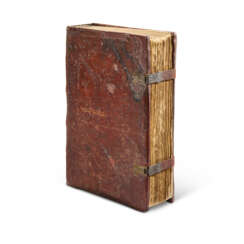
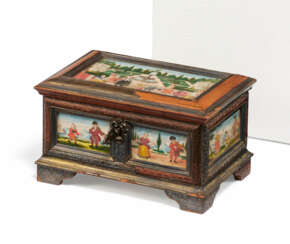
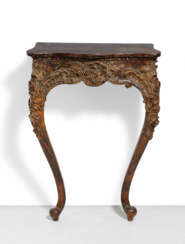
presumably southern germany















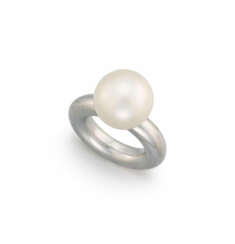

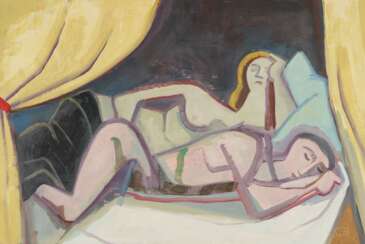

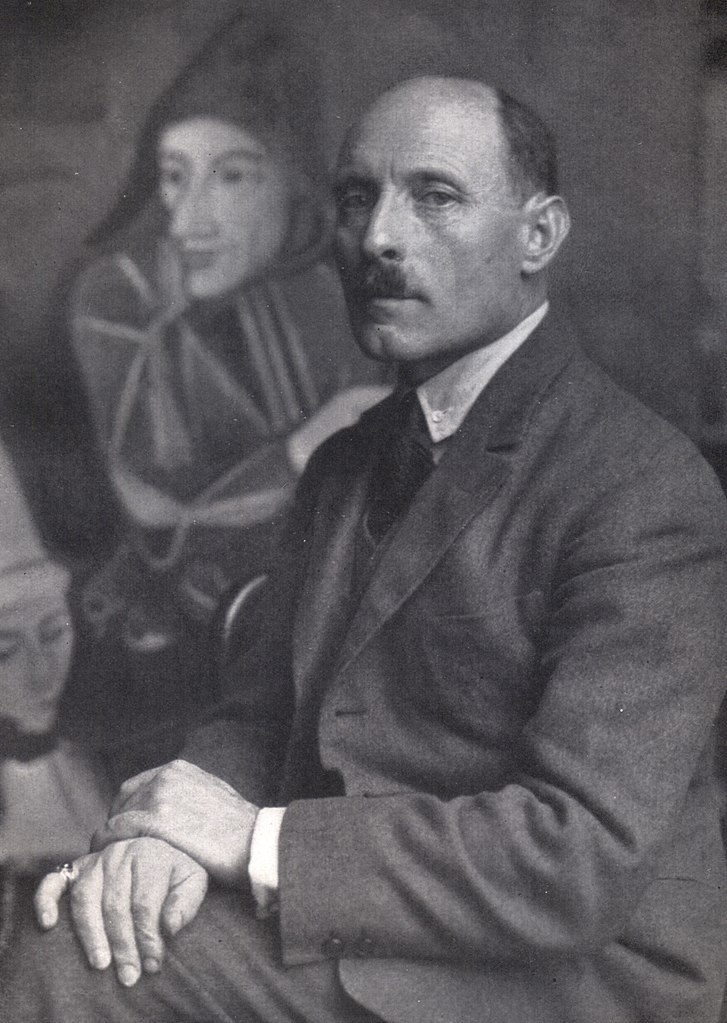
Karl Hofer was a German expressionist painter. He was director of the Berlin Academy of Fine Arts.
One of the most prominent painters of expressionism, he never was a member of one of the expressionist painting groups, like "Die Brücke", but was influenced by their painters. His work was among those considered degenerate art by the Nazis, but after World War II he regained recognition as one of the leading German painters.
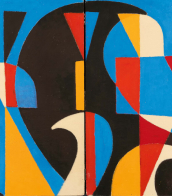
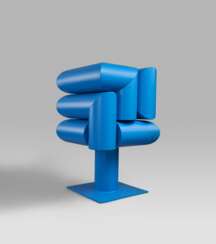

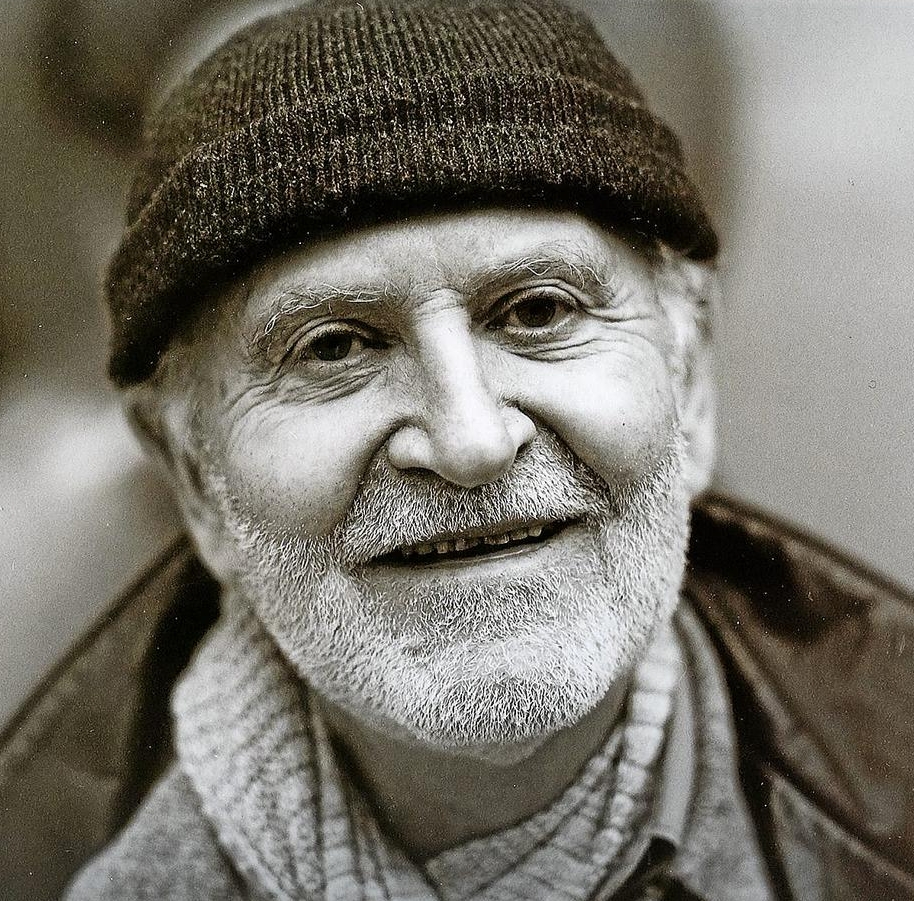
Friedrich Gräsel was a German sculptor, painter and graphic artist. He was known for his kinetic sculptures, which often incorporated light, sound, and movement.
Gräsel studied at the Academy of Fine Arts Nuremberg and later taught at the Academy of Fine Arts Munich. He began creating kinetic sculptures in the 1960s, using a wide range of materials such as metal, wood, and plastic to create dynamic, interactive works of art.
Gräsel's sculptures often feature intricate mechanisms and complex systems of movement, inviting viewers to engage with the work on a sensory level. His work frequently incorporates elements of humor and whimsy, while also exploring deeper themes related to technology, nature, and the human condition.
Gräsel exhibited his work extensively throughout Europe, including at the Venice Biennale, Documenta in Kassel, and the Museum of Modern Art in Paris. He was also awarded numerous honors and awards for his work, including the Bavarian Order of Merit in 1987 and the Art Prize of the City of Nuremberg in 1997.




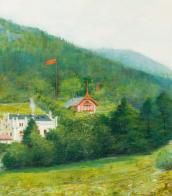


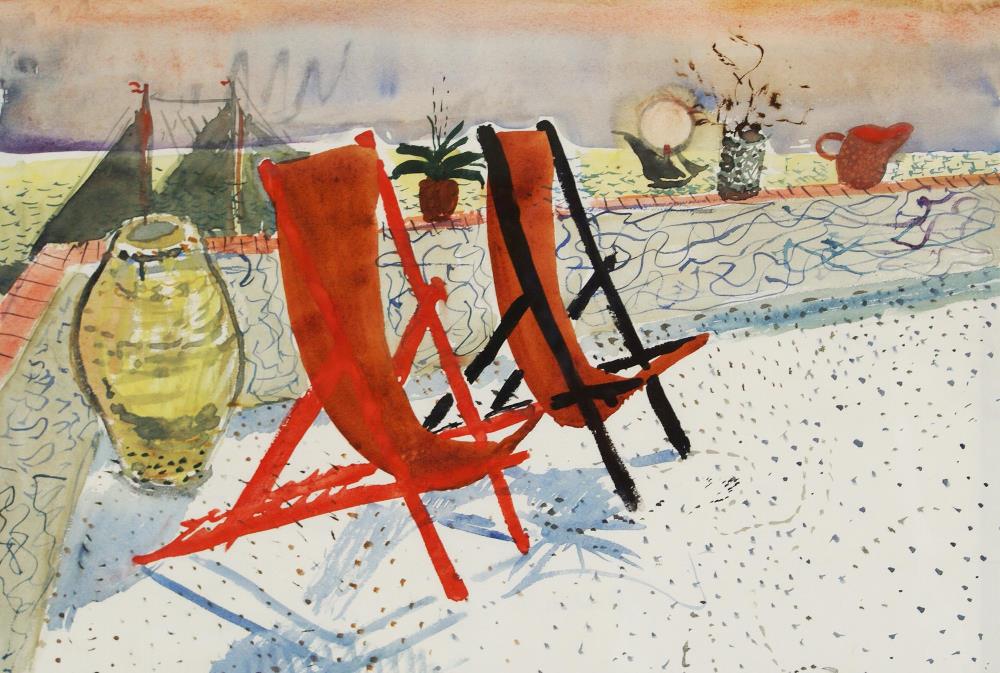
Hans Kuhn was a German abstractionist painter.
He studied painting in Munich and Berlin, initially painting realistic landscapes. After World War II, Kuhn turned to abstract painting.
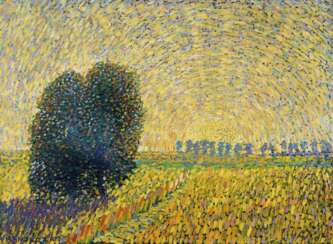

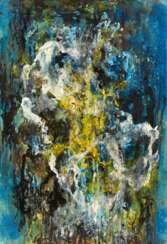

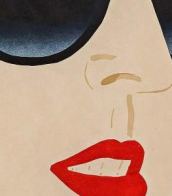


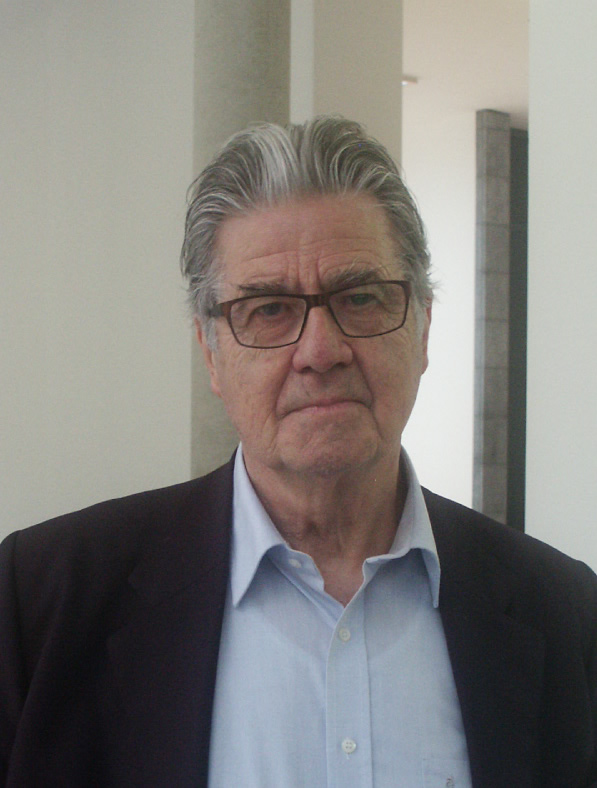
Franz Gertsch is one of Switzerland's most outstanding contemporary artists. Throughout his career, he has produced a wide range of paintings and graphic works in which he tries to find a particular approach to reality. Although the author uses photographs or slide projections as his starting points, the paintings adhere to a logic of their own which seeks the correctness of all elements. Woodcuts also occupy a special place in Franz Gertsch's work.
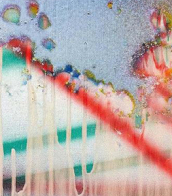


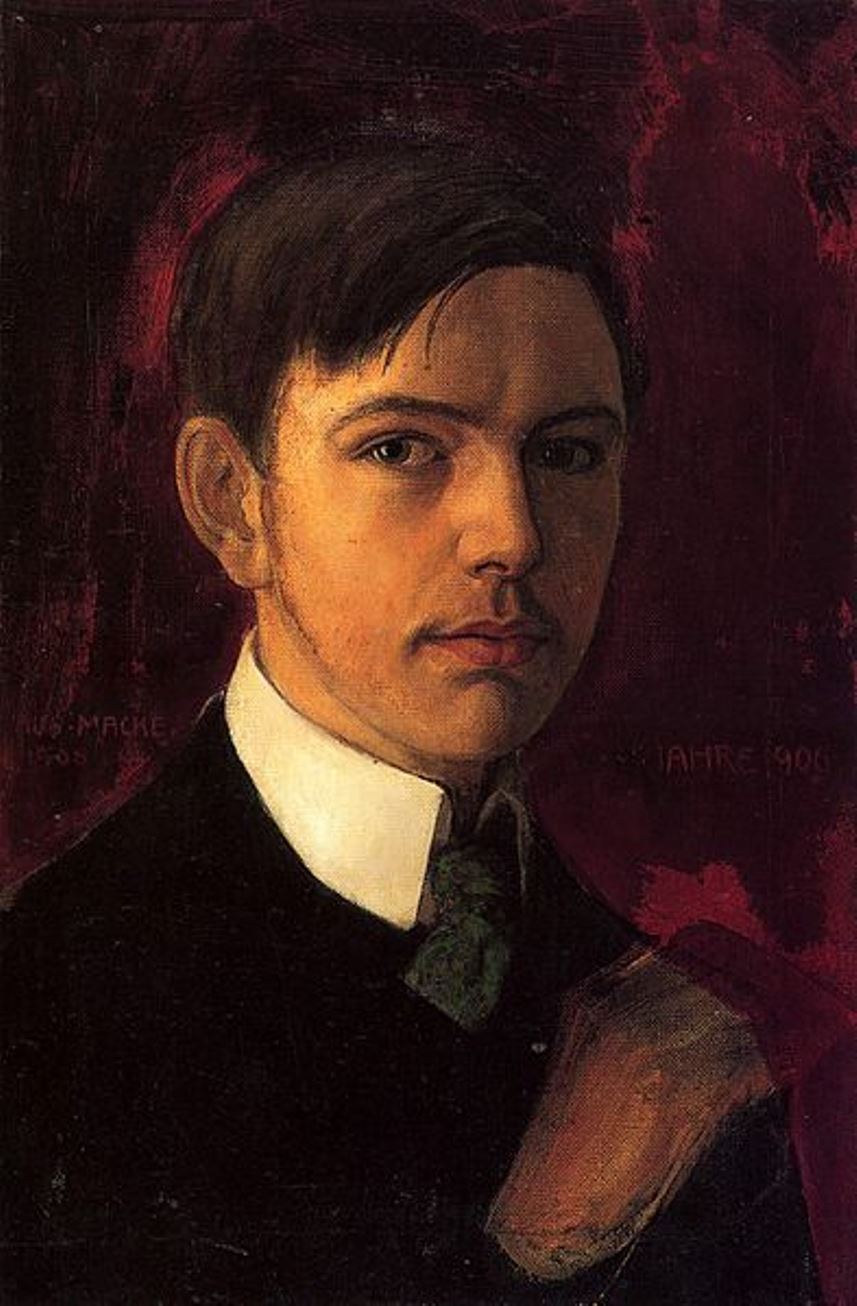
August Robert Ludwig Macke was an eminent German expressionist painter, founder and member of the Blue Rider association. His very colorful and individual style is today referred to as the Macke style, characterized by a harmonious combination of colors and the play of light effects. His favorite subjects of his works were sketches from the life of the city, as well as nature and man. The paintings of August Macke give an impression of joy and lightness.
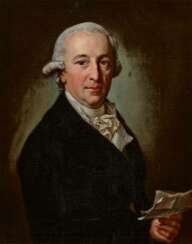

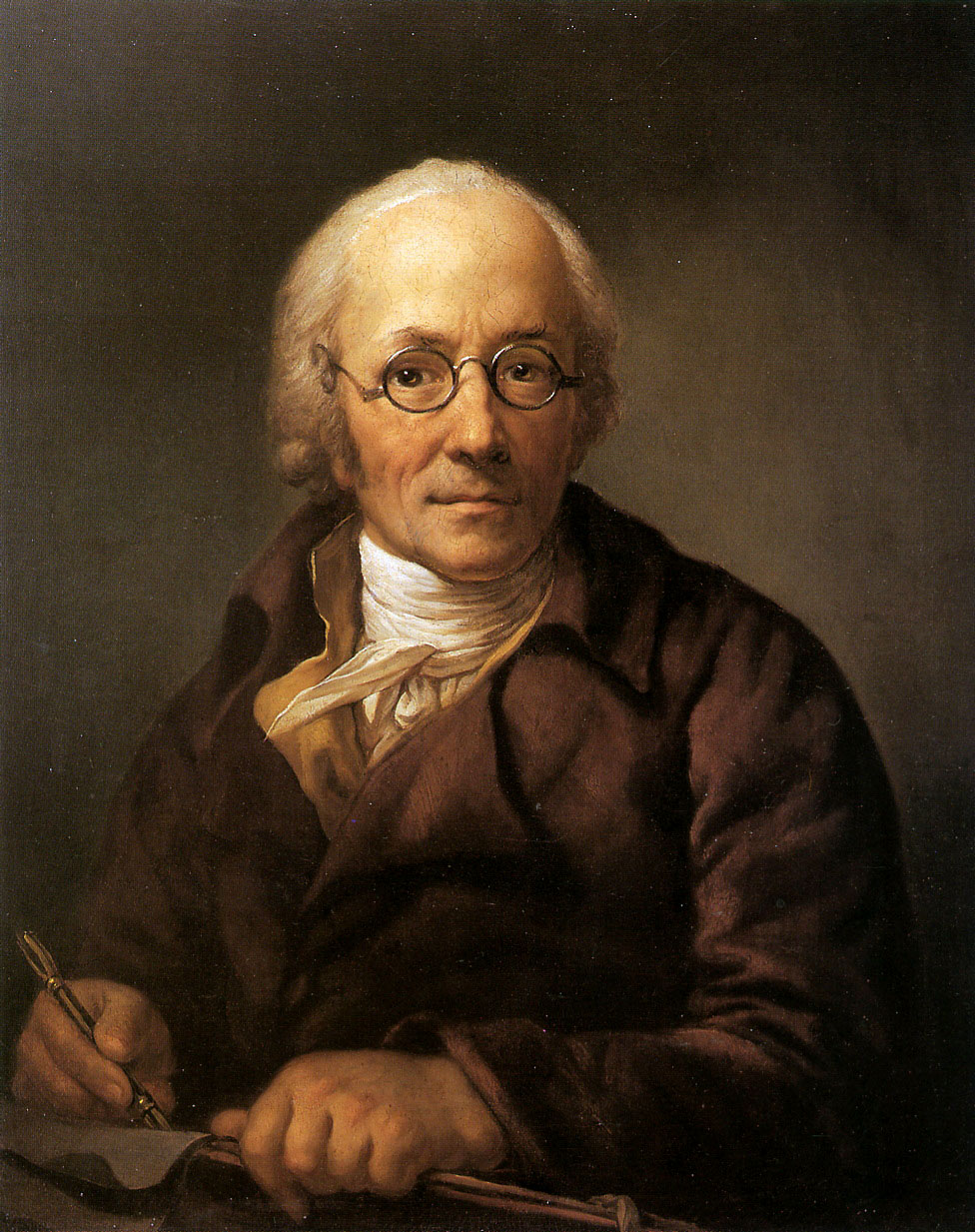
Anton Graff was an eminent Swiss portrait artist. Among his famous subjects were Friedrich Schiller, Christoph Willibald Gluck, Heinrich von Kleist, Frederick the Great, Friederike Sophie Seyler, Johann Gottfried Herder, Gotthold Ephraim Lessing, Moses Mendelssohn and Christian Felix Weiße. His pupils included Emma Körner, Philipp Otto Runge and Karl Ludwig Kaaz.



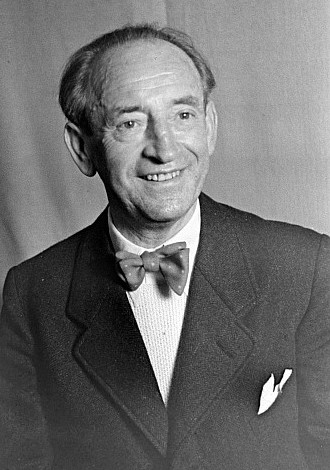
Max Pechstein, a German Expressionist painter and printmaker, was a significant figure in the art world known for his vibrant use of color and dynamic compositions. Born in Zwickau in 1881, Pechstein's journey into the realms of expressionism began with his training as a decorator's apprentice before moving to Dresden to further his studies at the Kunstgewerbeschule. His career took a pivotal turn in 1906 when he met Erich Heckel and joined the Die Brücke group, alongside other notable artists such as Ernst Ludwig Kirchner and Karl Schmidt-Rottluff, which marked the beginning of his foray into revolutionary art and expressionism.
Pechstein's art was not just confined to painting; he was also a master printmaker, with a prolific output that included 421 lithographs, 315 woodcuts and linocuts, and 165 intaglio prints, predominantly etchings. His works often depicted scenes from nature, social gatherings, and elements of primitive art, reflecting his interest in the raw and unrefined aspects of culture and humanity. This diverse body of work was recognized for its bold innovation and unique perspective, which significantly contributed to the expressionist movement.
The Nazis' rise to power in 1933 had a profound impact on Pechstein's career. His works were deemed degenerate, and he faced severe repression, including the removal of 326 of his paintings from German museums and his dismissal from his teaching position at the Preussische Akademie der Künste. Despite these challenges, Pechstein's legacy endured, and after World War II, he was reinstated to his teaching post and received numerous accolades for his contributions to art.
Pechstein's works are held in high esteem in museums and galleries worldwide. Notably, his etchings, which depicted the grim realities of war, are housed in the Imperial War Museum in London, showcasing his ability to convey profound emotional and psychological experiences through art. Additionally, his painting "Summer in Nidden," which captures the idyllic beauty of the Baltic coast, is part of the collection at the Museo Nacional Thyssen-Bornemisza in Madrid, illustrating his love for natural landscapes and vibrant, expressive use of color.
For collectors and experts in art and antiques, Hermann Max Pechstein's works offer a fascinating glimpse into the early 20th-century expressionist movement, characterized by a bold exploration of color, form, and social commentary. His contributions to modern art are invaluable, providing insight into the cultural and historical context of his time.
To stay informed about new product sales and auction events related to Hermann Max Pechstein, we invite you to sign up for updates. This subscription will ensure that you are the first to know about opportunities to acquire works by this influential artist, allowing you to add to your collection of significant expressionist art.