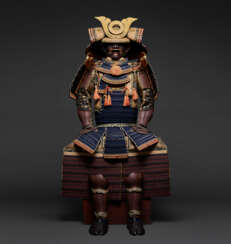
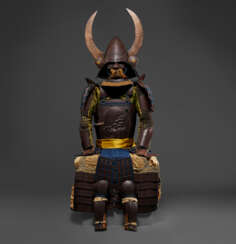
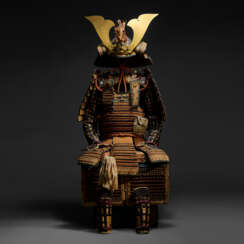
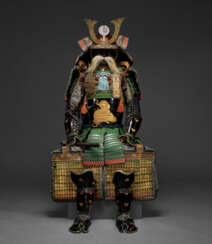
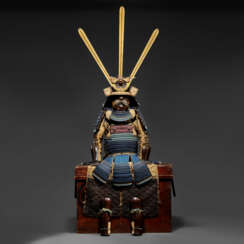
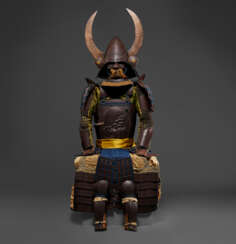
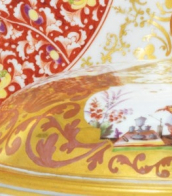
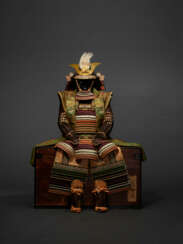
red armor
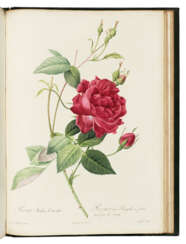

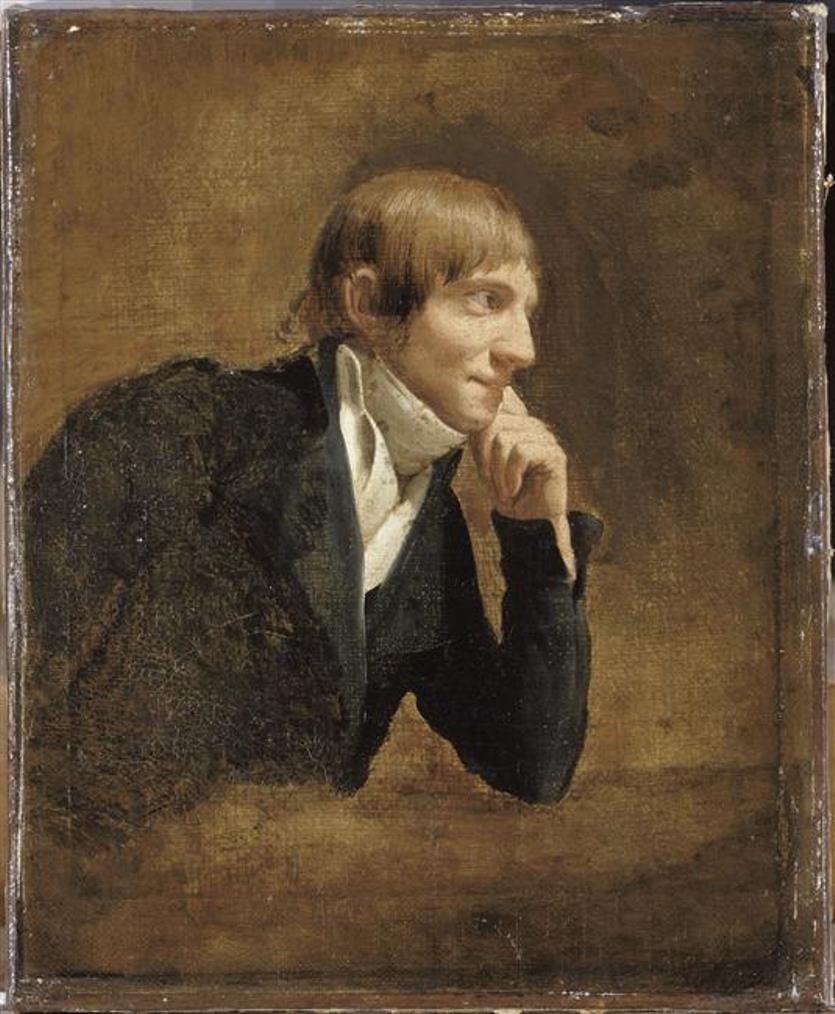
Pierre-Joseph Redouté was a French artist and botanist of Belgian origin, a royal painter and lithographer.
Redouté traveled extensively from his youth and carefully studied the pictorial art of various masters, but his main interest eventually became botanical illustration. He gained access to the Botanical Gardens in Paris and the botanical library. Over time, the talented Redouté became a very popular and successful painter of flowers and plants, publishing more and more albums.
In the 1790s, Redouté was internationally recognized as one of the most popular floral artists in the world. His depictions of plants are still as fresh as if they had just been painted. His album of watercolor illustrations, The Lilies, is one of the most expensive printed books in history.

Pierre-Joseph Redouté was a French artist and botanist of Belgian origin, a royal painter and lithographer.
Redouté traveled extensively from his youth and carefully studied the pictorial art of various masters, but his main interest eventually became botanical illustration. He gained access to the Botanical Gardens in Paris and the botanical library. Over time, the talented Redouté became a very popular and successful painter of flowers and plants, publishing more and more albums.
In the 1790s, Redouté was internationally recognized as one of the most popular floral artists in the world. His depictions of plants are still as fresh as if they had just been painted. His album of watercolor illustrations, The Lilies, is one of the most expensive printed books in history.
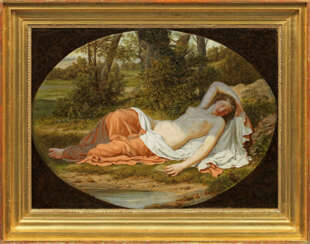

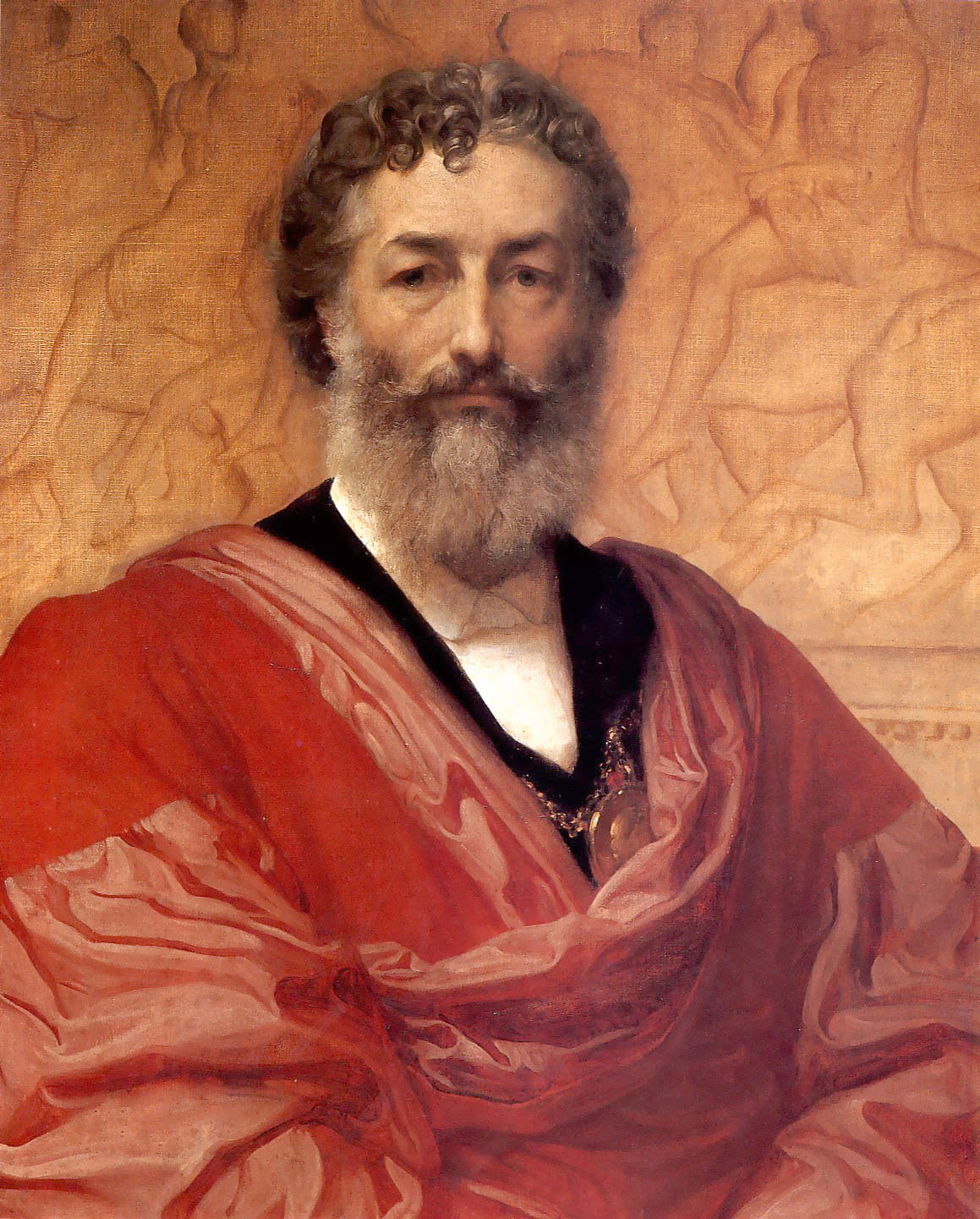
Frederic Leighton was a distinguished British artist renowned for his contributions to painting and sculpture during the Victorian era. His works, characterized by their classical themes and meticulous detail, have garnered appreciation from art collectors and historians alike. Notable for being the first painter to receive a peerage, Leighton's legacy in the art world is significant.
Frederic Leighton's art, particularly his paintings like "Flaming June" and "The Return of Persephone," showcases his mastery in depicting classical and mythological subjects with a unique blend of realism and idealism. His sculptures, such as "An Athlete Wrestling with a Python" and "The Sluggard," played a pivotal role in initiating the New Sculpture movement, emphasizing naturalism and dynamic forms.
Despite his illustrious career, Frederic Leighton's personal life remained private, with ongoing debates about his relationships and sexuality. His London home, now the Leighton House Museum, offers a glimpse into his artistic world, housing many of his works and collections that influenced his creations.
For art collectors and experts, Frederic Leighton's oeuvre represents a blend of academic tradition and innovative expression, making his works highly sought after in the realms of art and antiques. To stay informed about exhibitions and auction events featuring Frederic Leighton's art, subscribing to updates can be a valuable resource for enthusiasts eager to explore and acquire pieces from this influential Victorian artist.
![[JARRY, Alfred (1873-1907) et Remy de GOURMONT (1858-1915), éd.]](/assets/image/picture_3807179/d1bb2/9f8a9c9f9f96b44499182a8f6613e35b1710234000jpg__fix_374_244.jpeg)
![[JARRY, Alfred (1873-1907) et Remy de GOURMONT (1858-1915), éd.]](https://veryimportantlot.com/assets/image/picture_3807179/d1bb2/9f8a9c9f9f96b44499182a8f6613e35b1710234000jpg__fix_374_244.jpeg)

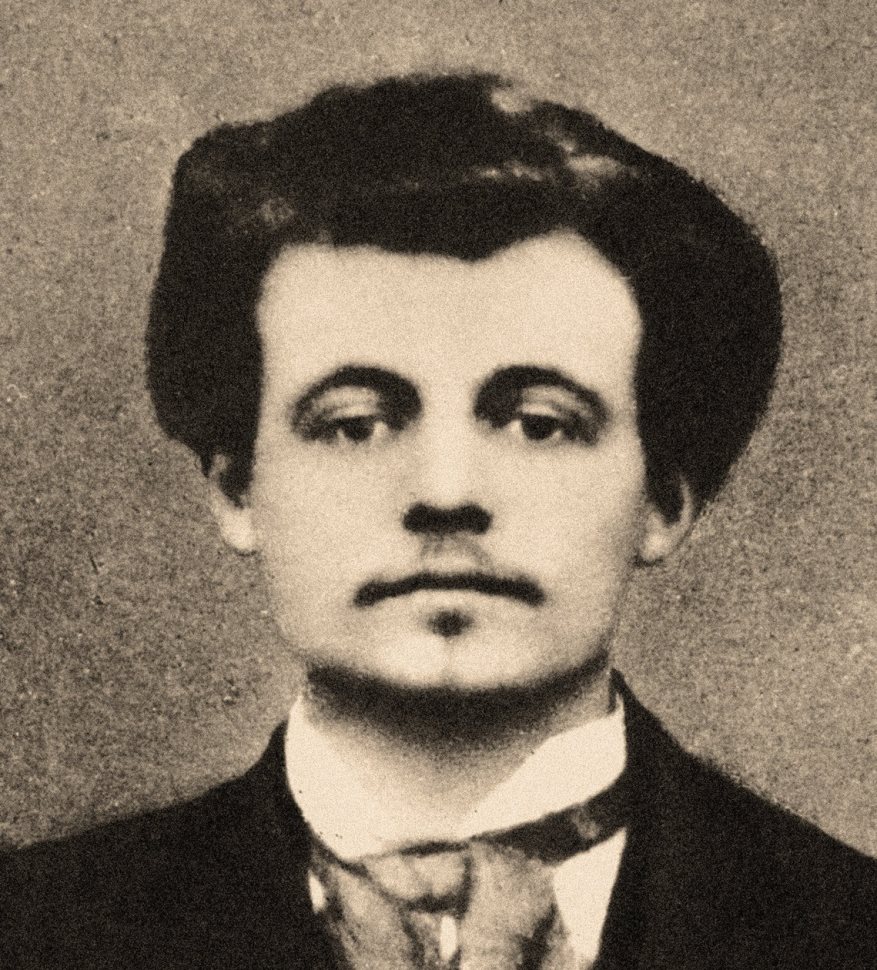
Paul Gauguin, a French artist born in Paris in 1848, is renowned for his significant contributions to Post-Impressionism, Primitivism, and Synthetism. Gauguin's art is distinguished by his experimental use of color and style, which set him apart from the traditional Impressionist movement.
Gauguin's early life was marked by a period in Peru, which influenced his artistic perspective. Initially, he pursued a career in stockbroking but soon turned to art, driven by financial necessity and a growing passion. His artistic journey began under the mentorship of Impressionist artist Camille Pissarro and through exposure to the works of other avant-garde artists.
The hallmark of Gauguin's work is his exploration of non-Western cultures, particularly during his time in Tahiti and the Marquesas Islands. This period saw the creation of some of his most famous works, including "Where Do We Come From? What Are We? Where Are We Going?" His paintings from this era, characterized by vivid colors and Symbolist themes, reflect a fusion of cultural influences and his quest for a "primitive" expression of spiritual and emotional states.
Despite his innovative style, Gauguin struggled with financial difficulties and health issues throughout his life. His work received little recognition during his lifetime, but posthumously, he gained acclaim for influencing modern artists like Pablo Picasso and Henri Matisse.
Today, Gauguin's works are celebrated in galleries and museums worldwide for their unique blend of cultural influences and artistic innovation. His enduring legacy is a testament to his unique vision and the profound impact he had on the art world.
Collectors and experts in art and antiques, stay updated on new product sales and auction events related to Paul Gauguin. Sign up now for exclusive updates and immerse yourself in the world of this visionary artist.

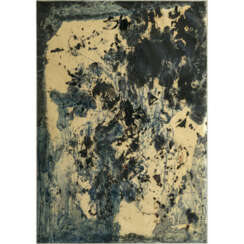

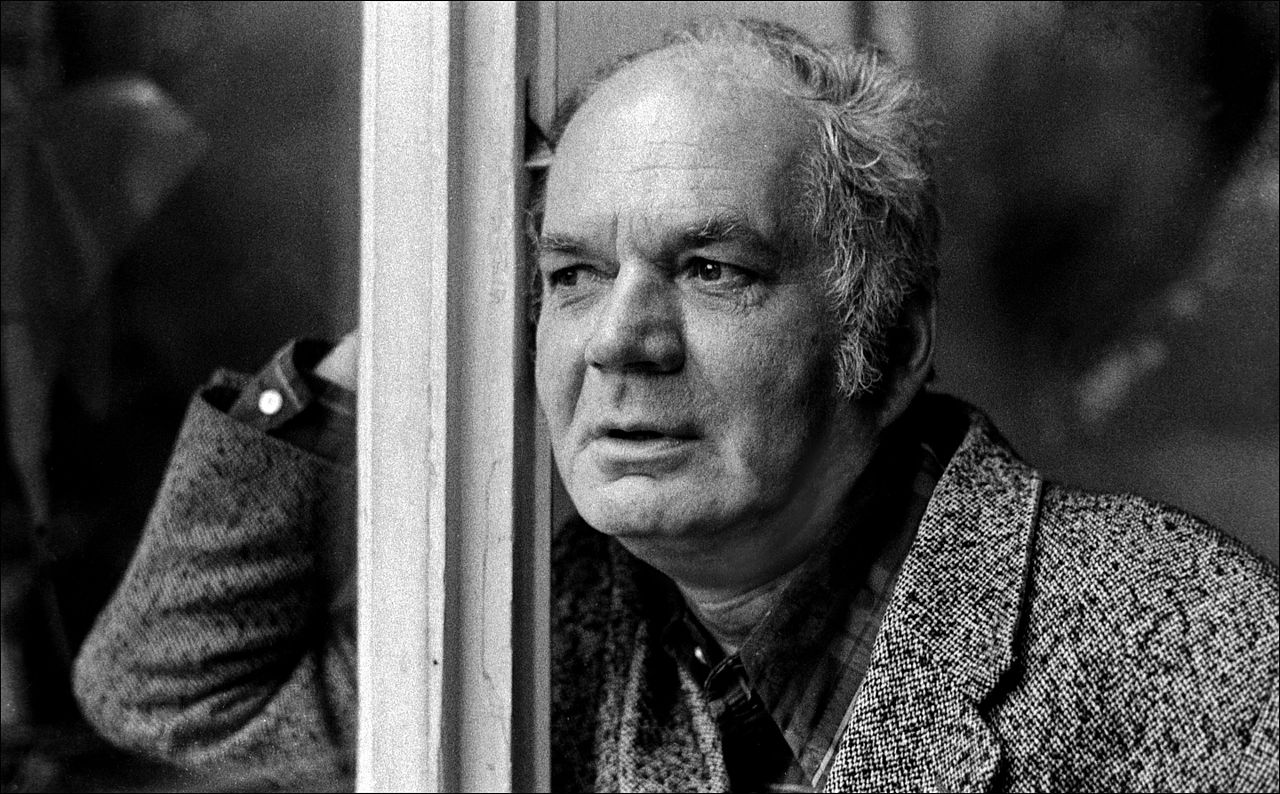
Fred Thieler was a German abstract artist known for his colorful, gestural paintings. He was born in Königsberg, Germany, and studied at the Academy of Fine Arts in Königsberg before moving to Berlin in 1945.
Thieler's early work was influenced by the Expressionist and Surrealist movements, but he soon developed his own unique style characterized by bold colors and dynamic brushstrokes. He often used a palette knife to apply paint to the canvas, creating thick, impasto layers that added depth and texture to his works.
Throughout his career, Thieler participated in numerous exhibitions in Germany and internationally, including the Venice Biennale and Documenta in Kassel. He was also a member of the influential German art group "Quadriga," which included artists such as Bernard Schultze, Karl Otto Götz, and Otto Greis.
In addition to painting, Thieler also worked as a graphic designer and a teacher. He was a professor at the Academy of Fine Arts in Berlin from 1965 to 1981, where he had a significant impact on the next generation of German artists.
Thieler's work can be found in many private collections and museums, including the Museum of Modern Art in New York, the Stedelijk Museum in Amsterdam, and the Museum Ludwig in Cologne.