rob thom


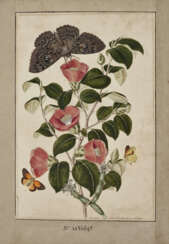


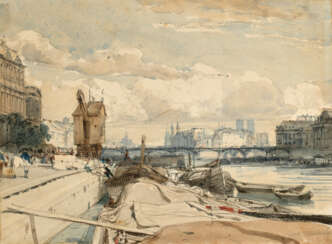
Thomas Robins the Younger was an English artist known for his depictions of English country houses, their gardens, and the natural world.
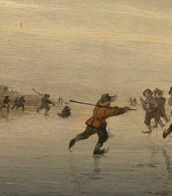
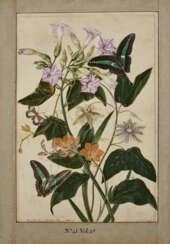

Thomas Robins the Younger was an English artist known for his depictions of English country houses, their gardens, and the natural world.


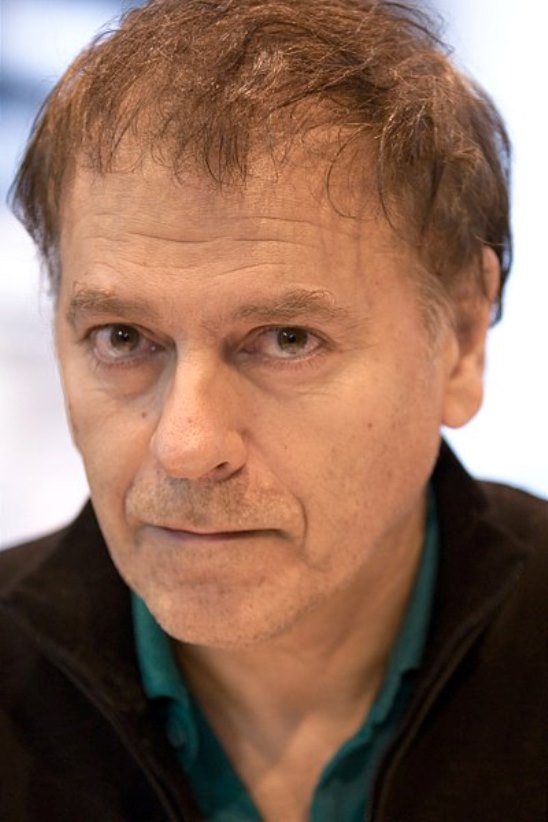

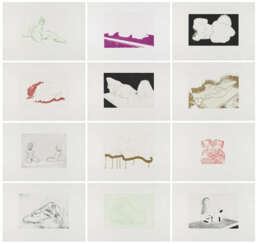

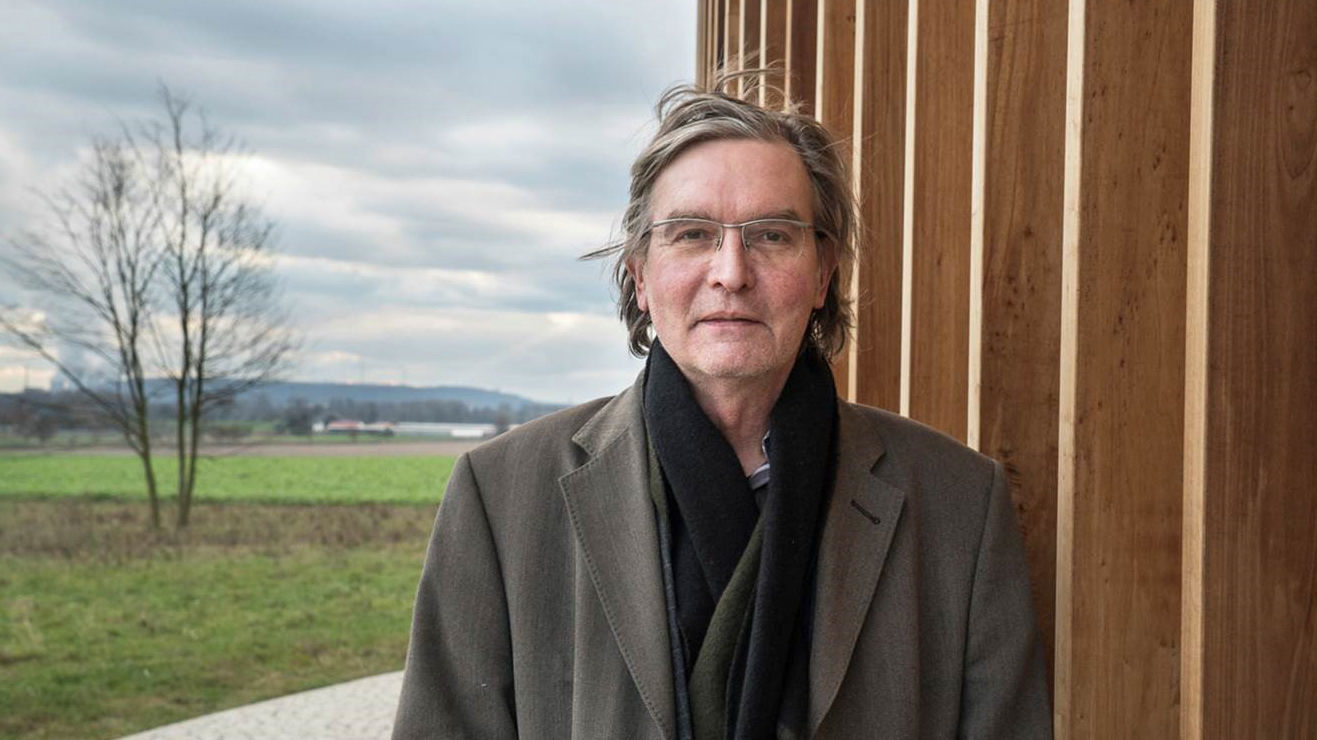
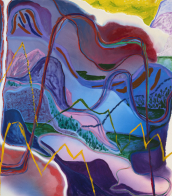
Thomas Schütte is a German contemporary artist. He sculpts, creates architectural designs, and draws. He lives and works in Düsseldorf.



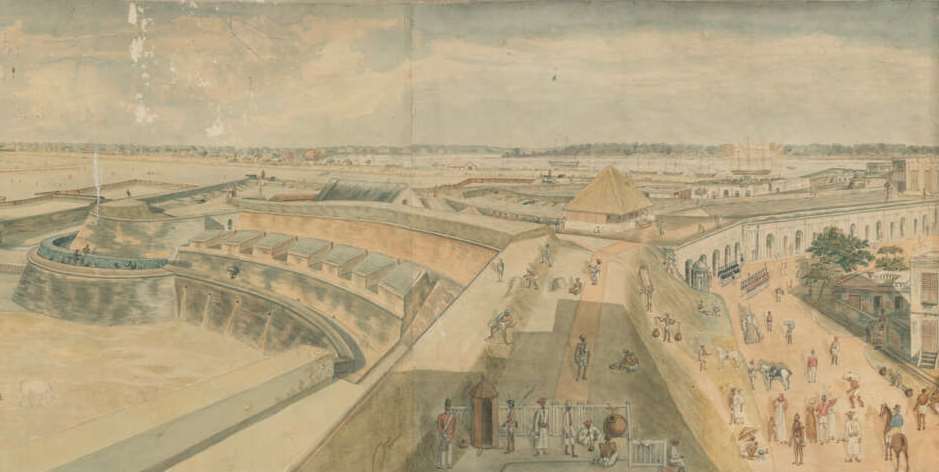


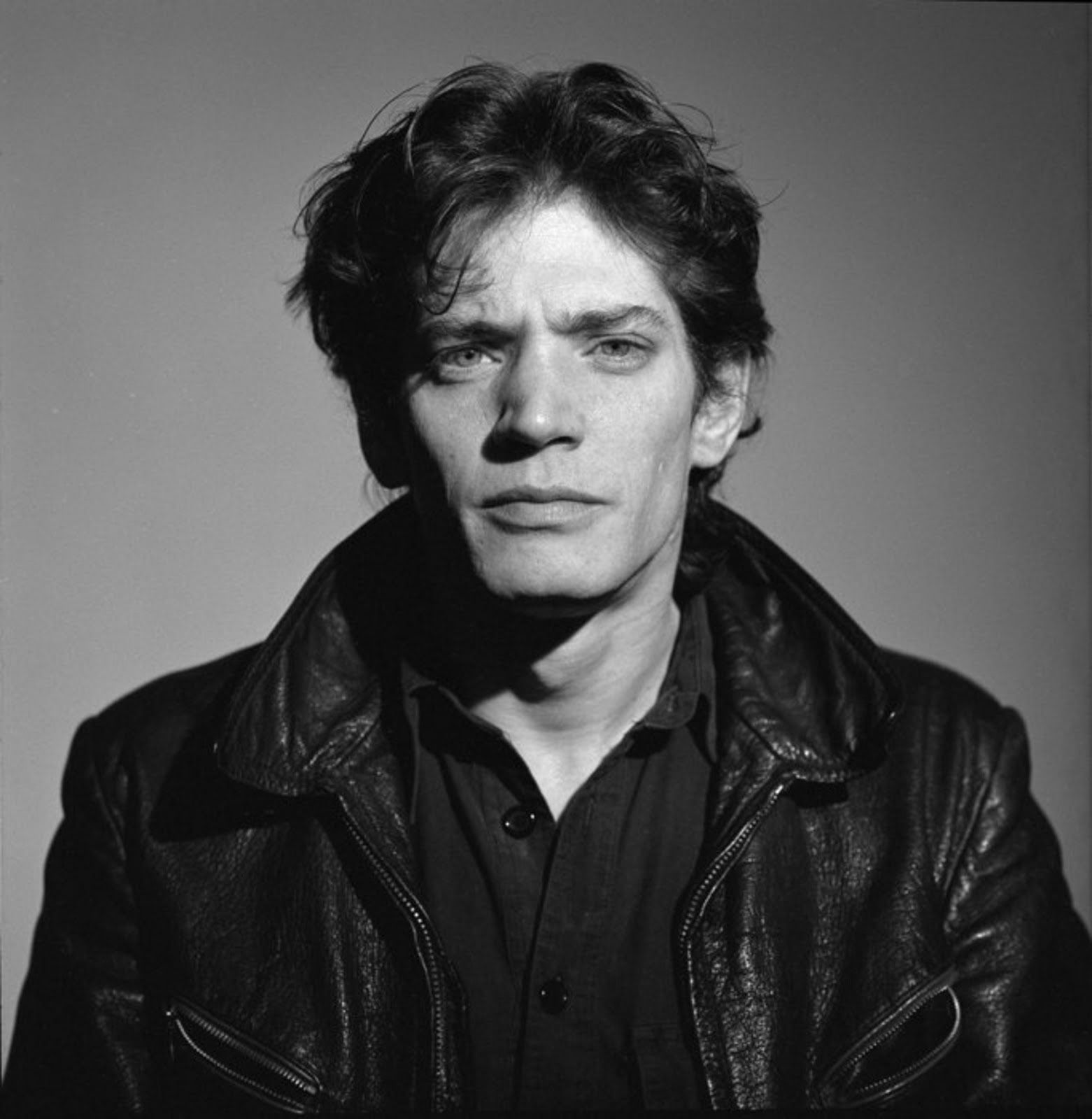
Robert Mapplethorpe was an American photographer, celebrated for his black-and-white photographs that captured a range of subjects including celebrity portraits, male and female nudes, self-portraits, and still-life images. Born in New York in 1946, Mapplethorpe's work is renowned for its technical precision, formal elegance, and controversial content, particularly his documentation of the gay male BDSM subculture and his erotic art. His body of work not only includes provocative themes but also more traditional subjects like flowers, showcasing his versatile artistic talent.
Robert Mapplethorpe's education at Pratt Institute in Brooklyn was foundational to his artistic journey, where he met Patti Smith and began his explorations in photography, initially through Polaroid camera use before advancing to more sophisticated techniques. His collaboration with Lisa Lyon, the first World Women's Bodybuilding Champion, and his retrospectives at significant institutions like the Whitney Museum of American Art highlight his broad artistic impact and continued influence in the art world. Despite his premature death in 1989 due to complications from AIDS, Mapplethorpe's legacy endures, supported by the Robert Mapplethorpe Foundation which promotes photography and funds medical research.
For collectors and experts in art and antiques, Robert Mapplethorpe's work remains a testament to the power of photography as a medium of both aesthetic beauty and provocative commentary. To stay updated on sales and auction events related to Robert Mapplethorpe's works, sign up for updates to not miss out on owning a piece of this influential artist's legacy.

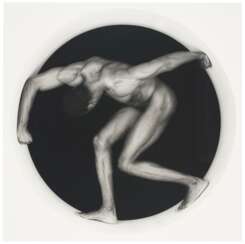

Robert Mapplethorpe was an American photographer, celebrated for his black-and-white photographs that captured a range of subjects including celebrity portraits, male and female nudes, self-portraits, and still-life images. Born in New York in 1946, Mapplethorpe's work is renowned for its technical precision, formal elegance, and controversial content, particularly his documentation of the gay male BDSM subculture and his erotic art. His body of work not only includes provocative themes but also more traditional subjects like flowers, showcasing his versatile artistic talent.
Robert Mapplethorpe's education at Pratt Institute in Brooklyn was foundational to his artistic journey, where he met Patti Smith and began his explorations in photography, initially through Polaroid camera use before advancing to more sophisticated techniques. His collaboration with Lisa Lyon, the first World Women's Bodybuilding Champion, and his retrospectives at significant institutions like the Whitney Museum of American Art highlight his broad artistic impact and continued influence in the art world. Despite his premature death in 1989 due to complications from AIDS, Mapplethorpe's legacy endures, supported by the Robert Mapplethorpe Foundation which promotes photography and funds medical research.
For collectors and experts in art and antiques, Robert Mapplethorpe's work remains a testament to the power of photography as a medium of both aesthetic beauty and provocative commentary. To stay updated on sales and auction events related to Robert Mapplethorpe's works, sign up for updates to not miss out on owning a piece of this influential artist's legacy.


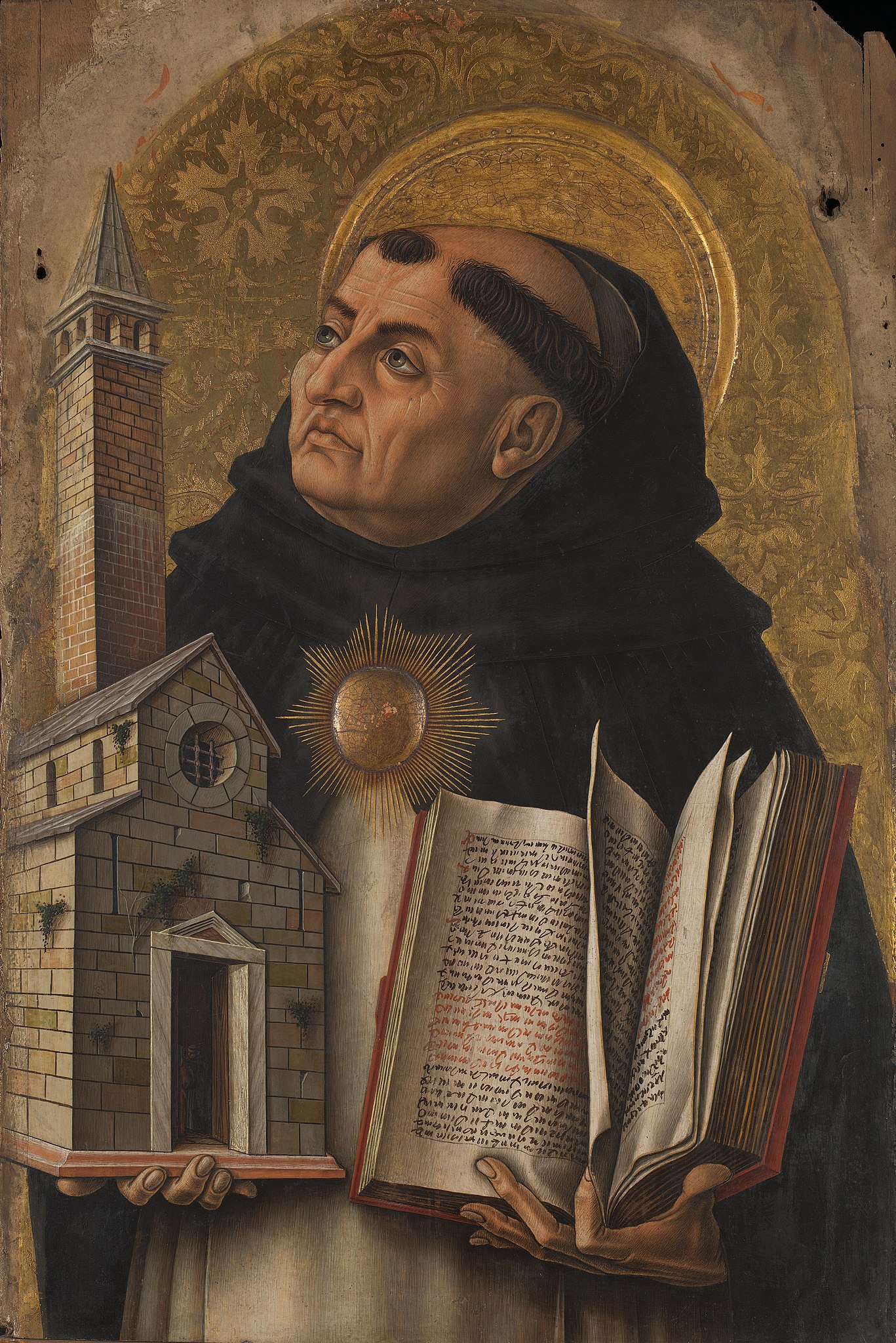
Thomas Aquinas (Italian: Tommaso d'Aquino, also called Aquinas, alias Doctor Angelicus) was an Italian poet and theologian, philosopher, and major medieval scholastic.
Thomas Aquinas is one of the most important theologians in the history of Western civilization, given the extent of his influence on the development of Roman Catholic theology since the fourteenth century. As a theologian, in his two masterpieces, Summa theologiae and Summa contra gentiles, he created the classical systematization of Latin theology, and as a poet, he wrote some of the most serious and beautiful Eucharistic hymns in the church liturgy. Thomas Aquinas is recognized by the Roman Catholic Church as the foremost Western philosopher and theologian and canonized as a saint.


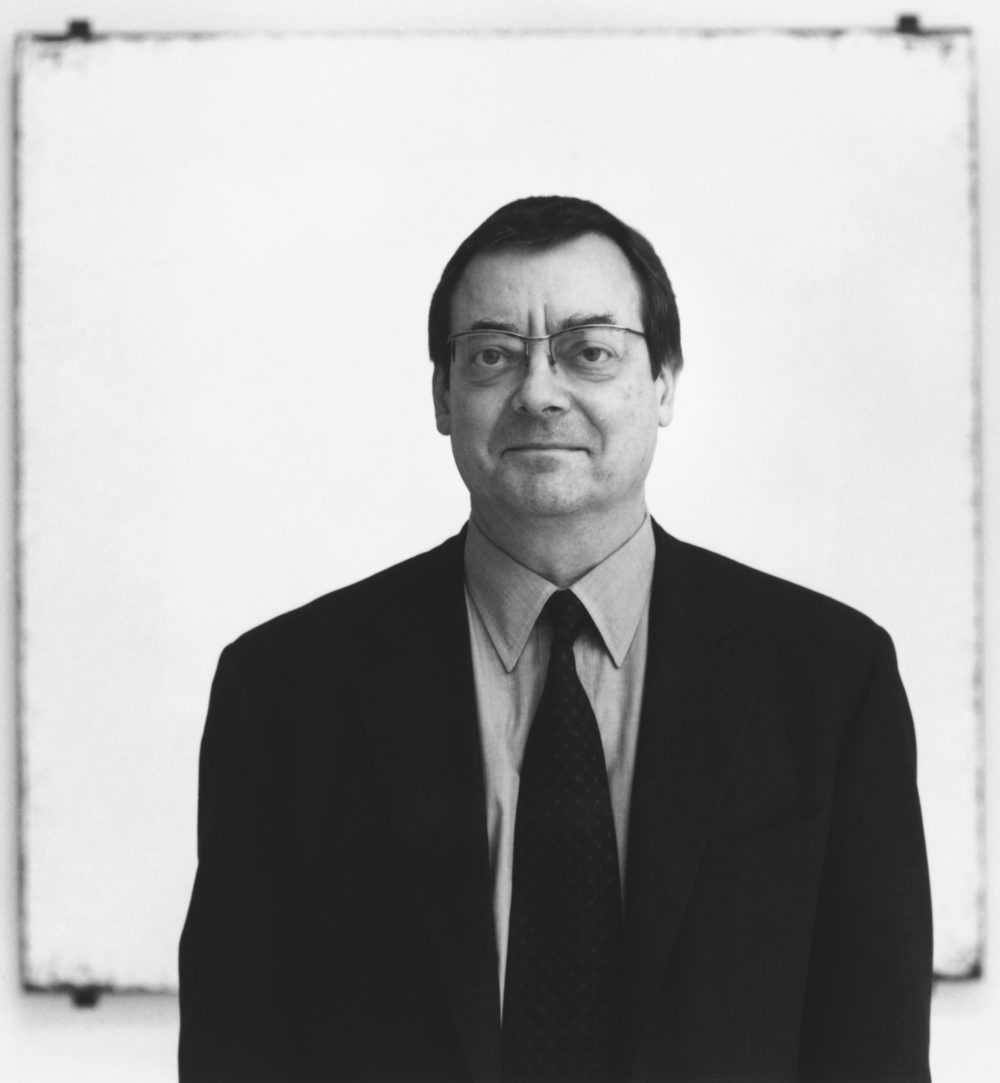
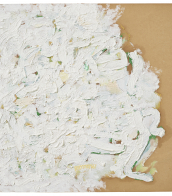
Robert Ryman was an American painter born in Nashville, Tennessee in 1930, and died in New York City in 2019. He was associated with the Minimalist movement, and is known for his monochromatic paintings that explore the materiality and texture of paint.
Ryman studied at the Tennessee Polytechnic Institute and the George Peabody College for Teachers before moving to New York City in the 1950s. He worked as a guard at the Museum of Modern Art, where he was exposed to the work of artists such as Jackson Pollock and Mark Rothko.
Ryman's early works were influenced by Abstract Expressionism, but he gradually moved towards a more minimal and reductive style. His paintings often feature white or off-white paint on square or rectangular canvases, with variations in texture and surface quality.
Ryman's work has been exhibited in galleries and museums around the world, including the Museum of Modern Art in New York, the Tate Modern in London, and the Centre Georges Pompidou in Paris. He was awarded the Golden Lion at the Venice Biennale in 2001, and is considered one of the most important American painters of the 20th century.
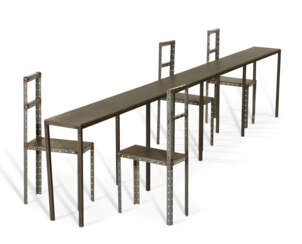


Robert Wilson is an American experimental theater stage director and playwright who has been described by The New York Times as «America's – or even the world's – foremost vanguard theater artist.» He has also worked as a choreographer, performer, painter, sculptor, video artist, and sound and lighting designer.

.jpg)
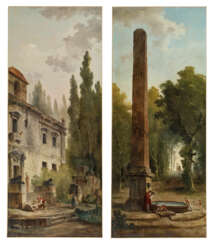
Hubert Robert was a renowned French artist, celebrated for his captivating landscape paintings and architectural fantasies. Born in Paris in 1733, Robert's talent was nurtured early on, thanks to the patronage of the Choiseul family. His journey to Rome in 1754 marked a pivotal phase in his career, where he immersed himself in studying ancient and modern Italian architecture, significantly influencing his artistic style.
Hubert Robert's work is characterized by its romantic depiction of ruins, blending fantasy with historical accuracy, which earned him the nickname "Robert des Ruines." His landscapes and capricci, which are imaginative compositions of architectural elements, resonated with the art collectors and the aristocracy of his time, securing his place as a key figure in French art history.
Noteworthy are Hubert Robert's contributions to the design of picturesque gardens, where he provided atmospheric visions rather than practical layouts. His involvement in the creation of gardens at places like Ermenonville and Méréville showcases his ability to merge art with nature, creating spaces that were both innovative and inspirational.
His artworks, such as "The Port of Rome" and "The Old Bridge," are treasured in prestigious galleries worldwide, reflecting his enduring legacy in the realm of art and culture. For art collectors and experts, Hubert Robert's oeuvre offers a window into the 18th-century artistic landscape, where imagination and historical elements coalesce to form compelling visual narratives.
For updates on exhibitions and auction events related to Hubert Robert's works, sign up to stay informed about new discoveries and opportunities to appreciate the artistry of this exceptional French painter.


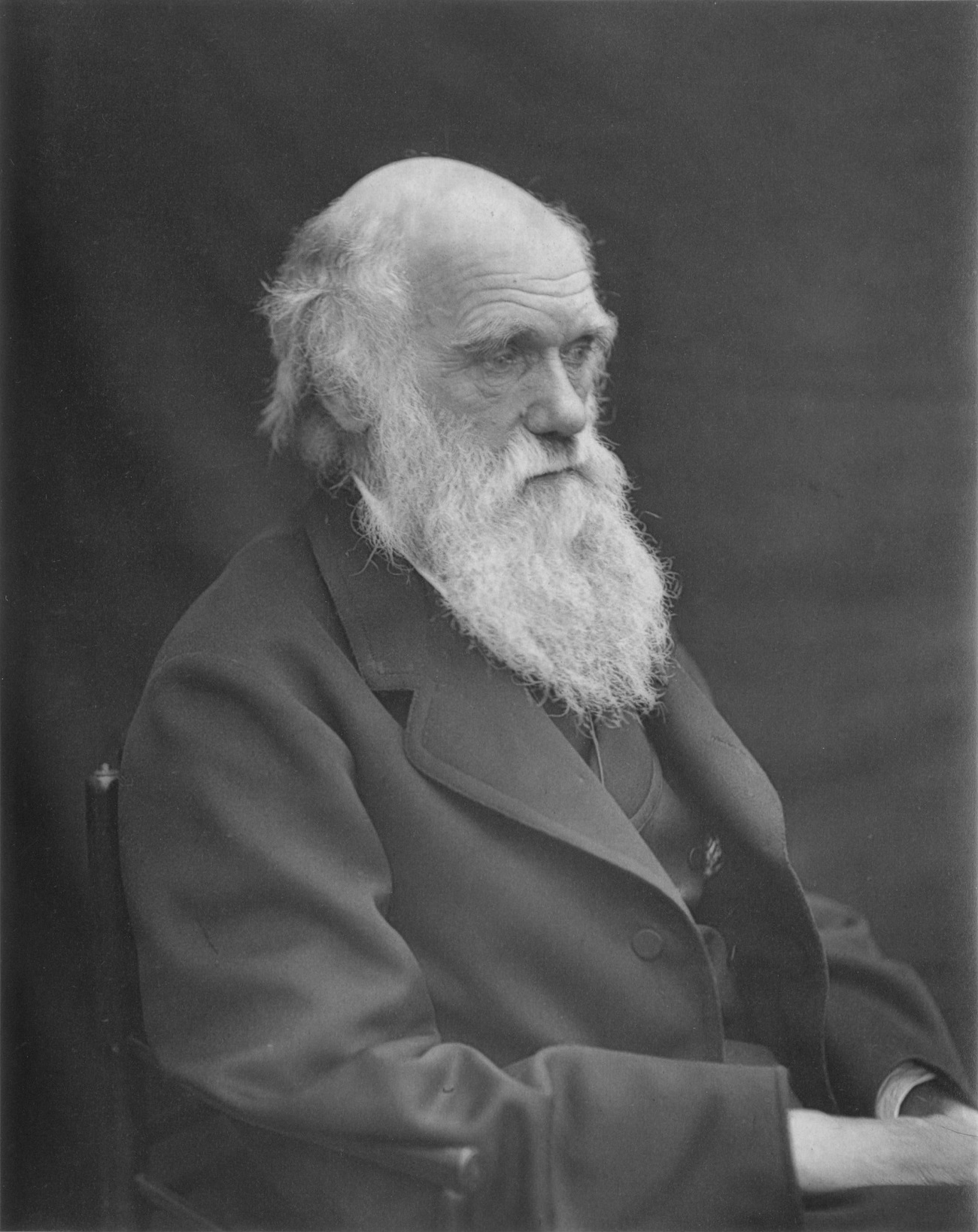
Charles Robert Darwin was an English naturalist, geologist, and biologist, widely known for contributing to the understanding of evolutionary biology. His proposition that all species of life have descended from a common ancestor is now generally accepted and considered a fundamental concept in science. In a joint publication with Alfred Russel Wallace, he introduced his scientific theory that this branching pattern of evolution resulted from a process that he called natural selection, in which the struggle for existence has a similar effect to the artificial selection involved in selective breeding. Darwin has been described as one of the most influential figures in human history, and he was honoured by burial in Westminster Abbey.
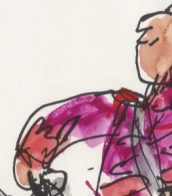


Thomas Aquinas (Italian: Tommaso d'Aquino, also called Aquinas, alias Doctor Angelicus) was an Italian poet and theologian, philosopher, and major medieval scholastic.
Thomas Aquinas is one of the most important theologians in the history of Western civilization, given the extent of his influence on the development of Roman Catholic theology since the fourteenth century. As a theologian, in his two masterpieces, Summa theologiae and Summa contra gentiles, he created the classical systematization of Latin theology, and as a poet, he wrote some of the most serious and beautiful Eucharistic hymns in the church liturgy. Thomas Aquinas is recognized by the Roman Catholic Church as the foremost Western philosopher and theologian and canonized as a saint.
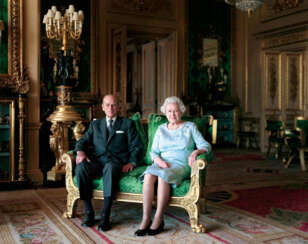


Thomas Struth is a German photographer who is best known for his Museum Photographs series, family portraits and black and white photographs of the streets of Düsseldorf and New York taken in the 1970s. Struth lives and works in Berlin and New York.
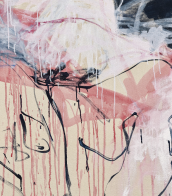
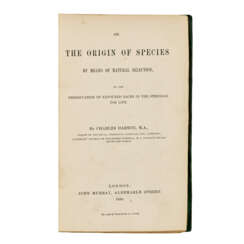

Charles Robert Darwin was an English naturalist, geologist, and biologist, widely known for contributing to the understanding of evolutionary biology. His proposition that all species of life have descended from a common ancestor is now generally accepted and considered a fundamental concept in science. In a joint publication with Alfred Russel Wallace, he introduced his scientific theory that this branching pattern of evolution resulted from a process that he called natural selection, in which the struggle for existence has a similar effect to the artificial selection involved in selective breeding. Darwin has been described as one of the most influential figures in human history, and he was honoured by burial in Westminster Abbey.
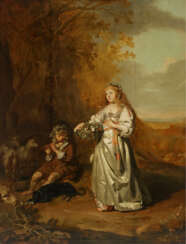

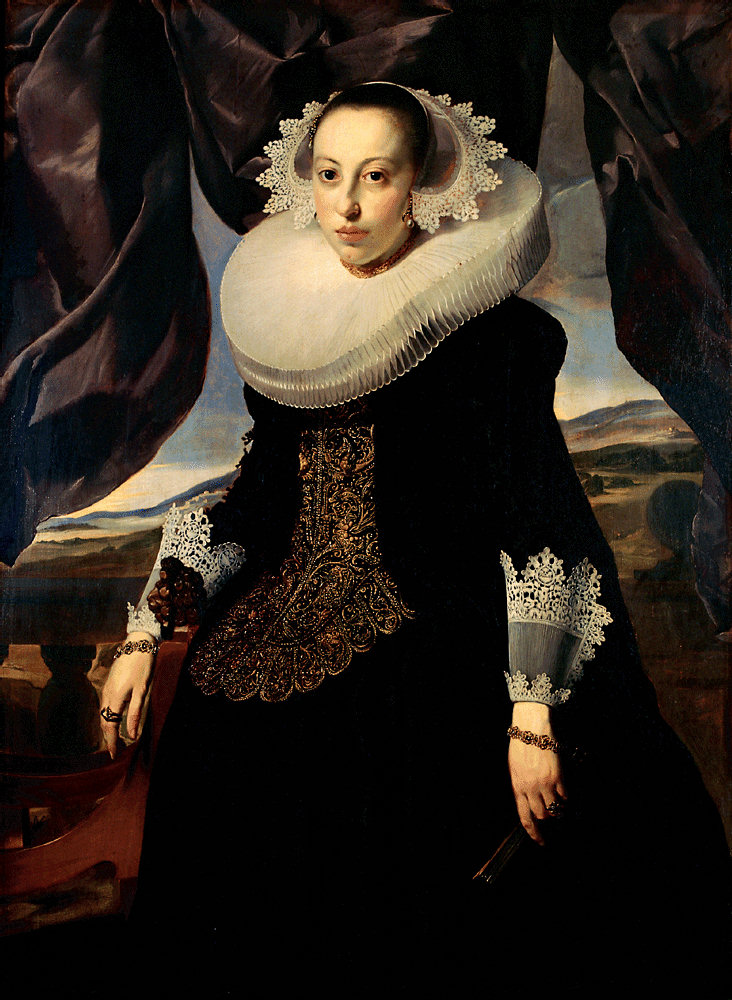
Thomas Hendricksz de Keyser was a Dutch portrait painter, a dealer in Belgium bluestone and stone mason. He was the most in-demand portrait painter in the Netherlands until the 1630s, when Rembrandt van Rijn eclipsed him in popularity. Rembrandt was influenced by his work, and many of de Keyser's paintings were later falsely attributed to Rembrandt.
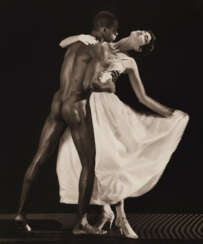

Robert Mapplethorpe was an American photographer, celebrated for his black-and-white photographs that captured a range of subjects including celebrity portraits, male and female nudes, self-portraits, and still-life images. Born in New York in 1946, Mapplethorpe's work is renowned for its technical precision, formal elegance, and controversial content, particularly his documentation of the gay male BDSM subculture and his erotic art. His body of work not only includes provocative themes but also more traditional subjects like flowers, showcasing his versatile artistic talent.
Robert Mapplethorpe's education at Pratt Institute in Brooklyn was foundational to his artistic journey, where he met Patti Smith and began his explorations in photography, initially through Polaroid camera use before advancing to more sophisticated techniques. His collaboration with Lisa Lyon, the first World Women's Bodybuilding Champion, and his retrospectives at significant institutions like the Whitney Museum of American Art highlight his broad artistic impact and continued influence in the art world. Despite his premature death in 1989 due to complications from AIDS, Mapplethorpe's legacy endures, supported by the Robert Mapplethorpe Foundation which promotes photography and funds medical research.
For collectors and experts in art and antiques, Robert Mapplethorpe's work remains a testament to the power of photography as a medium of both aesthetic beauty and provocative commentary. To stay updated on sales and auction events related to Robert Mapplethorpe's works, sign up for updates to not miss out on owning a piece of this influential artist's legacy.
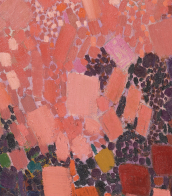
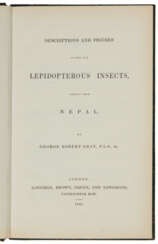

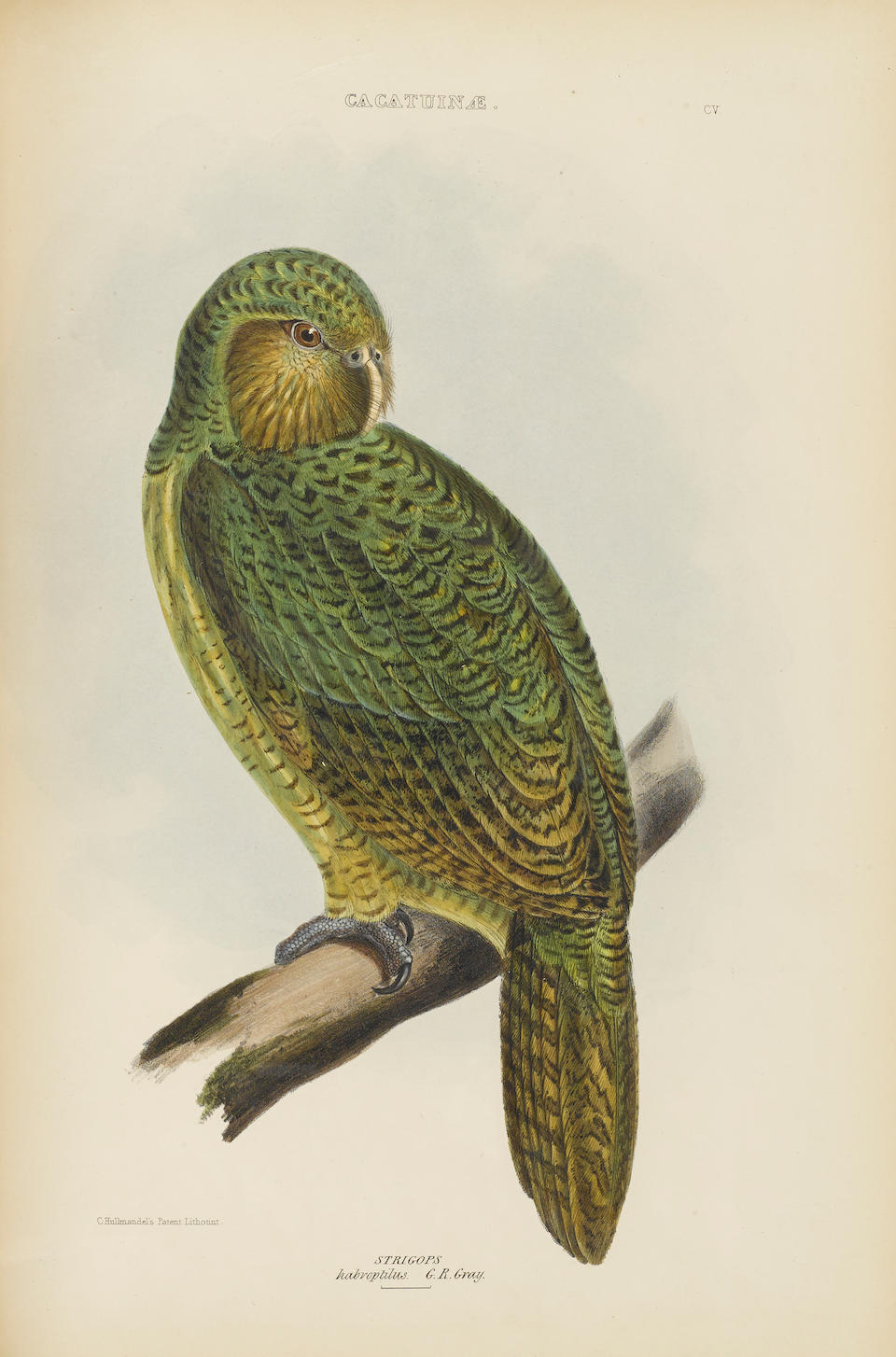
George Robert Gray was a British zoologist.
Gray practiced ornithology and scales, and for forty years headed the ornithology department of the British Museum, now the Natural History Museum, in London. Gray's major work on ornithology is entitled Genera of Birds (1844-1849), and is decorated with illustrations by David William Mitchell and Joseph Wolf. Gray also described many species of scales, and in 1833 became a founding member of the Royal Entomological Society of London.
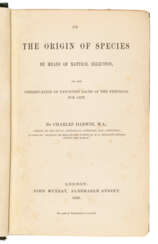

Charles Robert Darwin was an English naturalist, geologist, and biologist, widely known for contributing to the understanding of evolutionary biology. His proposition that all species of life have descended from a common ancestor is now generally accepted and considered a fundamental concept in science. In a joint publication with Alfred Russel Wallace, he introduced his scientific theory that this branching pattern of evolution resulted from a process that he called natural selection, in which the struggle for existence has a similar effect to the artificial selection involved in selective breeding. Darwin has been described as one of the most influential figures in human history, and he was honoured by burial in Westminster Abbey.
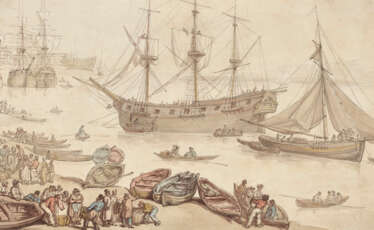

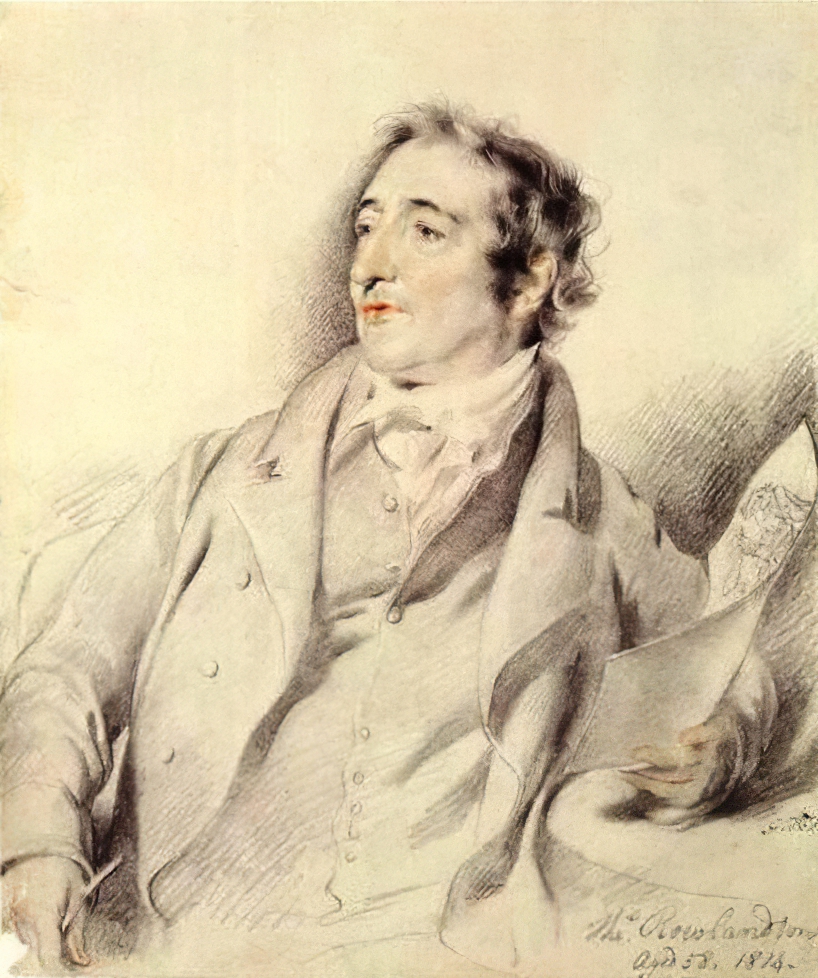
Thomas Rowlandson was an English artist and caricaturist of the Georgian Era, noted for his political satire and social observation. A prolific artist and printmaker, Rowlandson produced both individual social and political satires, as well as a large number of illustrations for novels, humorous books, and topographical works. Like other caricaturists of his age such as James Gillray, his caricatures are often robust or bawdy. Rowlandson also produced highly explicit erotica for a private clientele; this was never published publicly at the time and is now only found in a small number of collections. His caricatures included those of people in power such as the Duchess of Devonshire, William Pitt the Younger and Napoleon Bonaparte.
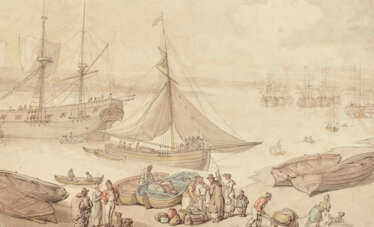

Thomas Rowlandson was an English artist and caricaturist of the Georgian Era, noted for his political satire and social observation. A prolific artist and printmaker, Rowlandson produced both individual social and political satires, as well as a large number of illustrations for novels, humorous books, and topographical works. Like other caricaturists of his age such as James Gillray, his caricatures are often robust or bawdy. Rowlandson also produced highly explicit erotica for a private clientele; this was never published publicly at the time and is now only found in a small number of collections. His caricatures included those of people in power such as the Duchess of Devonshire, William Pitt the Younger and Napoleon Bonaparte.
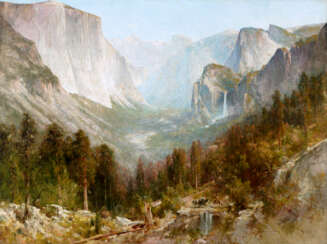

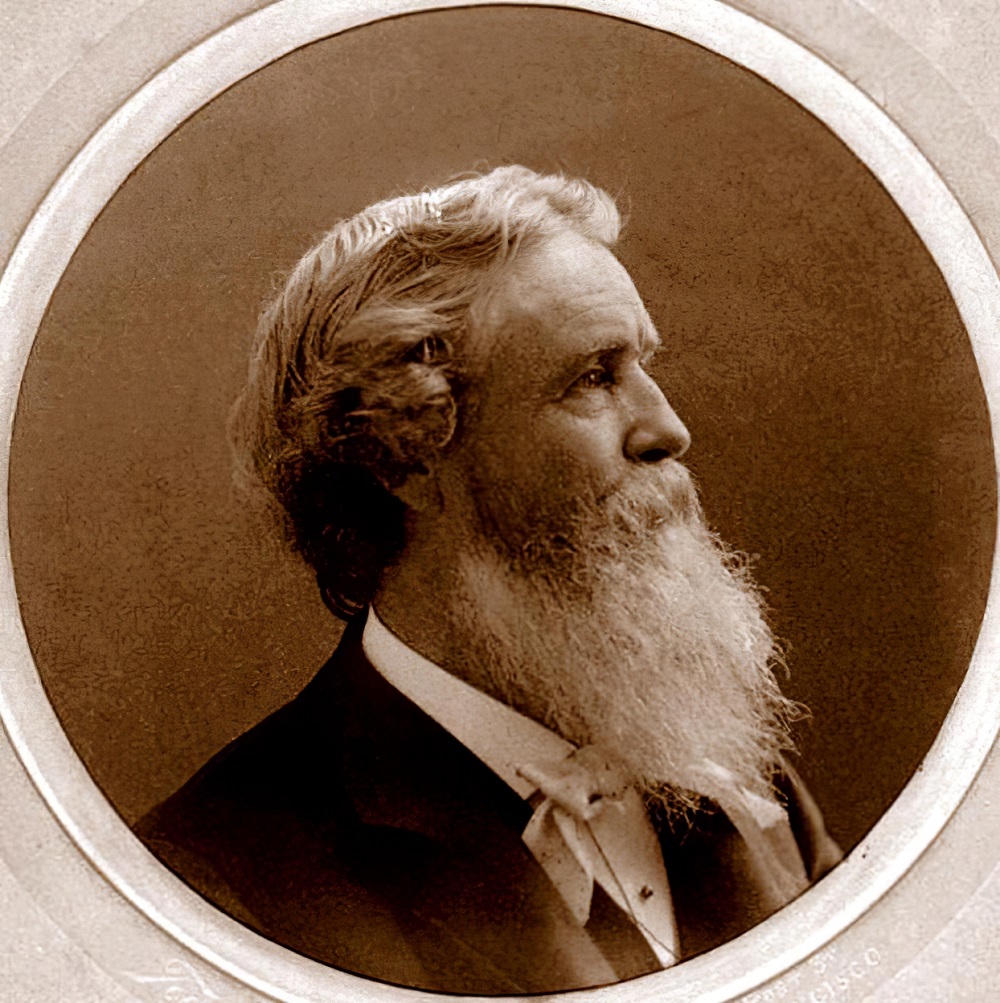
Thomas Hill was an English-born American artist of the 19th century. He produced many fine paintings of the California landscape, in particular of the Yosemite Valley, as well as the White Mountains of New Hampshire.
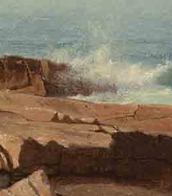
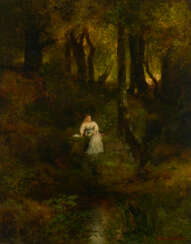

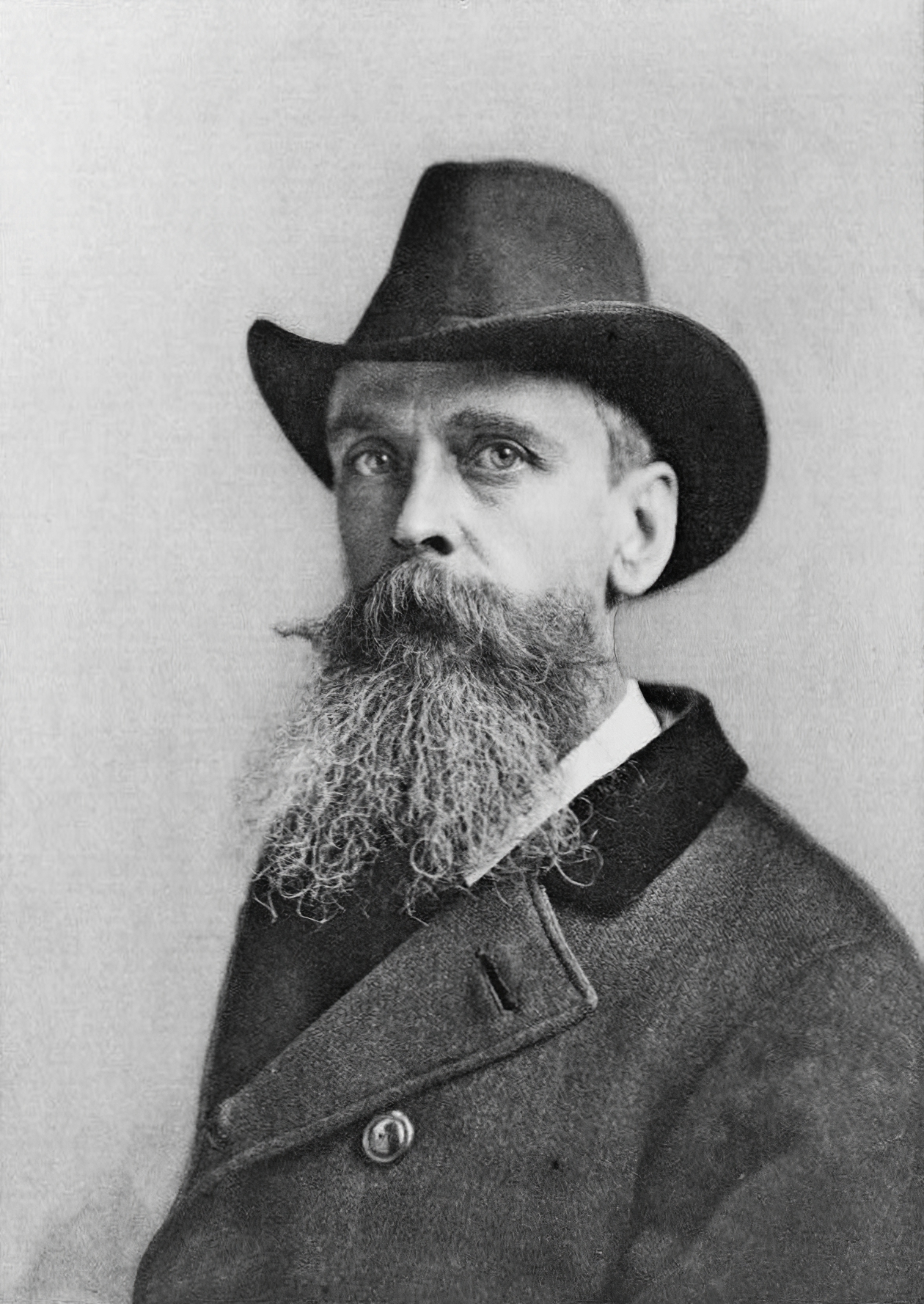
Thomas Moran was an American painter and printmaker of the Hudson River School in New York whose work often featured the Rocky Mountains. Moran and his family, wife Mary Nimmo Moran and daughter Ruth took residence in New York where he obtained work as an artist. He was a younger brother of the noted marine artist Edward Moran, with whom he shared a studio. A talented illustrator and exquisite colorist, Thomas Moran was hired as an illustrator at Scribner's Monthly. During the late 1860s, he was appointed the chief illustrator for the magazine, a position that helped him launch his career as one of the premier painters of the American landscape, in particular, the American West.
Moran along with Albert Bierstadt, Thomas Hill, and William Keith are sometimes referred to as belonging to the Rocky Mountain School of landscape painters because of all of the Western landscapes made by this group.
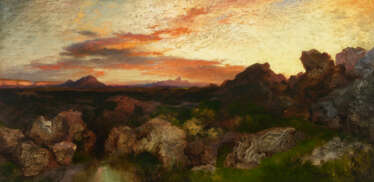

Thomas Moran was an American painter and printmaker of the Hudson River School in New York whose work often featured the Rocky Mountains. Moran and his family, wife Mary Nimmo Moran and daughter Ruth took residence in New York where he obtained work as an artist. He was a younger brother of the noted marine artist Edward Moran, with whom he shared a studio. A talented illustrator and exquisite colorist, Thomas Moran was hired as an illustrator at Scribner's Monthly. During the late 1860s, he was appointed the chief illustrator for the magazine, a position that helped him launch his career as one of the premier painters of the American landscape, in particular, the American West.
Moran along with Albert Bierstadt, Thomas Hill, and William Keith are sometimes referred to as belonging to the Rocky Mountain School of landscape painters because of all of the Western landscapes made by this group.
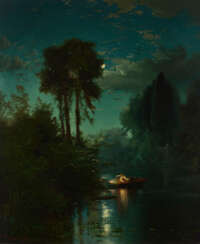

Thomas Moran was an American painter and printmaker of the Hudson River School in New York whose work often featured the Rocky Mountains. Moran and his family, wife Mary Nimmo Moran and daughter Ruth took residence in New York where he obtained work as an artist. He was a younger brother of the noted marine artist Edward Moran, with whom he shared a studio. A talented illustrator and exquisite colorist, Thomas Moran was hired as an illustrator at Scribner's Monthly. During the late 1860s, he was appointed the chief illustrator for the magazine, a position that helped him launch his career as one of the premier painters of the American landscape, in particular, the American West.
Moran along with Albert Bierstadt, Thomas Hill, and William Keith are sometimes referred to as belonging to the Rocky Mountain School of landscape painters because of all of the Western landscapes made by this group.
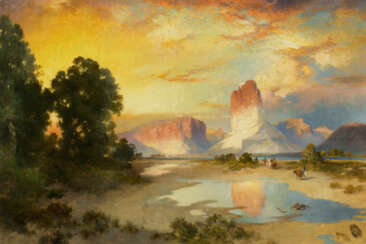

Thomas Moran was an American painter and printmaker of the Hudson River School in New York whose work often featured the Rocky Mountains. Moran and his family, wife Mary Nimmo Moran and daughter Ruth took residence in New York where he obtained work as an artist. He was a younger brother of the noted marine artist Edward Moran, with whom he shared a studio. A talented illustrator and exquisite colorist, Thomas Moran was hired as an illustrator at Scribner's Monthly. During the late 1860s, he was appointed the chief illustrator for the magazine, a position that helped him launch his career as one of the premier painters of the American landscape, in particular, the American West.
Moran along with Albert Bierstadt, Thomas Hill, and William Keith are sometimes referred to as belonging to the Rocky Mountain School of landscape painters because of all of the Western landscapes made by this group.


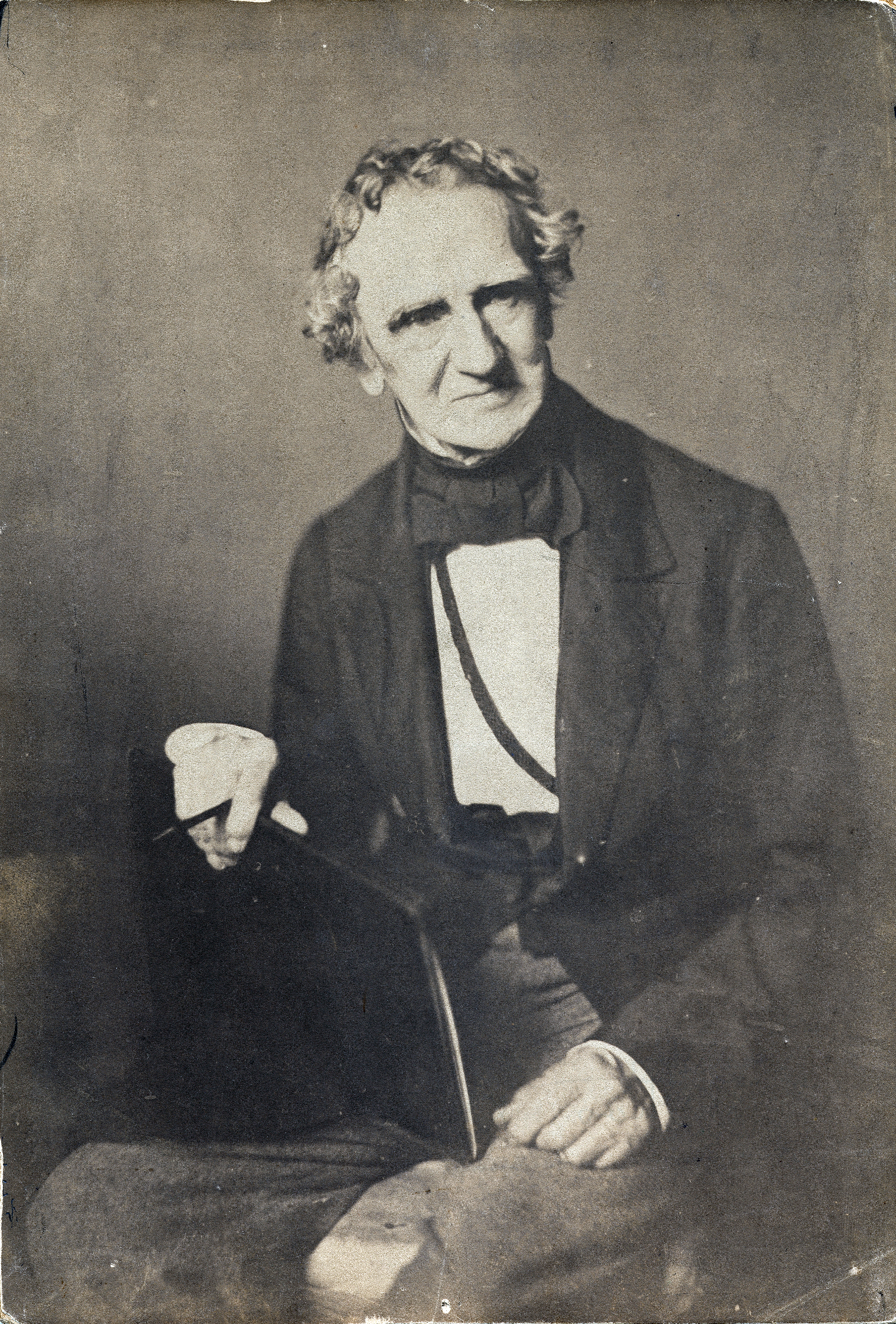
Thomas Sully was a portrait painter in the United States. Born in Great Britain, he lived most of his life in Philadelphia, Pennsylvania. He painted in the style of Thomas Lawrence. His subjects included national political leaders such as United States presidents: Thomas Jefferson, John Quincy Adams, and Andrew Jackson, Revolutionary War hero General Marquis de Lafayette, and many leading musicians and composers. In addition to portraits of wealthy patrons, he painted landscapes and historical pieces such as the 1819 The Passage of the Delaware. His work was adapted for use on United States coinage.
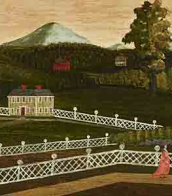
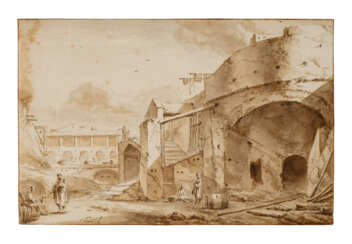

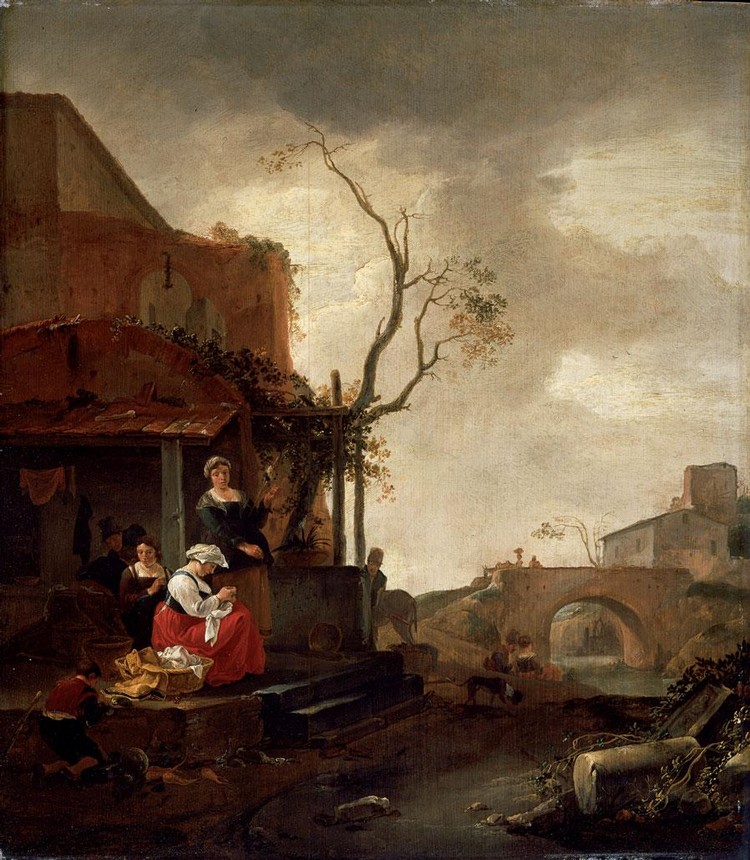
Thomas Wyck was a Dutch painter of port views and genre paintings.
He excelled in Italianate paintings of shipping and seaports, populated with many figures, very frequently odd characters such as alchemists and misers. His style resembles that of the loose group of Dutch and Flemish genre painters working in Rome who are called the 'Bamboccianti' and were influenced by the genre paintings of Pieter van Laar. He also painted fairs, public markets, and the interiors of chemists’ laboratories.