simon english






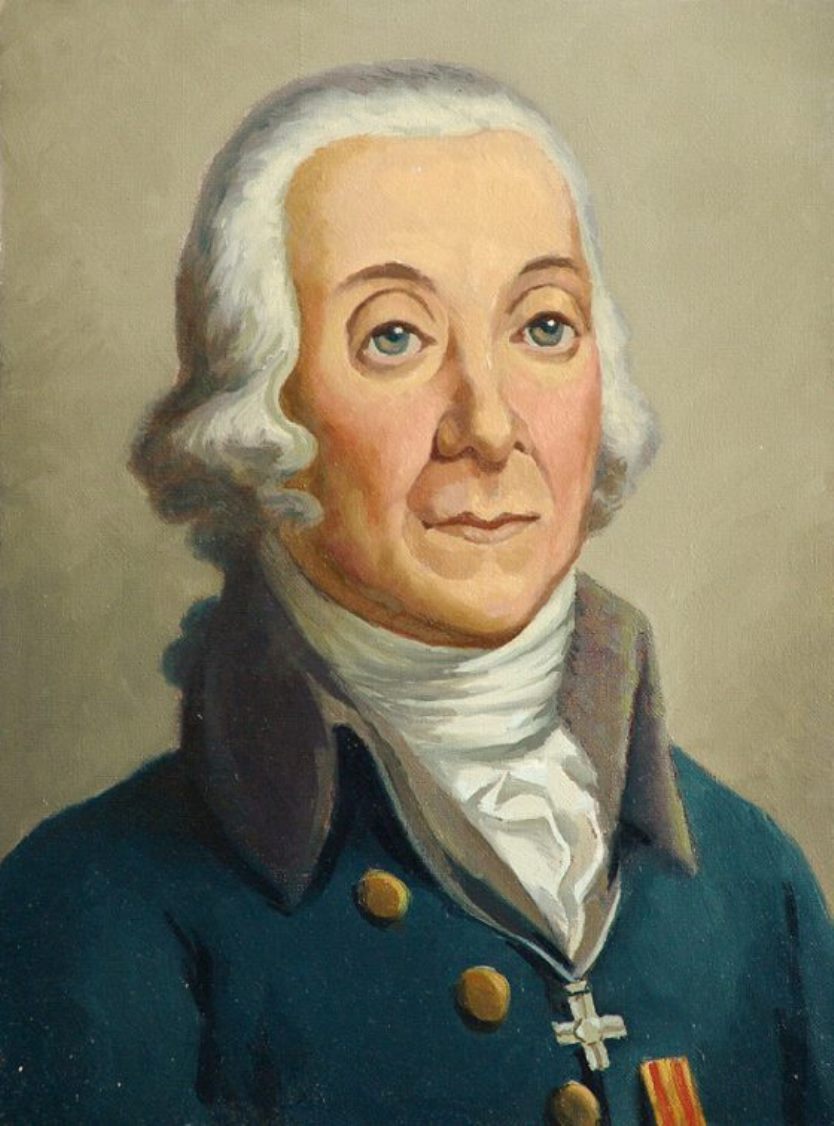
Peter Simon Pállas was a German and Russian scientist-encyclopedist, naturalist and traveler, who gave almost all his life to the service of Russia.
The breadth of his scientific interests made him a true encyclopedist, but he was particularly interested in natural sciences. By the age of 25, Pallas had already acquired European fame as a major scientist-naturalist. At the same time he received an invitation from the St. Petersburg Academy of Sciences, where he was offered a professorship. In 1767, Pallas arrived in St. Petersburg with his wife and soon led several important expeditions to Siberia and southern Russia. In his numerous ethnographic descriptions, the scientist was the first to report in detail on the Kalmyks, Tatars, Mordvins, Chuvashs, Nagaians, Tungus (Evenks), Votyaks (Udmurts), and Cheremis (Mari). In addition, he brought with him large natural-scientific collections. Later he traveled with scientific expeditions to Kamchatka, the Kuril Islands, Crimea and other previously unexplored lands.
In 1785 Catherine II attracted Pallas to the collection and comparative analysis of the languages of the peoples inhabiting America, Asia, Europe and Russia, and he compiled and published a comparative dictionary in two parts (1787-1789), in which more than 200 languages and dialects of the peoples of Asia and Europe were presented. In the last years of his life, among other things, Pallas was engaged in the preparation of a fundamental three-volume work on the fauna of Russia, Zoographia rosso-asiatica ("Russian-Asiatic Zoology"), in which more than 900 species of vertebrates, including 151 species of mammals, of which about 50 new species were introduced. This work was so extensive, and the descriptions of the animals were so thorough and detailed, that until the early 20th century the book remained the main source of knowledge about the fauna of Russia. In 1810. Peter Pallas went to Berlin to prepare illustrations for this work, but a year later the famous scientist died and was buried in Berlin.
A volcano in the Kuril Islands, a reef off New Guinea, and many animals and plants are named after Pallas.


Peter Simon Pállas was a German and Russian scientist-encyclopedist, naturalist and traveler, who gave almost all his life to the service of Russia.
The breadth of his scientific interests made him a true encyclopedist, but he was particularly interested in natural sciences. By the age of 25, Pallas had already acquired European fame as a major scientist-naturalist. At the same time he received an invitation from the St. Petersburg Academy of Sciences, where he was offered a professorship. In 1767, Pallas arrived in St. Petersburg with his wife and soon led several important expeditions to Siberia and southern Russia. In his numerous ethnographic descriptions, the scientist was the first to report in detail on the Kalmyks, Tatars, Mordvins, Chuvashs, Nagaians, Tungus (Evenks), Votyaks (Udmurts), and Cheremis (Mari). In addition, he brought with him large natural-scientific collections. Later he traveled with scientific expeditions to Kamchatka, the Kuril Islands, Crimea and other previously unexplored lands.
In 1785 Catherine II attracted Pallas to the collection and comparative analysis of the languages of the peoples inhabiting America, Asia, Europe and Russia, and he compiled and published a comparative dictionary in two parts (1787-1789), in which more than 200 languages and dialects of the peoples of Asia and Europe were presented. In the last years of his life, among other things, Pallas was engaged in the preparation of a fundamental three-volume work on the fauna of Russia, Zoographia rosso-asiatica ("Russian-Asiatic Zoology"), in which more than 900 species of vertebrates, including 151 species of mammals, of which about 50 new species were introduced. This work was so extensive, and the descriptions of the animals were so thorough and detailed, that until the early 20th century the book remained the main source of knowledge about the fauna of Russia. In 1810. Peter Pallas went to Berlin to prepare illustrations for this work, but a year later the famous scientist died and was buried in Berlin.
A volcano in the Kuril Islands, a reef off New Guinea, and many animals and plants are named after Pallas.


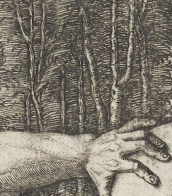
![[Four Indian Kings of Canada]](/assets/image/picture_2155617/8cf1c/f5c7262754e9e14e95fdfc2839f68f8f1653429600jpg__fix_374_244.jpeg)
![[Four Indian Kings of Canada]](https://veryimportantlot.com/assets/image/picture_2155617/8cf1c/f5c7262754e9e14e95fdfc2839f68f8f1653429600jpg__fix_374_244.jpeg)



















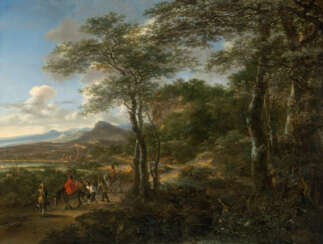

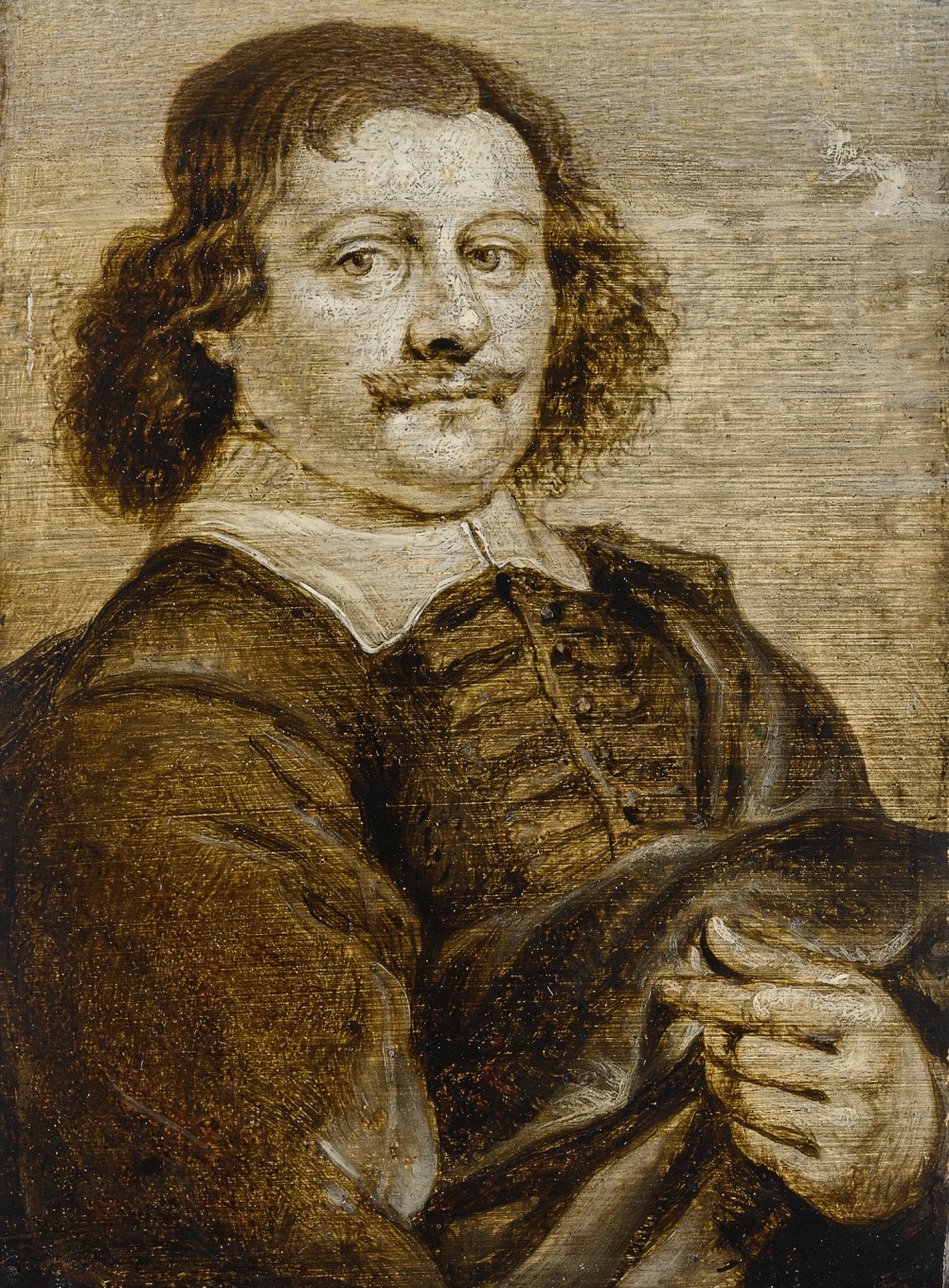
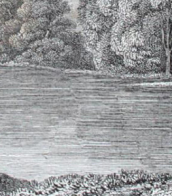
Jan Dirksz Both was a distinguished Dutch painter, draughtsman, and etcher renowned for his pivotal role in the evolution of Dutch Italianate landscape painting. His journey into the arts began in Utrecht, learning from his father before becoming a pupil of Abraham Bloemaert. Both's career took a significant turn when he, alongside his brother Andries, ventured to Rome, absorbing the influence of Claude Lorrain and contributing to projects such as the Buen Retiro Palace in Madrid.
By the mid-1640s, Jan had returned to Utrecht, further honing his craft to produce expansive landscapes illuminated by a Mediterranean glow, notable for their mixture of realism in the foreground against idyllic backgrounds. Noteworthy pieces include "Landscape with Bandits Leading Prisoners" and "Judgement of Paris," showcasing his mastery in blending naturalistic details with mythological and religious figures. His landscapes, characterized by their golden light and imaginative vistas, earned him a place among the leading masters of the Italianate trend in Dutch landscape painting.
Jan Both's legacy is preserved in prestigious collections worldwide, including the Fitzwilliam Museum, the Hermitage, the Kunsthistorisches Museum, the Louvre, and the National Gallery, among others. His work reflects a significant Italian influence merged with his native Dutch sensibilities, marking him as a key figure in the 17th-century art scene.
For collectors and experts in art and antiques, Jan Dirksz Both's oeuvre offers a fascinating glimpse into the blend of Dutch and Italian influences that characterize the Italianate landscape painting tradition. His contributions not only enriched Dutch art but also provided a bridge between the Renaissance and Baroque periods, capturing the beauty of landscapes with a unique, poetic light.
To explore more about Jan Dirksz Both's contributions to art and to stay informed about exhibitions or sales featuring his work, signing up for updates from art institutions can offer exclusive insights into the world of this influential Dutch painter. This subscription ensures enthusiasts and collectors are well-informed about developments related to Both's oeuvre, enhancing their appreciation and understanding of his artistic legacy.


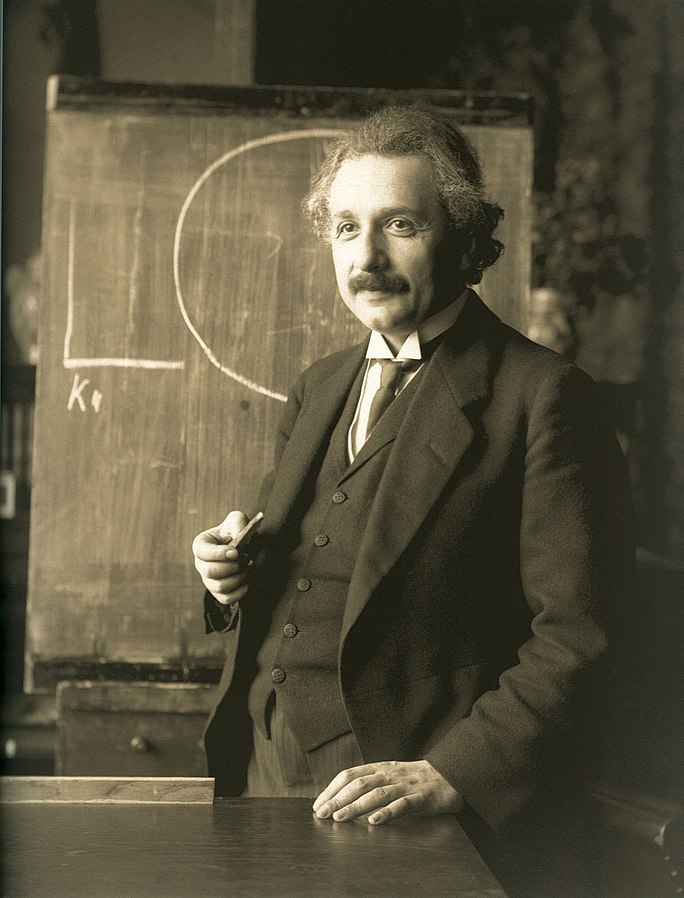
Albert Einstein was a German-born theoretical physicist, widely acknowledged to be one of the greatest and most influential physicists of all time. Einstein is best known for developing the theory of relativity, but he also made important contributions to the development of the theory of quantum mechanics. Relativity and quantum mechanics are together the two pillars of modern physics. His mass–energy equivalence formula E = mc2, which arises from relativity theory, has been dubbed "the world's most famous equation". His work is also known for its influence on the philosophy of science. He received the 1921 Nobel Prize in Physics "for his services to theoretical physics, and especially for his discovery of the law of the photoelectric effect", a pivotal step in the development of quantum theory. His intellectual achievements and originality resulted in "Einstein" becoming synonymous with "genius".