

sing meaning
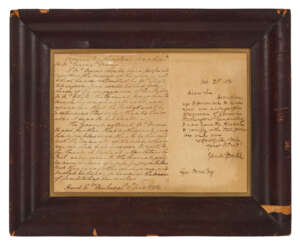

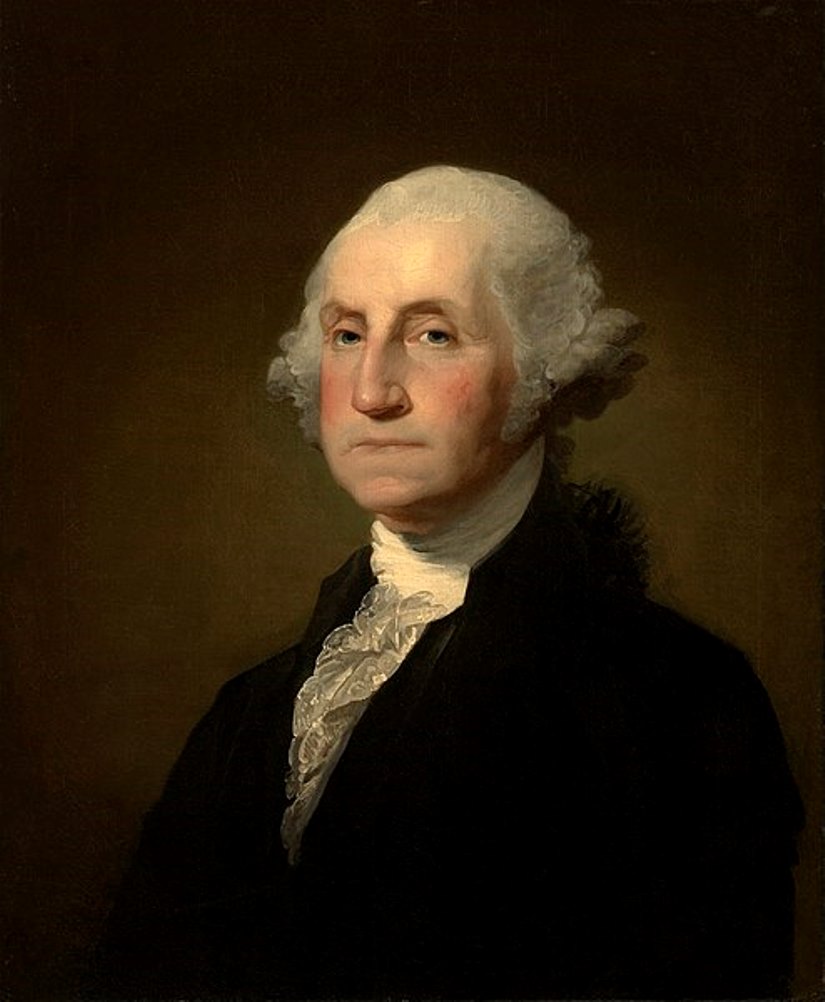
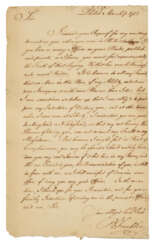
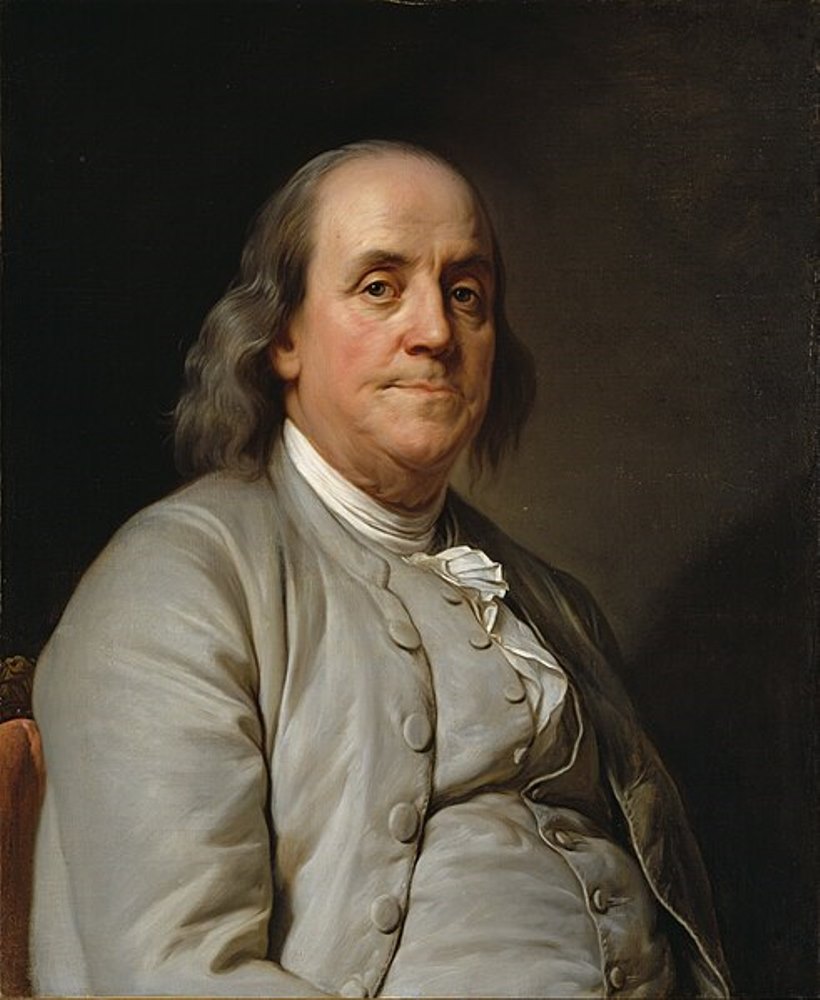
George Washington is the first popularly elected president of the United States of America and one of the founding fathers of the United States.
Born into a noble family in colonial Virginia in February 1732, George Washington served as a Virginian officer with British troops during the French-Indian War (1754-1763) from 1754-1758. This was a territorial war fought largely between the colonies of Britain and France that escalated into a worldwide conflict between the two countries. J. Washington was at the center of the conflicts in the disputed Ohio River Valley area.
In June 1775, he was elected commander-in-chief of the Continental forces in the war already for independence from Great Britain. He commanded American troops throughout the war, becoming famous for his perseverance and bravery.
In 1787, J. Washington represented the state of Virginia as a delegate to the Constitutional Convention. This convention created the Constitution of the United States. In 1789, the Electoral College unanimously elected George Washington president, and in 1792 he was re-elected for a second term. Thus George Washington was in office as President of the United States from April 30, 1789 to March 4, 1797.
As head of state, he helped to strengthen the Union, implement the principles of the Constitution and build the capital of the United States. He was engaged in the formation of the central authorities and system of government, created precedents for the institution of presidents, encouraged the development of the economy, maintained friendly relations with Congress. In foreign policy Washington avoided interference in the affairs of European states.
After leaving the post of president, George Washington lived in Mount Vernon Manor.


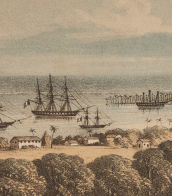
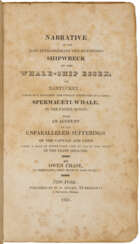

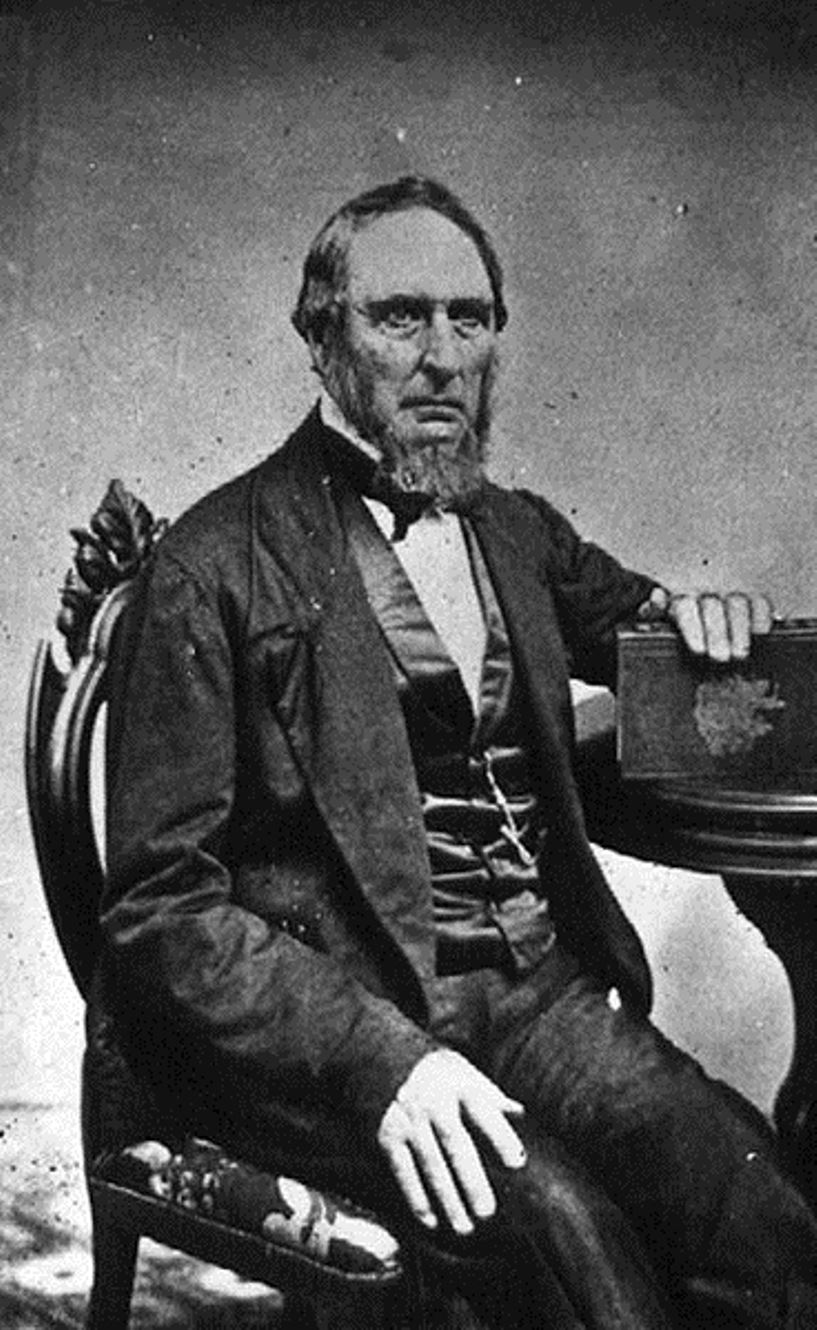
Owen Chase was an American sailor and writer.
Chase became famous after publishing his detailed account of how a whaling ship, on which he was first mate captain, rammed and sank a sperm whale. The captain and crew spent three months at sea in open boats. Of the twenty crew members, eight survived when they managed to reach land.
This book, published in 1821, inspired the writer Herman Melville to write his famous novel Moby Dick.





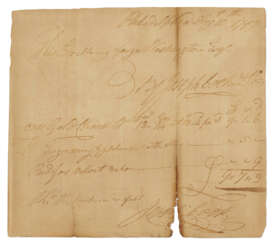

George Washington is the first popularly elected president of the United States of America and one of the founding fathers of the United States.
Born into a noble family in colonial Virginia in February 1732, George Washington served as a Virginian officer with British troops during the French-Indian War (1754-1763) from 1754-1758. This was a territorial war fought largely between the colonies of Britain and France that escalated into a worldwide conflict between the two countries. J. Washington was at the center of the conflicts in the disputed Ohio River Valley area.
In June 1775, he was elected commander-in-chief of the Continental forces in the war already for independence from Great Britain. He commanded American troops throughout the war, becoming famous for his perseverance and bravery.
In 1787, J. Washington represented the state of Virginia as a delegate to the Constitutional Convention. This convention created the Constitution of the United States. In 1789, the Electoral College unanimously elected George Washington president, and in 1792 he was re-elected for a second term. Thus George Washington was in office as President of the United States from April 30, 1789 to March 4, 1797.
As head of state, he helped to strengthen the Union, implement the principles of the Constitution and build the capital of the United States. He was engaged in the formation of the central authorities and system of government, created precedents for the institution of presidents, encouraged the development of the economy, maintained friendly relations with Congress. In foreign policy Washington avoided interference in the affairs of European states.
After leaving the post of president, George Washington lived in Mount Vernon Manor.


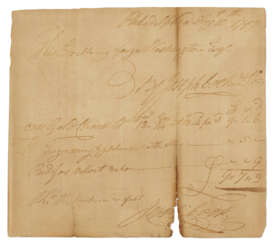

George Washington is the first popularly elected president of the United States of America and one of the founding fathers of the United States.
Born into a noble family in colonial Virginia in February 1732, George Washington served as a Virginian officer with British troops during the French-Indian War (1754-1763) from 1754-1758. This was a territorial war fought largely between the colonies of Britain and France that escalated into a worldwide conflict between the two countries. J. Washington was at the center of the conflicts in the disputed Ohio River Valley area.
In June 1775, he was elected commander-in-chief of the Continental forces in the war already for independence from Great Britain. He commanded American troops throughout the war, becoming famous for his perseverance and bravery.
In 1787, J. Washington represented the state of Virginia as a delegate to the Constitutional Convention. This convention created the Constitution of the United States. In 1789, the Electoral College unanimously elected George Washington president, and in 1792 he was re-elected for a second term. Thus George Washington was in office as President of the United States from April 30, 1789 to March 4, 1797.
As head of state, he helped to strengthen the Union, implement the principles of the Constitution and build the capital of the United States. He was engaged in the formation of the central authorities and system of government, created precedents for the institution of presidents, encouraged the development of the economy, maintained friendly relations with Congress. In foreign policy Washington avoided interference in the affairs of European states.
After leaving the post of president, George Washington lived in Mount Vernon Manor.
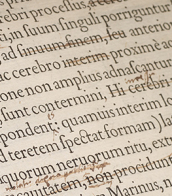








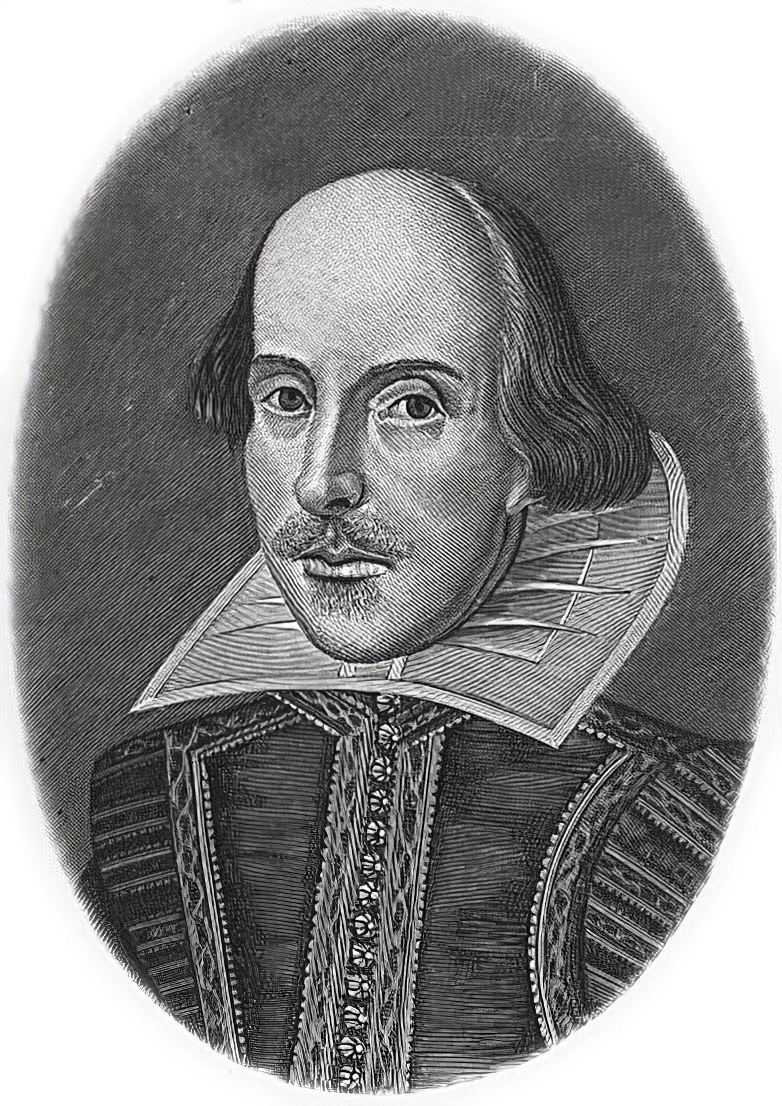
William Shakespeare was a British poet and playwright and writer.
William's father, John Shakespeare, was a merchant and official in Stratford. There are reports that he was a sailor for a time before joining a theater company in London. Beginning in the 1590s, Shakespeare began writing plays, and in 1593 he published a poem, Venus and Adonis, which became popular. He dedicated it to the Duke of Southampton, who was a philanthropist and patron of talent, and soon his business was booming.
From 1592 to 1600 Shakespeare wrote his dramas and romantic comedies "Richard III", "The Taming of the Shrew", "Romeo and Juliet", "A Midsummer Night's Dream" and "The Merchant of Venice", as well as the comedies "Much Ado About Nothing", "Twelfth Night" and the tragedy "Julius Caesar". The playwright's business was so successful that he even bought a large house in Stratford. In 1599, Shakespeare became one of the owners, playwright and actor of the new theater "Globe". In 1603 King James took Shakespeare's troupe under his direct patronage. In the mature period, the great playwright turned to tragedies, there were "Hamlet", "Othello", "King Lear", "Macbeth" and others.
Although in the 19th century researchers had some doubts about the authorship of many of these works, William Shakespeare is considered the greatest English playwright, one of the best playwrights in the world. His plays have been translated into all major languages and to this day form the basis of the world theatrical repertoire, most of them have been screened many times. According to the Guinness Book of Records, Shakespeare remains the world's best-selling playwright, and his plays and poems have sold more than 4 billion copies in the nearly 400 years since his death.
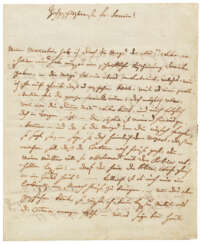

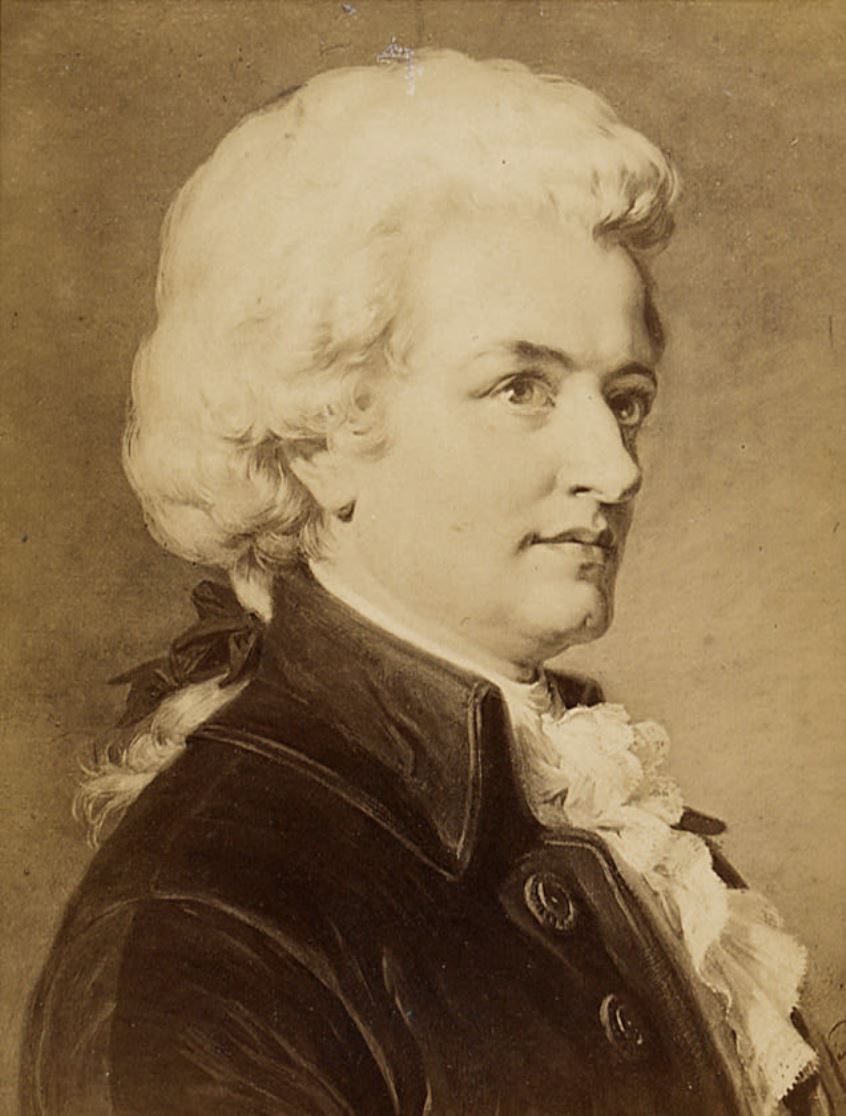
Wolfgang Amadeus Mozart, full name Johann Chrysostomus Wolfgang Amadeus Mozart, was an Austrian composer and virtuoso musician. Mozart is one of the greatest composers in music history on par with Beethoven and Haydn.
Wolfgang was born into the family of violinist and composer Leopold Mozart (1719-1787), at the age of five he had already begun composing and gave his first public performance. His older sister Maria Anna (1751-1829) was also a prodigy, and from 1763 Leopold and his children began traveling around Europe with performances.
Mozart had a phenomenal musical ear, memory and was a superb improviser. Unlike any other composer in music history, he was versatile and wrote in all musical genres of his time. During his short life, Mozart composed more than 800 works, many of which are recognized as the pinnacle of the symphonic, concert, chamber, opera and choral repertoire. The general public is familiar with the composer's three operas: The Marriage of Figaro, Don Giovanni and The Magic Flute.
Society did not immediately appreciate the scale of Mozart's genius. It was only many years later that the vivid image of a prodigy, a refined salon composer who could miraculously think through an entire work in his head, gave way to the image of a serious, meticulous and brilliant creator of music.
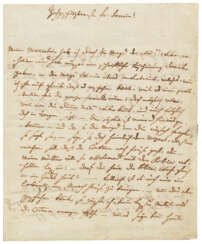

Wolfgang Amadeus Mozart, full name Johann Chrysostomus Wolfgang Amadeus Mozart, was an Austrian composer and virtuoso musician. Mozart is one of the greatest composers in music history on par with Beethoven and Haydn.
Wolfgang was born into the family of violinist and composer Leopold Mozart (1719-1787), at the age of five he had already begun composing and gave his first public performance. His older sister Maria Anna (1751-1829) was also a prodigy, and from 1763 Leopold and his children began traveling around Europe with performances.
Mozart had a phenomenal musical ear, memory and was a superb improviser. Unlike any other composer in music history, he was versatile and wrote in all musical genres of his time. During his short life, Mozart composed more than 800 works, many of which are recognized as the pinnacle of the symphonic, concert, chamber, opera and choral repertoire. The general public is familiar with the composer's three operas: The Marriage of Figaro, Don Giovanni and The Magic Flute.
Society did not immediately appreciate the scale of Mozart's genius. It was only many years later that the vivid image of a prodigy, a refined salon composer who could miraculously think through an entire work in his head, gave way to the image of a serious, meticulous and brilliant creator of music.


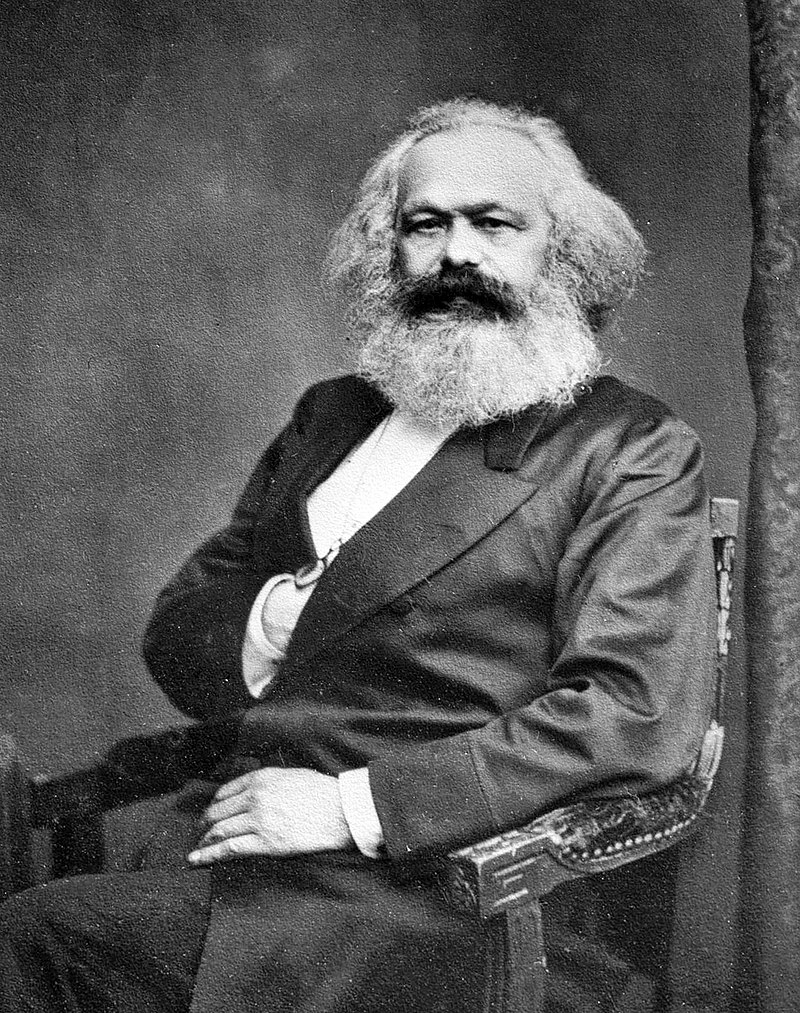
Karl Marx, full name Karl Heinrich Marx, was a German philosopher, sociologist, historian and economist, social activist, and journalist. One of the most significant political figures in the world, his works have had a great influence on the course of human history.
Karl Heinrich Marx was born into a large Jewish family of rabbinic dynasty, but his father and Karl himself were baptized. The young Karl received a liberal arts education at the University of Bonn and the University of Berlin and was actively involved in the turbulent political life of Germany and France in the 19th century. For his political activities in 1849 he was expelled from Germany, moved with his family to Paris and then to London, where he lived and worked until the end of his life.
In 1844 he met the German socialist Friedrich Engels, who became his friend and collaborator for the rest of his life. Together they had already published the Manifesto of the Communist Party (1848), the most famous pamphlet in the history of the socialist movement. Karl Marx was also the author of the movement's most important book, Das Kapital (Capital). These and other writings of Marx and Engels formed the basis of the system of views and beliefs known as Marxism.
Marx examined the very different versions of socialism that existed in the early nineteenth century and combined them into a doctrine that remained the dominant version of socialism for half a century after his death. His emphasis on the influence of economic structure on historical development was of enduring importance.


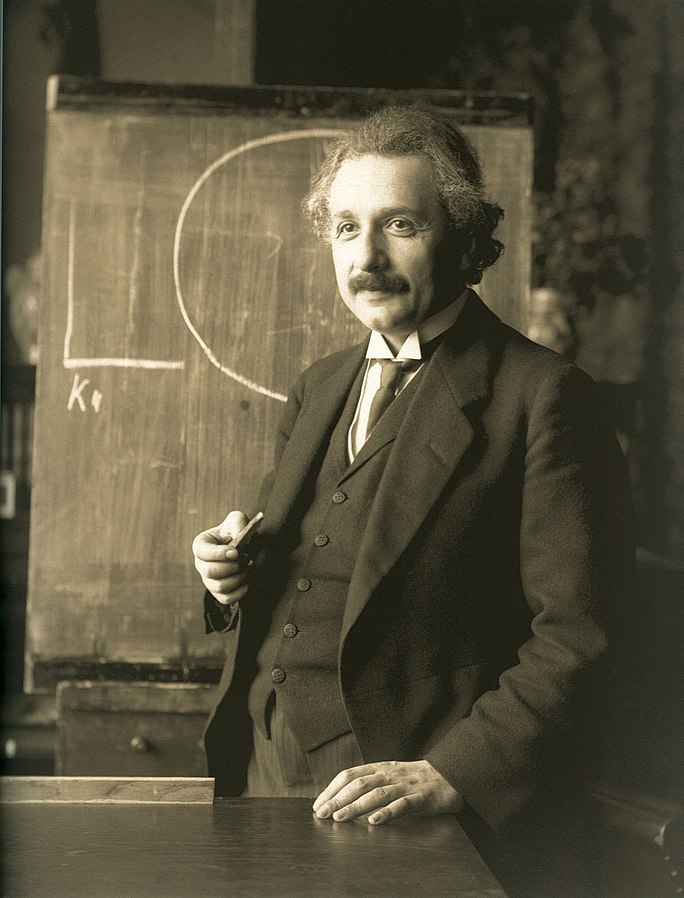
Albert Einstein was a German-born theoretical physicist, widely acknowledged to be one of the greatest and most influential physicists of all time. Einstein is best known for developing the theory of relativity, but he also made important contributions to the development of the theory of quantum mechanics. Relativity and quantum mechanics are together the two pillars of modern physics. His mass–energy equivalence formula E = mc2, which arises from relativity theory, has been dubbed "the world's most famous equation". His work is also known for its influence on the philosophy of science. He received the 1921 Nobel Prize in Physics "for his services to theoretical physics, and especially for his discovery of the law of the photoelectric effect", a pivotal step in the development of quantum theory. His intellectual achievements and originality resulted in "Einstein" becoming synonymous with "genius".
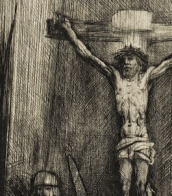






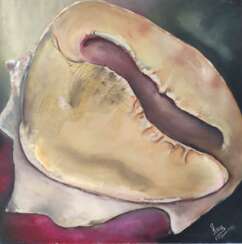


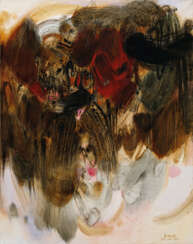

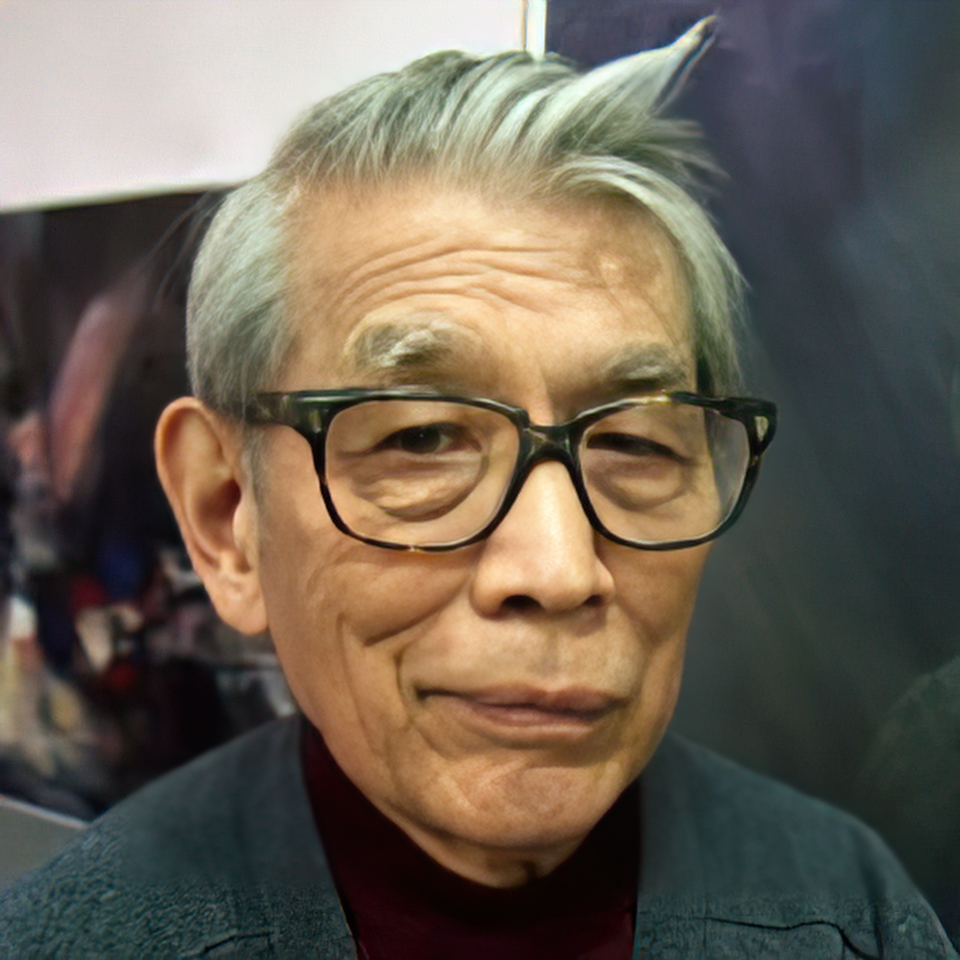
Chu Teh-Chun or Zhu Dequn was a Chinese-French abstract painter acclaimed for his pioneering style integrating traditional Chinese painting techniques with Western abstract art. Chu Teh-Chun enrolled in the National School of Fine Arts (now China Academy of Art), where he studied under Fang Ganmin and Wu Dayu. He was the first ethnic Chinese member of the Académie des Beaux-Arts of France, and together with Wu Guanzhong and Zao Wou-Ki were dubbed the "Three Musketeers" of modernist Chinese artists trained in China and France.





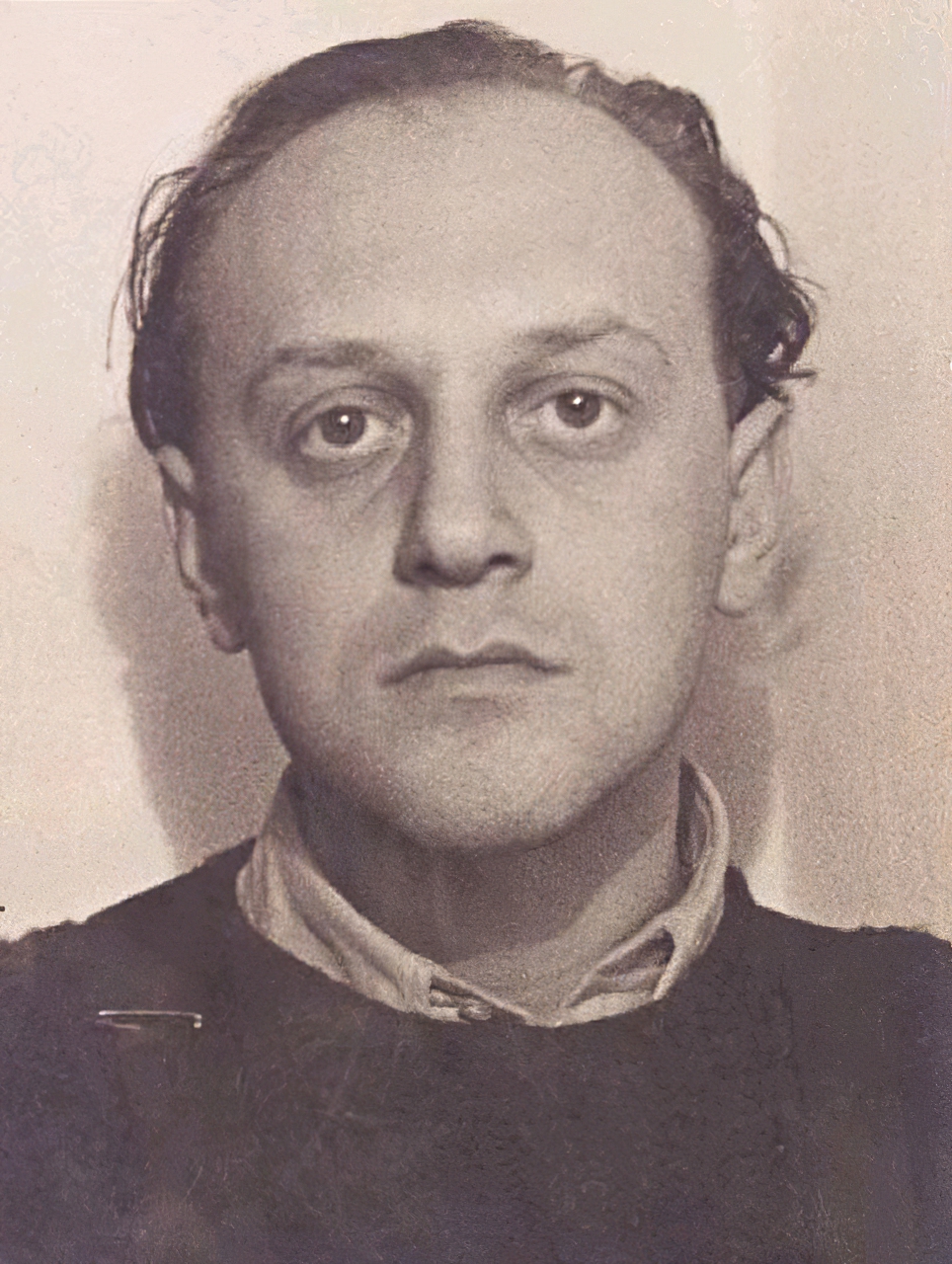
Victor Brauner was a Romanian Surrealist painter and sculptor. He was born in Piatra Neamț, Romania, and studied at the School of Fine Arts in Bucharest before moving to Paris in 1930.
Brauner's art was heavily influenced by his interest in the occult, and his work often featured mystical and dreamlike imagery. He was particularly interested in alchemy and mythology, and his paintings often included references to ancient symbols and esoteric traditions.
During World War II, Brauner was forced to flee Paris and spent time in Marseille and Casablanca before returning to the city in 1945. After the war, he became involved in the French Surrealist movement, and his work was featured in several exhibitions, including the Exposition Internationale du Surréalisme in 1947.
In addition to painting, Brauner also worked as a sculptor, and his sculptures often incorporated found objects and unconventional materials.
Today, Brauner is considered one of the most important figures of the Surrealist movement, and his work continues to be exhibited and studied around the world. His legacy has had a significant impact on the development of modern and contemporary art.




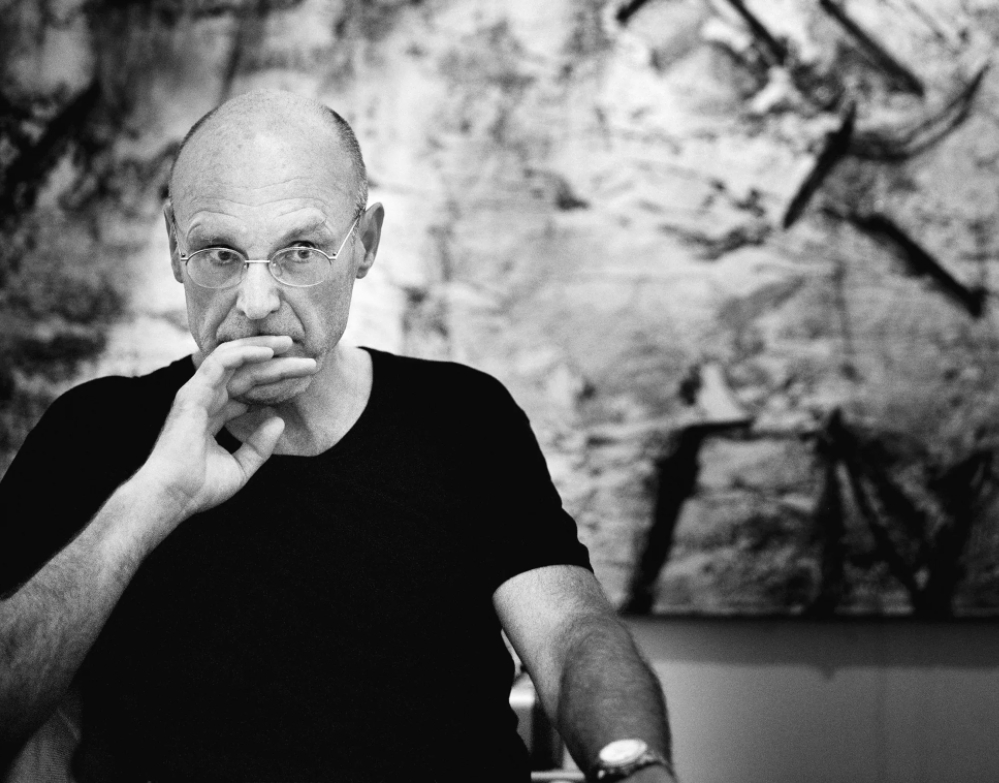
Anselm Kiefer, a German artist born in 1945, is renowned for his profound contributions to painting and sculpture. He is distinguished by his use of unconventional materials such as straw, ash, clay, lead, and shellac, which he selects for their symbolic and alchemical properties. Anselm Kiefer's works often delve into themes of German history, mythology, and the Holocaust, using these materials to evoke a range of emotions and reflections on past and present.
One of his notable pieces, "Margarete," inspired by Paul Celan's poem "Death Fugue," employs straw to symbolize various themes, including racial purity and the fragility of life. Another significant work, "The High Priestess/Zweistromland," features an installation of lead books, reflecting on the transmission and preservation of knowledge. "Shevirat Ha-Kelim" is a sculpture that explores themes from the Kabbalah, representing the fragmentation of divine attributes.
Anselm Kiefer's art is not just visually impactful but also intellectually stimulating, encouraging viewers to ponder complex historical and philosophical questions. His works are displayed in prestigious venues worldwide, including the Centre Georges Pompidou in Paris and private collections.
For art collectors and experts, Anselm Kiefer's oeuvre offers a compelling blend of historical depth, material innovation, and philosophical inquiry. If you're intrigued by Kiefer's unique approach to art and wish to stay informed about new works and auction events related to Anselm Kiefer, consider signing up for updates to ensure you don't miss out on the opportunity to engage with his profound and evocative creations.
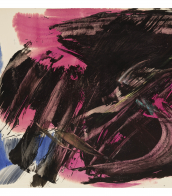
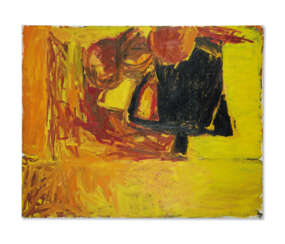

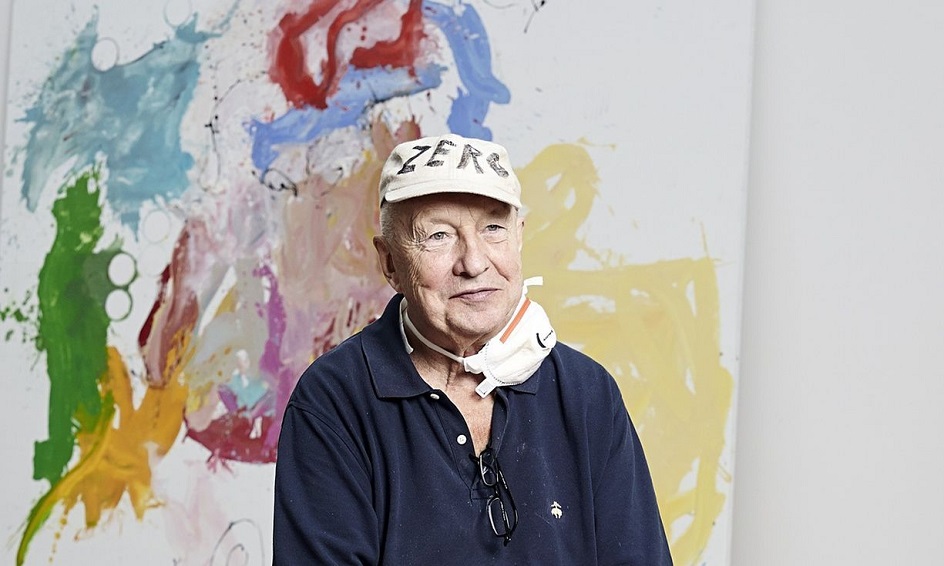
Georg Baselitz is a German painter, sculptor and graphic artist. In the 1960s he became well known for his figurative, expressive paintings. In 1969 he began painting his subjects upside down in an effort to overcome the representational, content-driven character of his earlier work and stress the artifice of painting. Drawing from myriad influences, including art of Soviet era illustration art, the Mannerist period and African sculptures, he developed his own, distinct artistic language.



.jpg)
René Magritte, a Belgian artist, was renowned for his significant contributions to the Surrealist movement. His art, known for merging ordinary objects with bizarre, dream-like contexts, captivated the art world. Born on November 21, 1898, in Lessines, Belgium, Magritte's early artistic pursuits were impressionistic, transitioning through Cubism and Futurism influenced by artists like Jean Metzinger. However, his encounter with Giorgio de Chirico's work in 1922 steered him towards Surrealism.
Magritte's career was marked by various phases, each showcasing his evolving style and thematic focus. His initial foray into Surrealism began in 1926 with "The Lost Jockey" and was further solidified during his time in Paris, where he mingled with other prominent Surrealists like André Breton. Despite facing initial criticism and financial challenges, Magritte's unique blend of familiar imagery in unfamiliar contexts, like in "The Empire of Light" and "Time Transfixed," earned him acclaim.
Magritte's distinct visual language, characterized by recurring motifs like bowler hats and apples, and his exploration of reality and illusion, remain influential. His works are displayed in major galleries worldwide, continuing to inspire and intrigue art collectors and enthusiasts.
For collectors and experts in art and antiques, staying informed about Magritte's works and related auction events is crucial. Signing up for updates ensures you're alerted to new sales and events focusing on René Magritte's art, offering unique opportunities to acquire or learn more about his remarkable creations. This subscription will exclusively cover new product sales and auction events related to Magritte, keeping you updated on the most relevant information in the art world.
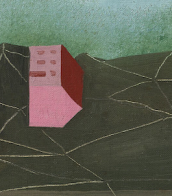
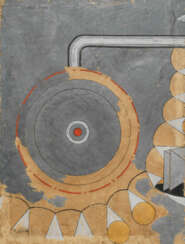

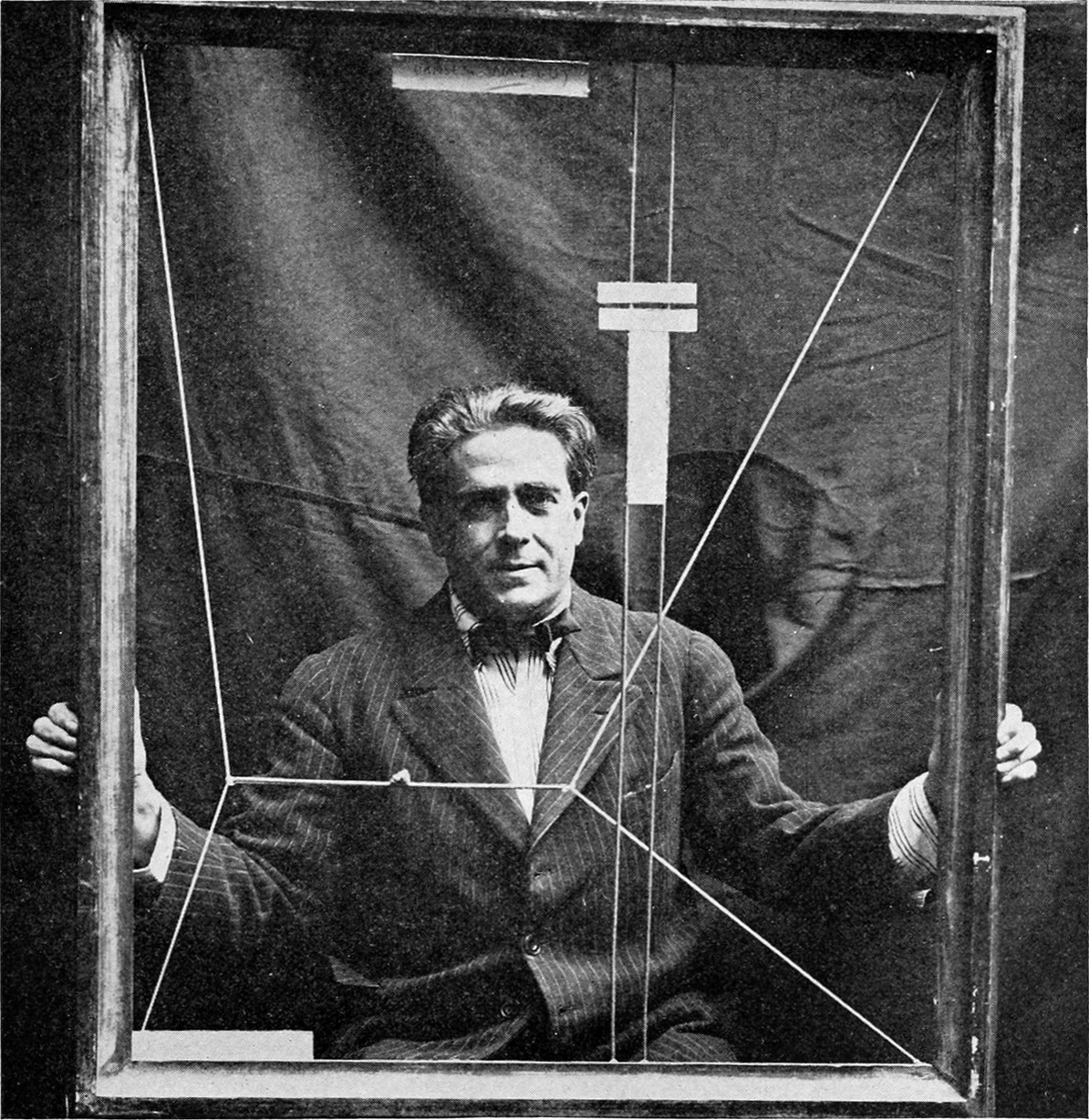
Francis Picabia, born Francis-Marie Martinez de Picabia, was a French avant-garde painter, poet, and typographist, whose work is celebrated for its diversity and innovation. His journey through various art movements, including Impressionism, Cubism, Dadaism, and Surrealism, showcases his refusal to be confined by any one style. Picabia's art is known for its eclectic nature, often blending mechanical elements with organic forms, thereby challenging traditional perceptions of art and beauty.
Picabia's significant contribution to the art world lies not just in his varied artistic output but also in his philosophical approach to creation. He believed in the freedom of expression, often using his art to critique societal norms and the art establishment itself. This rebellious spirit made him a pivotal figure in the Dada movement, where his works were celebrated for their irony and disdain for conventional art values.
Among his notable works, "Amorous Parade" and "I See Again in Memory My Dear Udnie" stand out, housed in prestigious institutions like the Museum of Modern Art in New York. These pieces exemplify Picabia's mastery over blending different elements of art movements, creating works that remain influential to this day. His legacy is not just in the pieces he created but also in his attitude towards art, encouraging future generations to challenge and redefine the boundaries of creativity.
For collectors and experts in art and antiques, Picabia's works represent not only significant artistic achievements but also valuable insights into the evolution of modern art. To stay informed about new product sales and auction events related to Francis Picabia, sign up for updates. This subscription is an essential resource for enthusiasts looking to enrich their collections with pieces from one of the most innovative artists of the 20th century.

