sone-164
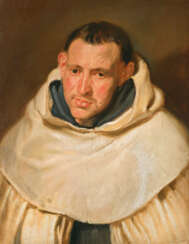

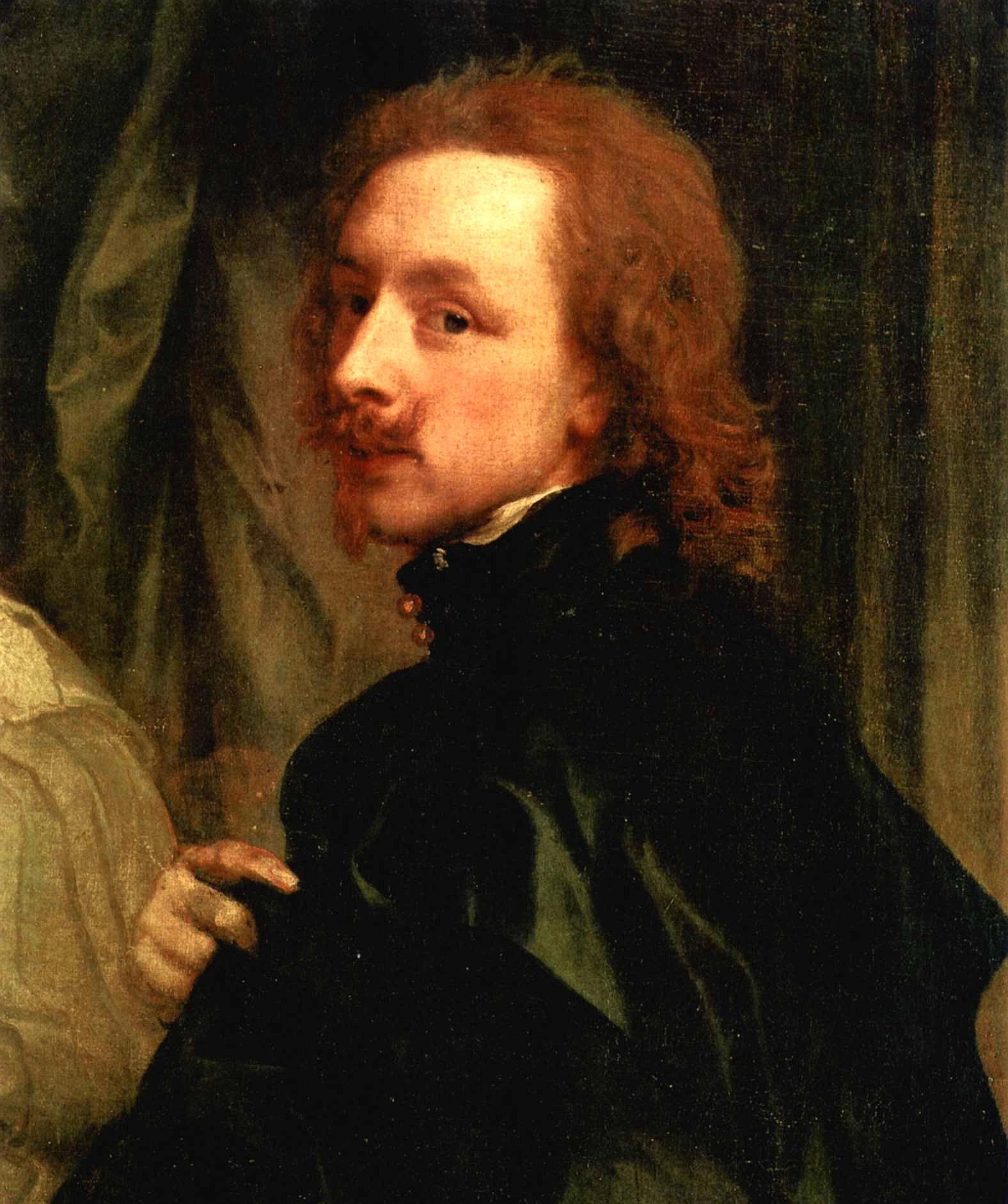
Anthony van Dyck, a Flemish painter born in 1599 in Antwerp and passed away in 1641 in London, is celebrated as one of the foremost Baroque painters of the 17th century. His notable contributions to the art world include his exceptional portraits of European aristocracy, as well as his religious and mythological paintings. Van Dyck's early exposure to art was influenced significantly by his apprenticeship with Hendrik van Balen and later, by the profound impact of working alongside Peter Paul Rubens. His mastery was recognized early on, leading him to set up his own workshop by the age of 15.
Van Dyck's journey to Italy in 1621 marked a pivotal phase in his career, allowing him to immerse himself in studying the Italian masters and commencing his successful stint as a portraitist. His style evolved under the influence of Titian, evident from his vibrant use of color and refined modeling of form. Van Dyck's Italian period not only honed his artistic skills but also established his reputation as a painter of consequence.
Upon returning to Antwerp, van Dyck's portraits became highly sought after, leading to commissions from notable figures such as Archduchess Isabella and Queen Mother Maria de' Medici. His role as a court painter further solidified in England under the patronage of King Charles I, where he was knighted and appointed as the principal painter, profoundly shaping the aristocratic character of Charles I's reign through his portraits.
Van Dyck's legacy extends beyond his death, having influenced English portrait painting for over a century. His innovative techniques in watercolour and etching, along with his sophisticated portrayal of subjects, continue to be admired. His art not only showcases his technical prowess but also reflects the cultural and social nuances of his era, making his work a significant study for collectors and art historians alike.
For enthusiasts eager to explore the intersections of art, history, and culture through the lens of Anthony van Dyck's work, staying informed about new discoveries and auction events is essential. Signing up for updates can provide exclusive insights into the world of one of the most influential figures in Flemish art. This subscription ensures that collectors and experts are well-informed of any developments related to van Dyck's oeuvre, enhancing their understanding and appreciation of his contributions to the art world.

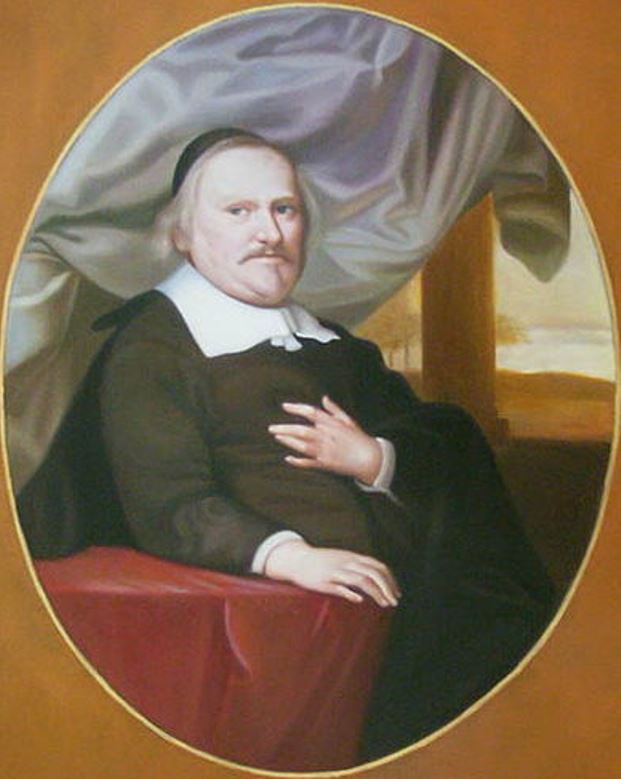
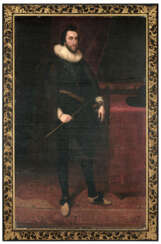

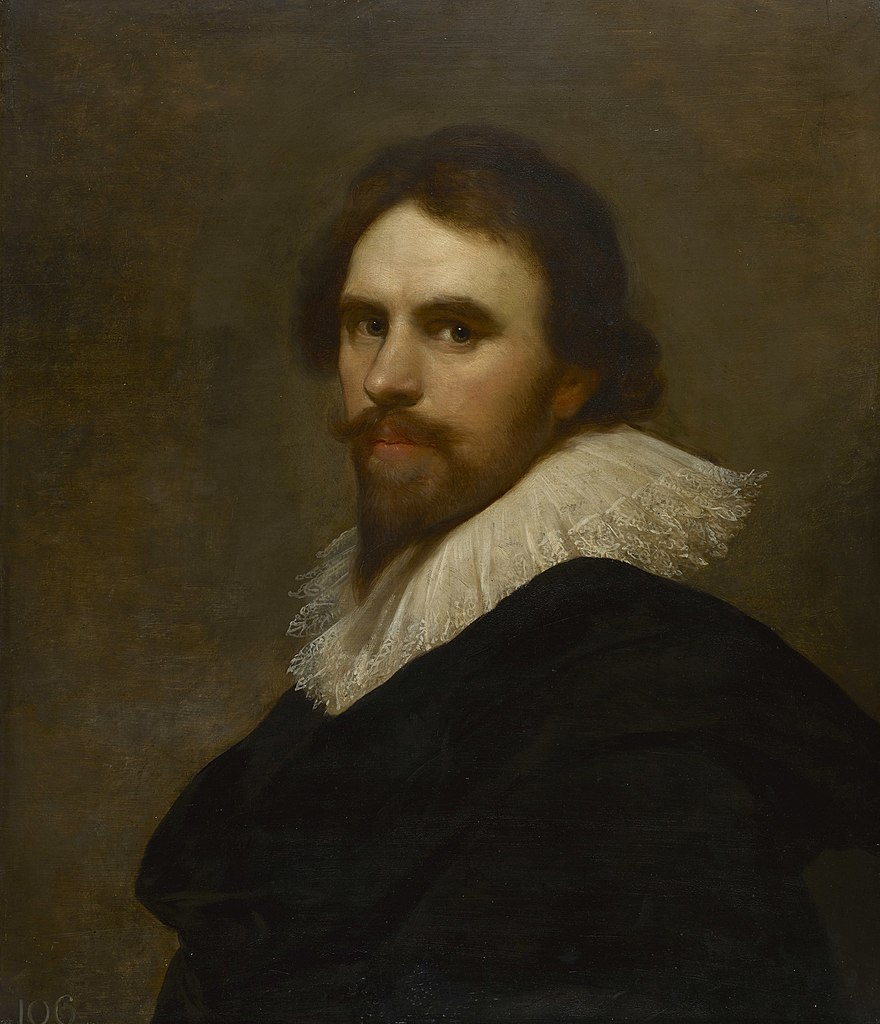
Daniël Mijtens was a Dutch painter, portrait painter, draughtsman and printmaker of the Golden Age of Dutch art. He worked in England for a significant part of his life.
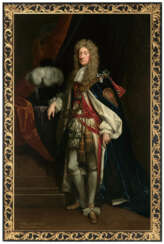

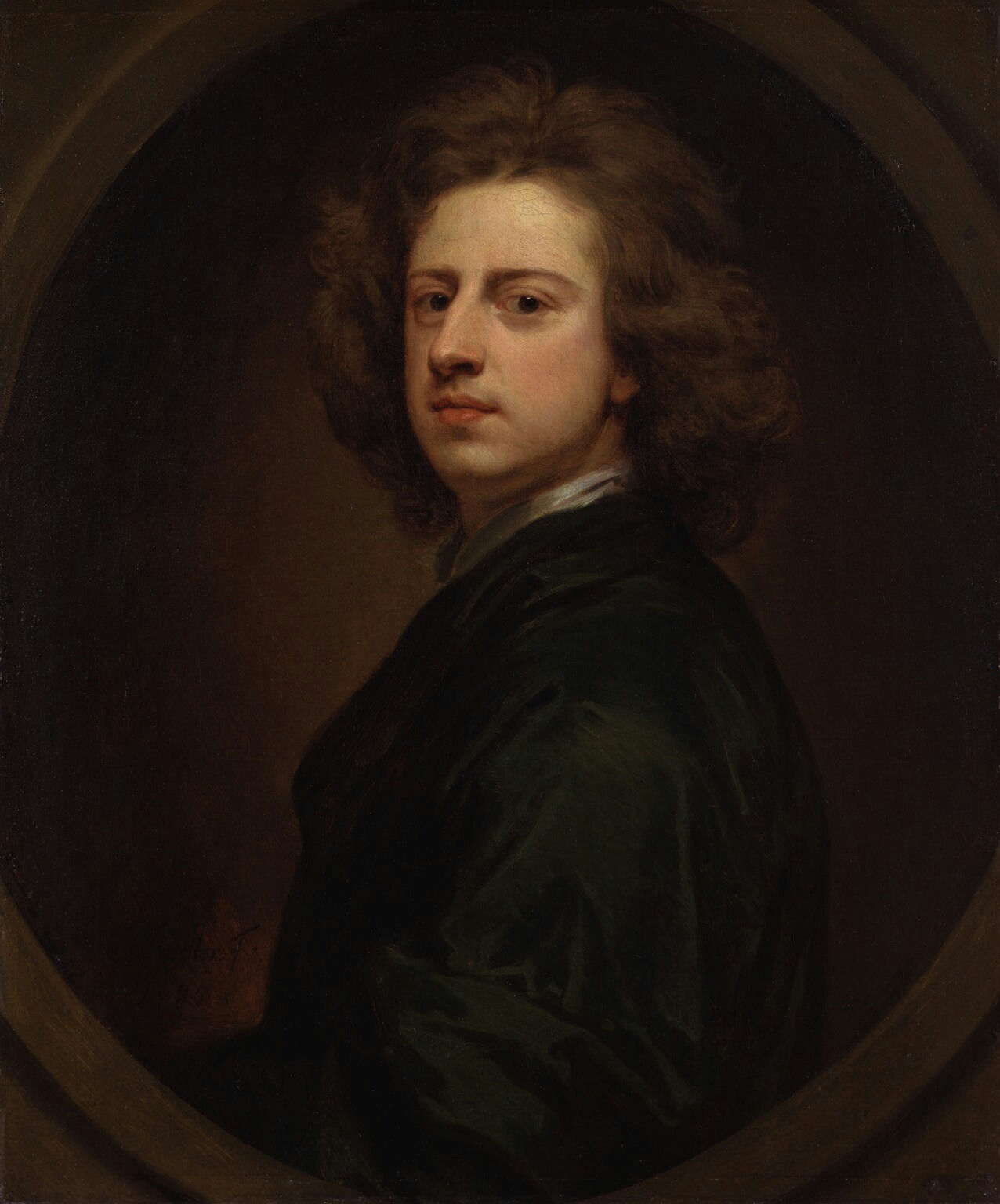
Sir Godfrey Kneller, 1st Baronet (born Gottfried Kniller) was a late seventeenth- and early eighteenth-century German painter and the leading British portrait painter of his era.
Gottfried Kniller was an immensely popular painter among the English nobility, and over the course of his career he produced hundreds of paintings depicting influential European nobles and royalty. His unique masterpieces are preserved in many museums across Europe, and his biography is an example of the successful career of a great master.
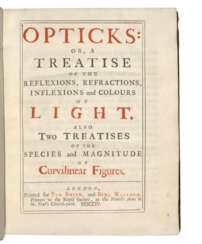

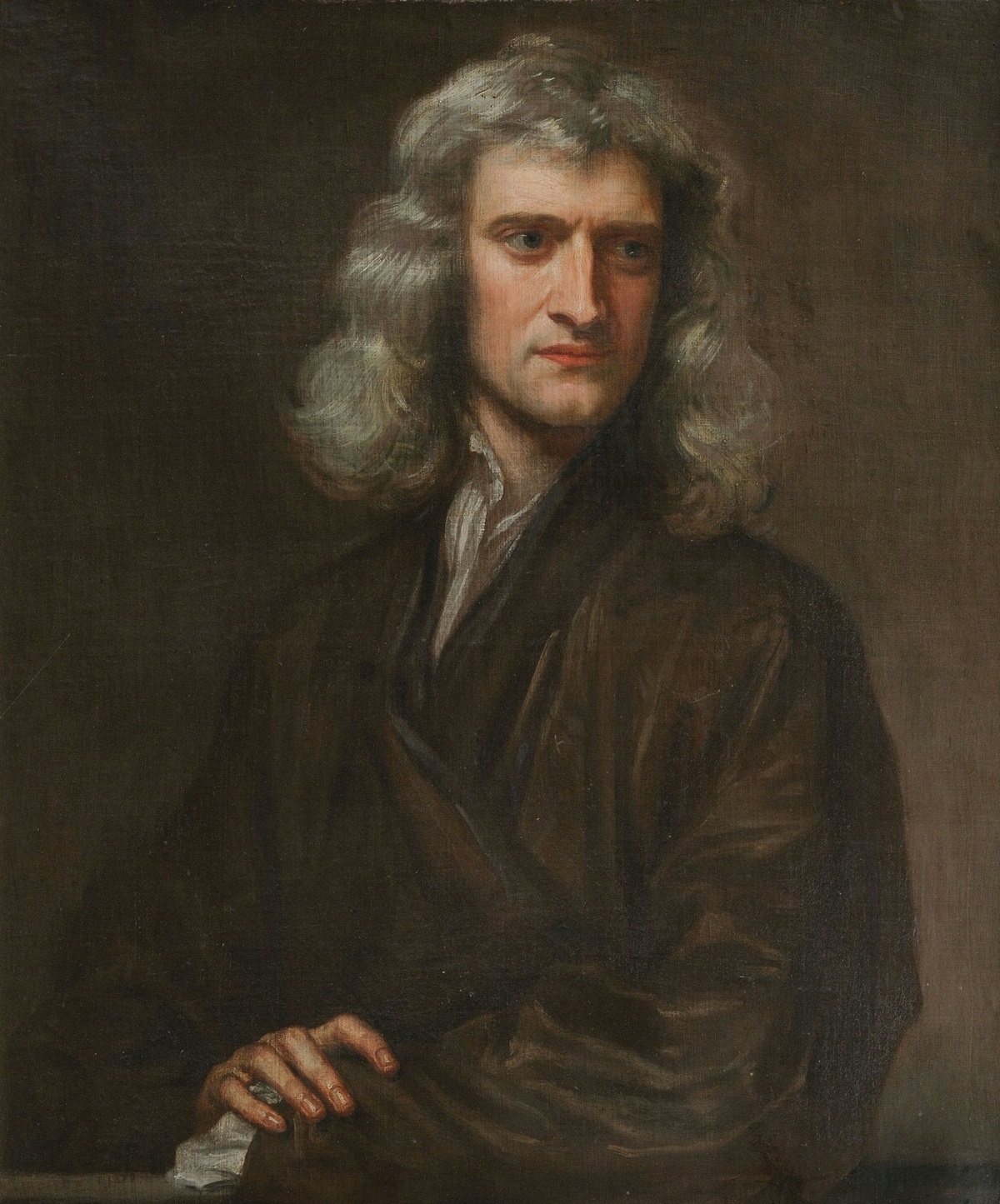
Isaac Newton was an English mathematician, physicist, astronomer, alchemist, theologian, and author (described in his time as a "natural philosopher"), widely recognised as one of the greatest mathematicians and physicists and among the most influential scientists of all time. He was a key figure in the philosophical revolution known as the Enlightenment. His book Philosophiæ Naturalis Principia Mathematica (Mathematical Principles of Natural Philosophy), first published in 1687, established classical mechanics. Newton also made seminal contributions to optics, and shares credit with German mathematician Gottfried Wilhelm Leibniz for developing infinitesimal calculus.
In the Principia, Newton formulated the laws of motion and universal gravitation that formed the dominant scientific viewpoint until it was superseded by the theory of relativity. Newton used his mathematical description of gravity to derive Kepler's laws of planetary motion, account for tides, the trajectories of comets, the precession of the equinoxes and other phenomena, eradicating doubt about the Solar System's heliocentricity. He demonstrated that the motion of objects on Earth and celestial bodies could be accounted for by the same principles. Newton's inference that the Earth is an oblate spheroid was later confirmed by the geodetic measurements of Maupertuis, La Condamine, and others, convincing most European scientists of the superiority of Newtonian mechanics over earlier systems.
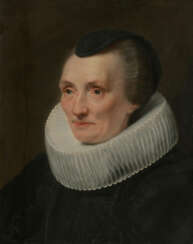

Anthony van Dyck, a Flemish painter born in 1599 in Antwerp and passed away in 1641 in London, is celebrated as one of the foremost Baroque painters of the 17th century. His notable contributions to the art world include his exceptional portraits of European aristocracy, as well as his religious and mythological paintings. Van Dyck's early exposure to art was influenced significantly by his apprenticeship with Hendrik van Balen and later, by the profound impact of working alongside Peter Paul Rubens. His mastery was recognized early on, leading him to set up his own workshop by the age of 15.
Van Dyck's journey to Italy in 1621 marked a pivotal phase in his career, allowing him to immerse himself in studying the Italian masters and commencing his successful stint as a portraitist. His style evolved under the influence of Titian, evident from his vibrant use of color and refined modeling of form. Van Dyck's Italian period not only honed his artistic skills but also established his reputation as a painter of consequence.
Upon returning to Antwerp, van Dyck's portraits became highly sought after, leading to commissions from notable figures such as Archduchess Isabella and Queen Mother Maria de' Medici. His role as a court painter further solidified in England under the patronage of King Charles I, where he was knighted and appointed as the principal painter, profoundly shaping the aristocratic character of Charles I's reign through his portraits.
Van Dyck's legacy extends beyond his death, having influenced English portrait painting for over a century. His innovative techniques in watercolour and etching, along with his sophisticated portrayal of subjects, continue to be admired. His art not only showcases his technical prowess but also reflects the cultural and social nuances of his era, making his work a significant study for collectors and art historians alike.
For enthusiasts eager to explore the intersections of art, history, and culture through the lens of Anthony van Dyck's work, staying informed about new discoveries and auction events is essential. Signing up for updates can provide exclusive insights into the world of one of the most influential figures in Flemish art. This subscription ensures that collectors and experts are well-informed of any developments related to van Dyck's oeuvre, enhancing their understanding and appreciation of his contributions to the art world.
![[NEWTON, Isaac, Sir (1642-1727)]](/assets/image/picture_5109616/1e30c/5d28e844288dbc71121959c3b0b354f51765321200jpg__fix_374_244.jpeg)
![[NEWTON, Isaac, Sir (1642-1727)]](https://veryimportantlot.com/assets/image/picture_5109616/1e30c/5d28e844288dbc71121959c3b0b354f51765321200jpg__fix_374_244.jpeg)
Isaac Newton was an English mathematician, physicist, astronomer, alchemist, theologian, and author (described in his time as a "natural philosopher"), widely recognised as one of the greatest mathematicians and physicists and among the most influential scientists of all time. He was a key figure in the philosophical revolution known as the Enlightenment. His book Philosophiæ Naturalis Principia Mathematica (Mathematical Principles of Natural Philosophy), first published in 1687, established classical mechanics. Newton also made seminal contributions to optics, and shares credit with German mathematician Gottfried Wilhelm Leibniz for developing infinitesimal calculus.
In the Principia, Newton formulated the laws of motion and universal gravitation that formed the dominant scientific viewpoint until it was superseded by the theory of relativity. Newton used his mathematical description of gravity to derive Kepler's laws of planetary motion, account for tides, the trajectories of comets, the precession of the equinoxes and other phenomena, eradicating doubt about the Solar System's heliocentricity. He demonstrated that the motion of objects on Earth and celestial bodies could be accounted for by the same principles. Newton's inference that the Earth is an oblate spheroid was later confirmed by the geodetic measurements of Maupertuis, La Condamine, and others, convincing most European scientists of the superiority of Newtonian mechanics over earlier systems.
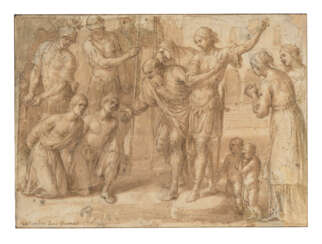

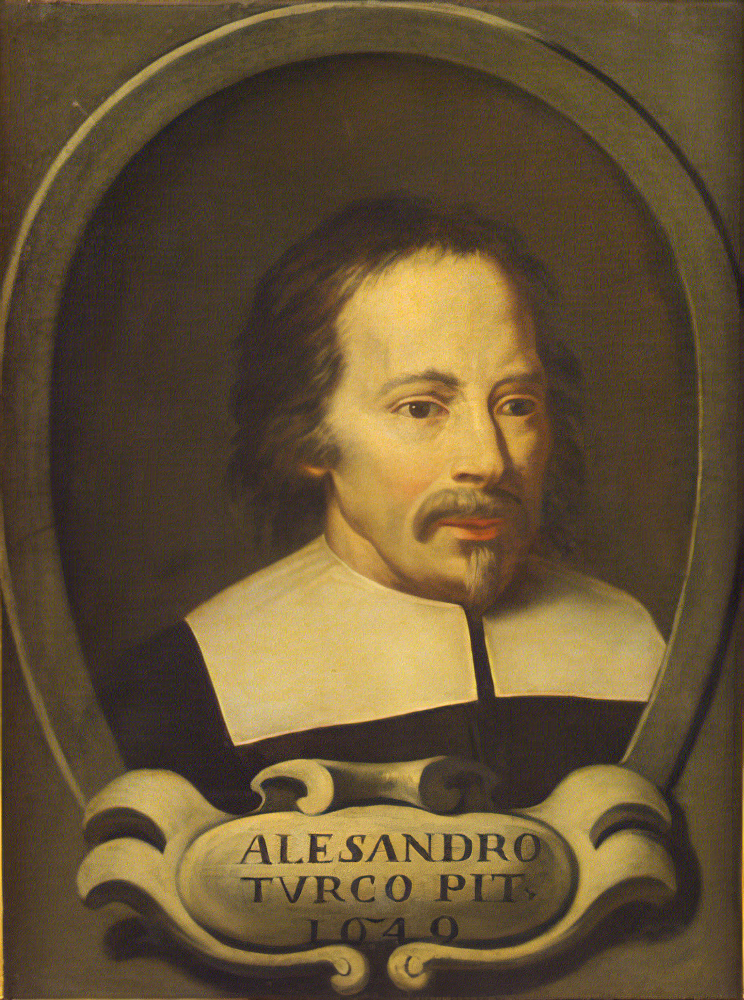
Alessandro Turchi was an Italian painter of the early Baroque, born and active mainly in Verona, and moving late in life to Rome. He also went by the name Alessandro Veronese or the nickname L'Orbetto. His style has been described as soft and Caravaggesque at the same time.
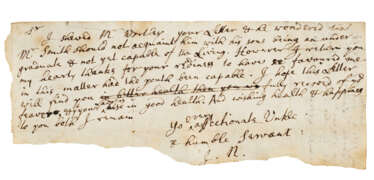

Isaac Newton was an English mathematician, physicist, astronomer, alchemist, theologian, and author (described in his time as a "natural philosopher"), widely recognised as one of the greatest mathematicians and physicists and among the most influential scientists of all time. He was a key figure in the philosophical revolution known as the Enlightenment. His book Philosophiæ Naturalis Principia Mathematica (Mathematical Principles of Natural Philosophy), first published in 1687, established classical mechanics. Newton also made seminal contributions to optics, and shares credit with German mathematician Gottfried Wilhelm Leibniz for developing infinitesimal calculus.
In the Principia, Newton formulated the laws of motion and universal gravitation that formed the dominant scientific viewpoint until it was superseded by the theory of relativity. Newton used his mathematical description of gravity to derive Kepler's laws of planetary motion, account for tides, the trajectories of comets, the precession of the equinoxes and other phenomena, eradicating doubt about the Solar System's heliocentricity. He demonstrated that the motion of objects on Earth and celestial bodies could be accounted for by the same principles. Newton's inference that the Earth is an oblate spheroid was later confirmed by the geodetic measurements of Maupertuis, La Condamine, and others, convincing most European scientists of the superiority of Newtonian mechanics over earlier systems.
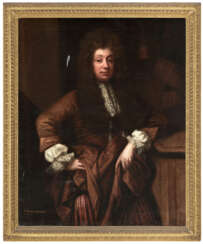

Sir Godfrey Kneller, 1st Baronet (born Gottfried Kniller) was a late seventeenth- and early eighteenth-century German painter and the leading British portrait painter of his era.
Gottfried Kniller was an immensely popular painter among the English nobility, and over the course of his career he produced hundreds of paintings depicting influential European nobles and royalty. His unique masterpieces are preserved in many museums across Europe, and his biography is an example of the successful career of a great master.
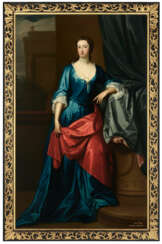

Sir Godfrey Kneller, 1st Baronet (born Gottfried Kniller) was a late seventeenth- and early eighteenth-century German painter and the leading British portrait painter of his era.
Gottfried Kniller was an immensely popular painter among the English nobility, and over the course of his career he produced hundreds of paintings depicting influential European nobles and royalty. His unique masterpieces are preserved in many museums across Europe, and his biography is an example of the successful career of a great master.
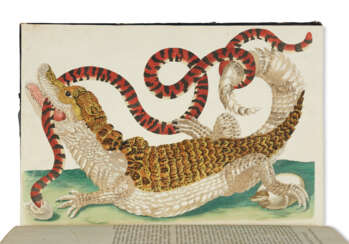

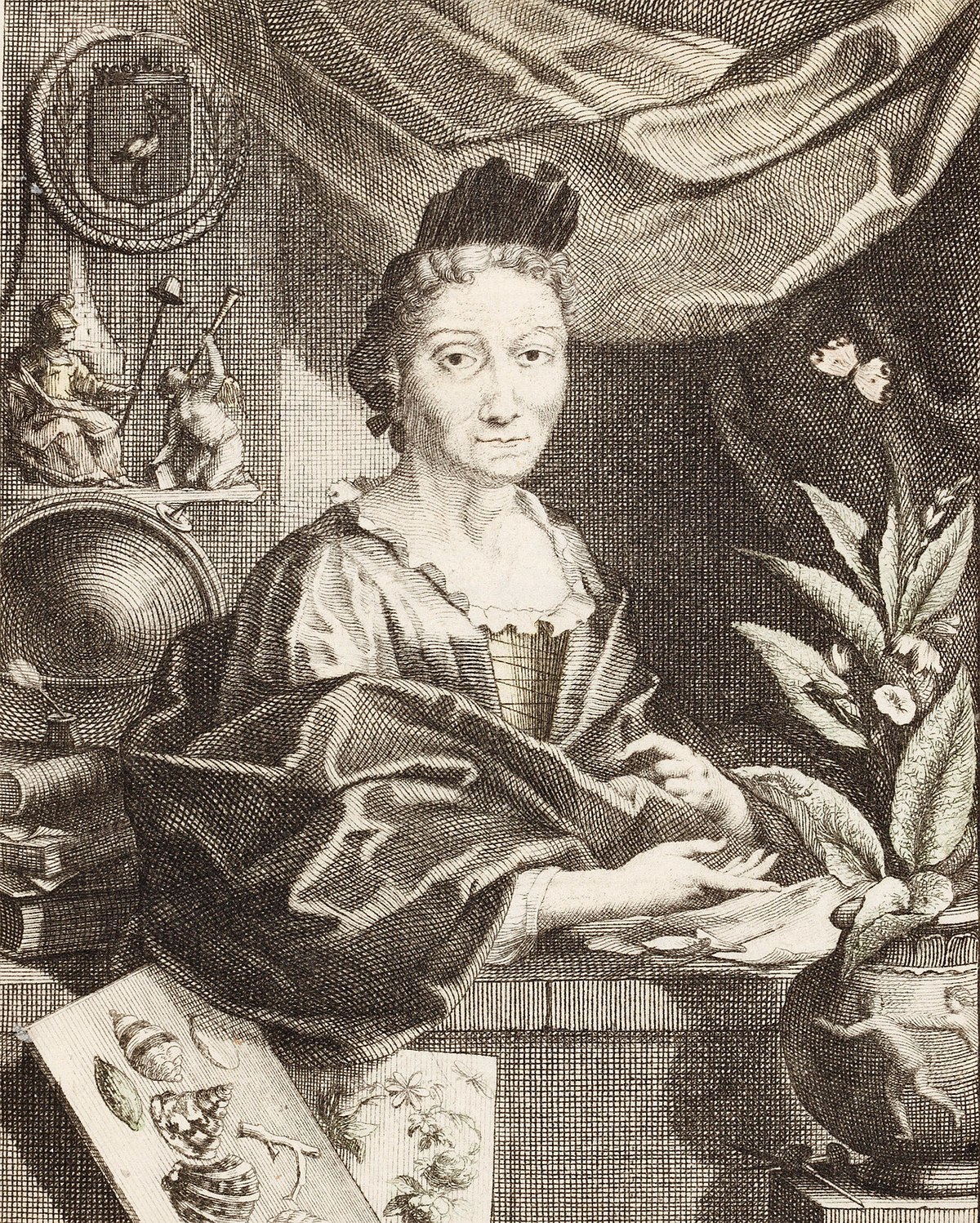
Maria Sibylla Merian was a German-born naturalist and artist renowned for her contributions to entomology and botanical art. Born in Frankfurt am Main in 1647, Merian gained recognition for her detailed studies and illustrations of insects and plants, focusing on their life cycles and metamorphosis, which significantly advanced the field of entomology.
Maria Sibylla Merian's journey into the world of natural history began in her hometown of Frankfurt, where she started studying insects, particularly their metamorphosis. Her marriage to Johann Andreas Graff, an artist's apprentice, eventually took her to Nuremberg, where she continued her work and published her findings. Despite personal challenges, including an unhappy marriage, Merian's dedication to her studies remained unwavering.
A pivotal moment in Merian's life was her association with the Labadist community, where she delved deeper into her studies. Her time with the Labadists in Friesland allowed her to study a variety of species, further enriching her scientific endeavors. Merian's relentless pursuit of knowledge eventually led her to Amsterdam, a hub of scientific inquiry and trade, where she was exposed to a vast array of specimens from across the globe.
Maria Sibylla Merian's most ambitious expedition was to Suriname in South America, where she studied and documented the region's diverse flora and fauna. Her observations and illustrations from this expedition were groundbreaking, providing valuable insights into the natural world. Merian's works, including her detailed engravings and illustrations, not only captivate with their beauty but also serve as valuable scientific records. Her legacy is preserved in institutions like the National Museum of Women in the Arts, which houses some of her remarkable engravings.
Maria Sibylla Merian's life and work exemplify the profound impact of combining art and science, leaving an indelible mark on both fields. Her dedication to observing and documenting the natural world continues to inspire scientists and artists alike.
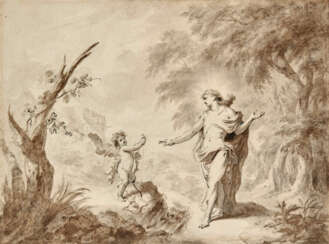

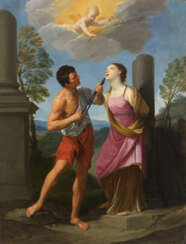

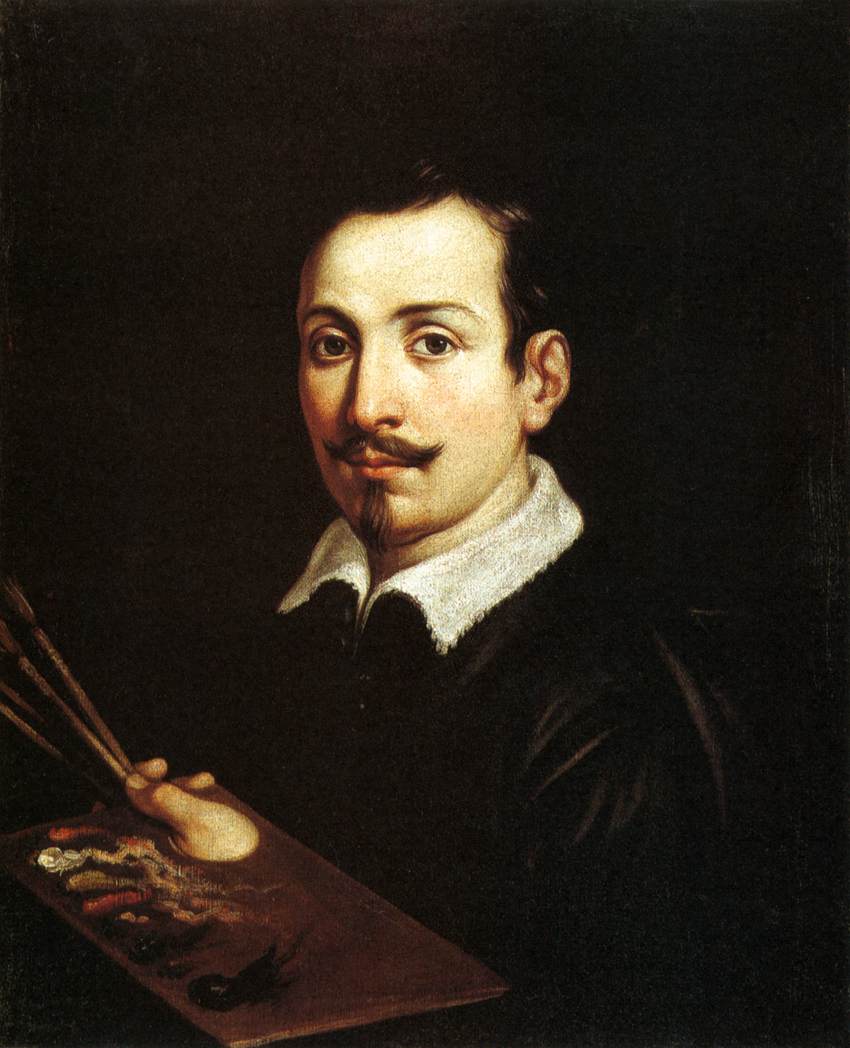
Guido Reni was an Italian Baroque painter, celebrated for his refined and classical approach to art. Born in Bologna, Italy, Reni's career spanned the late Renaissance and early Baroque periods, where he became known for his religious and mythological scenes. His style, characterized by elegance and grace, set him apart from his contemporaries, making his works highly sought after by both religious and secular patrons.
Reni's training under Denys Calvaert, followed by his time in the Carracci workshop, laid the foundation for his distinctive blend of classical idealism and Baroque dynamism. This education, coupled with his interactions and reported rivalry with Caravaggio in Rome, influenced his development as an artist who could balance the dramatic intensity of the Baroque with a serene classicism.
One of Reni's most famous works, the fresco "Aurora" in the Casino dell'Aurora of Palazzo Pallavicini-Rospigliosi, showcases his mastery of classical forms and his ability to convey narrative through expressive composition and vibrant color. This masterpiece, depicting Apollo's chariot led by Dawn, is celebrated for its simplicity and restraint, contrasting the more elaborate compositions typical of his era.
Reni's contributions to religious art are also significant, with works such as "The Archangel Michael Defeating Satan" and "Saint Joseph and the Christ Child" reflecting his capacity to imbue traditional Christian subjects with a profound sense of divinity and humanity. His paintings are distinguished by their delicate treatment of light and shadow, a hallmark of his refined aesthetic.
Collectors and art experts continue to admire Reni's works for their technical brilliance and emotional depth. His paintings, such as "The Massacre of the Innocents" and "Saint Sebastian," are preserved in major museums worldwide, testament to his enduring influence on Western art. Reni's legacy as a bridge between the Renaissance's ideal beauty and the Baroque's emotive power remains unparalleled, securing his place among the pantheon of great artists.
For collectors and experts in the field of art and antiques, Guido Reni's oeuvre represents not just the pinnacle of Baroque painting but also a connection to the cultural and aesthetic shifts of his time. To stay updated on sales, auctions, and exhibitions related to Guido Reni's works, signing up for updates can provide exclusive insights and opportunities to engage with the legacy of this exceptional artist.
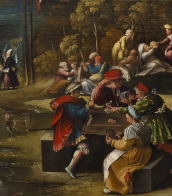
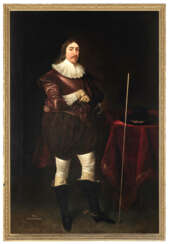

Daniël Mijtens was a Dutch painter, portrait painter, draughtsman and printmaker of the Golden Age of Dutch art. He worked in England for a significant part of his life.
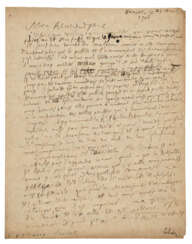

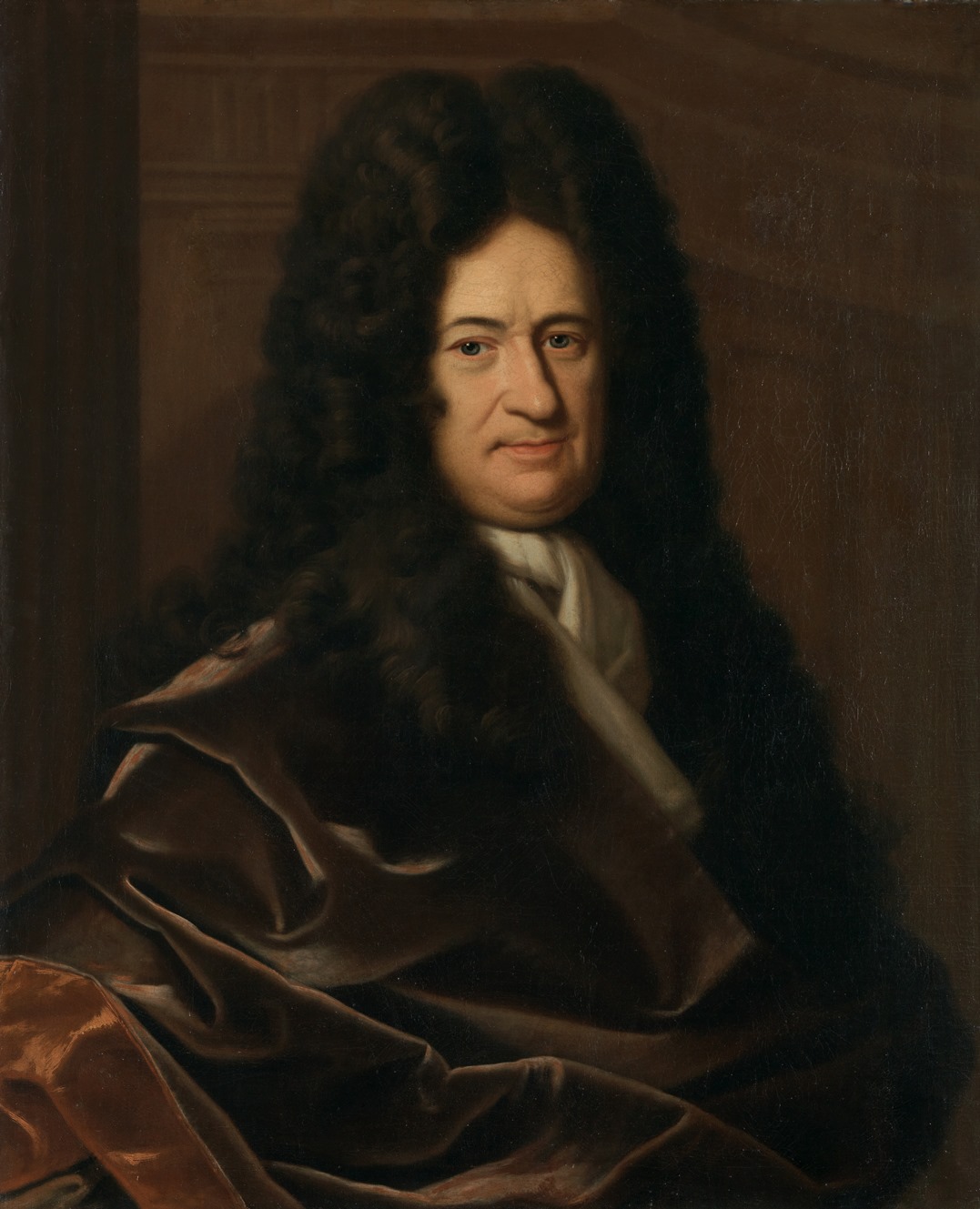
Gottfried Wilhelm Leibniz was a German philosopher and a prominent polymath in many fields of science.
Leibniz was a universal genius; he showed his talents in logic, mathematics, mechanics, physics, law, history, diplomacy, and linguistics, and in each of the disciplines he has serious scientific achievements. As a philosopher, he was a leading exponent of 17th-century rationalism and idealism.
Leibniz was a tireless worker and the greatest scholar of his time. In the fate of Leibniz, among other things, there is one interesting page: in 1697, he accidentally met the Russian Tsar Peter I during his trip to Europe. Their further meetings led to the realization of several grandiose projects in Russia, one of which was the establishment of the Academy of Sciences in St. Petersburg.
Gottfried Wilhelm Leibniz was also the founder and first president of the Berlin Academy of Sciences and a member of the Royal Society of London.
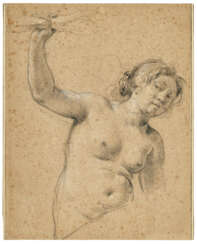

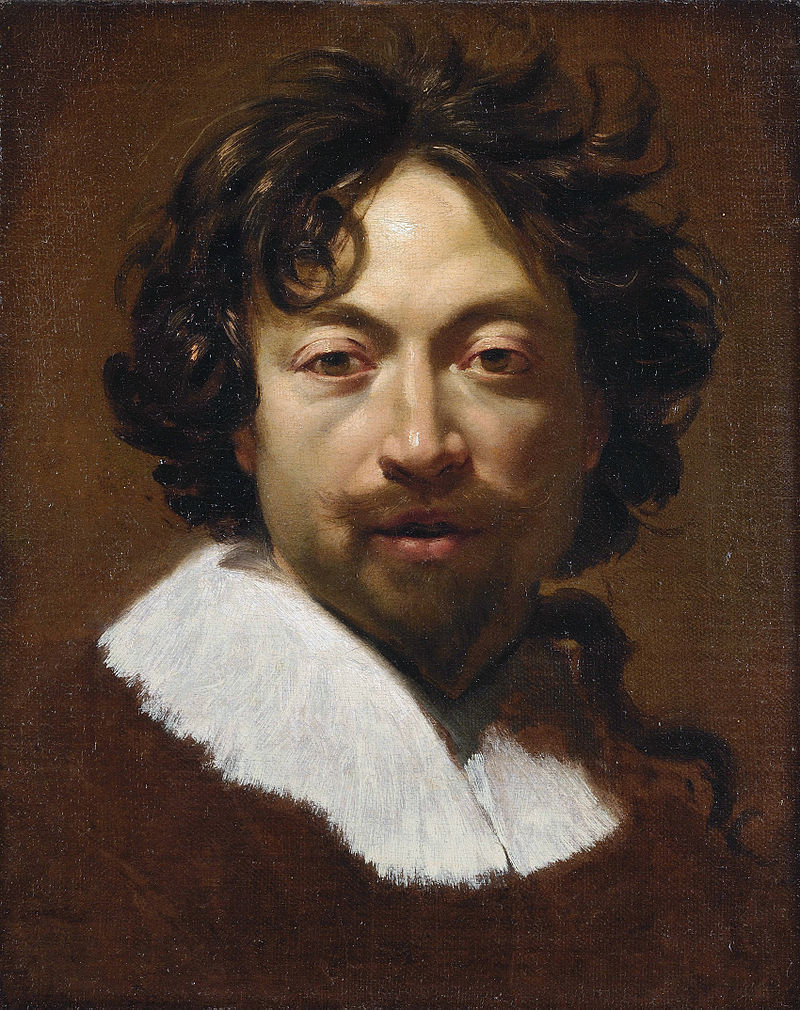
Simon Vouet was a French painter who studied and rose to prominence in Italy before being summoned by Louis XIII to serve as Premier peintre du Roi in France. He and his studio of artists created religious and mythological paintings, portraits, frescoes, tapestries, and massive decorative schemes for the king and for wealthy patrons, including Richelieu. During this time, "Vouet was indisputably the leading artist in Paris," and was immensely influential in introducing the Italian Baroque style of painting to France. He was also "without doubt one of the outstanding seventeenth-century draughtsmen, equal to Annibale Carracci and Lanfranco."
![[GALILEI, Galileo (1564-1642)] — CASTELLI, Benedetto](/assets/image/picture_2279448/089cf/0c6646dd107660ed4adadc32f328199d1657663200jpg__fix_374_244.jpeg)
![[GALILEI, Galileo (1564-1642)] — CASTELLI, Benedetto](https://veryimportantlot.com/assets/image/picture_2279448/089cf/0c6646dd107660ed4adadc32f328199d1657663200jpg__fix_374_244.jpeg)
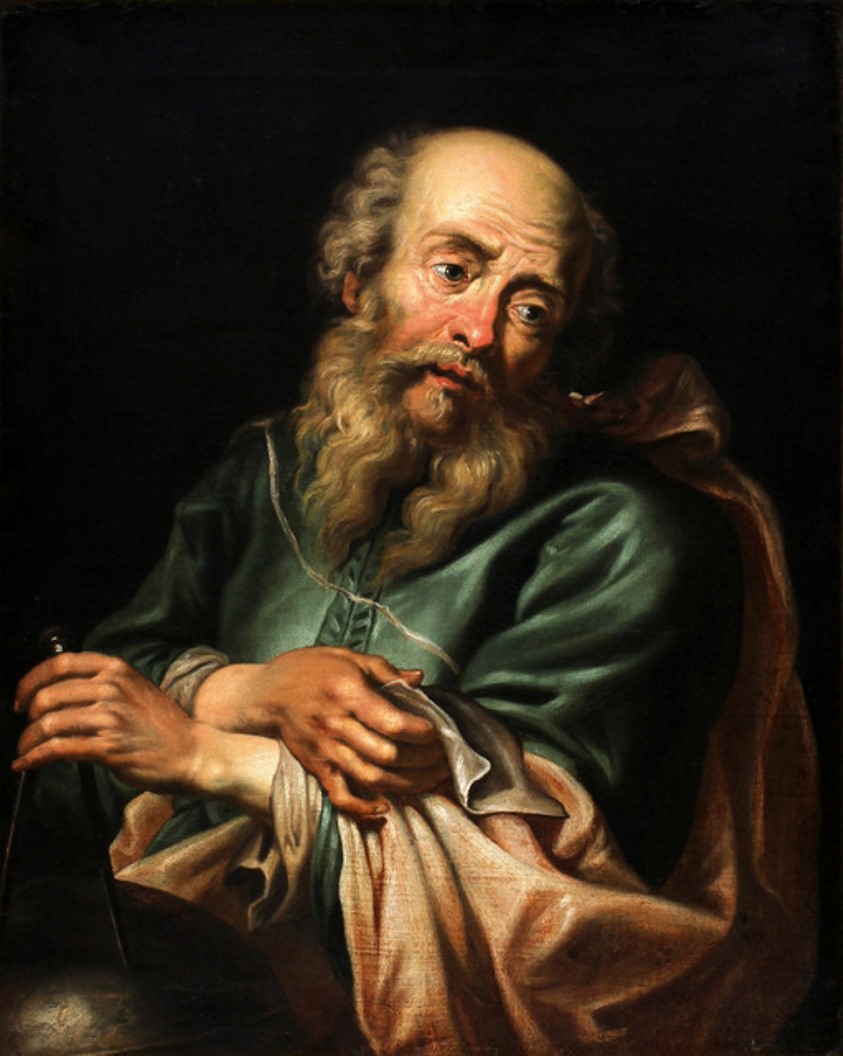
Galileo Galilei was an Italian naturalist, physicist, mechanic, astronomer, philosopher, and mathematician.
Using his own improved telescopes, Galileo Galilei observed the movements of the Moon, Earth's satellites, and the stars, making several breakthrough discoveries in astronomy. He was the first to see craters on the Moon, discovered sunspots and the rings of Saturn, and traced the phases of Venus. Galileo was a consistent and convinced supporter of the teachings of Copernicus and the heliocentric system of the world, for which he was subjected to the trial of the Inquisition.
Galileo is considered the founder of experimental and theoretical physics. He is also one of the founders of the principle of relativity in classical mechanics. Overall, the scientist had such a significant impact on the science of his time that he cannot be overemphasized.

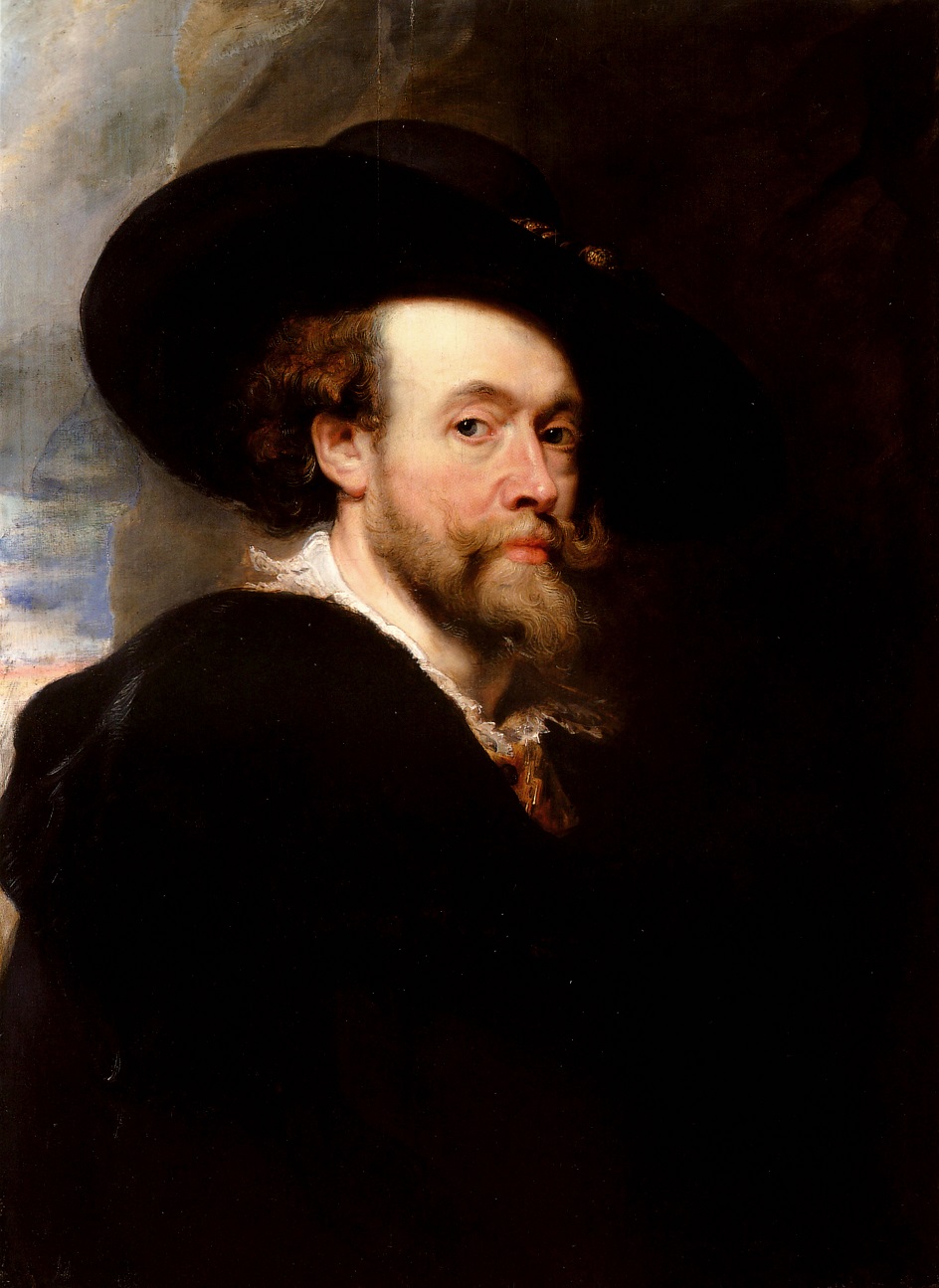
Peter Paul Rubens was a distinguished Flemish Baroque painter, renowned for his dynamic, vibrant, and sensuous paintings. Born on June 28, 1577, in Siegen, Westphalia, Germany, Rubens' family moved back to Antwerp in the Spanish Netherlands (now Belgium) after his father's death. He was raised in his mother’s Roman Catholic faith and received a classical education. He began his artistic training in 1591 and later traveled to Italy, where he was profoundly influenced by Renaissance masters like Titian, Tintoretto, and Veronese. This experience significantly shaped his artistic style.
Rubens' art is celebrated for its emphasis on movement, color, and sensuality. He was particularly skilled in depicting religious and mythological scenes, portraits, and landscapes. Some of his notable works include "The Descent from the Cross" and "The Raising of the Cross," which are prime examples of Baroque religious art, showcasing his unique style that blended influences from Italian Renaissance and his own innovations.
Rubens was not just a painter but also a diplomat, serving at various European courts. He was knighted by both Philip IV of Spain and Charles I of England. His diplomatic missions often intertwined with his artistic endeavors, as seen during his travels to Spain and Italy. In addition to painting, he was involved in designing tapestries, prints, and book title-pages. He ran a large workshop in Antwerp, producing works that were popular with nobility and art collectors across Europe. His studio was in his home, the Rubenshuis, now a museum.
His influence extended to his students, notably Anthony van Dyck, and his collaborative works with other artists like Jan Brueghel the Elder. Rubens' work continued to be celebrated for its vitality and influence on the Baroque style, making him one of the most influential artists of his time.
For those interested in the work and life of Peter Paul Rubens, many of his works can be found in museums and galleries worldwide, including the National Gallery in London, which houses several of his paintings like "A View of Het Steen in the Early Morning" and "Minerva protects Pax from Mars ('Peace and War')".
To stay updated on new product sales, auction events, and more related to Peter Paul Rubens, sign up for our updates. We provide essential information tailored for collectors and experts in art and antiques, focusing on the magnificent work of Rubens and his enduring legacy in the world of art.
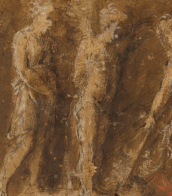


Anthony van Dyck, a Flemish painter born in 1599 in Antwerp and passed away in 1641 in London, is celebrated as one of the foremost Baroque painters of the 17th century. His notable contributions to the art world include his exceptional portraits of European aristocracy, as well as his religious and mythological paintings. Van Dyck's early exposure to art was influenced significantly by his apprenticeship with Hendrik van Balen and later, by the profound impact of working alongside Peter Paul Rubens. His mastery was recognized early on, leading him to set up his own workshop by the age of 15.
Van Dyck's journey to Italy in 1621 marked a pivotal phase in his career, allowing him to immerse himself in studying the Italian masters and commencing his successful stint as a portraitist. His style evolved under the influence of Titian, evident from his vibrant use of color and refined modeling of form. Van Dyck's Italian period not only honed his artistic skills but also established his reputation as a painter of consequence.
Upon returning to Antwerp, van Dyck's portraits became highly sought after, leading to commissions from notable figures such as Archduchess Isabella and Queen Mother Maria de' Medici. His role as a court painter further solidified in England under the patronage of King Charles I, where he was knighted and appointed as the principal painter, profoundly shaping the aristocratic character of Charles I's reign through his portraits.
Van Dyck's legacy extends beyond his death, having influenced English portrait painting for over a century. His innovative techniques in watercolour and etching, along with his sophisticated portrayal of subjects, continue to be admired. His art not only showcases his technical prowess but also reflects the cultural and social nuances of his era, making his work a significant study for collectors and art historians alike.
For enthusiasts eager to explore the intersections of art, history, and culture through the lens of Anthony van Dyck's work, staying informed about new discoveries and auction events is essential. Signing up for updates can provide exclusive insights into the world of one of the most influential figures in Flemish art. This subscription ensures that collectors and experts are well-informed of any developments related to van Dyck's oeuvre, enhancing their understanding and appreciation of his contributions to the art world.
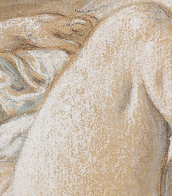
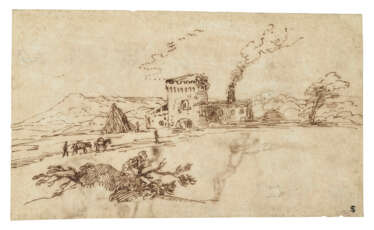

Domenico Zampieri, known as Domenichino, was an Italian Baroque painter who worked in Rome. He was a pupil of the Accademia Carracci in Bologna and was subsequently influenced by the works of Annibale Carracci and Caravaggio.
Domenichino was known for his use of vivid colours, dramatic lighting and his ability to convey emotion in his paintings. He was particularly adept at painting religious subjects and his works often depicted scenes from the life of Christ, the Virgin Mary and saints. He also participated in the fresco decoration of churches and several papal residences, and worked on the decoration of the Palazzo Barberini in Rome.
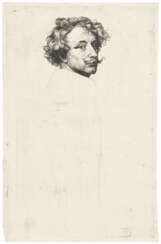

Anthony van Dyck, a Flemish painter born in 1599 in Antwerp and passed away in 1641 in London, is celebrated as one of the foremost Baroque painters of the 17th century. His notable contributions to the art world include his exceptional portraits of European aristocracy, as well as his religious and mythological paintings. Van Dyck's early exposure to art was influenced significantly by his apprenticeship with Hendrik van Balen and later, by the profound impact of working alongside Peter Paul Rubens. His mastery was recognized early on, leading him to set up his own workshop by the age of 15.
Van Dyck's journey to Italy in 1621 marked a pivotal phase in his career, allowing him to immerse himself in studying the Italian masters and commencing his successful stint as a portraitist. His style evolved under the influence of Titian, evident from his vibrant use of color and refined modeling of form. Van Dyck's Italian period not only honed his artistic skills but also established his reputation as a painter of consequence.
Upon returning to Antwerp, van Dyck's portraits became highly sought after, leading to commissions from notable figures such as Archduchess Isabella and Queen Mother Maria de' Medici. His role as a court painter further solidified in England under the patronage of King Charles I, where he was knighted and appointed as the principal painter, profoundly shaping the aristocratic character of Charles I's reign through his portraits.
Van Dyck's legacy extends beyond his death, having influenced English portrait painting for over a century. His innovative techniques in watercolour and etching, along with his sophisticated portrayal of subjects, continue to be admired. His art not only showcases his technical prowess but also reflects the cultural and social nuances of his era, making his work a significant study for collectors and art historians alike.
For enthusiasts eager to explore the intersections of art, history, and culture through the lens of Anthony van Dyck's work, staying informed about new discoveries and auction events is essential. Signing up for updates can provide exclusive insights into the world of one of the most influential figures in Flemish art. This subscription ensures that collectors and experts are well-informed of any developments related to van Dyck's oeuvre, enhancing their understanding and appreciation of his contributions to the art world.











![[HOOGHE, Romeyn de (1645-1708)] -- CHERTABLON La Manière de ...](/assets/image/picture_1077776/6f41f/bc05724bbc283fa571591ce6e9d6a9541604358000jpg__fix_374_244.jpeg)
![[HOOGHE, Romeyn de (1645-1708)] -- CHERTABLON La Manière de ...](https://veryimportantlot.com/assets/image/picture_1077776/6f41f/bc05724bbc283fa571591ce6e9d6a9541604358000jpg__fix_374_244.jpeg)