song of wind











![[QUARRYMEN BANJO] – Arthur O. Windsor Musical Instrument Maker, Birmingham, UK](/assets/image/picture_4035446/cd16c/03557bd79d644933939928516b2f46f21720562400jpg__fix_374_244.jpeg)
![[QUARRYMEN BANJO] – Arthur O. Windsor Musical Instrument Maker, Birmingham, UK](https://veryimportantlot.com/assets/image/picture_4035446/cd16c/03557bd79d644933939928516b2f46f21720562400jpg__fix_374_244.jpeg)
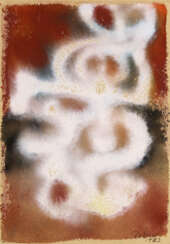

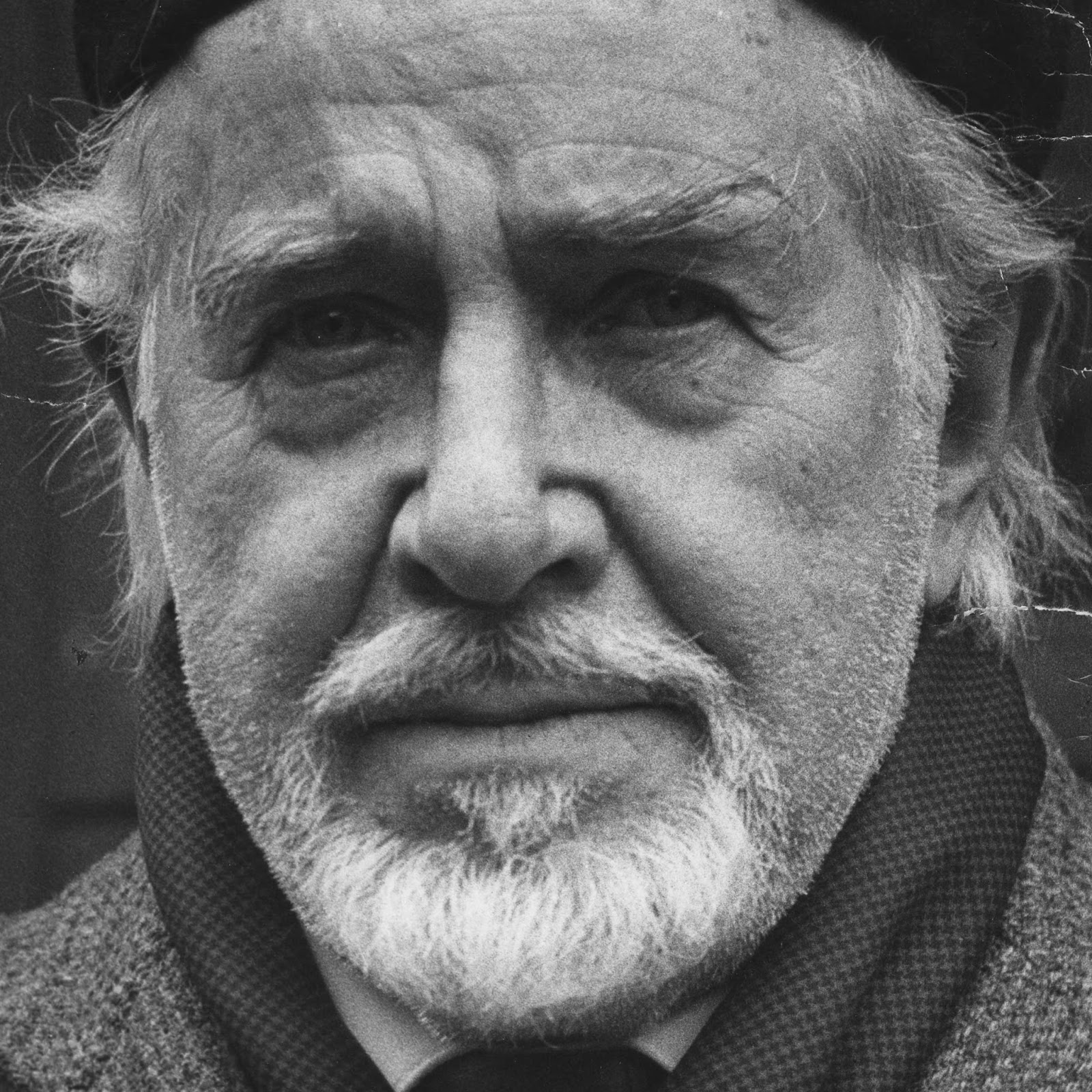
Mark Tobey was an American painter. His densely structured compositions, inspired by Asian calligraphy, resemble Abstract expressionism, although the motives for his compositions differ philosophically from most Abstract Expressionist painters. His work was widely recognized throughout the United States and Europe. Along with Guy Anderson, Kenneth Callahan, Morris Graves, and William Cumming, Tobey was a founder of the Northwest School. Senior in age and experience, he had a strong influence on the others; friend and mentor, Tobey shared their interest in philosophy and Eastern religions. Similar to others of the Northwest School, Tobey was mostly self-taught after early studies at the Art Institute of Chicago. In 1921, Tobey founded the art department at The Cornish School in Seattle, Washington.

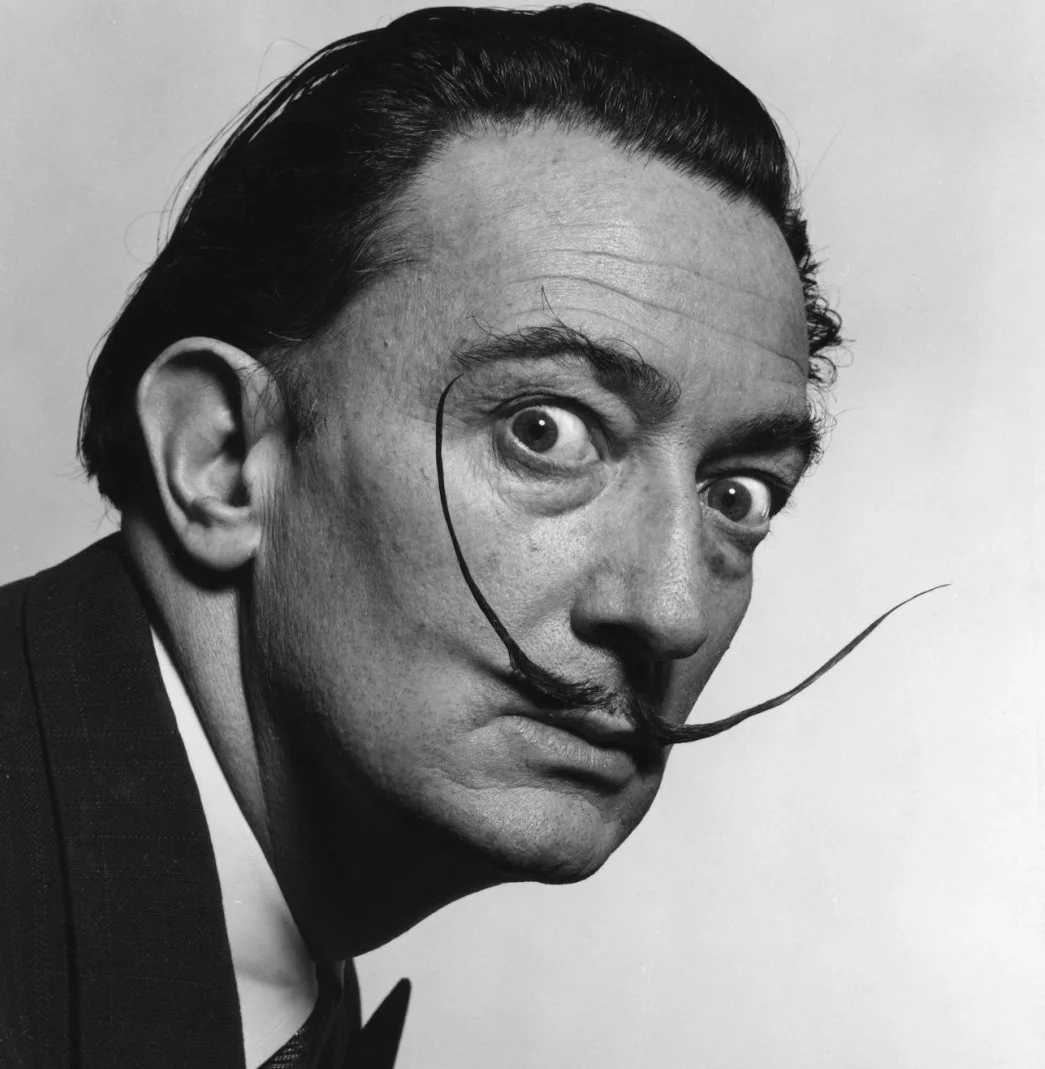
Salvador Dalí, a Spanish Surrealist painter and printmaker, is celebrated for his vivid and imaginative works that delve into subconscious imagery. Born on May 11, 1904, in Figueres, Catalonia, Spain, Dalí's early exposure to Impressionism and Renaissance masters significantly influenced his artistic development. His education in fine arts in Madrid further shaped his style, leading him to experiment with Cubism and avant-garde movements. In the late 1920s, Dalí embraced Surrealism, joining the Surrealist group in 1929 and rapidly becoming one of its most prominent figures.
Dalí's most famous work, "The Persistence of Memory," completed in 1931, epitomizes the Surrealist movement with its iconic melting clocks symbolizing the fluidity of time. His artistic repertoire was diverse, including painting, graphic arts, film, sculpture, design, and photography, often incorporating themes of dreams, the subconscious, sexuality, religion, and science. Despite his remarkable artistic contributions, Dalí's eccentric and flamboyant public persona often overshadowed his work. He faced criticism for his public support of the Francoist regime and the authenticity of some of his late works.
Dalí's legacy is preserved in major museums, notably the Dalí Theatre-Museum in Figueres and the Salvador Dalí Museum in St. Petersburg, Florida. These institutions showcase his extensive and varied body of work, illustrating his profound impact on Surrealism, pop art, and contemporary artists.
If you're captivated by the surreal world of Salvador Dalí and want to stay informed about new sales and auction events featuring his works, sign up for our updates. Our service is tailored specifically for art collectors and experts, providing timely information and insights into the vibrant market of Dalí's art. Remember, this subscription is focused solely on bringing you the latest in product sales and auction events related to Salvador Dalí. Don't miss out on the opportunity to enrich your collection with pieces from one of the most influential surrealists of all time. Sign up now and be the first to know about these exclusive events.
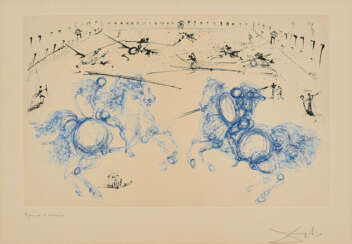

Salvador Dalí, a Spanish Surrealist painter and printmaker, is celebrated for his vivid and imaginative works that delve into subconscious imagery. Born on May 11, 1904, in Figueres, Catalonia, Spain, Dalí's early exposure to Impressionism and Renaissance masters significantly influenced his artistic development. His education in fine arts in Madrid further shaped his style, leading him to experiment with Cubism and avant-garde movements. In the late 1920s, Dalí embraced Surrealism, joining the Surrealist group in 1929 and rapidly becoming one of its most prominent figures.
Dalí's most famous work, "The Persistence of Memory," completed in 1931, epitomizes the Surrealist movement with its iconic melting clocks symbolizing the fluidity of time. His artistic repertoire was diverse, including painting, graphic arts, film, sculpture, design, and photography, often incorporating themes of dreams, the subconscious, sexuality, religion, and science. Despite his remarkable artistic contributions, Dalí's eccentric and flamboyant public persona often overshadowed his work. He faced criticism for his public support of the Francoist regime and the authenticity of some of his late works.
Dalí's legacy is preserved in major museums, notably the Dalí Theatre-Museum in Figueres and the Salvador Dalí Museum in St. Petersburg, Florida. These institutions showcase his extensive and varied body of work, illustrating his profound impact on Surrealism, pop art, and contemporary artists.
If you're captivated by the surreal world of Salvador Dalí and want to stay informed about new sales and auction events featuring his works, sign up for our updates. Our service is tailored specifically for art collectors and experts, providing timely information and insights into the vibrant market of Dalí's art. Remember, this subscription is focused solely on bringing you the latest in product sales and auction events related to Salvador Dalí. Don't miss out on the opportunity to enrich your collection with pieces from one of the most influential surrealists of all time. Sign up now and be the first to know about these exclusive events.
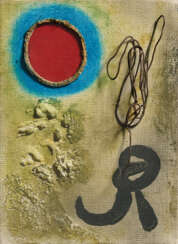

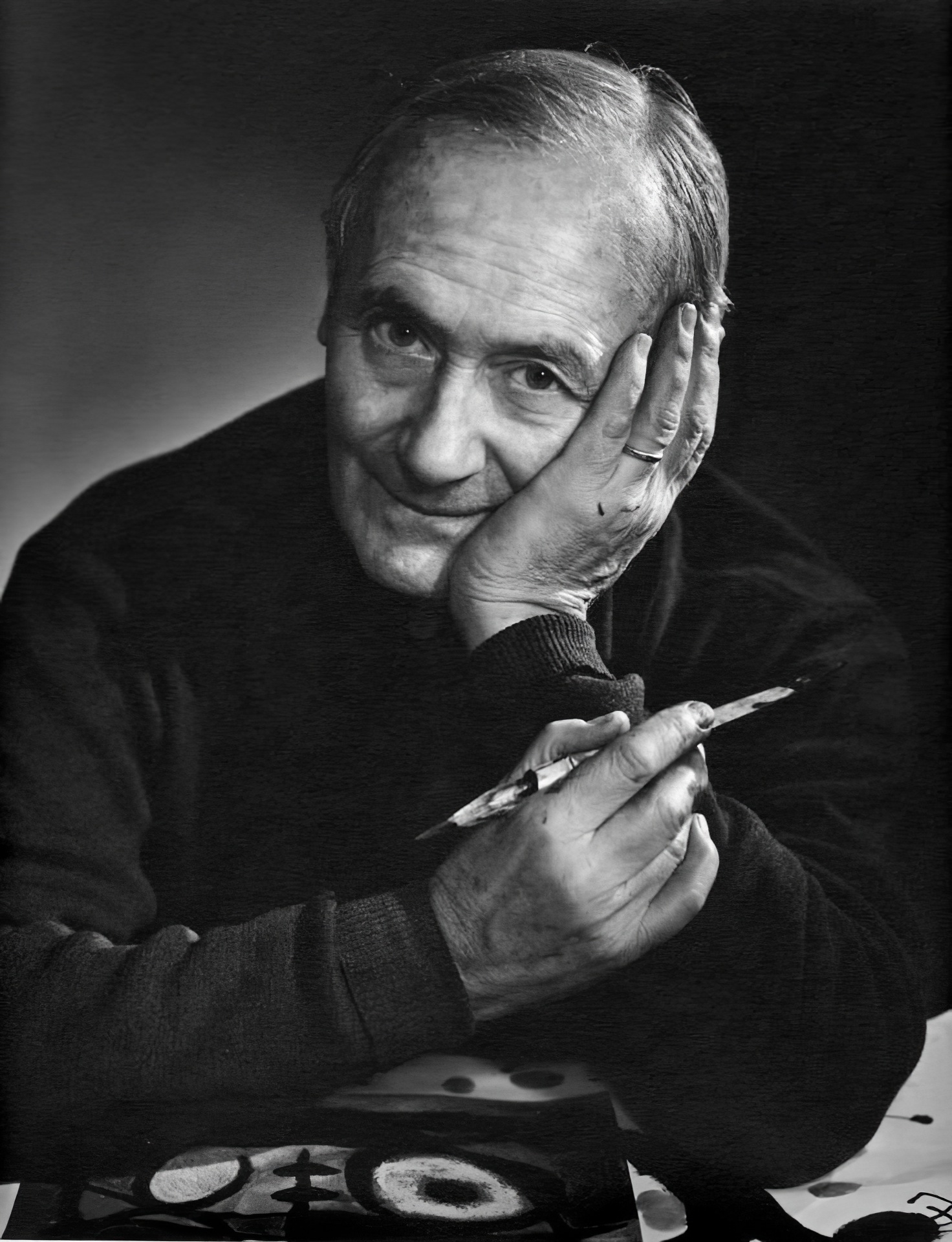
Joan Miró, a celebrated Spanish artist, was a master in painting, sculpture, and ceramics, renowned for his unique style that blurred the lines between Surrealism, Fauvism, and Expressionism. Born in Barcelona to a family of a goldsmith and a watchmaker, Miró grew up immersed in the rich cultural heritage of the Barri Gòtic neighborhood. His artistic journey began with drawing classes at the age of seven and continued at the prestigious La Llotja art academy. Despite an initial venture into the business world, Miró's passion for art prevailed, leading him to abandon his clerical career after a nervous breakdown.
Miró's work is noted for its exploration of the subconscious, often depicting a childlike perspective. This approach was both a critique of traditional painting methods and a means of expressing Catalan pride. His art, challenging to categorize, often featured symbolic elements and nationalistic qualities. One of his notable early works, "The Farm," reflects a transition to a more individual style, blending elements of his Catalan roots with broader artistic influences. This piece, later purchased by Ernest Hemingway, encapsulated the essence of Spain in its imagery.
In Paris, Miró joined the Surrealist movement in 1924, where his work began to reflect the influence of automatism, emphasizing spontaneous, automatic, or subconscious creation. He experimented with various mediums, including painting-poetry and collage, and even ventured into set and costume design for Sergei Diaghilev's Ballets Russes.
During World War II, Miró remained in Spain, and his work from this period, including the 22 Constellations series, reflected an interest in the night, music, and stars. His forms became increasingly abstracted, and he experimented with various techniques, often incorporating primary colors and evocative titles.
Miró's career spanned several decades, during which he continually evolved his style and explored new mediums. His contributions to art were recognized with numerous awards and retrospectives, including a major career retrospective at MoMA in 1941 and the Spanish Gold Medal for Fine Arts in 1980. Among his last major works was a tapestry for the World Trade Center in New York City, created in 1974.
For art collectors and enthusiasts, Joan Miró remains a figure of immense interest, not only for his distinct style and contributions to Surrealism but also for his ability to blend poetic imagery with political commentary. To stay updated on new product sales and auction events related to Joan Miró, sign up for our updates and immerse yourself in the world of this extraordinary artist.


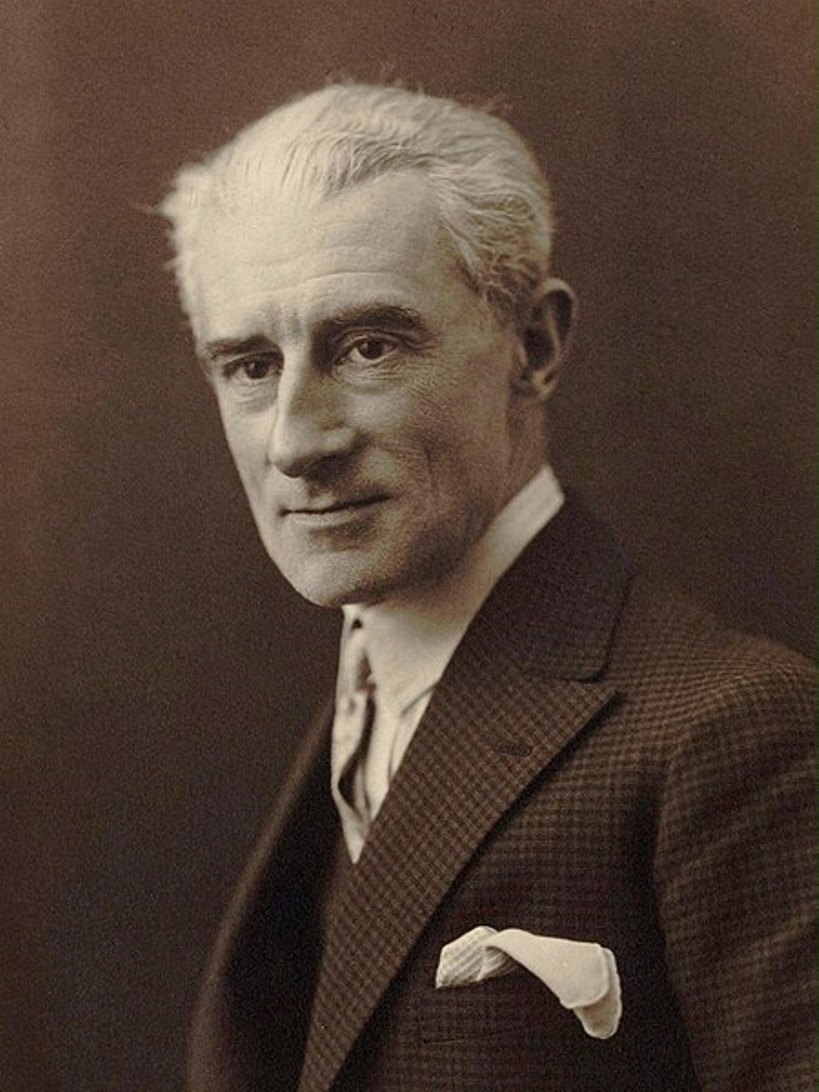
Maurice Ravel, full name Joseph Maurice Ravel, was a French composer, pianist and conductor, a representative of Impressionism in music.
At the age of 14 Maurice entered the Paris Conservatory and during his studies he composed several works. Already in these early sonatas and compositions he skillfully adapted traditional structures in music to his own personal ones, thus creating his own musical style.
Of Ravel's piano works, the virtuosic "Miroir" and "Gaspard de la Nuit" are popular, while of his orchestral works the most famous are the "Spanish Rhapsody" and Bolero. After 1905, Ravel's name is placed almost on a par with the recognized Impressionist composer Claude Debussy. Ravel met the famous Russian entrepreneur and organizer of the Russian Seasons, Sergei Diaghilev, which was a highlight in his career. He was specially commissioned by him to compose music for Mikhail Fokine's ballet Daphnis and Chloe (1912), starring the great Russian dancer Vatslav Nijinsky.
Ravel toured extensively as a pianist and conductor, performing his own works in Italy, Holland and England. In 1928, he made a successful four-month tour of Canada and the United States, where he impressed with jazz and blues compositions.
Maurice Ravel has gone down in history as one of the leading exponents of musical impressionism.




Maurice Denis, a French painter and writer, was an influential figure in the transition from impressionism to modern art. Born on November 25, 1870, in Granville, France, Denis's artistic journey began at the Académie Julian in Paris. Here, he met future collaborators like Paul Sérusier and Pierre Bonnard, with whom he later formed the Nabis group, a collective deriving its name from the Hebrew word "Nabi," meaning "Prophet".
Denis's style evolved from neoimpressionism, influenced by artists like Seurat, to a more decorative and colorful approach under the influence of Gauguin. This shift is evident in works like "Taches du soleil sur la terrace" (1890). He famously stated, "Art is no longer a visual sensation... it is a creation of our spirit," highlighting his belief in art as an idealistic expression, transcending mere imitation of nature.
Denis was also impacted by Japanese art, which influenced his compositions and styles, contributing to his unique and recognizable approach. His philosophy on art, encapsulated in his 1890 essay published in "Art et Critique," emphasized the importance of color and form in creating emotional depth, a notion that laid the groundwork for modernism. He argued that a painting's essence lies in its colors and composition, rather than its subject matter.
Throughout his career, Denis's work evolved towards a more classical approach. His involvement with the Ateliers d'Art Sacré, founded in 1919, demonstrated his interest in religious art and decoration. His notable works include "The Legend of Saint Hubert" (1897) and "The History of Music" for the Théâtre des Champs Elysées (1912-1913).
Tragically, Maurice Denis's life ended on November 13, 1943, when he was struck by a truck during the German occupation of Paris. However, his legacy endures through his contributions to modern art and symbolism, his influence on fellow artists, and his works displayed in various museums and galleries.
For collectors and art experts, Denis's work offers a unique glimpse into the evolution of modern art. His blend of symbolism, color, and form marks a significant shift in art history. To stay updated on new sales and auction events related to Maurice Denis's work, sign up for our newsletter. This subscription will keep you informed about the latest developments in the world of this remarkable artist.
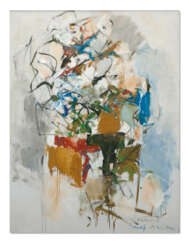

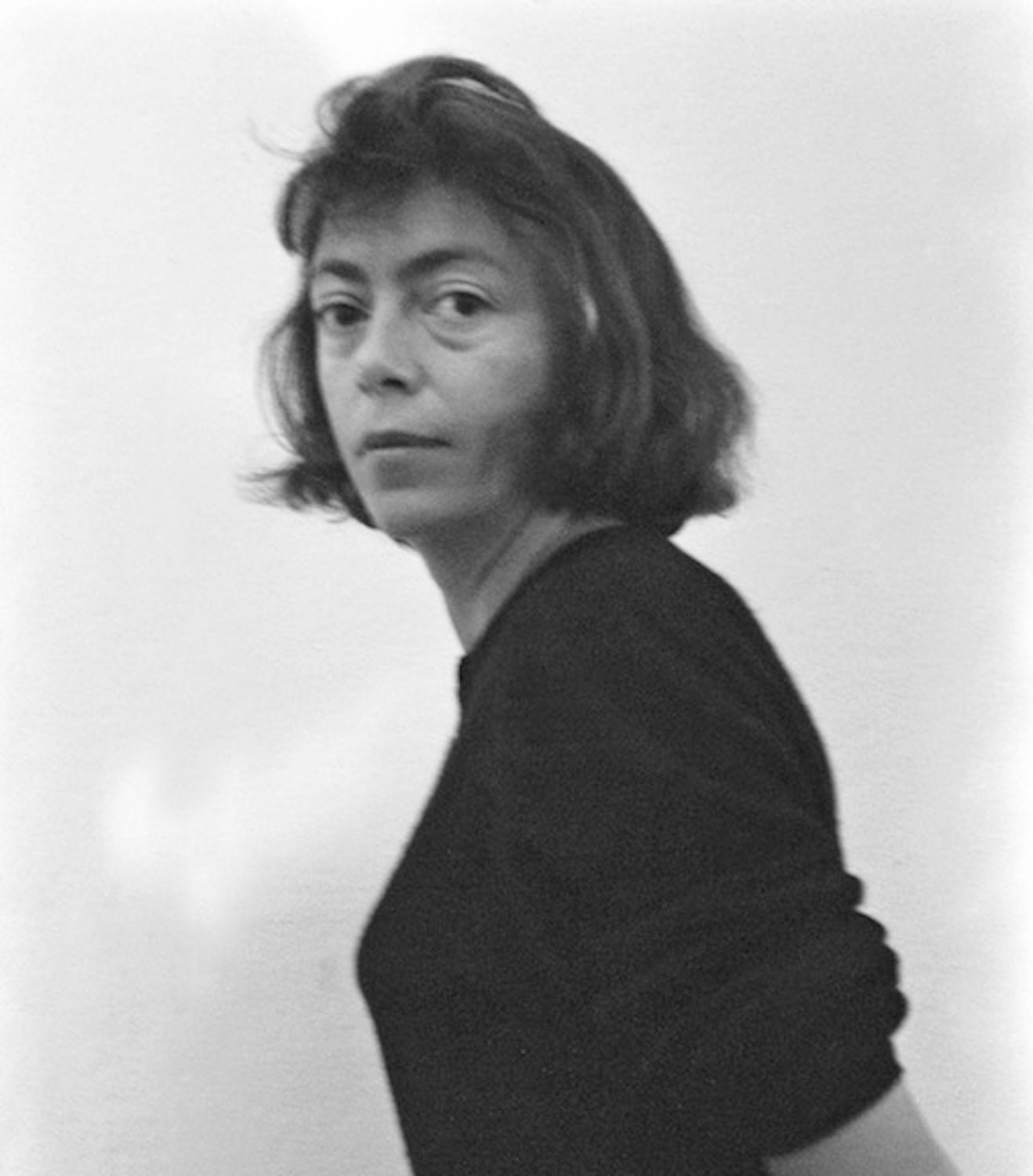
Joan Mitchell was an American painter, celebrated for her pivotal role in the Abstract Expressionist movement. Born in Chicago in 1925, Mitchell's work transcends the traditional boundaries of art, blending intense emotion with a deeply personal use of color and gesture. Her canvases are vast arenas where light, color, and texture merge to evoke landscapes, memories, and emotions. Unlike many of her contemporaries, Mitchell's art was not just about the act of painting but about capturing the essence of her experiences and emotions, making her a unique voice in 20th-century art.
Mitchell's paintings, characterized by their vibrant colors and dynamic brushstrokes, have been exhibited in some of the world's most prestigious museums and galleries. Notable works like "Hudson River Day Line" and "Bracket" found homes in institutions such as the Denver Art Museum and the San Francisco Museum of Modern Art (SFMOMA), respectively. These pieces exemplify Mitchell's ability to convey the complexity of nature and emotion, bridging the gap between abstract expressionism and the lyrical landscapes that inspired her.
Despite her critical acclaim, Mitchell's work was initially overshadowed by her male peers, selling for a fraction of their value. However, the 21st century has seen a significant reassessment of her contributions, with her paintings now commanding millions at auction. This shift is part of a broader reevaluation of women and minority artists in the art historical canon, reflecting changing perspectives on gender and creativity. Collectors and experts in art and antiques now recognize Joan Mitchell as a titan of post-war American painting, whose works continue to inspire and captivate audiences worldwide.
For those intrigued by the legacy of Joan Mitchell and the dynamic world of abstract expressionism, we invite you to sign up for updates. Our subscription service will keep you informed about new product sales and auction events related to Joan Mitchell's art, offering exclusive insights into one of the most influential artists of the 20th century.
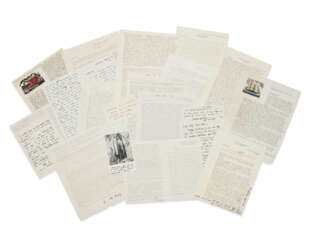

Lyonel Charles Adrian Feininger was an American-German artist renowned for his unique integration of Expressionism, Cubism, and Bauhaus principles. His body of work, which spans several critical decades in modernism's development, is celebrated for its distinctive blend of architectural and nautical motifs, articulated through planar shifts and jagged lines of Cubism, with a vibrant Orphist color palette.
Lyonel Feininger's journey as an artist began in earnest when he was 36, becoming a pivotal figure in various German expressionist groups and a founding member of the Bauhaus, where he led the printmaking workshop. His art, which also includes significant contributions to caricature and photography, explores the intricate relationship between humanity and industrialization, evident in his depictions of architectural and mechanized forms.
His work was subject to Nazi criticism, being labeled as "degenerate," which led to his return to the United States, where he continued to evolve his artistic style. Posthumously, Lyonel Feininger's art has been the focus of several retrospectives, and his pieces, like "Jesuits III," continue to fetch high figures at auctions, underscoring his lasting impact on the art world.
Notably, Lyonel Feininger's "Cathedral" woodcut, representing the Bauhaus's utopian vision, remains one of his most iconic works, symbolizing the integration of art and craftsmanship with its avant-garde yet traditional approach. His legacy is further carried by his sons, Andreas and T. Lux Feininger, who also made their marks in the arts.
For collectors and art and antiques experts, Feininger's work represents a fascinating intersection of various art movements and a testament to the enduring nature of expressive and innovative artistry. To stay updated on new product sales and auction events related to Lyonel Feininger, consider signing up for updates, ensuring you're informed about the latest opportunities to engage with his enduring legacy.


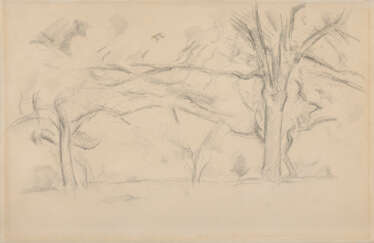

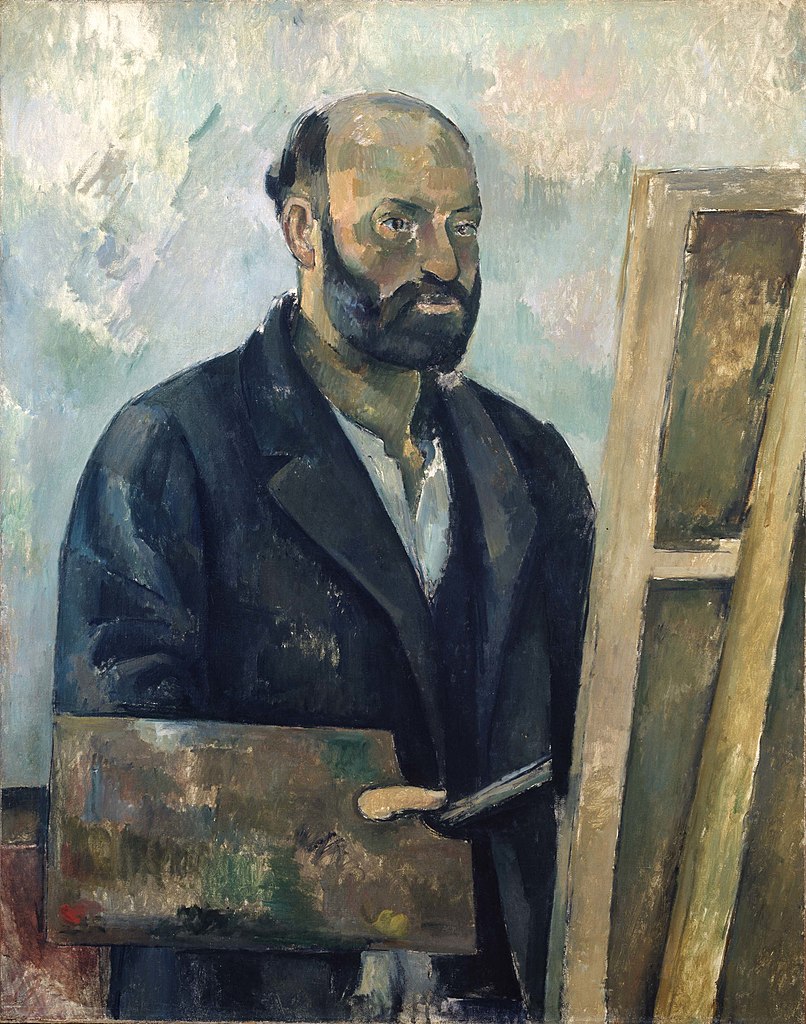
Paul Cézanne, a French Post-Impressionist painter, was pivotal in shaping the transition from 19th-century art to a new, revolutionary approach in the 20th century. His unique and exploratory brushstrokes, utilizing planes of color to form complex fields, made his work instantly recognizable and influential in the development of Cubism.
Cézanne’s early works, influenced by Romanticism and Realism, evolved into a groundbreaking artistic language. He challenged traditional perspective and academic art rules, focusing on objects' structural aspects and art's formal qualities. This approach led to a renewed emphasis on impressionistic color space and modulation principles.
His most notable works, like “Mont Sainte-Victoire,” “The Card Players,” and “The Bathers,” display his mastery in creating depth and dimension through color gradations. These paintings, initially met with skepticism, eventually cemented Cézanne’s reputation as a pioneering artist. His exhibitions, particularly the one-man show by dealer Ambroise Vollard in 1895, played a critical role in his recognition.
Cézanne’s impact on art history is profound, with greats like Henri Matisse and Pablo Picasso acknowledging him as a significant influence. His exploration of geometric forms and innovative use of light and color laid the groundwork for subsequent movements, particularly Cubism.
For collectors and art experts, Cézanne's works are more than just paintings; they are pivotal chapters in the narrative of modern art. His creations, bridging Impressionism and Cubism, continue to inspire and challenge contemporary artists.
To stay updated on new product sales and auction events related to Paul Cézanne, sign up for our updates. This subscription ensures you remain informed about the latest developments in the world of this revolutionary artist.







![[A.A. Milne (1882-1956)] – Harold Fraser-Simson (1872-1944)](/assets/image/picture_3643956/6f5d2/mij7uwfdeeblhcf0ctlbfifnudojxowqxsnqqgo28kn9dc79s-cujk2pwmcrf31701505461jpg__fix_374_244.jpeg)
![[A.A. Milne (1882-1956)] – Harold Fraser-Simson (1872-1944)](https://veryimportantlot.com/assets/image/picture_3643956/6f5d2/mij7uwfdeeblhcf0ctlbfifnudojxowqxsnqqgo28kn9dc79s-cujk2pwmcrf31701505461jpg__fix_374_244.jpeg)
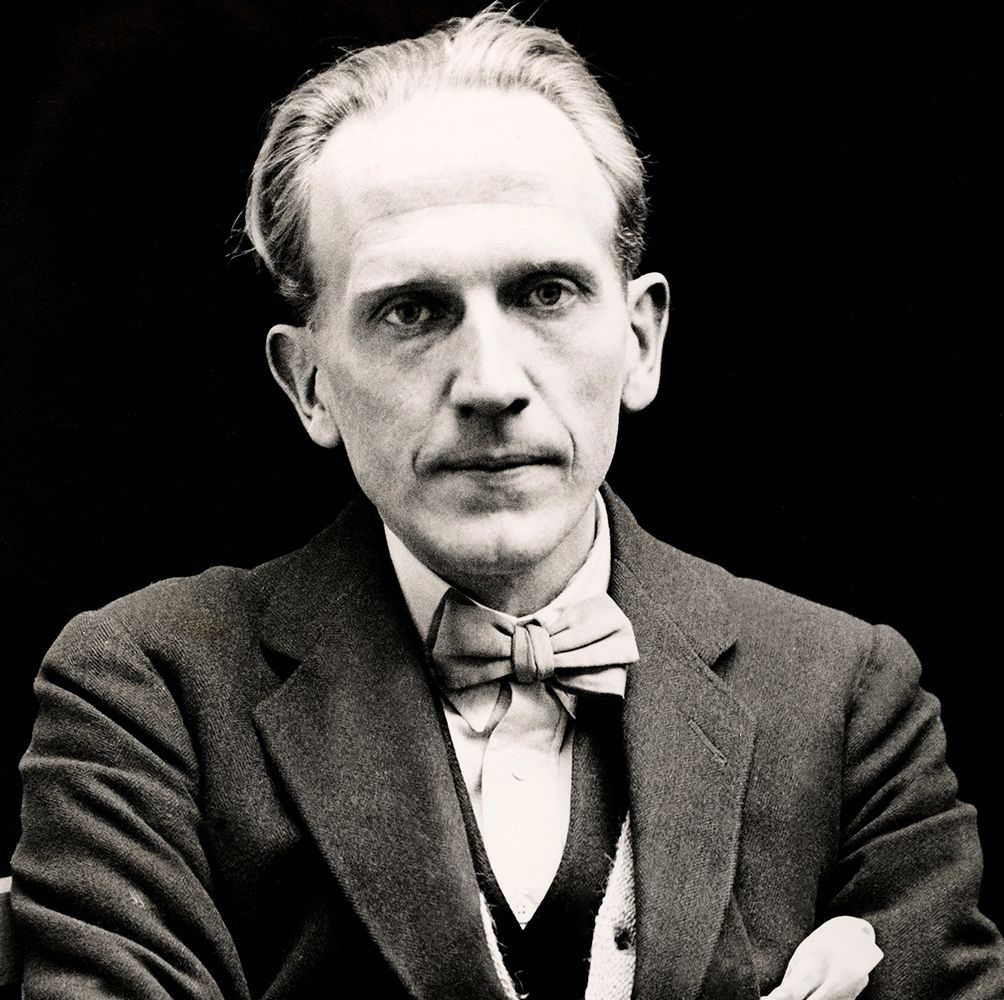
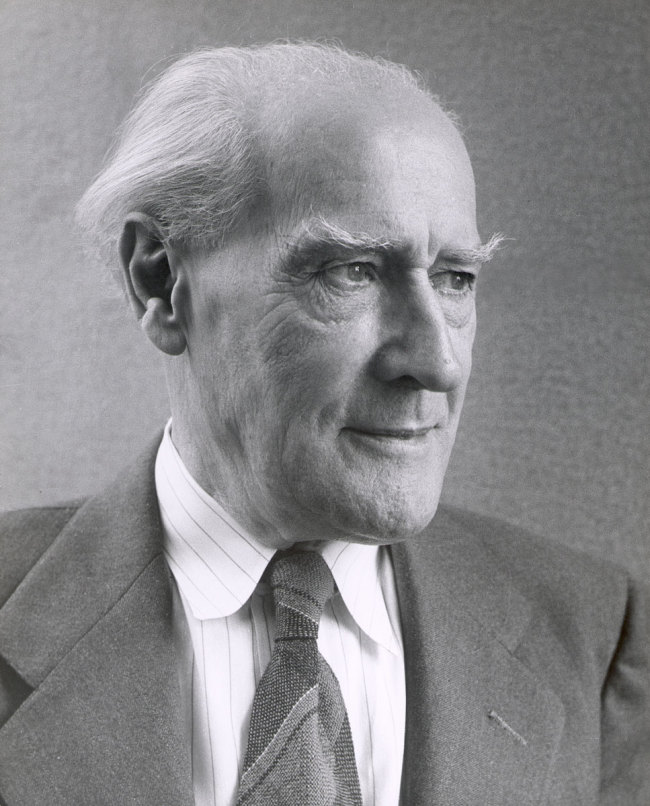
Alan Alexander Milne was a British journalist, playwright and children's author.
While studying at Trinity College, Cambridge, Milne began writing for Granta magazine, and in 1906 he joined the humor magazine Punch, where he wrote humorous poems and quirky essays until 1914. During World War I he served as a communications officer, and afterward, in 1920, Milne had a son, Christopher Robin, whose name soon became known to the world.
From 1921 Milne wrote several comedy plays and also began writing children's poetry and prose for his young son, having finally found his calling. Milne's major successes were his books Winnie the Pooh (1926) and The House on Pooh Corner (1928). These two volumes tell the adventures of a boy named Christopher Robin and his playmates - animals that were "born" from the toys of the real Christopher Robin. The central character is Winnie the Pooh Bear, accompanied by the fussy Rabbit, the sullen Donkey Ia, the bouncy tiger Tigger, the kind kangaroo Kanga and her baby Roo, the wise Owl and the timid Piglet. The adventures of Pooh and his friends in the forest of One Hundred Acres with illustrations by Ernest Shepard became bestsellers.
They were translated into different languages of the world and reprinted many times, filmed cartoons. In 1929 Milne adapted another children's classic, Kenneth Graham's The Wind in the Willows, for stage production as Toad of Toad Hall. Ten years later he wrote an autobiography, Now It's Too Late.