studios for rent san francisco


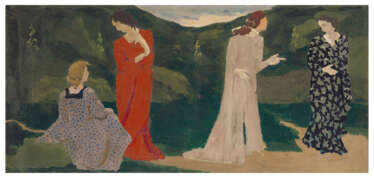

Ker-Xavier Roussel was a French painter, renowned for his distinctive post-impressionist style and his affiliation with the Nabis, an avant-garde artist group. Born in 1867, Roussel's artistic journey began in his teens and continued robustly into the 20th century, leaving a legacy celebrated for its mythological and bucolic themes.
Roussel's art is characterized by its vivid portrayal of mythological scenes and landscapes, often infused with a sense of eroticism and joy. His work frequently depicts Greek myths set against the backdrop of the Mediterranean, featuring figures like women, nymphs, centaurs, and fauns. These large, brightly colored paintings, such as "Rural Festival, Summer" and "The Seasons of Life," marked a departure from the smaller formats typical of the Nabis, showcasing his evolution towards a more expansive and expressive style.
A master of pastels, Roussel's work from the 1890s, such as "La Barrière," displayed at the Musée d'Orsay, reflects the Nabi style with its Japanese print influences, absence of perspective, and contrasting values. His later works, created between 1930 and 1944, often depicted violent mythological deaths, revealing a darker aspect of his artistic expression.
Roussel's contributions extended beyond canvas, as he created large paintings for public spaces and private clients, including a significant panel for the Palais des Nations in Geneva and the front curtain of the Théâtre des Champs-Élysées. His recognition peaked in the 1930s, with a multi-panel scheme for the Palais de Chaillot and winning the Carnegie Prize for art in 1926.
Despite a period of obscurity, Roussel's work regained attention through exhibitions like "Ker-Xavier Roussel, Private Garden, Dreamed Garden" at the Musée des Impressionnismes in Giverny, showcasing his significant contributions to art history.
For art collectors and experts, understanding Roussel's work offers insights into the evolution of post-impressionism and the Nabis' influence on modern art. His unique blend of mythological themes and vibrant landscapes represents an important chapter in art history. For those interested in exploring Roussel's work further or keeping updated on related art sales and auctions, signing up for updates is a valuable opportunity to deepen your engagement with this influential artist's legacy.
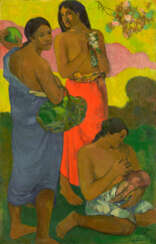


Paul Gauguin, a French artist born in Paris in 1848, is renowned for his significant contributions to Post-Impressionism, Primitivism, and Synthetism. Gauguin's art is distinguished by his experimental use of color and style, which set him apart from the traditional Impressionist movement.
Gauguin's early life was marked by a period in Peru, which influenced his artistic perspective. Initially, he pursued a career in stockbroking but soon turned to art, driven by financial necessity and a growing passion. His artistic journey began under the mentorship of Impressionist artist Camille Pissarro and through exposure to the works of other avant-garde artists.
The hallmark of Gauguin's work is his exploration of non-Western cultures, particularly during his time in Tahiti and the Marquesas Islands. This period saw the creation of some of his most famous works, including "Where Do We Come From? What Are We? Where Are We Going?" His paintings from this era, characterized by vivid colors and Symbolist themes, reflect a fusion of cultural influences and his quest for a "primitive" expression of spiritual and emotional states.
Despite his innovative style, Gauguin struggled with financial difficulties and health issues throughout his life. His work received little recognition during his lifetime, but posthumously, he gained acclaim for influencing modern artists like Pablo Picasso and Henri Matisse.
Today, Gauguin's works are celebrated in galleries and museums worldwide for their unique blend of cultural influences and artistic innovation. His enduring legacy is a testament to his unique vision and the profound impact he had on the art world.
Collectors and experts in art and antiques, stay updated on new product sales and auction events related to Paul Gauguin. Sign up now for exclusive updates and immerse yourself in the world of this visionary artist.
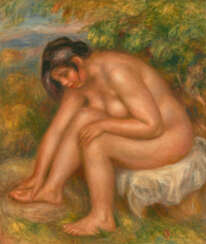

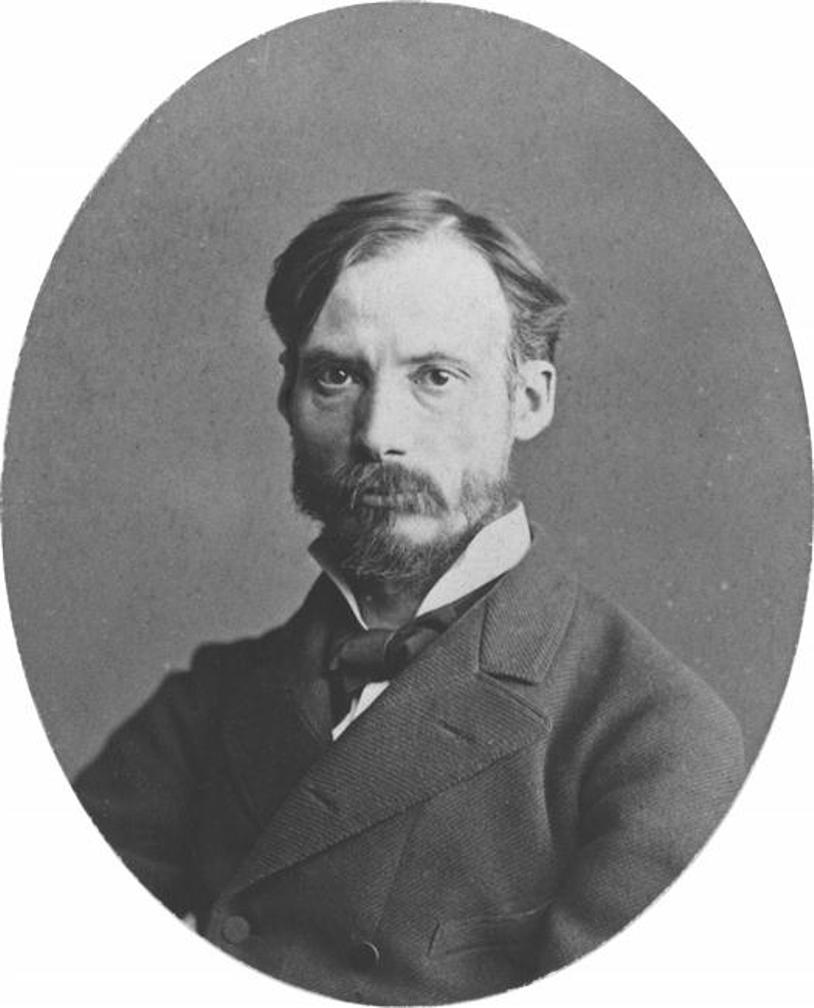
Pierre-Auguste Renoir was a French artist, celebrated as a pivotal figure in the development of the Impressionist movement. Born in Limoges, France, in 1841, Renoir's early experiences in Paris and his apprenticeship as a porcelain painter laid the foundation for his illustrious career in art. His transition to painting was marked by an early fascination with the play of light and color, which became a hallmark of his work. Renoir's paintings are renowned for their vibrant light and saturated color, often focusing on people in intimate and candid compositions. This focus on beauty and a particular affinity for capturing the sensuality of the female form distinguished his work from his contemporaries.
Renoir's contributions to Impressionism were significant, characterized by his use of bright colors and a technique that captured the movement and luminosity of the scene. His evolution as an artist saw him experimenting with a more linear and classical style, especially after his travels to Italy, where he was deeply influenced by the Renaissance masters. Despite facing personal challenges, including severe rheumatoid arthritis in his later years, Renoir's passion for painting never waned. His determination saw him adapting his painting technique to his physical limitations, ensuring that his creative output remained prolific until his death in 1919.
Among Renoir's notable works are "Bal du moulin de la Galette" (1876), "Luncheon of the Boating Party" (1880), and "Girls at the Piano" (1892). These masterpieces exemplify the essence of Impressionist art with their depiction of light, movement, and everyday life. Renoir's works are housed in prestigious museums around the world, serving as a testament to his enduring legacy in the realm of art.
For art collectors and experts, Renoir's oeuvre represents an essential segment of the Impressionist movement, offering insights into the evolution of modern art. His mastery in portraying the beauty of the moment and the depth of human emotion continues to captivate and inspire audiences worldwide.
If you are passionate about collecting or studying the works of Pierre-Auguste Renoir, we invite you to sign up for updates on new product sales and auction events related to this iconic artist. Stay informed about the opportunity to own a piece of art history and deepen your appreciation for the rich tapestry of culture and art that Renoir helped weave.
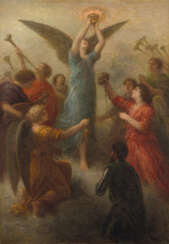

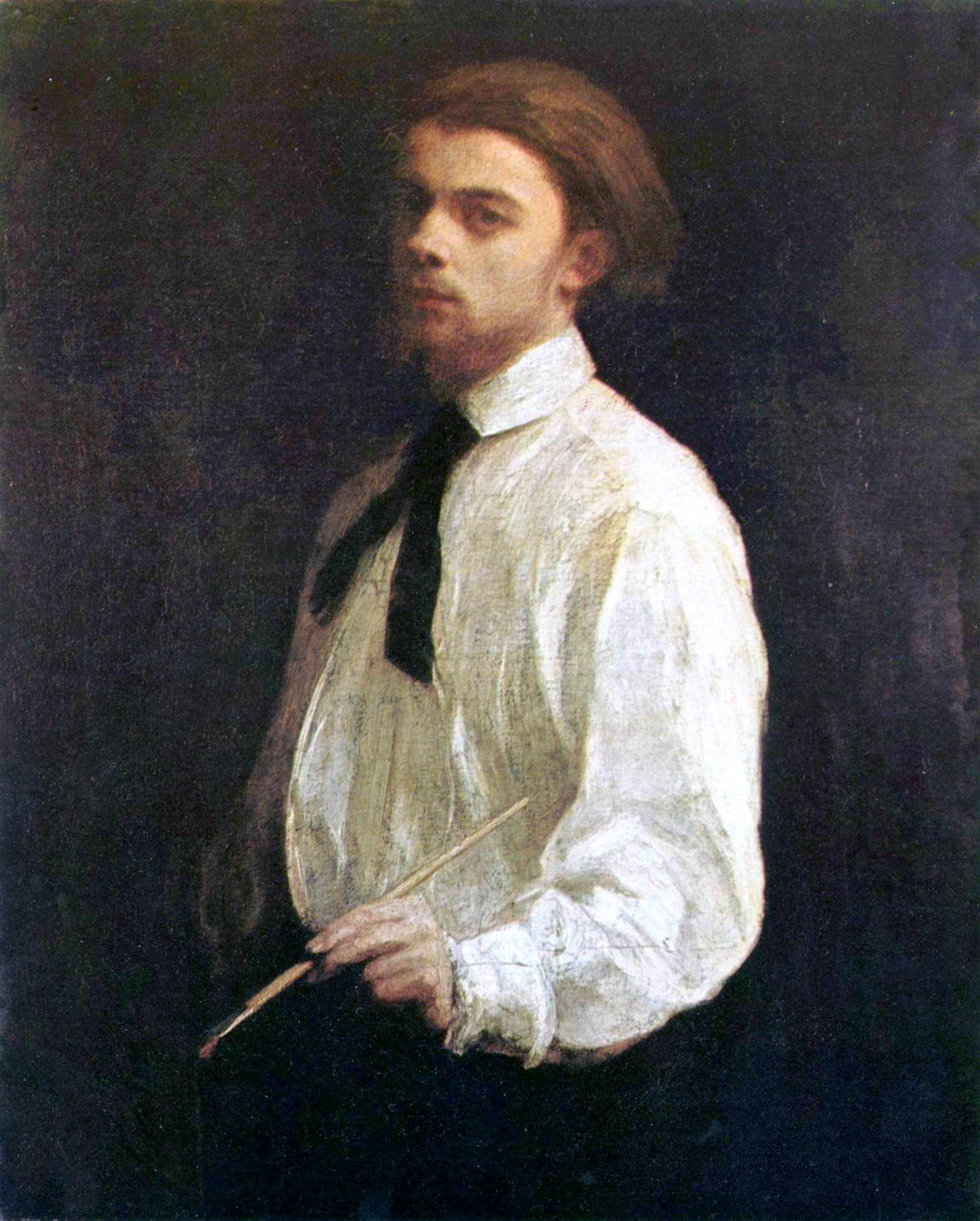
Henri Fantin-Latour was a French painter and lithographer renowned for his exquisite flower paintings and insightful group portraits of Parisian artists and writers. His artistic journey began in Grenoble, where he was born in 1836, but it flourished in Paris, where he moved at a young age to study art. Despite his associations with Impressionists like Édouard Manet and Claude Monet, Fantin-Latour carved his unique path, focusing on still life and portraiture rather than adopting the Impressionist style.
Henri Fantin-Latour's knack for capturing the essence of his subjects is evident in his group portraits, which were not just mere representations but insightful depictions of the artistic and literary circles of his time. His notable works like "A Studio at Les Batignolles" illustrate the camaraderie among artists like Manet, Renoir, and Monet, offering a window into the vibrant Parisian art scene of the 19th century. His still lifes, particularly his flower paintings, are celebrated for their realism and delicate precision, making them a favorite among collectors and art enthusiasts.
In addition to his painting, Henri Fantin-Latour's lithographs, inspired by classical music and imbued with a poetic and symbolic quality, reveal another dimension of his talent, showcasing his ability to transcend the boundaries of realism and delve into the realm of imagination.
For art collectors and experts, Henri Fantin-Latour's works offer a blend of technical mastery and a deep understanding of the interplay between art, music, and literature. His contributions to the art world are remembered and celebrated in museums around the globe, where his works continue to inspire and captivate audiences.
For those interested in exploring more about Henri Fantin-Latour's life and works, visiting exhibitions or keeping abreast of auctions featuring his art can provide valuable insights into his creative genius. To stay updated on related events and opportunities, consider subscribing to updates from art institutions or galleries specializing in 19th-century French art.
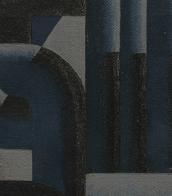
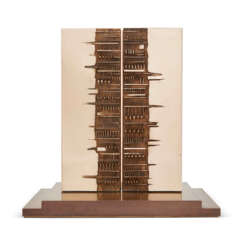

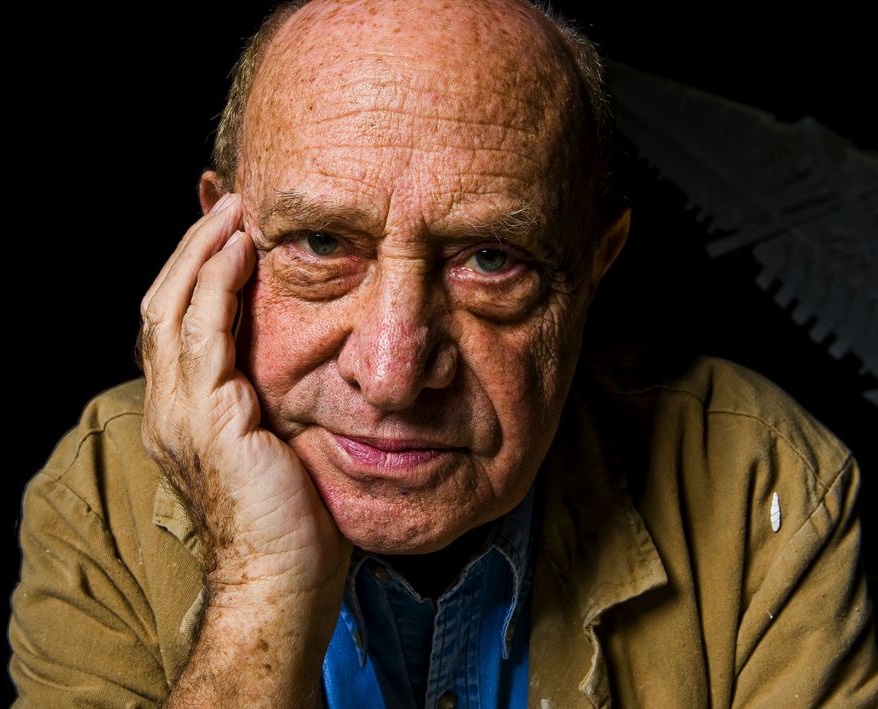
Arnaldo Pomodoro is an Italian sculptor. He was born in Morciano, Romagna, and lives and works in Milan. His brother, Giò Pomodoro (1930-2002) was also a sculptor.
Pomodoro designed a controversial fiberglass crucifix for the Cathedral of St. John the Evangelist in Milwaukee, Wisconsin. The piece is topped with a fourteen-foot diameter crown of thorns which hovers over the figure of Christ.
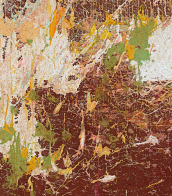

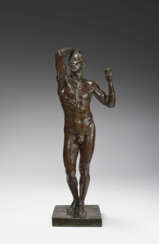

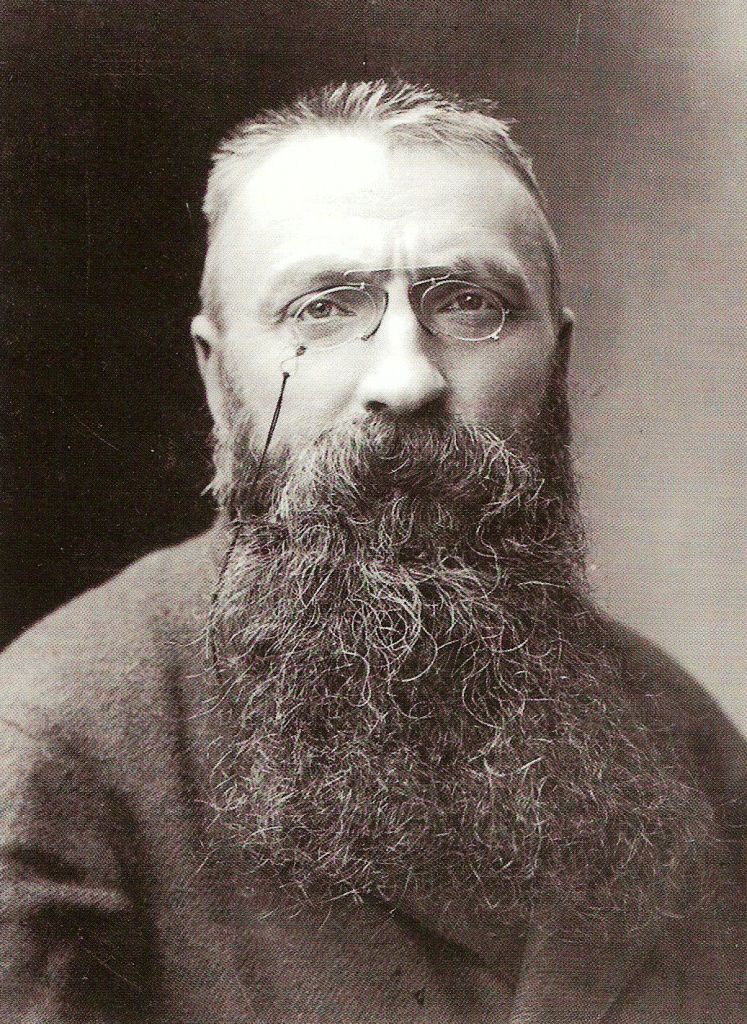
François Auguste René Rodin was a French sculptor, generally considered the founder of modern sculpture. He was schooled traditionally and took a craftsman-like approach to his work. Rodin possessed a unique ability to model a complex, turbulent, and deeply pocketed surface in clay. He is known for such sculptures as The Thinker, Monument to Balzac, The Kiss, The Burghers of Calais, and The Gates of Hell.
Many of Rodin's most notable sculptures were criticized, as they clashed with predominant figurative sculpture traditions in which works were decorative, formulaic, or highly thematic. Rodin's most original work departed from traditional themes of mythology and allegory. He modeled the human body with naturalism, and his sculptures celebrate individual character and physicality. Although Rodin was sensitive to the controversy surrounding his work, he refused to change his style, and his continued output brought increasing favor from the government and the artistic community.
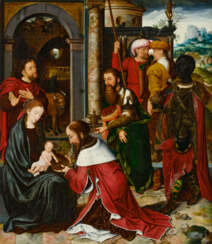

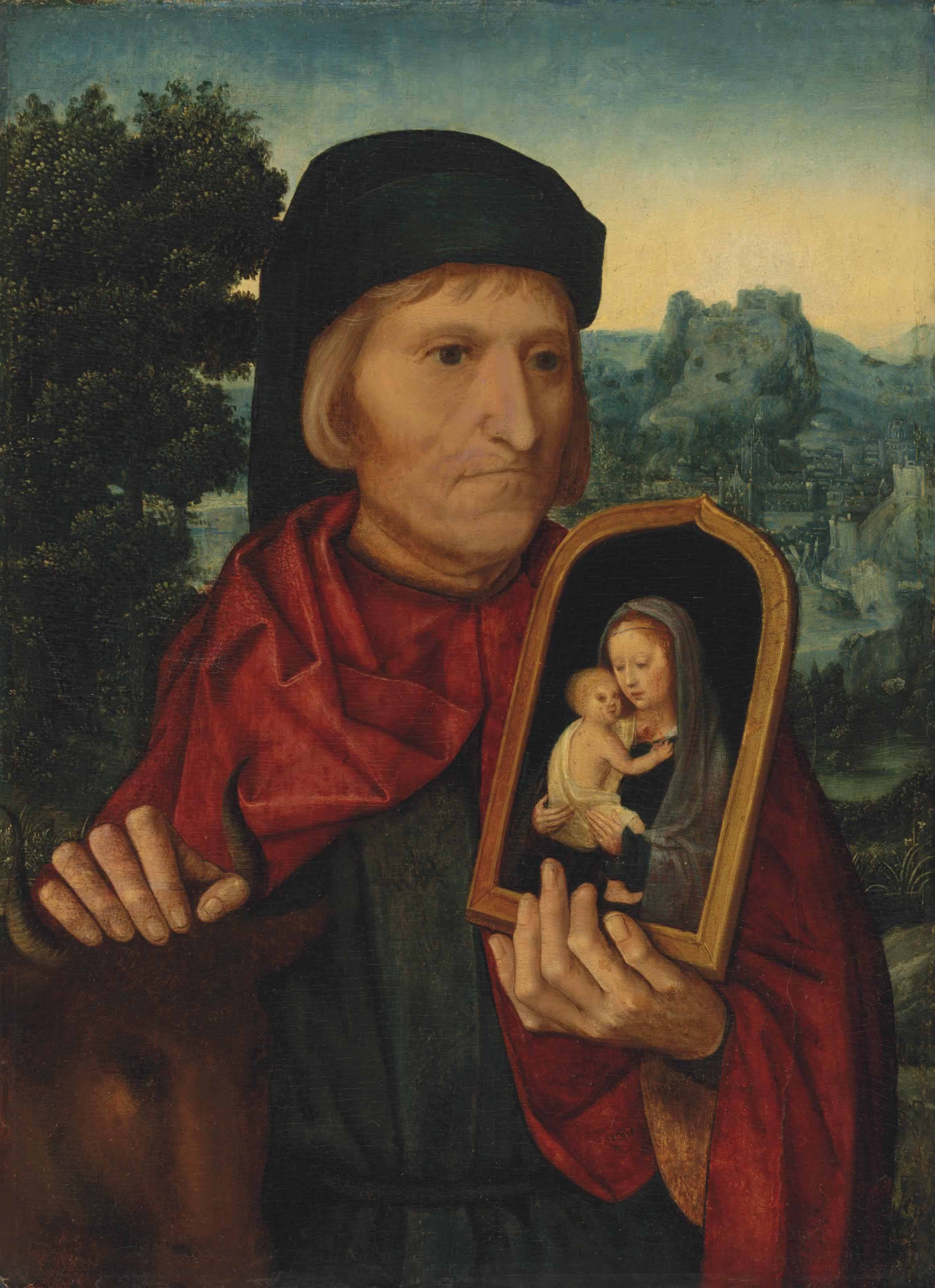
Ambrosius Benson was an Italian painter who became a part of the Northern Renaissance.
While many surviving paintings have been attributed, there is very little known of him from records, and he tended not to sign his work. He is believed to be responsible for mainly religious art, but also painted portraits on commission. He sometime painted from classical sources, often setting the figures in modern-dress, or a contemporary domestic setting. In his lifetime he was successful; he had a large workshop, his work was sold internationally and he was especially popular in Spain.

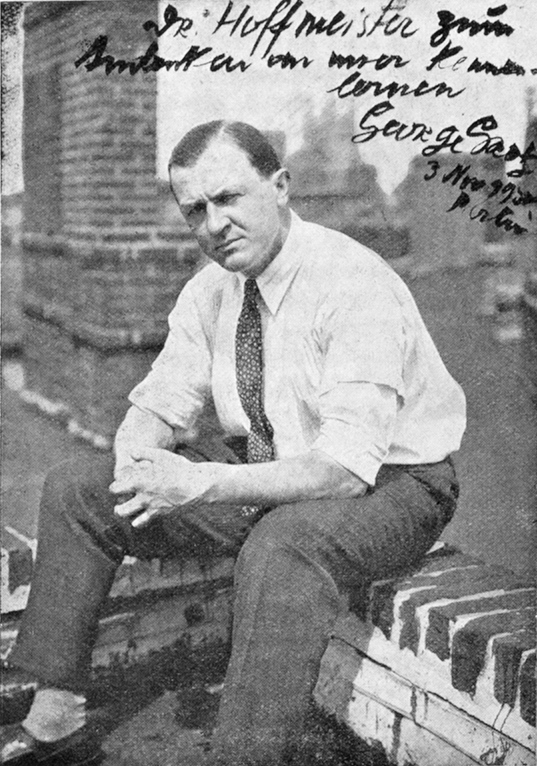
George Grosz was a twentieth-century German painter, graphic artist, and cartoonist. In his work one can find features of various styles of avant-garde art, including Dadaism, Expressionism, and Futurism.
George Grosz drew in every style in a sharp-grotesque and satirical spirit, ridiculing the vices of society. The erotic theme, which occupied a prominent place in Gross's work, was executed in the same spirit.
Grosz devoted more than 20 years to teaching at the Art Students League of New York, and was elected an honorary member of the American and Berlin Academies for his outstanding services to the arts.
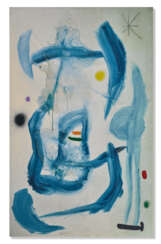

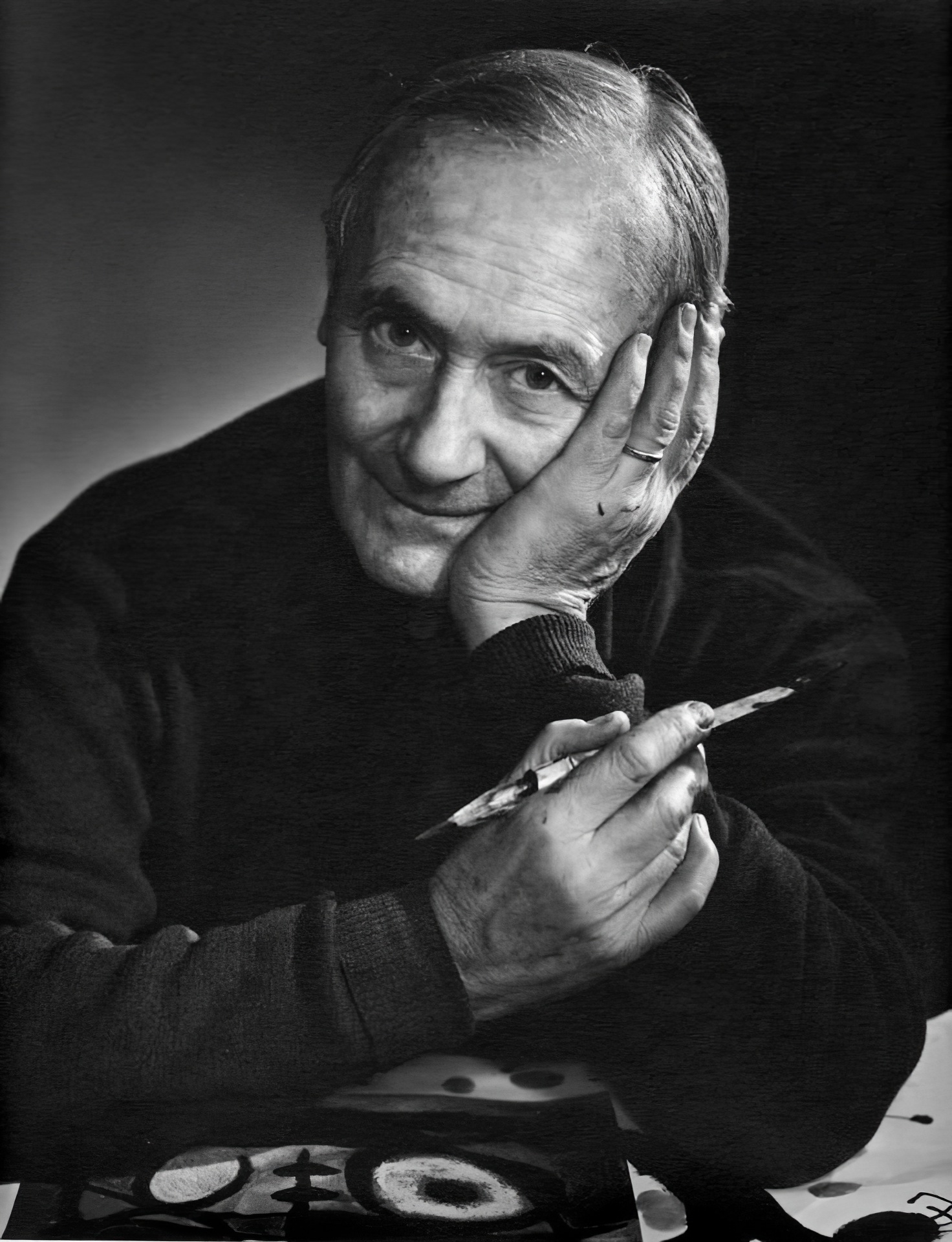
Joan Miró, a celebrated Spanish artist, was a master in painting, sculpture, and ceramics, renowned for his unique style that blurred the lines between Surrealism, Fauvism, and Expressionism. Born in Barcelona to a family of a goldsmith and a watchmaker, Miró grew up immersed in the rich cultural heritage of the Barri Gòtic neighborhood. His artistic journey began with drawing classes at the age of seven and continued at the prestigious La Llotja art academy. Despite an initial venture into the business world, Miró's passion for art prevailed, leading him to abandon his clerical career after a nervous breakdown.
Miró's work is noted for its exploration of the subconscious, often depicting a childlike perspective. This approach was both a critique of traditional painting methods and a means of expressing Catalan pride. His art, challenging to categorize, often featured symbolic elements and nationalistic qualities. One of his notable early works, "The Farm," reflects a transition to a more individual style, blending elements of his Catalan roots with broader artistic influences. This piece, later purchased by Ernest Hemingway, encapsulated the essence of Spain in its imagery.
In Paris, Miró joined the Surrealist movement in 1924, where his work began to reflect the influence of automatism, emphasizing spontaneous, automatic, or subconscious creation. He experimented with various mediums, including painting-poetry and collage, and even ventured into set and costume design for Sergei Diaghilev's Ballets Russes.
During World War II, Miró remained in Spain, and his work from this period, including the 22 Constellations series, reflected an interest in the night, music, and stars. His forms became increasingly abstracted, and he experimented with various techniques, often incorporating primary colors and evocative titles.
Miró's career spanned several decades, during which he continually evolved his style and explored new mediums. His contributions to art were recognized with numerous awards and retrospectives, including a major career retrospective at MoMA in 1941 and the Spanish Gold Medal for Fine Arts in 1980. Among his last major works was a tapestry for the World Trade Center in New York City, created in 1974.
For art collectors and enthusiasts, Joan Miró remains a figure of immense interest, not only for his distinct style and contributions to Surrealism but also for his ability to blend poetic imagery with political commentary. To stay updated on new product sales and auction events related to Joan Miró, sign up for our updates and immerse yourself in the world of this extraordinary artist.