the big project


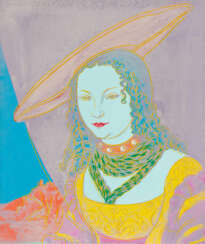

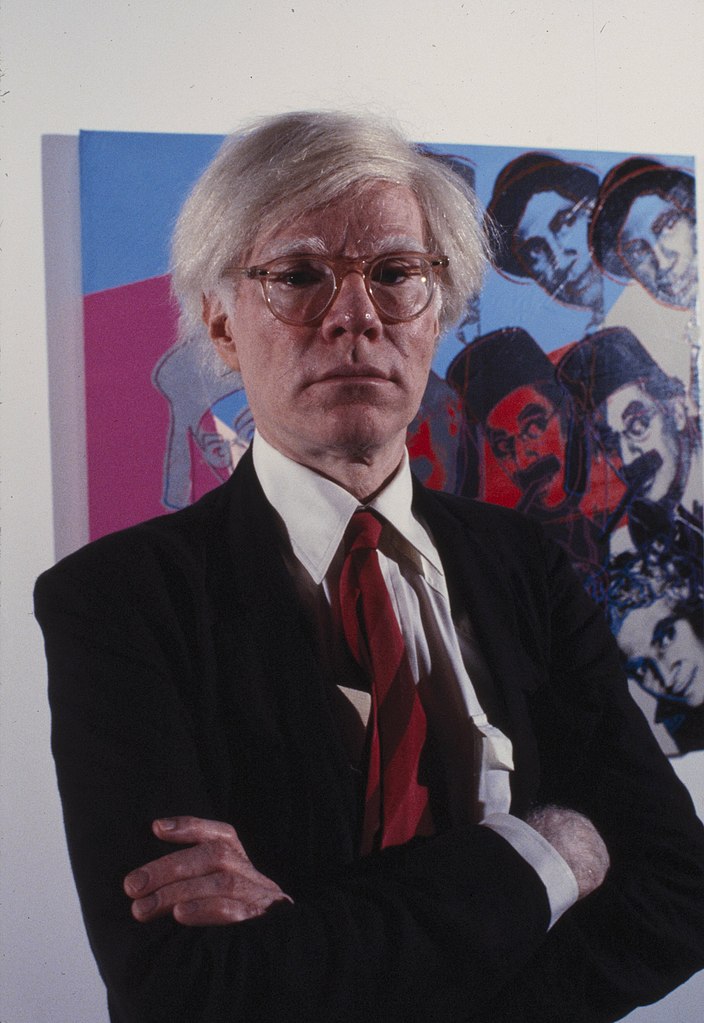
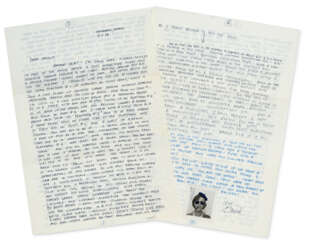
Andy Warhol, born as Andrew Warhola Jr., was an American visual artist, film director, and producer, who played a pivotal role in the development of the Pop Art movement. His art delved into the interplay between artistic expression, advertising, and celebrity culture, especially prevalent in the 1960s. Warhol was renowned for his diverse range of media, which included painting, silkscreening, photography, film, and sculpture.
Warhol's journey began in Pittsburgh, where he was born and raised, initially making a name for himself as a commercial illustrator. His New York studio, "The Factory," became a famous hub for intellectuals, celebrities, and various artistic minds. He was known for creating the notion of "Warhol superstars" and popularized the phrase "15 minutes of fame."
His contribution to the art world is significant, with notable works like "Campbell's Soup Cans" (1962) and "Marilyn Diptych" (1962), as well as his experimental films like "Empire" (1964) and "Chelsea Girls" (1966). These works not only define his career but also underscore the essence of the Pop Art movement.
Warhol's influence extended beyond his artwork. He managed and produced the experimental rock band The Velvet Underground, founded Interview magazine, and wrote several books, including "The Philosophy of Andy Warhol" and "Popism: The Warhol Sixties." Living openly as a gay man before the gay liberation movement, Warhol's personal life was as influential as his professional endeavors.
Tragically, Warhol's life was nearly cut short in 1968 when he was shot by radical feminist Valerie Solanas. He eventually passed away in 1987 due to cardiac arrhythmia following gallbladder surgery. His legacy continues, with The Andy Warhol Museum in Pittsburgh standing as the largest U.S. museum dedicated to a single artist.
Warhol's art remains highly collectible and valuable. His works, like the "Silver Car Crash (Double Disaster)" and "Shot Sage Blue Marilyn," have fetched staggering amounts at auctions, signifying his enduring impact on the art market.
For art collectors and experts, Andy Warhol's work represents a crucial intersection of pop culture and fine art, offering a unique perspective on consumerism and celebrity. His pieces are not just art; they are historical landmarks that capture a transformative era in both art and society.
To stay updated on new products, sales, and auction events related to Andy Warhol, sign up for our updates. This subscription will keep you informed about all things Warhol without overwhelming you with unnecessary information.


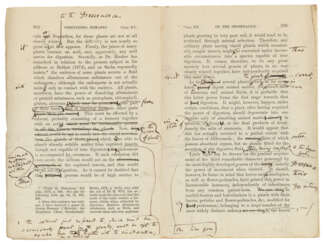

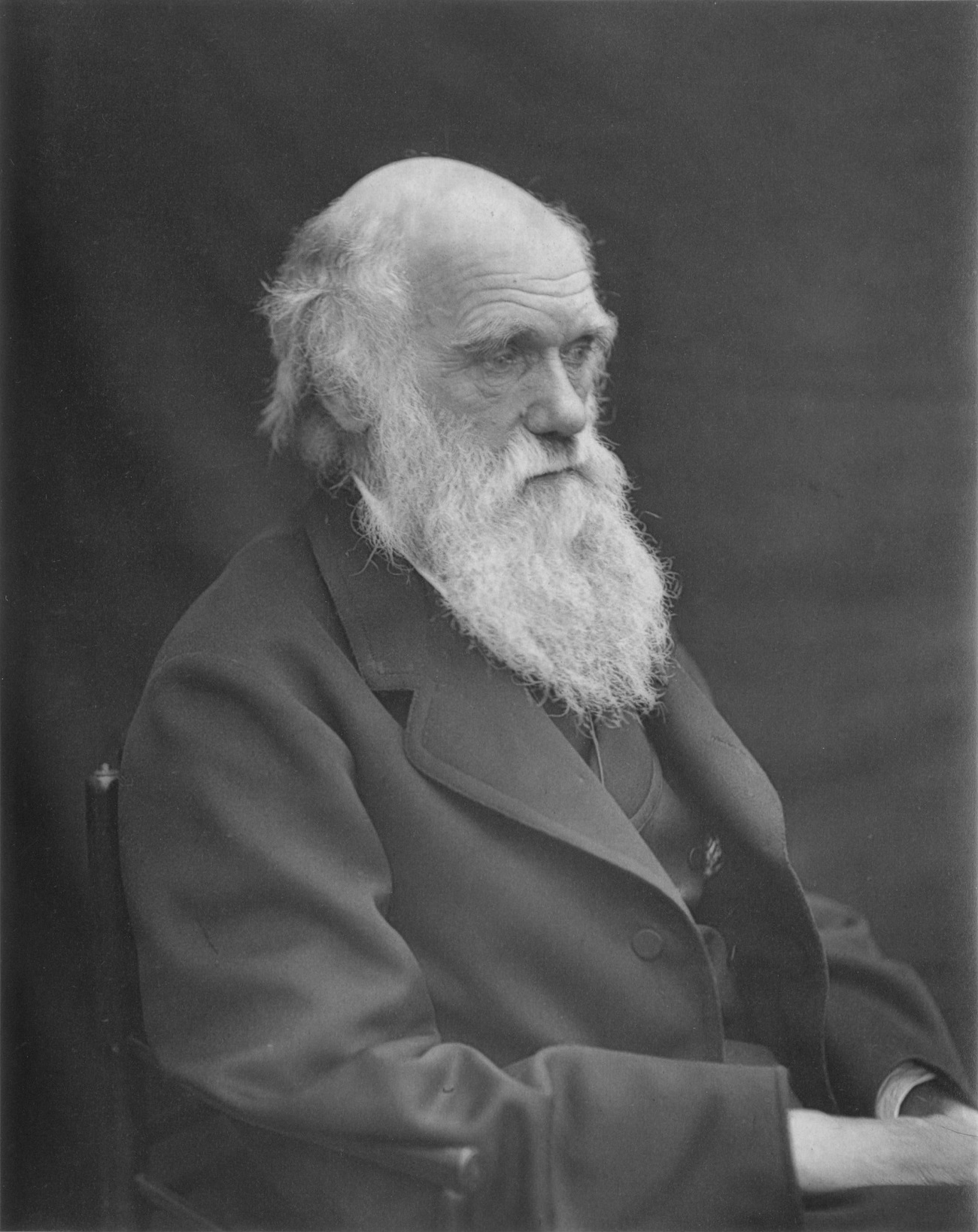
Charles Robert Darwin was an English naturalist, geologist, and biologist, widely known for contributing to the understanding of evolutionary biology. His proposition that all species of life have descended from a common ancestor is now generally accepted and considered a fundamental concept in science. In a joint publication with Alfred Russel Wallace, he introduced his scientific theory that this branching pattern of evolution resulted from a process that he called natural selection, in which the struggle for existence has a similar effect to the artificial selection involved in selective breeding. Darwin has been described as one of the most influential figures in human history, and he was honoured by burial in Westminster Abbey.
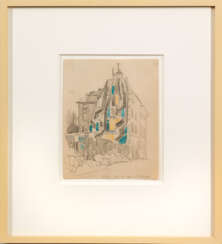
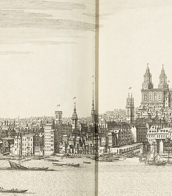
![[KIP, Johannes (1653-1722)]](/assets/image/picture_4084610/b617b/oqtjcshcrhwniwtjkkvlkioqif9iul5zfjdxyzymzrlnkxihq336ktfls0waxn1719907471jpg__fix_374_244.jpeg)
![[KIP, Johannes (1653-1722)]](https://veryimportantlot.com/assets/image/picture_4084610/b617b/oqtjcshcrhwniwtjkkvlkioqif9iul5zfjdxyzymzrlnkxihq336ktfls0waxn1719907471jpg__fix_374_244.jpeg)



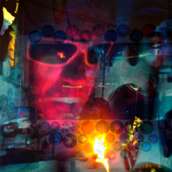








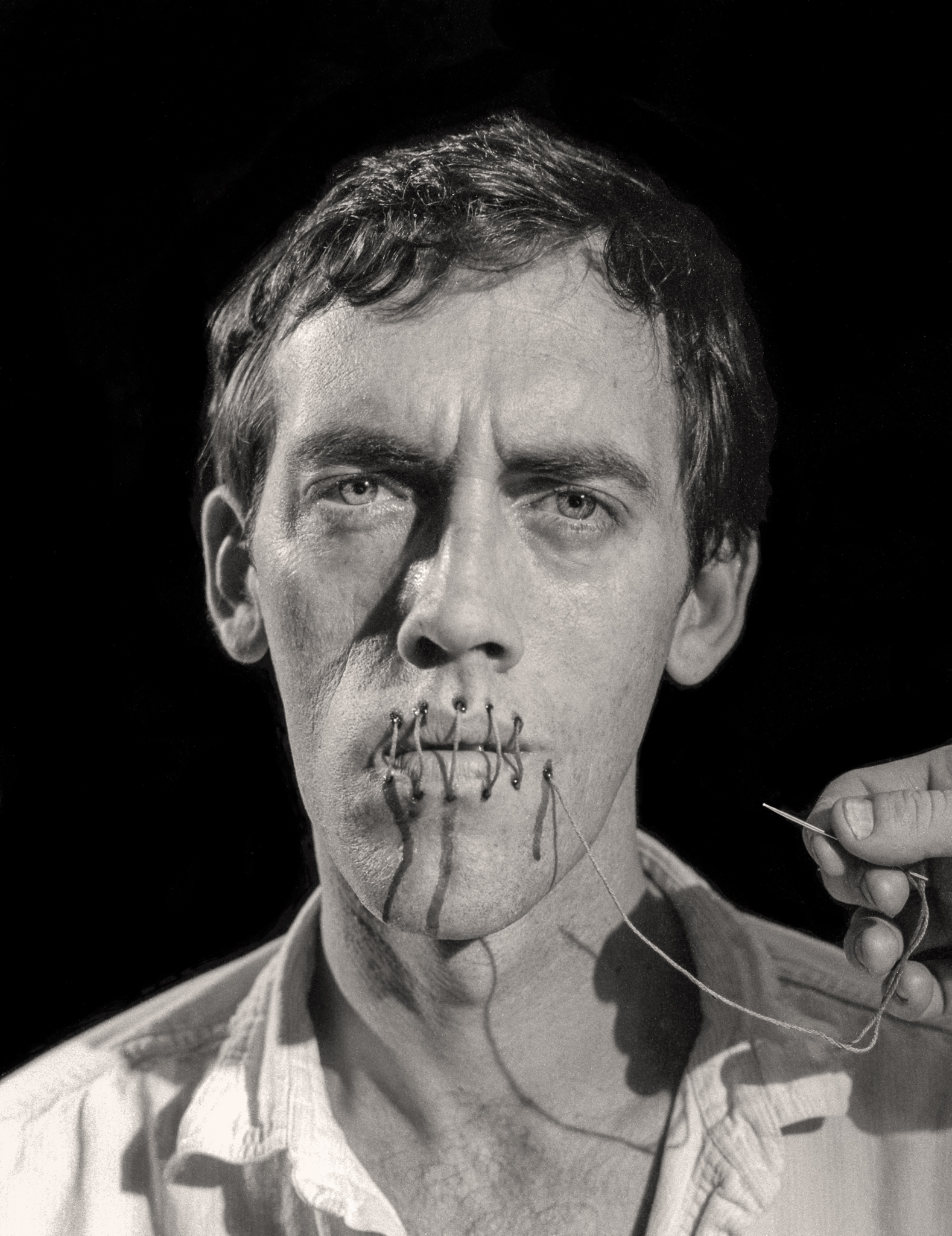
David Wojnarowicz was an American artist known for his multifaceted work, which included painting, film, video, performance, writing, and music. His art often addressed themes such as society's fragmentation, consumerism, and the juxtaposition of natural and industrial landscapes. After being diagnosed with AIDS at 33, Wojnarowicz's work became more activist-oriented, focusing on his sexuality and his illness, as exemplified in his piece "Untitled," also known as "One Day This Kid".
David Wojnarowicz's childhood was tumultuous, marked by abuse and neglect, which profoundly influenced his later work. Despite dropping out, he eventually completed his high school education and immersed himself in New York's underground art scene. His art from the 1980s, particularly after the death of his mentor and close friend Peter Hujar, increasingly addressed AIDS and became more politically charged.
His legacy includes notable works like "A Fire in My Belly," which sparked controversy and highlighted the ongoing struggles of the LGBTQ+ community and those affected by AIDS. Wojnarowicz's work continues to inspire and provoke, as seen in exhibitions like the Whitney Museum's retrospective, "David Wojnarowicz: History Keeps Me Awake at Night," and his influence on various artists and cultural movements.
For those interested in exploring the depth and breadth of David Wojnarowicz's work, staying informed about upcoming exhibitions and available collections can provide valuable insights into his impactful legacy. Subscribing to updates from art galleries and museums that feature his work is an excellent way to stay connected to the evolving appreciation and interpretation of his art.


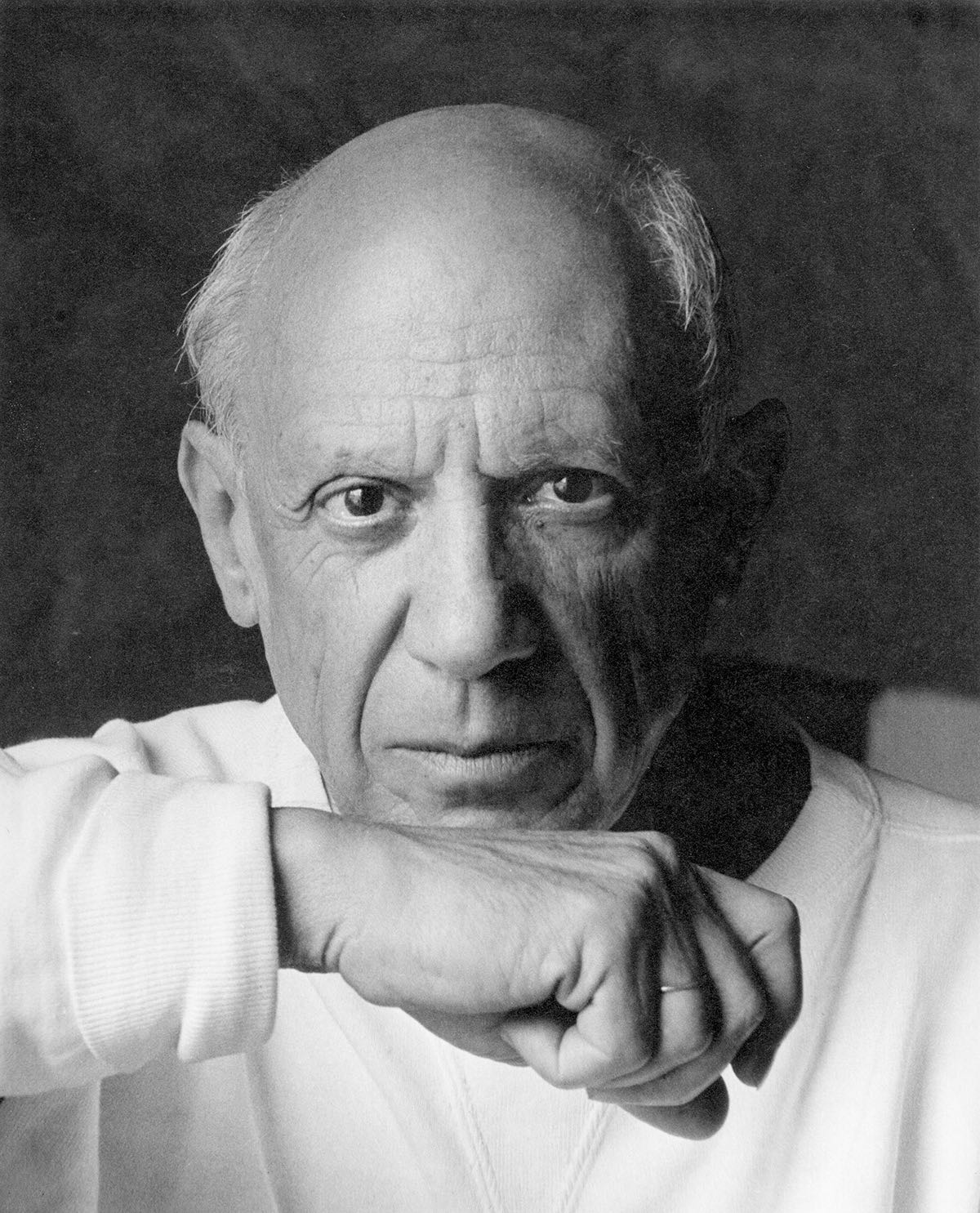
Pablo Ruiz Picasso, a Spanish artist renowned for his revolutionary contributions to the 20th-century art scene, is a figure that resonates profoundly with collectors and art experts. His unique blend of talents in painting, sculpture, printmaking, and ceramic art, infused with his time in France, positioned him as a pivotal character in modern art history.
Picasso's artistic journey was marked by distinct periods, each showcasing his evolving style and genius. His early years were characterized by the Blue Period (1901-1904), followed by the Rose Period (1904-1906), and then the African-influenced Period (1907-1909). Picasso's name is synonymous with Cubism, a movement he co-founded, which significantly altered artistic perspectives and methods. Works like "Les Demoiselles d'Avignon" (1907) and "Guernica" (1937) are emblematic of his cubist legacy, the latter being a poignant anti-war statement that remains influential.
His later years saw a return to more traditional styles, with neoclassical and surrealist influences becoming evident. Works from these phases reflect a deep engagement with mythological themes, as seen in "Faun with Stars" (1955), symbolizing his late-life romance with Jacqueline Roque, his second wife.
Picasso's prolific output and innovative spirit made him a legend in his own time, a status that only grew after his death. His works, housed in major museums and private collections worldwide, continue to captivate and inspire.
As a collector or expert in art and antiques, staying informed about Picasso's works, their auction events, and sales is essential. To stay updated on the latest developments and opportunities related to Pablo Picasso, sign up for our specialized updates. Rest assured, this subscription will focus solely on new product sales and auction events pertaining to Picasso's art, ensuring that you receive only the most relevant and valuable information.



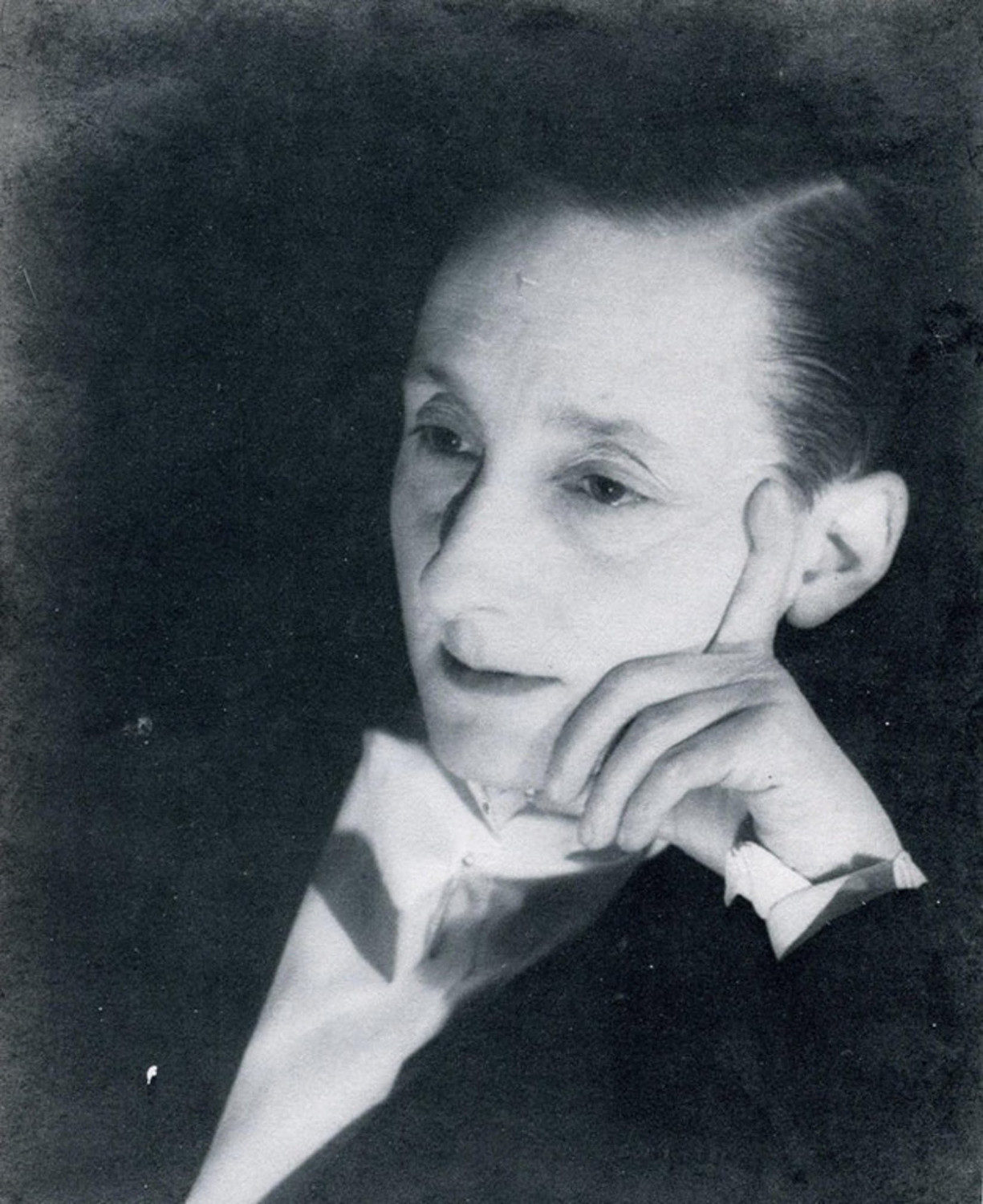
Marjorie Jewel (Marlow) Moss was a British Constructivist artist who worked in painting and sculpture.




Pablo Ruiz Picasso, a Spanish artist renowned for his revolutionary contributions to the 20th-century art scene, is a figure that resonates profoundly with collectors and art experts. His unique blend of talents in painting, sculpture, printmaking, and ceramic art, infused with his time in France, positioned him as a pivotal character in modern art history.
Picasso's artistic journey was marked by distinct periods, each showcasing his evolving style and genius. His early years were characterized by the Blue Period (1901-1904), followed by the Rose Period (1904-1906), and then the African-influenced Period (1907-1909). Picasso's name is synonymous with Cubism, a movement he co-founded, which significantly altered artistic perspectives and methods. Works like "Les Demoiselles d'Avignon" (1907) and "Guernica" (1937) are emblematic of his cubist legacy, the latter being a poignant anti-war statement that remains influential.
His later years saw a return to more traditional styles, with neoclassical and surrealist influences becoming evident. Works from these phases reflect a deep engagement with mythological themes, as seen in "Faun with Stars" (1955), symbolizing his late-life romance with Jacqueline Roque, his second wife.
Picasso's prolific output and innovative spirit made him a legend in his own time, a status that only grew after his death. His works, housed in major museums and private collections worldwide, continue to captivate and inspire.
As a collector or expert in art and antiques, staying informed about Picasso's works, their auction events, and sales is essential. To stay updated on the latest developments and opportunities related to Pablo Picasso, sign up for our specialized updates. Rest assured, this subscription will focus solely on new product sales and auction events pertaining to Picasso's art, ensuring that you receive only the most relevant and valuable information.
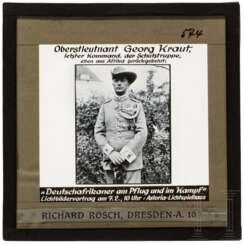


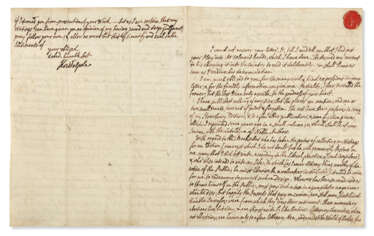

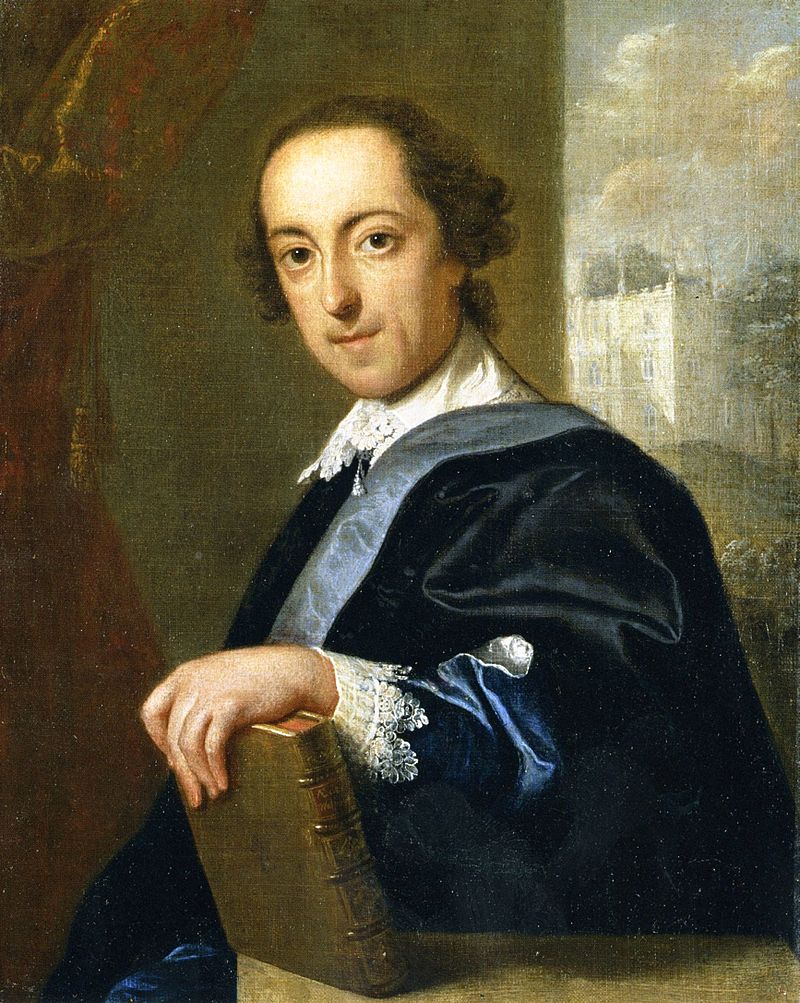
Horace Walpole, 4th Earl of Orford was an English writer, founder of the Gothic romance, bibliophile, and collector.
Born into an aristocratic family, Walpole received a classical education worthy of a young aristocrat at Eton College, then studied at Cambridge University and traveled widely in Europe.
Later he settled in his castle Stroberry Hill, where he gradually amassed one of the largest and richest art galleries in England. Here Walpole also wrote the first Gothic novel, Ontario Castle (1764), which became a prototype of horror literature that made him famous. Walpole also left an extensive private correspondence of some 4,000 letters, a most interesting survey for scholars of the history, manners, and tastes of his era.
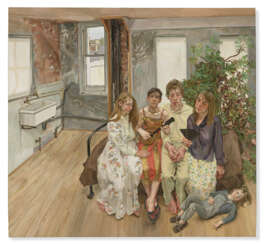

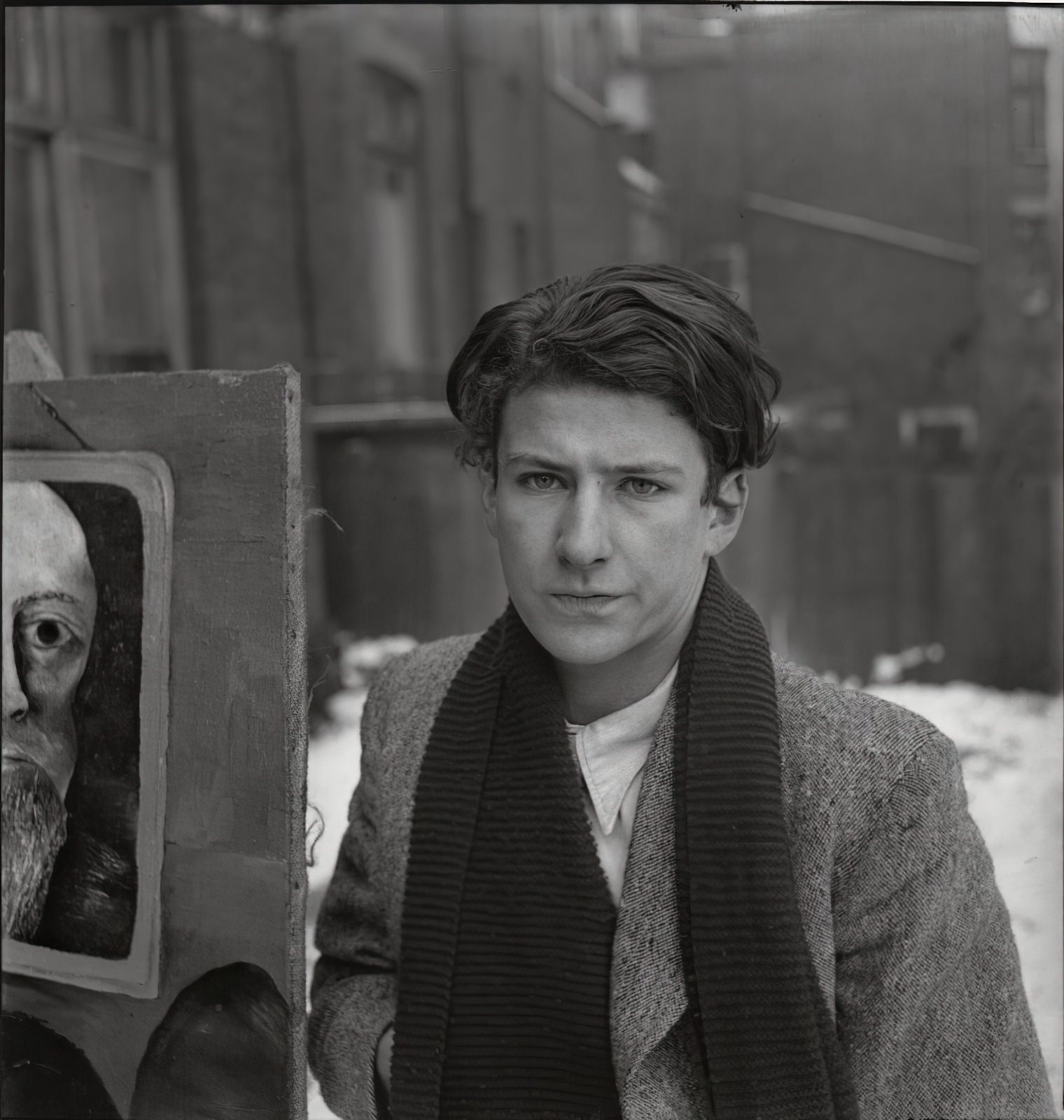
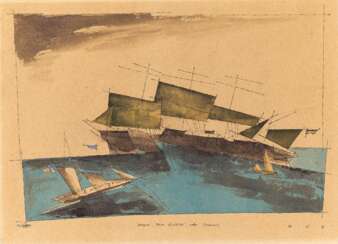
Lucian Michael Freud was a British painter and draughtsman, specialising in figurative art, and is known as one of the foremost 20th-century English portraitists. He was born in Berlin, the son of Jewish architect Ernst L. Freud and the grandson of Sigmund Freud. Freud got his first name "Lucian" from his mother in memory of the ancient writer Lucian of Samosata. His family moved to England in 1933 to escape the rise of Nazism. From 1942 to 1943 he attended Goldsmiths College, London. He served at sea with the British Merchant Navy during the Second World War.


.jfif)
Joseph Fernand Henri Léger was a French artist renowned for his innovative approach to Cubism and his transition towards a figurative, populist style. Born in Argentan, Orne, Lower Normandy, Léger's early career was marked by a stint as an architectural draftsman and a series of educational pursuits that eventually led him to Paris, where he embraced painting seriously. His artistic journey was significantly influenced by the bold abstractions of Cubism, characterized by geometric shapes and a vibrant palette, distinguishing his work from his contemporaries with what came to be known as "Tubism".
Léger's service in World War I profoundly impacted his artistic direction, leading him to adopt a 'mechanical' style that depicted the modern industrial world with sleek, tubular forms. This period saw creations like "Soldier with a Pipe" and "The Card Players," reflecting his war experiences and the mechanical aesthetics of the time. The post-war era encouraged Léger to explore the mechanical style further, evident in works like "The Bargeman" and "Mechanical Elements," highlighting the pace of technological advancement.
Throughout his career, Léger's work evolved, notably in the 1920s, where he aligned with Purist ideas, blending classicism with modernity. This phase is exemplified in "Woman with a Cat," showcasing a classical form with a modern, polished finish. By the 1930s, Léger's art took a more figurative, populist turn, aiming to democratize contemporary art and make it more accessible. His commitment to art education, especially for the common worker, underscored his belief in the social role of art.
For those intrigued by Joseph Fernand Henri Léger's groundbreaking contributions to modern art, his works can be found in prestigious museums worldwide. His legacy continues to inspire art collectors and enthusiasts alike. To stay updated on exhibitions and auction events featuring Léger's work, sign up for updates and embrace the unique opportunity to explore the richness of his artistic endeavors.



.jpg)
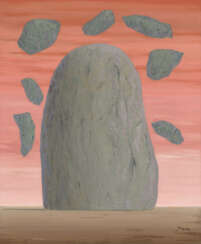
René Magritte, a Belgian artist, was renowned for his significant contributions to the Surrealist movement. His art, known for merging ordinary objects with bizarre, dream-like contexts, captivated the art world. Born on November 21, 1898, in Lessines, Belgium, Magritte's early artistic pursuits were impressionistic, transitioning through Cubism and Futurism influenced by artists like Jean Metzinger. However, his encounter with Giorgio de Chirico's work in 1922 steered him towards Surrealism.
Magritte's career was marked by various phases, each showcasing his evolving style and thematic focus. His initial foray into Surrealism began in 1926 with "The Lost Jockey" and was further solidified during his time in Paris, where he mingled with other prominent Surrealists like André Breton. Despite facing initial criticism and financial challenges, Magritte's unique blend of familiar imagery in unfamiliar contexts, like in "The Empire of Light" and "Time Transfixed," earned him acclaim.
Magritte's distinct visual language, characterized by recurring motifs like bowler hats and apples, and his exploration of reality and illusion, remain influential. His works are displayed in major galleries worldwide, continuing to inspire and intrigue art collectors and enthusiasts.
For collectors and experts in art and antiques, staying informed about Magritte's works and related auction events is crucial. Signing up for updates ensures you're alerted to new sales and events focusing on René Magritte's art, offering unique opportunities to acquire or learn more about his remarkable creations. This subscription will exclusively cover new product sales and auction events related to Magritte, keeping you updated on the most relevant information in the art world.
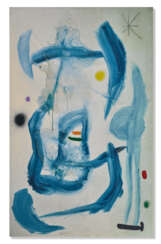

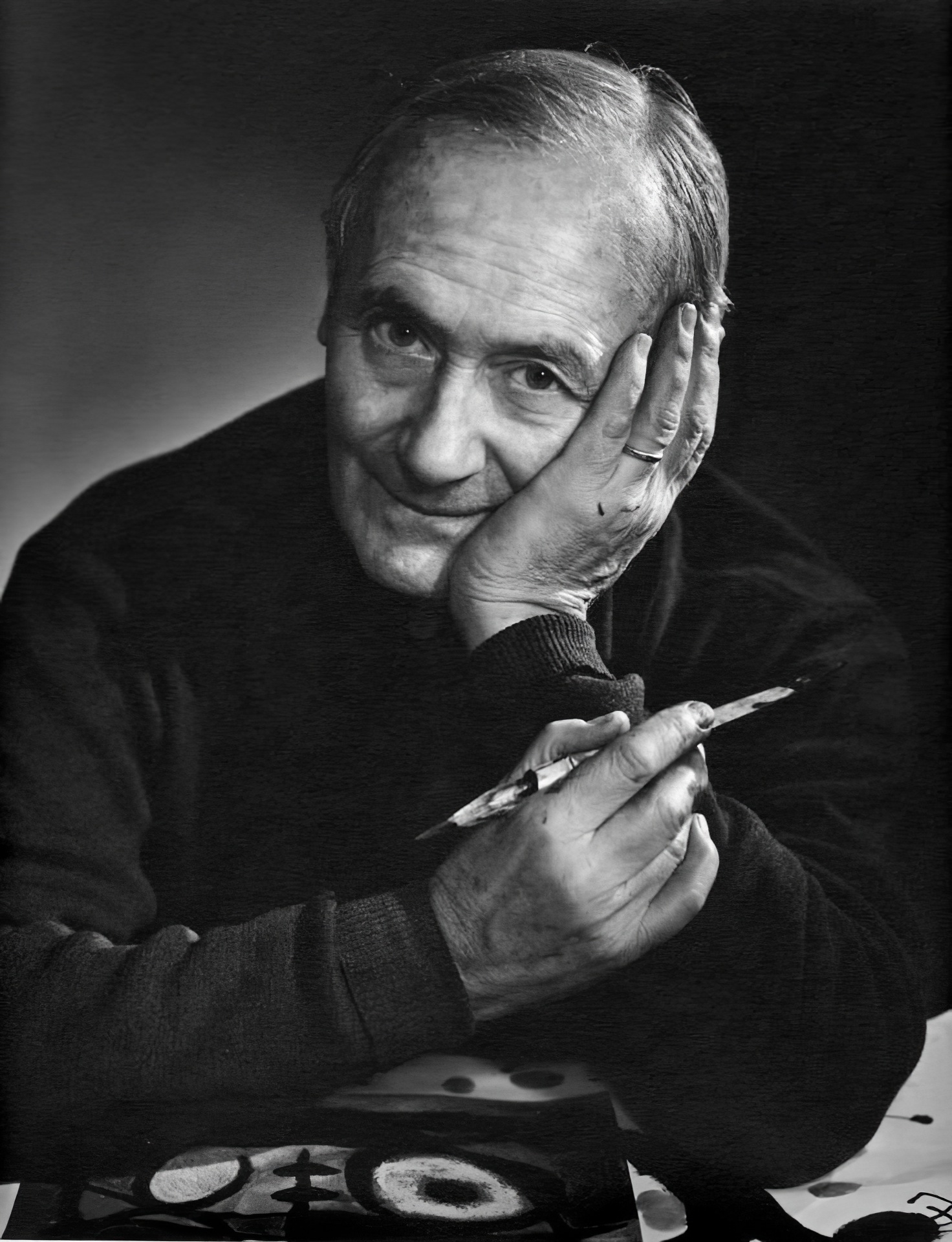
Joan Miró, a celebrated Spanish artist, was a master in painting, sculpture, and ceramics, renowned for his unique style that blurred the lines between Surrealism, Fauvism, and Expressionism. Born in Barcelona to a family of a goldsmith and a watchmaker, Miró grew up immersed in the rich cultural heritage of the Barri Gòtic neighborhood. His artistic journey began with drawing classes at the age of seven and continued at the prestigious La Llotja art academy. Despite an initial venture into the business world, Miró's passion for art prevailed, leading him to abandon his clerical career after a nervous breakdown.
Miró's work is noted for its exploration of the subconscious, often depicting a childlike perspective. This approach was both a critique of traditional painting methods and a means of expressing Catalan pride. His art, challenging to categorize, often featured symbolic elements and nationalistic qualities. One of his notable early works, "The Farm," reflects a transition to a more individual style, blending elements of his Catalan roots with broader artistic influences. This piece, later purchased by Ernest Hemingway, encapsulated the essence of Spain in its imagery.
In Paris, Miró joined the Surrealist movement in 1924, where his work began to reflect the influence of automatism, emphasizing spontaneous, automatic, or subconscious creation. He experimented with various mediums, including painting-poetry and collage, and even ventured into set and costume design for Sergei Diaghilev's Ballets Russes.
During World War II, Miró remained in Spain, and his work from this period, including the 22 Constellations series, reflected an interest in the night, music, and stars. His forms became increasingly abstracted, and he experimented with various techniques, often incorporating primary colors and evocative titles.
Miró's career spanned several decades, during which he continually evolved his style and explored new mediums. His contributions to art were recognized with numerous awards and retrospectives, including a major career retrospective at MoMA in 1941 and the Spanish Gold Medal for Fine Arts in 1980. Among his last major works was a tapestry for the World Trade Center in New York City, created in 1974.
For art collectors and enthusiasts, Joan Miró remains a figure of immense interest, not only for his distinct style and contributions to Surrealism but also for his ability to blend poetic imagery with political commentary. To stay updated on new product sales and auction events related to Joan Miró, sign up for our updates and immerse yourself in the world of this extraordinary artist.
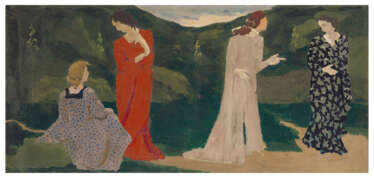

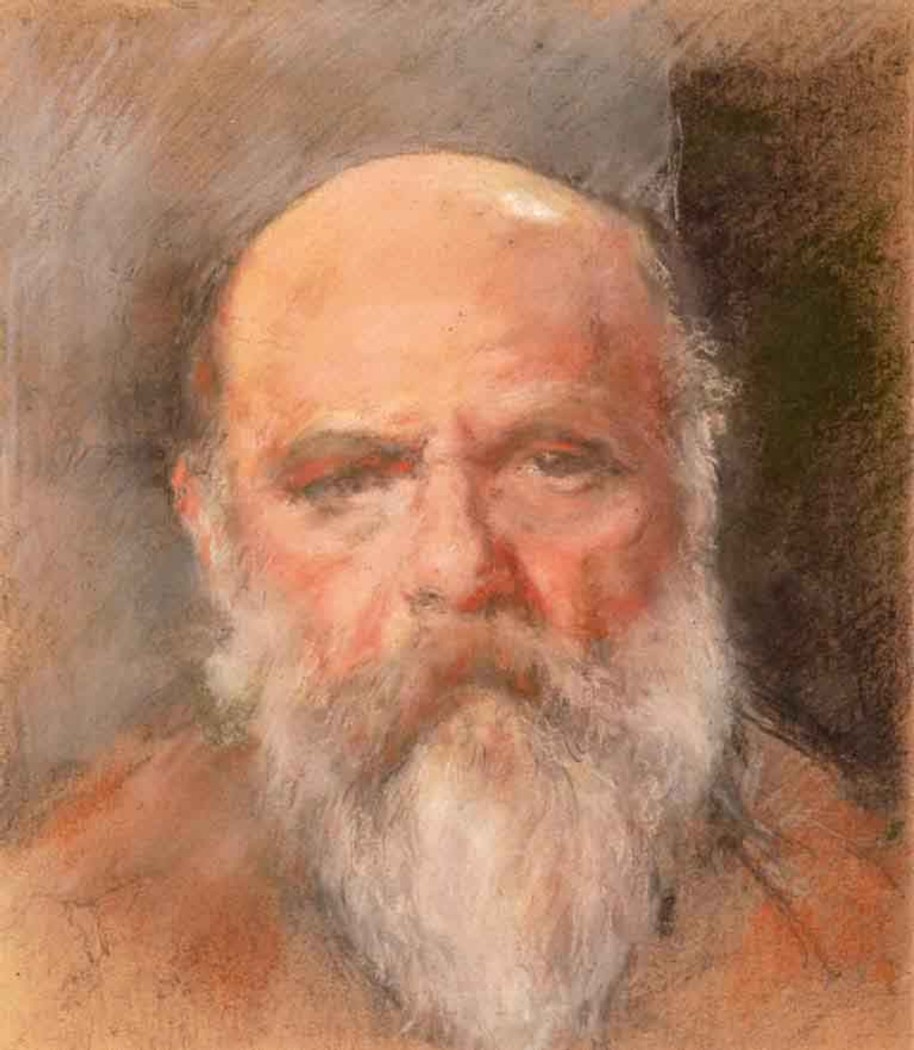
Ker-Xavier Roussel was a French painter, renowned for his distinctive post-impressionist style and his affiliation with the Nabis, an avant-garde artist group. Born in 1867, Roussel's artistic journey began in his teens and continued robustly into the 20th century, leaving a legacy celebrated for its mythological and bucolic themes.
Roussel's art is characterized by its vivid portrayal of mythological scenes and landscapes, often infused with a sense of eroticism and joy. His work frequently depicts Greek myths set against the backdrop of the Mediterranean, featuring figures like women, nymphs, centaurs, and fauns. These large, brightly colored paintings, such as "Rural Festival, Summer" and "The Seasons of Life," marked a departure from the smaller formats typical of the Nabis, showcasing his evolution towards a more expansive and expressive style.
A master of pastels, Roussel's work from the 1890s, such as "La Barrière," displayed at the Musée d'Orsay, reflects the Nabi style with its Japanese print influences, absence of perspective, and contrasting values. His later works, created between 1930 and 1944, often depicted violent mythological deaths, revealing a darker aspect of his artistic expression.
Roussel's contributions extended beyond canvas, as he created large paintings for public spaces and private clients, including a significant panel for the Palais des Nations in Geneva and the front curtain of the Théâtre des Champs-Élysées. His recognition peaked in the 1930s, with a multi-panel scheme for the Palais de Chaillot and winning the Carnegie Prize for art in 1926.
Despite a period of obscurity, Roussel's work regained attention through exhibitions like "Ker-Xavier Roussel, Private Garden, Dreamed Garden" at the Musée des Impressionnismes in Giverny, showcasing his significant contributions to art history.
For art collectors and experts, understanding Roussel's work offers insights into the evolution of post-impressionism and the Nabis' influence on modern art. His unique blend of mythological themes and vibrant landscapes represents an important chapter in art history. For those interested in exploring Roussel's work further or keeping updated on related art sales and auctions, signing up for updates is a valuable opportunity to deepen your engagement with this influential artist's legacy.
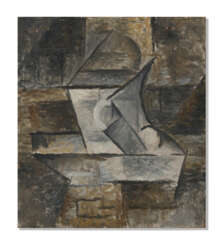

Pablo Ruiz Picasso, a Spanish artist renowned for his revolutionary contributions to the 20th-century art scene, is a figure that resonates profoundly with collectors and art experts. His unique blend of talents in painting, sculpture, printmaking, and ceramic art, infused with his time in France, positioned him as a pivotal character in modern art history.
Picasso's artistic journey was marked by distinct periods, each showcasing his evolving style and genius. His early years were characterized by the Blue Period (1901-1904), followed by the Rose Period (1904-1906), and then the African-influenced Period (1907-1909). Picasso's name is synonymous with Cubism, a movement he co-founded, which significantly altered artistic perspectives and methods. Works like "Les Demoiselles d'Avignon" (1907) and "Guernica" (1937) are emblematic of his cubist legacy, the latter being a poignant anti-war statement that remains influential.
His later years saw a return to more traditional styles, with neoclassical and surrealist influences becoming evident. Works from these phases reflect a deep engagement with mythological themes, as seen in "Faun with Stars" (1955), symbolizing his late-life romance with Jacqueline Roque, his second wife.
Picasso's prolific output and innovative spirit made him a legend in his own time, a status that only grew after his death. His works, housed in major museums and private collections worldwide, continue to captivate and inspire.
As a collector or expert in art and antiques, staying informed about Picasso's works, their auction events, and sales is essential. To stay updated on the latest developments and opportunities related to Pablo Picasso, sign up for our specialized updates. Rest assured, this subscription will focus solely on new product sales and auction events pertaining to Picasso's art, ensuring that you receive only the most relevant and valuable information.
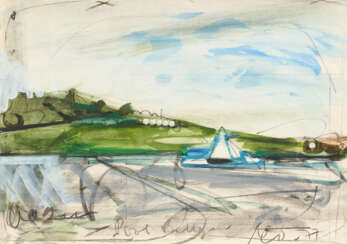


Claes Oldenburg was a Swedish-born American sculptor, celebrated for his groundbreaking contributions to the field of public art and sculpture. With a career spanning over several decades, Oldenburg redefined the boundaries between sculpture and everyday objects, bringing a whimsical yet profound commentary on consumer culture and the urban environment. His talent for transforming the mundane into the monumental made his work not only iconic but also a vital part of the conversation about the role of art in public spaces.
Oldenburg's sculptures are characterized by their colossal scale and imaginative designs, often inspired by everyday items. Perhaps his most famous works include "Clothespin" in Philadelphia and "Spoonbridge and Cherry" in Minneapolis. These pieces are emblematic of his unique approach to sculpture, where familiar objects are reimagined in unexpected contexts, challenging viewers to see the world around them in new ways. His ability to blur the lines between art and life, combined with his playful exploration of form and material, has left an indelible mark on the art world.
For collectors and experts in art and antiques, Oldenburg's works represent not just significant artistic achievements but also compelling investments. His sculptures and installations continue to be celebrated in museums and galleries worldwide, testament to his enduring influence and relevance in the contemporary art scene. For those interested in the intersection of culture, art, and urban life, Oldenburg's legacy offers rich insights and inspiration.
To stay informed about new product sales and auction events related to Claes Oldenburg, we invite you to sign up for updates. This subscription service is designed for collectors and art enthusiasts eager to keep abreast of the latest developments and opportunities in the world of art and antiques. Join us in exploring the remarkable contributions of Claes Oldenburg to the art world.