vat/nip number


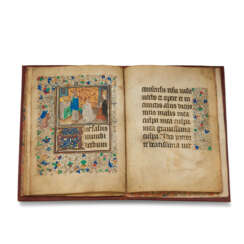

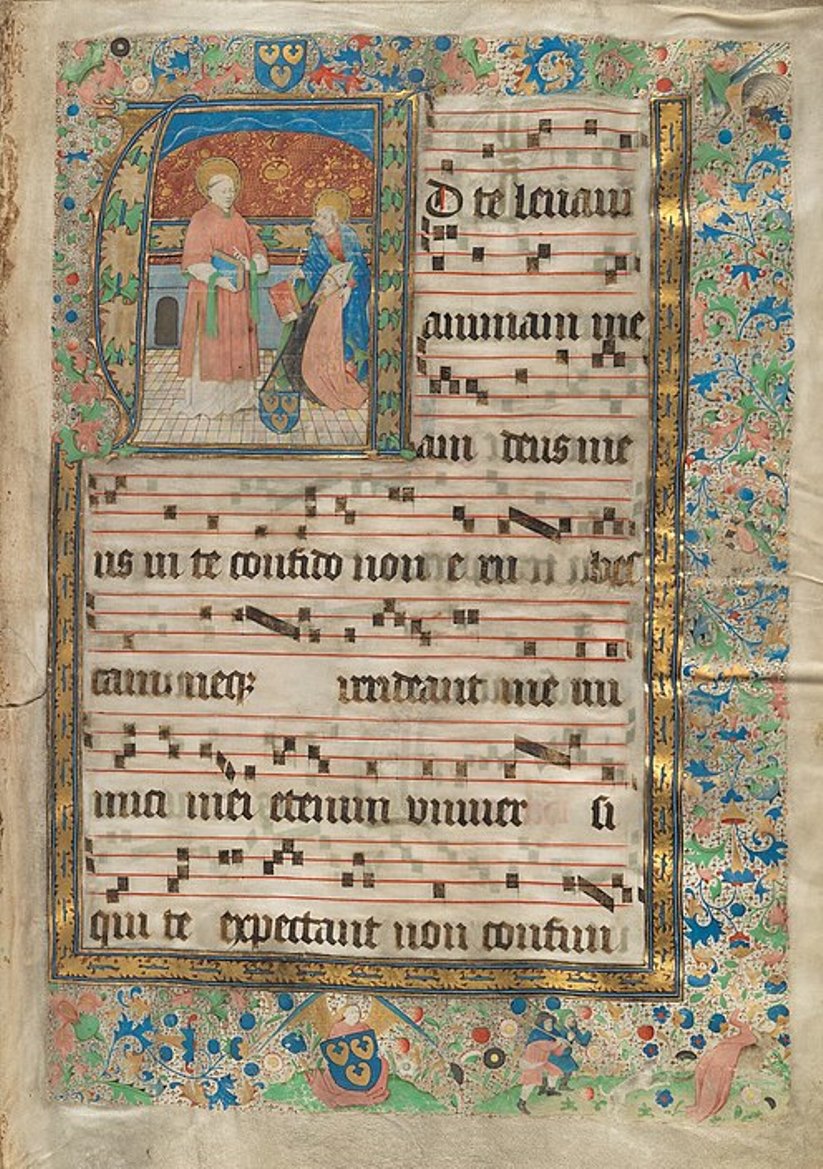
The Master of the Ghent Graduel was a Flemish painter, miniaturist, and illuminator who worked in Ghent and Tournai in the second third of the fifteenth century.
This master comes from an older, Parisian tradition of manuscript illumination that was developed by the master Gilbert de Metz. He was active in the 1460s-1470s and was responsible for the illumination of the clockbooks now preserved in British libraries and also created the miniatures for the books of Valerius Maximus.
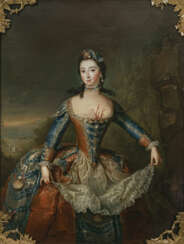

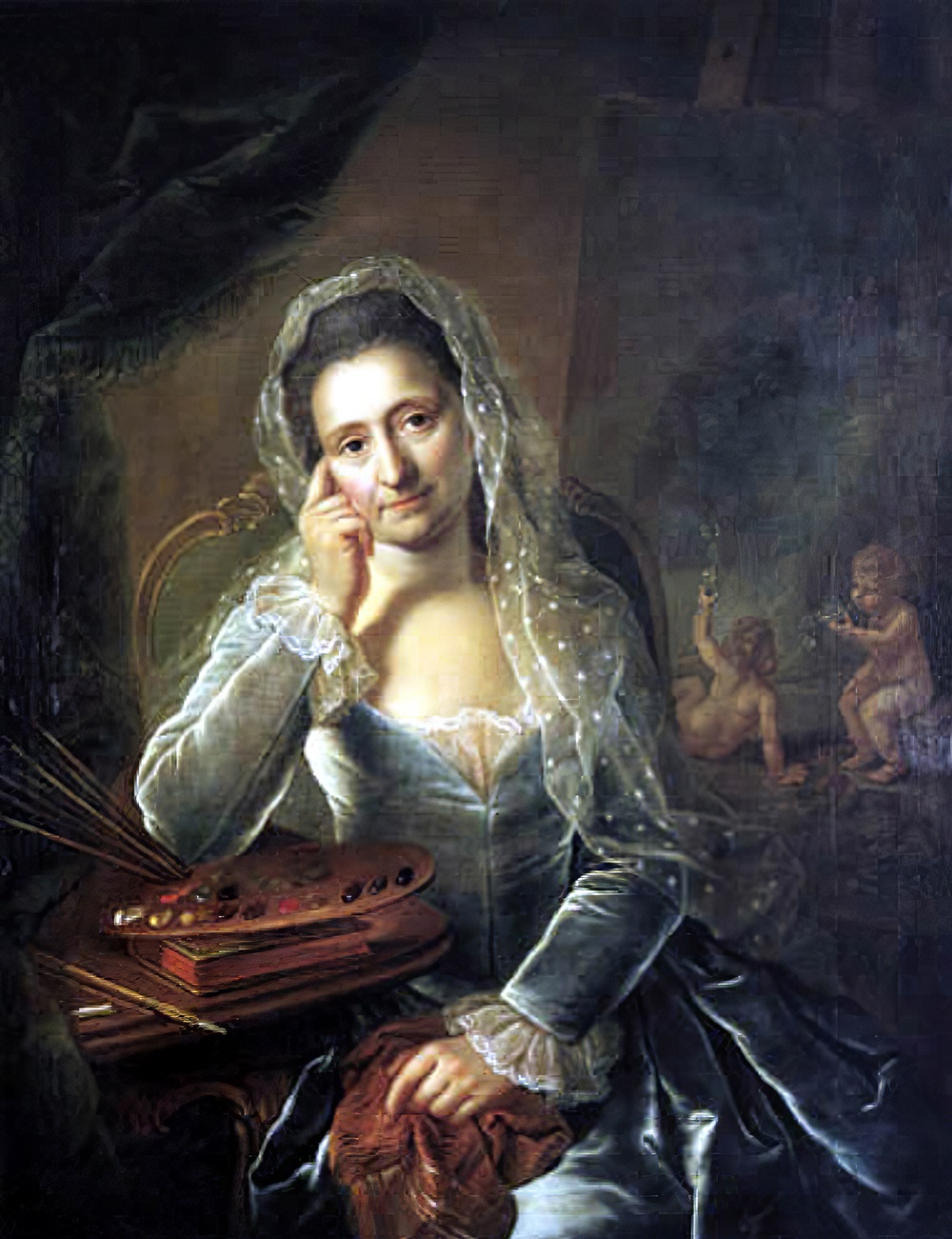
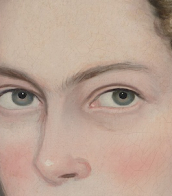
Barbara Rosina de Gasc (Lisiewska) was a German portrait painter.
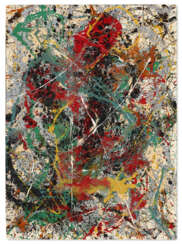

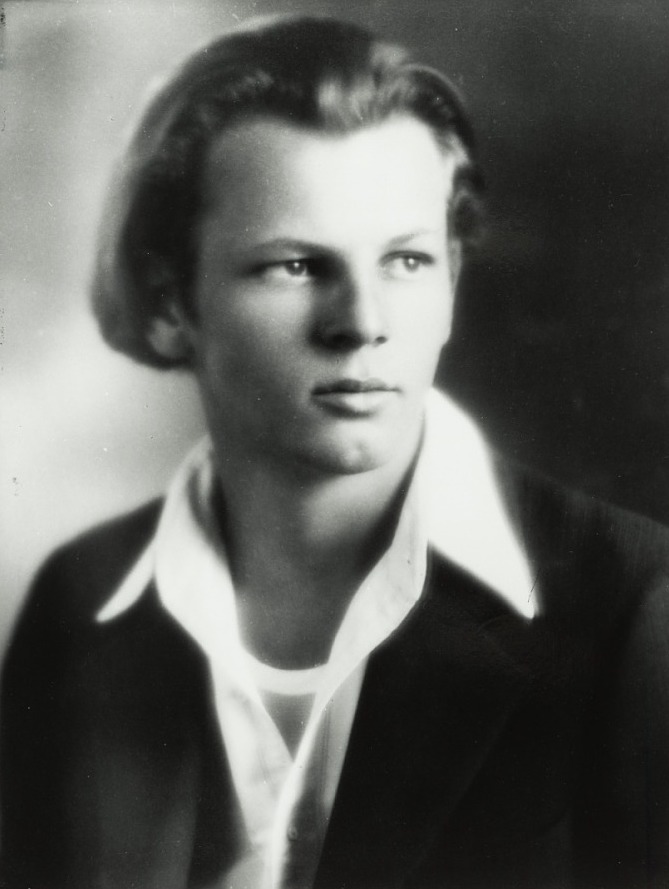
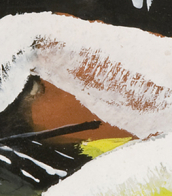
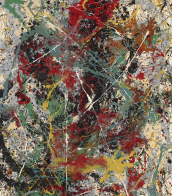
Paul Jackson Pollock was an emblematic figure of the American art scene, celebrated for his pioneering role in the abstract expressionist movement. Born in Cody, Wyoming, in 1912, and passing away tragically in 1956 in Springs, New York, Pollock revolutionized the world of painting with his distinctive "drip technique." This method involved pouring or splashing paint onto a horizontal surface, allowing him to engage with the canvas from various angles. This innovative approach, often associated with action painting and all-over painting, captivated some critics while drawing skepticism from others due to its apparent randomness and the intense physicality involved in its creation.
Pollock's journey into the art world was deeply influenced by his upbringing and early experiences. Raised in a family where artistic talent was encouraged, he moved to New York City in his late teens to study under Thomas Hart Benton at the Art Students League. His early encounters with the works of Mexican muralists and the symbolic and psychological depth of his paintings, particularly during his "poured" painting phase, marked a significant departure from traditional painting techniques.
Throughout his career, Pollock's work was celebrated in major galleries and museums. Notable pieces such as "Number 17A," "No. 5, 1948," and "Blue Poles" have been acknowledged not only for their aesthetic and technical innovation but also for their profound impact on the art world. These works, among others, have been featured in prestigious institutions such as the Museum of Modern Art (MoMA) in New York City and the Tate in London, solidifying Pollock's legacy as a central figure in modern art.
Despite his success, Pollock's life was marked by personal struggles, including a battle with alcoholism, which ultimately led to his untimely death in an automobile accident at the age of 44. Yet, his influence endures, with his technique and style continuing to inspire artists and collectors alike.
For collectors and experts in art and antiques, Pollock's work represents not just a financial investment but a deep engagement with a transformative period in American art. His ability to convey emotion and movement through his unique method of painting makes his works highly sought after in the art community.
To stay updated on sales and auction events related to Paul Jackson Pollock, subscribing to specialized updates can offer exclusive insights and opportunities to acquire pieces by this groundbreaking artist. This ensures that enthusiasts and collectors are always informed about the latest developments and available works of one of the most influential figures in the history of modern art.





.jpg)
Arno Breker was a German architect and sculptor who is best known for his public works in Nazi Germany, where they were endorsed by the authorities as the antithesis of degenerate art. He was made official state sculptor, and exempted from military service. One of his better known statues is Die Partei, representing the spirit of the Nazi Party that flanked one side of the carriage entrance to Albert Speer's new Reich Chancellery.
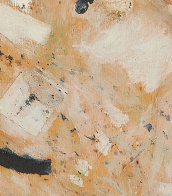
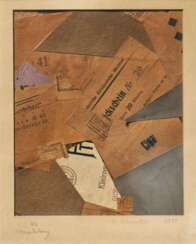

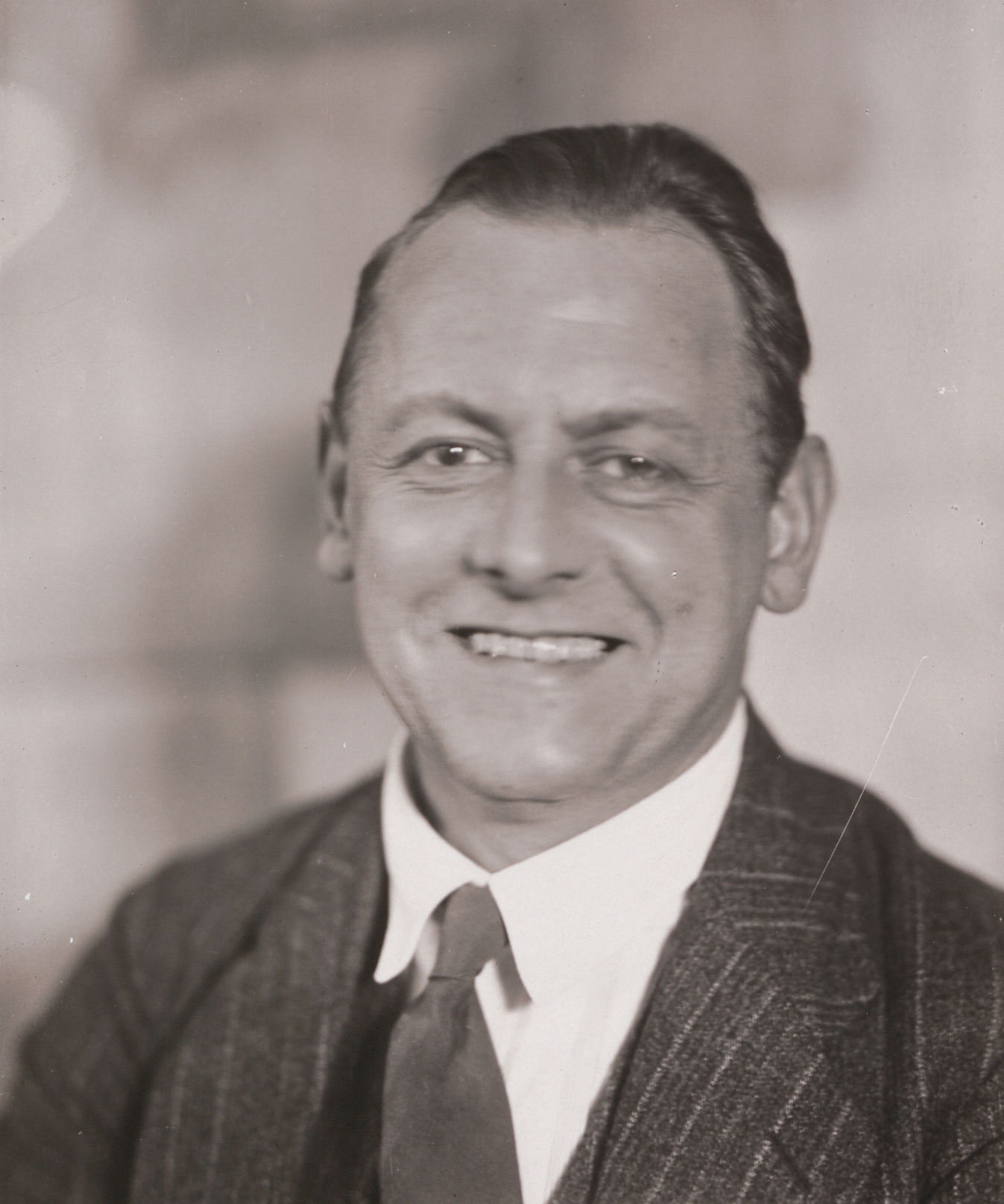
Kurt Schwitters (1887–1948) was a German artist renowned for his multifaceted contributions to modern art, encompassing painting, poetry, graphic design, and installation art. Born in Hanover, Germany, Schwitters developed a unique artistic vision that led to the creation of "Merz," a term he coined to describe his one-of-a-kind approach to art.
The concept of Merz originated from a fragment of the word "Kommerz" (commerce), which Schwitters incorporated into his early collages. This term came to represent his artistic philosophy, characterized by the assemblage of found objects and everyday materials into cohesive compositions. Through Merz, Schwitters sought to blur the boundaries between traditional art forms, integrating elements of Dadaism, Constructivism, and Surrealism.
One of Schwitters' most significant projects was the "Merzbau," an ambitious, evolving installation within his Hanover home. This project began around 1923 and transformed his living space into a labyrinthine structure filled with collages, sculptures, and found objects. The Merzbau was a physical manifestation of his Merz philosophy, embodying the synthesis of art and life. Unfortunately, the original Merzbau was destroyed during a British air raid in 1943.
In addition to his visual art, Schwitters made notable contributions to literature and sound art. His poem "An Anna Blume," published in 1919, is a seminal work that exemplifies his playful use of language and nonsensical style, aligning with the Dada movement's principles. Moreover, his "Ursonate," a sound poem composed between 1922 and 1932, showcases his innovative exploration of phonetic expression and rhythm, pushing the boundaries of traditional poetry.
The rise of the Nazi regime in Germany had a profound impact on Schwitters' life and work. Classified as a "degenerate" artist by the Nazis, he fled to Norway in 1937 to escape persecution. Following the German invasion of Norway in 1940, he sought refuge in the United Kingdom. During his internment at the Hutchinson Internment Camp on the Isle of Man, Schwitters continued to create art, producing over 200 works during his 16 months of confinement.
After his release, Schwitters settled in the Lake District of England, where he embarked on a new Merz construction known as the "Merzbarn." Although he was unable to complete this project due to his death in 1948, the Merzbarn stands as a testament to his unwavering commitment to his artistic vision. Today, Kurt Schwitters is celebrated as a pioneer of modern art, whose innovative techniques and ideas have left an indelible mark on the art world.
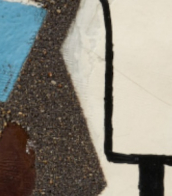
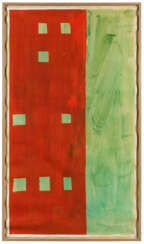

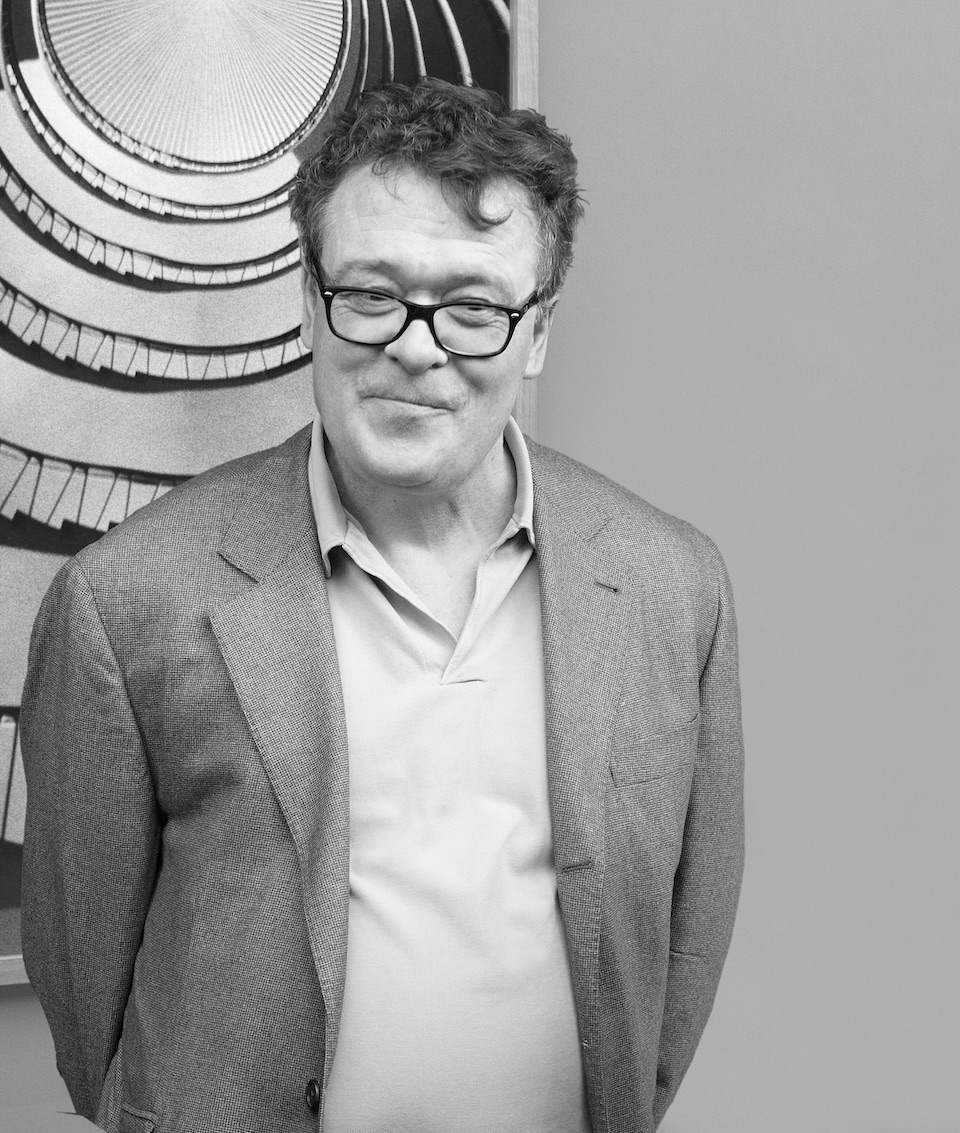
Günther Förg was a German painter, graphic designer, sculptor and photographer. His abstract style was influenced by American abstract painting.
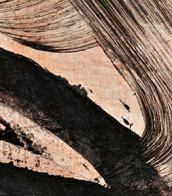
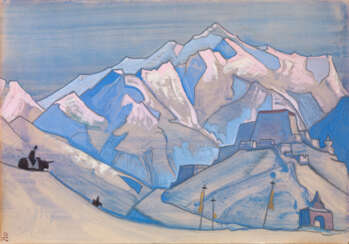

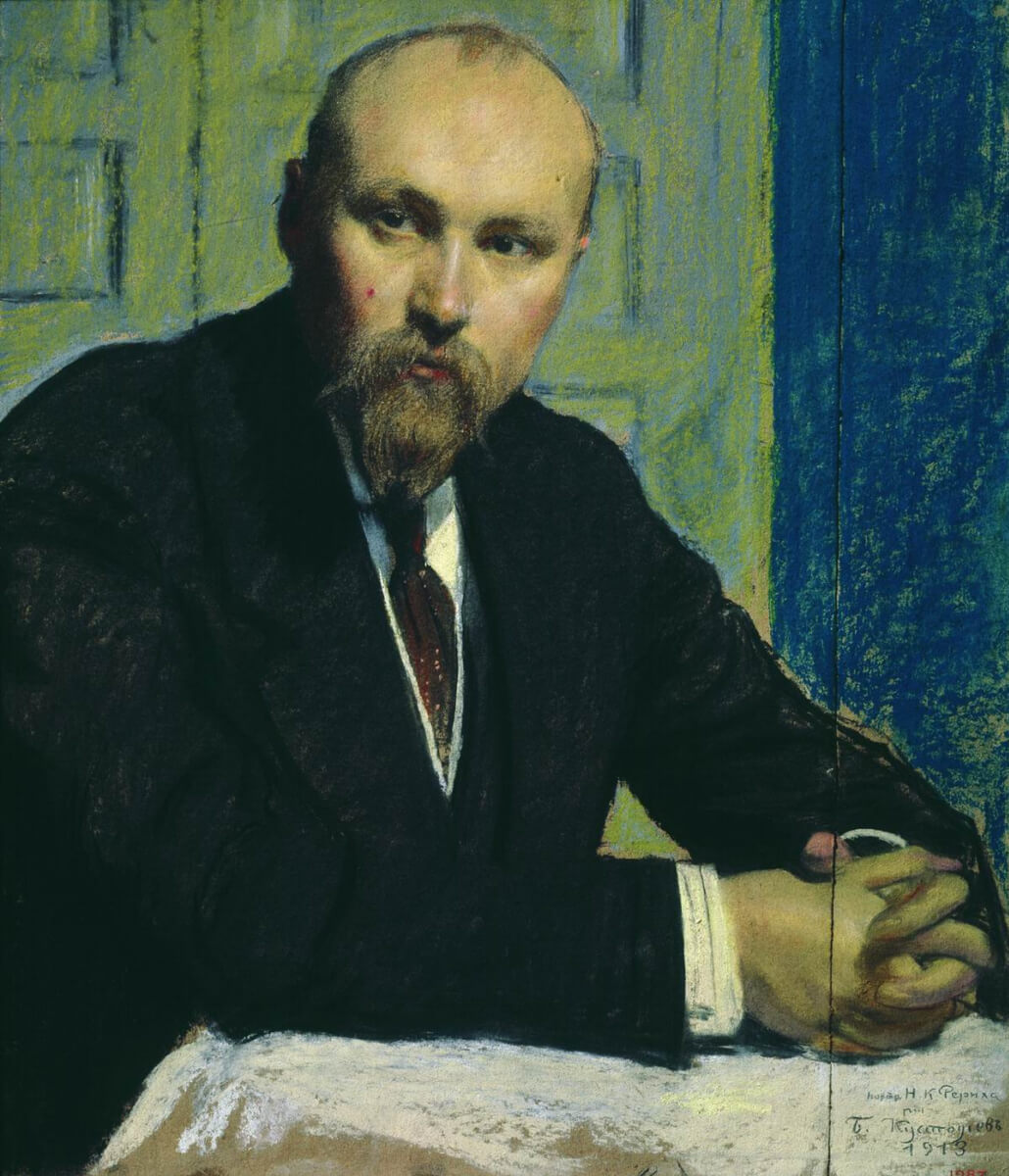
Nikolai Konstantinovich Roerich (Russian: Никола́й Константи́нович Ре́рих) was a distinguished Russian artist, writer, archaeologist, and philosopher, renowned for his profound contributions to culture and art. His multifaceted career spanned various disciplines, but it was his exceptional talent in painting that immortalized his name among the greats. Roerich's art is celebrated for its mystical and symbolic themes, often drawing inspiration from Russian folklore, religion, and his own spiritual quests. His dedication to cultural preservation and peace through art led to the establishment of the Roerich Pact, a treaty advocating for the protection of cultural heritage.
Roerich's paintings are characterized by vibrant colors and intricate details, capturing the ethereal beauty of landscapes and mythical scenes. His works, such as "Madonna Laboris" and the series "Sancta," are revered for their spiritual depth and artistic excellence. These masterpieces can be found in prestigious museums and galleries worldwide, serving as testaments to Roerich's enduring legacy in the art world. His commitment to integrating spiritual and cultural dimensions in his art has made him a seminal figure for collectors and experts in art and antiques.
Roerich's influence extends beyond his paintings; his philosophical writings and cultural initiatives have also left a significant mark on the fields of art and heritage preservation. As enthusiasts of art and antiquities continue to explore Roerich's rich legacy, there is a growing appreciation for his vision of unity and harmony through cultural expression. For those captivated by Roerich's remarkable life and works, signing up for updates is an invaluable opportunity to stay informed about new product sales and auction events dedicated to his art. This subscription is a gateway to exclusive insights and offerings that celebrate the legacy of Nikolai Konstantinovich Roerich, ensuring enthusiasts remain connected to the evolving exploration of his profound contributions.