volume ratio

















![G.A. GASZTOWT [GOSHTOVT]. Kirasiry Ego Velichestva [His Majesty’s Cuirassiers in the Great War, its Actions in the White Movement]. Paris: 1938-42-44. 3 volumes, 8vo, 222 + 216 + 368 pages, plates and illustrations, original cloth, the first and third vol](/assets/image/picture_908297/515fc/9912a488439ad7cd7962ad5cee21b6f11593590400jpg__fix_374_244.jpeg)
![G.A. GASZTOWT [GOSHTOVT]. Kirasiry Ego Velichestva [His Majesty’s Cuirassiers in the Great War, its Actions in the White Movement]. Paris: 1938-42-44. 3 volumes, 8vo, 222 + 216 + 368 pages, plates and illustrations, original cloth, the first and third vol](https://veryimportantlot.com/assets/image/picture_908297/515fc/9912a488439ad7cd7962ad5cee21b6f11593590400jpg__fix_374_244.jpeg)
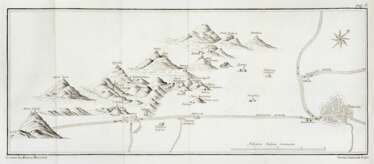

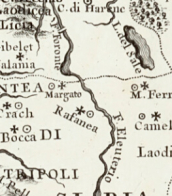
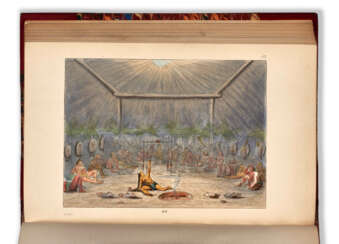



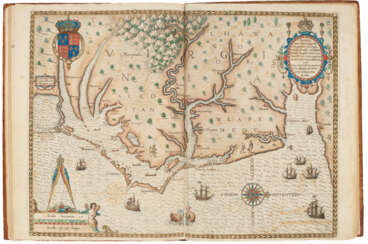
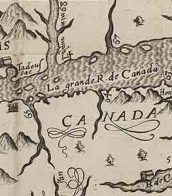
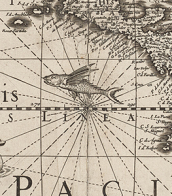
![[Atlas Major], Dutch text, 1648-1664, 9 volumes](/assets/image/picture_3109202/a16cb/0grfsdppvzk3dpml6rtse7s-fdfiawp2leakzr3v3nh63nm87v5qrm6yf-iysvtj1694249789jpg__fix_374_244.jpeg)
![[Atlas Major], Dutch text, 1648-1664, 9 volumes](https://veryimportantlot.com/assets/image/picture_3109202/a16cb/0grfsdppvzk3dpml6rtse7s-fdfiawp2leakzr3v3nh63nm87v5qrm6yf-iysvtj1694249789jpg__fix_374_244.jpeg)
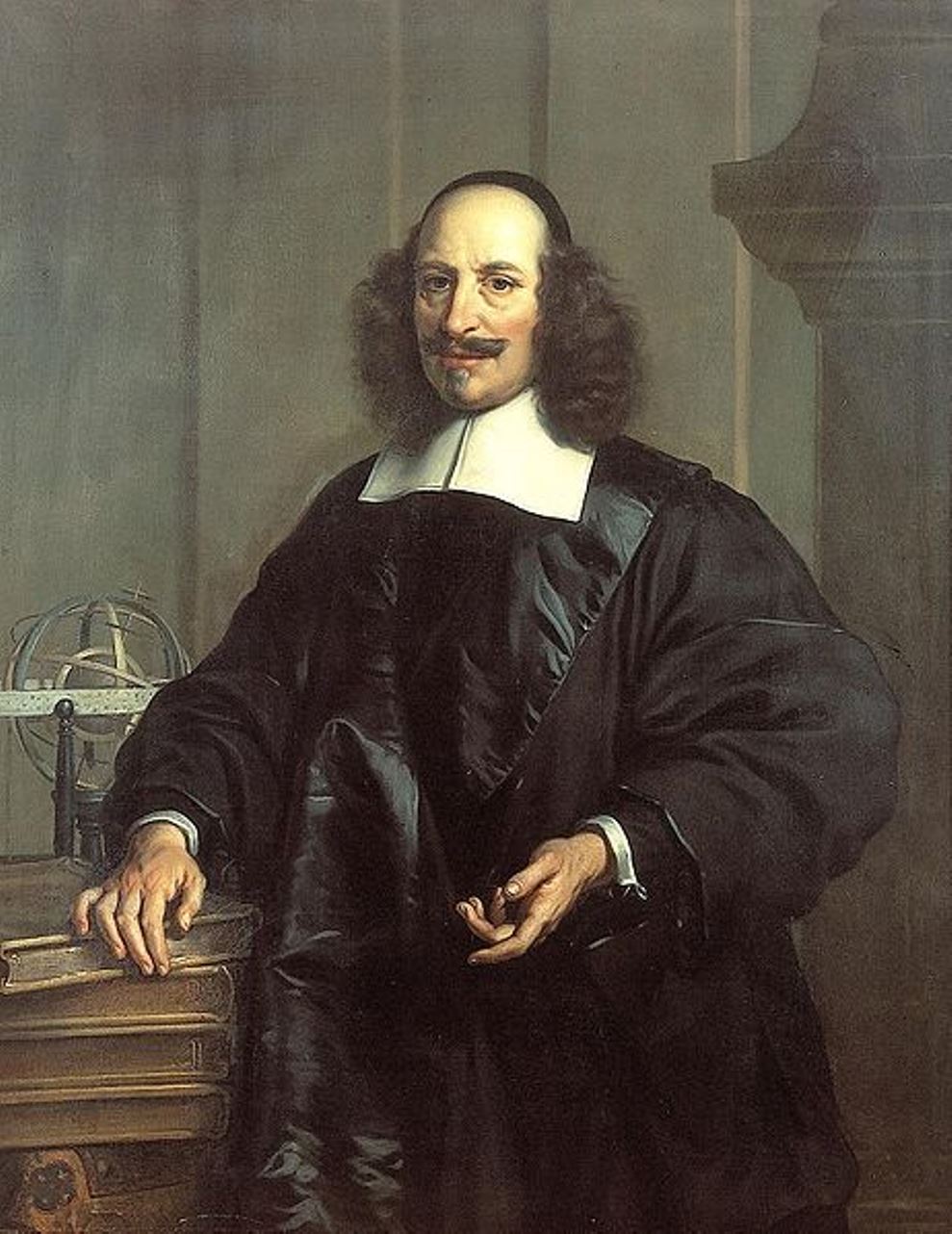
Jan (Joan) Willemsz. Blaeu was a Dutch cartographer, publisher and judge.
Jan was born into the family of the cartographer and publisher Willem Janszoon Blaeu (1571-1638). He studied in Leiden, where he earned a doctorate in law, and in Padua. He then began to assist his father, who was engaged in the manufacture of globes and maps. After his father's death, Jan, together with his brother Cornelius, continued his work, and succeeded him as cartographer for the Dutch East India Company.
In 1651 Blaeu was elected to the Amsterdam city council and later appointed as a judge. At the same time, he was engaged in his publishing business: he continued to publish volumes of Atlas novus, which contained maps of English counties and, for the first time, an atlas of Scotland, as well as one volume of maps of the Far East.
Blaeu did not have time to complete his most ambitious project, but it made him famous as the author of the famous 11-volume Dutch atlas. Based on his previous maps, Blaeu created the Great Atlas (Atlas Maior) - it contained nearly 600 maps and a total of 3,000 pages of Latin text - and was published in 1662. Blaeu's maps were groundbreaking for their time because they were created in accordance with the heliocentric theories of Nicolaus Copernicus.
In 1672, a great fire in Amsterdam destroyed Blaeu's workshop, and the cartographer died a year later, apparently never recovering from this stroke of fate.
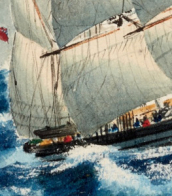
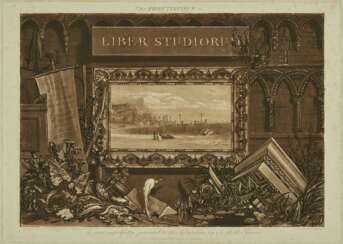


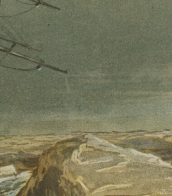
Joseph Mallord William Turner, a seminal figure in British painting, was born in 1775 and left an indelible mark on the Romantic movement. Known for his expressive coloration, imaginative landscapes, and turbulent marine paintings, Turner's work transcends the traditional boundaries of art to capture the sublime force of nature. His career was distinguished by early talent, evidenced by his acceptance into the Royal Academy at the young age of 14, and a prolific output that included over 2,000 paintings and 19,000 drawings and sketches.
William Turner's unique approach to landscape painting, characterized by dramatic skies and atmospheric effects, set a new standard for capturing mood and emotion on canvas. His innovative use of light and color influenced countless artists, elevating landscape painting to rival the status of history painting. Turner's legacy is also marked by his eccentricity and reclusiveness, traits that only added to the mystique surrounding his artistic genius.
Among his most famous works are "The Fighting Temeraire," symbolizing the passing of the old world, and "Rain, Steam and Speed," capturing the Industrial Revolution's impact. These paintings not only showcase William Turner's technical skill but also his philosophical engagement with the changing world around him.
For collectors and experts in art and antiques, William Turner's works represent the pinnacle of Romantic art, offering insight into the 19th-century aesthetic and philosophical landscape. His influence on subsequent generations of artists underscores his position as a pivotal figure in the history of Western art.
To stay informed about Joseph Mallord William Turner's works and related events, signing up for updates from reputable art institutions can provide valuable insights into new discoveries and auction events related to this master of the British landscape.


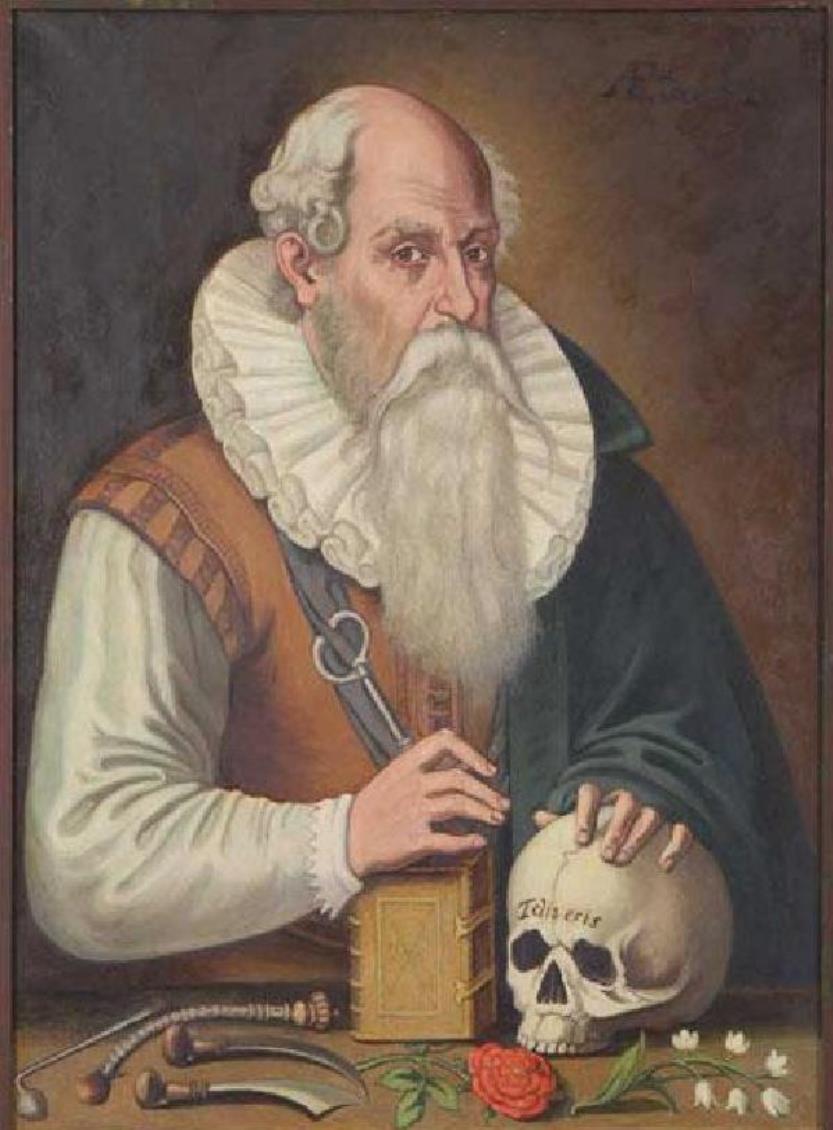
Wilhelm Fabry von Hilden or Fabricius von Hilden (Latin: Fabricius Hildanus) was a German and Swiss Renaissance physician and surgeon, the founder of scientific surgery.
In 1576 he began a four-year apprenticeship as a surgeon with a barber in Neuss. Surgery at that time was considered the craft of bath and barbers; surgeons or wound doctors treated wounds, broken bones, inflammations, and many other ailments. After completing his apprenticeship, Fabry worked for five years as an assistant wound surgeon to Cosmas Slot (died 1585) at the court of Duke Wilhelm V in Düsseldorf. To expand his anatomical knowledge, Fabry constantly dissected and prepared cadavers. In later years, he also encouraged his students to do so and conducted public autopsies to draw attention to the importance of anatomical knowledge. He also made it a habit to do practice procedures on a cadaver before surgery.
In 1615 Fabry was appointed city physician of Bern. Here he wrote several books on gunshot wounds. In 1623 the versatile physician published a small book, "Christian and Good-Hearted Caution against Drunkenness," which he republished in more detail the following year under the title Christlicher Schlafftrunck. Fabry's most important surgical treatise was Observationem et curationem chirurgicam centuriae sex ("Six hundred surgical observations and cures"), first published in 1606. This compilation remained the most important book of German surgery until Lorenz Heister. It describes new surgical methods and surgical instruments for the treatment of amputations, nasal polyps, bladder stones, dropsy, hernias, ascites, etc., etc., etc.
For centuries, Fabricius remained one of the most respected surgeons not only in Germany and Switzerland, but throughout Europe. Among his many accomplishments in the field of surgery may be enumerated his innovation in the amputation of the thigh, for which he invented a special tourniquet; the excision of involved axillary glands in breast cancer; the first classification of burns into three degrees with the appropriate treatment for each variety; and the first description of a medical field chest for military purposes.
Although in his later years Fabritius had already given up practicing medicine, he continued to write medical papers and maintain an active scientific correspondence until his death. He authored some 20 medical books. It was his surgical works, translated into German, French, Latin, English and Dutch, that ensured his recognition centuries later.
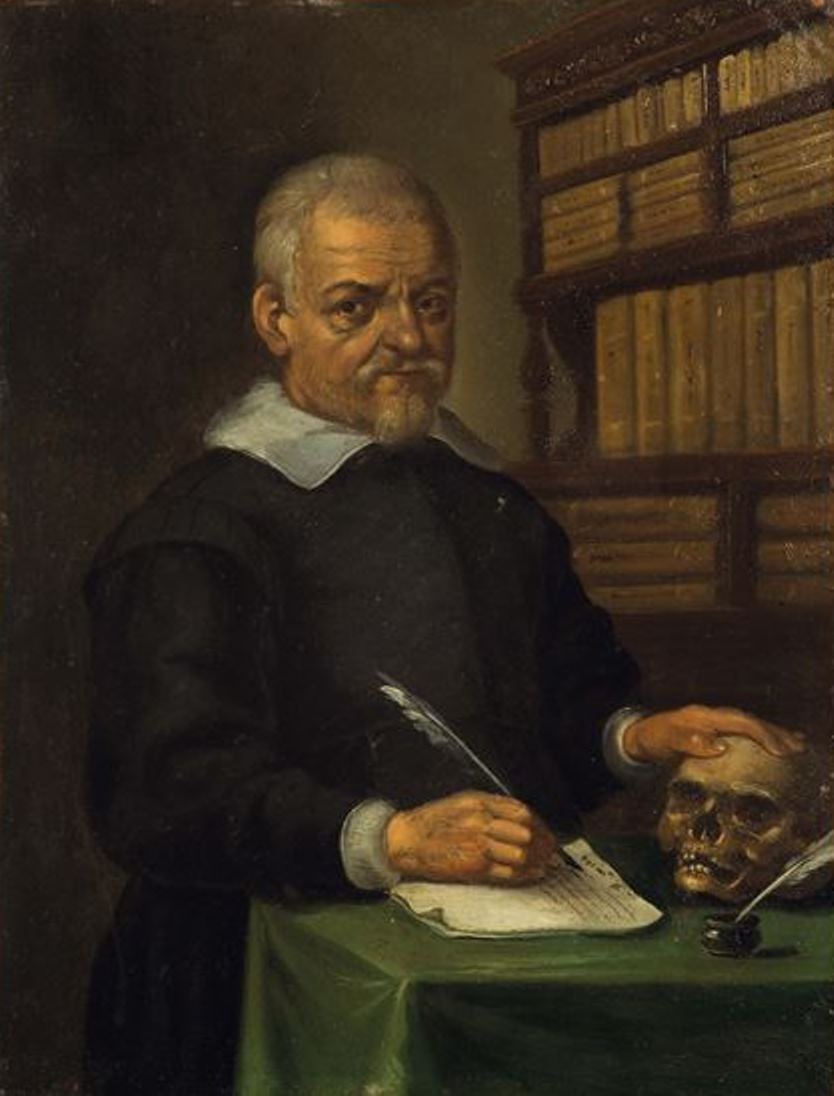
Marco Aurelio Severino was an Italian surgeon, anatomist and zoologist, one of the founders of comparative anatomy.
From childhood Severino studied Latin, Greek, rhetoric, poetry and law in various schools in Calabria, then continued his studies in Naples, soon moving from law to medicine. In Naples he met Tommaso Campanella, who had a great influence on the formation of his worldview. After receiving a medical degree in Salerno in 1606, he studied surgery in Naples with Giulio Jasolino. In 1615 Severino was appointed the first surgeon at Ospedale degli Incurabili. Severino made significant contributions to the transformation of naturophilosophy, medical and surgical practice, to which much of his printed work is devoted.
Severino's main contribution, however, lies in his anatomical works, especially the Zootomia Democritea. This work may be called the earliest comprehensive treatise on comparative anatomy. Severino is considered one of the pioneers of comparative anatomy.
Severino's cultural interests extended far beyond medicine. He corresponded with many prominent physicians and scientists of his time, including William Harvey and John Houghton in England, Thomas Bartolin and Ole Worm in Denmark, J.G. Volkamer and Johannes Wesling in Germany, and Campanella, Jasolino, and Tommaso Cornelio in Italy. Severino was tried by the Inquisition for allegedly unorthodox religious and philosophical views, but was eventually acquitted. He died of the plague in Naples.




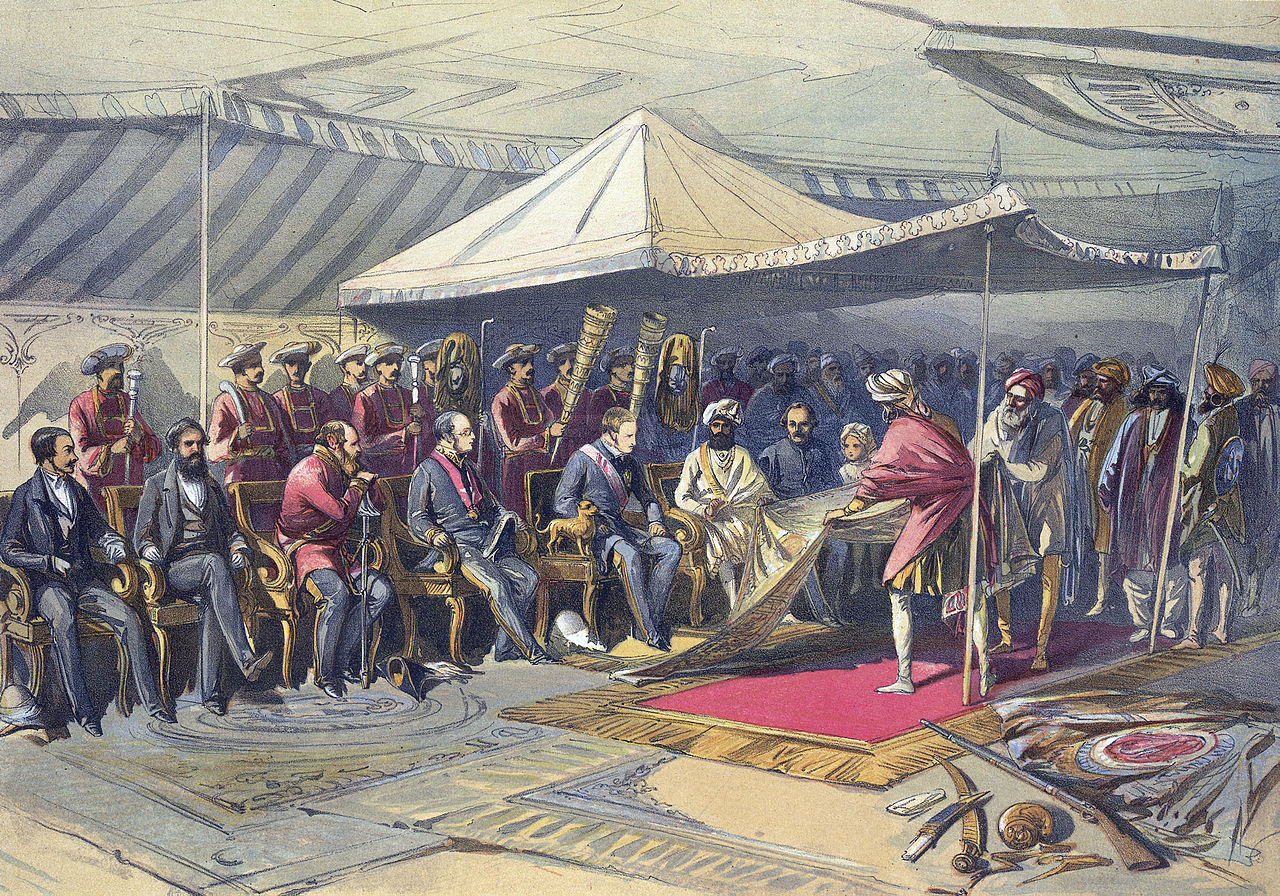
![William Simpson | The seat of the war in the East [first and second series]. London, 1855-1856, 2 volumes, deluxe hand-coloured edition](/assets/image/picture_3553114/1f25a/lpwgbzlbdjeizge5qgkdwkegipzhw9zqdtyv4jqwbm2xkfgtdbwgohjts8wvy5y21699098650jpg__fix_374_244.jpeg)
![William Simpson | The seat of the war in the East [first and second series]. London, 1855-1856, 2 volumes, deluxe hand-coloured edition](https://veryimportantlot.com/assets/image/picture_3553114/1f25a/lpwgbzlbdjeizge5qgkdwkegipzhw9zqdtyv4jqwbm2xkfgtdbwgohjts8wvy5y21699098650jpg__fix_374_244.jpeg)