wie verkaufen












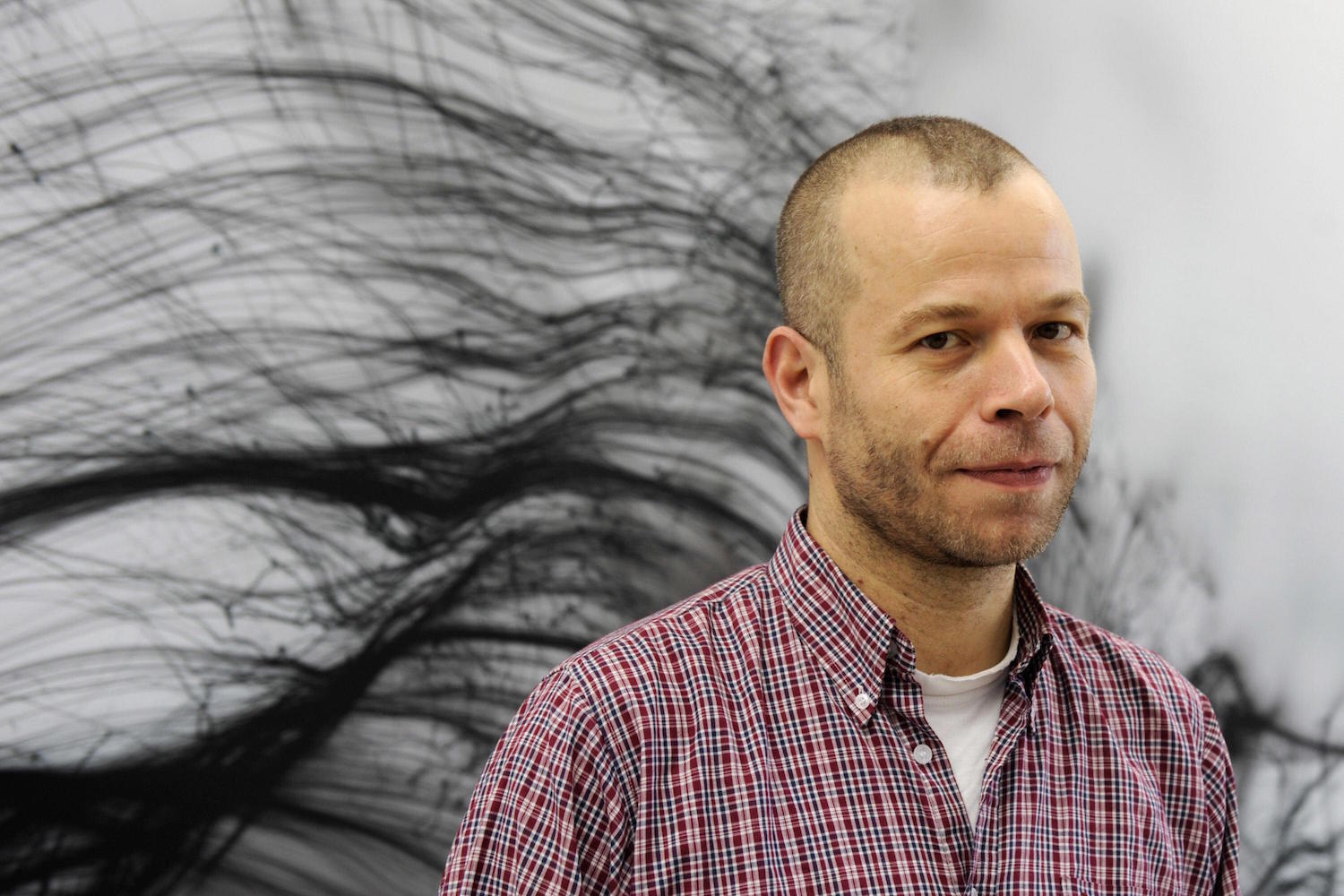
Wolfgang Tillmans is a German photographer. His diverse body of work is distinguished by observation of his surroundings and an ongoing investigation of the photographic medium’s foundations.
Tillmans was the first photographer – and also the first non-British person – to be awarded the Tate annual Turner Prize. He has also been awarded the Hasselblad Award, the Royal Photographic Society's Centenary Medal, the Royal Academy Summer Exhibition's Charles Wollaston Award, The Culture Prize of the German Society for Photography, and is an Academician of the Royal Academy of Arts, London.



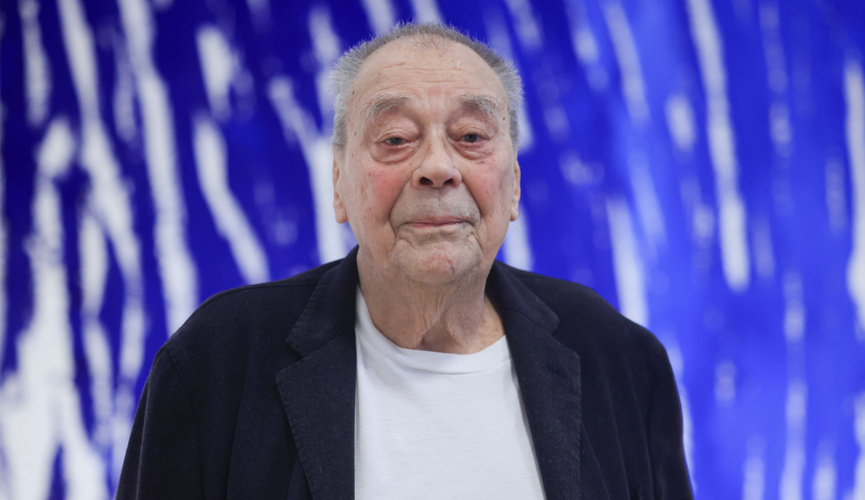
Günther Uecker is a German sculptor, op artist and installation artist.



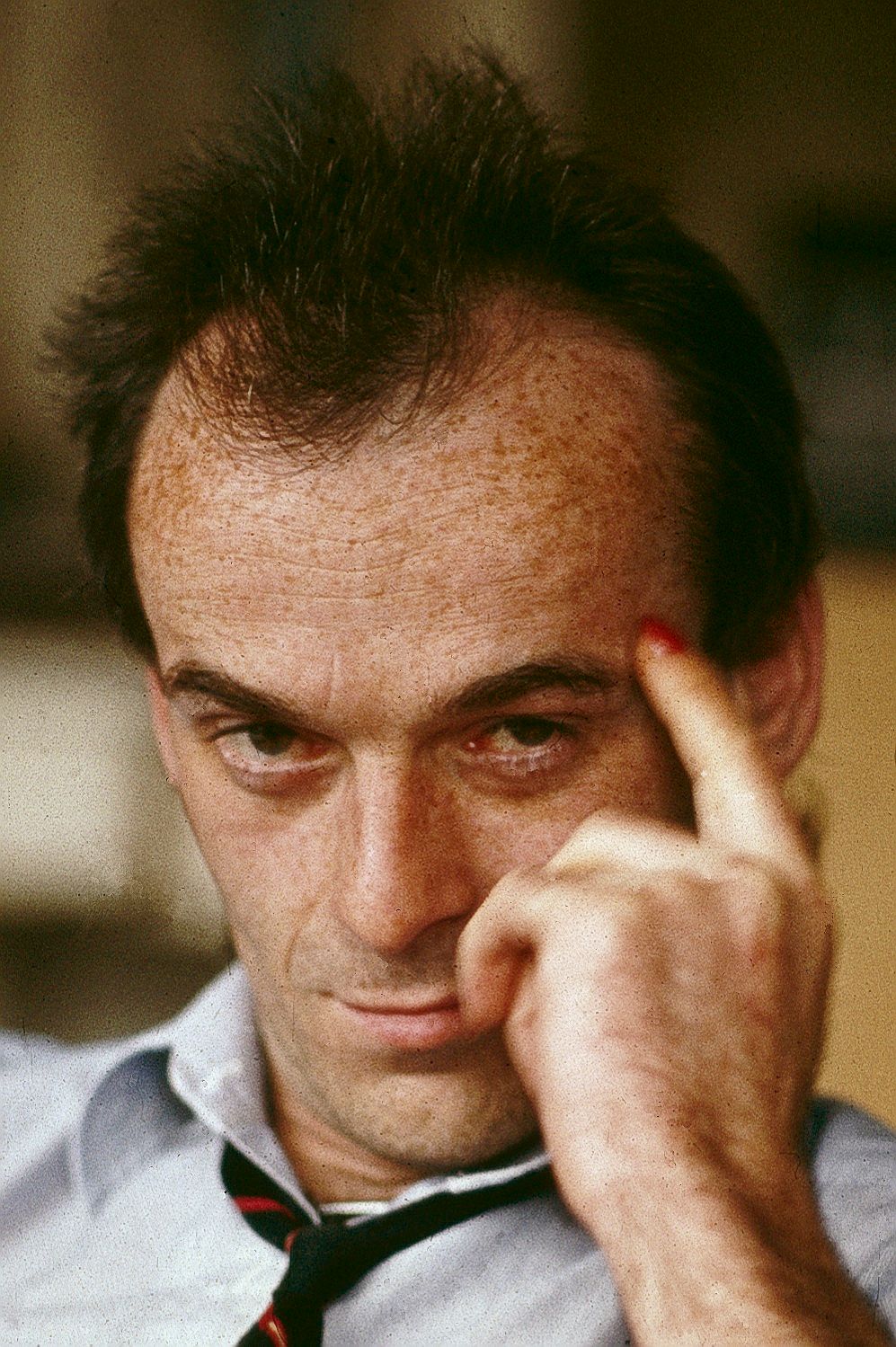
Jürgen Klauke is a German artist. Beginning in the 1960s, he used his own body as a subject of his photographs. He also experimented with minimalism and surrealism. The ZKM in Karlsruhe exhibits his work. Since 1968 he lives and works in Cologne.
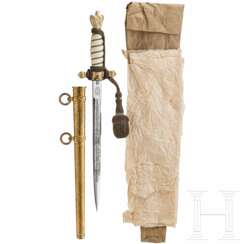



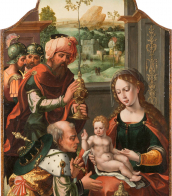
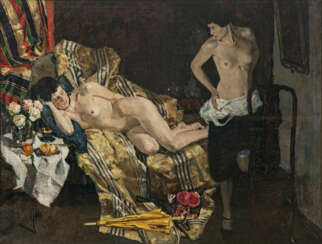

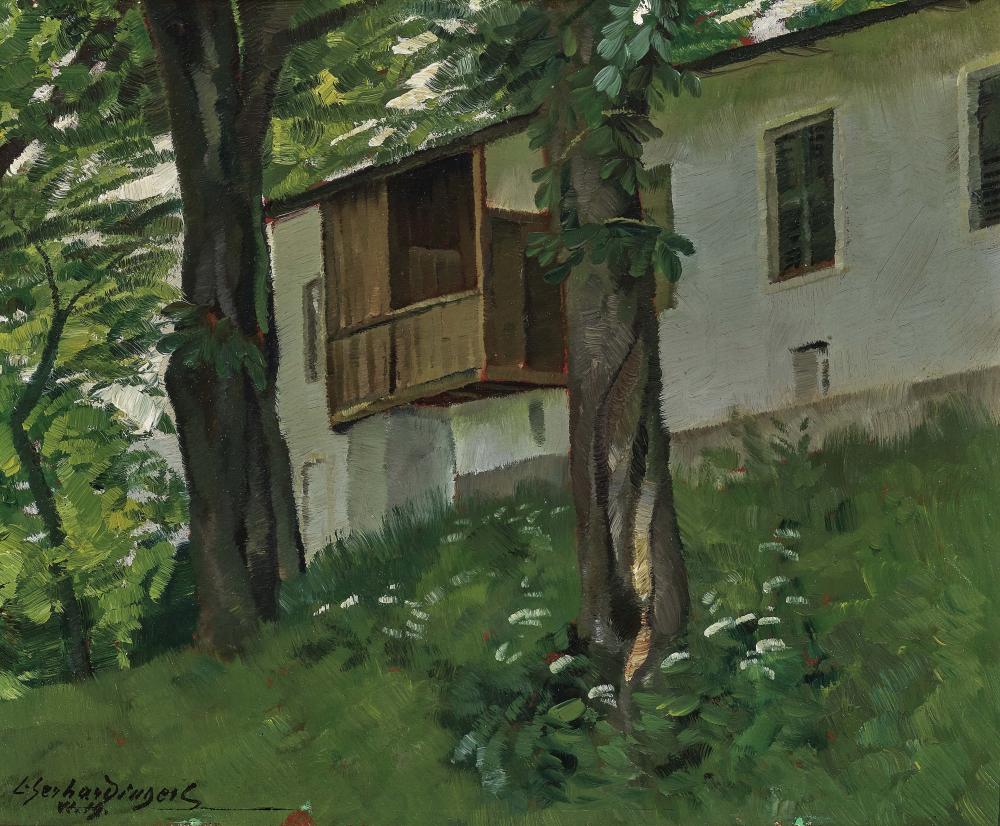

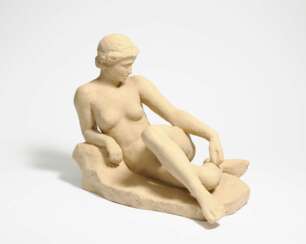

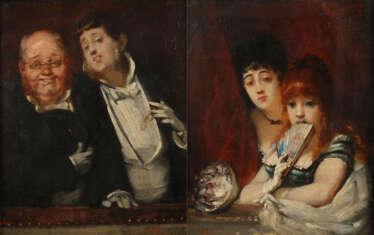



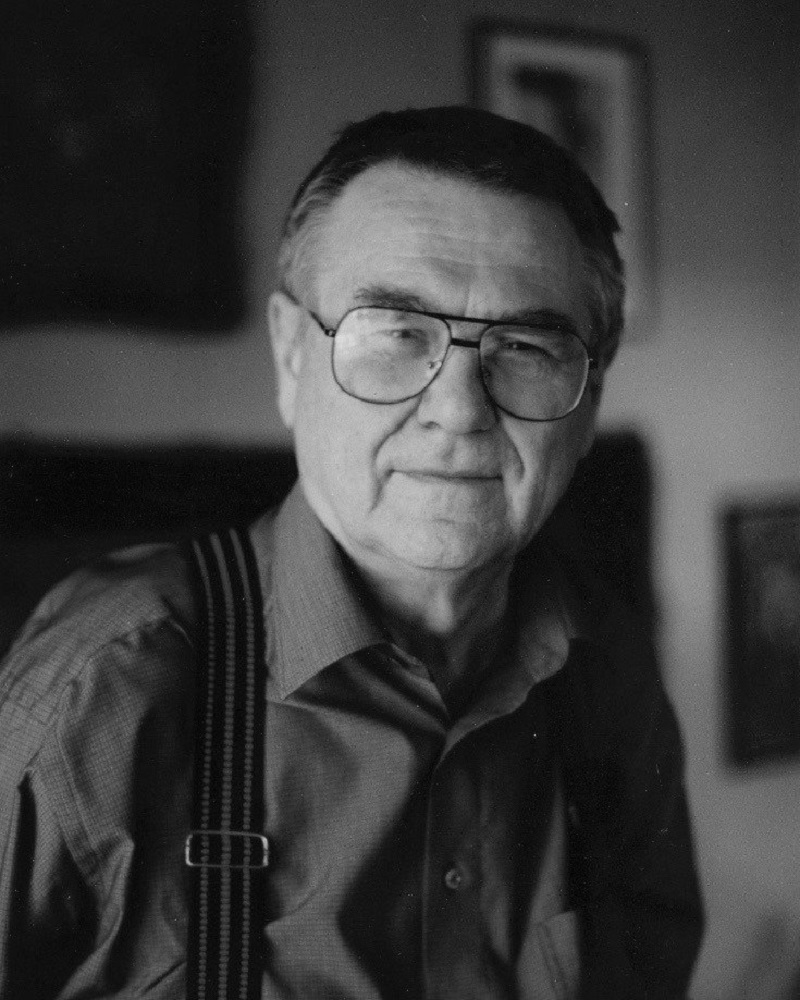
Zdzisław Beksiński was a Polish painter, photographer, and sculptor, specializing in the field of dystopian surrealism.
Beksiński made his paintings and drawings in what he called either a Baroque or a Gothic manner. His creations were made mainly in two periods. The first period of work is generally considered to contain expressionistic color, with a strong style of «utopian realism» and surreal architecture, like a doomsday scenario. The second period contained more abstract style, with the main features of formalism.
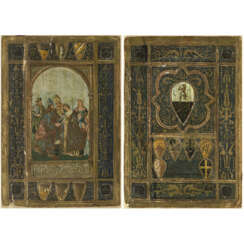

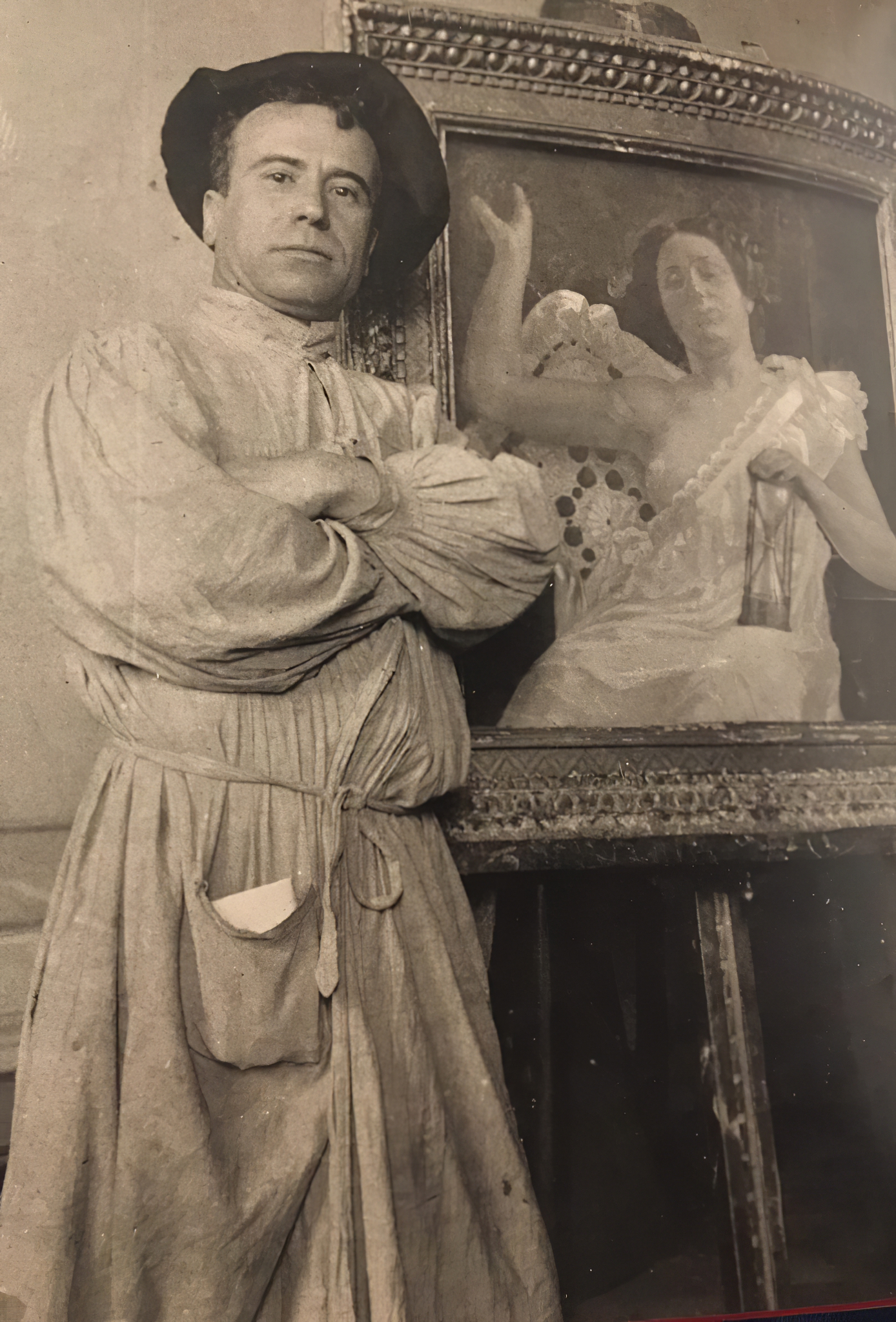
Icilio Federico Joni was an Italian artist known for his exceptional talent in producing forgeries, particularly of Quattrocento paintings. Born in Siena in 1866, Joni's career in art forgery began in a gilding shop, where he honed his skills with wood, plaster, and paint. His forgeries were so convincing that they made their way into renowned collections and questioned the boundaries between counterfeit and creative artistry.
Icilio Federico Joni's works include not only paintings but also forged book covers, imitating the historic Biccherne covers from Siena. His creations, like the Madonna with Child, Saint Mary Magdalene, and Saint Sebastian, showcase his profound ability to adopt and adapt the styles of historic Sienese painters like Neroccio di Bartolomeo and Matteo di Giovanni, infusing them with his own interpretations and variations.
Despite the initial secrecy surrounding his forgeries, Icilio Federico Joni's desire for recognition led him to openly discuss his deceptions in his autobiography. His techniques in aging his creations were so meticulous that they often confused even expert art historians, adding a layer of complexity to the debate over his legacy as either a master forger or a creative genius in his own right.
Joni's story is not just a tale of deception but also a commentary on the art market's vulnerabilities and the thin lines between imitation, inspiration, and fraud. For art collectors and experts, his life and works serve as a fascinating study in the dynamics of authenticity and value in the art world.
For those intrigued by the enigmatic world of art forgeries and the exceptional craftsmanship of Icilio Federico Joni, we invite you to sign up for updates. By subscribing, you'll receive notifications about new discoveries, exhibitions, sales, and auction events related to Joni's works and the fascinating realm of art history. Stay informed and delve deeper into the intriguing stories of art and authenticity.


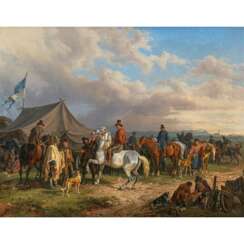

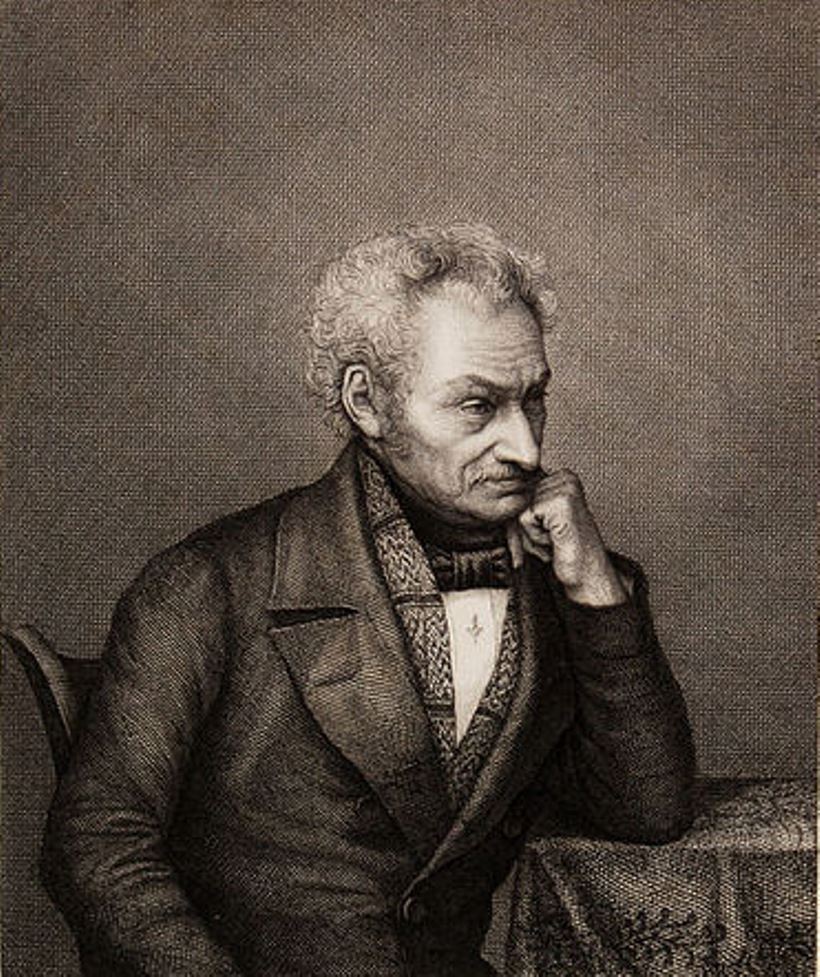
Johann Adam Klein was a German painter and engraver.
He studied the art of engraving and painting at the Vienna Academy of Fine Arts, and painted battle scenes, carefully painting details and especially horses. Horses and animals in general are Klein's favorite subjects. In addition to Germany, he lived in Italy and Hungary, and everywhere he looked for subjects for his works, where horses are necessarily in the center of attention, whether it be battle scenes involving the military, or in a village stable on vacation.