Rococo — Auction price



























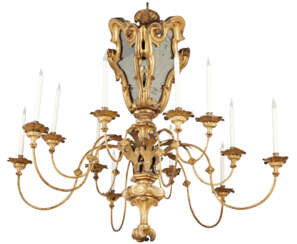

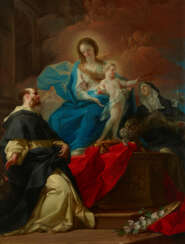

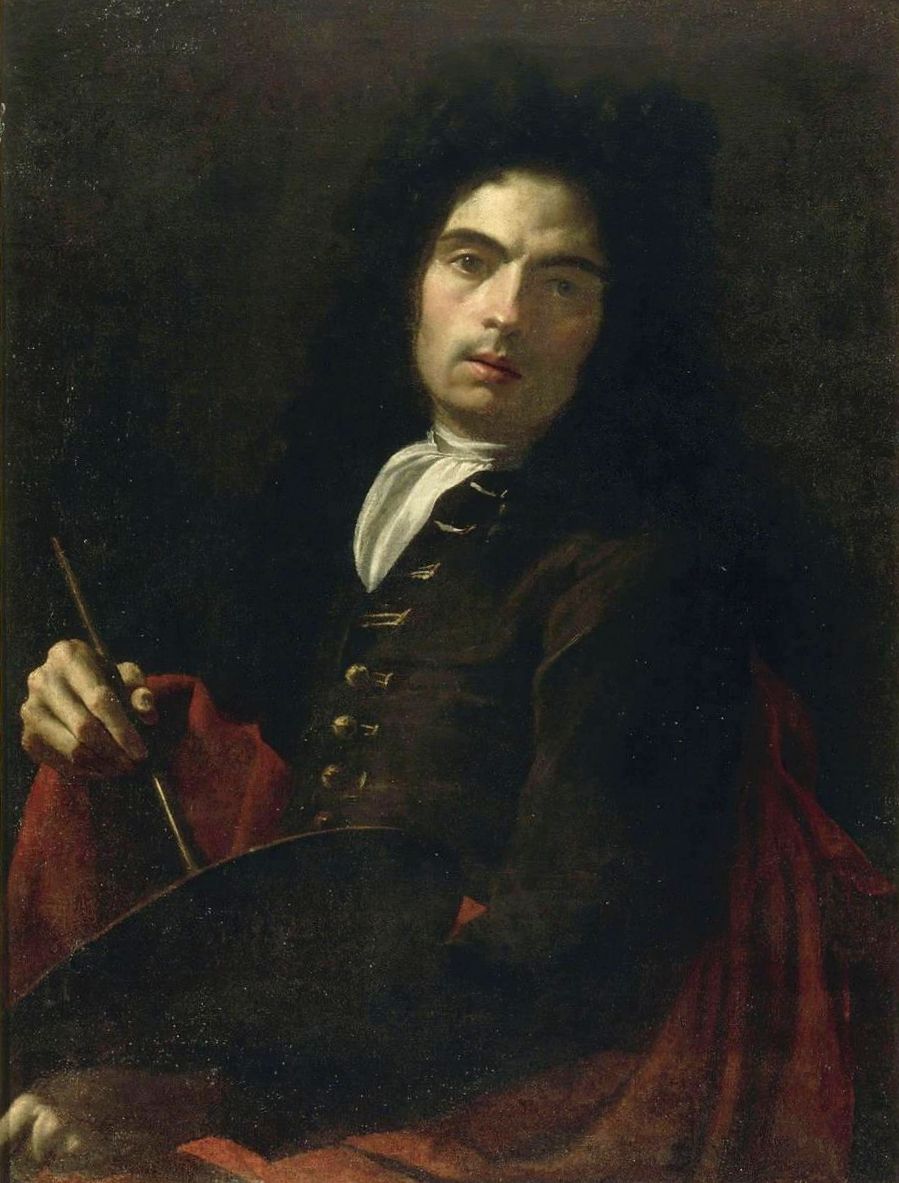
Corrado Giaquinto was a prominent Italian painter of the Rococo period. His journey into the arts took him from apprenticeships with local painters in his youth to a flourishing career across Italy and Spain. Giaquinto's early training under Saverio Porta and subsequent studies in Naples under Nicola Maria Rossi and Francesco Solimena honed his skills in the Neapolitan painting tradition. By the time he moved to Rome in 1727, his style had matured, leading to collaborations on significant projects and solo commissions that showcased his mastery of the Rococo style.
Giaquinto's work is known for its vibrant colors, dynamic compositions, and the integration of classical and religious themes, reflective of the Rococo spirit. His frescoes and oil paintings, such as "The Penitent Magdalen" and "Medea Rejuvenating Aeson," are celebrated for their technical brilliance and emotional depth, housed in prestigious museums like the Metropolitan Museum of Art in New York and the Louvre Museum in Paris. His significant contribution to the art world extends to his role as a court painter in Madrid, where he influenced the Spanish art scene profoundly during his tenure from 1753 to 1761.
For collectors and experts in art and antiques, Giaquinto's oeuvre offers a fascinating glimpse into the opulence and elegance of 18th-century Rococo art. His ability to blend dramatic narratives with delicate details makes his work a study in the balance between grandeur and grace, marking him as a key figure in the transition from the Baroque to Rococo styles.
To explore more about Corrado Giaquinto's influential work and to stay informed about exhibitions or sales featuring his art, signing up for updates from art institutions can provide exclusive insights into the world of this illustrious Rococo painter. This subscription is tailored for enthusiasts keen on delving deeper into the rich tapestry of 18th-century European art, ensuring they remain abreast of relevant developments and opportunities related to Giaquinto's legacy.








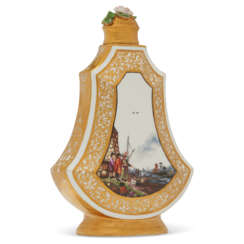

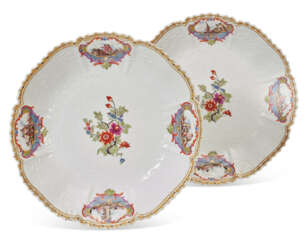

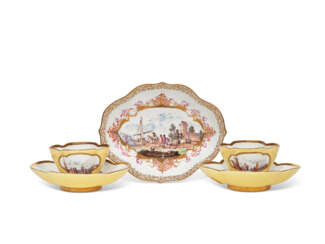

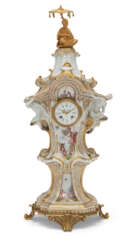

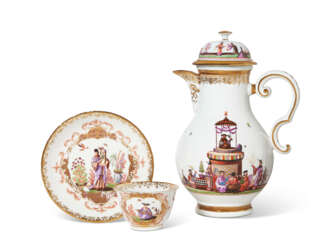



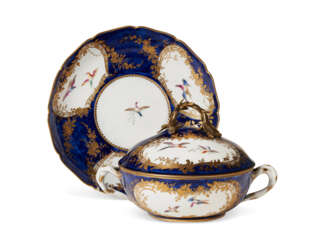

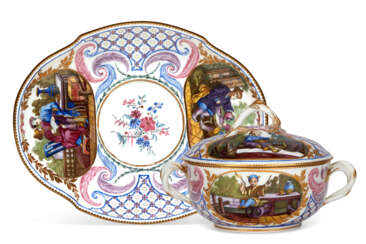

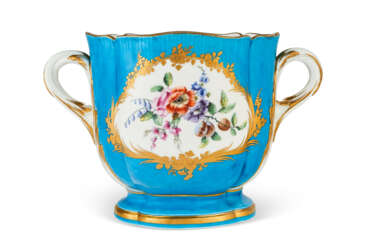






















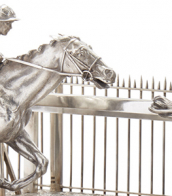



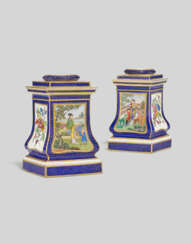

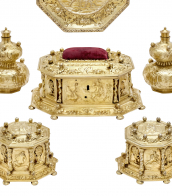





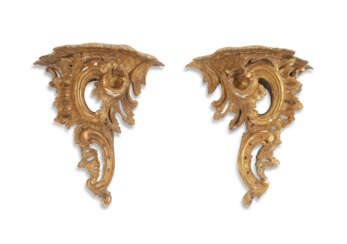

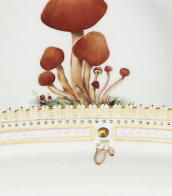
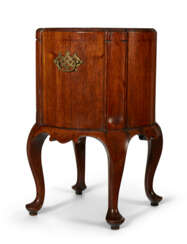

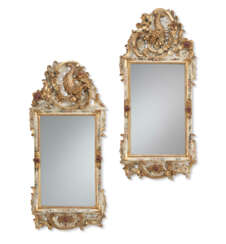



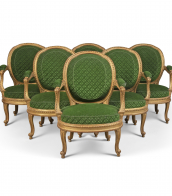











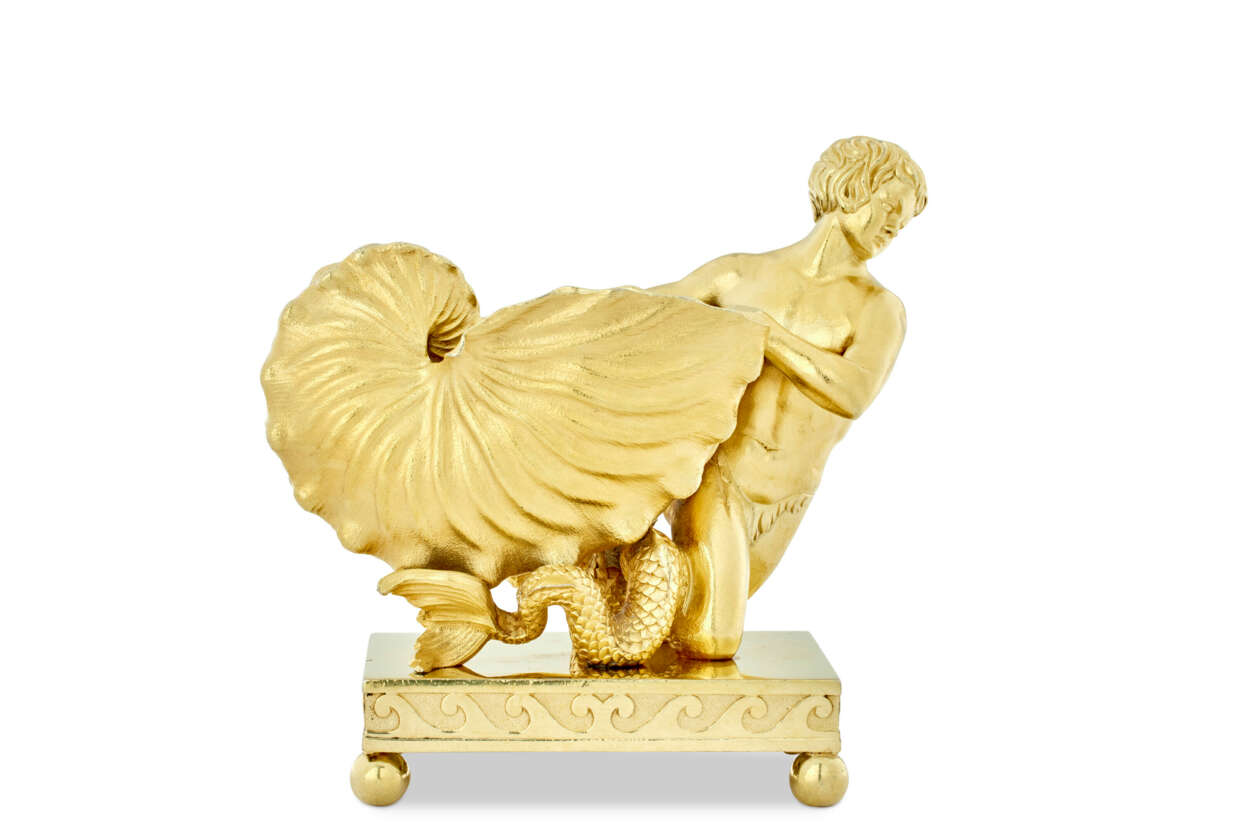
Paul Storr was an English goldsmith and silversmith working in the Neoclassical and other styles during the late 18th and early 19th centuries. His works range from simple tableware to magnificent sculptural pieces made for royalty.



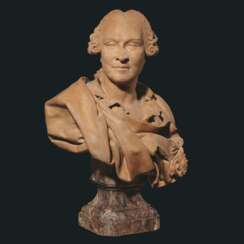

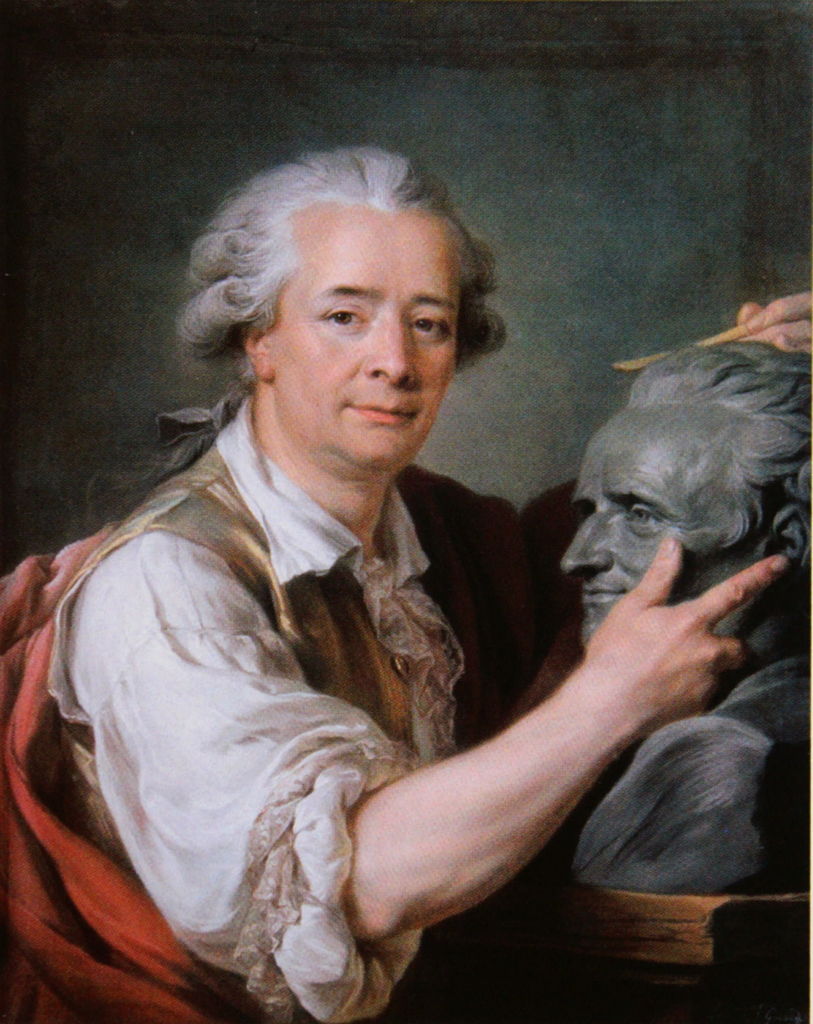
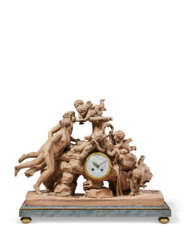
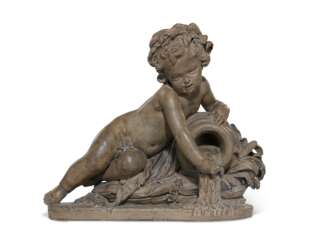
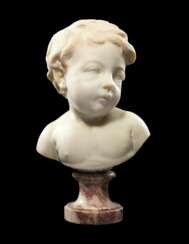
Augustin Pajou was a French sculptor, born in Paris. At eighteen he won the Prix de Rome, and at thirty exhibited his Pluton tenant Cerbère enchaîné (now in the Louvre).

















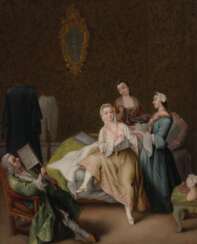

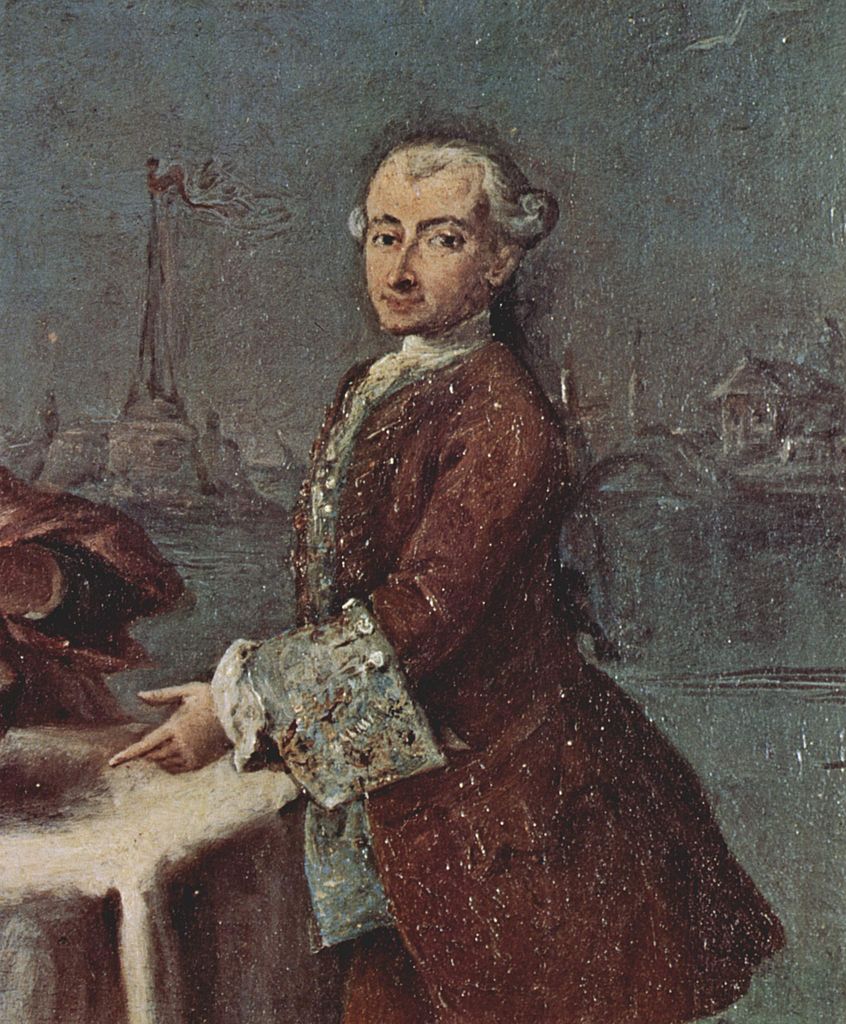
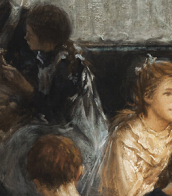
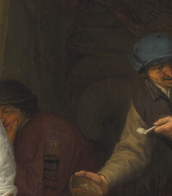
Pietro Longhi was a Venetian painter renowned for his intimate depictions of daily life in 18th-century Venice. His works, void of biting satire but possibly tinged with gentle irony, provide a unique window into the social and domestic spheres of Venetian society. Pietro Longhi's art captures a range of everyday moments, from high society gatherings to common street scenes, all characterized by a keen observation of human interaction and behavior.
Pietro Longhi's training began under the tutelage of the history painter Antonio Balestra and continued with Guiseppe Maria Crespi in Bologna, whose influence is evident in Longhi's detailed genre scenes. Returning to Venice, he shifted his focus to these smaller, more personal vignettes, starting in 1741. His works, such as "The Charlatan" and "The Ridotto in Venice," highlight the public and private lives of Venetians, often showcasing masked figures engaging in various activities, hinting at the city's famous carnival culture.
Notable works like "The Exhibition of a Rhinoceros at Venice" reflect Pietro Longhi's interest in capturing contemporary events and curiosities, offering insight into the leisure and entertainment of the time. This particular painting is part of the National Gallery's collection and stands out for its depiction of public fascination with exotic animals, intertwined with social commentary.
For collectors and art experts, Pietro Longhi's paintings are invaluable for their historical context and artistic merit, capturing the essence of Venetian life with a unique blend of realism and subtlety. His works continue to be celebrated for their detailed narrative quality and their ability to transport viewers to the heart of 18th-century Venice.
For those keen on exploring more about Pietro Longhi's contributions to art and culture, and to stay updated on sales and auction events featuring his works, subscribing for updates can be a valuable way to stay informed.
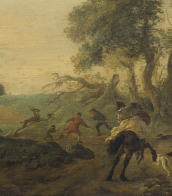



















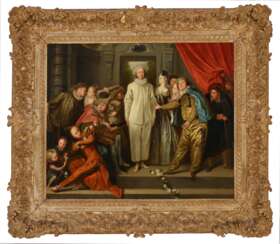

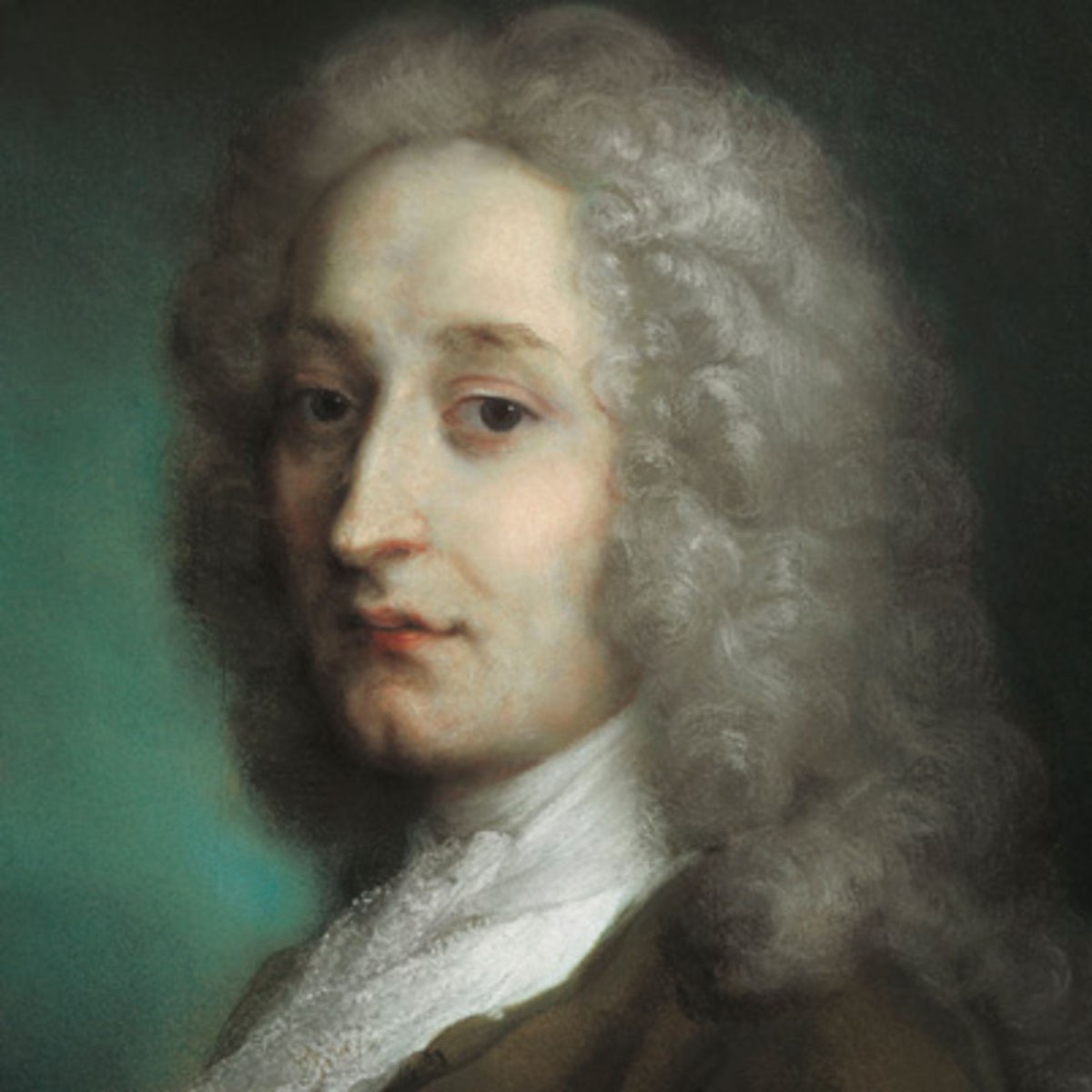
Jean-Antoine Watteau was a French painter and draughtsman whose brief career spurred the revival of interest in colour and movement, as seen in the tradition of Correggio and Rubens. He revitalized the waning Baroque style, shifting it to the less severe, more naturalistic, less formally classical, Rococo. Watteau is credited with inventing the genre of fêtes galantes, scenes of bucolic and idyllic charm, suffused with a theatrical air. Some of his best known subjects were drawn from the world of Italian comedy and ballet.
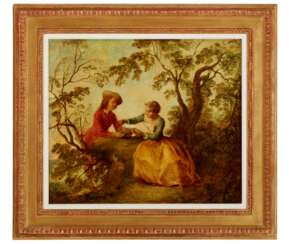

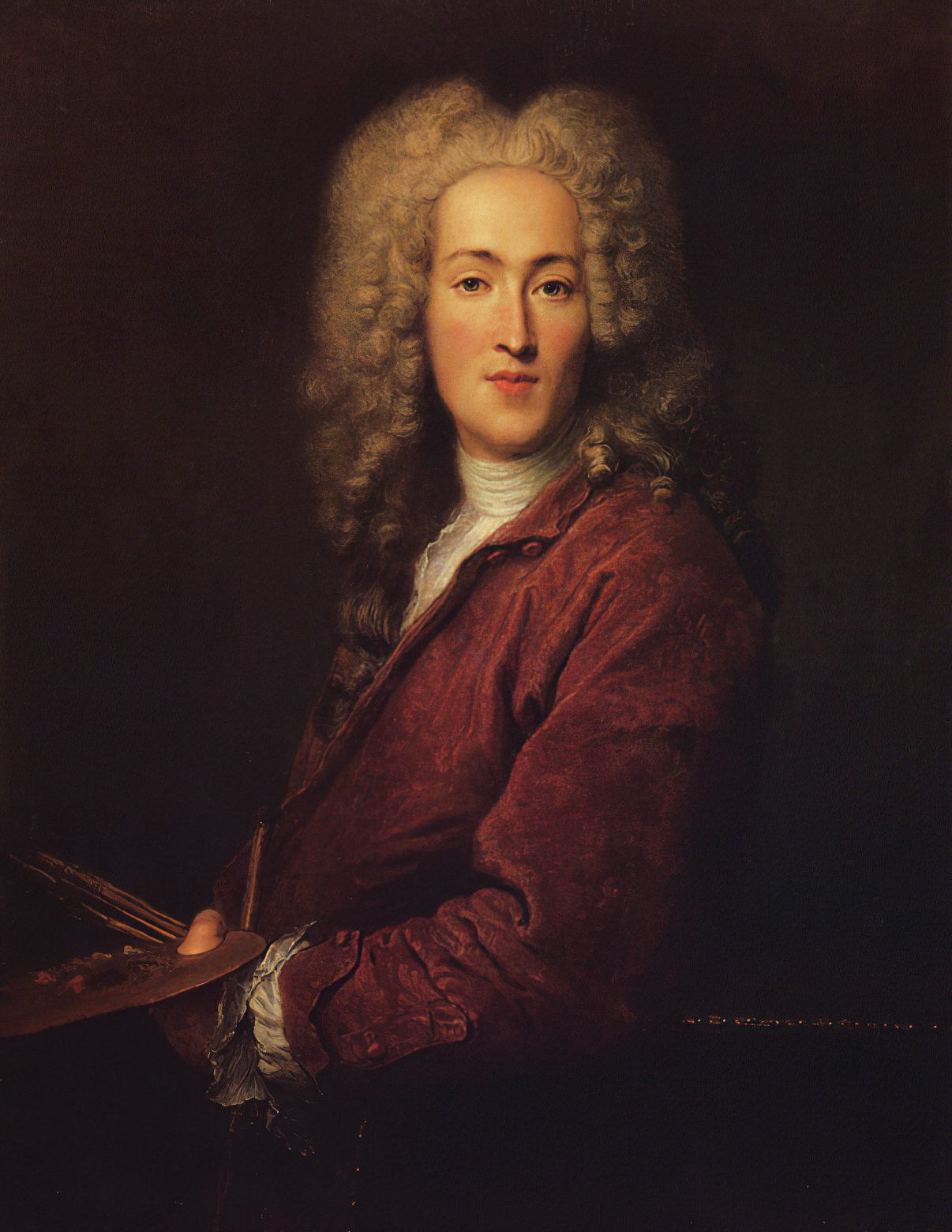
Nicolas Lancret was a French painter. Born in Paris, he was a brilliant depicter of light comedy which reflected the tastes and manners of French society during the regency of the Duke of Orleans and, later, early reign of King Louis XV.