

vieux maître


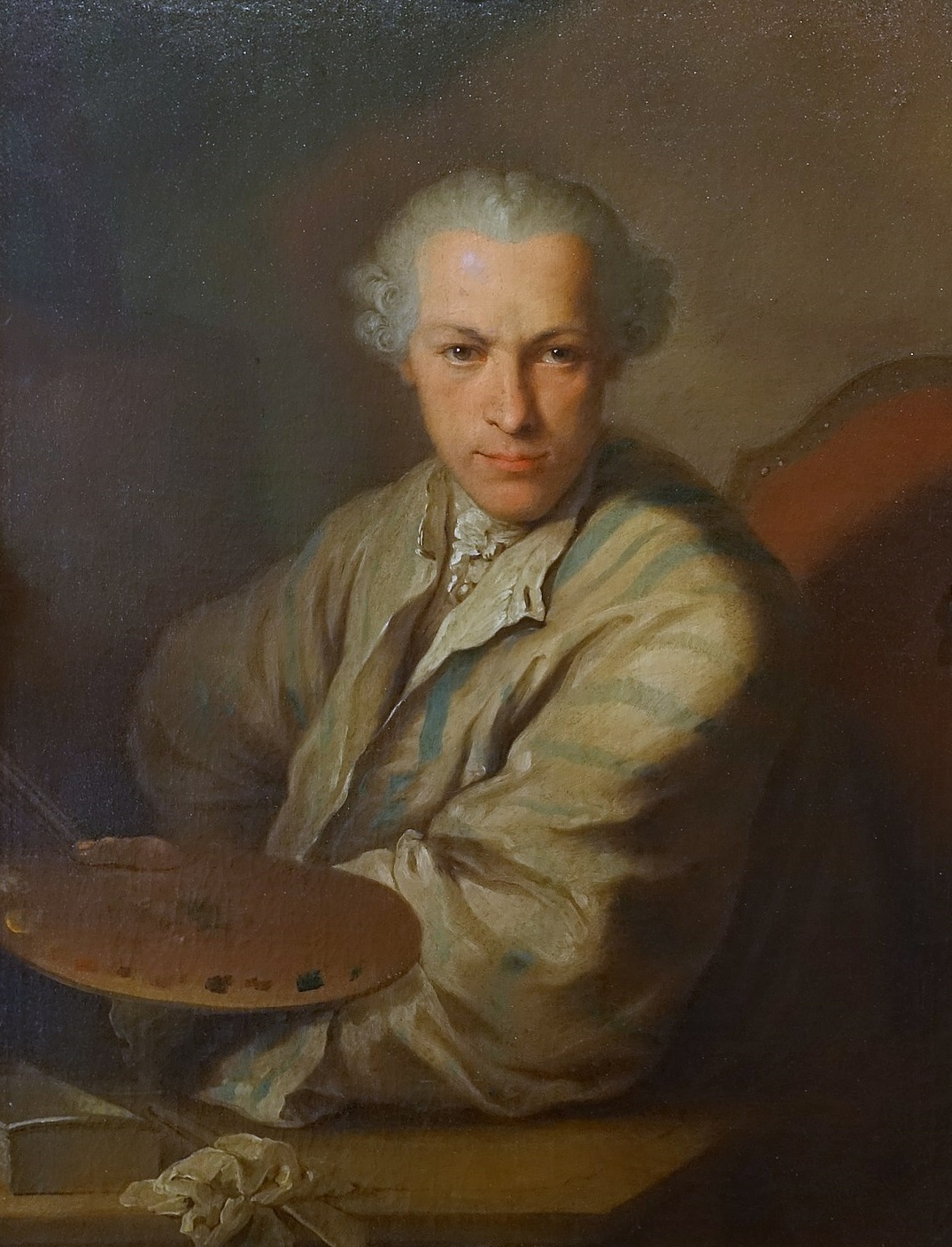
Johann Rasso Januarius Zick was a German painter and architect. He is considered to be one of the main masters of the Late-Baroque.


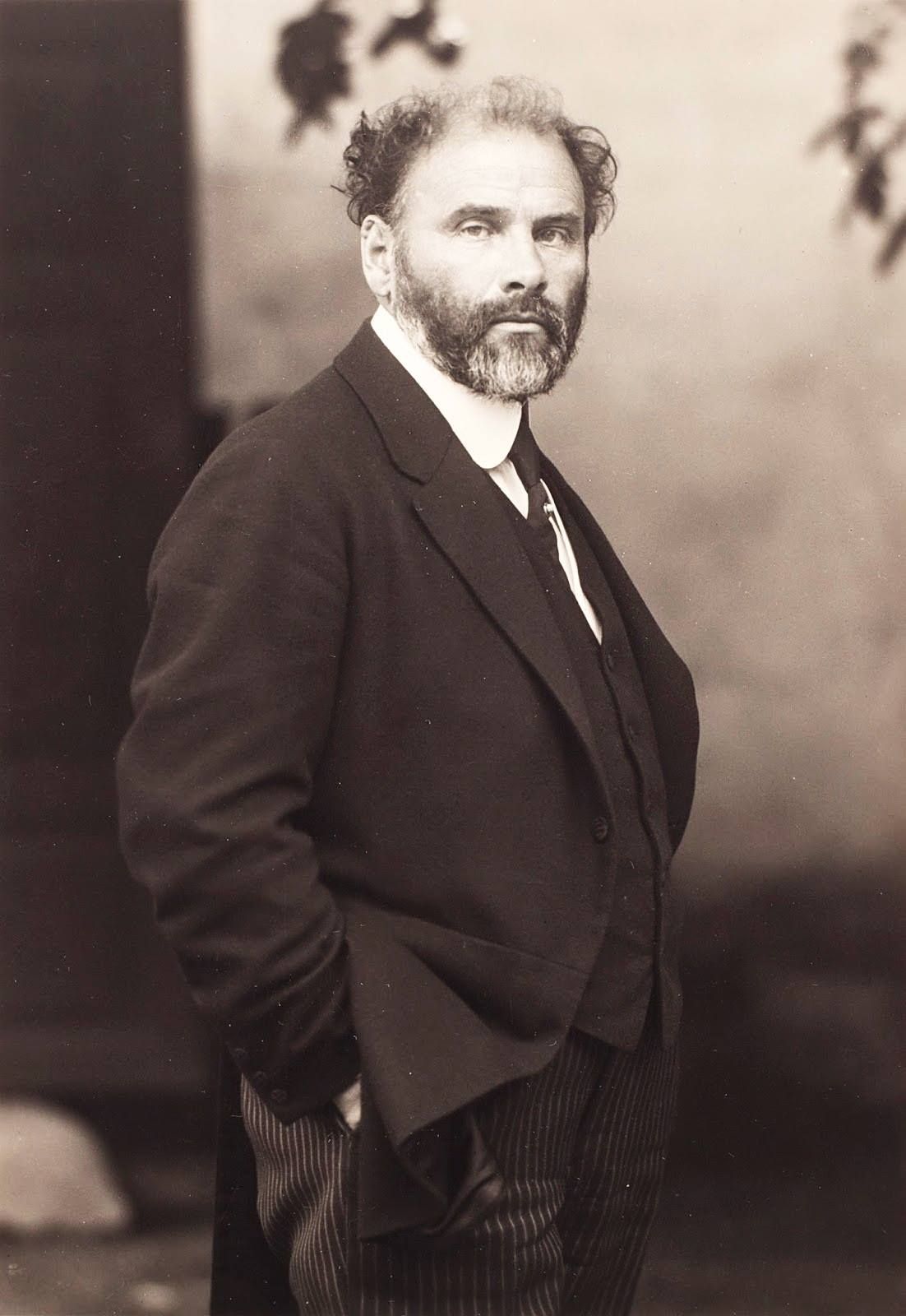
Gustav Klimt, an Austrian Symbolist painter, was a central figure in Vienna's Secession movement, known for his paintings, murals, sketches, and objets d'art. Born on July 14, 1862, in Baumgarten near Vienna, Klimt's early life was marked by financial hardship, but he showed artistic talent at a young age. He studied at Vienna's Kunstgewerbeschule, where he received a conservative education in architectural painting that influenced his early traditional works.
Klimt's path as an artist was evolutionary and controversial. Initially a successful painter of architectural decorations, his style evolved into a more personal and controversial form, especially after public criticism of his works for the Great Hall of the University of Vienna in 1900, which were deemed pornographic. This turning point led him to abandon public commissions and begin the so-called "golden period," characterized by the use of gold leaf in his work. Some of his most famous paintings, such as The Kiss and Portrait of Adele Bloch-Bauer I, which demonstrate a combination of Byzantine influence and modern symbolism, belong to this phase.
An important aspect of Klimt's career was his participation in the Vienna Secession, an art movement he co-founded in 1897. This movement, which had no manifesto, aimed to showcase unconventional artists and to bring foreign artistic influences to Vienna. Klimt was its first president and participated in the creation of the periodical Ver Sacrum.
Despite his artistic fame, Klimt led a relatively withdrawn lifestyle, often working alone and maintaining discreet personal relationships. Nevertheless, his legacy remains strong: his works fetch high prices at auction and continue to be celebrated for their innovative style and symbolic depth.
For collectors and art experts, Klimt's work represents a fascinating exploration of the evolution of Symbolism and Art Nouveau. His unique approach to form, color, and subject matter makes his work highly valued and constantly relevant in the art world.
If you are interested in keeping up to date with sales and auction events related to the works of Gustav Klimt, we recommend signing up for updates. This will ensure that you don't miss the opportunity to own a piece of this remarkable artist's history.


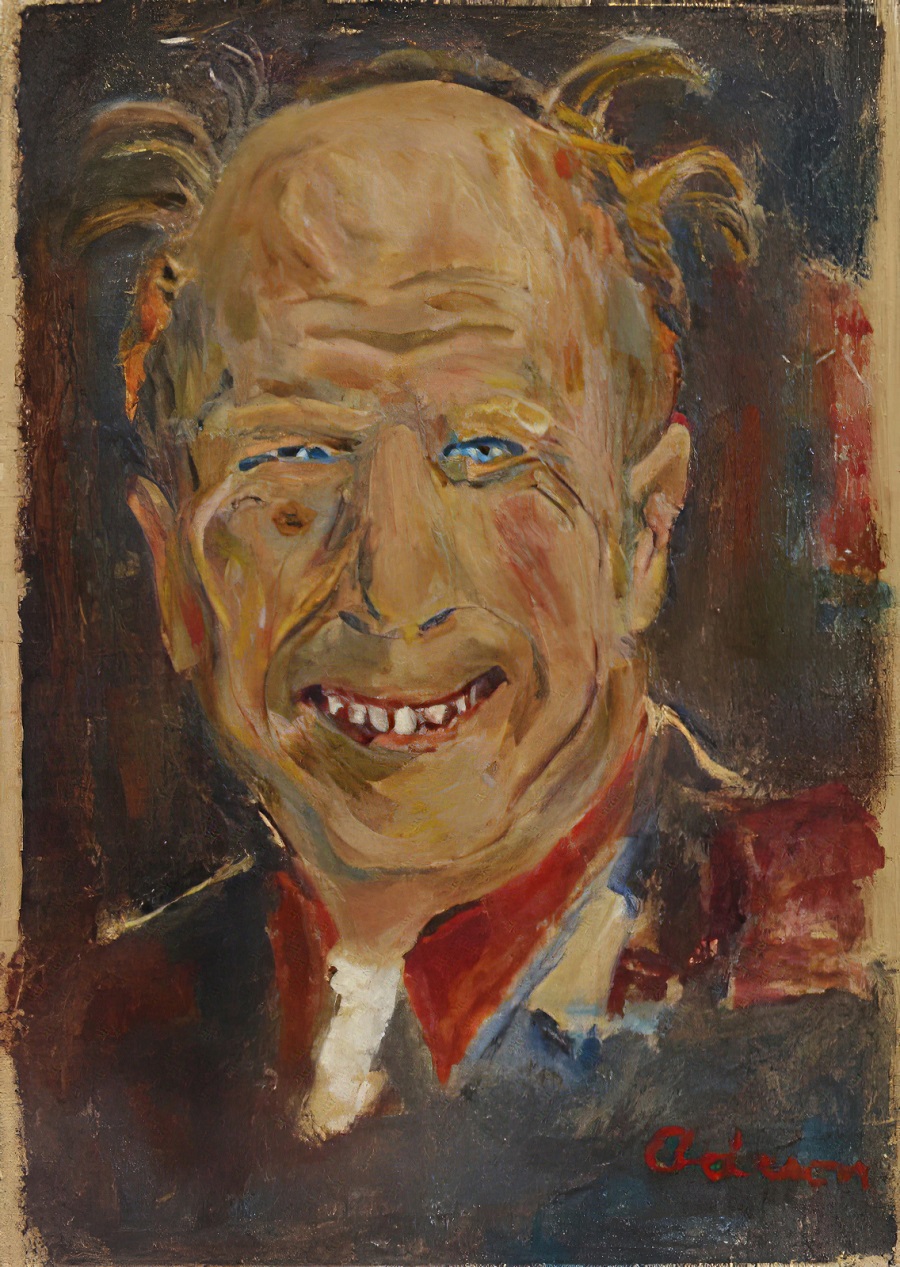
Lucien Adrion was a French post-impressionist painter, draughtsman and printmaker. He is known for his depictions of the French countryside and beaches, as well as of Parisian life, including landscapes, still lifes, figures and landmarks.
Throughout his career, Adrion exhibited his work at the Salons in Paris, where he was praised for his ability to capture the movement and transience of city life.


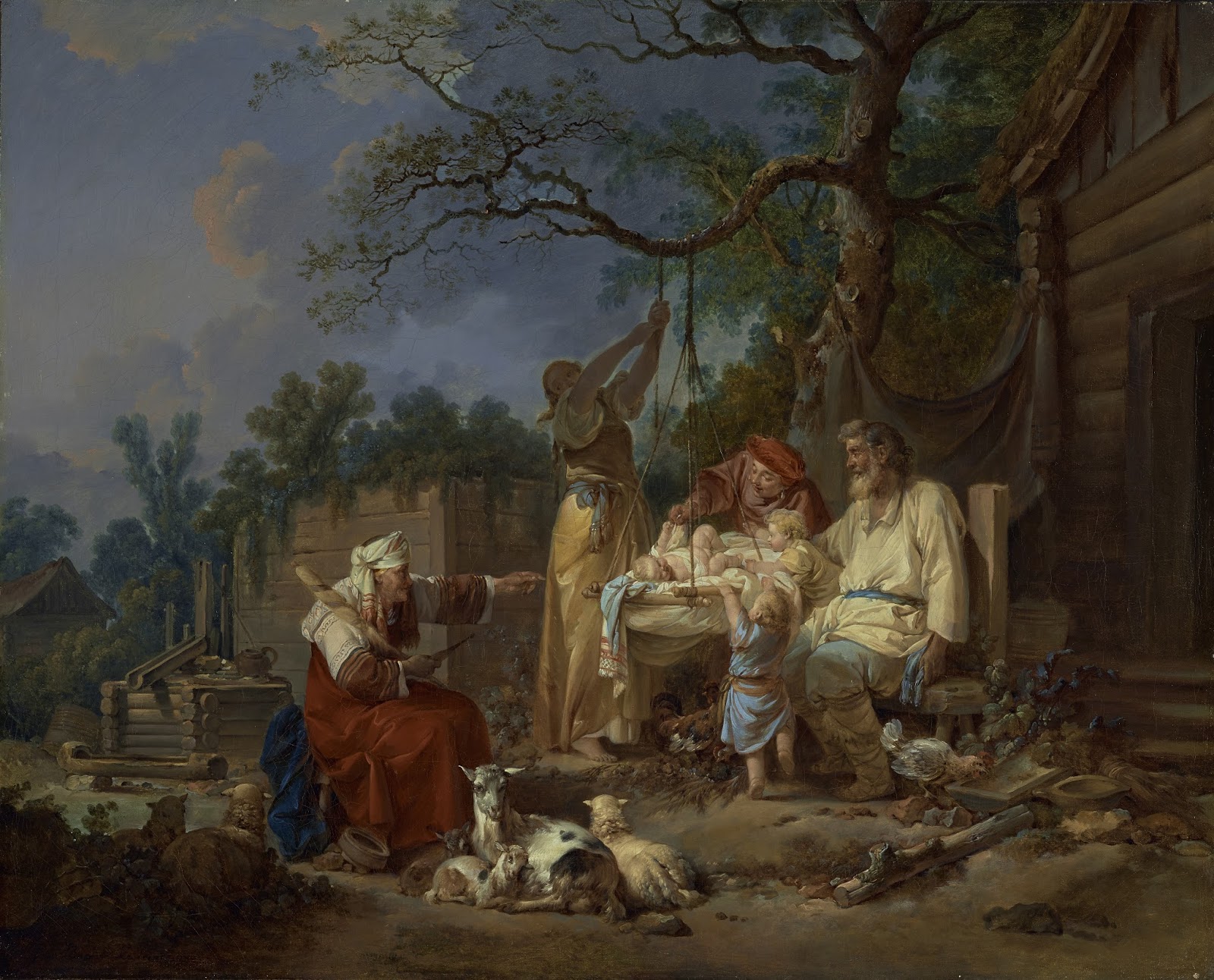
Jean-Baptiste Le Prince was an important French etcher and painter.


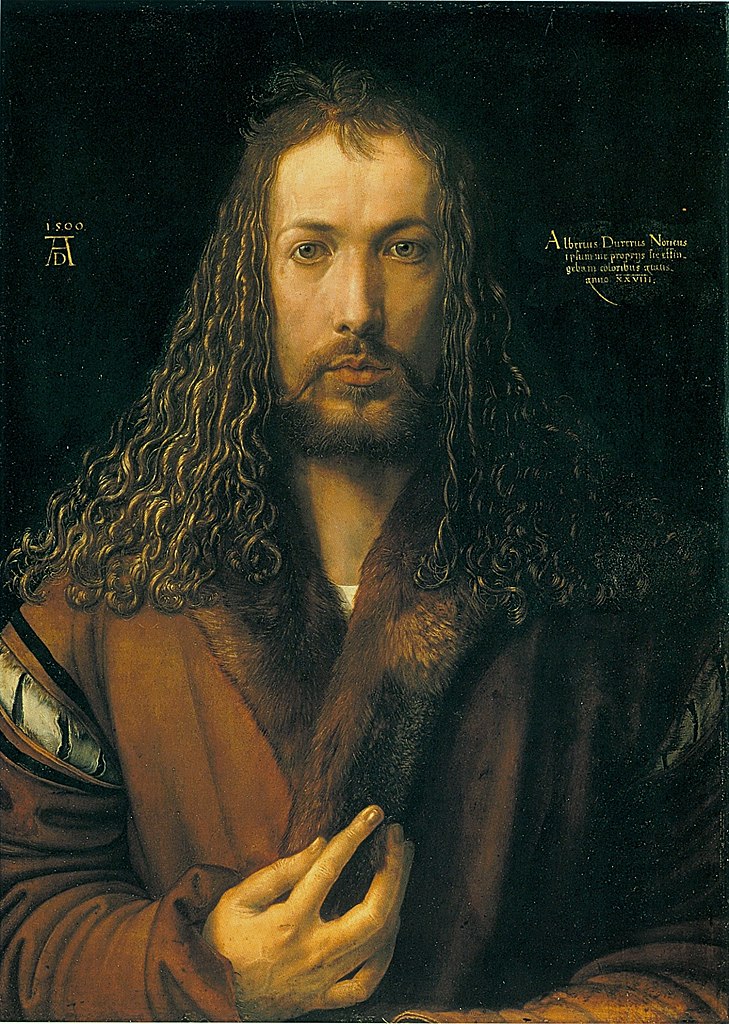
Albrecht Dürer, born on May 21, 1471 in Nuremberg, Germany, is widely regarded as the greatest German Renaissance painter. His contribution to painting and engraving is quite significant and has left a notable mark on the art world. Dürer's early life was spent in Nuremberg, a city that played a crucial role in his development as an artist and was also the site of his death on April 6, 1528. He was the son of the goldsmith Albrecht Dürer the Elder, from whom he initially learned the basics of drawing and metalworking.
Dürer's work is characterized by a combination of Gothic elements with the emerging Renaissance style, which is evident in his woodcuts and engravings. His oeuvre encompasses many themes, including religious works, altarpieces, portraits, and self-portraits. His outstanding prints, such as The Knight, Death and the Devil (1513), St. Jerome in his Study (1514) and Melencolia I (1514), are known for their intricate detail and artistic skill. Dürer was also one of the earliest European landscape painters, as evidenced by his watercolor paintings.
Equally significant are his theoretical writings on mathematics, perspective, and ideal proportions in art. Dürer was not only an artist but also a keen intellectual, his interests encompassing various aspects of culture and science. He served as court painter to Holy Roman Emperors Maximilian I and Charles V, completing several significant art projects for them. Dürer's keen mind and versatile interests brought him into contact with the most prominent figures of his time, including theologians and scientists of the Reformation era.
Dürer's self-portraits are particularly famous, demonstrating not only his artistic skill but also his self-awareness and personal style. These portraits attest to his growing success and confidence as an artist. Dürer's legacy is immense; he influenced not only the art of his time, but also left an indelible mark on the history of European art.
For those interested in the work and legacy of Albrecht Dürer, we recommend subscribing to our updates. Our subscription service is designed to provide information about new sales and auction events related to this remarkable artist. Join us to keep up to date on the latest art and antiques related to Albrecht Dürer.


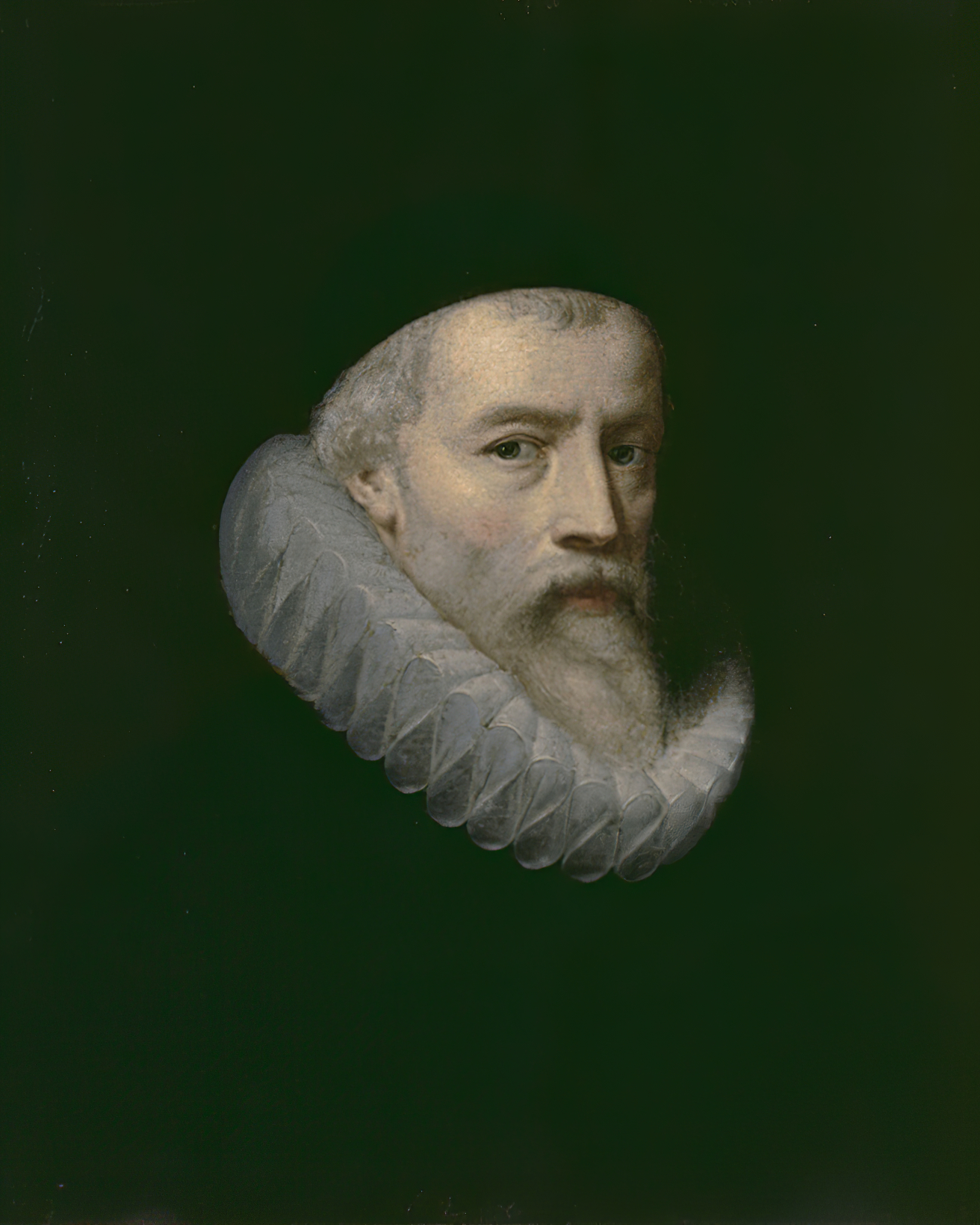
Otto van Veen was a painter, draughtsman, and humanist active primarily in Antwerp and Brussels in the late 16th and early 17th centuries. He is known for running a large studio in Antwerp, producing several emblem books, and for being, from 1594 or 1595 until 1598, Peter Paul Rubens' teacher. His role as a classically educated humanist artist (a pictor doctus), reflected in the Latin name by which he is often known, Octavius Vaenius, was influential on the young Rubens, who would take on that role himself.


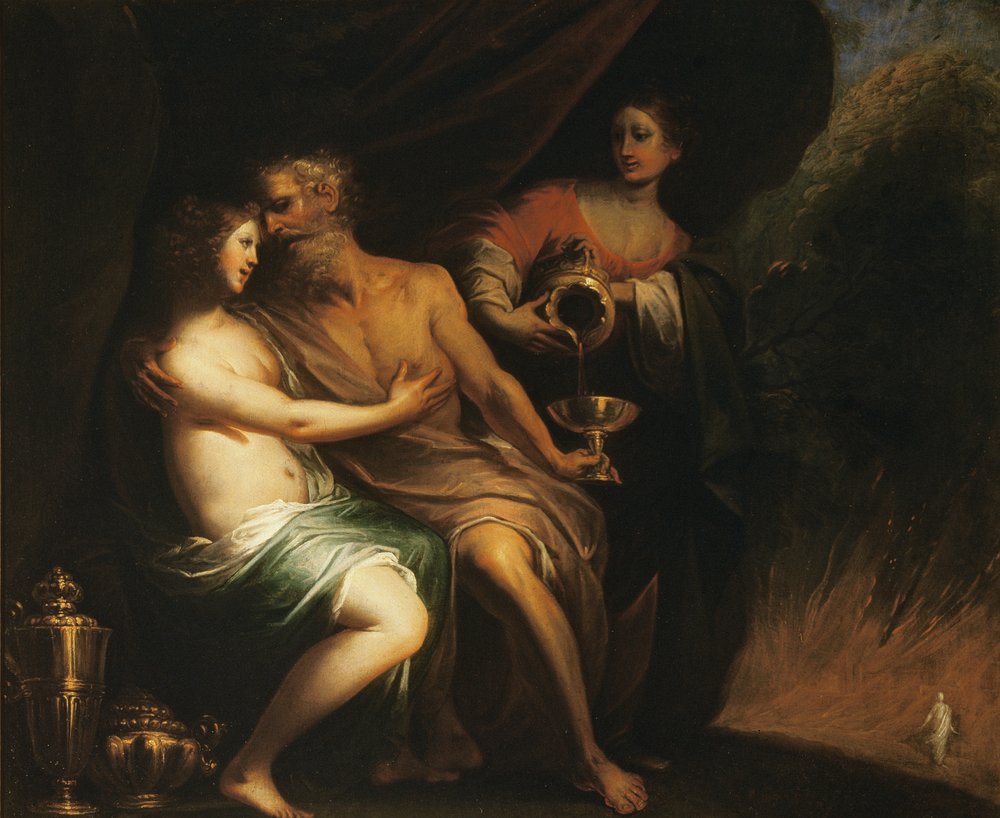


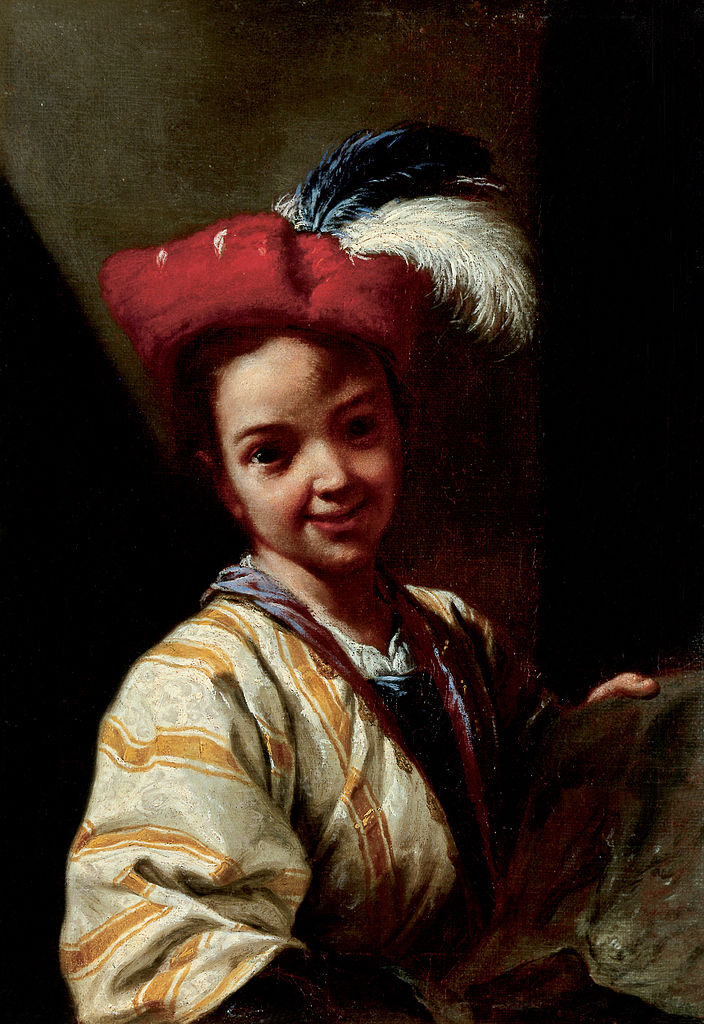
Antonio Amorosi was an Italian painter of the late Baroque period.
Amorosi studied in Rome in the studio of Giuseppe Ghezzi. He produced portraits and religious works, but he is best known for his genre paintings of bambocanti. The artist has a keen eye for the everyday lives of ordinary people, particularly children, whose world he depicts in a gentle and delicate manner. Among Amorosi's most characteristic and best works are "Boy with a Glass" and "Boy with a Dog", preserved in the Pinacoteca Comunale in Deruta.


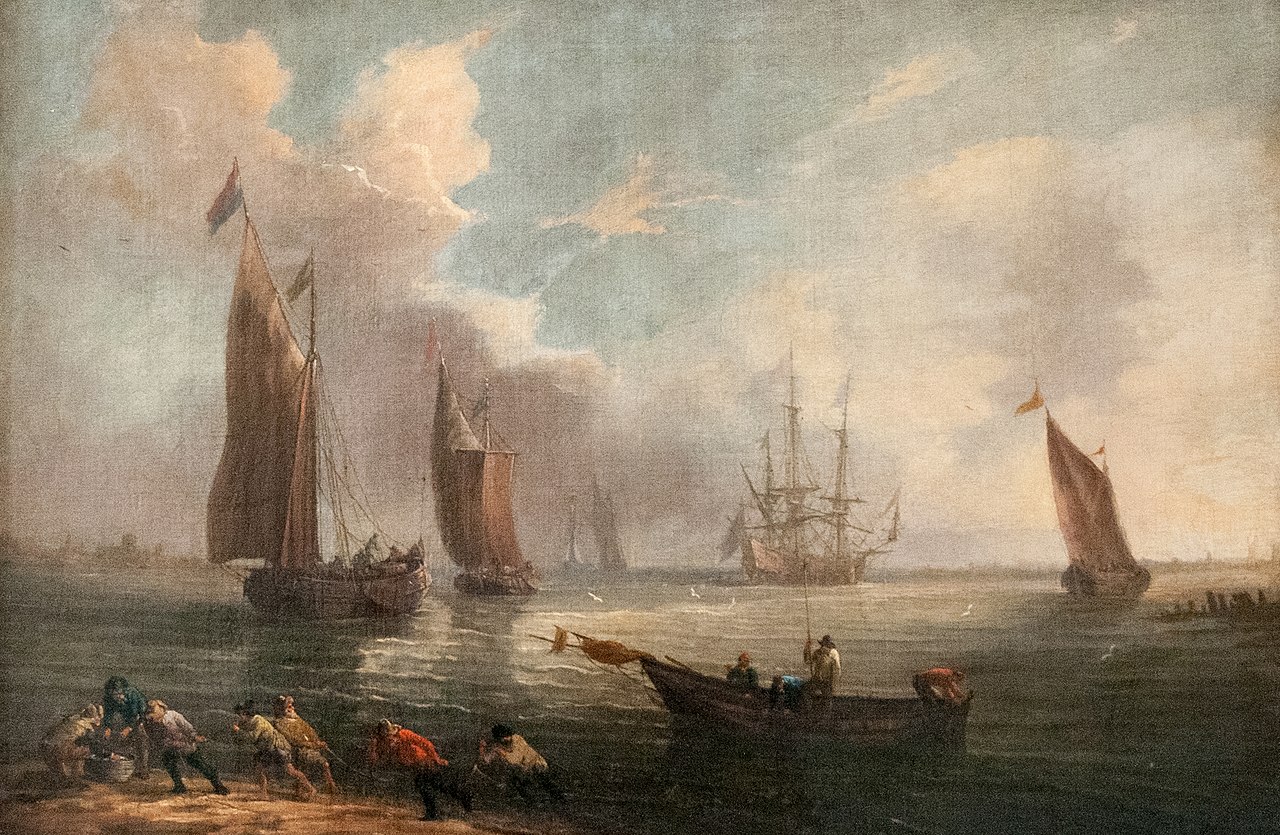
Pieter Bout was a Flemish painter, draughtsman and etcher. He is known mainly for his landscapes, city, coast and country views and architectural scenes painted in a style reminiscent of earlier Flemish masters such as Jan Brueghel the Elder.


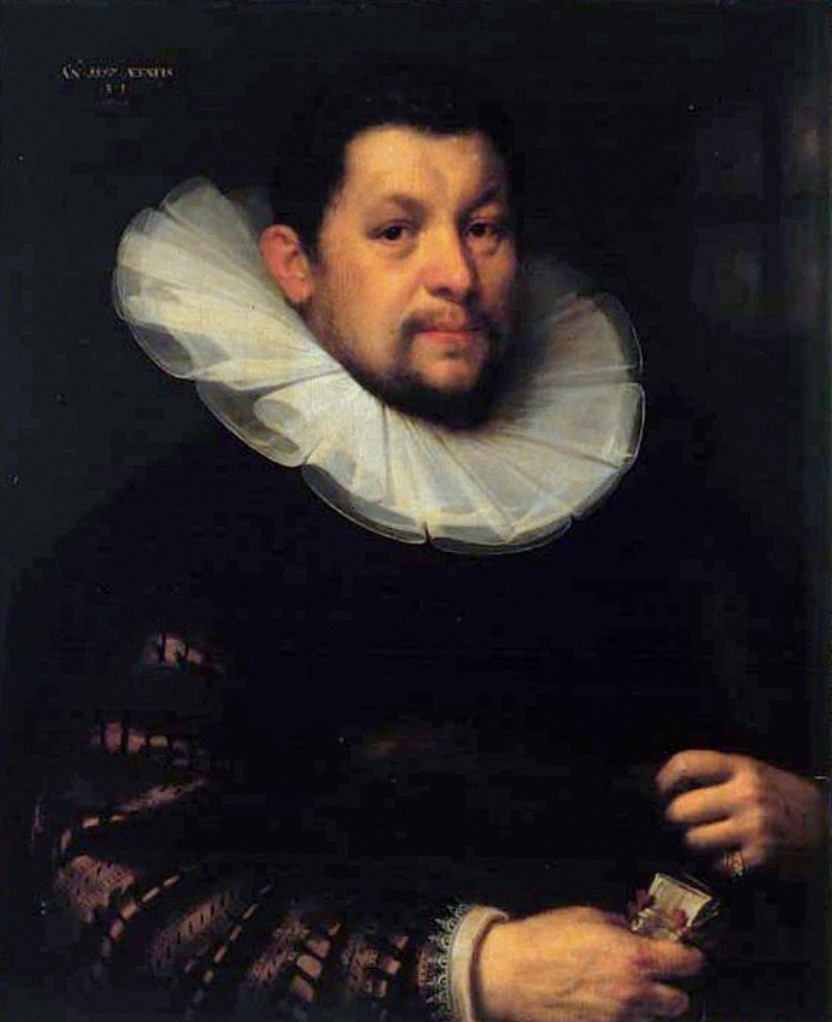
Gortzius Geldorp was a Flemish Renaissance painter who painted mainly portraits, including group portraits, and historical scenes. The painter Georg Geldorp was his son, who worked in England.