

vieux maître
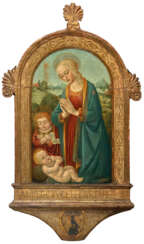

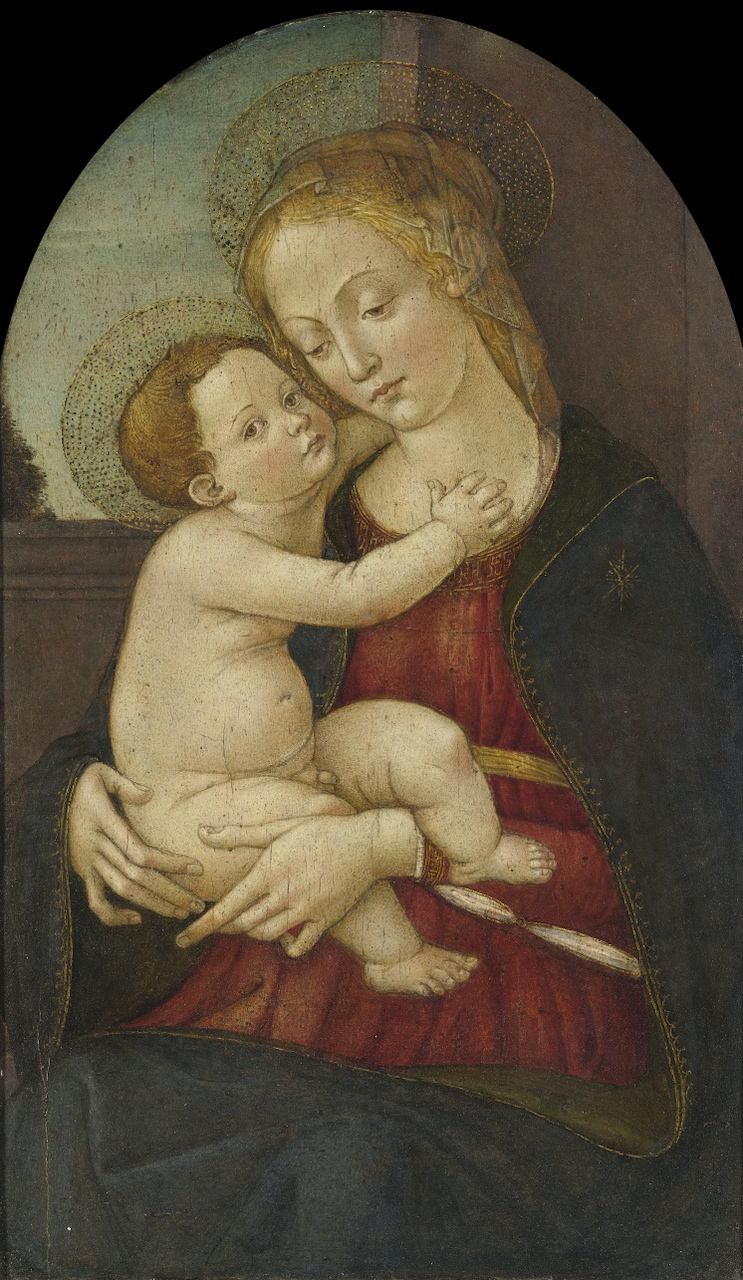
Master of the Epiphany of Fiesole or Master of the Fiesole Epiphany (English: Master of the Fiesole Epiphany) was an Italian painter active in Florence in the mid-15th century. The artist, whose name is not known, was given his notational name after the large-scale depiction of the Epiphany he created for the church of San Francesco in Fiesole in the province of Florence.
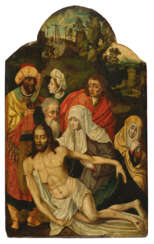



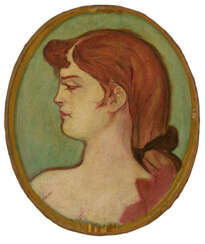

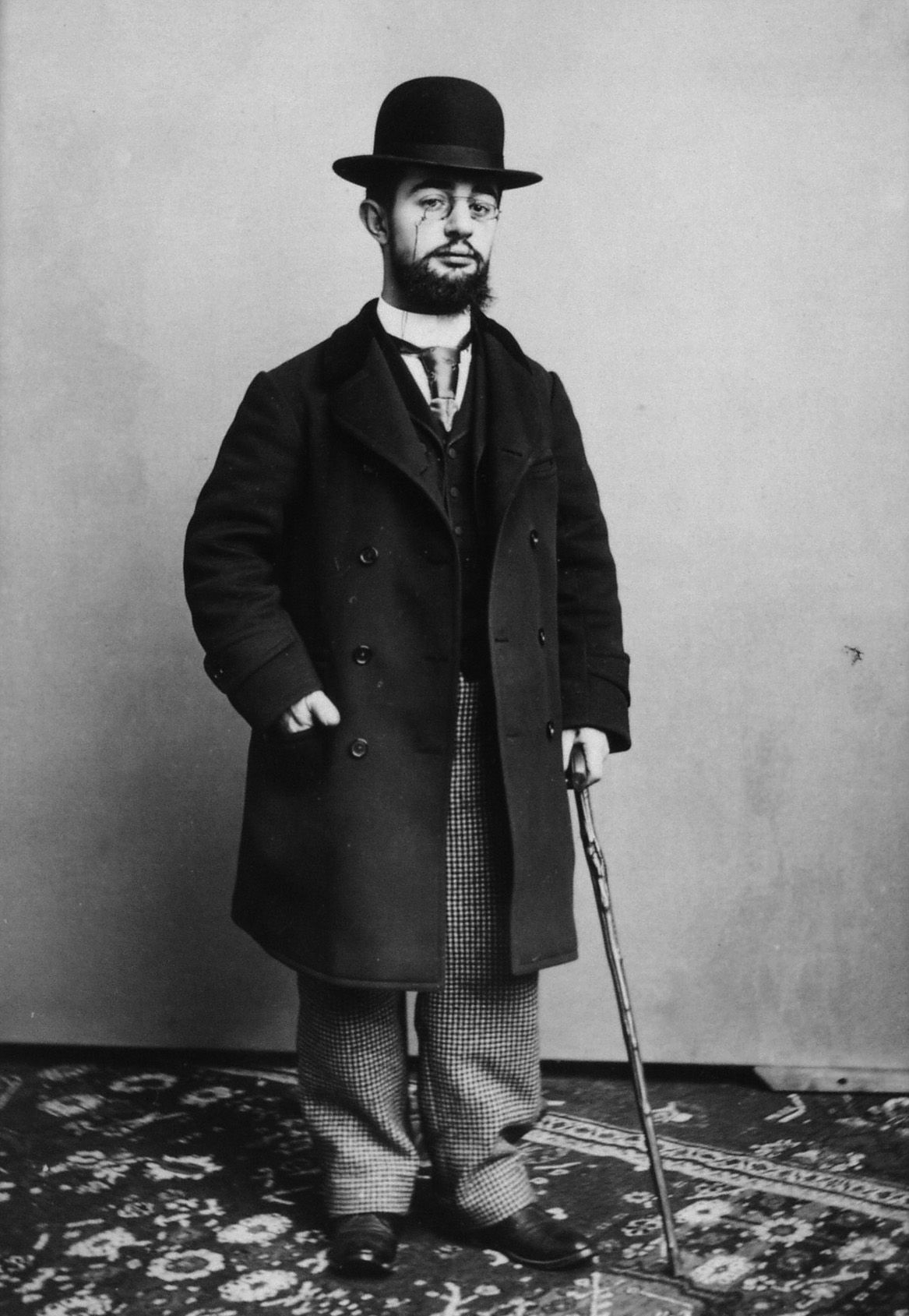
Henri de Toulouse-Lautrec was a distinguished French Post-Impressionist artist, renowned for his deep insights into Parisian nightlife and the world of entertainment in the 1890s. Born into an aristocratic family in Albi, France, Toulouse-Lautrec faced significant health challenges. He suffered from a rare condition, possibly pycnodysostosis, which stunted the growth of his legs following two fractures during his adolescence, leading to a notably short stature as an adult.
Despite his physical limitations, Toulouse-Lautrec immersed himself in art, becoming a key figure in the Post-Impressionist movement alongside artists like Paul Cézanne and Vincent van Gogh. He is particularly celebrated for his vibrant and expressive depictions of the bohemian lifestyle in late 19th-century Paris, often featuring scenes from brothels and nightlife venues. His unique style combined elements of Art Nouveau and lithography, as evidenced in famous works such as "Moulin Rouge: La Goulue" and "At the Moulin Rouge: The Dance".
Toulouse-Lautrec's work offers a window into the Parisian entertainment scene of his time, marked by a vivid use of color and a candid portrayal of his subjects. His ability to capture the essence of Parisian society, from dancers to prostitutes, in an era of great artistic and cultural dynamism, makes his work particularly valuable to art collectors and experts.
For those interested in the art and life of Henri de Toulouse-Lautrec, staying informed about sales and auction events is essential. Sign up for updates to receive the latest news on pieces by Toulouse-Lautrec available for purchase or auction. This subscription focuses exclusively on new product sales and auction events related to Toulouse-Lautrec, ensuring that enthusiasts and collectors don't miss out on any opportunity to acquire pieces from this iconic artist.



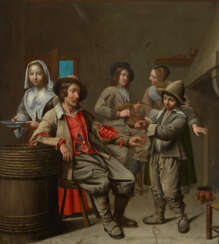





Adriaen van Utrecht was a Flemish painter known mainly for his sumptuous banquet still lifes, game and fruit still lifes, fruit garlands, market and kitchen scenes and depictions of live poultry in farmyards. His paintings, especially the hunting and game pieces, show the influence of Frans Snyders. The two artists are considered the main inventors of the genre of the pronkstillevens, i.e. still lifes that emphasized abundance by depicting a diversity of objects, fruits, flowers and dead game, often together with living people and animals. Van Utrecht also painted a number of flower still lifes. He was a regular collaborator with leading Antwerp painters who had been pupils or assistants of Peter Paul Rubens, such as Jacob Jordaens, David Teniers the Younger, Erasmus Quellinus II, Gerard Seghers, Theodoor Rombouts, Abraham van Diepenbeeck and Thomas Willeboirts Bosschaert.
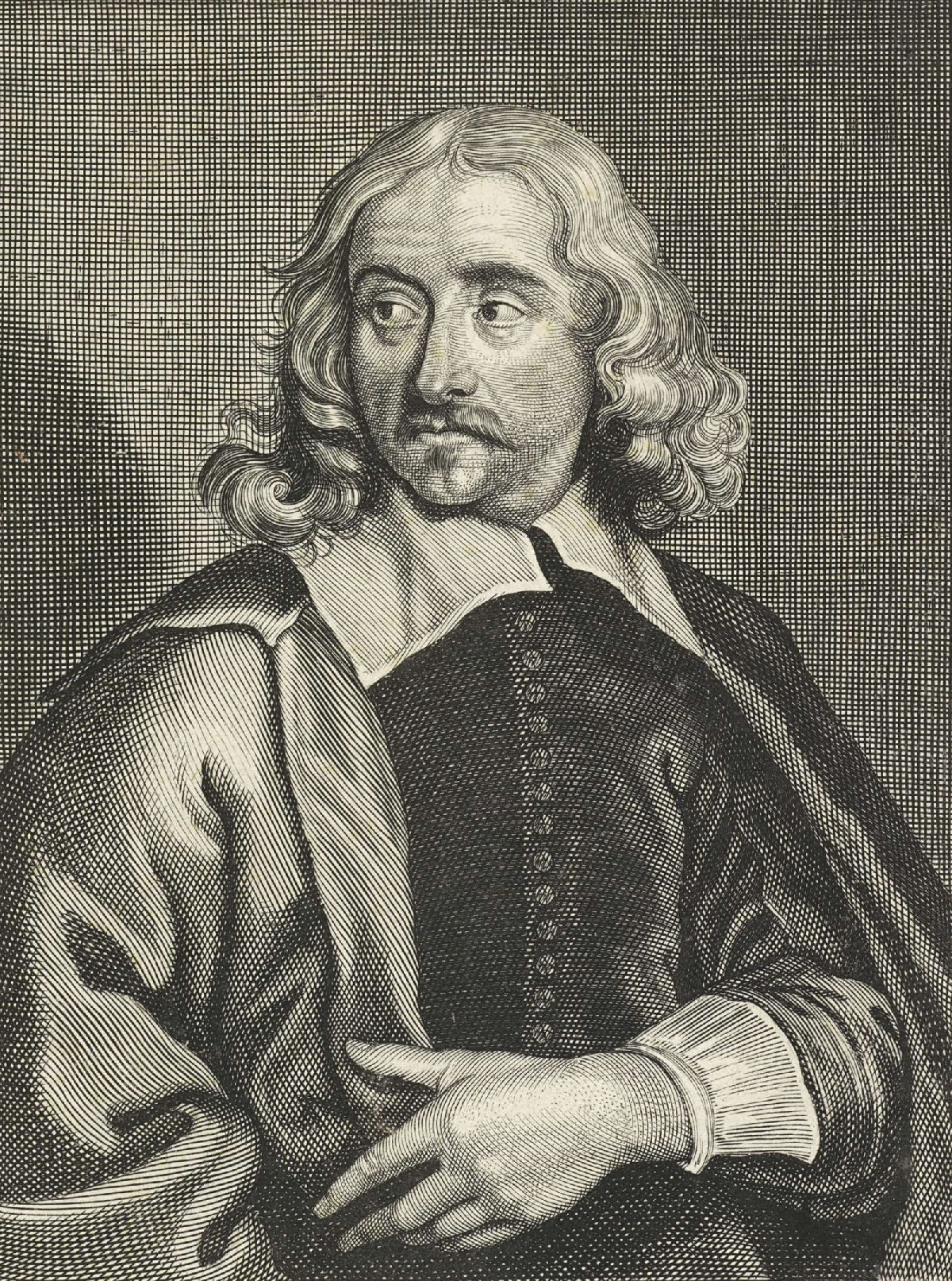
![[VAUBAN, Sébastien Le Prestre, marquis de (1633-1707)]](/assets/image/picture_3601557/4e357/lxe2nv2jvhdppszm1zilhiurbvzx9q9vxoyxgr52ta0ogi4zdn3-n-enqqjpdx1700207013jpg__fix_374_244.jpeg)
![[VAUBAN, Sébastien Le Prestre, marquis de (1633-1707)]](https://veryimportantlot.com/assets/image/picture_3601557/4e357/lxe2nv2jvhdppszm1zilhiurbvzx9q9vxoyxgr52ta0ogi4zdn3-n-enqqjpdx1700207013jpg__fix_374_244.jpeg)


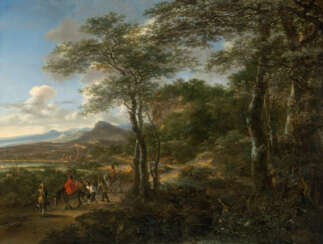

Jan Dirksz Both was a distinguished Dutch painter, draughtsman, and etcher renowned for his pivotal role in the evolution of Dutch Italianate landscape painting. His journey into the arts began in Utrecht, learning from his father before becoming a pupil of Abraham Bloemaert. Both's career took a significant turn when he, alongside his brother Andries, ventured to Rome, absorbing the influence of Claude Lorrain and contributing to projects such as the Buen Retiro Palace in Madrid.
By the mid-1640s, Jan had returned to Utrecht, further honing his craft to produce expansive landscapes illuminated by a Mediterranean glow, notable for their mixture of realism in the foreground against idyllic backgrounds. Noteworthy pieces include "Landscape with Bandits Leading Prisoners" and "Judgement of Paris," showcasing his mastery in blending naturalistic details with mythological and religious figures. His landscapes, characterized by their golden light and imaginative vistas, earned him a place among the leading masters of the Italianate trend in Dutch landscape painting.
Jan Both's legacy is preserved in prestigious collections worldwide, including the Fitzwilliam Museum, the Hermitage, the Kunsthistorisches Museum, the Louvre, and the National Gallery, among others. His work reflects a significant Italian influence merged with his native Dutch sensibilities, marking him as a key figure in the 17th-century art scene.
For collectors and experts in art and antiques, Jan Dirksz Both's oeuvre offers a fascinating glimpse into the blend of Dutch and Italian influences that characterize the Italianate landscape painting tradition. His contributions not only enriched Dutch art but also provided a bridge between the Renaissance and Baroque periods, capturing the beauty of landscapes with a unique, poetic light.
To explore more about Jan Dirksz Both's contributions to art and to stay informed about exhibitions or sales featuring his work, signing up for updates from art institutions can offer exclusive insights into the world of this influential Dutch painter. This subscription ensures enthusiasts and collectors are well-informed about developments related to Both's oeuvre, enhancing their appreciation and understanding of his artistic legacy.





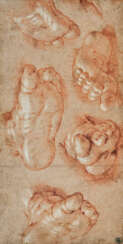

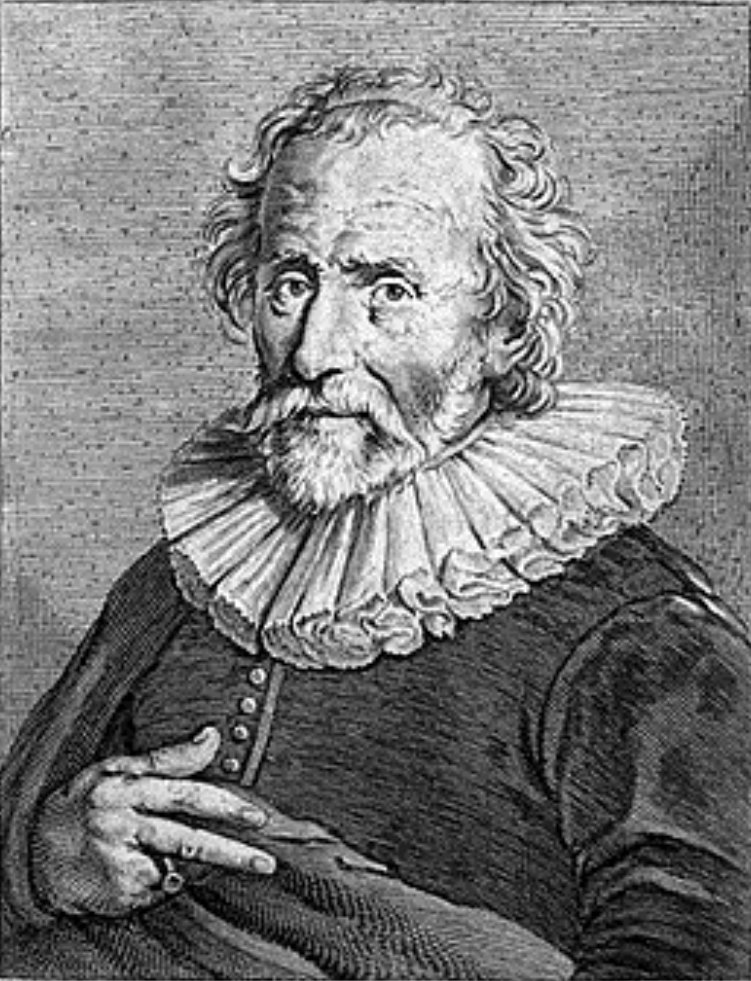
Abraham Bloemaert was a Dutch painter, draughtsman, and printmaker from the Golden Age of Dutch painting, one of the founders of the Guild of St. Luke in Utrecht. Bloemart was a caravagist. He painted mainly landscapes, mythological and biblical scenes, and pastoral works.
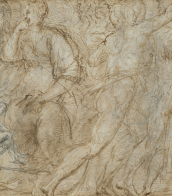


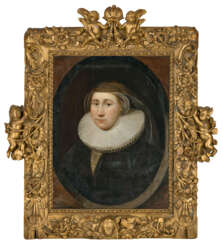

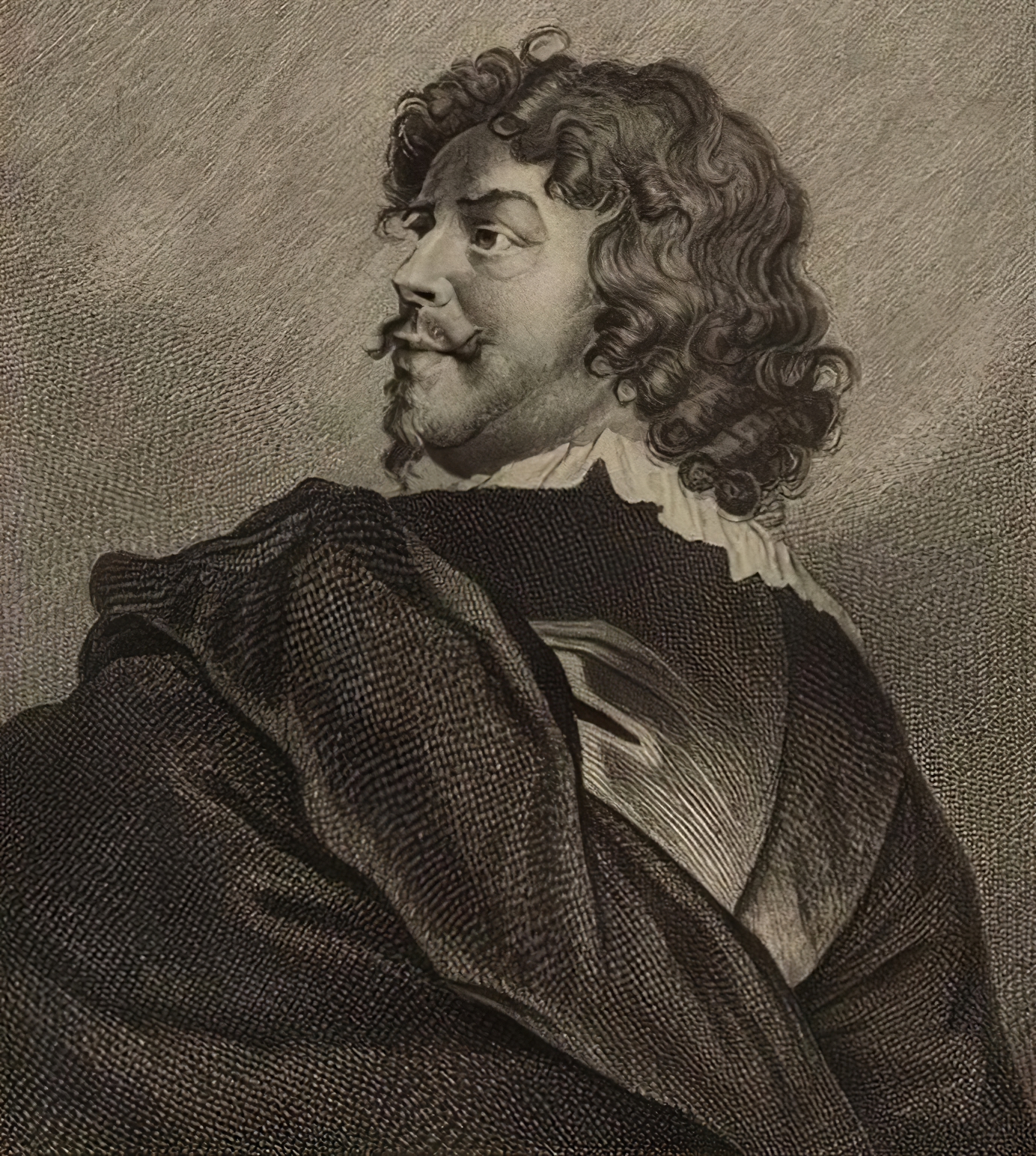
Cornelis Jansens van Keulen or Cornelius Johnson was an English painter of portraits of Dutch or Flemish parentage. He was active in England, from at least 1618 to 1643, when he moved to Middelburg in the Netherlands to escape the English Civil War. Between 1646 and 1652 he lived in Amsterdam, before settling in Utrecht, where he died.


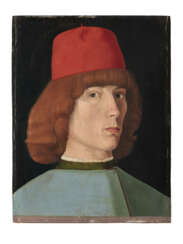

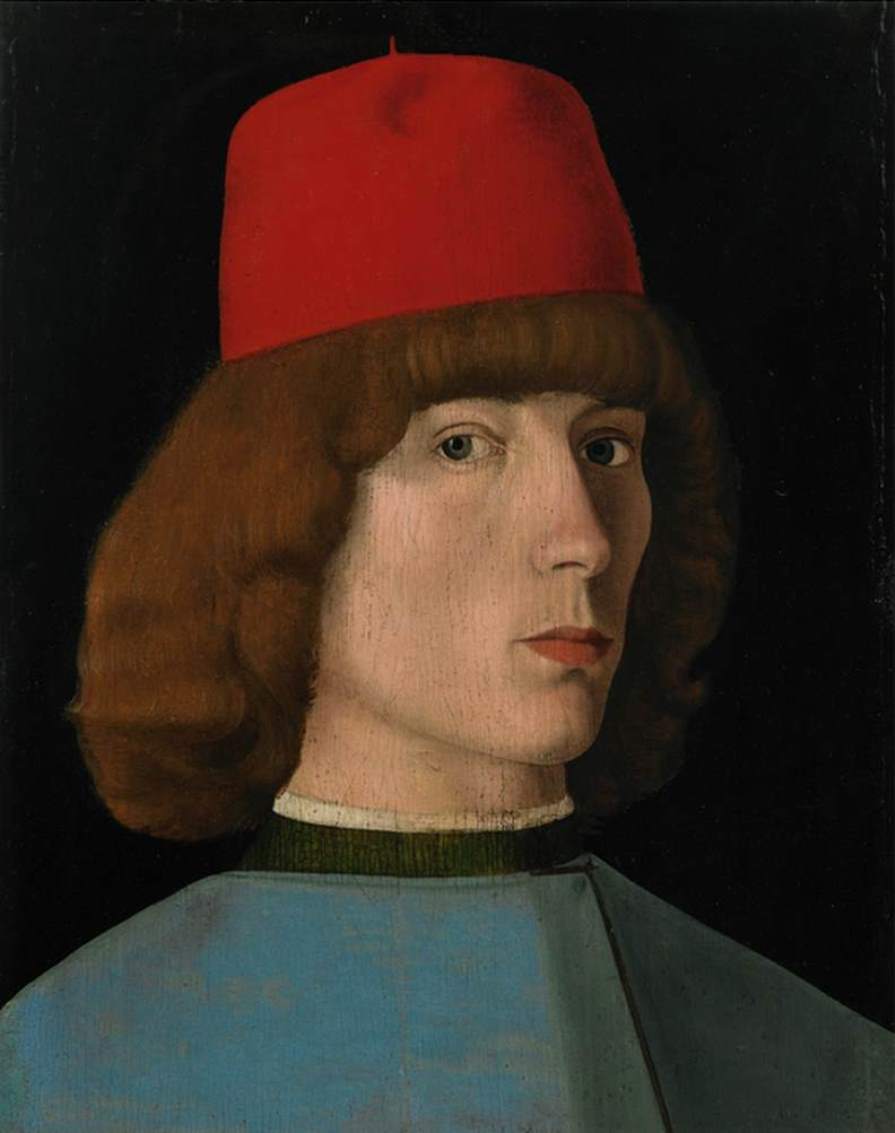
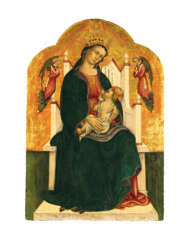
Jacopo da Valenza was an Italian Renaissance painter.
He worked between 1485 and 1509 in many churches in the Belluno and Vittoria districts of Veneto, creating altarpieces and altarpieces. Two of his most important works are now preserved in Vittorio Veneto, in their original locations: the Madonna and Child on the Throne in the cathedral of Ceneda, 1484, and the Madonna and Child in the church of San Giovanni Battista di Serravalle, 1502. Some works are in museums in Italy.
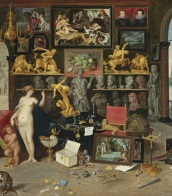
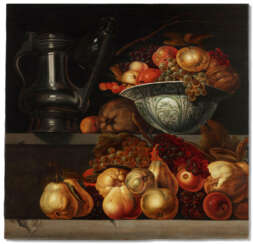

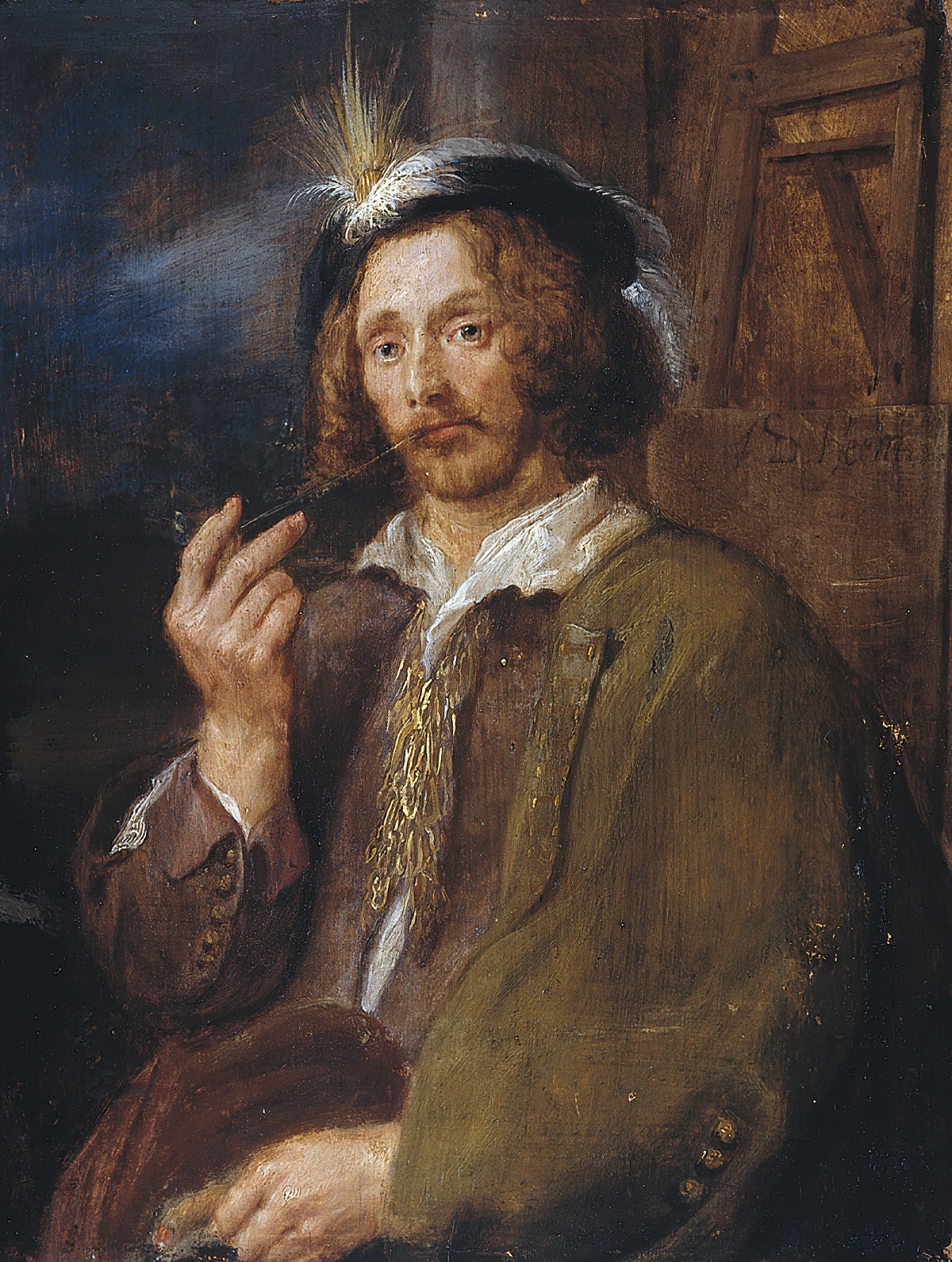
Jan Davidsz. de Heem was a still life painter who was active in Utrecht and Antwerp. He is a major representative of that genre in both Dutch and Flemish Baroque painting.




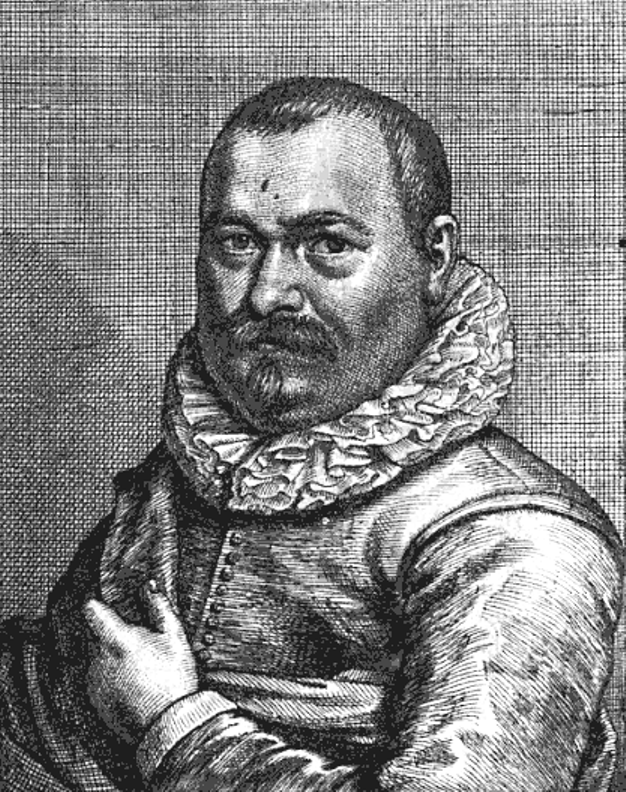
Roelant Savery was a Flanders-born Dutch Golden Age painter.
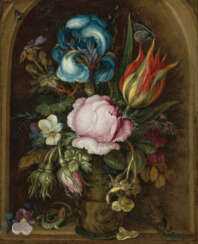
Savery primarily painted landscapes in the Flemish tradition of Gillis van Coninxloo, often embellished with many meticulously painted animals and plants, regularly with a mythological or biblical theme as background. He also painted multiple flower still lifes; bouquets in stone niches, sometimes with lizards such as Flowers with Two Lizards, insects or fallen petals and regarded as his best work.
His unique style of painting, related to the then reigning Mannerism, has been highly popular with collectors and can be found in many museums in Europe and North America. His preparatory drawings are also valued highly.
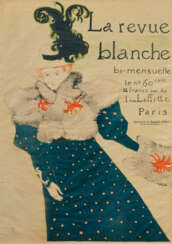

Henri de Toulouse-Lautrec was a distinguished French Post-Impressionist artist, renowned for his deep insights into Parisian nightlife and the world of entertainment in the 1890s. Born into an aristocratic family in Albi, France, Toulouse-Lautrec faced significant health challenges. He suffered from a rare condition, possibly pycnodysostosis, which stunted the growth of his legs following two fractures during his adolescence, leading to a notably short stature as an adult.
Despite his physical limitations, Toulouse-Lautrec immersed himself in art, becoming a key figure in the Post-Impressionist movement alongside artists like Paul Cézanne and Vincent van Gogh. He is particularly celebrated for his vibrant and expressive depictions of the bohemian lifestyle in late 19th-century Paris, often featuring scenes from brothels and nightlife venues. His unique style combined elements of Art Nouveau and lithography, as evidenced in famous works such as "Moulin Rouge: La Goulue" and "At the Moulin Rouge: The Dance".
Toulouse-Lautrec's work offers a window into the Parisian entertainment scene of his time, marked by a vivid use of color and a candid portrayal of his subjects. His ability to capture the essence of Parisian society, from dancers to prostitutes, in an era of great artistic and cultural dynamism, makes his work particularly valuable to art collectors and experts.
For those interested in the art and life of Henri de Toulouse-Lautrec, staying informed about sales and auction events is essential. Sign up for updates to receive the latest news on pieces by Toulouse-Lautrec available for purchase or auction. This subscription focuses exclusively on new product sales and auction events related to Toulouse-Lautrec, ensuring that enthusiasts and collectors don't miss out on any opportunity to acquire pieces from this iconic artist.
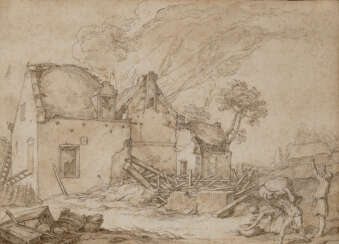

Abraham Bloemaert was a Dutch painter, draughtsman, and printmaker from the Golden Age of Dutch painting, one of the founders of the Guild of St. Luke in Utrecht. Bloemart was a caravagist. He painted mainly landscapes, mythological and biblical scenes, and pastoral works.
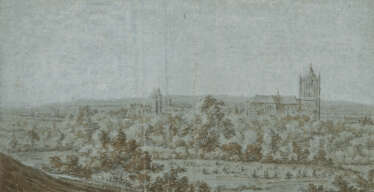

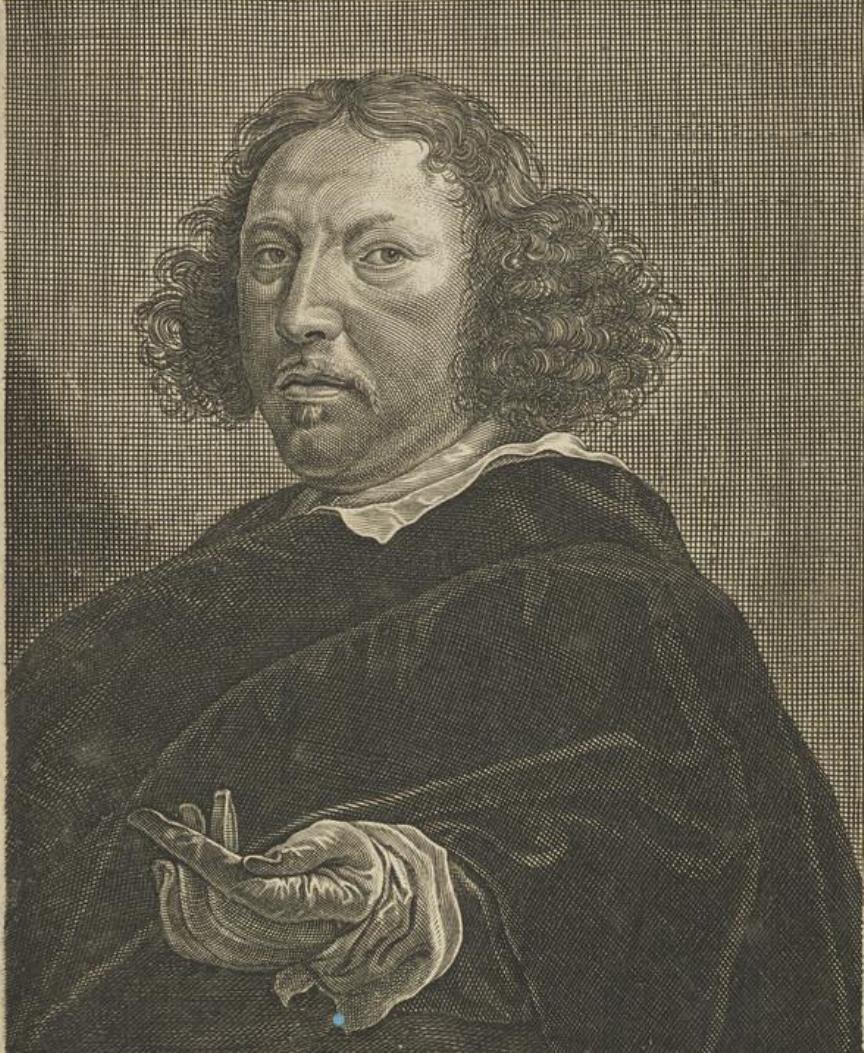
Herman Saftleven the Younger was a Dutch artist of the Golden Age who was Dean of the Guild of St. Luke in Utrecht.
Herman Saftleven the Younger was born into a creative family. His father, Hermann Saftleven the Elder (c. 1580-1627), was the father of three artist sons, Hermann the Younger, Cornelis (1607-1681), and Abraham Saftleven (c. 1611/13 - 1646).
Saftleven the Younger was an extremely productive painter, draughtsman, and printmaker. He is known for his landscapes near rivers as well as scenes of people traveling in the woods.