1630
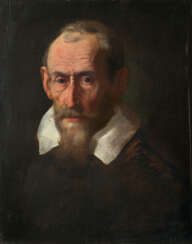

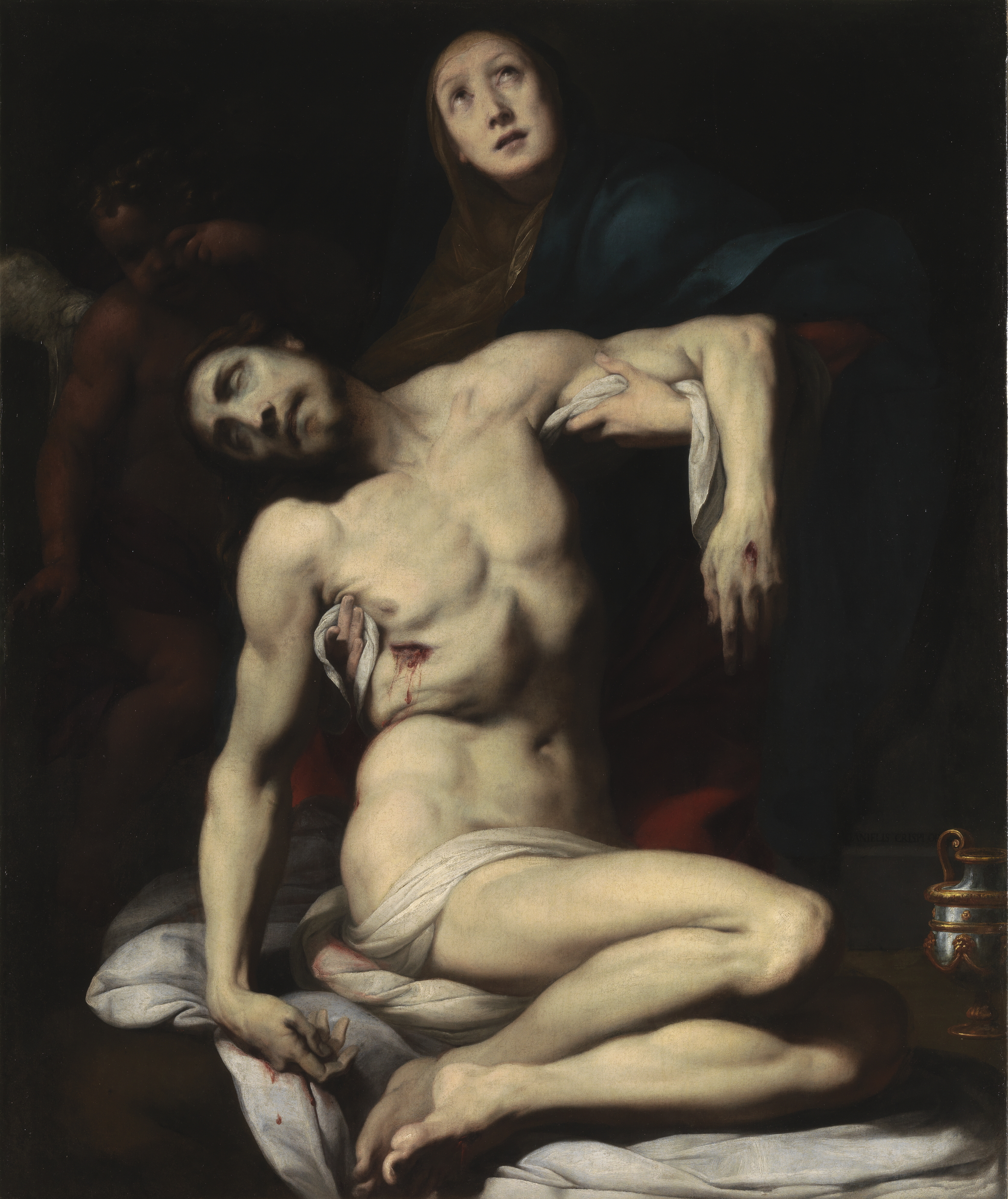
Daniele Crespi was an Italian painter and draughtsman. He is regarded as one of the most original artists working in Milan in the 1620s. He broke away from the exaggerated manner of Lombard Mannerism in favour of an early Baroque style, distinguished by clarity of form and content. A prolific history painter, he was also known for his portraits.


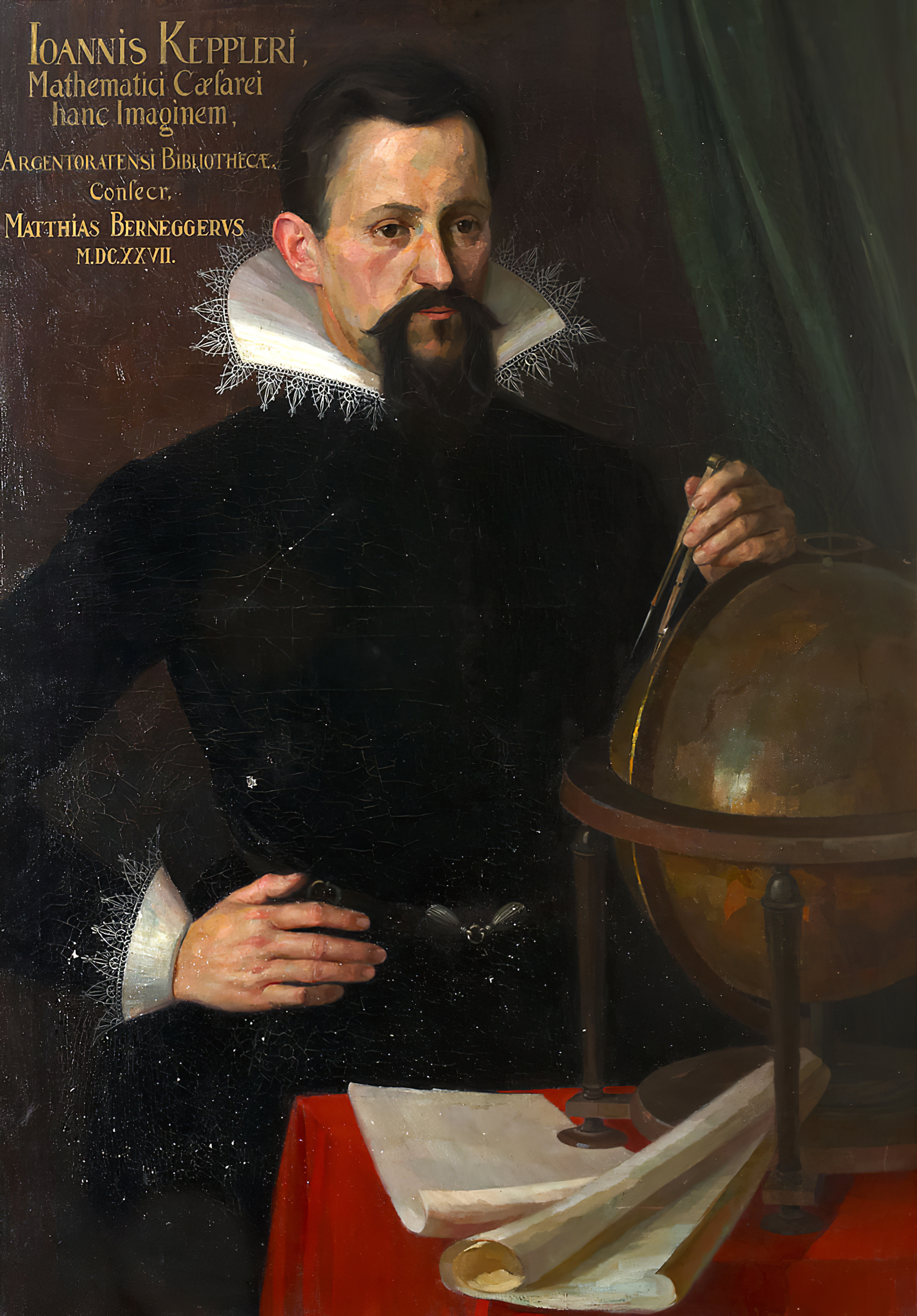
Johannes Kepler was a German mathematician and astronomer who discovered that the Earth and planets move around the Sun in elliptical orbits.
Kepler created the three fundamental laws of planetary motion. He also did seminal work in optics and geometry, calculated the most accurate astronomical tables, and made many inventions and discoveries in physics on which further scientific discoveries by advanced scientists were based.

Johannes Kepler was a German mathematician and astronomer who discovered that the Earth and planets move around the Sun in elliptical orbits.
Kepler created the three fundamental laws of planetary motion. He also did seminal work in optics and geometry, calculated the most accurate astronomical tables, and made many inventions and discoveries in physics on which further scientific discoveries by advanced scientists were based.




Johannes Kepler was a German mathematician and astronomer who discovered that the Earth and planets move around the Sun in elliptical orbits.
Kepler created the three fundamental laws of planetary motion. He also did seminal work in optics and geometry, calculated the most accurate astronomical tables, and made many inventions and discoveries in physics on which further scientific discoveries by advanced scientists were based.


Johannes Kepler was a German mathematician and astronomer who discovered that the Earth and planets move around the Sun in elliptical orbits.
Kepler created the three fundamental laws of planetary motion. He also did seminal work in optics and geometry, calculated the most accurate astronomical tables, and made many inventions and discoveries in physics on which further scientific discoveries by advanced scientists were based.




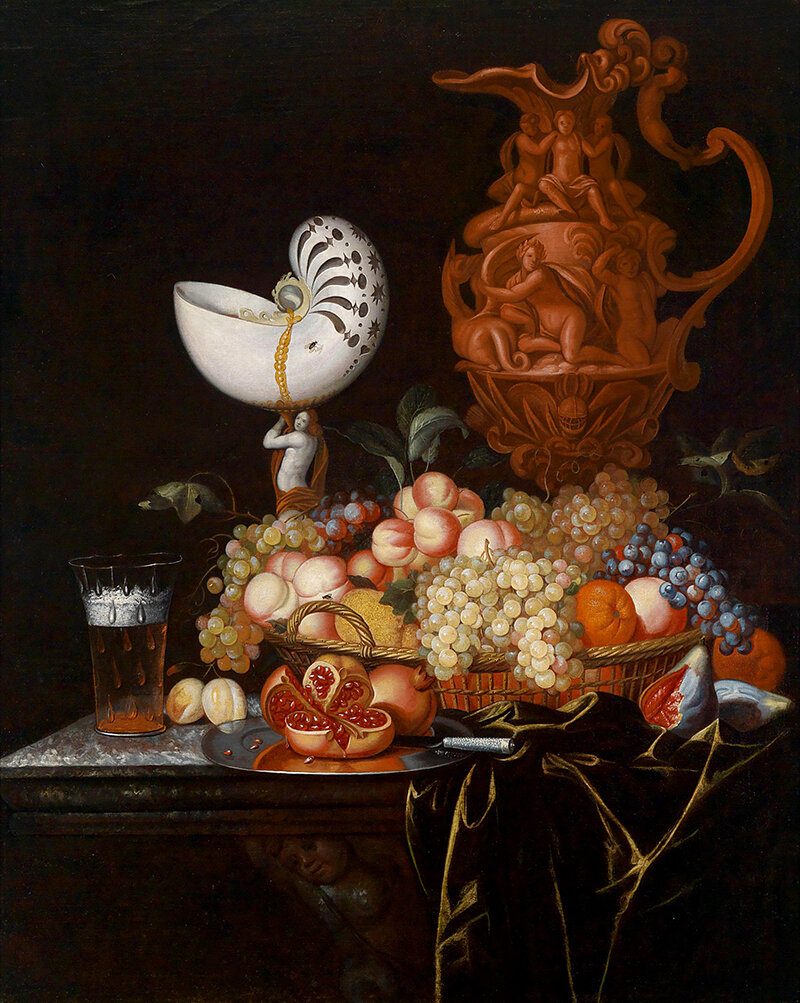
Johann Georg Hainz was a German painter of the last third of the 17th century, a representative of the Baroque. He is known as a painter and a master of still life.
Hainz is a key figure of still life painting in Hamburg and one of the few known masters of the genre in Germany in the seventeenth century. He probably trained in Amsterdam and Haarlem, as his works show a good knowledge of Dutch still life painting. He was a member of the art guild of Hamburg from 1681. His works are held in various museums in Germany, including the Hamburg Museum of Arts and Crafts and the Museum of Decorative Arts in Berlin.
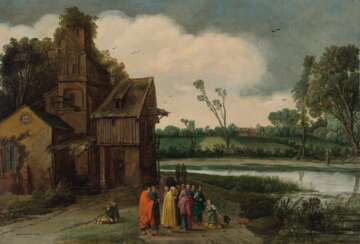

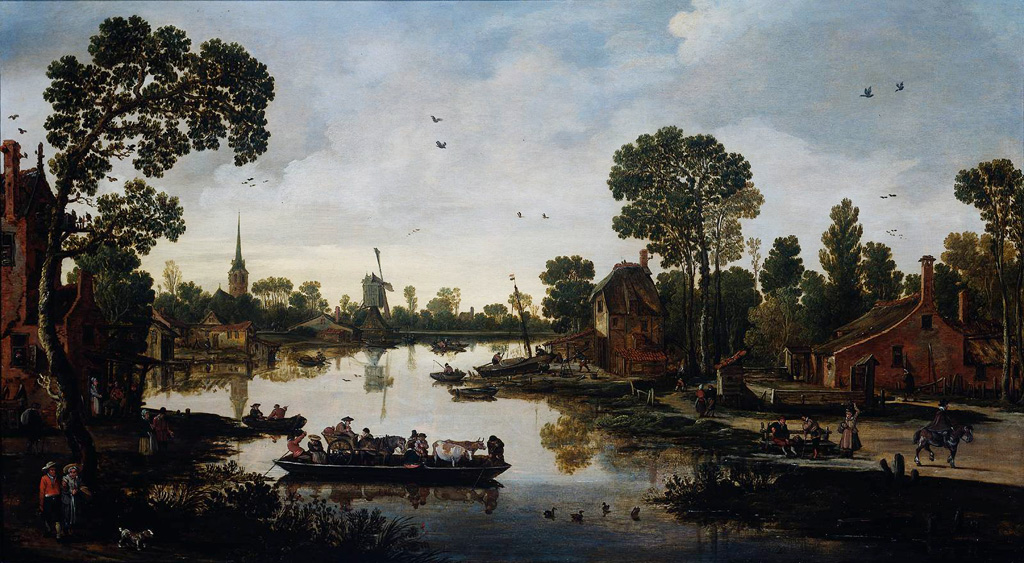
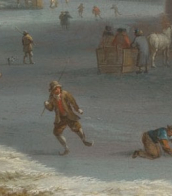
Esaias van de Velde was a Dutch painter and printmaker from the van de Velde family of artists.
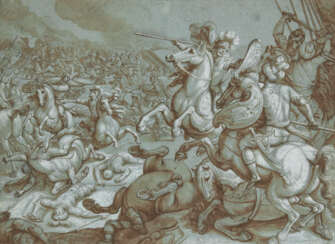
Esaias van de Velde is considered a representative of the Haarlem School of painting, which introduced a new, emotional aspect to the Dutch landscape. In addition to landscapes with individual human figures, the artist painted urban views and genre paintings. Esaias van de Velde's later work is characterised by a richness of composition and vivid colour. The artist also painted table scenes and cavalry battles, which became a model for many generations of battalists.
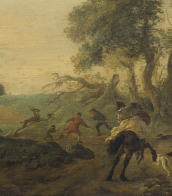
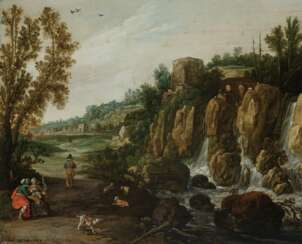

Esaias van de Velde was a Dutch painter and printmaker from the van de Velde family of artists.
Esaias van de Velde is considered a representative of the Haarlem School of painting, which introduced a new, emotional aspect to the Dutch landscape. In addition to landscapes with individual human figures, the artist painted urban views and genre paintings. Esaias van de Velde's later work is characterised by a richness of composition and vivid colour. The artist also painted table scenes and cavalry battles, which became a model for many generations of battalists.
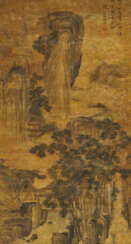


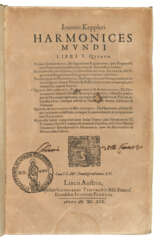

Johannes Kepler was a German mathematician and astronomer who discovered that the Earth and planets move around the Sun in elliptical orbits.
Kepler created the three fundamental laws of planetary motion. He also did seminal work in optics and geometry, calculated the most accurate astronomical tables, and made many inventions and discoveries in physics on which further scientific discoveries by advanced scientists were based.
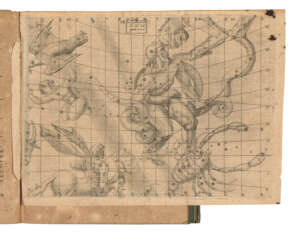

Johannes Kepler was a German mathematician and astronomer who discovered that the Earth and planets move around the Sun in elliptical orbits.
Kepler created the three fundamental laws of planetary motion. He also did seminal work in optics and geometry, calculated the most accurate astronomical tables, and made many inventions and discoveries in physics on which further scientific discoveries by advanced scientists were based.
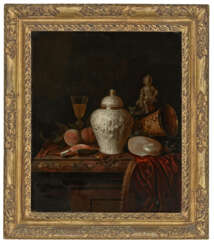

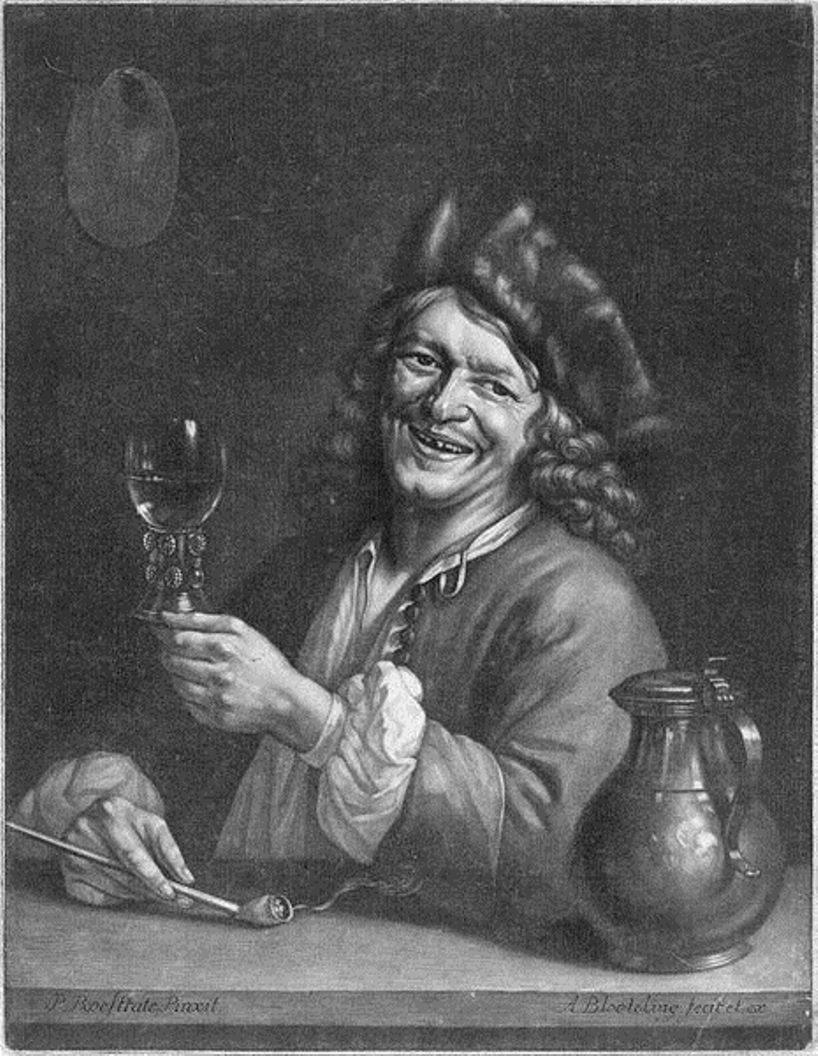
Pieter Gerritsz. van Roestraeten was a Dutch painter who spent most of his life in Great Britain.
He lived in Amsterdam, and in 1666 moved to London, where he remained for the rest of his life, enjoying the highest patronage.
Roestraeten painted mainly still lifes with luxury goods, as well as still lifes in the vanitas style. He created at least four self-portraits, and often painted his own reflections on polished silver objects in still lifes. The artist also depicted genre scenes from the everyday life of the common people.
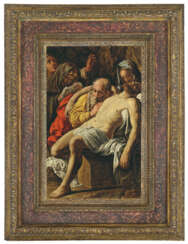

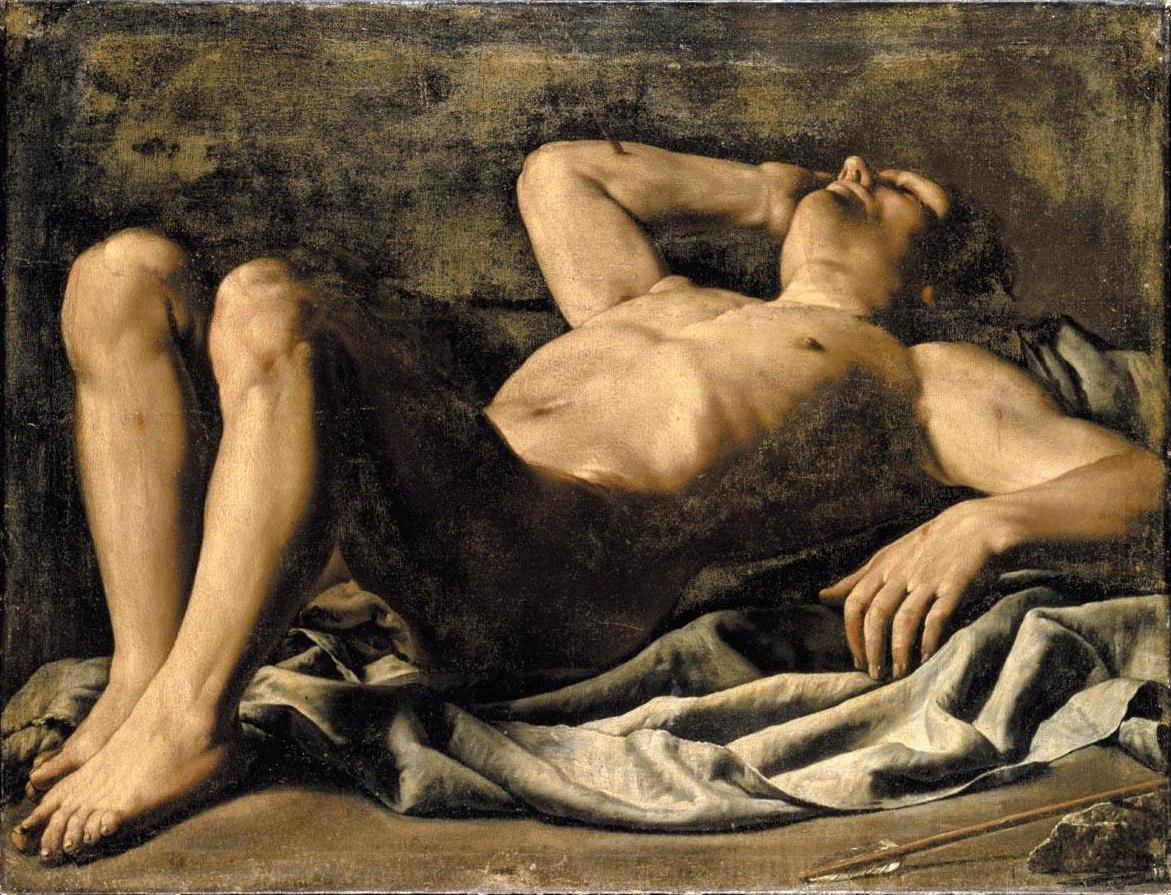
Marco Antonio Bassetti was an Italian painter.
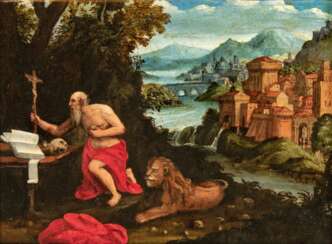

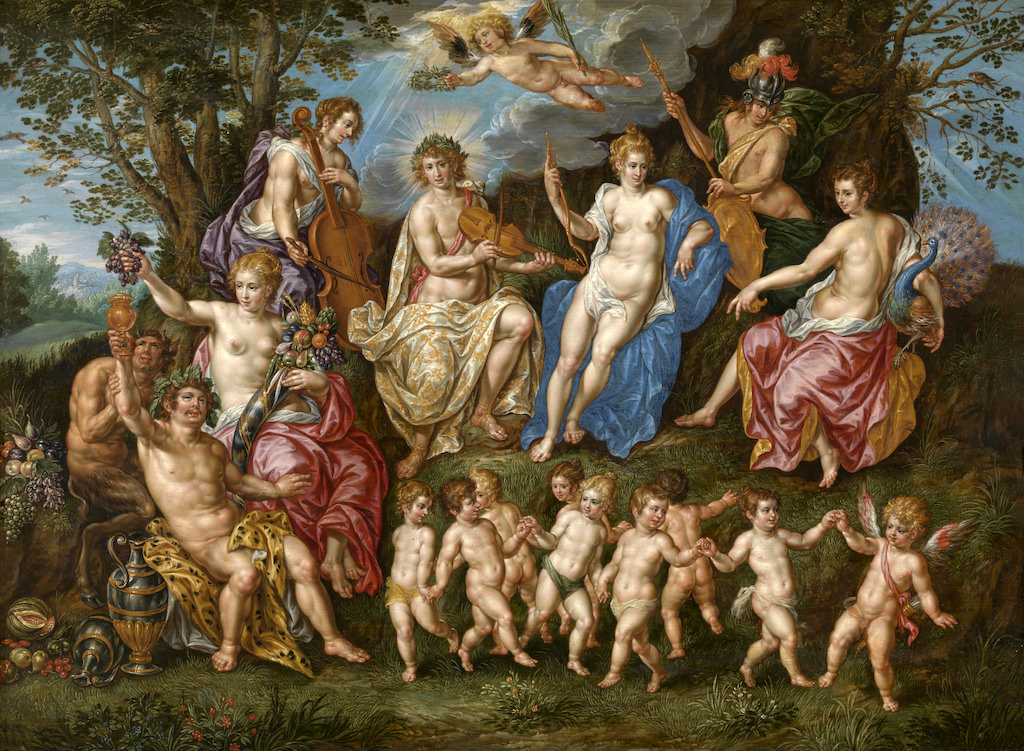
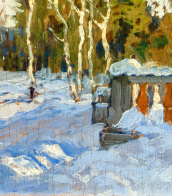
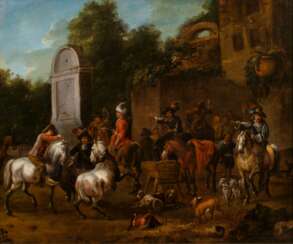

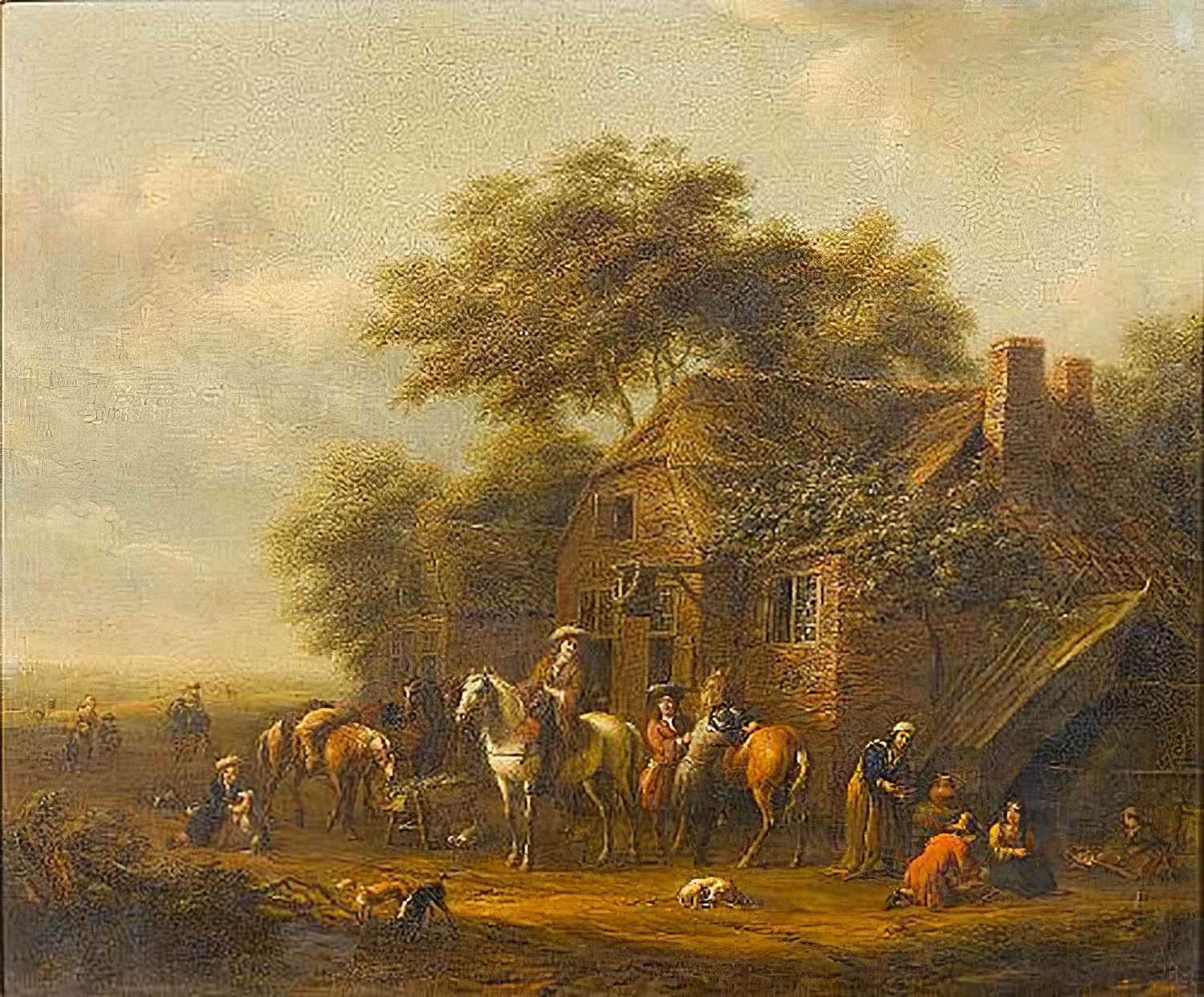
Barend Gael was a Dutch painter and graphic artist of the Dutch Golden Age of painting. He was a pupil of Philips Wouwerman.
Barend Gael was an accomplished painter of Italian landscapes and was known at the Guild of St. Luke's in Haarlem by 1642.
Gael's paintings are noted for their precise composition and use of light and shadow. He often used dark backgrounds to create a sense of depth and contrast, and skillfully used light to emphasise the texture and detail of figures.
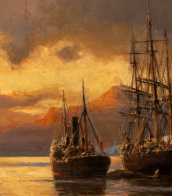


Johannes Kepler was a German mathematician and astronomer who discovered that the Earth and planets move around the Sun in elliptical orbits.
Kepler created the three fundamental laws of planetary motion. He also did seminal work in optics and geometry, calculated the most accurate astronomical tables, and made many inventions and discoveries in physics on which further scientific discoveries by advanced scientists were based.
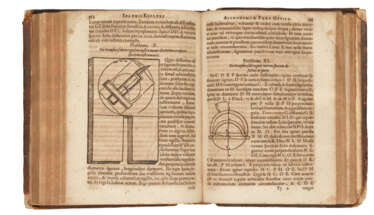

Johannes Kepler was a German mathematician and astronomer who discovered that the Earth and planets move around the Sun in elliptical orbits.
Kepler created the three fundamental laws of planetary motion. He also did seminal work in optics and geometry, calculated the most accurate astronomical tables, and made many inventions and discoveries in physics on which further scientific discoveries by advanced scientists were based.
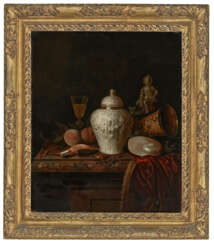

Pieter Gerritsz. van Roestraeten was a Dutch painter who spent most of his life in Great Britain.
He lived in Amsterdam, and in 1666 moved to London, where he remained for the rest of his life, enjoying the highest patronage.
Roestraeten painted mainly still lifes with luxury goods, as well as still lifes in the vanitas style. He created at least four self-portraits, and often painted his own reflections on polished silver objects in still lifes. The artist also depicted genre scenes from the everyday life of the common people.


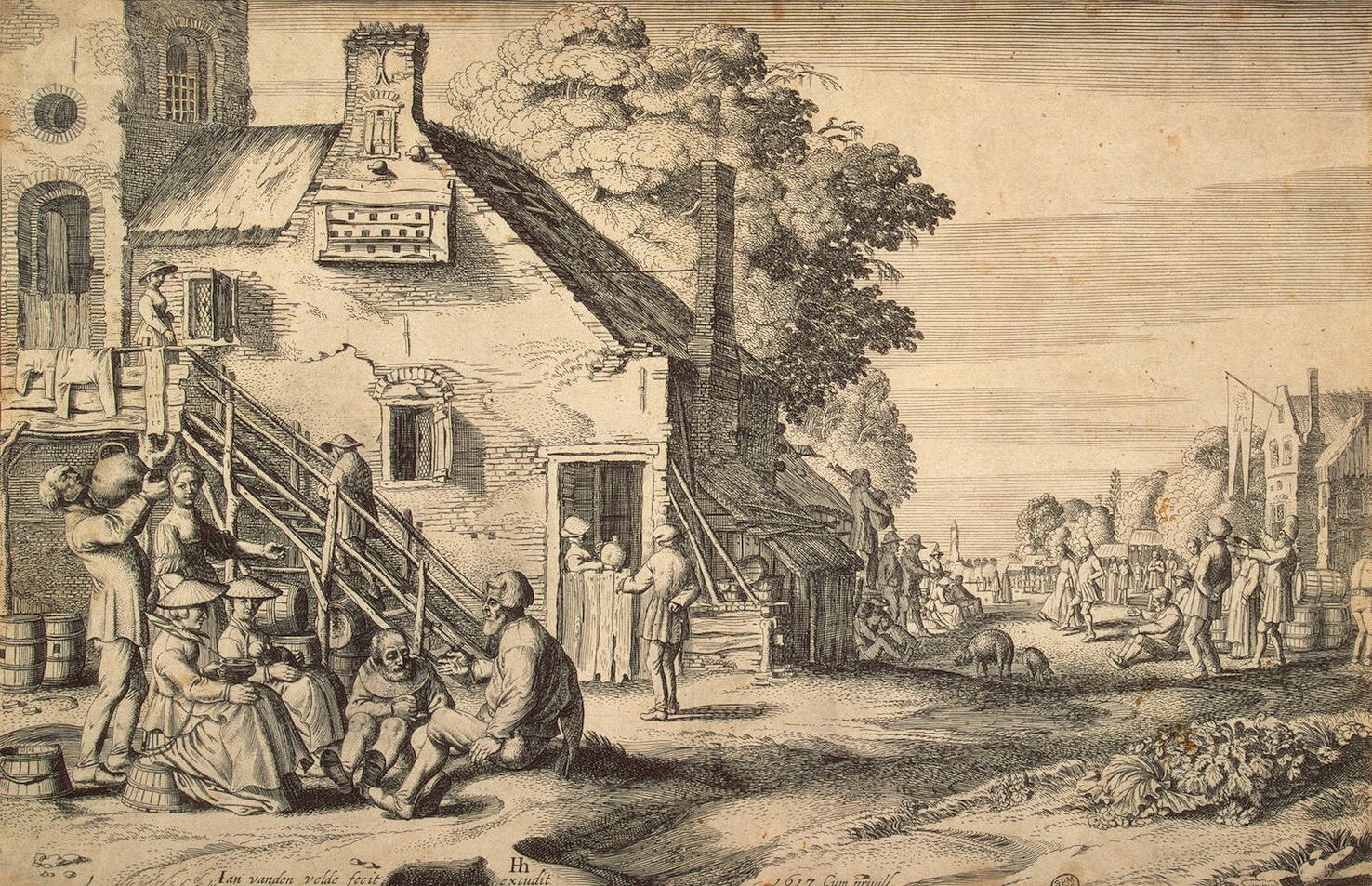
Jan van de Velde was a Dutch Golden Age painter and engraver of animal, landscape and still-life subjects.
Esaias van de Velde was a Dutch painter and printmaker from the van de Velde family of artists.
Esaias van de Velde is considered a representative of the Haarlem School of painting, which introduced a new, emotional aspect to the Dutch landscape. In addition to landscapes with individual human figures, the artist painted urban views and genre paintings. Esaias van de Velde's later work is characterised by a richness of composition and vivid colour. The artist also painted table scenes and cavalry battles, which became a model for many generations of battalists.

Daniele Crespi was an Italian painter and draughtsman. He is regarded as one of the most original artists working in Milan in the 1620s. He broke away from the exaggerated manner of Lombard Mannerism in favour of an early Baroque style, distinguished by clarity of form and content. A prolific history painter, he was also known for his portraits.
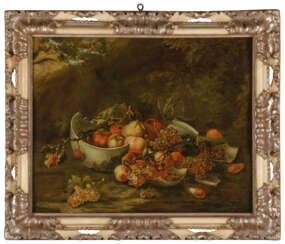

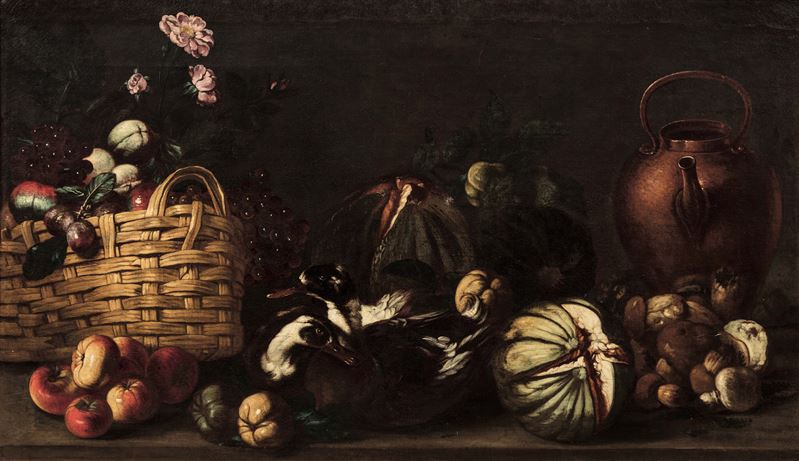
Simone del Tintore was an Italian painter, active in his native Lucca. He is mainly known as a still-life painter but he may also have painted religious subjects.
He trained at the 'Academy of Painting and Drawing of Lucca', which had been established by the local artist Pietro Paolini.
Del Tintore evolved from still lifes ('natura morta') to 'natura viva', compositions which included living animals and figures, occasionally painted by his teacher Pietro Paolini.
Del Tintore's favoured motifs were wicker baskets laden with fruit and mushrooms scattered about with pale, luminous green leaves transformed into a dense, dark green thanks to the use of chiaroscuro effects.

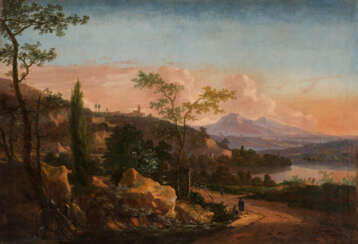

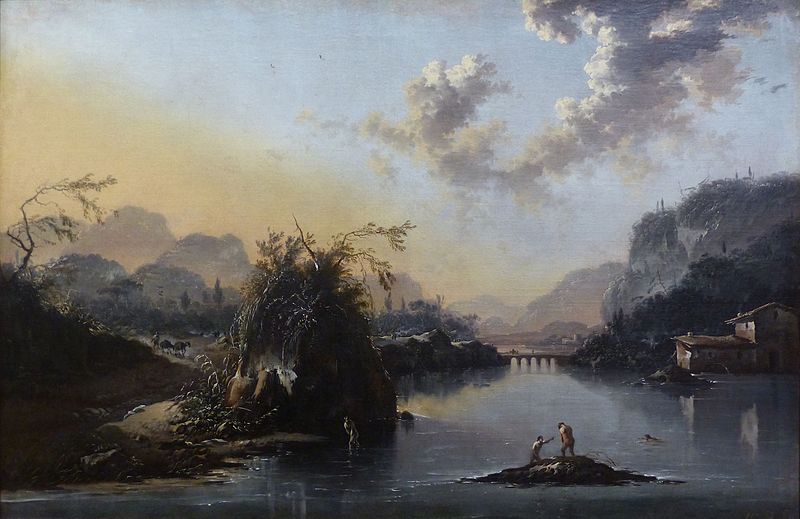
Hans De Jode was a Dutch marine painter of the Golden Age.
The theme of his work is related to the sea: he painted harbor scenes, bathers in bays, ships on a wharf, and Italian landscapes. The artist mainly lived and worked in Venice and Vienna.
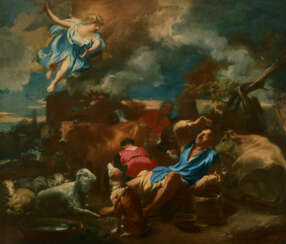

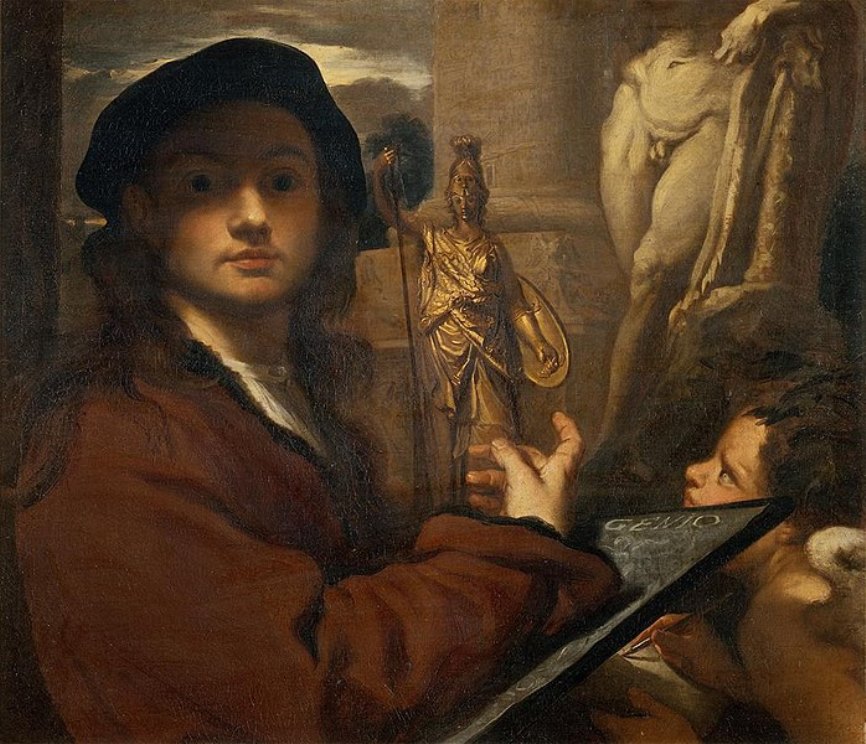
Livio Mehus, née Lieven Mehus, was a Flemish and Italian Baroque painter, draughtsman, and printmaker.
Mehus lived and worked most of his life in Florence, painting allegories, battle scenes and landscapes, portraits and self-portraits.
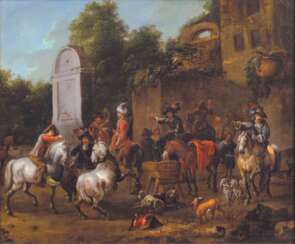

Barend Gael was a Dutch painter and graphic artist of the Dutch Golden Age of painting. He was a pupil of Philips Wouwerman.
Barend Gael was an accomplished painter of Italian landscapes and was known at the Guild of St. Luke's in Haarlem by 1642.
Gael's paintings are noted for their precise composition and use of light and shadow. He often used dark backgrounds to create a sense of depth and contrast, and skillfully used light to emphasise the texture and detail of figures.
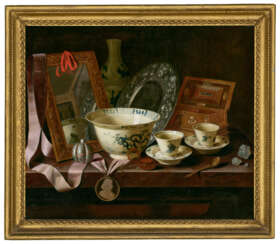

Pieter Gerritsz. van Roestraeten was a Dutch painter who spent most of his life in Great Britain.
He lived in Amsterdam, and in 1666 moved to London, where he remained for the rest of his life, enjoying the highest patronage.
Roestraeten painted mainly still lifes with luxury goods, as well as still lifes in the vanitas style. He created at least four self-portraits, and often painted his own reflections on polished silver objects in still lifes. The artist also depicted genre scenes from the everyday life of the common people.
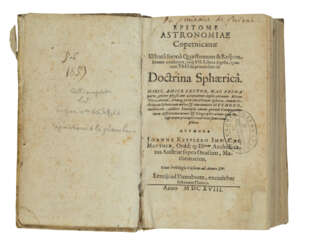

Johannes Kepler was a German mathematician and astronomer who discovered that the Earth and planets move around the Sun in elliptical orbits.
Kepler created the three fundamental laws of planetary motion. He also did seminal work in optics and geometry, calculated the most accurate astronomical tables, and made many inventions and discoveries in physics on which further scientific discoveries by advanced scientists were based.
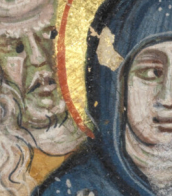
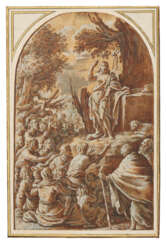

Marco Antonio Bassetti was an Italian painter.