droit
![[DROIT CANON]](/assets/image/picture_2500816/16823/b6770a9f7f95d942e0293c5be6e60ca61667984400jpg__fix_374_244.jpeg)
![[DROIT CANON]](https://veryimportantlot.com/assets/image/picture_2500816/16823/b6770a9f7f95d942e0293c5be6e60ca61667984400jpg__fix_374_244.jpeg)
![[DROIT]](/assets/image/picture_2500819/ee567/24faec2157eab0849d959c52f7b754e21667984400jpg__fix_374_244.jpeg)
![[DROIT]](https://veryimportantlot.com/assets/image/picture_2500819/ee567/24faec2157eab0849d959c52f7b754e21667984400jpg__fix_374_244.jpeg)



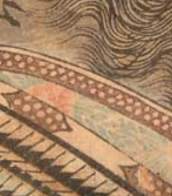


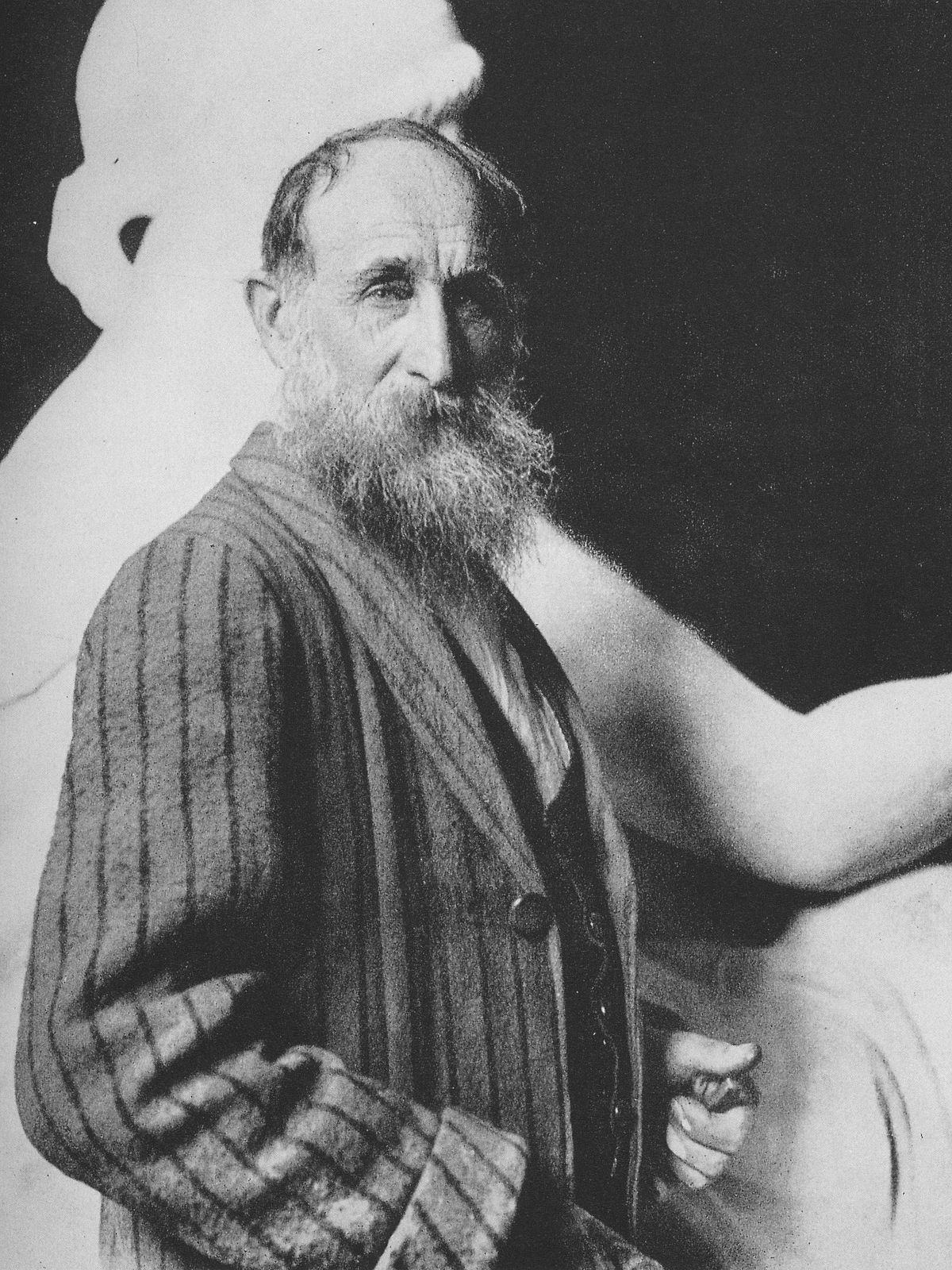
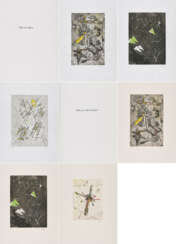
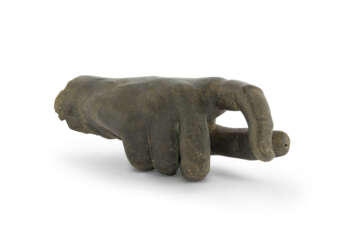
Aristide Maillol was a French artist. He was a painter, sculptor, and printmaker, and is best known for his sculptural works.
Maillol initially worked as a painter, but after seeing Auguste Rodin's sculptures in the early 1890s, he turned to sculpture himself. His early sculptures were influenced by the classical tradition, and often depicted female figures in a simplified, stylized form.
Maillol's sculptures are characterized by their smooth surfaces and simplified forms, which reflect his interest in the pure and timeless beauty of the human body. He often worked in bronze, and his sculptures were typically larger than life size.
In addition to his sculptures, Maillol also created prints, including lithographs and woodcuts. His prints were often based on his sculptural works, and reflected his interest in simplifying form and line.
Maillol continued to work and exhibit his art throughout his life, and his work was shown in galleries and museums around the world. Today, his sculptures are held in the collections of many prestigious institutions, including the Musée d'Orsay in Paris, the Museum of Modern Art in New York, and the Tate Gallery in London.
![[DROIT]](/assets/image/picture_2500822/b624b/ec98c35c3090579d028e0ba113953f9d1667984400jpg__fix_374_244.jpeg)
![[DROIT]](https://veryimportantlot.com/assets/image/picture_2500822/b624b/ec98c35c3090579d028e0ba113953f9d1667984400jpg__fix_374_244.jpeg)
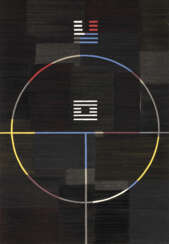

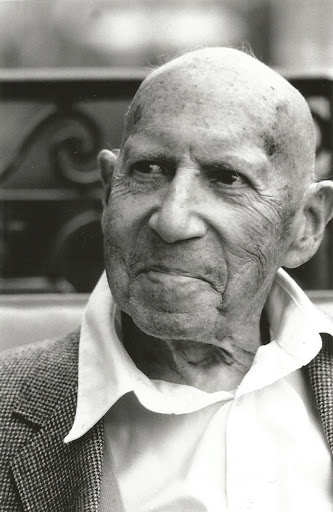
Michel Seuphor, born Fernand Berckelaers in Borgerhout, Belgium, on March 10, 1901, was a seminal figure in the avant-garde art movement, best recognized for his contributions as a Belgian painter, writer, and art critic. Seuphor's adoption of an anagram of Orpheus as his pseudonym underscores his deep connection to the arts, symbolizing a bridge between the world of the living and the artistic underworld. He was pivotal in establishing the literary magazine Het Overzicht in Antwerp in 1921, marking his initial foray into avant-garde circles and showcasing his commitment to fostering artistic innovation.
Seuphor's move to Paris in 1925 signified a major shift in his career, where he became deeply involved with the abstract art movement. His creation of the first abstract drawings between 1926 and 1928, and his collaboration with notable artists like Piet Mondrian, underscored his evolving artistic vision. Seuphor's founding of the Cercle et Carré (Circle and Square) group in 1930 with Joaquín Torres-García was a testament to his leadership and vision in promoting abstract art, drawing members such as Jean Arp and Le Corbusier.
Throughout his life, Seuphor authored pivotal works on abstract painting and sculpture, significantly influencing the documentation and understanding of 20th-century abstract art. His books, including "A Dictionary of Abstract Painting" and "The Sculpture of this Century," remain crucial texts for scholars and enthusiasts alike. Seuphor's legacy extends beyond his writings to include a significant collection of contemporary art, featuring works by artists such as Marcelle Cahn and Victor Vasarely, illustrating his role not just as a theorist and critic but also as a collector and patron of the arts.
For collectors and experts in art and antiques, Seuphor's life and work offer a fascinating glimpse into the development of abstract art in the 20th century. His contributions to the field through his artistic practice, critical writing, and patronage underscore the enduring impact of his vision.
To stay updated on auctions and sales featuring Michel Seuphor's works, sign up for updates. This subscription is your gateway to exploring the profound contributions of Michel Seuphor to the abstract art movement, ensuring you never miss an opportunity to engage with his legacy.






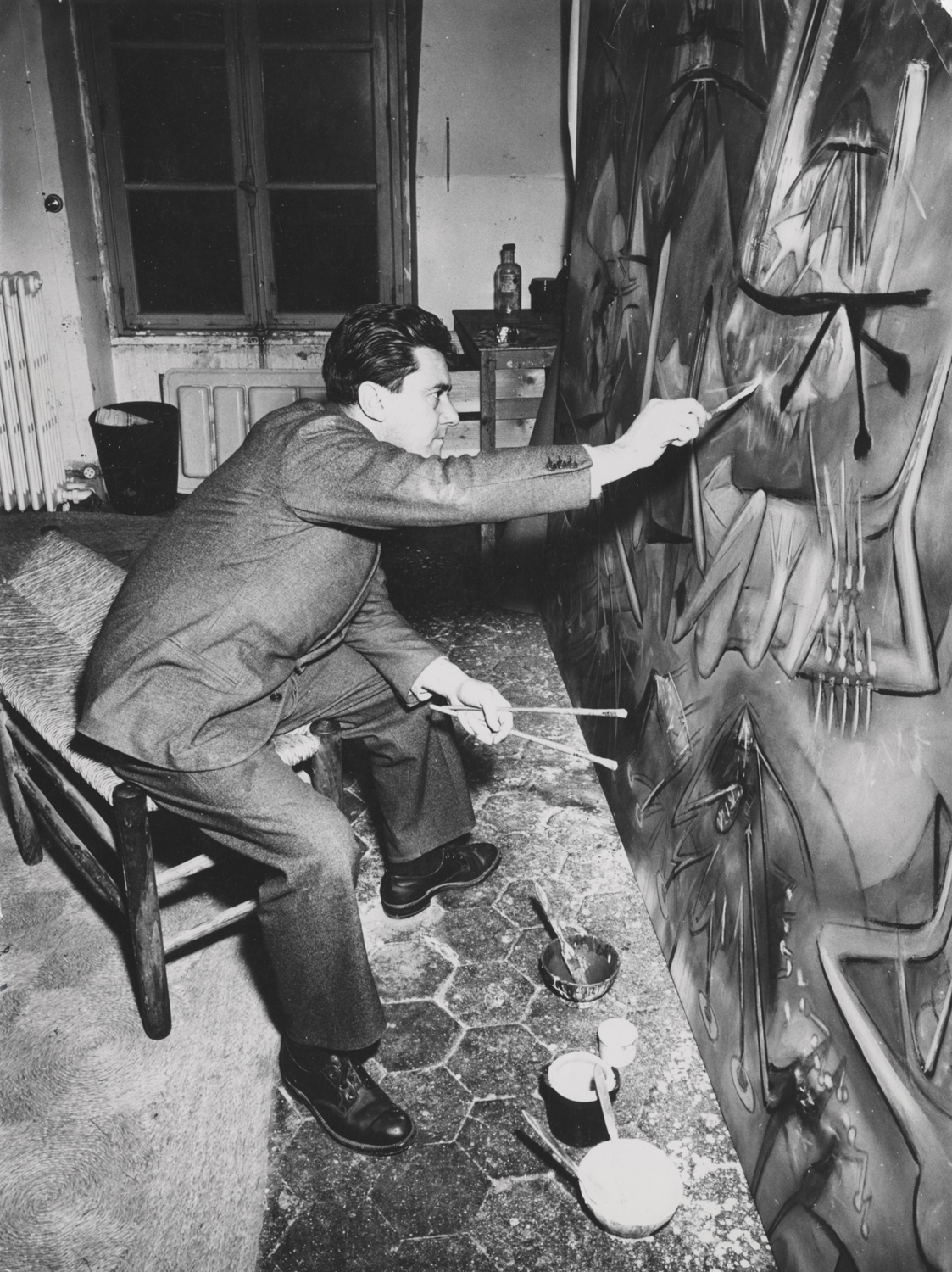
Roberto Sebastian Antonio Matta Echaurren was a Chilean artist, renowned for his significant contributions to the art world, particularly in painting and sculpture. As a figure deeply embedded in the realms of surrealism and abstract expressionism, Matta's works are celebrated for their complex, otherworldly landscapes and a profound exploration of the subconscious and architecture of the mind. His artistry is marked by fluid, organic forms and a masterful use of color, which set him apart as a visionary in the 20th century.
Matta's influence extended beyond the canvas, impacting the development of both European and American art scenes. His innovative techniques and philosophical inquiries into the nature of reality and human consciousness pushed the boundaries of traditional art forms, making him a pivotal figure among surrealists and later, abstract expressionists. Matta's work is characterized by its evocative, dream-like quality, and his ability to translate psychological concepts into visual spectacles has left a lasting legacy in the art world.
Among his renowned works, Matta's paintings are held in prestigious museums and galleries worldwide, including the Museum of Modern Art in New York and the Tate Modern in London. These institutions house pieces that showcase his unique blend of surrealism and abstract expressionism, offering art lovers and collectors a glimpse into his profound and imaginative universe. For those fascinated by the convergence of culture, art, and psychology, Matta's oeuvre presents an inexhaustible source of exploration and inspiration.
For collectors and experts in art and antiques, the legacy of Roberto Sebastian Antonio Matta Echaurren offers a rich field of discovery and appreciation. His contributions to the realms of painting and sculpture continue to resonate, providing deep insights into the capabilities of artistic expression. To stay informed about new product sales and auction events related to Matta's works, we invite you to sign up for updates. This subscription is your gateway to the latest in the world of this unparalleled artist, ensuring you never miss an opportunity to engage with the art and culture that Matta so vividly represented.


Roberto Sebastian Antonio Matta Echaurren was a Chilean artist, renowned for his significant contributions to the art world, particularly in painting and sculpture. As a figure deeply embedded in the realms of surrealism and abstract expressionism, Matta's works are celebrated for their complex, otherworldly landscapes and a profound exploration of the subconscious and architecture of the mind. His artistry is marked by fluid, organic forms and a masterful use of color, which set him apart as a visionary in the 20th century.
Matta's influence extended beyond the canvas, impacting the development of both European and American art scenes. His innovative techniques and philosophical inquiries into the nature of reality and human consciousness pushed the boundaries of traditional art forms, making him a pivotal figure among surrealists and later, abstract expressionists. Matta's work is characterized by its evocative, dream-like quality, and his ability to translate psychological concepts into visual spectacles has left a lasting legacy in the art world.
Among his renowned works, Matta's paintings are held in prestigious museums and galleries worldwide, including the Museum of Modern Art in New York and the Tate Modern in London. These institutions house pieces that showcase his unique blend of surrealism and abstract expressionism, offering art lovers and collectors a glimpse into his profound and imaginative universe. For those fascinated by the convergence of culture, art, and psychology, Matta's oeuvre presents an inexhaustible source of exploration and inspiration.
For collectors and experts in art and antiques, the legacy of Roberto Sebastian Antonio Matta Echaurren offers a rich field of discovery and appreciation. His contributions to the realms of painting and sculpture continue to resonate, providing deep insights into the capabilities of artistic expression. To stay informed about new product sales and auction events related to Matta's works, we invite you to sign up for updates. This subscription is your gateway to the latest in the world of this unparalleled artist, ensuring you never miss an opportunity to engage with the art and culture that Matta so vividly represented.

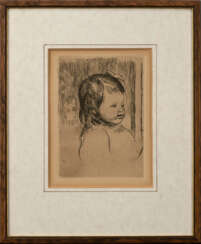

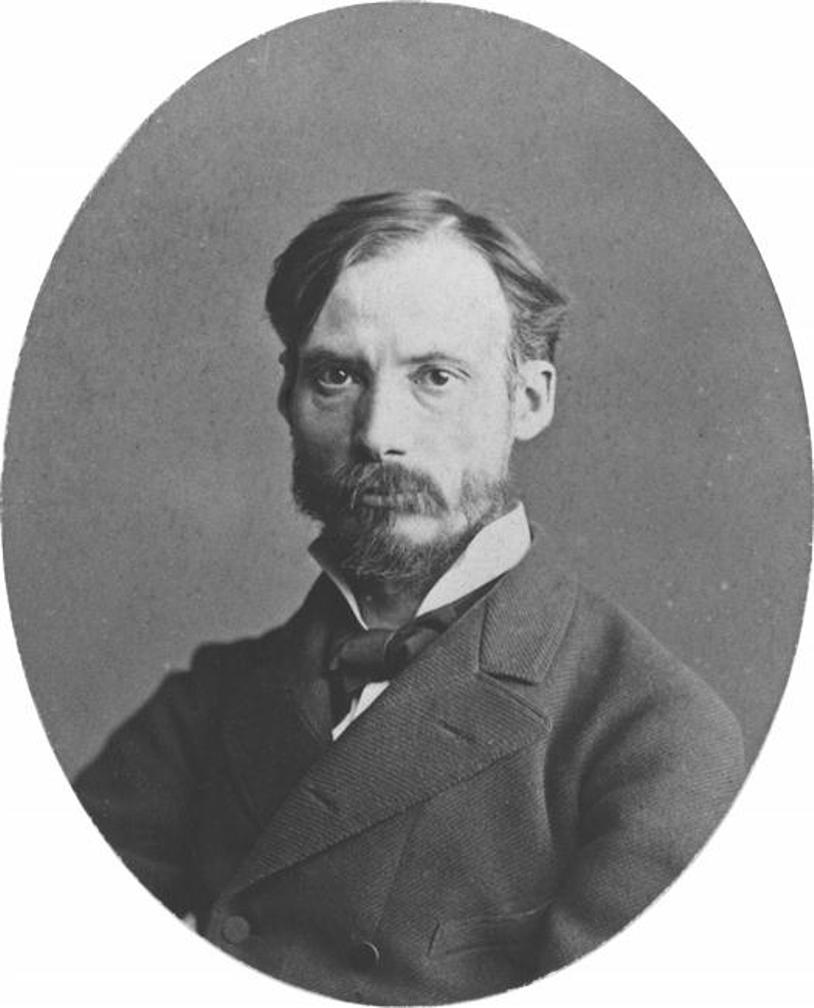
Pierre-Auguste Renoir was a French artist, celebrated as a pivotal figure in the development of the Impressionist movement. Born in Limoges, France, in 1841, Renoir's early experiences in Paris and his apprenticeship as a porcelain painter laid the foundation for his illustrious career in art. His transition to painting was marked by an early fascination with the play of light and color, which became a hallmark of his work. Renoir's paintings are renowned for their vibrant light and saturated color, often focusing on people in intimate and candid compositions. This focus on beauty and a particular affinity for capturing the sensuality of the female form distinguished his work from his contemporaries.
Renoir's contributions to Impressionism were significant, characterized by his use of bright colors and a technique that captured the movement and luminosity of the scene. His evolution as an artist saw him experimenting with a more linear and classical style, especially after his travels to Italy, where he was deeply influenced by the Renaissance masters. Despite facing personal challenges, including severe rheumatoid arthritis in his later years, Renoir's passion for painting never waned. His determination saw him adapting his painting technique to his physical limitations, ensuring that his creative output remained prolific until his death in 1919.
Among Renoir's notable works are "Bal du moulin de la Galette" (1876), "Luncheon of the Boating Party" (1880), and "Girls at the Piano" (1892). These masterpieces exemplify the essence of Impressionist art with their depiction of light, movement, and everyday life. Renoir's works are housed in prestigious museums around the world, serving as a testament to his enduring legacy in the realm of art.
For art collectors and experts, Renoir's oeuvre represents an essential segment of the Impressionist movement, offering insights into the evolution of modern art. His mastery in portraying the beauty of the moment and the depth of human emotion continues to captivate and inspire audiences worldwide.
If you are passionate about collecting or studying the works of Pierre-Auguste Renoir, we invite you to sign up for updates on new product sales and auction events related to this iconic artist. Stay informed about the opportunity to own a piece of art history and deepen your appreciation for the rich tapestry of culture and art that Renoir helped weave.








![[RÉVOLUTION FRANÇAISE]](/assets/image/picture_4257876/11479/a7b34c0ab5a06d35e950bed7b78512141729065600jpg__fix_374_244.jpeg)
![[RÉVOLUTION FRANÇAISE]](https://veryimportantlot.com/assets/image/picture_4257876/11479/a7b34c0ab5a06d35e950bed7b78512141729065600jpg__fix_374_244.jpeg)
![[AUGEARD, Mathieu (1673-1751)]](/assets/image/picture_2500724/45e94/52e491549b1f13fdeca7398b4c4a7c811667984400jpg__fix_374_244.jpeg)
![[AUGEARD, Mathieu (1673-1751)]](https://veryimportantlot.com/assets/image/picture_2500724/45e94/52e491549b1f13fdeca7398b4c4a7c811667984400jpg__fix_374_244.jpeg)
![[NAPOLÉON BONAPARTE, EMPEREUR DES FRANÇAIS (1769-1821)] et Joseph-Henri FLACON-ROCHELLE (1781-1834)](/assets/image/picture_3601381/567e7/t5thljtyjvssfc78c1kjb8detdr9sa9z6b0dfgoakgbnhjolcihne22zzev91yqf1700205866jpg__fix_374_244.jpeg)
![[NAPOLÉON BONAPARTE, EMPEREUR DES FRANÇAIS (1769-1821)] et Joseph-Henri FLACON-ROCHELLE (1781-1834)](https://veryimportantlot.com/assets/image/picture_3601381/567e7/t5thljtyjvssfc78c1kjb8detdr9sa9z6b0dfgoakgbnhjolcihne22zzev91yqf1700205866jpg__fix_374_244.jpeg)
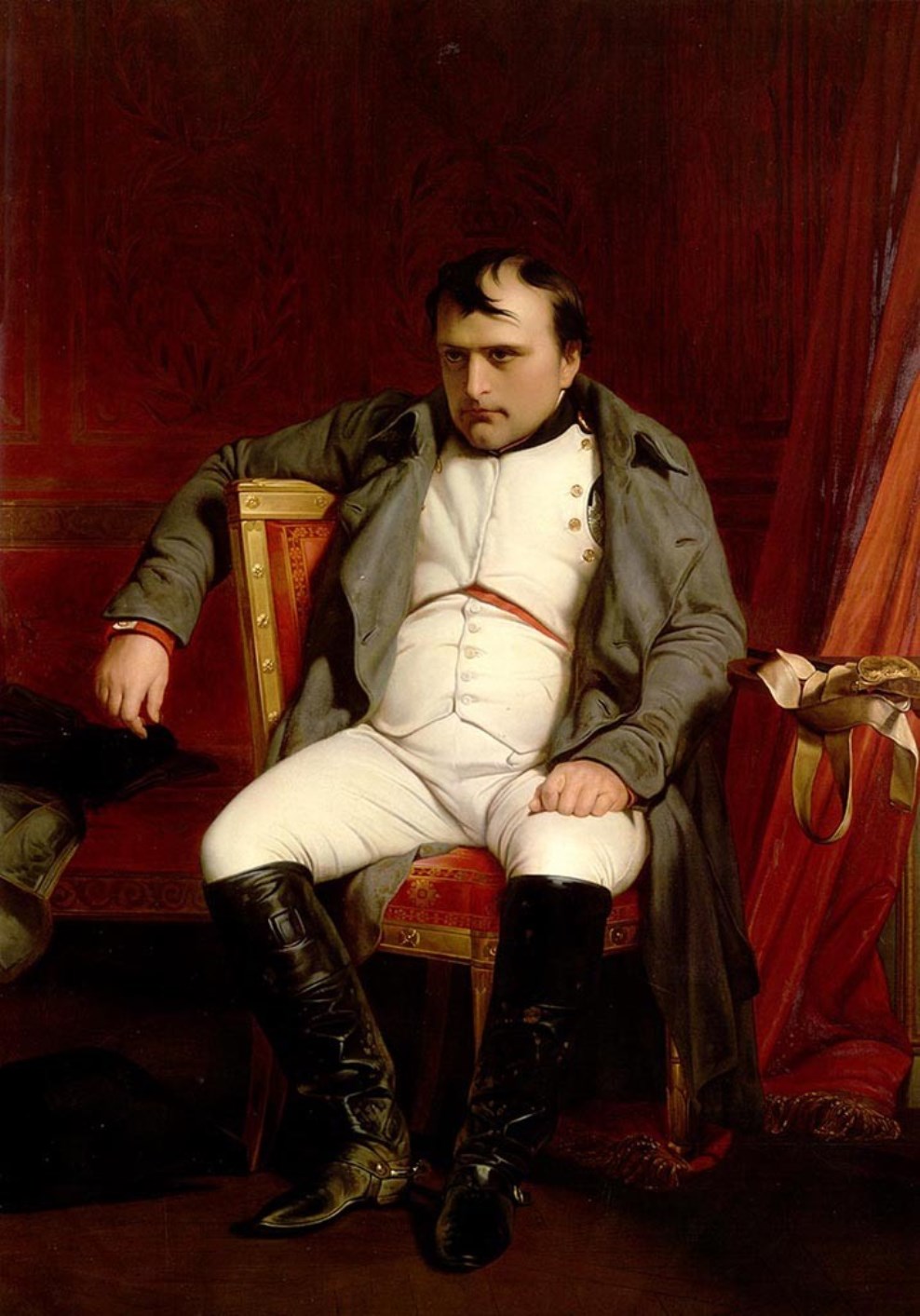
Napoleon I Bonaparte was a French statesman and military leader, Emperor of France (1804-1815).
Napoleon was born in the family of an ignorant Corsican nobleman, graduated from the Brienne military school, then the Paris military school. In 1785 he began military service in the rank of junior lieutenant of artillery in the Royal Army. From the first days of the Great French Revolution of 1789-1799 Bonaparte joined the political struggle on the island of Corsica, in 1792 in Valence joined the Jacobin Club and actively participated in all the turbulent political and military events.
In November 1799 Napoleon was at the head of a coup d'état: the government of the Directory was deposed, and the French Republic was headed by three consuls, the first of whom was Napoleon. In June 1804 Bonaparte was proclaimed Emperor Napoleon I of France, and in December a lavish coronation ceremony took place. After Italy recognized him as its king, in March 1805 he was also crowned in Milan.
With his rise to power, France entered a period of almost continuous warfare. Napoleon greatly expanded the territory of the empire, made most of the states of Western and Central Europe dependent on France. His brothers became kings: Joseph in Naples, Louis in Holland, and Jerome in Westphalia. In 1812, Napoleon made a campaign against Russia and even reached Moscow, but the Russian troops under the leadership of commander M.I. Kutuzov with the active support of all the people completely defeated the "invincible army". This military campaign was the beginning of the collapse of Napoleon's empire. The entry of the anti-French coalition troops into Paris in March 1814 forced Napoleon I to abdicate (April 6, 1814).
Napoleon retained the title of Emperor and was given possession of the island of Elba in the Mediterranean Sea. However, in March 1815, the deposed emperor at the head of a small detachment suddenly landed in the south of France and three weeks later, without a single shot entered Paris. But the emperor failed to live up to the hopes of the people of France, plus his defeat at the Battle of Waterloo all led to his second abdication. As a result, Napoleon Bonaparte was exiled to the island of St. Helena in the Atlantic Ocean, where he died on May 5, 1821.

![[MALESHERBES, Chrétien-Guillaume de Lamoignon de (1721-1794)]](/assets/image/picture_3601347/26d6f/juvqbkxeztwefl8qinsgeovf79i4z6vh4hdyh7pzkvrj24dtlslhpvxzwkt18d1700205640jpg__fix_374_244.jpeg)
![[MALESHERBES, Chrétien-Guillaume de Lamoignon de (1721-1794)]](https://veryimportantlot.com/assets/image/picture_3601347/26d6f/juvqbkxeztwefl8qinsgeovf79i4z6vh4hdyh7pzkvrj24dtlslhpvxzwkt18d1700205640jpg__fix_374_244.jpeg)




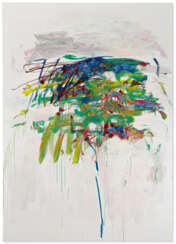

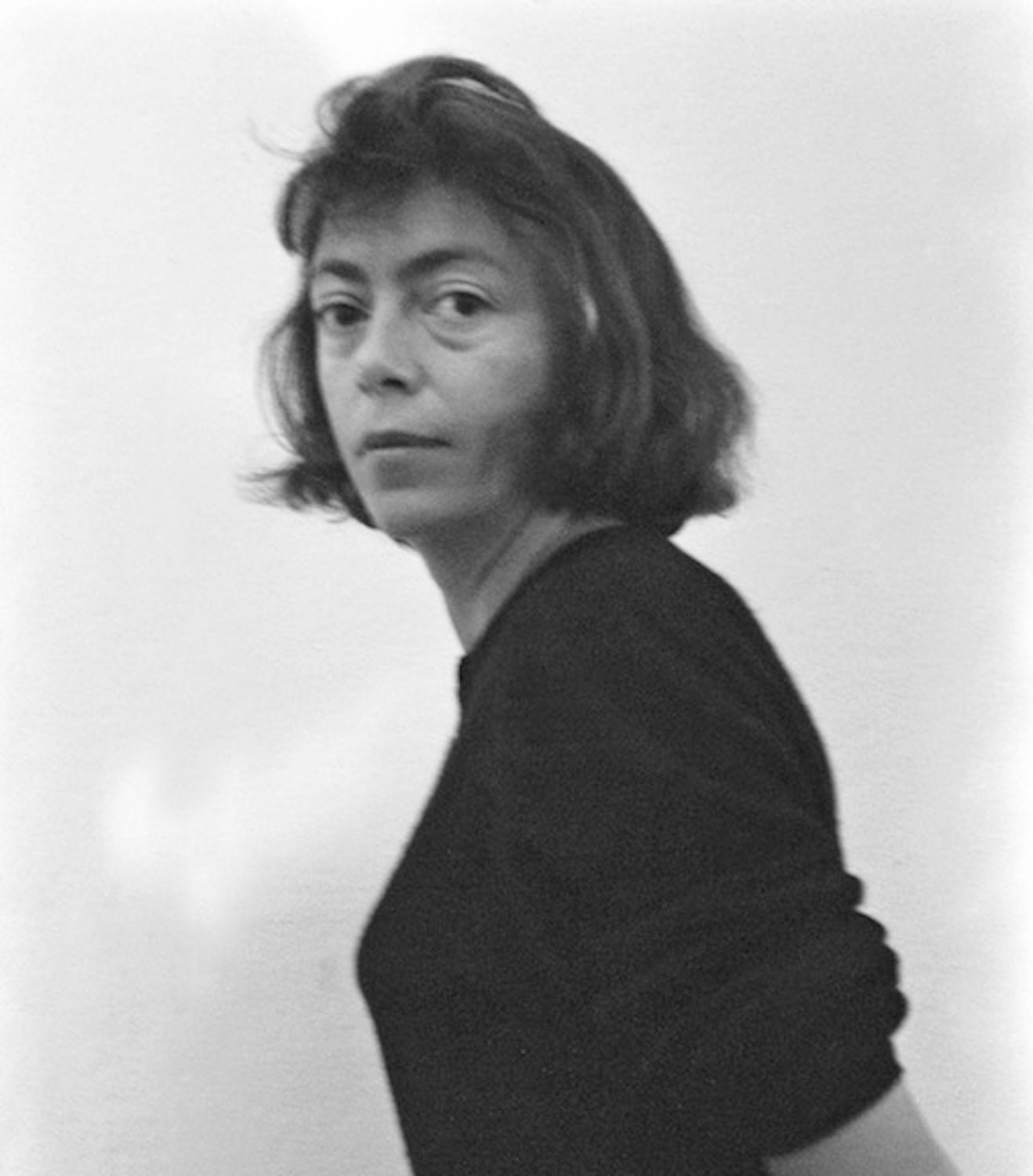
Joan Mitchell was an American painter, celebrated for her pivotal role in the Abstract Expressionist movement. Born in Chicago in 1925, Mitchell's work transcends the traditional boundaries of art, blending intense emotion with a deeply personal use of color and gesture. Her canvases are vast arenas where light, color, and texture merge to evoke landscapes, memories, and emotions. Unlike many of her contemporaries, Mitchell's art was not just about the act of painting but about capturing the essence of her experiences and emotions, making her a unique voice in 20th-century art.
Mitchell's paintings, characterized by their vibrant colors and dynamic brushstrokes, have been exhibited in some of the world's most prestigious museums and galleries. Notable works like "Hudson River Day Line" and "Bracket" found homes in institutions such as the Denver Art Museum and the San Francisco Museum of Modern Art (SFMOMA), respectively. These pieces exemplify Mitchell's ability to convey the complexity of nature and emotion, bridging the gap between abstract expressionism and the lyrical landscapes that inspired her.
Despite her critical acclaim, Mitchell's work was initially overshadowed by her male peers, selling for a fraction of their value. However, the 21st century has seen a significant reassessment of her contributions, with her paintings now commanding millions at auction. This shift is part of a broader reevaluation of women and minority artists in the art historical canon, reflecting changing perspectives on gender and creativity. Collectors and experts in art and antiques now recognize Joan Mitchell as a titan of post-war American painting, whose works continue to inspire and captivate audiences worldwide.
For those intrigued by the legacy of Joan Mitchell and the dynamic world of abstract expressionism, we invite you to sign up for updates. Our subscription service will keep you informed about new product sales and auction events related to Joan Mitchell's art, offering exclusive insights into one of the most influential artists of the 20th century.
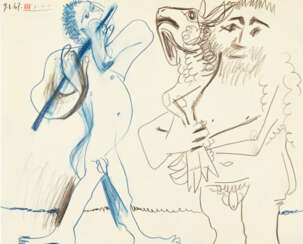

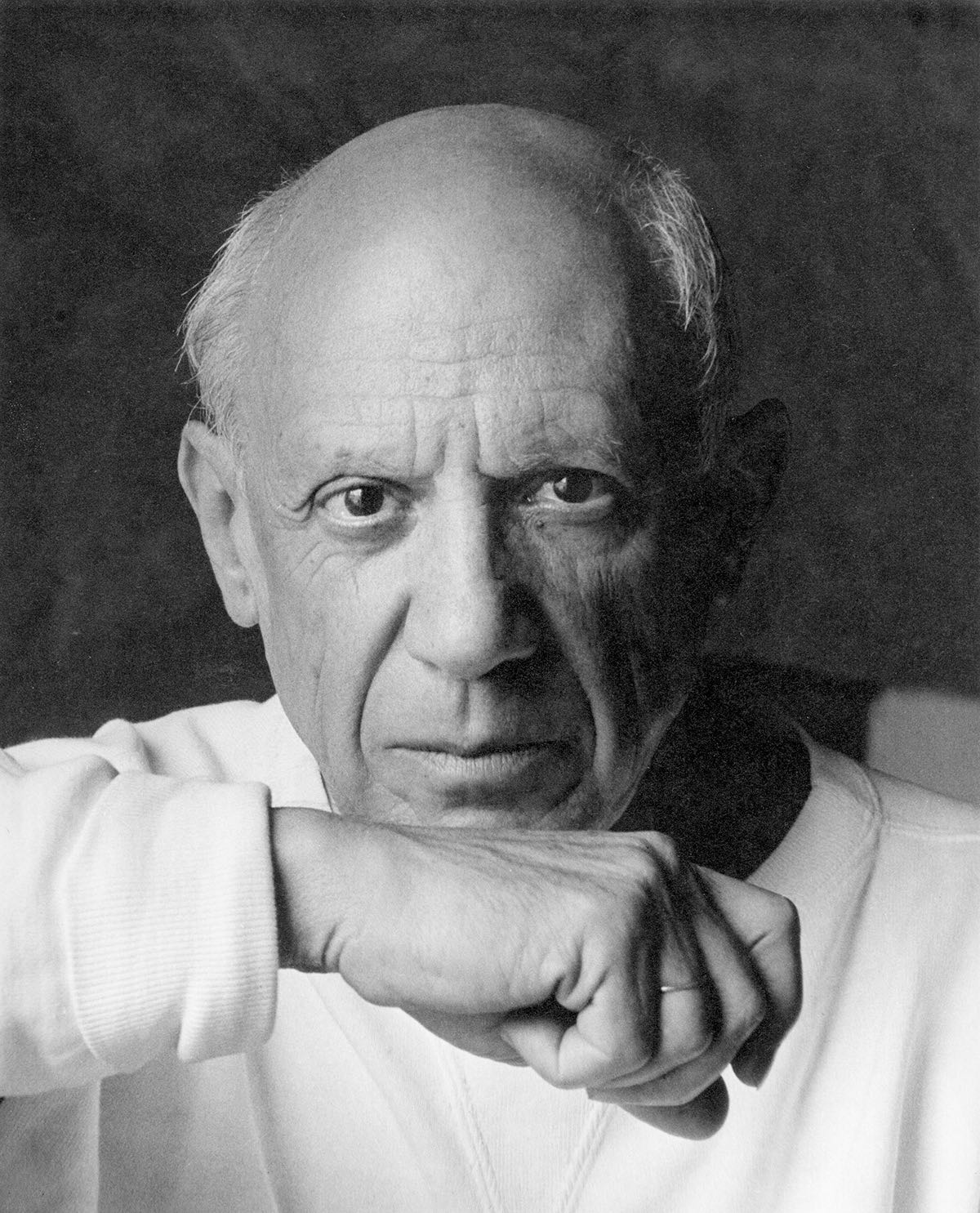
Pablo Ruiz Picasso, a Spanish artist renowned for his revolutionary contributions to the 20th-century art scene, is a figure that resonates profoundly with collectors and art experts. His unique blend of talents in painting, sculpture, printmaking, and ceramic art, infused with his time in France, positioned him as a pivotal character in modern art history.
Picasso's artistic journey was marked by distinct periods, each showcasing his evolving style and genius. His early years were characterized by the Blue Period (1901-1904), followed by the Rose Period (1904-1906), and then the African-influenced Period (1907-1909). Picasso's name is synonymous with Cubism, a movement he co-founded, which significantly altered artistic perspectives and methods. Works like "Les Demoiselles d'Avignon" (1907) and "Guernica" (1937) are emblematic of his cubist legacy, the latter being a poignant anti-war statement that remains influential.
His later years saw a return to more traditional styles, with neoclassical and surrealist influences becoming evident. Works from these phases reflect a deep engagement with mythological themes, as seen in "Faun with Stars" (1955), symbolizing his late-life romance with Jacqueline Roque, his second wife.
Picasso's prolific output and innovative spirit made him a legend in his own time, a status that only grew after his death. His works, housed in major museums and private collections worldwide, continue to captivate and inspire.
As a collector or expert in art and antiques, staying informed about Picasso's works, their auction events, and sales is essential. To stay updated on the latest developments and opportunities related to Pablo Picasso, sign up for our specialized updates. Rest assured, this subscription will focus solely on new product sales and auction events pertaining to Picasso's art, ensuring that you receive only the most relevant and valuable information.