e. urbanik
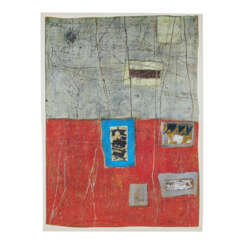

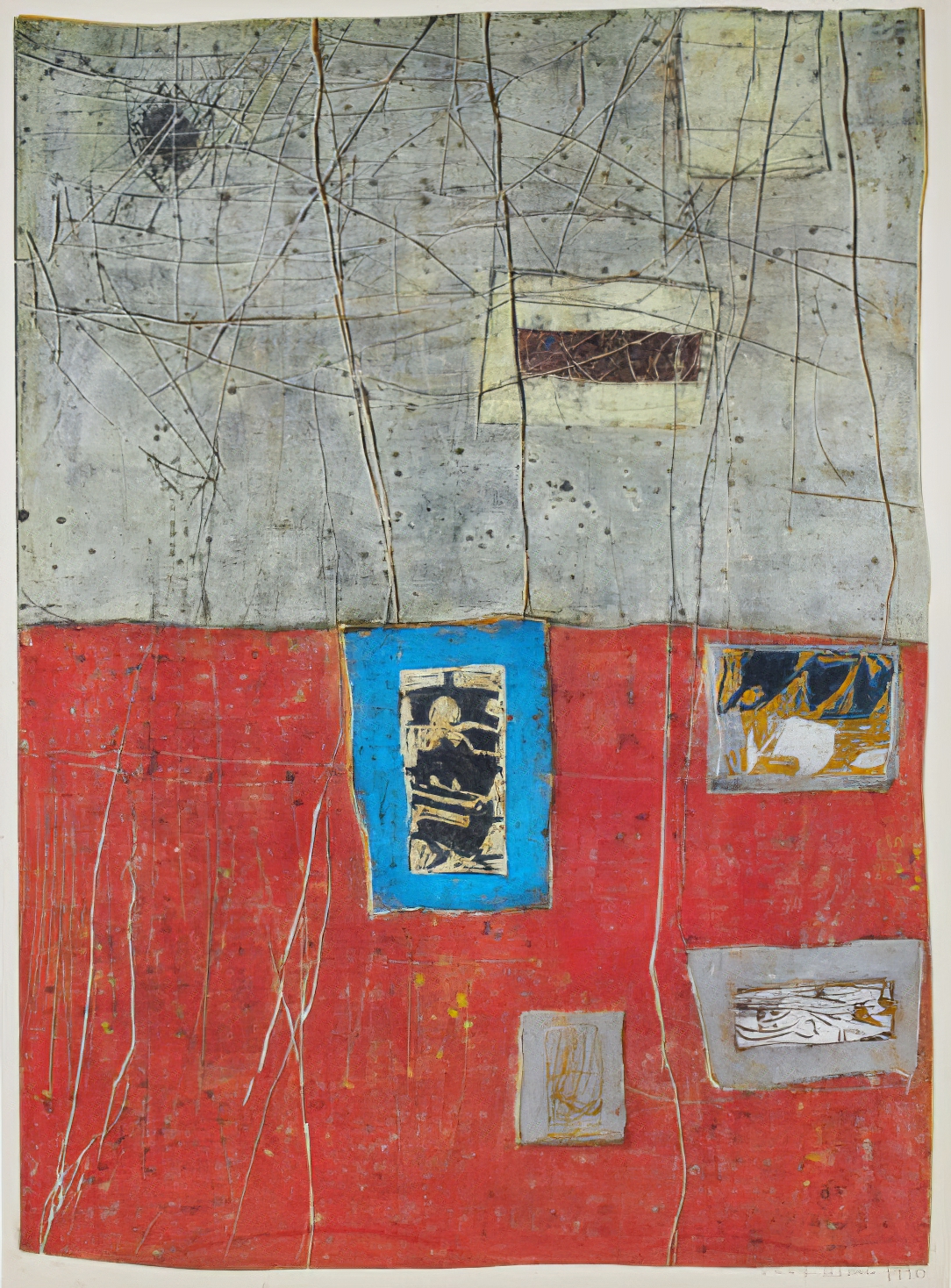
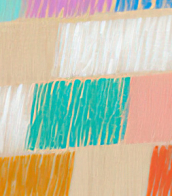
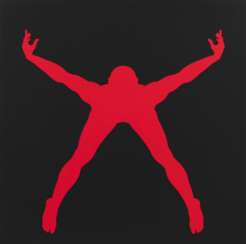

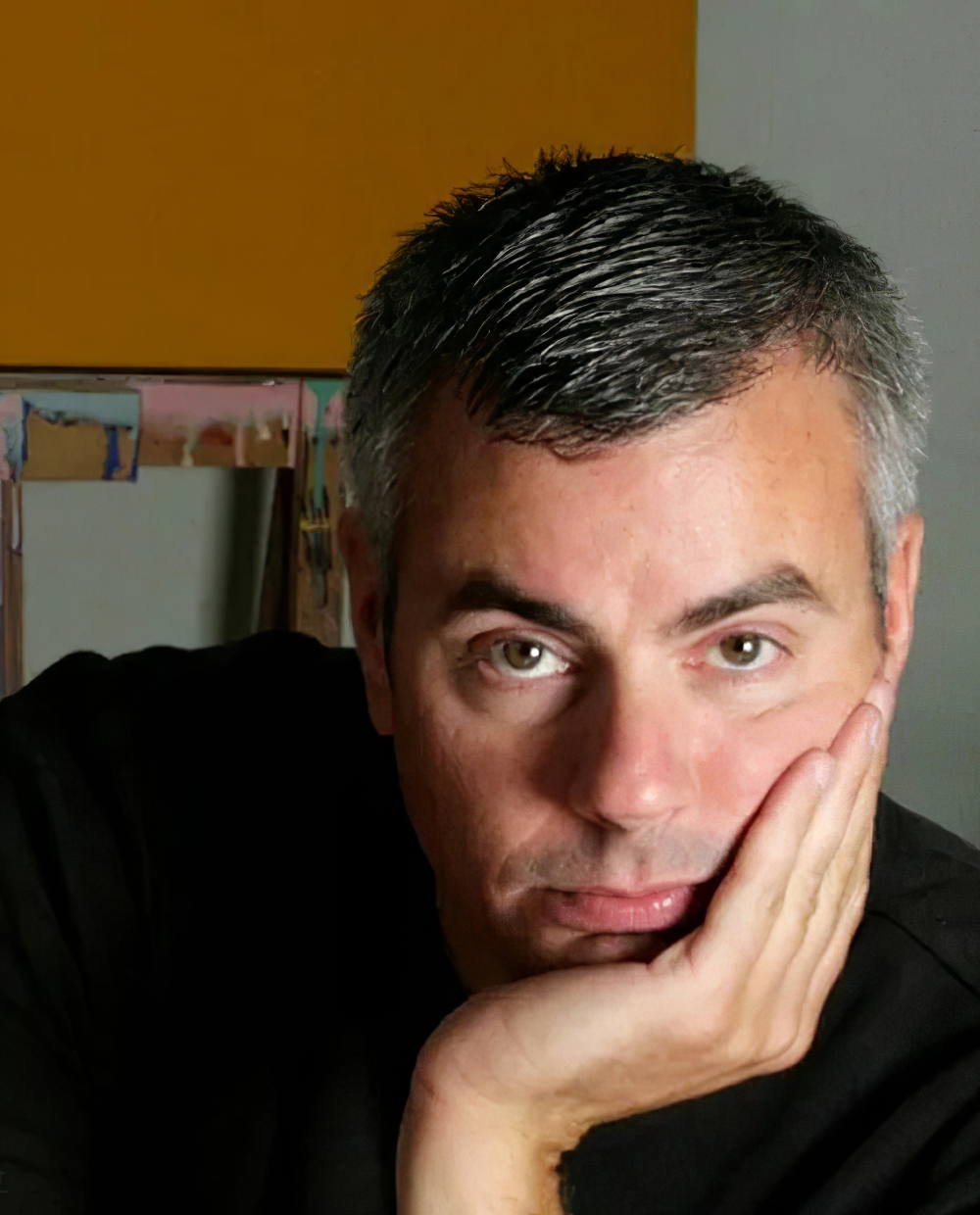
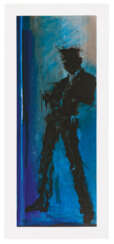
Urban Grünfelder (German: Urban Grünfelder) is an Italian contemporary figurative painter, sculptor and graphic designer.
Urban Grünfelder's painting is based on the alphabet of "monochrome human figures".
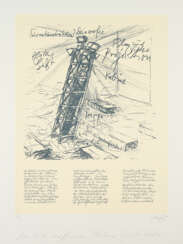

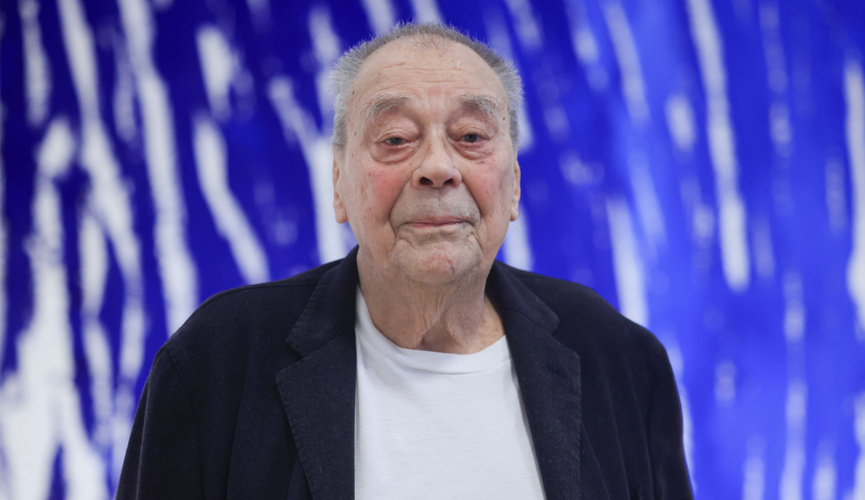
Günther Uecker is a German sculptor, op artist and installation artist.




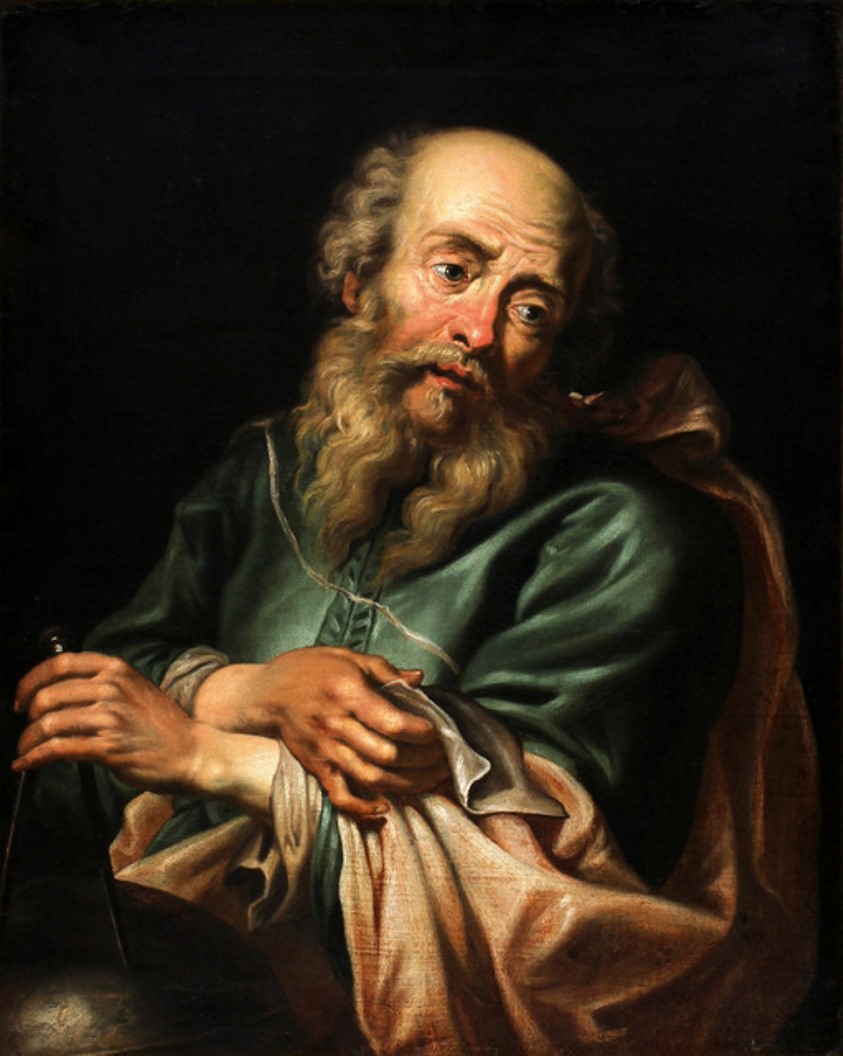
Galileo Galilei was an Italian naturalist, physicist, mechanic, astronomer, philosopher, and mathematician.
Using his own improved telescopes, Galileo Galilei observed the movements of the Moon, Earth's satellites, and the stars, making several breakthrough discoveries in astronomy. He was the first to see craters on the Moon, discovered sunspots and the rings of Saturn, and traced the phases of Venus. Galileo was a consistent and convinced supporter of the teachings of Copernicus and the heliocentric system of the world, for which he was subjected to the trial of the Inquisition.
Galileo is considered the founder of experimental and theoretical physics. He is also one of the founders of the principle of relativity in classical mechanics. Overall, the scientist had such a significant impact on the science of his time that he cannot be overemphasized.

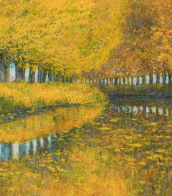







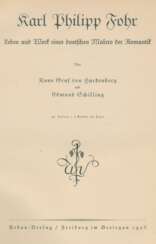






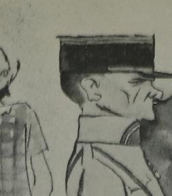
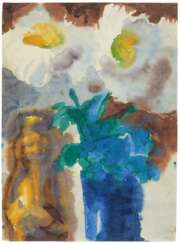

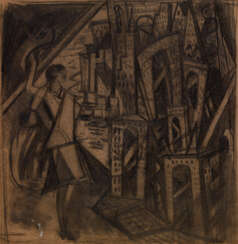

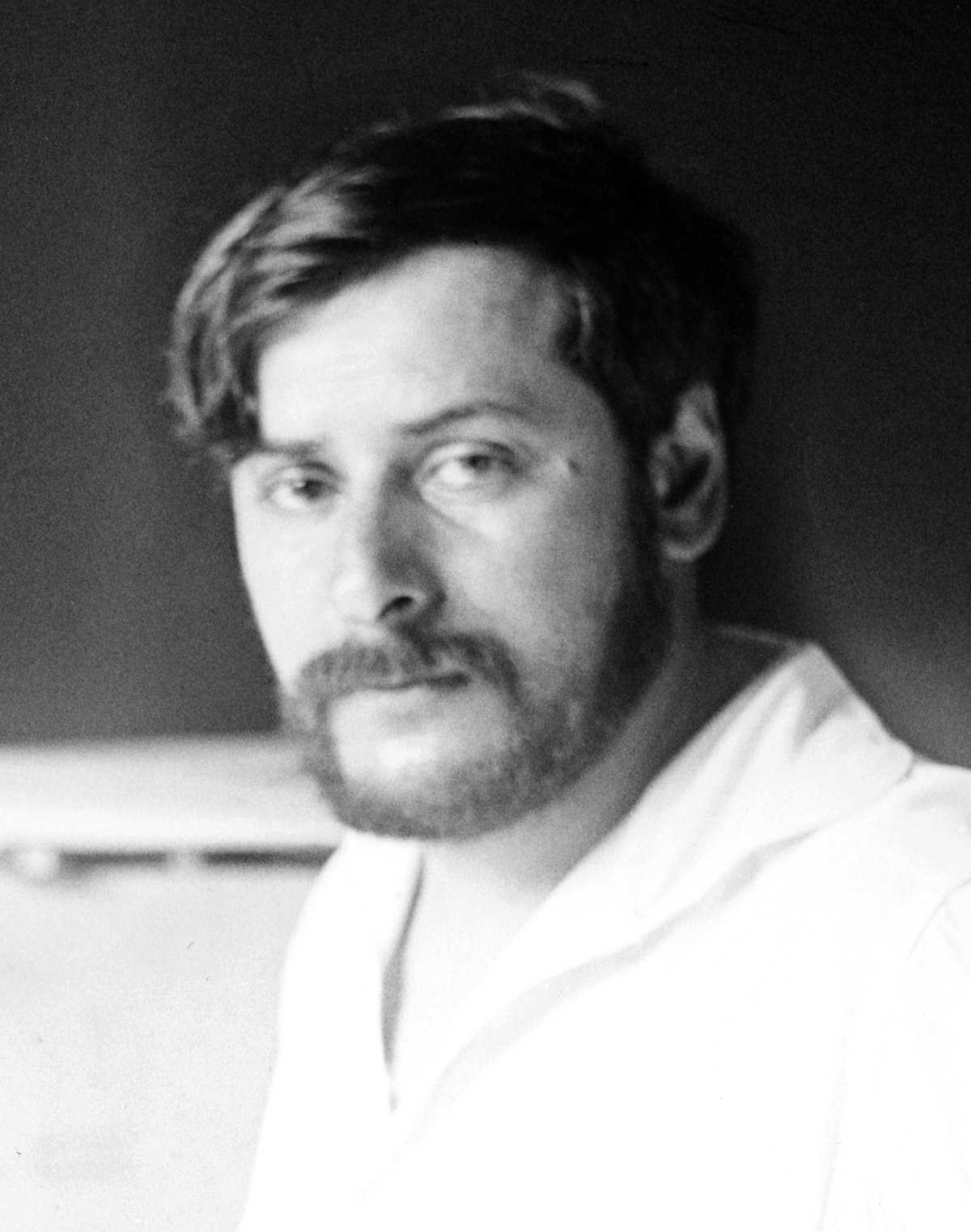
Boris Izraelievich Anisfeld (Russian: Борис Израилевич Анисфельд) was a Russian-American painter, set designer, illustrator, and educator, celebrated for his vivid use of color and imaginative scenery. Born in Bessarabia, Russian Empire, in 1878, Anisfeld's artistic journey led him from the Odessa School of Art to the Imperial Academy of Arts in Saint Petersburg, where he absorbed the influences of prominent artists like Ilya Repin and Igor Grabar. His distinct style caught the attention of Sergei Diaghilev, leading to his work with the Ballet Russe before World War I.
Anisfeld's contributions to art extend beyond his canvas, as his theater designs for Diaghilev's Ballets Russes and collaborations with notable figures like Michel Fokine and Anna Pavlova showcased his ability to blend fantasy with performance. His work with the Ballets Russes, including designing the production of "Sadko" and executing the visions of other celebrated artists for stage sets, marked a significant period in his career before he immigrated to the United States in 1917.
In America, Anisfeld continued his legacy, taking on roles such as a teacher at the Art Institute of Chicago and contributing to the cultural landscape through his stage designs and paintings. His work is recognized for its innovative approach to color and form, bridging the realms of painting and theater design to create immersive, emotionally resonant artworks. Anisfeld passed away in 1973, leaving behind a body of work that continues to inspire and captivate audiences.
For collectors and experts in art and antiques, Anisfeld's work represents a fusion of Russian and American art traditions, enriched by his imaginative approach and vibrant palette. His contributions to the development of modern art and theater design underscore the enduring relevance of his creative vision.
To stay updated on exhibitions, sales, and auctions related to Boris Israelievich Anisfeld, sign up for updates. This subscription will ensure you're informed about new opportunities to explore and acquire works by this influential artist.


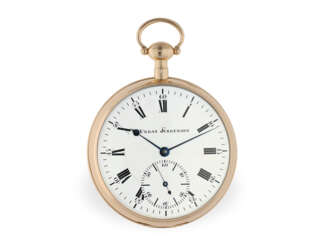


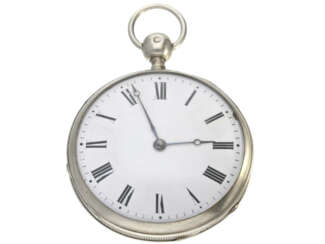

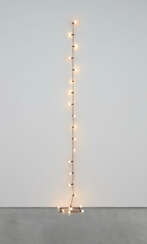

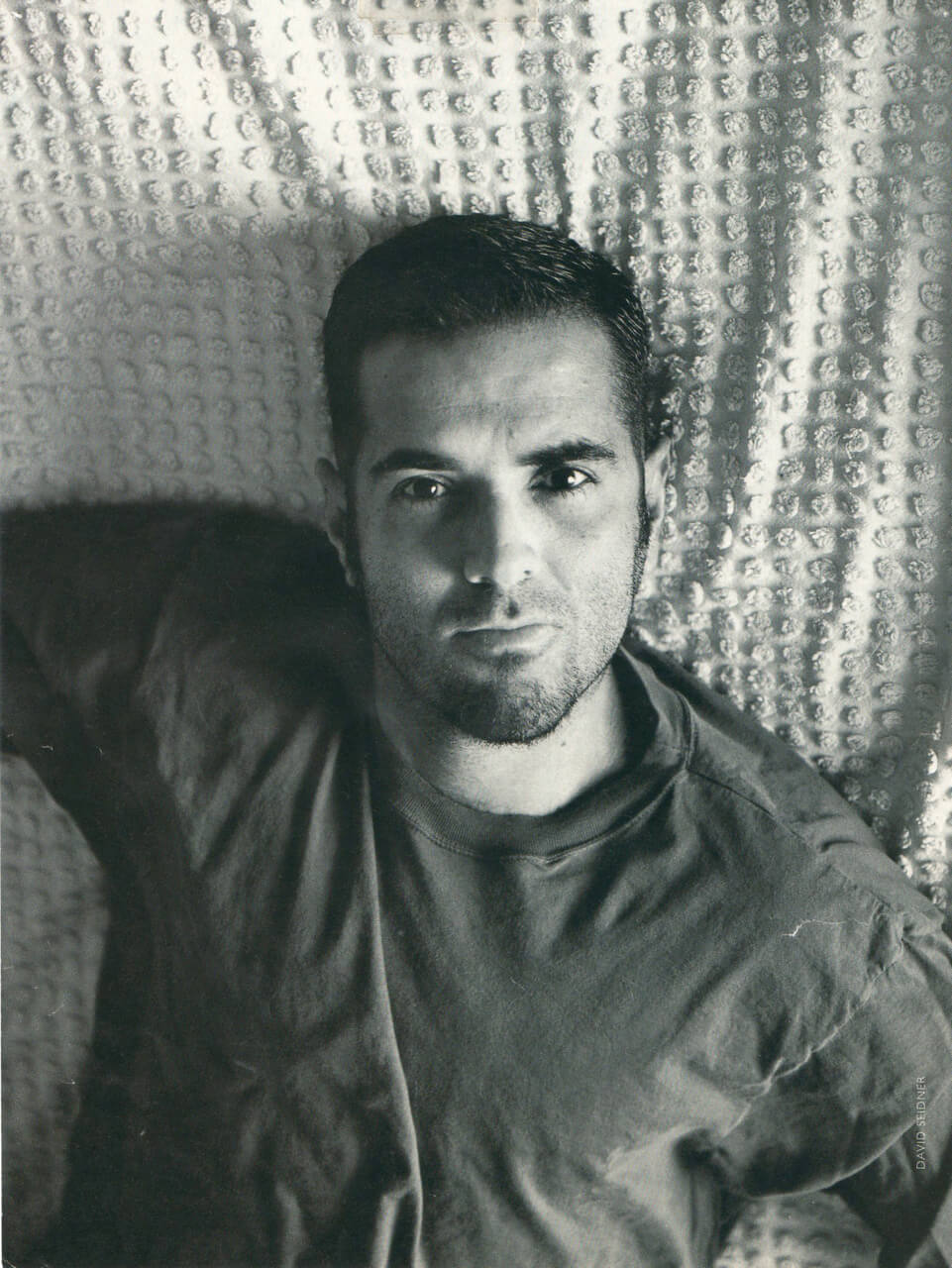
Félix González-Torres was a Cuban-born American visual artist. He lived and worked primarily in New York City between 1979 and 1995 after attending university in Puerto Rico. González-Torres was known for his minimalist installations and sculptures composed of everyday materials such as strings of lightbulbs, clocks, stacks of paper, or packaged hard candies. In 1987, he joined Group Material, a New York-based group of artists whose intention was to work collaboratively, adhering to principles of cultural activism and community education, much of which was influenced by the artist's experience as an openly gay man. González-Torres is known for having made significant contributions to the field of conceptual art in the 1980s and 1990s. His practice continues to influence and be influenced by present-day cultural discourses.


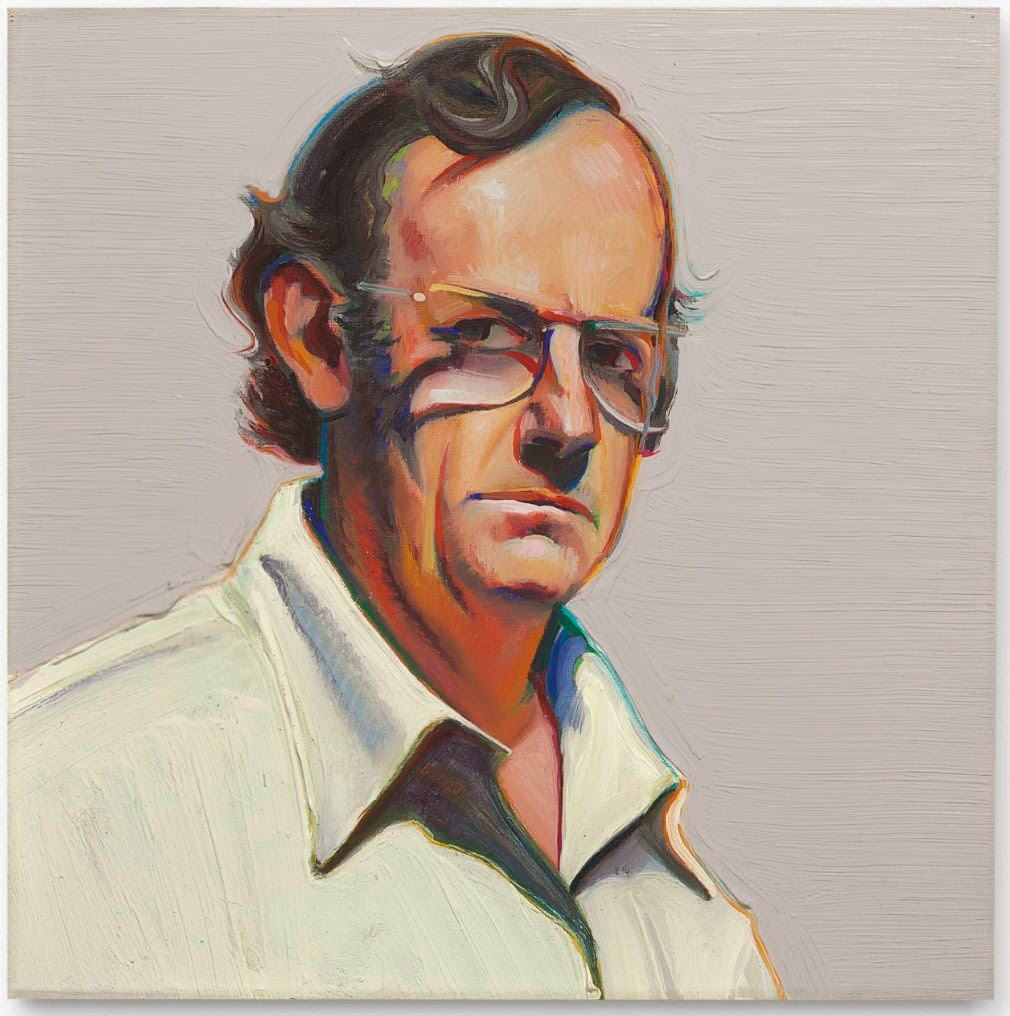
Morton Wayne Thiebaud war ein US-amerikanischer Maler und bedeutender Vertreter der amerikanischen Pop Art.
Morton Wayne Thiebaud was an American painter known for his colorful works depicting commonplace objects — pies, lipsticks, paint cans, ice cream cones, pastries, and hot dogs — as well as for his landscapes and figure paintings. Thiebaud is associated with the pop art movement because of his interest in objects of mass culture, although his early works, executed during the fifties and sixties, slightly predate the works of the classic pop artists. Thiebaud used heavy pigment and exaggerated colors to depict his subjects, and the well-defined shadows characteristic of advertisements are almost always included in his work.
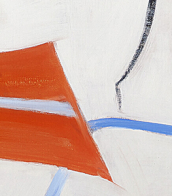
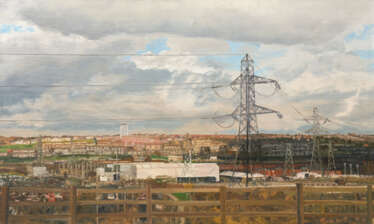

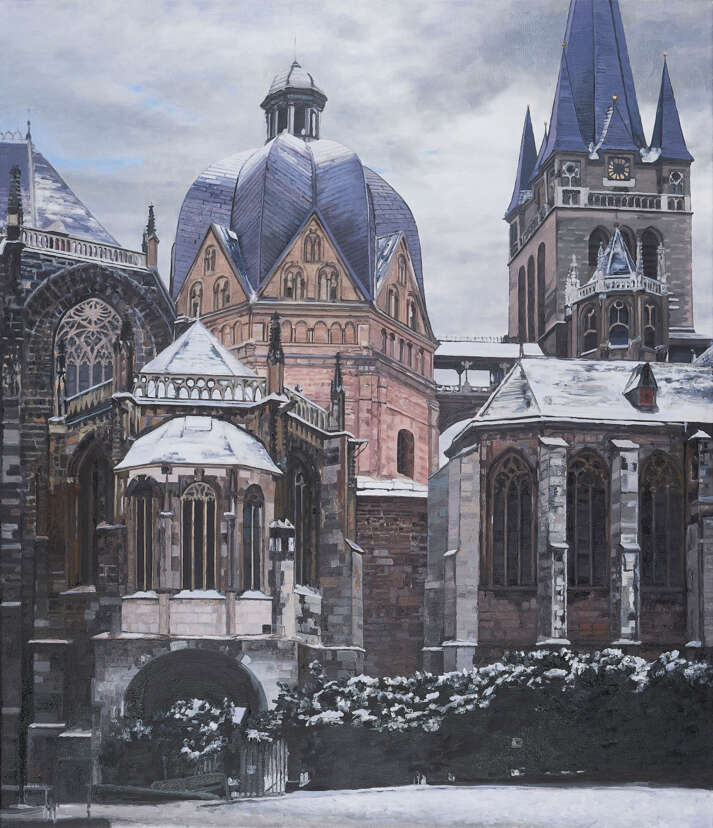
Michael Bach is a contemporary German painter.

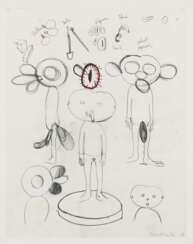

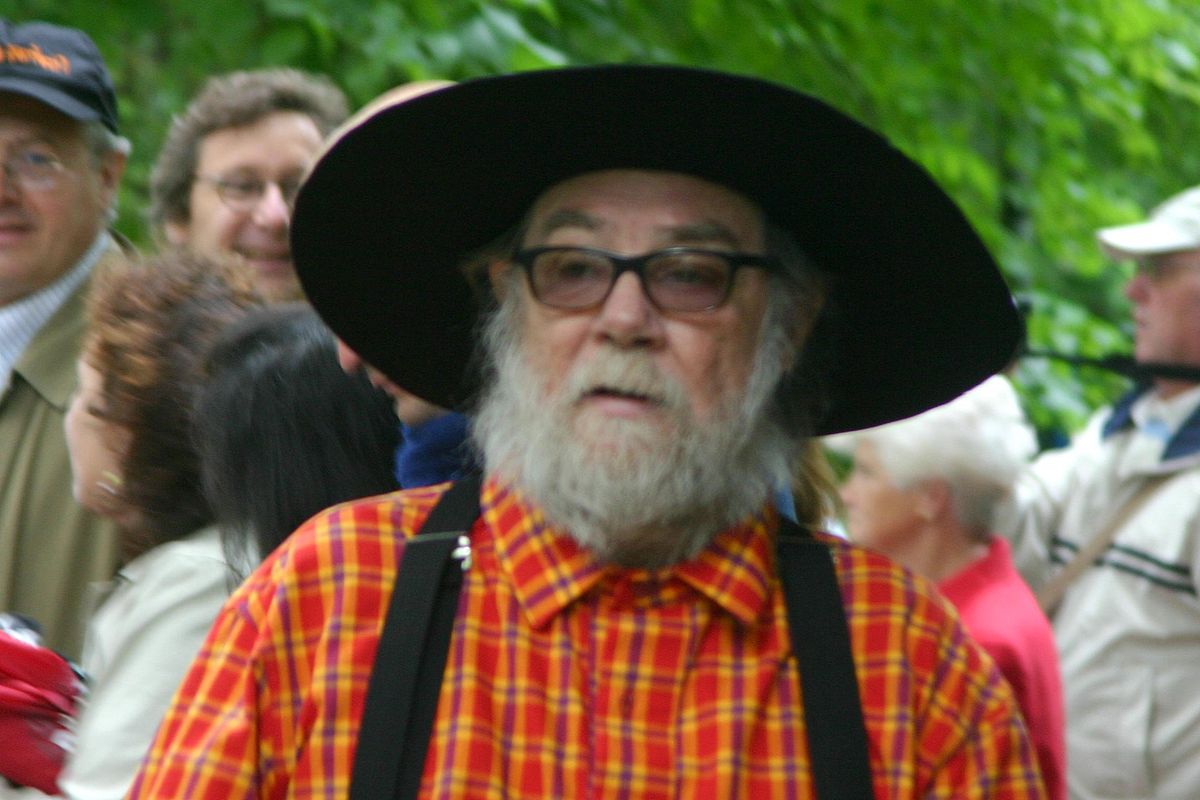
Paul McCarthy is a contemporary artist who lives and works in Los Angeles, California.
McCarthy's works include performance, sculpture, installation, film and "painting as action". His points of reference are rooted, on the one hand, in things typically American, such as Disneyland, B-Movies, Soap Operas and Comics – he is a critical analyst of the mass media and consumer-driven American society and its hypocrisy, double standards and repression. On the other hand, it is European avant-garde art that has had the most influence on his artistic form language. Such influences include the Lost Art Movement, Joseph Beuys, Sigmund Freud, Samuel Beckett, and the Viennese Actionism.




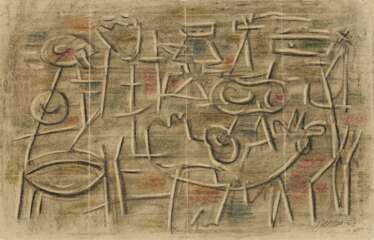

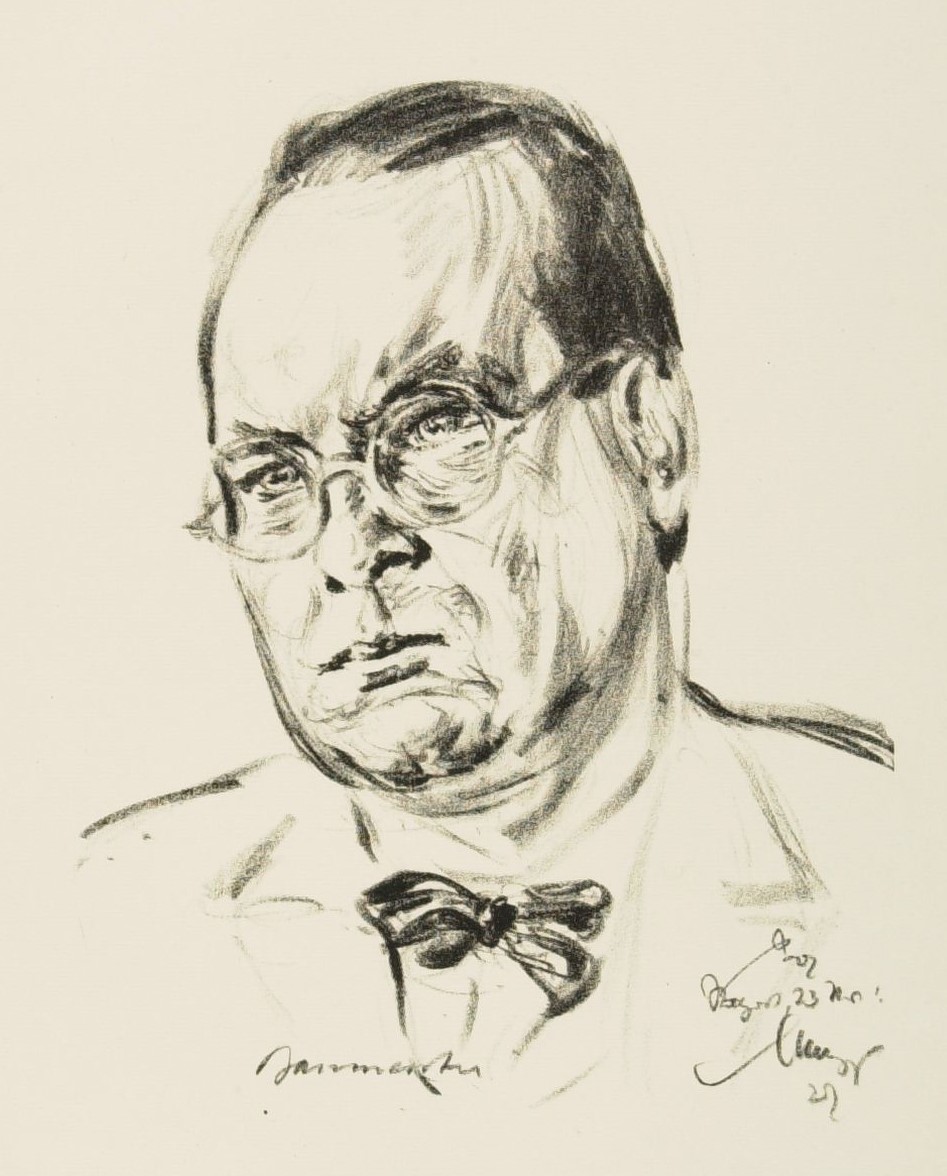
Willi Baumeister was a German painter, scenic designer, art professor, and typographer. His work was part of the art competitions at the 1928 Summer Olympics and the 1932 Summer Olympics.
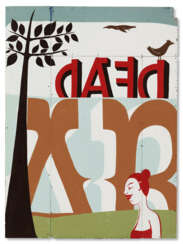

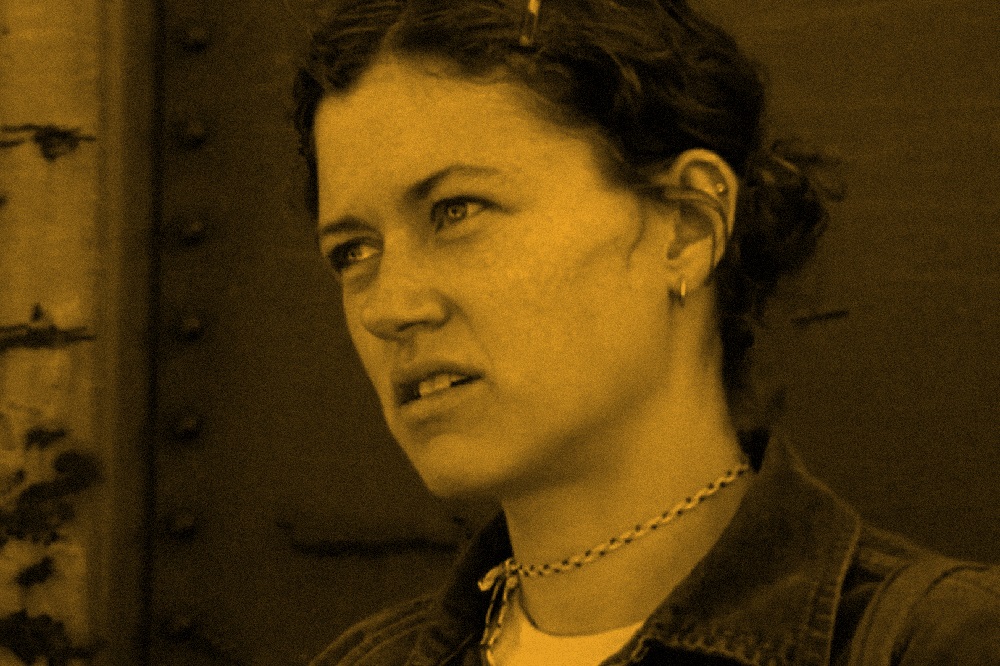
Margaret Leisha Kilgallen was a San Francisco Bay Area artist who combined graffiti art, painting, and installation art. Though a contemporary artist, her work showed a strong influence from folk art. She was considered a central figure in the Bay Area Mission School art movement.


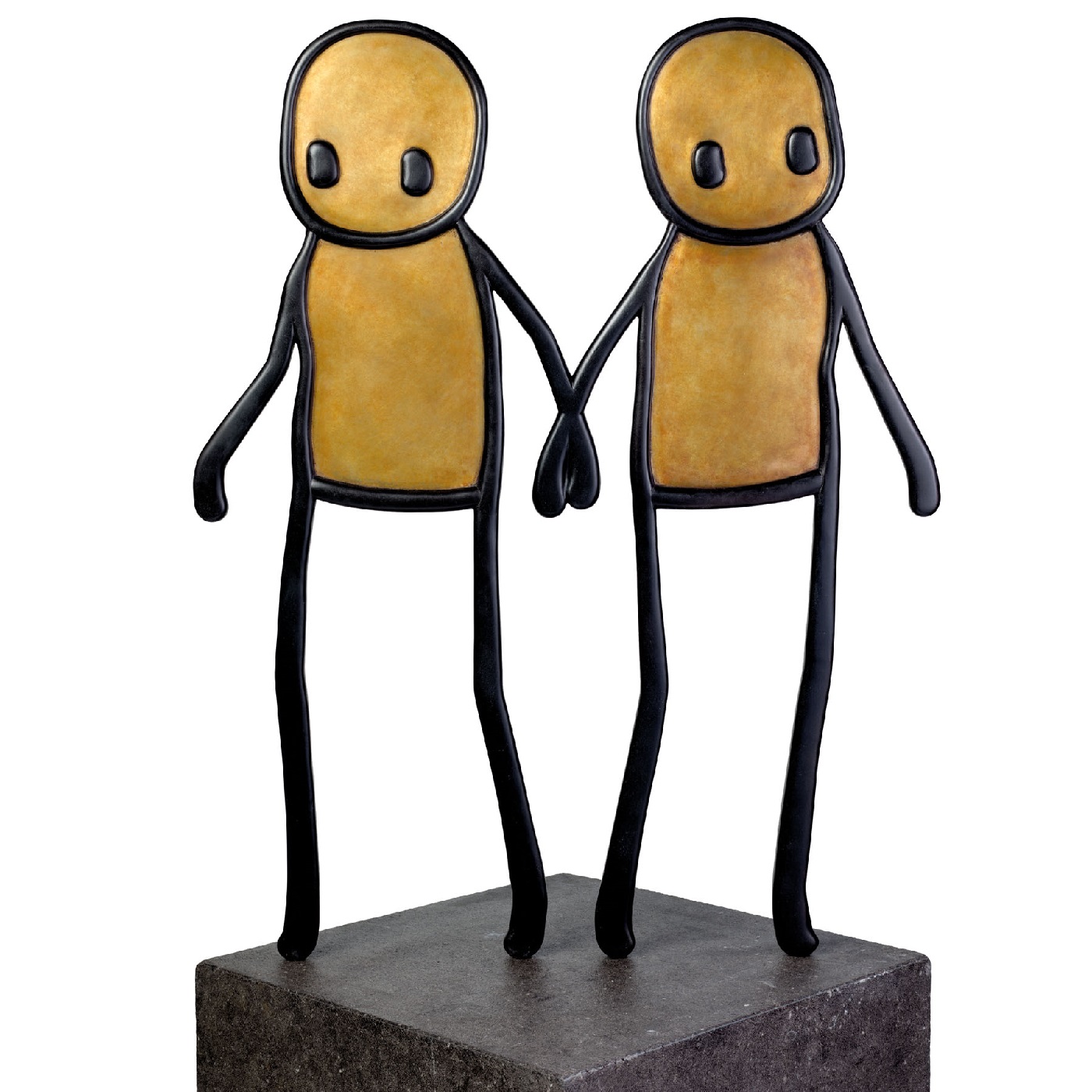
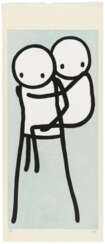
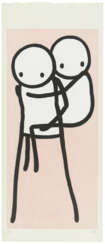
STICK is the pseudonym of a British sculptor and street art artist. STICK is known for his emotional style of stick figures and his commitment to radical social ideas.


Damien Hirst is a seminal figure in contemporary art, well-known for his provocative and often controversial works that explore themes of death, rebirth, and the boundaries of art itself. As a leading member of the Young British Artists (YBAs) in the 1990s, Hirst catapulted to fame with his innovative approach to art that combines the techniques of installation, sculpture, and painting.
Damien Hirst's early career was marked by his organization of the pivotal "Freeze" exhibition in 1988, showcasing his and his peers' work, which caught the attention of influential art collectors. This period laid the groundwork for his signature works, including the 'Natural History' series, where animals such as sharks, sheep, and cows are preserved in formaldehyde, challenging viewers to confront the nature of existence and the inevitability of death.
Among Damien Hirst's most iconic pieces is "The Physical Impossibility of Death in the Mind of Someone Living," featuring a tiger shark suspended in formaldehyde, and "For the Love of God," a platinum cast of an 18th-century human skull encrusted with 8,601 flawless diamonds. These works exemplify Hirst's exploration of mortality and the commodification of art.
Damien Hirst's 'Spot Paintings' and 'Spin Paintings' further demonstrate his challenge to traditional notions of authorship and the creative process, often involving teams of assistants in their production. These series play with concepts of randomness, control, and the aesthetic joys of color and form, pushing the boundaries of painting as a medium.
In 2017, Hirst embarked on "Treasures from the Wreck of the Unbelievable," an ambitious project that filled Venetian museums with artifacts from a fictional ancient shipwreck. This project, blending reality and fiction, invited audiences to question the authenticity and value of art, showcasing Hirst's ongoing interest in storytelling and myth-making within the context of contemporary culture.
For collectors and experts in art and antiques, Damien Hirst represents a pivotal figure whose works challenge, provoke, and inspire. His ability to blur the lines between art, science, and commerce has left an indelible mark on the art world, making his pieces highly sought after by collectors around the globe.
Stay updated on Damien Hirst's latest projects, exhibitions, and sales by signing up for dedicated art newsletters. This subscription will ensure you're informed about new opportunities to engage with the work of one of the most influential artists of our time.


STICK is the pseudonym of a British sculptor and street art artist. STICK is known for his emotional style of stick figures and his commitment to radical social ideas.


STICK is the pseudonym of a British sculptor and street art artist. STICK is known for his emotional style of stick figures and his commitment to radical social ideas.


STICK is the pseudonym of a British sculptor and street art artist. STICK is known for his emotional style of stick figures and his commitment to radical social ideas.


STICK is the pseudonym of a British sculptor and street art artist. STICK is known for his emotional style of stick figures and his commitment to radical social ideas.


STICK is the pseudonym of a British sculptor and street art artist. STICK is known for his emotional style of stick figures and his commitment to radical social ideas.

STICK is the pseudonym of a British sculptor and street art artist. STICK is known for his emotional style of stick figures and his commitment to radical social ideas.

STICK is the pseudonym of a British sculptor and street art artist. STICK is known for his emotional style of stick figures and his commitment to radical social ideas.
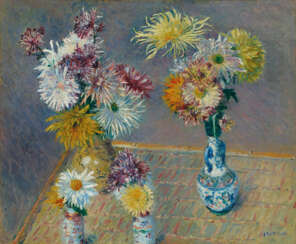

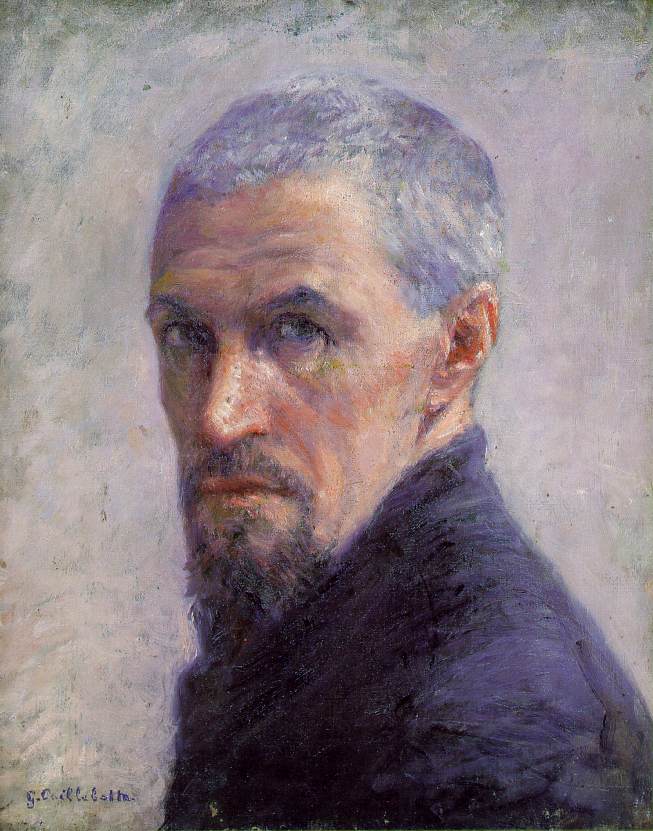
Gustave Caillebotte was a French Impressionist painter, collector, patron of art and impresario.
Caillebotte was born into a noble and wealthy family, educated as an engineer and lawyer, but became interested in painting and studied at the Paris School of Fine Arts. In 1874 he met Pierre-Auguste Renoir and Claude Monet and presented his work at Impressionist exhibitions. Over the next six years, Caillebotte became the chief organizer, promoter and financial sponsor of Impressionist exhibitions, and used his fortune to purchase works by other Impressionists, notably Monet, Renoir, Camille Pissarro, Paul Cézanne, Edgar Degas, Alfred Sisley and Berthe Morisot.
Caillebotte bequeathed his collection of paintings to the state, some of which later formed the basis of the Impressionist collection at the Musée d'Orsay.
In his paintings, Caillebotte combined in a unique synthesis of academic, realistic and impressionist styles. He painted many family scenes, interiors and landscapes, as well as domestic scenes and streets of Paris.

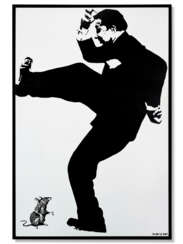

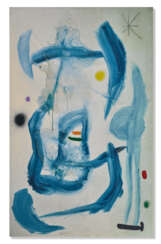

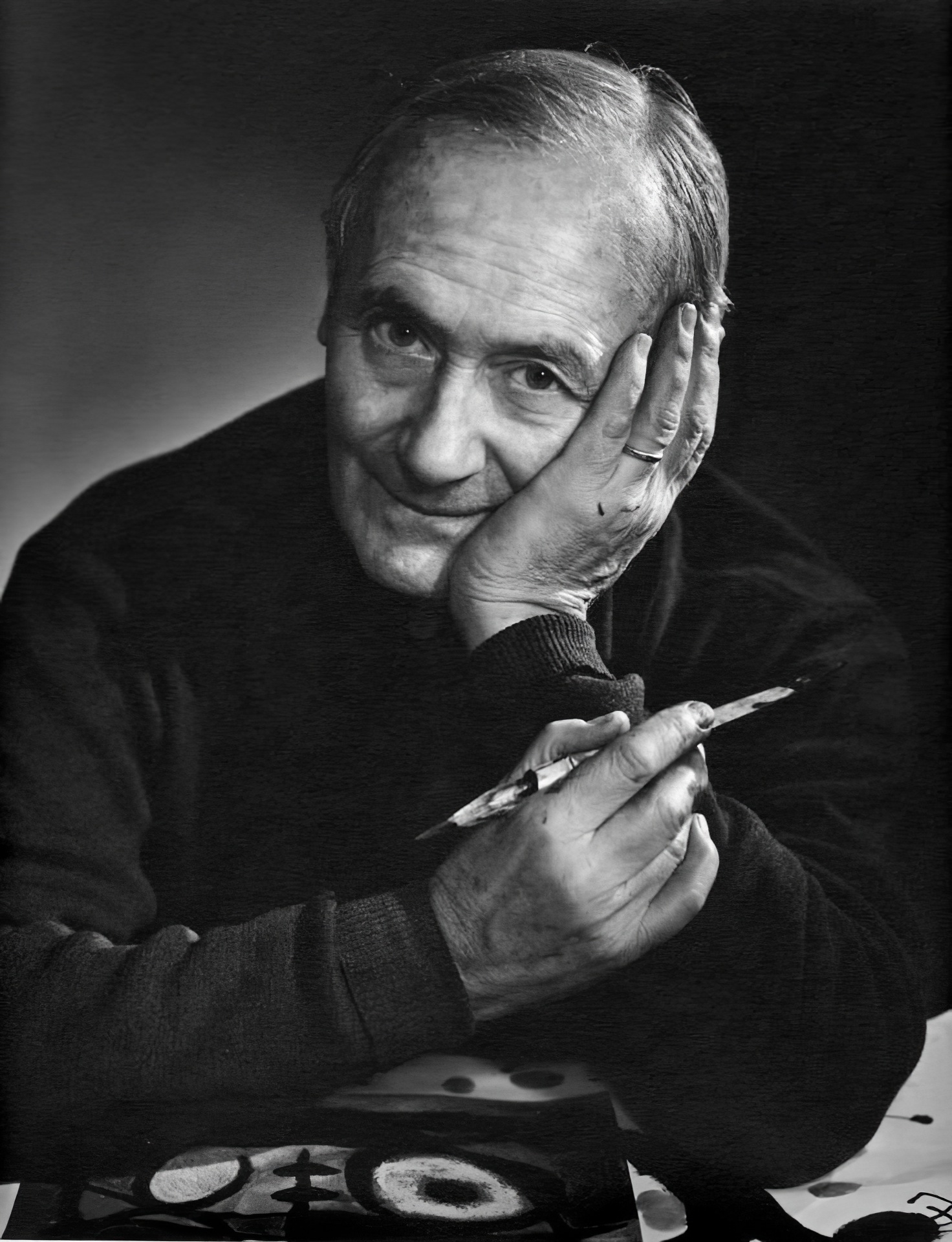
Joan Miró, a celebrated Spanish artist, was a master in painting, sculpture, and ceramics, renowned for his unique style that blurred the lines between Surrealism, Fauvism, and Expressionism. Born in Barcelona to a family of a goldsmith and a watchmaker, Miró grew up immersed in the rich cultural heritage of the Barri Gòtic neighborhood. His artistic journey began with drawing classes at the age of seven and continued at the prestigious La Llotja art academy. Despite an initial venture into the business world, Miró's passion for art prevailed, leading him to abandon his clerical career after a nervous breakdown.
Miró's work is noted for its exploration of the subconscious, often depicting a childlike perspective. This approach was both a critique of traditional painting methods and a means of expressing Catalan pride. His art, challenging to categorize, often featured symbolic elements and nationalistic qualities. One of his notable early works, "The Farm," reflects a transition to a more individual style, blending elements of his Catalan roots with broader artistic influences. This piece, later purchased by Ernest Hemingway, encapsulated the essence of Spain in its imagery.
In Paris, Miró joined the Surrealist movement in 1924, where his work began to reflect the influence of automatism, emphasizing spontaneous, automatic, or subconscious creation. He experimented with various mediums, including painting-poetry and collage, and even ventured into set and costume design for Sergei Diaghilev's Ballets Russes.
During World War II, Miró remained in Spain, and his work from this period, including the 22 Constellations series, reflected an interest in the night, music, and stars. His forms became increasingly abstracted, and he experimented with various techniques, often incorporating primary colors and evocative titles.
Miró's career spanned several decades, during which he continually evolved his style and explored new mediums. His contributions to art were recognized with numerous awards and retrospectives, including a major career retrospective at MoMA in 1941 and the Spanish Gold Medal for Fine Arts in 1980. Among his last major works was a tapestry for the World Trade Center in New York City, created in 1974.
For art collectors and enthusiasts, Joan Miró remains a figure of immense interest, not only for his distinct style and contributions to Surrealism but also for his ability to blend poetic imagery with political commentary. To stay updated on new product sales and auction events related to Joan Miró, sign up for our updates and immerse yourself in the world of this extraordinary artist.
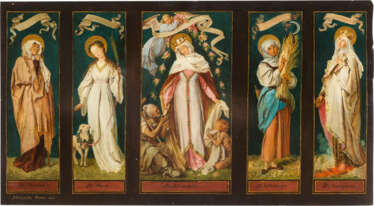

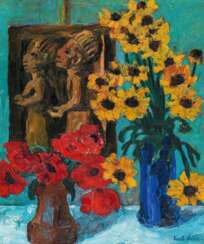



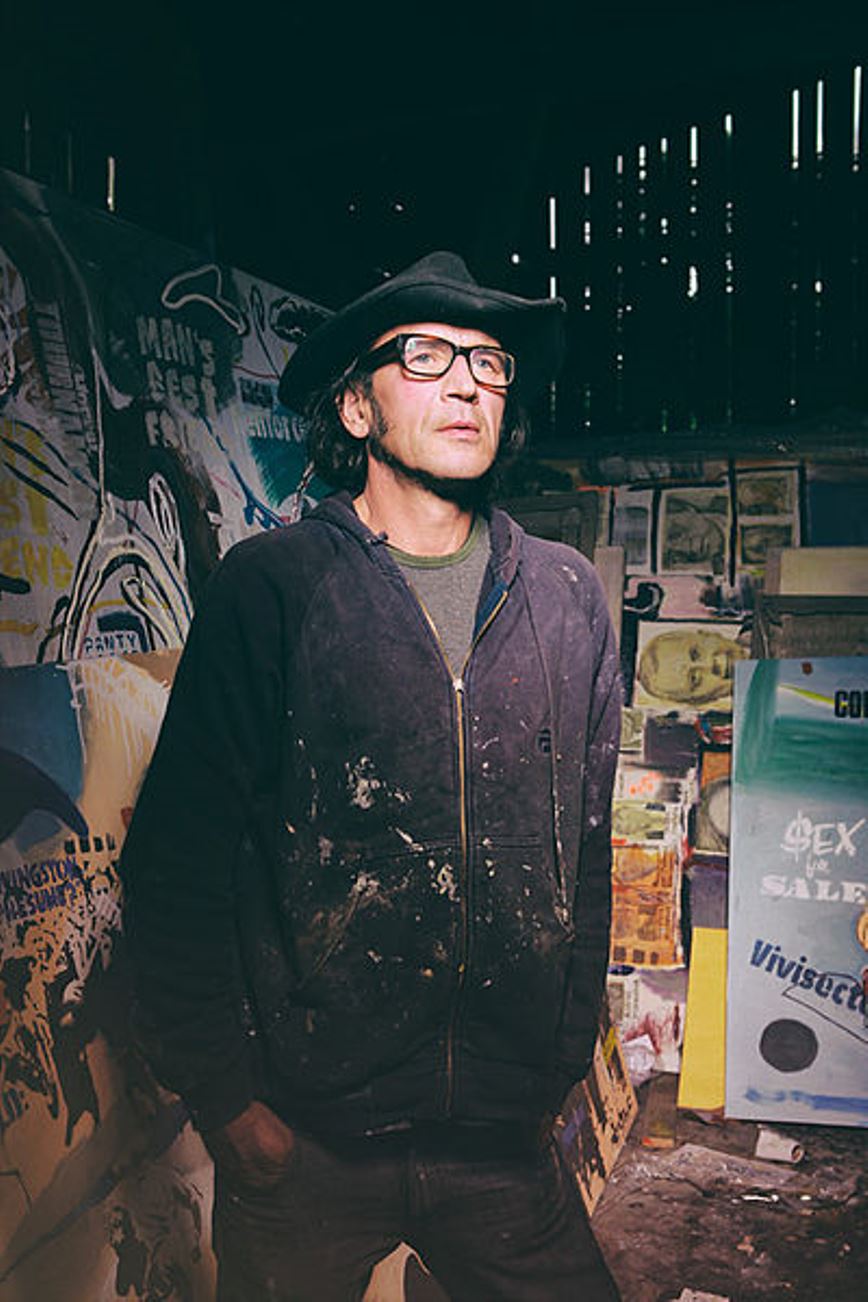
Andrzej Cisowski is a Polish multimedia artist and graphic artist.
Cisowski graduated from the Academy of Fine Arts in Warsaw and was initially associated with the Neue Wilde movement (Neo-Fauvism). Over time he developed his own individual style on the border of figurative painting and new expression. The artist also created paintings based on old photographs.


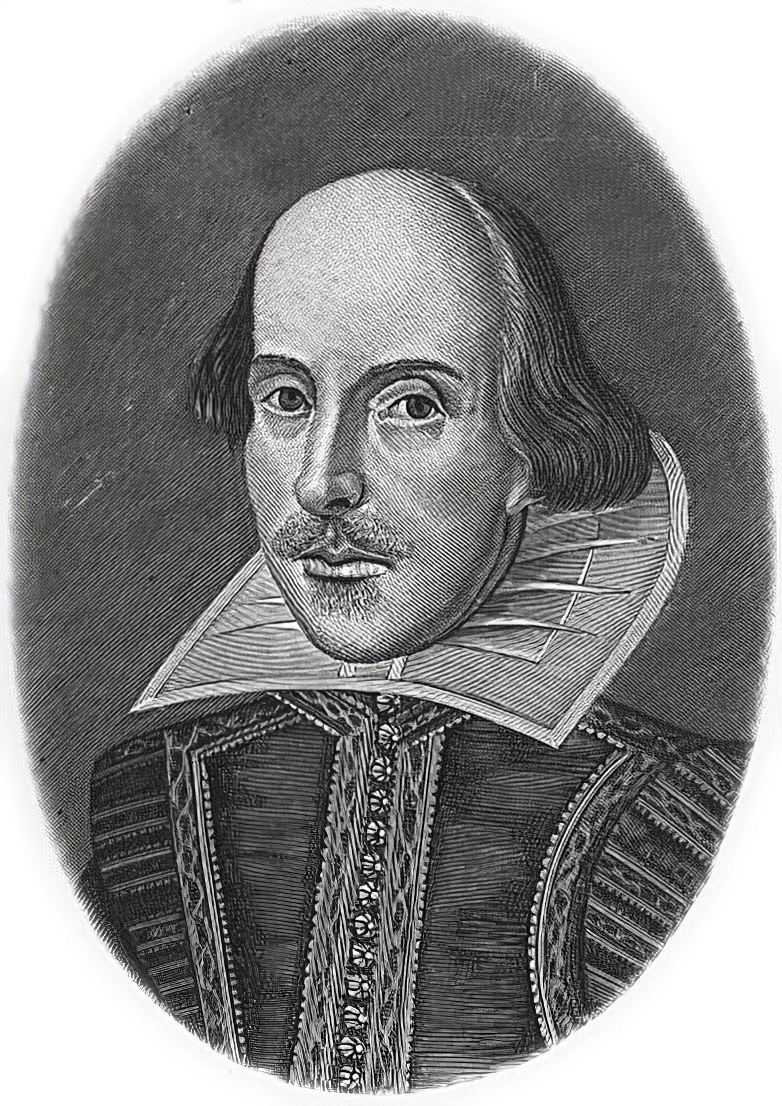
William Shakespeare was a British poet and playwright and writer.
William's father, John Shakespeare, was a merchant and official in Stratford. There are reports that he was a sailor for a time before joining a theater company in London. Beginning in the 1590s, Shakespeare began writing plays, and in 1593 he published a poem, Venus and Adonis, which became popular. He dedicated it to the Duke of Southampton, who was a philanthropist and patron of talent, and soon his business was booming.
From 1592 to 1600 Shakespeare wrote his dramas and romantic comedies "Richard III", "The Taming of the Shrew", "Romeo and Juliet", "A Midsummer Night's Dream" and "The Merchant of Venice", as well as the comedies "Much Ado About Nothing", "Twelfth Night" and the tragedy "Julius Caesar". The playwright's business was so successful that he even bought a large house in Stratford. In 1599, Shakespeare became one of the owners, playwright and actor of the new theater "Globe". In 1603 King James took Shakespeare's troupe under his direct patronage. In the mature period, the great playwright turned to tragedies, there were "Hamlet", "Othello", "King Lear", "Macbeth" and others.
Although in the 19th century researchers had some doubts about the authorship of many of these works, William Shakespeare is considered the greatest English playwright, one of the best playwrights in the world. His plays have been translated into all major languages and to this day form the basis of the world theatrical repertoire, most of them have been screened many times. According to the Guinness Book of Records, Shakespeare remains the world's best-selling playwright, and his plays and poems have sold more than 4 billion copies in the nearly 400 years since his death.

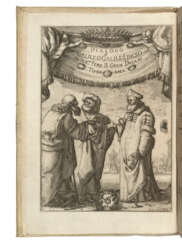

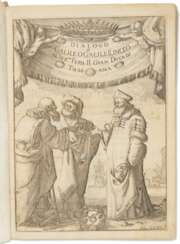
Galileo Galilei was an Italian naturalist, physicist, mechanic, astronomer, philosopher, and mathematician.
Using his own improved telescopes, Galileo Galilei observed the movements of the Moon, Earth's satellites, and the stars, making several breakthrough discoveries in astronomy. He was the first to see craters on the Moon, discovered sunspots and the rings of Saturn, and traced the phases of Venus. Galileo was a consistent and convinced supporter of the teachings of Copernicus and the heliocentric system of the world, for which he was subjected to the trial of the Inquisition.
Galileo is considered the founder of experimental and theoretical physics. He is also one of the founders of the principle of relativity in classical mechanics. Overall, the scientist had such a significant impact on the science of his time that he cannot be overemphasized.
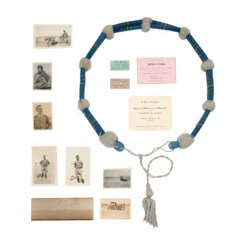

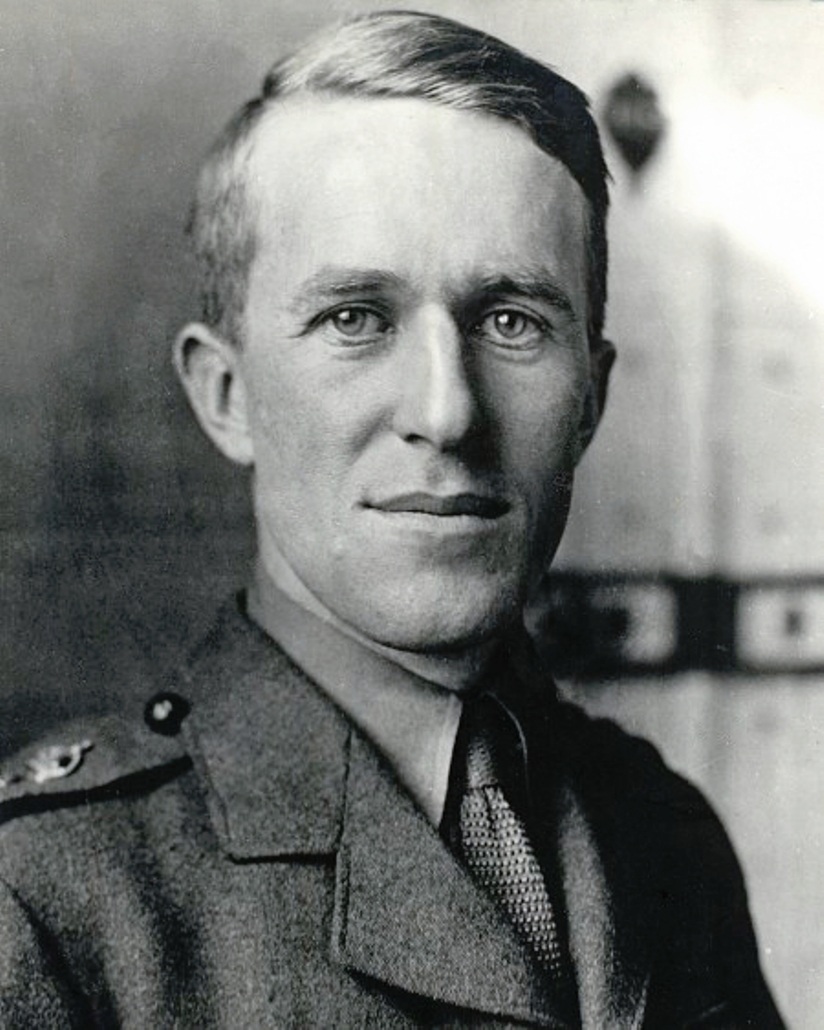
Thomas Edward Lawrence was a British scholar-archaeologist, military intelligence and strategist, writer and poet.
Thomas studied at the High School and Jesus College, Oxford, studying medieval military architecture in particular, researching Crusader castles in France and in Syria and Palestine. Then in the early 1900s he took part in an excavation, though more likely a cartographic reconnaissance from Gaza to Aqaba for strategic military purposes. The study was published in 1915 under the title The Wilderness of Zin (The Wilderness of Zin).
At the outbreak of World War I, Lawrence became a member of the cartographic staff of the War Office in London, tasked with producing a militarily useful map of Sinai. From 1914, with the rank of lieutenant, he was already active in various operations in Cairo and other Arab countries. It is believed that Lawrence made a significant contribution to the victory of the Arab revolt against the Ottoman Empire, and locals gave him the nickname Lawrence of Arabia.
Lawrence had time to work on his war memoirs as well, publishing a book about his activities, The Seven Pillars of Wisdom, in 1926. Also of interest are his poignant service chronicle "The Mint" and a considerable amount of correspondence. He was commissioned by book designer Bruce Rogers to translate Homer's Odyssey into English. Lawrence also wrote over 100 poems, which were published in the collection Minorities in 1971.
After World War I, Lawrence worked for the British Foreign Office and served in the Royal Air Force. He died in a motorcycle accident in May 1935 at the age of 46.
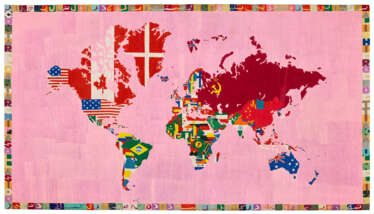

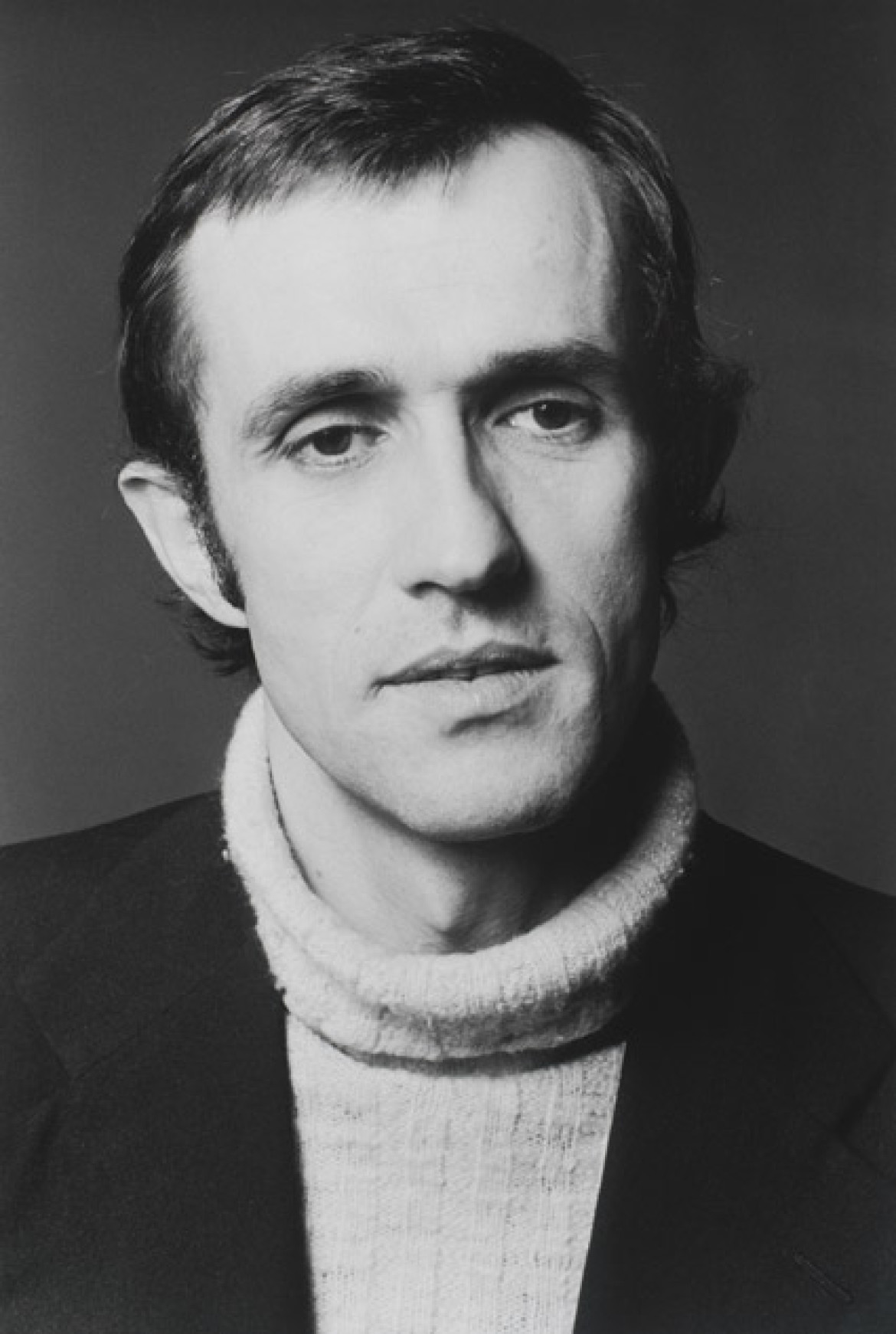
Alighiero Fabrizio Boetti, known as Alighiero e Boetti, was an Italian conceptual artist, considered to be a member of the art movement Arte Povera.
Perhaps best known is Boetti's series of large embroidered maps of the world, called simply Mappa.

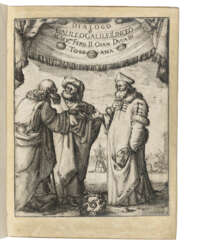

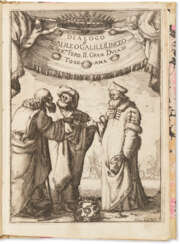
Galileo Galilei was an Italian naturalist, physicist, mechanic, astronomer, philosopher, and mathematician.
Using his own improved telescopes, Galileo Galilei observed the movements of the Moon, Earth's satellites, and the stars, making several breakthrough discoveries in astronomy. He was the first to see craters on the Moon, discovered sunspots and the rings of Saturn, and traced the phases of Venus. Galileo was a consistent and convinced supporter of the teachings of Copernicus and the heliocentric system of the world, for which he was subjected to the trial of the Inquisition.
Galileo is considered the founder of experimental and theoretical physics. He is also one of the founders of the principle of relativity in classical mechanics. Overall, the scientist had such a significant impact on the science of his time that he cannot be overemphasized.

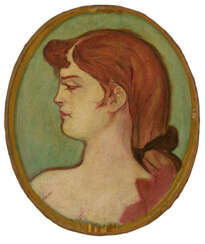

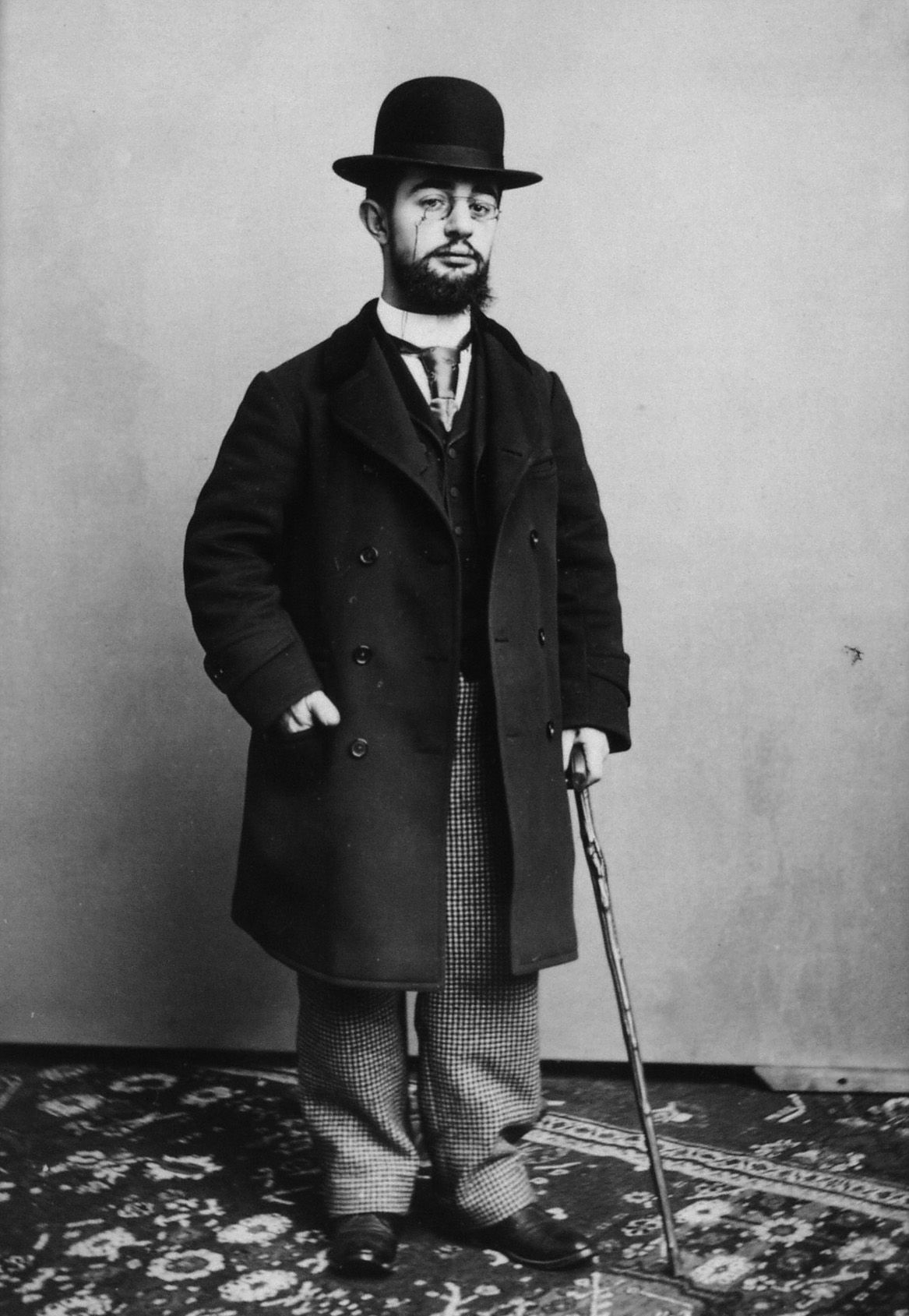
Henri de Toulouse-Lautrec was a distinguished French Post-Impressionist artist, renowned for his deep insights into Parisian nightlife and the world of entertainment in the 1890s. Born into an aristocratic family in Albi, France, Toulouse-Lautrec faced significant health challenges. He suffered from a rare condition, possibly pycnodysostosis, which stunted the growth of his legs following two fractures during his adolescence, leading to a notably short stature as an adult.
Despite his physical limitations, Toulouse-Lautrec immersed himself in art, becoming a key figure in the Post-Impressionist movement alongside artists like Paul Cézanne and Vincent van Gogh. He is particularly celebrated for his vibrant and expressive depictions of the bohemian lifestyle in late 19th-century Paris, often featuring scenes from brothels and nightlife venues. His unique style combined elements of Art Nouveau and lithography, as evidenced in famous works such as "Moulin Rouge: La Goulue" and "At the Moulin Rouge: The Dance".
Toulouse-Lautrec's work offers a window into the Parisian entertainment scene of his time, marked by a vivid use of color and a candid portrayal of his subjects. His ability to capture the essence of Parisian society, from dancers to prostitutes, in an era of great artistic and cultural dynamism, makes his work particularly valuable to art collectors and experts.
For those interested in the art and life of Henri de Toulouse-Lautrec, staying informed about sales and auction events is essential. Sign up for updates to receive the latest news on pieces by Toulouse-Lautrec available for purchase or auction. This subscription focuses exclusively on new product sales and auction events related to Toulouse-Lautrec, ensuring that enthusiasts and collectors don't miss out on any opportunity to acquire pieces from this iconic artist.


Galileo Galilei was an Italian naturalist, physicist, mechanic, astronomer, philosopher, and mathematician.
Using his own improved telescopes, Galileo Galilei observed the movements of the Moon, Earth's satellites, and the stars, making several breakthrough discoveries in astronomy. He was the first to see craters on the Moon, discovered sunspots and the rings of Saturn, and traced the phases of Venus. Galileo was a consistent and convinced supporter of the teachings of Copernicus and the heliocentric system of the world, for which he was subjected to the trial of the Inquisition.
Galileo is considered the founder of experimental and theoretical physics. He is also one of the founders of the principle of relativity in classical mechanics. Overall, the scientist had such a significant impact on the science of his time that he cannot be overemphasized.
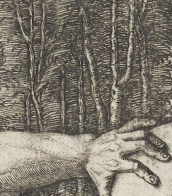
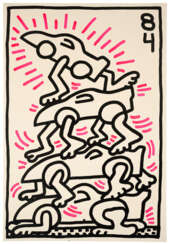

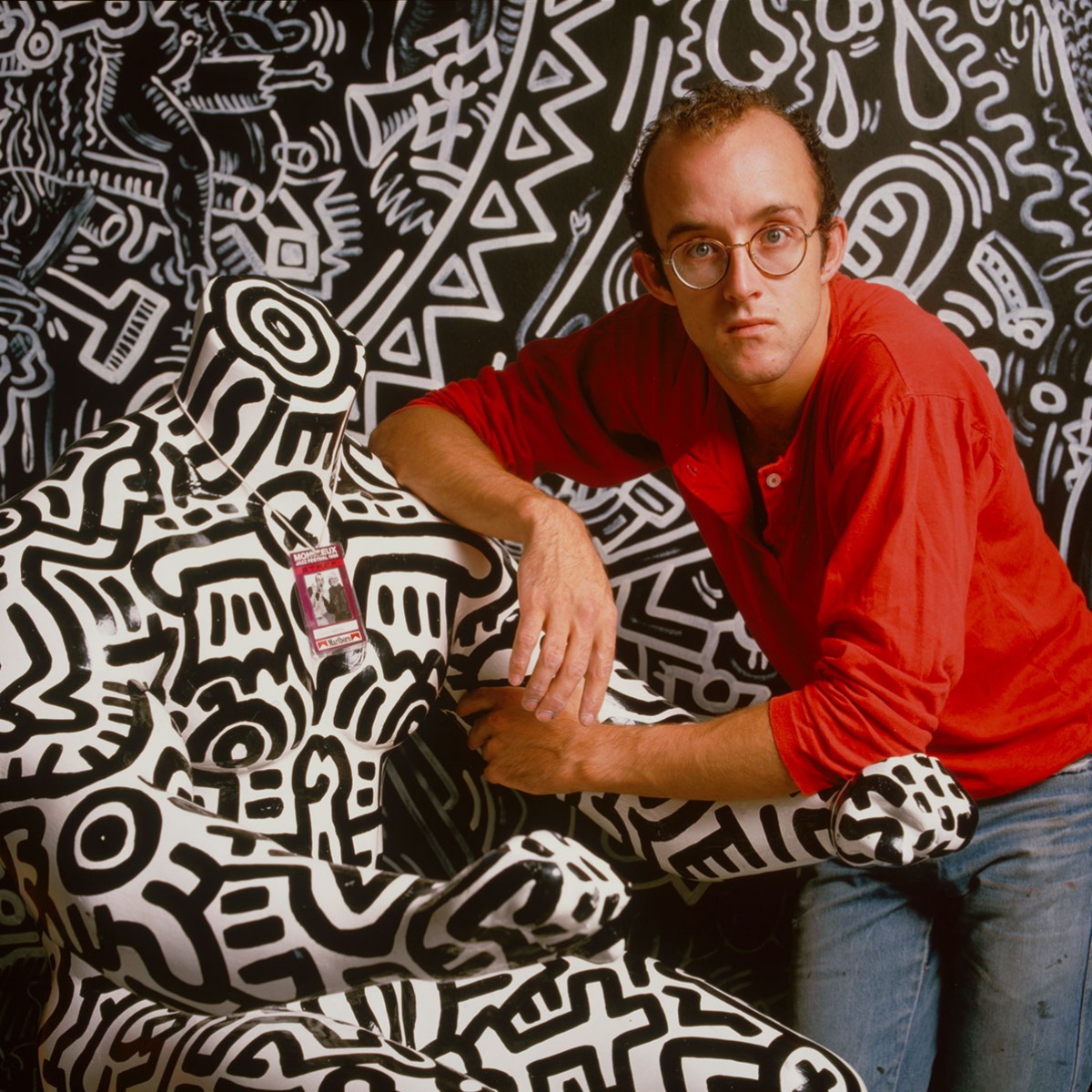
Keith Allen Haring was an iconic American artist, recognized globally for his distinctive contributions to painting, sculpture, and art culture. Haring's work is celebrated for its vibrant, dynamic imagery and its profound social activism, which addressed critical themes such as AIDS awareness, racial inequality, and the empowerment of communities through art. His art transcends conventional galleries, marking its presence in public spaces, museums, and collections worldwide, thereby democratizing art access and engagement.
Haring's unique approach to art was characterized by bold lines, vivid colors, and animated figures, which not only attracted art collectors and experts but also resonated with a broader audience. His ability to blend art with activism, using public spaces as his canvas, was revolutionary. Works like the "Crack is Wack" mural and the untitled piece on the Berlin Wall stand testament to his commitment to societal issues, making him a pioneer in using art as a tool for social change.
Keith Haring's legacy continues through the Keith Haring Foundation, established by the artist in 1989 to support children's programs and organizations dedicated to raising AIDS awareness. The Foundation ensures that Haring's artistic and philanthropic vision persists, facilitating exhibitions and educational initiatives. For collectors and art experts keen on exploring Haring's influential body of work and its impact on contemporary art and culture, his creations offer profound insights into the intersection of art, social activism, and community engagement.
For those interested in staying informed about new product sales, auction events, and exhibitions related to Keith Allen Haring, signing up for updates is a straightforward way to remain connected with the ongoing celebration of his art and humanitarian legacy. This subscription ensures direct access to the latest on Haring's impactful contributions to the world of art and culture.
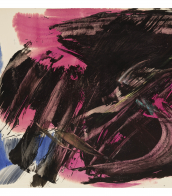


Jean Tinguely, a Swiss sculptor born in Fribourg, Switzerland, in 1925, carved a unique niche in art history with his kinetic sculptures, integrating movement and self-destruction into his works. Notably, his pieces extend the Dada tradition into the latter part of the 20th century, satirizing automation and the technological overproduction of material goods. Tinguely's innovative approach is exemplified in his Metamatic drawing machines, allowing viewers to create abstract images automatically, and his spectacular self-destroying sculpture "Homage to New York" at MoMA in 1960, showcasing his flair for blending performance and art.
His artistry evolved through collaboration with other artists, including his wife Niki de Saint Phalle, leading to vibrant, large-scale projects like the colorful "Stravinsky Fountain" near the Centre Pompidou in Paris. Tinguely's works, characterized by their use of scrap metal and mechanical parts, not only challenge the conventional boundaries of art but also engage with themes of destruction, renewal, and the intersection of art and life. His significant contributions to kinetic art and his involvement with the Nouveau Réalisme group highlight his pioneering role in post-war European art.
Tinguely's legacy is preserved in the Museum Tinguely in Basel, dedicated to his life and work, ensuring his innovative spirit continues to inspire. His works, such as "Méta-Harmonie" and the "Carnival Fountain" in Basel, remain influential, blending artistic exploration with mechanical invention.
For art collectors and experts, Tinguely's creations represent not only significant artistic achievements but also compelling investments, as his works continue to command high prices at auctions, reflecting their enduring appeal and historical importance.
To stay updated on sales and auction events featuring Jean Tinguely's art, sign up for updates. This subscription will ensure you're informed about new opportunities to explore and acquire pieces by this visionary artist, bringing the dynamic energy of kinetic art into your collection.