fit in meaning



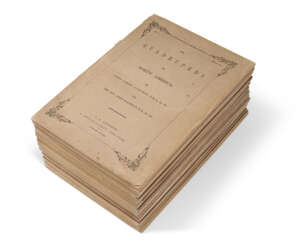

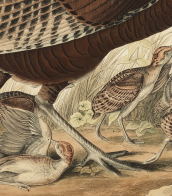

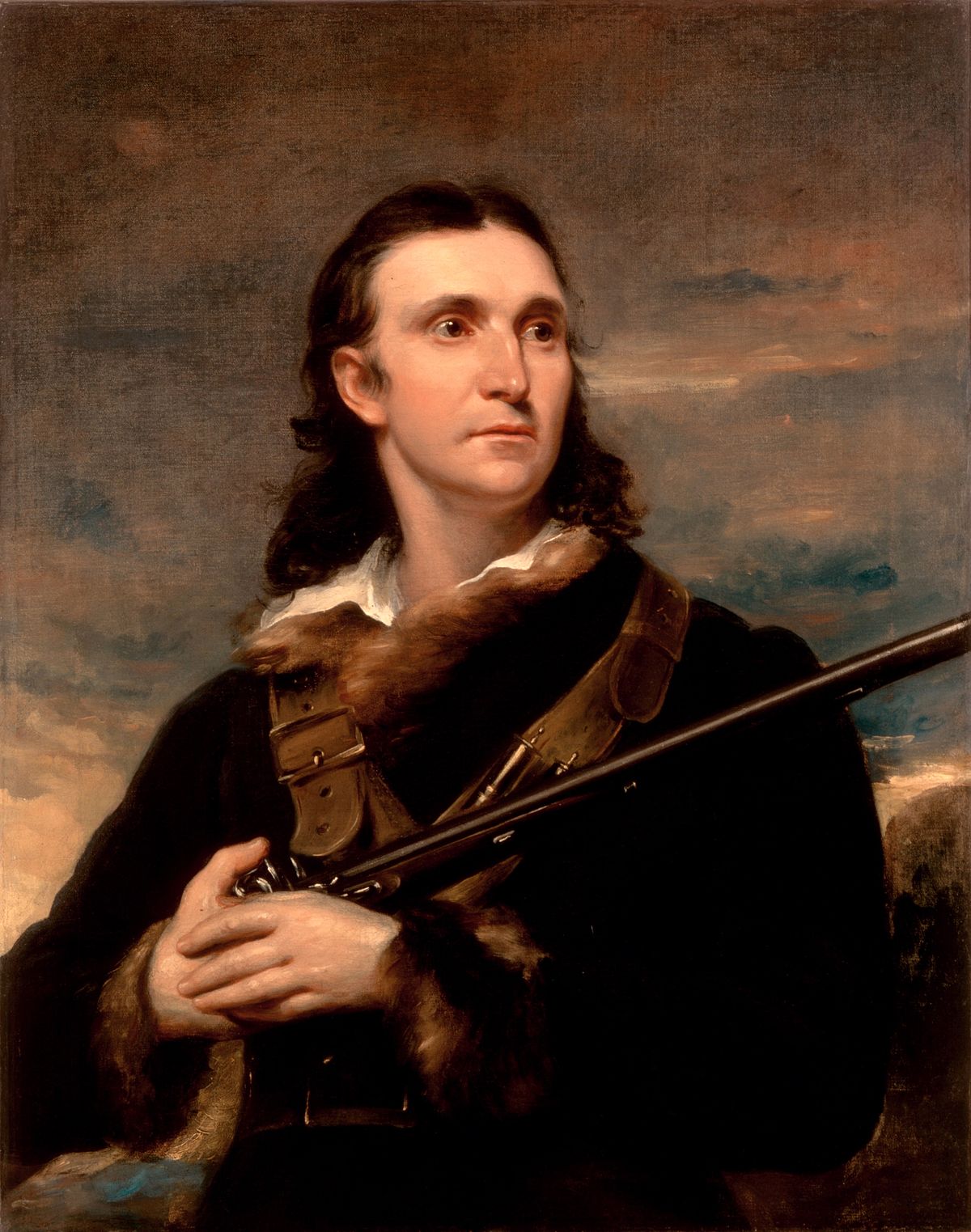
John James Audubon was a French-American ornithologist and painter, renowned for his groundbreaking illustrations of American birds. Born in 1785 in Les Cayes, Saint-Domingue (now Haiti), Audubon is remembered for his keen observation skills and innovative artistic techniques.
Audubon's most famous work, "The Birds of America," transformed the field of ornithology by presenting birds in lifelike poses and detailed backgrounds. Published between 1827 and 1838, it contained 435 hand-colored engravings, showcasing over 489 bird species. His unique approach to illustrating birds in their natural habitats was a departure from traditional methods, which often portrayed birds in rigid poses.
Audubon used a wire armature to position freshly-killed specimens, allowing him to depict birds with a sense of movement and vitality. This innovative technique was truly revolutionary and set him apart from his contemporaries. Additionally, Audubon's artistic skill and attention to detail made his illustrations highly sought after, with surviving copies of "The Birds of America" considered valuable collectibles today.
For art collectors and enthusiasts, Audubon's work continues to be a source of inspiration and admiration. His legacy endures through his contributions to ornithology and the art world, with museums and galleries showcasing his work. If you're interested in learning more about John James Audubon and his famous illustrations, consider subscribing to our newsletter for updates on new product sales and auction events related to his work.
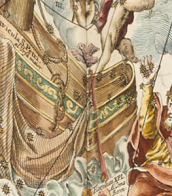






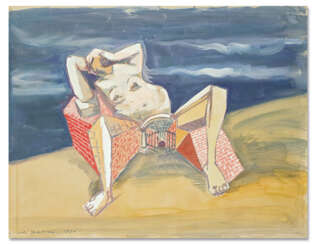

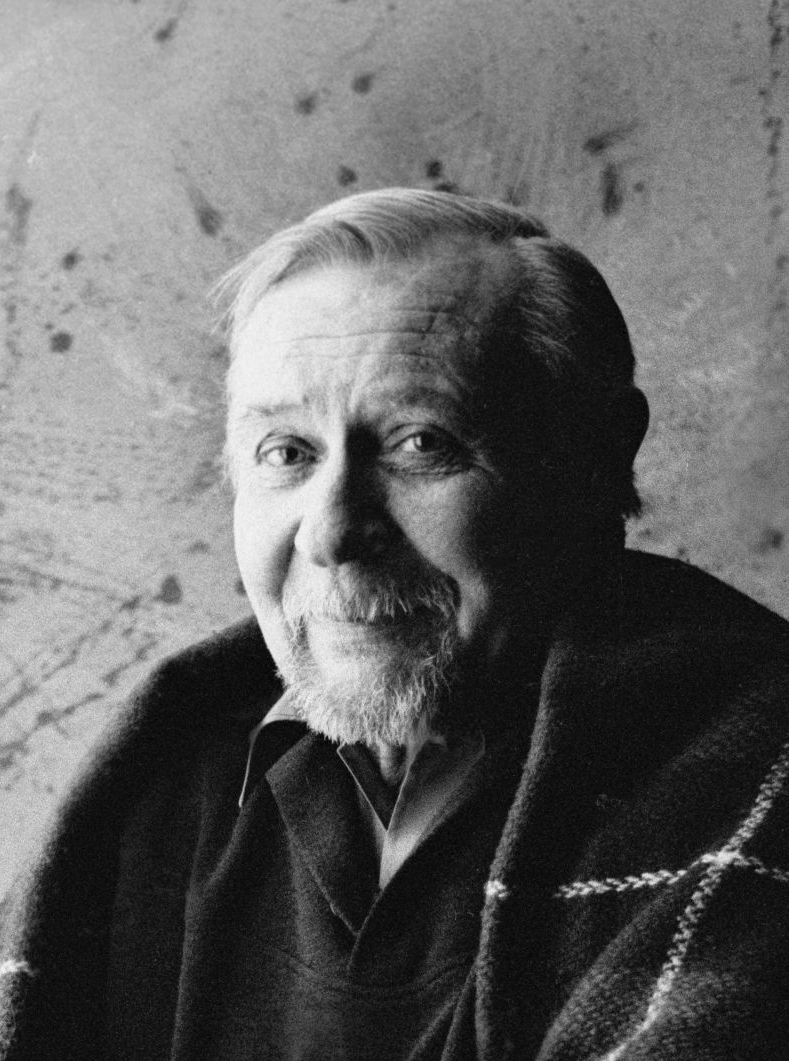
André-Aimé-René Masson was a French artist, celebrated for his profound influence on the world of modern art, particularly in painting and sculpture. Born in 1896, Masson's work is emblematic of the Surrealist movement, although his style evolved across different phases throughout his career. His ability to fuse dream-like imagery with abstract forms set him apart from his contemporaries, making him a pivotal figure in the development of Surrealism and beyond.
Masson's art is characterized by its dynamic forms and the integration of automatic drawing, where the unconscious mind is allowed to express itself without rational oversight. This technique not only foregrounded Surrealism's fascination with the subconscious but also highlighted Masson's unique ability to capture the complexity of human emotion and thought on canvas. His works, such as "The Metamorphosis of the Lovers" and "Battle of Fishes," are not just visual experiences but portals to the intricate layers of the psyche, showcasing his mastery over both form and content.
Notably, André-Aimé-René Masson's contributions extend beyond individual creativity; his works are housed in prestigious museums and galleries worldwide, including the Museum of Modern Art in New York and the Centre Georges Pompidou in Paris. These institutions recognize Masson's art not merely as aesthetic achievements but as cultural landmarks that continue to inspire and provoke. His legacy persists, offering rich insights into the intersections of art, psychology, and philosophy.
For collectors and experts in art and antiques, André-Aimé-René Masson's oeuvre represents a fascinating exploration of the Surrealist movement and its enduring impact on modern and contemporary art. His innovative approach to painting and sculpture invites ongoing discussion and appreciation among enthusiasts and scholars alike. We invite you to sign up for updates on new product sales and auction events related to André-Aimé-René Masson, ensuring you stay informed about opportunities to engage with the remarkable legacy of this pivotal artist. This subscription is your gateway to the forefront of art collection, focusing exclusively on Masson's influential body of work.
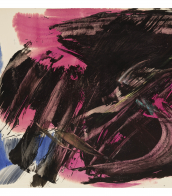


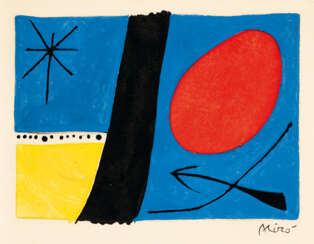

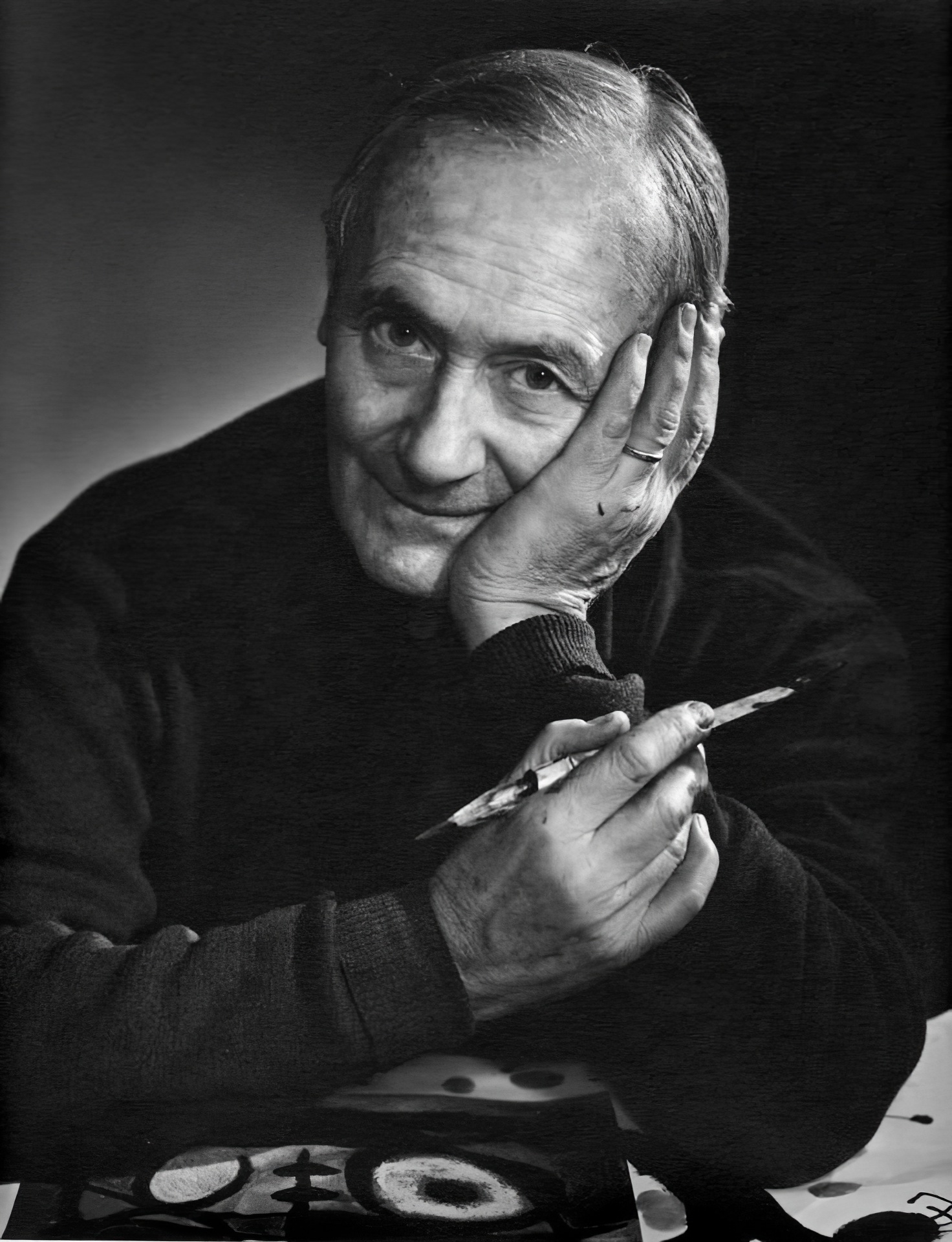
Joan Miró, a celebrated Spanish artist, was a master in painting, sculpture, and ceramics, renowned for his unique style that blurred the lines between Surrealism, Fauvism, and Expressionism. Born in Barcelona to a family of a goldsmith and a watchmaker, Miró grew up immersed in the rich cultural heritage of the Barri Gòtic neighborhood. His artistic journey began with drawing classes at the age of seven and continued at the prestigious La Llotja art academy. Despite an initial venture into the business world, Miró's passion for art prevailed, leading him to abandon his clerical career after a nervous breakdown.
Miró's work is noted for its exploration of the subconscious, often depicting a childlike perspective. This approach was both a critique of traditional painting methods and a means of expressing Catalan pride. His art, challenging to categorize, often featured symbolic elements and nationalistic qualities. One of his notable early works, "The Farm," reflects a transition to a more individual style, blending elements of his Catalan roots with broader artistic influences. This piece, later purchased by Ernest Hemingway, encapsulated the essence of Spain in its imagery.
In Paris, Miró joined the Surrealist movement in 1924, where his work began to reflect the influence of automatism, emphasizing spontaneous, automatic, or subconscious creation. He experimented with various mediums, including painting-poetry and collage, and even ventured into set and costume design for Sergei Diaghilev's Ballets Russes.
During World War II, Miró remained in Spain, and his work from this period, including the 22 Constellations series, reflected an interest in the night, music, and stars. His forms became increasingly abstracted, and he experimented with various techniques, often incorporating primary colors and evocative titles.
Miró's career spanned several decades, during which he continually evolved his style and explored new mediums. His contributions to art were recognized with numerous awards and retrospectives, including a major career retrospective at MoMA in 1941 and the Spanish Gold Medal for Fine Arts in 1980. Among his last major works was a tapestry for the World Trade Center in New York City, created in 1974.
For art collectors and enthusiasts, Joan Miró remains a figure of immense interest, not only for his distinct style and contributions to Surrealism but also for his ability to blend poetic imagery with political commentary. To stay updated on new product sales and auction events related to Joan Miró, sign up for our updates and immerse yourself in the world of this extraordinary artist.
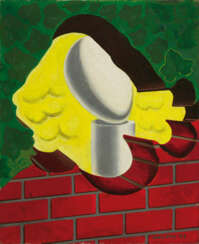

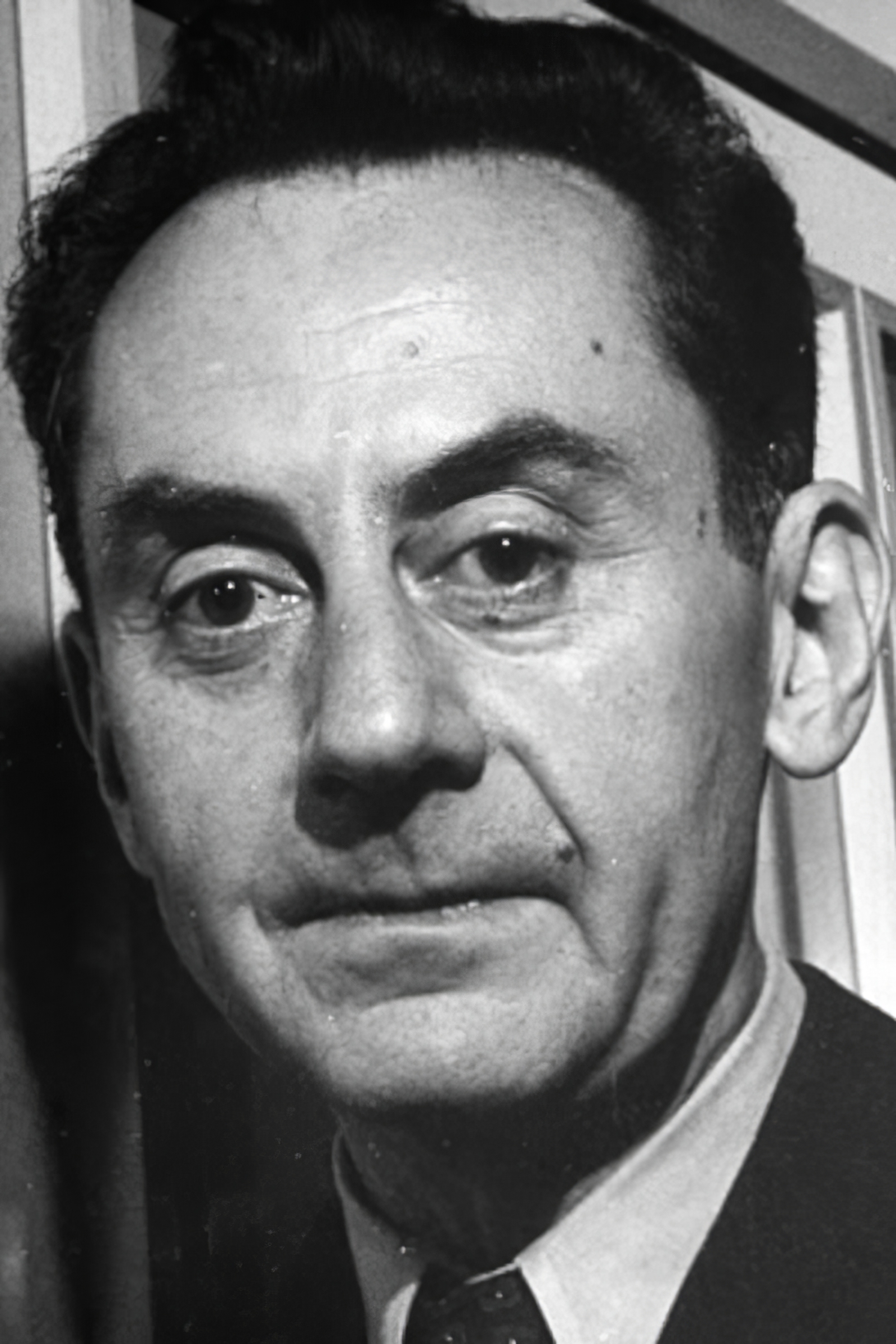
Man Ray, born Emmanuel Radnitzky, was an American visual artist who played a significant role in the Dada and Surrealist movements. His pioneering efforts in photography, alongside his work in painting and sculpture, have cemented his place as a major figure in modern art. Known for his innovative techniques and the ability to convey complex ideas through simple, striking visuals, Man Ray's contribution to the art world is profound.
Throughout his career, Man Ray was celebrated for his avant-garde approach and his ability to transcend traditional boundaries between different artistic mediums. His photography, characterized by experimental techniques such as solarization and rayographs (cameraless photographs), challenged conventional perceptions of photography as merely a means of representation. These artistic innovations made him a central figure in both Parisian and American art circles.
Man Ray's works are housed in some of the world's most prestigious museums and galleries, including the Museum of Modern Art in New York and the Centre Pompidou in Paris. His pieces, such as "Le Violon d'Ingres" and "Noire et Blanche," are iconic images that continue to influence artists today. His ability to blend the abstract with the realistic, and the humorous with the serious, has left a lasting legacy in the world of art.
For collectors and experts in art and antiques, the work of Man Ray offers a glimpse into the revolutionary changes that shaped the visual arts in the 20th century. His unique perspective and pioneering techniques continue to inspire and challenge those interested in the boundaries of creativity and expression.
If you're passionate about the avant-garde, or simply wish to explore the fascinating world of Man Ray further, sign up for our updates. You'll receive alerts on new product sales and auction events related to Man Ray, ensuring you never miss an opportunity to engage with the legacy of this extraordinary artist.

.jpg)
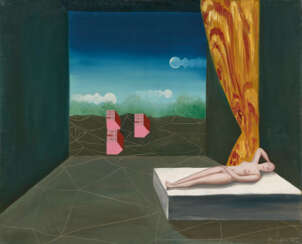
René Magritte, a Belgian artist, was renowned for his significant contributions to the Surrealist movement. His art, known for merging ordinary objects with bizarre, dream-like contexts, captivated the art world. Born on November 21, 1898, in Lessines, Belgium, Magritte's early artistic pursuits were impressionistic, transitioning through Cubism and Futurism influenced by artists like Jean Metzinger. However, his encounter with Giorgio de Chirico's work in 1922 steered him towards Surrealism.
Magritte's career was marked by various phases, each showcasing his evolving style and thematic focus. His initial foray into Surrealism began in 1926 with "The Lost Jockey" and was further solidified during his time in Paris, where he mingled with other prominent Surrealists like André Breton. Despite facing initial criticism and financial challenges, Magritte's unique blend of familiar imagery in unfamiliar contexts, like in "The Empire of Light" and "Time Transfixed," earned him acclaim.
Magritte's distinct visual language, characterized by recurring motifs like bowler hats and apples, and his exploration of reality and illusion, remain influential. His works are displayed in major galleries worldwide, continuing to inspire and intrigue art collectors and enthusiasts.
For collectors and experts in art and antiques, staying informed about Magritte's works and related auction events is crucial. Signing up for updates ensures you're alerted to new sales and events focusing on René Magritte's art, offering unique opportunities to acquire or learn more about his remarkable creations. This subscription will exclusively cover new product sales and auction events related to Magritte, keeping you updated on the most relevant information in the art world.
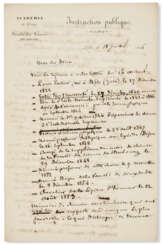

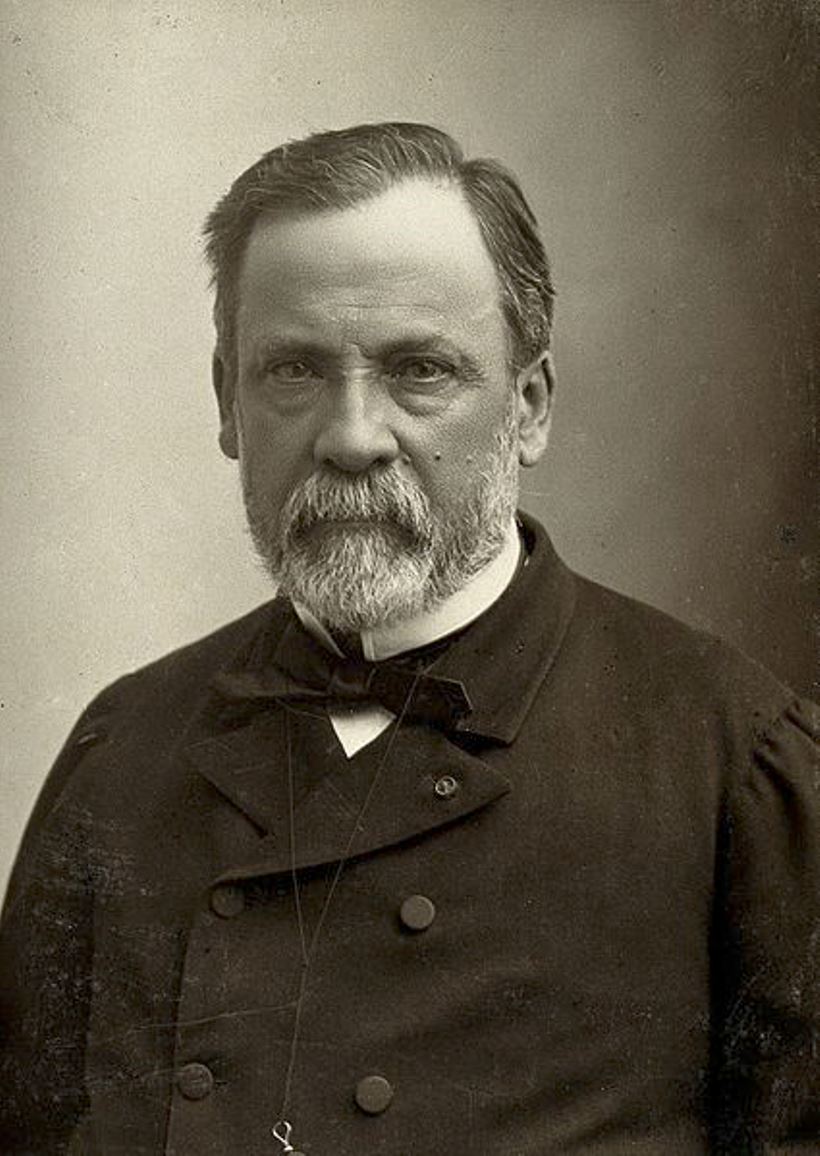
Louis Pasteur was a French chemist and the founder of microbiology and vaccination.
Pasteur received a bachelor of arts and sciences from the Royal College of Besançon and a doctorate from the École Normale in Paris, then spent several years as a researcher and teacher at the Lycée de Dijon. In 1848 he became professor of chemistry at the University of Strasbourg, and in the following year began to study the nature of wine fermentation, which began his revolutionary journey of most important scientific discoveries.
He invented a way to kill bacteria by boiling and then cooling the liquid, a process known today as pasteurization. Pasteur discovered the first vaccine in 1879 when he was exposed to a disease called chicken cholera. By accidentally exposing chickens to a weakened form of the culture, he demonstrated that they became resistant to the actual virus. Pasteur subsequently expanded his theory of germs and developed causes and vaccines against anthrax, cholera, tuberculosis, and smallpox, and the success of Pasteur's rabies vaccine in 1885 brought him worldwide fame.
Louis Pasteur's contribution to science, technology and medicine cannot be overemphasized. He pioneered the study of molecular asymmetry; discovered that microorganisms cause fermentation and disease; invented the process of pasteurization; saved the brewing, wine and silk industries in France; developed vaccines against the dreaded diseases anthrax and rabies, which saved millions of lives.
In 1873, Pasteur was elected an associate member of the Academy of Medicine, in 1882 - a member of the French Academy, and in 1888 in Paris was opened the Pasteur Institute. He was also awarded France's highest honor, the Legion of Honor.




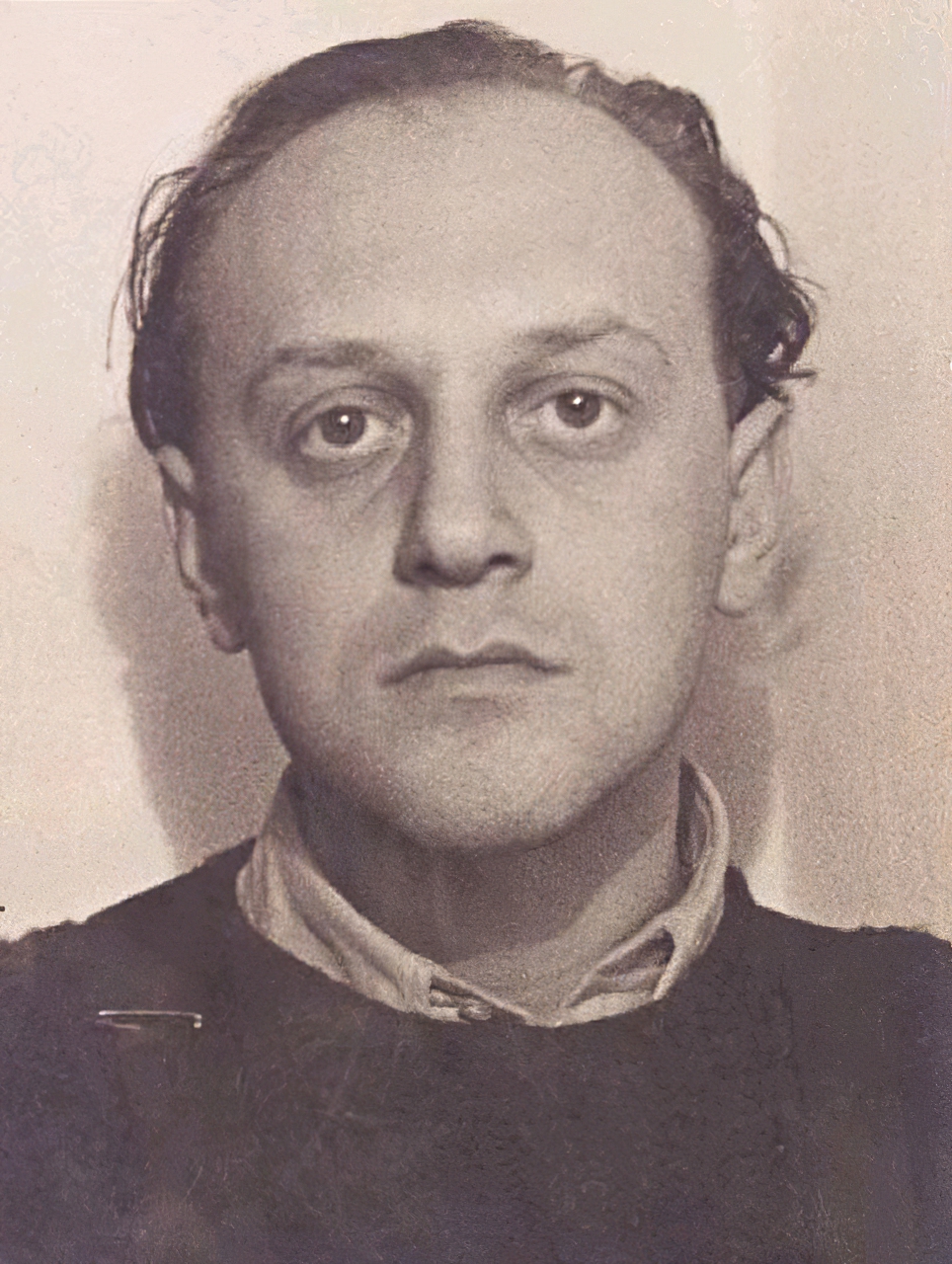
Victor Brauner was a Romanian Surrealist painter and sculptor. He was born in Piatra Neamț, Romania, and studied at the School of Fine Arts in Bucharest before moving to Paris in 1930.
Brauner's art was heavily influenced by his interest in the occult, and his work often featured mystical and dreamlike imagery. He was particularly interested in alchemy and mythology, and his paintings often included references to ancient symbols and esoteric traditions.
During World War II, Brauner was forced to flee Paris and spent time in Marseille and Casablanca before returning to the city in 1945. After the war, he became involved in the French Surrealist movement, and his work was featured in several exhibitions, including the Exposition Internationale du Surréalisme in 1947.
In addition to painting, Brauner also worked as a sculptor, and his sculptures often incorporated found objects and unconventional materials.
Today, Brauner is considered one of the most important figures of the Surrealist movement, and his work continues to be exhibited and studied around the world. His legacy has had a significant impact on the development of modern and contemporary art.
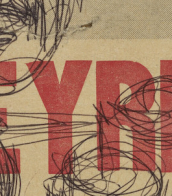
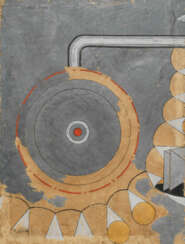

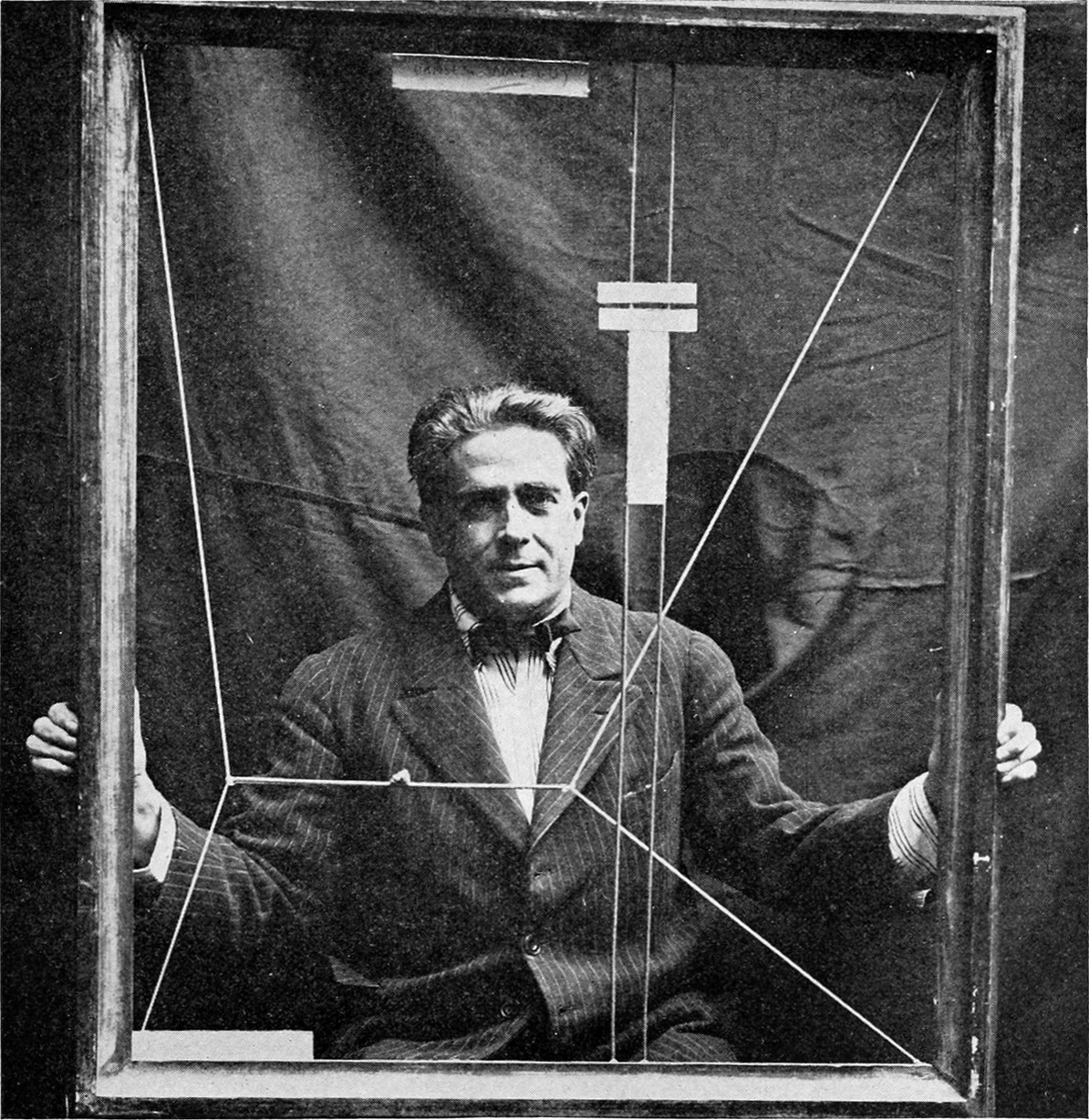
Francis Picabia, born Francis-Marie Martinez de Picabia, was a French avant-garde painter, poet, and typographist, whose work is celebrated for its diversity and innovation. His journey through various art movements, including Impressionism, Cubism, Dadaism, and Surrealism, showcases his refusal to be confined by any one style. Picabia's art is known for its eclectic nature, often blending mechanical elements with organic forms, thereby challenging traditional perceptions of art and beauty.
Picabia's significant contribution to the art world lies not just in his varied artistic output but also in his philosophical approach to creation. He believed in the freedom of expression, often using his art to critique societal norms and the art establishment itself. This rebellious spirit made him a pivotal figure in the Dada movement, where his works were celebrated for their irony and disdain for conventional art values.
Among his notable works, "Amorous Parade" and "I See Again in Memory My Dear Udnie" stand out, housed in prestigious institutions like the Museum of Modern Art in New York. These pieces exemplify Picabia's mastery over blending different elements of art movements, creating works that remain influential to this day. His legacy is not just in the pieces he created but also in his attitude towards art, encouraging future generations to challenge and redefine the boundaries of creativity.
For collectors and experts in art and antiques, Picabia's works represent not only significant artistic achievements but also valuable insights into the evolution of modern art. To stay informed about new product sales and auction events related to Francis Picabia, sign up for updates. This subscription is an essential resource for enthusiasts looking to enrich their collections with pieces from one of the most innovative artists of the 20th century.
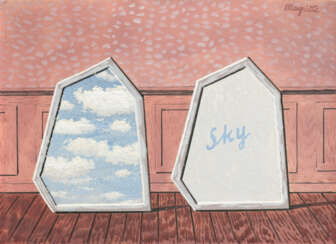

René Magritte, a Belgian artist, was renowned for his significant contributions to the Surrealist movement. His art, known for merging ordinary objects with bizarre, dream-like contexts, captivated the art world. Born on November 21, 1898, in Lessines, Belgium, Magritte's early artistic pursuits were impressionistic, transitioning through Cubism and Futurism influenced by artists like Jean Metzinger. However, his encounter with Giorgio de Chirico's work in 1922 steered him towards Surrealism.
Magritte's career was marked by various phases, each showcasing his evolving style and thematic focus. His initial foray into Surrealism began in 1926 with "The Lost Jockey" and was further solidified during his time in Paris, where he mingled with other prominent Surrealists like André Breton. Despite facing initial criticism and financial challenges, Magritte's unique blend of familiar imagery in unfamiliar contexts, like in "The Empire of Light" and "Time Transfixed," earned him acclaim.
Magritte's distinct visual language, characterized by recurring motifs like bowler hats and apples, and his exploration of reality and illusion, remain influential. His works are displayed in major galleries worldwide, continuing to inspire and intrigue art collectors and enthusiasts.
For collectors and experts in art and antiques, staying informed about Magritte's works and related auction events is crucial. Signing up for updates ensures you're alerted to new sales and events focusing on René Magritte's art, offering unique opportunities to acquire or learn more about his remarkable creations. This subscription will exclusively cover new product sales and auction events related to Magritte, keeping you updated on the most relevant information in the art world.
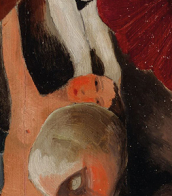


Francis Picabia, born Francis-Marie Martinez de Picabia, was a French avant-garde painter, poet, and typographist, whose work is celebrated for its diversity and innovation. His journey through various art movements, including Impressionism, Cubism, Dadaism, and Surrealism, showcases his refusal to be confined by any one style. Picabia's art is known for its eclectic nature, often blending mechanical elements with organic forms, thereby challenging traditional perceptions of art and beauty.
Picabia's significant contribution to the art world lies not just in his varied artistic output but also in his philosophical approach to creation. He believed in the freedom of expression, often using his art to critique societal norms and the art establishment itself. This rebellious spirit made him a pivotal figure in the Dada movement, where his works were celebrated for their irony and disdain for conventional art values.
Among his notable works, "Amorous Parade" and "I See Again in Memory My Dear Udnie" stand out, housed in prestigious institutions like the Museum of Modern Art in New York. These pieces exemplify Picabia's mastery over blending different elements of art movements, creating works that remain influential to this day. His legacy is not just in the pieces he created but also in his attitude towards art, encouraging future generations to challenge and redefine the boundaries of creativity.
For collectors and experts in art and antiques, Picabia's works represent not only significant artistic achievements but also valuable insights into the evolution of modern art. To stay informed about new product sales and auction events related to Francis Picabia, sign up for updates. This subscription is an essential resource for enthusiasts looking to enrich their collections with pieces from one of the most innovative artists of the 20th century.
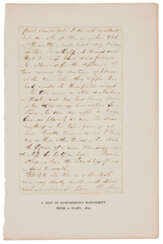

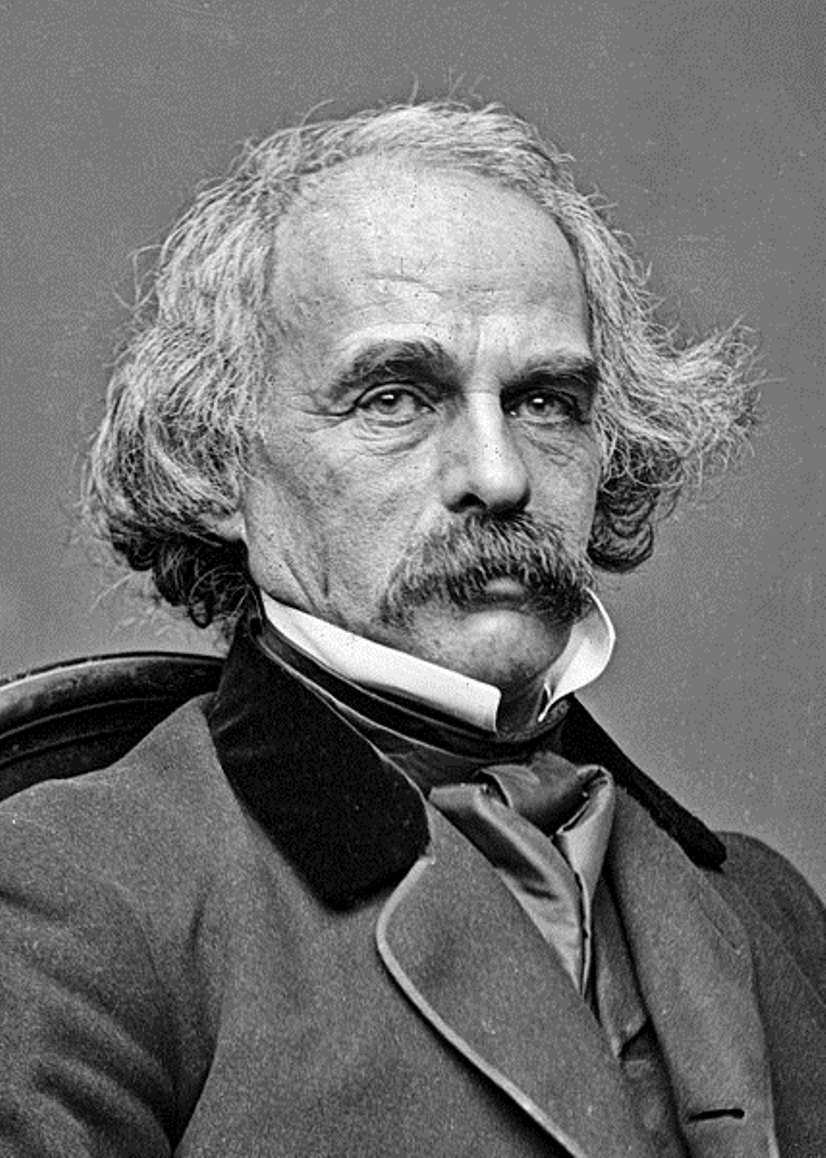
Nathaniel Hawthorne is an American writer and author.
Hawthorne is a recognized short story writer and a master of allegorical and symbolic narrative. One of the first fiction writers in American literature, he is best known for his works The Scarlet Letter (1850) and The House of Seven Gables (1851). Hawthorne's artistic works are considered part of the American Romantic movement and, in particular, of so-called dark Romanticism, a popular mid-19th-century fascination with the irrational, the demonic, and the grotesque.

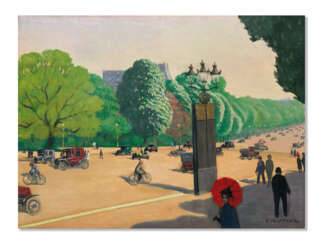

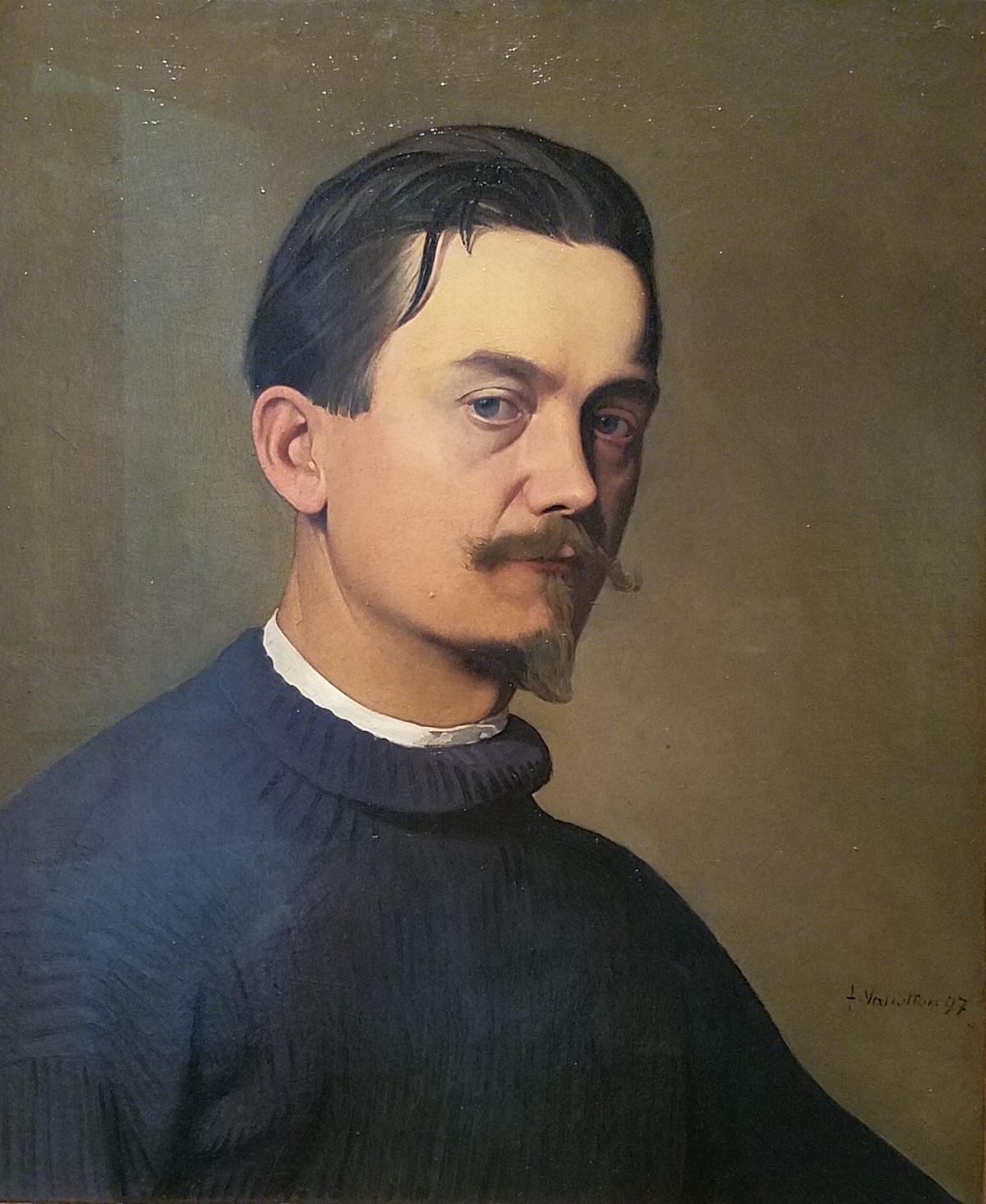
Félix Vallotton, a Swiss-born French graphic artist and painter, is recognized for his distinctive woodcuts and paintings of nudes and interiors. Vallotton's journey into art began in Paris, where he attended the Académie Julian, fostering a unique style that broke from traditional norms. His early works, characterized by extreme realism, were showcased at the Salon des Artistes Français and the Paris Universal Exposition of 1889. This period also marked Vallotton's encounter with Japanese prints, notably those by Hokusai, profoundly influencing his artistic direction.
In 1892, Vallotton joined Les Nabis, a group of avant-garde artists including Pierre Bonnard, Maurice Denis, and Édouard Vuillard, which led to a significant evolution in his style. His paintings from this era, such as "Bathers on a Summer Evening" and "Moonlight," exhibited at the Kunsthaus Zürich and the Musée d'Orsay respectively, reveal a departure from realism towards a more symbolic and abstract representation. The works from this period are characterized by flat areas of color, hard edges, and simplified details, mirroring the style he developed in his woodcuts.
Vallotton's woodcuts, like "Intimités" (Intimacies), a series published in 1898, showcased his mastery in capturing the nuances of human relationships, particularly the tensions between men and women. His graphic art, which included depictions of domestic scenes, bathing women, and street crowds, was not just celebrated in Europe but also influenced artists like Edvard Munch, Aubrey Beardsley, and Ernst Ludwig Kirchner.
Towards the end of his career, Vallotton continued to innovate, combining elements of realism and abstraction, evident in paintings like "La Malade" (The Sick Girl) and "Clair de lune" (Moonlight). His works remain a testament to his ability to merge technical precision with a poignant exploration of human emotions and societal themes.
For art collectors and experts, Vallotton's body of work offers a rich and diverse exploration of early 20th-century art movements, especially his role in the development of modern woodcut techniques and his contribution to the Nabis movement. His works are a study in the fusion of realism and symbolism, marked by a distinctive style that makes his art enduringly relevant and compelling.
For those interested in discovering more about Félix Vallotton and staying updated on related product sales and auction events, signing up for updates is a great opportunity. This subscription will exclusively alert you to new sales and events pertaining to Vallotton's works, ensuring you remain informed in the dynamic world of art and antiques.


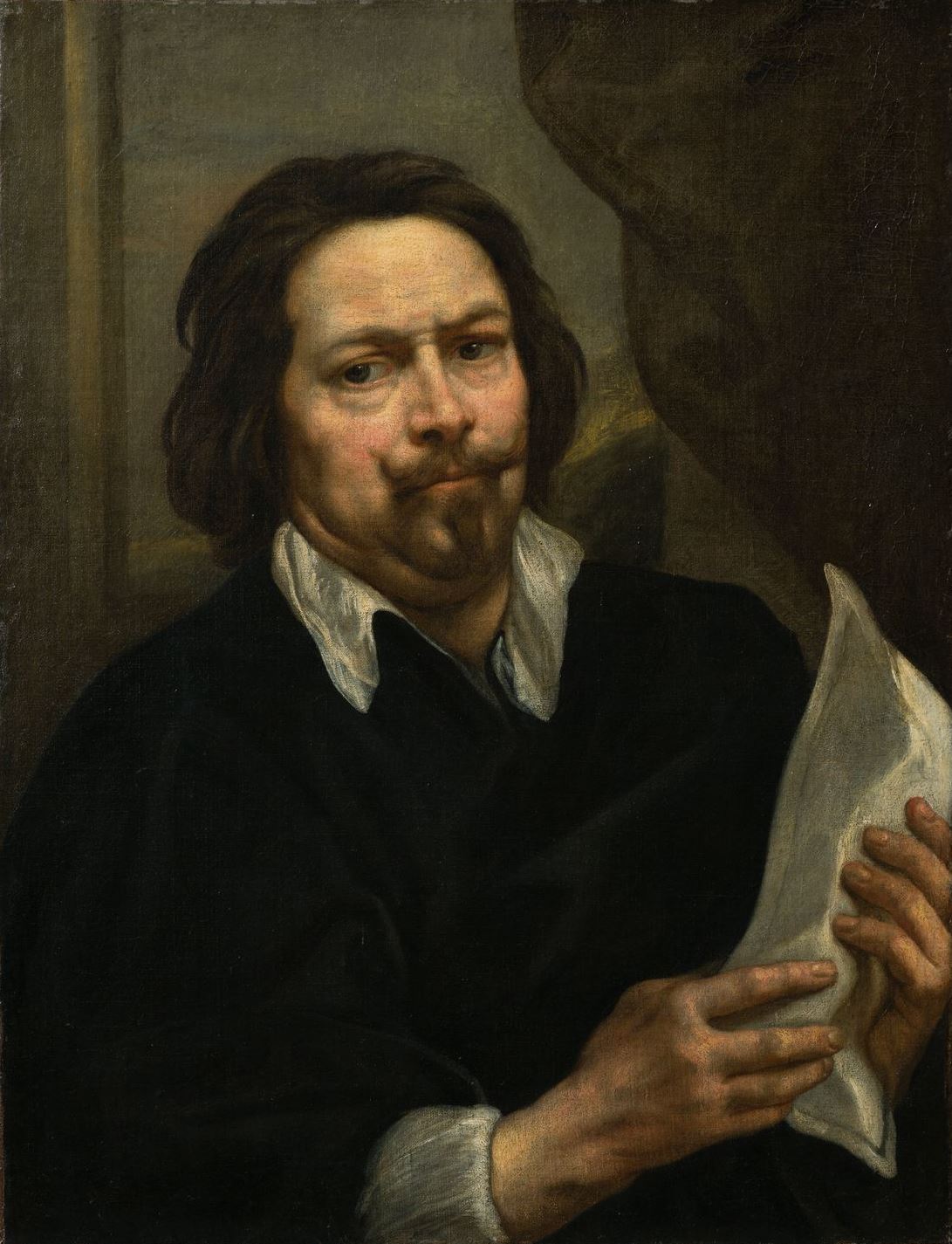
Jacob Jordaens was a Flemish painter, draughtsman and tapestry designer known for his history paintings, genre scenes and portraits. After Peter Paul Rubens and Anthony van Dyck, he was the leading Flemish Baroque painter of his day. Unlike those contemporaries he never travelled abroad to study Italian painting, and his career is marked by an indifference to their intellectual and courtly aspirations. In fact, except for a few short trips to locations elsewhere in the Low Countries, he remained in Antwerp his entire life. As well as being a successful painter, he was a prominent designer of tapestries.
Like Rubens, Jordaens painted altarpieces, mythological, and allegorical scenes, and after 1640 — the year Rubens died — he was the most important painter in Antwerp for large-scale commissions and the status of his patrons increased in general. However, he is best known today for his numerous large genre scenes based on proverbs in the manner of his contemporary Jan Brueghel the Elder, depicting The King Drinks and As the Old Sing, So Pipe the Young. Jordaens' main artistic influences, besides Rubens and the Brueghel family, were northern Italian painters such as Jacopo Bassano, Paolo Veronese, and Caravaggio.






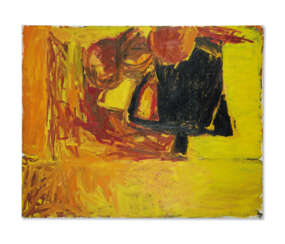

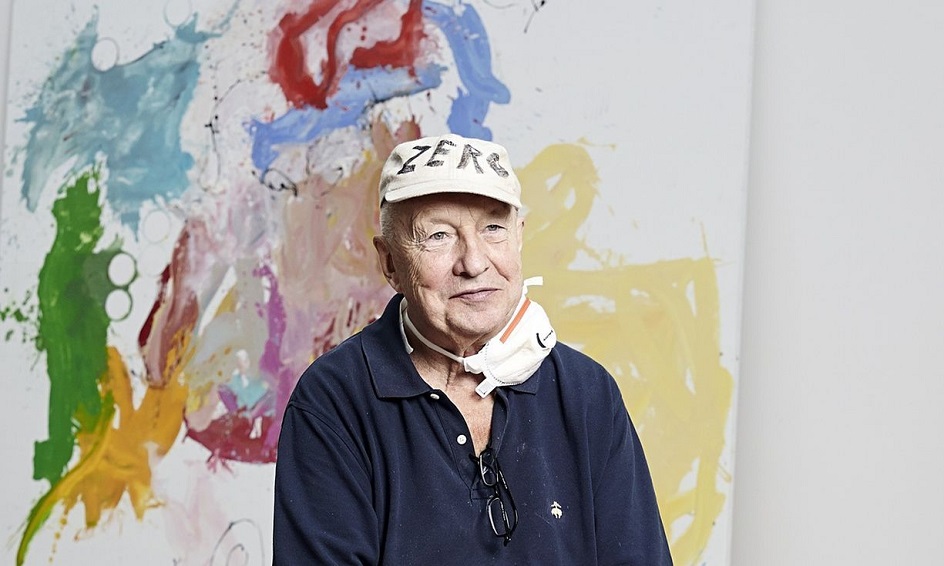
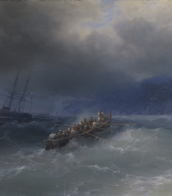
Georg Baselitz is a German painter, sculptor and graphic artist. In the 1960s he became well known for his figurative, expressive paintings. In 1969 he began painting his subjects upside down in an effort to overcome the representational, content-driven character of his earlier work and stress the artifice of painting. Drawing from myriad influences, including art of Soviet era illustration art, the Mannerist period and African sculptures, he developed his own, distinct artistic language.




.jfif)
Joseph Fernand Henri Léger was a French artist renowned for his innovative approach to Cubism and his transition towards a figurative, populist style. Born in Argentan, Orne, Lower Normandy, Léger's early career was marked by a stint as an architectural draftsman and a series of educational pursuits that eventually led him to Paris, where he embraced painting seriously. His artistic journey was significantly influenced by the bold abstractions of Cubism, characterized by geometric shapes and a vibrant palette, distinguishing his work from his contemporaries with what came to be known as "Tubism".
Léger's service in World War I profoundly impacted his artistic direction, leading him to adopt a 'mechanical' style that depicted the modern industrial world with sleek, tubular forms. This period saw creations like "Soldier with a Pipe" and "The Card Players," reflecting his war experiences and the mechanical aesthetics of the time. The post-war era encouraged Léger to explore the mechanical style further, evident in works like "The Bargeman" and "Mechanical Elements," highlighting the pace of technological advancement.
Throughout his career, Léger's work evolved, notably in the 1920s, where he aligned with Purist ideas, blending classicism with modernity. This phase is exemplified in "Woman with a Cat," showcasing a classical form with a modern, polished finish. By the 1930s, Léger's art took a more figurative, populist turn, aiming to democratize contemporary art and make it more accessible. His commitment to art education, especially for the common worker, underscored his belief in the social role of art.
For those intrigued by Joseph Fernand Henri Léger's groundbreaking contributions to modern art, his works can be found in prestigious museums worldwide. His legacy continues to inspire art collectors and enthusiasts alike. To stay updated on exhibitions and auction events featuring Léger's work, sign up for updates and embrace the unique opportunity to explore the richness of his artistic endeavors.
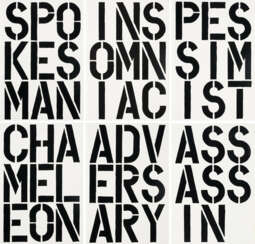

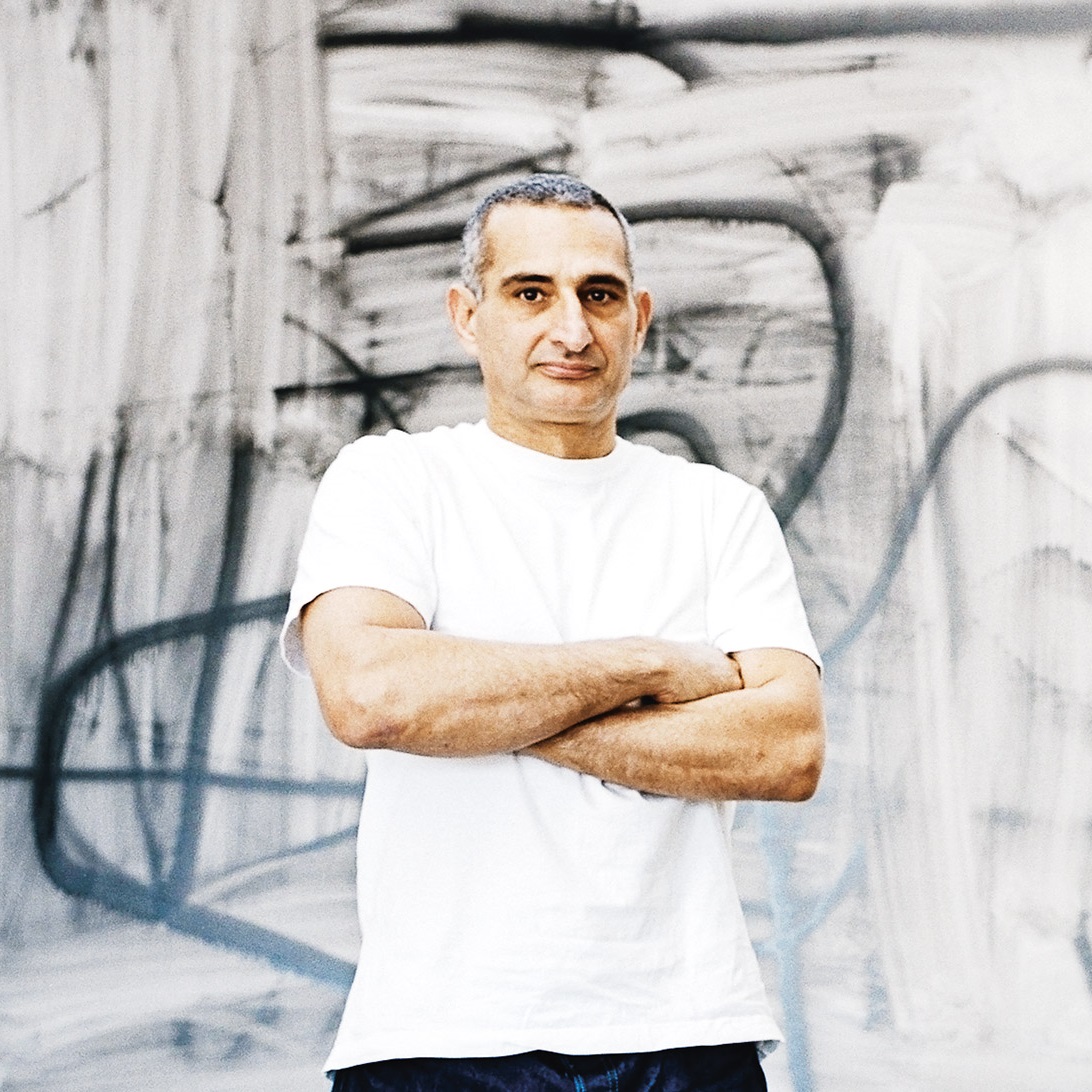
Christopher Wool is an American artist. Since the 1980s, Wool's art has incorporated issues surrounding post-conceptual ideas. He lives and works in New York City and Marfa, Texas, together with his wife and fellow painter Charline von Heyl.
Wool is best known for his paintings of large, black, stenciled letters on white canvases. Wool began to create word paintings in the late 1980s, reportedly after having seen graffiti on a brand new white truck. Using a system of alliteration, with the words often broken up by a grid system, or with the vowels removed (as in 'TRBL' or 'DRNK'), Wool's word paintings often demand reading aloud to make sense.