into
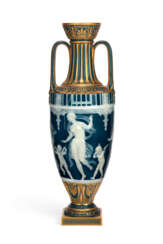

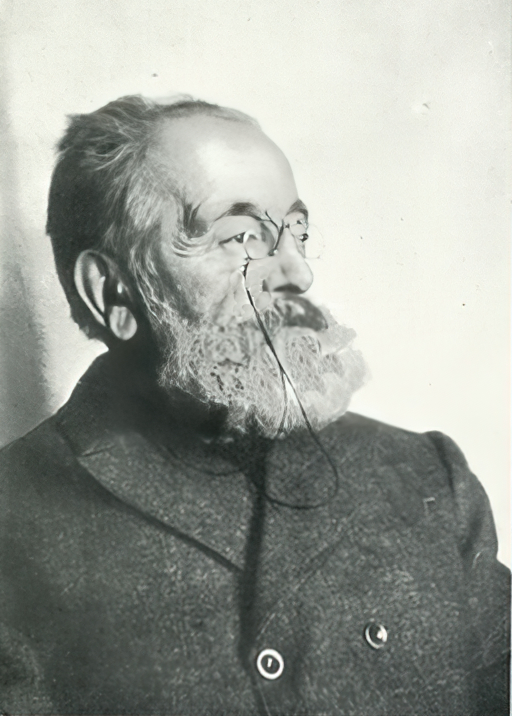
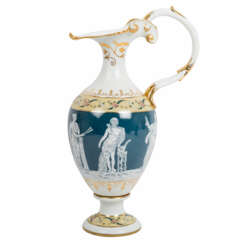
Marc-Louis-Emmanuel Solon, pseudonym Miles, was a renowned French porcelain artist. After beginning his career at the Sèvres Porcelain Factory, he moved to Stoke-on-Trent in 1870 to work at Mintons Ltd, where he became the leading exponent of the technique of ceramic decoration called pâte-sur-pâte. His work commanded high prices in the late Victorian period.




 Тинторетто. Автопортрет. 1588.jpg)
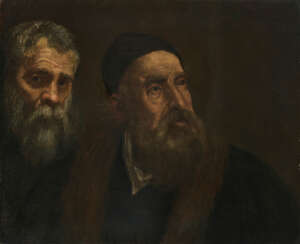
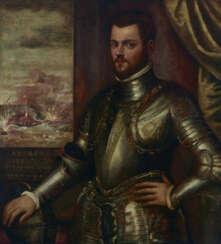
Jacopo Robusti Tintoretto was an Italian painter, a significant figure in the Venetian school, and one of the most notable artists of the late Renaissance. Born in Venice in 1518, Tintoretto was known for his rapid painting technique and bold brushwork, which both fascinated and sparked debate among his contemporaries. His early aspirations were evident when he was briefly apprenticed to Titian, a relationship that ended abruptly due to a clash of personalities or Titian's possible jealousy of Tintoretto's talent. Despite this setback, Tintoretto's self-driven studies, particularly his admiration for Michelangelo's drawing and Titian's coloring, shaped his artistic development.
Tintoretto's body of work is distinguished by its dramatic gestures and muscular figures, set in dynamic compositions with a masterful use of perspective and lighting, hallmarks of the Mannerist style. His paintings are celebrated for their emotional intensity and theatricality, elements that prefigured the Baroque movement. Among his numerous contributions to art and culture, Tintoretto's work in the Scuola Grande di San Rocco in Venice stands out, showcasing his skill in creating narrative and spiritual depth across a vast series of canvases dedicated to biblical stories and the life of Christ.
Significant works by Tintoretto include "The Last Supper" at San Giorgio Maggiore, which exemplifies his innovative approach to this traditional religious subject, and "The Miracle of the Slave," demonstrating his ability to convey divine intervention with dynamic realism. His legacy extends beyond his death in 1594, with his influence resonating in the works of later artists and contributing to the development of Baroque art.
Tintoretto's dedication to his craft and his unique approach to painting made him a pivotal figure in the transition from the Renaissance to the Baroque period. His works are housed in prestigious museums and galleries worldwide, continuing to inspire and captivate audiences with their intensity and beauty.
For collectors and experts in art and antiques, Tintoretto's oeuvre represents not only a high point of Venetian painting but also a bridge between eras in art history. His innovative techniques and expressive style offer rich insights into the evolving aesthetics of his time.
To stay updated on exhibitions, sales, and auction events related to Jacopo Robusti Tintoretto's work, signing up for updates is recommended. This subscription ensures access to the latest information on available pieces and upcoming showcases, tailored specifically to enthusiasts of Tintoretto's groundbreaking contributions to art and culture.

Jacopo Robusti Tintoretto was an Italian painter, a significant figure in the Venetian school, and one of the most notable artists of the late Renaissance. Born in Venice in 1518, Tintoretto was known for his rapid painting technique and bold brushwork, which both fascinated and sparked debate among his contemporaries. His early aspirations were evident when he was briefly apprenticed to Titian, a relationship that ended abruptly due to a clash of personalities or Titian's possible jealousy of Tintoretto's talent. Despite this setback, Tintoretto's self-driven studies, particularly his admiration for Michelangelo's drawing and Titian's coloring, shaped his artistic development.
Tintoretto's body of work is distinguished by its dramatic gestures and muscular figures, set in dynamic compositions with a masterful use of perspective and lighting, hallmarks of the Mannerist style. His paintings are celebrated for their emotional intensity and theatricality, elements that prefigured the Baroque movement. Among his numerous contributions to art and culture, Tintoretto's work in the Scuola Grande di San Rocco in Venice stands out, showcasing his skill in creating narrative and spiritual depth across a vast series of canvases dedicated to biblical stories and the life of Christ.
Significant works by Tintoretto include "The Last Supper" at San Giorgio Maggiore, which exemplifies his innovative approach to this traditional religious subject, and "The Miracle of the Slave," demonstrating his ability to convey divine intervention with dynamic realism. His legacy extends beyond his death in 1594, with his influence resonating in the works of later artists and contributing to the development of Baroque art.
Tintoretto's dedication to his craft and his unique approach to painting made him a pivotal figure in the transition from the Renaissance to the Baroque period. His works are housed in prestigious museums and galleries worldwide, continuing to inspire and captivate audiences with their intensity and beauty.
For collectors and experts in art and antiques, Tintoretto's oeuvre represents not only a high point of Venetian painting but also a bridge between eras in art history. His innovative techniques and expressive style offer rich insights into the evolving aesthetics of his time.
To stay updated on exhibitions, sales, and auction events related to Jacopo Robusti Tintoretto's work, signing up for updates is recommended. This subscription ensures access to the latest information on available pieces and upcoming showcases, tailored specifically to enthusiasts of Tintoretto's groundbreaking contributions to art and culture.
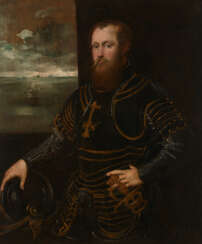

Jacopo Robusti Tintoretto was an Italian painter, a significant figure in the Venetian school, and one of the most notable artists of the late Renaissance. Born in Venice in 1518, Tintoretto was known for his rapid painting technique and bold brushwork, which both fascinated and sparked debate among his contemporaries. His early aspirations were evident when he was briefly apprenticed to Titian, a relationship that ended abruptly due to a clash of personalities or Titian's possible jealousy of Tintoretto's talent. Despite this setback, Tintoretto's self-driven studies, particularly his admiration for Michelangelo's drawing and Titian's coloring, shaped his artistic development.
Tintoretto's body of work is distinguished by its dramatic gestures and muscular figures, set in dynamic compositions with a masterful use of perspective and lighting, hallmarks of the Mannerist style. His paintings are celebrated for their emotional intensity and theatricality, elements that prefigured the Baroque movement. Among his numerous contributions to art and culture, Tintoretto's work in the Scuola Grande di San Rocco in Venice stands out, showcasing his skill in creating narrative and spiritual depth across a vast series of canvases dedicated to biblical stories and the life of Christ.
Significant works by Tintoretto include "The Last Supper" at San Giorgio Maggiore, which exemplifies his innovative approach to this traditional religious subject, and "The Miracle of the Slave," demonstrating his ability to convey divine intervention with dynamic realism. His legacy extends beyond his death in 1594, with his influence resonating in the works of later artists and contributing to the development of Baroque art.
Tintoretto's dedication to his craft and his unique approach to painting made him a pivotal figure in the transition from the Renaissance to the Baroque period. His works are housed in prestigious museums and galleries worldwide, continuing to inspire and captivate audiences with their intensity and beauty.
For collectors and experts in art and antiques, Tintoretto's oeuvre represents not only a high point of Venetian painting but also a bridge between eras in art history. His innovative techniques and expressive style offer rich insights into the evolving aesthetics of his time.
To stay updated on exhibitions, sales, and auction events related to Jacopo Robusti Tintoretto's work, signing up for updates is recommended. This subscription ensures access to the latest information on available pieces and upcoming showcases, tailored specifically to enthusiasts of Tintoretto's groundbreaking contributions to art and culture.
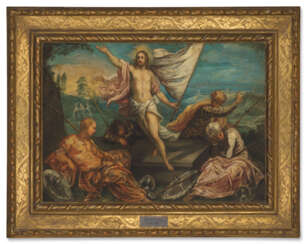

Jacopo Robusti Tintoretto was an Italian painter, a significant figure in the Venetian school, and one of the most notable artists of the late Renaissance. Born in Venice in 1518, Tintoretto was known for his rapid painting technique and bold brushwork, which both fascinated and sparked debate among his contemporaries. His early aspirations were evident when he was briefly apprenticed to Titian, a relationship that ended abruptly due to a clash of personalities or Titian's possible jealousy of Tintoretto's talent. Despite this setback, Tintoretto's self-driven studies, particularly his admiration for Michelangelo's drawing and Titian's coloring, shaped his artistic development.
Tintoretto's body of work is distinguished by its dramatic gestures and muscular figures, set in dynamic compositions with a masterful use of perspective and lighting, hallmarks of the Mannerist style. His paintings are celebrated for their emotional intensity and theatricality, elements that prefigured the Baroque movement. Among his numerous contributions to art and culture, Tintoretto's work in the Scuola Grande di San Rocco in Venice stands out, showcasing his skill in creating narrative and spiritual depth across a vast series of canvases dedicated to biblical stories and the life of Christ.
Significant works by Tintoretto include "The Last Supper" at San Giorgio Maggiore, which exemplifies his innovative approach to this traditional religious subject, and "The Miracle of the Slave," demonstrating his ability to convey divine intervention with dynamic realism. His legacy extends beyond his death in 1594, with his influence resonating in the works of later artists and contributing to the development of Baroque art.
Tintoretto's dedication to his craft and his unique approach to painting made him a pivotal figure in the transition from the Renaissance to the Baroque period. His works are housed in prestigious museums and galleries worldwide, continuing to inspire and captivate audiences with their intensity and beauty.
For collectors and experts in art and antiques, Tintoretto's oeuvre represents not only a high point of Venetian painting but also a bridge between eras in art history. His innovative techniques and expressive style offer rich insights into the evolving aesthetics of his time.
To stay updated on exhibitions, sales, and auction events related to Jacopo Robusti Tintoretto's work, signing up for updates is recommended. This subscription ensures access to the latest information on available pieces and upcoming showcases, tailored specifically to enthusiasts of Tintoretto's groundbreaking contributions to art and culture.


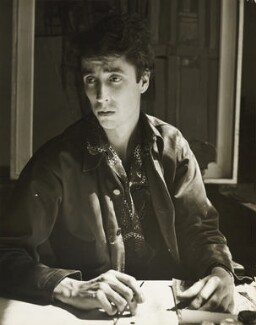
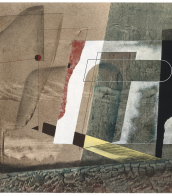




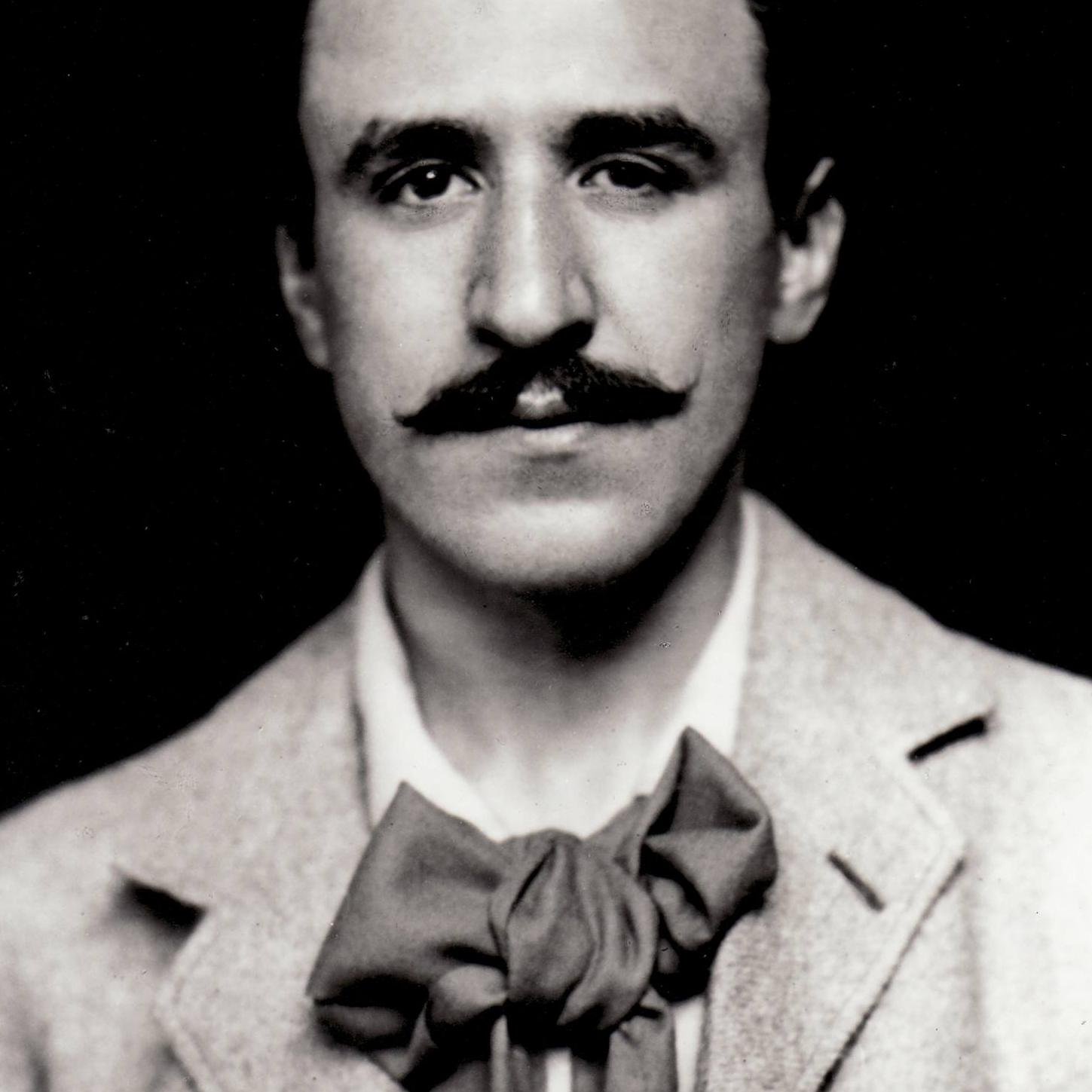
Charles Rennie Mackintosh was a prominent Scottish artist, architect and designer who had a major influence on the development of modernism and global art in the early twentieth century. He was the founder and head of the Glasgow School of Art.
Charles Rennie Mackintosh's style was unique and recognisable. He created elegant and harmonious works reflecting influences from Japanese art, the Gothic style and abstract forms. His works included architectural designs, furniture, paintings, graphics and even decorative objects.
Mackintosh became known for his innovative approach to architecture and design. His buildings were characterised by their refined lines, geometric shapes and use of light and space. His work was an important contribution to the development of modernism and functionalism in architecture.
He was also famous for his ability to combine different materials and textures to create unique and aesthetically pleasing designs. Mackintosh was a master of minimalism and elegance, giving his works a unique style and character.


Charles Rennie Mackintosh was a prominent Scottish artist, architect and designer who had a major influence on the development of modernism and global art in the early twentieth century. He was the founder and head of the Glasgow School of Art.
Charles Rennie Mackintosh's style was unique and recognisable. He created elegant and harmonious works reflecting influences from Japanese art, the Gothic style and abstract forms. His works included architectural designs, furniture, paintings, graphics and even decorative objects.
Mackintosh became known for his innovative approach to architecture and design. His buildings were characterised by their refined lines, geometric shapes and use of light and space. His work was an important contribution to the development of modernism and functionalism in architecture.
He was also famous for his ability to combine different materials and textures to create unique and aesthetically pleasing designs. Mackintosh was a master of minimalism and elegance, giving his works a unique style and character.


Charles Rennie Mackintosh was a prominent Scottish artist, architect and designer who had a major influence on the development of modernism and global art in the early twentieth century. He was the founder and head of the Glasgow School of Art.
Charles Rennie Mackintosh's style was unique and recognisable. He created elegant and harmonious works reflecting influences from Japanese art, the Gothic style and abstract forms. His works included architectural designs, furniture, paintings, graphics and even decorative objects.
Mackintosh became known for his innovative approach to architecture and design. His buildings were characterised by their refined lines, geometric shapes and use of light and space. His work was an important contribution to the development of modernism and functionalism in architecture.
He was also famous for his ability to combine different materials and textures to create unique and aesthetically pleasing designs. Mackintosh was a master of minimalism and elegance, giving his works a unique style and character.
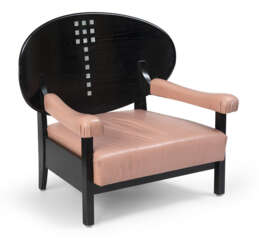

Charles Rennie Mackintosh was a prominent Scottish artist, architect and designer who had a major influence on the development of modernism and global art in the early twentieth century. He was the founder and head of the Glasgow School of Art.
Charles Rennie Mackintosh's style was unique and recognisable. He created elegant and harmonious works reflecting influences from Japanese art, the Gothic style and abstract forms. His works included architectural designs, furniture, paintings, graphics and even decorative objects.
Mackintosh became known for his innovative approach to architecture and design. His buildings were characterised by their refined lines, geometric shapes and use of light and space. His work was an important contribution to the development of modernism and functionalism in architecture.
He was also famous for his ability to combine different materials and textures to create unique and aesthetically pleasing designs. Mackintosh was a master of minimalism and elegance, giving his works a unique style and character.





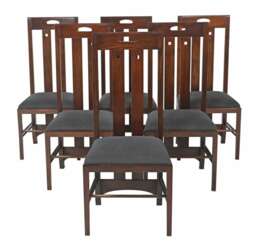

Charles Rennie Mackintosh was a prominent Scottish artist, architect and designer who had a major influence on the development of modernism and global art in the early twentieth century. He was the founder and head of the Glasgow School of Art.
Charles Rennie Mackintosh's style was unique and recognisable. He created elegant and harmonious works reflecting influences from Japanese art, the Gothic style and abstract forms. His works included architectural designs, furniture, paintings, graphics and even decorative objects.
Mackintosh became known for his innovative approach to architecture and design. His buildings were characterised by their refined lines, geometric shapes and use of light and space. His work was an important contribution to the development of modernism and functionalism in architecture.
He was also famous for his ability to combine different materials and textures to create unique and aesthetically pleasing designs. Mackintosh was a master of minimalism and elegance, giving his works a unique style and character.
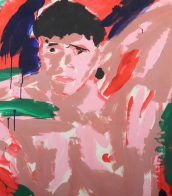


Charles Rennie Mackintosh was a prominent Scottish artist, architect and designer who had a major influence on the development of modernism and global art in the early twentieth century. He was the founder and head of the Glasgow School of Art.
Charles Rennie Mackintosh's style was unique and recognisable. He created elegant and harmonious works reflecting influences from Japanese art, the Gothic style and abstract forms. His works included architectural designs, furniture, paintings, graphics and even decorative objects.
Mackintosh became known for his innovative approach to architecture and design. His buildings were characterised by their refined lines, geometric shapes and use of light and space. His work was an important contribution to the development of modernism and functionalism in architecture.
He was also famous for his ability to combine different materials and textures to create unique and aesthetically pleasing designs. Mackintosh was a master of minimalism and elegance, giving his works a unique style and character.


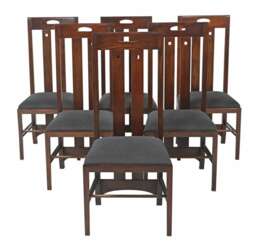

Charles Rennie Mackintosh was a prominent Scottish artist, architect and designer who had a major influence on the development of modernism and global art in the early twentieth century. He was the founder and head of the Glasgow School of Art.
Charles Rennie Mackintosh's style was unique and recognisable. He created elegant and harmonious works reflecting influences from Japanese art, the Gothic style and abstract forms. His works included architectural designs, furniture, paintings, graphics and even decorative objects.
Mackintosh became known for his innovative approach to architecture and design. His buildings were characterised by their refined lines, geometric shapes and use of light and space. His work was an important contribution to the development of modernism and functionalism in architecture.
He was also famous for his ability to combine different materials and textures to create unique and aesthetically pleasing designs. Mackintosh was a master of minimalism and elegance, giving his works a unique style and character.


Charles Rennie Mackintosh was a prominent Scottish artist, architect and designer who had a major influence on the development of modernism and global art in the early twentieth century. He was the founder and head of the Glasgow School of Art.
Charles Rennie Mackintosh's style was unique and recognisable. He created elegant and harmonious works reflecting influences from Japanese art, the Gothic style and abstract forms. His works included architectural designs, furniture, paintings, graphics and even decorative objects.
Mackintosh became known for his innovative approach to architecture and design. His buildings were characterised by their refined lines, geometric shapes and use of light and space. His work was an important contribution to the development of modernism and functionalism in architecture.
He was also famous for his ability to combine different materials and textures to create unique and aesthetically pleasing designs. Mackintosh was a master of minimalism and elegance, giving his works a unique style and character.






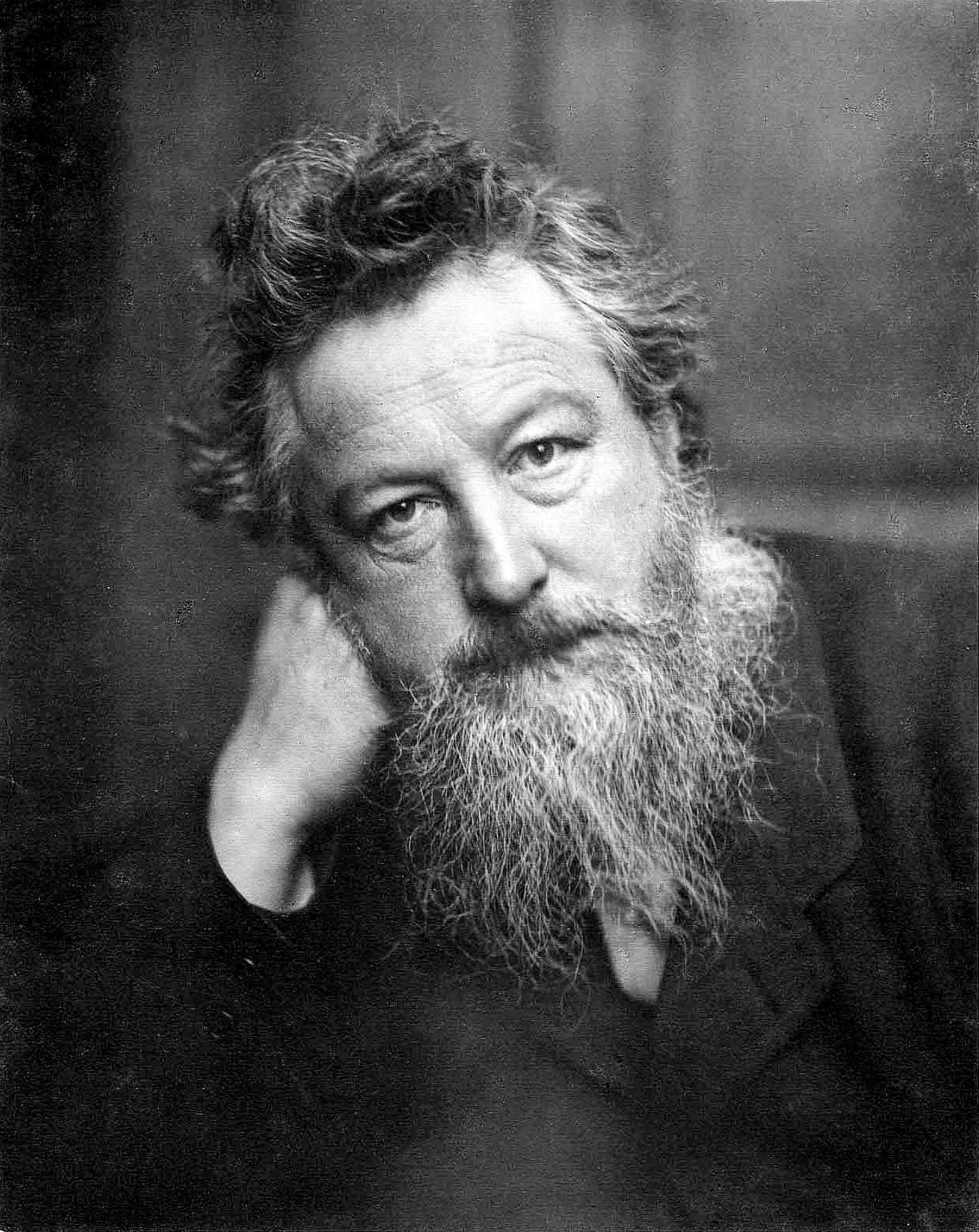
William Morris was a British artist, designer, poet, and social activist, celebrated for his profound impact on the decorative arts and his role in the Arts and Crafts movement. Born in Walthamstow, Essex, in 1834, Morris developed a fascination with medieval architecture and landscapes, influencing his artistic endeavors. He founded Morris & Company, known for producing exquisite textiles, wallpapers, and various decorative items that emphasized craftsmanship and beauty.
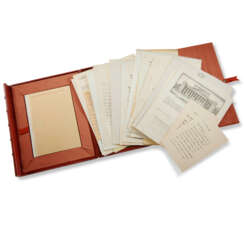
William Morris's Kelmscott Press, established in the 1890s, aimed to revive traditional book-making methods, producing works with high-quality materials and craftsmanship. One notable achievement was the Kelmscott Chaucer, a collaboration with Edward Burne-Jones that is still celebrated for its intricate designs and craftsmanship.
William Morris's influence extended beyond his lifetime, with his designs continuing to inspire artists and designers. His works are housed in prestigious institutions like The Metropolitan Museum of Art, reflecting his enduring legacy in the art world. His commitment to social causes, particularly through his socialist beliefs, further highlights his multifaceted contributions to culture and society.
If you're intrigued by William Morris's work and his influence on art and design, consider signing up for updates. Stay informed about new product sales and auction events related to William Morris's legacy, ensuring you don't miss out on owning a piece of this historic artistry.
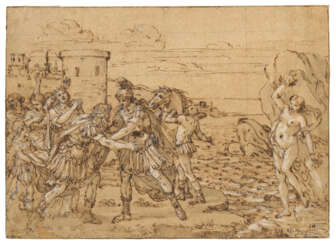

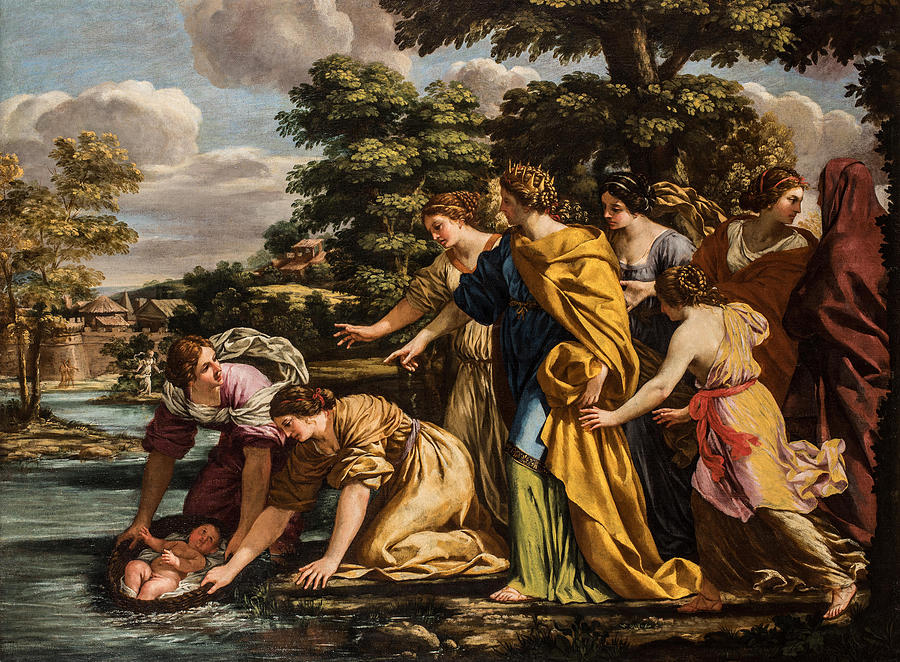
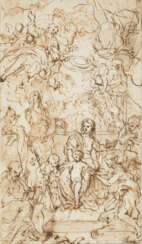

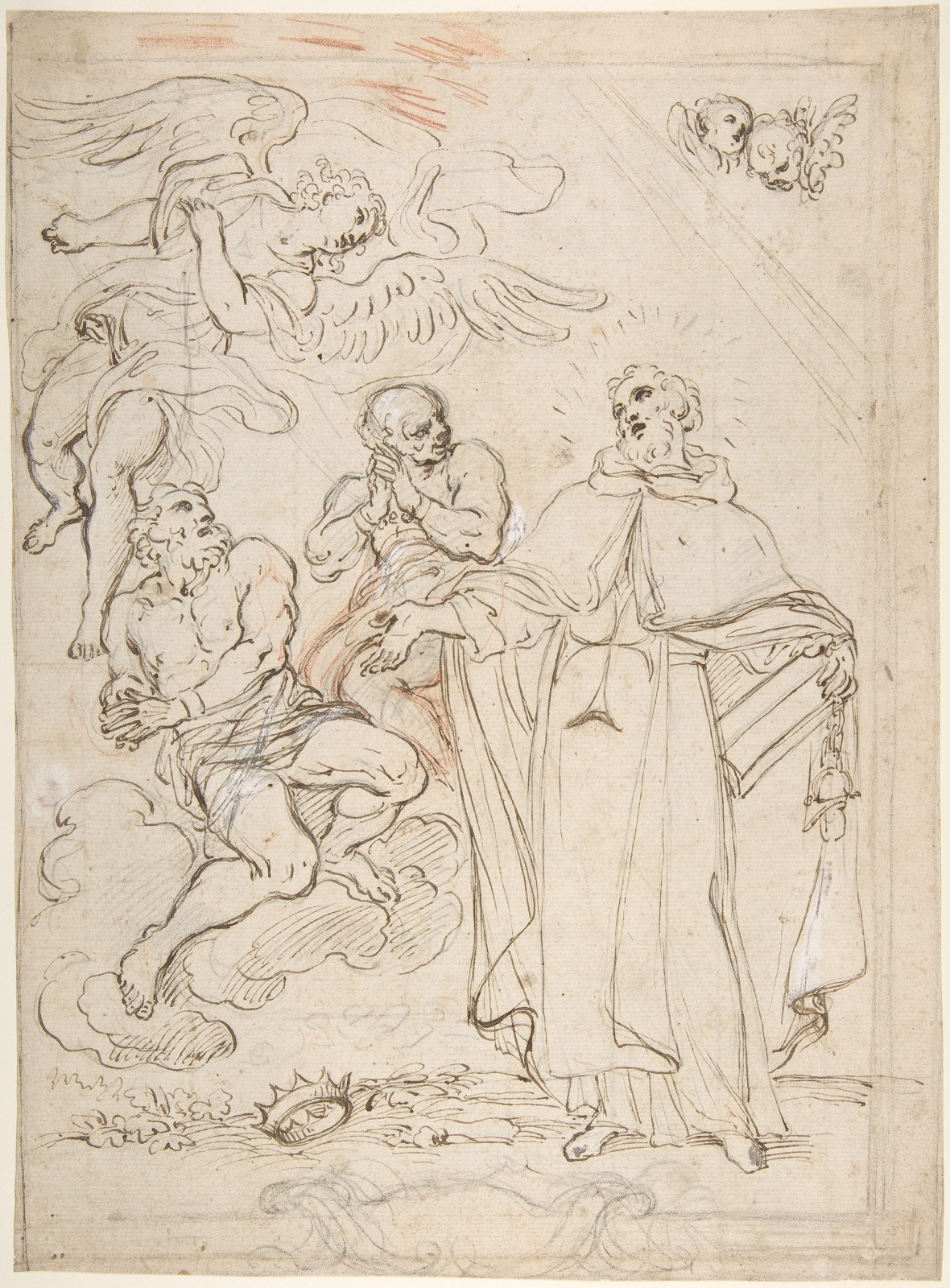
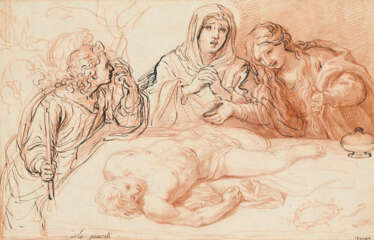

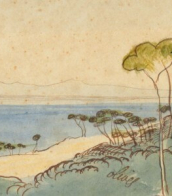
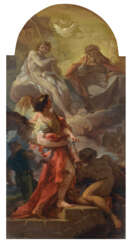

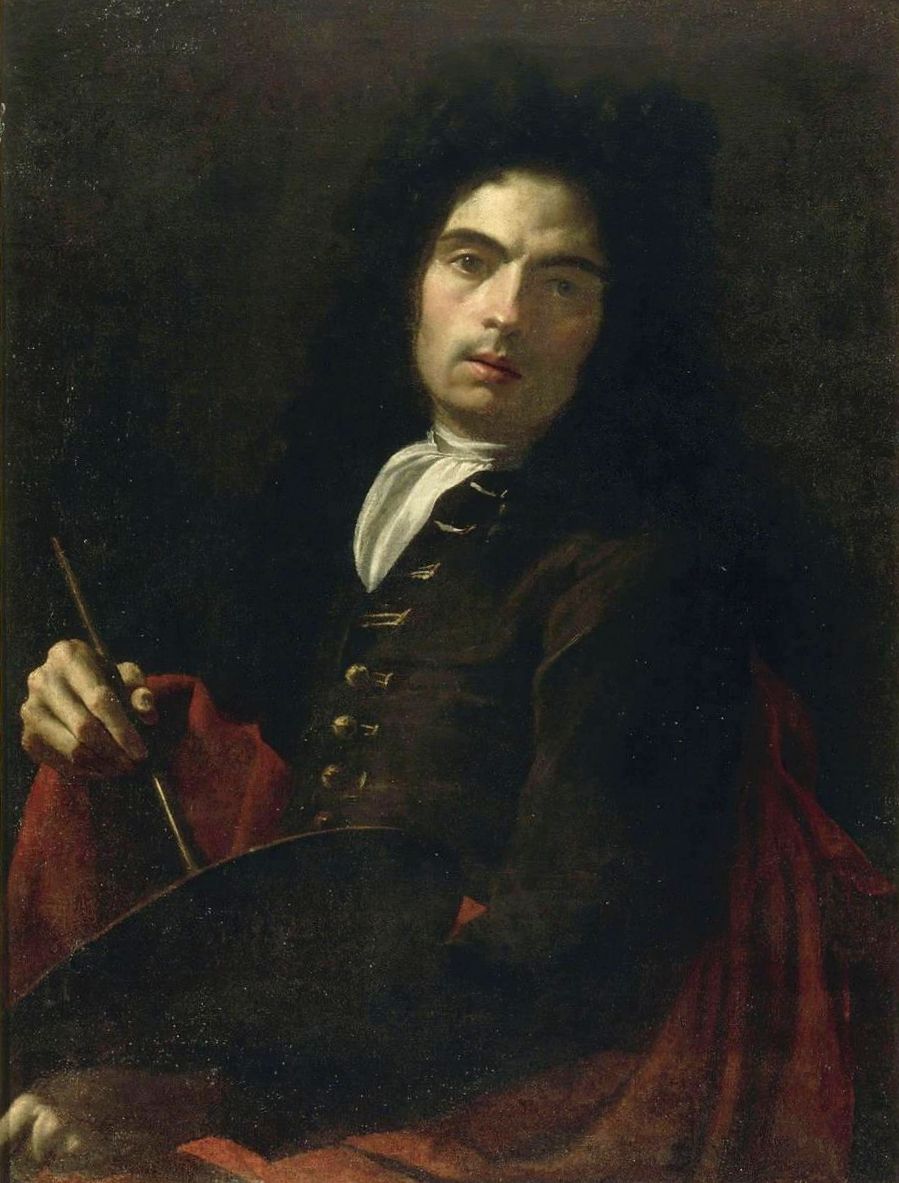
Corrado Giaquinto was a prominent Italian painter of the Rococo period. His journey into the arts took him from apprenticeships with local painters in his youth to a flourishing career across Italy and Spain. Giaquinto's early training under Saverio Porta and subsequent studies in Naples under Nicola Maria Rossi and Francesco Solimena honed his skills in the Neapolitan painting tradition. By the time he moved to Rome in 1727, his style had matured, leading to collaborations on significant projects and solo commissions that showcased his mastery of the Rococo style.
Giaquinto's work is known for its vibrant colors, dynamic compositions, and the integration of classical and religious themes, reflective of the Rococo spirit. His frescoes and oil paintings, such as "The Penitent Magdalen" and "Medea Rejuvenating Aeson," are celebrated for their technical brilliance and emotional depth, housed in prestigious museums like the Metropolitan Museum of Art in New York and the Louvre Museum in Paris. His significant contribution to the art world extends to his role as a court painter in Madrid, where he influenced the Spanish art scene profoundly during his tenure from 1753 to 1761.
For collectors and experts in art and antiques, Giaquinto's oeuvre offers a fascinating glimpse into the opulence and elegance of 18th-century Rococo art. His ability to blend dramatic narratives with delicate details makes his work a study in the balance between grandeur and grace, marking him as a key figure in the transition from the Baroque to Rococo styles.
To explore more about Corrado Giaquinto's influential work and to stay informed about exhibitions or sales featuring his art, signing up for updates from art institutions can provide exclusive insights into the world of this illustrious Rococo painter. This subscription is tailored for enthusiasts keen on delving deeper into the rich tapestry of 18th-century European art, ensuring they remain abreast of relevant developments and opportunities related to Giaquinto's legacy.