robert i.


.jpg)
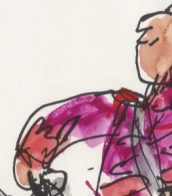
Hubert Robert was a renowned French artist, celebrated for his captivating landscape paintings and architectural fantasies. Born in Paris in 1733, Robert's talent was nurtured early on, thanks to the patronage of the Choiseul family. His journey to Rome in 1754 marked a pivotal phase in his career, where he immersed himself in studying ancient and modern Italian architecture, significantly influencing his artistic style.
Hubert Robert's work is characterized by its romantic depiction of ruins, blending fantasy with historical accuracy, which earned him the nickname "Robert des Ruines." His landscapes and capricci, which are imaginative compositions of architectural elements, resonated with the art collectors and the aristocracy of his time, securing his place as a key figure in French art history.
Noteworthy are Hubert Robert's contributions to the design of picturesque gardens, where he provided atmospheric visions rather than practical layouts. His involvement in the creation of gardens at places like Ermenonville and Méréville showcases his ability to merge art with nature, creating spaces that were both innovative and inspirational.
His artworks, such as "The Port of Rome" and "The Old Bridge," are treasured in prestigious galleries worldwide, reflecting his enduring legacy in the realm of art and culture. For art collectors and experts, Hubert Robert's oeuvre offers a window into the 18th-century artistic landscape, where imagination and historical elements coalesce to form compelling visual narratives.
For updates on exhibitions and auction events related to Hubert Robert's works, sign up to stay informed about new discoveries and opportunities to appreciate the artistry of this exceptional French painter.
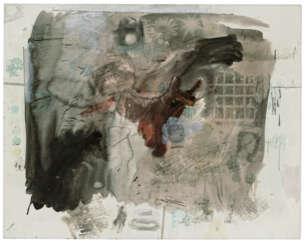

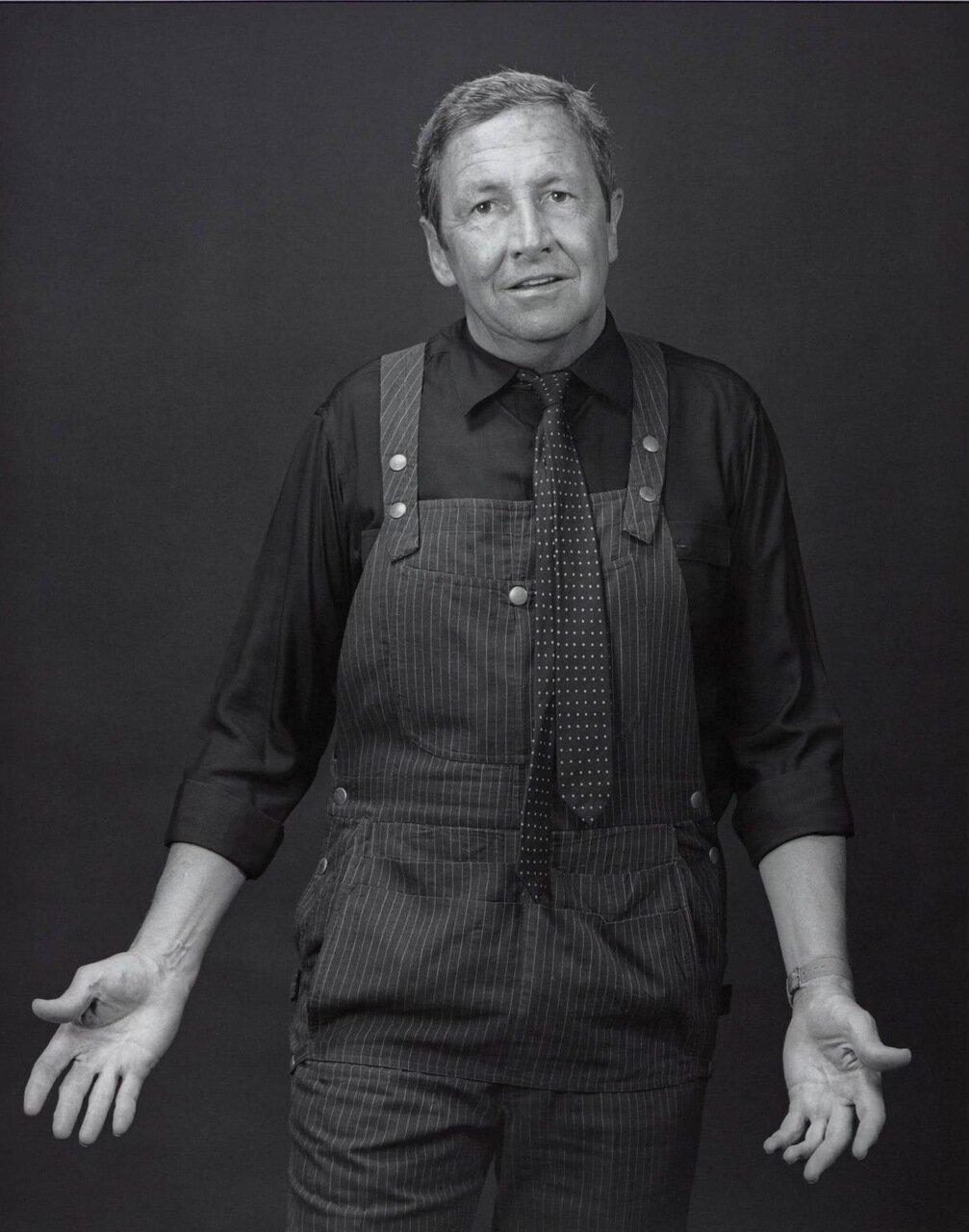
Robert Milton Ernest Rauschenberg was an American artist renowned for his pioneering work that blurred the boundaries between painting and sculpture, thereby anticipating the Pop art movement. From his early days at the Art Students League of New York to his experiments at Black Mountain College, Rauschenberg's career was marked by innovation and collaboration. His "Neo-Dadaist" approach, shared with contemporaries like Jasper Johns, questioned traditional distinctions between art objects and everyday items, drawing inspiration from Marcel Duchamp's Dadaist principles.
Rauschenberg's most notable works, such as "Erased de Kooning Drawing" and his "Combines," utilized found materials and images to create new art forms that challenged viewers' perceptions. His use of non-traditional materials like twine, soil, and even taxidermied animals, alongside traditional canvas and paint, set new precedents for what could be considered art. His groundbreaking silkscreen paintings incorporated found images, further cementing his role in the evolution toward Pop art.
The artist's work is represented in major museums and galleries worldwide, reflecting his significant impact on contemporary art. His pieces like "Canyon" and "Monogram" are celebrated for their innovative integration of sculpture and painting, while "Signs" captures the tumultuous spirit of the 1960s through its collage of cultural figures and events, housed in institutions like the Museum of Contemporary Art, San Diego, and The Minneapolis Institute of Arts.
For collectors and experts in art and antiques, Rauschenberg's oeuvre represents a critical junction in the history of modern art, where the lines between different media and disciplines were explored and often erased. His legacy is not just in the objects he created but in his bold reimagining of the art-making process itself, encouraging a dialogue between art and life that continues to inspire artists today.
For updates on new product sales and auction events related to Robert Milton Ernest Rauschenberg, consider signing up for our newsletter. This subscription service is tailored specifically for enthusiasts eager to stay informed about the latest opportunities to acquire works by or related to this transformative artist.
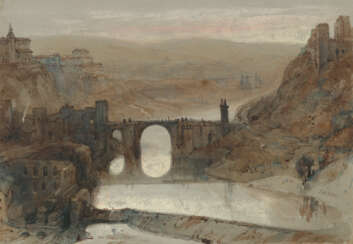

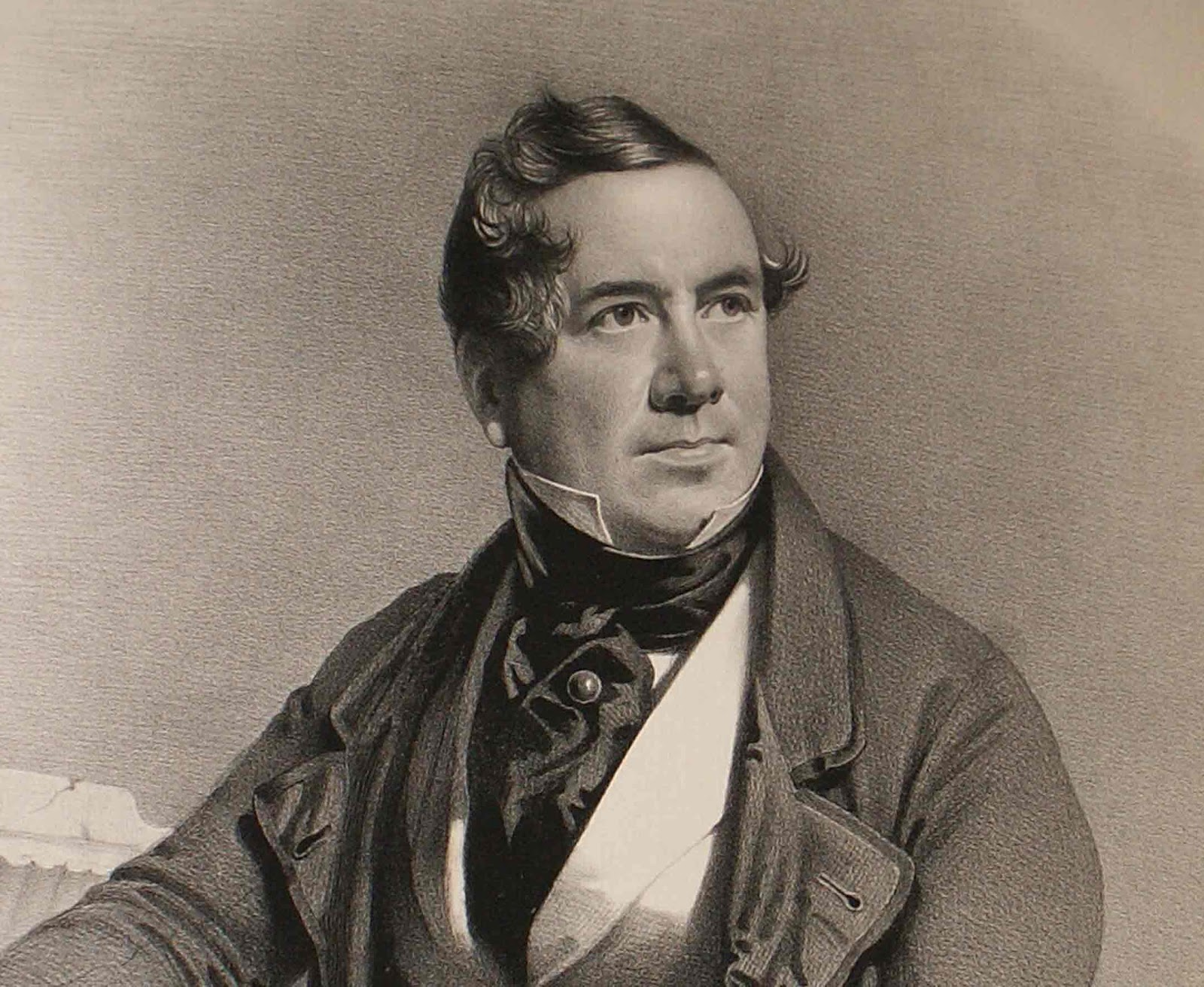
David Roberts was a Scottish painter and a member of the Royal Academy.
Since 1819, David Roberts worked as a scenographer in various theaters, where his creative potential was appreciated. Inspired by the positive feedback, some time later he seriously engaged in painting. After the first exhibition of works, held in 1824, the artist went on a trip. He visited several countries in Europe, where he created many drawings. In 1833, David Roberts continued to explore the world: he went to Spain, where he spent almost a year, also had time to visit Morocco, lived in Cairo for a long time and made sketches everywhere. Subsequently, his works were published in various magazines, and the author gained fame as a talented illustrator. In 1841, the artist became a member of the Royal Academy.
In the 1840s, an album with his works was published, thanks to these publications, David Roberts became the most famous painter of the Victorian era. The artist also skillfully depicted monuments of architecture. David Roberts' paintings are striking in their photographic accuracy, and he is still considered one of the best architectural painters in his homeland.
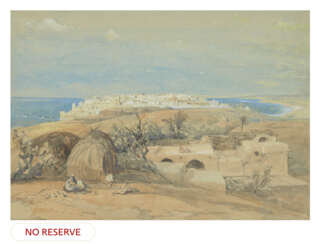

David Roberts was a Scottish painter and a member of the Royal Academy.
Since 1819, David Roberts worked as a scenographer in various theaters, where his creative potential was appreciated. Inspired by the positive feedback, some time later he seriously engaged in painting. After the first exhibition of works, held in 1824, the artist went on a trip. He visited several countries in Europe, where he created many drawings. In 1833, David Roberts continued to explore the world: he went to Spain, where he spent almost a year, also had time to visit Morocco, lived in Cairo for a long time and made sketches everywhere. Subsequently, his works were published in various magazines, and the author gained fame as a talented illustrator. In 1841, the artist became a member of the Royal Academy.
In the 1840s, an album with his works was published, thanks to these publications, David Roberts became the most famous painter of the Victorian era. The artist also skillfully depicted monuments of architecture. David Roberts' paintings are striking in their photographic accuracy, and he is still considered one of the best architectural painters in his homeland.
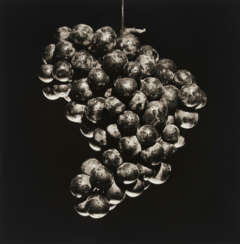

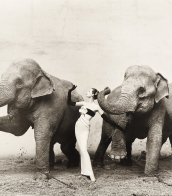
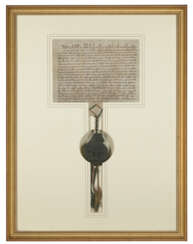


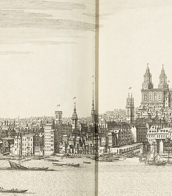
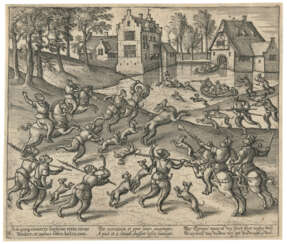

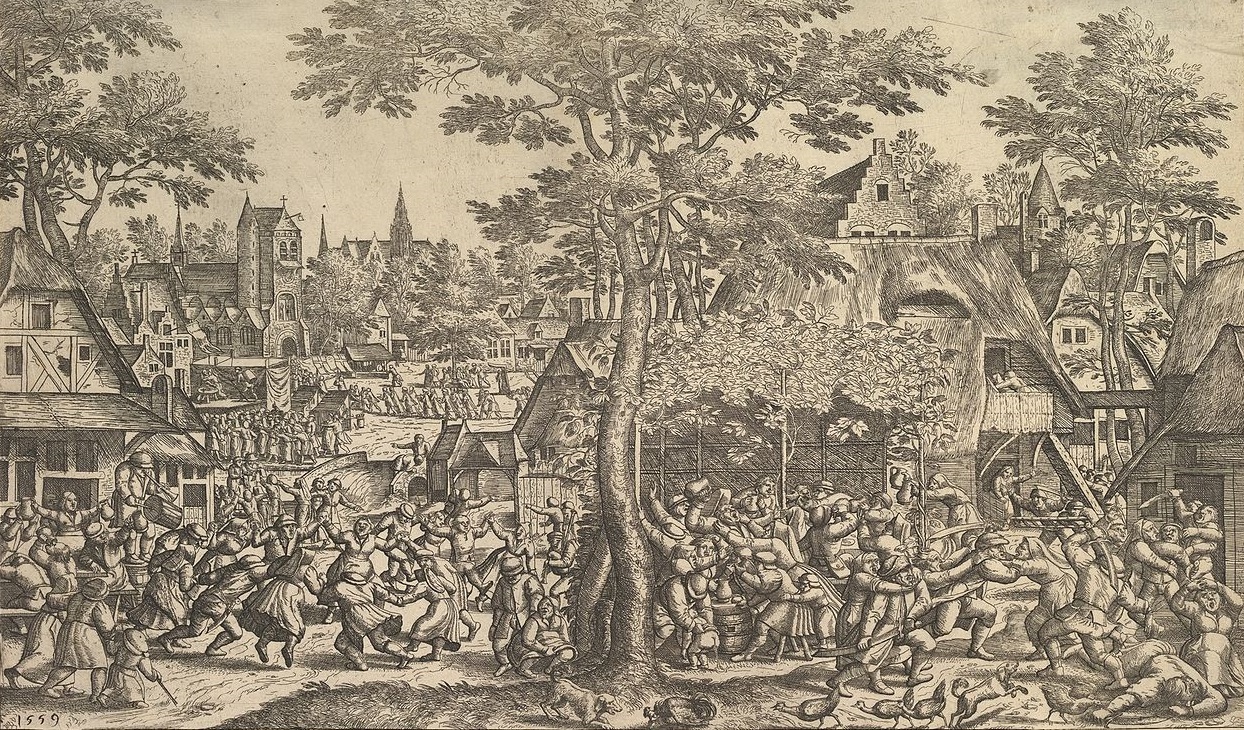
Pieter van der Borcht the Elder was a Flemish Renaissance painter, draughtsman and etcher. He is regarded as one of the most gifted botanical painters of the 16th century. Pieter van der Borcht the Elder also introduced new themes such as the 'monkey scene' (also called 'singerie') into Northern art.
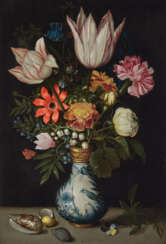

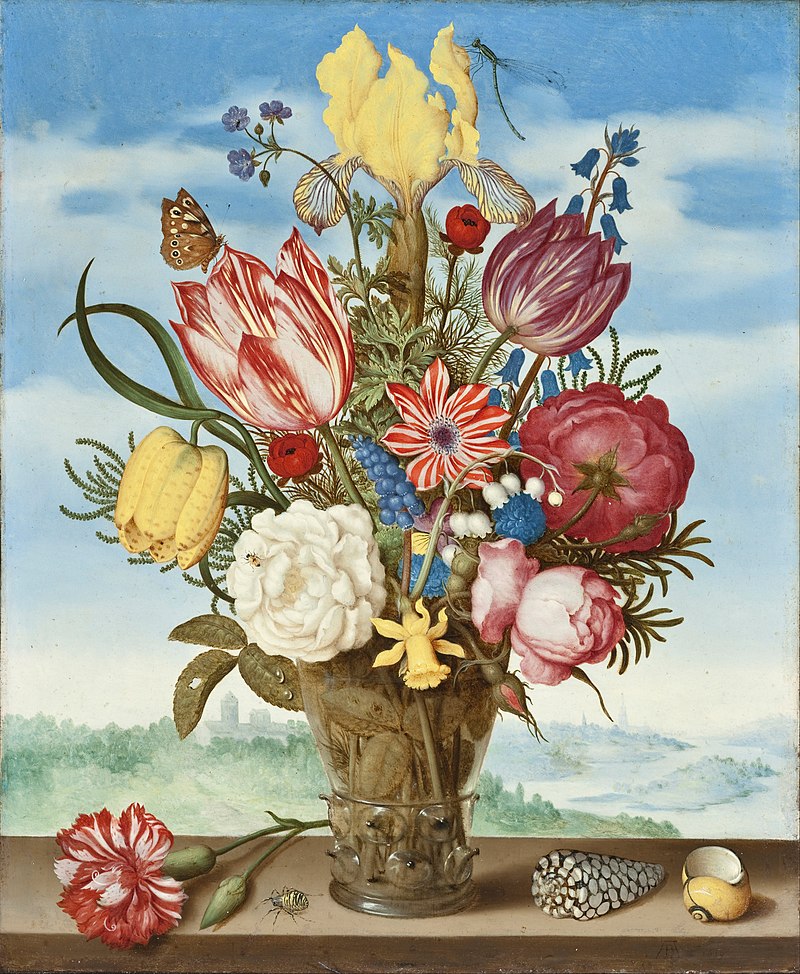
Ambrosius Bosschaert the Elder, born on January 18, 1573, in Antwerp and passing away in 1621 in The Hague, was a pivotal figure in the Dutch Golden Age of painting. Recognized for his remarkable contributions to the art of still life painting, particularly floral arrangements, Bosschaert founded a dynasty of painters who furthered his intricate style of floral and fruit painting. This legacy cemented Middelburg's status as a premier center for flower painting in the Dutch Republic.
Fleeing to the Northern Netherlands due to religious persecution, Bosschaert and his family settled in Middelburg around 1587, where he would spend the majority of his career. His paintings, known for their precision and vibrant composition, reflect the era's fascination with botany, merging scientific accuracy with artistic beauty. Bosschaert's work was not only celebrated for its aesthetic appeal but also for its symbolic and sometimes religious meanings, often painted on small copper canvases that highlighted the meticulous detail of each flower.
His influence and techniques were continued by his three sons and his brother-in-law, Balthasar van der Ast, ensuring the Bosschaert style flourished through the mid-17th century. Bosschaert's approach to flower painting laid the groundwork for what would become a defining genre in Dutch art, showcasing not just the beauty of nature but the wealth and intellectual curiosity of the era.
For collectors and experts in art and antiques, Ambrosius Bosschaert the Elder's contributions to still life and flower painting remain invaluable. His legacy is preserved in the meticulous bouquets that capture the transient beauty of flora, making his works sought after for both their historical significance and timeless appeal.
To stay informed about new discoveries, sales, and auction events related to Ambrosius Bosschaert the Elder, signing up for updates from art galleries and auction houses is recommended. This ensures access to the latest information and opportunities to acquire works by this master of still life painting.

Pieter van der Borcht the Elder was a Flemish Renaissance painter, draughtsman and etcher. He is regarded as one of the most gifted botanical painters of the 16th century. Pieter van der Borcht the Elder also introduced new themes such as the 'monkey scene' (also called 'singerie') into Northern art.
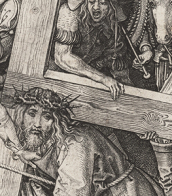
![[Roberto Canonici (1568-1631)]](/assets/image/picture_4734271/340e3/69d06006bde984c67ec589cb829ac1601752012000jpg__fix_374_244.jpeg)
![[Roberto Canonici (1568-1631)]](https://veryimportantlot.com/assets/image/picture_4734271/340e3/69d06006bde984c67ec589cb829ac1601752012000jpg__fix_374_244.jpeg)
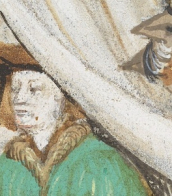
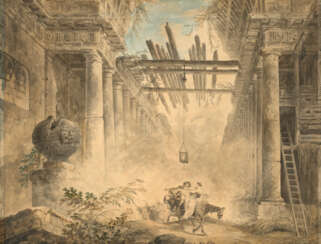

Hubert Robert was a renowned French artist, celebrated for his captivating landscape paintings and architectural fantasies. Born in Paris in 1733, Robert's talent was nurtured early on, thanks to the patronage of the Choiseul family. His journey to Rome in 1754 marked a pivotal phase in his career, where he immersed himself in studying ancient and modern Italian architecture, significantly influencing his artistic style.
Hubert Robert's work is characterized by its romantic depiction of ruins, blending fantasy with historical accuracy, which earned him the nickname "Robert des Ruines." His landscapes and capricci, which are imaginative compositions of architectural elements, resonated with the art collectors and the aristocracy of his time, securing his place as a key figure in French art history.
Noteworthy are Hubert Robert's contributions to the design of picturesque gardens, where he provided atmospheric visions rather than practical layouts. His involvement in the creation of gardens at places like Ermenonville and Méréville showcases his ability to merge art with nature, creating spaces that were both innovative and inspirational.
His artworks, such as "The Port of Rome" and "The Old Bridge," are treasured in prestigious galleries worldwide, reflecting his enduring legacy in the realm of art and culture. For art collectors and experts, Hubert Robert's oeuvre offers a window into the 18th-century artistic landscape, where imagination and historical elements coalesce to form compelling visual narratives.
For updates on exhibitions and auction events related to Hubert Robert's works, sign up to stay informed about new discoveries and opportunities to appreciate the artistry of this exceptional French painter.
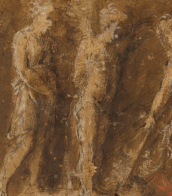
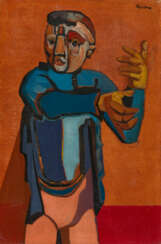

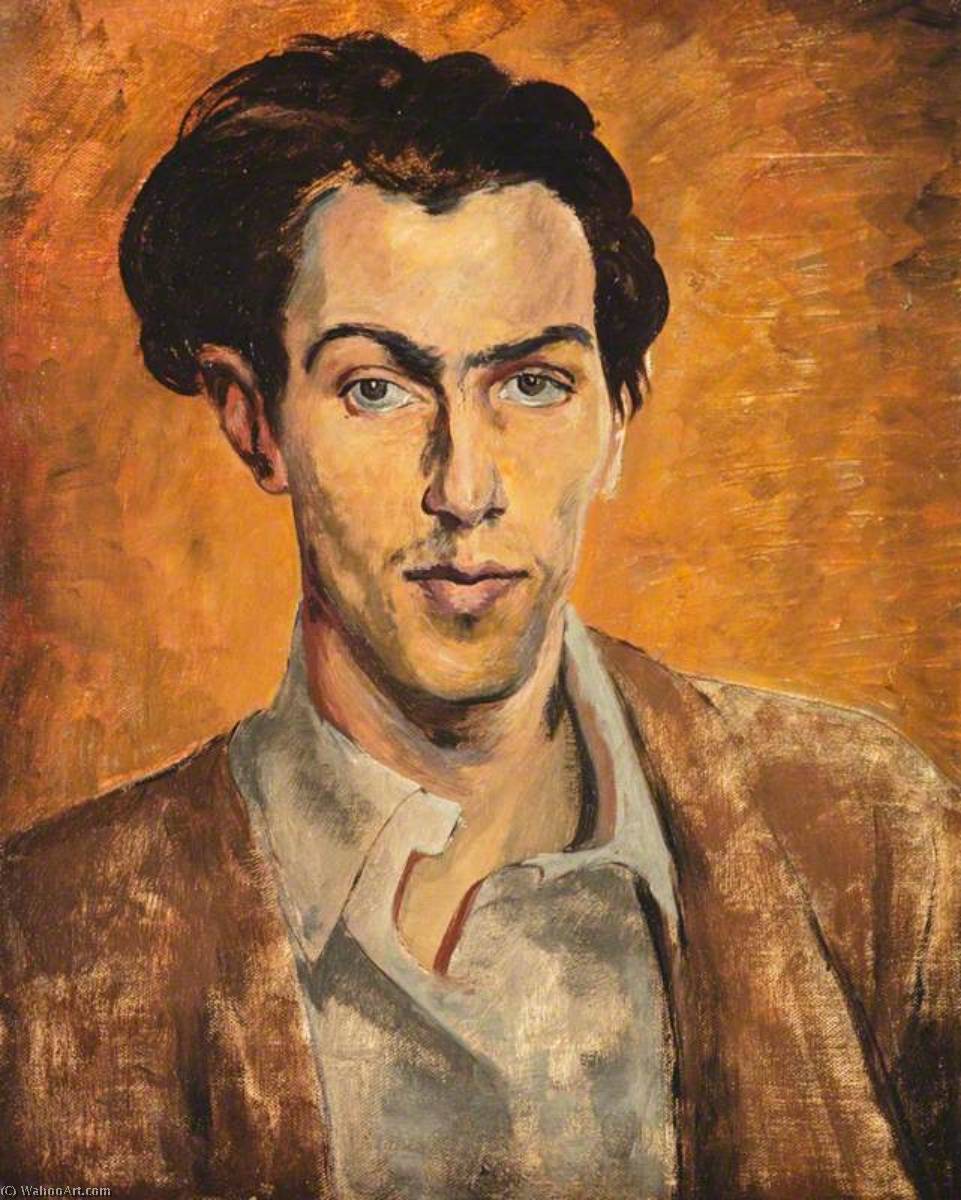
Robert Colquhoun was a Scottish painter, printmaker and theatre set designer.

Hubert Robert was a renowned French artist, celebrated for his captivating landscape paintings and architectural fantasies. Born in Paris in 1733, Robert's talent was nurtured early on, thanks to the patronage of the Choiseul family. His journey to Rome in 1754 marked a pivotal phase in his career, where he immersed himself in studying ancient and modern Italian architecture, significantly influencing his artistic style.
Hubert Robert's work is characterized by its romantic depiction of ruins, blending fantasy with historical accuracy, which earned him the nickname "Robert des Ruines." His landscapes and capricci, which are imaginative compositions of architectural elements, resonated with the art collectors and the aristocracy of his time, securing his place as a key figure in French art history.
Noteworthy are Hubert Robert's contributions to the design of picturesque gardens, where he provided atmospheric visions rather than practical layouts. His involvement in the creation of gardens at places like Ermenonville and Méréville showcases his ability to merge art with nature, creating spaces that were both innovative and inspirational.
His artworks, such as "The Port of Rome" and "The Old Bridge," are treasured in prestigious galleries worldwide, reflecting his enduring legacy in the realm of art and culture. For art collectors and experts, Hubert Robert's oeuvre offers a window into the 18th-century artistic landscape, where imagination and historical elements coalesce to form compelling visual narratives.
For updates on exhibitions and auction events related to Hubert Robert's works, sign up to stay informed about new discoveries and opportunities to appreciate the artistry of this exceptional French painter.
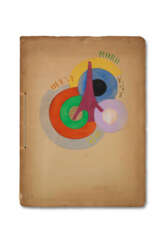

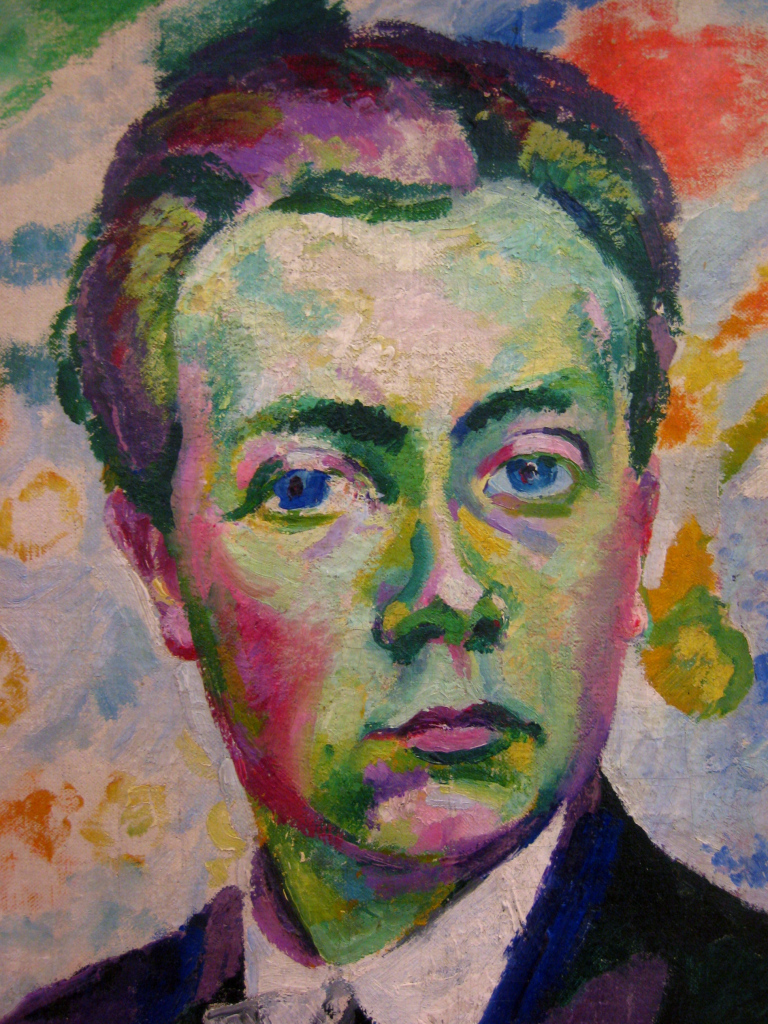
Robert Delaunay, a French artist, emerged as a pivotal figure in the development of early 20th-century art, blending the realms of painting and sculpture with his innovative approaches. His work is celebrated for its dynamic use of color and geometric shapes, making him a cornerstone in the Orphism movement, which he co-founded alongside his wife Sonia Delaunay and others. This movement is distinguished by its focus on vibrant colors and geometric forms, contributing significantly to the abstract art landscape.
Delaunay's artistic journey began earnestly at the age of 19 when he decided to fully dedicate himself to painting, contributing works to the Salon des Indépendants. His early career was marked by a deep engagement with Neo-Impressionism and Cubism, as evidenced by his collaborative work with Jean Metzinger and his exploration of color theory. Notable works from this period include "Paysage au disque" (1906–07) and "Champs de Mars: The Red Tower" (1911), showcasing his departure from representational art towards a more abstract, color-driven aesthetic.
Among Delaunay's celebrated series are the Eiffel Tower and Simultaneous Windows, reflecting his fascination with Parisian architecture and the dynamic interplay of light and color. These works, along with others like "L'Équipe de Cardiff" (1912-13) and "Endless Rhythm" (1934), are housed in prestigious museums such as the Musée d'Art Moderne de la Ville de Paris, The Solomon R. Guggenheim Museum, and the Tate collection. These pieces illustrate his evolving style, from the depiction of movement and technology in pre-war Paris to the rhythmic abstraction of later years.
Delaunay's influence extended beyond France, with significant contributions to exhibitions in Germany, Switzerland, and Russia, particularly through his involvement with Der Blaue Reiter group. His work not only captured the essence of the technological and cultural shifts of his time but also laid the groundwork for future artistic explorations into color and form.
For collectors and experts in art and antiques, Delaunay's oeuvre offers a rich study in the evolution of modern art, from its roots in Cubism and Neo-Impressionism to the heights of abstract expression. His works serve as a testament to the power of color and shape in conveying emotion and motion, making them invaluable to the understanding of 20th-century art history.
To stay informed on new sales, auctions, and exhibitions related to Robert Delaunay, sign up for updates. This subscription ensures you remain updated on opportunities to engage with Delaunay's influential body of work, reflecting the ongoing interest in his contributions to modern art.
![JAKOVSKY, Anatole (1909-1938) [sous le pseudonyme d’Anatole Delagrave] et Robert DELAUNAY (1885-1941)](/assets/image/picture_3807168/23ba7/c5e3d2b0fc5d81954ae9a4542b646a081710234000jpg__fix_374_244.jpeg)
![JAKOVSKY, Anatole (1909-1938) [sous le pseudonyme d’Anatole Delagrave] et Robert DELAUNAY (1885-1941)](https://veryimportantlot.com/assets/image/picture_3807168/23ba7/c5e3d2b0fc5d81954ae9a4542b646a081710234000jpg__fix_374_244.jpeg)
Robert Delaunay, a French artist, emerged as a pivotal figure in the development of early 20th-century art, blending the realms of painting and sculpture with his innovative approaches. His work is celebrated for its dynamic use of color and geometric shapes, making him a cornerstone in the Orphism movement, which he co-founded alongside his wife Sonia Delaunay and others. This movement is distinguished by its focus on vibrant colors and geometric forms, contributing significantly to the abstract art landscape.
Delaunay's artistic journey began earnestly at the age of 19 when he decided to fully dedicate himself to painting, contributing works to the Salon des Indépendants. His early career was marked by a deep engagement with Neo-Impressionism and Cubism, as evidenced by his collaborative work with Jean Metzinger and his exploration of color theory. Notable works from this period include "Paysage au disque" (1906–07) and "Champs de Mars: The Red Tower" (1911), showcasing his departure from representational art towards a more abstract, color-driven aesthetic.
Among Delaunay's celebrated series are the Eiffel Tower and Simultaneous Windows, reflecting his fascination with Parisian architecture and the dynamic interplay of light and color. These works, along with others like "L'Équipe de Cardiff" (1912-13) and "Endless Rhythm" (1934), are housed in prestigious museums such as the Musée d'Art Moderne de la Ville de Paris, The Solomon R. Guggenheim Museum, and the Tate collection. These pieces illustrate his evolving style, from the depiction of movement and technology in pre-war Paris to the rhythmic abstraction of later years.
Delaunay's influence extended beyond France, with significant contributions to exhibitions in Germany, Switzerland, and Russia, particularly through his involvement with Der Blaue Reiter group. His work not only captured the essence of the technological and cultural shifts of his time but also laid the groundwork for future artistic explorations into color and form.
For collectors and experts in art and antiques, Delaunay's oeuvre offers a rich study in the evolution of modern art, from its roots in Cubism and Neo-Impressionism to the heights of abstract expression. His works serve as a testament to the power of color and shape in conveying emotion and motion, making them invaluable to the understanding of 20th-century art history.
To stay informed on new sales, auctions, and exhibitions related to Robert Delaunay, sign up for updates. This subscription ensures you remain updated on opportunities to engage with Delaunay's influential body of work, reflecting the ongoing interest in his contributions to modern art.
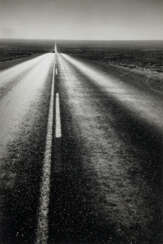

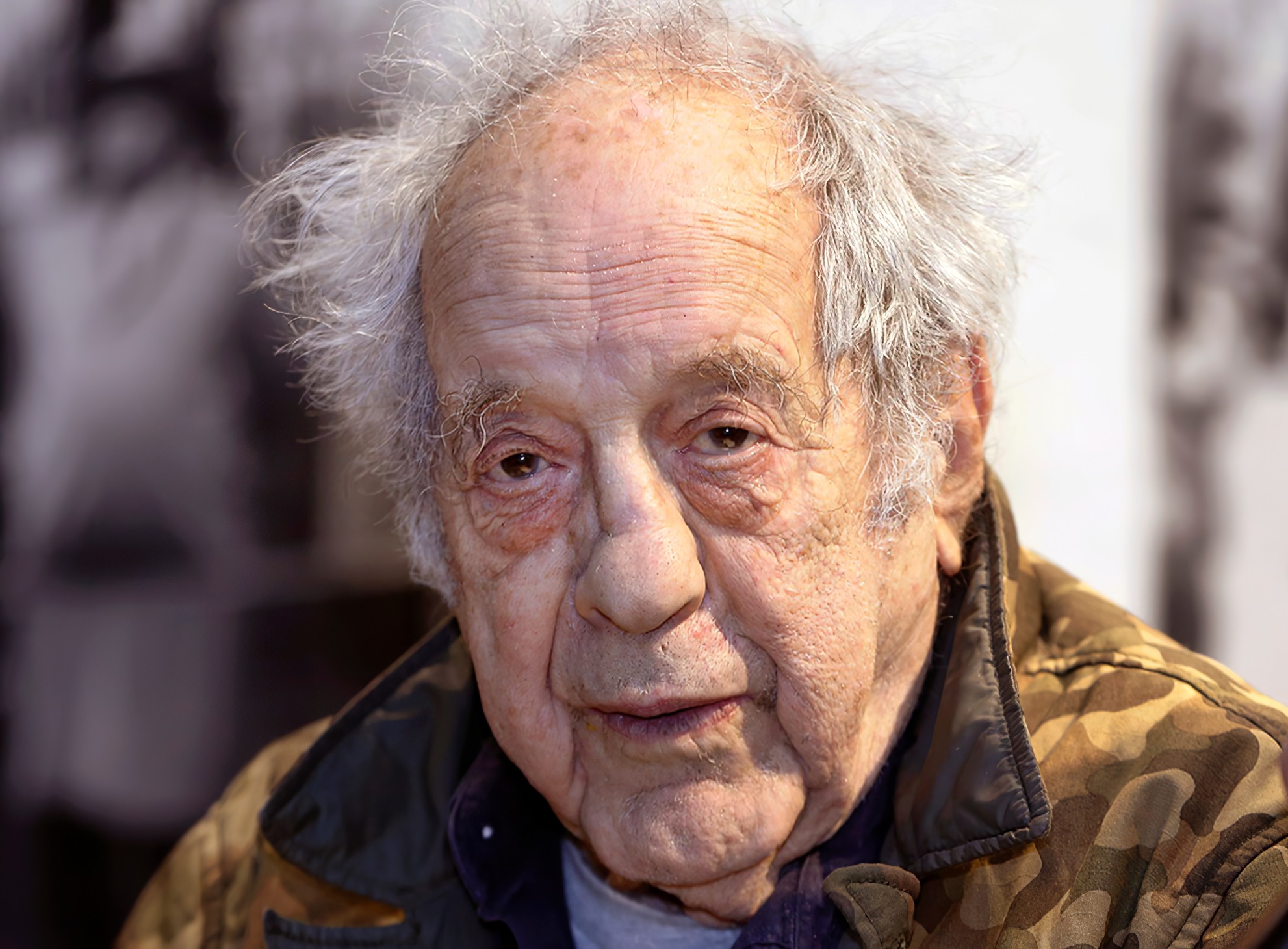
Robert Frank was a Swiss photographer and documentary filmmaker, who became an American binational. His most notable work, the 1958 book titled The Americans, earned Frank comparisons to a modern-day de Tocqueville for his fresh and nuanced outsider's view of American society. Critic Sean O'Hagan, writing in The Guardian in 2014, said The Americans "changed the nature of photography, what it could say and how it could say it. it remains perhaps the most influential photography book of the 20th century." Frank later expanded into film and video and experimented with manipulating photographs and photomontage.


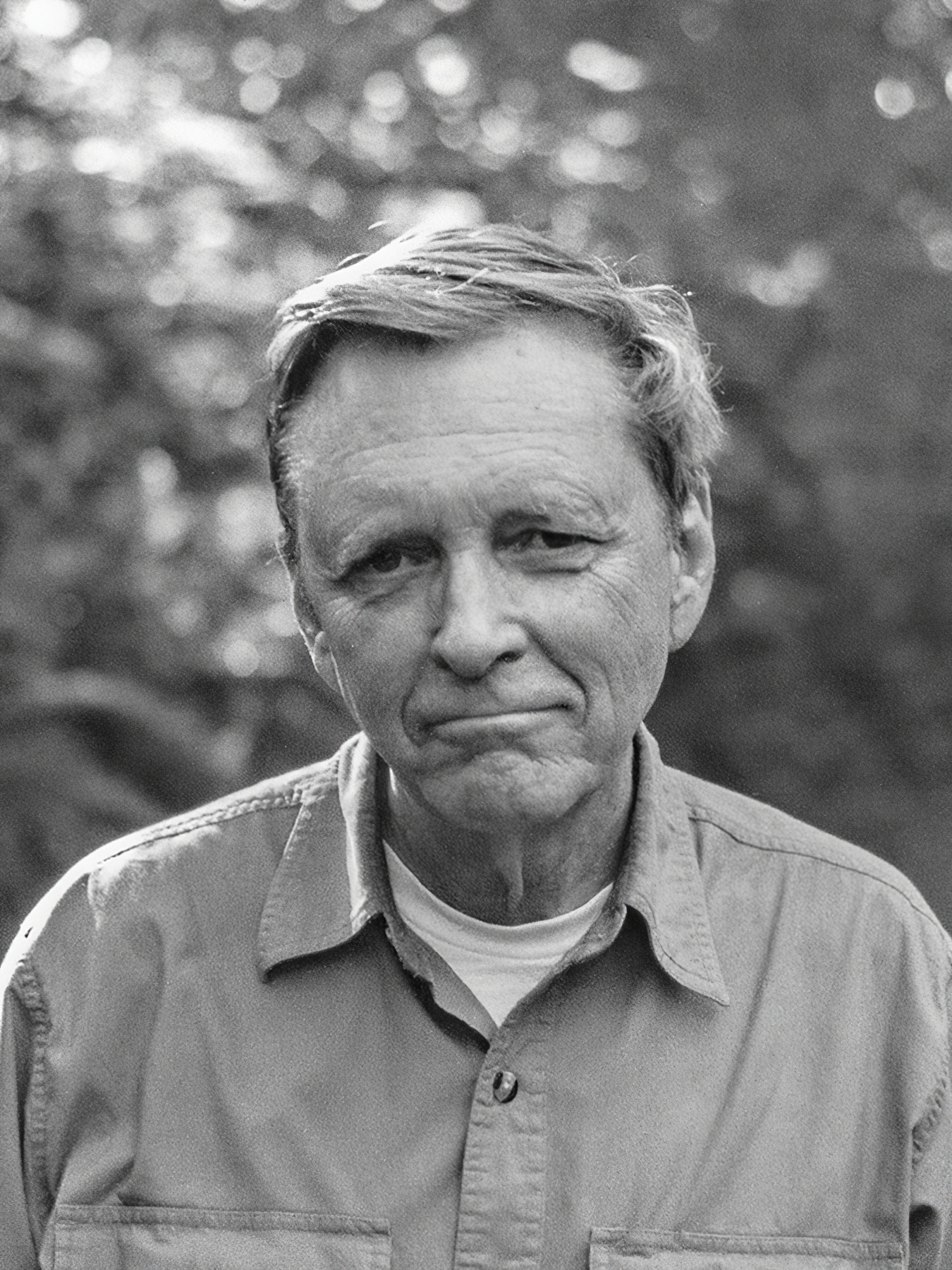
Robert Adams is an acclaimed American photographer known for his profound exploration of the American West's changing landscapes. His work, which gained prominence in the mid-1970s, delves into the tension between the natural beauty of the land and the marks of human encroachment. Adams's photography is a reflection on humanity's relationship with the environment, offering both a critique and a celebration of the landscape.
Robert Adams's notable series, such as "Turning Back" and "The New West," showcase his unique perspective on environmental and urban development issues. His work extends beyond just capturing images; it is a thoughtful commentary on the balance between nature and industrialization. His photographs, often devoid of people, focus on the land itself, telling a story of alteration and resilience.
Exhibitions of Adams's work, such as "American Silence: The Photographs of Robert Adams" at the National Gallery of Art, provide insight into his 50-year career and his ability to capture the silent yet profound narratives of the American landscape. His pieces are part of major collections and have been featured in numerous retrospectives, underlining his influence and significance in the world of photography.
For art collectors and enthusiasts, Robert Adams's work offers a poignant perspective on the American West, blending aesthetic beauty with critical environmental commentary. Engaging with his work invites reflection on our interaction with the landscape and our role in shaping the environment.
If you're interested in staying updated on Robert Adams's work and exhibitions, consider subscribing to newsletters from galleries and museums that feature his art. This way, you'll be informed about new displays of his work and opportunities to engage with his insightful perspectives on the American West.
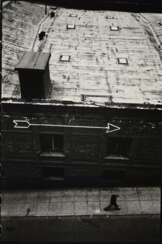

Robert Frank was a Swiss photographer and documentary filmmaker, who became an American binational. His most notable work, the 1958 book titled The Americans, earned Frank comparisons to a modern-day de Tocqueville for his fresh and nuanced outsider's view of American society. Critic Sean O'Hagan, writing in The Guardian in 2014, said The Americans "changed the nature of photography, what it could say and how it could say it. it remains perhaps the most influential photography book of the 20th century." Frank later expanded into film and video and experimented with manipulating photographs and photomontage.
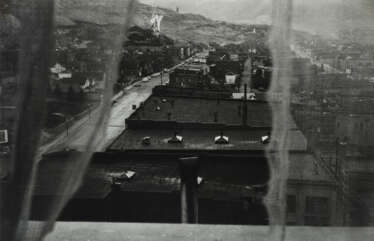

Robert Frank was a Swiss photographer and documentary filmmaker, who became an American binational. His most notable work, the 1958 book titled The Americans, earned Frank comparisons to a modern-day de Tocqueville for his fresh and nuanced outsider's view of American society. Critic Sean O'Hagan, writing in The Guardian in 2014, said The Americans "changed the nature of photography, what it could say and how it could say it. it remains perhaps the most influential photography book of the 20th century." Frank later expanded into film and video and experimented with manipulating photographs and photomontage.
![[FOSTER, George (fl. 1735-1740)] – Robert SAYER (1735-1794).](/assets/image/picture_4361590/74b5a/13dca103bbf8f022f3e8439e6036e3811733871600jpg__fix_374_244.jpeg)
![[FOSTER, George (fl. 1735-1740)] – Robert SAYER (1735-1794).](https://veryimportantlot.com/assets/image/picture_4361590/74b5a/13dca103bbf8f022f3e8439e6036e3811733871600jpg__fix_374_244.jpeg)
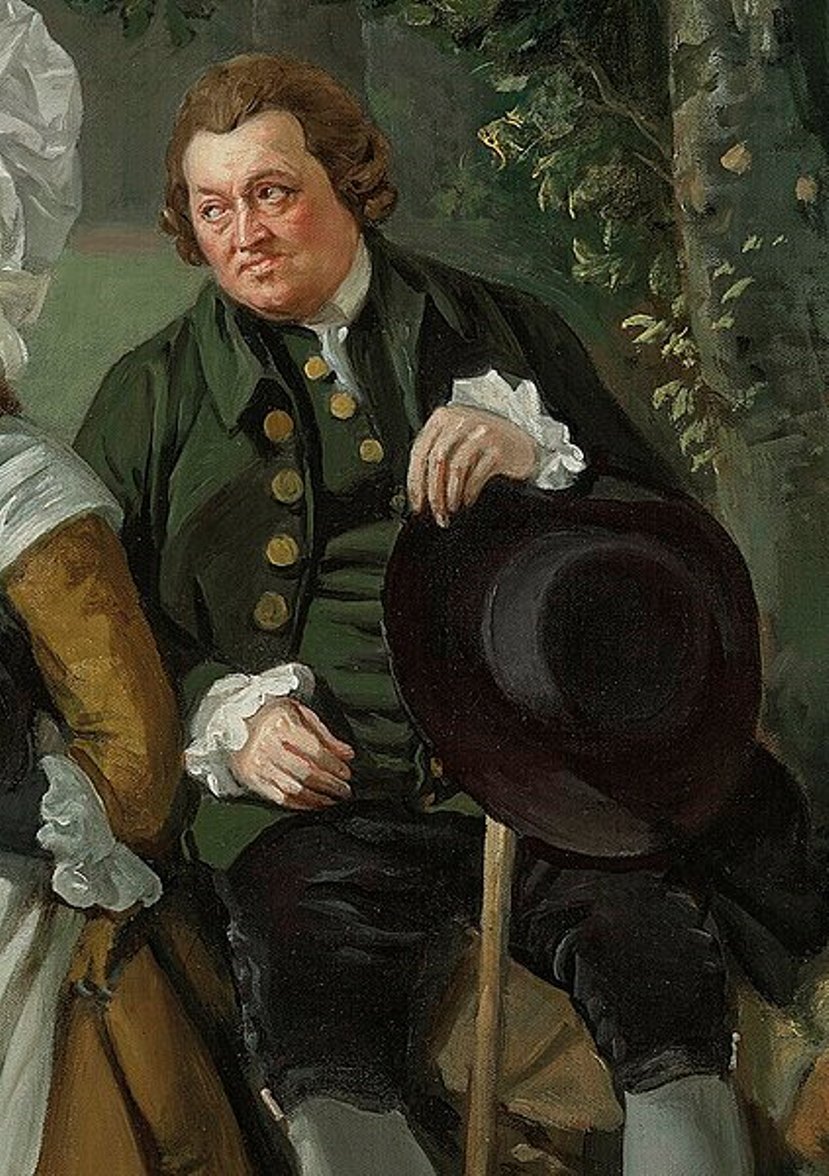
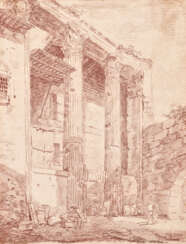

Hubert Robert was a renowned French artist, celebrated for his captivating landscape paintings and architectural fantasies. Born in Paris in 1733, Robert's talent was nurtured early on, thanks to the patronage of the Choiseul family. His journey to Rome in 1754 marked a pivotal phase in his career, where he immersed himself in studying ancient and modern Italian architecture, significantly influencing his artistic style.
Hubert Robert's work is characterized by its romantic depiction of ruins, blending fantasy with historical accuracy, which earned him the nickname "Robert des Ruines." His landscapes and capricci, which are imaginative compositions of architectural elements, resonated with the art collectors and the aristocracy of his time, securing his place as a key figure in French art history.
Noteworthy are Hubert Robert's contributions to the design of picturesque gardens, where he provided atmospheric visions rather than practical layouts. His involvement in the creation of gardens at places like Ermenonville and Méréville showcases his ability to merge art with nature, creating spaces that were both innovative and inspirational.
His artworks, such as "The Port of Rome" and "The Old Bridge," are treasured in prestigious galleries worldwide, reflecting his enduring legacy in the realm of art and culture. For art collectors and experts, Hubert Robert's oeuvre offers a window into the 18th-century artistic landscape, where imagination and historical elements coalesce to form compelling visual narratives.
For updates on exhibitions and auction events related to Hubert Robert's works, sign up to stay informed about new discoveries and opportunities to appreciate the artistry of this exceptional French painter.


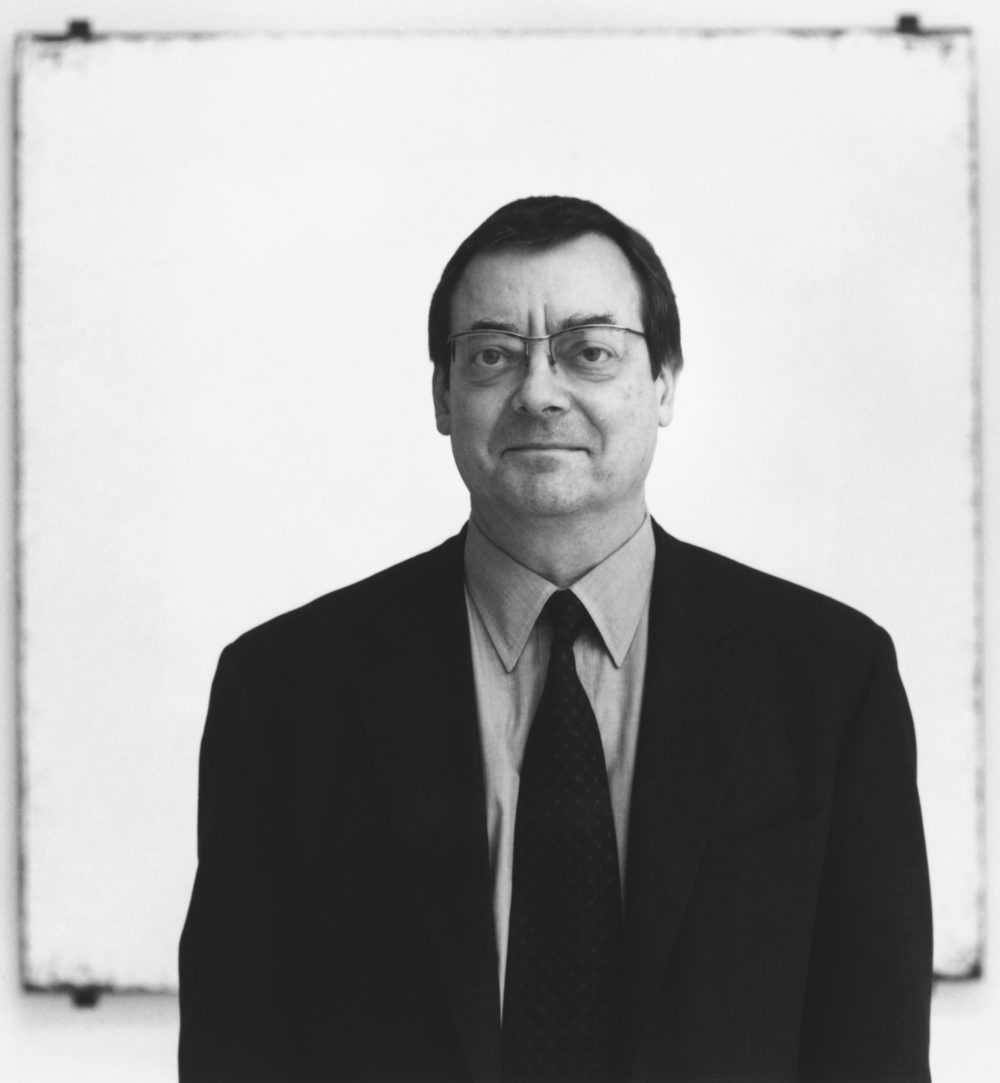
Robert Ryman was an American painter born in Nashville, Tennessee in 1930, and died in New York City in 2019. He was associated with the Minimalist movement, and is known for his monochromatic paintings that explore the materiality and texture of paint.
Ryman studied at the Tennessee Polytechnic Institute and the George Peabody College for Teachers before moving to New York City in the 1950s. He worked as a guard at the Museum of Modern Art, where he was exposed to the work of artists such as Jackson Pollock and Mark Rothko.
Ryman's early works were influenced by Abstract Expressionism, but he gradually moved towards a more minimal and reductive style. His paintings often feature white or off-white paint on square or rectangular canvases, with variations in texture and surface quality.
Ryman's work has been exhibited in galleries and museums around the world, including the Museum of Modern Art in New York, the Tate Modern in London, and the Centre Georges Pompidou in Paris. He was awarded the Golden Lion at the Venice Biennale in 2001, and is considered one of the most important American painters of the 20th century.

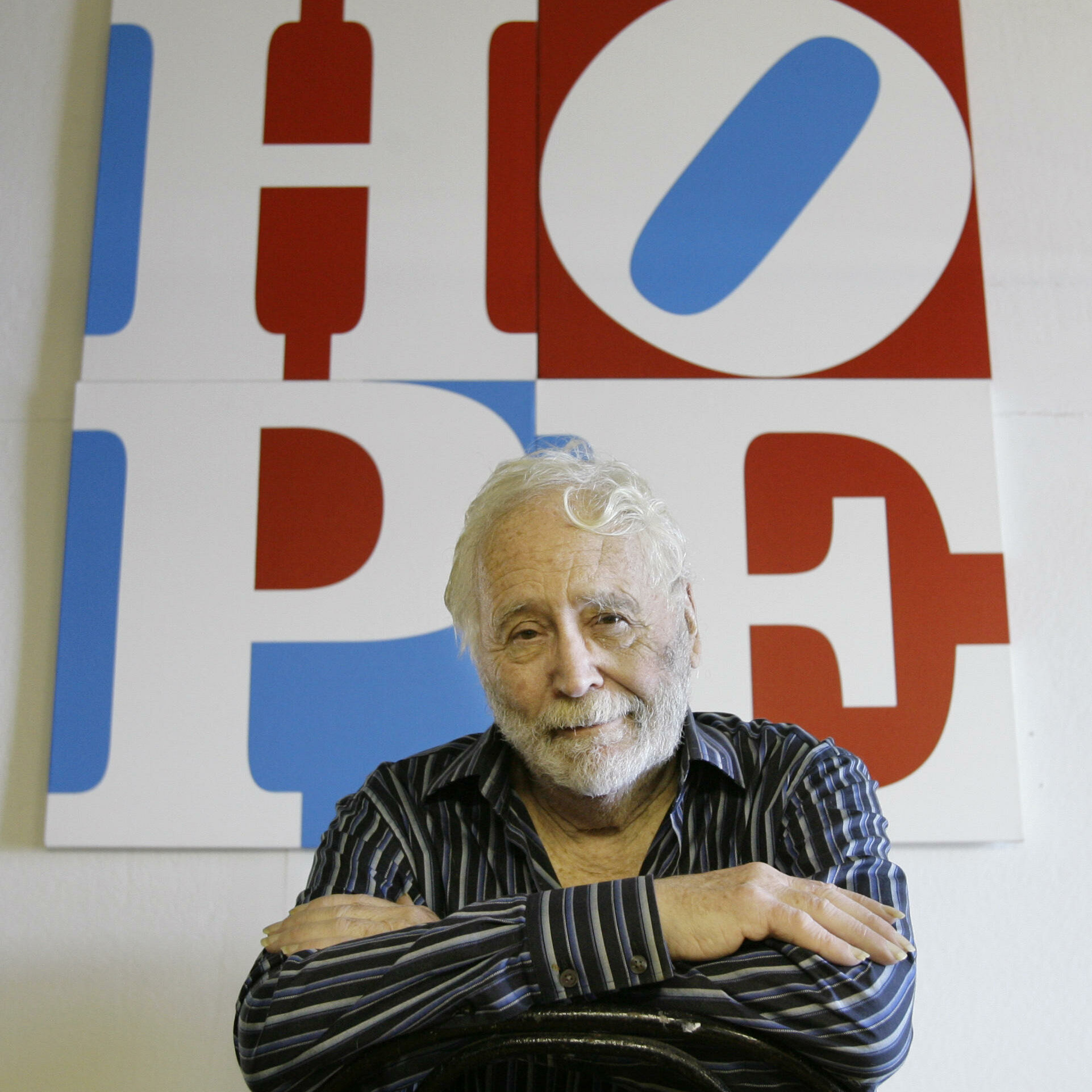
Robert Indiana (born Robert Clark) was an American artist associated with the pop art movement.
His iconic image LOVE was first created in 1964 in the form of a card which he sent to several friends and acquaintances in the art world. In 1965, Robert Indiana was invited to propose an artwork to be featured on the Museum of Modern Art's annual Christmas card. Indiana submitted several 12” square oil on canvas variations based on his LOVE image. The museum selected the most intense color combination in red, blue, and green. It became one of the most popular cards the museum has ever offered. Indiana continued to develop his LOVE series, and in 1966, worked with Marian Goodman of Multiples, Inc. to make his first LOVE sculpture in aluminum. In 1970, Indiana completed his first monumental LOVE sculpture in Cor-Ten steel which is in the collection of the Indianapolis Museum of Art.
In addition to being a painter and sculptor, Indiana made posters and prints and also designed stage sets and costumes for the Virgil Thompson and Gertrude Stein opera The Mother of Us All. Indiana's artwork has been featured in numerous exhibitions around the world and is included in the permanent collections of many major museums including the Museum of Modern Art, New York; Tate Modern, London; and the San Francisco Museum of Modern Art.
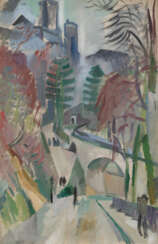

Robert Delaunay, a French artist, emerged as a pivotal figure in the development of early 20th-century art, blending the realms of painting and sculpture with his innovative approaches. His work is celebrated for its dynamic use of color and geometric shapes, making him a cornerstone in the Orphism movement, which he co-founded alongside his wife Sonia Delaunay and others. This movement is distinguished by its focus on vibrant colors and geometric forms, contributing significantly to the abstract art landscape.
Delaunay's artistic journey began earnestly at the age of 19 when he decided to fully dedicate himself to painting, contributing works to the Salon des Indépendants. His early career was marked by a deep engagement with Neo-Impressionism and Cubism, as evidenced by his collaborative work with Jean Metzinger and his exploration of color theory. Notable works from this period include "Paysage au disque" (1906–07) and "Champs de Mars: The Red Tower" (1911), showcasing his departure from representational art towards a more abstract, color-driven aesthetic.
Among Delaunay's celebrated series are the Eiffel Tower and Simultaneous Windows, reflecting his fascination with Parisian architecture and the dynamic interplay of light and color. These works, along with others like "L'Équipe de Cardiff" (1912-13) and "Endless Rhythm" (1934), are housed in prestigious museums such as the Musée d'Art Moderne de la Ville de Paris, The Solomon R. Guggenheim Museum, and the Tate collection. These pieces illustrate his evolving style, from the depiction of movement and technology in pre-war Paris to the rhythmic abstraction of later years.
Delaunay's influence extended beyond France, with significant contributions to exhibitions in Germany, Switzerland, and Russia, particularly through his involvement with Der Blaue Reiter group. His work not only captured the essence of the technological and cultural shifts of his time but also laid the groundwork for future artistic explorations into color and form.
For collectors and experts in art and antiques, Delaunay's oeuvre offers a rich study in the evolution of modern art, from its roots in Cubism and Neo-Impressionism to the heights of abstract expression. His works serve as a testament to the power of color and shape in conveying emotion and motion, making them invaluable to the understanding of 20th-century art history.
To stay informed on new sales, auctions, and exhibitions related to Robert Delaunay, sign up for updates. This subscription ensures you remain updated on opportunities to engage with Delaunay's influential body of work, reflecting the ongoing interest in his contributions to modern art.
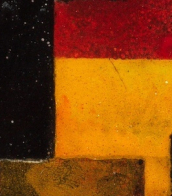
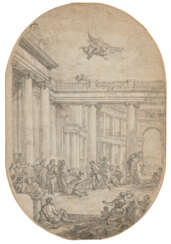

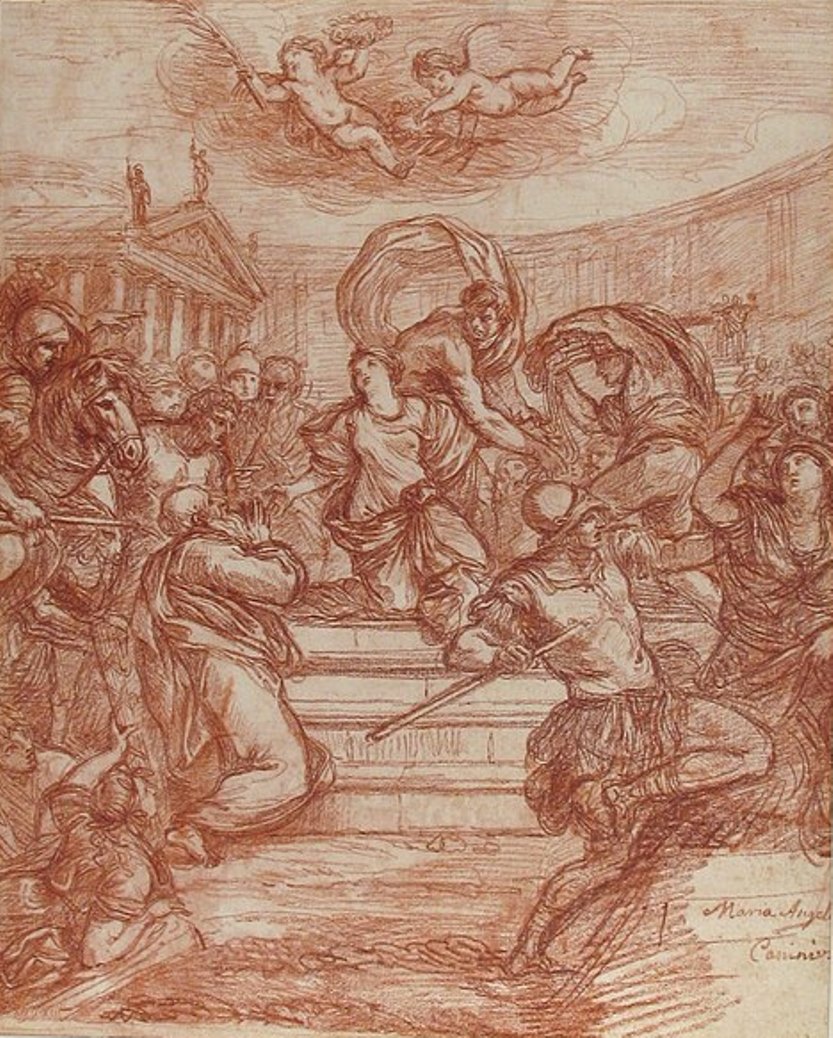
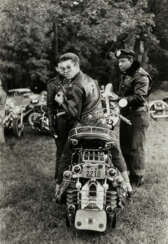

Robert Frank was a Swiss photographer and documentary filmmaker, who became an American binational. His most notable work, the 1958 book titled The Americans, earned Frank comparisons to a modern-day de Tocqueville for his fresh and nuanced outsider's view of American society. Critic Sean O'Hagan, writing in The Guardian in 2014, said The Americans "changed the nature of photography, what it could say and how it could say it. it remains perhaps the most influential photography book of the 20th century." Frank later expanded into film and video and experimented with manipulating photographs and photomontage.
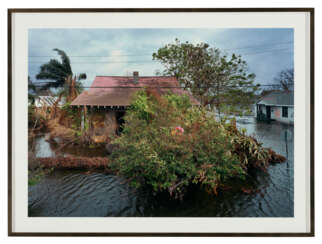


Robert Polidori is a Canadian-American photographer known for his large-scale color images of architecture, urban environments and interiors. His work has been the subject of solo exhibitions at the Metropolitan Museum of Art (New York), Musée d'art contemporain de Montréal, Martin-Gropius-Bau museum (Berlin), and Instituto Moreira Salles (São Paulo and Rio de Janeiro). His photographs are also included in the collections of the Museum of Modern Art (New York), New Orleans Museum of Art, J. Paul Getty Museum (Los Angeles), Victoria & Albert Museum (London), Château de Versailles, Centre Pompidou (Paris), and Bibliothèque Nationale (Paris), as well as many private collections.
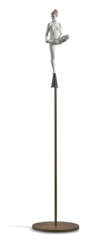

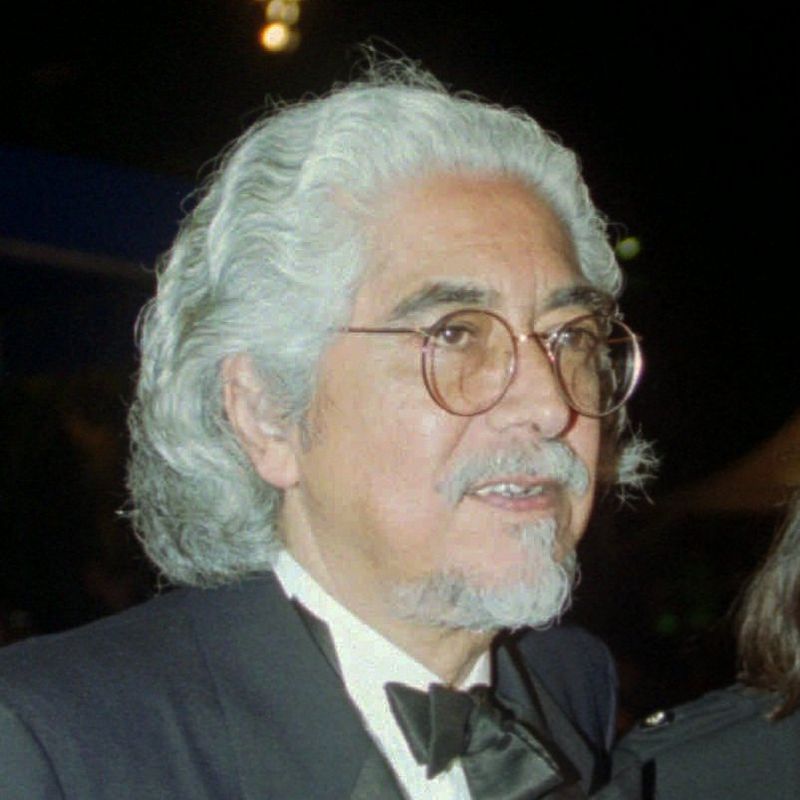
Robert Graham was a Mexican-born American sculptor based in the state of California in the United States. His monumental bronzes commemorate the human figure, and are featured in public places across America.


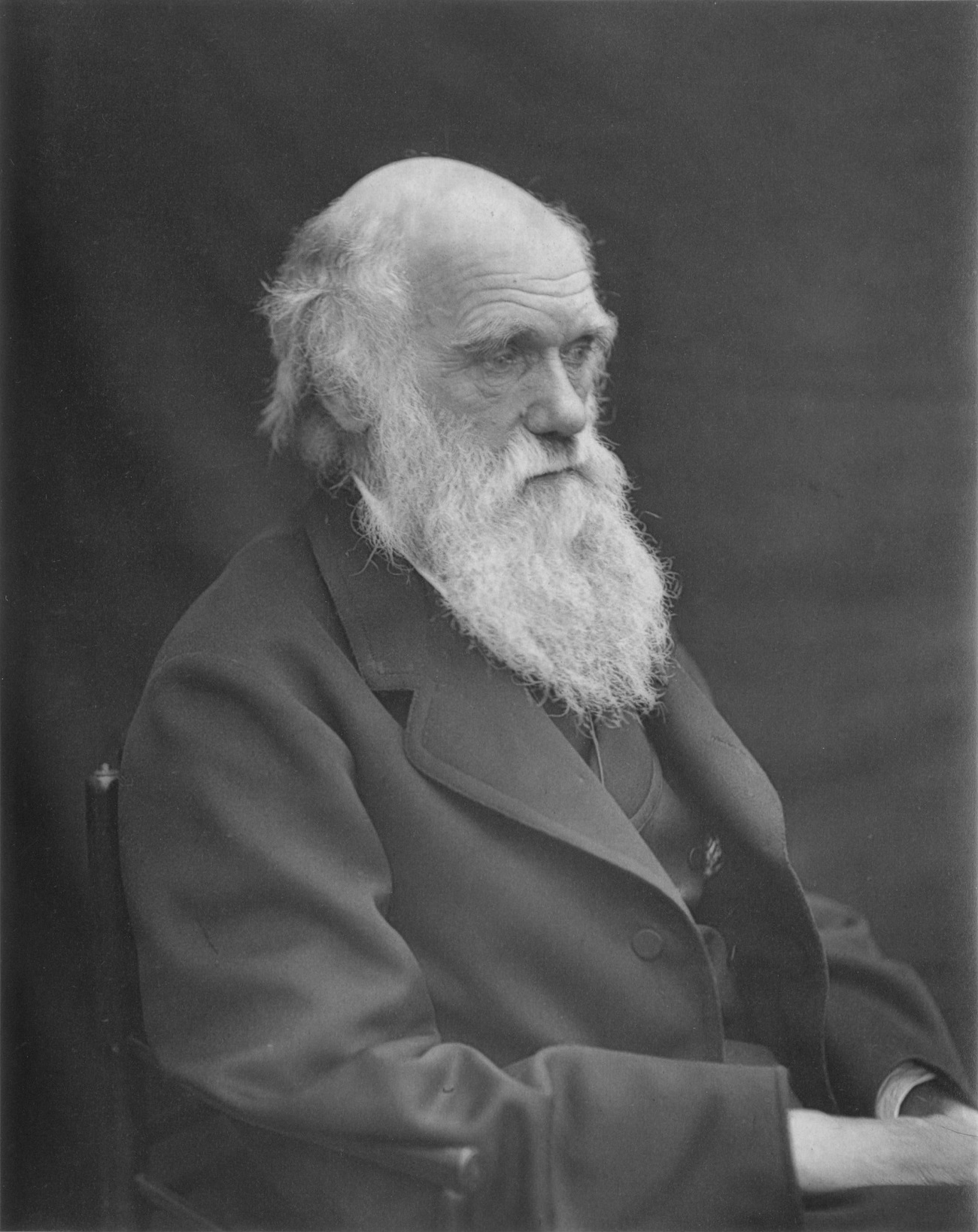
Charles Robert Darwin was an English naturalist, geologist, and biologist, widely known for contributing to the understanding of evolutionary biology. His proposition that all species of life have descended from a common ancestor is now generally accepted and considered a fundamental concept in science. In a joint publication with Alfred Russel Wallace, he introduced his scientific theory that this branching pattern of evolution resulted from a process that he called natural selection, in which the struggle for existence has a similar effect to the artificial selection involved in selective breeding. Darwin has been described as one of the most influential figures in human history, and he was honoured by burial in Westminster Abbey.


Charles Robert Darwin was an English naturalist, geologist, and biologist, widely known for contributing to the understanding of evolutionary biology. His proposition that all species of life have descended from a common ancestor is now generally accepted and considered a fundamental concept in science. In a joint publication with Alfred Russel Wallace, he introduced his scientific theory that this branching pattern of evolution resulted from a process that he called natural selection, in which the struggle for existence has a similar effect to the artificial selection involved in selective breeding. Darwin has been described as one of the most influential figures in human history, and he was honoured by burial in Westminster Abbey.