save me
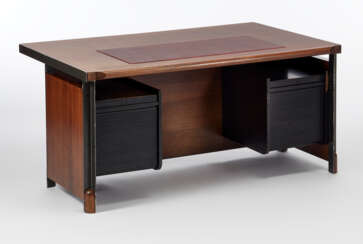

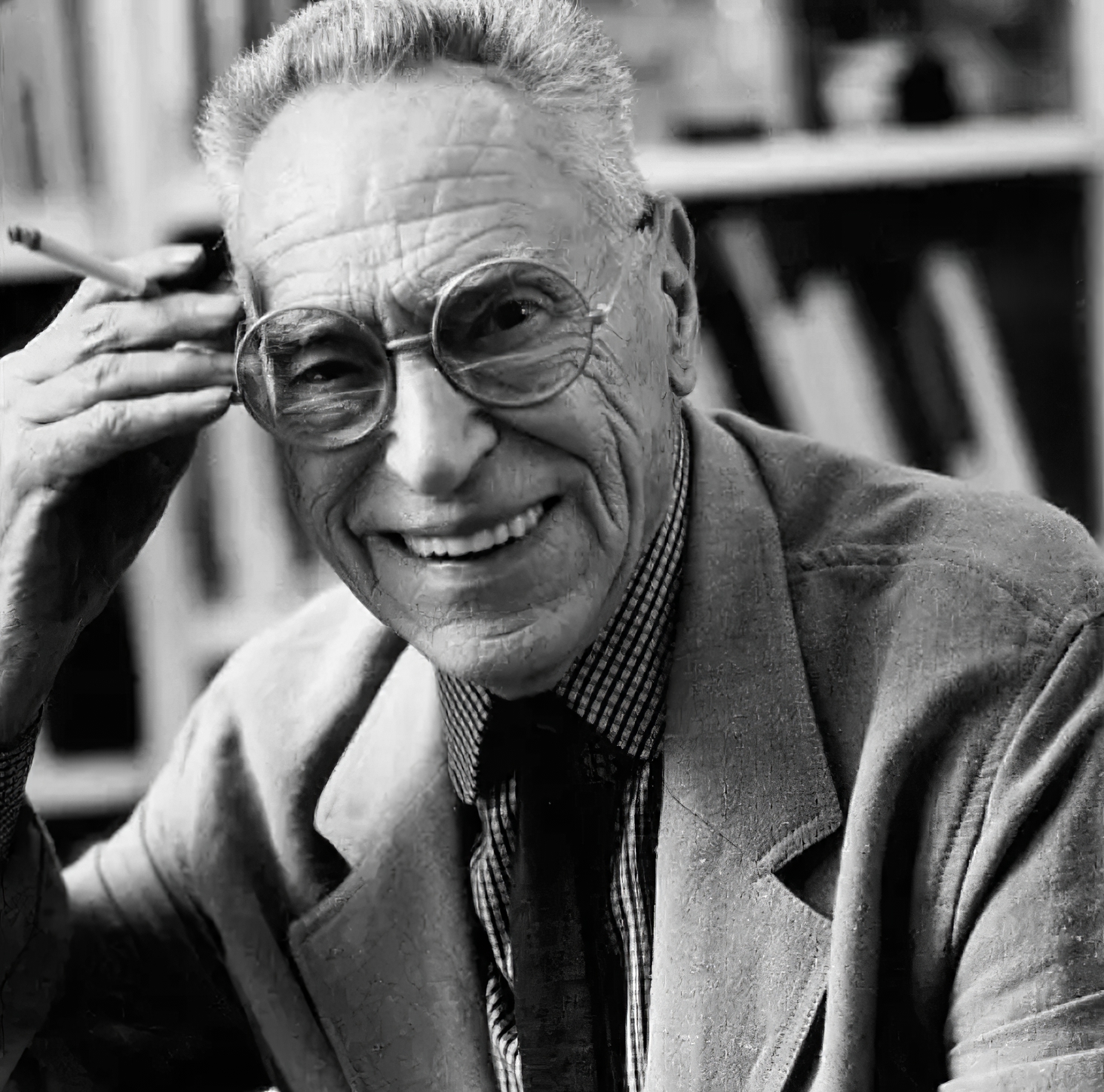
Achille Castiglioni was an Italian architect and designer of furniture, lighting, radiograms and other objects. As a professor of design, he advised his students "If you are not curious, forget it. If you are not interested in others, what they do and how they act, then being a designer is not the right job for you."

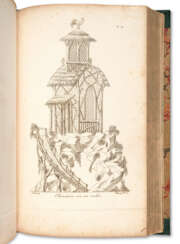

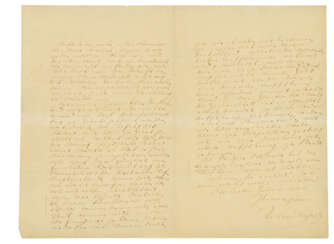

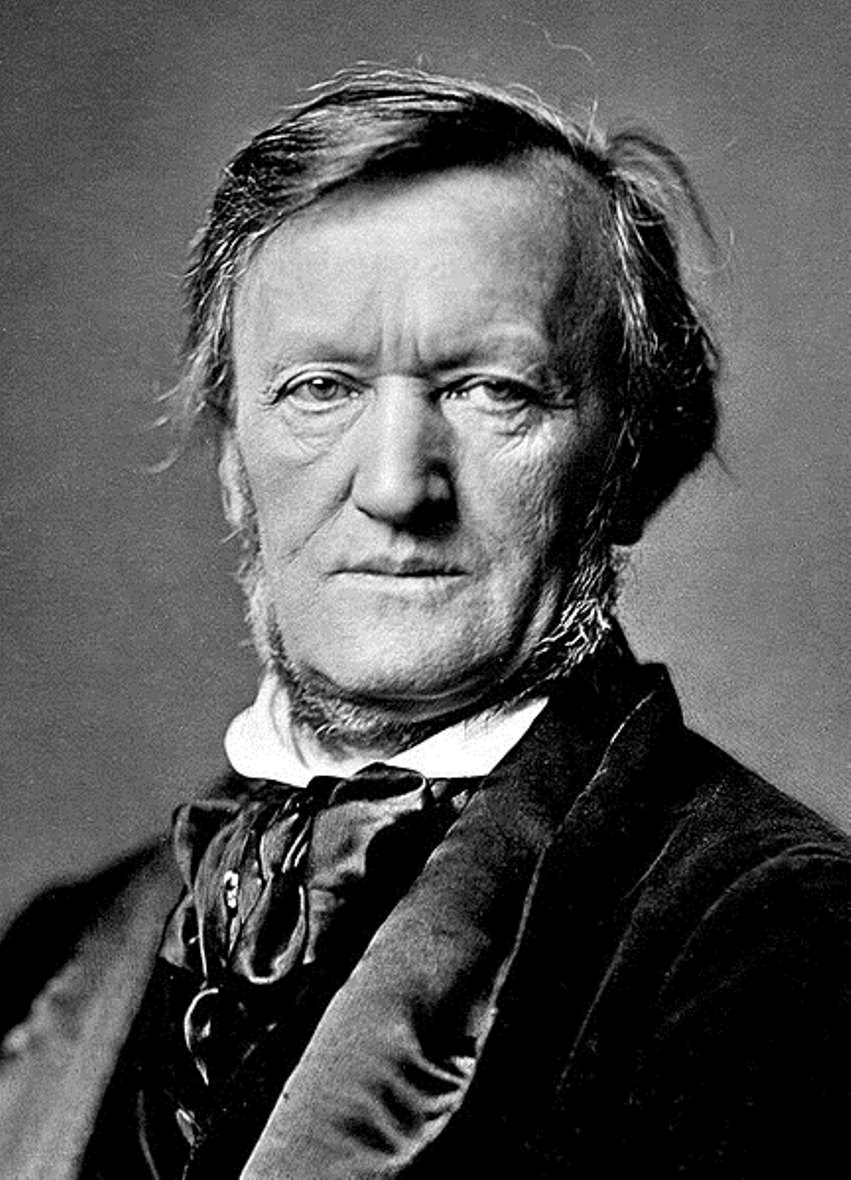
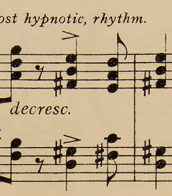
Wilhelm Richard Wagner was a German pioneering composer, conductor and opera reformer.
His first proper Symphony in C major was performed at the Leipzig Gewandhaus concerts in 1833. Wagner lived in a colony of poor German artists and made his living in music journalism. Nevertheless, in 1841 he wrote his first representative opera, The Flying Dutchman, based on the legend of a ship captain doomed to sail forever. In 1842 his Rienzi was triumphantly performed in Dresden, after which Wagner was appointed conductor of the court opera and held this position until 1849.
In 1848-49 Wagner became involved in the German Revolution, wrote a number of articles in support of it, and took an active part in the Dresden Uprising of 1849. When the uprising failed, he was forced to flee Germany. His subsequent years were occupied mainly with writing theoretical treatises on philosophy and music. Wagner held anti-Semitic and Nazi views. And reflecting on the future of music, he predicted the disappearance of opera as an artificial entertainment for the elite and the emergence of a new kind of musical stage work for the people, expressing the self-realization of free humanity. This new work was later called "musical drama."
By 1857 his style had been enriched with new interpretations, and Wagner had composed "Rheingold," "Die Walküre," and two acts of "Siegfried." By 1864, however, unwise financial habits had driven him into debt and ruin, and he was forced to flee from prison to Stuttgart. He was rescued by King Louis II, an ardent admirer of Wagner's work. Under his patronage for six years in Munich, the composer's operas were successfully staged. The King also practically ensured him a trouble-free life, thanks to his support Wagner built his own opera house (Bayreuther Festspielhaus), in which many new constructive ideas were realized. The premiere of "The Ring" and "Parsifal" took place here.
As a result of all Wagner's creative innovations and methods, a new kind of art emerged, the distinctive feature of which was a deep and complex symbolism, operating in three inseparable planes - dramatic, verbal and musical. He had a significant influence on European musical culture, especially on the development of opera and symphonic genres.
Richard Wagner's major works include The Flying Dutchman (1843), Tannhäuser (1845), Lohengrin (1850), Tristan und Isolde (1865), Parsifal (1882), and his great tetralogy, The Ring of the Nibelung (1869-76).

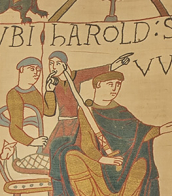

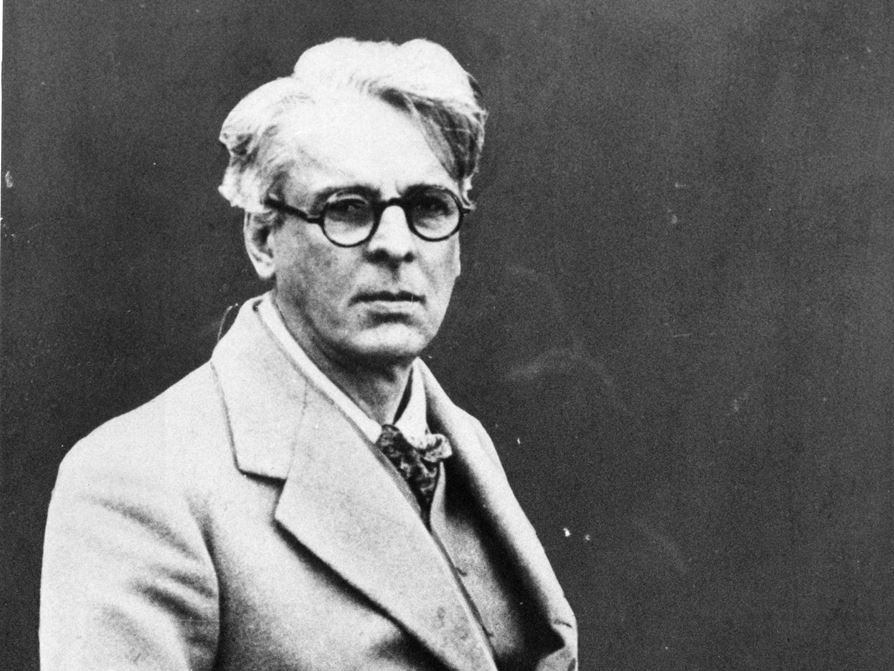
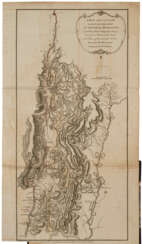

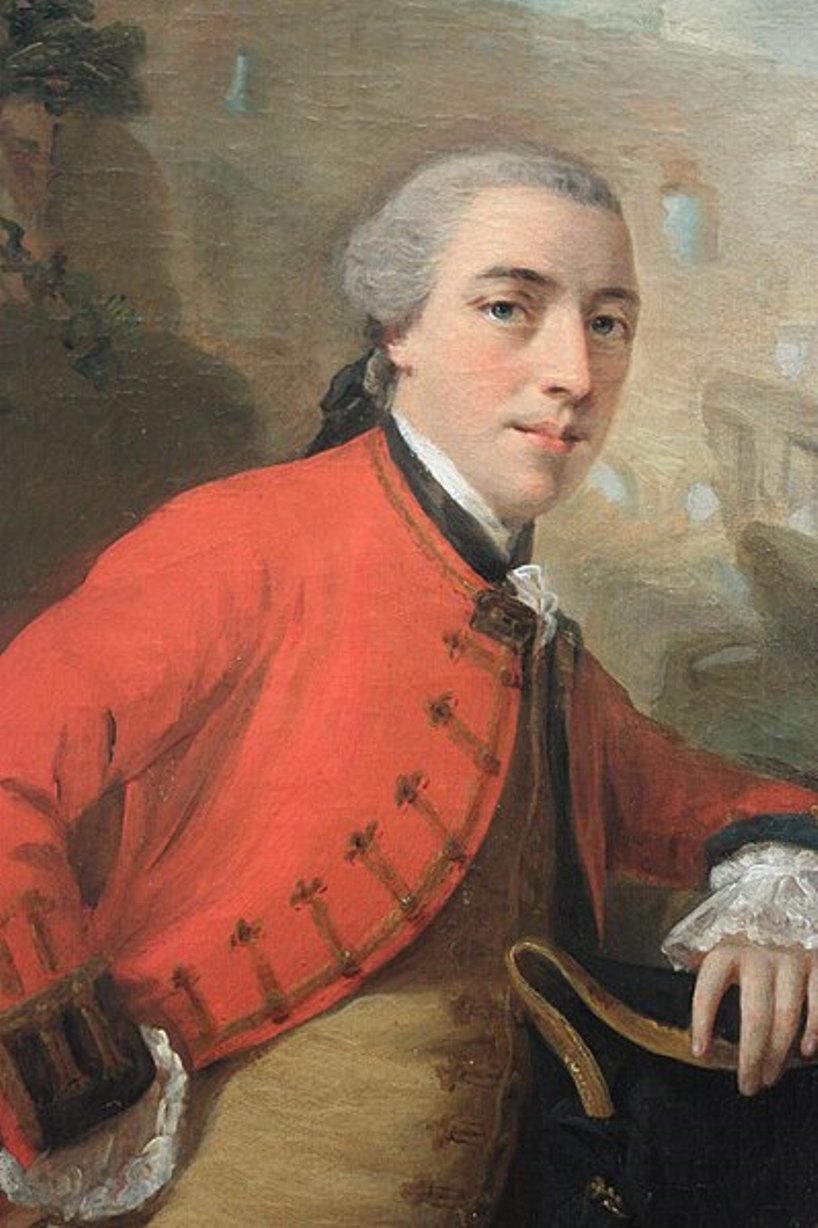
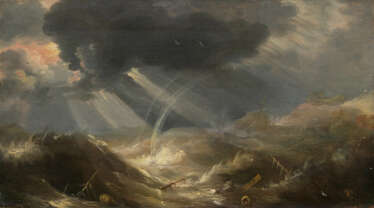

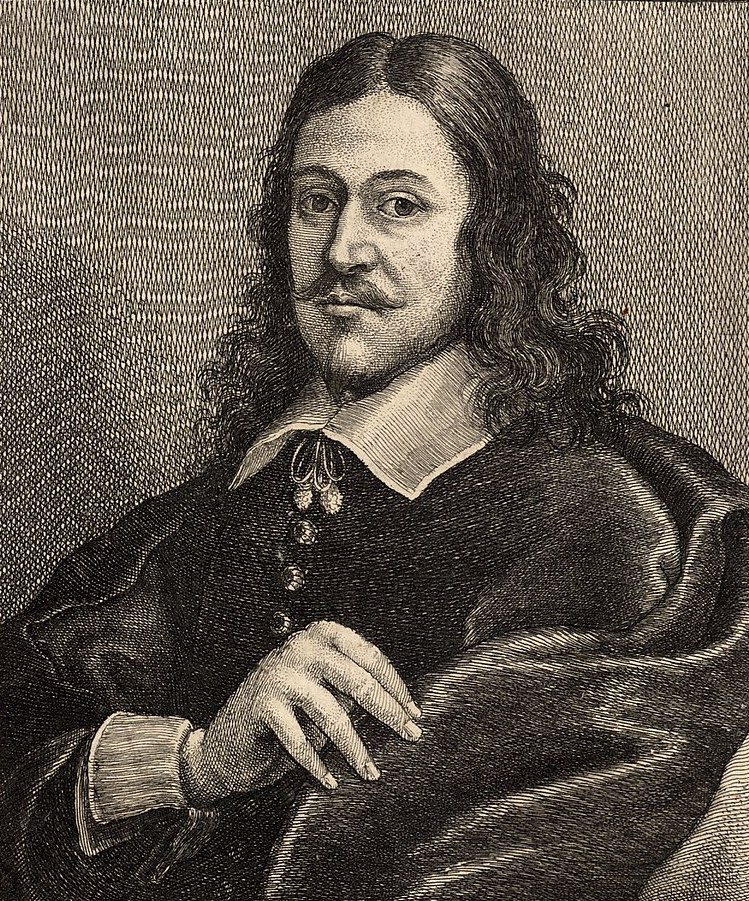
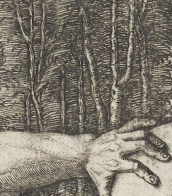
Bonaventura Peeters the Elder was a prominent Flemish painter, draughtsman, and etcher specializing in marine art during the 17th century. His extensive body of work encompassed marine battles, storms at sea, shipwrecks, and views of ships in rivers and harbours.
Peeters displayed a keen understanding of ships, capturing their intricate details. His earlier works exhibited tonal landscapes influenced by Dutch painting, while later pieces reflected vibrant colors inspired by Italian classicism. He skillfully depicted dramatic shipwrecks, serene ports, and intricate portrayals of ships. Many of his paintings depicted actual locations along the North Sea and the river Scheldt, while others showcased imagined scenes of far-away Mediterranean and Middle Eastern ports. Peeters also collaborated with family members and fellow artists, and his drawings and engravings were included in notable publications like Blaeu's Atlas Maior.







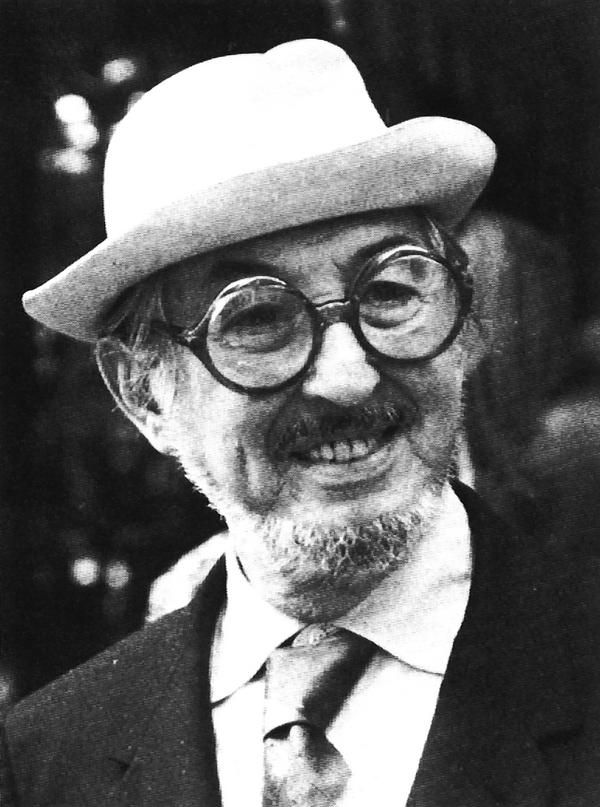
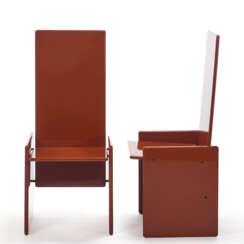
Carlo Scarpa was an Italian architect, influenced by the materials, landscape and the history of Venetian culture, and by Japan. Scarpa translated his interests in history, regionalism, invention, and the techniques of the artist and craftsman into ingenious glass and furniture design.

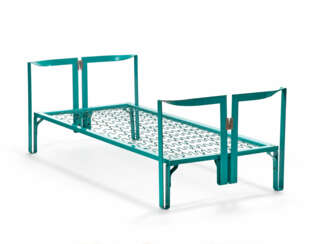

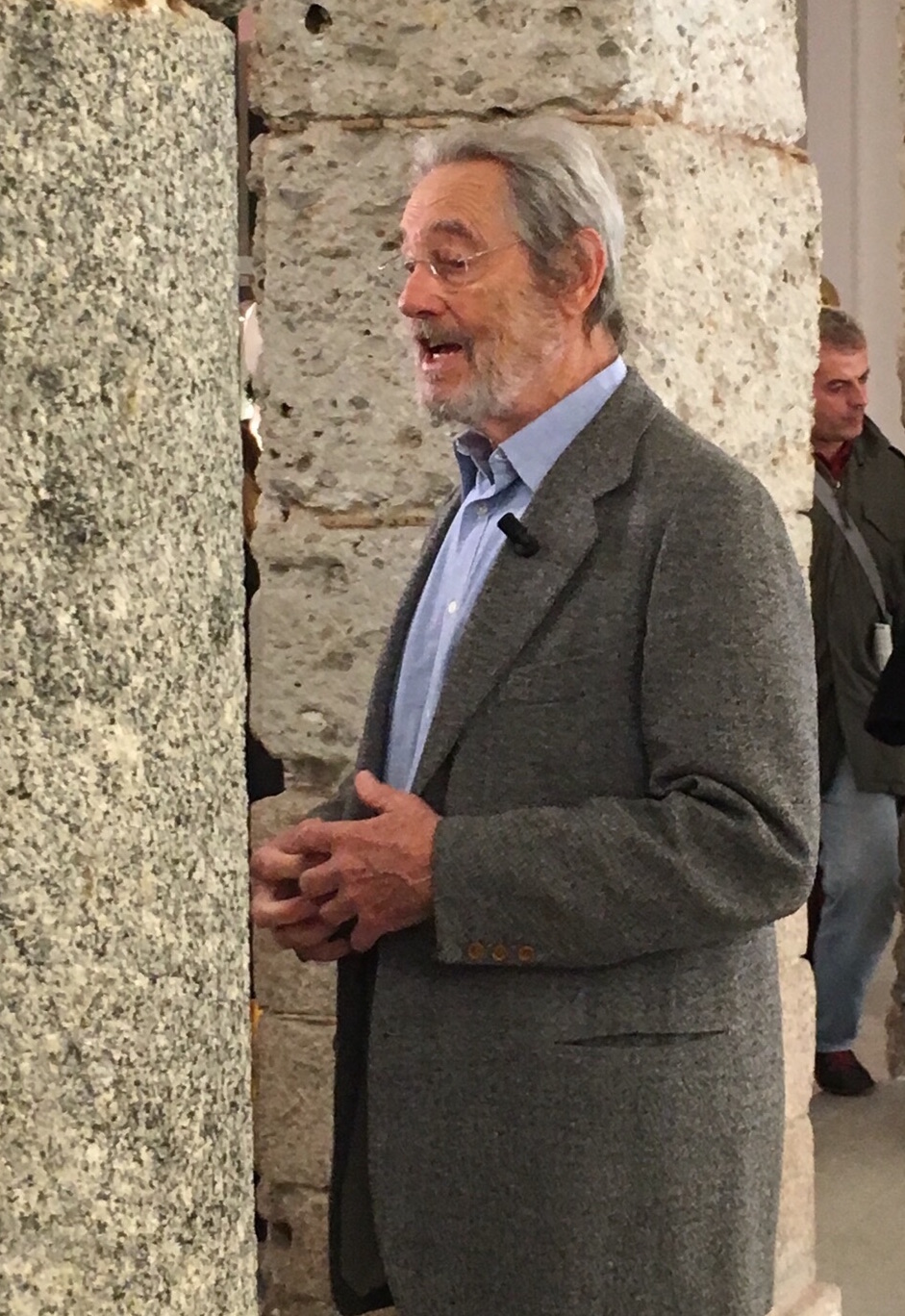
Afra and Tobia Scarpa are award winning postmodern Italian architects and designers. Their pieces can be found in museums across the United States and Europe, including collections in MoMA and the Louvre Museum. They have collaborated with companies such as B&B Italia, San Lorenzo Silver, and Knoll International. They have won a number of awards such as the Compasso d'Oro in 1969 to the International Forum Design in 1992. Their design work consists of architecture and everyday household items including, furniture, clothing, interior design, art glass. They focused on the technical and aesthetic possibilities of materials in their designs. The couple was greatly influenced by Tobia’s father, Carlo Scarpa, a Venetian architect and designer.
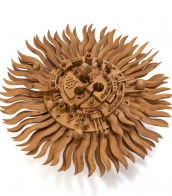
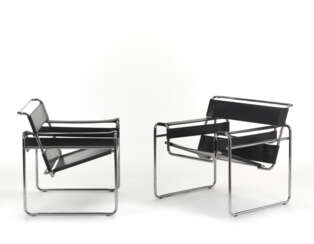

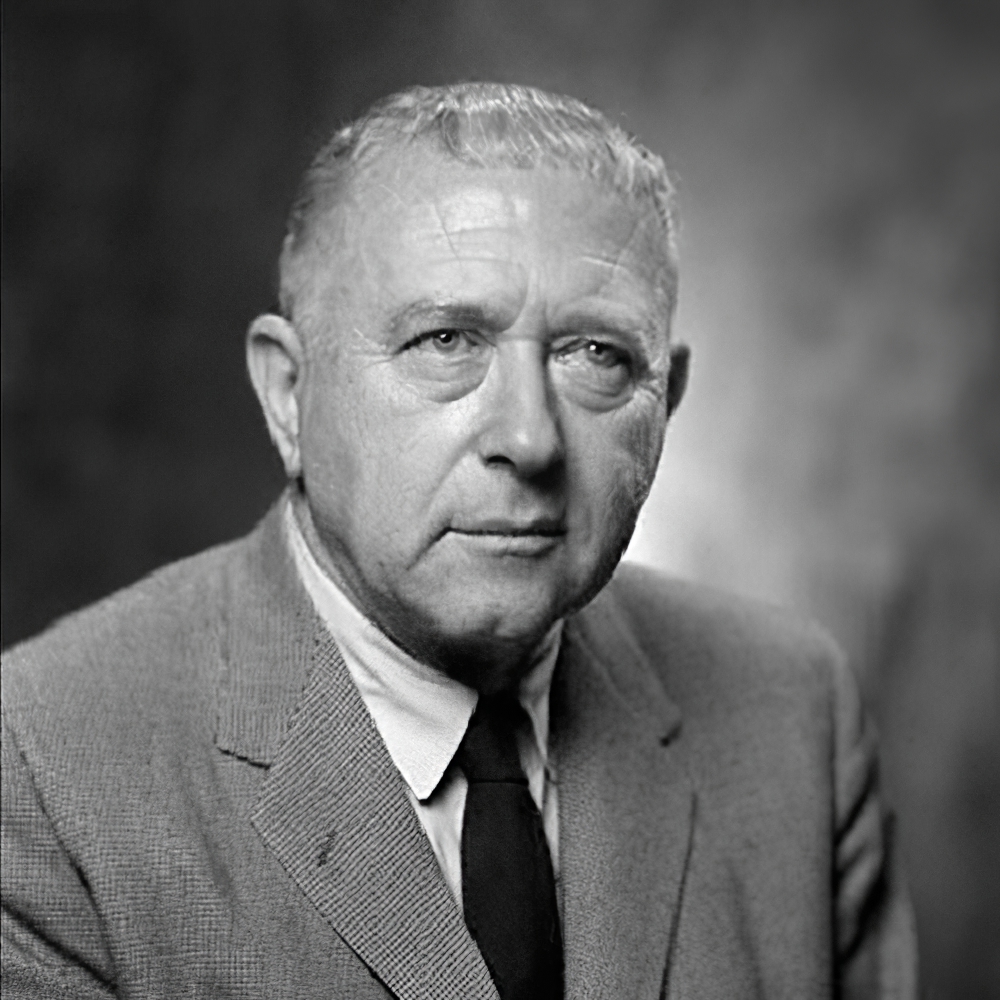
Marcel Lajos Breuer was a Hungarian American modernist architect and furniture designer. He moved to the United States in 1937 and became a naturalized American citizen in 1944.
At the Bauhaus he designed the Wassily Chair and the Cesca Chair, which The New York Times have called some of the most important chairs of the 20th century. Breuer extended the sculpture vocabulary he had developed in the carpentry shop at the Bauhaus into a personal architecture that made him one of the world's most popular architects at the peak of 20th-century design. His work includes art museums, libraries, college buildings, office buildings, and residences. Many are in a Brutalist architecture style, including the former IBM Research and Development facility which was the birthplace of the first personal computer. He is regarded as one of the great innovators of modern furniture design and one of the most-influential exponents of the International Style.

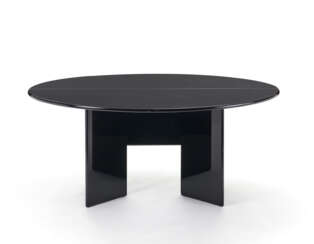

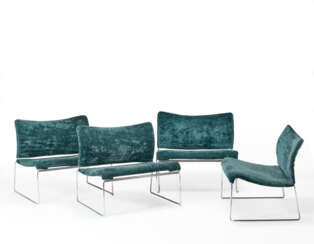



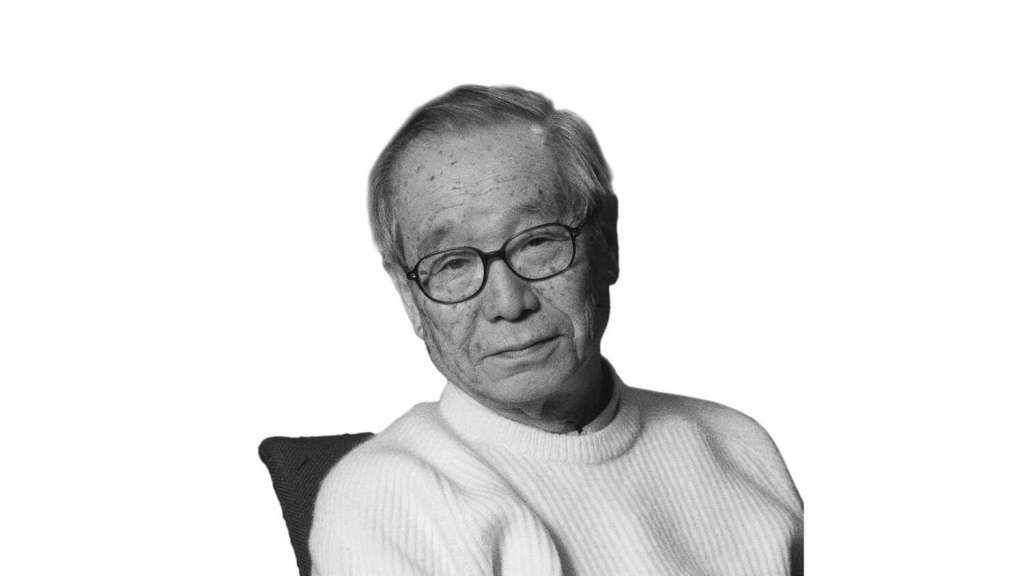
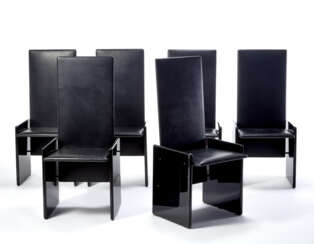



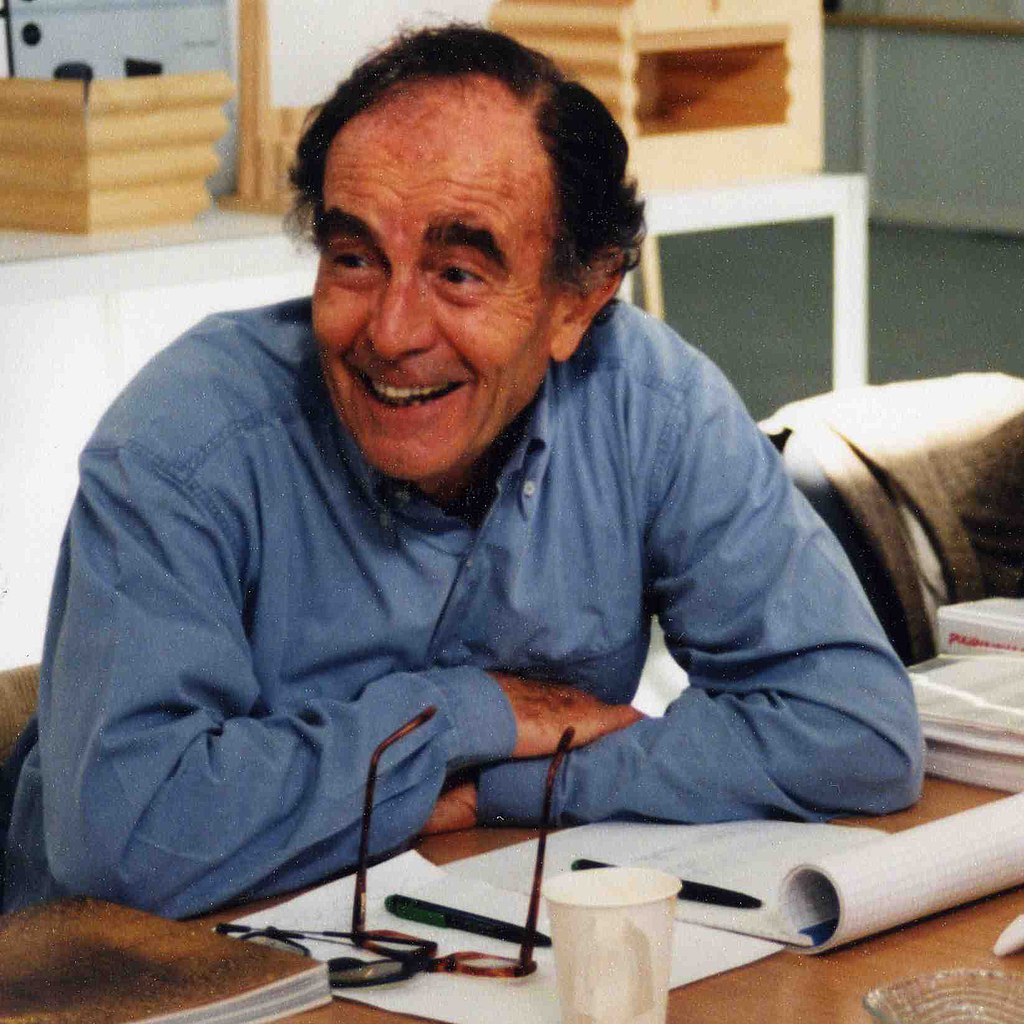
Vico Magistretti was an Italian industrial designer, known as a furniture designer and architect. A collaborator of humanist architect Ernesto Nathan Rogers, one of Magistretti's first projects was the "poetic" round church in the experimental Milan neighborhood of QT8. He later designed mass-produced appliances and furniture for companies such as Cassina S.p.A., and won several awards, including the Gold Medal of the Chartered Society of Industrial Artists & Designers in 1986.





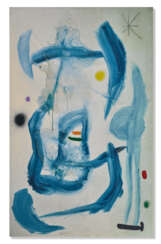

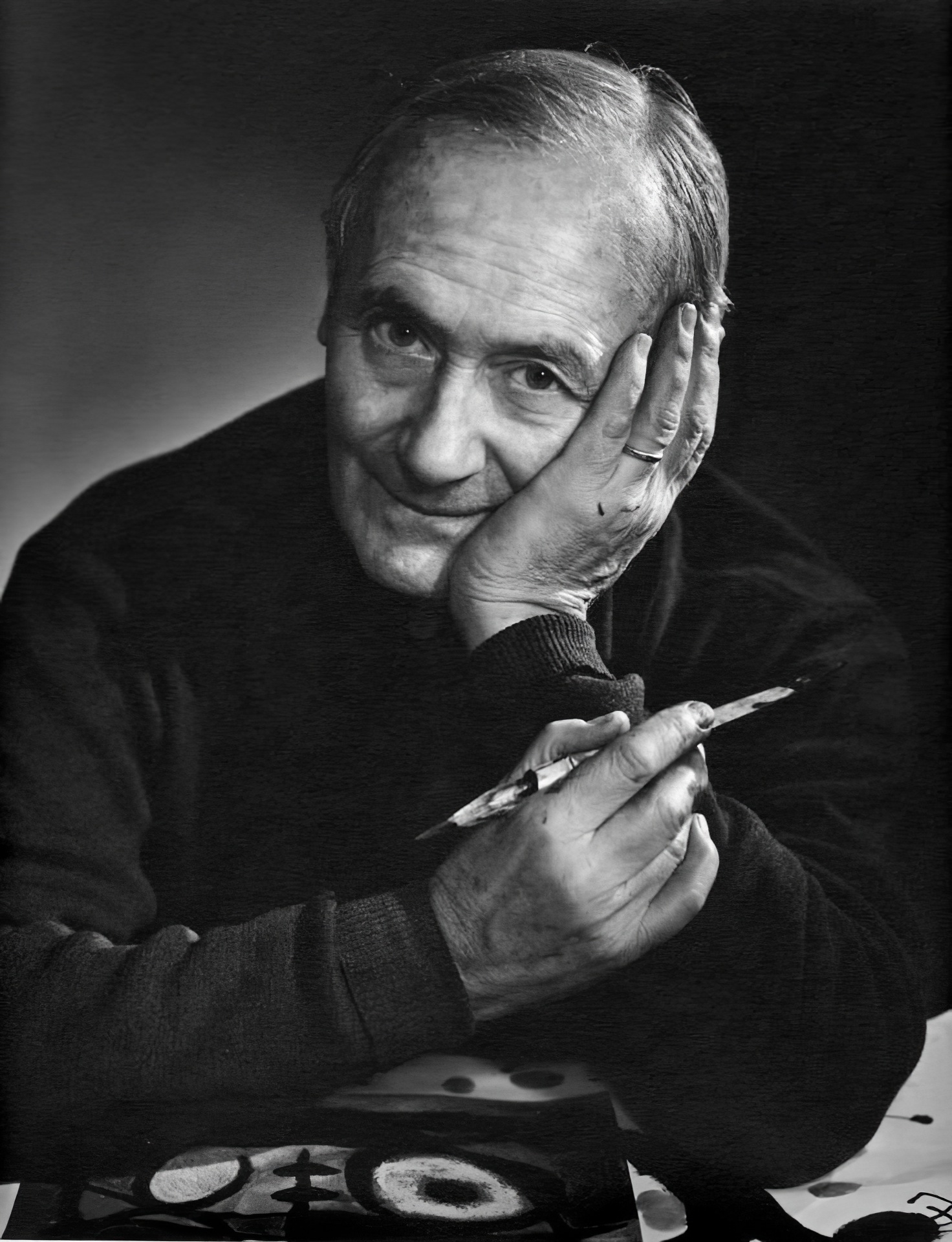
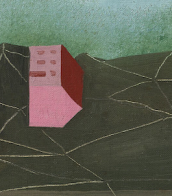
Joan Miró, a celebrated Spanish artist, was a master in painting, sculpture, and ceramics, renowned for his unique style that blurred the lines between Surrealism, Fauvism, and Expressionism. Born in Barcelona to a family of a goldsmith and a watchmaker, Miró grew up immersed in the rich cultural heritage of the Barri Gòtic neighborhood. His artistic journey began with drawing classes at the age of seven and continued at the prestigious La Llotja art academy. Despite an initial venture into the business world, Miró's passion for art prevailed, leading him to abandon his clerical career after a nervous breakdown.
Miró's work is noted for its exploration of the subconscious, often depicting a childlike perspective. This approach was both a critique of traditional painting methods and a means of expressing Catalan pride. His art, challenging to categorize, often featured symbolic elements and nationalistic qualities. One of his notable early works, "The Farm," reflects a transition to a more individual style, blending elements of his Catalan roots with broader artistic influences. This piece, later purchased by Ernest Hemingway, encapsulated the essence of Spain in its imagery.
In Paris, Miró joined the Surrealist movement in 1924, where his work began to reflect the influence of automatism, emphasizing spontaneous, automatic, or subconscious creation. He experimented with various mediums, including painting-poetry and collage, and even ventured into set and costume design for Sergei Diaghilev's Ballets Russes.
During World War II, Miró remained in Spain, and his work from this period, including the 22 Constellations series, reflected an interest in the night, music, and stars. His forms became increasingly abstracted, and he experimented with various techniques, often incorporating primary colors and evocative titles.
Miró's career spanned several decades, during which he continually evolved his style and explored new mediums. His contributions to art were recognized with numerous awards and retrospectives, including a major career retrospective at MoMA in 1941 and the Spanish Gold Medal for Fine Arts in 1980. Among his last major works was a tapestry for the World Trade Center in New York City, created in 1974.
For art collectors and enthusiasts, Joan Miró remains a figure of immense interest, not only for his distinct style and contributions to Surrealism but also for his ability to blend poetic imagery with political commentary. To stay updated on new product sales and auction events related to Joan Miró, sign up for our updates and immerse yourself in the world of this extraordinary artist.

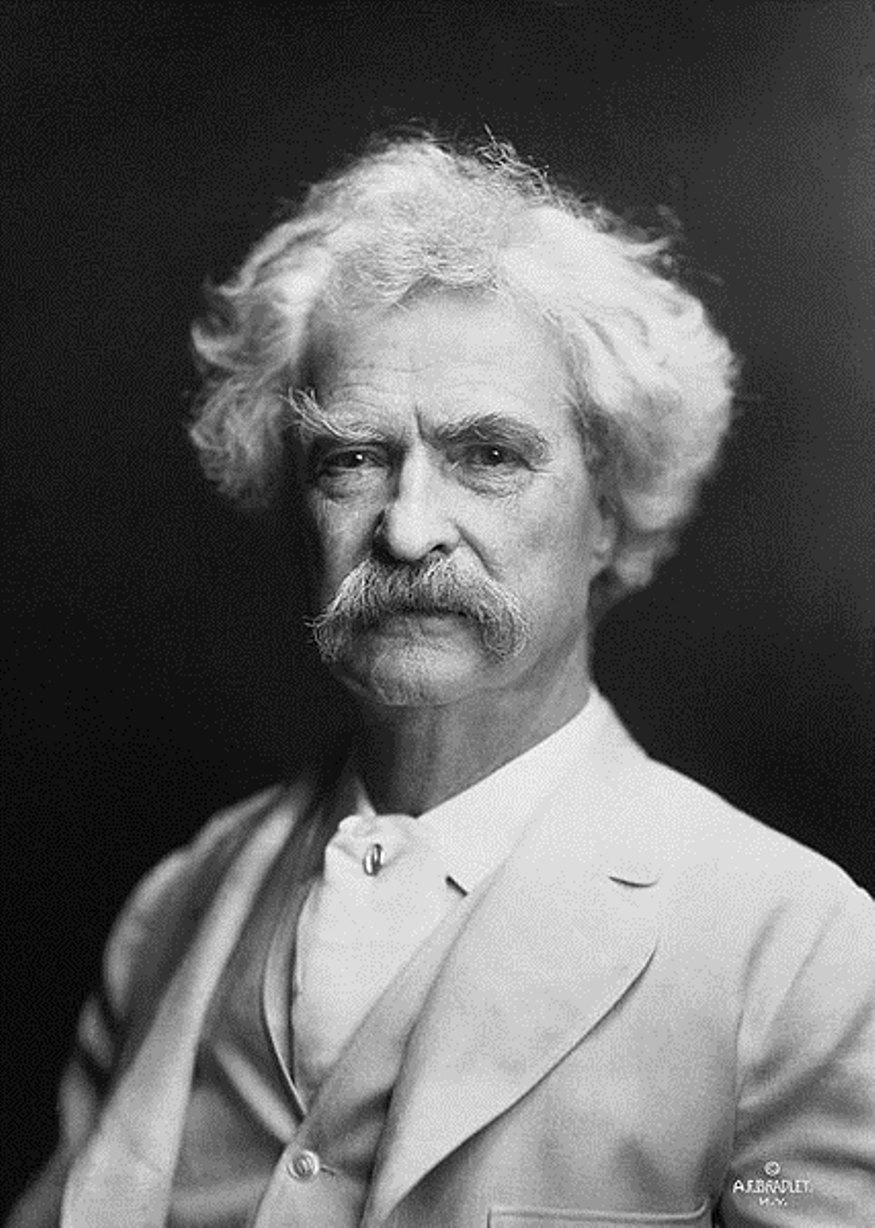
Mark Twain, real name Samuel Langhorne Clemens, was an American humanist writer, journalist, and social activist.
As a young man, Samuel worked in the printing press and in the gold mines, then went on a steamboat trip to Europe and the "Holy Land". His travel letters, full of vivid descriptions and ironic observations, were very well received by the public and were later revised into his first book, Innocents Abroad, published in 1869.
The pseudonym "Mark Twain" first appeared in 1863 under one of Samuel Clemens' short stories, and since then all his significant works have been signed by that name.
A talented storyteller, a peculiar humorist and moralist, Twain knew and loved his many diverse characters. His scandalizers and dreamers, caring aunts and ambitious politicians, grumpy widows and lying aristocrats, cunning but generous slaves, sentimental moralists, brave and naive children - all these types of American people Twain gave voice to thanks to his masterful command of colloquial language, slang and jargon. Twain wrote a lot and in a variety of genres: humor and satire, philosophical fiction and journalism and others, but he always stood on the position of humanist and democrat.
Mark Twain became world famous for his travel stories and adventure novels about his childhood, these are "The Adventures of Tom Sawyer" (1876) and "The Adventures of Huckleberry Finn" (1885). Twain is still one of America's, and indeed the world's, best and most beloved writers. His works have been and are still being published in many languages around the world.





.jpg)
Max Ernst was a pivotal figure in the 20th-century art world, whose work transcended the boundaries of nationality and genre to leave an indelible mark on culture, art, sculpture, and painting. Born in Germany on April 2, 1891, and later becoming a naturalized American and French citizen, Ernst's career was a testament to his relentless innovation and creativity. Known primarily as an artist and painter, Ernst was a founding member of the Dada movement in Cologne before becoming a major proponent of Surrealism in Paris. His early encounters with the works of Pablo Picasso, Vincent van Gogh, and Paul Gauguin at the Sonderbund exhibition in 1912 deeply influenced his artistic direction, infusing it with elements of Cubism and Expressionism. Despite his lack of formal artistic training, Ernst's experimentation with techniques such as collage and frottage showcased his unique ability to blend the absurd with the sublime, making him a central figure in the artistic avant-garde of his time.
Ernst's work is notable for its exploration of the unconscious, using dreamlike imagery and symbolic figures to critique societal norms and delve into the chaos of the human psyche. His experiences in World War I profoundly impacted his worldview, leading to a deep skepticism of Western culture and an enduring search for meaning through art. This is evident in works such as "Europe After the Rain II," which reflects the devastation of war and "The Fireside Angel," inspired by the political turmoil of the Spanish Civil War, showcasing his ability to address contemporary issues through a surreal lens.
Ernst's contributions to art are preserved in major museums and galleries worldwide, including the Tate in the United Kingdom and the Museum of Modern Art in New York. His sculptures, paintings, and collages continue to be celebrated for their innovative techniques and imaginative scope, marking him as a revolutionary figure in modern art. Among his most significant works are "Ubu Imperator," "The Elephant Celebes," and "The Virgin Spanking the Christ Child before Three Witnesses," each reflecting his mastery over a diversity of mediums and themes.
For collectors and experts in art and antiques, Max Ernst remains a symbol of artistic freedom and exploration. His ability to navigate through various artistic movements while maintaining a distinct, innovative voice is a testament to his enduring legacy in the art world. To stay updated on new product sales and auction events related to Max Ernst, signing up for updates is a valuable opportunity for those deeply invested in the nuances of modern and surreal art.