water research




.jpeg)
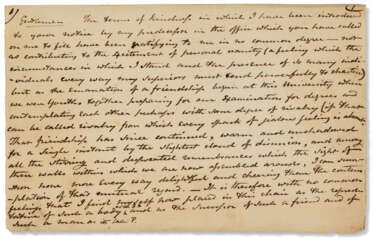
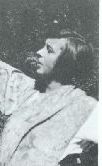
Sir John Frederick William Herschel, 1st Baronet was a British astronomer and son of the Uranus discoverer Wilhelm Herschel. He is credited with the first double star and nebula catalogues of the southern starry sky, which he observed during a five-year stay near Cape Town.





.jpg)
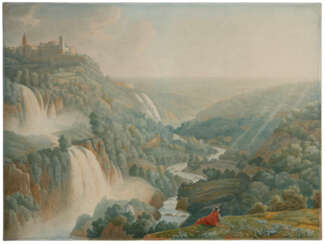
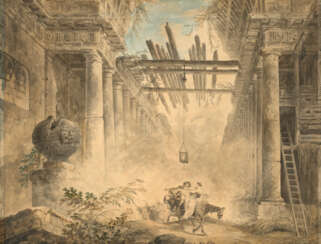
Hubert Robert was a renowned French artist, celebrated for his captivating landscape paintings and architectural fantasies. Born in Paris in 1733, Robert's talent was nurtured early on, thanks to the patronage of the Choiseul family. His journey to Rome in 1754 marked a pivotal phase in his career, where he immersed himself in studying ancient and modern Italian architecture, significantly influencing his artistic style.
Hubert Robert's work is characterized by its romantic depiction of ruins, blending fantasy with historical accuracy, which earned him the nickname "Robert des Ruines." His landscapes and capricci, which are imaginative compositions of architectural elements, resonated with the art collectors and the aristocracy of his time, securing his place as a key figure in French art history.
Noteworthy are Hubert Robert's contributions to the design of picturesque gardens, where he provided atmospheric visions rather than practical layouts. His involvement in the creation of gardens at places like Ermenonville and Méréville showcases his ability to merge art with nature, creating spaces that were both innovative and inspirational.
His artworks, such as "The Port of Rome" and "The Old Bridge," are treasured in prestigious galleries worldwide, reflecting his enduring legacy in the realm of art and culture. For art collectors and experts, Hubert Robert's oeuvre offers a window into the 18th-century artistic landscape, where imagination and historical elements coalesce to form compelling visual narratives.
For updates on exhibitions and auction events related to Hubert Robert's works, sign up to stay informed about new discoveries and opportunities to appreciate the artistry of this exceptional French painter.





_-_Google_Art_Project.jpg)
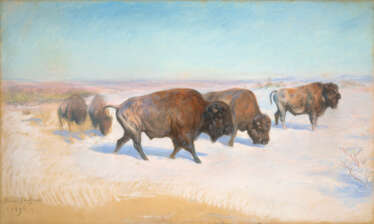
Rosa Bonheur, born Marie-Rosalie Bonheur, was a French artist known best as a painter of animals (animalière). She also made sculpture in a realist style. Her paintings include Ploughing in the Nivernais, first exhibited at the Paris Salon of 1848, and now in the Musée d'Orsay in Paris, and The Horse Fair, which was exhibited at the Salon of 1853 (finished in 1855) and is now in the Metropolitan Museum of Art in New York City. Bonheur was widely considered to be the most famous female painter of the nineteenth century.
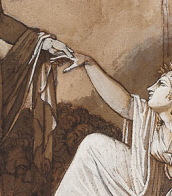




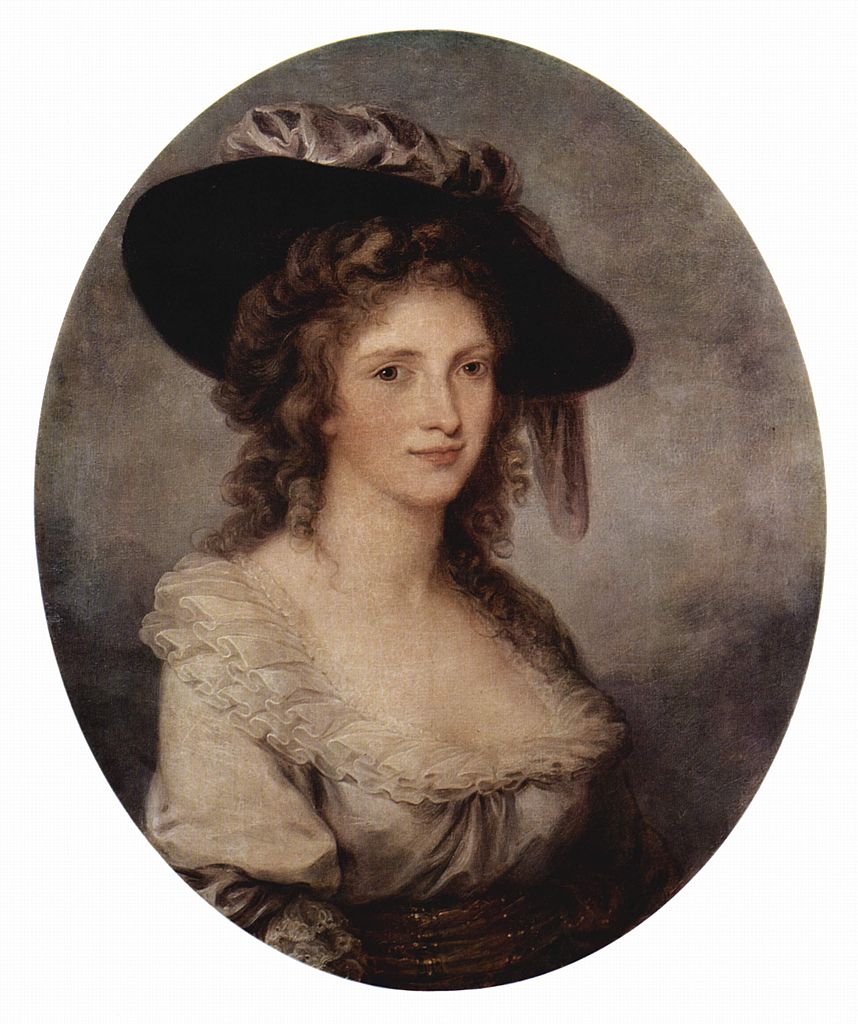
Maria Anna Angelica Kauffmann was a Swiss Neoclassical painter who had a successful career in London and Rome. Remembered primarily as a history painter, Kauffmann was a skilled portraitist, landscape and decoration painter. She was, along with Mary Moser, one of two female painters among the founding members of the Royal Academy in London in 1768.
















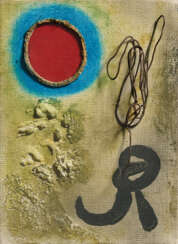

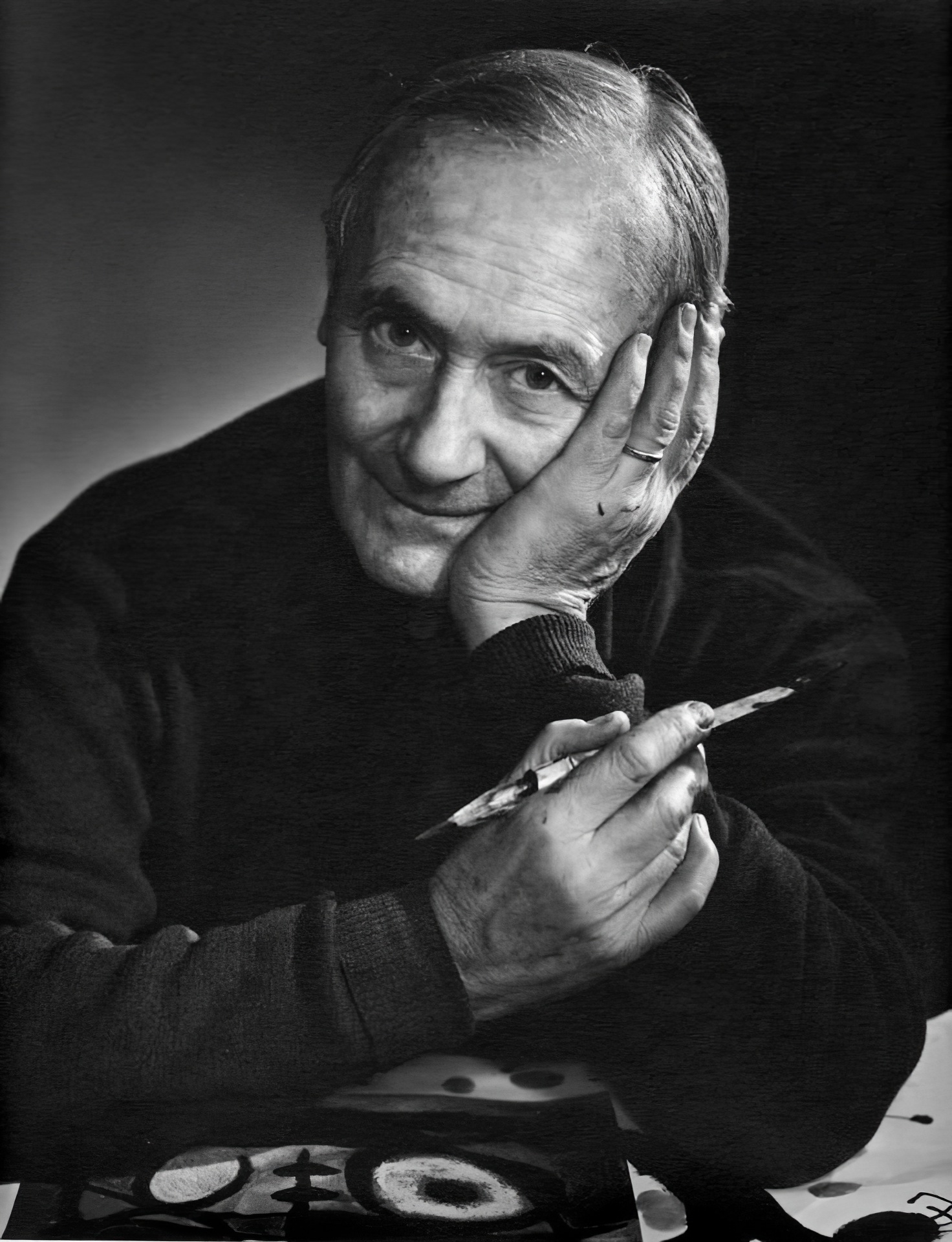
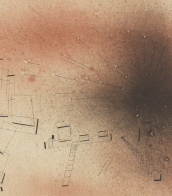
Joan Miró, a celebrated Spanish artist, was a master in painting, sculpture, and ceramics, renowned for his unique style that blurred the lines between Surrealism, Fauvism, and Expressionism. Born in Barcelona to a family of a goldsmith and a watchmaker, Miró grew up immersed in the rich cultural heritage of the Barri Gòtic neighborhood. His artistic journey began with drawing classes at the age of seven and continued at the prestigious La Llotja art academy. Despite an initial venture into the business world, Miró's passion for art prevailed, leading him to abandon his clerical career after a nervous breakdown.
Miró's work is noted for its exploration of the subconscious, often depicting a childlike perspective. This approach was both a critique of traditional painting methods and a means of expressing Catalan pride. His art, challenging to categorize, often featured symbolic elements and nationalistic qualities. One of his notable early works, "The Farm," reflects a transition to a more individual style, blending elements of his Catalan roots with broader artistic influences. This piece, later purchased by Ernest Hemingway, encapsulated the essence of Spain in its imagery.
In Paris, Miró joined the Surrealist movement in 1924, where his work began to reflect the influence of automatism, emphasizing spontaneous, automatic, or subconscious creation. He experimented with various mediums, including painting-poetry and collage, and even ventured into set and costume design for Sergei Diaghilev's Ballets Russes.
During World War II, Miró remained in Spain, and his work from this period, including the 22 Constellations series, reflected an interest in the night, music, and stars. His forms became increasingly abstracted, and he experimented with various techniques, often incorporating primary colors and evocative titles.
Miró's career spanned several decades, during which he continually evolved his style and explored new mediums. His contributions to art were recognized with numerous awards and retrospectives, including a major career retrospective at MoMA in 1941 and the Spanish Gold Medal for Fine Arts in 1980. Among his last major works was a tapestry for the World Trade Center in New York City, created in 1974.
For art collectors and enthusiasts, Joan Miró remains a figure of immense interest, not only for his distinct style and contributions to Surrealism but also for his ability to blend poetic imagery with political commentary. To stay updated on new product sales and auction events related to Joan Miró, sign up for our updates and immerse yourself in the world of this extraordinary artist.