589
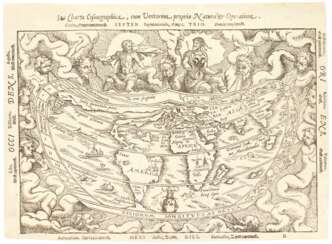

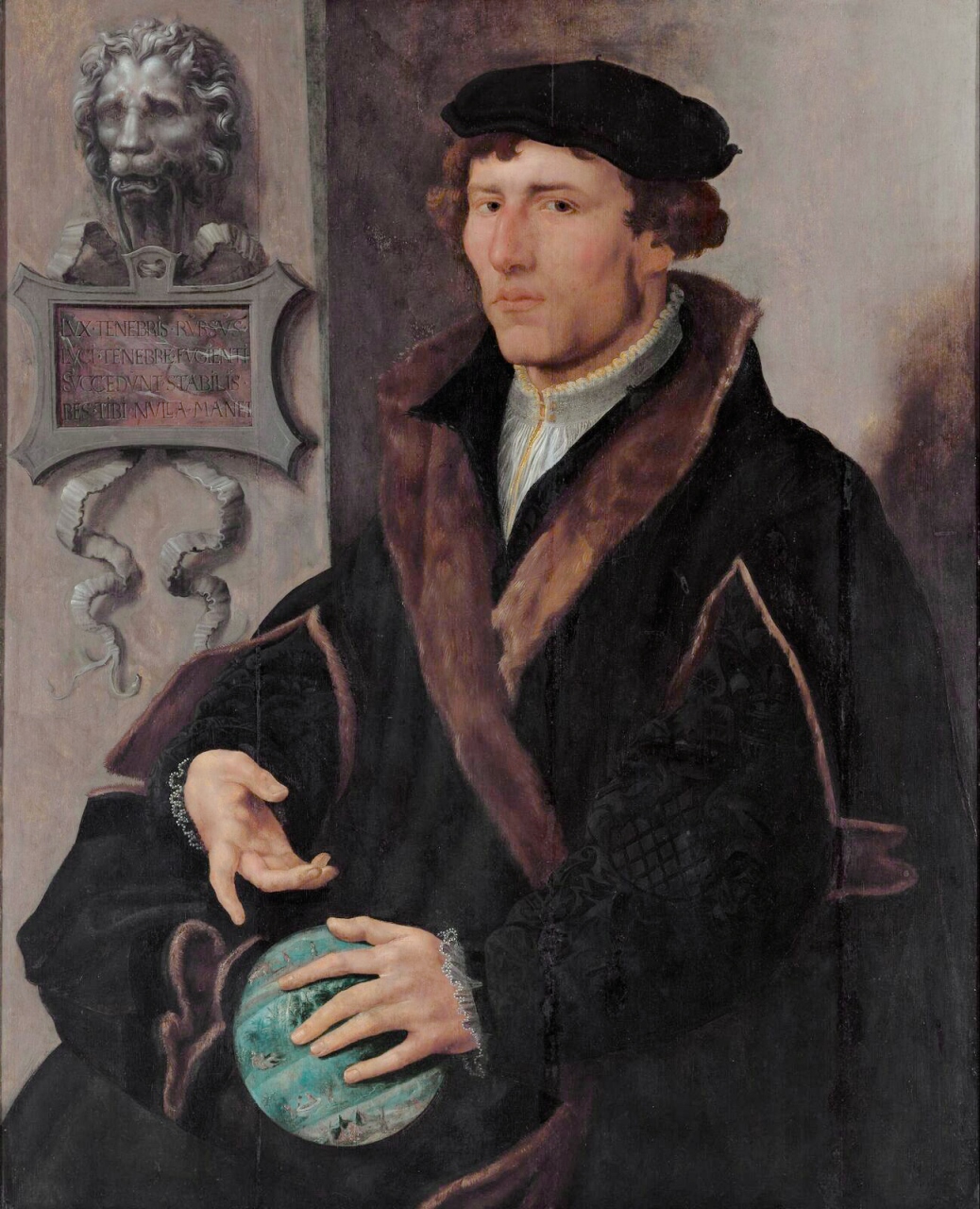
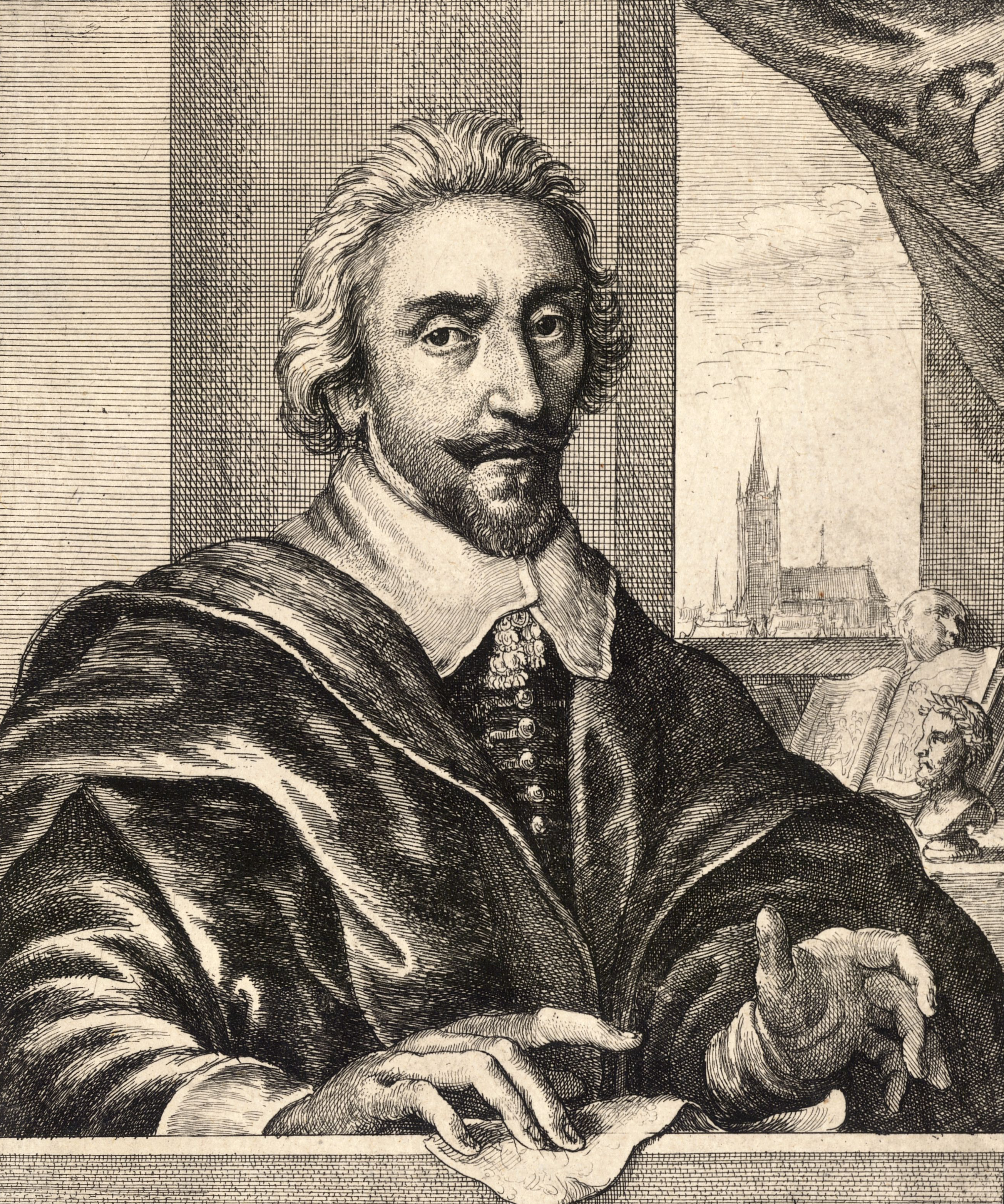
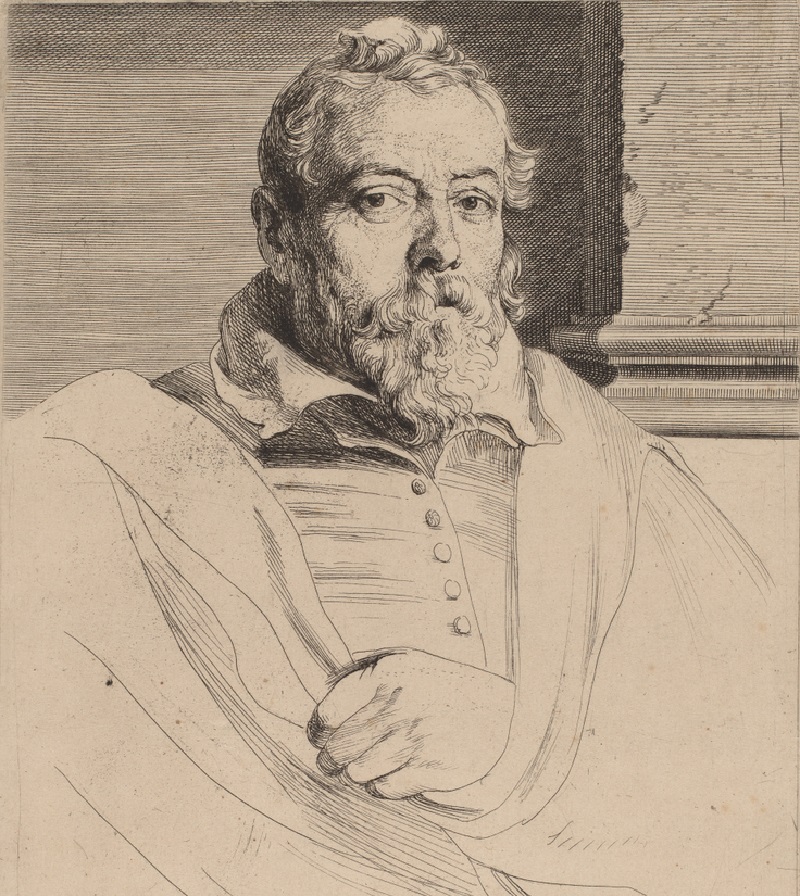
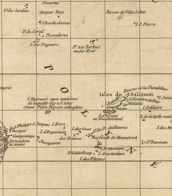
Gemma Frisius, born Jemme Reinerszoon Frisius, was a Dutch mathematician, physician, cartographer, philosopher, engraver, and master of astronomical instruments.
He taught mathematics and medicine at the University of Leuven and applied his mathematical knowledge to astronomy, geography, and map-making. Frisius participated in the creation of the latest globes and used mathematics in geodesy and navigation in new ways and invented or improved many instruments, including the cross staff, the astrolabe, and the astronomical rings (also known as "Gemma rings"). He ran a workshop for making such instruments.
Frisius is credited with being one of the founders of the Dutch school of cartography.
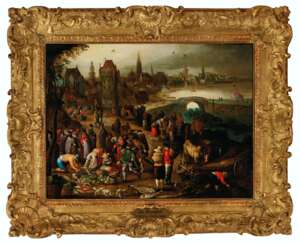

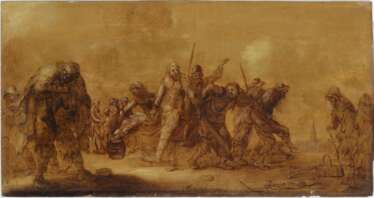

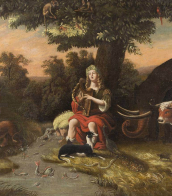
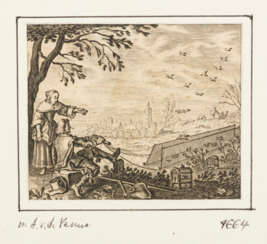
Adriaen Pietersz. van de Venne was a Dutch painter, graphic artist, and poet of the Golden Age and a member of the Guild of St. Luke in The Hague. He is known for his paintings of genre scenes, allegories, portraits, and historical scenes. De Venne painted many engravings illustrating genre scenes depicting peasants, old men, vagabonds, madmen, and thieves. These works often illustrate aphorisms and proverbs.
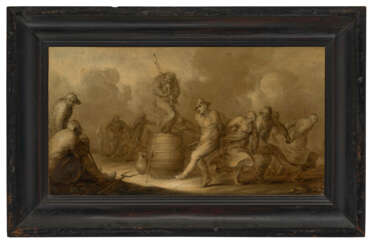

Adriaen Pietersz. van de Venne was a Dutch painter, graphic artist, and poet of the Golden Age and a member of the Guild of St. Luke in The Hague. He is known for his paintings of genre scenes, allegories, portraits, and historical scenes. De Venne painted many engravings illustrating genre scenes depicting peasants, old men, vagabonds, madmen, and thieves. These works often illustrate aphorisms and proverbs.
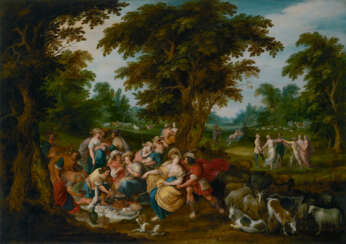

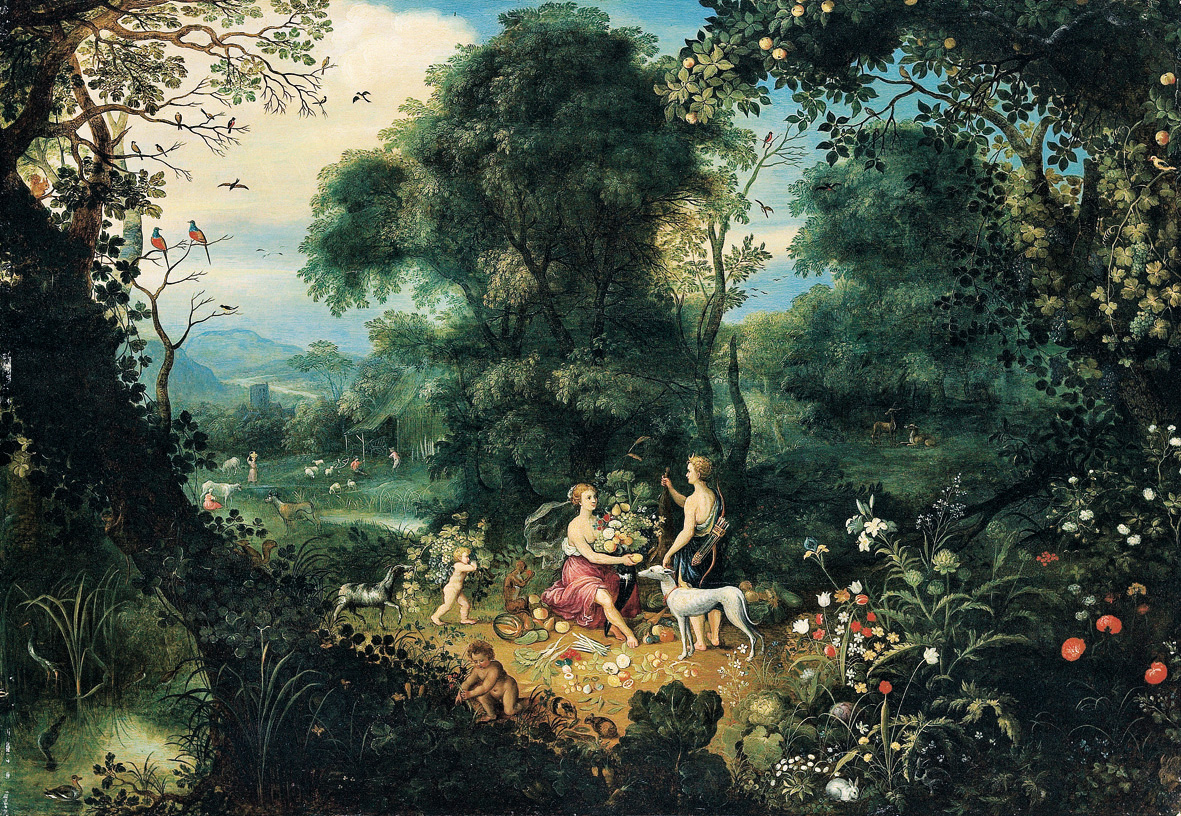
Abraham Govaerts was a Flemish painter who specialized in small cabinet-sized forest landscapes in the manner of Jan Brueghel the Elder and Gillis van Coninxloo. He was a regular collaborator with other artists who were specialists in specific genres. Govaerts would paint the landscape while these specialists painted the figures, animals or still life elements.
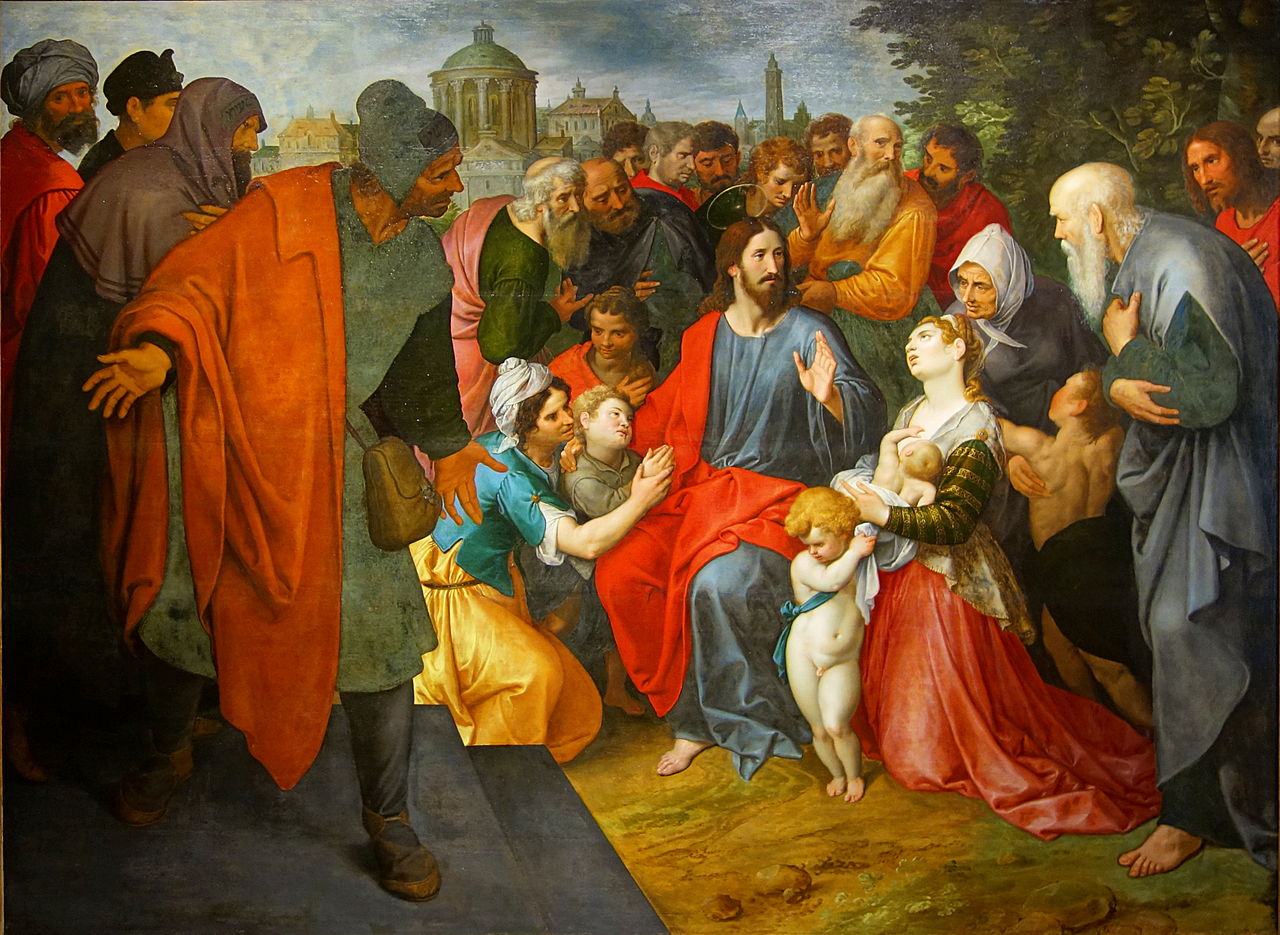
Frans Francken the Younger was a distinguished Flemish painter of the Baroque period, celebrated for his versatility and innovation in the art scene of the early 17th century. Born in 1581 in Antwerp, where he also died in 1642, Francken hailed from the prolific Francken family of artists, establishing himself as the most prominent among them. His contribution to Flemish art includes a wide array of subjects, spanning large altarpieces for churches to intricate cabinet pictures featuring historical, mythological, or allegorical themes.
Francken's work is particularly noted for his creation of collectors' cabinet paintings, a genre that depicted the interiors of collectors filled with art, curiosities, and natural specimens, embodying the era's intellectual pursuits and the burgeoning culture of connoisseurship. Moreover, Francken was instrumental in the development of singeries, humorous paintings featuring monkeys engaging in human activities, critiquing the follies of mankind through satire. His collaborative efforts with other artists enriched his work, allowing him to incorporate figures and narrative depth into various compositions, seamlessly blending his expertise with the landscapes, architectural settings, and still lifes created by his contemporaries.
Francken's artistic legacy is marked by his successful workshop, his role as a master in the Antwerp Saint Luke's Guild, and his significant influence on the development of new subject matter and genres within Flemish painting. His works, such as "Mankind's Eternal Dilemma: The Choice Between Virtue and Vice," remain celebrated for their detailed craftsmanship and symbolic richness, housed in prestigious museums including the Museum of Fine Arts, Boston.
For collectors and art history aficionados, Francken's oeuvre offers a rich tapestry of Baroque artistry, reflecting the dynamism of 17th-century Flemish culture and the depth of humanistic and religious themes explored during the period.
To delve deeper into the world of Frans Francken the Younger and to stay updated on new discoveries, sales, and auction events related to his works, consider signing up for specialized updates. This subscription is tailored for enthusiasts eager to explore the intersections of art, history, and culture, promising insightful content on one of Flemish art's most influential figures.
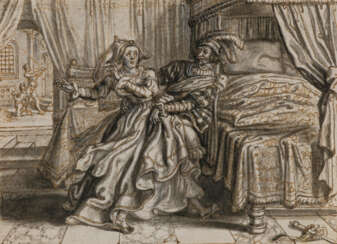

Adriaen Pietersz. van de Venne was a Dutch painter, graphic artist, and poet of the Golden Age and a member of the Guild of St. Luke in The Hague. He is known for his paintings of genre scenes, allegories, portraits, and historical scenes. De Venne painted many engravings illustrating genre scenes depicting peasants, old men, vagabonds, madmen, and thieves. These works often illustrate aphorisms and proverbs.
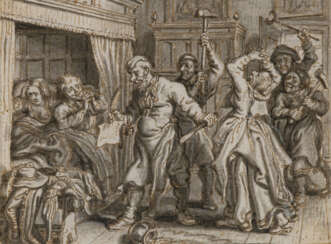

Adriaen Pietersz. van de Venne was a Dutch painter, graphic artist, and poet of the Golden Age and a member of the Guild of St. Luke in The Hague. He is known for his paintings of genre scenes, allegories, portraits, and historical scenes. De Venne painted many engravings illustrating genre scenes depicting peasants, old men, vagabonds, madmen, and thieves. These works often illustrate aphorisms and proverbs.





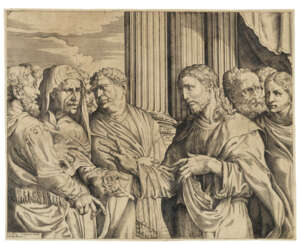

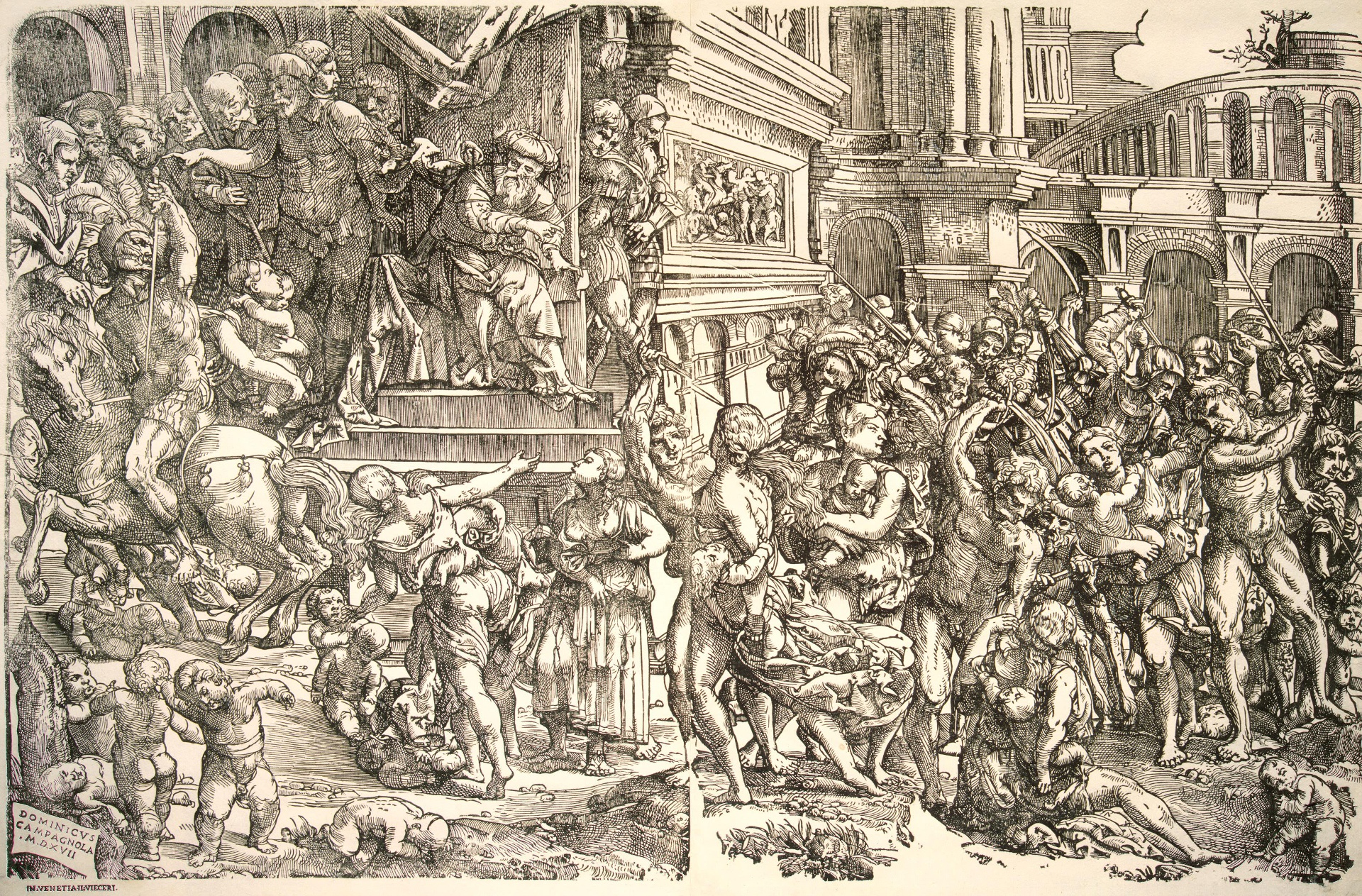
Domenico Campagnola was an Italian painter and printmaker in engraving and woodcut of the Venetian Renaissance, but whose most influential works were his drawings of landscapes.
















![ALCIATO Andrea (1492-1550) - Omnia emblemata [CON:] MINOEM, Claudio. Notae posteriores ad alciati emblemata. Paris: Ioannem Richerium, 1589.](/assets/image/picture_1242031/0c021/kfqpw130lcvdim1go6zlpmc5k-yxr0svsqs61fq2kwdi6s-ddcqqkryabclyt57j1608650265jpg__fix_374_244.jpeg)
![ALCIATO Andrea (1492-1550) - Omnia emblemata [CON:] MINOEM, Claudio. Notae posteriores ad alciati emblemata. Paris: Ioannem Richerium, 1589.](https://veryimportantlot.com/assets/image/picture_1242031/0c021/kfqpw130lcvdim1go6zlpmc5k-yxr0svsqs61fq2kwdi6s-ddcqqkryabclyt57j1608650265jpg__fix_374_244.jpeg)



![BAÏF, Jean-Antoine de (1532-1589). Les Amours de Ian Antoine de Baïf. [relié avec] Le Ravissement d’Europe, par I. Ant. de Baïf. Paris : chez la veuve Maurice de la Porte, 1552. [relié avec] DENISOT, Nicolas, dit le « Comte d](/assets/image/picture_1320847/27868/ecae88c611561cffd6b2d88ea672b1201616454000jpg__fix_374_244.jpeg)
![BAÏF, Jean-Antoine de (1532-1589). Les Amours de Ian Antoine de Baïf. [relié avec] Le Ravissement d’Europe, par I. Ant. de Baïf. Paris : chez la veuve Maurice de la Porte, 1552. [relié avec] DENISOT, Nicolas, dit le « Comte d](https://veryimportantlot.com/assets/image/picture_1320847/27868/ecae88c611561cffd6b2d88ea672b1201616454000jpg__fix_374_244.jpeg)