author and





![WAKEFIELD, Edward (1796-1862) author [and William POTS (1859-1924) artist]](/assets/image/picture_2944110/da77c/1f881735f97a2bdae3f5b408a353b94d1689199200jpg__fix_374_244.jpeg)
![WAKEFIELD, Edward (1796-1862) author [and William POTS (1859-1924) artist]](https://veryimportantlot.com/assets/image/picture_2944110/da77c/1f881735f97a2bdae3f5b408a353b94d1689199200jpg__fix_374_244.jpeg)





![M'CRINGER, Joel, [James Brydges Willyams] (1772–1820) artist and author, ROWLANDSON, Thomas (1756- 1827), etcher](/assets/image/picture_2944200/77b31/91476b76c0765b5487d15a6c89349c071689199200jpg__fix_374_244.jpeg)
![M'CRINGER, Joel, [James Brydges Willyams] (1772–1820) artist and author, ROWLANDSON, Thomas (1756- 1827), etcher](https://veryimportantlot.com/assets/image/picture_2944200/77b31/91476b76c0765b5487d15a6c89349c071689199200jpg__fix_374_244.jpeg)



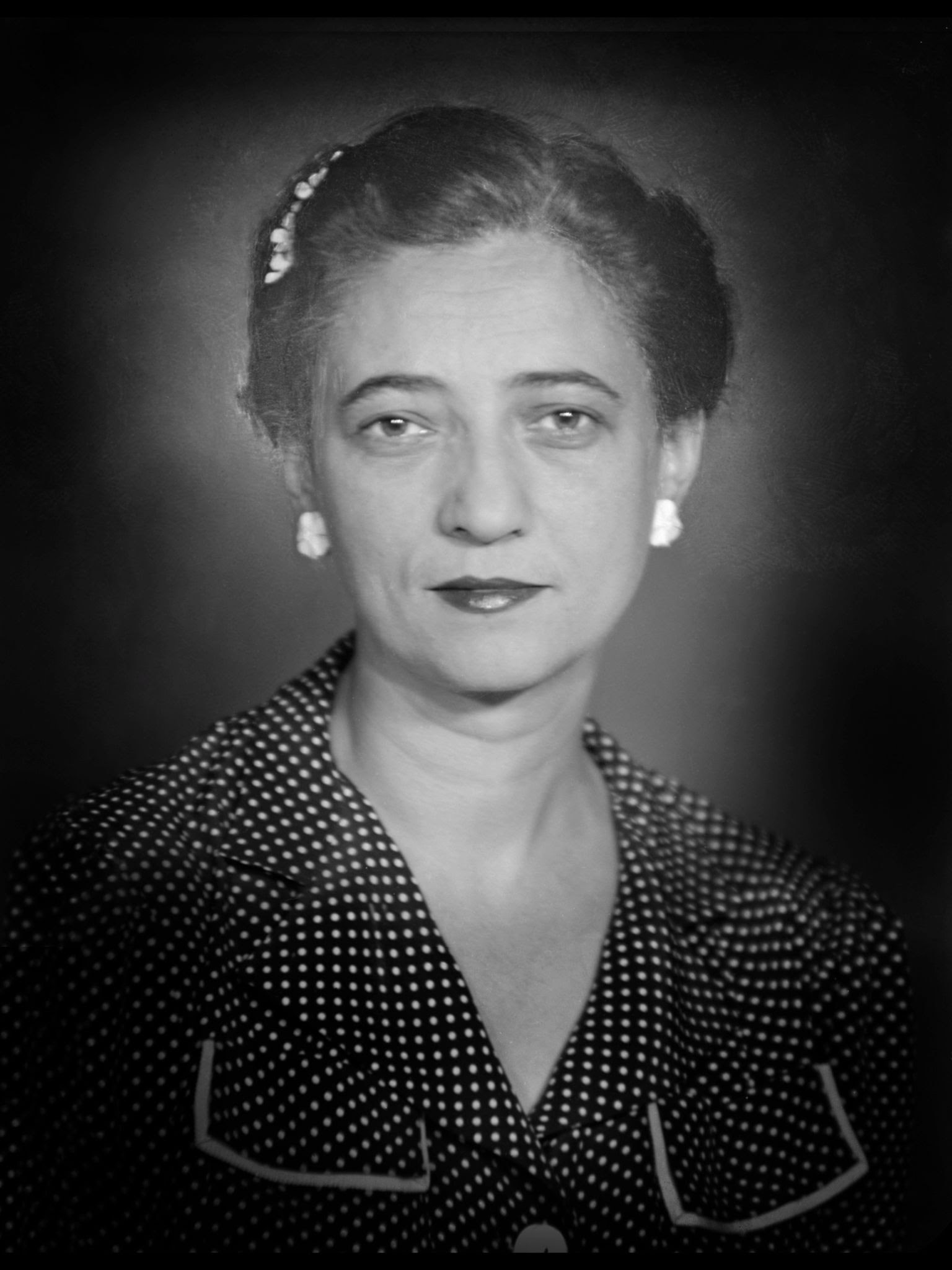
Ghitta Carell was the professional name of Ghitta Klein, a naturalized Italian photographer, born in Hungary, who came to prominence between 1930 and 1950. Noted for her portraiture, she was a favored photographer among the aristocracy and despite her Jewish heritage she helped build the imagery used in Fascist propaganda. After the fall of Mussolini, she remained in Italy, though her field of influence was greatly diminished. At the end of the 1960s, she immigrated to Israel, where she died in obscurity. Her archives, preserved by the 3M Foundation, have widely toured throughout Europe and a revival of interest in evaluating her skill as a technician has developed in the 21st century.
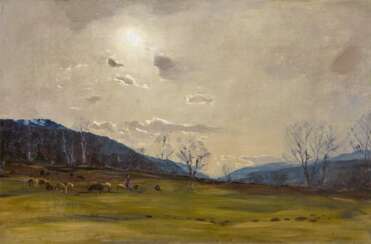

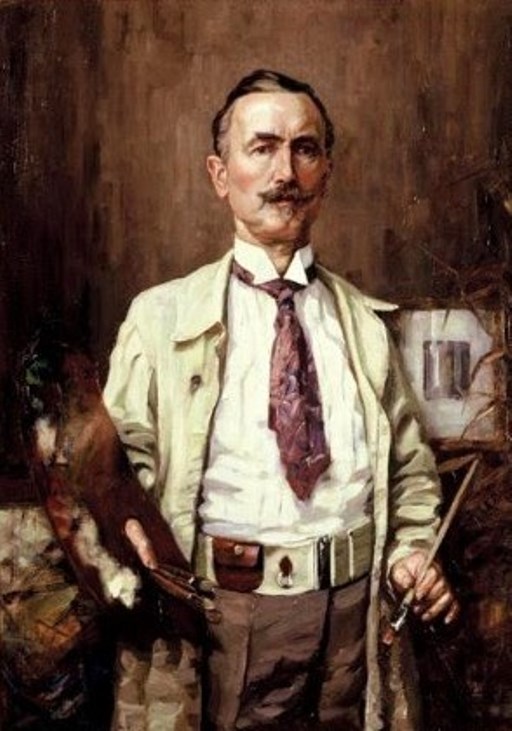
Alexander Max Koester was a German painter. He depicted coastal landscapes and still lifes with flowers. After the artist first presented one of his landscapes with a family of ducks in Berlin in 1899, he earned the nickname "Duck Koester." The "duck" paintings were extremely popular with art lovers.


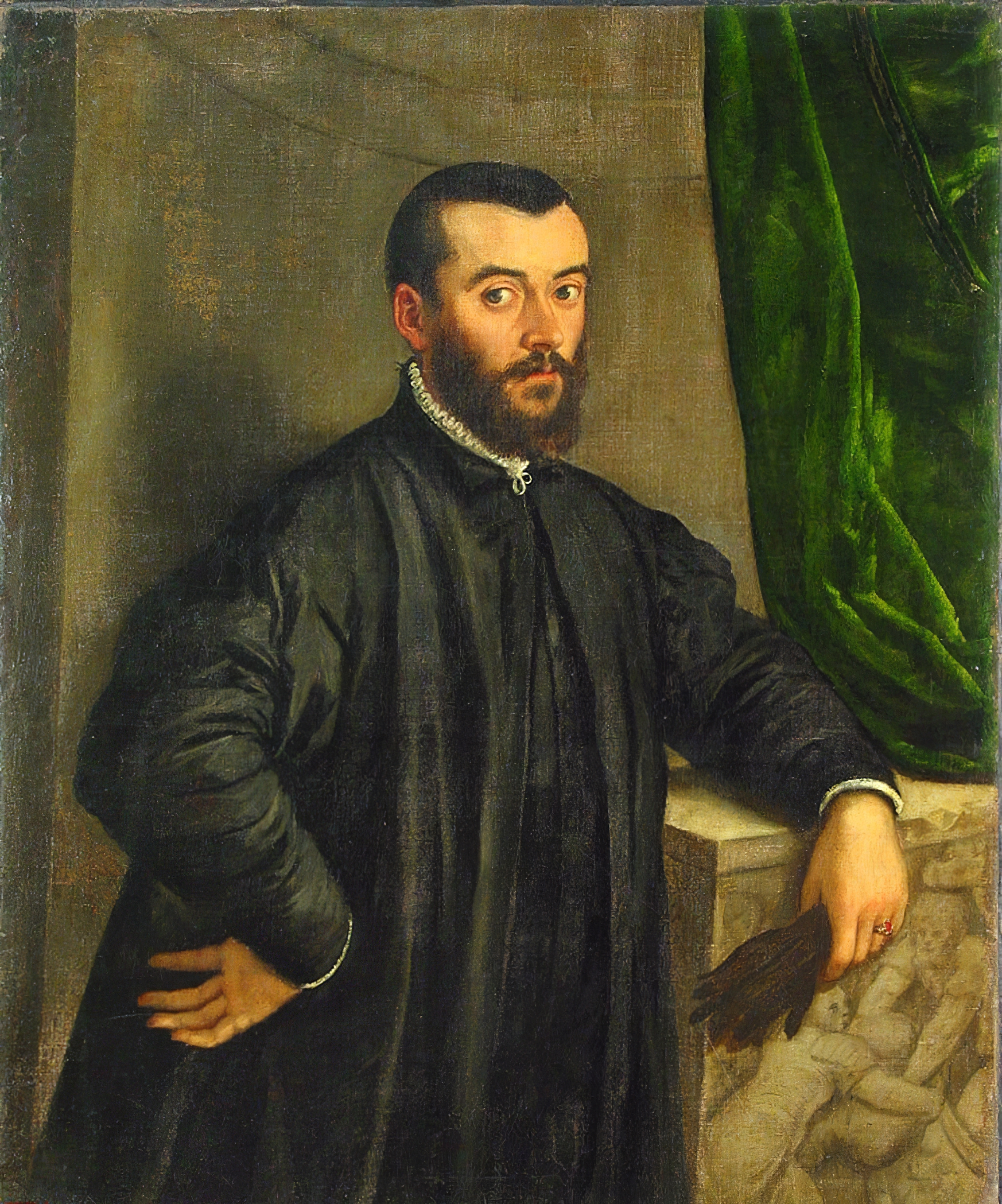
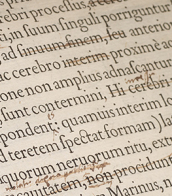
Andreas Vesalius (Dutch: Andries van Wesel) was a Flemish physician, one of the first anatomists of the Renaissance.
Vesalius came from a family of physicians and apothecaries, studied at the Catholic University of Leuven and at the medical school of the University of Paris, where he learned to dissect animals. He also had the opportunity to dissect human cadavers and devoted much time to the study of human bones. He later went to the University of Padua and, after earning his MD degree, was appointed professor of surgery, whose duties included anatomical demonstrations.
Vesalius revolutionized the study of biology and medical practice through his careful description of the anatomy of the human body. Based on observations made by himself, he wrote and illustrated the first complete textbook of anatomy. In 1543 his major work De humani corporis fabrica libri septem ("Seven Books on the Structure of the Human Body"), commonly known as Fabrica, was printed. In this epochal work, Vesalius gave far more extensive and accurate descriptions of the human body than anything that had been done by his predecessors.
In the same year, 1543, the Holy Roman Emperor Charles V appointed him staff physician of his house, and in 1559 Vesalius became physician to the Madrid court of Charles V's son, Philip II.
Vesalius' work made anatomy a scientific discipline with far-reaching implications not only for physiology but for all of biology.
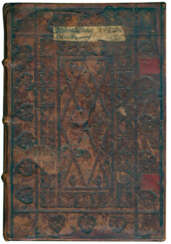

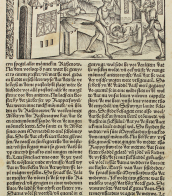
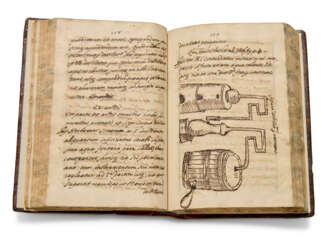







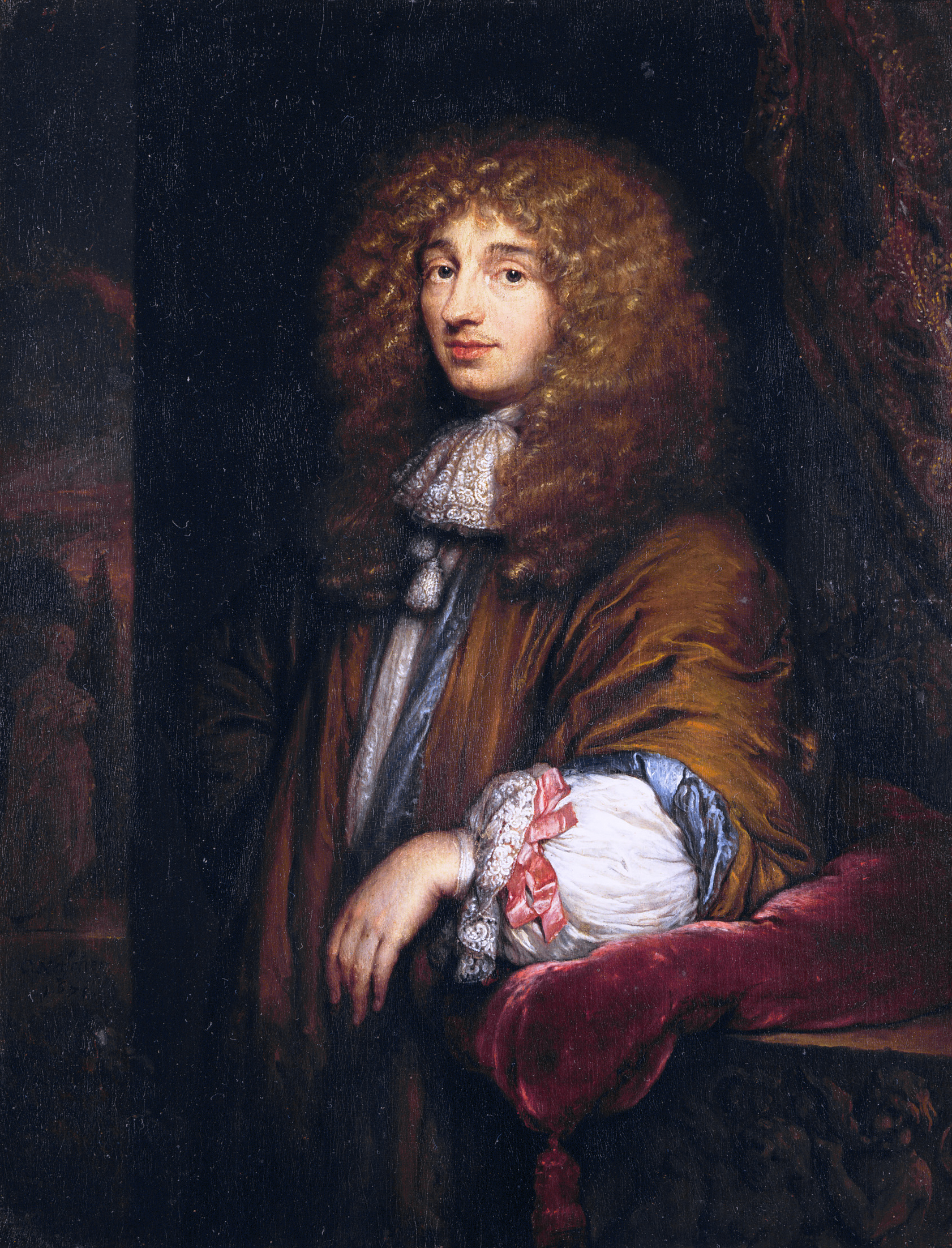
Christiaan Huygens van Zeelhem was a Dutch mechanic, physicist, mathematician, inventor and astronomer who formulated the wave theory of light.
An admirer of Descartes, Huygens preferred to conduct new experiments himself to observe and formulate laws. In physics, he contributed to the development of the crucial Huygens-Fresnel principle, which applies to wave propagation. He also extensively investigated free fall. He experimentally proved the law of conservation of momentum. He derived the law of centrifugal force for uniform circular motion.
He also invented the pendulum clock, discovered centrifugal force and the true shape of Saturn's rings as well as its moon Titan. Huygens is considered the first theoretical physicist to use formulas in physics and one of the founders of theoretical mechanics and probability theory.
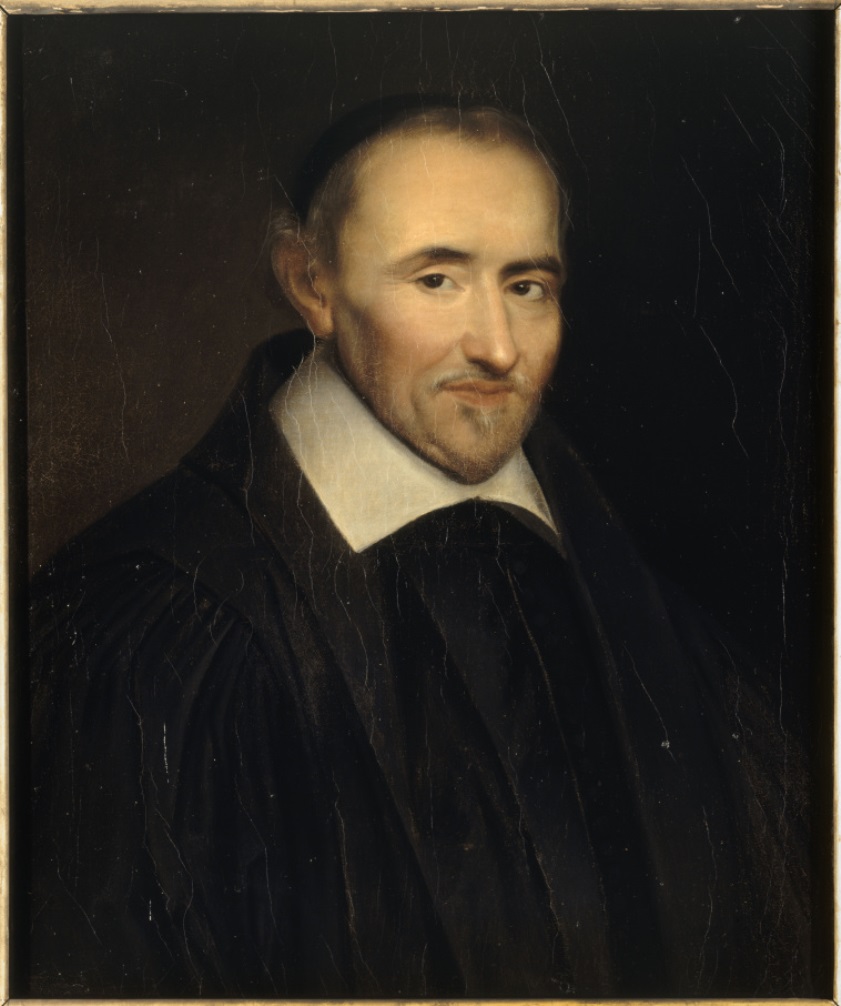
Pierre Gassendi was a French Catholic priest, Epicurean philosopher, mathematician, astronomer and researcher of ancient texts.
He taught rhetoric at Diné and philosophy at Aix-en-Provence. Gassendi's Syntagma philosophicum, the result of his historical research and philosophical reflections, is a well-known work. Several of his works on astronomy, physics and mechanics were also published in the 17th century.

.jfif)
Camille Pissarro, a Danish-French artist, was a linchpin of the Impressionist and Neo-Impressionist movements. Born in 1830 on the island of St. Thomas, Pissarro's Jewish-Portuguese heritage and upbringing in the Danish West Indies infused his work with a unique perspective. He is celebrated for his depictions of rural and urban French life, particularly his landscapes that eschew artifice, highlighting the simple beauty of the natural world and the dignity of common people.
Pissarro's influence on the art world was profound. Not only was he a central figure in the Impressionist movement, helping to organize the collective's exhibitions, but he also mentored future Post-Impressionist masters like Cézanne, Gauguin, and van Gogh. His colleagues revered him for his wisdom, balance, and warmhearted nature. Pissarro's dedication to the Impressionist ethos was unparalleled; he was the only artist to exhibit in all eight Paris Impressionist exhibitions from 1874 to 1886.
Among his notable works, Pissarro's 'Hay Harvest at Eragny' (1887) exemplifies his shift towards Neo-Impressionism. This piece, housed at the Van Gogh Museum in Amsterdam, showcases his exploration of tonal values and pointillism. Another poignant work, 'Jeanne Holding a Fan', captures the fragile beauty of his young daughter during her illness, and is a testament to his ability to convey deep personal emotion through art. This work is displayed at The Ashmolean Museum in Oxford.
For art collectors and enthusiasts, Pissarro's works remain a testament to the transformative power of Impressionism and its impact on modern art. His paintings, characterized by their revolutionary depictions of everyday life and nature, continue to be celebrated in major museums around the world.
To stay informed about upcoming sales and auction events featuring works by Camille Pissarro, sign up for our updates. This subscription is an opportunity for collectors and art experts to connect with the enduring legacy of one of Impressionism's pivotal figures.
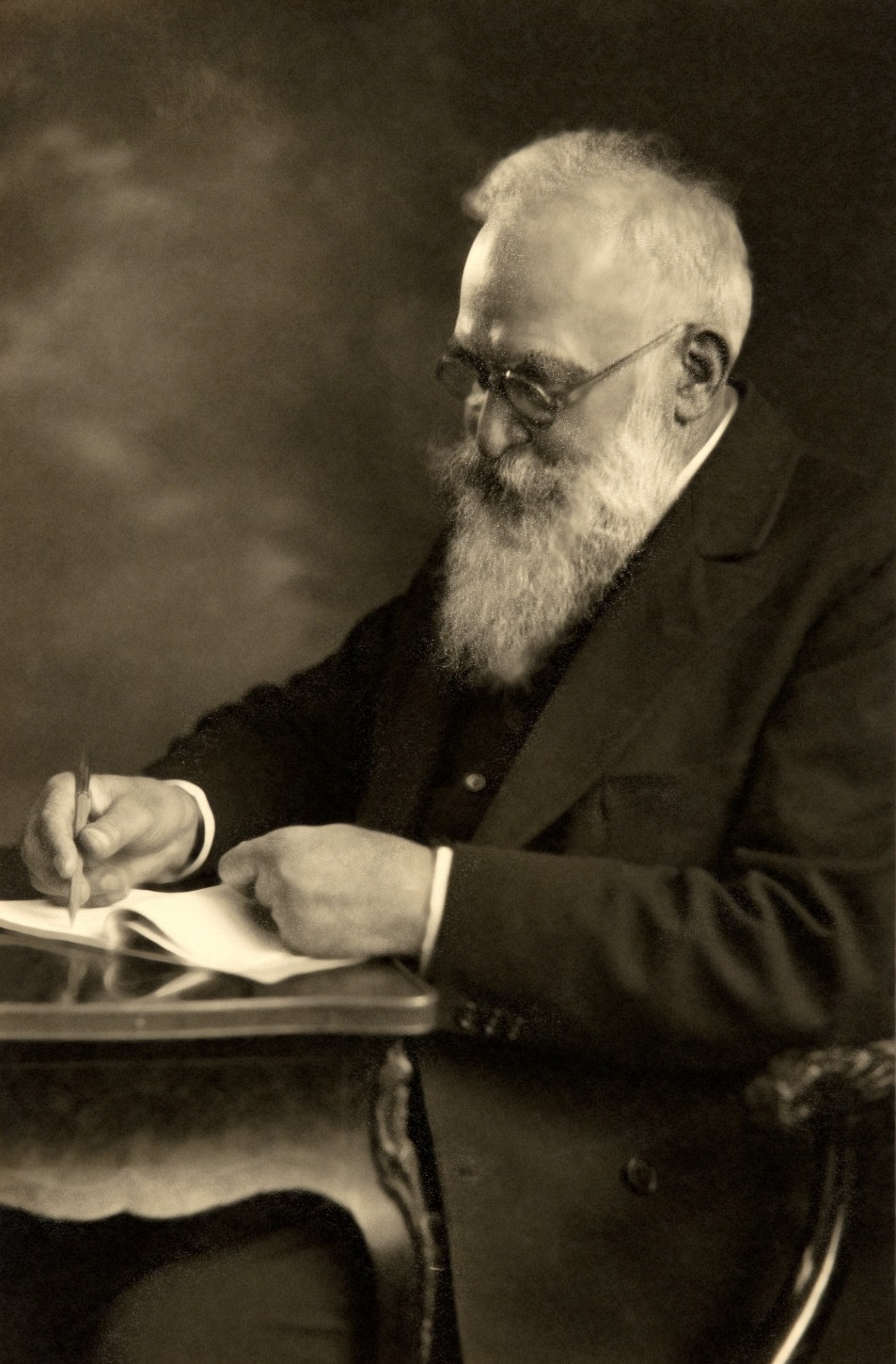
Lucien Pissarro was a French painter, graphic artist and woodcutter, representative of Pointillism. Son of Camille Pissarro. Since 1890, he lived and worked in England.
Lucien Pissarro initially studied painting under his father. He later developed his own artistic style influenced by the neo-impressionist techniques of Georges Seurat and Paul Signac. Like other Neo-Impressionist painters, Pissarro used broken strokes and divisionism techniques to create light and vivid effects.
The subjects of Pissarro's paintings often included landscapes, rural scenes and coastal vistas, reflecting his love of nature and the countryside. He was particularly fond of capturing the effects of light and atmosphere in his paintings, using a subtle and harmonious colour palette.


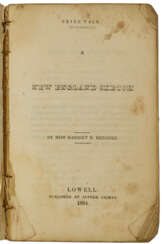

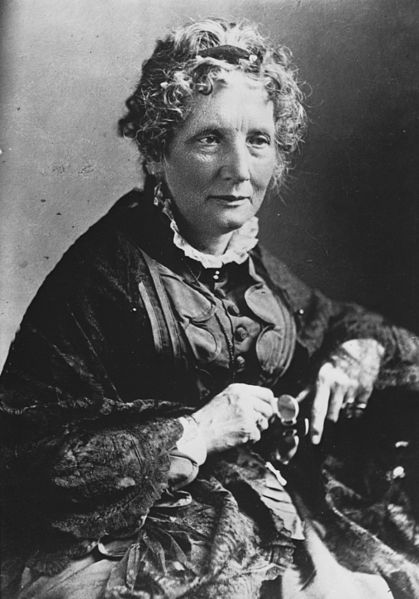
Harriet Beecher Stowe, full name Harriet Elisabeth Beecher Stowe, was an American writer and poet, an activist for the eradication of slavery in the country.
Beecher Stowe is the author of the world-famous novel Uncle Tom's Cabin. Published first in a newspaper and first published as a book in 1852, it aroused widespread anger in the country and galvanized the fight against slavery in the southern United States. This novel was later reprinted many times in all languages of the world and has been screened more than once.
In her youth, Beecher Stowe received an academic education, wrote poetry, notes and essays on social topics. In addition to "The Shack", she wrote several other novels and was engaged in teaching.


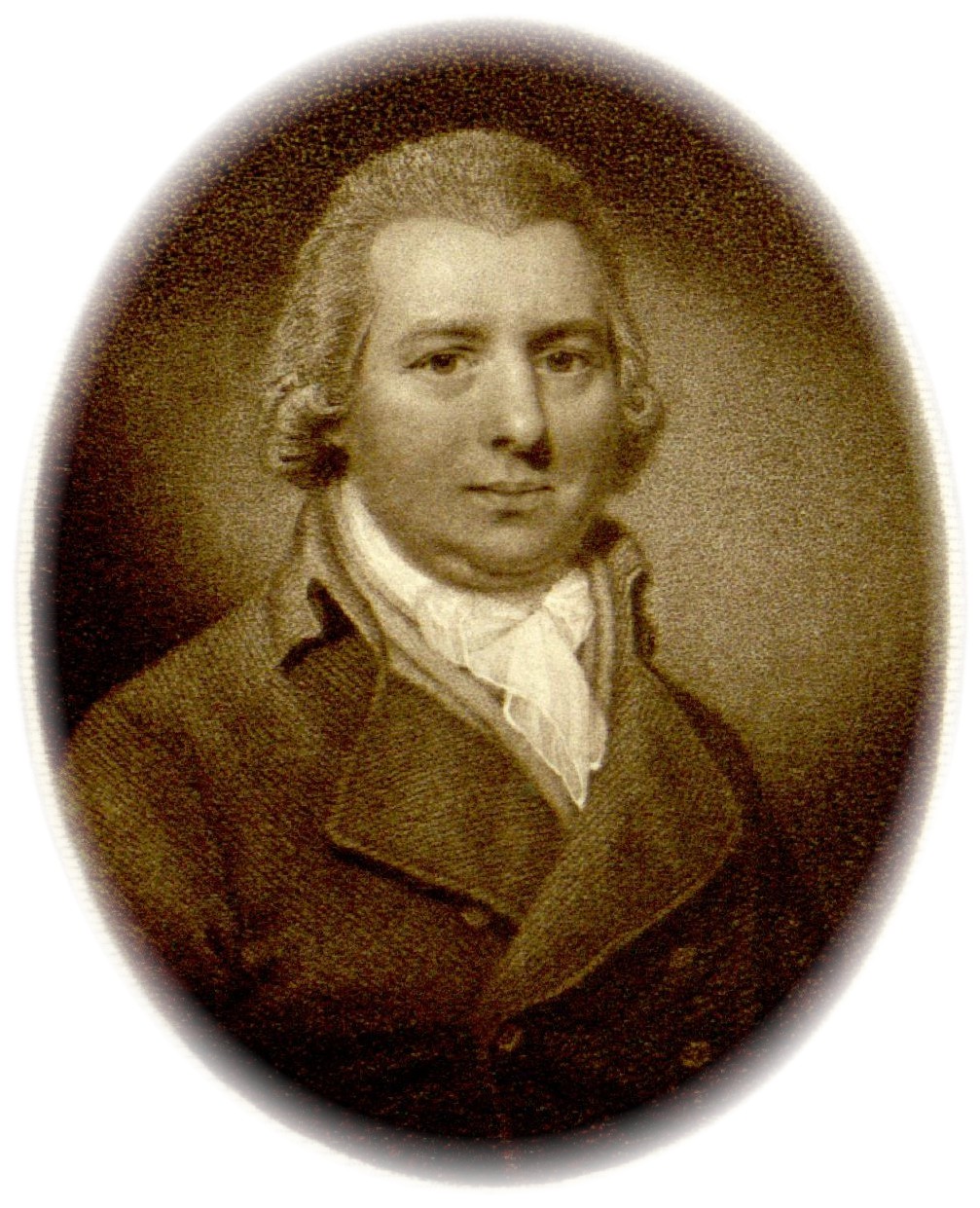
William Curtis was a British botanist and entomologist, editor of the oldest botanical publication in Great Britain.
Curtis became interested in natural history in his youth, and at the age of 25 had already published "Instructions for the Collection and Preservation of Insects", particularly butterflies. In 1779 he founded his own London botanical garden at Lambeth and published Flora Londinensis (1777-1798), a 6-volume work on urban nature.
In 1787 Curtis began publishing the later popular Botanical Magazine, which also featured hand-colored plates by artists. This magazine has changed its name several times over time, but is still continued by the Royal Botanic Gardens, Kew, as a publication for those interested in horticulture, ecology or botanical illustration. Interestingly, the magazine was entirely hand-colored until 1948.
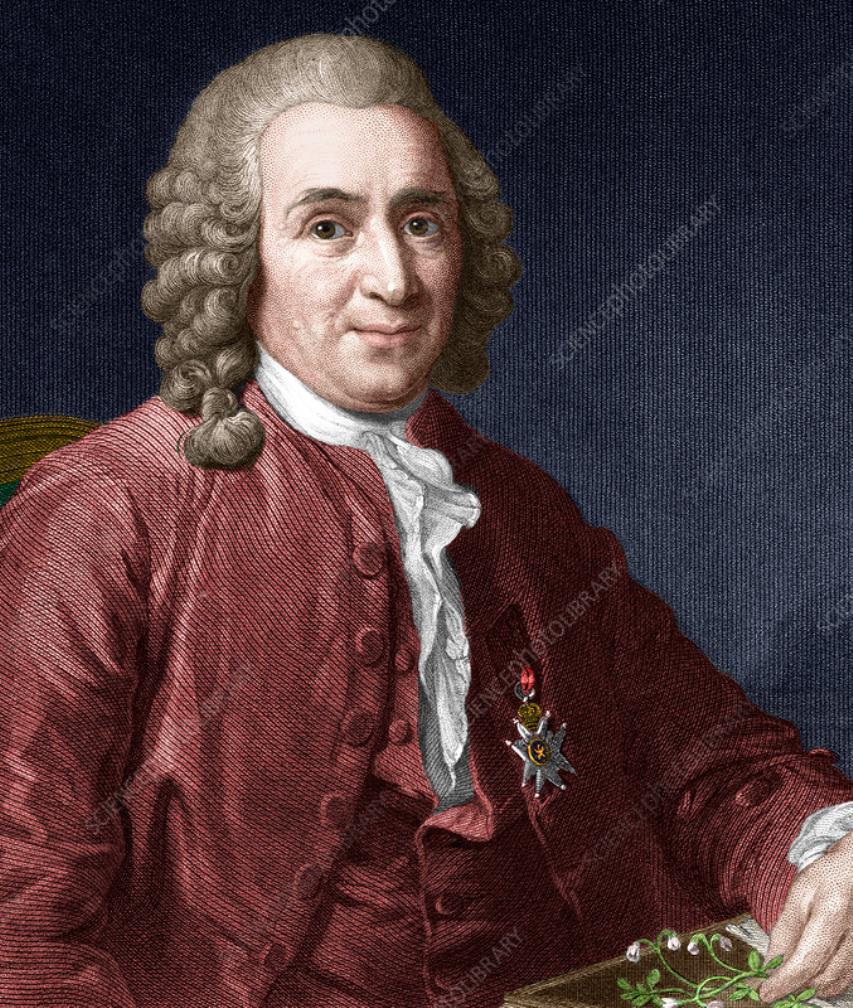
Carl Linnaeus was a Swedish naturalist, botanist and physician.
Carl Linnaeus created a unified system of classification of flora and fauna, in which he summarized and organized the knowledge of the entire previous period of development of biological science. He was the first to formulate the principles of definition of living beings of natural nature and created a unified system of their names, binary nomenclature. Linnaeus' book "The System of Nature", first published in 1735, is one of the most important books in the history of science and practically opened the classification of plants and animals.
Linnaeus was a professor at Uppsala University for many years, and he is also valued in Sweden as one of the creators of the literary Swedish language in its modern form. In addition to his work in botany and scientific classification, Linnaeus led many activities for the betterment of his native country. He was also involved in the establishment of the Royal Swedish Academy of Sciences.


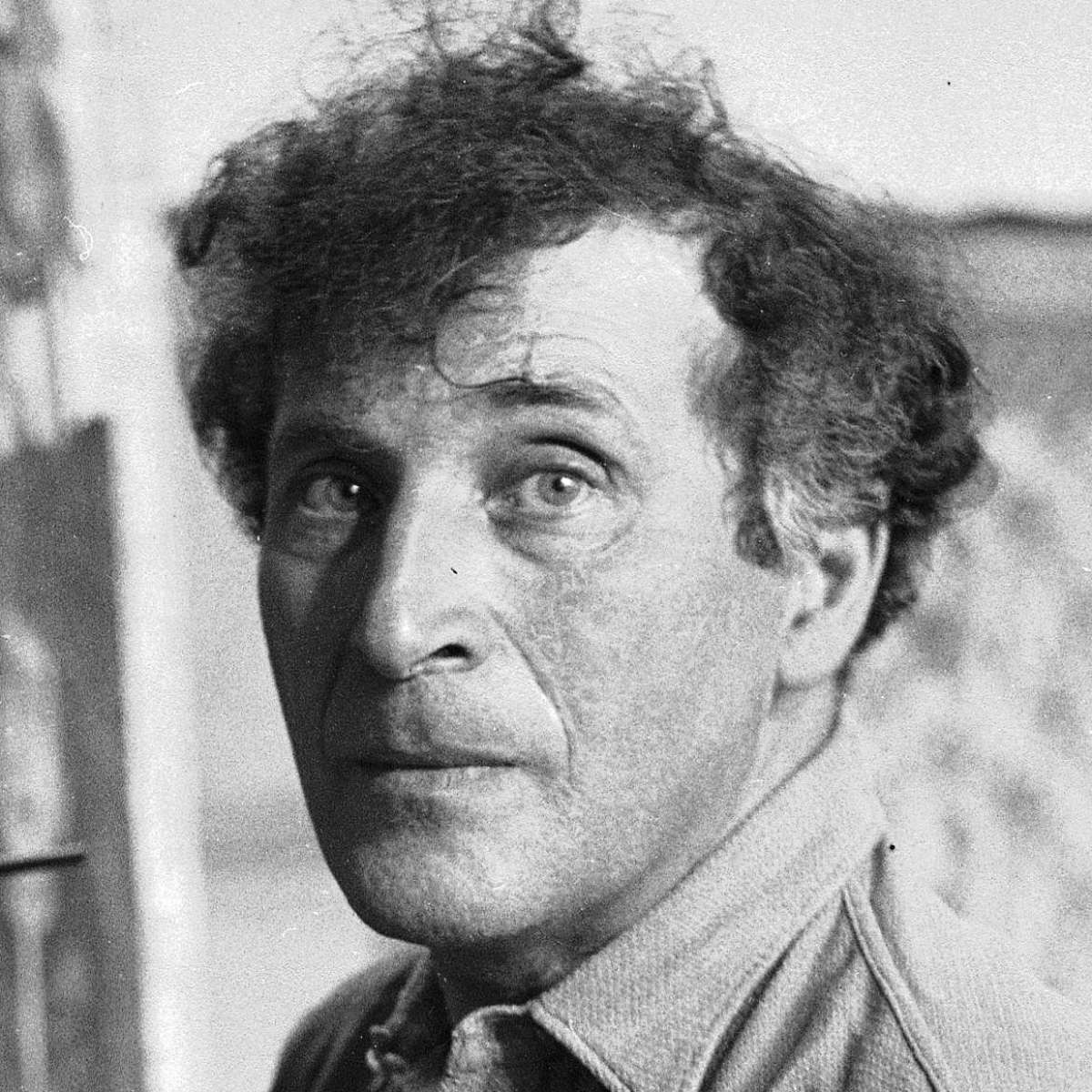
Marc Chagall (Russian: Марк Заха́рович Шага́л), born Moishe Shagal in 1887 near Vitebsk, Belarus (then part of the Russian Empire), was a Belarusian and French artist celebrated for his pivotal role in the avant-garde movement and his unique integration of Eastern European Jewish culture into modern art. His contributions spanned several artistic formats including painting, stained glass, stage sets, ceramics, tapestries, and fine art prints. Chagall's early modernist tendencies were enriched by his experiences across Saint Petersburg, Paris, and Berlin before World War I, leading to a distinctive style that melded Cubism, Symbolism, and Fauvism with his Jewish heritage.
Chagall's work is recognized for its emotional depth, often exploring themes of love, memory, and Jewish folklore through vibrant colors and dreamlike imagery. Notably, art critic Robert Hughes described him as "the quintessential Jewish artist of the twentieth century," a sentiment echoed by art historian Michael J. Lewis who regarded Chagall as a significant figure within European modernism and as the world's preeminent Jewish artist of his time.
Among Chagall's famed contributions are his stained-glass windows for the cathedrals of Reims and Metz, the UN, and the Jerusalem Windows in Israel. His monumental paintings include parts of the ceiling of the Paris Opéra and works that explore biblical themes, a hallmark of his oeuvre that underscores his enduring engagement with spiritual and religious motifs.
For art collectors and antiques experts, Chagall's works are notable not only for their artistic innovation but also for their rich cultural and historical significance. His art is housed in many prestigious museums worldwide, including the Marc Chagall National Museum in Nice, France, which focuses on his works inspired by religion and houses the series of paintings illustrating the biblical message.
For those interested in exploring Chagall's legacy and the vibrant intersection of culture, art, and history his work represents, signing up for updates on new product sales and auction events related to Marc Chagall can provide invaluable insights and opportunities. This is an invitation to engage more deeply with the world of art and culture that Chagall so uniquely encapsulated in his work.



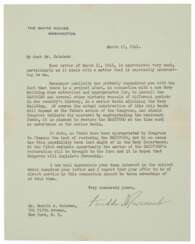

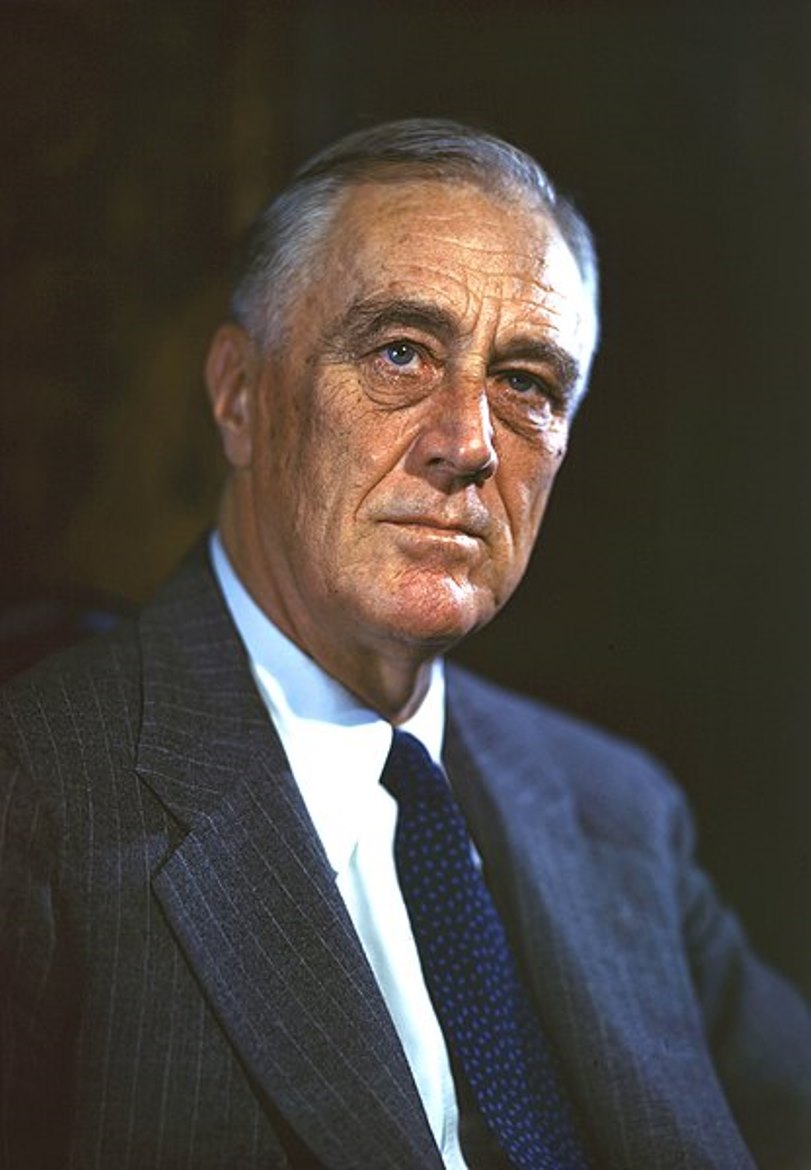
Franklin Delano Roosevelt was an American politician and statesman, the 32nd President of the United States (1932-1945).
Franklin was educated at Harvard University and Columbia Law School. His cousin was President Theodore Roosevelt, and Franklin also went into public service, but as a Democrat. He was elected to the New York Senate in 1910, President Wilson appointed him Assistant Secretary of the Navy, and Roosevelt became Governor of New York in 1928.
In November 1932, Franklin D. Roosevelt was elected president of the United States. Taking office in the midst of the Great Depression, Franklin D. Roosevelt, with his "Hundred Days" and "New Deal" programs, helped the American people regain faith in themselves. In 1936, he was re-elected by a large margin. During this difficult political period, he sought through neutrality legislation to keep the U.S. out of the war in Europe, but at the same time to strengthen countries that were threatened or attacked. Japan's surprise attack on Pearl Harbor on December 7, 1941, drew the country into the war.
In 1944, as Hitler's Germany was nearing its collapse, an ailing Roosevelt managed to win the presidency again. The following February, he met with Churchill and Stalin at the famous Yalta Conference. His health was deteriorating, and on April 12, 1945, Franklin Roosevelt died of a cerebral hemorrhage. He was the only U.S. president to be elected to office four times. Roosevelt successfully led the United States through two of the greatest crises of the 20th century: the Great Depression and World War II.