body public









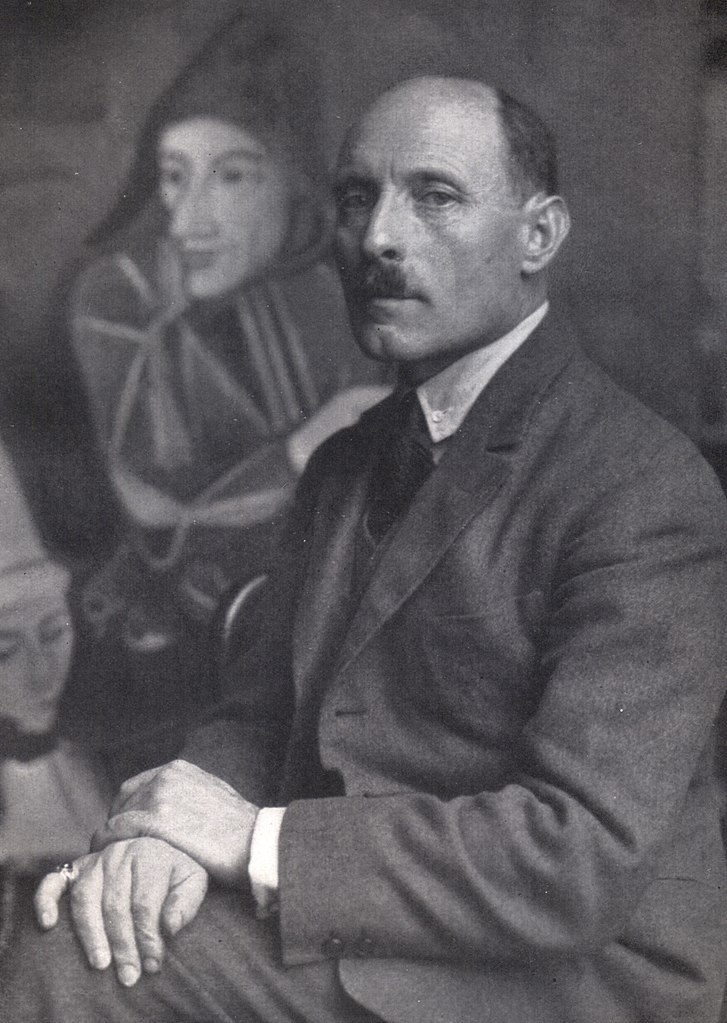
Karl Hofer was a German expressionist painter. He was director of the Berlin Academy of Fine Arts.
One of the most prominent painters of expressionism, he never was a member of one of the expressionist painting groups, like "Die Brücke", but was influenced by their painters. His work was among those considered degenerate art by the Nazis, but after World War II he regained recognition as one of the leading German painters.
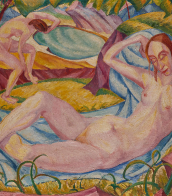


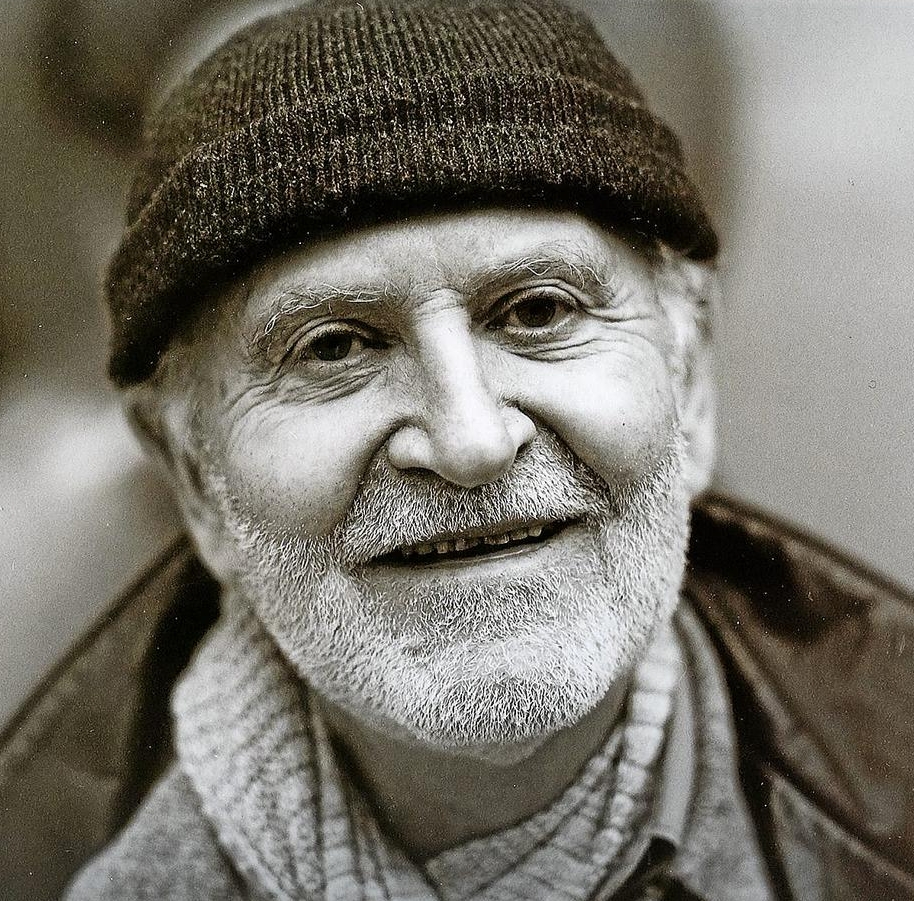
Friedrich Gräsel was a German sculptor, painter and graphic artist. He was known for his kinetic sculptures, which often incorporated light, sound, and movement.
Gräsel studied at the Academy of Fine Arts Nuremberg and later taught at the Academy of Fine Arts Munich. He began creating kinetic sculptures in the 1960s, using a wide range of materials such as metal, wood, and plastic to create dynamic, interactive works of art.
Gräsel's sculptures often feature intricate mechanisms and complex systems of movement, inviting viewers to engage with the work on a sensory level. His work frequently incorporates elements of humor and whimsy, while also exploring deeper themes related to technology, nature, and the human condition.
Gräsel exhibited his work extensively throughout Europe, including at the Venice Biennale, Documenta in Kassel, and the Museum of Modern Art in Paris. He was also awarded numerous honors and awards for his work, including the Bavarian Order of Merit in 1987 and the Art Prize of the City of Nuremberg in 1997.
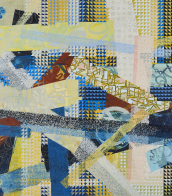






Zhuang Hong Yi is one of China's most famous artists.
He currently lives and works in a studio in China and a residence in Switzerland. Zhuang received his first education at the Sichuan College of Fine Arts in China and moved to the Netherlands in 1992, where he continued his studies at the Minerva Academy in Groningen.
He received a powerful boost of inspiration when he saw the famous tulip fields among the picturesque Dutch landscapes. The powerful blossom of nature has been the main subject of Zhuang Hong Yi's creations ever since. His works are characterized by bold color schemes and intricate, repetitive floral motifs.
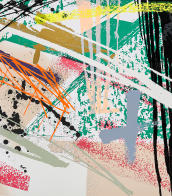
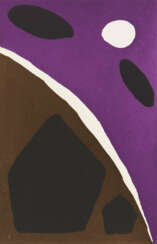

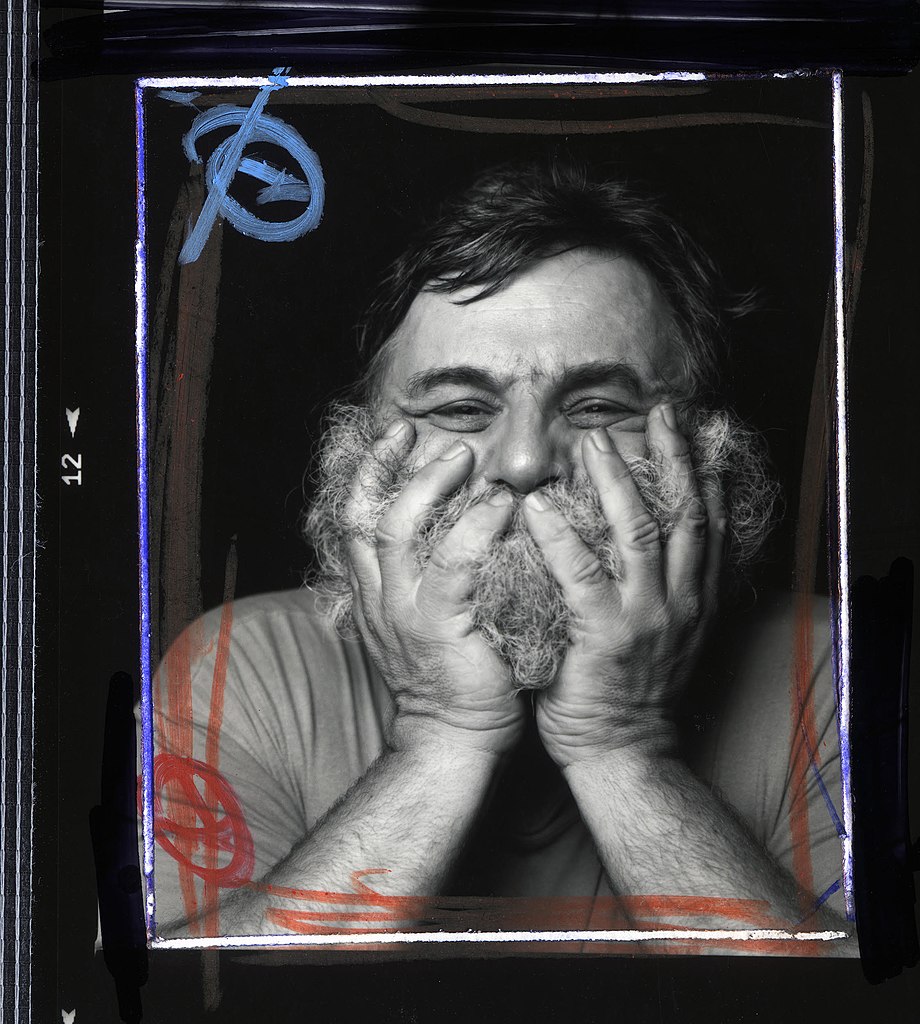
Ralf Winkler, alias A. R. Penck, was a German painter, printmaker, sculptor, and jazz drummer. A neo-expressionist, he became known for his visual style, reminiscent of the influence of primitive art.
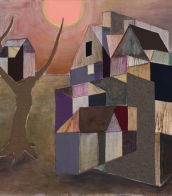
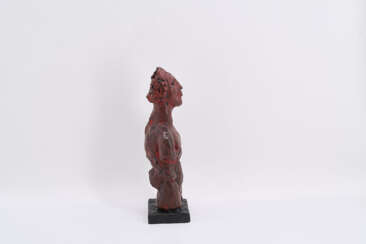

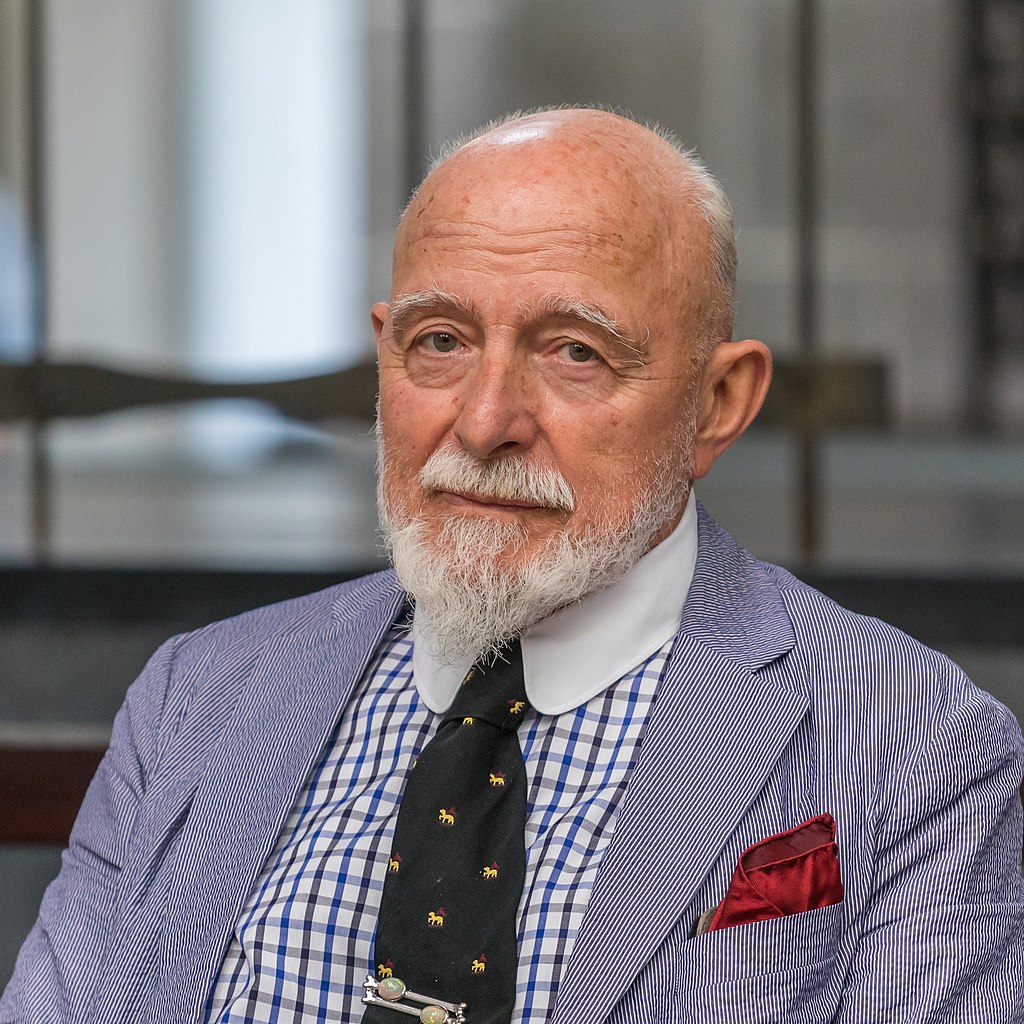
Markus Lüpertz is a German painter, sculptor, graphic artist, and writer. He also publishes a magazine, and plays jazz piano. He is one of the best-known German contemporary artists. His subjects are characterized by suggestive power and archaic monumentality. Lüpertz insists on capturing the object of representation with an archetypal statement of his existence. His art work is associated to neo-expressionism. Known for his eccentricity, German press has stylized him as a «painter prince».








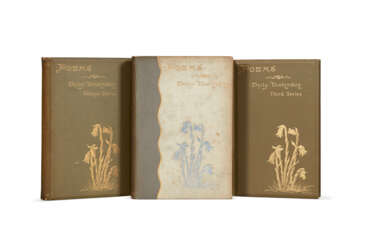

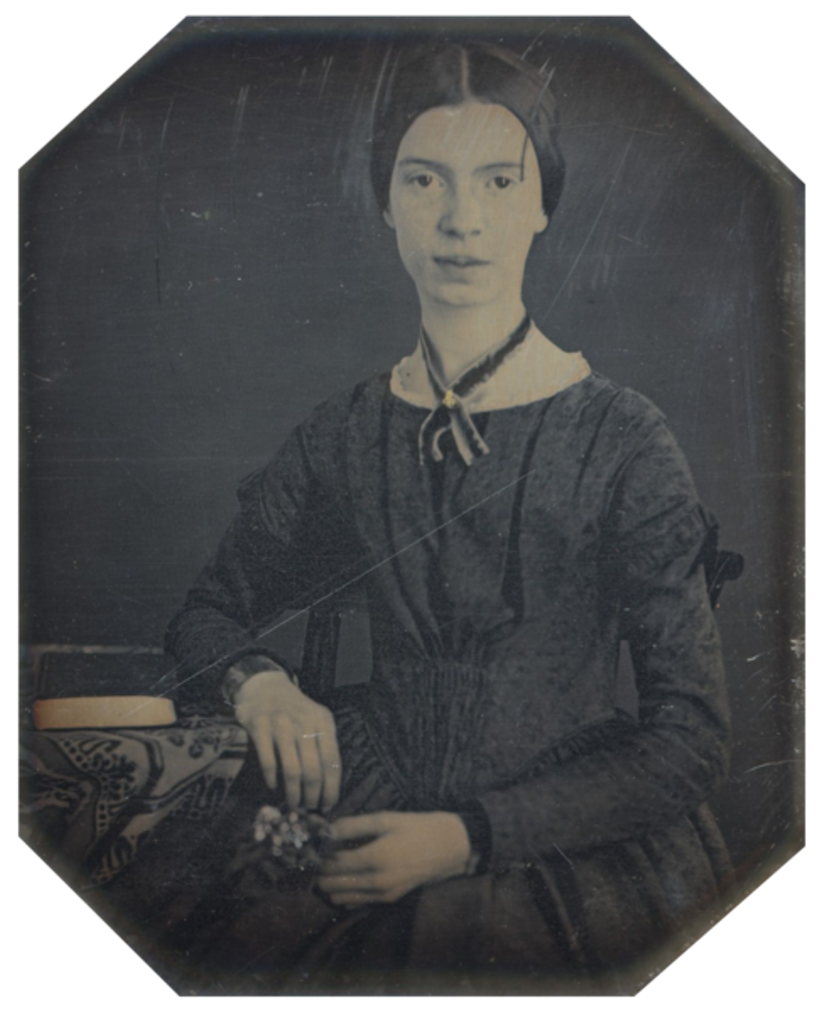
Emily Elizabeth Dickinson was a 19th-century American lyric poet.
Emily led a secluded and rather unusual lifestyle, preferring active correspondence instead of personal communication. In addition to many brilliant and witty letters to her family and friends, she wrote about two thousand poems during her lifetime, but only about ten were published during her lifetime.
Dickinson possessed an extraordinary brilliance of style and integrity of vision and, along with Walt Whitman, is today considered one of the two leading American poets of the nineteenth century. She easily ignored the usual rules of versification and even grammar, and in the intellectual content of her works showed exceptional courage and originality. It is known that the poetess was particularly impressed by the poetry of Ralph Waldo Emerson, and with Charles Wadsworth she corresponded.
Today, the work of Emily Dickinson is evaluated as a bright forerunner of modernism, it is widely studied in educational institutions in the United States and Europe.


Paul Gauguin, a French artist born in Paris in 1848, is renowned for his significant contributions to Post-Impressionism, Primitivism, and Synthetism. Gauguin's art is distinguished by his experimental use of color and style, which set him apart from the traditional Impressionist movement.
Gauguin's early life was marked by a period in Peru, which influenced his artistic perspective. Initially, he pursued a career in stockbroking but soon turned to art, driven by financial necessity and a growing passion. His artistic journey began under the mentorship of Impressionist artist Camille Pissarro and through exposure to the works of other avant-garde artists.
The hallmark of Gauguin's work is his exploration of non-Western cultures, particularly during his time in Tahiti and the Marquesas Islands. This period saw the creation of some of his most famous works, including "Where Do We Come From? What Are We? Where Are We Going?" His paintings from this era, characterized by vivid colors and Symbolist themes, reflect a fusion of cultural influences and his quest for a "primitive" expression of spiritual and emotional states.
Despite his innovative style, Gauguin struggled with financial difficulties and health issues throughout his life. His work received little recognition during his lifetime, but posthumously, he gained acclaim for influencing modern artists like Pablo Picasso and Henri Matisse.
Today, Gauguin's works are celebrated in galleries and museums worldwide for their unique blend of cultural influences and artistic innovation. His enduring legacy is a testament to his unique vision and the profound impact he had on the art world.
Collectors and experts in art and antiques, stay updated on new product sales and auction events related to Paul Gauguin. Sign up now for exclusive updates and immerse yourself in the world of this visionary artist.
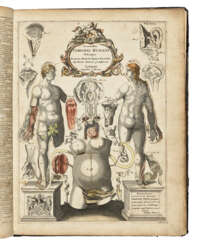

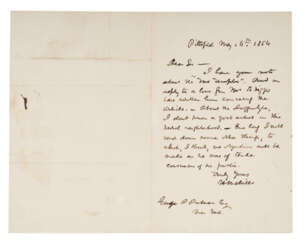

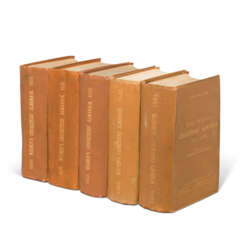

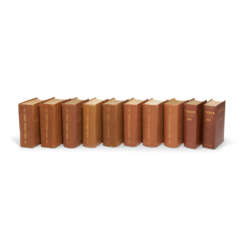

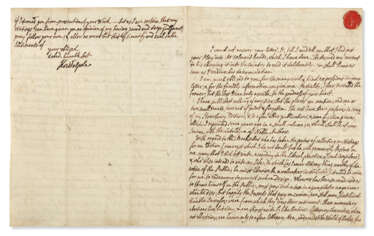

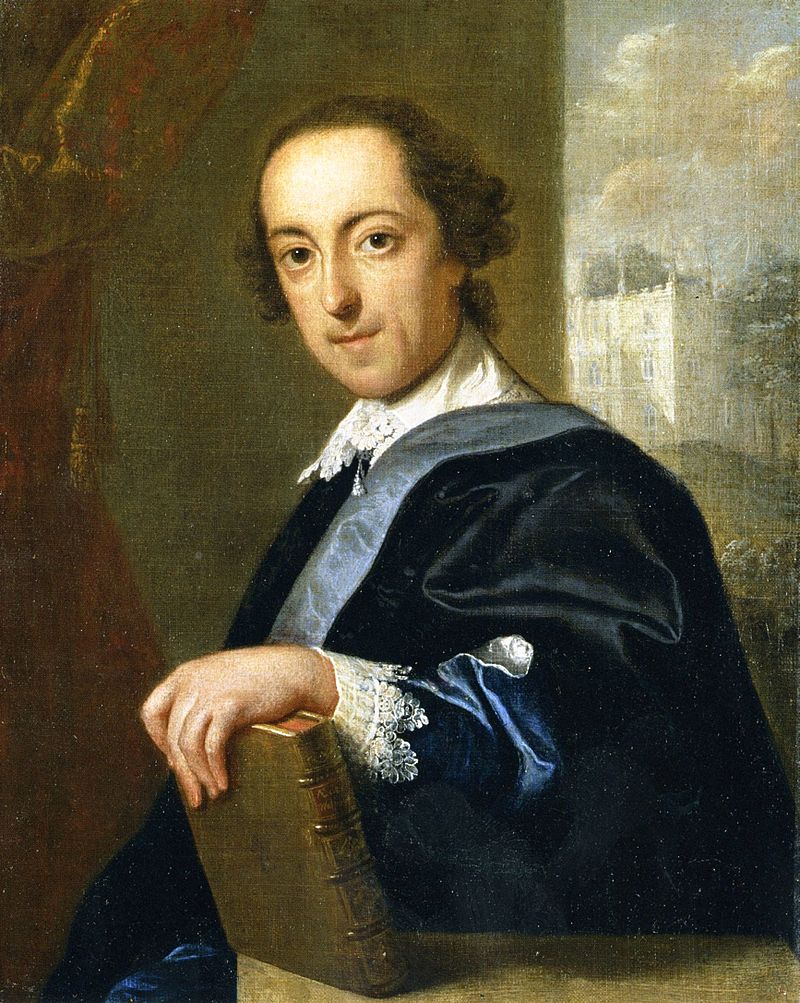
Horace Walpole, 4th Earl of Orford was an English writer, founder of the Gothic romance, bibliophile, and collector.
Born into an aristocratic family, Walpole received a classical education worthy of a young aristocrat at Eton College, then studied at Cambridge University and traveled widely in Europe.
Later he settled in his castle Stroberry Hill, where he gradually amassed one of the largest and richest art galleries in England. Here Walpole also wrote the first Gothic novel, Ontario Castle (1764), which became a prototype of horror literature that made him famous. Walpole also left an extensive private correspondence of some 4,000 letters, a most interesting survey for scholars of the history, manners, and tastes of his era.



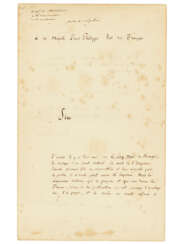

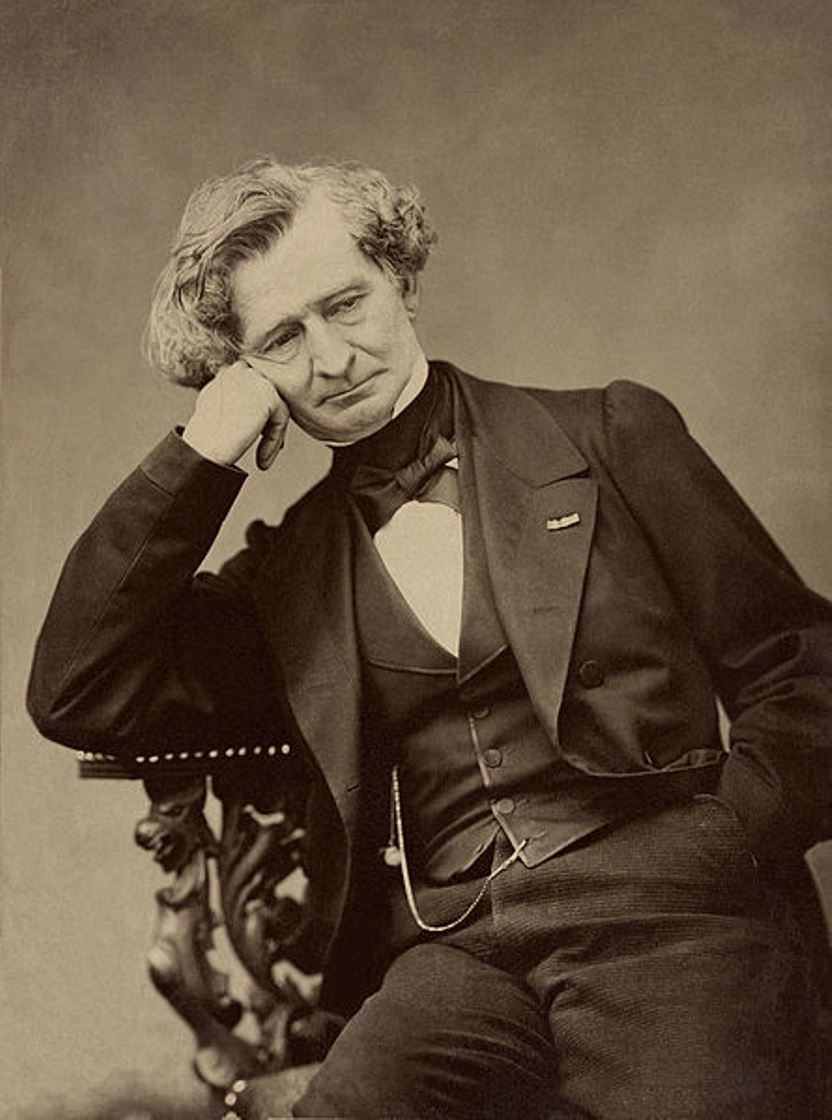
Hector Berlioz, full name Louis-Hector Berlioz, was a French composer, conductor, and music critic of the Romantic era.
Berlioz received his primary education from his father, an enlightened physician, who gave him his first lessons in music and Latin. By the age of 12, he was already composing music for local chamber ensembles and learning to play the guitar and flute with virtuosity. In 1821 his father sent him to Paris to study medicine, and he received his first scientific degree. But in parallel, he often visited the Paris Opera, where he studied the entire repertoire on the score.
Against the will of his parents, Berlioz took a compulsory course of study at the Conservatory of Paris and in 1830 received the Prix de Rome. In Italy he met the Russian composer Mikhail Glinka and became lifelong friends with Mendelssohn. From 1832 Berlioz worked for 30 years as a music critic for periodicals. He was acquainted with many of the leading writers and musicians of his time, including Victor Hugo, Alexandre Dumas, Niccolò Paganini, and George Sand.
Berlioz adored the works of Weber and Beethoven, as well as Gluck, and tirelessly introduced audiences to their works. As a result of his many trips as a conductor to Germany, Belgium, England, Russia, and Austria-Hungary, he taught the leading orchestras of Europe a new style.
Berlioz during these years wrote, among other things, the "Symphonie Fantastique" (1830) that made him famous, and the symphony "Harold in Italy" (1834). After a concert in 1838, where he conducted their performance, the famous violin virtuoso Paganini declared Hector Berlioz a continuator of Beethoven's musical traditions and presented him with 20,000 francs. A grateful Berlioz wrote a choral symphony, Romeo and Juliet, dedicated to Paganini.
In 1844, Berlioz created "Treatise on Modern Instrumentation and Orchestration", which is not just a technical manual, it served as an introduction to the aesthetics of expression in music for generations to come. Among Berlioz's dramatic works, The Damnation of Faust (1846) and The Nativity (1854) are world-famous.




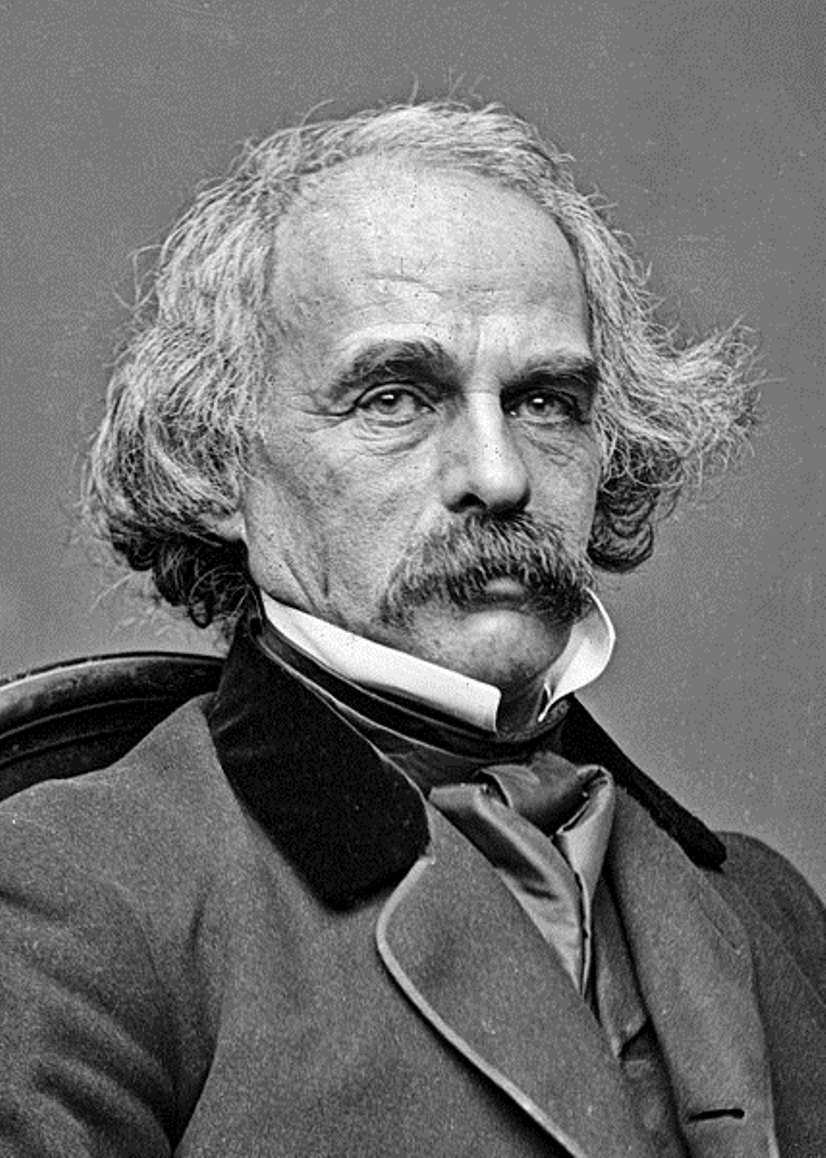
Nathaniel Hawthorne is an American writer and author.
Hawthorne is a recognized short story writer and a master of allegorical and symbolic narrative. One of the first fiction writers in American literature, he is best known for his works The Scarlet Letter (1850) and The House of Seven Gables (1851). Hawthorne's artistic works are considered part of the American Romantic movement and, in particular, of so-called dark Romanticism, a popular mid-19th-century fascination with the irrational, the demonic, and the grotesque.


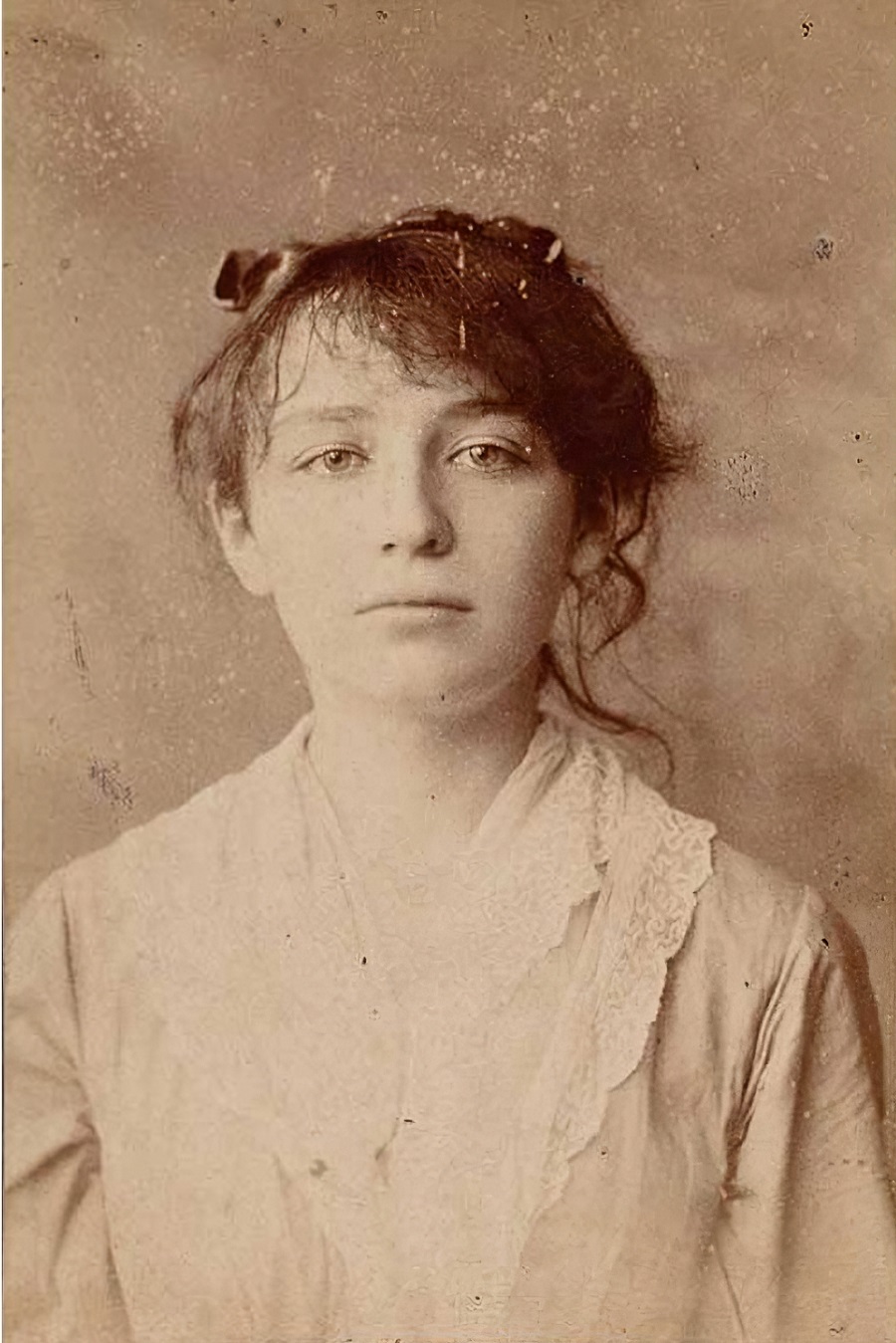
Camille Claudel was a French sculptor. She is known for her powerful and emotionally charged sculptures, which often portrayed human figures in moments of intense emotion or turmoil.
Claudel studied art in Paris under the tutelage of Auguste Rodin, and the two became lovers and collaborators for several years. Her work was heavily influenced by Rodin's style, and she often portrayed human bodies with a sense of fluidity and movement that was characteristic of his work.
Claudel's sculptures were praised for their technical skill and emotional intensity, but she struggled to gain recognition as an artist in her own right. She was frequently dismissed as simply a student of Rodin, and her personal life was marked by a series of setbacks and tragedies.
In 1913, Claudel suffered a nervous breakdown and was committed to a mental institution by her family, where she remained for the rest of her life. Her work was largely forgotten until the late 20th century, when a renewed interest in her life and career led to a reassessment of her place in the history of modern art. Today, her sculptures are celebrated for their technical virtuosity and emotional power, and her story has become an inspiration to many artists and scholars.
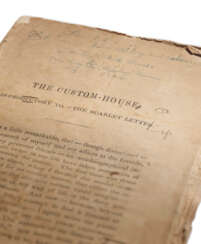

Nathaniel Hawthorne is an American writer and author.
Hawthorne is a recognized short story writer and a master of allegorical and symbolic narrative. One of the first fiction writers in American literature, he is best known for his works The Scarlet Letter (1850) and The House of Seven Gables (1851). Hawthorne's artistic works are considered part of the American Romantic movement and, in particular, of so-called dark Romanticism, a popular mid-19th-century fascination with the irrational, the demonic, and the grotesque.