duree de




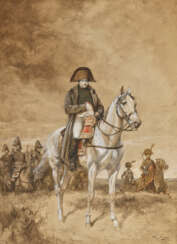
![DREUX, Alfred de [Pierre-Alfred Dedreux] (1810-1860)](/assets/image/picture_2944038/98c26/de5eceedec9ee7244be9ba33f45b00c51689199200jpg__fix_374_244.jpeg)
![DREUX, Alfred de [Pierre-Alfred Dedreux] (1810-1860)](https://veryimportantlot.com/assets/image/picture_2944038/98c26/de5eceedec9ee7244be9ba33f45b00c51689199200jpg__fix_374_244.jpeg)
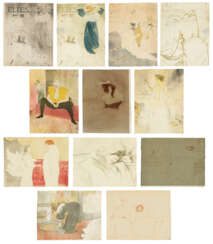

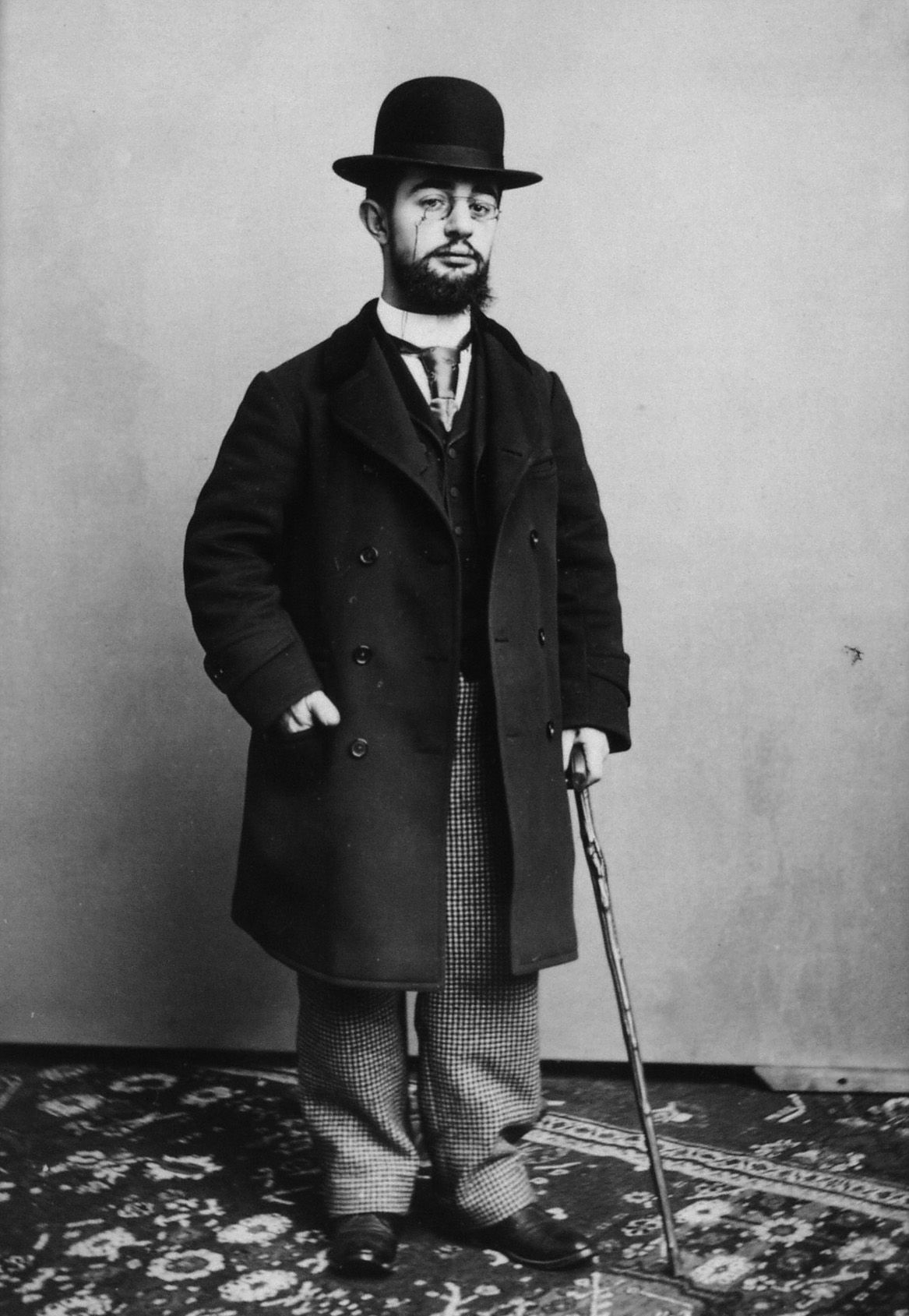
Henri de Toulouse-Lautrec was a distinguished French Post-Impressionist artist, renowned for his deep insights into Parisian nightlife and the world of entertainment in the 1890s. Born into an aristocratic family in Albi, France, Toulouse-Lautrec faced significant health challenges. He suffered from a rare condition, possibly pycnodysostosis, which stunted the growth of his legs following two fractures during his adolescence, leading to a notably short stature as an adult.
Despite his physical limitations, Toulouse-Lautrec immersed himself in art, becoming a key figure in the Post-Impressionist movement alongside artists like Paul Cézanne and Vincent van Gogh. He is particularly celebrated for his vibrant and expressive depictions of the bohemian lifestyle in late 19th-century Paris, often featuring scenes from brothels and nightlife venues. His unique style combined elements of Art Nouveau and lithography, as evidenced in famous works such as "Moulin Rouge: La Goulue" and "At the Moulin Rouge: The Dance".
Toulouse-Lautrec's work offers a window into the Parisian entertainment scene of his time, marked by a vivid use of color and a candid portrayal of his subjects. His ability to capture the essence of Parisian society, from dancers to prostitutes, in an era of great artistic and cultural dynamism, makes his work particularly valuable to art collectors and experts.
For those interested in the art and life of Henri de Toulouse-Lautrec, staying informed about sales and auction events is essential. Sign up for updates to receive the latest news on pieces by Toulouse-Lautrec available for purchase or auction. This subscription focuses exclusively on new product sales and auction events related to Toulouse-Lautrec, ensuring that enthusiasts and collectors don't miss out on any opportunity to acquire pieces from this iconic artist.


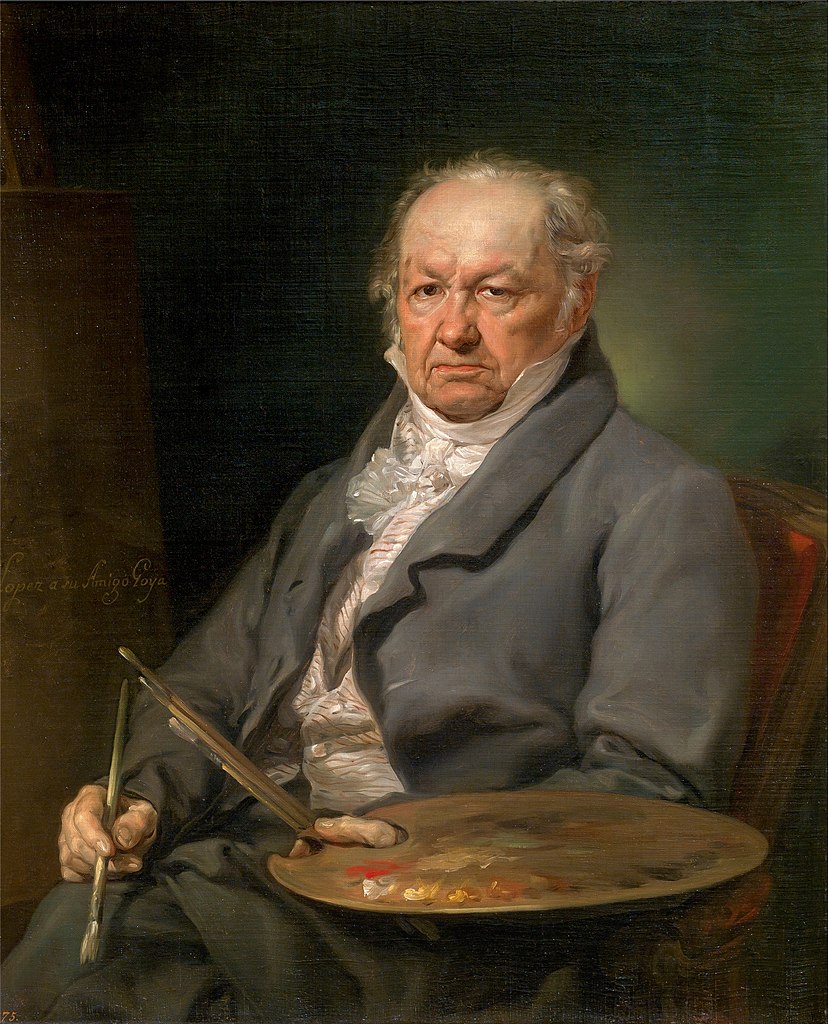
Francisco José de Goya y Lucientes was a Spanish romantic painter and printmaker, celebrated as the most pivotal Spanish artist of the late 18th and early 19th centuries. Born in Fuendetodos, Aragon, Spain, on March 30, 1746, Goya's work reflects a tumultuous period of history, intertwining the personal, political, and social upheavals of his time with a bold and innovative artistic vision. His early career was marked by portraits of the Spanish aristocracy and royalty, as well as Rococo style tapestry cartoons for the royal palace. However, following a severe illness in 1793 that left him deaf, his art took on a darker and more pessimistic tone.
Goya's oeuvre is vast, encompassing around 700 paintings, 280 prints, and several thousand drawings, through which he depicted a wide range of subjects from the whimsical to the macabre. Notable among his works are "The Naked Maja," "The Clothed Maja," "The Family of Charles IV," "The Third of May 1808: The Execution of the Defenders of Madrid," and "Saturn Eating His Children." His etchings, particularly the series "Los Caprichos" and "The Disasters of War," are celebrated for their intricate detail, emotional depth, and critical social commentary.
Goya's contribution to art goes beyond his mastery of painting and printmaking. He is often considered the bridge between the Old Masters and modern art, introducing themes and techniques that would influence countless artists in the centuries to follow. His ability to capture the essence of his era, the human condition, and the complexities of his own psyche, makes his work universally relatable and enduringly relevant.
His most famous paintings are housed in prestigious museums worldwide, including the Museo del Prado in Madrid, which holds an extensive collection of his works. The Prado's collection serves as a testament to Goya's significant impact on art and culture, offering insight into the artist's unique perspective on the world around him.
For collectors and experts in art and antiques, Francisco de Goya's legacy is a beacon of artistic innovation and historical significance. His works not only adorn the walls of museums but also continue to inspire and provoke thought among audiences across the globe.
For updates related to Francisco de Goya, including new product sales and auction events related to his works, sign up for our newsletter. Stay informed on the latest offerings and opportunities to add to your collection of this legendary artist's works.
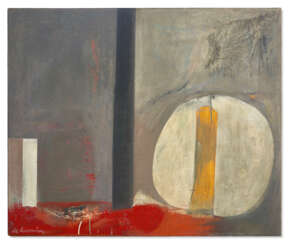

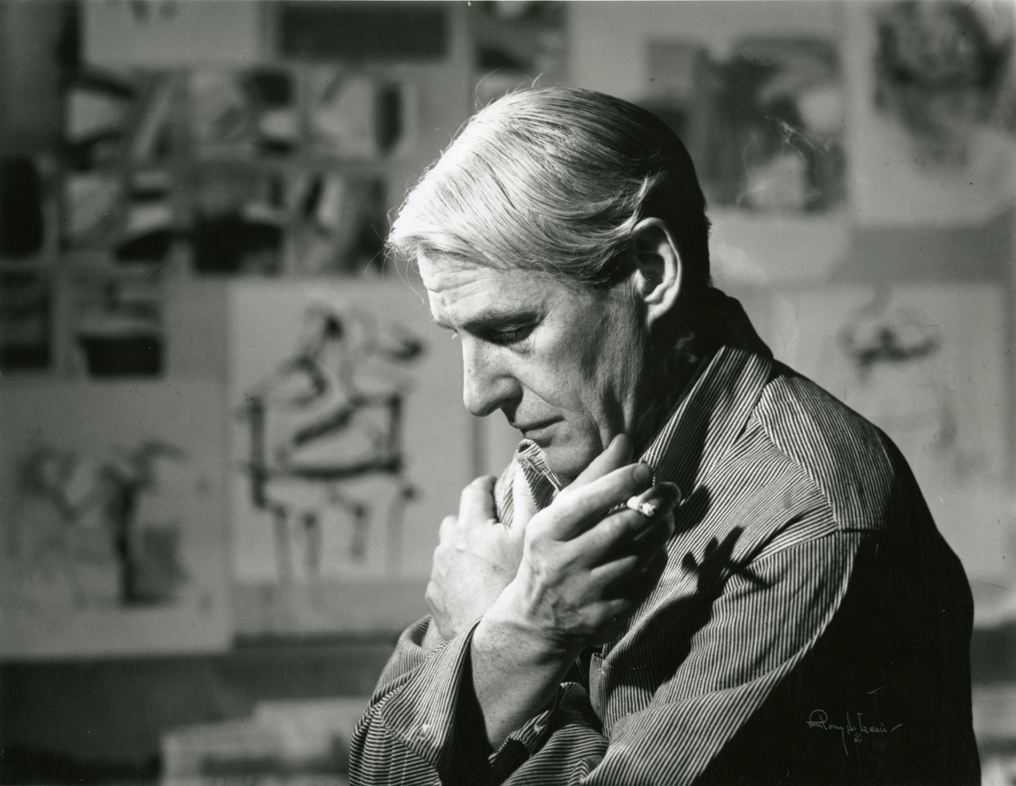
Willem de Kooning was a Dutch-American abstract expressionist painter. Born in Rotterdam, Netherlands, he moved to the United States in 1926, becoming a U.S. citizen in 1962. He was a leading figure in the Abstract Expressionism movement, known for his dramatic and often energetic style. He gained prominence between 1948 and 1953, creating some of his most iconic works, including the Woman series.
De Kooning's paintings combined abstraction with elements of Cubism, Surrealism, and Expressionism. His style evolved over time, with works that ranged from figurative to more abstract pieces. Among his most notable works are "Woman I" (1950-52) and "Excavation" (1950), which reflect his unique approach to painting, characterized by vigorous brushstrokes, bold colors, and complex textures.
Despite his success, de Kooning faced challenges, including personal struggles with alcoholism and deteriorating health due to Alzheimer's disease in his later years. His artwork has had a lasting impact on modern art, and his pieces can be found in major museums and galleries worldwide, such as the Museum of Modern Art (MoMA) and the Smithsonian American Art Museum.
Stay updated on new releases and auction events featuring works by Willem de Kooning by signing up for our exclusive email notifications. Get insider information and never miss a chance to add to your art collection.
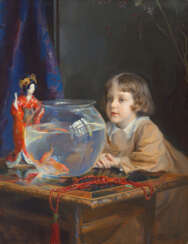

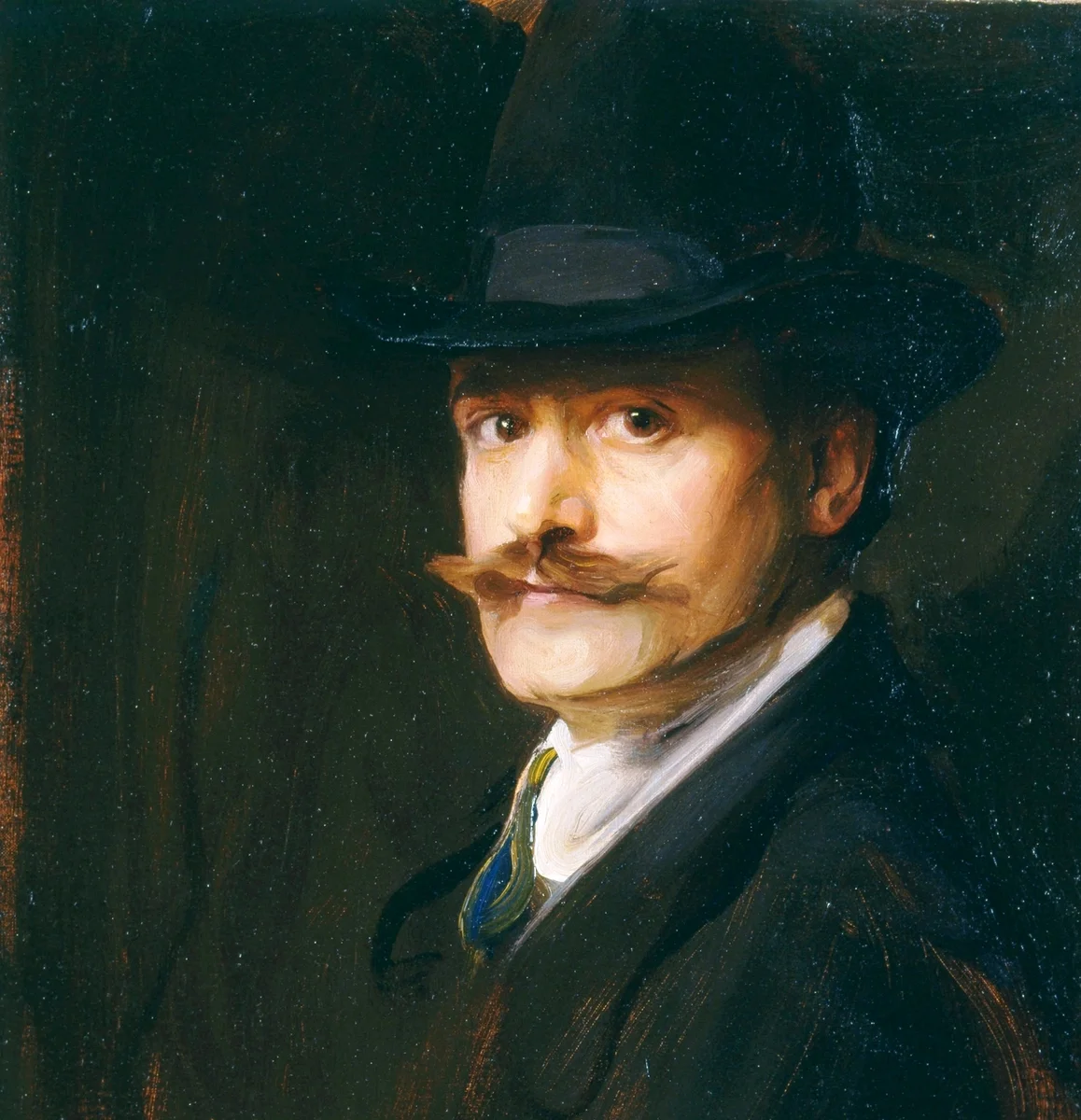
Philip Alexius de László, an Anglo-Hungarian artist renowned for his portraiture, captured the likenesses of many notable figures from European royalty to prominent societal personalities. Born in 1869 in Hungary and later becoming a British citizen in 1914, de Philip László's work is celebrated for its vibrant realism and intimate depiction of character, making him a favorite among high society across Europe and beyond.
Philip De László's artistry earned him numerous honors, including being ennobled in Hungary and receiving medals from British royalty. Despite his accolades and successful integration into British society, he faced internment during World War I, which was a significant period of adversity in his otherwise illustrious career. His legacy includes over 4,000 works, with portraits housed in prestigious institutions like the National Portrait Gallery in London.
His subjects spanned a wide array of influential figures including Emperor Franz Joseph of Austria, U.S. President Calvin Coolidge, and Queen Marie of Romania. These portraits are not merely artistic renditions but historical documents that offer a glimpse into an era defined by its cultural and political complexities. His works continue to be studied and admired for their technical excellence and historical significance, making them highly valuable to collectors and experts in art and antiques.
For those interested in staying updated on exhibitions, sales, or auctions related to Philip Alexius de László's works, subscribing for notifications can provide timely information and opportunities to acquire pieces by this distinguished artist. This ensures that enthusiasts and collectors don't miss out on important events tied to his enduring artistic legacy.
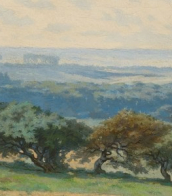


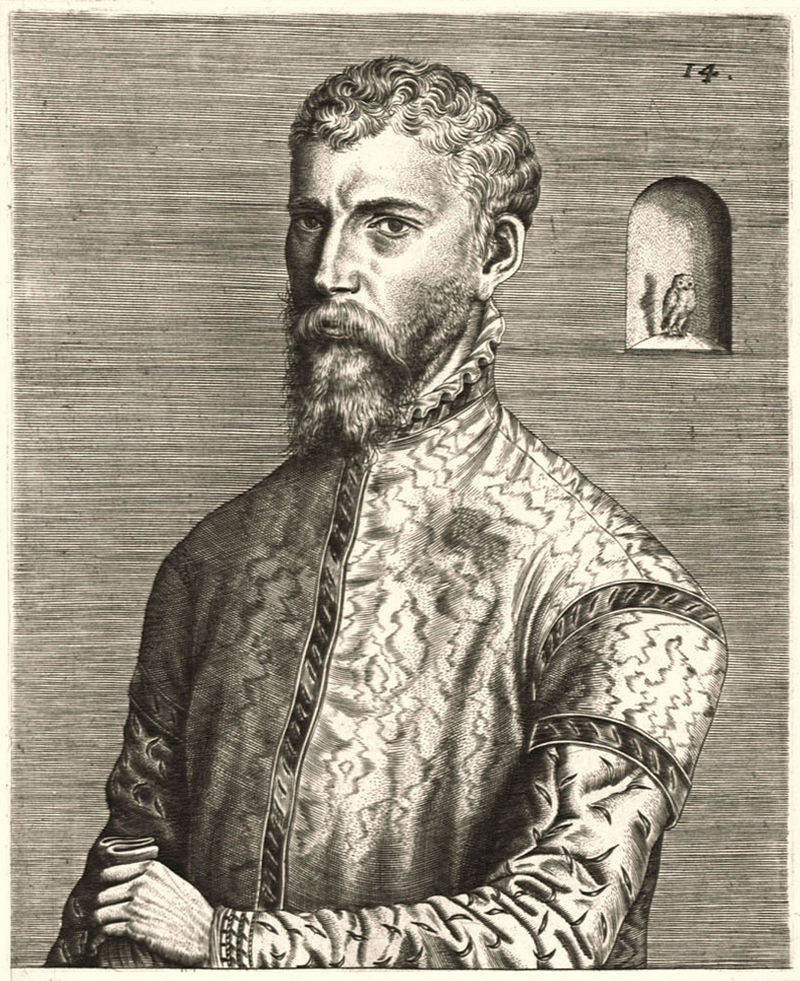
Herri met de Bles is a Flemish artist, along with Joachim Patinir, one of the founders of European landscape painting. He painted mainly landscapes with multi-figured compositions. Like Patinir, his style is characterized by stylized images of rocks and a careful rendering of aerial perspective.


.jpg)
Maurice de Vlaminck was a French artist renowned for his vibrant use of color and contribution to the Fauvist movement. Born in Paris in 1876, Vlaminck's early work was marked by a passionate application of paint and a bold palette, drawing inspiration from Vincent van Gogh and Henri Matisse. His participation in the 1905 Salon d'Automne, alongside other Fauvist painters, was met with critical disdain, leading to the term "fauves" (wild beasts) being coined to describe their unorthodox use of intense color.
Vlaminck's career was characterized by a continuous exploration of color and form. Early on, he depicted scenes of daily life, landscapes, and portraits, imbuing them with a sense of motion through his dynamic brushwork. Notable works from this period include "Sur le zinc" (At the Bar) and "L'homme a la pipe" (Man Smoking a Pipe), which highlighted his departure from traditional portraiture and landscapes towards more expressive and mood-driven compositions. His landscapes, in particular, showcased a disregard for detail in favor of conveying atmosphere, a technique that was revolutionary at the time.
Throughout his life, Vlaminck's style evolved, showing influences from Post-Impressionism and later, a more monochromatic palette reminiscent of Paul Cézanne. Despite this evolution, he maintained a critical stance towards Cubism and its leading figure, Pablo Picasso, believing that Cubism had led French painting into a "wretched dead end". In his later years, Vlaminck's work adopted a darker palette and more naturalistic style, moving away from the Fauvist emphasis on color to explore the dramatic and expressive potential of landscapes and seascapes.
Vlaminck's impact on modern art is undeniable. His works are held in prestigious collections worldwide, including the Hermitage Museum in Saint Petersburg and the Minneapolis Institute of Art, attesting to his enduring influence and the continued fascination with his bold, expressive approach to painting.
For collectors and experts in art and antiques, Vlaminck's oeuvre represents a pivotal moment in the history of modern art, where the emotional intensity and visual impact of color were explored as never before. To stay informed on new product sales and auction events related to Maurice de Vlaminck, signing up for updates is recommended, offering exclusive insights into the vibrant world of Fauvism and modernist painting.
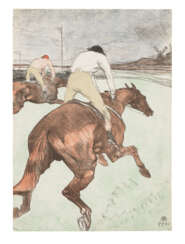

Henri de Toulouse-Lautrec was a distinguished French Post-Impressionist artist, renowned for his deep insights into Parisian nightlife and the world of entertainment in the 1890s. Born into an aristocratic family in Albi, France, Toulouse-Lautrec faced significant health challenges. He suffered from a rare condition, possibly pycnodysostosis, which stunted the growth of his legs following two fractures during his adolescence, leading to a notably short stature as an adult.
Despite his physical limitations, Toulouse-Lautrec immersed himself in art, becoming a key figure in the Post-Impressionist movement alongside artists like Paul Cézanne and Vincent van Gogh. He is particularly celebrated for his vibrant and expressive depictions of the bohemian lifestyle in late 19th-century Paris, often featuring scenes from brothels and nightlife venues. His unique style combined elements of Art Nouveau and lithography, as evidenced in famous works such as "Moulin Rouge: La Goulue" and "At the Moulin Rouge: The Dance".
Toulouse-Lautrec's work offers a window into the Parisian entertainment scene of his time, marked by a vivid use of color and a candid portrayal of his subjects. His ability to capture the essence of Parisian society, from dancers to prostitutes, in an era of great artistic and cultural dynamism, makes his work particularly valuable to art collectors and experts.
For those interested in the art and life of Henri de Toulouse-Lautrec, staying informed about sales and auction events is essential. Sign up for updates to receive the latest news on pieces by Toulouse-Lautrec available for purchase or auction. This subscription focuses exclusively on new product sales and auction events related to Toulouse-Lautrec, ensuring that enthusiasts and collectors don't miss out on any opportunity to acquire pieces from this iconic artist.
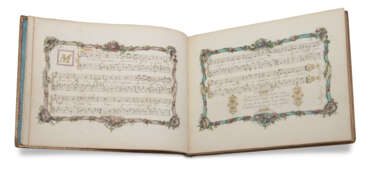

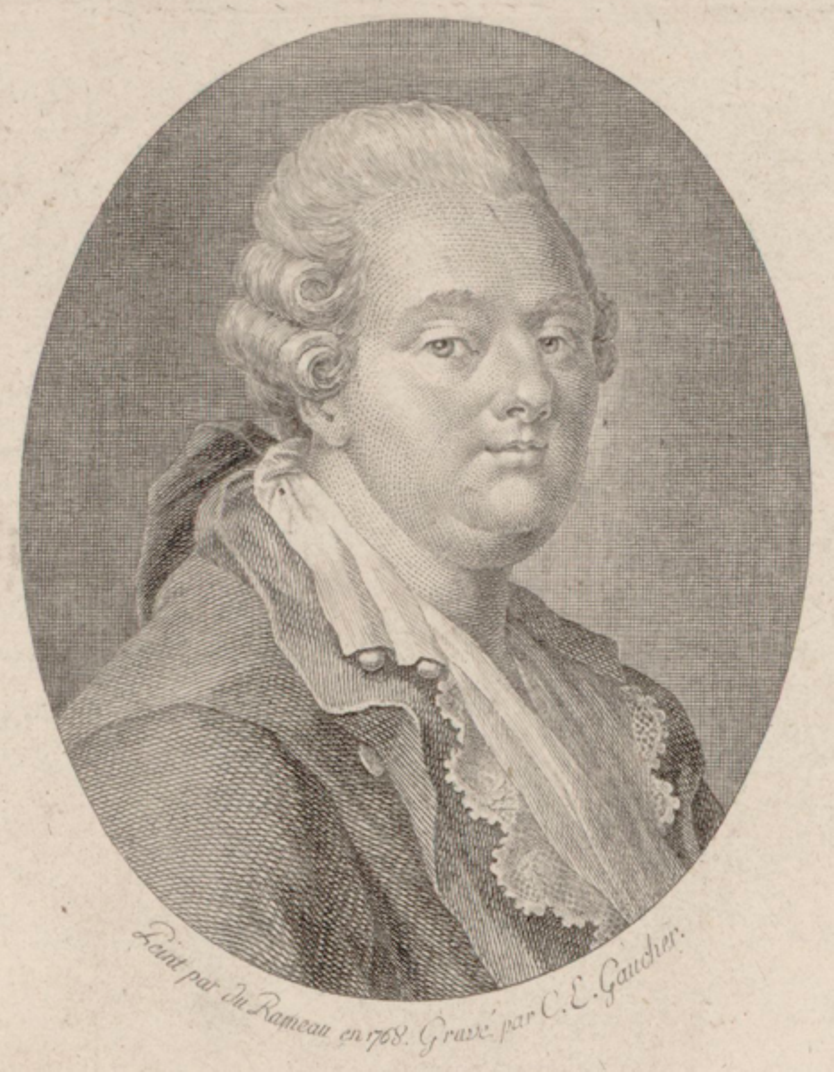
Jean-Benjamin de La Borde was a French composer, music historian, publisher and financier.
De La Borde played the violin and trained in composition. In 1748 he composed his first small opera, and in 1751 his opera Le Rossignol ou Le Mariage secret (The Nightingale or The Secret Marriage) was staged in Paris. The prolific composer went on to compose an average of 30 operas a year for 30 years, mostly of a comic nature.
De La Borde was also a prominent cultural figure of his time: he authored Essays on Music, a four-volume collection of songs for solo voice, and initiated the publication of the General and Private Description of France (1781-96).
For several years de La Borde was valet and favorite of Louis XV; he refused to leave France during the Revolution and was arrested and executed by guillotine on July 22, 1794.


_-_(by_Lodewijk_van_der_Helst,_1672).jpg)
Willem van de Velde the Younger was a Dutch marine painter from the van de Velde dynasty of artists.
Willem van de Velde the Younger is famous for his paintings depicting the calm sea with a magical reflection of the water surface and sea battles. His works are held in London's National Gallery and private English collections, Amsterdam's Rijksmuseum, The Hague, Berlin, Munich, Vienna and Paris. There are three paintings by Willem van de Velde the Younger in the Hermitage. In addition to paintings, he left many drawings, the number of which exceeds 8,000.

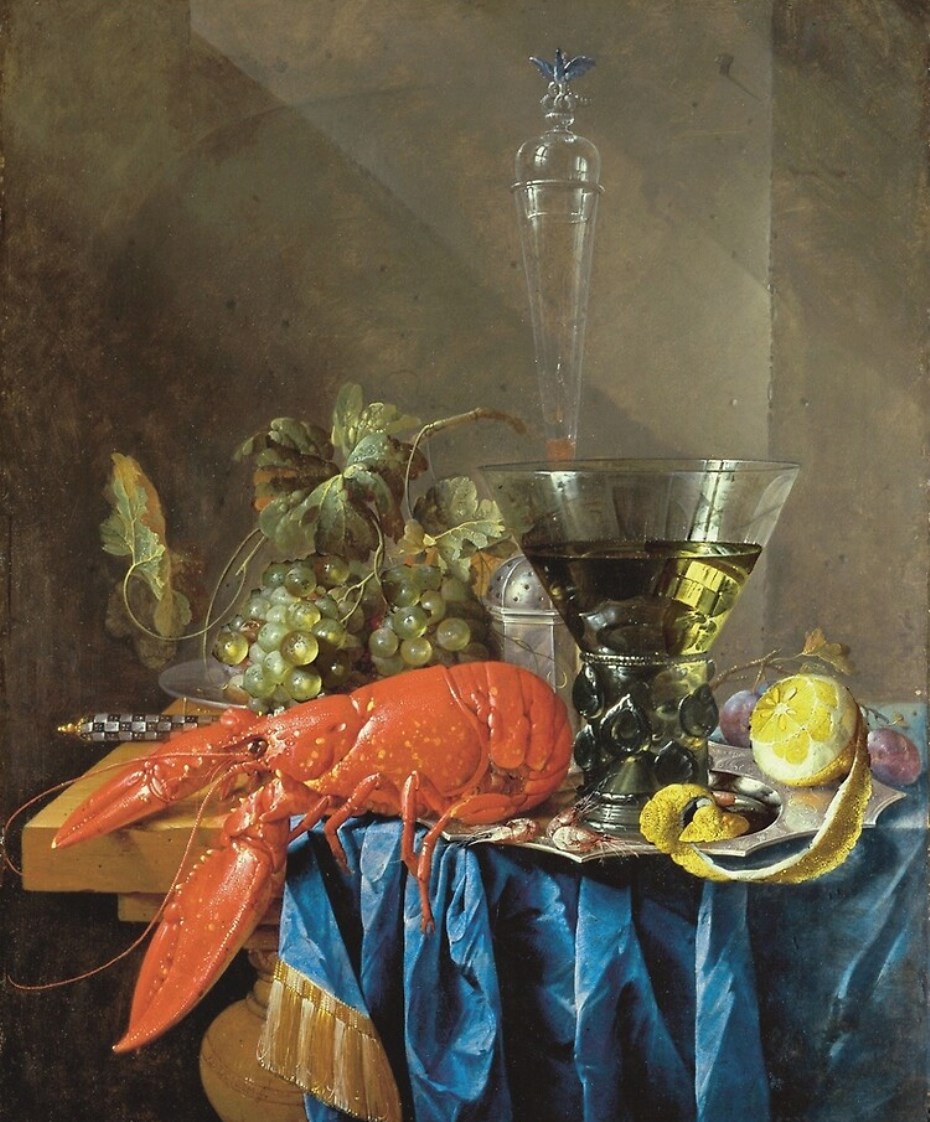


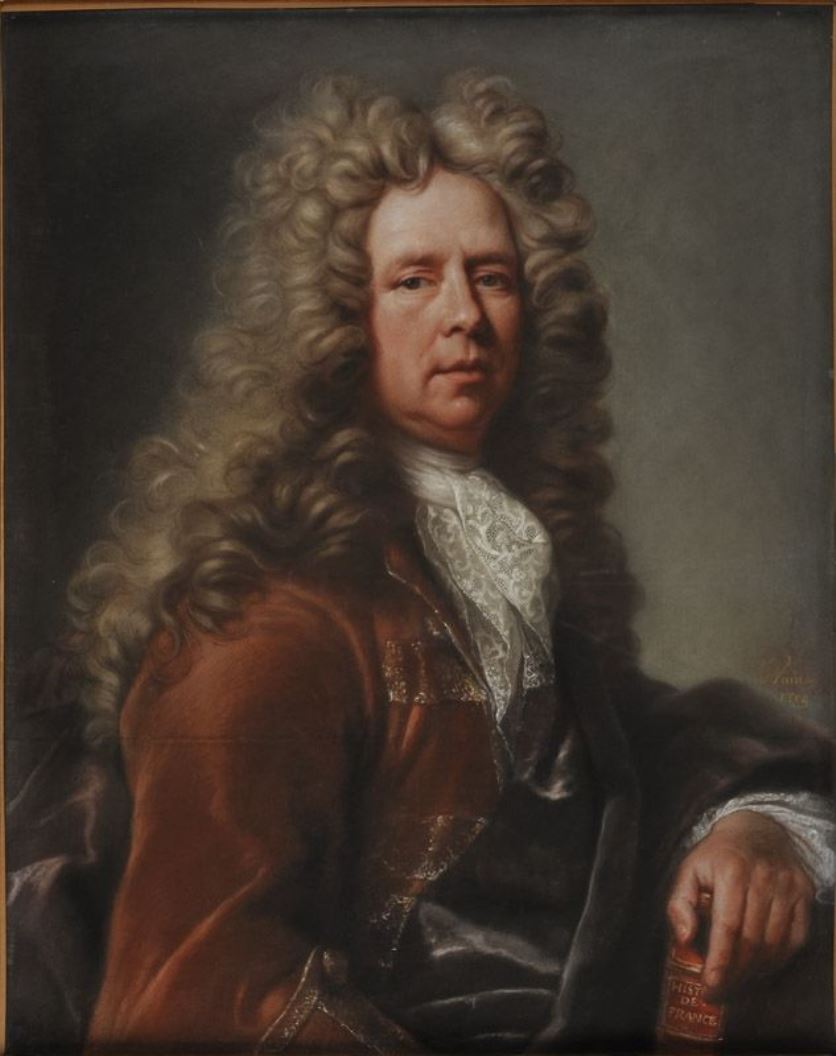

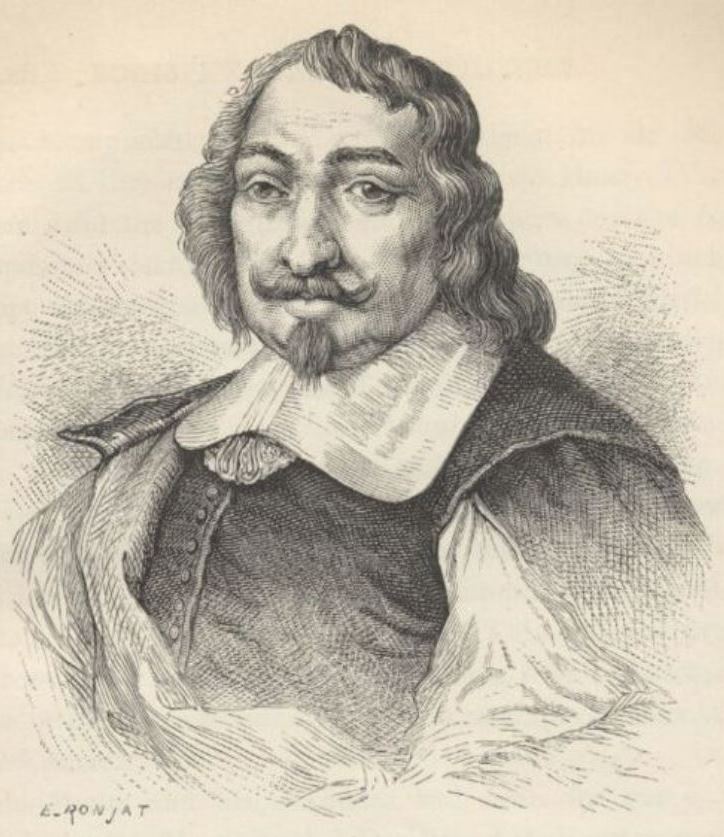
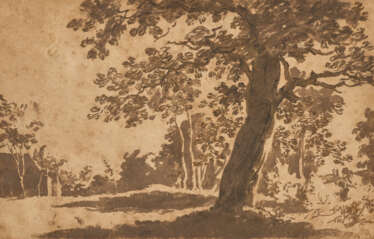

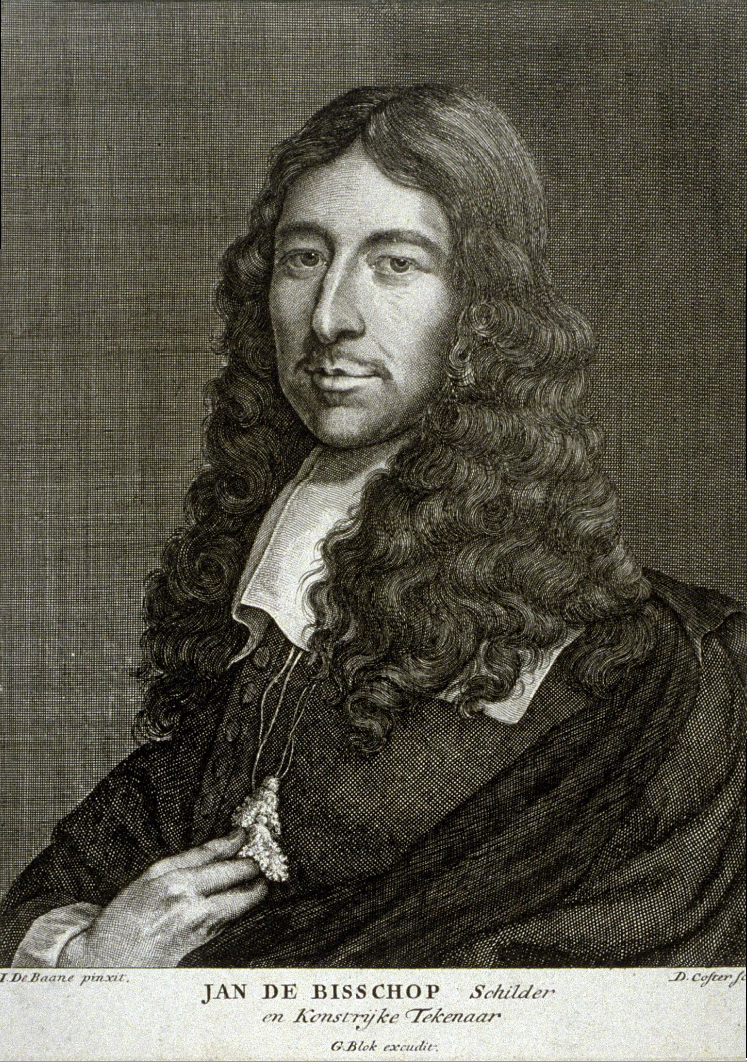


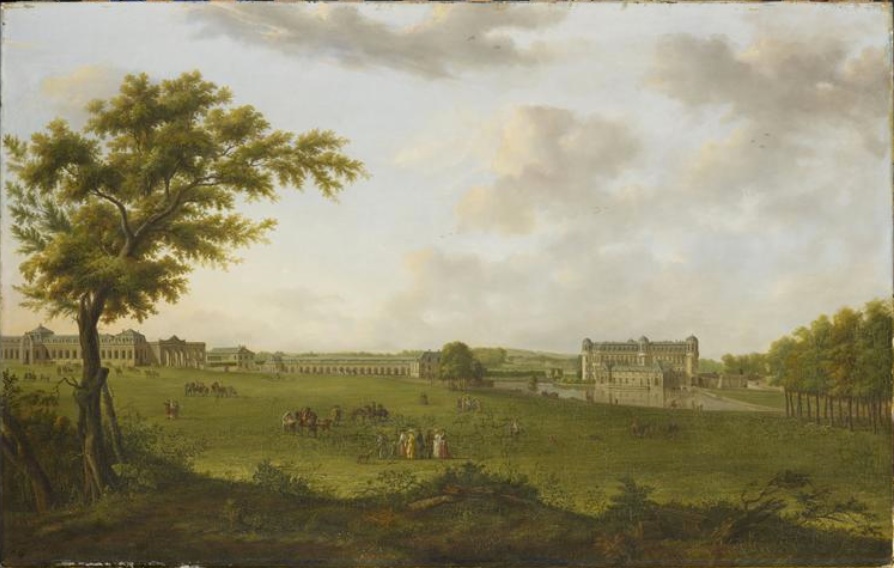
Hendrik Frans de Cort was a Flemish landscape painter and draughtsman. In 1770 he became a master in the Antwerp Guild of Saint Luke. His early landscapes from the time before he moved to England were often made in collaboration with other Flemish artists. De Cort is known for his topographical views of English and Welsh landscapes. These were painted in an Italianate idiom indebted to the style of Gaspar Dughet. He often painted on specially prepared mahogany panels.

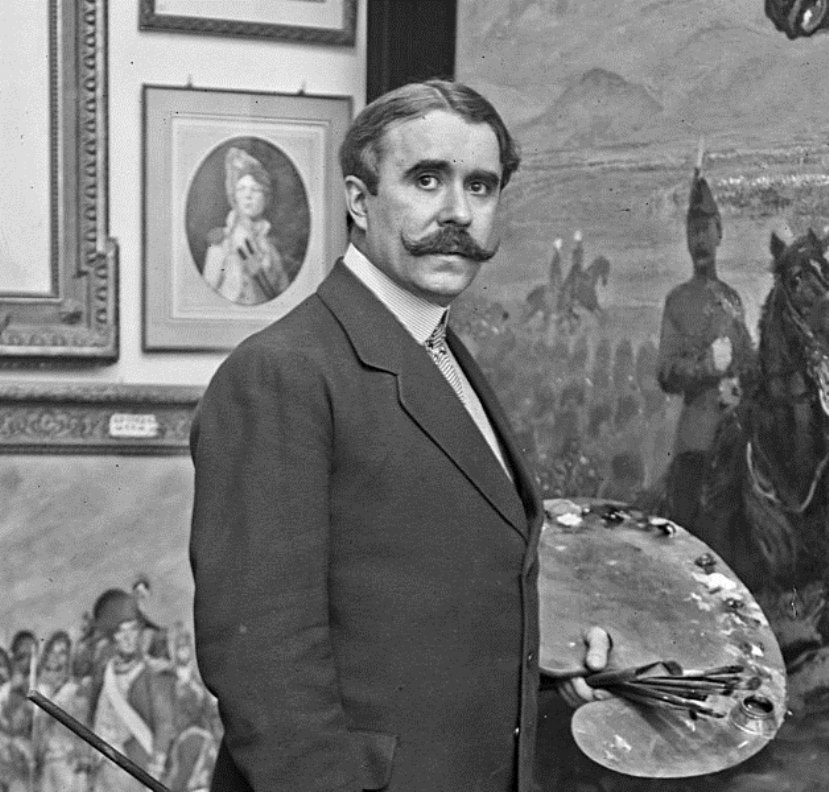
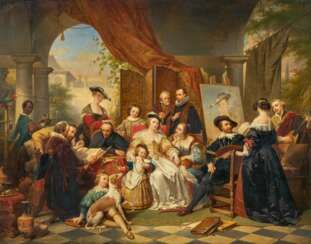

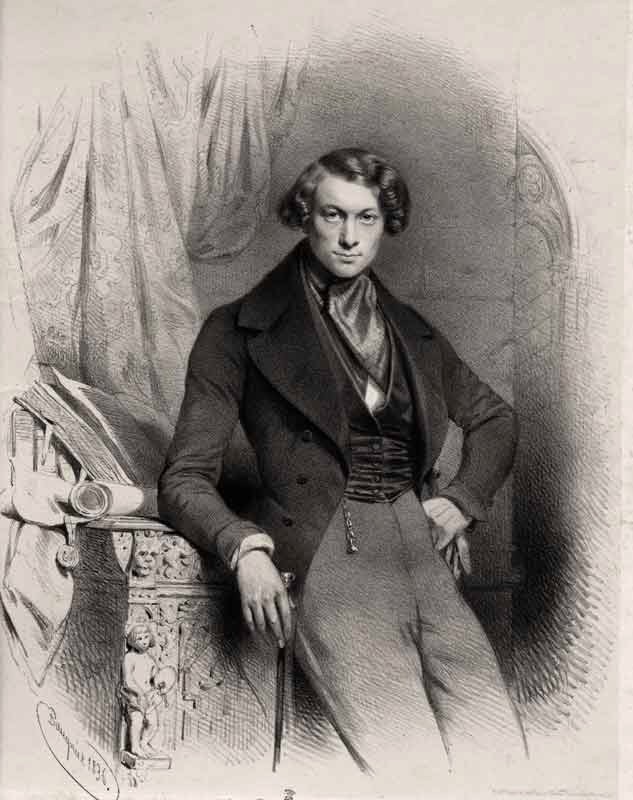
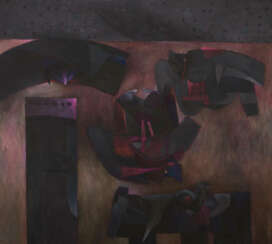

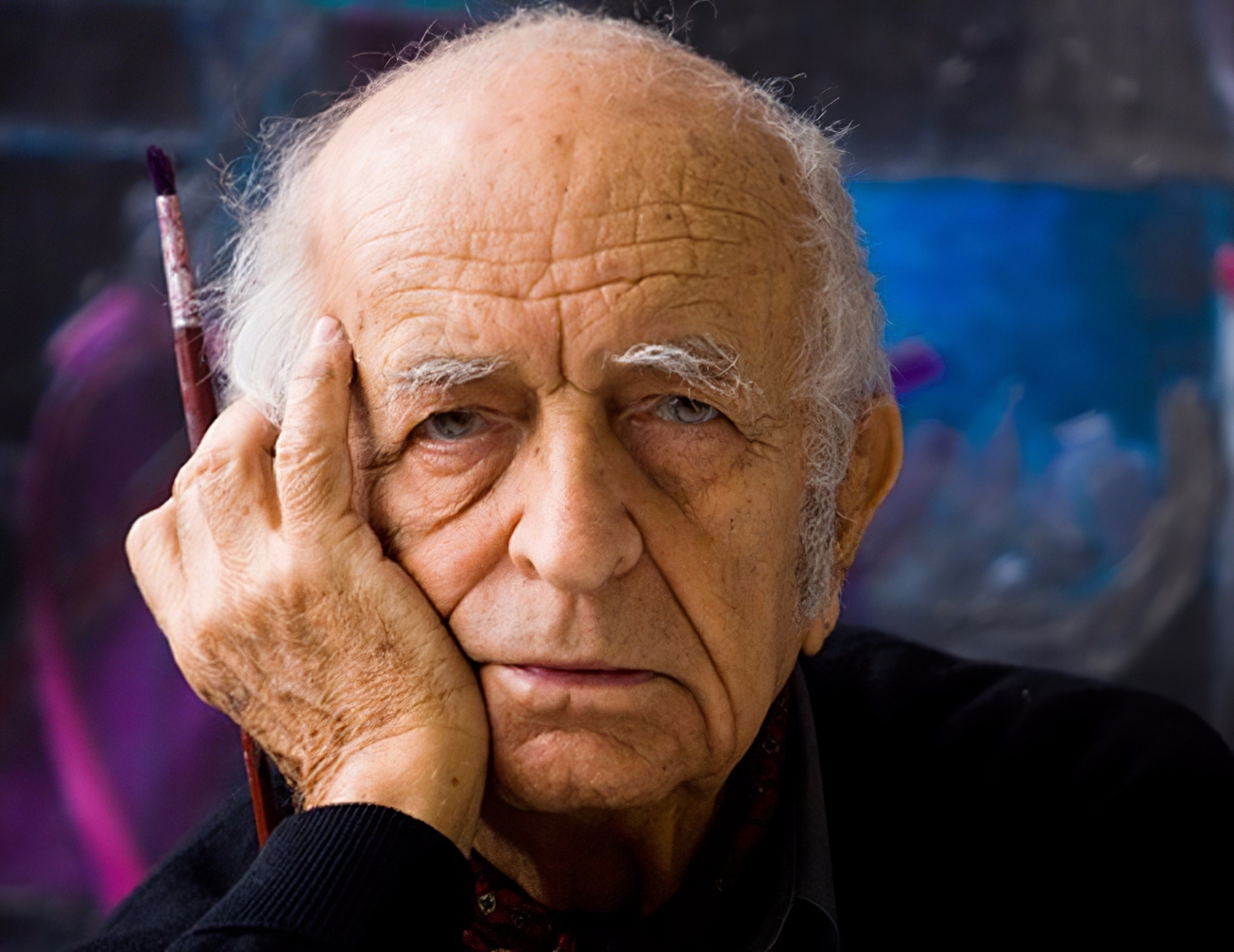
Fernando de Szyszlo Valdelomar was a Peruvian painter, sculptor, printmaker, and teacher who was a key figure in advancing abstract art in Latin America since the mid-1950s, and one of the leading plastic artists in Peru.