eca l&amp

.jfif)
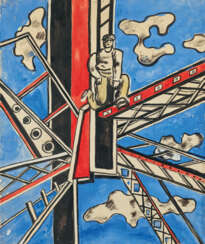
Joseph Fernand Henri Léger was a French artist renowned for his innovative approach to Cubism and his transition towards a figurative, populist style. Born in Argentan, Orne, Lower Normandy, Léger's early career was marked by a stint as an architectural draftsman and a series of educational pursuits that eventually led him to Paris, where he embraced painting seriously. His artistic journey was significantly influenced by the bold abstractions of Cubism, characterized by geometric shapes and a vibrant palette, distinguishing his work from his contemporaries with what came to be known as "Tubism".
Léger's service in World War I profoundly impacted his artistic direction, leading him to adopt a 'mechanical' style that depicted the modern industrial world with sleek, tubular forms. This period saw creations like "Soldier with a Pipe" and "The Card Players," reflecting his war experiences and the mechanical aesthetics of the time. The post-war era encouraged Léger to explore the mechanical style further, evident in works like "The Bargeman" and "Mechanical Elements," highlighting the pace of technological advancement.
Throughout his career, Léger's work evolved, notably in the 1920s, where he aligned with Purist ideas, blending classicism with modernity. This phase is exemplified in "Woman with a Cat," showcasing a classical form with a modern, polished finish. By the 1930s, Léger's art took a more figurative, populist turn, aiming to democratize contemporary art and make it more accessible. His commitment to art education, especially for the common worker, underscored his belief in the social role of art.
For those intrigued by Joseph Fernand Henri Léger's groundbreaking contributions to modern art, his works can be found in prestigious museums worldwide. His legacy continues to inspire art collectors and enthusiasts alike. To stay updated on exhibitions and auction events featuring Léger's work, sign up for updates and embrace the unique opportunity to explore the richness of his artistic endeavors.
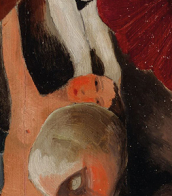
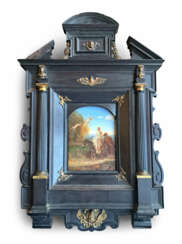

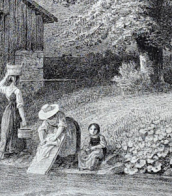

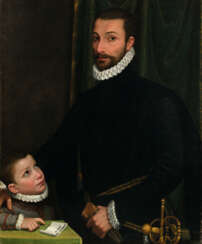

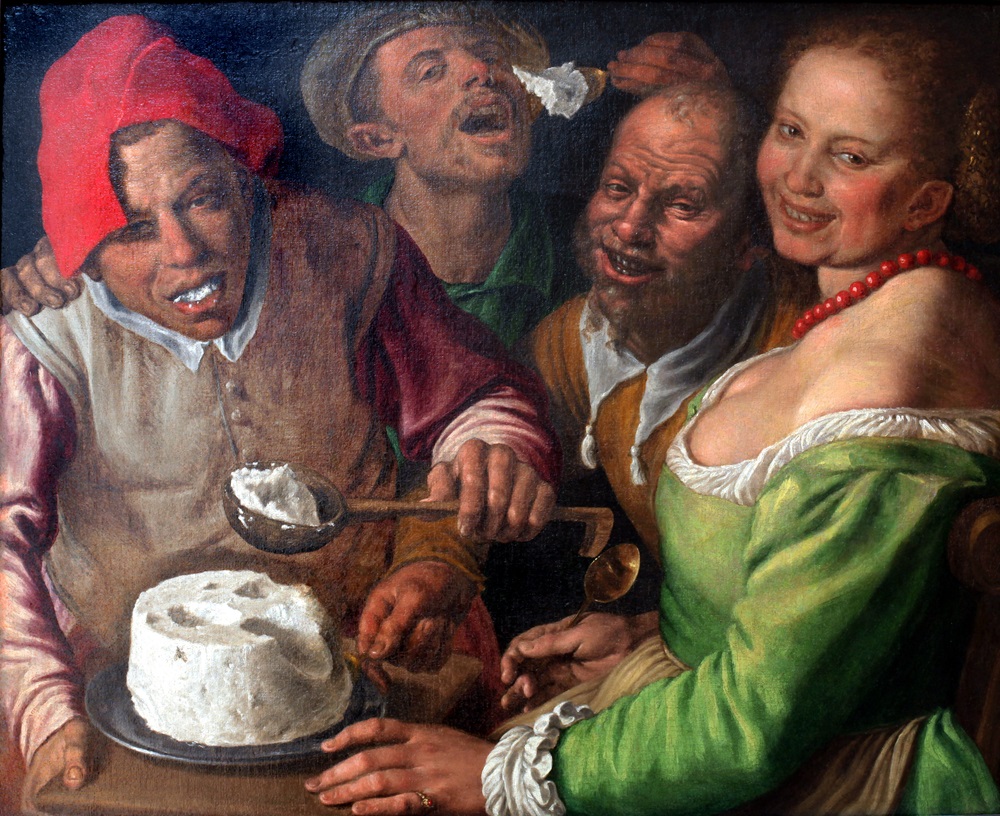
Vincenzo Campi was a notable painter of the 16th century, widely recognized for his unique style that combined traditional subjects with everyday life. Campi's journey in the world of art was influenced by his family background, as he trained under his brother Giulio and was part of a family of Italian painters known for their contributions to Mannerist painting.
Vincenzo Campi's paintings stood out for their vivid depictions of market scenes and kitchen tableaux, focusing on everyday objects and food with an extraordinary level of realism. This approach was quite innovative for his time. His works like "Pescivendoli" (The Fishmongers, 1579) and "The Ricotta Eaters" (1580) are emblematic of his style, combining elements of still life and genre painting. In "The Ricotta Eaters," for instance, Campi artistically weaves together themes of food and sensuality, presenting a scene that is both a hymn to life and pleasure and a subtle commentary on social classes and morality.
Vincenzo Campi's paintings were not just mere representations of daily life; they often carried deeper social and cultural meanings. For instance, in his depiction of the lower working classes in "Fishmongers," he illustrated contemporary beliefs regarding food's appropriateness based on social hierarchy. The paintings of commoners consuming foods like beans, dark bread, and cheese, as shown in "The Ricotta Eaters," reflected the societal norms of the time regarding class and diet.
Vincenzo Campi's work did not only portray the peasants in a crude or humorous light, but also carried a sophisticated blend of comedy and criticism, reflecting a deeper understanding of the human condition and social structures of his time.
Campi's style and themes influenced other artists in Cremona and contributed to the development of genre painting in northern Italy. His work, in some ways, served as a precursor to Caravaggio’s realism that emerged in the subsequent decade.
For collectors and connoisseurs of art and antiques, Vincenzo Campi's paintings offer a unique window into the societal and cultural aspects of 16th-century Italy, blending everyday life with deeper social commentaries. His work continues to be an important part of the conversation in the history of art.
To stay updated on the latest insights and collections of Vincenzo Campi's works, consider subscribing to our updates. This service will ensure you are informed about new sales, exhibitions, and auction events related to this influential Italian artist.
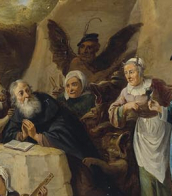



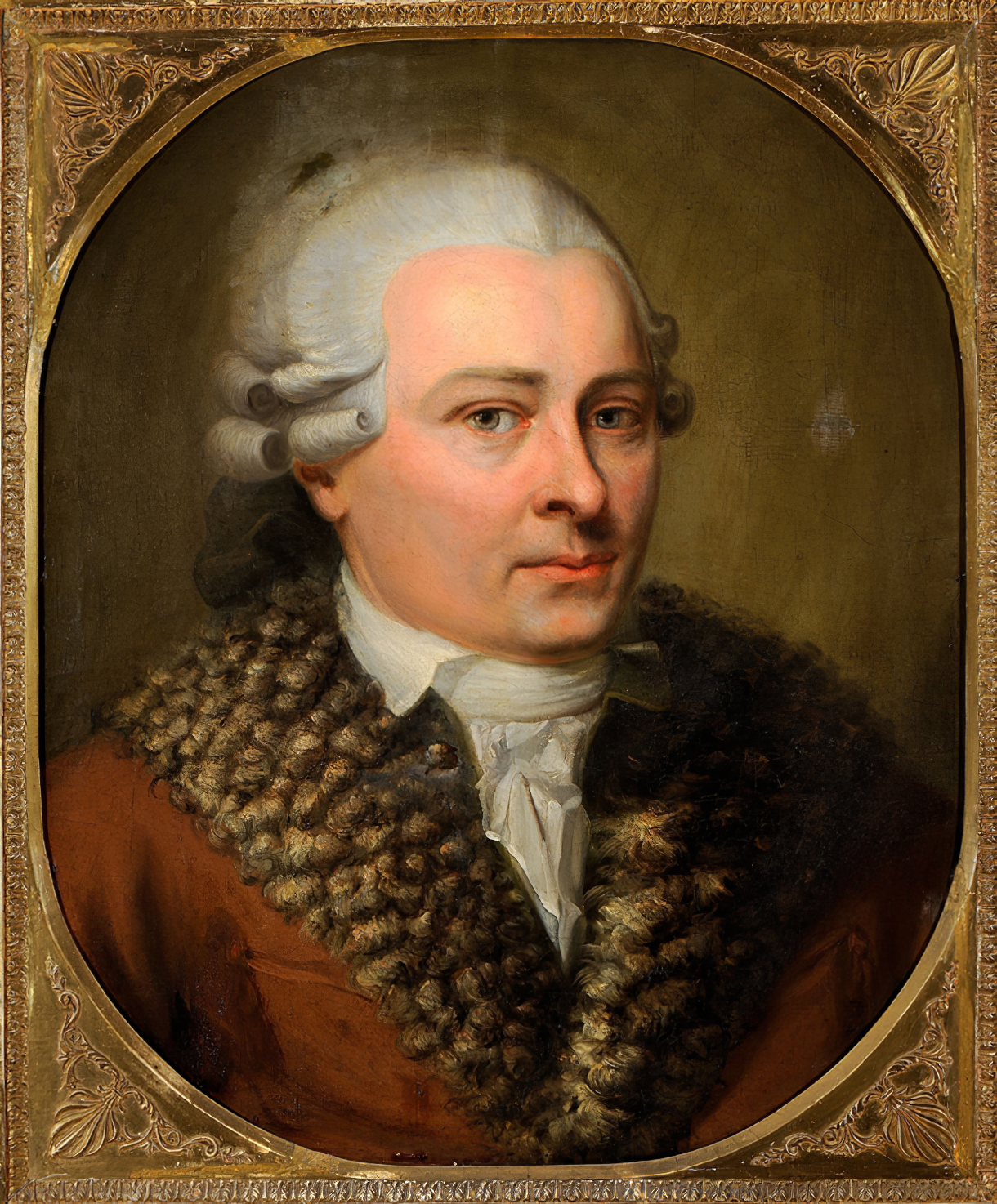
David Roentgen was a famous German cabinetmaker of the eighteenth century, famed throughout Europe for his marquetry and his secret drawers and poes and mechanical fittings. His work embraces the late Rococo and the Neoclassical styles.


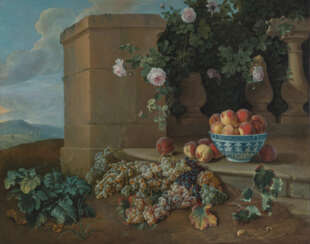

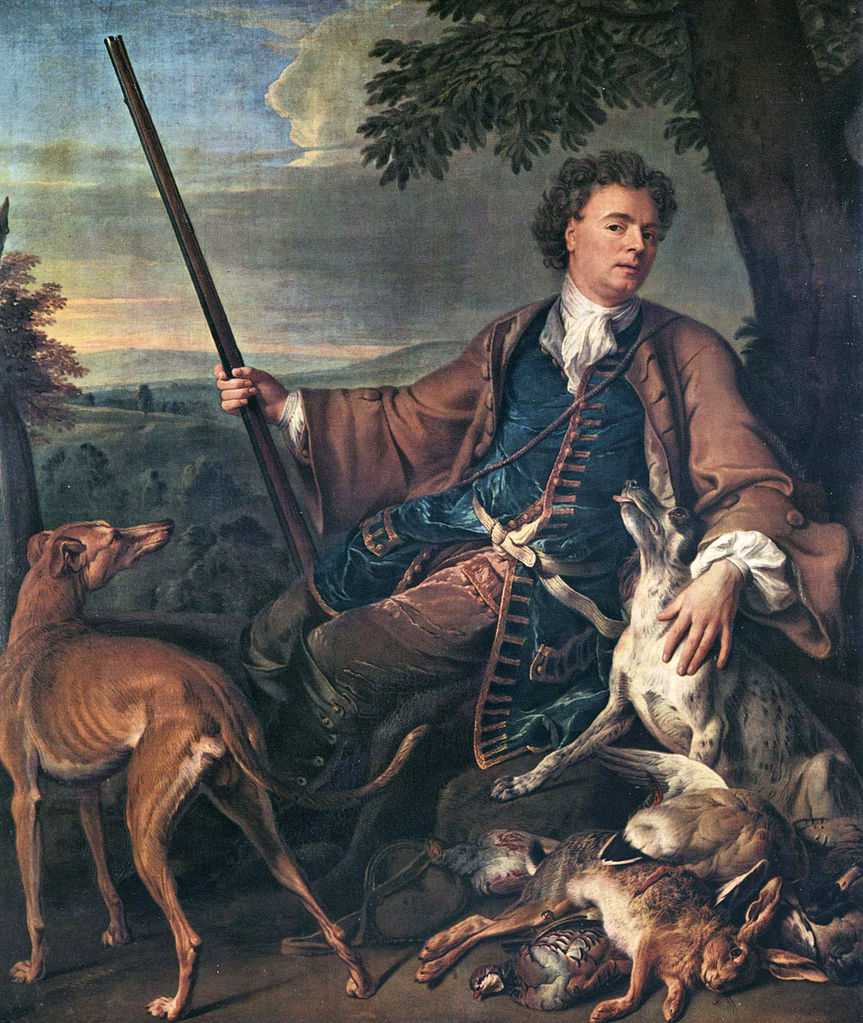
Alexandre-François Desportes was a French painter and decorative designer who specialised in animals.









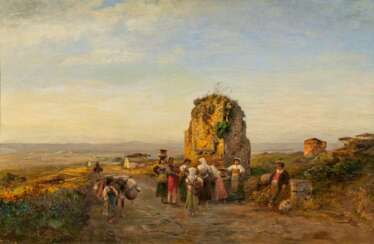

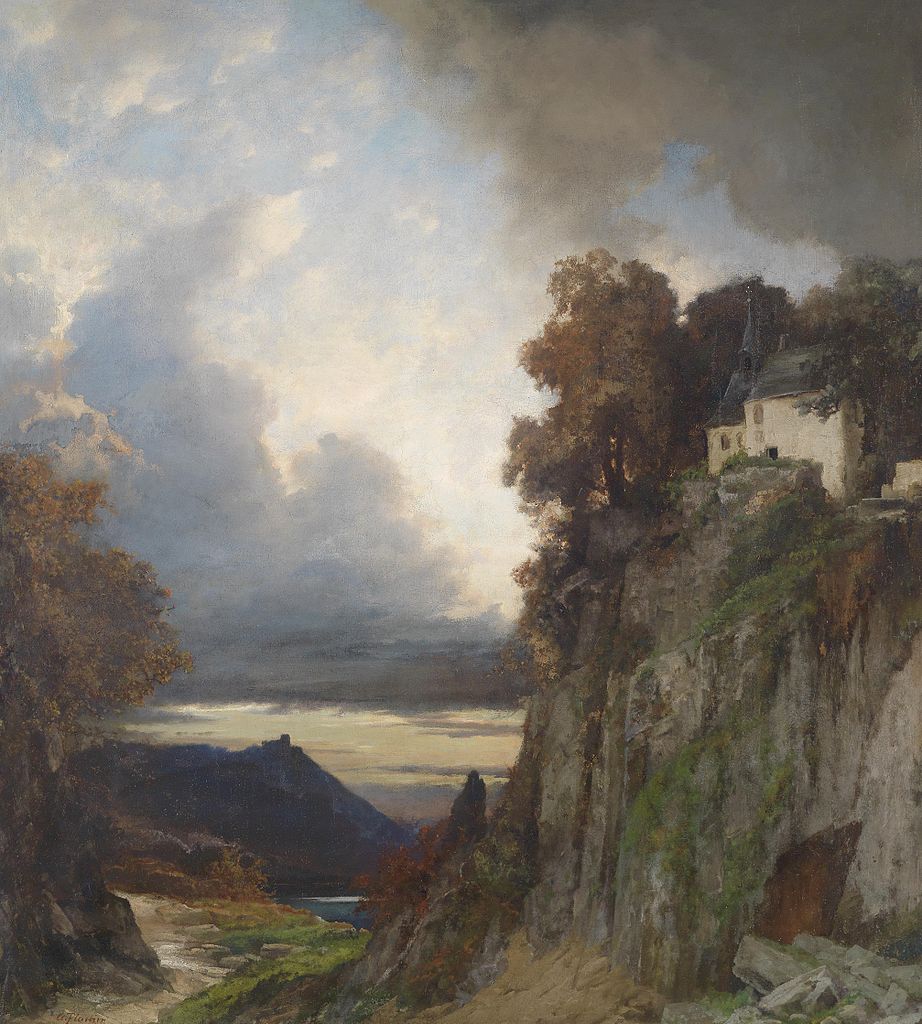
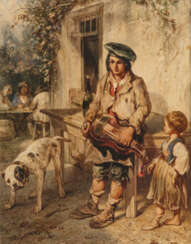
Albert Flamm was a German artist of the Düsseldorf school. He studied architecture at the Dusseldorf Academy of Art and in Antwerp. In 1841 he turned to painting and became a pupil of Andreas Achenbach. In 1848 Flamm became one of the founders of the Malkasten artists' association.
Albert Flamm painted mainly Italian landscapes, recognised for their truthfulness of nature, their vivid colours and their virtuosic treatments. He often chose an elevated viewing position to be able to create wide panoramic perspectives in warm, bright sunlight and with finely rendered detail.
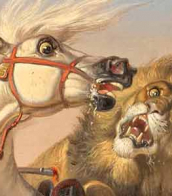
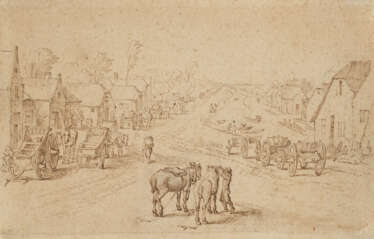

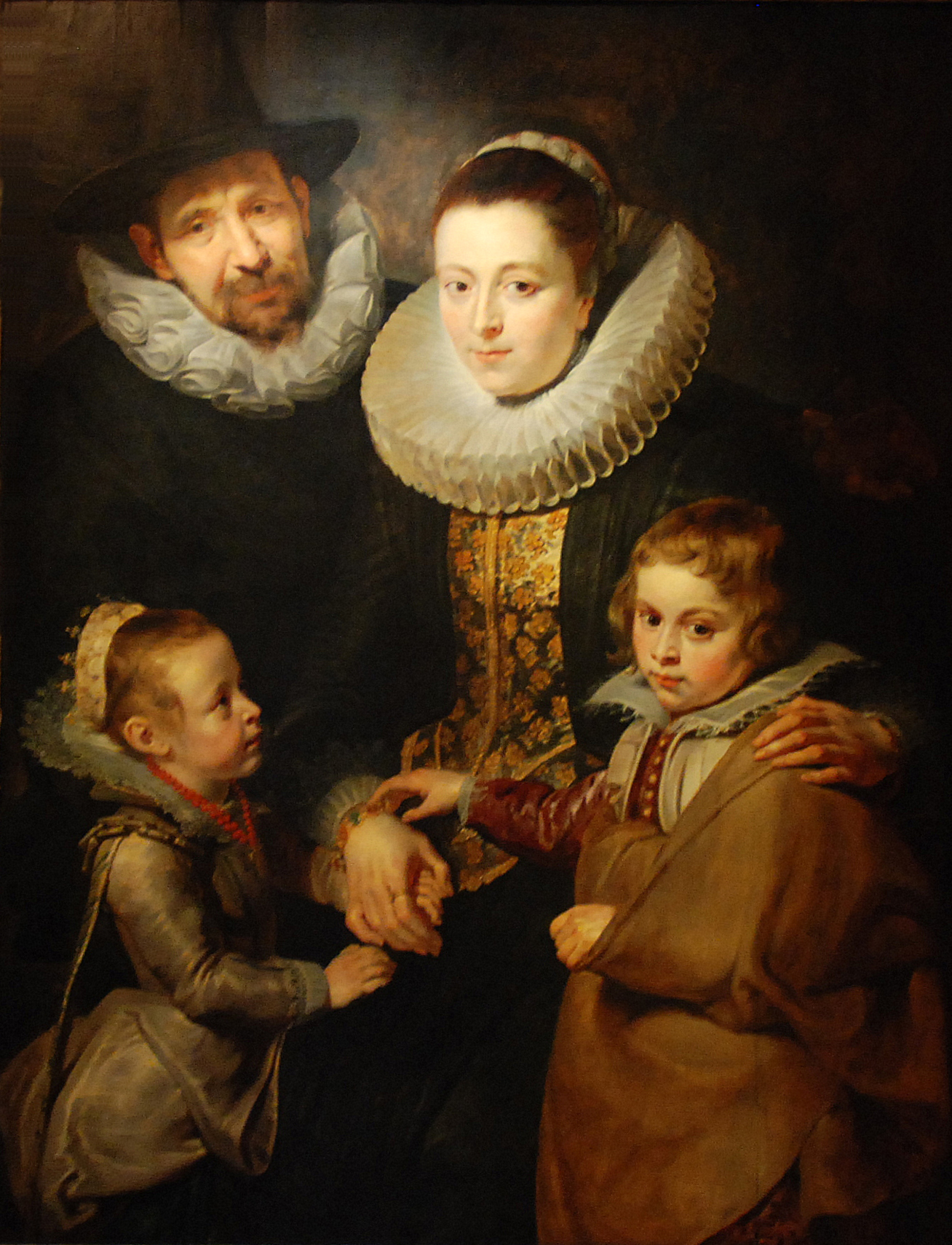
Jan Brueghel the Elder, a Flemish painter born in 1568 in Brussels, was a pivotal figure in the Baroque period known for his intricate landscapes, detailed still lifes, and genre scenes. The son of Pieter Bruegel the Elder, Jan was distinguished by his delicate brushwork, earning him the nicknames "Velvet" Brueghel, "Flower" Brueghel, and "Paradise" Brueghel, each reflecting a different aspect of his versatile artistic output. His monikers refer to his skill in rendering fabrics, his specialization in flower still lifes, and his creation of the paradise landscape genre, respectively.
After early training in Brussels, possibly under the guidance of his grandmother Mayken Verhulst, and further studies in Antwerp, Brueghel ventured to Italy, where he worked in Rome under the patronage of Cardinal Ascanio Colonna and met influential artists like Paul Bril. His Italian sojourn greatly influenced his style, especially in landscape painting. Upon returning to Antwerp, he established a flourishing workshop and became a master in the Guild of St. Luke. Brueghel's collaborations with Peter Paul Rubens are among the most celebrated in art history, showcasing a harmonious blend of landscape and figure painting.
Jan Brueghel the Elder's works are prized for their vibrant depiction of nature and meticulous attention to detail. His landscapes are not just backdrops but are lively settings filled with rich narratives and a variety of creatures, reflecting his deep appreciation for the natural world. His flower pieces are equally renowned for their variety and realism, often serving as allegorical or symbolic representations.
Brueghel's legacy extends beyond his paintings; he was a pivotal figure in the Antwerp artistic community, serving as dean of the Guild of St. Luke and court painter to the Archduke Albert of Austria and the Infanta Isabella Clara Eugenia of Spain. His influence continued through his children, with his son Jan Brueghel the Younger continuing his workshop and maintaining the family's artistic traditions.
For collectors and experts in art and antiques, Jan Brueghel the Elder's works represent a high point in Flemish Baroque art, offering a glimpse into the era's aesthetic values and the artist's profound observation of the world around him. His paintings, found in museums and galleries worldwide, continue to captivate audiences with their beauty and depth.
To stay informed about new discoveries, sales, and auction events related to Jan Brueghel the Elder's work, consider signing up for updates. This subscription will ensure that you are always in the know about opportunities to engage with the enduring art of this Flemish master.


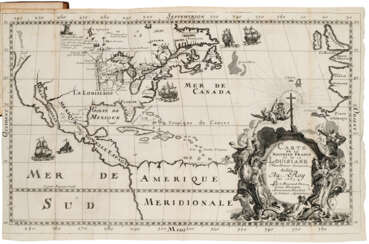







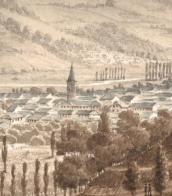


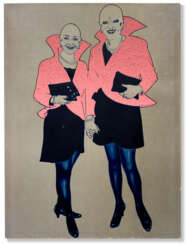


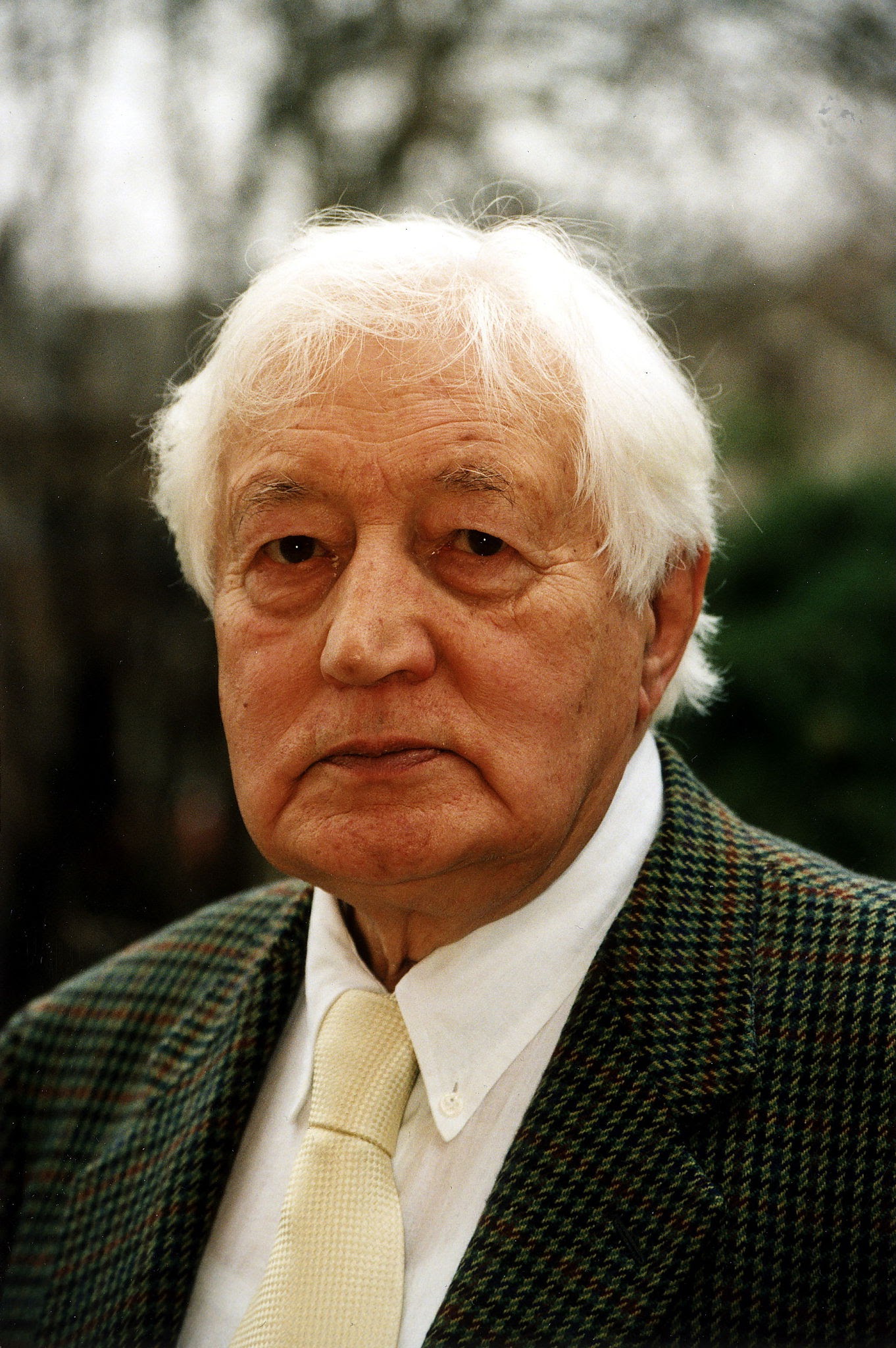
Siegward Sprotte was a German artist, writer and philosopher.
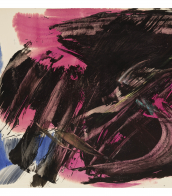
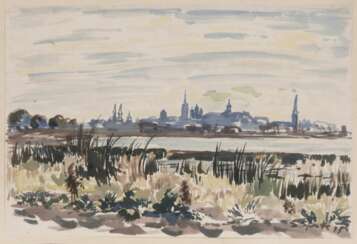
Originally Siegward Sprotte painted figuratively, including portraits of old masters and drawings. Later he devoted himself more to landscape, up to the ideogram and colourful calligraphy.
Sprotte has written many works on the subjects of art, consciousness and modernity, and is the creator of a new paradigm of "eye-to-eye".