historical figures &

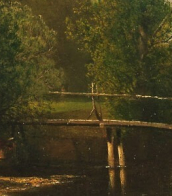









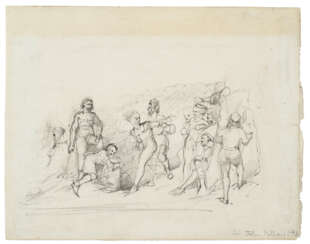

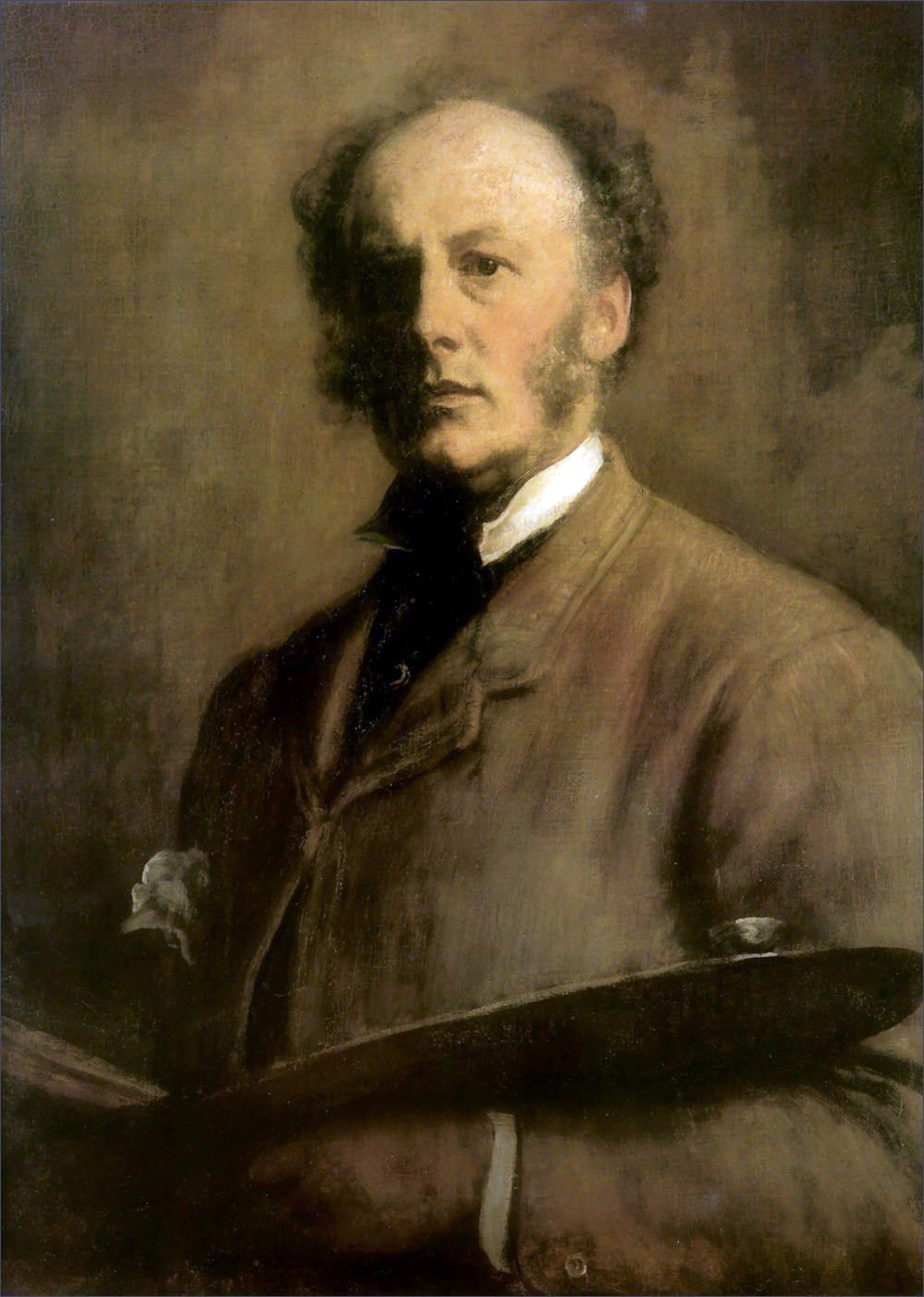
John Everett Millais was an influential British artist and a key figure in the Pre-Raphaelite Brotherhood, celebrated for his detailed and naturalistic paintings. Born in Southampton in 1829, Millais was a child prodigy, gaining admission to the Royal Academy Schools at the remarkable age of eleven. His early work, characterized by meticulous attention to detail and vibrant naturalism, stirred controversy and admiration alike. One of his most renowned pieces, "Ophelia" (1851-52), exemplifies his style during this period, capturing intricate natural scenes with profound emotional depth.
Millais's personal life was as notable as his artistic career, particularly his marriage to Effie Gray, who was previously married to the art critic John Ruskin. This union, following Effie's annulment from Ruskin, produced eight children and intertwined with Millais's evolving artistic journey.
Later in his career, Millais's style transitioned towards a broader approach, a change criticized by some contemporaries but which also garnered him significant acclaim and financial success. His influence extended to various artists, including John Singer Sargent, and his works remain pivotal in the study of Victorian art. His dedication to his craft earned him numerous honors, including a baronetcy, making him the first artist to be bestowed such an honor.
Millais's legacy is preserved in numerous galleries worldwide, with Tate Britain and the Ashmolean Museum housing key works like "The Order of Release" and "The Return of the Dove to the Ark." His contribution to art and culture remains significant, offering a window into the Victorian era's aesthetic and social dynamics.
For enthusiasts and collectors interested in Millais's work, staying updated on exhibitions and sales can provide invaluable insights into his artistry and its enduring appeal. Subscribing to updates on Millais can ensure you remain informed about upcoming events and opportunities related to this seminal artist.



















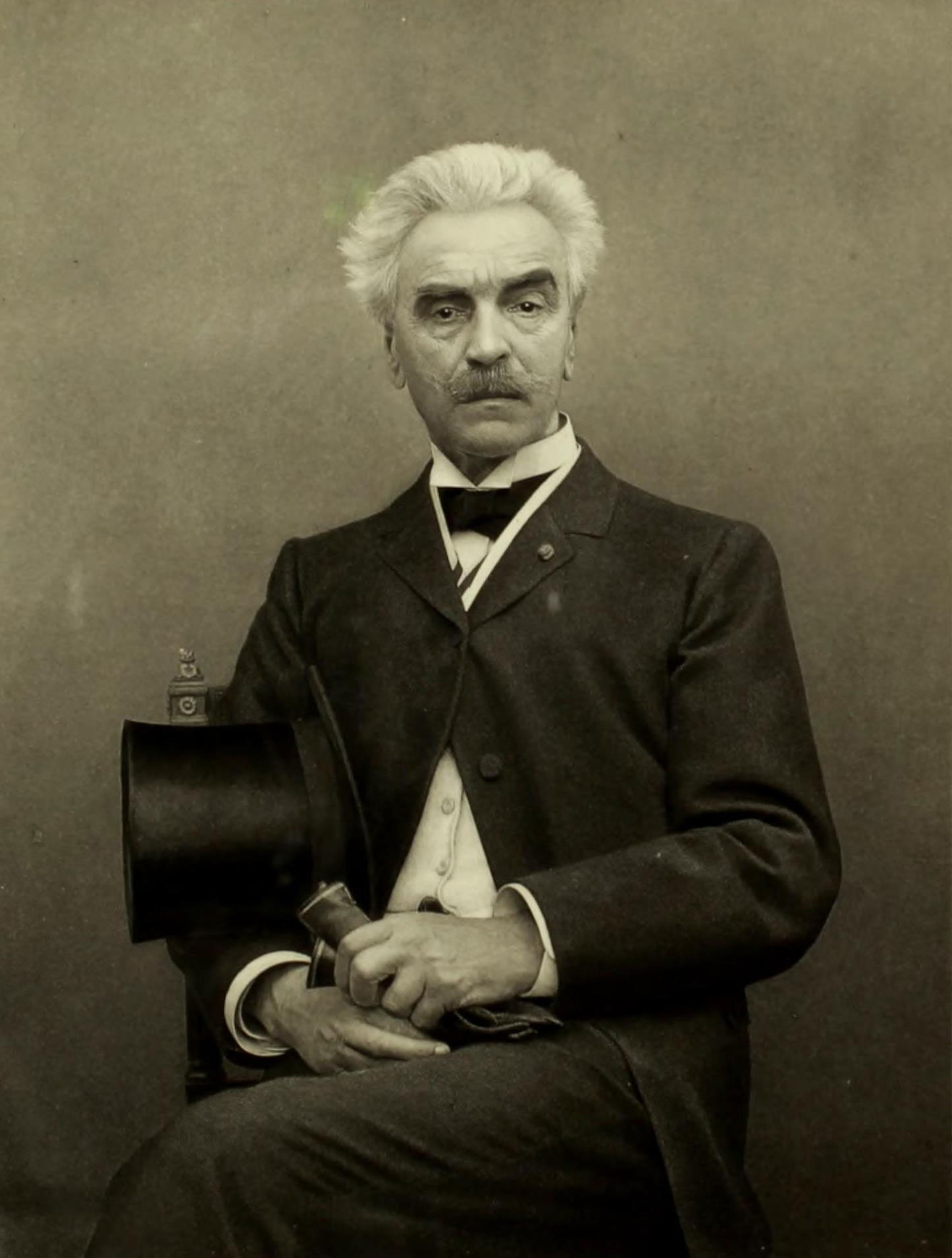
Jean-Léon Gérôme was a prominent 19th-century French painter, a representative of the academic school of painting. His paintings are notable for their impeccable composition and exquisite colour palette.
Jean-Léon Gérôme did not accept the work of the Impressionists, whom he considered to be the ignominy of French art. This has earned him a controversial reputation as a fierce supporter of academism and a persecutor of new movements.






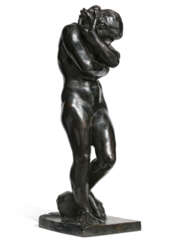

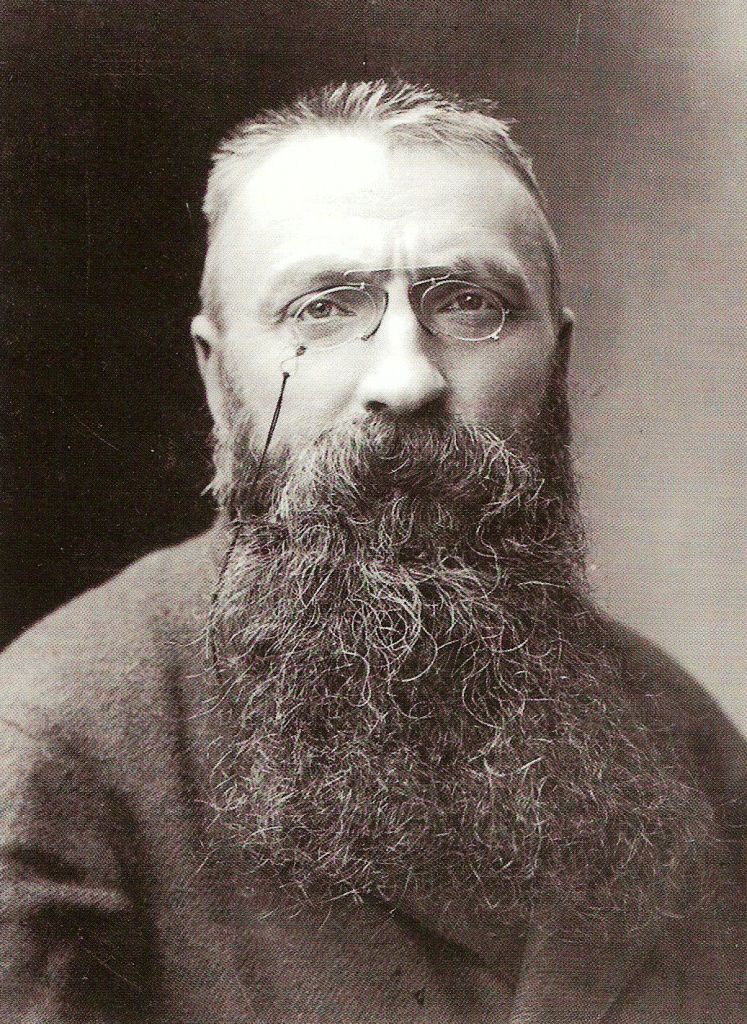
François Auguste René Rodin was a French sculptor, generally considered the founder of modern sculpture. He was schooled traditionally and took a craftsman-like approach to his work. Rodin possessed a unique ability to model a complex, turbulent, and deeply pocketed surface in clay. He is known for such sculptures as The Thinker, Monument to Balzac, The Kiss, The Burghers of Calais, and The Gates of Hell.
Many of Rodin's most notable sculptures were criticized, as they clashed with predominant figurative sculpture traditions in which works were decorative, formulaic, or highly thematic. Rodin's most original work departed from traditional themes of mythology and allegory. He modeled the human body with naturalism, and his sculptures celebrate individual character and physicality. Although Rodin was sensitive to the controversy surrounding his work, he refused to change his style, and his continued output brought increasing favor from the government and the artistic community.