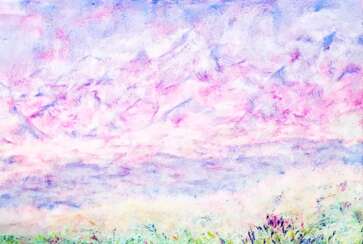
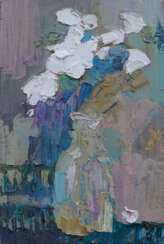
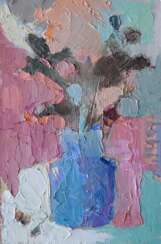
impressionnisme abstrait
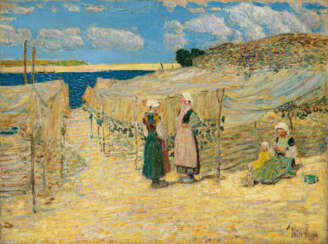

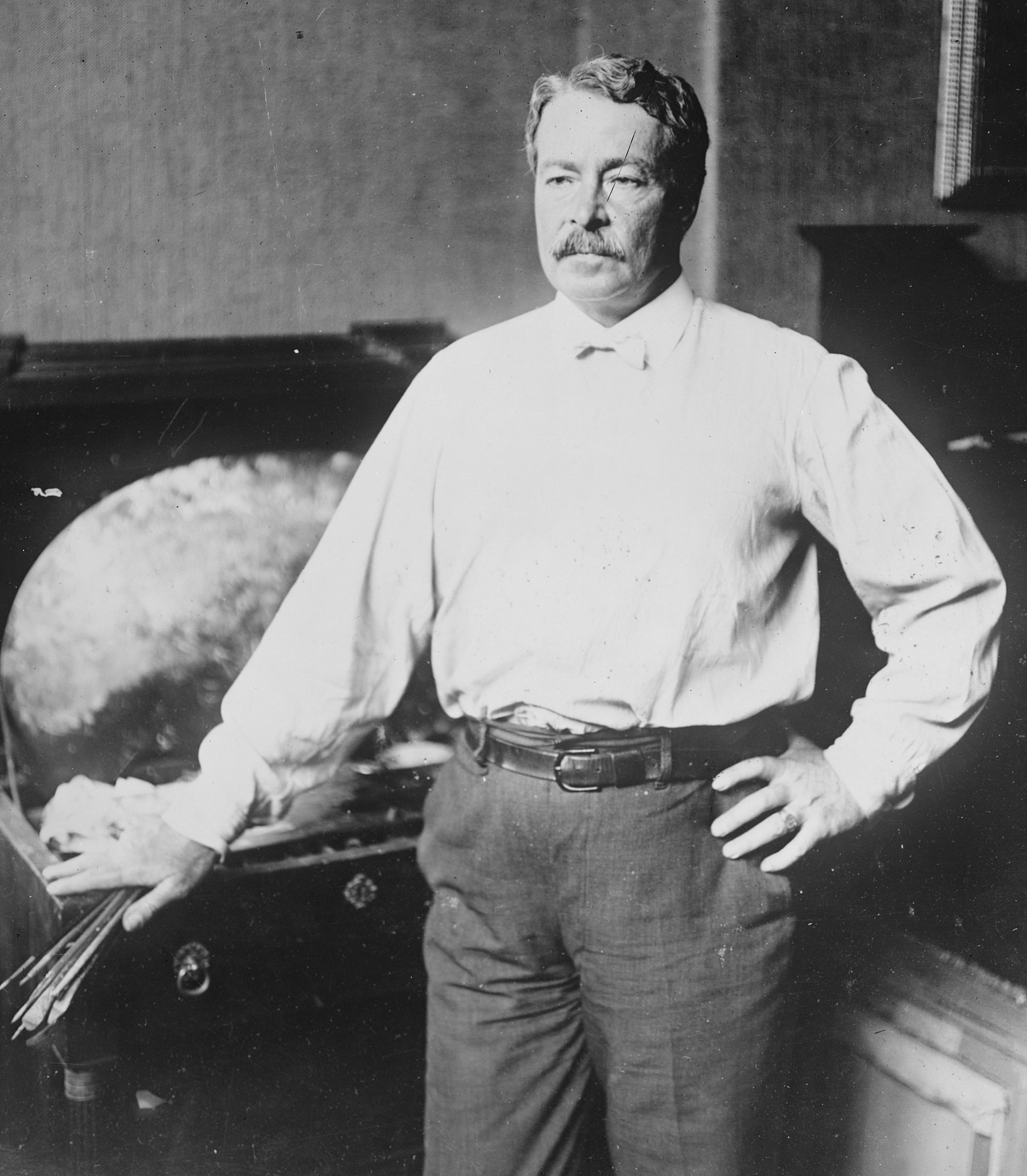
Frederick Childe Hassam was an American Impressionist painter, celebrated for his urban and coastal scenes. Born on October 17, 1859, in Dorchester, Massachusetts, Hassam was a pivotal figure in introducing French Impressionism to the American art scene. His prolific output includes over 3,000 works ranging from oils and watercolors to etchings and lithographs.
Hassam's technique was characterized by the use of light and vibrant colors, often focusing on bustling cityscapes and tranquil New England coastlines. He spent significant periods in Europe, particularly Paris, where he absorbed elements of the avant-garde styles of the time. Despite this, he often emphasized a connection to English landscape traditions over French ones.
Some of his most acclaimed works capture the essence of places like the Isles of Shoals in Maine and East Hampton in Long Island, where he later made his summer home. These settings often featured in his paintings, reflecting the picturesque and serene landscapes that contrasted with his urban subjects.
Hassam's legacy includes his influence on American collectors and institutions, helping to cultivate a taste for Impressionism in the United States. His works are held in major museums, including the Metropolitan Museum of Art and the Museum of Modern Art, ensuring his continued recognition as a key figure in American art history.
For those interested in exploring more about Hassam's life and works, signing up for updates on exhibitions and sales can provide valuable insights into his contributions to Impressionism. Subscribe for updates on new collections and auction events related to Frederick Childe Hassam's artworks.
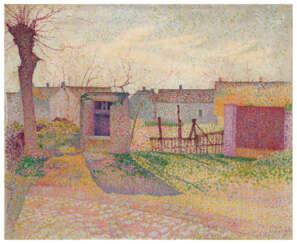



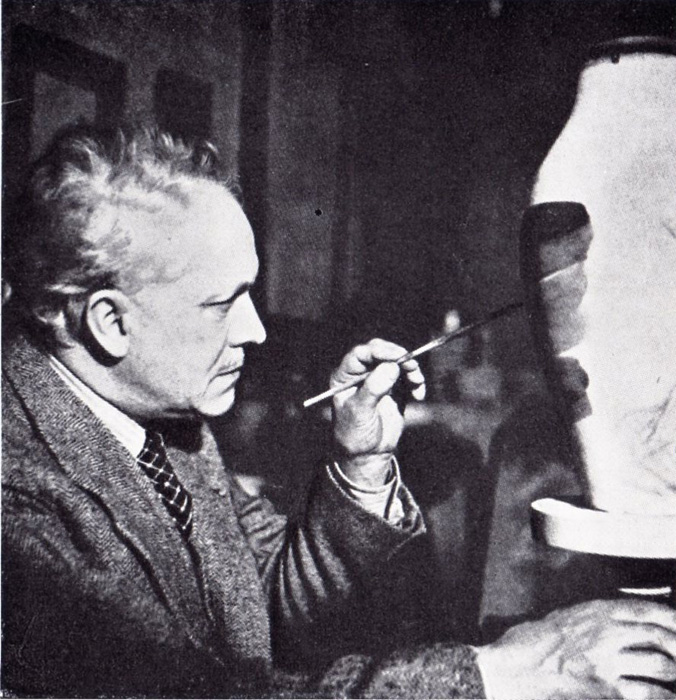
Raoul Dufy, a renowned French artist, is celebrated for his vibrant and decorative style, which left a significant mark in the realms of Fauvism and Post-Impressionism. Born in 1877 in Le Havre, France, Dufy's artistic journey was profoundly influenced by Henri Matisse's Fauvist work "Luxe, Calme et Volupté," which he encountered at the Salon des Indépendants in 1905. This experience steered him towards Fauvism, a style that emphasized bold contours and bright colors.
Dufy's artistic evolution saw him briefly embrace Cubism around 1920, after which he developed a unique approach. This approach, often referred to as stenographic, was characterized by skeletal structures, foreshortened perspectives, and the use of thin, quickly applied washes of color. His works, known for their cheerful and fashionably decorative nature, often depicted scenes of leisure like yachting, the French Riviera, and chic parties, capturing the essence of the period's optimism.
In addition to his painting, Dufy was also a commercial artist, illustrator, and designer, contributing significantly to textile design and public murals. His large-scale public art commissions combined modern and allegorical subjects with exuberant outlines and intense colors, showcasing a modernist take on traditional mural work. Notable works by Dufy include "The Regatta," "The Harvester," and the monumental "The Electricity Fairy," a large mural commissioned for the 1937 World's Fair in Paris.
His works are housed in prestigious public collections worldwide, including the Art Institute of Chicago, the Musée d'Art Moderne de Paris, and the National Gallery of Art in Washington, D.C. Despite his artistic achievements, Dufy's focus on decorative art and the lack of engagement with wider social concerns has led to a varied critical reception of his work. Nonetheless, his contribution to 20th-century art, particularly in popularizing a vibrant and illustrative style, remains undisputed.
If Raoul Dufy's artistry captivates you and you wish to stay informed about the latest artworks, exhibitions, and auction events related to this remarkable artist, we invite you to sign up for our updates. By subscribing, you'll receive timely notifications about new pieces for sale and upcoming auctions. This is a wonderful opportunity for collectors and art enthusiasts to enhance their appreciation and possibly their collections of Dufy's work. Stay connected with the world of art and don't miss any chance to acquire unique pieces by this celebrated artist.


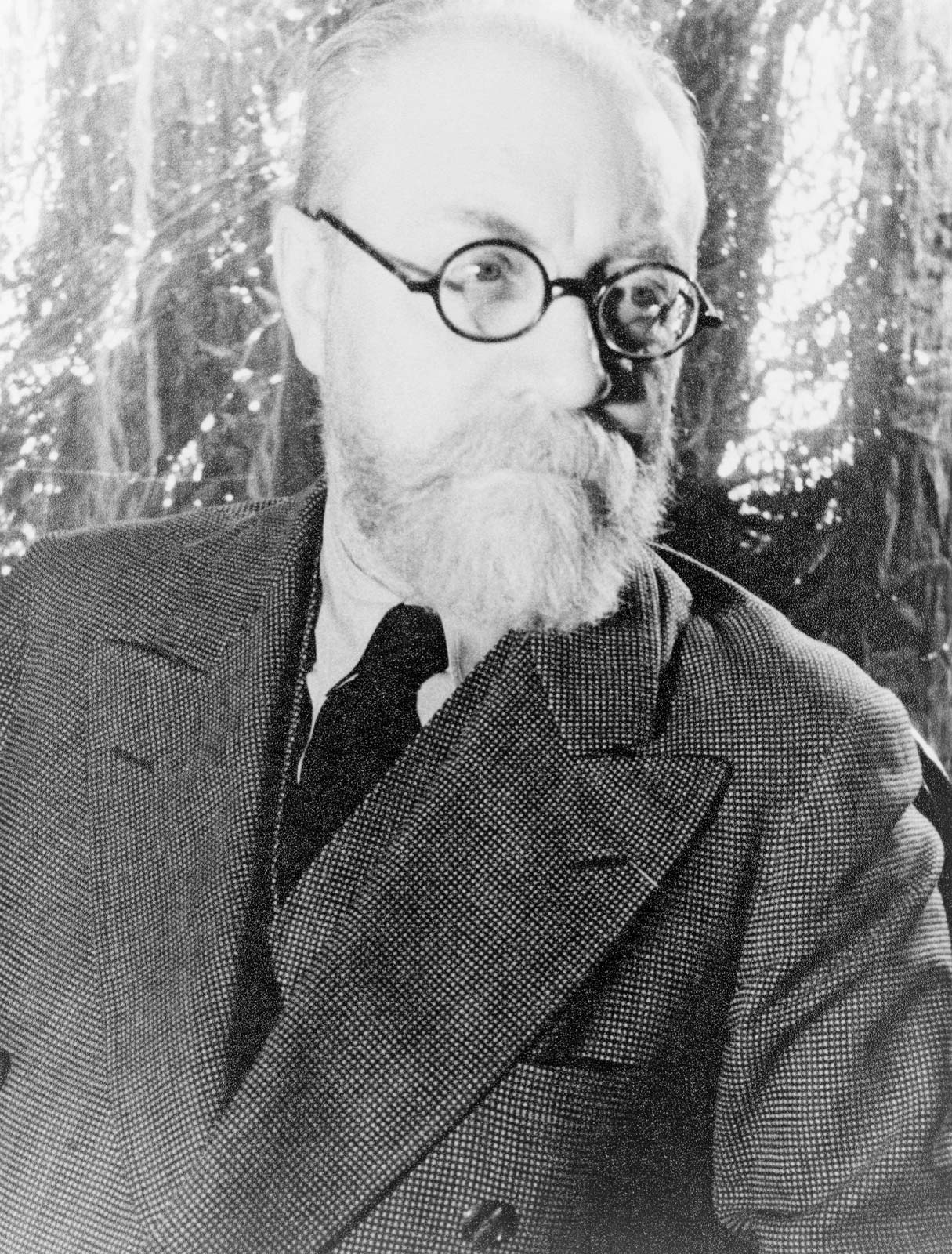
Henri Matisse, a renowned French visual artist, was celebrated for his vibrant use of color and fluid, original draughtsmanship. Born on December 31, 1869, in Le Cateau-Cambrésis, France, Matisse initially pursued a career in law before turning to art. He first began painting in 1889, a change inspired by convalescence art supplies his mother provided. This marked the beginning of a journey that would see him become a leading figure in modern art.
Matisse's career is notable for its stylistic evolution yet consistent aim to capture the "essential character of things." His early works, characterized by intense colorism, earned him recognition as one of the Fauves, or "wild beasts." The period from 1908 to 1913 was marked by significant developments, with works like "Reclining Odalisque" and "The Red Studio" showcasing his mastery in balance and serenity. In the 1920s, his style evolved to more relaxed forms, with a focus on light, color, and decorative patterns in paintings like his odalisque series.
Matisse's exploration of various mediums, including sculpture and paper collage, reflects his innovative spirit. His later years were dominated by cut paper collages, as health challenges limited his ability to paint. These works, alongside his bold drawings and sculptures, cemented his status as a pioneer in visual art.
For collectors and art experts, Matisse's work remains a testament to creative evolution and expressive use of color and form. His masterpieces can be found in prominent museums and galleries worldwide, continuing to inspire and fascinate art enthusiasts.
To stay updated on new product sales and auction events related to Henri Matisse's art, sign up for our updates. This subscription will keep you informed about opportunities to appreciate and acquire works connected to this iconic artist.
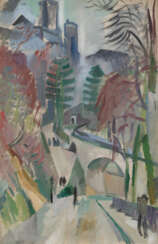

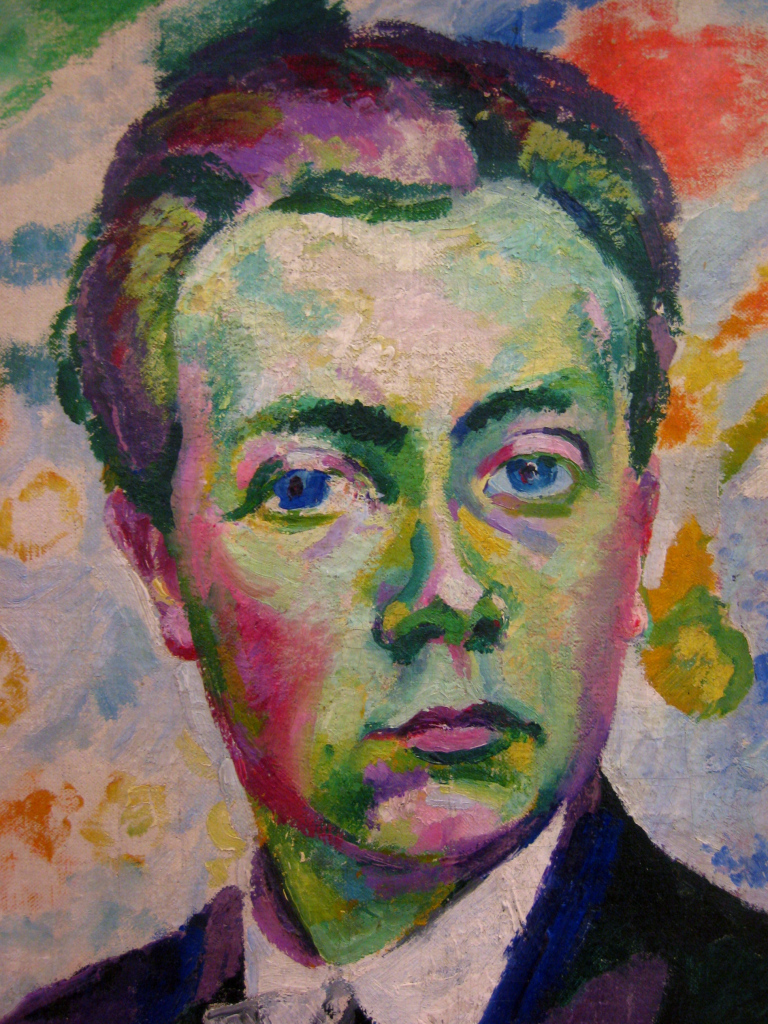
Robert Delaunay, a French artist, emerged as a pivotal figure in the development of early 20th-century art, blending the realms of painting and sculpture with his innovative approaches. His work is celebrated for its dynamic use of color and geometric shapes, making him a cornerstone in the Orphism movement, which he co-founded alongside his wife Sonia Delaunay and others. This movement is distinguished by its focus on vibrant colors and geometric forms, contributing significantly to the abstract art landscape.
Delaunay's artistic journey began earnestly at the age of 19 when he decided to fully dedicate himself to painting, contributing works to the Salon des Indépendants. His early career was marked by a deep engagement with Neo-Impressionism and Cubism, as evidenced by his collaborative work with Jean Metzinger and his exploration of color theory. Notable works from this period include "Paysage au disque" (1906–07) and "Champs de Mars: The Red Tower" (1911), showcasing his departure from representational art towards a more abstract, color-driven aesthetic.
Among Delaunay's celebrated series are the Eiffel Tower and Simultaneous Windows, reflecting his fascination with Parisian architecture and the dynamic interplay of light and color. These works, along with others like "L'Équipe de Cardiff" (1912-13) and "Endless Rhythm" (1934), are housed in prestigious museums such as the Musée d'Art Moderne de la Ville de Paris, The Solomon R. Guggenheim Museum, and the Tate collection. These pieces illustrate his evolving style, from the depiction of movement and technology in pre-war Paris to the rhythmic abstraction of later years.
Delaunay's influence extended beyond France, with significant contributions to exhibitions in Germany, Switzerland, and Russia, particularly through his involvement with Der Blaue Reiter group. His work not only captured the essence of the technological and cultural shifts of his time but also laid the groundwork for future artistic explorations into color and form.
For collectors and experts in art and antiques, Delaunay's oeuvre offers a rich study in the evolution of modern art, from its roots in Cubism and Neo-Impressionism to the heights of abstract expression. His works serve as a testament to the power of color and shape in conveying emotion and motion, making them invaluable to the understanding of 20th-century art history.
To stay informed on new sales, auctions, and exhibitions related to Robert Delaunay, sign up for updates. This subscription ensures you remain updated on opportunities to engage with Delaunay's influential body of work, reflecting the ongoing interest in his contributions to modern art.
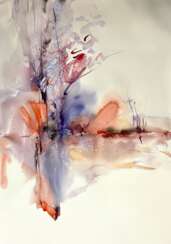



![You can't untoast the toast [ no.9]](/assets/image/picture_4116863/a0139/tmp334517230745595104696517230751933475jpeg__fix_374_244.jpeg)
![You can't untoast the toast [ no.9]](https://veryimportantlot.com/assets/image/picture_4116863/a0139/tmp334517230745595104696517230751933475jpeg__fix_374_244.jpeg)