

impressionnisme abstrait
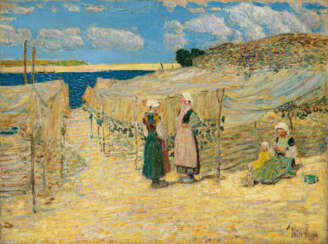

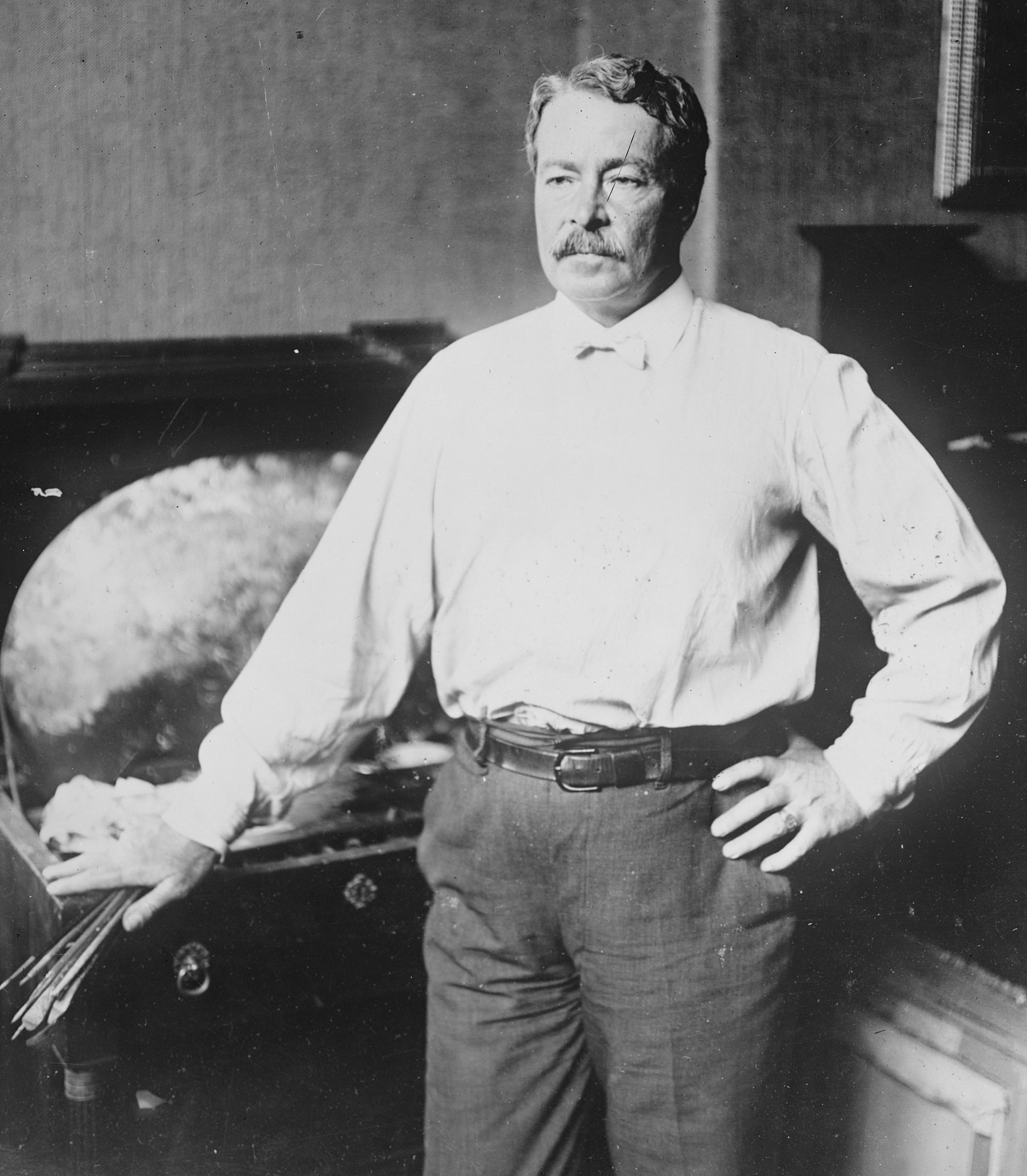
Frederick Childe Hassam was an American Impressionist painter, celebrated for his urban and coastal scenes. Born on October 17, 1859, in Dorchester, Massachusetts, Hassam was a pivotal figure in introducing French Impressionism to the American art scene. His prolific output includes over 3,000 works ranging from oils and watercolors to etchings and lithographs.
Hassam's technique was characterized by the use of light and vibrant colors, often focusing on bustling cityscapes and tranquil New England coastlines. He spent significant periods in Europe, particularly Paris, where he absorbed elements of the avant-garde styles of the time. Despite this, he often emphasized a connection to English landscape traditions over French ones.
Some of his most acclaimed works capture the essence of places like the Isles of Shoals in Maine and East Hampton in Long Island, where he later made his summer home. These settings often featured in his paintings, reflecting the picturesque and serene landscapes that contrasted with his urban subjects.
Hassam's legacy includes his influence on American collectors and institutions, helping to cultivate a taste for Impressionism in the United States. His works are held in major museums, including the Metropolitan Museum of Art and the Museum of Modern Art, ensuring his continued recognition as a key figure in American art history.
For those interested in exploring more about Hassam's life and works, signing up for updates on exhibitions and sales can provide valuable insights into his contributions to Impressionism. Subscribe for updates on new collections and auction events related to Frederick Childe Hassam's artworks.
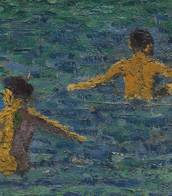
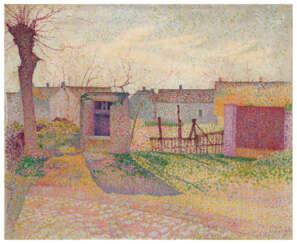



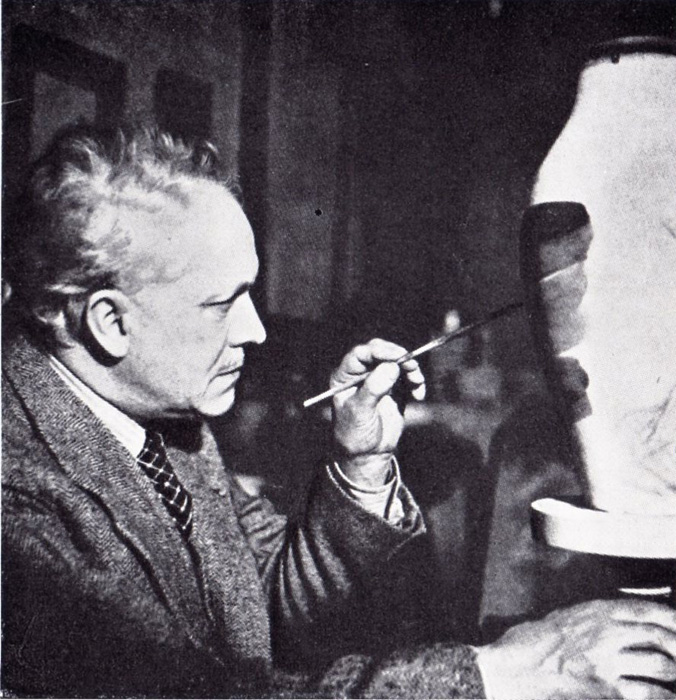
Raoul Dufy, a renowned French artist, is celebrated for his vibrant and decorative style, which left a significant mark in the realms of Fauvism and Post-Impressionism. Born in 1877 in Le Havre, France, Dufy's artistic journey was profoundly influenced by Henri Matisse's Fauvist work "Luxe, Calme et Volupté," which he encountered at the Salon des Indépendants in 1905. This experience steered him towards Fauvism, a style that emphasized bold contours and bright colors.
Dufy's artistic evolution saw him briefly embrace Cubism around 1920, after which he developed a unique approach. This approach, often referred to as stenographic, was characterized by skeletal structures, foreshortened perspectives, and the use of thin, quickly applied washes of color. His works, known for their cheerful and fashionably decorative nature, often depicted scenes of leisure like yachting, the French Riviera, and chic parties, capturing the essence of the period's optimism.
In addition to his painting, Dufy was also a commercial artist, illustrator, and designer, contributing significantly to textile design and public murals. His large-scale public art commissions combined modern and allegorical subjects with exuberant outlines and intense colors, showcasing a modernist take on traditional mural work. Notable works by Dufy include "The Regatta," "The Harvester," and the monumental "The Electricity Fairy," a large mural commissioned for the 1937 World's Fair in Paris.
His works are housed in prestigious public collections worldwide, including the Art Institute of Chicago, the Musée d'Art Moderne de Paris, and the National Gallery of Art in Washington, D.C. Despite his artistic achievements, Dufy's focus on decorative art and the lack of engagement with wider social concerns has led to a varied critical reception of his work. Nonetheless, his contribution to 20th-century art, particularly in popularizing a vibrant and illustrative style, remains undisputed.
If Raoul Dufy's artistry captivates you and you wish to stay informed about the latest artworks, exhibitions, and auction events related to this remarkable artist, we invite you to sign up for our updates. By subscribing, you'll receive timely notifications about new pieces for sale and upcoming auctions. This is a wonderful opportunity for collectors and art enthusiasts to enhance their appreciation and possibly their collections of Dufy's work. Stay connected with the world of art and don't miss any chance to acquire unique pieces by this celebrated artist.



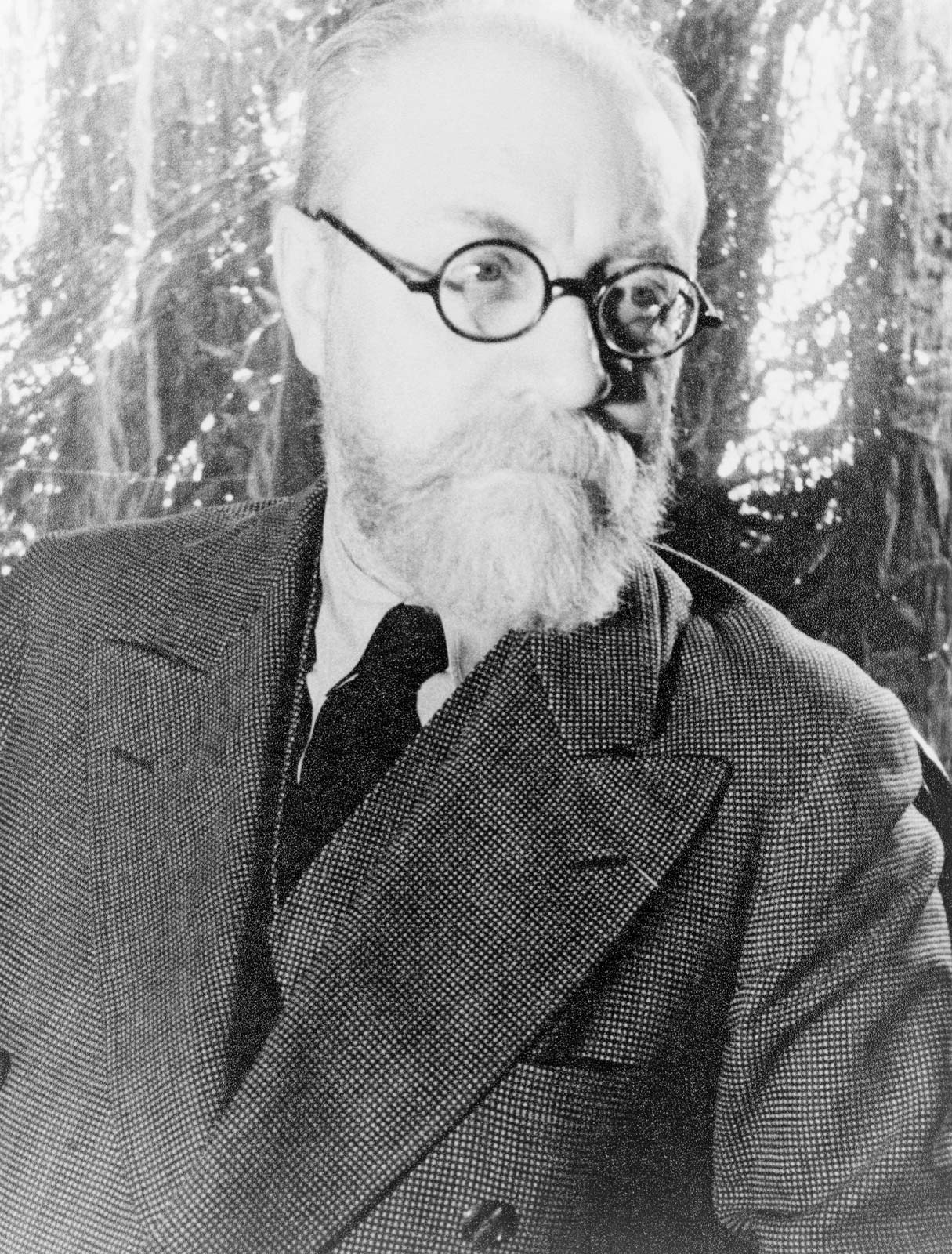
Henri Matisse, a renowned French visual artist, was celebrated for his vibrant use of color and fluid, original draughtsmanship. Born on December 31, 1869, in Le Cateau-Cambrésis, France, Matisse initially pursued a career in law before turning to art. He first began painting in 1889, a change inspired by convalescence art supplies his mother provided. This marked the beginning of a journey that would see him become a leading figure in modern art.
Matisse's career is notable for its stylistic evolution yet consistent aim to capture the "essential character of things." His early works, characterized by intense colorism, earned him recognition as one of the Fauves, or "wild beasts." The period from 1908 to 1913 was marked by significant developments, with works like "Reclining Odalisque" and "The Red Studio" showcasing his mastery in balance and serenity. In the 1920s, his style evolved to more relaxed forms, with a focus on light, color, and decorative patterns in paintings like his odalisque series.
Matisse's exploration of various mediums, including sculpture and paper collage, reflects his innovative spirit. His later years were dominated by cut paper collages, as health challenges limited his ability to paint. These works, alongside his bold drawings and sculptures, cemented his status as a pioneer in visual art.
For collectors and art experts, Matisse's work remains a testament to creative evolution and expressive use of color and form. His masterpieces can be found in prominent museums and galleries worldwide, continuing to inspire and fascinate art enthusiasts.
To stay updated on new product sales and auction events related to Henri Matisse's art, sign up for our updates. This subscription will keep you informed about opportunities to appreciate and acquire works connected to this iconic artist.
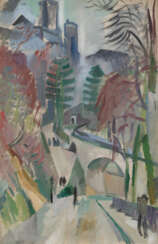

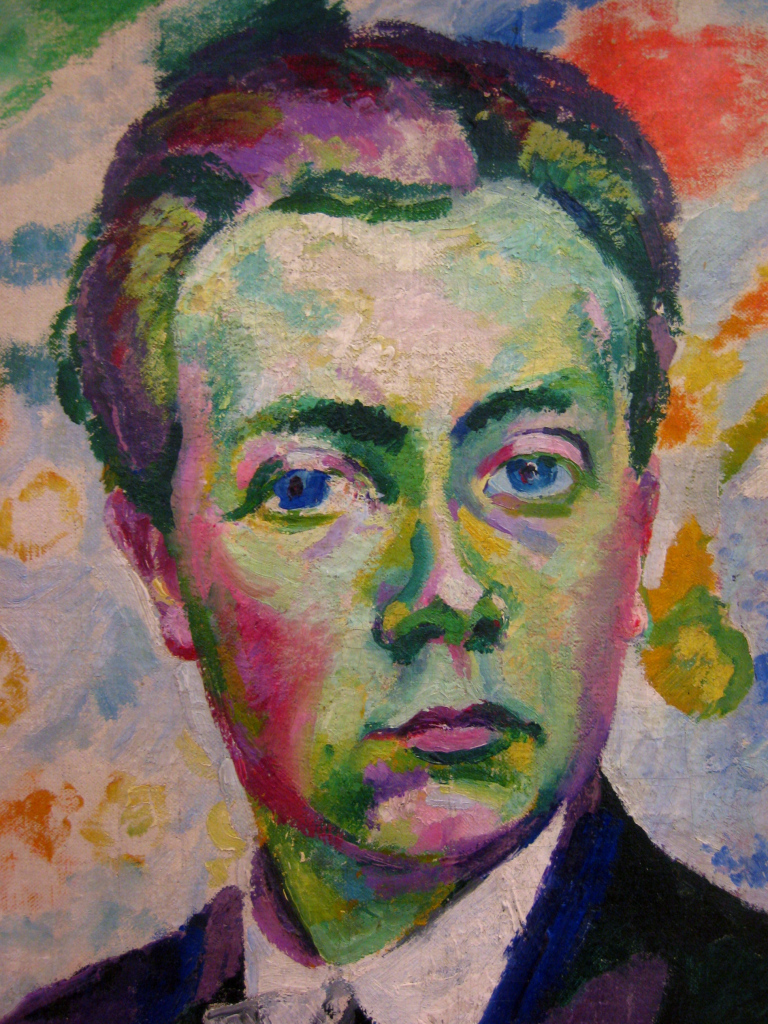
Robert Delaunay, a French artist, emerged as a pivotal figure in the development of early 20th-century art, blending the realms of painting and sculpture with his innovative approaches. His work is celebrated for its dynamic use of color and geometric shapes, making him a cornerstone in the Orphism movement, which he co-founded alongside his wife Sonia Delaunay and others. This movement is distinguished by its focus on vibrant colors and geometric forms, contributing significantly to the abstract art landscape.
Delaunay's artistic journey began earnestly at the age of 19 when he decided to fully dedicate himself to painting, contributing works to the Salon des Indépendants. His early career was marked by a deep engagement with Neo-Impressionism and Cubism, as evidenced by his collaborative work with Jean Metzinger and his exploration of color theory. Notable works from this period include "Paysage au disque" (1906–07) and "Champs de Mars: The Red Tower" (1911), showcasing his departure from representational art towards a more abstract, color-driven aesthetic.
Among Delaunay's celebrated series are the Eiffel Tower and Simultaneous Windows, reflecting his fascination with Parisian architecture and the dynamic interplay of light and color. These works, along with others like "L'Équipe de Cardiff" (1912-13) and "Endless Rhythm" (1934), are housed in prestigious museums such as the Musée d'Art Moderne de la Ville de Paris, The Solomon R. Guggenheim Museum, and the Tate collection. These pieces illustrate his evolving style, from the depiction of movement and technology in pre-war Paris to the rhythmic abstraction of later years.
Delaunay's influence extended beyond France, with significant contributions to exhibitions in Germany, Switzerland, and Russia, particularly through his involvement with Der Blaue Reiter group. His work not only captured the essence of the technological and cultural shifts of his time but also laid the groundwork for future artistic explorations into color and form.
For collectors and experts in art and antiques, Delaunay's oeuvre offers a rich study in the evolution of modern art, from its roots in Cubism and Neo-Impressionism to the heights of abstract expression. His works serve as a testament to the power of color and shape in conveying emotion and motion, making them invaluable to the understanding of 20th-century art history.
To stay informed on new sales, auctions, and exhibitions related to Robert Delaunay, sign up for updates. This subscription ensures you remain updated on opportunities to engage with Delaunay's influential body of work, reflecting the ongoing interest in his contributions to modern art.

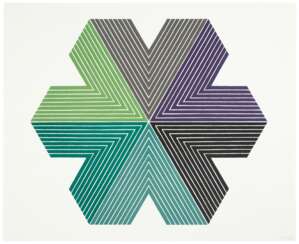


Frank Philip Stella, an American icon in the realms of painting, sculpture, and printmaking, has left an indelible mark on the art world with his pioneering work in minimalism and post-painterly abstraction. Born on May 12, 1936, in Malden, Massachusetts, Stella's artistic journey commenced with his studies in painting at Phillips Academy, Andover, and history at Princeton University. His move to New York City in 1958 heralded the start of an illustrious career that would see him challenge and redefine artistic boundaries.
Stella's work is celebrated for its innovative approach to form, color, and composition. His early endeavors in the late 1950s showcased black paintings characterized by bands of bare canvas, which played a pivotal role in emphasizing the flatness of the picture plane. This deliberate artificiality in his work garnered considerable attention and positioned him at the forefront of Post-Painterly Abstraction, a movement that reacted against the emotive excesses of Abstract Expressionism.
Throughout his career, Stella continued to push the limits of abstraction. His vocabulary expanded to include vibrant and dynamic assemblages that projected out from the wall, utilizing a variety of materials from steel to plastic. This evolution of his style is not only a testament to his ingenuity but also his influence on contemporary art. Notable works that exemplify his groundbreaking approach include "Grajau I," "Harran II," and "Eskimo Curlew," among others, which can be found in prestigious collections such as The Glass House and the Solomon R. Guggenheim Museum.
For art collectors and enthusiasts alike, Stella's oeuvre offers a captivating exploration into the possibilities of abstract art. His continued relevance and the profound impact of his work on both his peers and successive generations of artists underscore his status as a seminal figure in modern art.
Stay updated on new discoveries, sales, and auction events related to Frank Philip Stella by signing up for our newsletter. This subscription is your gateway to the latest in the world of Frank Stella, ensuring you never miss an opportunity to engage with the works of this monumental artist.


Frank Philip Stella, an American icon in the realms of painting, sculpture, and printmaking, has left an indelible mark on the art world with his pioneering work in minimalism and post-painterly abstraction. Born on May 12, 1936, in Malden, Massachusetts, Stella's artistic journey commenced with his studies in painting at Phillips Academy, Andover, and history at Princeton University. His move to New York City in 1958 heralded the start of an illustrious career that would see him challenge and redefine artistic boundaries.
Stella's work is celebrated for its innovative approach to form, color, and composition. His early endeavors in the late 1950s showcased black paintings characterized by bands of bare canvas, which played a pivotal role in emphasizing the flatness of the picture plane. This deliberate artificiality in his work garnered considerable attention and positioned him at the forefront of Post-Painterly Abstraction, a movement that reacted against the emotive excesses of Abstract Expressionism.
Throughout his career, Stella continued to push the limits of abstraction. His vocabulary expanded to include vibrant and dynamic assemblages that projected out from the wall, utilizing a variety of materials from steel to plastic. This evolution of his style is not only a testament to his ingenuity but also his influence on contemporary art. Notable works that exemplify his groundbreaking approach include "Grajau I," "Harran II," and "Eskimo Curlew," among others, which can be found in prestigious collections such as The Glass House and the Solomon R. Guggenheim Museum.
For art collectors and enthusiasts alike, Stella's oeuvre offers a captivating exploration into the possibilities of abstract art. His continued relevance and the profound impact of his work on both his peers and successive generations of artists underscore his status as a seminal figure in modern art.
Stay updated on new discoveries, sales, and auction events related to Frank Philip Stella by signing up for our newsletter. This subscription is your gateway to the latest in the world of Frank Stella, ensuring you never miss an opportunity to engage with the works of this monumental artist.


Frank Philip Stella, an American icon in the realms of painting, sculpture, and printmaking, has left an indelible mark on the art world with his pioneering work in minimalism and post-painterly abstraction. Born on May 12, 1936, in Malden, Massachusetts, Stella's artistic journey commenced with his studies in painting at Phillips Academy, Andover, and history at Princeton University. His move to New York City in 1958 heralded the start of an illustrious career that would see him challenge and redefine artistic boundaries.
Stella's work is celebrated for its innovative approach to form, color, and composition. His early endeavors in the late 1950s showcased black paintings characterized by bands of bare canvas, which played a pivotal role in emphasizing the flatness of the picture plane. This deliberate artificiality in his work garnered considerable attention and positioned him at the forefront of Post-Painterly Abstraction, a movement that reacted against the emotive excesses of Abstract Expressionism.
Throughout his career, Stella continued to push the limits of abstraction. His vocabulary expanded to include vibrant and dynamic assemblages that projected out from the wall, utilizing a variety of materials from steel to plastic. This evolution of his style is not only a testament to his ingenuity but also his influence on contemporary art. Notable works that exemplify his groundbreaking approach include "Grajau I," "Harran II," and "Eskimo Curlew," among others, which can be found in prestigious collections such as The Glass House and the Solomon R. Guggenheim Museum.
For art collectors and enthusiasts alike, Stella's oeuvre offers a captivating exploration into the possibilities of abstract art. His continued relevance and the profound impact of his work on both his peers and successive generations of artists underscore his status as a seminal figure in modern art.
Stay updated on new discoveries, sales, and auction events related to Frank Philip Stella by signing up for our newsletter. This subscription is your gateway to the latest in the world of Frank Stella, ensuring you never miss an opportunity to engage with the works of this monumental artist.


Frank Philip Stella, an American icon in the realms of painting, sculpture, and printmaking, has left an indelible mark on the art world with his pioneering work in minimalism and post-painterly abstraction. Born on May 12, 1936, in Malden, Massachusetts, Stella's artistic journey commenced with his studies in painting at Phillips Academy, Andover, and history at Princeton University. His move to New York City in 1958 heralded the start of an illustrious career that would see him challenge and redefine artistic boundaries.
Stella's work is celebrated for its innovative approach to form, color, and composition. His early endeavors in the late 1950s showcased black paintings characterized by bands of bare canvas, which played a pivotal role in emphasizing the flatness of the picture plane. This deliberate artificiality in his work garnered considerable attention and positioned him at the forefront of Post-Painterly Abstraction, a movement that reacted against the emotive excesses of Abstract Expressionism.
Throughout his career, Stella continued to push the limits of abstraction. His vocabulary expanded to include vibrant and dynamic assemblages that projected out from the wall, utilizing a variety of materials from steel to plastic. This evolution of his style is not only a testament to his ingenuity but also his influence on contemporary art. Notable works that exemplify his groundbreaking approach include "Grajau I," "Harran II," and "Eskimo Curlew," among others, which can be found in prestigious collections such as The Glass House and the Solomon R. Guggenheim Museum.
For art collectors and enthusiasts alike, Stella's oeuvre offers a captivating exploration into the possibilities of abstract art. His continued relevance and the profound impact of his work on both his peers and successive generations of artists underscore his status as a seminal figure in modern art.
Stay updated on new discoveries, sales, and auction events related to Frank Philip Stella by signing up for our newsletter. This subscription is your gateway to the latest in the world of Frank Stella, ensuring you never miss an opportunity to engage with the works of this monumental artist.
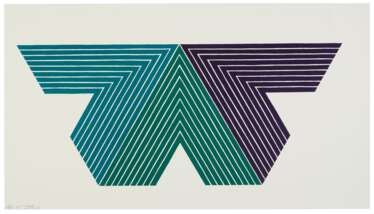

Frank Philip Stella, an American icon in the realms of painting, sculpture, and printmaking, has left an indelible mark on the art world with his pioneering work in minimalism and post-painterly abstraction. Born on May 12, 1936, in Malden, Massachusetts, Stella's artistic journey commenced with his studies in painting at Phillips Academy, Andover, and history at Princeton University. His move to New York City in 1958 heralded the start of an illustrious career that would see him challenge and redefine artistic boundaries.
Stella's work is celebrated for its innovative approach to form, color, and composition. His early endeavors in the late 1950s showcased black paintings characterized by bands of bare canvas, which played a pivotal role in emphasizing the flatness of the picture plane. This deliberate artificiality in his work garnered considerable attention and positioned him at the forefront of Post-Painterly Abstraction, a movement that reacted against the emotive excesses of Abstract Expressionism.
Throughout his career, Stella continued to push the limits of abstraction. His vocabulary expanded to include vibrant and dynamic assemblages that projected out from the wall, utilizing a variety of materials from steel to plastic. This evolution of his style is not only a testament to his ingenuity but also his influence on contemporary art. Notable works that exemplify his groundbreaking approach include "Grajau I," "Harran II," and "Eskimo Curlew," among others, which can be found in prestigious collections such as The Glass House and the Solomon R. Guggenheim Museum.
For art collectors and enthusiasts alike, Stella's oeuvre offers a captivating exploration into the possibilities of abstract art. His continued relevance and the profound impact of his work on both his peers and successive generations of artists underscore his status as a seminal figure in modern art.
Stay updated on new discoveries, sales, and auction events related to Frank Philip Stella by signing up for our newsletter. This subscription is your gateway to the latest in the world of Frank Stella, ensuring you never miss an opportunity to engage with the works of this monumental artist.
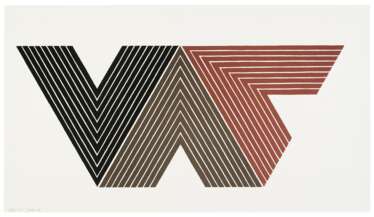

Frank Philip Stella, an American icon in the realms of painting, sculpture, and printmaking, has left an indelible mark on the art world with his pioneering work in minimalism and post-painterly abstraction. Born on May 12, 1936, in Malden, Massachusetts, Stella's artistic journey commenced with his studies in painting at Phillips Academy, Andover, and history at Princeton University. His move to New York City in 1958 heralded the start of an illustrious career that would see him challenge and redefine artistic boundaries.
Stella's work is celebrated for its innovative approach to form, color, and composition. His early endeavors in the late 1950s showcased black paintings characterized by bands of bare canvas, which played a pivotal role in emphasizing the flatness of the picture plane. This deliberate artificiality in his work garnered considerable attention and positioned him at the forefront of Post-Painterly Abstraction, a movement that reacted against the emotive excesses of Abstract Expressionism.
Throughout his career, Stella continued to push the limits of abstraction. His vocabulary expanded to include vibrant and dynamic assemblages that projected out from the wall, utilizing a variety of materials from steel to plastic. This evolution of his style is not only a testament to his ingenuity but also his influence on contemporary art. Notable works that exemplify his groundbreaking approach include "Grajau I," "Harran II," and "Eskimo Curlew," among others, which can be found in prestigious collections such as The Glass House and the Solomon R. Guggenheim Museum.
For art collectors and enthusiasts alike, Stella's oeuvre offers a captivating exploration into the possibilities of abstract art. His continued relevance and the profound impact of his work on both his peers and successive generations of artists underscore his status as a seminal figure in modern art.
Stay updated on new discoveries, sales, and auction events related to Frank Philip Stella by signing up for our newsletter. This subscription is your gateway to the latest in the world of Frank Stella, ensuring you never miss an opportunity to engage with the works of this monumental artist.
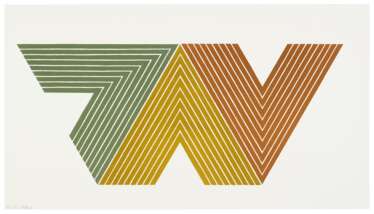

Frank Philip Stella, an American icon in the realms of painting, sculpture, and printmaking, has left an indelible mark on the art world with his pioneering work in minimalism and post-painterly abstraction. Born on May 12, 1936, in Malden, Massachusetts, Stella's artistic journey commenced with his studies in painting at Phillips Academy, Andover, and history at Princeton University. His move to New York City in 1958 heralded the start of an illustrious career that would see him challenge and redefine artistic boundaries.
Stella's work is celebrated for its innovative approach to form, color, and composition. His early endeavors in the late 1950s showcased black paintings characterized by bands of bare canvas, which played a pivotal role in emphasizing the flatness of the picture plane. This deliberate artificiality in his work garnered considerable attention and positioned him at the forefront of Post-Painterly Abstraction, a movement that reacted against the emotive excesses of Abstract Expressionism.
Throughout his career, Stella continued to push the limits of abstraction. His vocabulary expanded to include vibrant and dynamic assemblages that projected out from the wall, utilizing a variety of materials from steel to plastic. This evolution of his style is not only a testament to his ingenuity but also his influence on contemporary art. Notable works that exemplify his groundbreaking approach include "Grajau I," "Harran II," and "Eskimo Curlew," among others, which can be found in prestigious collections such as The Glass House and the Solomon R. Guggenheim Museum.
For art collectors and enthusiasts alike, Stella's oeuvre offers a captivating exploration into the possibilities of abstract art. His continued relevance and the profound impact of his work on both his peers and successive generations of artists underscore his status as a seminal figure in modern art.
Stay updated on new discoveries, sales, and auction events related to Frank Philip Stella by signing up for our newsletter. This subscription is your gateway to the latest in the world of Frank Stella, ensuring you never miss an opportunity to engage with the works of this monumental artist.
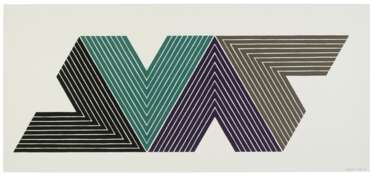

Frank Philip Stella, an American icon in the realms of painting, sculpture, and printmaking, has left an indelible mark on the art world with his pioneering work in minimalism and post-painterly abstraction. Born on May 12, 1936, in Malden, Massachusetts, Stella's artistic journey commenced with his studies in painting at Phillips Academy, Andover, and history at Princeton University. His move to New York City in 1958 heralded the start of an illustrious career that would see him challenge and redefine artistic boundaries.
Stella's work is celebrated for its innovative approach to form, color, and composition. His early endeavors in the late 1950s showcased black paintings characterized by bands of bare canvas, which played a pivotal role in emphasizing the flatness of the picture plane. This deliberate artificiality in his work garnered considerable attention and positioned him at the forefront of Post-Painterly Abstraction, a movement that reacted against the emotive excesses of Abstract Expressionism.
Throughout his career, Stella continued to push the limits of abstraction. His vocabulary expanded to include vibrant and dynamic assemblages that projected out from the wall, utilizing a variety of materials from steel to plastic. This evolution of his style is not only a testament to his ingenuity but also his influence on contemporary art. Notable works that exemplify his groundbreaking approach include "Grajau I," "Harran II," and "Eskimo Curlew," among others, which can be found in prestigious collections such as The Glass House and the Solomon R. Guggenheim Museum.
For art collectors and enthusiasts alike, Stella's oeuvre offers a captivating exploration into the possibilities of abstract art. His continued relevance and the profound impact of his work on both his peers and successive generations of artists underscore his status as a seminal figure in modern art.
Stay updated on new discoveries, sales, and auction events related to Frank Philip Stella by signing up for our newsletter. This subscription is your gateway to the latest in the world of Frank Stella, ensuring you never miss an opportunity to engage with the works of this monumental artist.
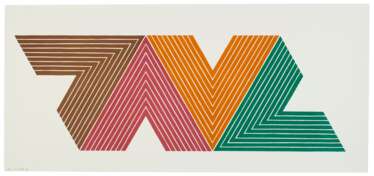

Frank Philip Stella, an American icon in the realms of painting, sculpture, and printmaking, has left an indelible mark on the art world with his pioneering work in minimalism and post-painterly abstraction. Born on May 12, 1936, in Malden, Massachusetts, Stella's artistic journey commenced with his studies in painting at Phillips Academy, Andover, and history at Princeton University. His move to New York City in 1958 heralded the start of an illustrious career that would see him challenge and redefine artistic boundaries.
Stella's work is celebrated for its innovative approach to form, color, and composition. His early endeavors in the late 1950s showcased black paintings characterized by bands of bare canvas, which played a pivotal role in emphasizing the flatness of the picture plane. This deliberate artificiality in his work garnered considerable attention and positioned him at the forefront of Post-Painterly Abstraction, a movement that reacted against the emotive excesses of Abstract Expressionism.
Throughout his career, Stella continued to push the limits of abstraction. His vocabulary expanded to include vibrant and dynamic assemblages that projected out from the wall, utilizing a variety of materials from steel to plastic. This evolution of his style is not only a testament to his ingenuity but also his influence on contemporary art. Notable works that exemplify his groundbreaking approach include "Grajau I," "Harran II," and "Eskimo Curlew," among others, which can be found in prestigious collections such as The Glass House and the Solomon R. Guggenheim Museum.
For art collectors and enthusiasts alike, Stella's oeuvre offers a captivating exploration into the possibilities of abstract art. His continued relevance and the profound impact of his work on both his peers and successive generations of artists underscore his status as a seminal figure in modern art.
Stay updated on new discoveries, sales, and auction events related to Frank Philip Stella by signing up for our newsletter. This subscription is your gateway to the latest in the world of Frank Stella, ensuring you never miss an opportunity to engage with the works of this monumental artist.
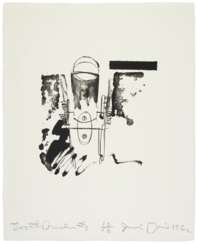


Jim Dine is an American artist whose œuvre extends over sixty years. Dine’s work includes painting, drawing, printmaking (in many forms including lithographs, etchings, gravure, intaglio, woodcuts, letterpress and linocuts), sculpture and photography; his early works encompassed assemblage and happenings, while in recent years his poetry output, both in publications and readings, has increased.
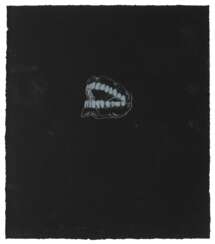

Jim Dine is an American artist whose œuvre extends over sixty years. Dine’s work includes painting, drawing, printmaking (in many forms including lithographs, etchings, gravure, intaglio, woodcuts, letterpress and linocuts), sculpture and photography; his early works encompassed assemblage and happenings, while in recent years his poetry output, both in publications and readings, has increased.
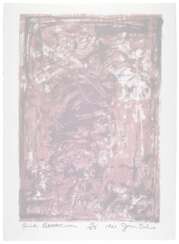

Jim Dine is an American artist whose œuvre extends over sixty years. Dine’s work includes painting, drawing, printmaking (in many forms including lithographs, etchings, gravure, intaglio, woodcuts, letterpress and linocuts), sculpture and photography; his early works encompassed assemblage and happenings, while in recent years his poetry output, both in publications and readings, has increased.
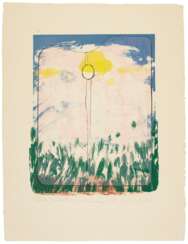

Jim Dine is an American artist whose œuvre extends over sixty years. Dine’s work includes painting, drawing, printmaking (in many forms including lithographs, etchings, gravure, intaglio, woodcuts, letterpress and linocuts), sculpture and photography; his early works encompassed assemblage and happenings, while in recent years his poetry output, both in publications and readings, has increased.
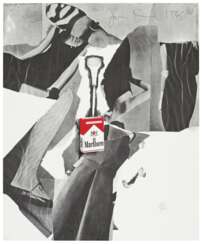

Jim Dine is an American artist whose œuvre extends over sixty years. Dine’s work includes painting, drawing, printmaking (in many forms including lithographs, etchings, gravure, intaglio, woodcuts, letterpress and linocuts), sculpture and photography; his early works encompassed assemblage and happenings, while in recent years his poetry output, both in publications and readings, has increased.


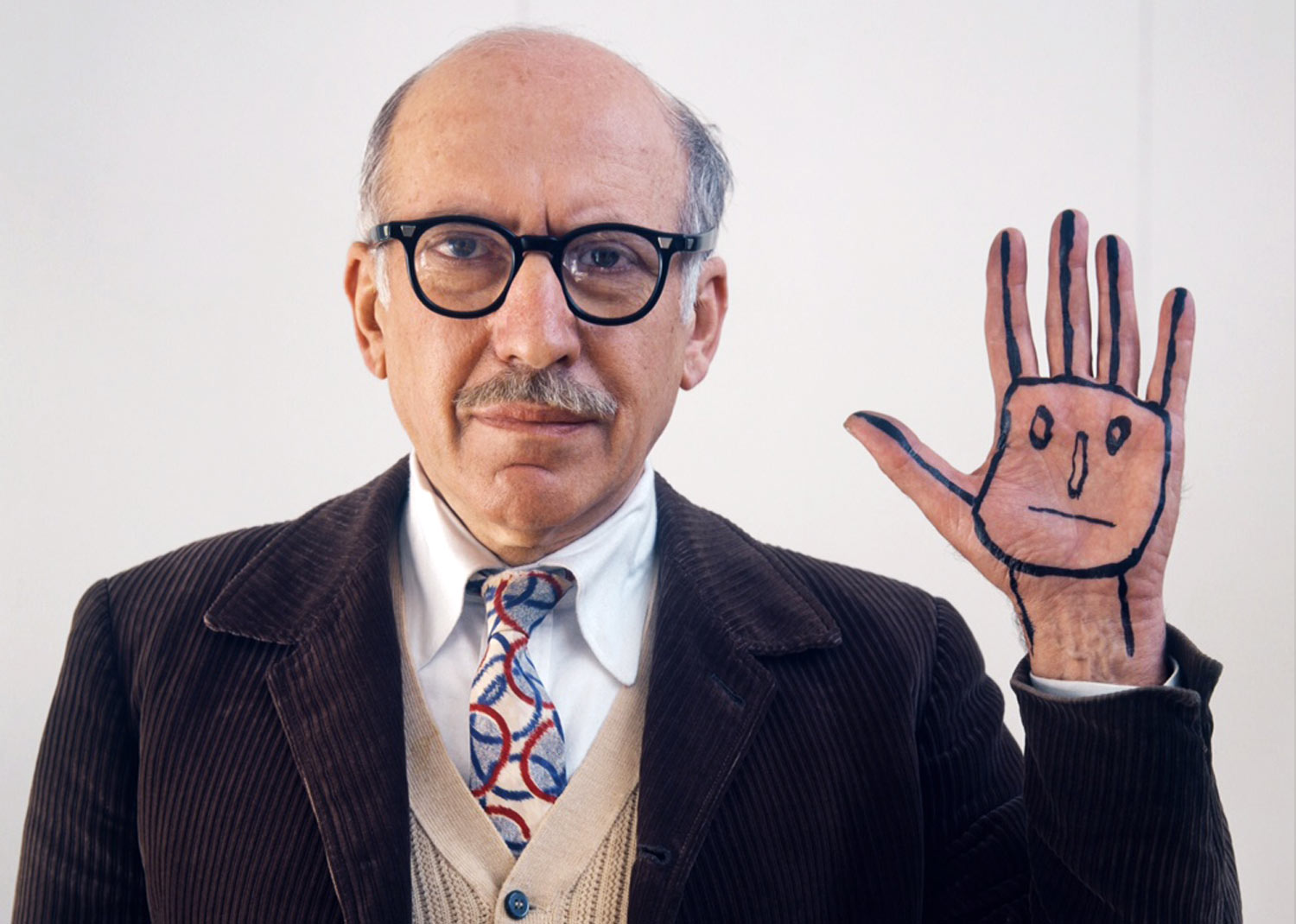
Saul Steinberg was a Romanian-American artist, best known for his work for The New Yorker, most notably View of the World from 9th Avenue. He described himself as "a writer who draws".
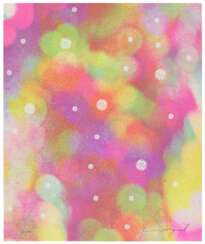

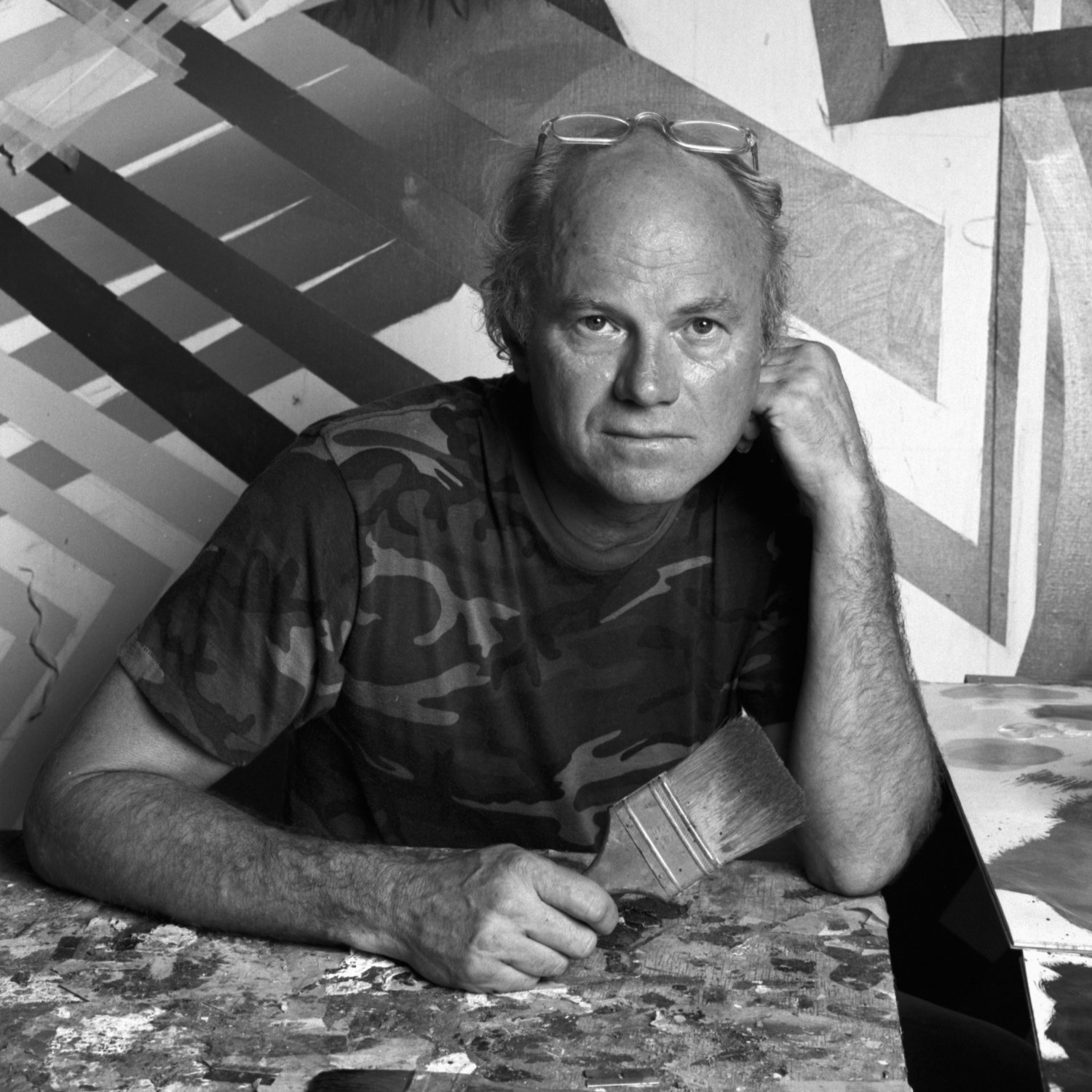
James Rosenquist was a towering figure in the American art scene, best known for his pivotal role in defining the Pop Art movement. Born in North Dakota, Rosenquist transformed his early experiences as a billboard painter into a revolutionary art form that blurred the lines between commercial and fine art. His unique approach to painting, characterized by the use of fragmented and juxtaposed imagery, mirrored the bombardment of mass media and advertising in American culture. This technique not only challenged traditional perceptions of art but also reflected the artist's critique of the consumerist society.
Rosenquist's most famous work, "F-111," an ambitious 86-foot-long mural, exemplifies his innovative style. Displayed at the Museum of Modern Art in New York, this piece encapsulates the essence of Pop Art by combining consumer goods, military imagery, and a fighter plane. The artwork serves as a powerful commentary on the military-industrial complex and the pervasive influence of advertising on American life. Another notable piece, "Stowaway Peers Out of the Speed of Light," showcases Rosenquist's later exploration into abstract expressionism, depicting a chaotic yet captivating vision of motion and light.
Throughout his career, Rosenquist's work remained deeply influential, earning him a place in prominent collections and museums worldwide. His ability to merge commercial techniques with fine art not only elevated his status as an artist but also left an indelible mark on the art world. Rosenquist's legacy continues to inspire artists and collectors alike, challenging them to see beyond the surface of everyday imagery.
For collectors and experts in art and antiques, James Rosenquist's work represents a pivotal moment in the history of modern art, where the lines between commercial and fine art were not just blurred but beautifully intertwined. To stay updated on new product sales and auction events related to James Rosenquist, we invite you to sign up for our updates. This subscription is your gateway to the evolving world of art collecting, where the legacy of innovators like Rosenquist continues to influence the market and inspire new generations of artists and collectors.
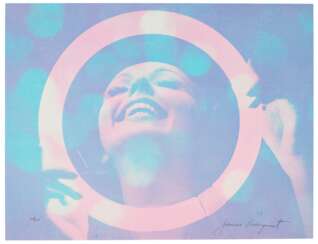

James Rosenquist was a towering figure in the American art scene, best known for his pivotal role in defining the Pop Art movement. Born in North Dakota, Rosenquist transformed his early experiences as a billboard painter into a revolutionary art form that blurred the lines between commercial and fine art. His unique approach to painting, characterized by the use of fragmented and juxtaposed imagery, mirrored the bombardment of mass media and advertising in American culture. This technique not only challenged traditional perceptions of art but also reflected the artist's critique of the consumerist society.
Rosenquist's most famous work, "F-111," an ambitious 86-foot-long mural, exemplifies his innovative style. Displayed at the Museum of Modern Art in New York, this piece encapsulates the essence of Pop Art by combining consumer goods, military imagery, and a fighter plane. The artwork serves as a powerful commentary on the military-industrial complex and the pervasive influence of advertising on American life. Another notable piece, "Stowaway Peers Out of the Speed of Light," showcases Rosenquist's later exploration into abstract expressionism, depicting a chaotic yet captivating vision of motion and light.
Throughout his career, Rosenquist's work remained deeply influential, earning him a place in prominent collections and museums worldwide. His ability to merge commercial techniques with fine art not only elevated his status as an artist but also left an indelible mark on the art world. Rosenquist's legacy continues to inspire artists and collectors alike, challenging them to see beyond the surface of everyday imagery.
For collectors and experts in art and antiques, James Rosenquist's work represents a pivotal moment in the history of modern art, where the lines between commercial and fine art were not just blurred but beautifully intertwined. To stay updated on new product sales and auction events related to James Rosenquist, we invite you to sign up for our updates. This subscription is your gateway to the evolving world of art collecting, where the legacy of innovators like Rosenquist continues to influence the market and inspire new generations of artists and collectors.
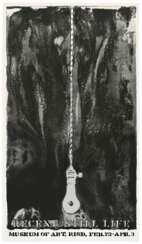

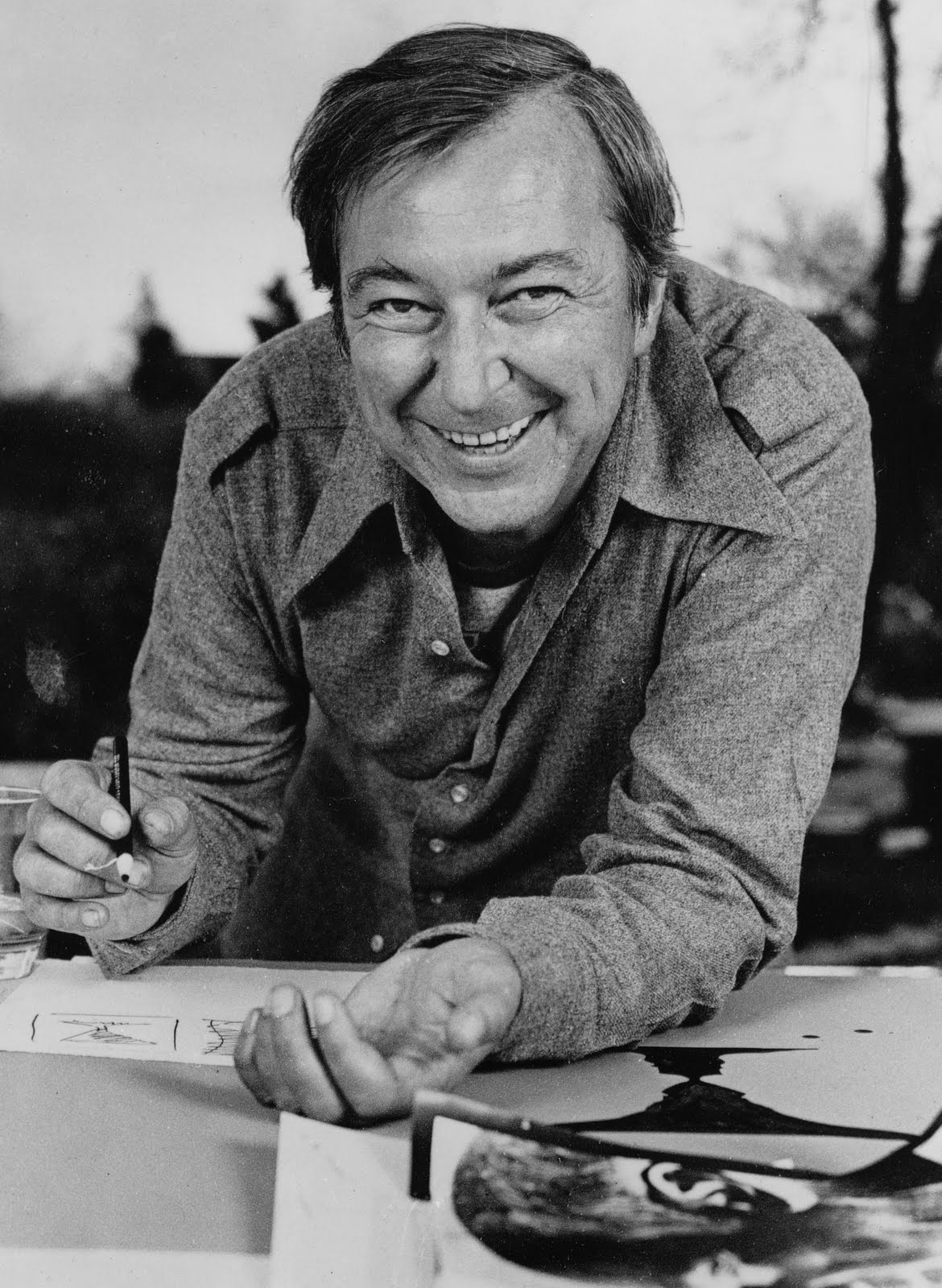
Jasper Johns, an American artist, has been a pivotal figure in the art world, celebrated for his innovative contributions to painting, sculpture, and printmaking. Johns, born in 1930, has challenged and expanded the boundaries of contemporary art with his unique approach to visual expression, blending elements of Abstract Expressionism, Neo-Dada, and Pop Art. He is perhaps best known for his iconic depictions of everyday objects and symbols, such as flags, maps, numbers, and targets, which he transforms into complex, layered works that invite contemplation on themes of identity, perception, and memory.
Johns' art is distinguished by its masterful use of texture, symbolism, and an exploration of the materiality of the medium. His technique of incorporating textural elements and found objects into his canvases blurs the lines between painting and sculpture, challenging traditional distinctions in art. For instance, his piece "Flag" (1954-55) reimagines the American flag with a surface rich in encaustic paint and newspaper clippings, creating a work that is both a familiar symbol and a deeply personal expression. Similarly, "Painted Bronze" (Ale Cans) (1960) playfully interrogates the nature of representation and the art object by presenting a lifelike bronze sculpture of beer cans, furthering the dialogue on art's relationship with the everyday.
Johns' work is held in high esteem and can be found in major museums and galleries worldwide, including the Museum of Modern Art in New York and the Tate Modern in London. His influence extends beyond his own oeuvre, impacting the development of several art movements, including Pop Art and Conceptual Art. Johns' exploration of language and semiotics, particularly in works like "According to What" (1964), prefigured the Conceptual Art movement's interest in the role of language and ideas in art.
For collectors and experts in art and antiques, Jasper Johns' work represents a critical junction in the evolution of post-war American art, offering rich insights into the interplay between cultural symbols and artistic innovation. His enduring relevance and the intellectual depth of his work continue to inspire and challenge audiences, making him a central figure in discussions of contemporary art.
To stay informed about new sales, auction events, and updates related to Jasper Johns, we invite you to sign up for our newsletter. This subscription is an excellent resource for enthusiasts and collectors eager to engage with the dynamic market for Jasper Johns' works and related artistic developments.
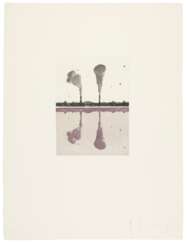


Claes Oldenburg was a Swedish-born American sculptor, celebrated for his groundbreaking contributions to the field of public art and sculpture. With a career spanning over several decades, Oldenburg redefined the boundaries between sculpture and everyday objects, bringing a whimsical yet profound commentary on consumer culture and the urban environment. His talent for transforming the mundane into the monumental made his work not only iconic but also a vital part of the conversation about the role of art in public spaces.
Oldenburg's sculptures are characterized by their colossal scale and imaginative designs, often inspired by everyday items. Perhaps his most famous works include "Clothespin" in Philadelphia and "Spoonbridge and Cherry" in Minneapolis. These pieces are emblematic of his unique approach to sculpture, where familiar objects are reimagined in unexpected contexts, challenging viewers to see the world around them in new ways. His ability to blur the lines between art and life, combined with his playful exploration of form and material, has left an indelible mark on the art world.
For collectors and experts in art and antiques, Oldenburg's works represent not just significant artistic achievements but also compelling investments. His sculptures and installations continue to be celebrated in museums and galleries worldwide, testament to his enduring influence and relevance in the contemporary art scene. For those interested in the intersection of culture, art, and urban life, Oldenburg's legacy offers rich insights and inspiration.
To stay informed about new product sales and auction events related to Claes Oldenburg, we invite you to sign up for updates. This subscription service is designed for collectors and art enthusiasts eager to keep abreast of the latest developments and opportunities in the world of art and antiques. Join us in exploring the remarkable contributions of Claes Oldenburg to the art world.
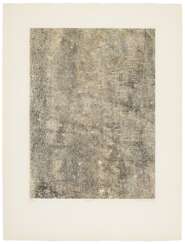

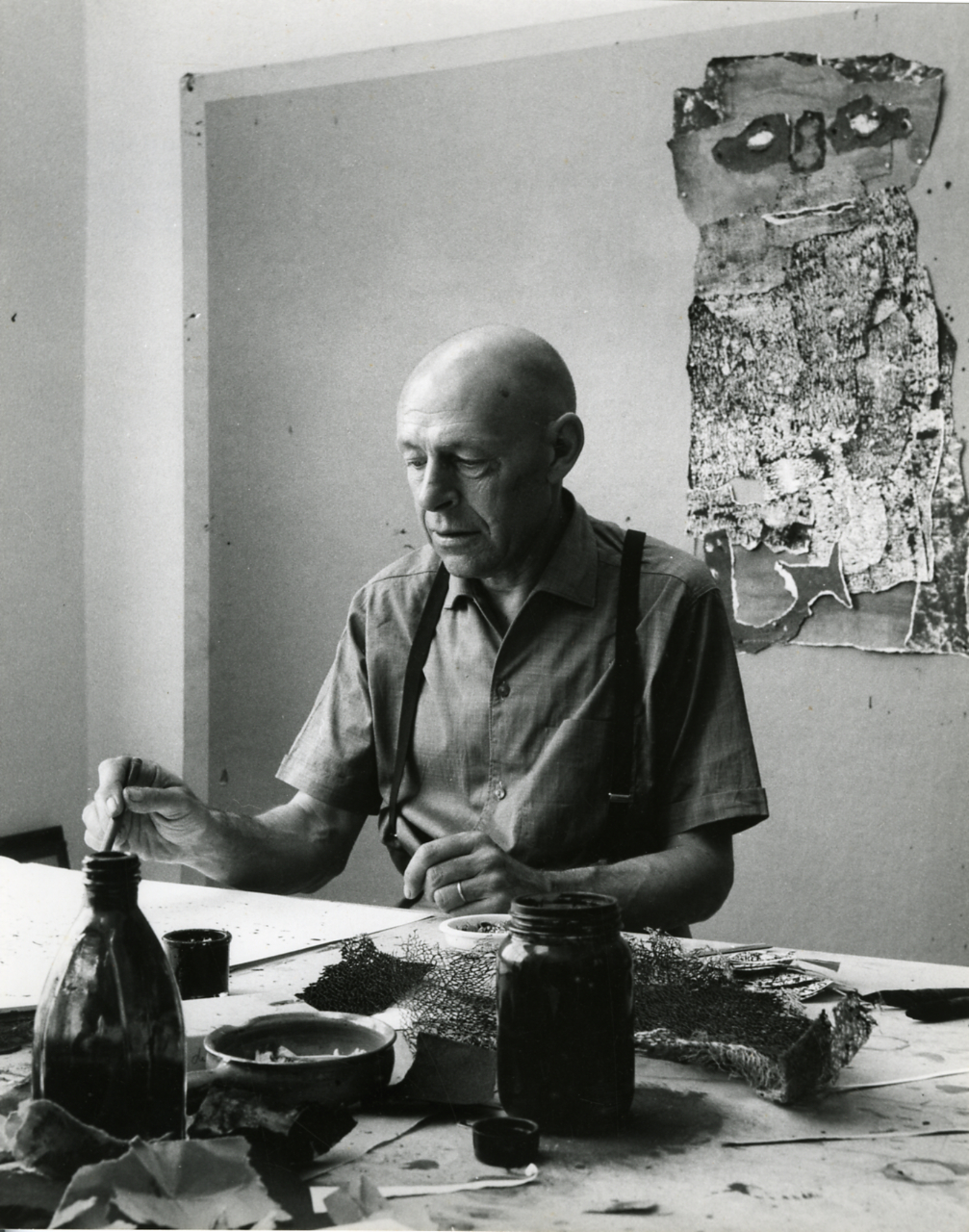
Jean Philippe Arthur Dubuffet, a pioneering French painter and sculptor, revolutionized the post-war art scene with his radical Matterism movement. He defied the conventional aesthetics of his time, championing "low art" and propelling a more genuine, humanistic image-making approach.
Dubuffet, born in Le Havre, France, in 1901, was a prominent figure at the Ecole de Paris and an advocate for Art Brut, or "raw art", which sought to capture art's purest form. His works were characterized by a rough, unrefined aesthetic, which eschewed academic norms in favor of spontaneity and authenticity.
Art enthusiasts and experts can view Dubuffet's innovative works at institutions like the Museum of Modern Art, where his legacy as a groundbreaking artist continues to be celebrated. His Matterism philosophy has left an indelible mark on the art world, inspiring generations of artists to embrace the beauty in the unconventional.
For those interested in the avant-garde and the legacy of Jean Philippe Arthur Dubuffet, sign up for our exclusive updates. This service is designed for connoisseurs and professionals in the art and antique sector, promising alerts on new insights and events strictly related to Dubuffet's profound influence.
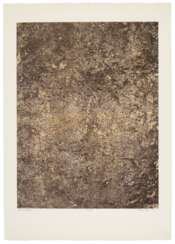

Jean Philippe Arthur Dubuffet, a pioneering French painter and sculptor, revolutionized the post-war art scene with his radical Matterism movement. He defied the conventional aesthetics of his time, championing "low art" and propelling a more genuine, humanistic image-making approach.
Dubuffet, born in Le Havre, France, in 1901, was a prominent figure at the Ecole de Paris and an advocate for Art Brut, or "raw art", which sought to capture art's purest form. His works were characterized by a rough, unrefined aesthetic, which eschewed academic norms in favor of spontaneity and authenticity.
Art enthusiasts and experts can view Dubuffet's innovative works at institutions like the Museum of Modern Art, where his legacy as a groundbreaking artist continues to be celebrated. His Matterism philosophy has left an indelible mark on the art world, inspiring generations of artists to embrace the beauty in the unconventional.
For those interested in the avant-garde and the legacy of Jean Philippe Arthur Dubuffet, sign up for our exclusive updates. This service is designed for connoisseurs and professionals in the art and antique sector, promising alerts on new insights and events strictly related to Dubuffet's profound influence.
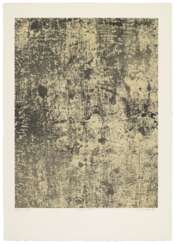

Jean Philippe Arthur Dubuffet, a pioneering French painter and sculptor, revolutionized the post-war art scene with his radical Matterism movement. He defied the conventional aesthetics of his time, championing "low art" and propelling a more genuine, humanistic image-making approach.
Dubuffet, born in Le Havre, France, in 1901, was a prominent figure at the Ecole de Paris and an advocate for Art Brut, or "raw art", which sought to capture art's purest form. His works were characterized by a rough, unrefined aesthetic, which eschewed academic norms in favor of spontaneity and authenticity.
Art enthusiasts and experts can view Dubuffet's innovative works at institutions like the Museum of Modern Art, where his legacy as a groundbreaking artist continues to be celebrated. His Matterism philosophy has left an indelible mark on the art world, inspiring generations of artists to embrace the beauty in the unconventional.
For those interested in the avant-garde and the legacy of Jean Philippe Arthur Dubuffet, sign up for our exclusive updates. This service is designed for connoisseurs and professionals in the art and antique sector, promising alerts on new insights and events strictly related to Dubuffet's profound influence.
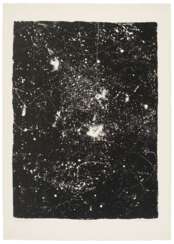

Jean Philippe Arthur Dubuffet, a pioneering French painter and sculptor, revolutionized the post-war art scene with his radical Matterism movement. He defied the conventional aesthetics of his time, championing "low art" and propelling a more genuine, humanistic image-making approach.
Dubuffet, born in Le Havre, France, in 1901, was a prominent figure at the Ecole de Paris and an advocate for Art Brut, or "raw art", which sought to capture art's purest form. His works were characterized by a rough, unrefined aesthetic, which eschewed academic norms in favor of spontaneity and authenticity.
Art enthusiasts and experts can view Dubuffet's innovative works at institutions like the Museum of Modern Art, where his legacy as a groundbreaking artist continues to be celebrated. His Matterism philosophy has left an indelible mark on the art world, inspiring generations of artists to embrace the beauty in the unconventional.
For those interested in the avant-garde and the legacy of Jean Philippe Arthur Dubuffet, sign up for our exclusive updates. This service is designed for connoisseurs and professionals in the art and antique sector, promising alerts on new insights and events strictly related to Dubuffet's profound influence.
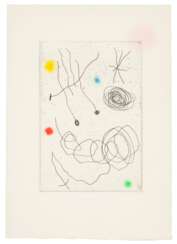

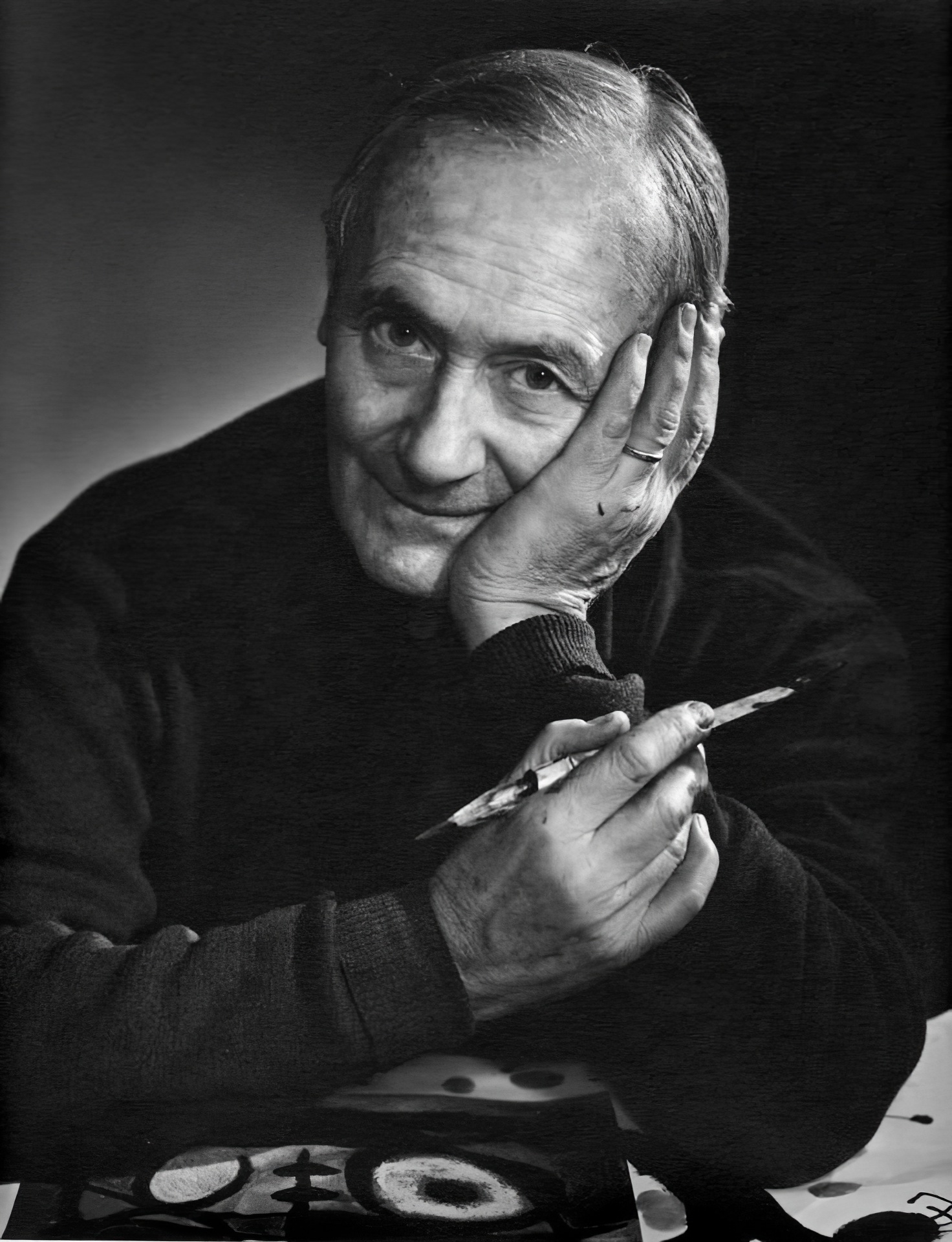
Joan Miró, a celebrated Spanish artist, was a master in painting, sculpture, and ceramics, renowned for his unique style that blurred the lines between Surrealism, Fauvism, and Expressionism. Born in Barcelona to a family of a goldsmith and a watchmaker, Miró grew up immersed in the rich cultural heritage of the Barri Gòtic neighborhood. His artistic journey began with drawing classes at the age of seven and continued at the prestigious La Llotja art academy. Despite an initial venture into the business world, Miró's passion for art prevailed, leading him to abandon his clerical career after a nervous breakdown.
Miró's work is noted for its exploration of the subconscious, often depicting a childlike perspective. This approach was both a critique of traditional painting methods and a means of expressing Catalan pride. His art, challenging to categorize, often featured symbolic elements and nationalistic qualities. One of his notable early works, "The Farm," reflects a transition to a more individual style, blending elements of his Catalan roots with broader artistic influences. This piece, later purchased by Ernest Hemingway, encapsulated the essence of Spain in its imagery.
In Paris, Miró joined the Surrealist movement in 1924, where his work began to reflect the influence of automatism, emphasizing spontaneous, automatic, or subconscious creation. He experimented with various mediums, including painting-poetry and collage, and even ventured into set and costume design for Sergei Diaghilev's Ballets Russes.
During World War II, Miró remained in Spain, and his work from this period, including the 22 Constellations series, reflected an interest in the night, music, and stars. His forms became increasingly abstracted, and he experimented with various techniques, often incorporating primary colors and evocative titles.
Miró's career spanned several decades, during which he continually evolved his style and explored new mediums. His contributions to art were recognized with numerous awards and retrospectives, including a major career retrospective at MoMA in 1941 and the Spanish Gold Medal for Fine Arts in 1980. Among his last major works was a tapestry for the World Trade Center in New York City, created in 1974.
For art collectors and enthusiasts, Joan Miró remains a figure of immense interest, not only for his distinct style and contributions to Surrealism but also for his ability to blend poetic imagery with political commentary. To stay updated on new product sales and auction events related to Joan Miró, sign up for our updates and immerse yourself in the world of this extraordinary artist.
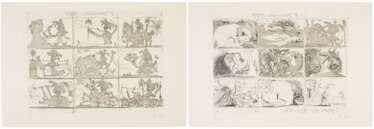

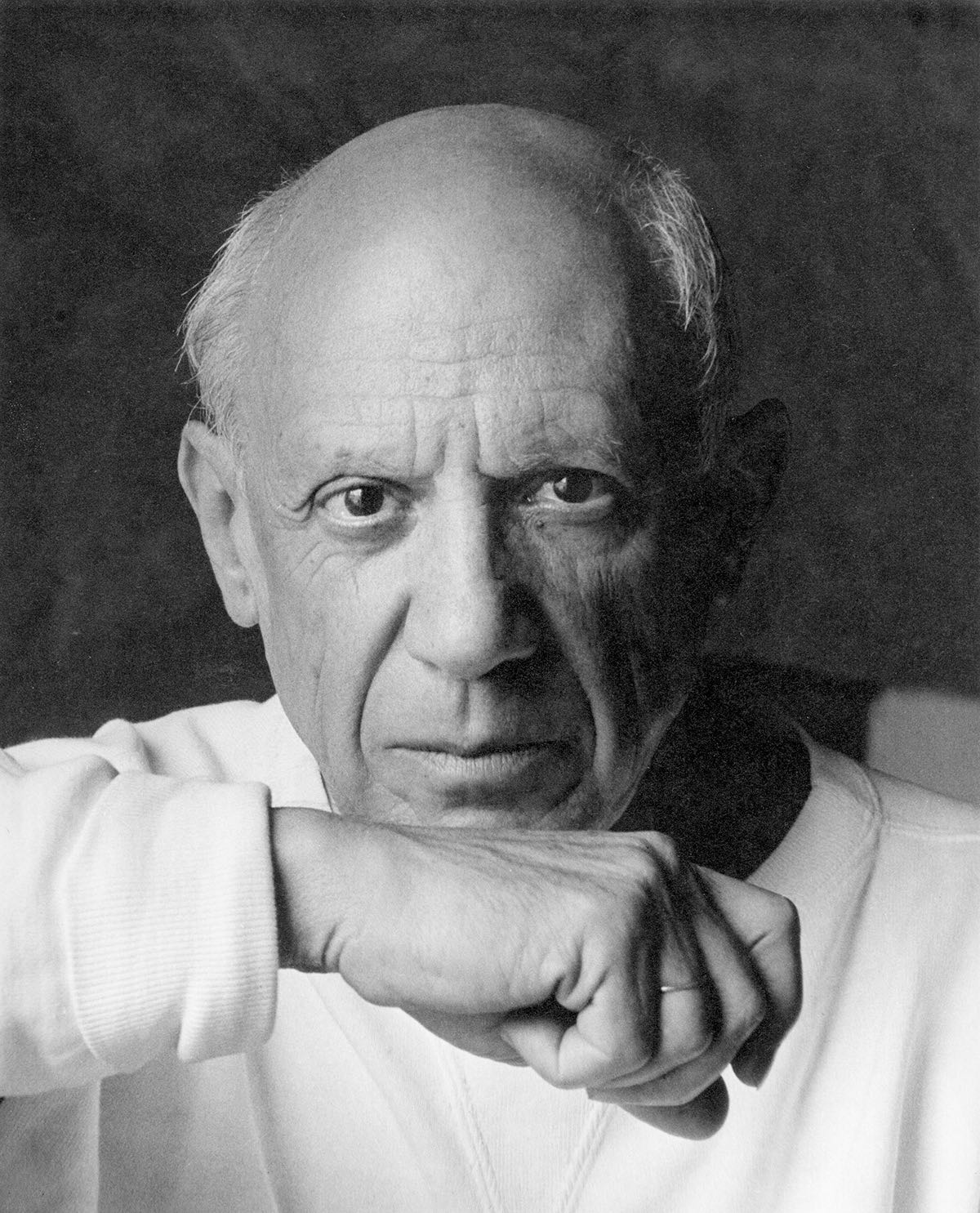
Pablo Ruiz Picasso, a Spanish artist renowned for his revolutionary contributions to the 20th-century art scene, is a figure that resonates profoundly with collectors and art experts. His unique blend of talents in painting, sculpture, printmaking, and ceramic art, infused with his time in France, positioned him as a pivotal character in modern art history.
Picasso's artistic journey was marked by distinct periods, each showcasing his evolving style and genius. His early years were characterized by the Blue Period (1901-1904), followed by the Rose Period (1904-1906), and then the African-influenced Period (1907-1909). Picasso's name is synonymous with Cubism, a movement he co-founded, which significantly altered artistic perspectives and methods. Works like "Les Demoiselles d'Avignon" (1907) and "Guernica" (1937) are emblematic of his cubist legacy, the latter being a poignant anti-war statement that remains influential.
His later years saw a return to more traditional styles, with neoclassical and surrealist influences becoming evident. Works from these phases reflect a deep engagement with mythological themes, as seen in "Faun with Stars" (1955), symbolizing his late-life romance with Jacqueline Roque, his second wife.
Picasso's prolific output and innovative spirit made him a legend in his own time, a status that only grew after his death. His works, housed in major museums and private collections worldwide, continue to captivate and inspire.
As a collector or expert in art and antiques, staying informed about Picasso's works, their auction events, and sales is essential. To stay updated on the latest developments and opportunities related to Pablo Picasso, sign up for our specialized updates. Rest assured, this subscription will focus solely on new product sales and auction events pertaining to Picasso's art, ensuring that you receive only the most relevant and valuable information.