kubismus
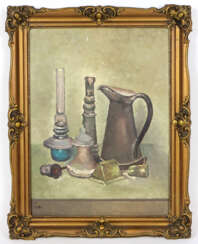

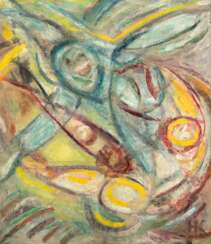

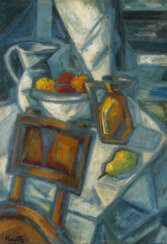

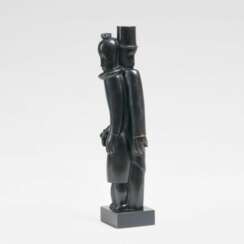

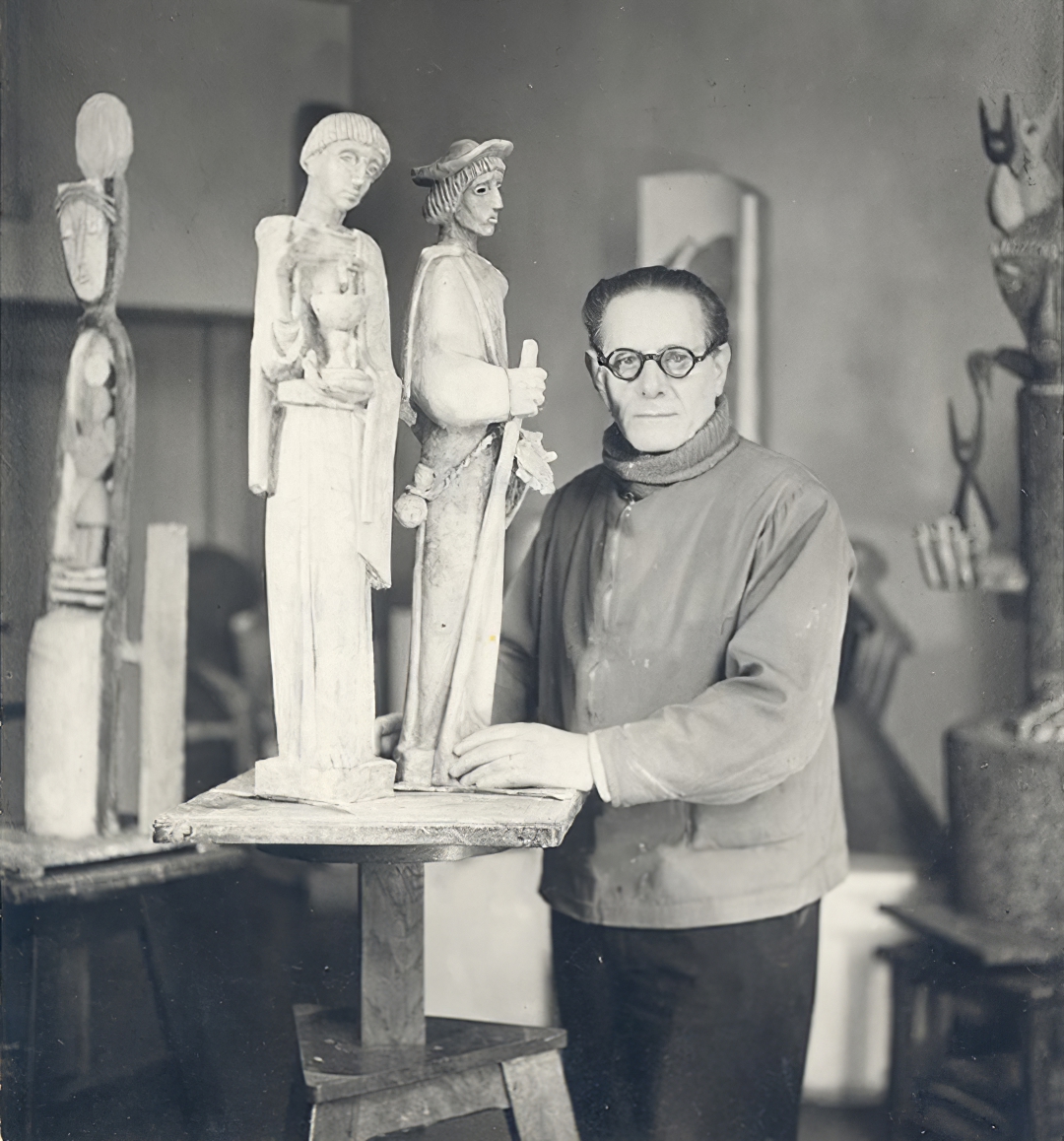
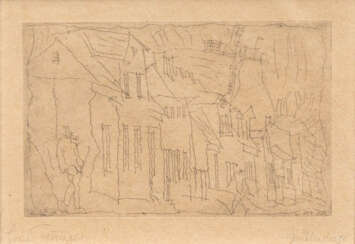
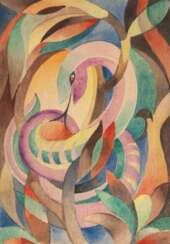
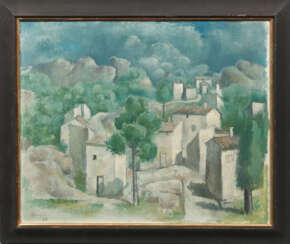
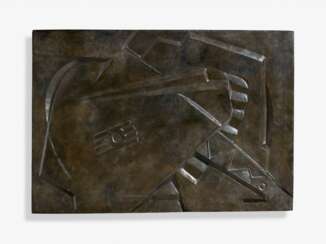
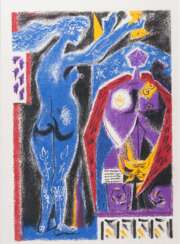
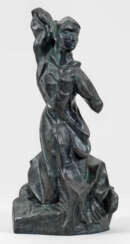
Jean Lambert-Rucki was a Polish avant-garde artist, sculptor, and graphic artist. He was best known for his participation in the Cubist, Surrealist and Art Deco movements. He exhibited at the 1913 Salon d'Automne in Paris; from 1919 was represented by both Léonce Rosenberg at the Galerie de l'Effort Moderne and the art dealer Paul Guillaume. In March 1920, Lambert-Rucki exhibited at the second exhibition of la Section d'Or, Galerie de La Boétie, Paris, and participated in the first exhibition of l'Union des Artistes Modernes, where he continued to show his works. He worked with diverse styles and media, at times he was influenced by the tribal art of Africa. Lambert-Rucki also became well known for his Cubist cityscapes.
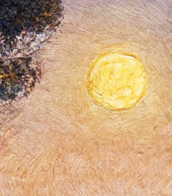

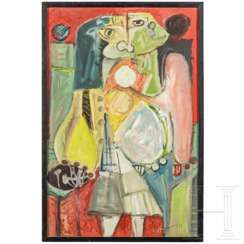



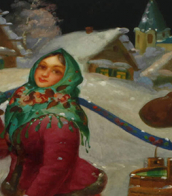


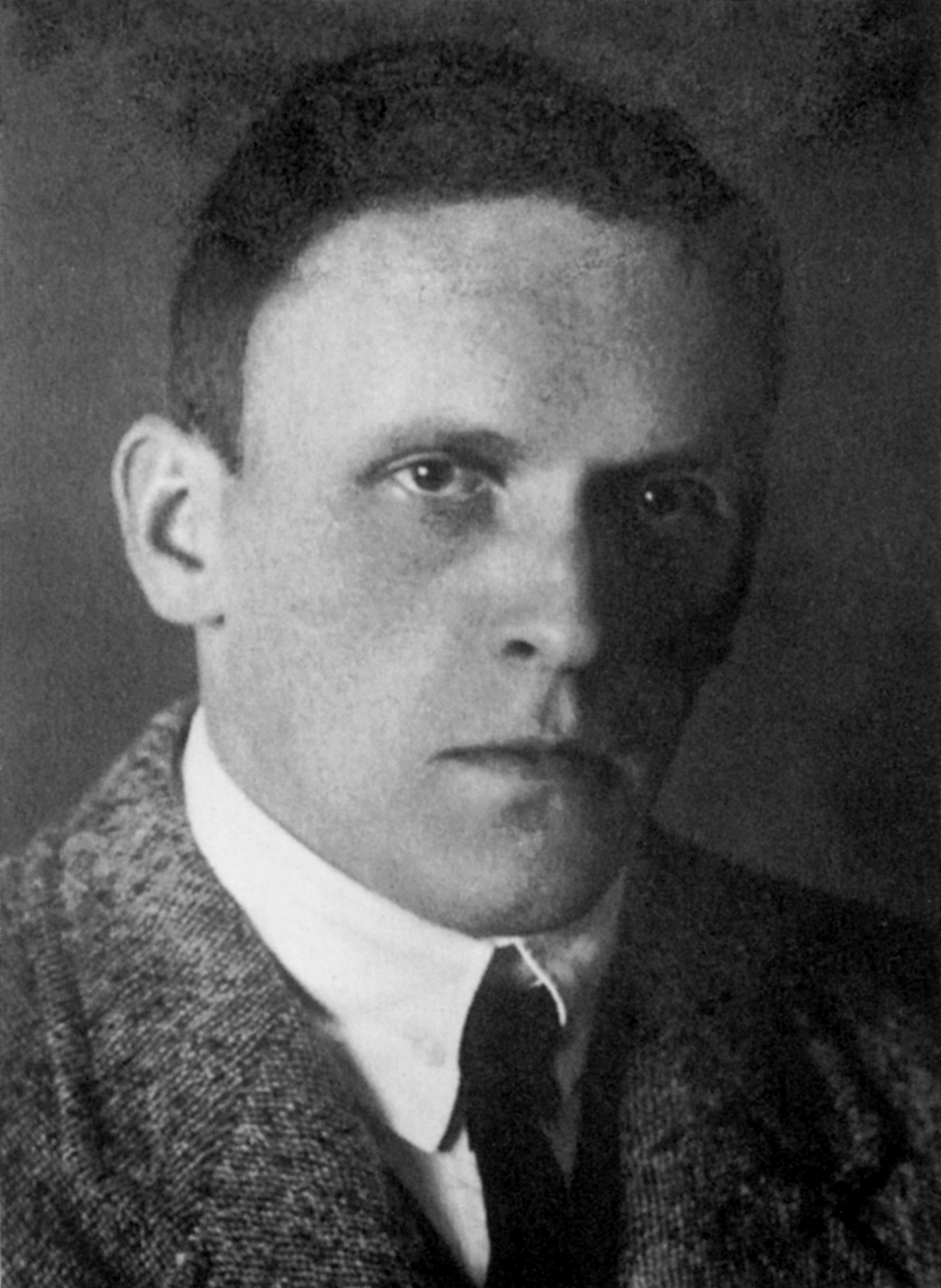
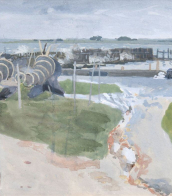
Walter Dexel was a German painter, commercial graphic designer, and transportation planner. He also functioned as an art historian and directed a museum in Braunschweig during the Second World War.
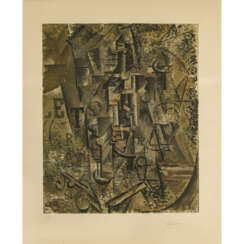

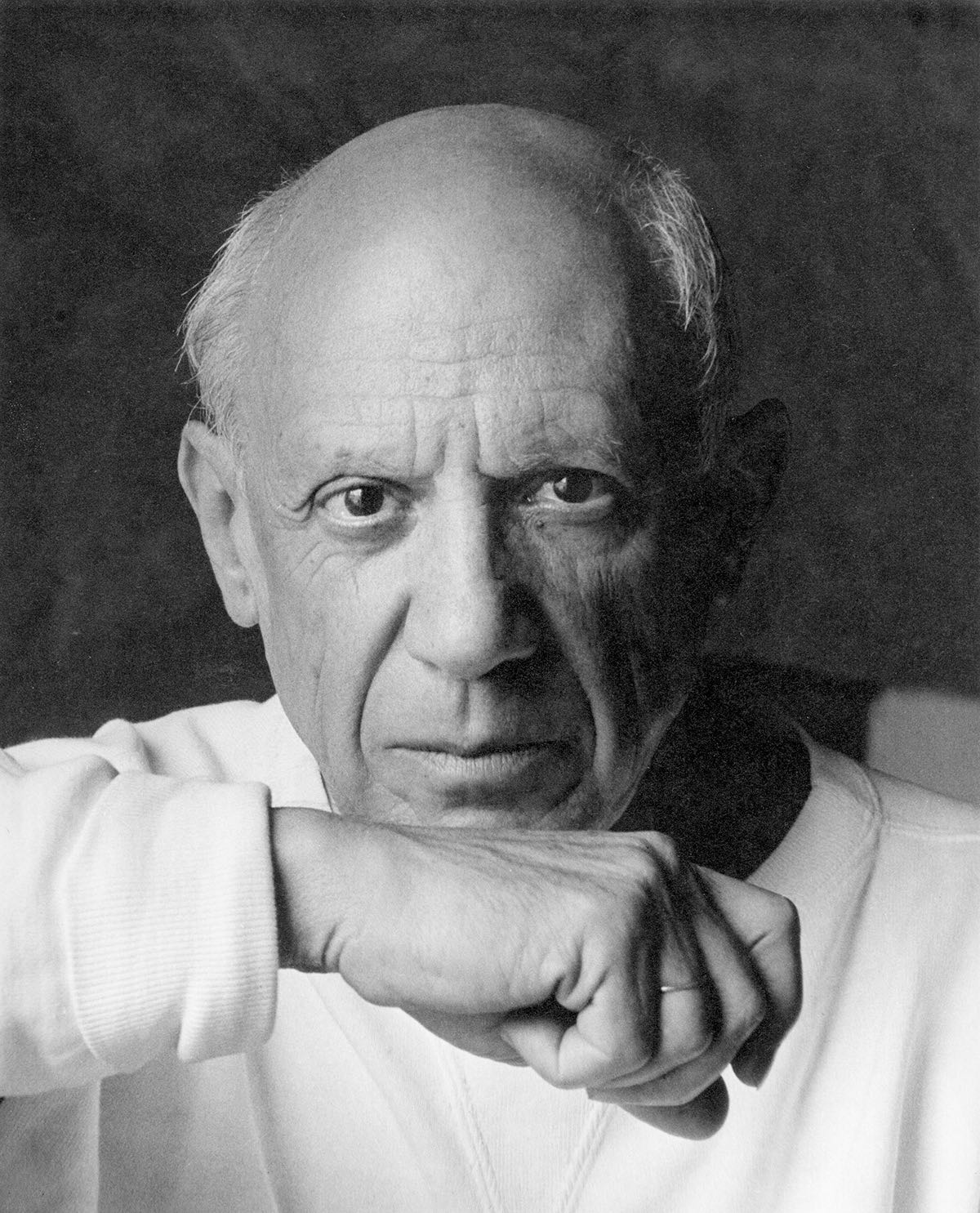
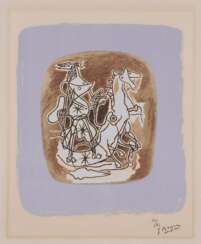
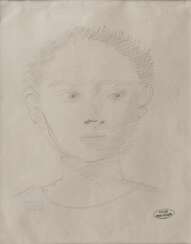
Pablo Ruiz Picasso, a Spanish artist renowned for his revolutionary contributions to the 20th-century art scene, is a figure that resonates profoundly with collectors and art experts. His unique blend of talents in painting, sculpture, printmaking, and ceramic art, infused with his time in France, positioned him as a pivotal character in modern art history.
Picasso's artistic journey was marked by distinct periods, each showcasing his evolving style and genius. His early years were characterized by the Blue Period (1901-1904), followed by the Rose Period (1904-1906), and then the African-influenced Period (1907-1909). Picasso's name is synonymous with Cubism, a movement he co-founded, which significantly altered artistic perspectives and methods. Works like "Les Demoiselles d'Avignon" (1907) and "Guernica" (1937) are emblematic of his cubist legacy, the latter being a poignant anti-war statement that remains influential.
His later years saw a return to more traditional styles, with neoclassical and surrealist influences becoming evident. Works from these phases reflect a deep engagement with mythological themes, as seen in "Faun with Stars" (1955), symbolizing his late-life romance with Jacqueline Roque, his second wife.
Picasso's prolific output and innovative spirit made him a legend in his own time, a status that only grew after his death. His works, housed in major museums and private collections worldwide, continue to captivate and inspire.
As a collector or expert in art and antiques, staying informed about Picasso's works, their auction events, and sales is essential. To stay updated on the latest developments and opportunities related to Pablo Picasso, sign up for our specialized updates. Rest assured, this subscription will focus solely on new product sales and auction events pertaining to Picasso's art, ensuring that you receive only the most relevant and valuable information.



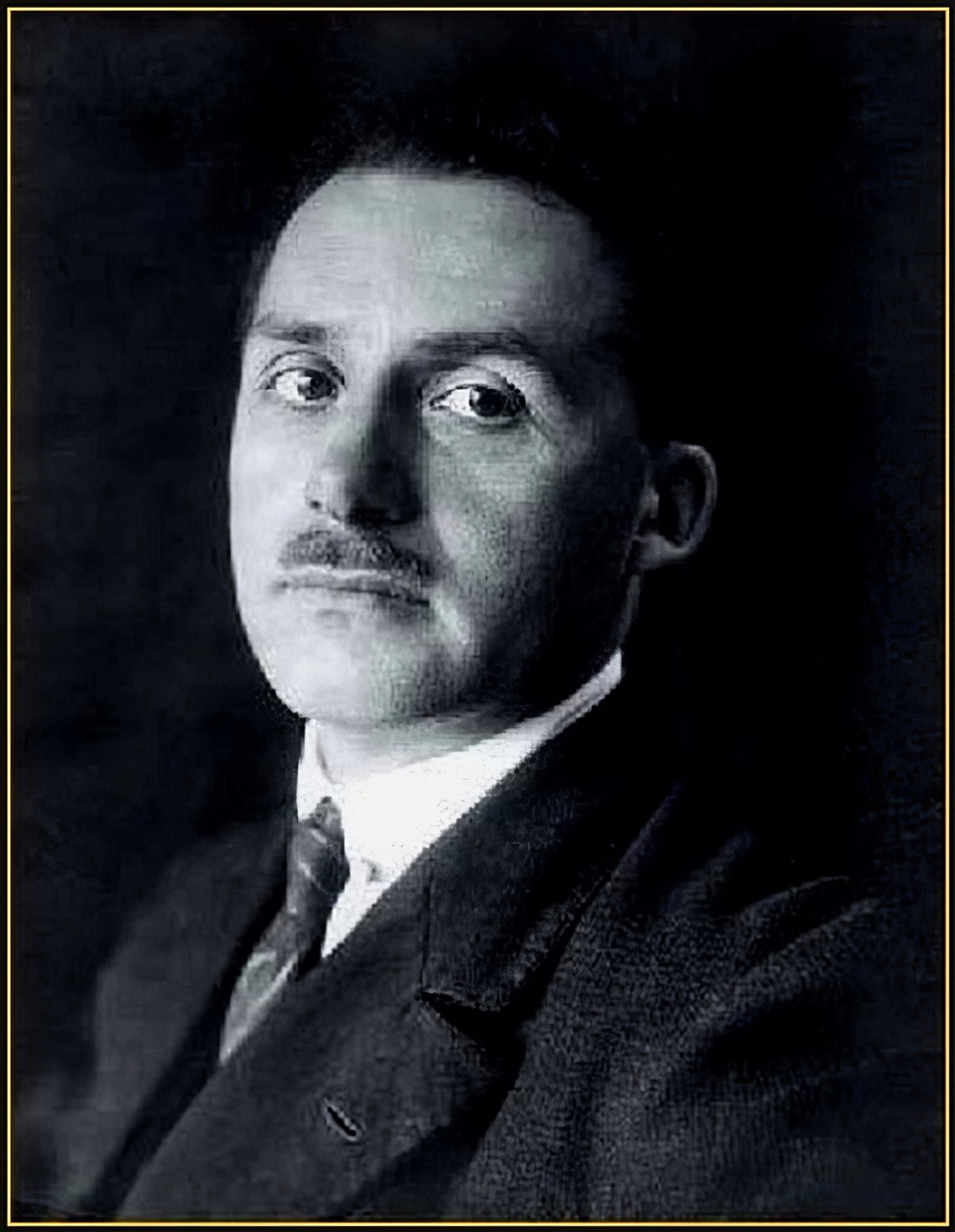
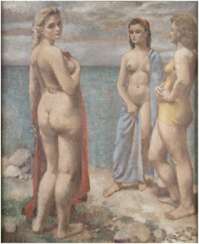
Andre Lhote, a French artist, was a pivotal figure in the Cubist movement, known for his contributions as a painter, theoretician, critic, and art teacher. His journey in the arts began at the École des Beaux-Arts in Bordeaux, focusing on decorative arts before shifting his full attention to painting after moving to Paris in 1906. Lhote's work initially drew influences from Paul Gauguin and Paul Cézanne, but by 1910, he was deeply entrenched in Cubism, aligning with artists like Fernand Léger and Jean Metzinger.
Andre Lhote's impact extended beyond his paintings; he was instrumental in developing Cubist theory through his writings and art criticism, notably contributing to La nouvelle revue française. In 1922, he founded the Académie André Lhote in Paris, shaping the future of many artists, including Henri Cartier-Bresson. His dedication to teaching and theoretical work earned him the Grand Prix National de Peinture in 1955 and a position as president of the UNESCO commission for sculpture's International Association of Painters, Engravers, and Sculptors.
For art collectors and experts, Andre Lhote's work represents a crucial chapter in the history of Cubism, offering insights into the movement's evolution and its theoretical underpinnings. To stay updated on exhibitions or sales featuring Andre Lhote's work, consider signing up for updates from reputable art institutions or galleries.