more states


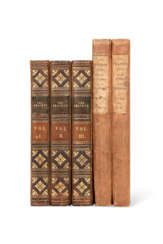

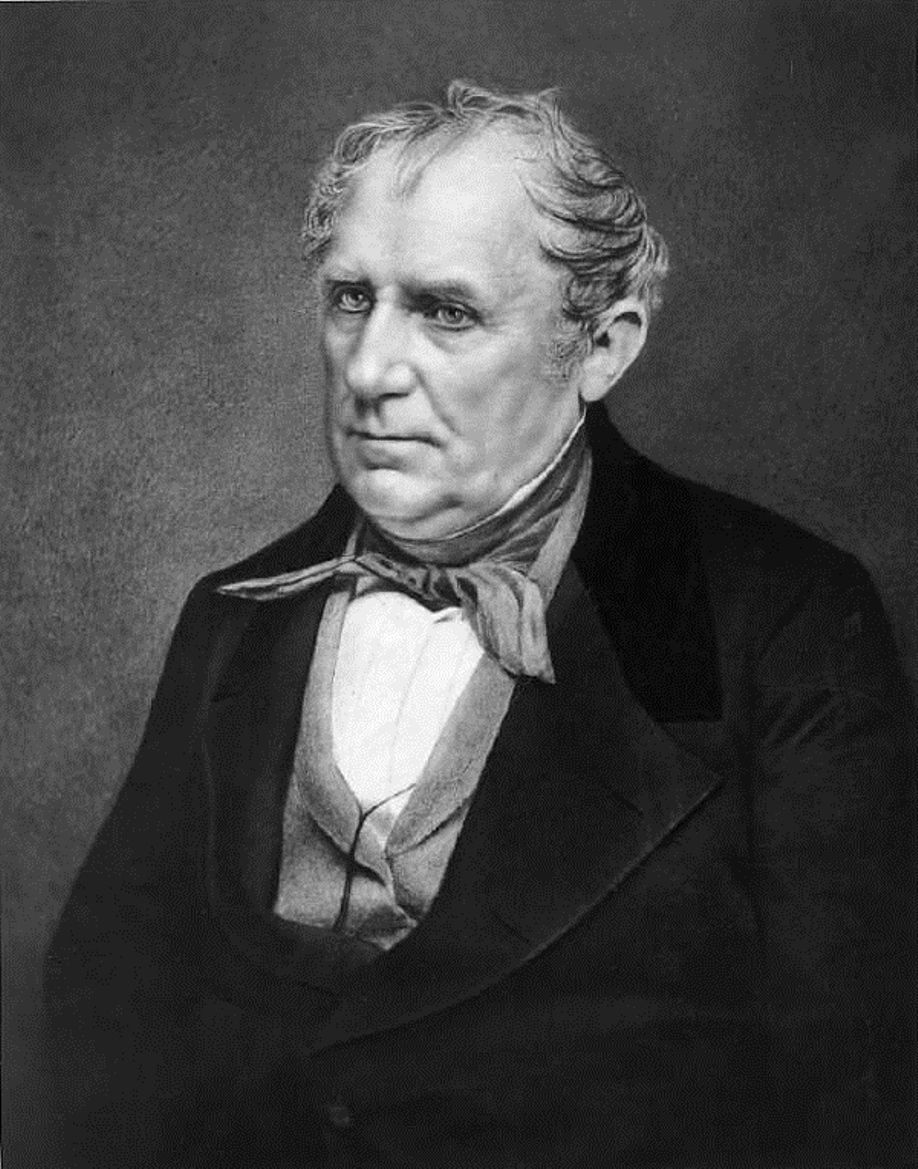
James Fenimore Cooper is an American writer and the founder of the Western genre.
Cooper is the first major American novelist, he wrote a whole series of novels from American life: "The Pioneers" (1823), "The Last of the Mohicans" (1826), "The Prairie" (1827), "The Pathfinder" (1840), "The Beastmaster, or the First Warpath" (1841). The author fascinatingly and vividly describes how Europeans waged wars among themselves on the American continent, involving Indian tribes in these strife. All of these works were a huge success in 19th century Europe and are still being reprinted today.
At the height of his popularity, Cooper spent seven years in Europe, and then returned to the United States, where he wrote works on military-historical and maritime themes until his advanced old age. Among them are "The Pilot, or Maritime History" (1823), "The Red Corsair" (1827).





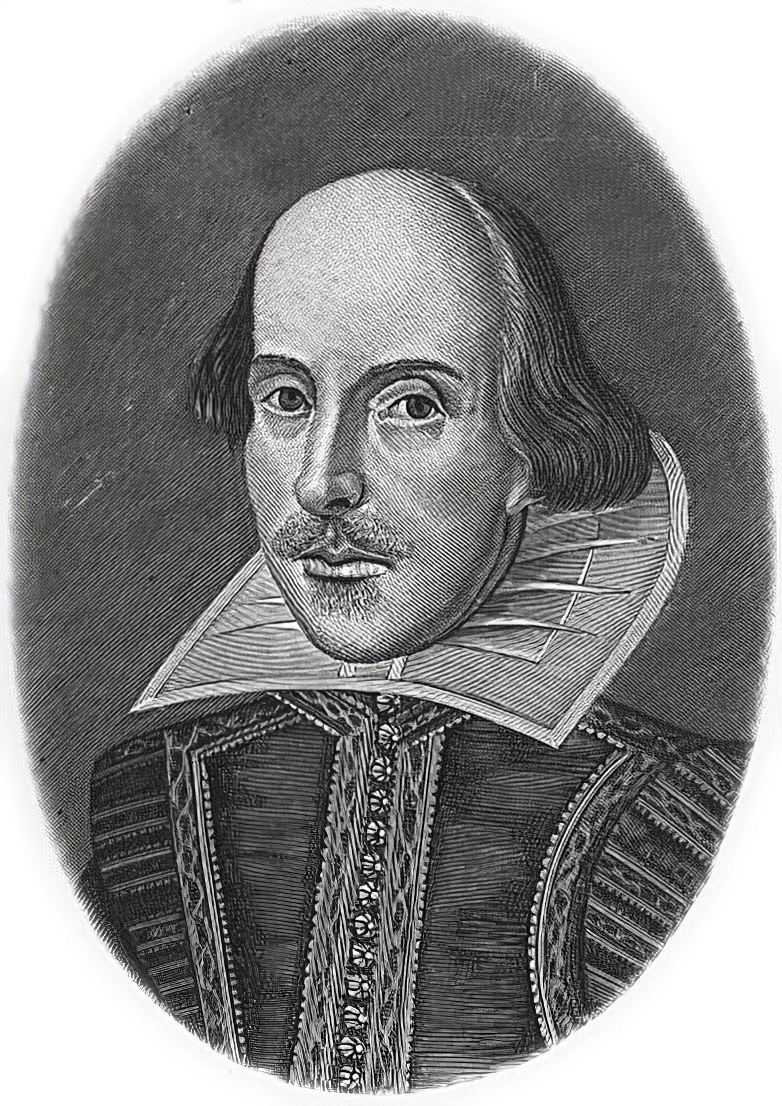
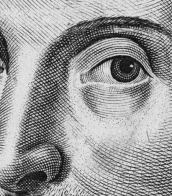
William Shakespeare was a British poet and playwright and writer.
William's father, John Shakespeare, was a merchant and official in Stratford. There are reports that he was a sailor for a time before joining a theater company in London. Beginning in the 1590s, Shakespeare began writing plays, and in 1593 he published a poem, Venus and Adonis, which became popular. He dedicated it to the Duke of Southampton, who was a philanthropist and patron of talent, and soon his business was booming.
From 1592 to 1600 Shakespeare wrote his dramas and romantic comedies "Richard III", "The Taming of the Shrew", "Romeo and Juliet", "A Midsummer Night's Dream" and "The Merchant of Venice", as well as the comedies "Much Ado About Nothing", "Twelfth Night" and the tragedy "Julius Caesar". The playwright's business was so successful that he even bought a large house in Stratford. In 1599, Shakespeare became one of the owners, playwright and actor of the new theater "Globe". In 1603 King James took Shakespeare's troupe under his direct patronage. In the mature period, the great playwright turned to tragedies, there were "Hamlet", "Othello", "King Lear", "Macbeth" and others.
Although in the 19th century researchers had some doubts about the authorship of many of these works, William Shakespeare is considered the greatest English playwright, one of the best playwrights in the world. His plays have been translated into all major languages and to this day form the basis of the world theatrical repertoire, most of them have been screened many times. According to the Guinness Book of Records, Shakespeare remains the world's best-selling playwright, and his plays and poems have sold more than 4 billion copies in the nearly 400 years since his death.
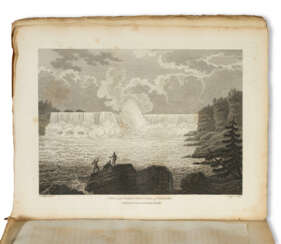

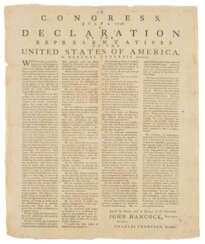
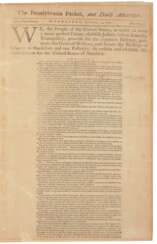
![[UNITED STATES, CONTINENTAL CONGRESS]: A complete set of the Journals of Congress, containing proceedings from 5 September 1774 to 3 November 1788. Philadelphia: Published by Order of Congress [various printers, Robert Aitken, David C. Claypoole, John Dun](/assets/image/picture_2155453/25f41/9d080a17732d756c3943ca2ce89a6d3c1653429600jpg__fix_374_244.jpeg)
![[UNITED STATES, CONTINENTAL CONGRESS]: A complete set of the Journals of Congress, containing proceedings from 5 September 1774 to 3 November 1788. Philadelphia: Published by Order of Congress [various printers, Robert Aitken, David C. Claypoole, John Dun](https://veryimportantlot.com/assets/image/picture_2155453/25f41/9d080a17732d756c3943ca2ce89a6d3c1653429600jpg__fix_374_244.jpeg)



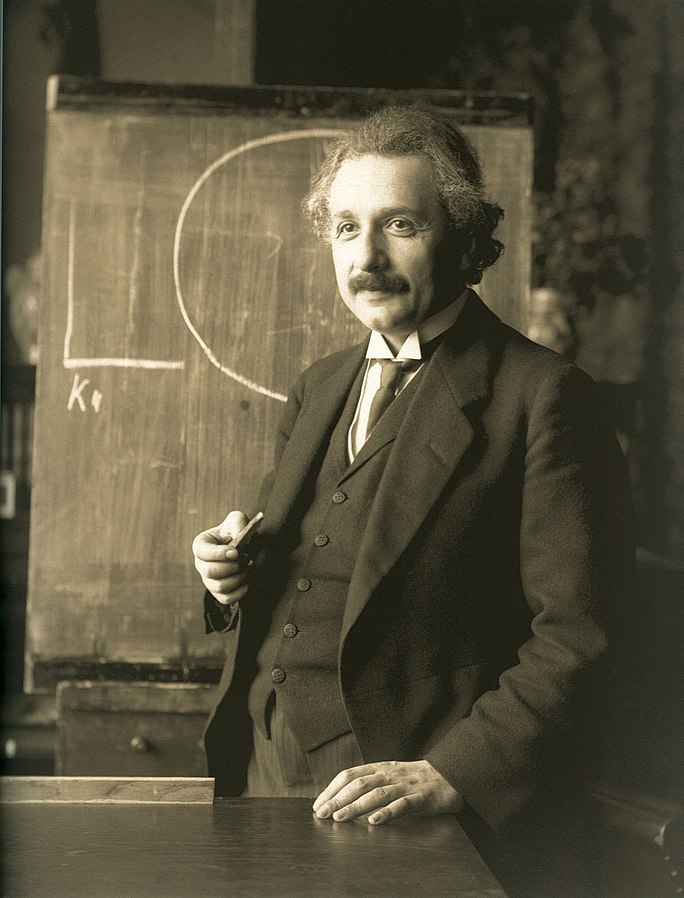
Albert Einstein was a German-born theoretical physicist, widely acknowledged to be one of the greatest and most influential physicists of all time. Einstein is best known for developing the theory of relativity, but he also made important contributions to the development of the theory of quantum mechanics. Relativity and quantum mechanics are together the two pillars of modern physics. His mass–energy equivalence formula E = mc2, which arises from relativity theory, has been dubbed "the world's most famous equation". His work is also known for its influence on the philosophy of science. He received the 1921 Nobel Prize in Physics "for his services to theoretical physics, and especially for his discovery of the law of the photoelectric effect", a pivotal step in the development of quantum theory. His intellectual achievements and originality resulted in "Einstein" becoming synonymous with "genius".



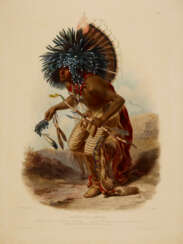

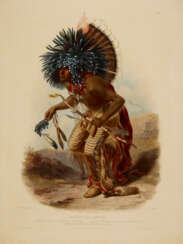

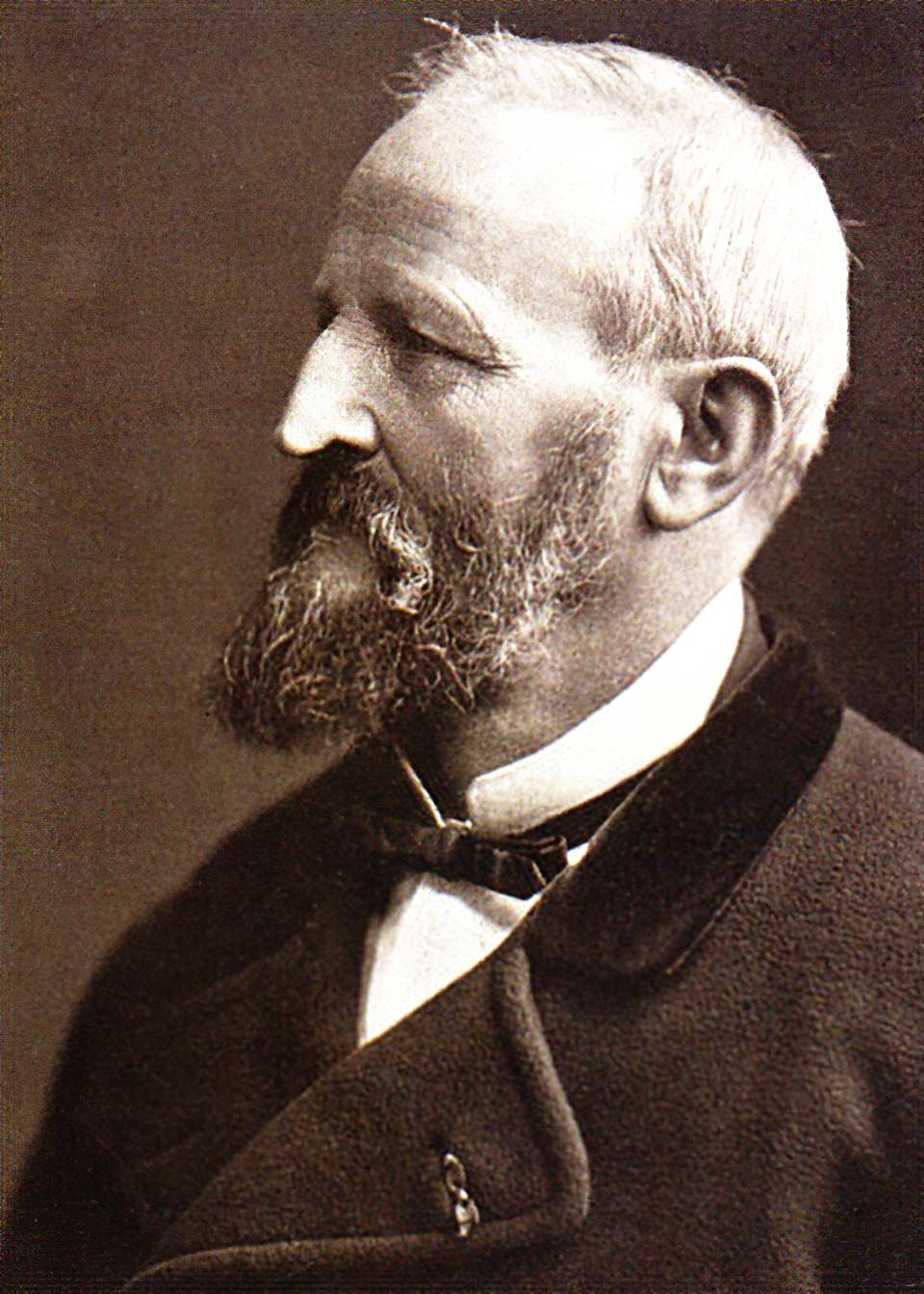
Karl Bodmer was a Swiss-French printmaker, etcher, lithographer, zinc engraver, draughtsman, painter, illustrator and hunter.




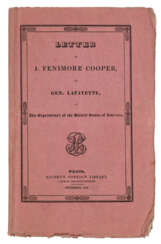

James Fenimore Cooper is an American writer and the founder of the Western genre.
Cooper is the first major American novelist, he wrote a whole series of novels from American life: "The Pioneers" (1823), "The Last of the Mohicans" (1826), "The Prairie" (1827), "The Pathfinder" (1840), "The Beastmaster, or the First Warpath" (1841). The author fascinatingly and vividly describes how Europeans waged wars among themselves on the American continent, involving Indian tribes in these strife. All of these works were a huge success in 19th century Europe and are still being reprinted today.
At the height of his popularity, Cooper spent seven years in Europe, and then returned to the United States, where he wrote works on military-historical and maritime themes until his advanced old age. Among them are "The Pilot, or Maritime History" (1823), "The Red Corsair" (1827).
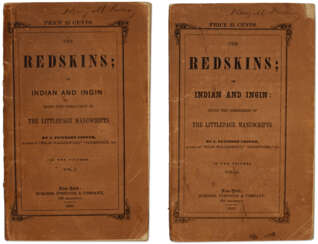

James Fenimore Cooper is an American writer and the founder of the Western genre.
Cooper is the first major American novelist, he wrote a whole series of novels from American life: "The Pioneers" (1823), "The Last of the Mohicans" (1826), "The Prairie" (1827), "The Pathfinder" (1840), "The Beastmaster, or the First Warpath" (1841). The author fascinatingly and vividly describes how Europeans waged wars among themselves on the American continent, involving Indian tribes in these strife. All of these works were a huge success in 19th century Europe and are still being reprinted today.
At the height of his popularity, Cooper spent seven years in Europe, and then returned to the United States, where he wrote works on military-historical and maritime themes until his advanced old age. Among them are "The Pilot, or Maritime History" (1823), "The Red Corsair" (1827).
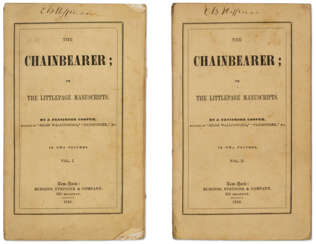

James Fenimore Cooper is an American writer and the founder of the Western genre.
Cooper is the first major American novelist, he wrote a whole series of novels from American life: "The Pioneers" (1823), "The Last of the Mohicans" (1826), "The Prairie" (1827), "The Pathfinder" (1840), "The Beastmaster, or the First Warpath" (1841). The author fascinatingly and vividly describes how Europeans waged wars among themselves on the American continent, involving Indian tribes in these strife. All of these works were a huge success in 19th century Europe and are still being reprinted today.
At the height of his popularity, Cooper spent seven years in Europe, and then returned to the United States, where he wrote works on military-historical and maritime themes until his advanced old age. Among them are "The Pilot, or Maritime History" (1823), "The Red Corsair" (1827).
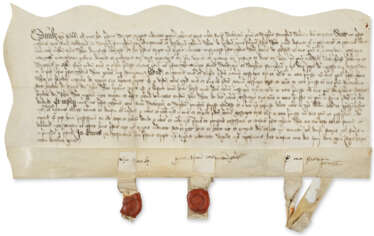

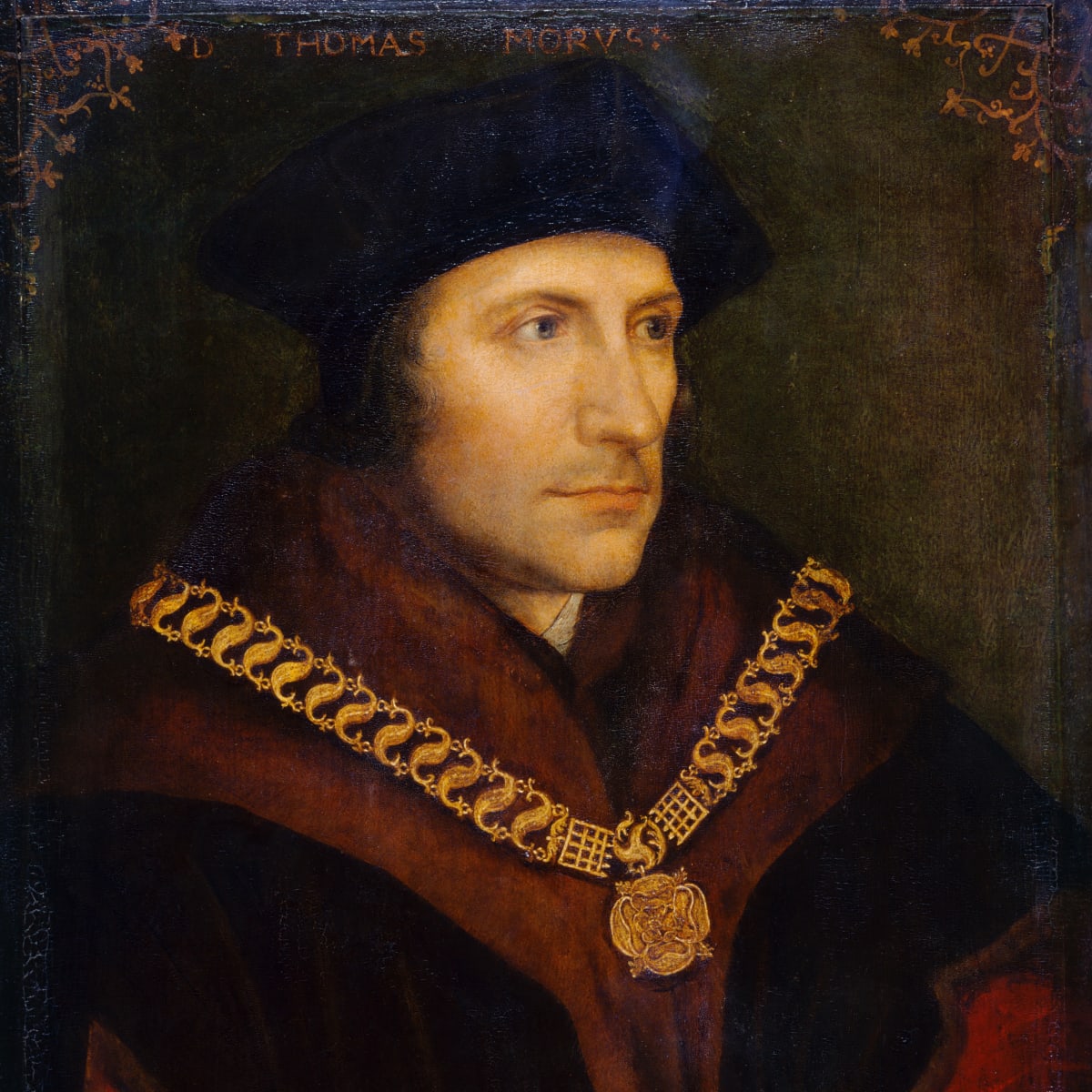
Thomas More was a British lawyer, humanist philosopher, writer and statesman.
As the son of a London judge of the Royal High Court, Thomas studied at Oxford and then in London with the best lawyers. More also studied the works of the ancient classics, improved in Greek and Latin languages, composed his works. In 1497 More met and became friends with Erasmus of Rotterdam, became a member of his humanist circle.
In 1510-1518 Thomas More was deputy sheriff of London, and in 1517 entered the service of the king, becoming one of the most effective and trusted civil servants of Henry VIII. He acted as his secretary, interpreter, speech writer, chief diplomat, counselor, and confidant. He was knighted in 1521, became Speaker of the House of Commons in 1523, and in 1525. - Chancellor of the Duchy of Lancaster. Around 1515. More wrote The History of Richard III, and in 1516 he published his most significant work, Utopia, in which he described an imaginary ideal state.
Thomas More opposed the divorce of King Henry VIII from Catherine of Aragon and refused to recognize the king as the head of the Church of England, as required by the Act of Supremacy in 1534. For his refusal, he was beheaded in the Tower of London in 1535. 400 years later, in 1935 Thomas More was canonized by the Catholic Church, and in 1980 the Church of England recognized him as a "saint and hero of the Christian Church."
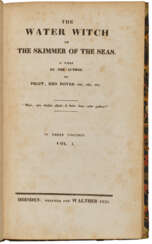

James Fenimore Cooper is an American writer and the founder of the Western genre.
Cooper is the first major American novelist, he wrote a whole series of novels from American life: "The Pioneers" (1823), "The Last of the Mohicans" (1826), "The Prairie" (1827), "The Pathfinder" (1840), "The Beastmaster, or the First Warpath" (1841). The author fascinatingly and vividly describes how Europeans waged wars among themselves on the American continent, involving Indian tribes in these strife. All of these works were a huge success in 19th century Europe and are still being reprinted today.
At the height of his popularity, Cooper spent seven years in Europe, and then returned to the United States, where he wrote works on military-historical and maritime themes until his advanced old age. Among them are "The Pilot, or Maritime History" (1823), "The Red Corsair" (1827).