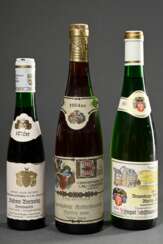
mosel


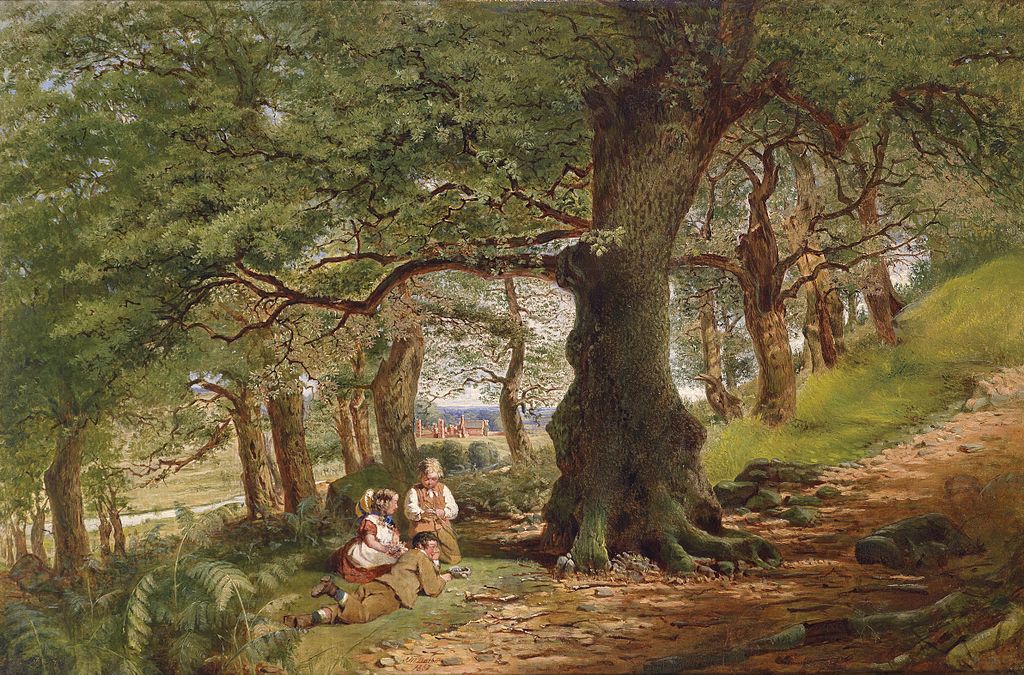
Joseph Moseley Barber was a 19th-century British painter. The artist painted landscapes and genre scenes.
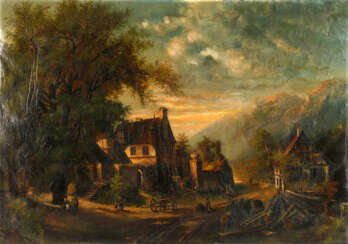

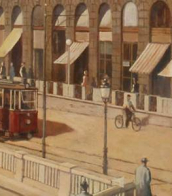
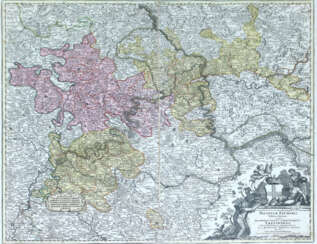

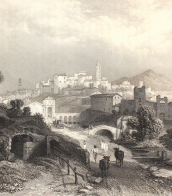
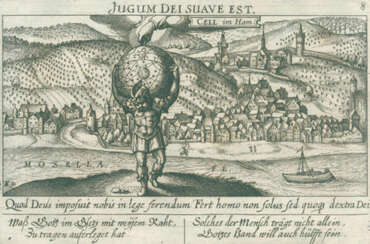

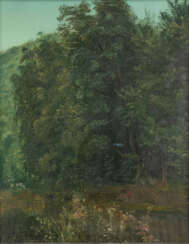

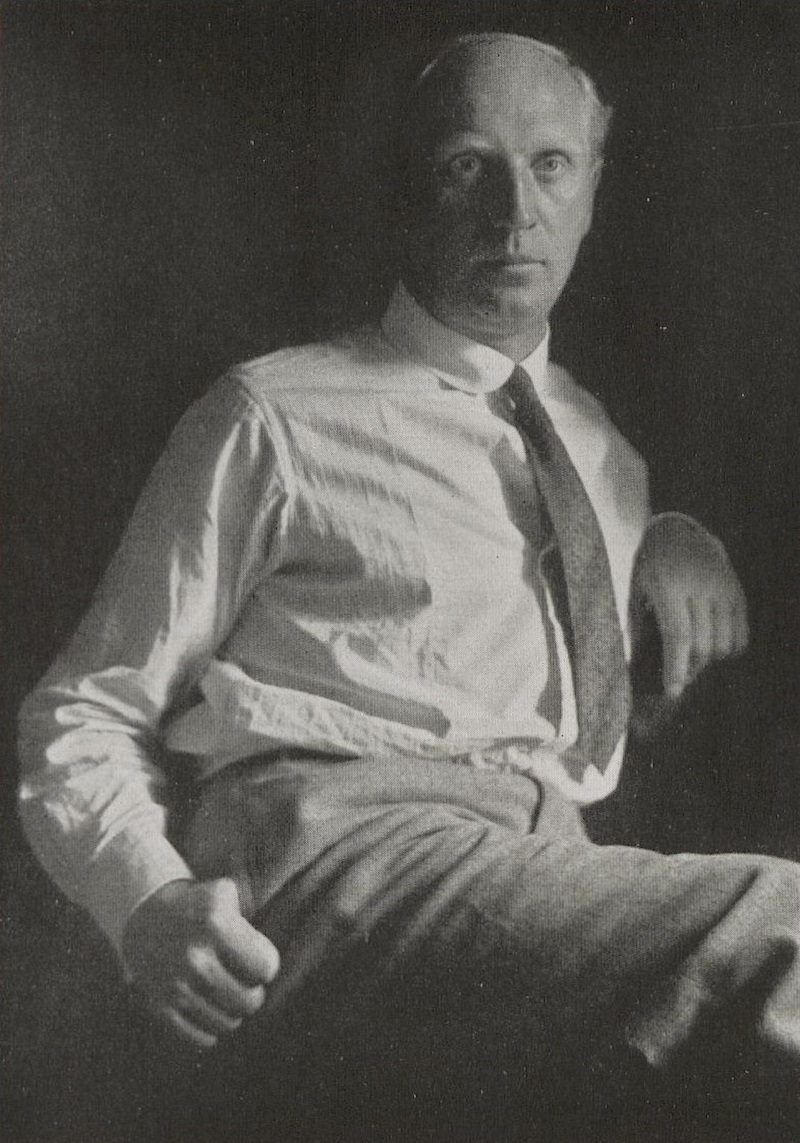
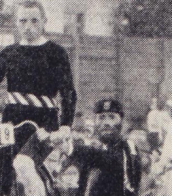
Theo Champion was a German painter. His work was part of the painting event in the art competition at the 1928 Summer Olympics.
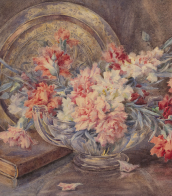




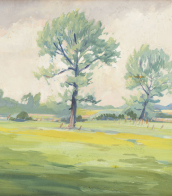


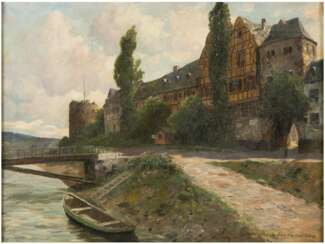


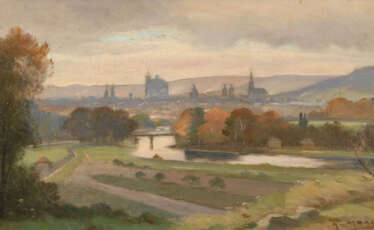

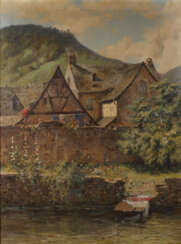

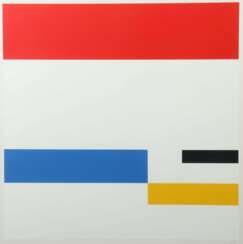

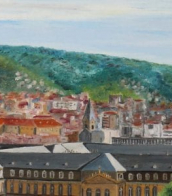
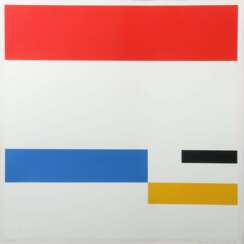

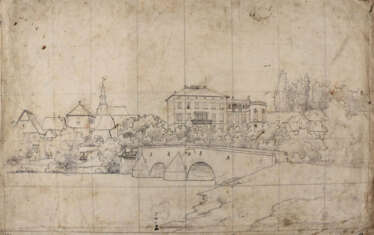

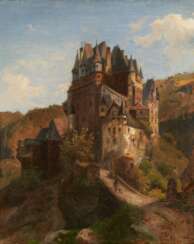

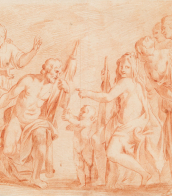
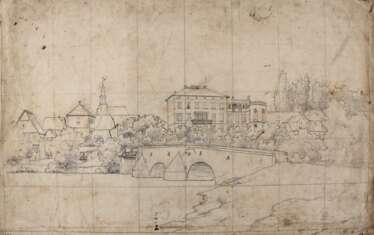

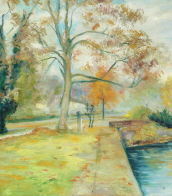


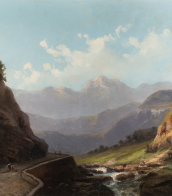
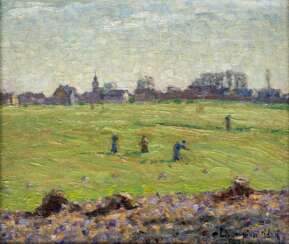

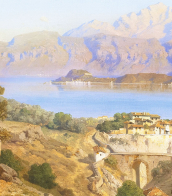
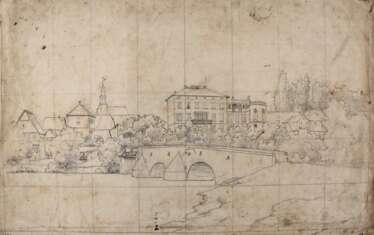










Theo Champion was a German painter. His work was part of the painting event in the art competition at the 1928 Summer Olympics.

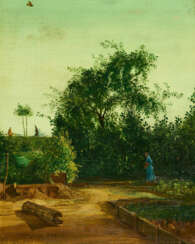

Theo Champion was a German painter. His work was part of the painting event in the art competition at the 1928 Summer Olympics.
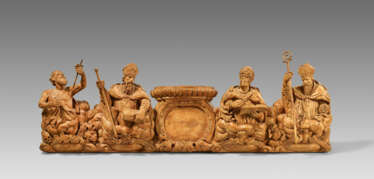

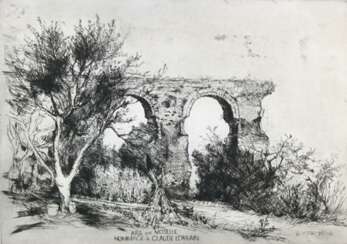


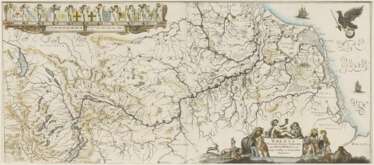

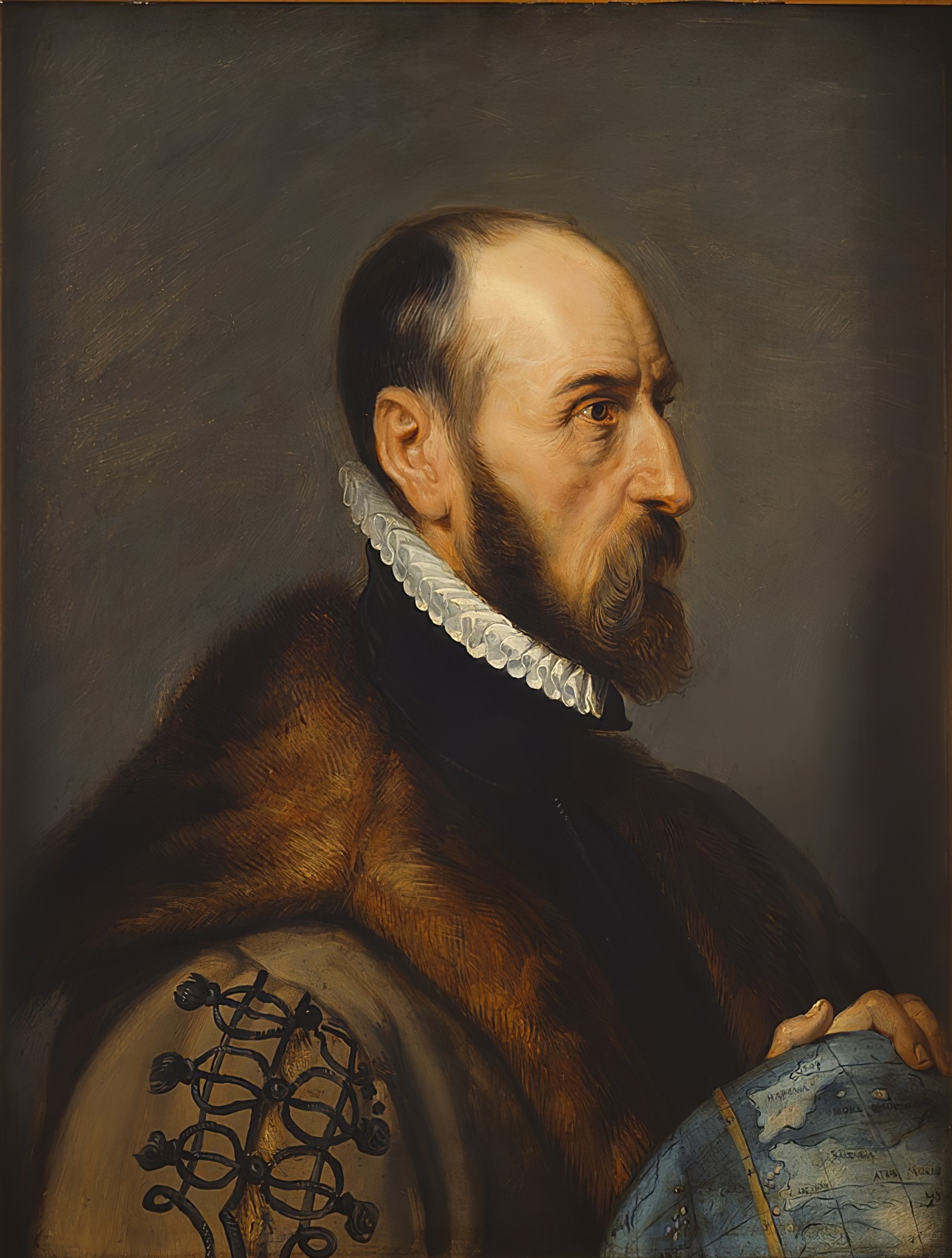
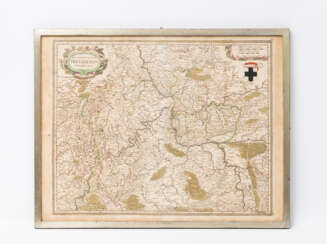
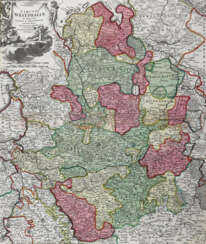
Abraham Ortelius (Ortels) was a Brabantian cartographer, geographer, and cosmographer. He is recognized as the creator of the first modern atlas, the Theatrum Orbis Terrarum (Theatre of the World). Along with Gemma Frisius and Gerardus Mercator, Ortelius is generally considered one of the founders of the Netherlandish school of cartography and geography. He was a notable figure of this school in its golden age (approximately 1570s–1670s) and an important geographer of Spain during the age of discovery. The publication of his atlas in 1570 is often considered as the official beginning of the Golden Age of Netherlandish cartography. He was the first person proposing that the continents were joined before drifting to their present positions. Beginning as a map-engraver, in 1547 he entered the Antwerp Guild of Saint Luke as an illuminator of maps. In 1560 when travelling with Mercator to Trier, Lorraine, and Poitiers, he seems to have been attracted, largely by Mercator's influence, towards the career of a scientific geographer. In 1564 he published his first map, Typus Orbis Terrarum, an eight-leaved wall map of the world. On 20 May 1570, Gilles Coppens de Diest at Antwerp issued Ortelius's Theatrum Orbis Terrarum, the "first modern atlas" (of 53 maps).







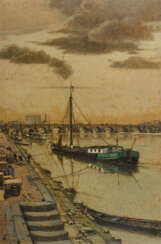

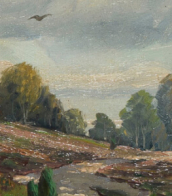
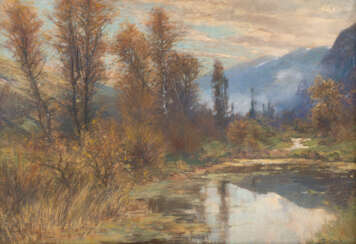



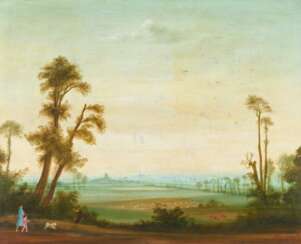

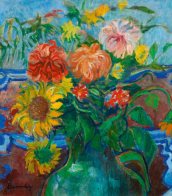



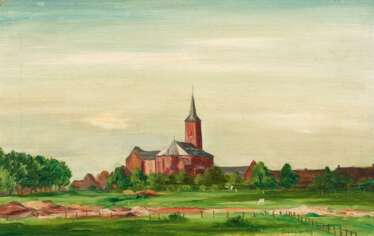

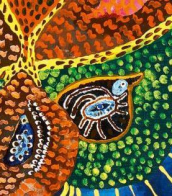
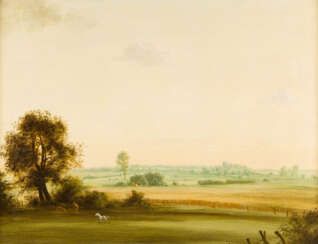

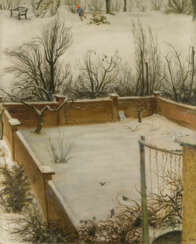

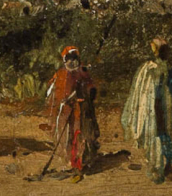
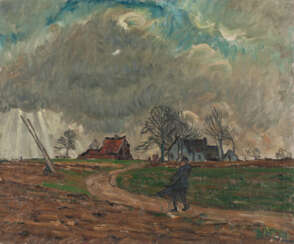



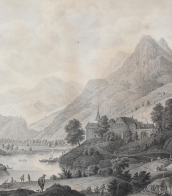


Theo Champion was a German painter. His work was part of the painting event in the art competition at the 1928 Summer Olympics.
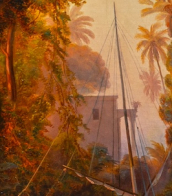
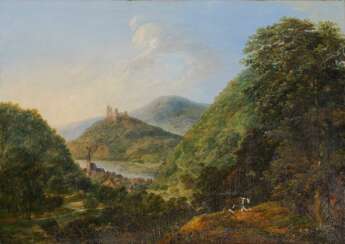








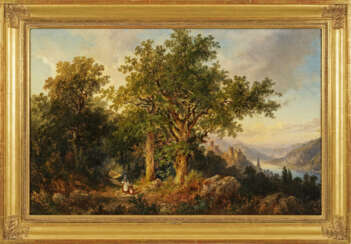






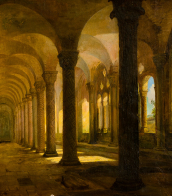
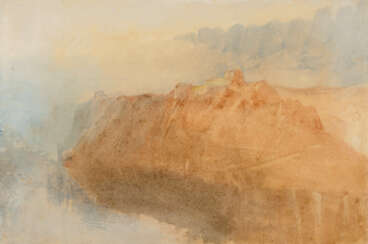


Joseph Mallord William Turner, a seminal figure in British painting, was born in 1775 and left an indelible mark on the Romantic movement. Known for his expressive coloration, imaginative landscapes, and turbulent marine paintings, Turner's work transcends the traditional boundaries of art to capture the sublime force of nature. His career was distinguished by early talent, evidenced by his acceptance into the Royal Academy at the young age of 14, and a prolific output that included over 2,000 paintings and 19,000 drawings and sketches.
William Turner's unique approach to landscape painting, characterized by dramatic skies and atmospheric effects, set a new standard for capturing mood and emotion on canvas. His innovative use of light and color influenced countless artists, elevating landscape painting to rival the status of history painting. Turner's legacy is also marked by his eccentricity and reclusiveness, traits that only added to the mystique surrounding his artistic genius.
Among his most famous works are "The Fighting Temeraire," symbolizing the passing of the old world, and "Rain, Steam and Speed," capturing the Industrial Revolution's impact. These paintings not only showcase William Turner's technical skill but also his philosophical engagement with the changing world around him.
For collectors and experts in art and antiques, William Turner's works represent the pinnacle of Romantic art, offering insight into the 19th-century aesthetic and philosophical landscape. His influence on subsequent generations of artists underscores his position as a pivotal figure in the history of Western art.
To stay informed about Joseph Mallord William Turner's works and related events, signing up for updates from reputable art institutions can provide valuable insights into new discoveries and auction events related to this master of the British landscape.
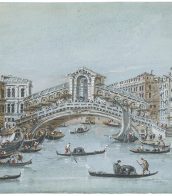
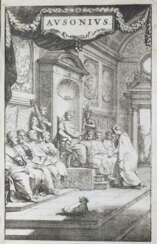

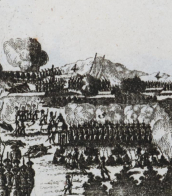
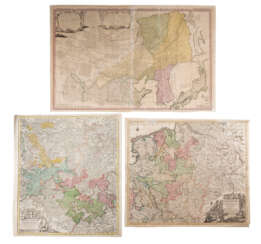

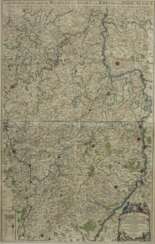






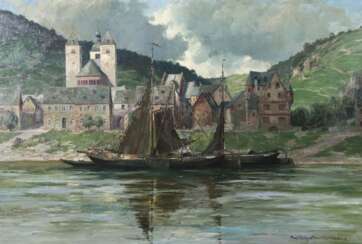

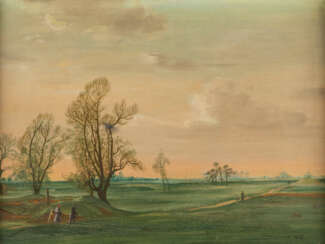

Theo Champion was a German painter. His work was part of the painting event in the art competition at the 1928 Summer Olympics.
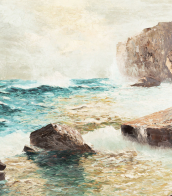
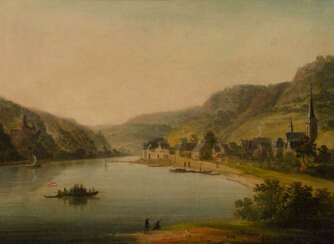

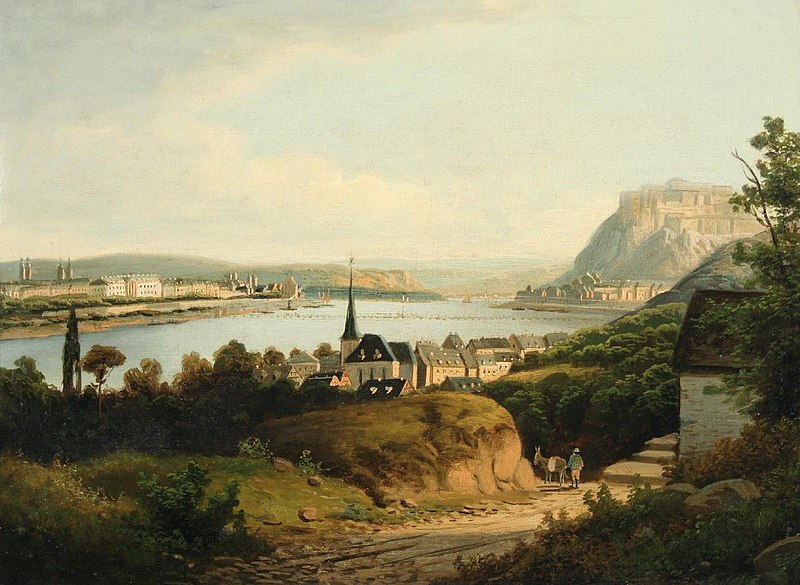
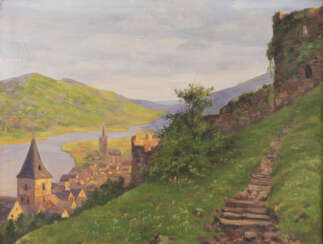
Jakob Diezler, also known as Johannes Jakob Diezler, was a German painter.
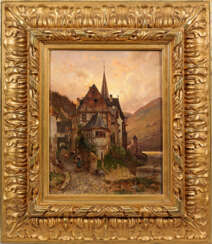
As a landscape painter, Diezler created detailed, topographically accurate depictions of the Middle Rhine and surrounding landscapes.



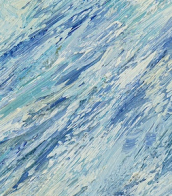


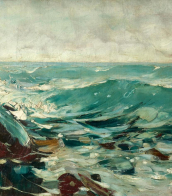


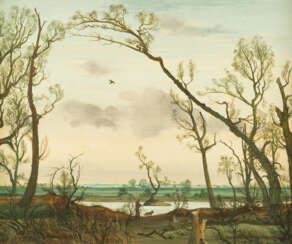



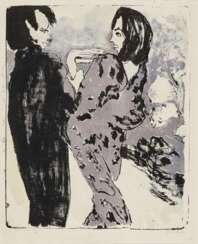

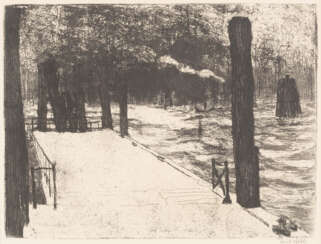

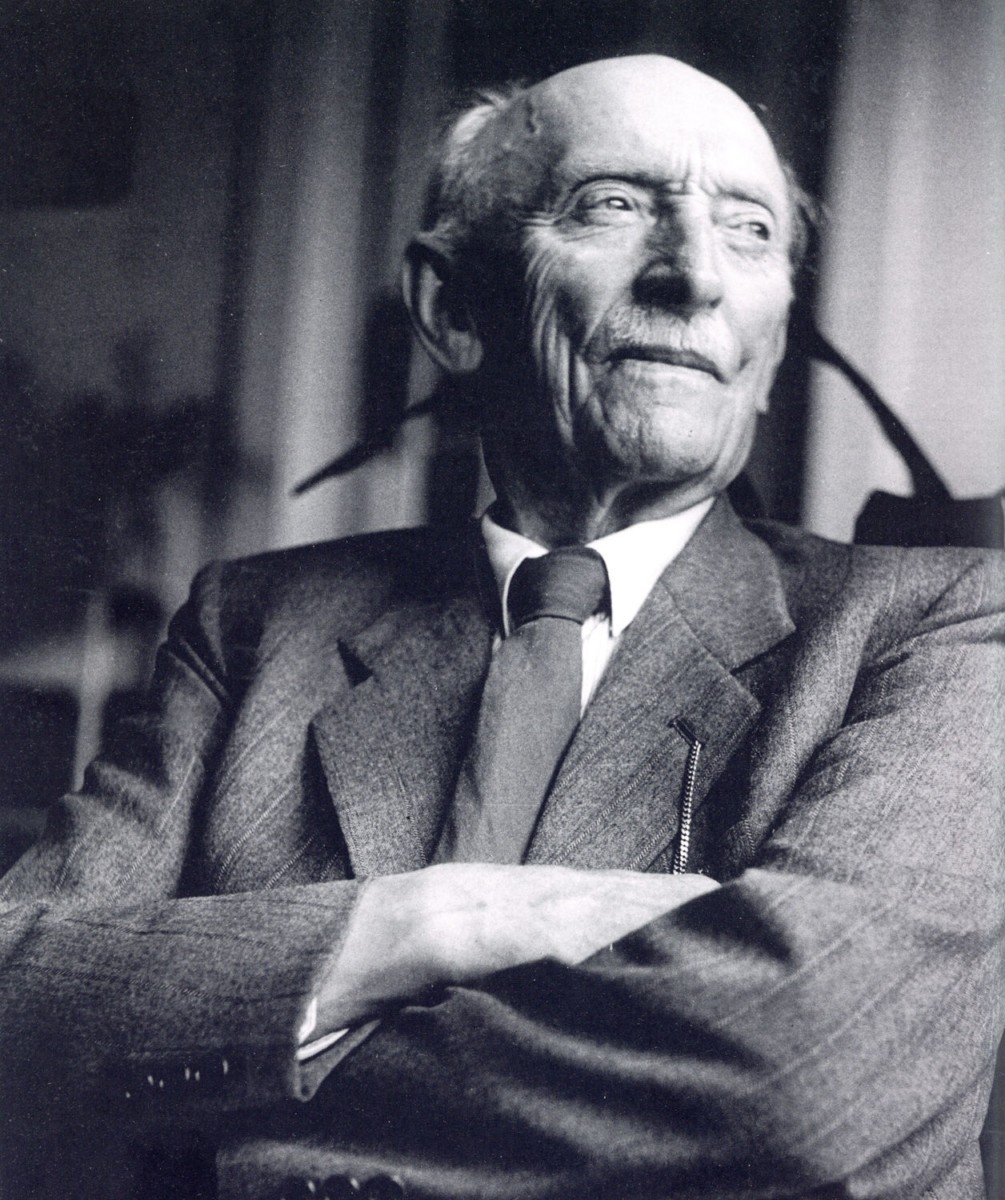
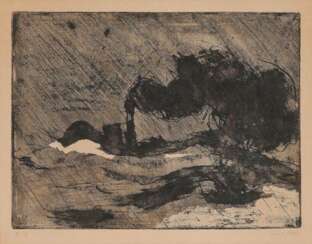
Emil Nolde, a German-Danish artist, stands out as a pivotal figure in the Expressionist movement, celebrated for his vibrant use of color and dynamic brushwork. Born on August 7, 1867, Nolde was initially self-taught, developing a style that later became synonymous with expressive use of color and form. His early work included religious themes and landscapes, characterized by their emotional intensity and innovative color palette. Nolde's contributions to art were not limited to painting; he also excelled in printmaking, creating a significant body of work that includes etchings, woodcuts, and lithographs.
One of Nolde's most noteworthy periods was his time spent on the Baltic Sea island of Alsen from 1903 to 1916, where he produced seascapes that captured the natural world's dynamic essence. His painting "Meer Bei Alsen" (Sea Off Alsen) is a testament to this period, showcasing his ability to convey movement and emotion through color. Furthermore, Nolde's fascination with religious and mythological themes is evident in works like "Dance Around the Golden Calf," where he employs vivid colors and expressive figures to explore complex narratives.
Despite his artistic achievements, Nolde's life was not without controversy. During the Nazi regime, his work was labeled "degenerate," and he faced significant professional and personal challenges. Nonetheless, Nolde continued to create, producing a series of watercolors known as the "Unpainted Pictures" during this time. After World War II, Nolde's reputation was rehabilitated, and he was once again celebrated as a leading figure in modern art.
Nolde's legacy is preserved at the Nolde Foundation Seebüll, a museum dedicated to his life and work, established in the year of his death, 1956. His influence on the field of modern art, particularly within Expressionism, is undeniable, with his bold approach to color and form inspiring subsequent generations of artists.
For art collectors and experts, Nolde's work offers a compelling study in the evolution of modern art, reflecting the tumultuous times he lived through and his unyielding dedication to artistic expression. His ability to capture the essence of his subjects, from the natural beauty of the sea to the depths of human emotion, makes his work a valuable addition to any collection.
To stay updated on sales and auction events related to Emil Nolde's work, signing up for updates is recommended. This subscription service ensures you're informed about the latest opportunities to acquire pieces by this influential artist.
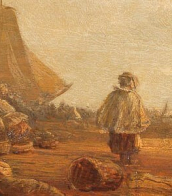


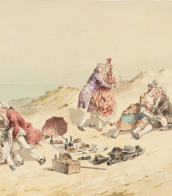


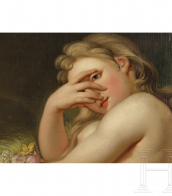
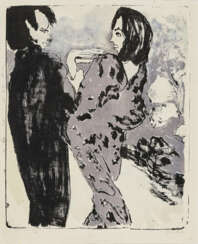



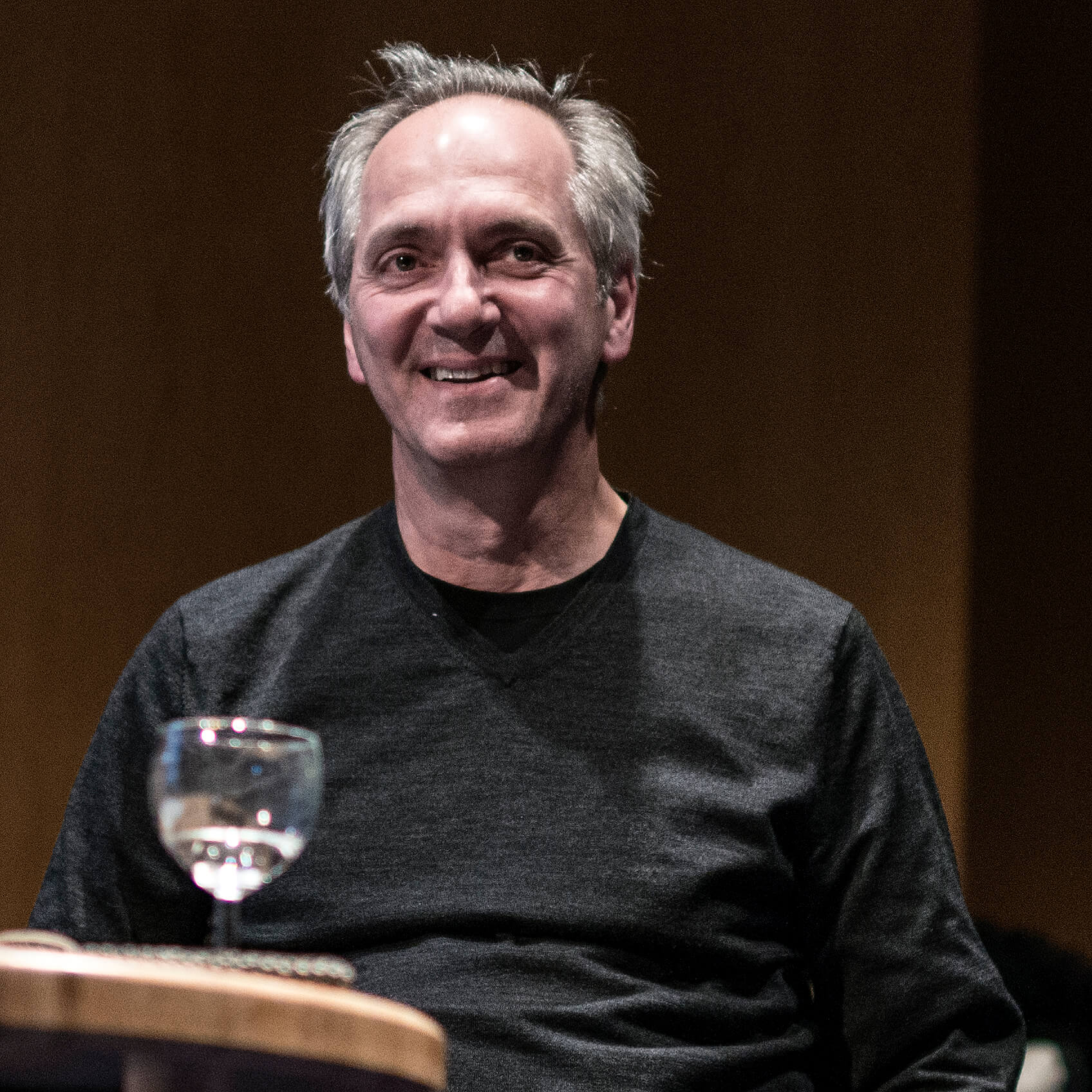
Thomas Struth is a German photographer who is best known for his Museum Photographs series, family portraits and black and white photographs of the streets of Düsseldorf and New York taken in the 1970s. Struth lives and works in Berlin and New York.
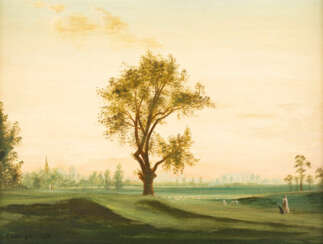

Theo Champion was a German painter. His work was part of the painting event in the art competition at the 1928 Summer Olympics.


Theo Champion was a German painter. His work was part of the painting event in the art competition at the 1928 Summer Olympics.


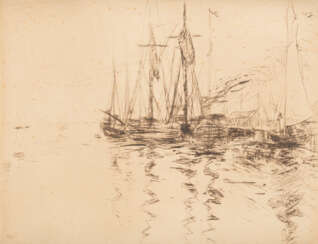

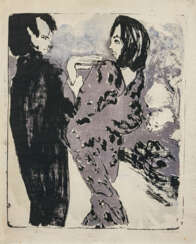

Emil Nolde, a German-Danish artist, stands out as a pivotal figure in the Expressionist movement, celebrated for his vibrant use of color and dynamic brushwork. Born on August 7, 1867, Nolde was initially self-taught, developing a style that later became synonymous with expressive use of color and form. His early work included religious themes and landscapes, characterized by their emotional intensity and innovative color palette. Nolde's contributions to art were not limited to painting; he also excelled in printmaking, creating a significant body of work that includes etchings, woodcuts, and lithographs.
One of Nolde's most noteworthy periods was his time spent on the Baltic Sea island of Alsen from 1903 to 1916, where he produced seascapes that captured the natural world's dynamic essence. His painting "Meer Bei Alsen" (Sea Off Alsen) is a testament to this period, showcasing his ability to convey movement and emotion through color. Furthermore, Nolde's fascination with religious and mythological themes is evident in works like "Dance Around the Golden Calf," where he employs vivid colors and expressive figures to explore complex narratives.
Despite his artistic achievements, Nolde's life was not without controversy. During the Nazi regime, his work was labeled "degenerate," and he faced significant professional and personal challenges. Nonetheless, Nolde continued to create, producing a series of watercolors known as the "Unpainted Pictures" during this time. After World War II, Nolde's reputation was rehabilitated, and he was once again celebrated as a leading figure in modern art.
Nolde's legacy is preserved at the Nolde Foundation Seebüll, a museum dedicated to his life and work, established in the year of his death, 1956. His influence on the field of modern art, particularly within Expressionism, is undeniable, with his bold approach to color and form inspiring subsequent generations of artists.
For art collectors and experts, Nolde's work offers a compelling study in the evolution of modern art, reflecting the tumultuous times he lived through and his unyielding dedication to artistic expression. His ability to capture the essence of his subjects, from the natural beauty of the sea to the depths of human emotion, makes his work a valuable addition to any collection.
To stay updated on sales and auction events related to Emil Nolde's work, signing up for updates is recommended. This subscription service ensures you're informed about the latest opportunities to acquire pieces by this influential artist.
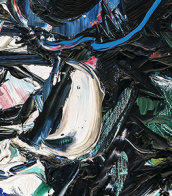



.jfif)
Cy Twombly, birth name Edwin Parker Twombly, was an American artist renowned for his contributions to painting, sculpture, and photography. Embracing a unique blend of classical references and graffiti-like elements, Twombly's work stands out in the art world for its distinctive, emotive scribbles and use of historical and literary themes. His art, often categorized within the realms of Abstract Expressionism and minimalism, diverges significantly in its lyrical sensitivity and intellectual depth, making it a subject of fascination and study among art collectors and experts.
Twombly's career, which spanned over six decades, was marked by a relentless pursuit of innovation and an intimate engagement with the materials of his art. His paintings, characterized by their gestural brushstrokes and cryptic symbols, evoke a range of emotions and ideas, bridging the gap between the personal and the universal. Notable works such as "Fifty Days at Iliam" displayed at the Philadelphia Museum of Art, and his series inspired by the seasons, showcase his ability to transform classical narratives into contemporary masterpieces. These pieces not only reflect Twombly's profound understanding of history and literature but also his capacity to reinterpret them within a modern context.
Furthermore, Twombly's sculptures, often overlooked next to his paintings, provide a tangible connection to the ancient world through their use of classical forms and unconventional materials. His work in this medium further emphasizes his fascination with the past, while simultaneously asserting the relevance of historical themes in contemporary art.
For collectors and experts in art and antiques, Cy Twombly's oeuvre represents an intriguing blend of poetic grace and intellectual rigor. His works, found in major museums and galleries worldwide, continue to inspire and challenge audiences with their enigmatic beauty and depth.
To stay informed about new product sales and auction events related to Cy Twombly's work, we invite you to sign up for updates. This subscription is an excellent opportunity for enthusiasts and collectors to remain connected to the evolving market of Twombly's art.
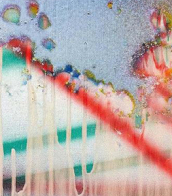


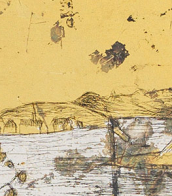
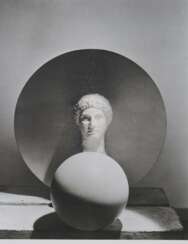

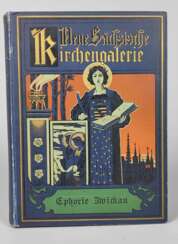


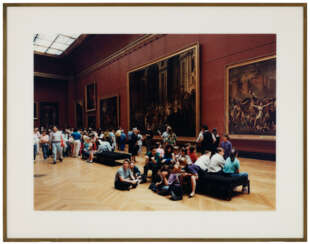

Thomas Struth is a German photographer who is best known for his Museum Photographs series, family portraits and black and white photographs of the streets of Düsseldorf and New York taken in the 1970s. Struth lives and works in Berlin and New York.
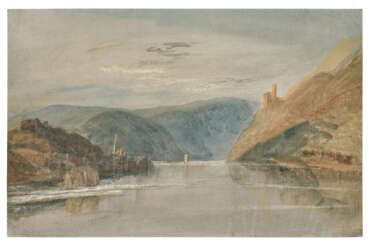

Joseph Mallord William Turner, a seminal figure in British painting, was born in 1775 and left an indelible mark on the Romantic movement. Known for his expressive coloration, imaginative landscapes, and turbulent marine paintings, Turner's work transcends the traditional boundaries of art to capture the sublime force of nature. His career was distinguished by early talent, evidenced by his acceptance into the Royal Academy at the young age of 14, and a prolific output that included over 2,000 paintings and 19,000 drawings and sketches.
William Turner's unique approach to landscape painting, characterized by dramatic skies and atmospheric effects, set a new standard for capturing mood and emotion on canvas. His innovative use of light and color influenced countless artists, elevating landscape painting to rival the status of history painting. Turner's legacy is also marked by his eccentricity and reclusiveness, traits that only added to the mystique surrounding his artistic genius.
Among his most famous works are "The Fighting Temeraire," symbolizing the passing of the old world, and "Rain, Steam and Speed," capturing the Industrial Revolution's impact. These paintings not only showcase William Turner's technical skill but also his philosophical engagement with the changing world around him.
For collectors and experts in art and antiques, William Turner's works represent the pinnacle of Romantic art, offering insight into the 19th-century aesthetic and philosophical landscape. His influence on subsequent generations of artists underscores his position as a pivotal figure in the history of Western art.
To stay informed about Joseph Mallord William Turner's works and related events, signing up for updates from reputable art institutions can provide valuable insights into new discoveries and auction events related to this master of the British landscape.





Emil Nolde, a German-Danish artist, stands out as a pivotal figure in the Expressionist movement, celebrated for his vibrant use of color and dynamic brushwork. Born on August 7, 1867, Nolde was initially self-taught, developing a style that later became synonymous with expressive use of color and form. His early work included religious themes and landscapes, characterized by their emotional intensity and innovative color palette. Nolde's contributions to art were not limited to painting; he also excelled in printmaking, creating a significant body of work that includes etchings, woodcuts, and lithographs.
One of Nolde's most noteworthy periods was his time spent on the Baltic Sea island of Alsen from 1903 to 1916, where he produced seascapes that captured the natural world's dynamic essence. His painting "Meer Bei Alsen" (Sea Off Alsen) is a testament to this period, showcasing his ability to convey movement and emotion through color. Furthermore, Nolde's fascination with religious and mythological themes is evident in works like "Dance Around the Golden Calf," where he employs vivid colors and expressive figures to explore complex narratives.
Despite his artistic achievements, Nolde's life was not without controversy. During the Nazi regime, his work was labeled "degenerate," and he faced significant professional and personal challenges. Nonetheless, Nolde continued to create, producing a series of watercolors known as the "Unpainted Pictures" during this time. After World War II, Nolde's reputation was rehabilitated, and he was once again celebrated as a leading figure in modern art.
Nolde's legacy is preserved at the Nolde Foundation Seebüll, a museum dedicated to his life and work, established in the year of his death, 1956. His influence on the field of modern art, particularly within Expressionism, is undeniable, with his bold approach to color and form inspiring subsequent generations of artists.
For art collectors and experts, Nolde's work offers a compelling study in the evolution of modern art, reflecting the tumultuous times he lived through and his unyielding dedication to artistic expression. His ability to capture the essence of his subjects, from the natural beauty of the sea to the depths of human emotion, makes his work a valuable addition to any collection.
To stay updated on sales and auction events related to Emil Nolde's work, signing up for updates is recommended. This subscription service ensures you're informed about the latest opportunities to acquire pieces by this influential artist.


Elger Esser is a German landscape photographer, living in Düsseldorf. "He is primarily associated with large-format images of European lowlands with his characteristic low horizon lines, pale luminous colours and vast skies".
Esser's work is held in many public collections such as the Rijksmuseum in Amsterdam and the Solomon R. Guggenheim Museum, Metropolitan Museum of Art and Museum of Modern Art in New York. He has won the Rheinischer Kunstpreis and the Oskar Schlemmer Prize.