pays et continents


![[FRIES, Ernst (1801-1833), Franz Xaver NACHTMANN (1799-1846) and J. KÜRZINGER]](/assets/image/picture_2943743/ed548/f8fd97f02772e9caed14cf4a5454be401689199200jpg__fix_374_244.jpeg)
![[FRIES, Ernst (1801-1833), Franz Xaver NACHTMANN (1799-1846) and J. KÜRZINGER]](https://veryimportantlot.com/assets/image/picture_2943743/ed548/f8fd97f02772e9caed14cf4a5454be401689199200jpg__fix_374_244.jpeg)
![[FRIES, Ernst (1801-1833), Franz Xaver NACHTMANN (1799-1846) and J. KÜRZINGER]](/assets/image/picture_2944206/571c5/235a4e4e9375613f3ab37bf850c0d7321689199200jpg__fix_374_244.jpeg)
![[FRIES, Ernst (1801-1833), Franz Xaver NACHTMANN (1799-1846) and J. KÜRZINGER]](https://veryimportantlot.com/assets/image/picture_2944206/571c5/235a4e4e9375613f3ab37bf850c0d7321689199200jpg__fix_374_244.jpeg)

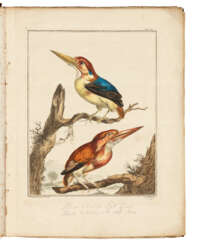

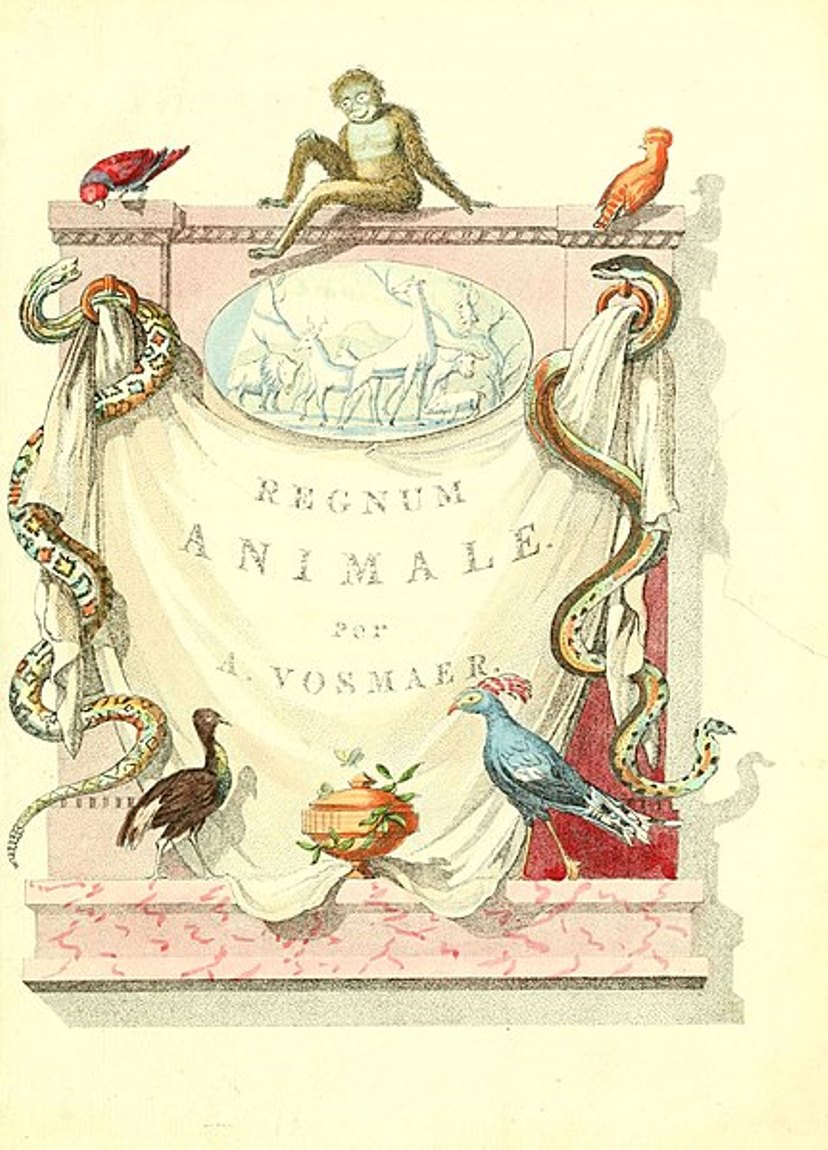
Arnout Vosmaer was a Dutch naturalist and natural history collector.
From 1756 to 1795, Vosmaer was director, curator and researcher of the natural history collection begun by Princess Anne, wife of William IV, and continued by their son, William V. In 1752, he acquired the famous Albert Seb collection, which was later transferred to the cabinet of William V.
Arnaut Vosmaer produced a series of 34 booklets describing the animals in the prince's menagerie, which were published between 1766 and 1805 in Dutch and French. Many of the watercolor illustrations were done by the painter Aert Schouman (1710-1792) and engraved by the etching artist and book designer Simon Fokke (1712-1784).
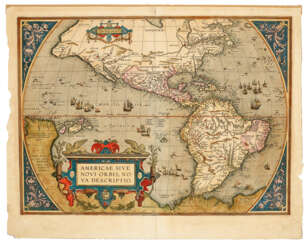

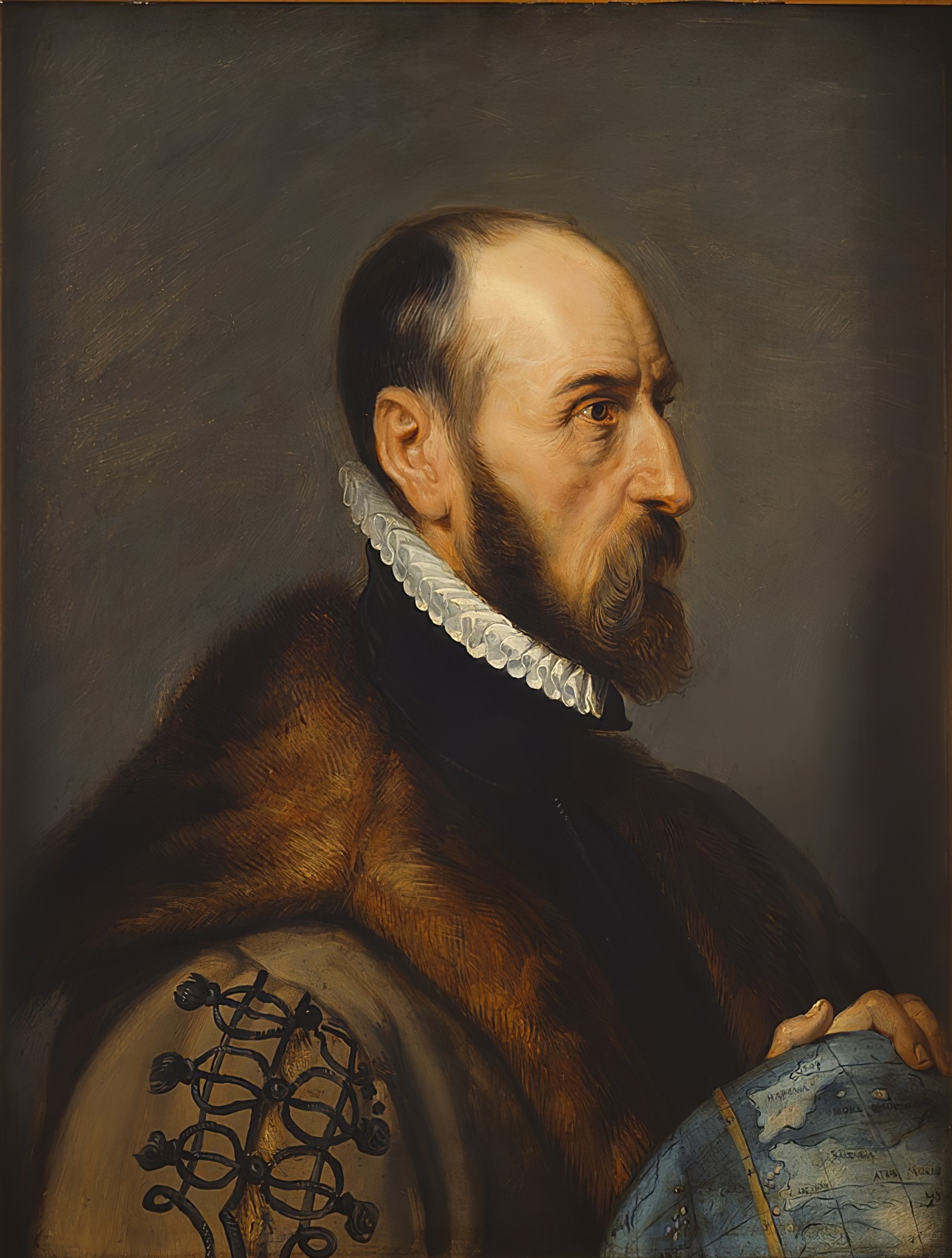
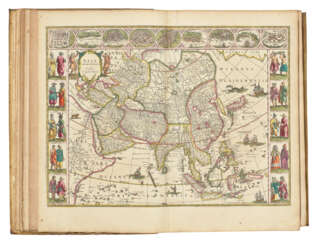
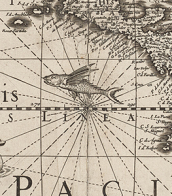
Abraham Ortelius (Ortels) was a Brabantian cartographer, geographer, and cosmographer. He is recognized as the creator of the first modern atlas, the Theatrum Orbis Terrarum (Theatre of the World). Along with Gemma Frisius and Gerardus Mercator, Ortelius is generally considered one of the founders of the Netherlandish school of cartography and geography. He was a notable figure of this school in its golden age (approximately 1570s–1670s) and an important geographer of Spain during the age of discovery. The publication of his atlas in 1570 is often considered as the official beginning of the Golden Age of Netherlandish cartography. He was the first person proposing that the continents were joined before drifting to their present positions. Beginning as a map-engraver, in 1547 he entered the Antwerp Guild of Saint Luke as an illuminator of maps. In 1560 when travelling with Mercator to Trier, Lorraine, and Poitiers, he seems to have been attracted, largely by Mercator's influence, towards the career of a scientific geographer. In 1564 he published his first map, Typus Orbis Terrarum, an eight-leaved wall map of the world. On 20 May 1570, Gilles Coppens de Diest at Antwerp issued Ortelius's Theatrum Orbis Terrarum, the "first modern atlas" (of 53 maps).

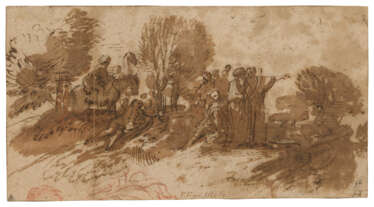

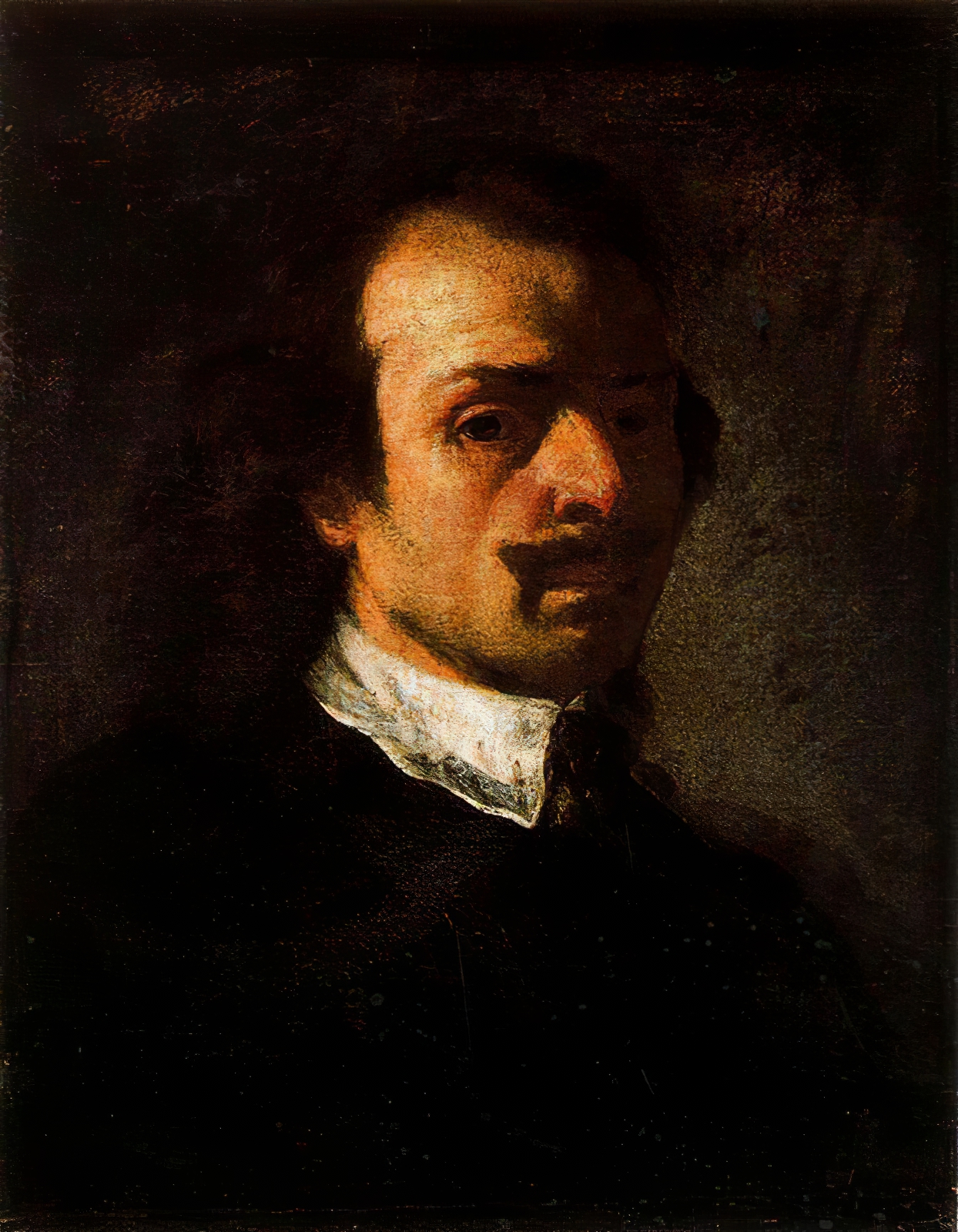
Pier Francesco Mola, called Il Ticinese, was an Italian painter of the High Baroque, mainly active around Rome.


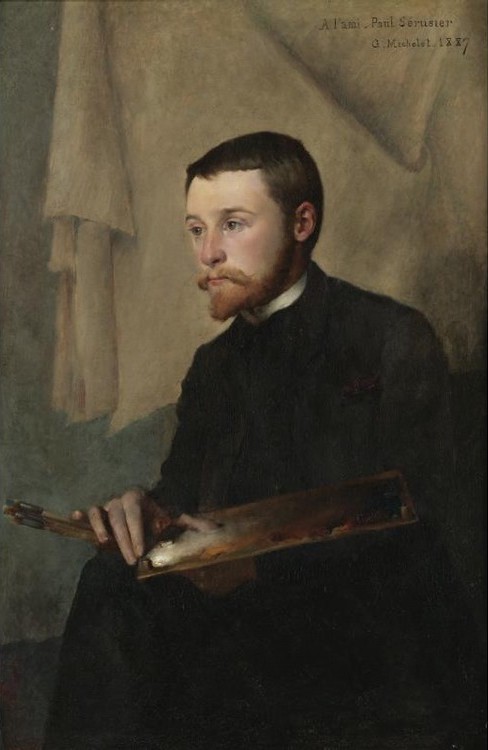
Paul Sérusier was a French Post-Impressionist painter and theorist, notable for his significant contributions to the art movement known as the Nabis. Born in Paris on November 9, 1864, Sérusier's work is characterized by its expressive use of color and pattern, inspired by the techniques of Paul Gauguin. He is best known for his exploration of color, sensation, and abstraction, particularly evident in works like "Le Talisman, the Aven River at the Bois d'Amour" (1888). This painting marks a departure from the Impressionists' more faithful representation of observed reality, focusing instead on translating sensations onto the canvas with vibrant brushstrokes and an emphasis on emotional expression over visual accuracy.
Sérusier's paintings often feature the landscapes and people of Brittany, notable for their contemplative mood achieved through firm contours and blocks of unmodulated color. His style evolved under the influence of Synthetism and Cloisonnism, favoring flattened forms and large swathes of color, as seen in "Farmhouse at le Pouldu" (1890). This approach reflects a decorative organization of objects, emphasizing the craft and execution of the scene.
Some of Sérusier's notable works are housed in prestigious museums such as the Musée d'Orsay in Paris, including "Portrait of Paul Ranson in Nabi Costume" (1890) and "Landscape" (1912). His legacy extends beyond his own artworks; he was a key figure in the formation of the Nabis movement, and his theoretical contributions have had a lasting impact on the art world.
For collectors and experts in art and antiques, Sérusier's work represents a unique blend of post-impressionist and symbolist styles, making his pieces highly valued both for their historical significance and their aesthetic appeal. To stay updated on new product sales and auction events related to Paul Sérusier, sign up for our updates. This subscription service is exclusively focused on providing information related to Sérusier's work, ensuring you remain informed about opportunities to acquire pieces by this influential artist.





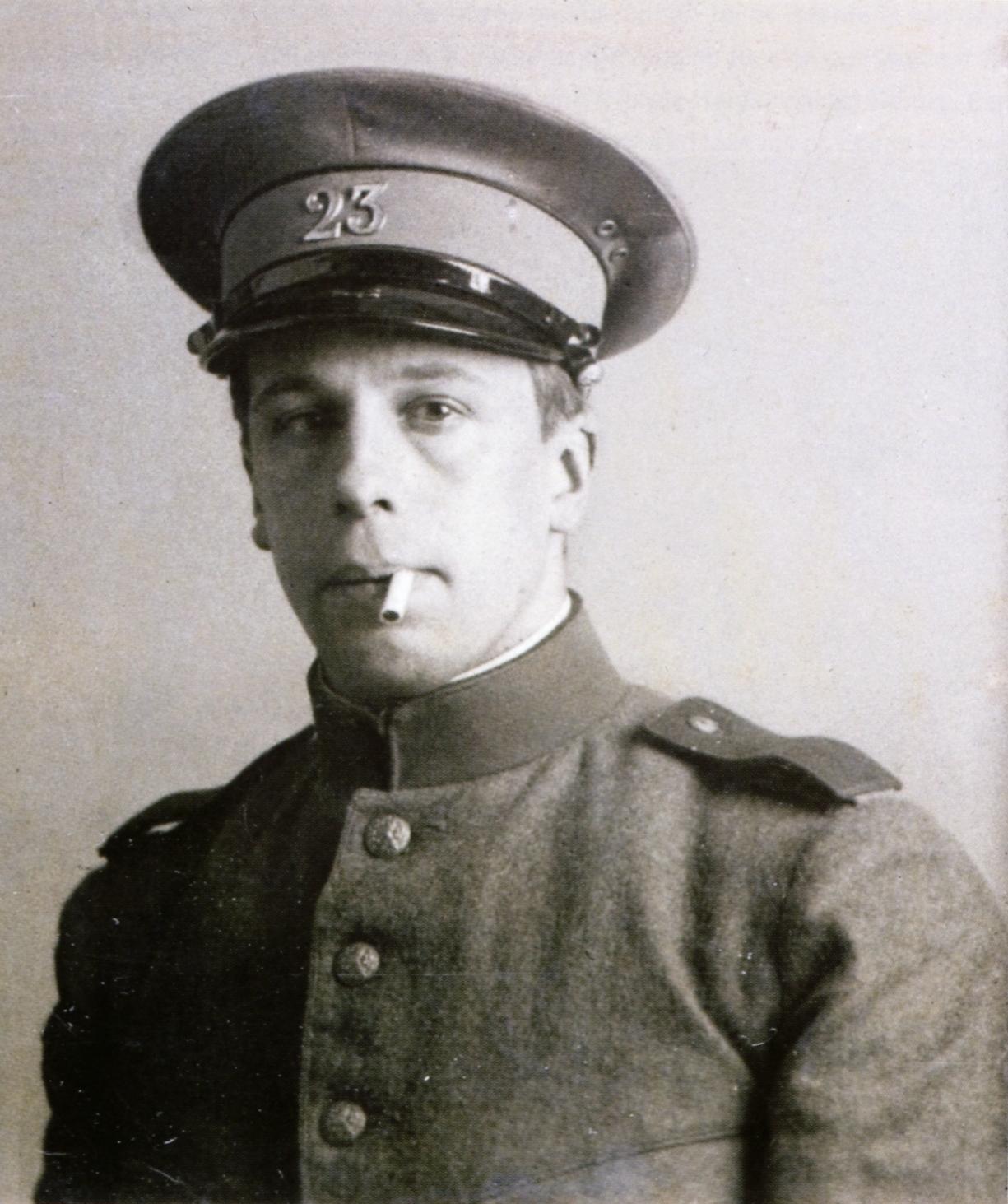
Theo van Doesburg, real name Christian Emil Marie Küpper, is a Dutch painter, architect and sculptor, art theorist, co-founder of the Style Group and of Neoplasticism.
Theo van Doesburg co-founded with Piet Mondrian the De Stijl abstract art movement. The basis of van Doesburg's views was the attempt to reduce all forms of objective harmony in a work of art to certain geometric elements. These new principles soon had a significant influence on the development of architecture, literature, graphics and music.
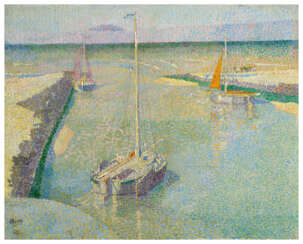

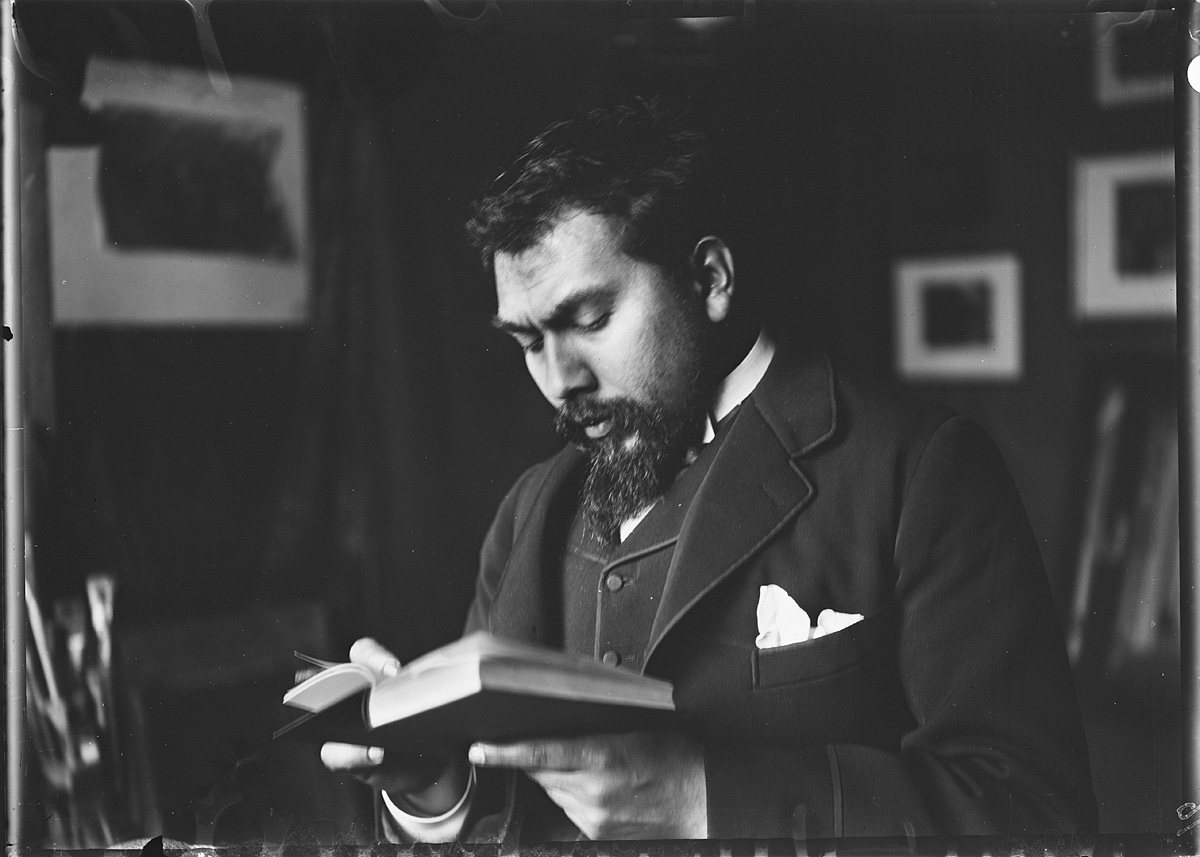
Johannes Theodorus Toorop was the foremost representative of symbolism in Dutch painting. He studied painting at the National Academy of Fine Arts in Amsterdam and at the Academy of Fine Arts in Brussels.
Jan Theodor Torop studied the works of the Pre-Raphaelites, which left a deep impression on him. In the late 1880s, Thorop painted in the style of pointillism and became the first Dutch painter to use this technique.
In Belgium the artist was heavily influenced by the work of James Ensor and Torop gradually moved towards Symbolism and Art Nouveau. Graphics and illustrations also featured prominently in his work.
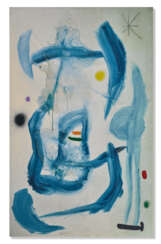

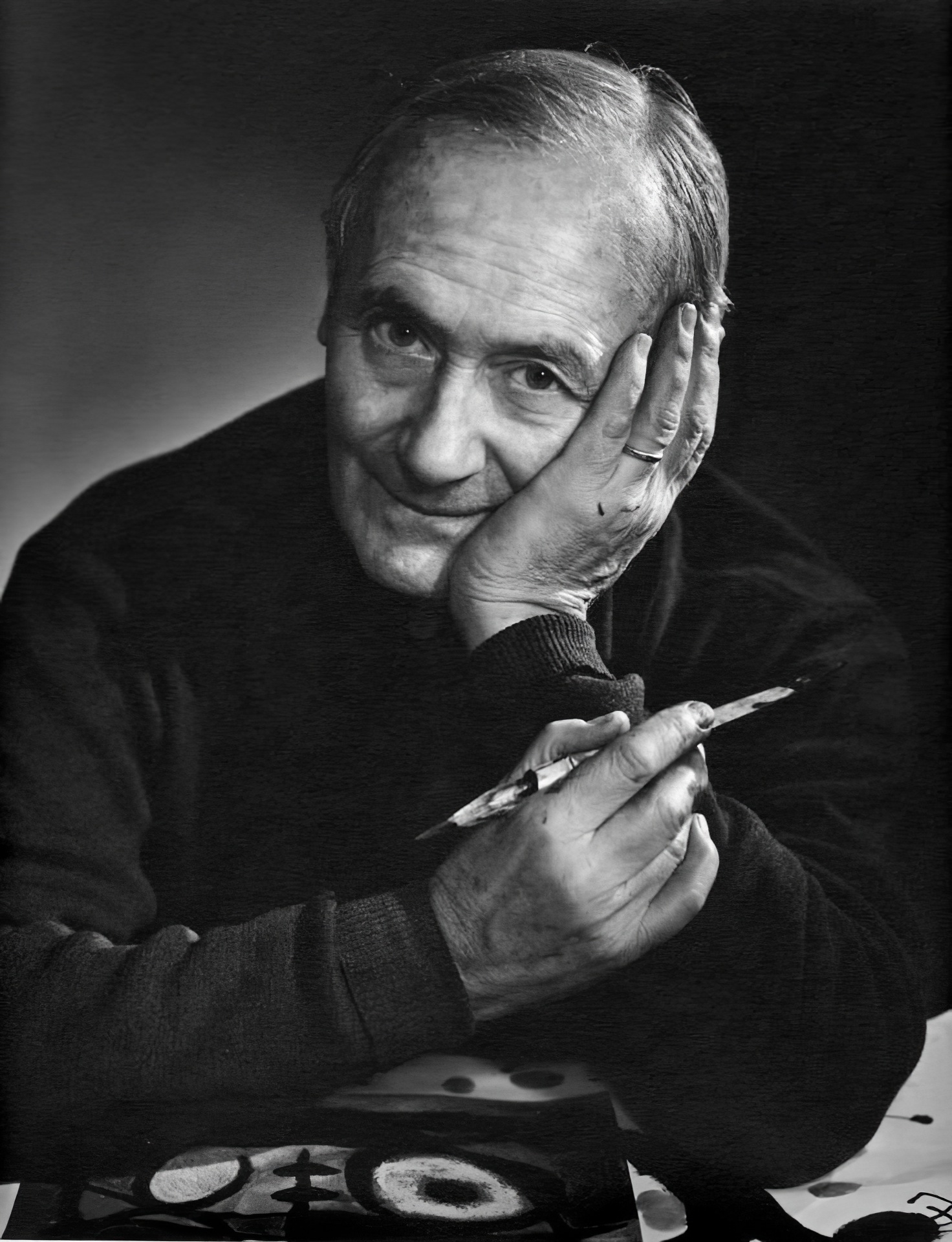
Joan Miró, a celebrated Spanish artist, was a master in painting, sculpture, and ceramics, renowned for his unique style that blurred the lines between Surrealism, Fauvism, and Expressionism. Born in Barcelona to a family of a goldsmith and a watchmaker, Miró grew up immersed in the rich cultural heritage of the Barri Gòtic neighborhood. His artistic journey began with drawing classes at the age of seven and continued at the prestigious La Llotja art academy. Despite an initial venture into the business world, Miró's passion for art prevailed, leading him to abandon his clerical career after a nervous breakdown.
Miró's work is noted for its exploration of the subconscious, often depicting a childlike perspective. This approach was both a critique of traditional painting methods and a means of expressing Catalan pride. His art, challenging to categorize, often featured symbolic elements and nationalistic qualities. One of his notable early works, "The Farm," reflects a transition to a more individual style, blending elements of his Catalan roots with broader artistic influences. This piece, later purchased by Ernest Hemingway, encapsulated the essence of Spain in its imagery.
In Paris, Miró joined the Surrealist movement in 1924, where his work began to reflect the influence of automatism, emphasizing spontaneous, automatic, or subconscious creation. He experimented with various mediums, including painting-poetry and collage, and even ventured into set and costume design for Sergei Diaghilev's Ballets Russes.
During World War II, Miró remained in Spain, and his work from this period, including the 22 Constellations series, reflected an interest in the night, music, and stars. His forms became increasingly abstracted, and he experimented with various techniques, often incorporating primary colors and evocative titles.
Miró's career spanned several decades, during which he continually evolved his style and explored new mediums. His contributions to art were recognized with numerous awards and retrospectives, including a major career retrospective at MoMA in 1941 and the Spanish Gold Medal for Fine Arts in 1980. Among his last major works was a tapestry for the World Trade Center in New York City, created in 1974.
For art collectors and enthusiasts, Joan Miró remains a figure of immense interest, not only for his distinct style and contributions to Surrealism but also for his ability to blend poetic imagery with political commentary. To stay updated on new product sales and auction events related to Joan Miró, sign up for our updates and immerse yourself in the world of this extraordinary artist.